Rustic gardens can feel warm, cozy, and full of charm. But a few small mistakes can make them look messy instead of magical.
1. Using Too Many Different Rustic Materials

A rustic garden looks best when its materials feel calm and connected. Too many wood tones, metal finishes, and stone styles can make the yard feel busy and confused.
Old barn wood, weathered iron, and natural stone can be lovely together when they share a similar mood. Try picking one main material and one accent material so the space feels balanced. This also keeps costs easier to manage because you are not buying every charming object you see.
2. Forgetting to Plan the Garden Layout

A pretty rustic yard still needs a smart plan. Without paths, planting zones, and resting spots, the space can feel awkward and hard to enjoy.
Think about where people walk, sit, and look first. A simple layout makes the garden feel peaceful and helps plants get the right sun and water. Many gardeners now use sketch apps or paper maps before they buy anything, which can save time and money.
Personalize the layout with a small bench, a curved path, or a hidden corner for flowers. Even a tiny yard can feel special when the shape guides the eye in a gentle way. Rustic style often shines when it looks natural, but natural should still feel planned.
3. Choosing Plants That Do Not Fit the Climate
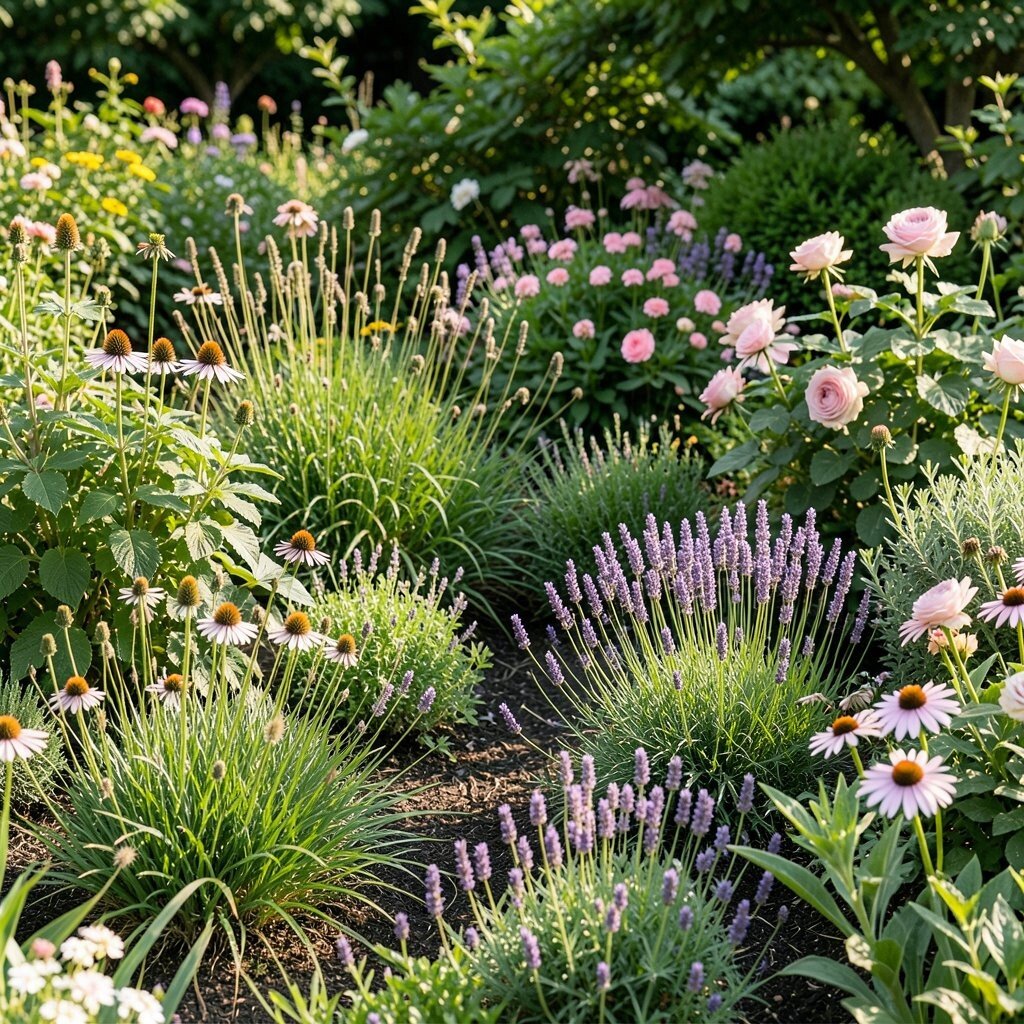
Some plants look perfect in photos but struggle in real life. If they do not match your weather, your rustic garden can end up patchy and sad.
Pick plants that enjoy your sun, soil, and rain level. Native plants often cost less over time because they need less care and fewer replacements. A mix of grasses, lavender, coneflowers, and shrubs can give that soft countryside look many people want.
For a more personal touch, add one or two favorite plants that mean something to you. Maybe it is a rose from your grandmother’s yard or herbs you use in cooking. Rustic gardens feel most beautiful when they tell a small story.
4. Overcrowding Every Space with Decorations
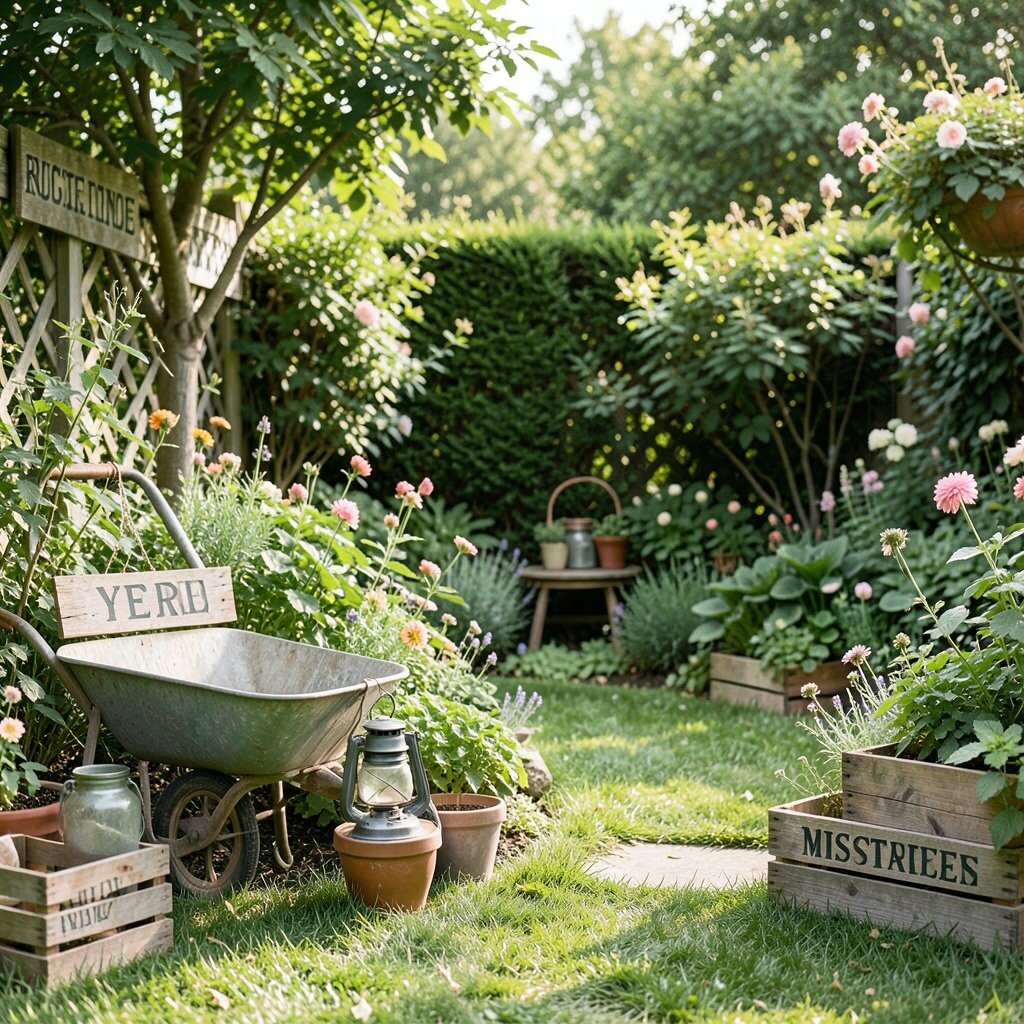
Rustic decor can be lovely, but too much of it steals the show from the plants. When every corner holds a sign, wheelbarrow, lantern, or crate, the yard can feel cluttered instead of charming.
Leave open space so the eye can rest. A few strong pieces usually look better than many tiny ones. This trend toward simple styling is popular now because it feels cleaner and easier to maintain.
5. Ignoring Soil Health
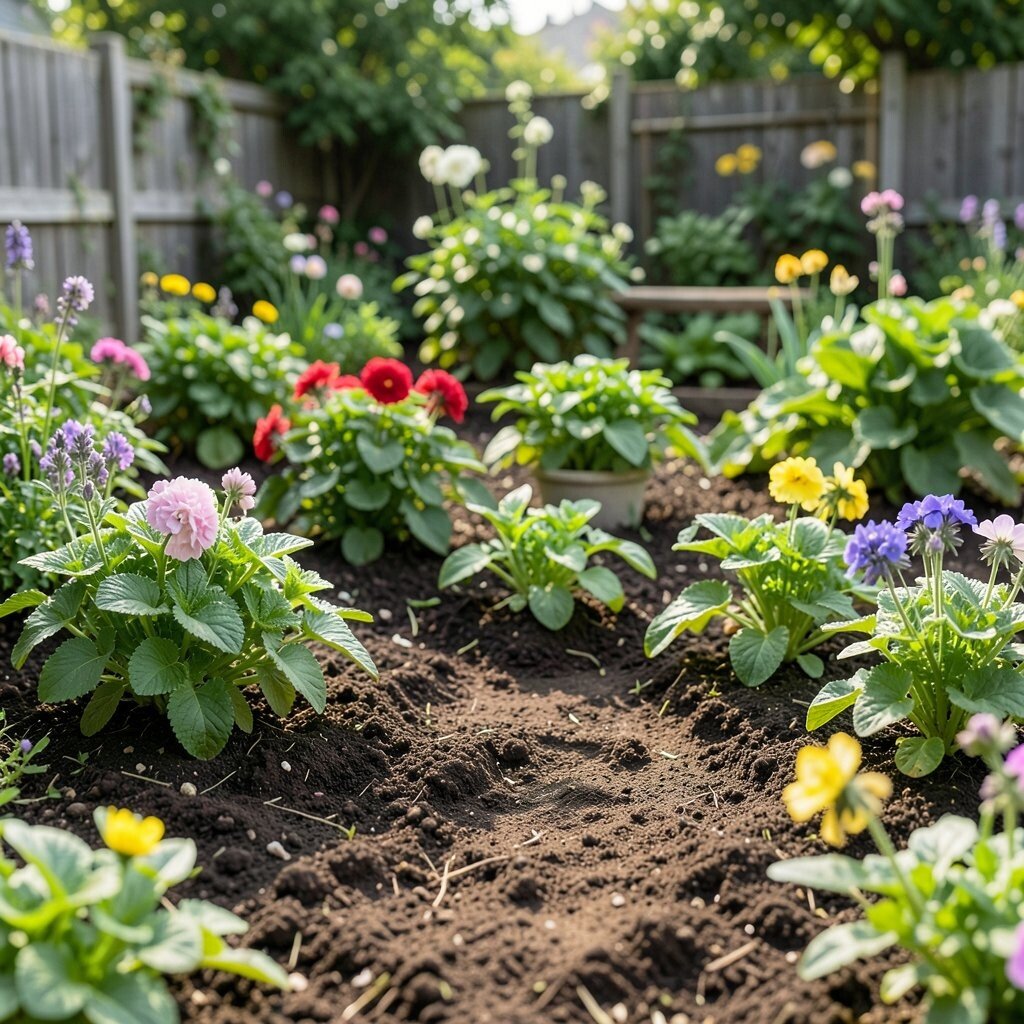
Beautiful rustic gardens need healthy soil under the surface. If the dirt is hard, dry, or full of poor nutrients, even the prettiest plants will struggle.
Test your soil and add compost if needed. Good soil helps roots grow strong, which means fewer dead plants and less spending on replacements. It also makes flowers fuller and leaves greener, which adds to that rich, lived-in rustic look.
You can make the space feel more personal by using homemade compost from kitchen scraps and yard waste. That choice saves money and fits the rustic idea of working with nature. Healthy soil is not flashy, but it is one of the biggest secrets to a beautiful yard.
6. Picking Decorations That Are Too Perfect
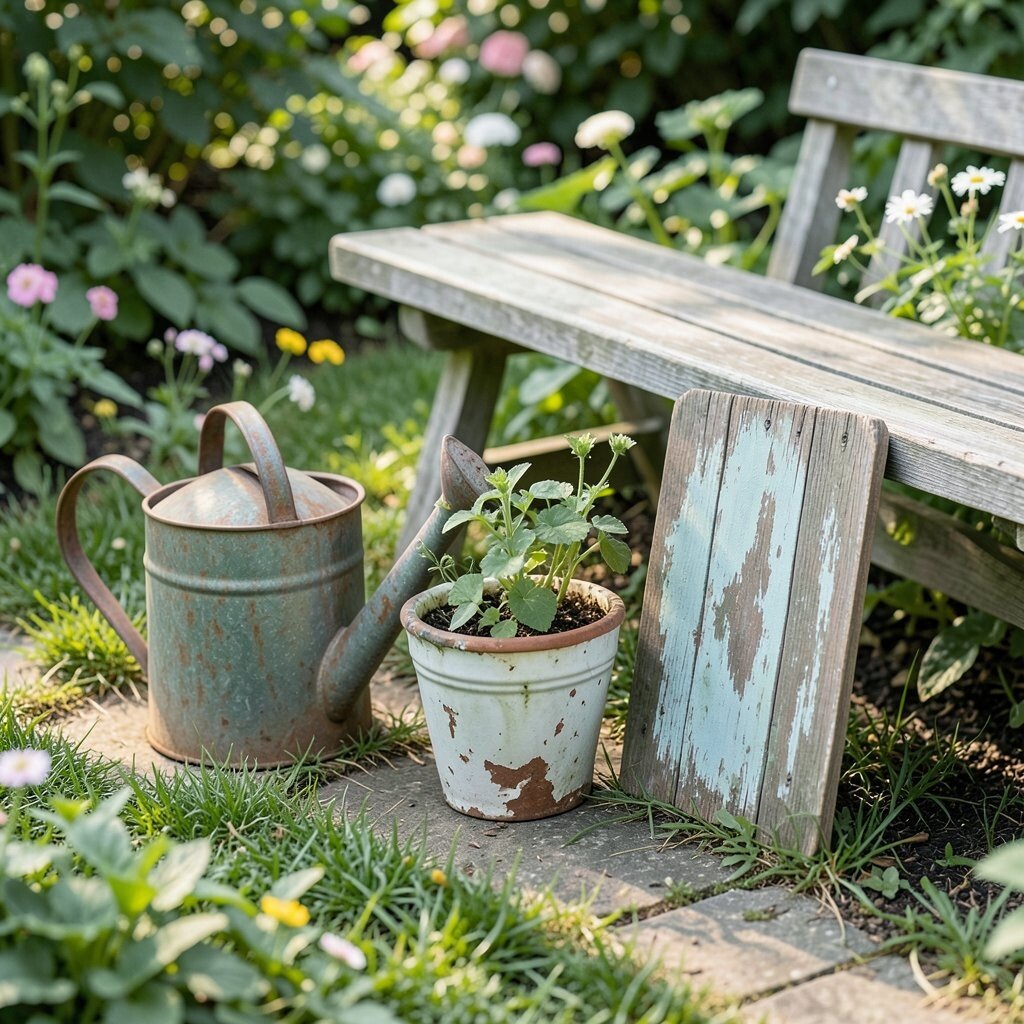
Rustic style loves age marks, faded paint, and gentle wear. New items that look too shiny or polished can feel out of place in a garden meant to feel soft and lived in.
Choose pieces with texture and character, like an old watering can, a chipped pot, or a wooden sign with a faded finish. These details add warmth and uniqueness without costing a lot. Many people now shop flea markets, thrift stores, and salvage yards for this reason.
Try mixing one or two refined items with rougher pieces if you want a more personal look. A clean bench beside a weathered planter can feel thoughtful and fresh. The goal is not perfection, but a yard that feels welcoming and real.
7. Neglecting Paths and Edges
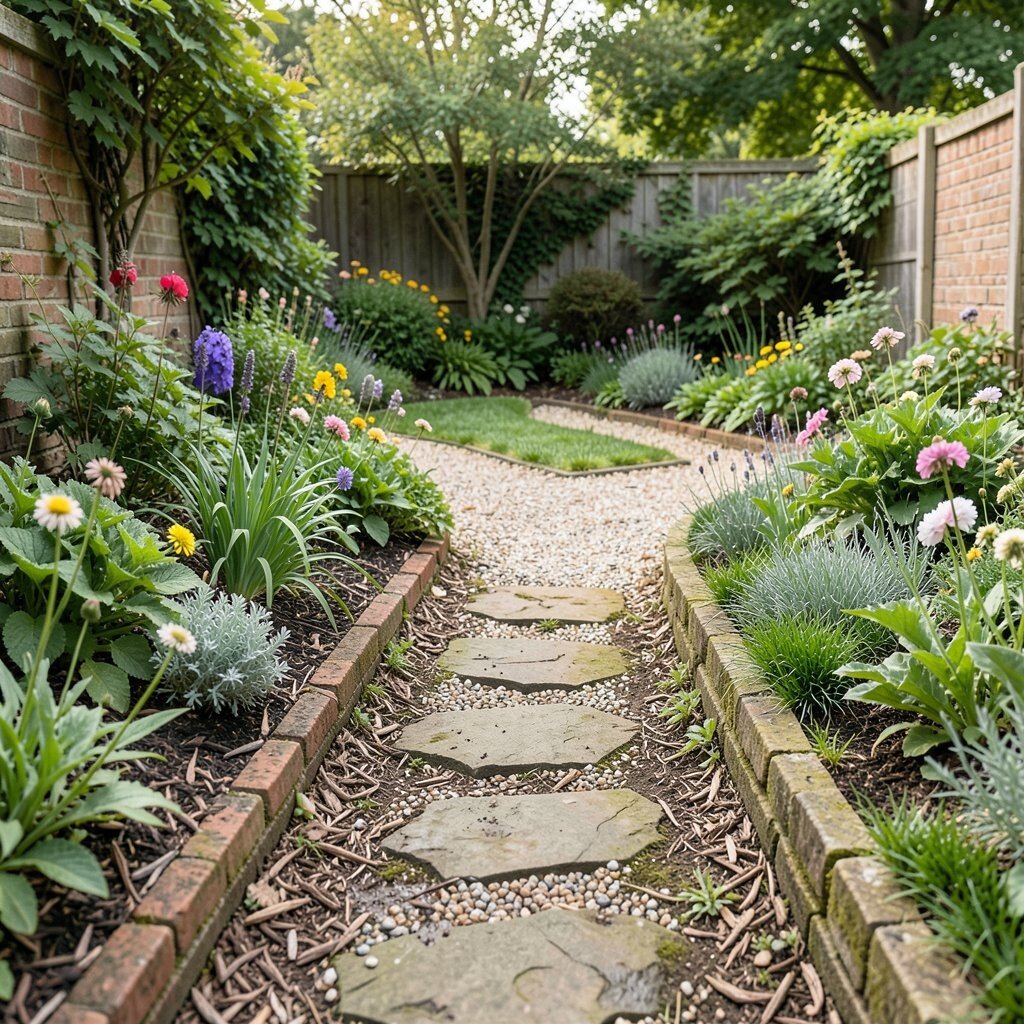
Rustic gardens can become muddy and hard to walk through if paths are missing or weak. Loose stepping stones, worn mulch, or clear gravel can help the space feel neat and easy to use.
Edges matter too, because they keep grass from creeping into flower beds. Clean borders make the garden look cared for, even when the style is relaxed. They also reduce work later, which is a nice bonus for busy gardeners.
For a rustic touch, use natural-looking materials like bark, stone, or old brick. These choices often cost less than fancy hardscaping and blend well with plants. A well-shaped path can make even a small yard feel like a little country retreat.
8. Forgetting About Seasonal Interest
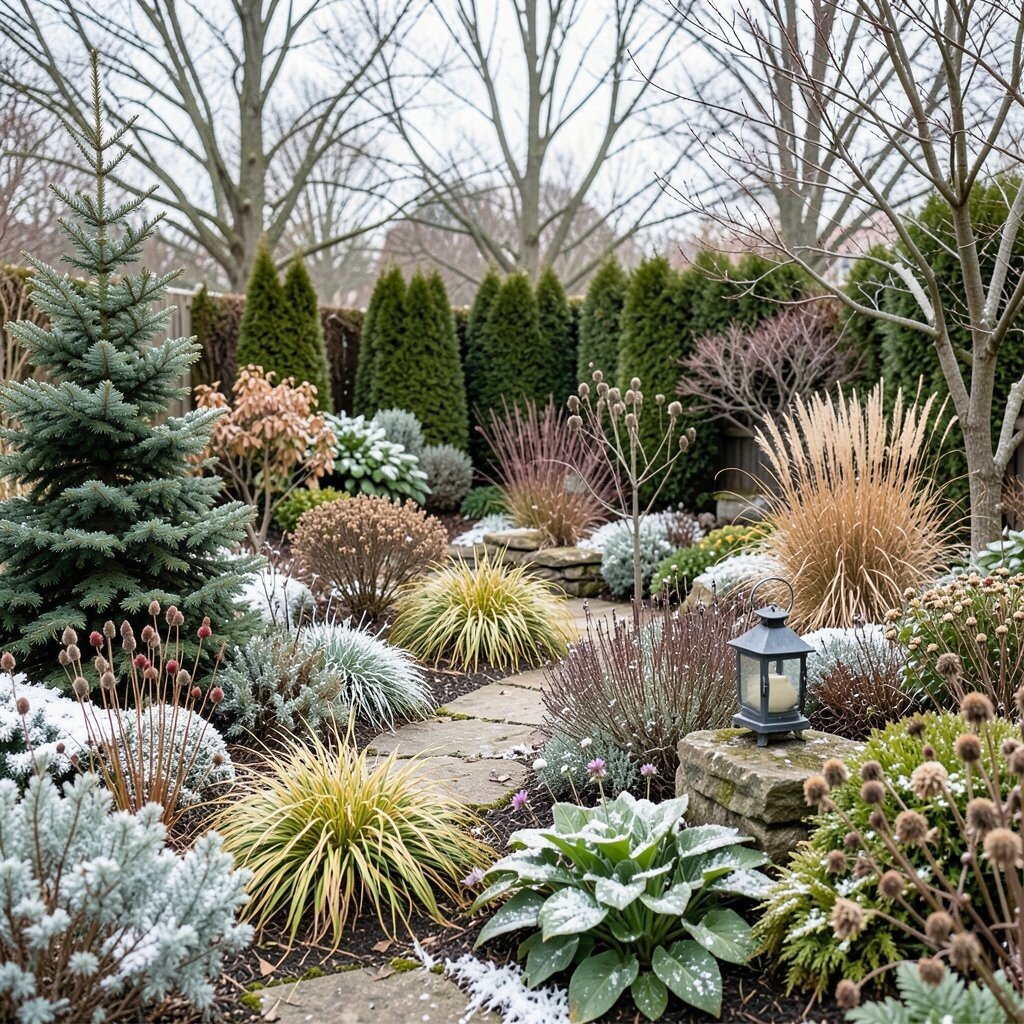
A rustic garden should look lovely in more than one season. If everything blooms at once and then fades away, the yard can feel empty for much of the year.
Mix evergreens, grasses, berries, seed heads, and late bloomers for steady beauty. This gives the garden a soft, changing look that feels alive through the months. Many current garden trends favor year-round structure because it keeps outdoor spaces interesting longer.
Think about how your yard looks in winter, too. Bare branches, dried flowers, and stone elements can still be beautiful when placed well. Personal touches like bird feeders or a small lantern can keep the space inviting when the flowers rest.
9. Using the Wrong Size for Furniture and Decor
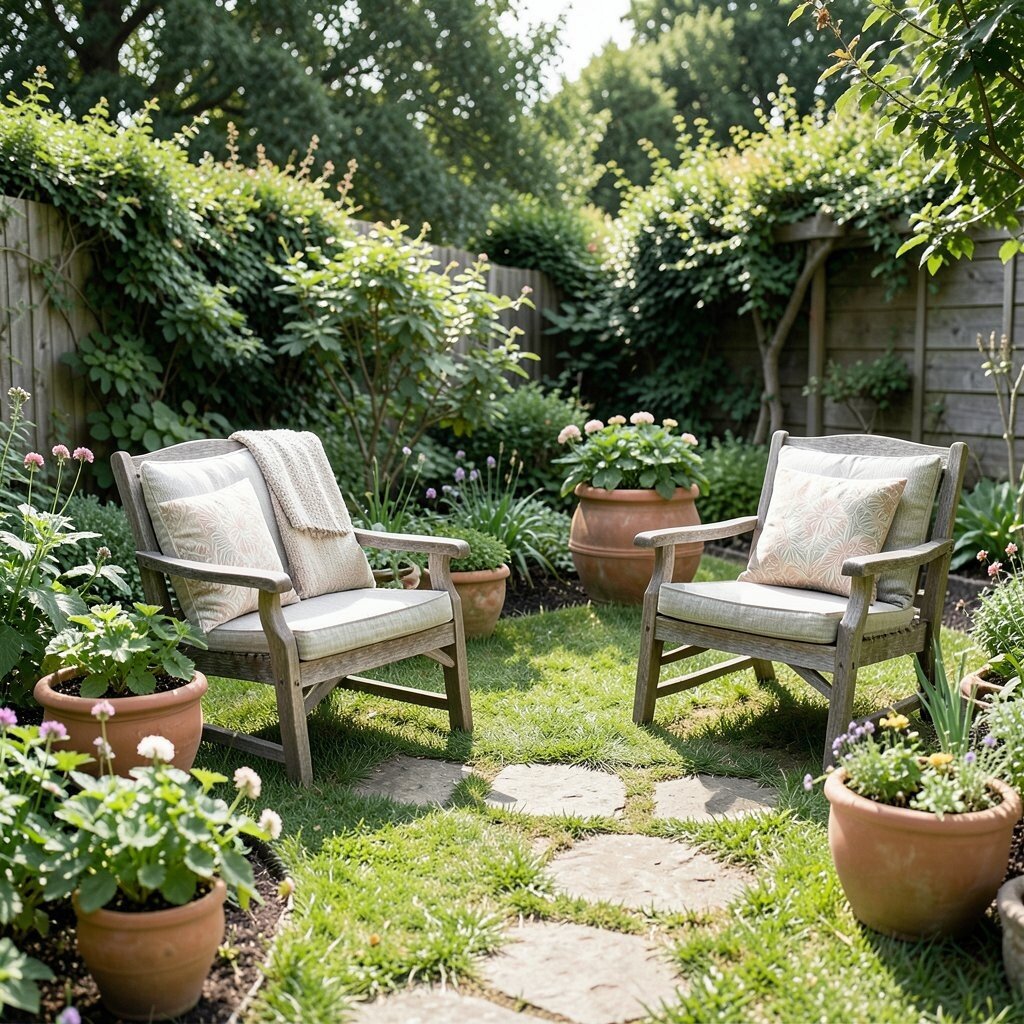
Big chairs, huge planters, or tiny decorations can throw off the whole scene. Rustic gardens need pieces that fit the size of the yard so everything feels calm and useful.
In a small garden, oversized items may crowd plants and block movement. In a larger yard, tiny decor can disappear and look weak. Try measuring before you buy so you do not waste money on pieces that feel off.
A good trick is to repeat a few shapes, like round pots or long benches, so the eye sees a pattern. That makes the space feel more finished and personal. When the scale feels right, the garden looks easy and natural instead of forced.
10. Skipping Watering and Drainage Checks
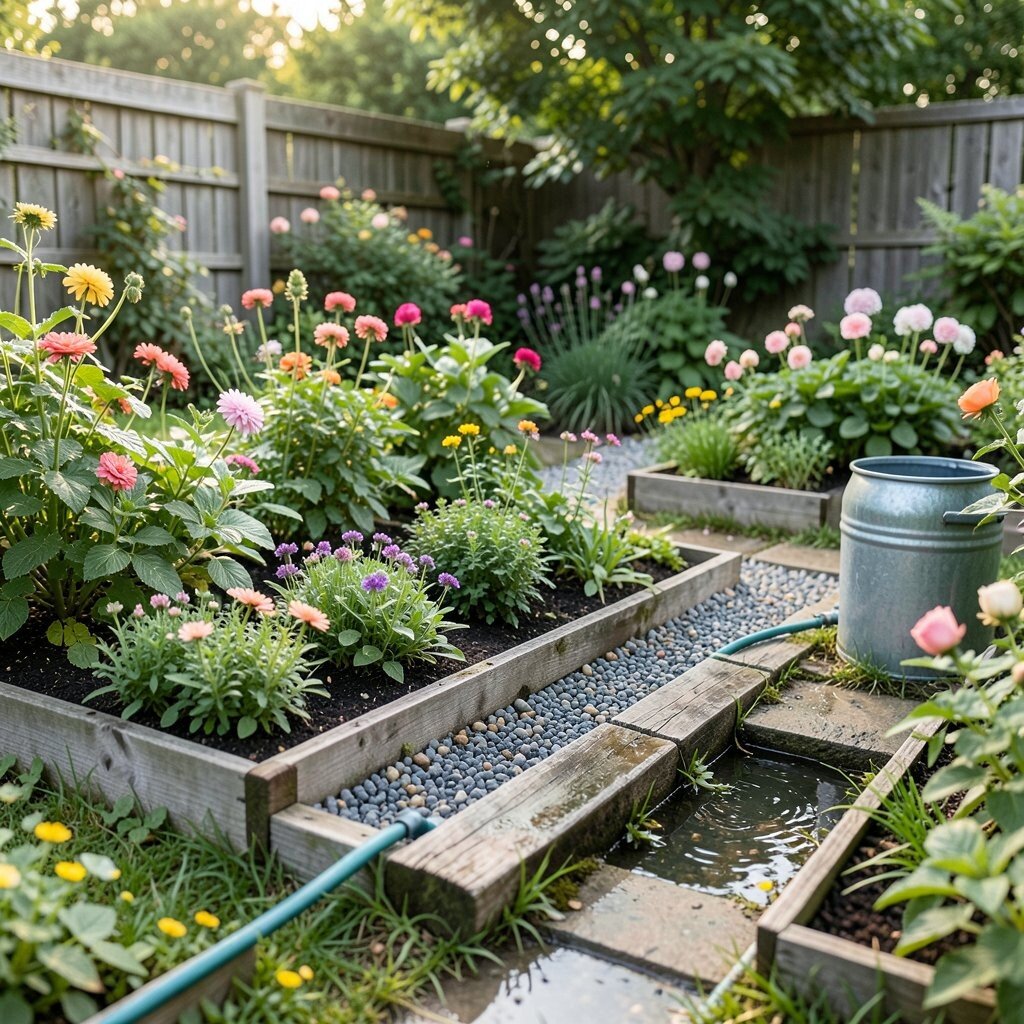
Rustic gardens may look relaxed, but plants still need the right amount of water. Too much water can rot roots, while too little can leave flowers dry and weak.
Check where rain pools and where soil dries fast. Drainage problems can be fixed with raised beds, gravel, or better soil mix, and those fixes often cost less than replacing plants over and over. A healthy garden bed looks fuller and more colorful, which makes the rustic style shine.
Personalize your watering setup with a rain barrel or a simple hose path that blends into the yard. These practical choices can also fit current eco-friendly trends. When water management is smart, the whole garden feels easier to keep beautiful.
11. Making Everything Match Too Much
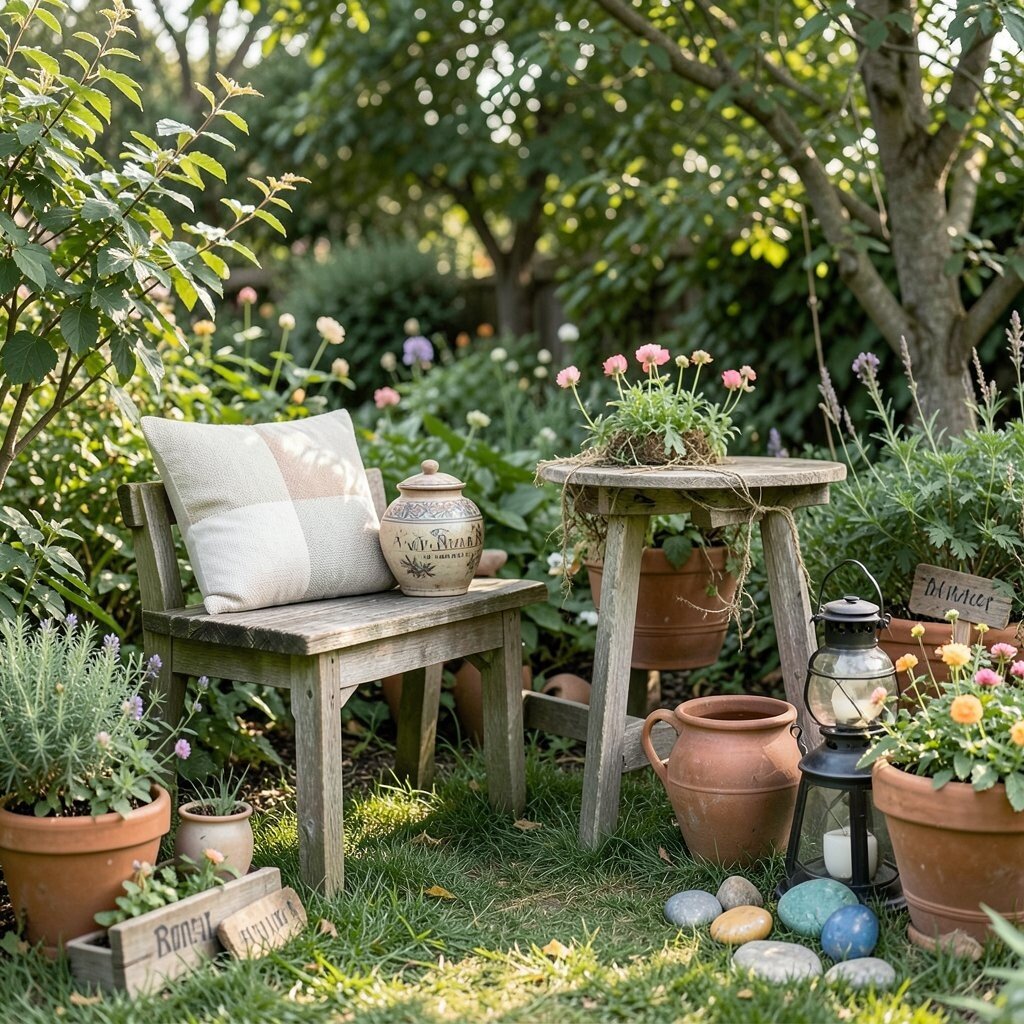
Rustic style should feel collected, not copied. If every pot, sign, and bench matches too neatly, the garden can lose its warm, handmade charm.
Mix old and new items in a gentle way. A rough wooden table beside a soft cushion or a metal lantern near a clay pot can create a richer look. This kind of mix often costs less because you can reuse what you already have.
Add small personal details to keep the yard from feeling staged. Family heirlooms, painted stones, or handmade markers can make the space feel one of a kind. The best rustic gardens look like they grew over time, not like they were bought in one trip.
12. Ignoring Maintenance After the Garden Is Set Up
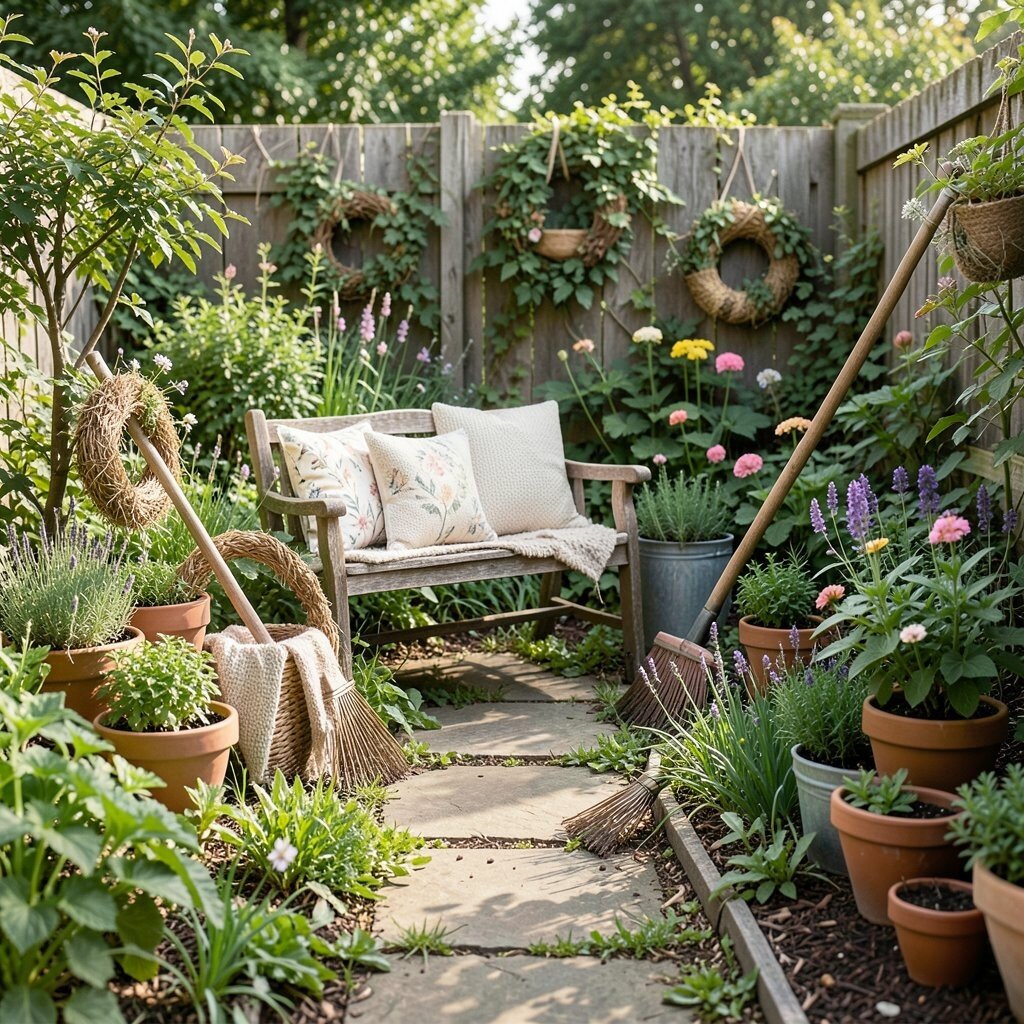
Even the prettiest rustic garden needs a little care. If weeds, broken pieces, and overgrown plants are left alone, the whole yard can start to look tired.
Set a simple routine for trimming, sweeping, and checking decor. Small jobs done often usually cost less than big repairs later. Fresh mulch, clean pots, and trimmed edges can make the garden look cared for without losing its relaxed charm.
Keep the style personal by changing a few accents through the year, like pillows, wreaths, or potted herbs. That keeps the yard feeling fresh and current without a full makeover. A rustic garden stays beautiful when it feels loved, lived in, and easy to enjoy.