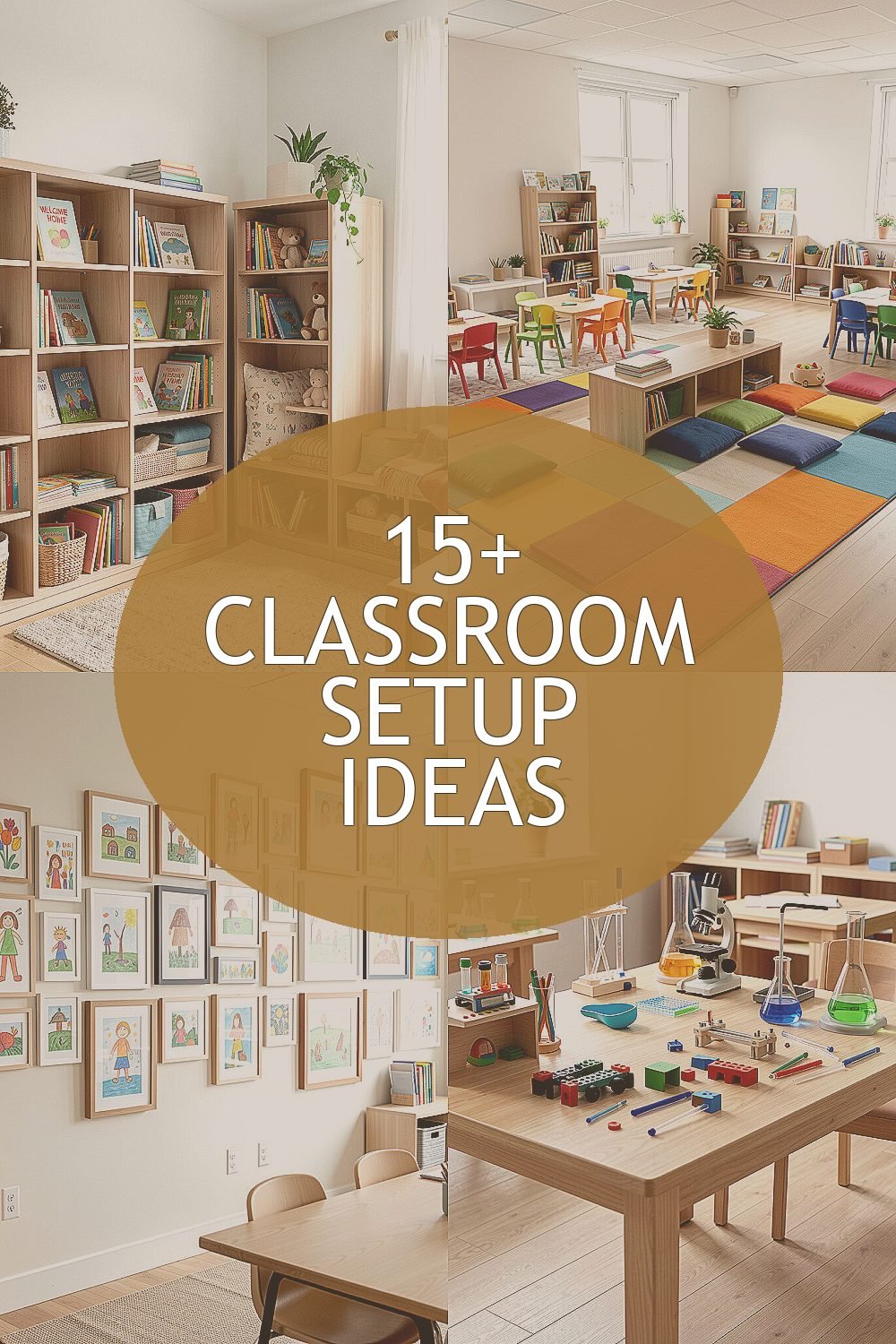
The room can feel like a storybook when students step inside. Small changes in setup can spark big changes in focus.
1. Welcome-Home Reading Nook Corners
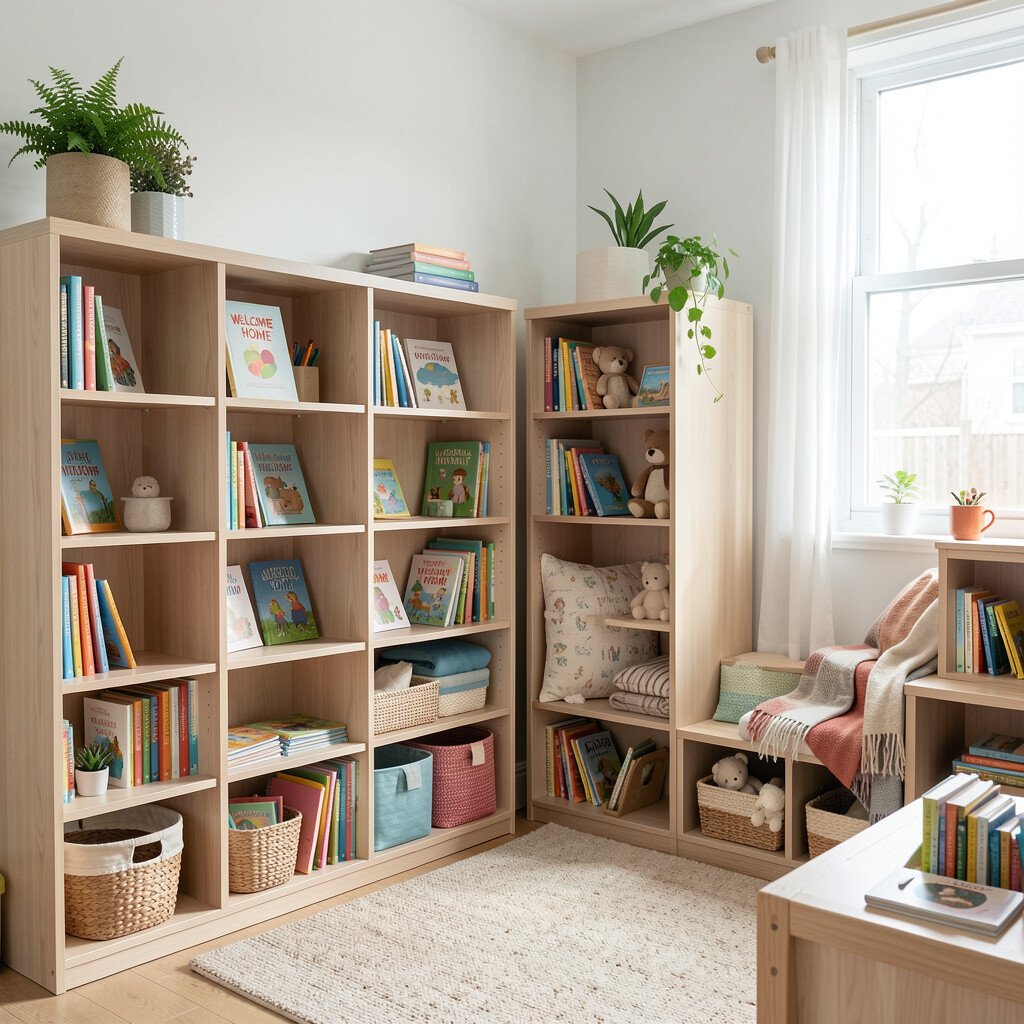
Arrange a cozy reading nook with soft seating, floor cushions, and a small bookshelf that feels inviting. Add warm lighting and a calm rug so the space looks like a place students want to return to.
Choose books by topic and reading level, then swap them every couple of weeks to keep things fresh. Students can choose a spot, settle in, and read for a short block, which builds independence. If you want it to feel personal, let students help label favorite genres and add their own book recommendations.
2. Movable Learning Zones With Color Cues
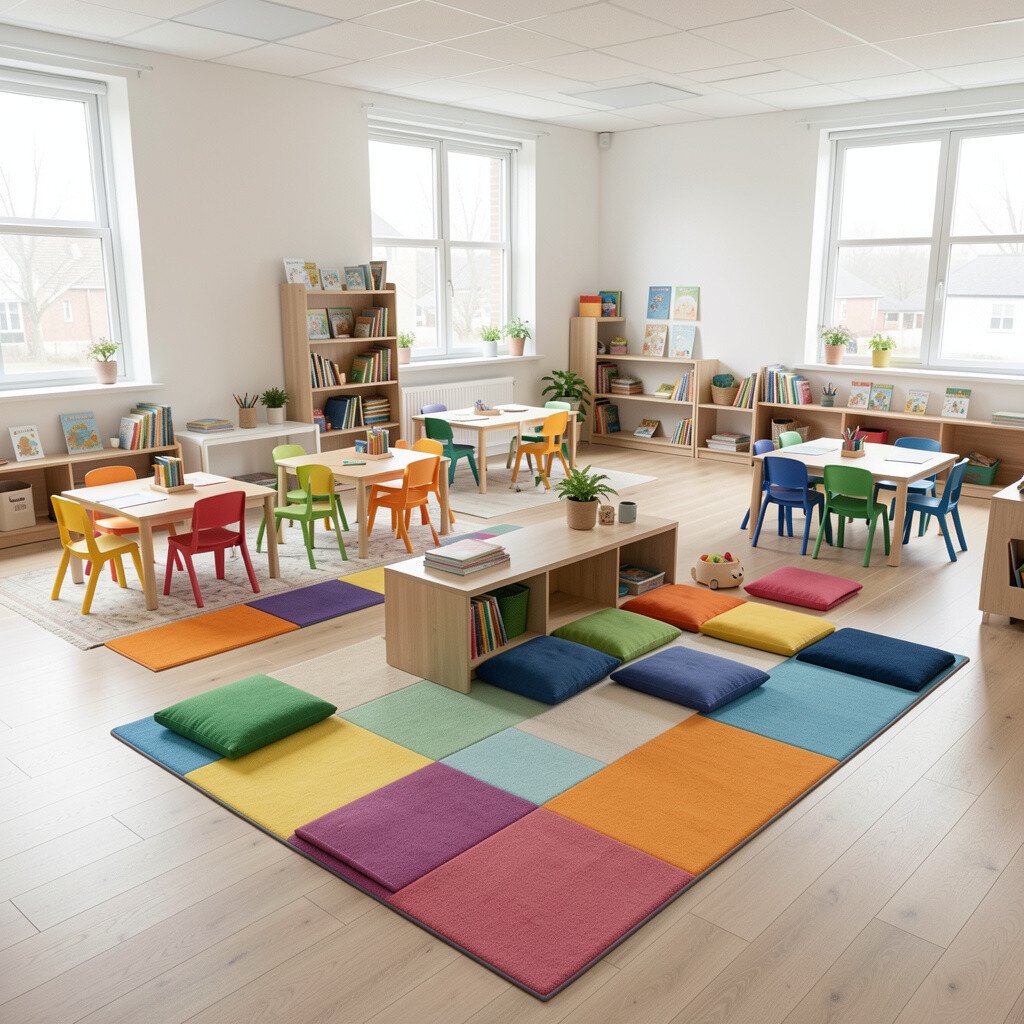
Create three to five learning zones using movable furniture like rolling carts, foldable tables, and lightweight chairs. Use bright fabric bins or color-coded folders so each zone has a clear purpose at a glance.
Students can rotate through stations for group work, quiet reading, and hands-on practice, which keeps energy balanced. When zones are clearly marked, transitions get smoother because students know where to go. Keep the setup practical by using duct tape arrows on the floor and keeping one “home base” cart for supplies.
Add seasonal touches like themed colors or winter picture cards so it feels current and fun without costing much. A trend in classrooms right now is flexible seating and station learning, and color cues help it run smoothly. For cost considerations, start with what you have and upgrade with a few affordable bins, removable labels, and donated cushions.
3. Gallery Wall of Student Work With Rotating Frames
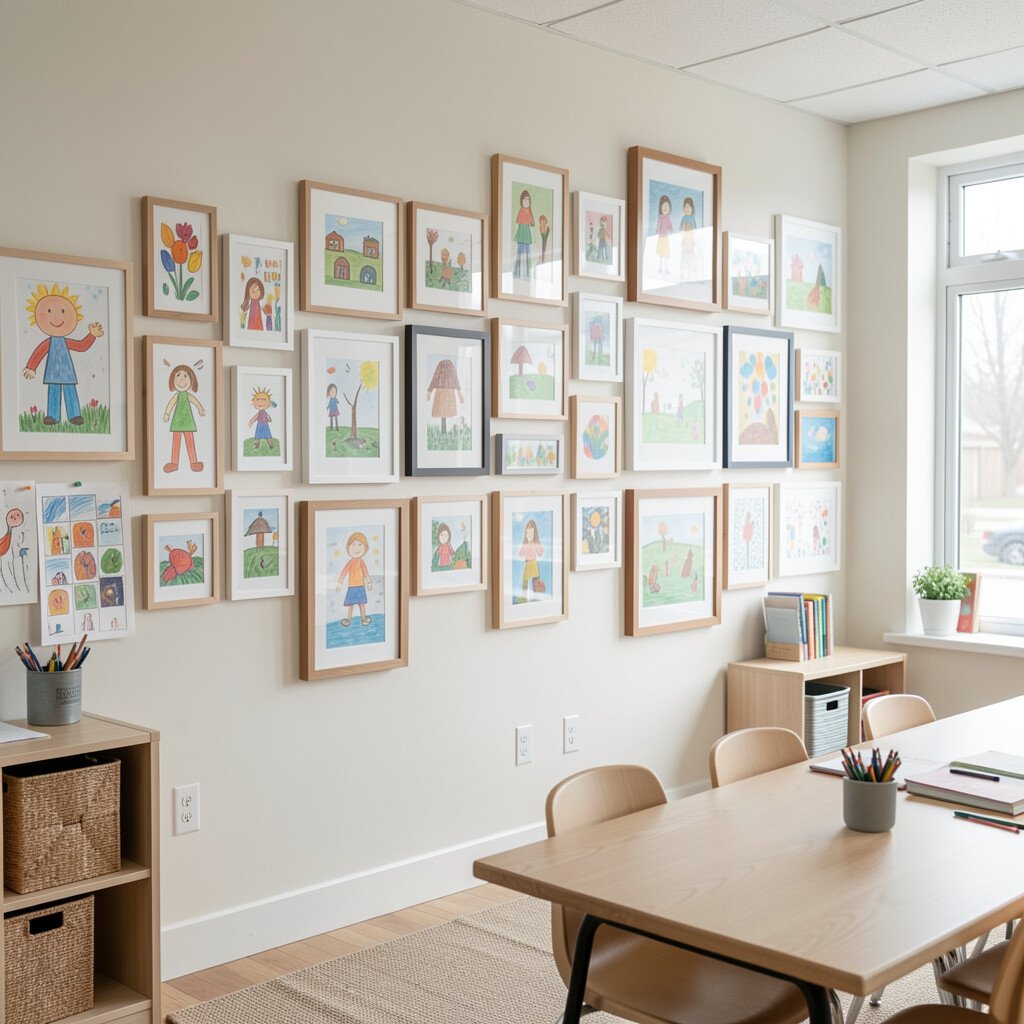
Dedicate a section of wall space to a gallery display made from poster frames, binder rings, or clipboards with string. Hang student writing, sketches, and photos of projects so the classroom looks like a creative studio.
Rotation matters, so swap pieces on a simple schedule and keep one “spotlight” for newer work. This boosts pride and motivation because students see their effort valued over time. To make it practical, use clear plastic sleeves so papers stay safe and easy to change.
Personalization can be simple, too, like letting each student choose the quote or theme that goes with their piece. Use current trends such as “student-centered exhibits” by pairing art with a short reflection card that students write in their own words. If budgets are tight, look for inexpensive frames at thrift stores or use cardboard frames painted to match your classroom colors.
4. Science Table That Doubles as a “Build Lab”
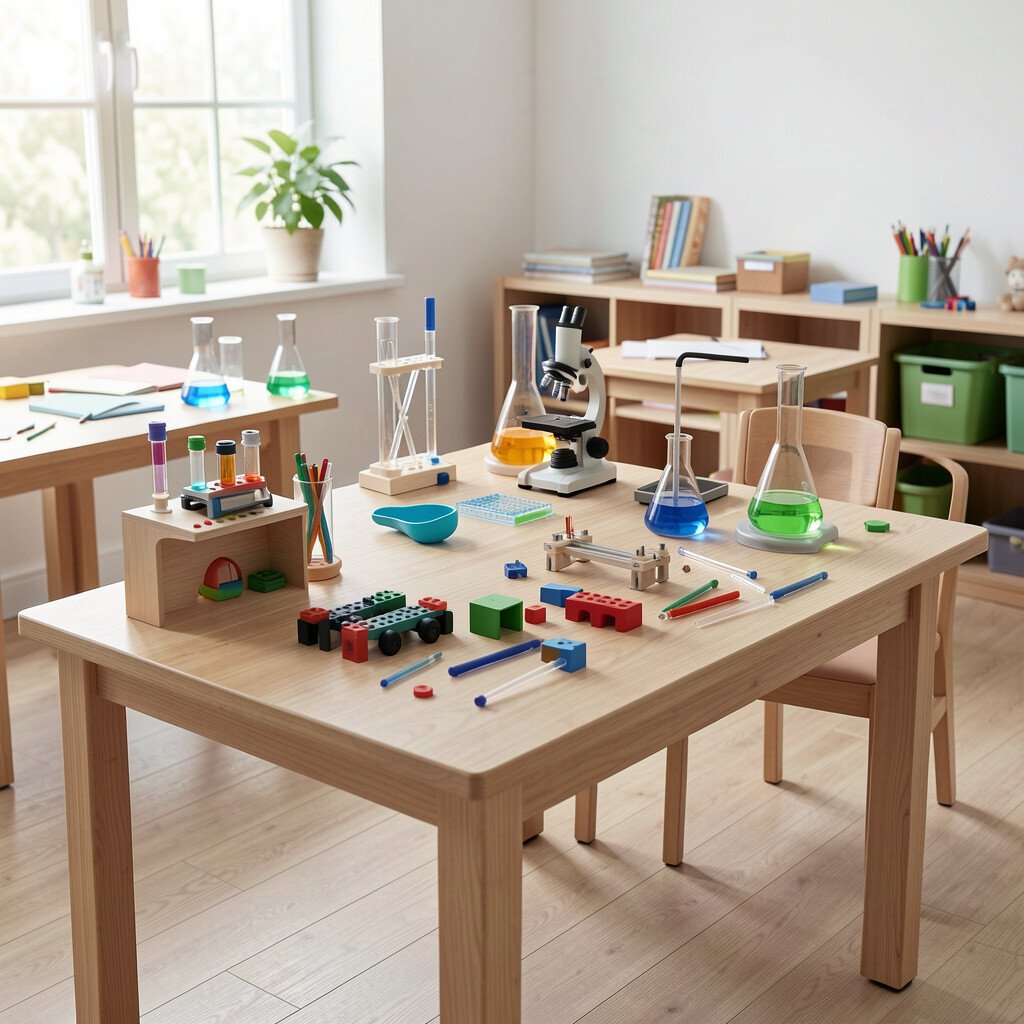
Set up one sturdy table with a “build lab” feel by adding labeled trays, measuring tools, and bins for everyday materials. Use a protective mat and place tools in reachable spots so students can start quickly.
When students can build, test, and revise right where learning happens, it increases confidence and engagement. Keep the setup unique by adding a question board where students post ideas before starting a project. For practical tips, store materials by category like paper, magnets, gears, and safe electronics, so clean-up takes minutes.
5. Flexible Seating With Choice Boards

Offer a mix of seating options such as chairs, wobble stools, floor seats, and standing desk spots. Create a small choice board where students can pick a seating style that matches how they work best.
Choice helps students regulate attention because movement and posture support focus. Make the room visually calming by using matching seat covers and keeping supplies neatly grouped. For personalization, let students add small name tags to seating zones so they feel included.
Keep costs reasonable by starting with a few upgraded items and adding low-cost options like yoga blocks, lap desks, and sturdy bins. A current trend is “movement during learning,” and flexible seating supports that in a friendly, practical way. Rotate seating preferences over time so the space stays fair and fresh.
6. Daily Schedule as a Story Timeline
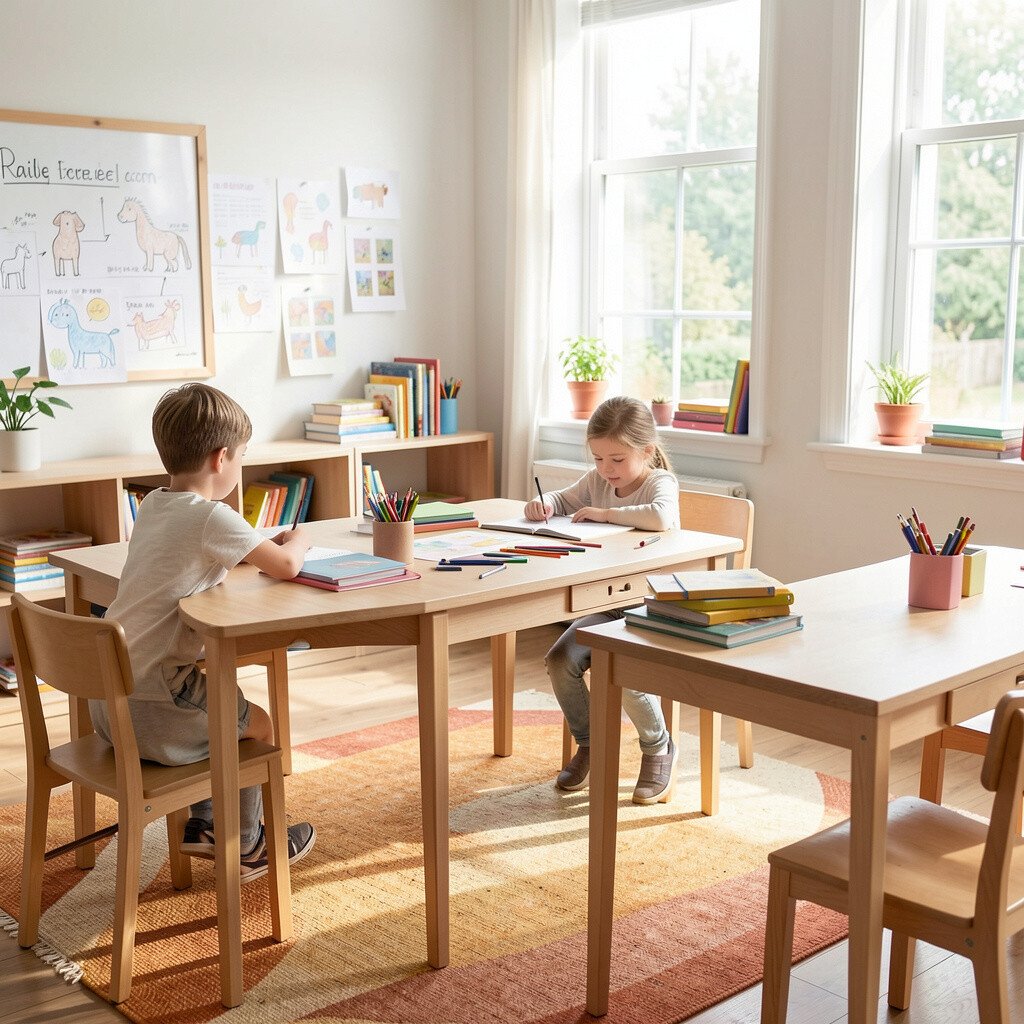
Turn your daily schedule into a story timeline using a long strip of paper, cardstock cards, or pocket charts. Place each step like “Warm-Up,” “Workshop,” and “Wrap-Up” in order so the day feels like one connected event.
Students learn best when they can predict what comes next, and timelines reduce stress during transitions. Make it unique by adding a “chapter title” card that matches the theme of the week. For practical tips, keep the timeline at eye level and use simple icons so younger students can follow along quickly.
Personalize the timeline by allowing students to choose the chapter title from a short list you prepare. You can also add mini milestones like “completed practice” to celebrate progress without complicated tracking tools. Cost is low if you use craft supplies, printer paper, and reusable card holders.
7. “Question Wall” for Curiosity-Driven Learning
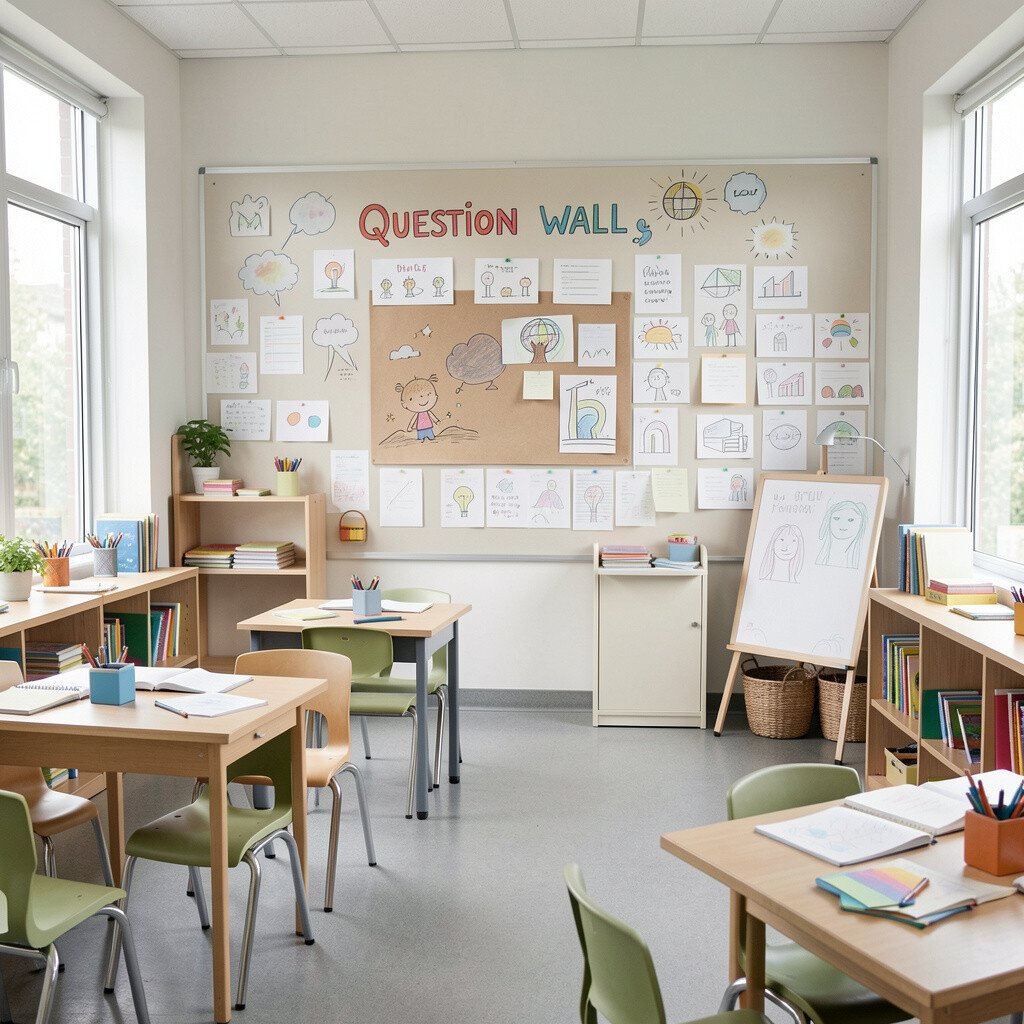
Place a wall where students can post questions on sticky notes or small cards. Make it easy by using a magnetic board, a cork strip, or a simple grid with clothespins.
This setup supports curiosity because students know their ideas matter, even when answers take time. It also helps you plan because questions show what students want to learn next. Use practical tips like sorting questions into categories with students during certain days.
8. Math and Reading Centers With Clear Roles
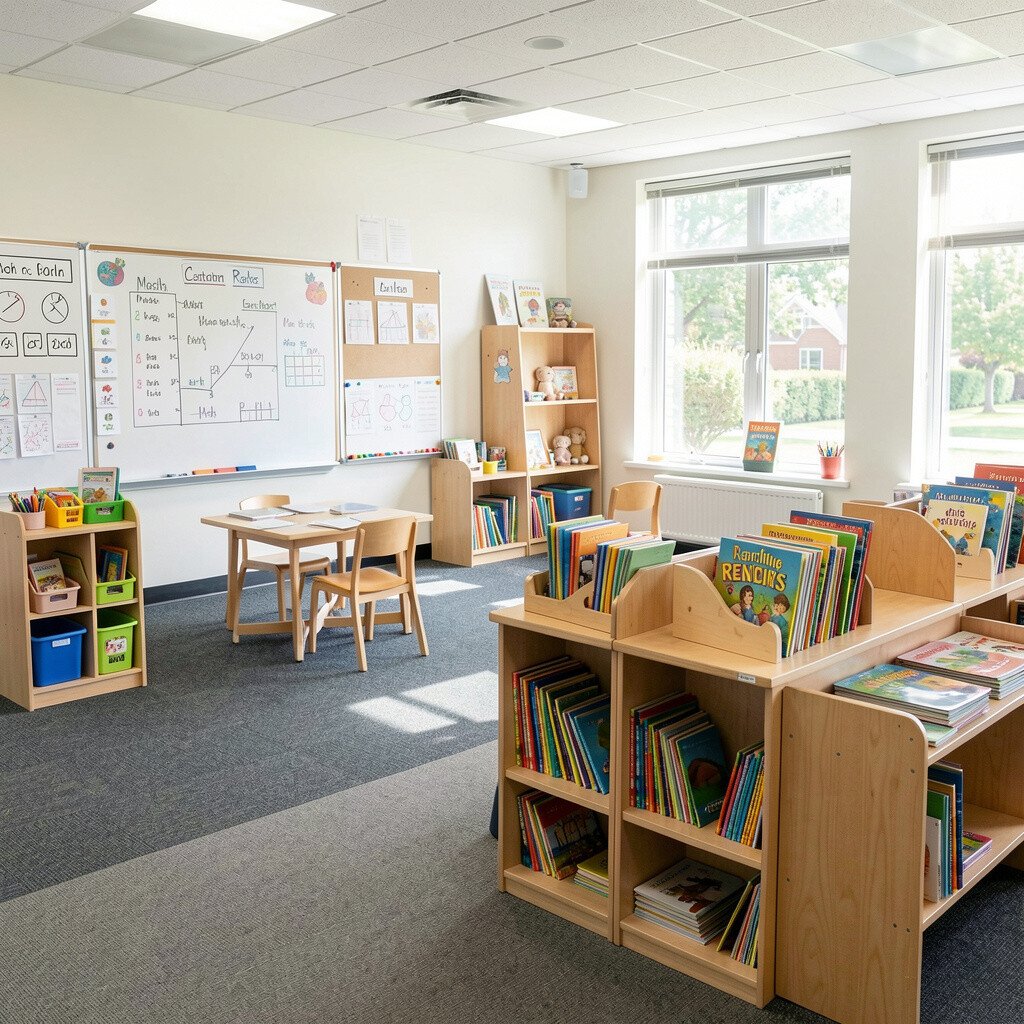
Build centers that feel like teams by assigning simple roles such as “starter,” “helper,” and “checker.” Put role cards on the station table so groups stay organized without constant reminders.
Students benefit because roles reduce confusion and help everyone participate. Keep the center setup visual by labeling materials in big, friendly shapes, like a red bin for reading cards and a blue bin for math tools. Personalize activities by letting students choose between two levels of practice so tasks feel right for them.
For cost considerations, use reusable index cards, old magazines for cut-and-sort tasks, and printed templates you update each month. A current trend is mixed-skill grouping, and clear roles make that easier to manage. Keep a small “challenge shelf” for students who finish early so they stay engaged.
9. Quiet Zone With Sound-Friendly Materials
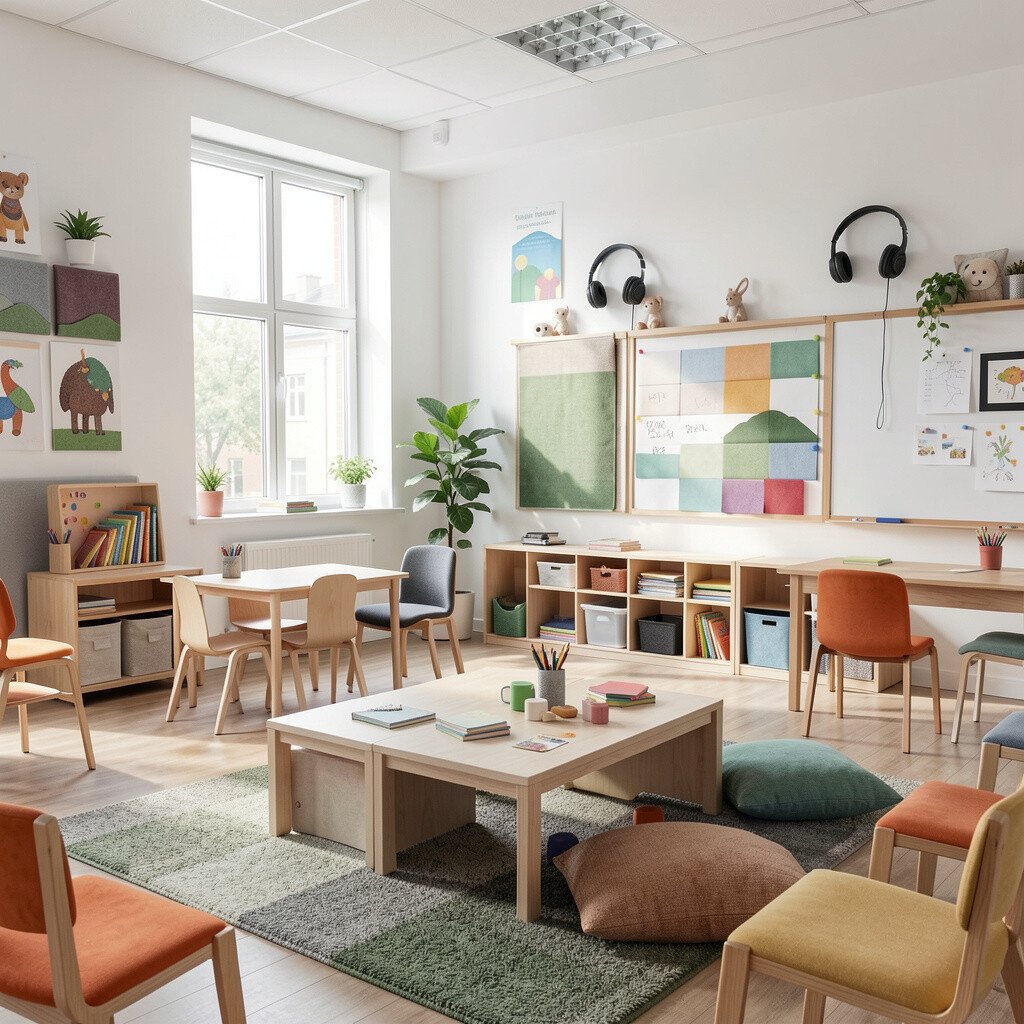
Create a quiet zone using soft panels, rugs, or even hanging fabric sheets that reduce noise. Add a small basket with calming tools such as stress balls, picture guides, and headphones if possible.
Students benefit when they have a safe place to reset, especially after busy group activities. This zone also helps you manage behavior in a kind way because students can choose support. Make it unique by adding guided breathing cards with simple illustrations students can follow independently.
10. Classroom Map That Stays Interactive
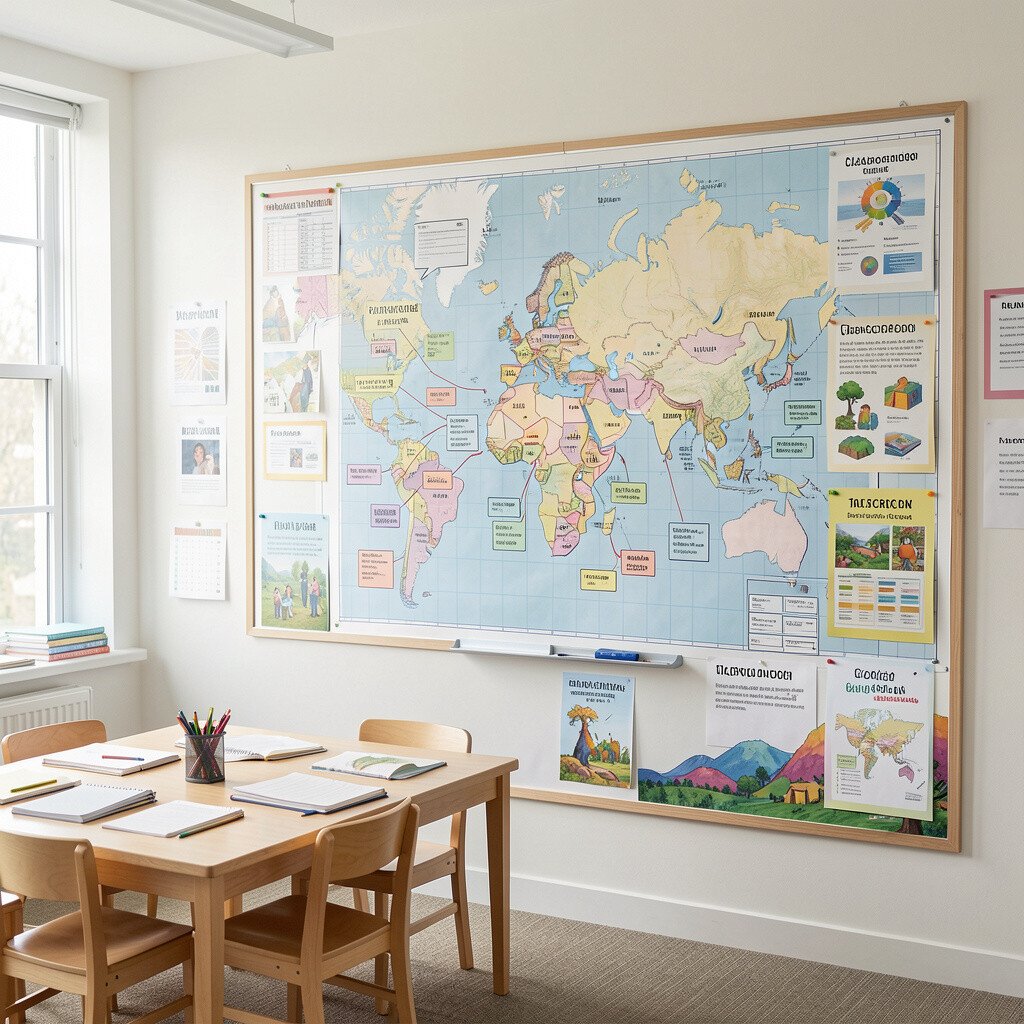
Hang a world or local map, but make it interactive with sticky notes, pins, or erasable markers. Students can mark places they read about, cities connected to projects, or places they want to learn more about.
This setup builds real-world connections and makes geography feel alive. Students also practice communication when they explain why they marked a place. Keep it practical by using a color system, like one color for “we studied,” another for “we want to study,” and a third for “we visited.”
Personalization can happen when students add short drawings beside their marks, which turns the map into a growing art piece. Cost stays manageable because you can start with one affordable map and use simple labels. A current trend is project-based learning, and maps fit perfectly because they connect content to student interests.
11. Classroom Jobs Displayed Like a Team Roster
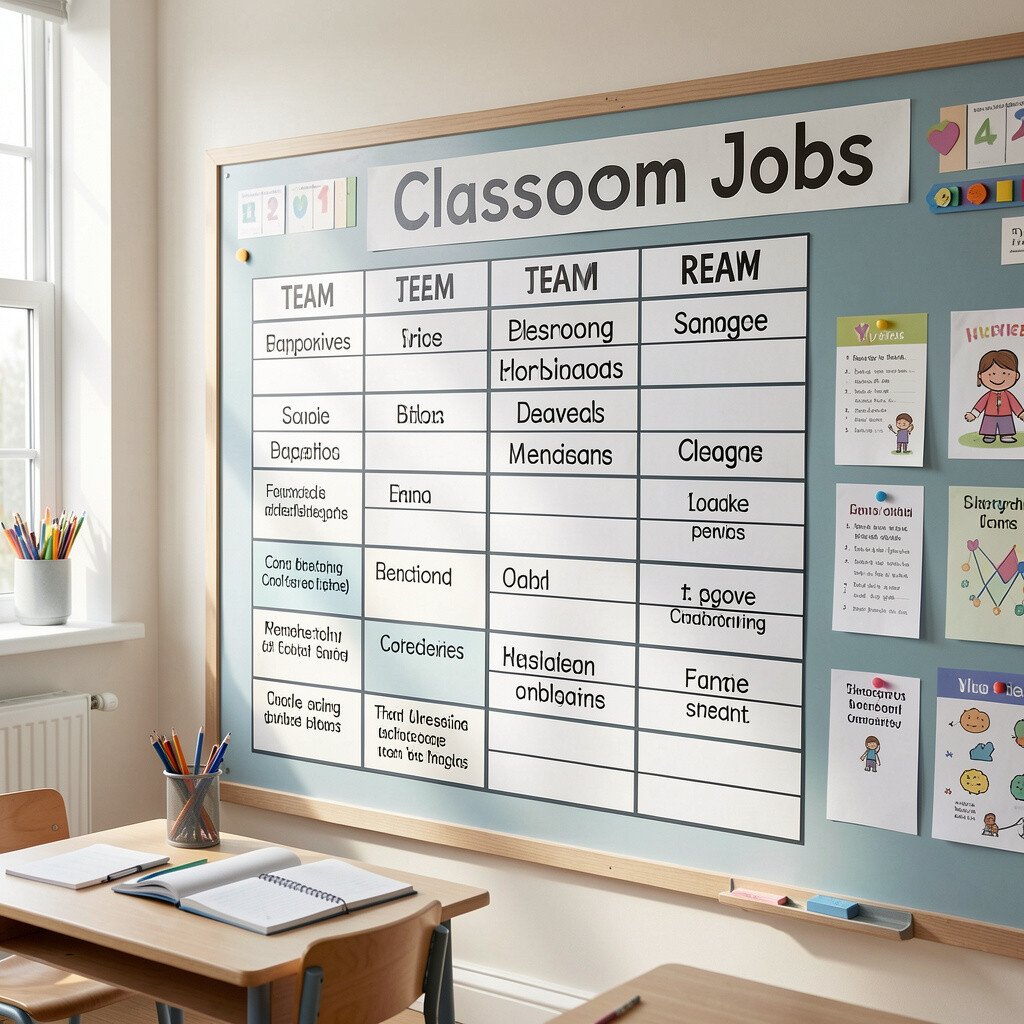
Create a jobs display using clothespins, magnets, or pocket folders on a “team roster” board. Include jobs such as line leader, board helper, supply manager, and plant caretaker.
This helps students build responsibility and makes the classroom feel shared, not controlled. When jobs are visible, you spend less time repeating reminders because students can see what’s next. Personalize roles by letting students pick a job based on skills they want to practice.
For uniqueness, add fun role prompts like “show kindness” for the encouragement manager or “notice details” for the cleanliness captain. Costs are low since clothespins and binder clips are inexpensive. A practical trend is student leadership routines, and this setup supports that in a simple, everyday way.
12. Writable Wall for Brainstorms and Drafts
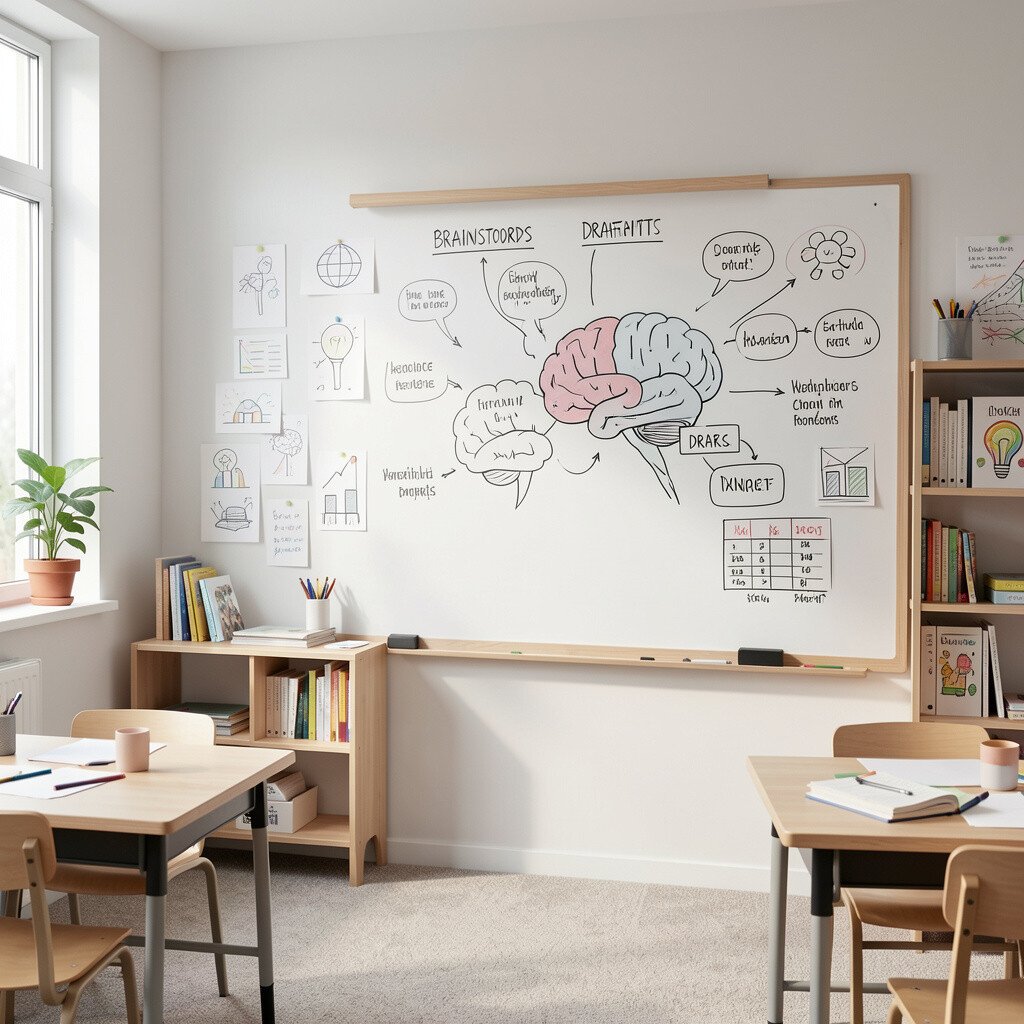
Use a writable wall area with whiteboard panels, a large sheet of butcher paper, or a chalkboard strip. Keep it stocked with markers and erasers so students can add ideas during lessons.
This visual space boosts learning because students can draft, revise, and see thinking take shape. It also encourages participation since even shy students can contribute through quick notes. Make it unique by using different colored markers for questions, evidence, and conclusions so lessons look organized.
For practical tips, set a routine for how ideas move, such as starting with brainstorms, then circling strong examples. Personalize the wall by letting students sign their names under favorite suggestions. Cost considerations are friendly because you can repurpose paper and tape for low-budget brainstorming areas.
13. “Prototype Fridays” With a Build-and-Improve Wall
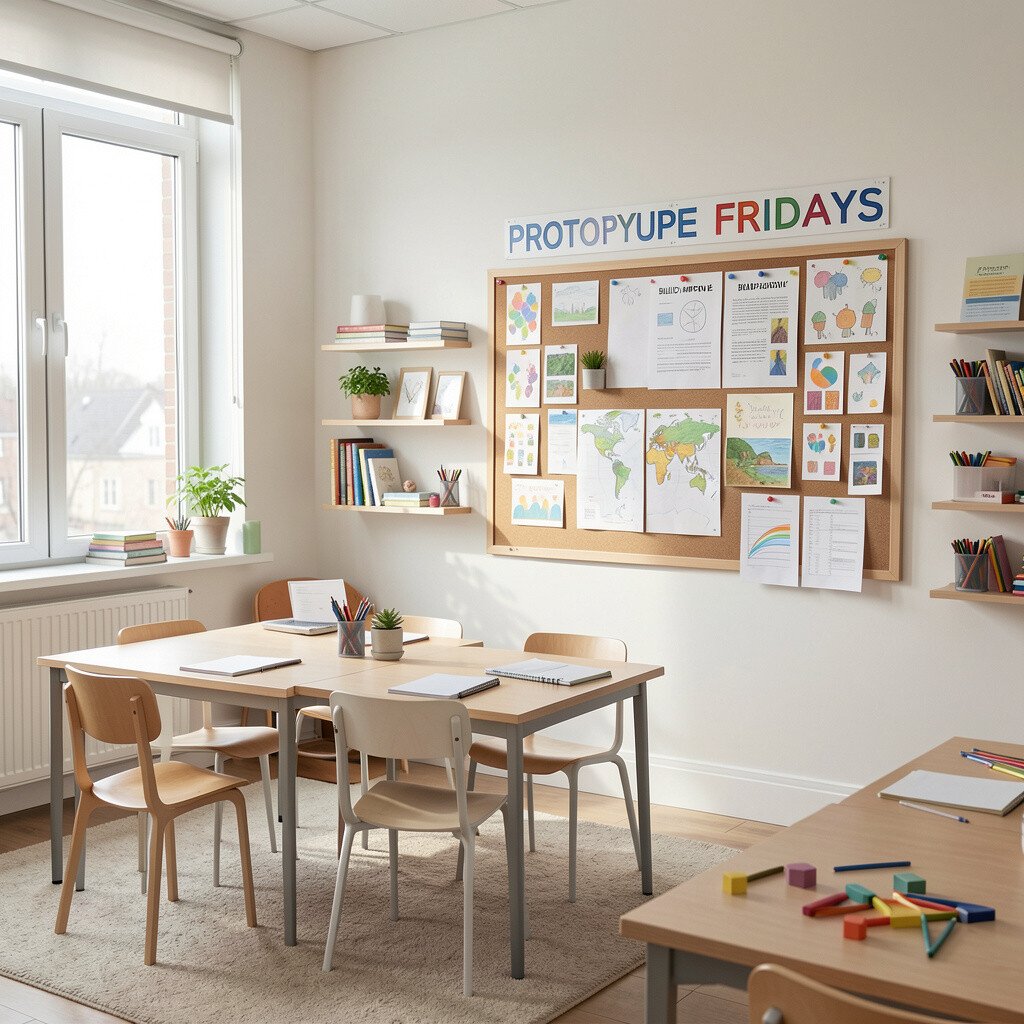
Dedicate a board where students post prototypes, improvements, and quick test results. Label the area with simple visuals so students know where to place ideas before class ends.
This setup builds problem-solving habits because students learn to try, adjust, and try again. Students benefit from seeing their process, not just final results, which strengthens motivation. Keep it practical by using clear plastic pockets or a cork board so you can rearrange work easily.
Personalization is easy when students add a “what I changed” sticky note to their prototype display. For uniqueness, invite students to vote on the most helpful improvement each Friday using smiley stickers. Cost considerations are manageable because prototypes can come from recycled materials, paper, and low-cost kits.
14. Classroom Lighting and Color for a Calm Feel
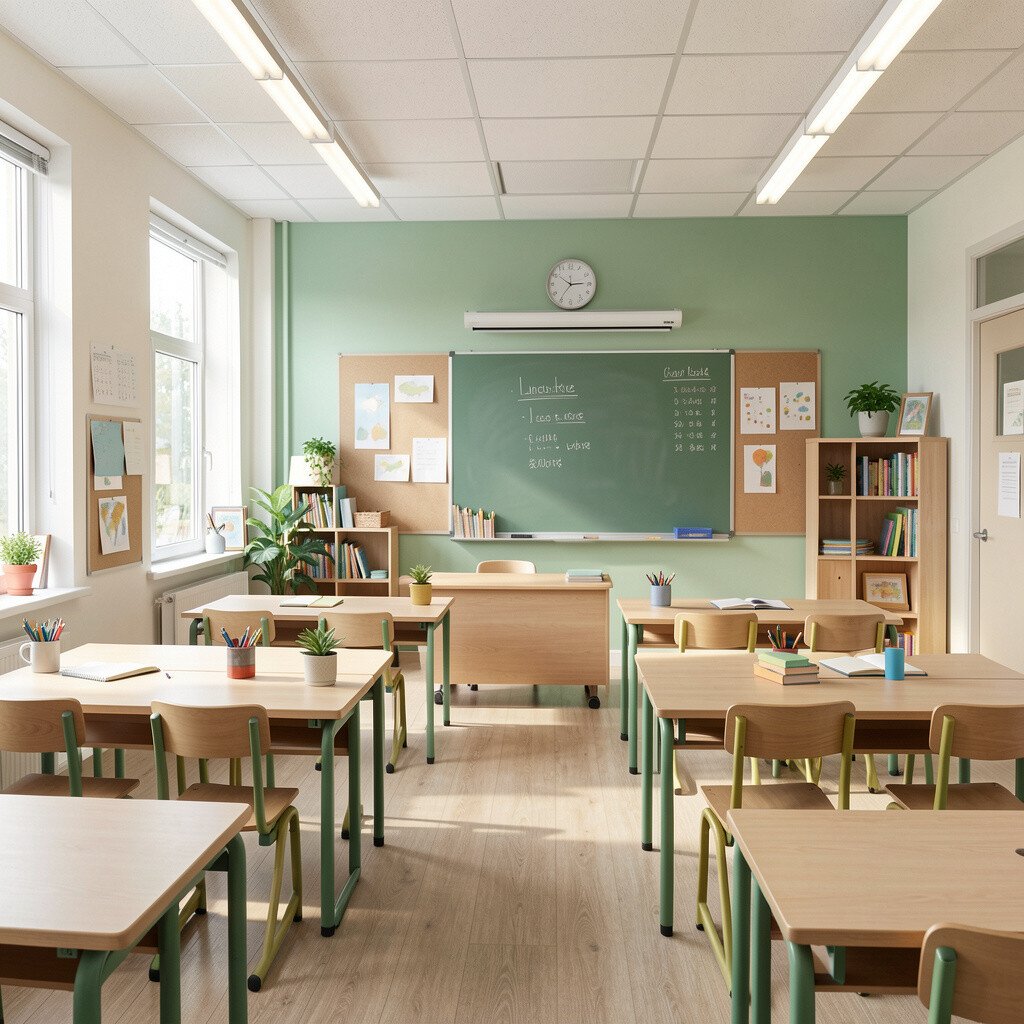
Adjust lighting by using softer bulbs, desk lamps, or window shades when possible. Choose a color palette for walls and labels that supports focus, like cool blues for calm tasks and warm accents for friendly energy.
This helps students feel comfortable, and comfort supports longer attention during reading and practice. Make it unique by matching small decor items to learning moods, such as brighter colors for brainstorming and calmer tones for independent work. Practical tips include keeping glare down on boards and choosing consistent label colors for easy scanning.
Personalize by letting students help choose a small accent color or decorate a “calm corner” with student art. Cost is usually low since many improvements involve lighting tweaks, paint samples, or removable wall decals. Current trends in classroom design often focus on sensory comfort, and color planning fits right in.
15. Supply Storage That Looks Like a Maker Workshop
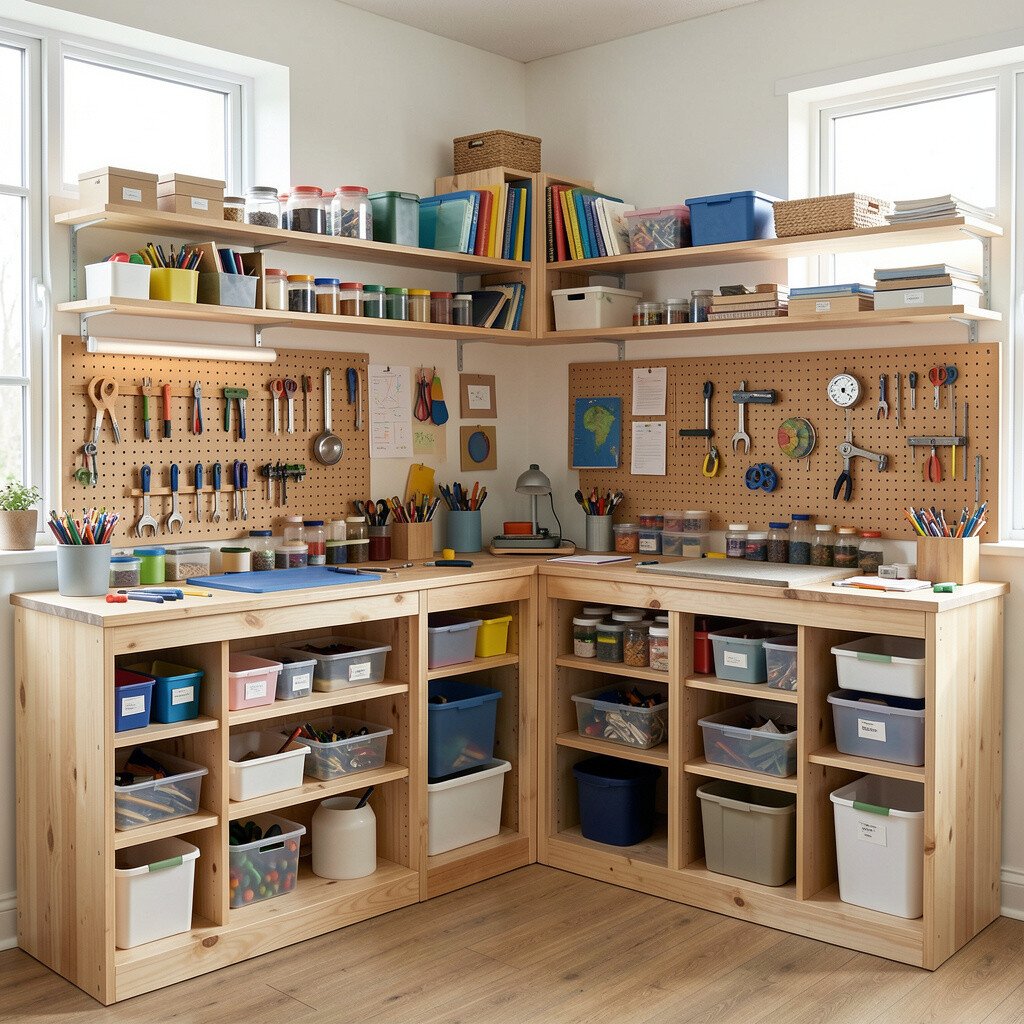
Organize supplies in labeled bins, drawer units, and transparent containers so students can see what’s available. Arrange tools on hooks and tray stations so grabbing materials feels like a smooth routine.
Students benefit because they waste less time searching, and independence grows when items are easy to find. Keep the setup practical by grouping items by use and adding simple “return” instructions on the shelf. For personalization, let students design a logo sticker for each bin category, like “Writing Lab” or “Art Tools.”
Uniqueness comes from styling the workshop shelves with small color bands and using a “first, next, last” flow chart on the side. Cost considerations can be managed by using clear containers you already own or sourcing bins from discount stores. A current trend is maker-style learning, and a workshop storage system supports that energy every day.
16. Theme Hooks That Connect Lessons to Real Life
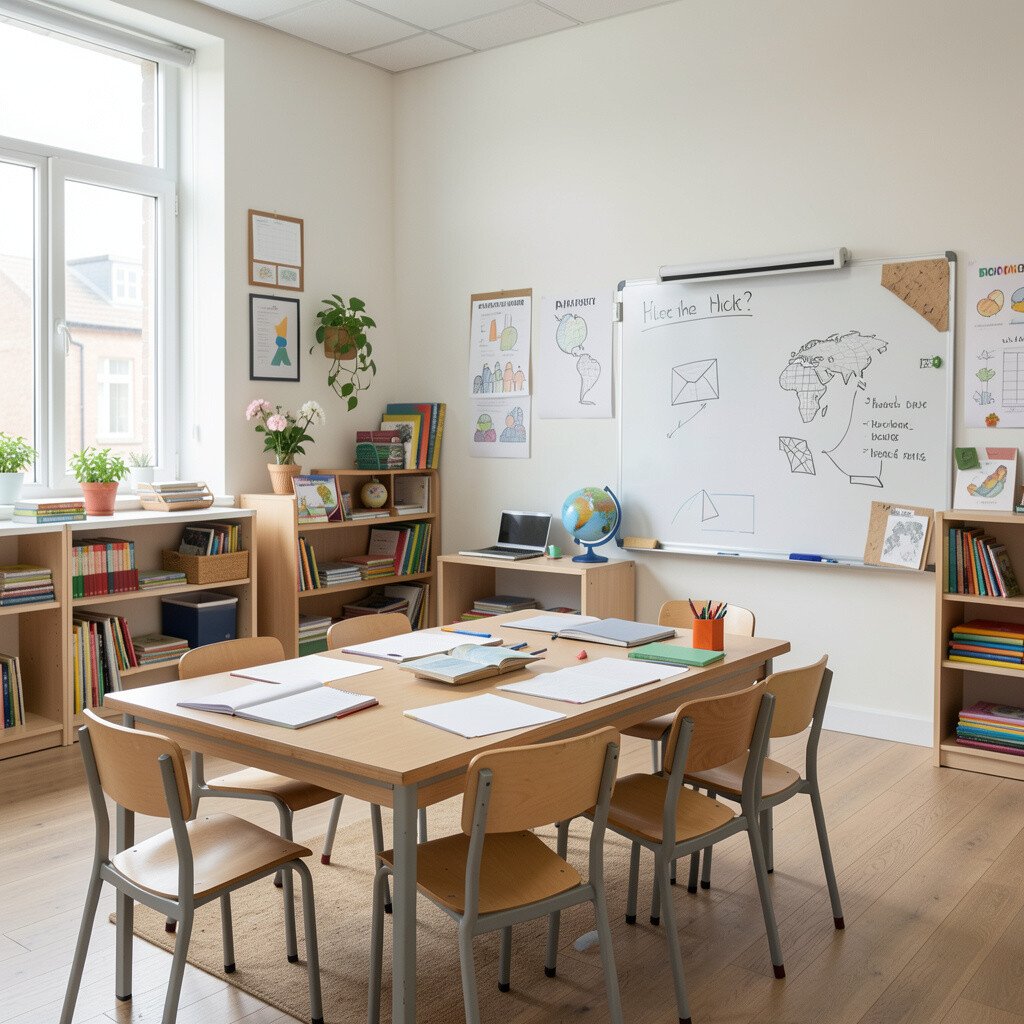
Build your classroom theme using posters, simple props, and real-world photos that connect to what you teach. For instance, a unit on ecosystems can include leaf samples, a small terrarium, and student-made observation cards.
This setup makes learning feel meaningful because students see how content connects to everyday life. It also supports engagement since students want to interact with objects and visuals during lessons. Make it practical by choosing props that students can safely touch and by keeping the theme simple enough to set up quickly.
Personalize by inviting students to bring one small item related to the topic, then display it with a short explanation. Cost stays under control when you focus on inexpensive materials, printed pictures, and recycled objects. A current trend is “contextual learning,” and theme hooks are a great way to keep that idea visible without complicated planning