Your home can feel calmer fast, as long as you start with small wins. A few minutes a day can change how your rooms look and how your mind feels.
Keep reading for quick actions that fit real schedules and real energy. Each one is designed to help you see progress right away.
1. Start With One Visible Surface
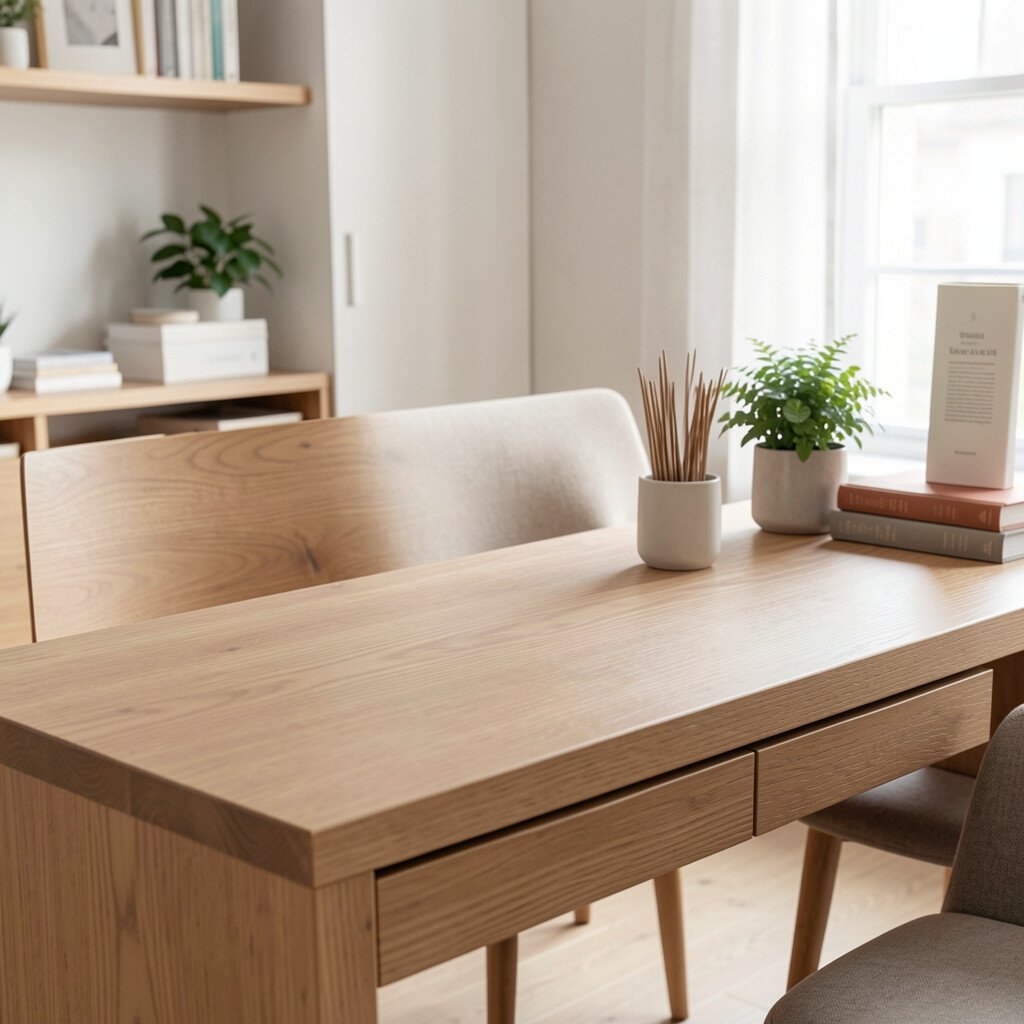
Pick the first place your eyes land when you walk in the room. Clear just that surface for a focused five minutes and watch the whole area feel lighter.
You might see a coffee table holding mugs, mail, and tiny piles that slowly grow. When you sweep them into a simple container, the visual clutter drops immediately and you get a cleaner path to move around. If you want personalization, use a small basket that matches your style, like woven for cozy homes or clear plastic for a tidy look. This kind of reset costs little because you can use what you already own, then reuse it every day.
2. Do a Two-Box “Keep or Bye” Sweep
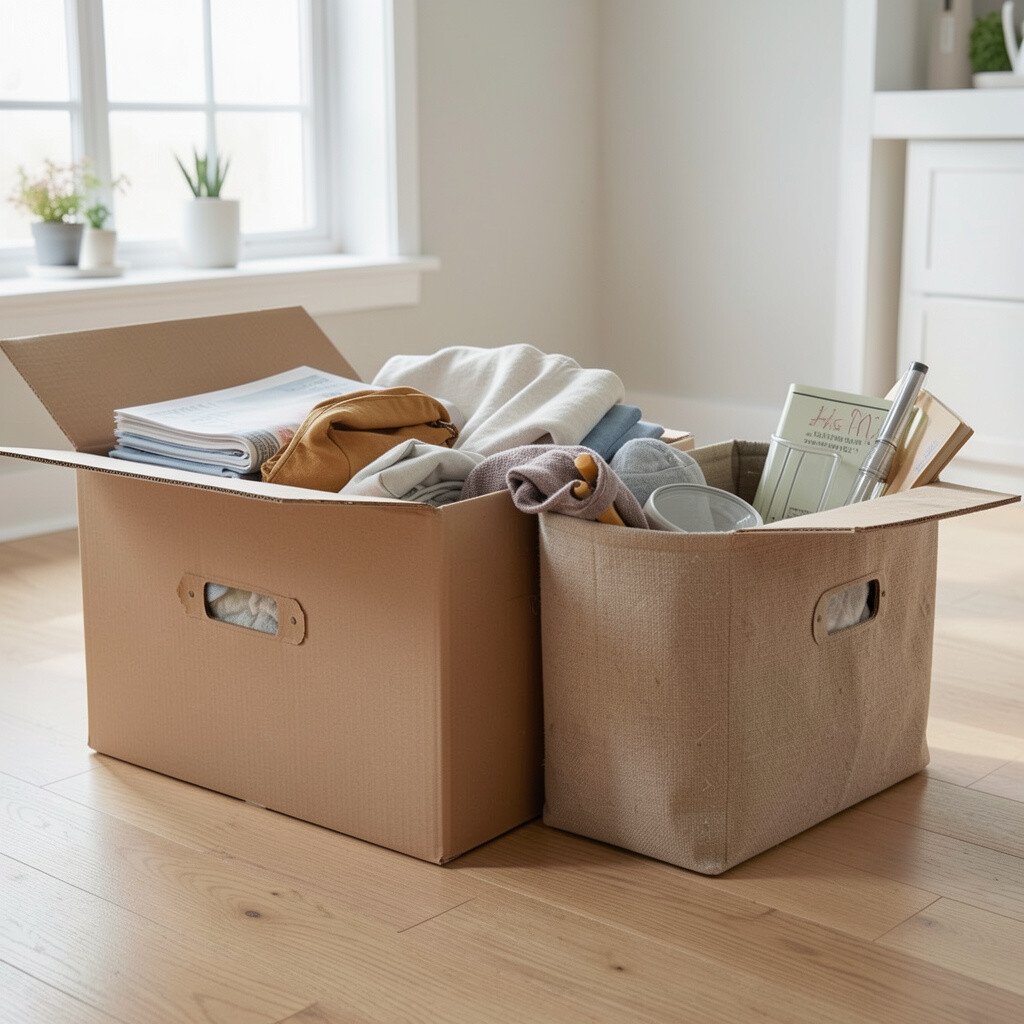
Grab two boxes or bags and place them where you can reach them quickly. Set a timer and move items that don’t belong into the right box based on what you truly use.
You’ll feel the difference when those decision piles shrink and the room stops looking busy. Keep one box for keep items you want to relocate and one for bye items like trash, recycling, or donations. If you like fast choices, create a simple rule such as “if I didn’t use it in the last season, it goes.” For cost, use sturdy grocery bags and old cardboard, and upgrade later only if you feel the need.
Many people now use quick digital lists too, photographing “maybe” items before they leave. That trend helps you remember what you own without keeping everything around.
3. Set a “Hotspot Grab” for Every Room
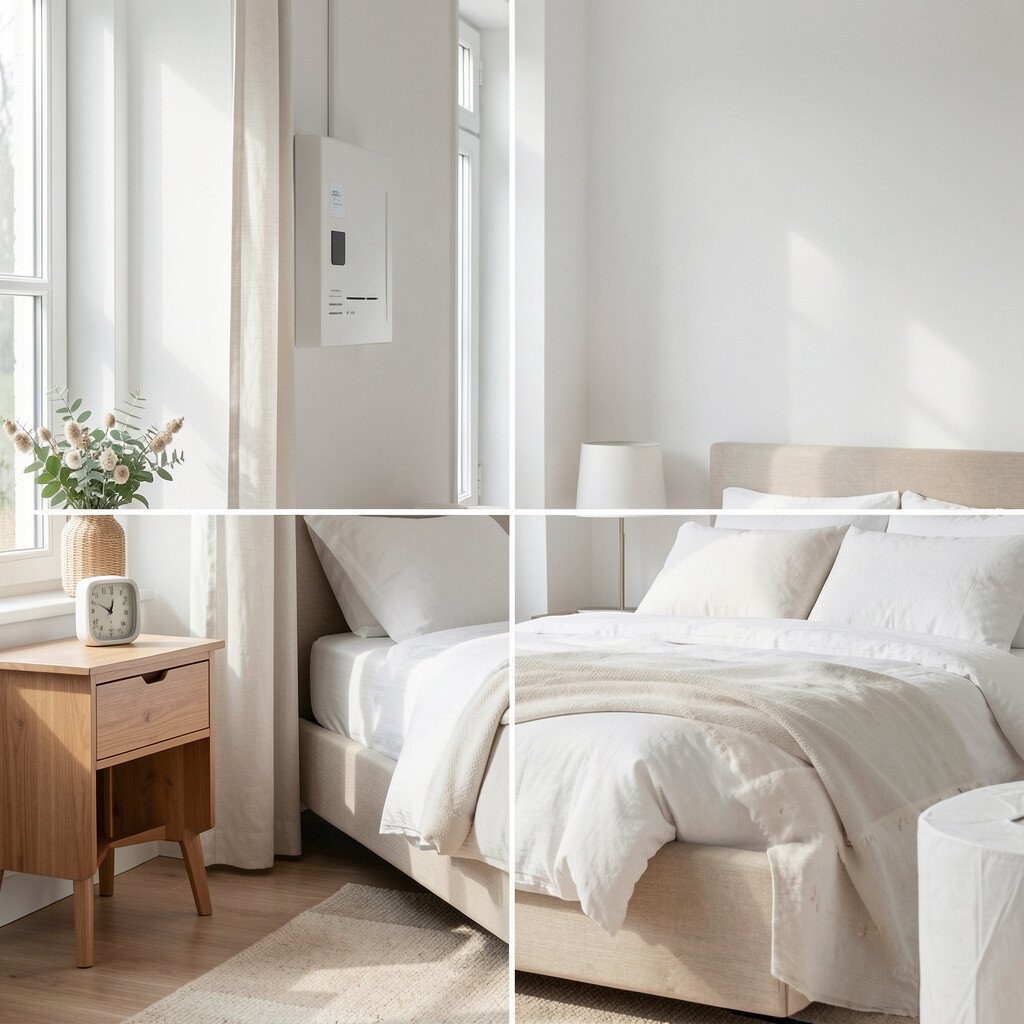
Find the one hotspot in each room where clutter loves to gather. It could be the counter near your keys, the chair where you toss hoodies, or a shelf that catches random stuff.
Clear that spot first, even if the rest of the room is still messy. When you remove just the hotspot pile, the space visually calms down and makes the next step easier. Try a unique approach by using small trays or labeled zones based on your daily routine, like one for charging, one for mail, and one for everyday bags. The good news is you can get started with inexpensive drawer organizers or even repurpose shallow food containers.
Right now, many busy households are leaning into “zone living,” where each area supports one daily purpose. That trend helps you stop clutter from spreading because you always know where things go.
4. Tame Paper With a Fast Sort
Papers multiply quietly, and they can make any room feel chaotic. Set a five-minute timer and sort mail, receipts, and notes into three small groups.
One group can be trash or recycling, one can be things to pay or respond to, and one can be items you want to file later. You’ll love how your desk or kitchen counter looks when the paper no longer sits in a fog of stacks. Keep it practical by using folders you already have, or folding an old file box into a quick tray. If you want a personalization touch, decorate the labels with your handwriting style so it feels more like you and less like a chore.
5. Use a “Catch-All” That Isn’t Ugly
Choose a catch-all container that you are happy to see every day. Place it in the spot where items usually land by accident, like next to the door or beside the sofa.
When you toss random items into one neat place, you stop clutter from spreading across multiple surfaces. Pick something that fits your home, such as a fabric basket for softness or a lidded box for a clean look. You can personalize it with a removable insert so you can swap sections when seasons change. This idea can stay budget-friendly because thrift stores and discount bins often have great options.
Many people are also switching to storage with lids now, because it keeps visual noise down even when the container is full. That trend is perfect for busy schedules, since you can handle small messes without feeling embarrassed.
6. Clear One Drawer Front-to-Back
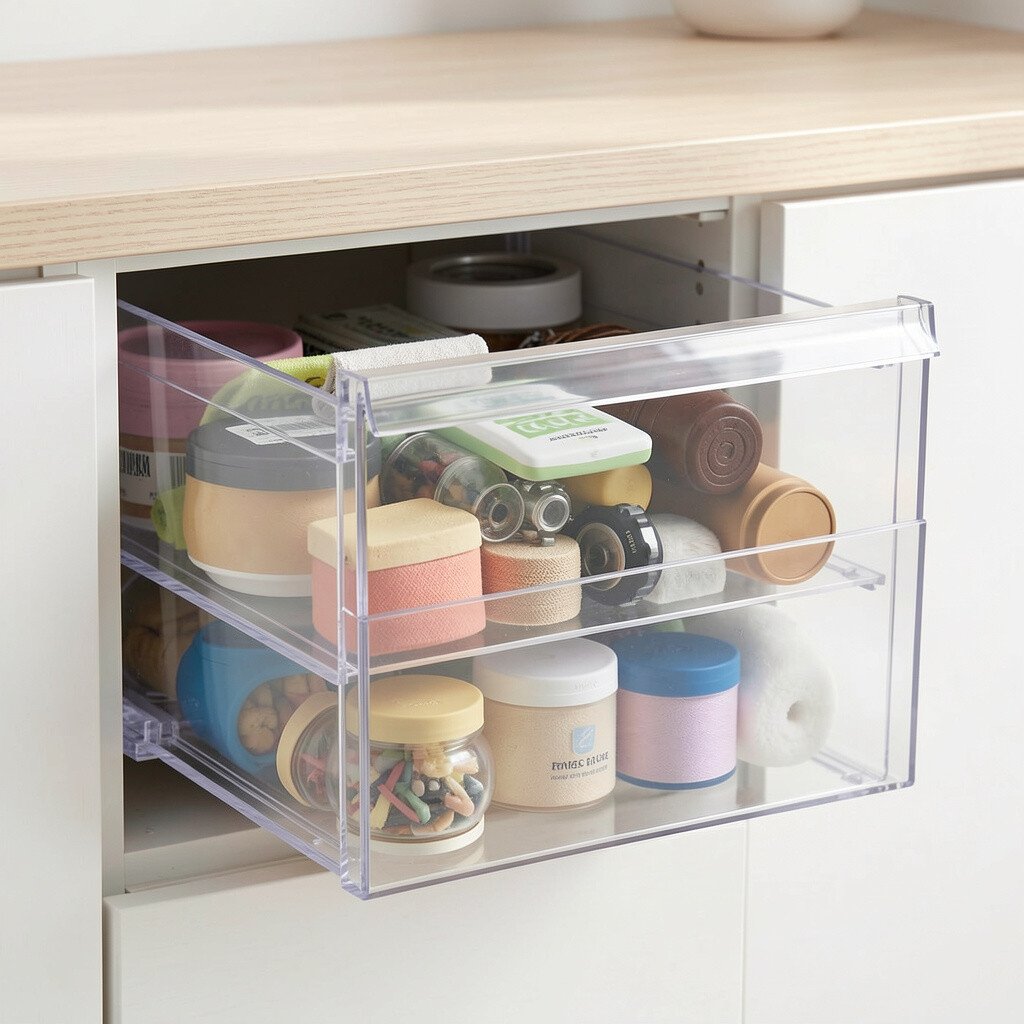
Pick one drawer and commit to clearing only the front half first. You don’t need to do everything; you just want a quick reset that creates space and momentum.
As you remove items you no longer use, you can see the shape of the drawer again, which feels oddly satisfying. Put keep items back with a simple system, like grouping by type and size. For personalization, you can fold cloth into small bundles or use rubber bands for cables and chargers. Costs stay low if you use things like paper towel rolls, small cups, and old dividers you already have.
7. Do a Cable Cleanup in One Small Corner
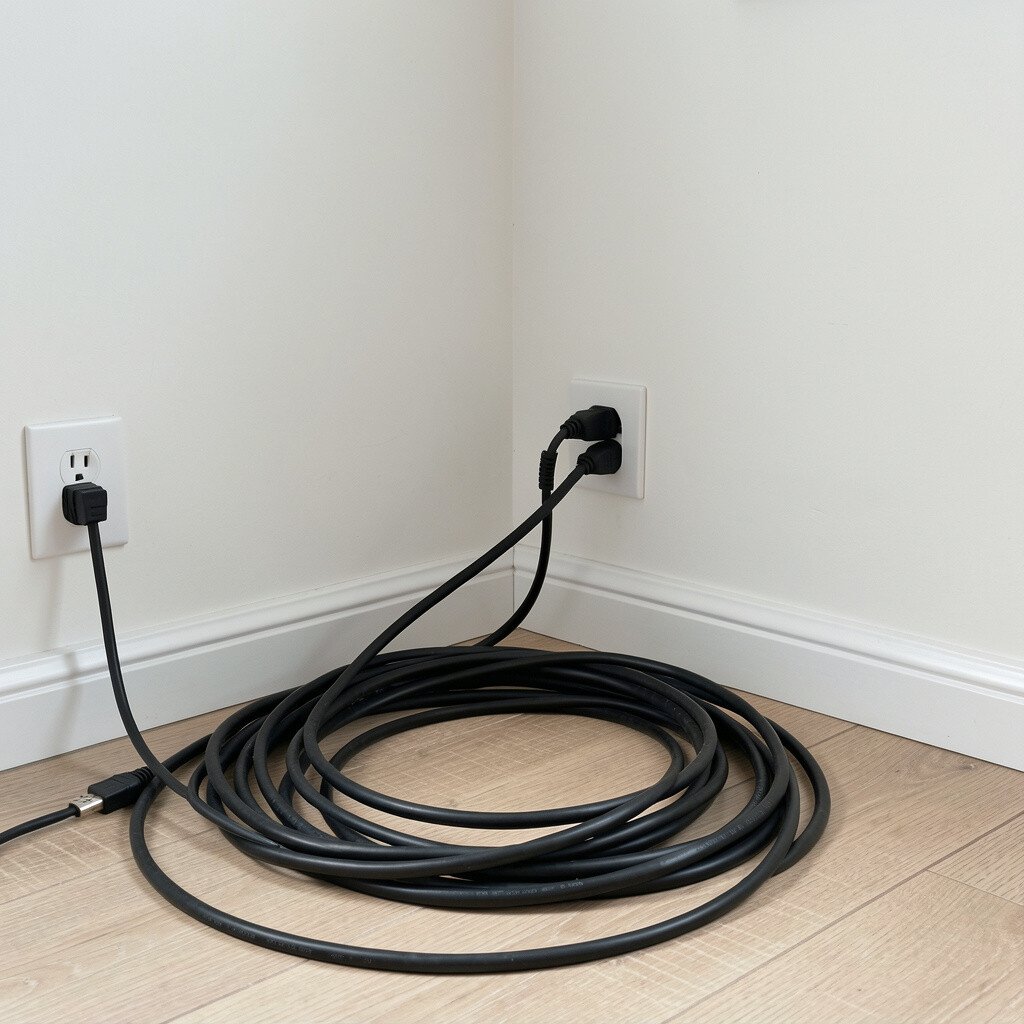
Clutter gets tangled fast with cords, especially near TVs, computers, and charging stations. Spend five minutes bundling cables and clearing the small area around them.
You’ll notice how much calmer your space feels when cords are not looping everywhere. Use a twist tie, a Velcro strap, or even a strip of fabric to group like cables together. Add personalization by keeping one “emergency charge” cable in a small pocket so you don’t rummage later. For cost, start with items from your junk drawer; if you want upgrades, look for budget cable clips or simple cable sleeves.
Current trends include minimal cable setups with fewer visible cords, which makes the whole room look more intentional. Even a tiny cleanup supports that look without major spending.
8. Make a Quick Donation Pile During Routine Breaks
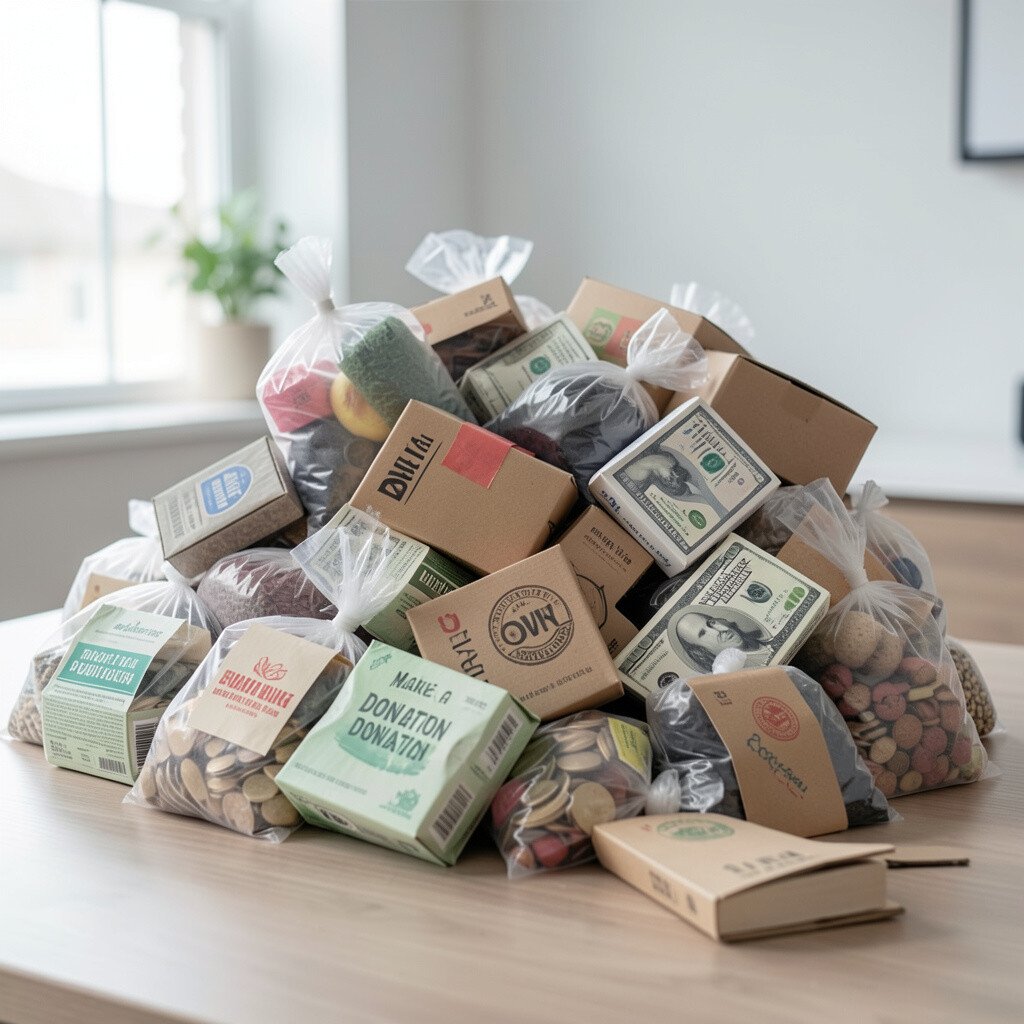
When you notice something you no longer wear or need, move it straight into one donation bag. Keep the bag in a practical spot so it stays easy to use.
You’ll feel less stress when the pile grows because it means you are actively making space. A donation pile also creates a visual reminder that clutter isn’t staying forever. Personalize your system by sorting by category as you go, like clothes, books, or household items, so drop-offs feel simpler. This approach can be nearly free, since you’re using a bag you already have and clearing items that you won’t keep anyway.
9. Turn Small Trash Into “Reset Fuel”
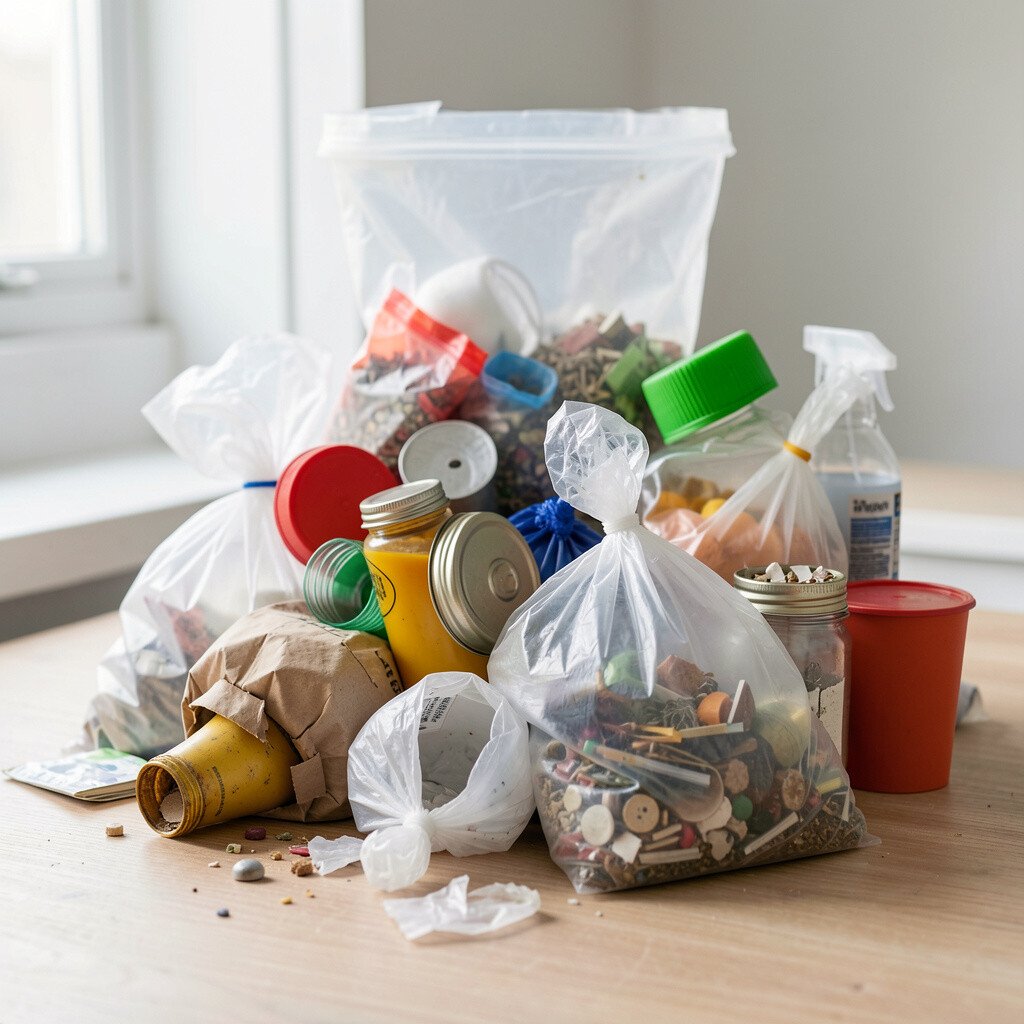
Walk around and find small trash items you can remove instantly. Think wrappers, random bits of paper, bottle caps, and things that don’t belong anywhere.
It may feel too simple, but the visual payoff is real when the floor, table edges, and corners look clean. Use a small bin or a bag so you can gather as you go, then take it out when the timer ends. For personalization, try a color-based game such as collecting everything in one color family first, like only paper or only plastics. Costs are minimal because the effort uses what you already have, and it keeps your cleaning routine from growing bigger.
10. Relocate Items to Match Your Daily Path
Look at how you move through the room during a normal day. Keep everyday items where your feet and hands naturally go, and store rarely used items farther away.
When you align storage with your routine, you reduce the urge to leave items on counters and chairs. You can personalize this by placing a tiny staging tray at the point where you typically pause, like beside the couch for remote and games or near the sink for dish soap and sponges. This method is usually low cost because it mostly involves shifting where things live, not buying new gear. Many busy people are now using “behavior-first organization,” which means storage is built around real habits rather than perfect diagrams.
11. Clear the Top Layer, Not the Whole Mess
If a pile feels overwhelming, focus on just the top layer for your five minutes. Move what you can reach quickly, then stop when the timer rings.
This small action helps your brain feel in control because the pile visibly shrinks right away. Sort the top layer into categories like items that go back, items that need to be stored, and items that need to be trashed. For personalization, use a quick “reply later” envelope for notes and messages so you don’t forget. You can do this with a simple paper envelope or a cheap folder, so your cost stays close to zero.
People also enjoy the trend of “layered clearing,” where you tackle clutter in slices over time. It keeps you from burning out and makes the process feel realistic.
12. Create a One-Minute “Return Loop”
Pick a tiny route you can repeat during the day, like from the couch to the door, or from the bed to the laundry basket. Each time you finish something, return one item along that loop.
You’ll notice fewer random items left behind because the return becomes automatic. Make it practical by choosing a loop that matches your home layout, not a loop that requires extra walking. Personalize the loop by keeping a small basket at the start of the route so you can drop items quickly. This costs very little because you’re mostly changing your routine, though a small tray or basket can help if you want one.
13. Keep One Shelf for “Today Only”
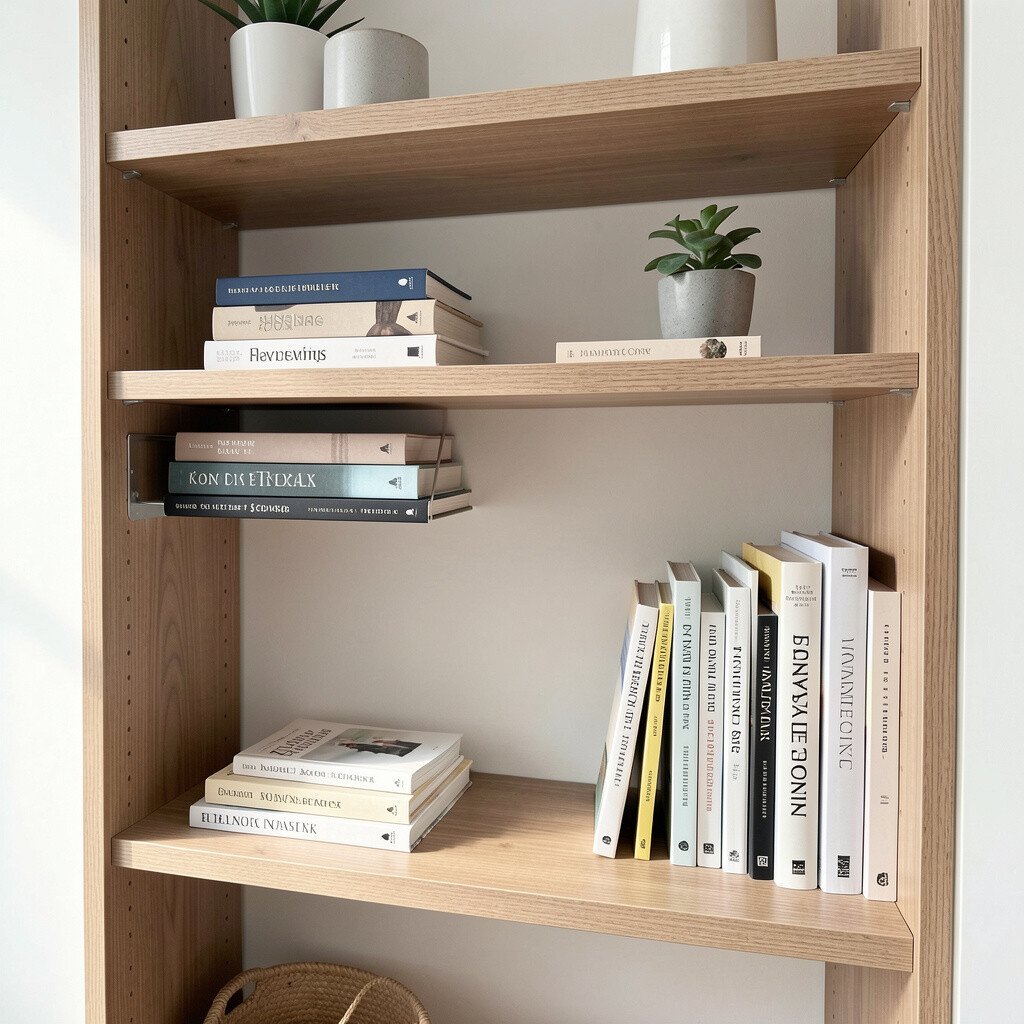
Choose one shelf, bin, or basket for items you are actively using this week. If something new comes in, something finished can move out so the space stays tidy.
This helps you avoid the visual weight of stacks that never end. You’ll benefit from easy decision-making because you always know where “active stuff” lives. For personalization, rotate items based on your calendar, like adding workout gear for a gym week or swapping in a cookbook you actually plan to use. Costs stay low because it can be a shelf you already have, and the main investment is your routine.
14. Use the “Empty Space” Trick to Guide Decisions

When you look at cluttered areas, notice where empty space already exists. Make those empty spots part of your plan by putting things there right away.
Empty space feels like a quiet invitation, and it stops you from putting items back into the mess. You can personalize this by using a specific rule, like “if there is room, it goes there,” instead of trying to find the perfect home. Costs are minimal since you’re using the space you already own. Many people are adopting “frictionless storage,” which means items move into easy spots first, then deeper organization happens only later.
15. Fast-File Kitchen Stuff Without a Big Remodel
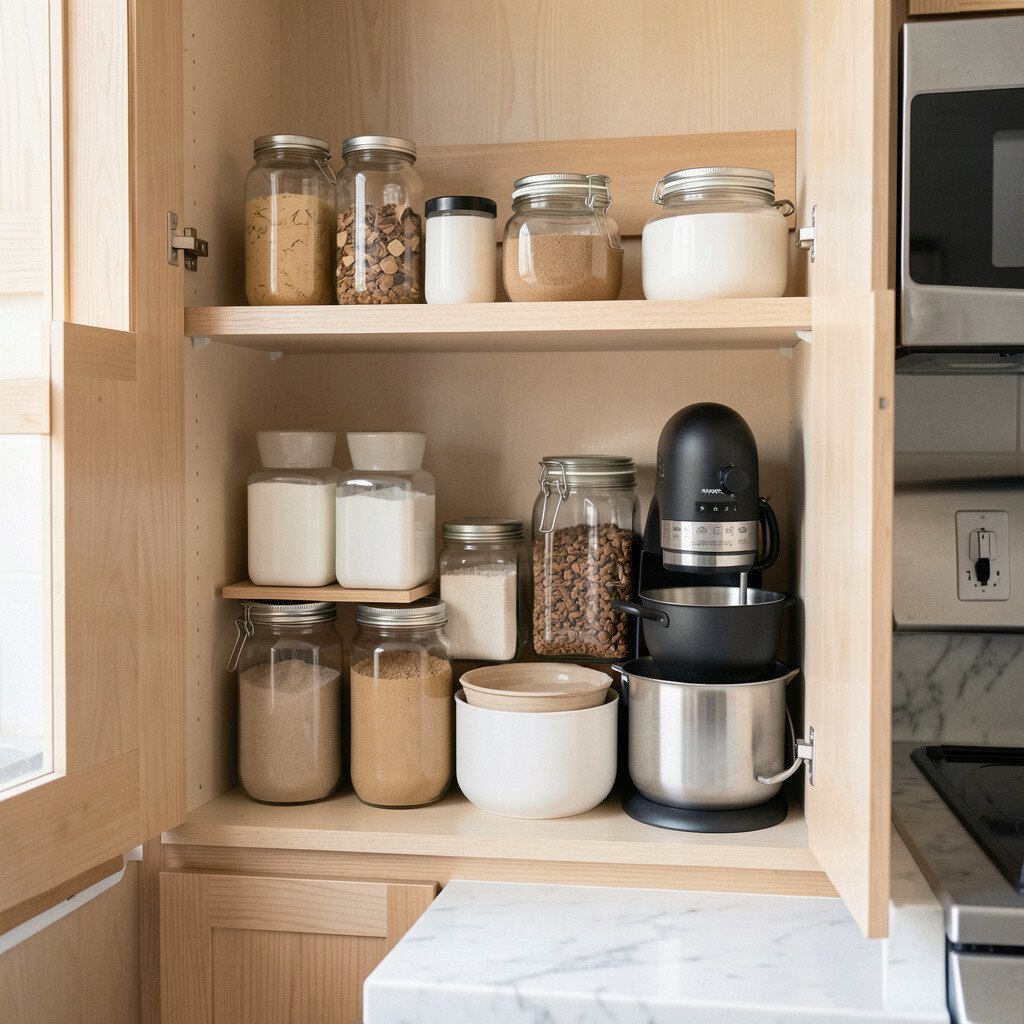
Kitchen clutter often hides in drawers and around the sink, where tools and packets gather. Spend five minutes putting similar items together so your daily cooking feels smoother.
You might find extra rubber bands, random spices, or old takeout menus that no longer belong. Group items by use, such as baking tools, everyday utensils, and backup supplies, then place them where you reach most often. Personalize your setup by using small jars for frequently grabbed spices or by making a “busy-night” bin with the basics you use every week. This can be budget-friendly because you can start with repurposed containers and basic organizers from your pantry.
16. Clean Your Entry Like It’s a Daily Welcome
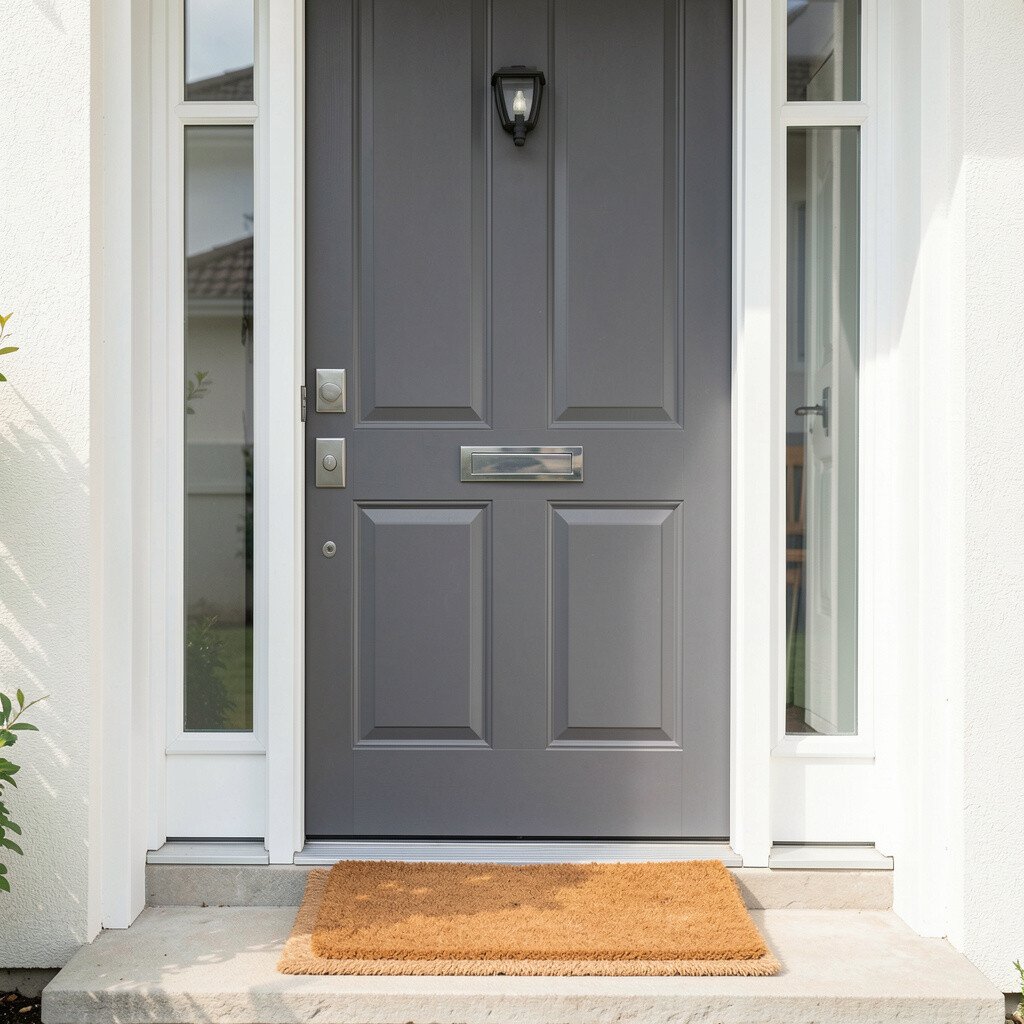
Your entryway sets the mood for your whole day, even if it’s just a corner. Spend five minutes resetting the area so keys, bags, and shoes look intentional.
You’ll benefit from less frantic searching because items stay near the place you use them. Create practical zones for incoming and outgoing items, like a hook for bags, a tray for keys, and a spot for mail. For personalization, choose one decorative element you love, like a small plant or a simple tray, so the area feels warm rather than strict. Costs can stay low by using hooks you install on existing surfaces or by reusing a shoe organizer you already own.
17. End Each Day With a Tiny Reset Sweep
Before you stop for the night, do a quick sweep of one room or one area. Aim to return items to their spots, clear a small surface, and collect any stray trash.
This habit keeps clutter from stacking up overnight and makes mornings feel easier. You’ll see visual calm the moment you turn off the light, which is a great reward for busy schedules. Personalize it by linking the reset to something you already do, like after washing dishes or after putting on pajamas, so it feels automatic. For cost considerations, you can keep a small bin nearby so everything has a place, and that’s usually enough to get started.
Many households are also following the trend of “end-of-day order,” because it reduces stress and helps people wake up ready. When you keep it tiny and consistent, it stops feeling like a chore and starts feeling like care.