Restaurant kitchens are changing fast. Bright ideas are showing up on every hot line.
1. Open Kitchens That Put the Action on Display
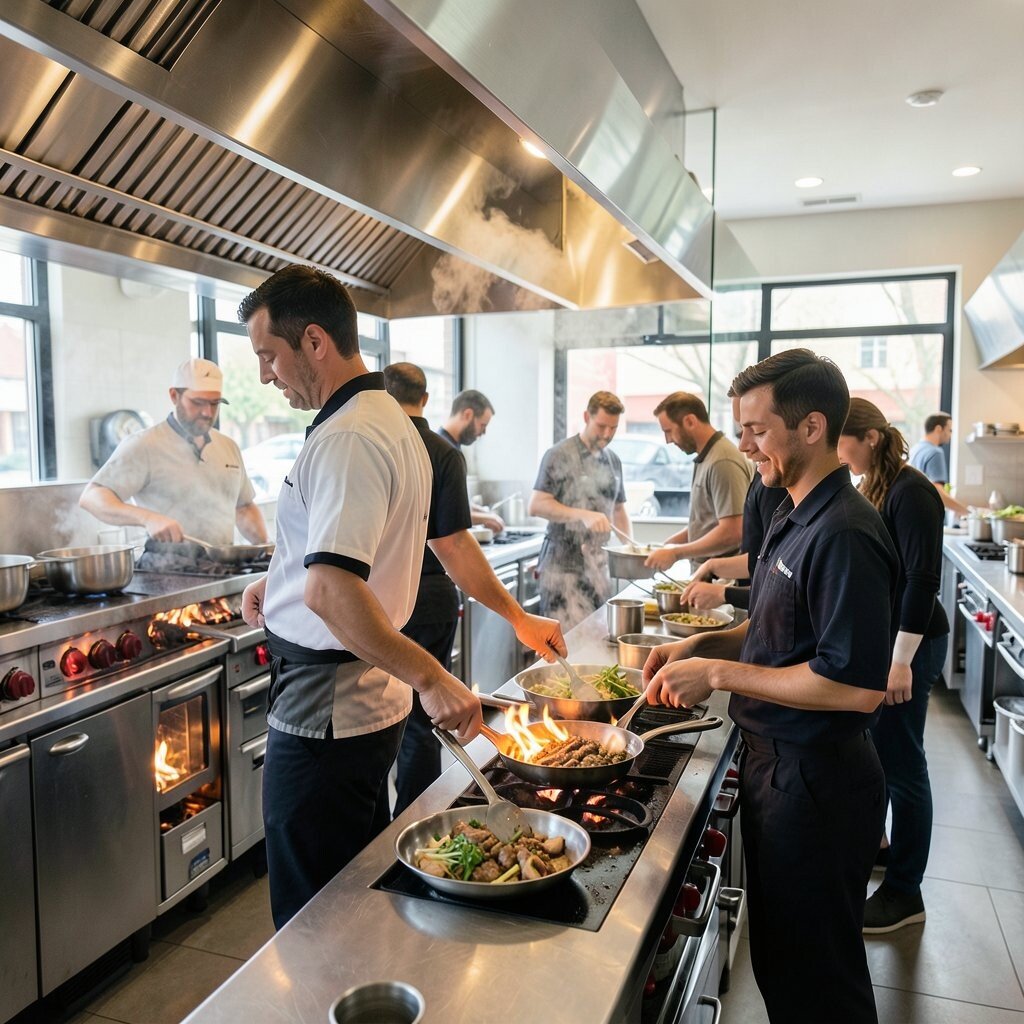
Open kitchens make the whole room feel alive. Guests can see the steam, the flames, and the fast hands at work.
This setup builds trust because people watch their meals come together. It also gives a restaurant a bold look that feels modern and fun. To make it work well, keep tools neat and choose a layout that helps cooks move safely, since glass walls and polished finishes can raise build costs.
2. Plant-Forward Menus With Big Flavor
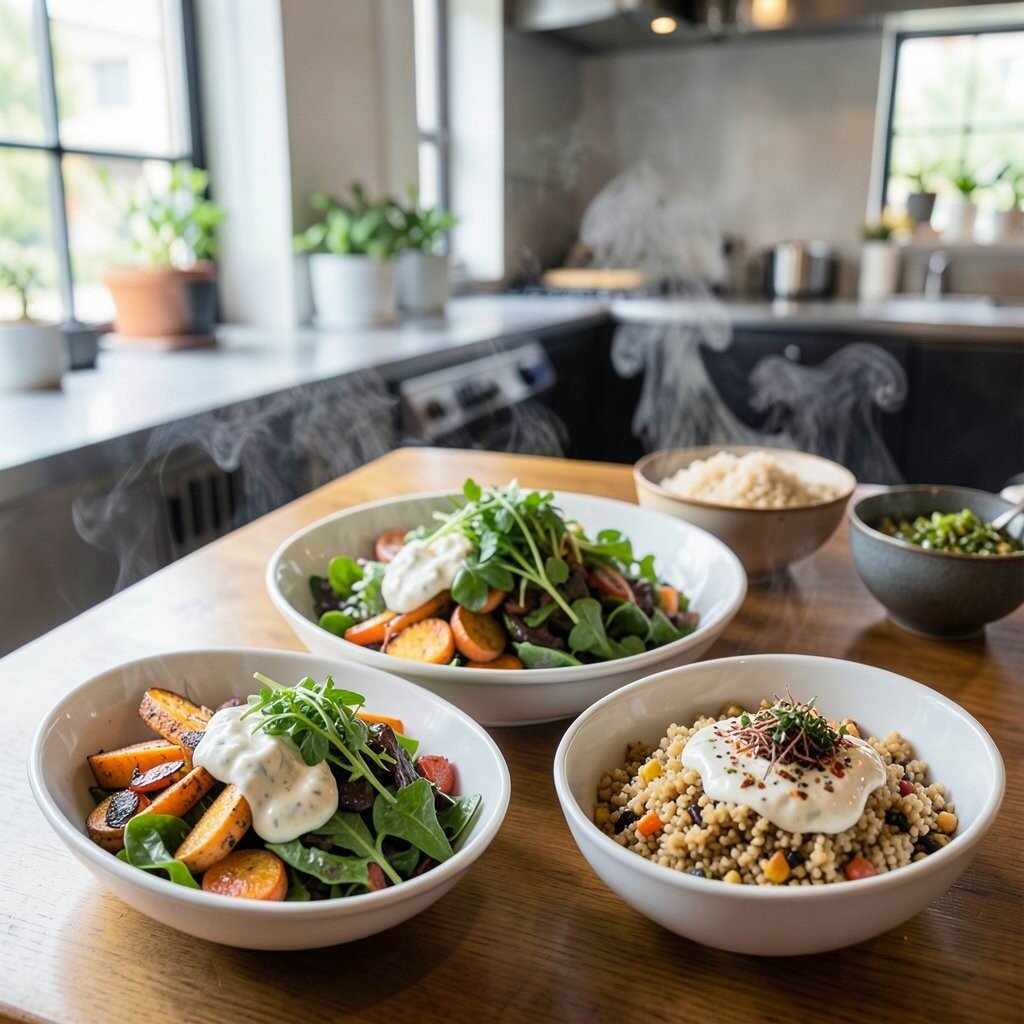
Plant-forward cooking is bright, colorful, and full of texture. Bowls with roasted carrots, crispy greens, and creamy sauces can look as good as they taste.
This trend helps kitchens offer lighter meals that still feel rich and filling. It can also lower food waste when chefs use more of each vegetable, from root to leaf.
Fresh herbs, spice blends, and smoky cooking methods can give these dishes a strong personality. A smart tip is to build a few base items, like grains or sauces, and then change toppings for each guest, which keeps menu costs steady and makes custom plates easy.
3. Global Street Food Inspiration
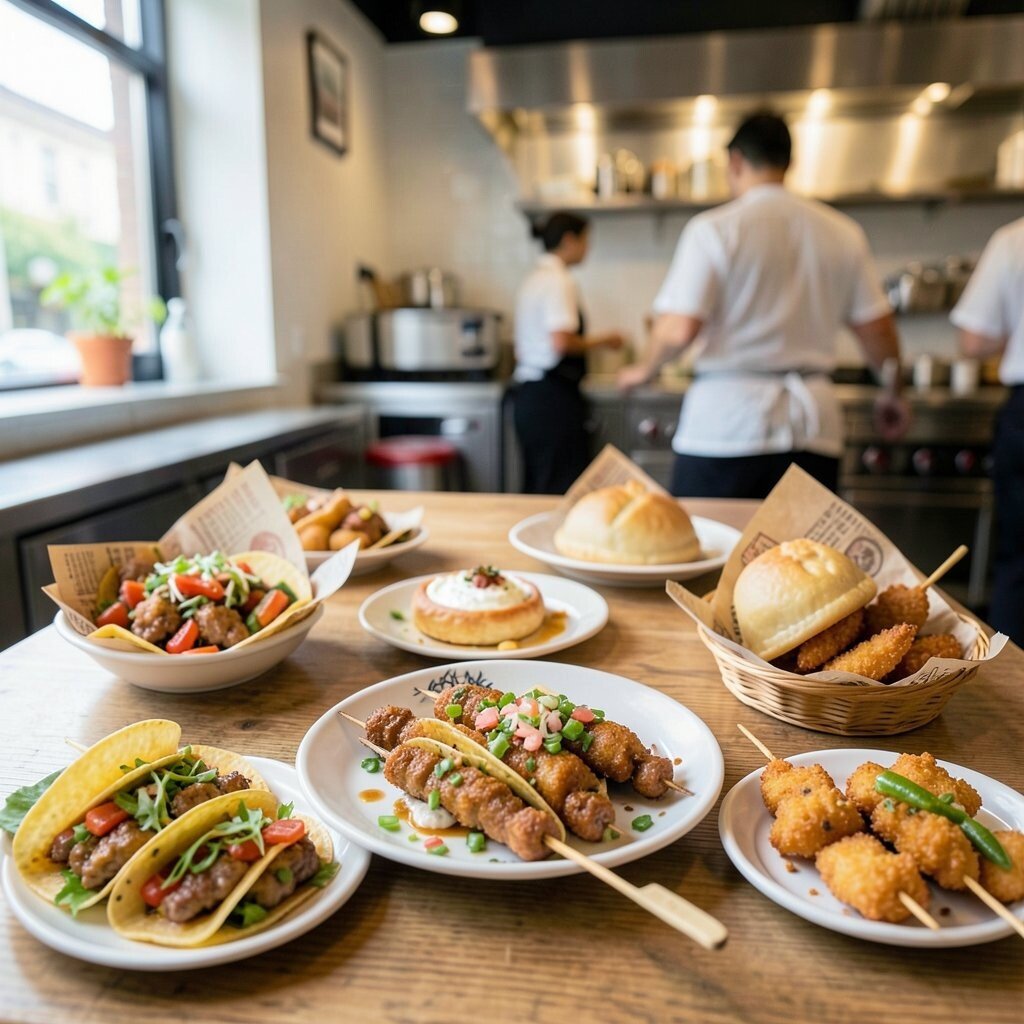
Street food ideas bring a lively, hand-held feel to restaurant menus. Think of tacos, bao buns, skewers, and crispy snacks served with bold dips.
These dishes feel exciting because they pack strong flavor into small bites. They also let kitchens try new spices and sauces without needing huge portions.
Many chefs like this trend because it is easy to personalize with heat levels, toppings, and fillings. Ingredient costs can stay flexible too, since one sauce or one protein can work in many different items.
A menu built around street food can be playful and fast, which helps during busy service. Bright plates, paper wraps, and small baskets can add charm without much extra expense.
4. Fermentation for Tangy, Deep Flavor
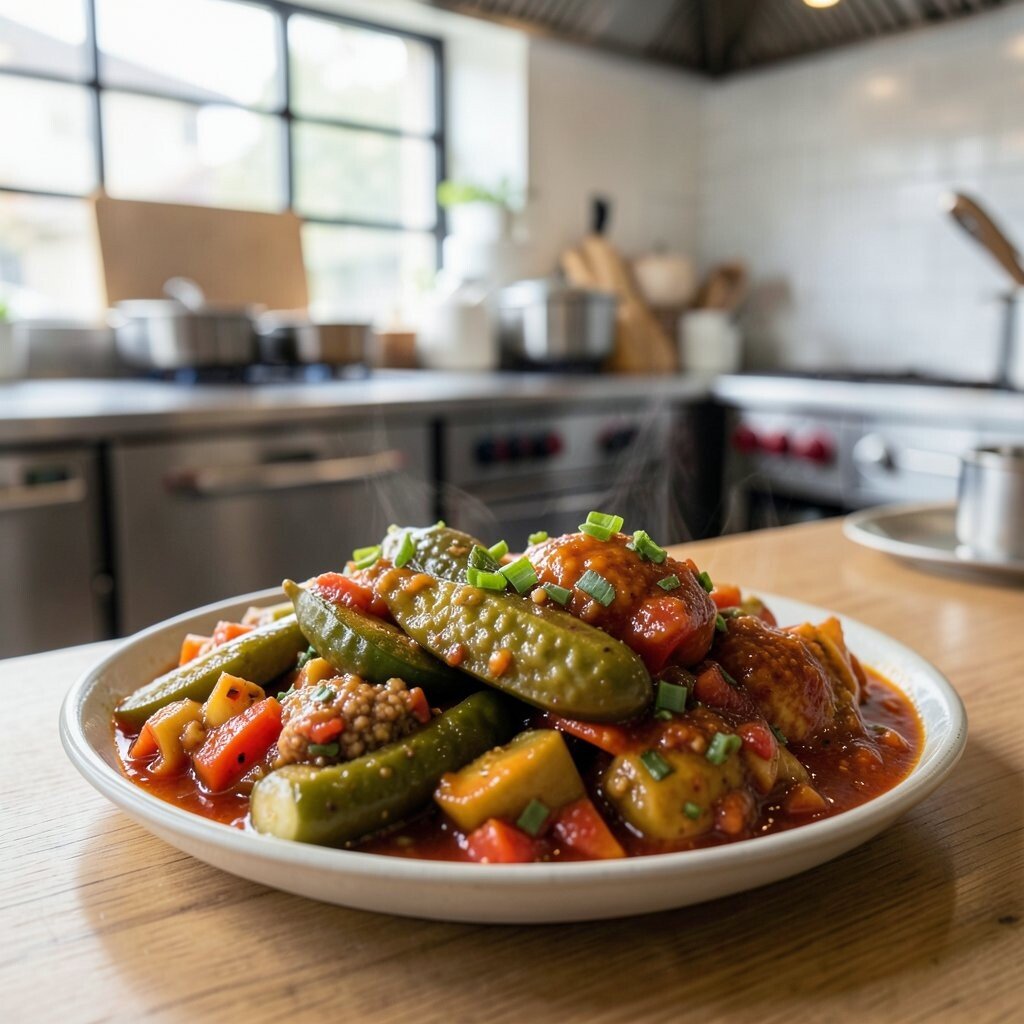
Fermented foods bring a sharp, rich taste that stands out right away. Kimchi, pickles, miso, and cultured sauces can make a dish look vibrant and feel special.
This trend gives chefs a way to build flavor slowly and save ingredients for later use. It can also help kitchens create house-made items that guests cannot get anywhere else.
5. Smaller Menus With Faster Focus
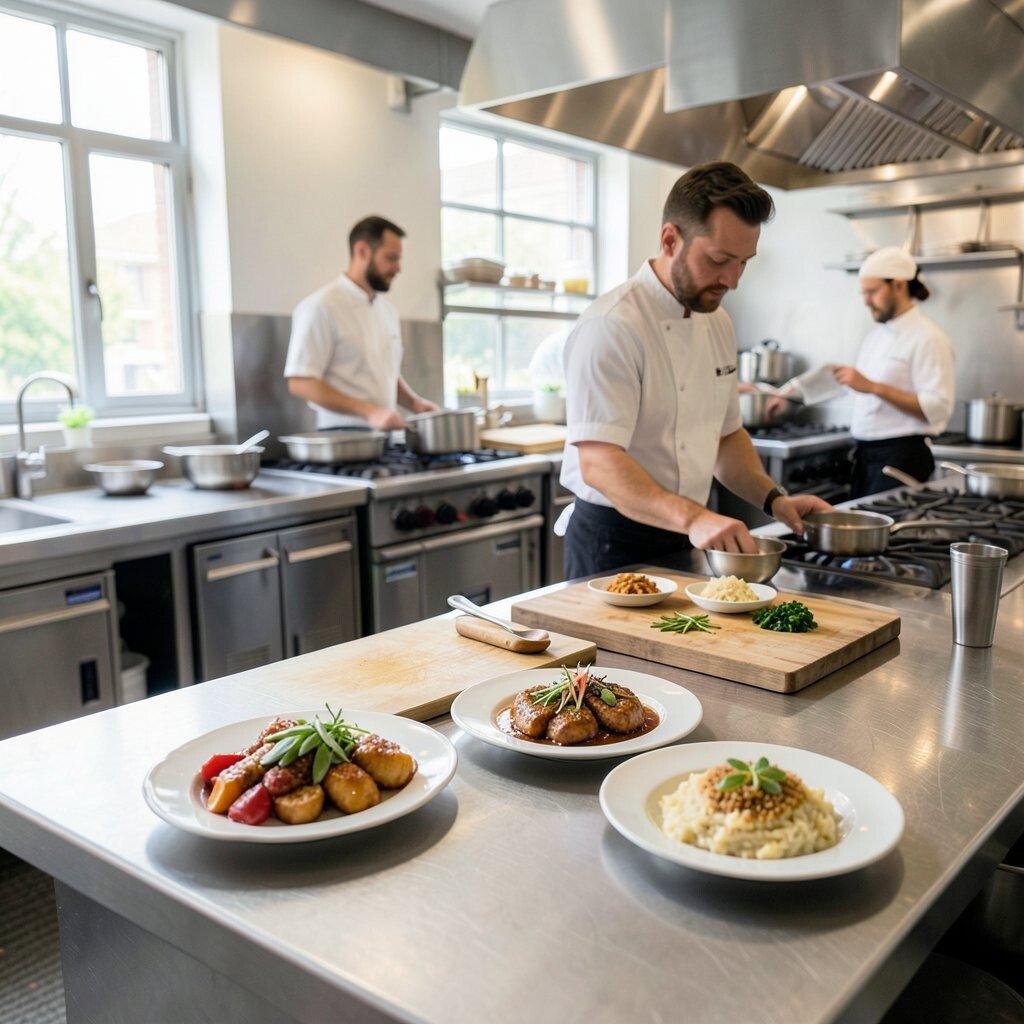
Smaller menus can make a kitchen feel calm and sharp. Fewer dishes on the board often mean cleaner prep tables and less stress during the rush.
Guests benefit too, because choices feel easier and each dish can get more care. This trend also helps chefs highlight fresh items that change with the season.
When a menu stays tight, the kitchen can buy smarter and waste less food. A good tip is to use shared ingredients across dishes, then switch sauces or garnishes to keep each plate fresh and personal.
6. Wood-Fired Cooking With Bold Smoke
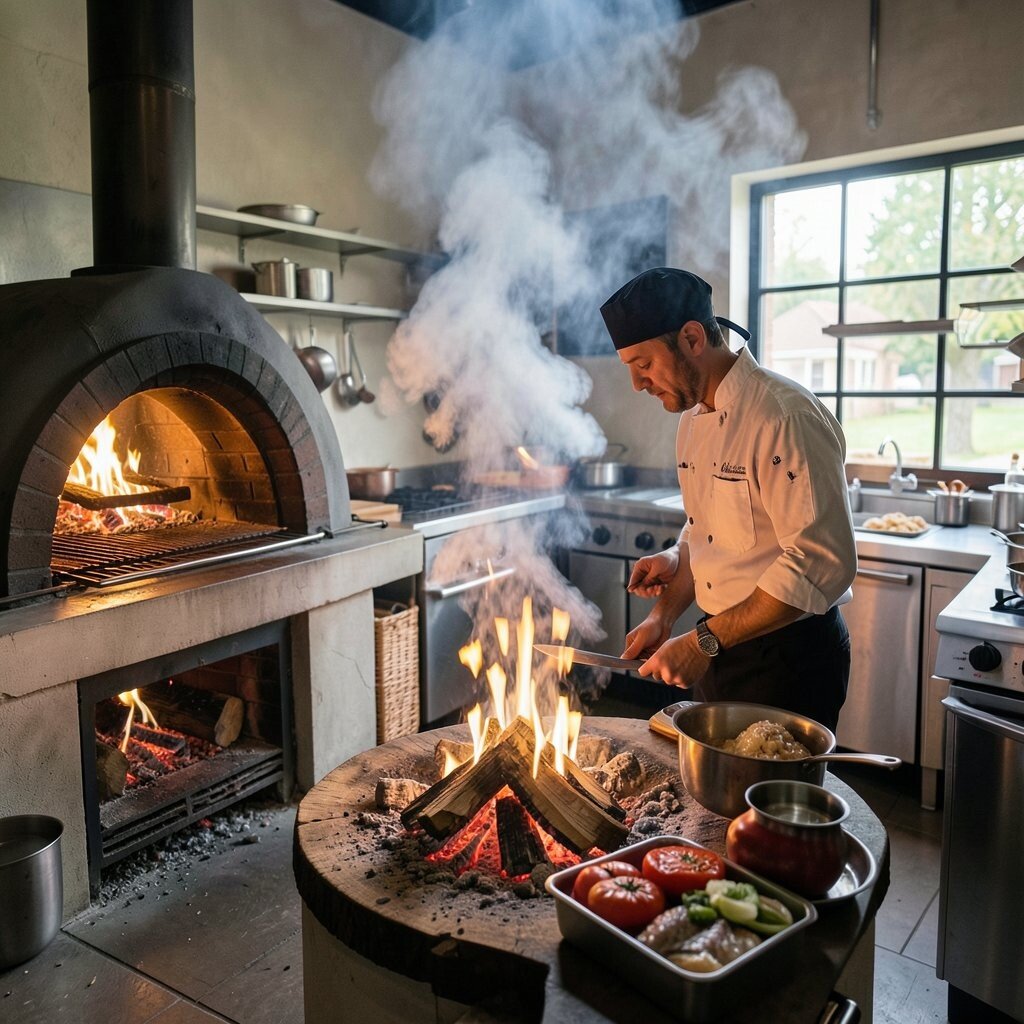
Wood-fired cooking gives food a warm, cozy look and a strong smell that pulls people in. A pizza oven, grill, or hearth can turn simple ingredients into something dramatic.
This style adds a unique char that many diners love. It also helps chefs create dishes with a rustic feel, from vegetables to fish to bread.
The cost can be high at first because wood ovens and venting systems need space and care. Still, many restaurants find the payoff worth it when the cooking station becomes part of the room’s charm and the menu gains a signature flavor.
Personal touches matter here, so chefs can use local woods, house-made rubs, or seasonal toppings. A well-lit fire area also gives the kitchen a warm visual center that feels inviting and memorable.
7. All-Day Brunch and Comfort Plates
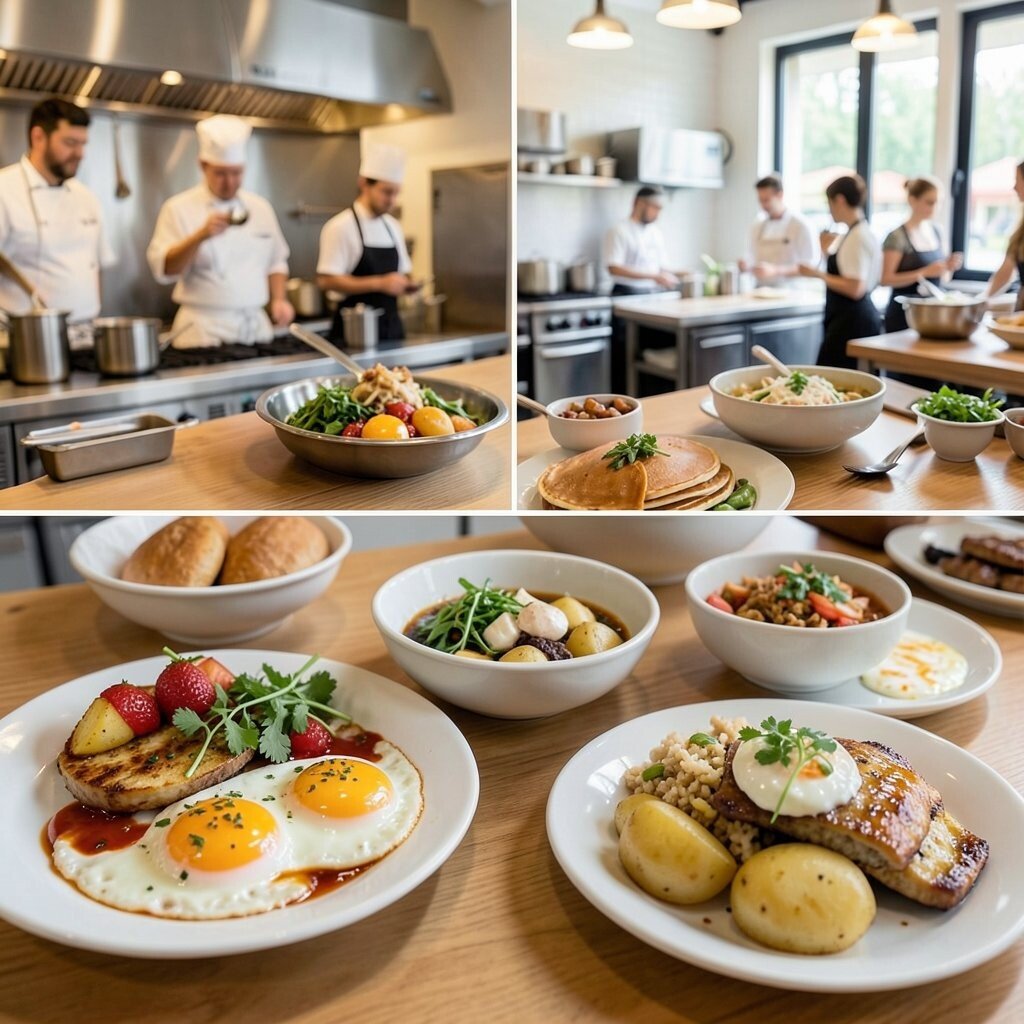
Brunch is no longer just for late morning. Many kitchens now serve eggs, pancakes, bowls, and comfort food all day long.
This trend works because guests love familiar food that feels cozy and easy. It also gives restaurants a chance to sell popular items during more hours of the day.
Chefs can make it feel new by adding spicy sauces, fresh herbs, or fun sides. Costs can stay friendly when the same eggs, potatoes, and breads appear in more than one dish.
8. Smart Kitchen Tech and Digital Prep Tools
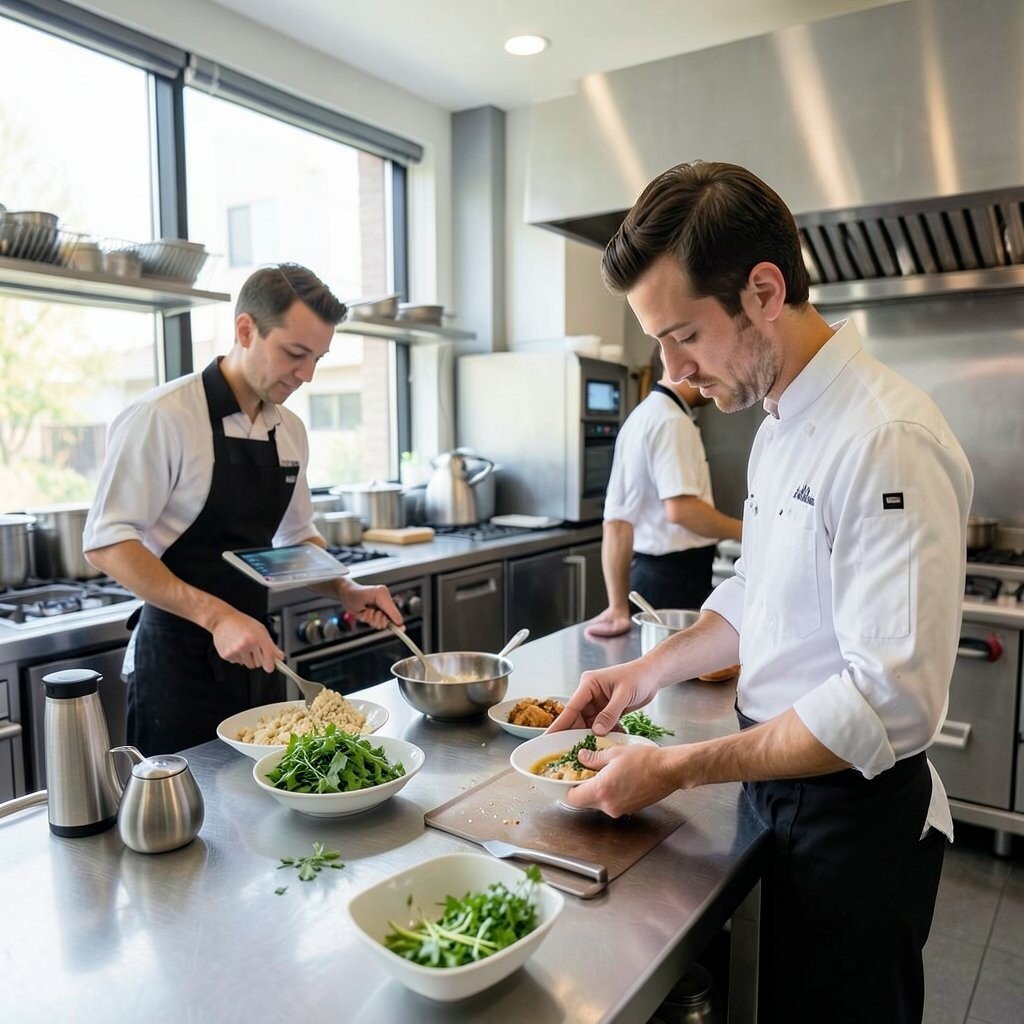
Modern kitchens are getting cleaner and more organized with smart tools. Screens, sensors, and connected ovens help teams move with less guesswork.
This trend saves time and can help food come out more evenly. It also gives managers better control over heat, timing, and stock.
Some systems can feel pricey at first, but they may cut waste and reduce mistakes over time. For a personal touch, chefs can still add hand-finished sauces, fresh herbs, and careful plating so the food feels warm and human.
Tech works best when it supports the cook instead of taking over the whole job. A kitchen with a few smart upgrades often looks sleek and busy in a good way, which can impress both staff and guests.
9. Zero-Waste Cooking With Creative Use of Ingredients
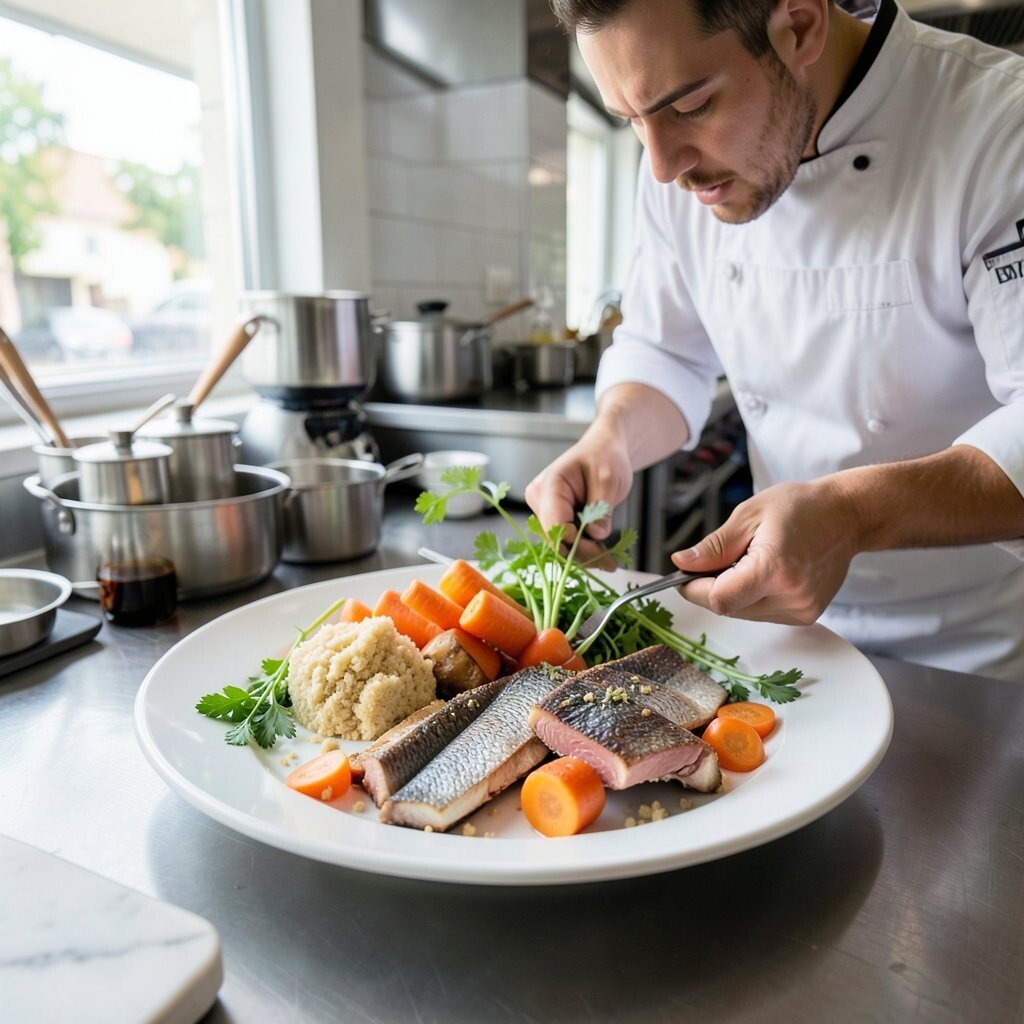
Zero-waste cooking turns scraps into stars. Carrot tops, bread ends, fish trim, and herb stems can all become useful parts of a dish.
This idea looks smart and modern because it shows care for both food and the planet. It can also lower food bills when kitchens use more of what they buy.
Chefs often make stocks, crumbs, oils, and sauces from pieces that used to be thrown away. A helpful tip is to train the team to sort ingredients early, since good planning makes this trend easier and keeps quality high.
Guests often like the story behind these dishes, especially when the menu explains how the kitchen uses every bit. That personal story can make a simple plate feel thoughtful and special.
10. Regional Food Stories on the Plate
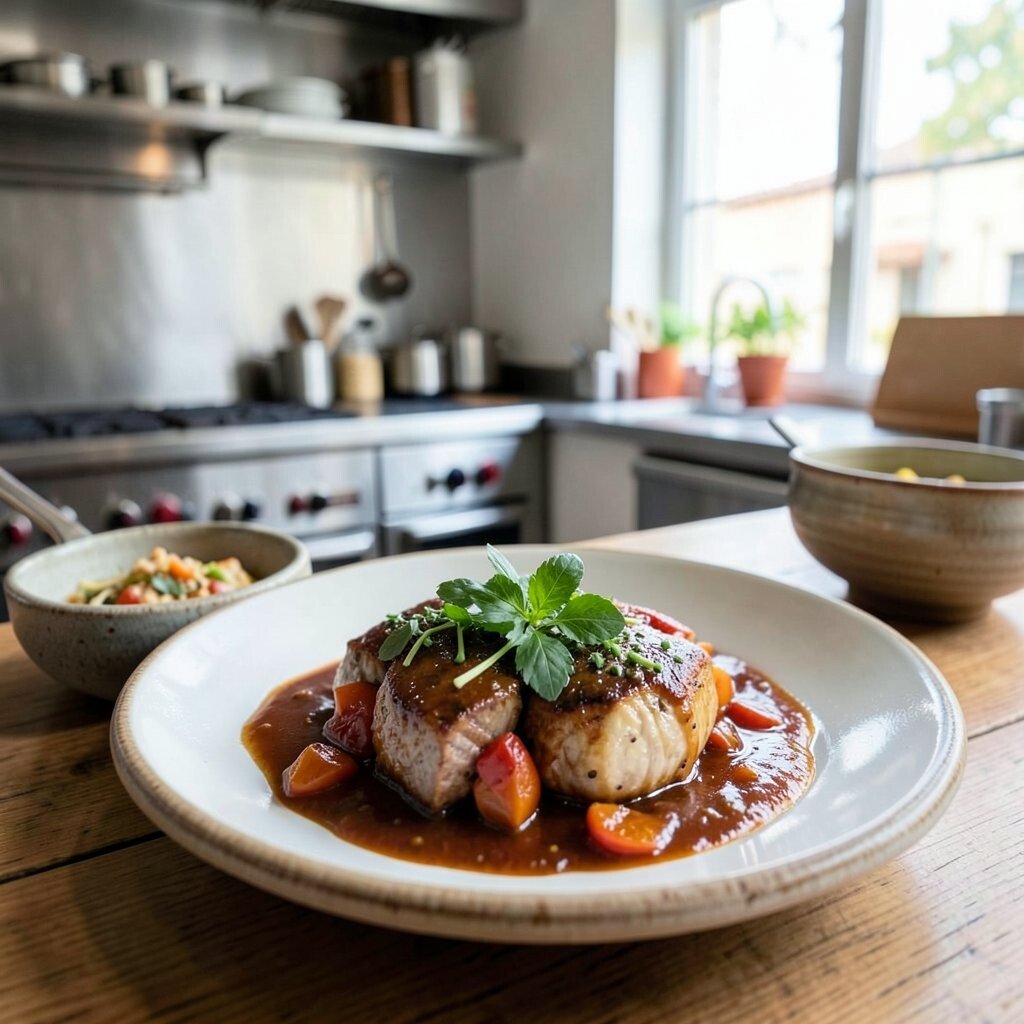
Regional cooking gives a menu a strong voice. A dish inspired by one town, coast, or farm can feel warm, honest, and full of place.
This trend stands out because it teaches guests something while they eat. It also helps restaurants build a clear identity instead of serving food that feels random.
Chefs can add local ingredients, family recipes, or old cooking methods to make each plate feel real. Costs may shift with the seasons, so smart kitchens keep backup choices ready and use flexible sourcing to stay steady.
Visual details matter here, from rough ceramic bowls to bright herb toppings and rich sauces. When a kitchen tells a place-based story, the meal feels personal and memorable.
11. Mini Desserts and Sweet Bites
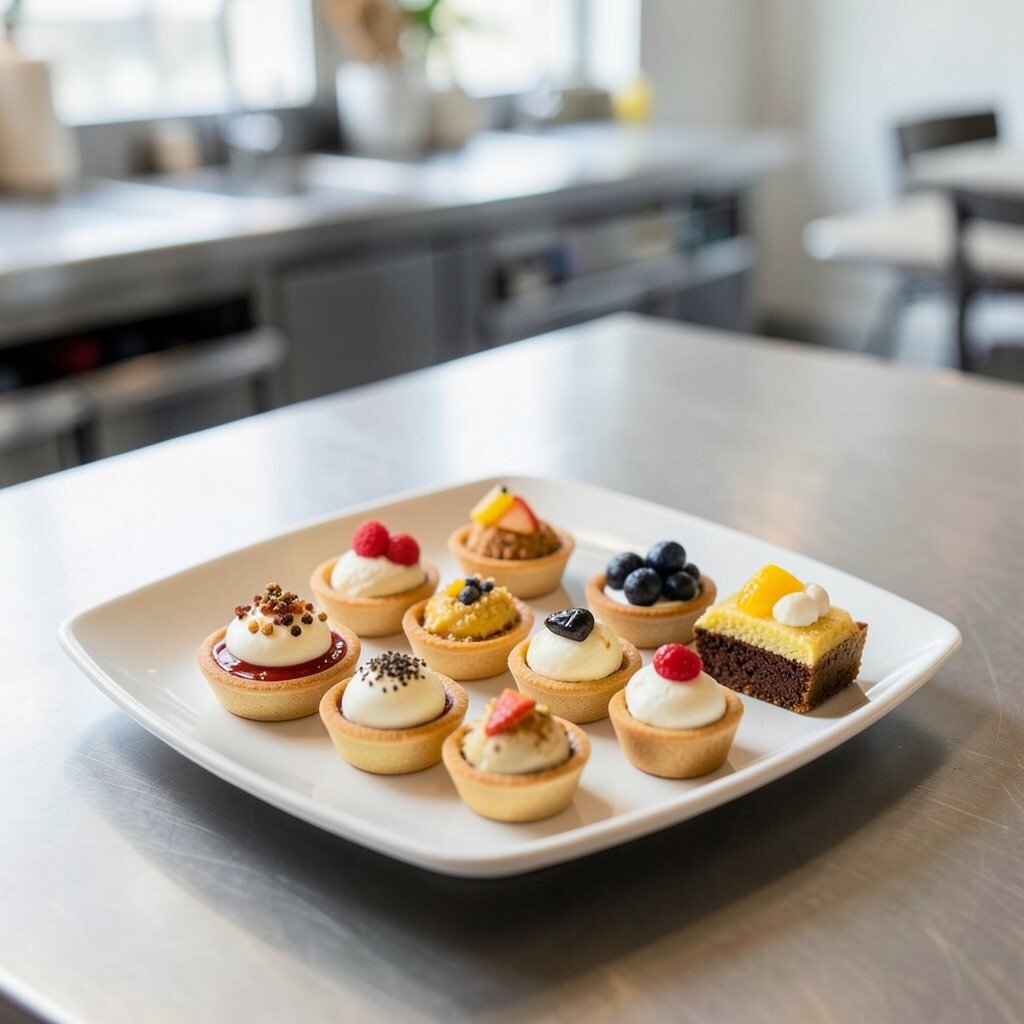
Small desserts are charming and easy to love. Tiny tarts, cups, bars, and scoops can look neat on a plate and still feel satisfying.
This trend helps guests enjoy something sweet without feeling too full. It also gives kitchens a chance to sell more dessert choices because the portions feel lighter.
Chefs can make these treats feel special with colorful fruit, glossy sauces, or crunchy toppings. Cost control is often better too, since smaller portions use less cream, chocolate, and other rich ingredients.
Personalization works well here through sauces, crumbs, or fruit swaps. A dessert tray with many small shapes can also make the pass look lively and polished.
12. Custom Bowls and Build-Your-Own Meals
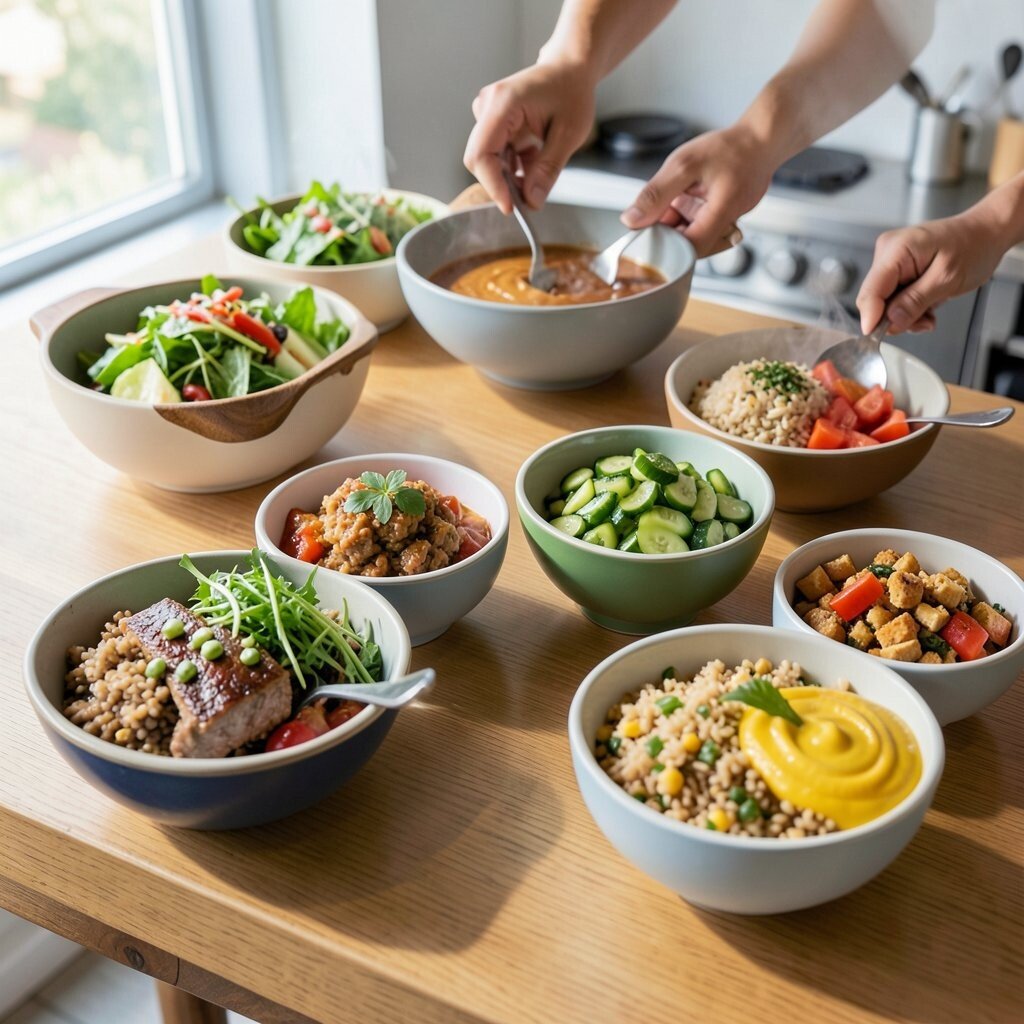
Custom bowls are popular because they give guests control. A base, a protein, a sauce, and a few toppings can create many different meals from one simple system.
This trend makes dining feel fun and personal. It also helps kitchens move quickly because the parts can be prepped ahead and assembled fast.
Bowls can be colorful with greens, grains, pickled vegetables, and bright dressings. For cost planning, a kitchen can keep a few core ingredients on hand and rotate seasonal extras to keep the menu fresh without raising prices too much.
Guests like being able to choose heat, crunch, and richness to match their taste. The result is a menu that feels modern, flexible, and easy to repeat.
13. Live Fire, Char, and Tableside Finish
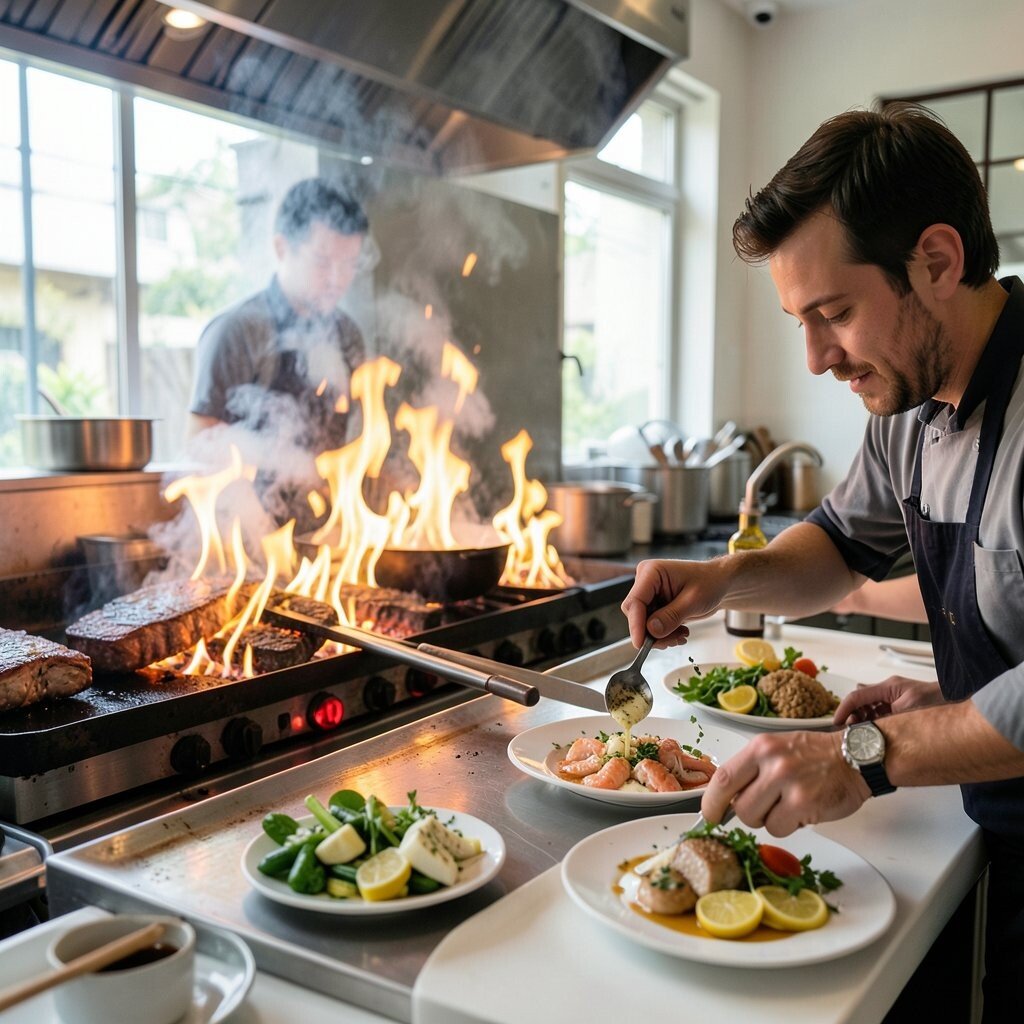
Live fire cooking gives food a bold look and a strong smell that fills the room. Flames, smoke, and sizzling pans create a show that guests remember.
This trend feels exciting because it blends cooking and performance. It can make simple items like vegetables, seafood, and meats look much more special.
Tableside finish adds another layer, with sauces poured, herbs sprinkled, or cheese shaved right in front of diners. The cost can be higher for special tools and trained staff, but the guest experience often feels worth it.
Chefs can personalize the finish with local oils, fresh citrus, or signature spice blends. When done well, the kitchen feels energetic, the plates look dramatic, and the whole meal feels alive.