Imagine a world where your design ideas shine brighter and bring joy. Crafting such visions requires knowing which pitfalls to steer clear of.
1. Ignoring Color Harmony
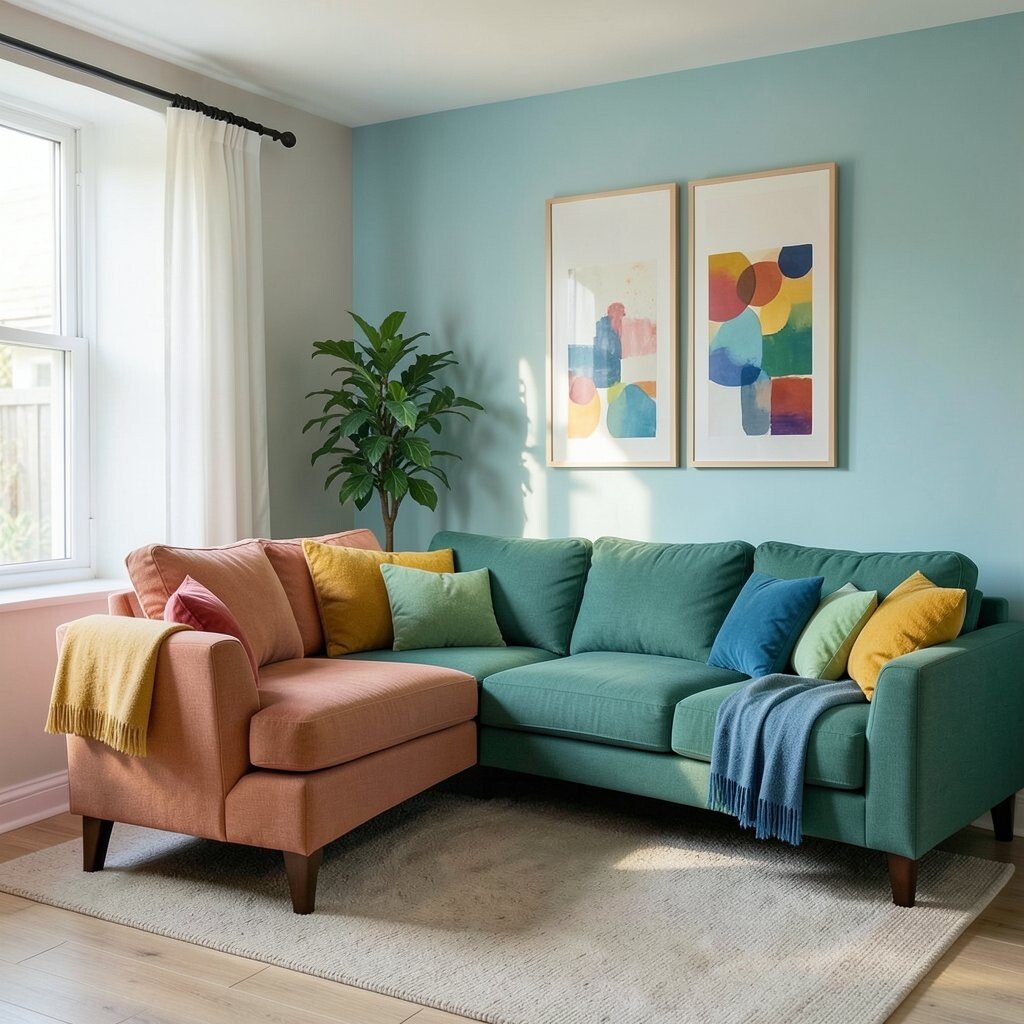
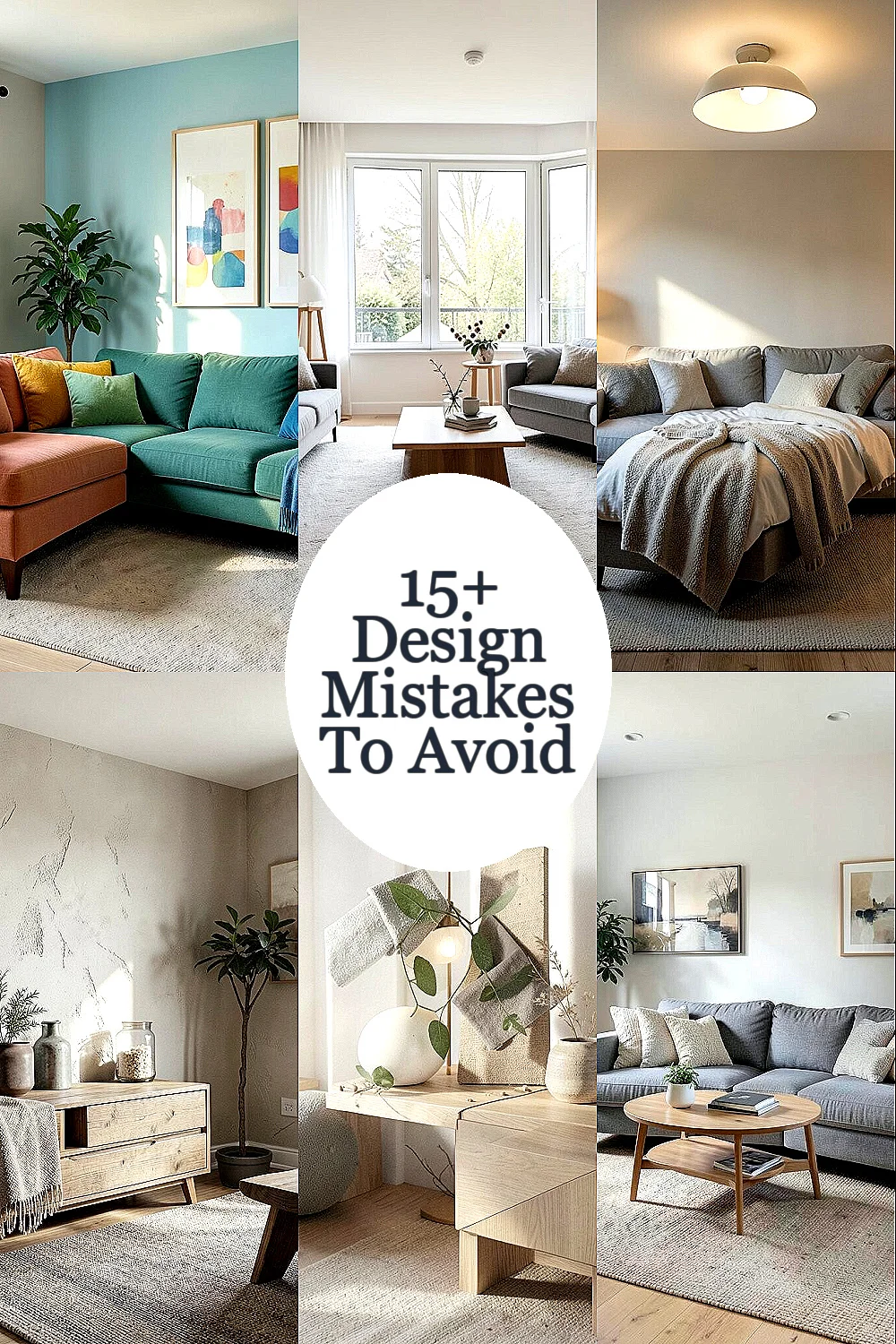
Colors can either make or break your design. Without harmony, your space may feel chaotic or dull. Think of using a primary color and then complementing it with two or three shades.
Color harmony brings balance and peace to your design. It makes your space feel more welcoming and pleasant. Try using color wheels or apps to find palettes that work well together.
Experiment with bold hues if you’re feeling adventurous. Adding a pop of color through accessories can be cost-effective and fun. Don’t be afraid to play with colors!
2. Overcrowding Spaces
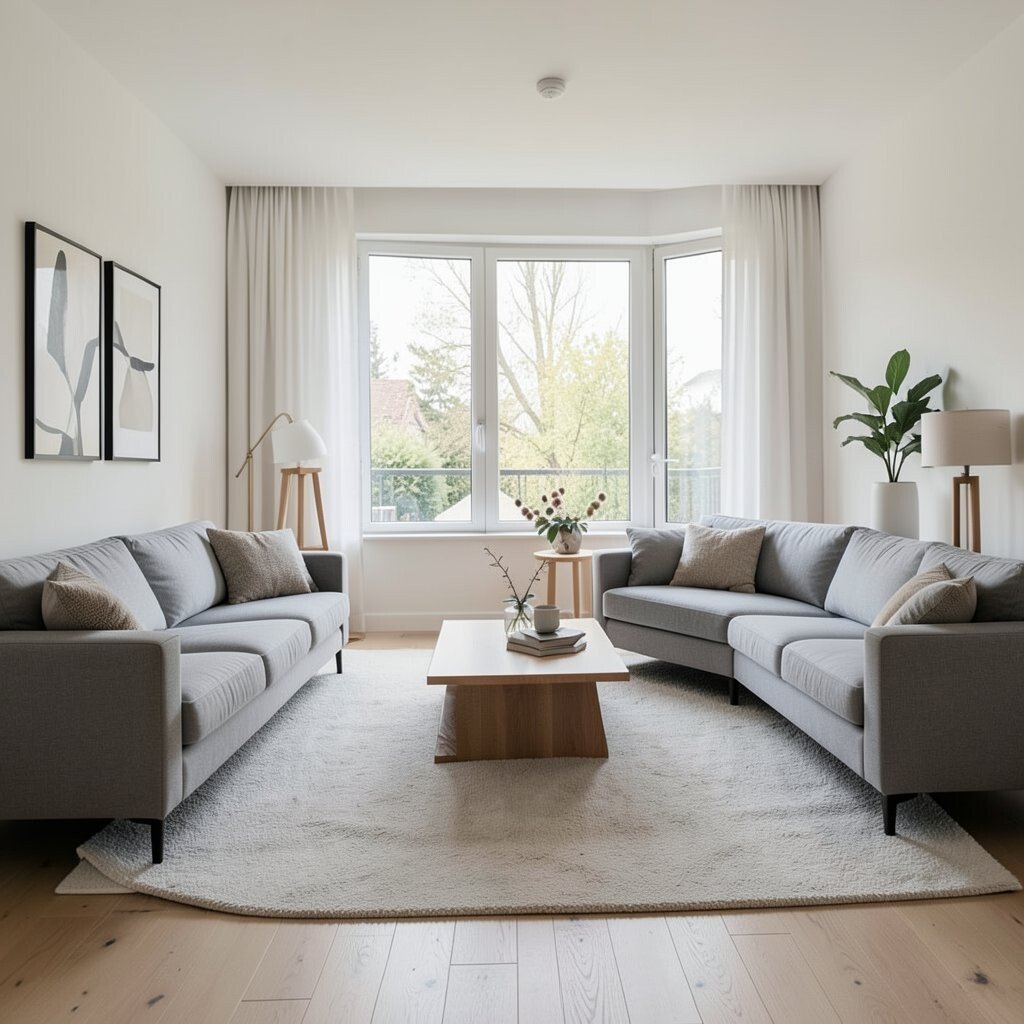
Too much furniture or decor can make a room feel cramped. Open spaces give a sense of freedom and breathing room. Less is often more when it comes to design.
Leaving space between pieces lets each item stand out. This makes your space look sophisticated and intentional. Consider multifunctional furniture to save space and money.
Try a minimalist approach to see how it feels. This method often leads to more thoughtful and personalized design choices.
3. Underestimating Lighting
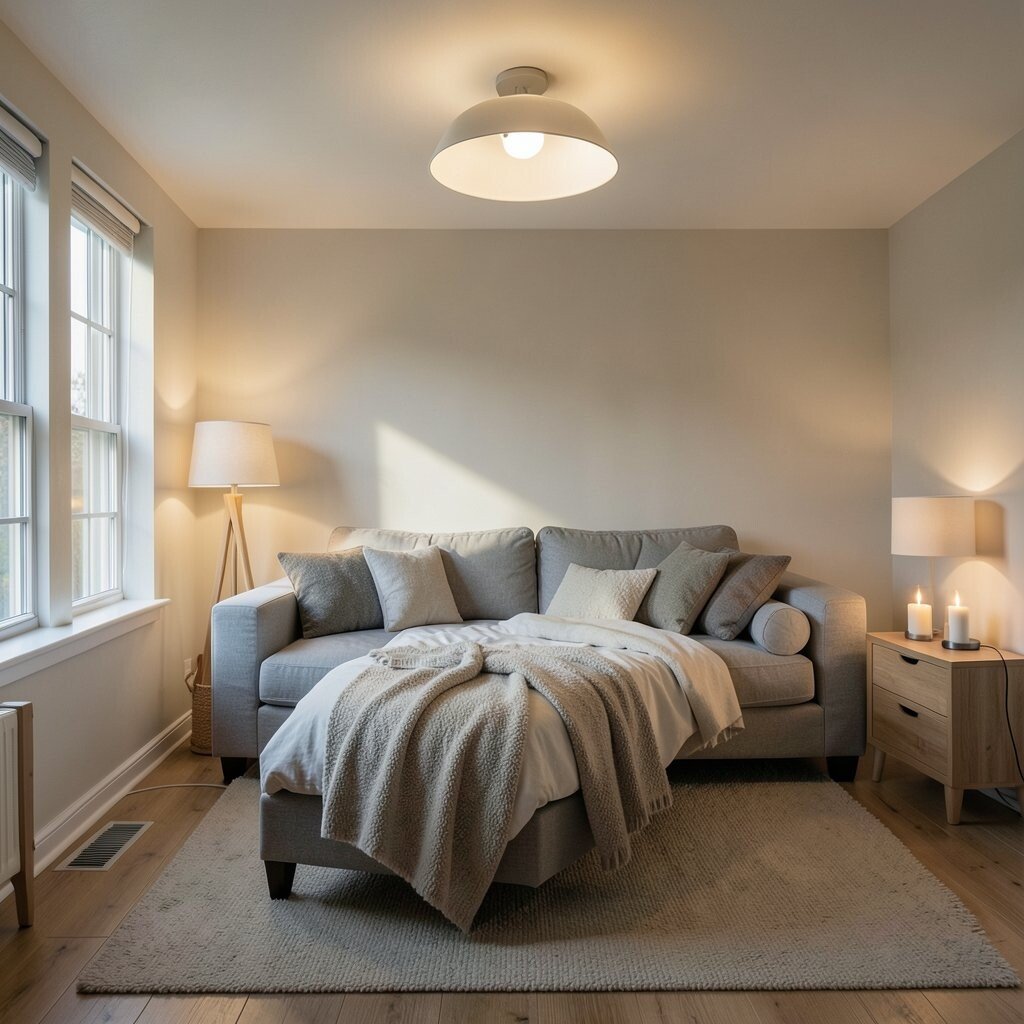
Lighting sets the mood and tone of any space. A poorly lit room can feel gloomy and uninviting. Mix different lighting sources like ceiling lights, floor lamps, and candles.
Good lighting highlights the beauty of your design. It can make colors pop and spaces feel larger. Consider the natural light in your room and enhance it with artificial options.
Investing in dimmable lights allows flexibility for different times of day. This small change can have a big impact on the ambiance of your room.
4. Neglecting Texture
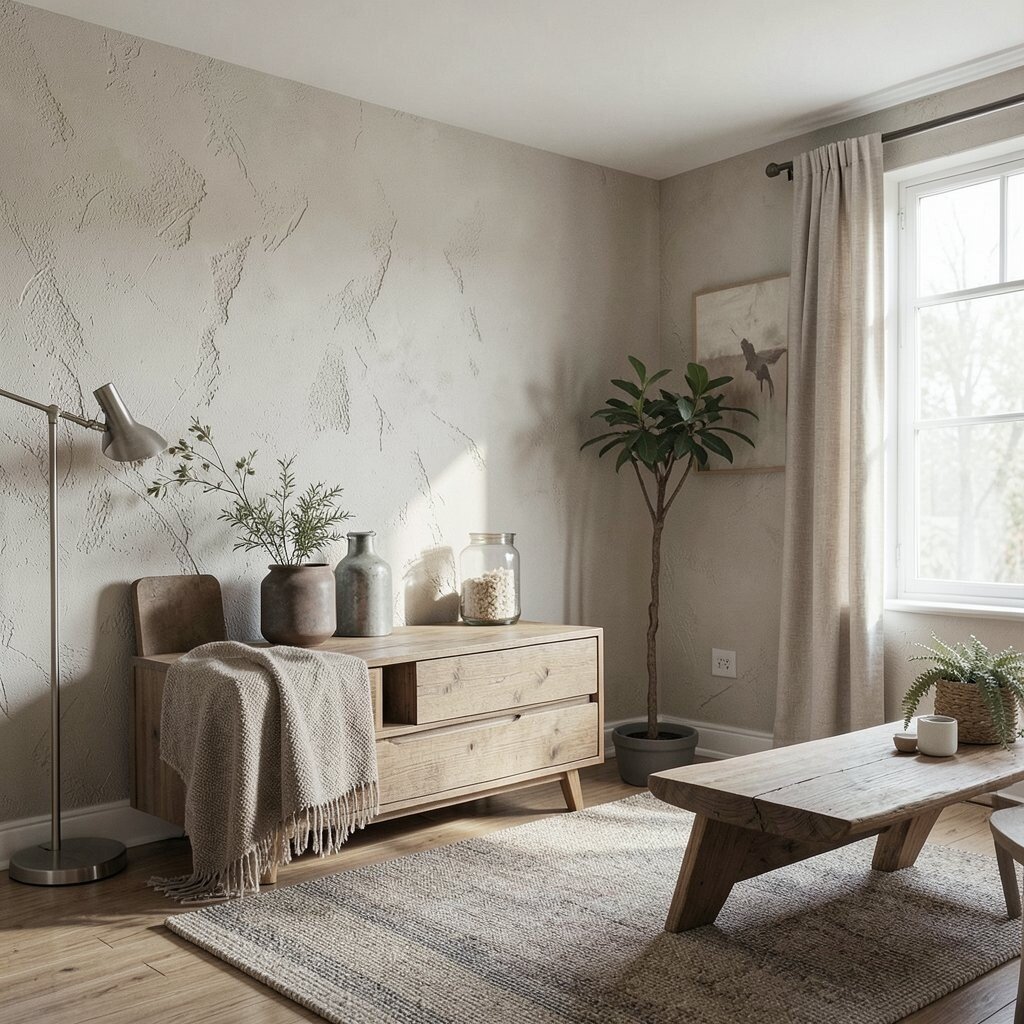
Texture adds depth and interest to any design. Without it, spaces can feel flat and boring. Mix materials like wood, metal, and fabric.
Using different textures creates a sensory experience. It makes your space more engaging and lively. Consider textured wallpapers or rugs for an easy update.
Don’t shy away from combining smooth and rough textures. This contrast can create a dynamic and unique look.
5. Mismatched Styles
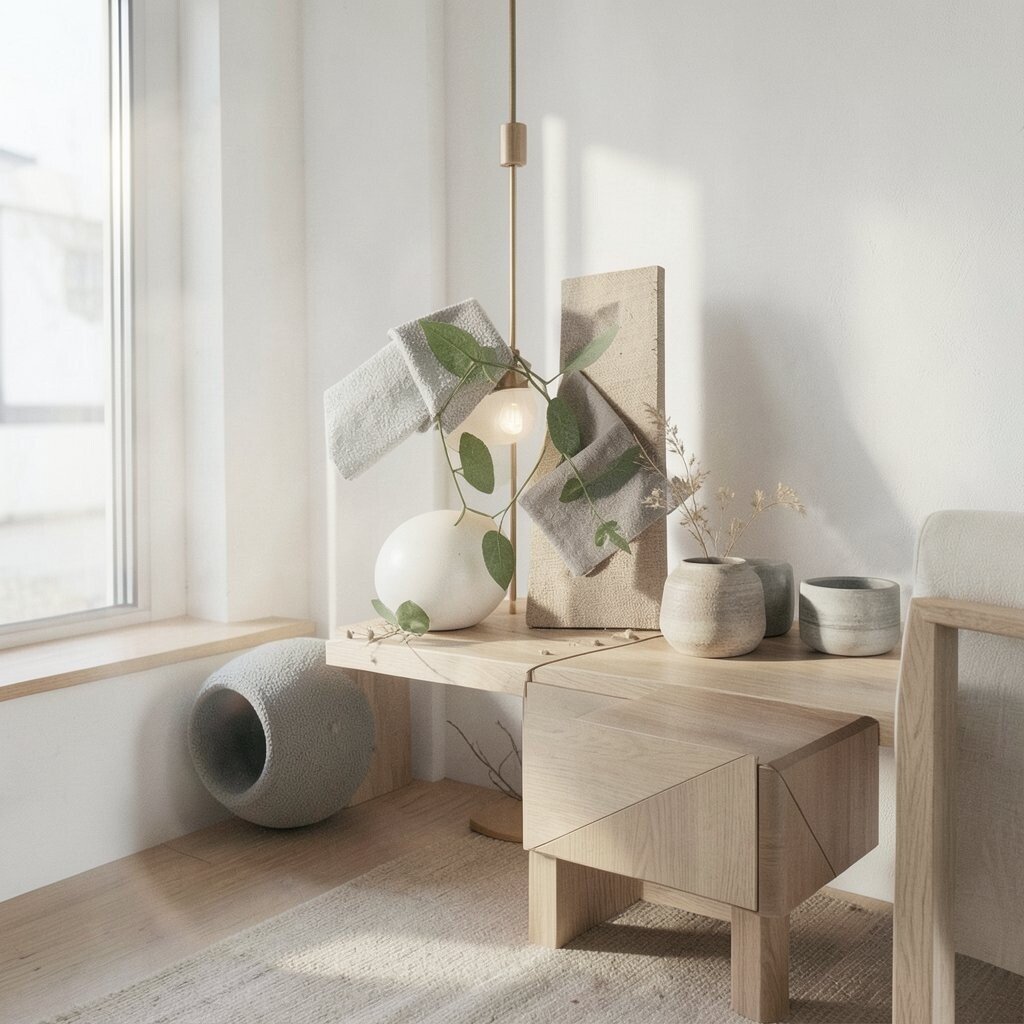
Combining different styles can lead to a disjointed look. It’s important to have a clear vision and stick with it. Choose a style that speaks to you and be consistent.
Consistency creates a sense of harmony and flow. It ties all elements of your design together seamlessly. If you love multiple styles, try blending them thoughtfully.
Use a common color or texture to unify different styles. This way, your design feels curated rather than chaotic.
6. Overlooking Scale and Proportion

Scale and proportion are key to a balanced design. A giant sofa in a small room can feel overwhelming. Choose furniture and decor that fit the size of your space.
When items are in proportion, the room feels comfortable and natural. It aids in creating a visually pleasing environment. Try drawing a floor plan to help visualize proportions.
Mixing large and small items can add variety. Just be sure to maintain balance so the room doesn’t feel cluttered.
7. Disregarding Functionality
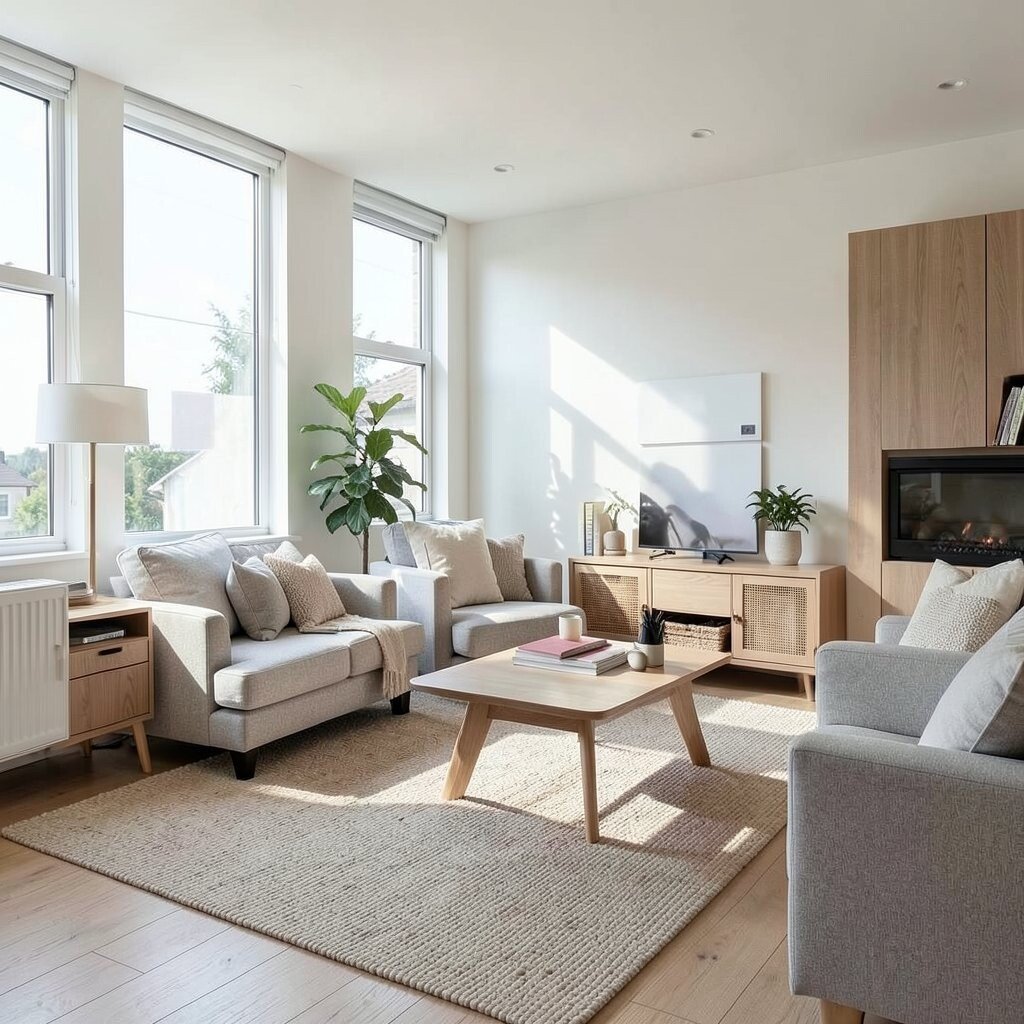
A beautiful design should also be practical. Ignoring functionality can lead to frustration. Each piece should serve a purpose and make life easier.
Functional design improves your daily life. It offers convenience and efficiency. Think about how you use your space and choose items that support those activities.
Consider furniture with hidden storage or multi-use pieces. These can enhance both the look and utility of your space.
8. Forgetting Personal Touches
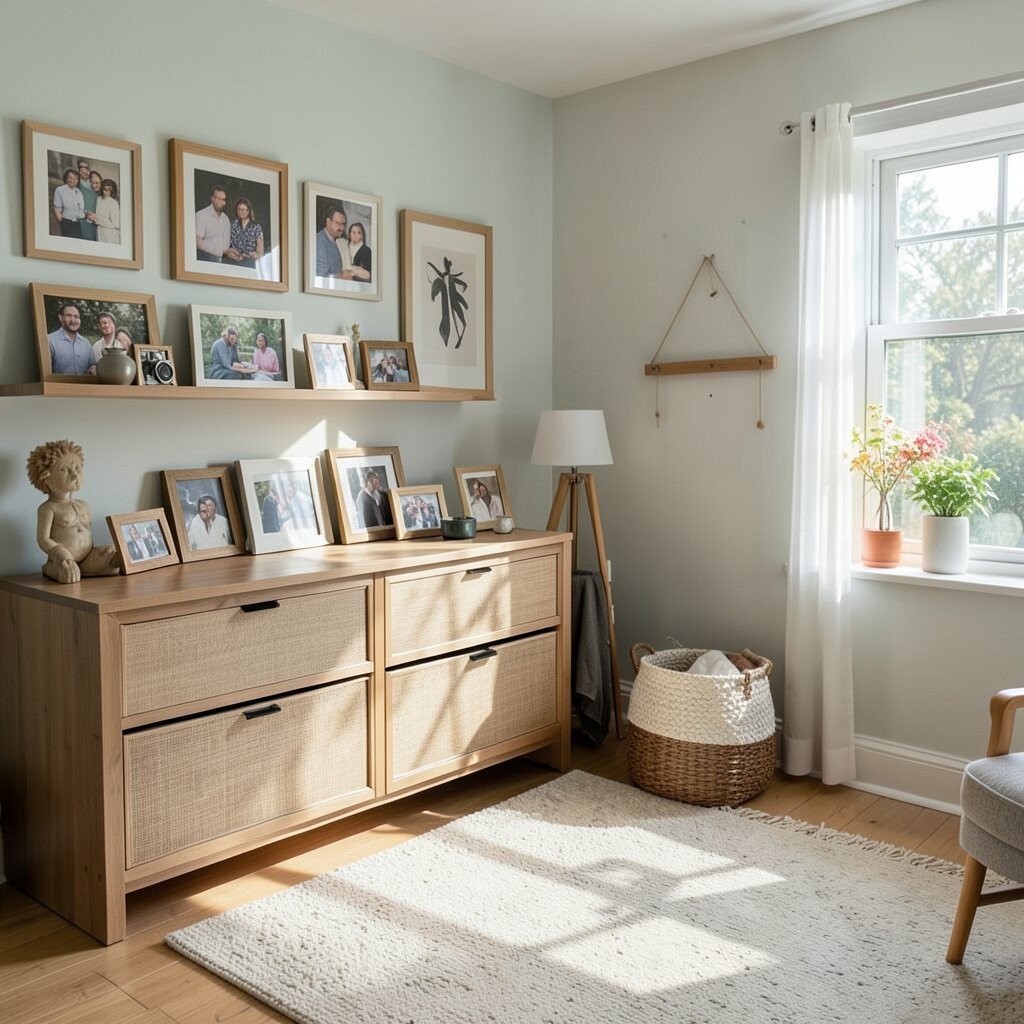
Personal touches make a design feel like home. Without them, a space can feel generic and cold. Add items that reflect your personality and interests.
Your design should tell your story. It makes your space unique and full of character. Display cherished photos, souvenirs, or art that you love.
Incorporating personal elements doesn’t have to be costly. Even small details can make a big impact on the overall feel of your space.
9. Ignoring the Focal Point
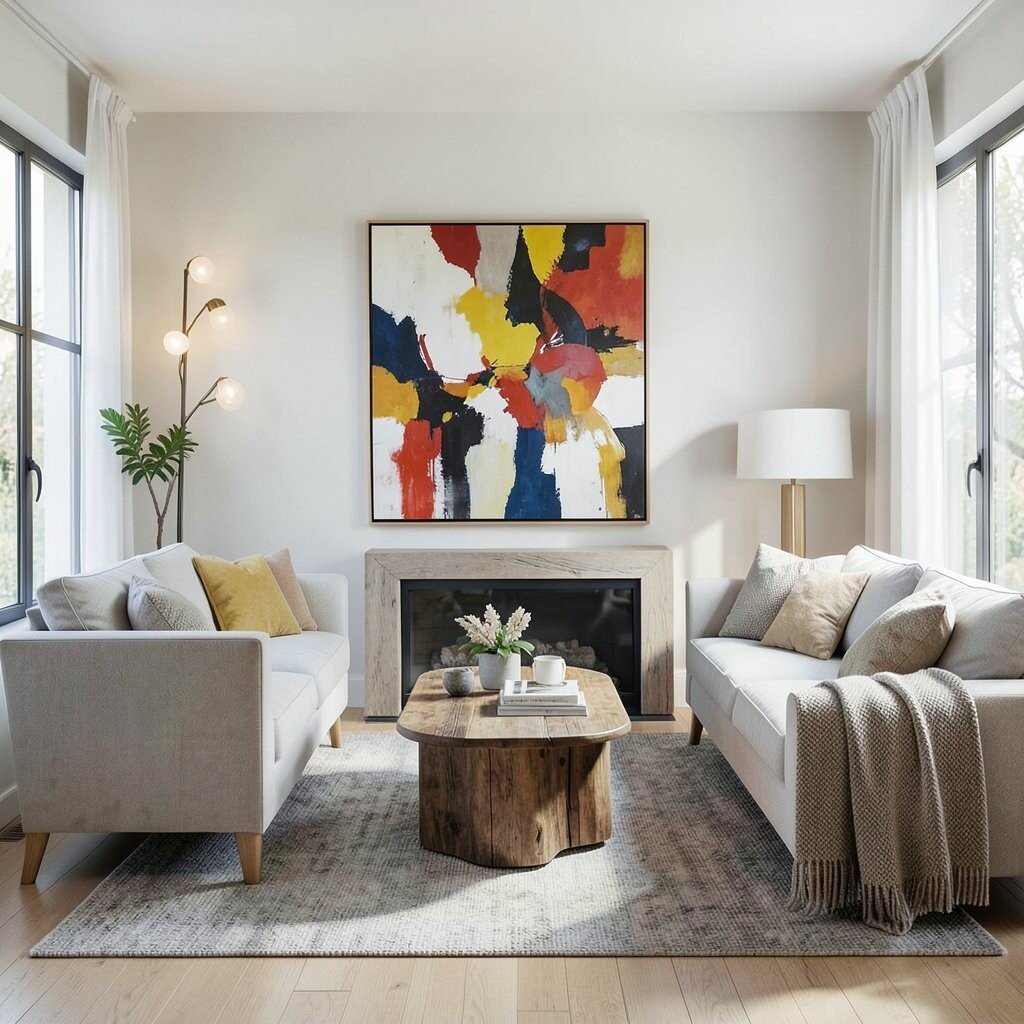
Every room needs a focal point to draw the eye. Without it, a space can feel aimless and scattered. Choose one area or item to be the star of the show.
A well-chosen focal point anchors a room. It provides a central spot for the rest of the design to revolve around. Consider using bold artwork or a statement piece of furniture.
Having a focal point makes decorating easier. It gives you a starting point and theme for the rest of the room.
10. Skimping on Quality
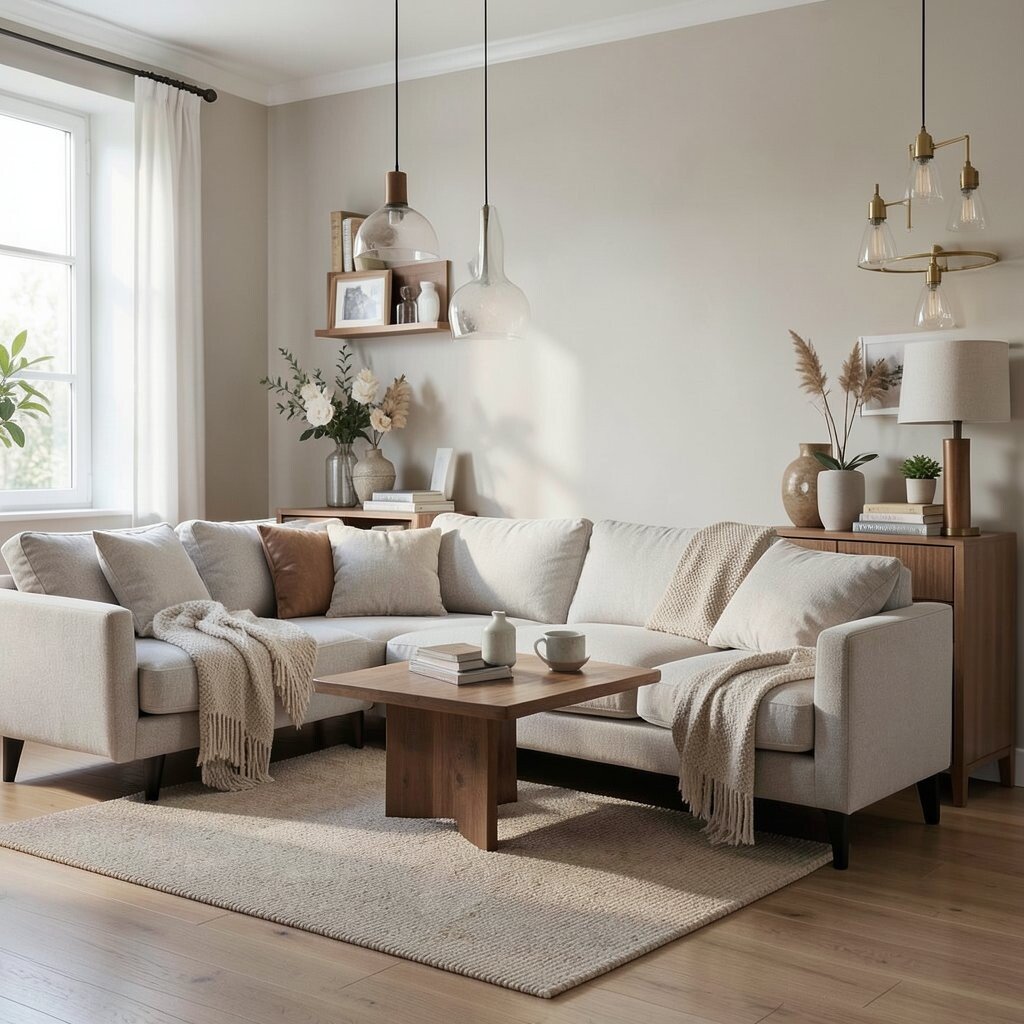
Investing in quality items can save money in the long run. Cheap materials often wear out quickly and detract from the overall look. Choose durable, timeless pieces.
Quality enhances both the functionality and appearance of your design. It ensures your space looks polished and lasts longer. Look for sales or second-hand options to find quality within budget.
Mix high-end pieces with affordable finds for balance. This approach creates a curated look without breaking the bank.
11. Overdoing Trends
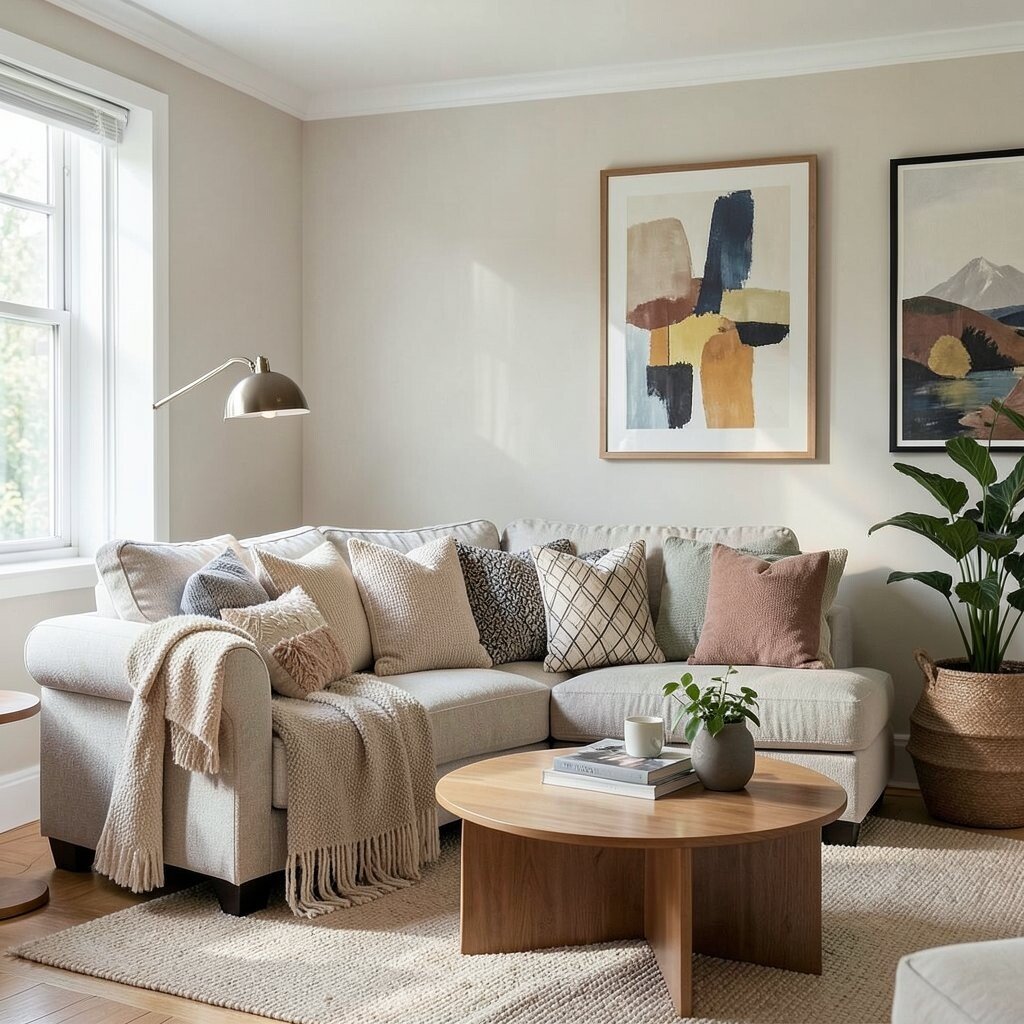
Trends come and go, but a classic design lasts. Overloading on trends can make your space feel dated quickly. Choose timeless elements with a few trendy accents.
Avoiding trend overload ensures your design remains stylish over time. It keeps your space fresh and relevant. Incorporate trends through easily changeable items like pillows or art.
Focus on what you love rather than what’s popular. This way, your design feels authentic and enduring.
12. Lack of Contrast
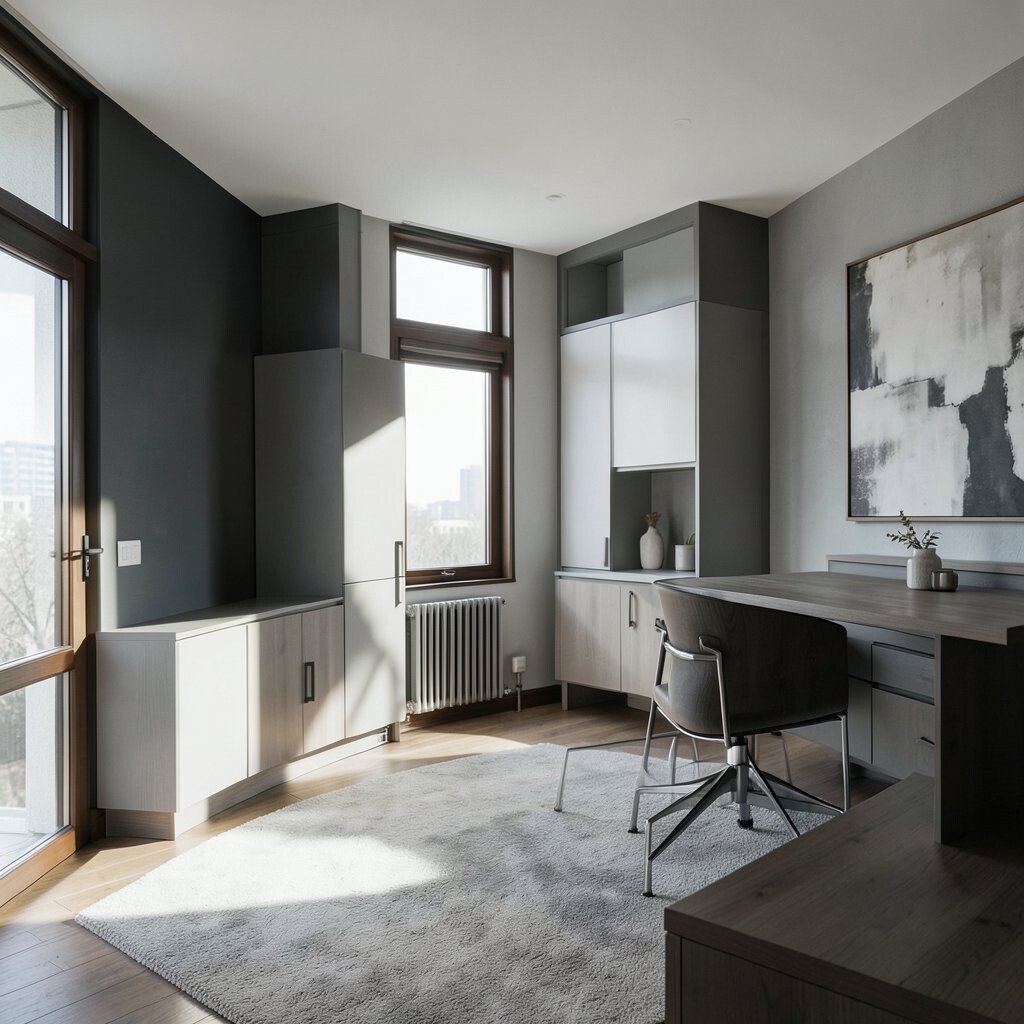
Contrast adds interest and drama to a design. Without it, spaces can feel monotone and dull. Use contrasting colors, shapes, or textures.
Contrast highlights unique features and adds depth. It makes your design more dynamic and visually appealing. Experiment with light and dark shades for a striking look.
Introducing contrast doesn’t have to be dramatic. Even subtle differences can elevate the overall design.
13. Forgetting About Comfort
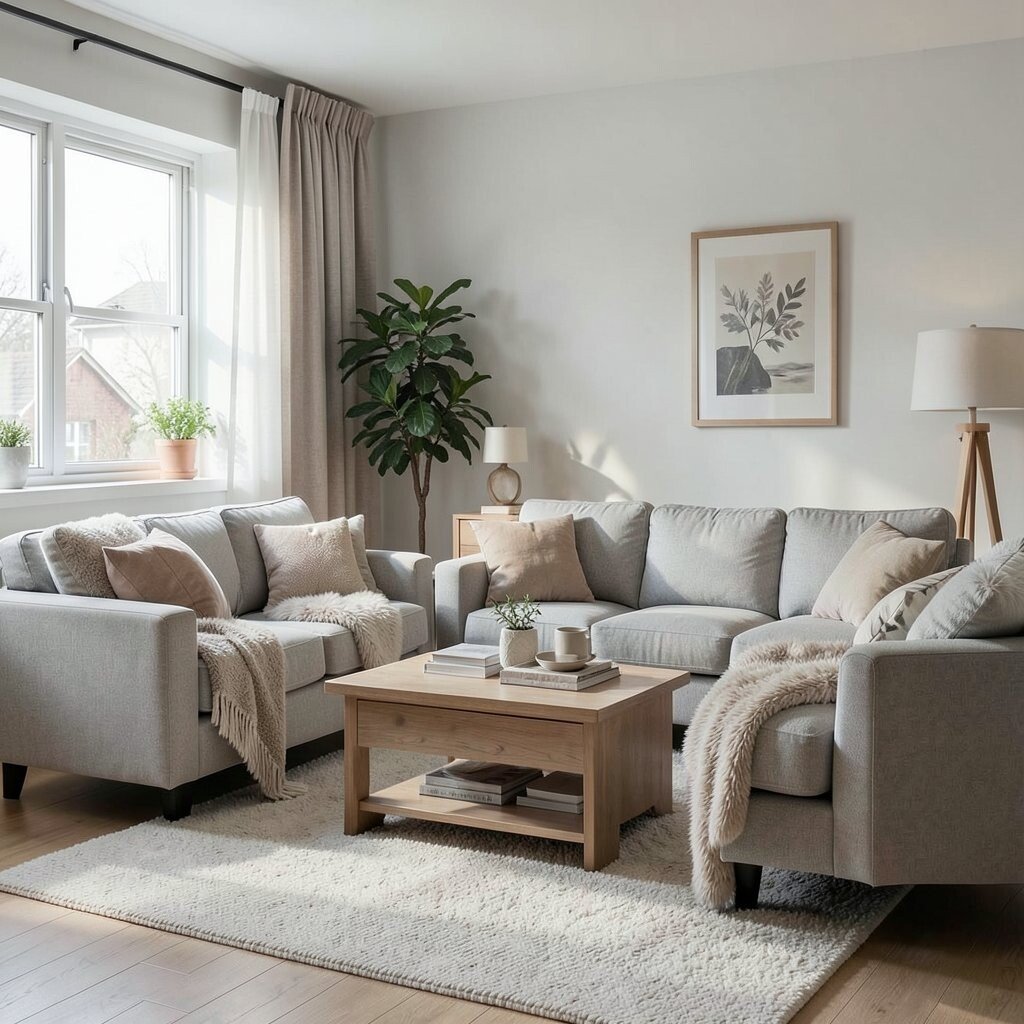
Comfort should never be sacrificed for style. An uncomfortable space can quickly become unwelcoming. Choose furniture and decor that invite relaxation.
Comfort makes a space feel inviting and cozy. It encourages people to linger and enjoy. Consider plush fabrics, soft lighting, and ergonomic designs.
Balancing comfort with style creates a harmonious space. Your home should be a place of comfort and refuge.
14. Neglecting Outdoor Spaces
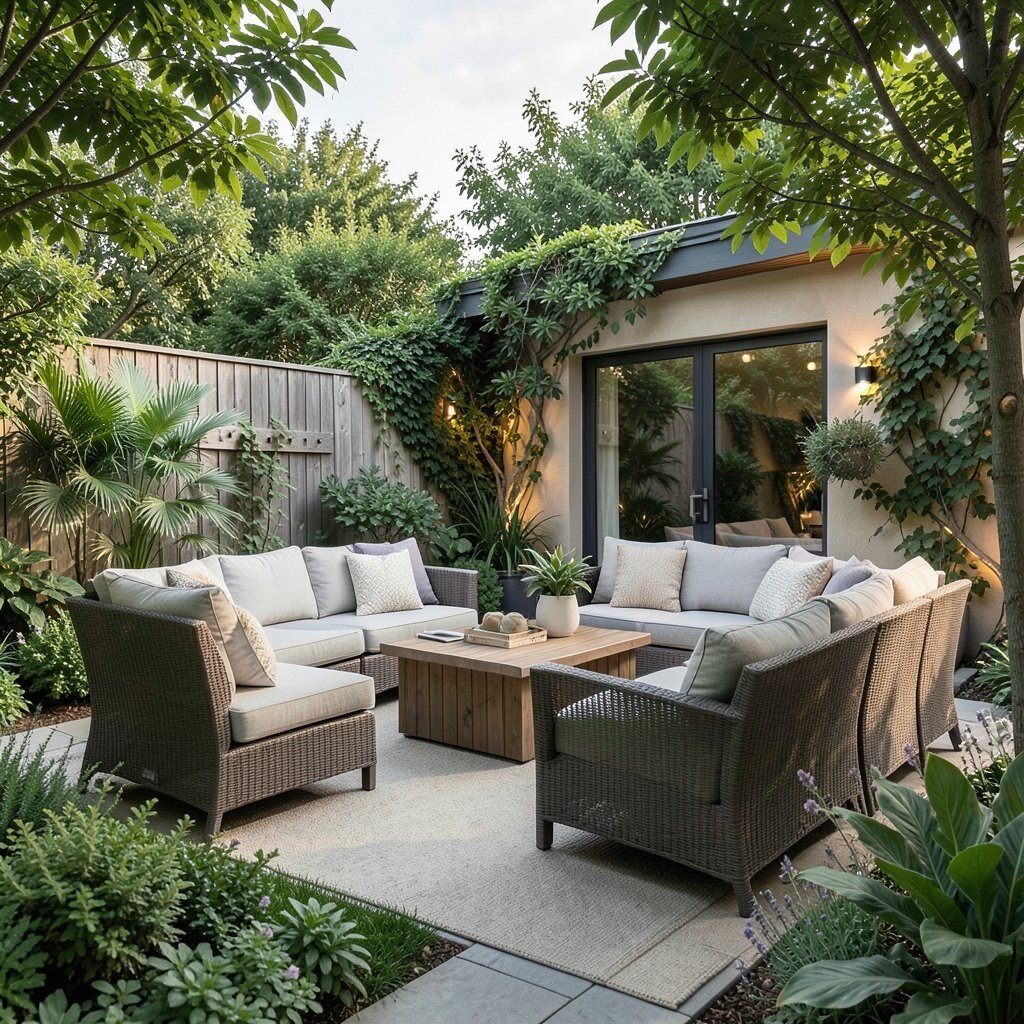
Outdoor spaces are extensions of your home. Neglecting them can mean missing out on valuable living areas. Treat them with the same care as indoor spaces.
Well-designed outdoor areas enhance your lifestyle. They provide additional space for relaxation and entertainment. Consider weather-resistant furniture and lush plants for a welcoming environment.
Personalize your outdoor space with lighting and decor. These touches make it feel like an intentional part of your home.
15. Ignoring Acoustics
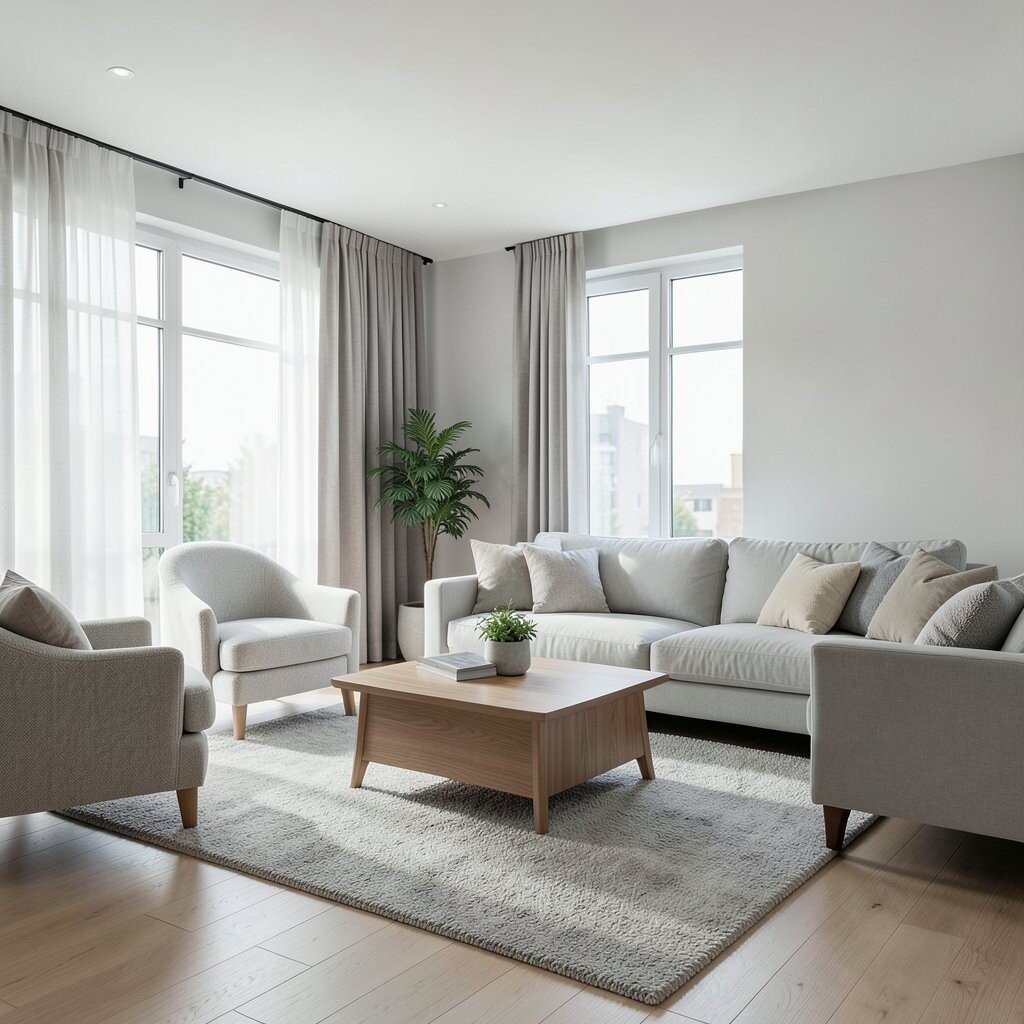
Acoustics can greatly affect the ambiance of a space. Ignoring them can lead to noise problems and discomfort. Consider sound-absorbing materials and strategic layouts.
Good acoustics improve the enjoyment and functionality of a space. They enhance communication and reduce stress. Use rugs, curtains, and soft furnishings to dampen noise.
Addressing acoustics doesn’t have to be expensive. Simple changes can make a significant difference in sound quality.
16. Failing to Plan
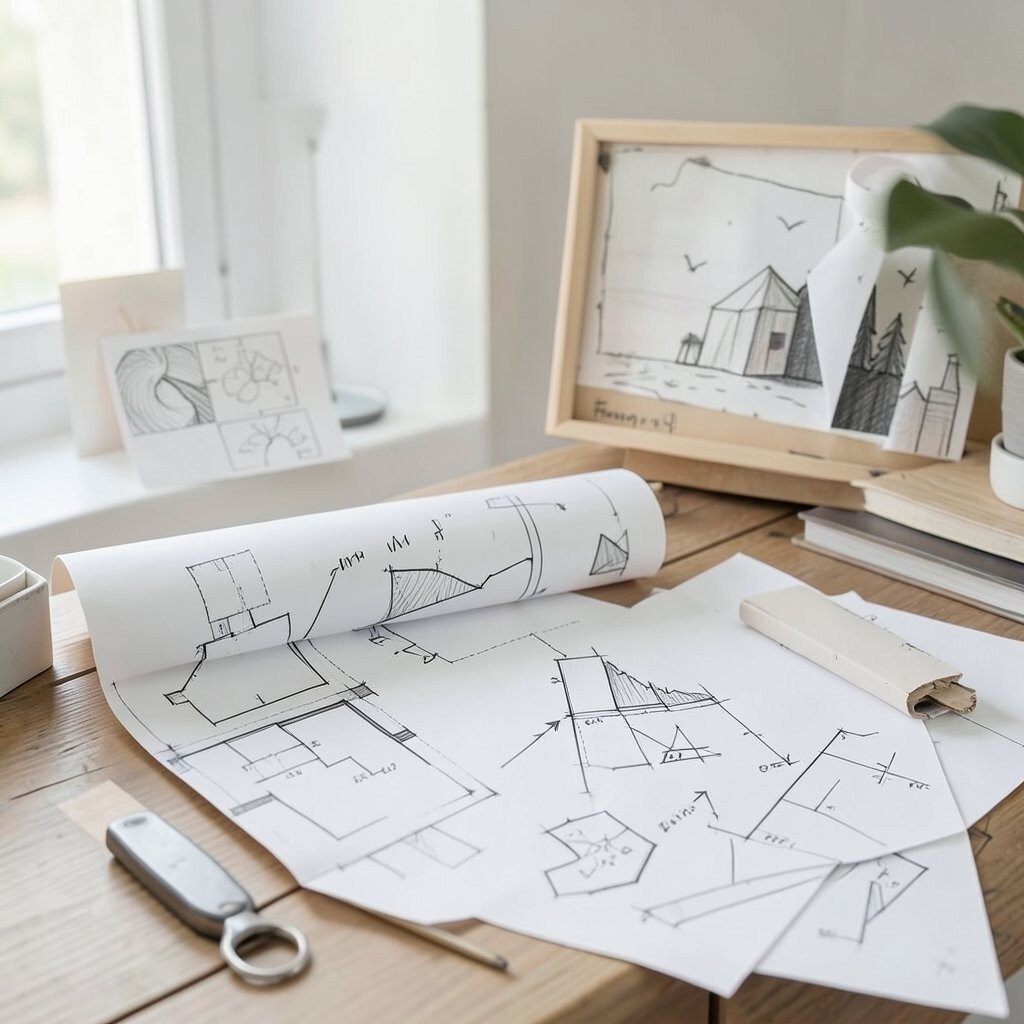
Jumping into design without a plan can lead to chaos. Planning ensures a cohesive and successful outcome. Sketch layouts and gather inspiration before starting.
A solid plan provides direction and saves time. It helps in making informed decisions and avoiding costly mistakes. Use mood boards or design software for visualization.
Planning doesn’t mean restricting creativity. It simply provides a foundation for bringing your vision to life.