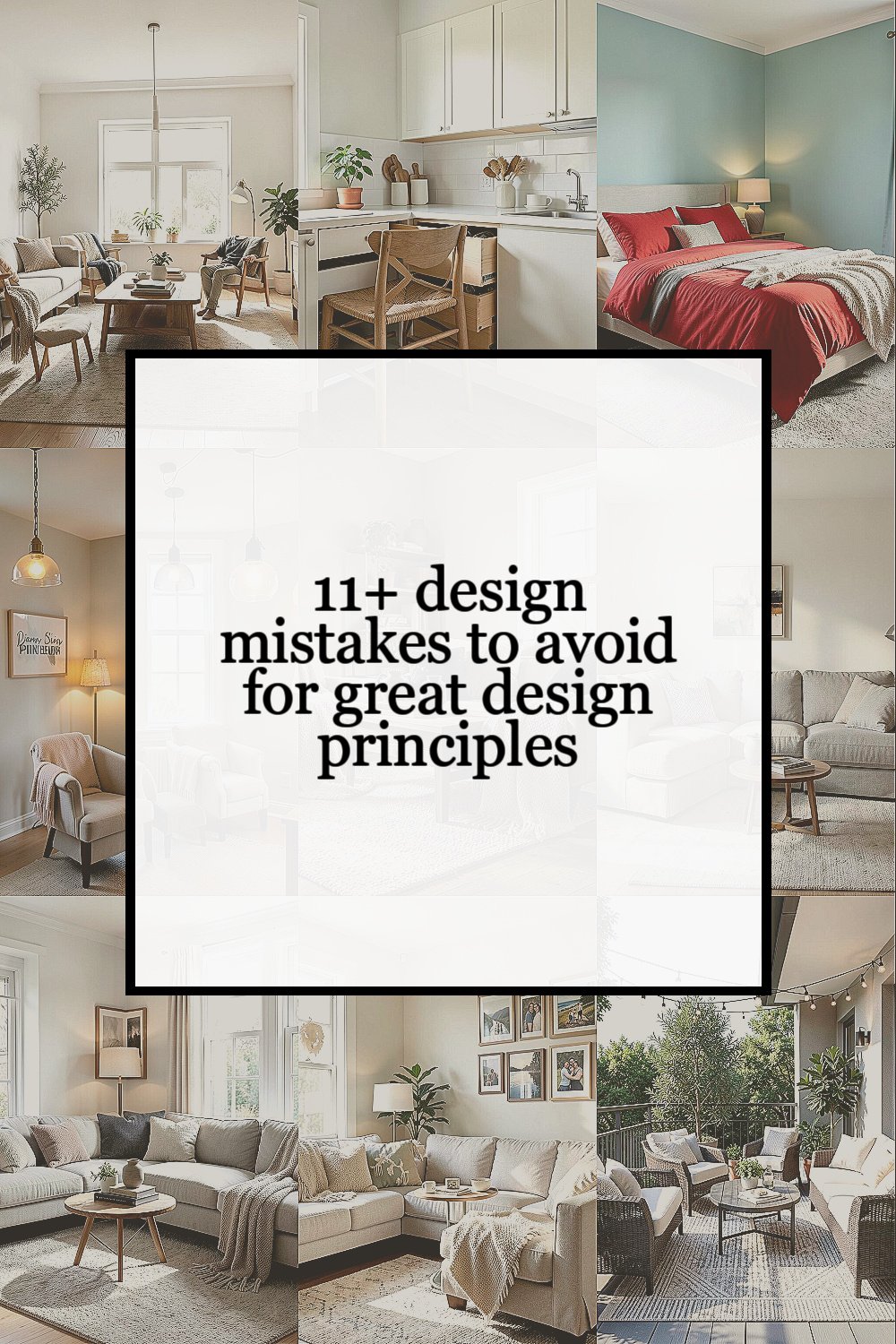
The magic of design can turn ordinary spaces and styles into something extraordinary. But even the best ideas can go awry if certain common mistakes are made.
1. Overcrowding Space
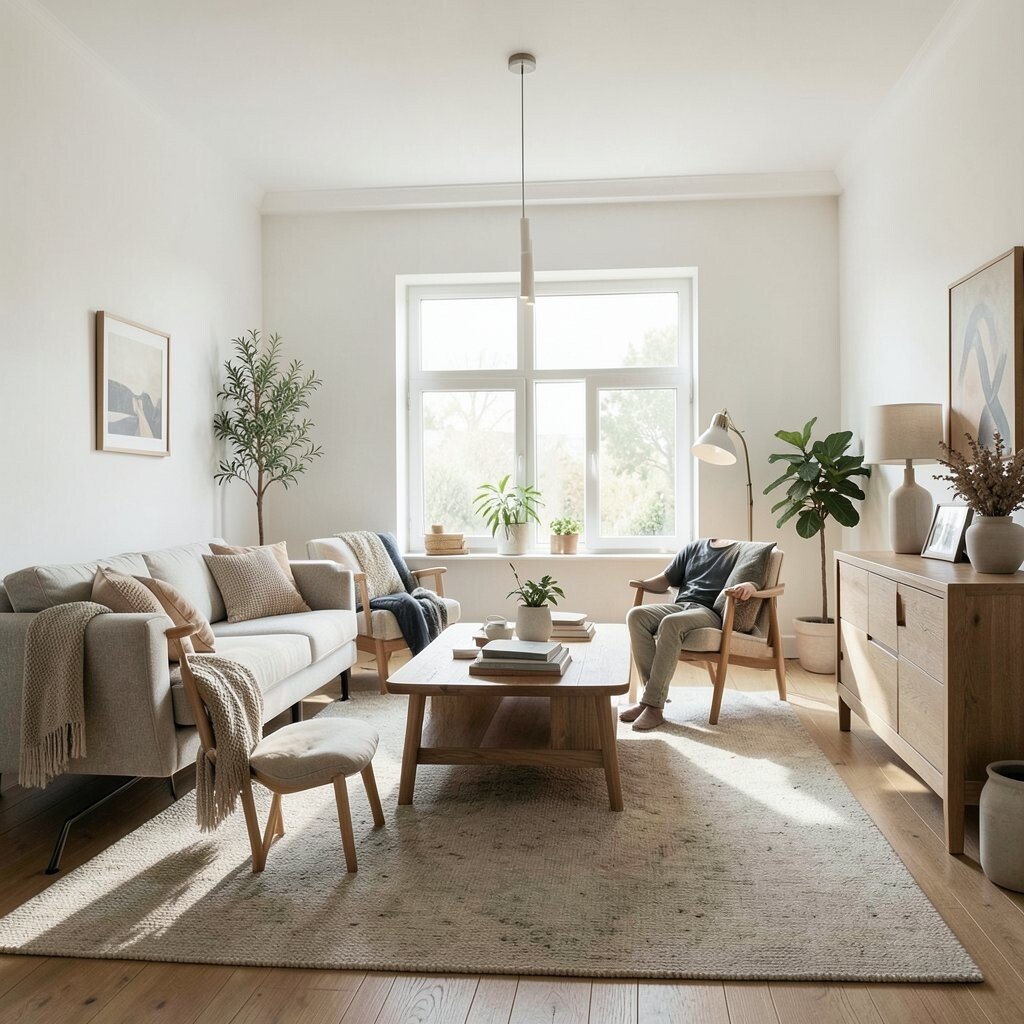
Imagine a room so full of furniture and decor that it feels like you can’t breathe. That’s what happens when you overcrowd a space. It can make even the largest room feel cramped and uncomfortable.
To create a sense of openness, think about what truly needs to be in the room. Consider the flow and how people will move around. Less can be more, giving your space a chance to shine in its simplicity.
Trends like minimalist design focus on this principle. Keep it simple, and you’ll find your space opens up, offering a welcoming atmosphere. Plus, it saves money by buying only what you need!
2. Ignoring Functionality
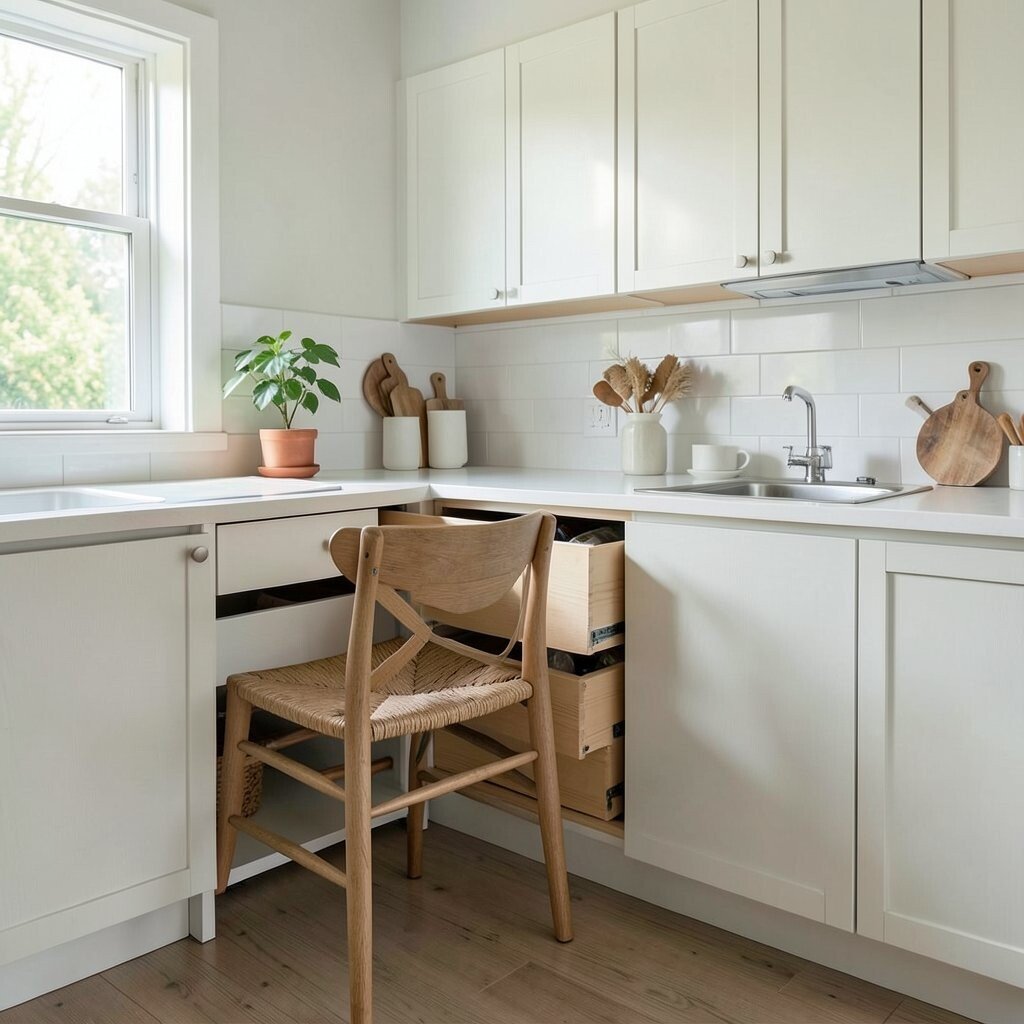
Ever tried to open a drawer only to find it blocked by a chair? This is what happens when we overlook functionality. Design isn’t just about looks; it’s about how you use the space.
Think about how each room functions. Does your kitchen have enough counter space? Can you comfortably reach everything you need? Planning for functionality ensures your design works for your lifestyle.
Personalizing your space to fit your needs can enhance your daily life. It’s not just trendy; it’s practical. Functionality doesn’t have to cost a fortune, just some thoughtful planning.
3. Choosing the Wrong Colors
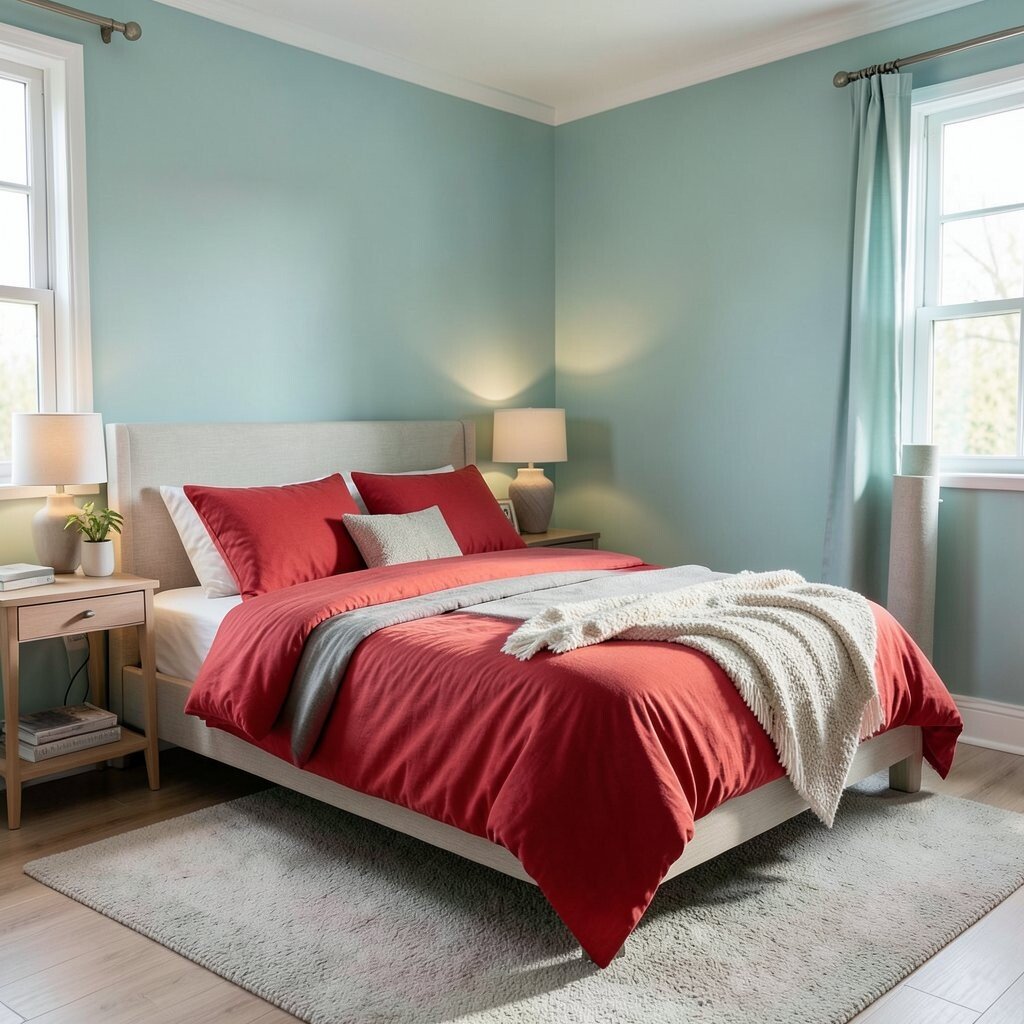
Colors can dramatically change the feel of a room. But picking the wrong ones can turn cozy into chaotic. Imagine a bright red bedroom when you wanted relaxation.
Consider the mood you want to create. Soft blues and greens can be calming, while yellows and oranges add energy. Test colors before committing, as lighting can change how they look.
Color trends change, but personalization is key. Choose what makes you happy and fits the vibe you want. Paint is one of the easiest and most affordable ways to refresh a space.
4. Poor Lighting Choices
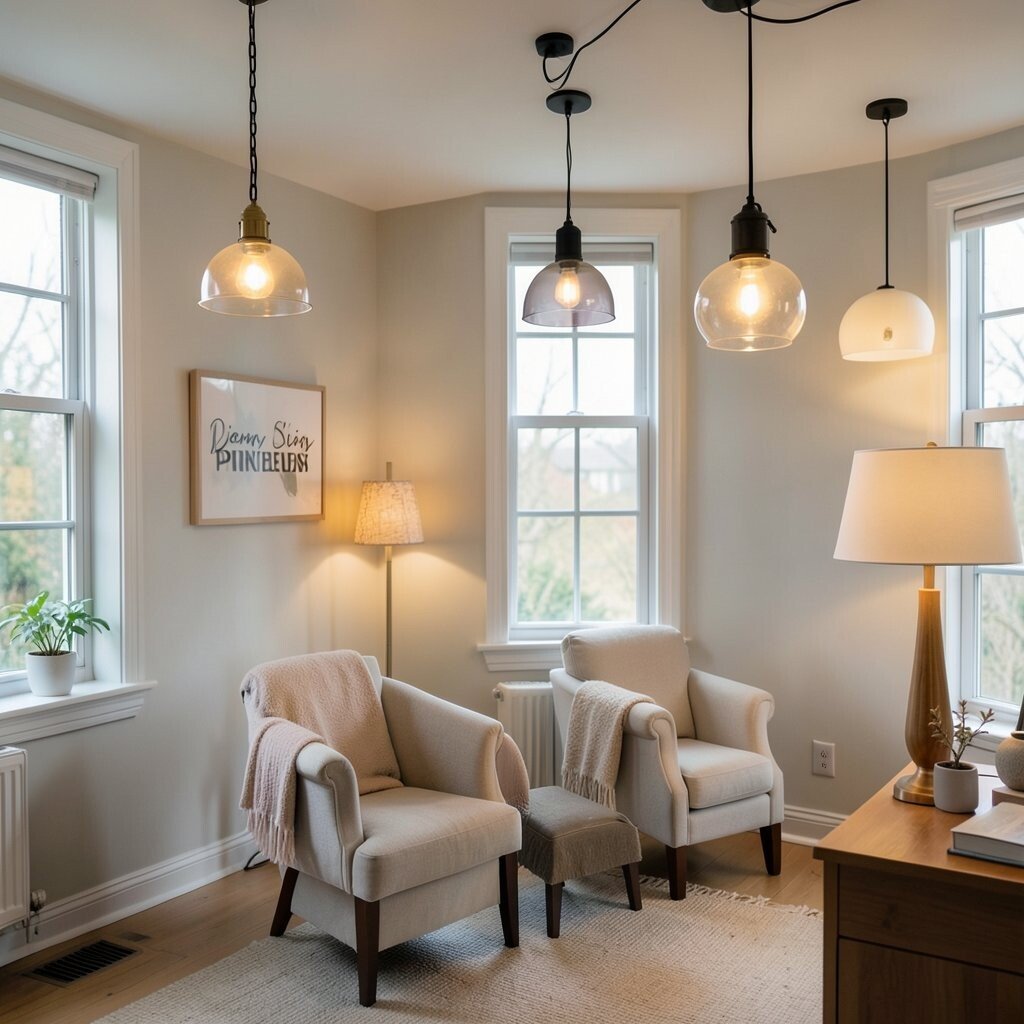
Lighting can make or break a design. Too dim, and your room feels like a cave. Too bright, and it’s like a hospital. Finding the right balance is crucial.
Mix different types of lighting: ambient, task, and accent. This layered approach creates a warm and inviting atmosphere. Think about where you need focused light versus a soft glow.
Trendy light fixtures can add character and style. From vintage lamps to modern pendants, the options are endless. Investing in good lighting can transform your space without breaking the bank.
5. Neglecting Texture
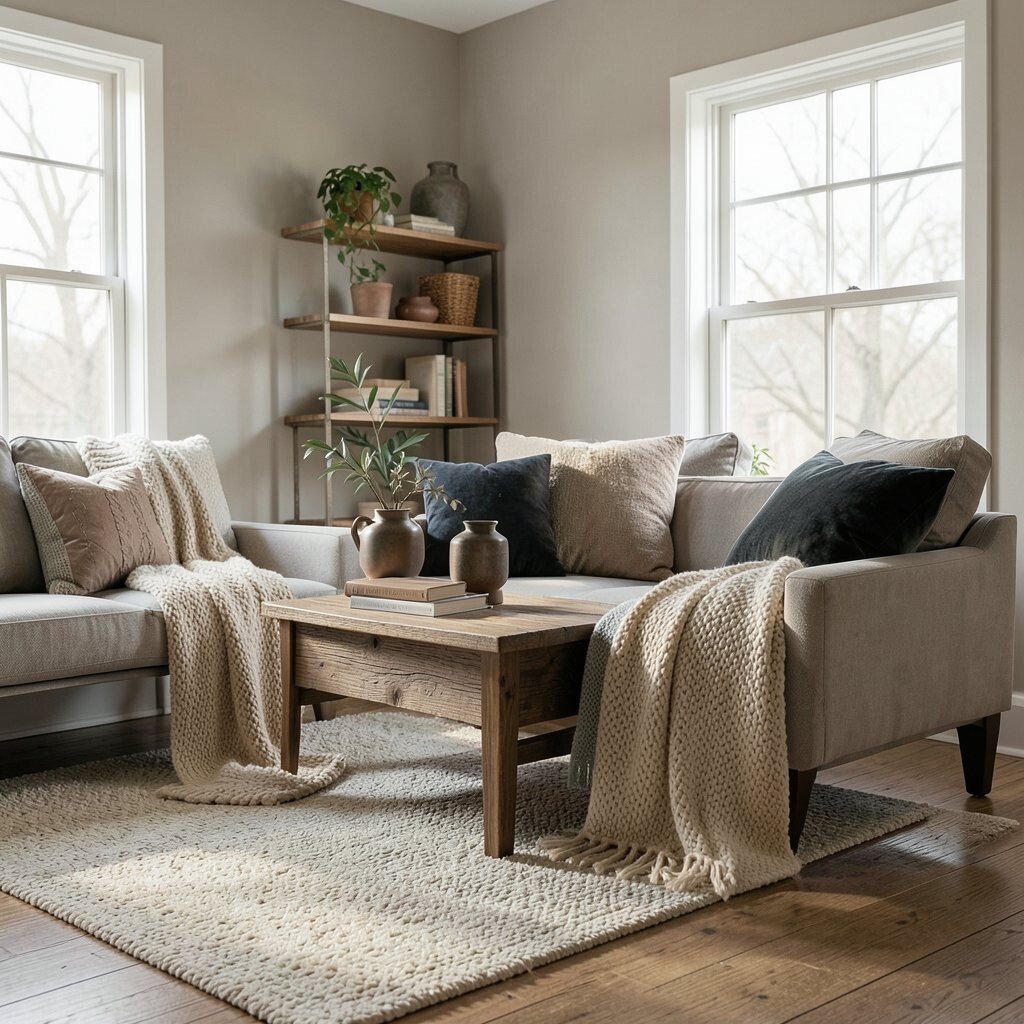
Ever walked into a room that felt flat and boring? Chances are, it was lacking texture. Texture adds depth and interest, making a space feel alive.
Mixing materials like wood, metal, and fabric can create a rich and inviting look. Think about adding a soft rug, a knitted throw, or a velvet cushion. These small touches can make a big difference.
Texture is a trend that’s here to stay. It’s an easy way to personalize your space and can be done on a budget. Look for items that speak to you and add them to your design.
6. Forgetting About Scale
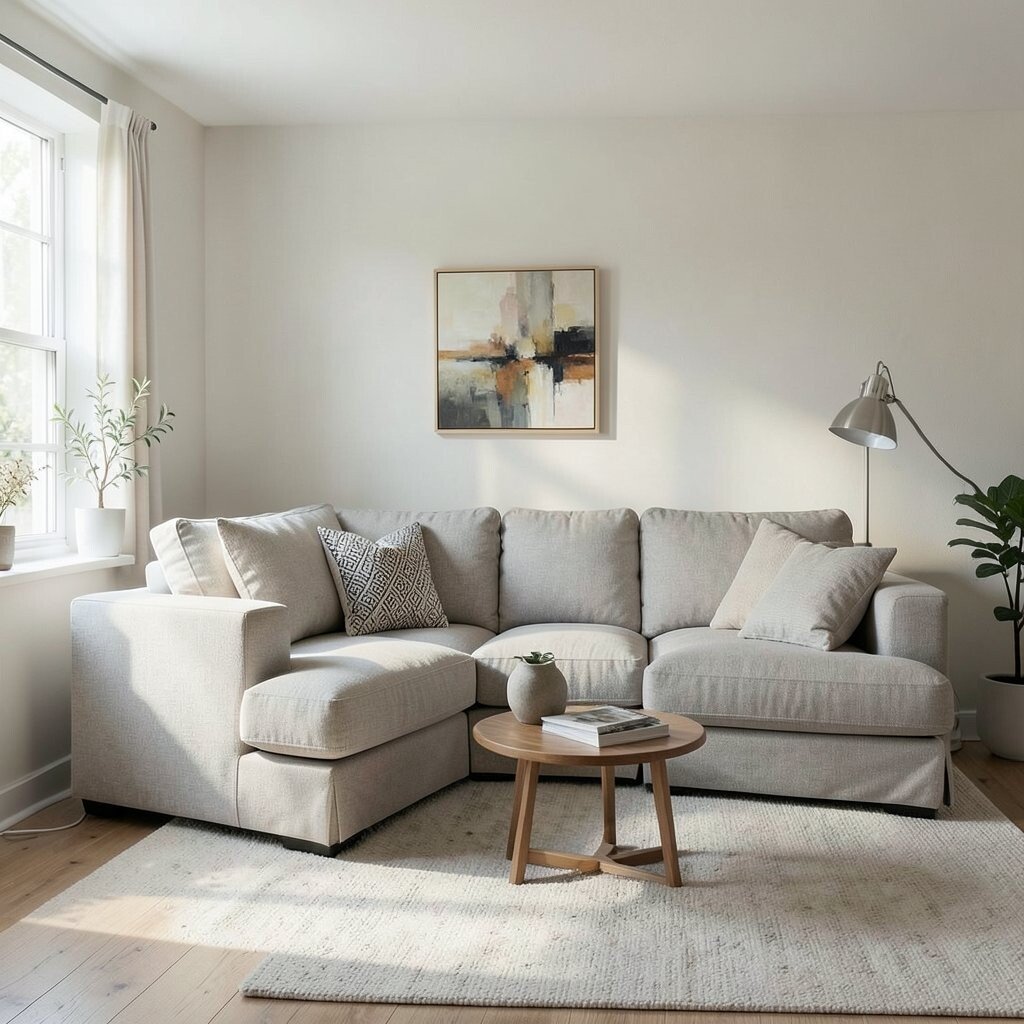
Scale is about the size of things and how they fit together. A giant sofa in a tiny room can feel overwhelming. A small piece of art on a big wall can get lost.
Consider the size of your space and choose items that fit proportionally. Large spaces can handle bigger furniture, while smaller rooms benefit from more delicate pieces.
Keeping scale in mind helps create balance. It makes the room feel harmonious and well-thought-out. Plus, it can save you money by avoiding costly mistakes with oversized furniture.
7. Overusing Trends
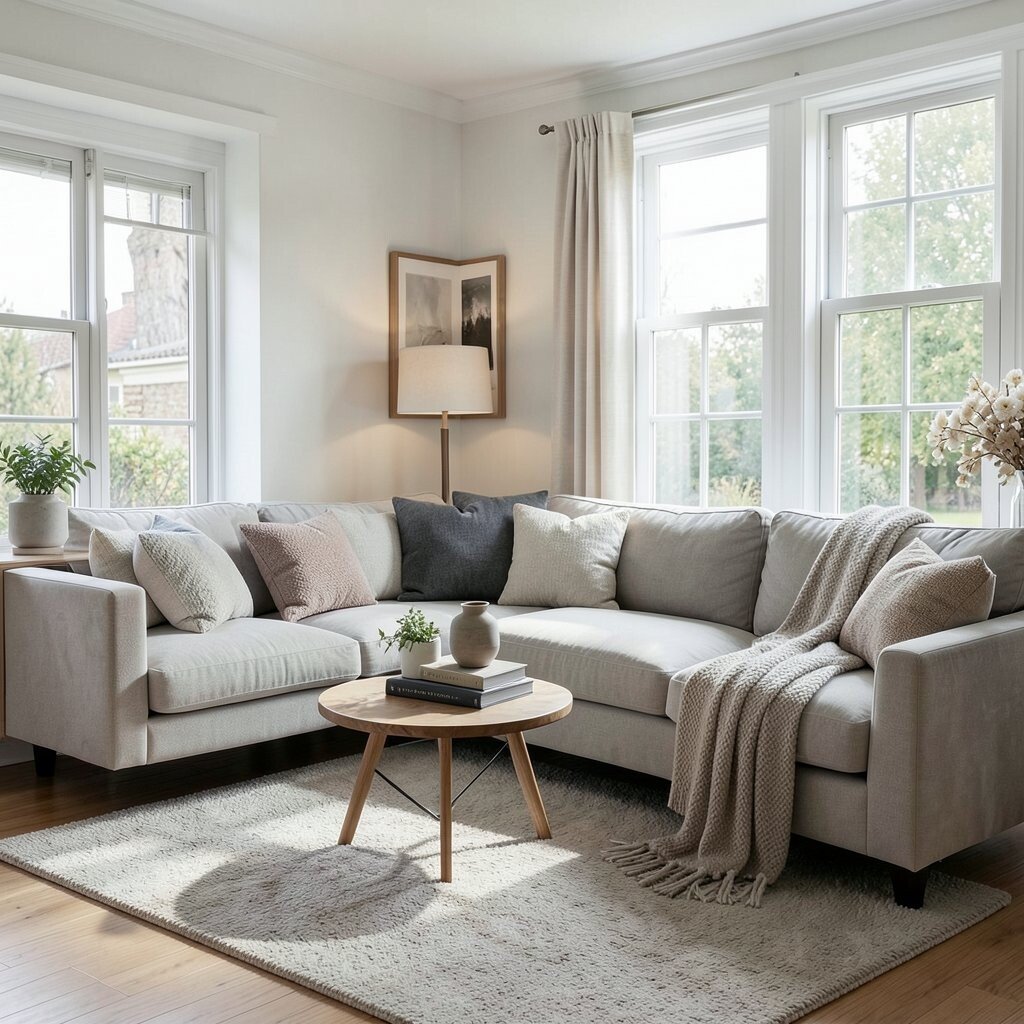
Trends come and go, but your style is forever. Filling your home with the latest trends can quickly become outdated. Instead, choose timeless pieces that reflect your personal taste.
Mixing a few trendy items with classic designs keeps your space fresh without the risk of it feeling dated too soon. It’s about finding a balance that works for you.
Personalization is key, and it doesn’t have to be expensive. Focus on what you love, and your space will always feel like home.
8. Skipping Personal Touches
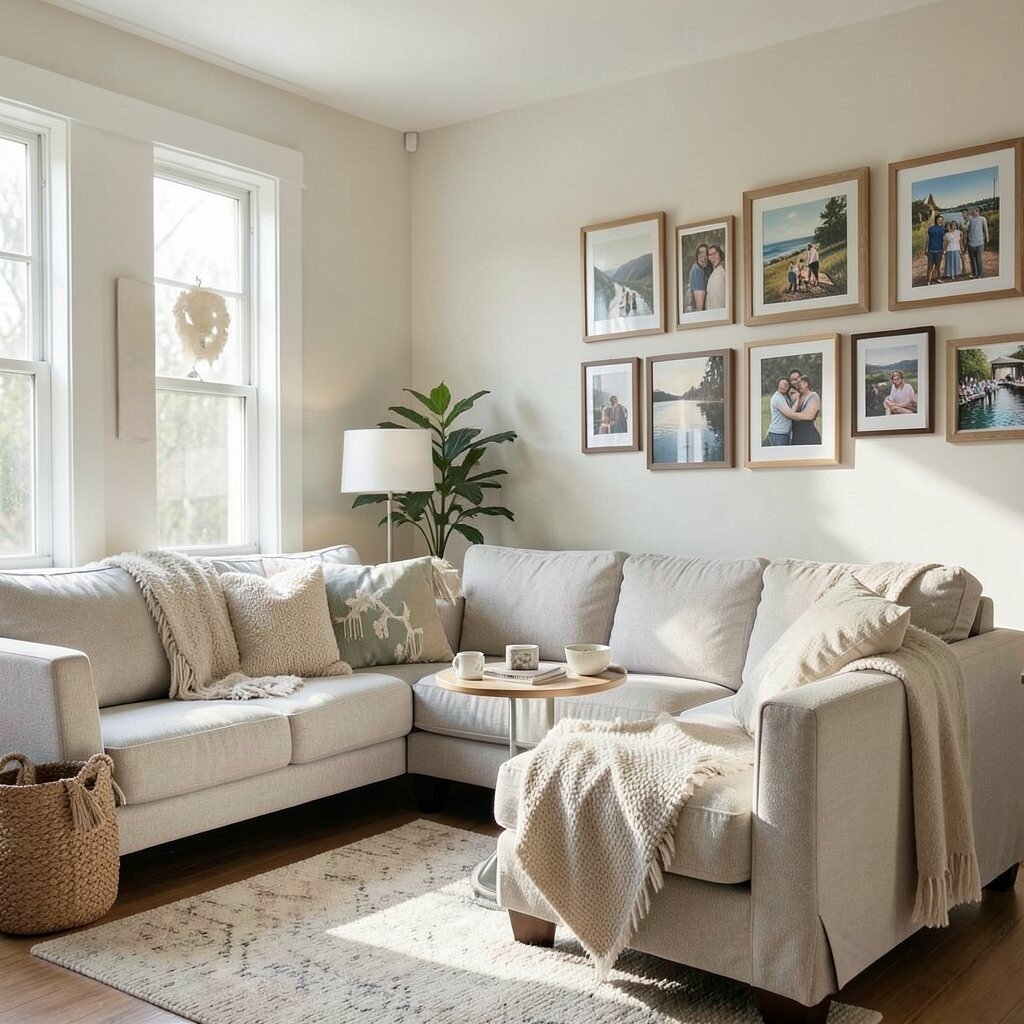
Your home should tell your story. Without personal touches, it can feel like a showroom, lacking warmth and character. Photos, keepsakes, and art make a space uniquely yours.
Consider what makes you happy and find ways to include those elements. A favorite painting, a family photo wall, or a collection of travel souvenirs can add personality.
These touches don’t need to be costly. They can be as simple as rearranging what you already have. It’s about creating a space that feels like you.
9. Disregarding Outdoor Space
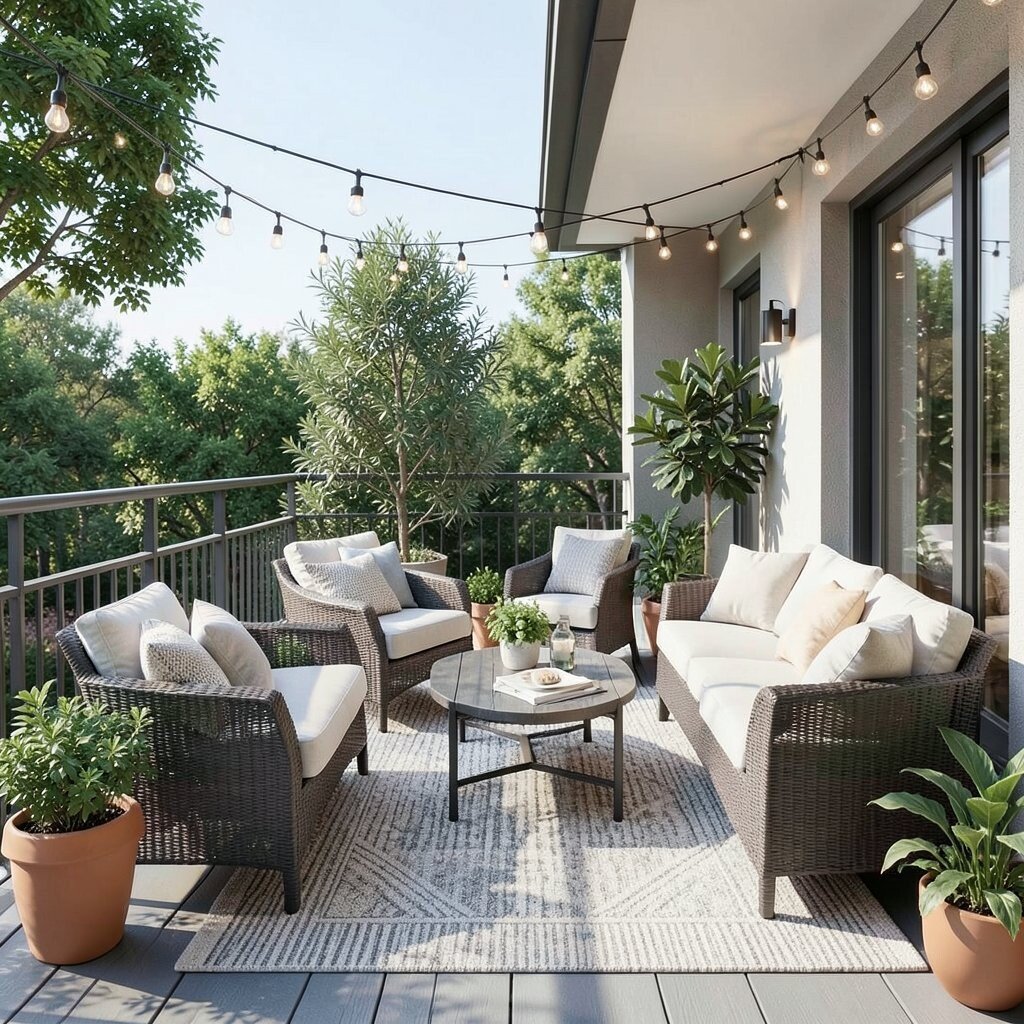
Outdoor areas are an extension of your home. Ignoring them means missing out on a great opportunity to expand your living space. Think of your patio or balcony as another room to decorate.
Consider adding comfortable seating, plants, and lighting to make it inviting. It’s a chance to enjoy nature and relax, especially during warm months.
Outdoor spaces can be personalized with little cost. Simple changes like adding cushions or string lights can make a big impact. It’s all about making the most of what you have.
10. Avoiding Experimentation
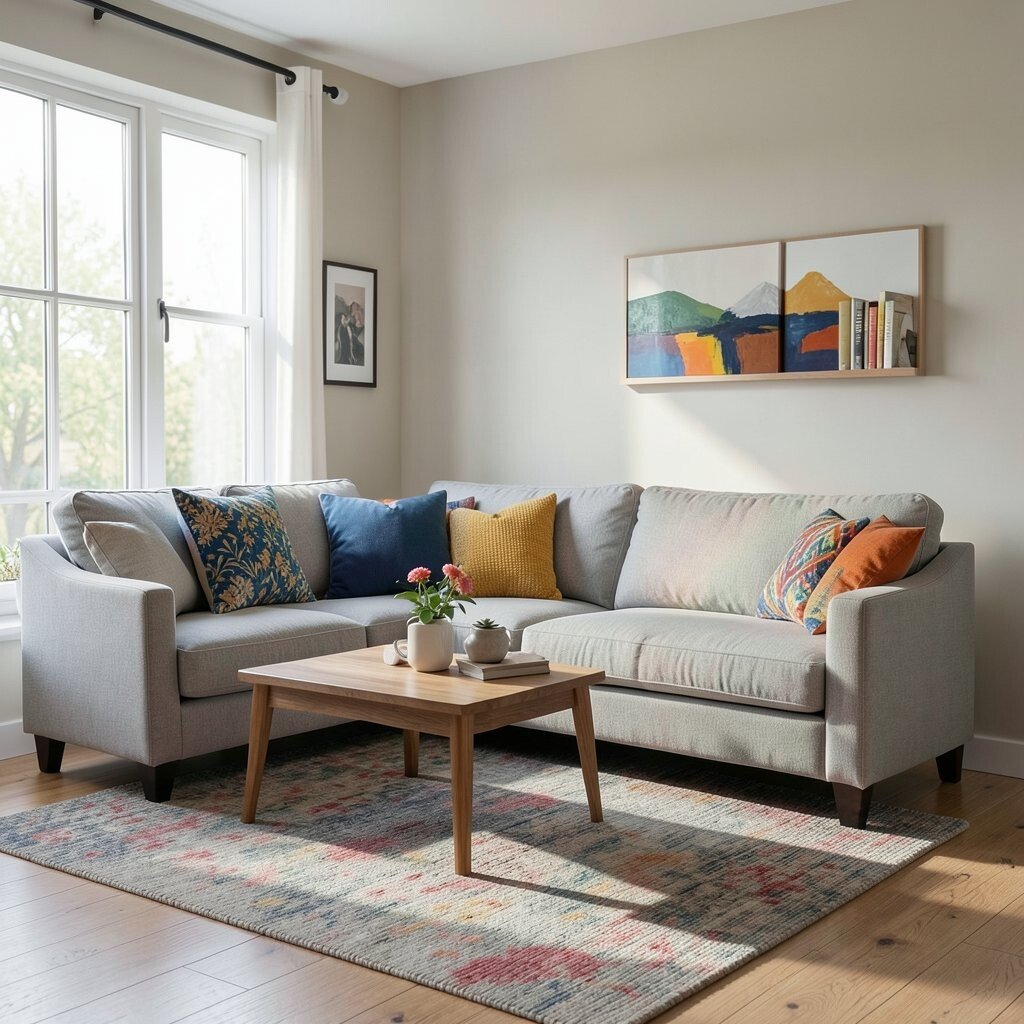
Playing it safe can lead to a design that’s just okay. Sometimes, taking a risk can lead to something amazing. Don’t be afraid to experiment with bold colors, patterns, or furniture pieces.
Trying new things keeps your design exciting and fresh. It can lead to unexpected discoveries that you love. Remember, it’s your space, and it should reflect who you are.
Experimentation doesn’t have to be expensive. Small changes can make a big difference. Start with something small, like a new pillow or paint color, and see how it feels.
11. Underestimating Storage Needs
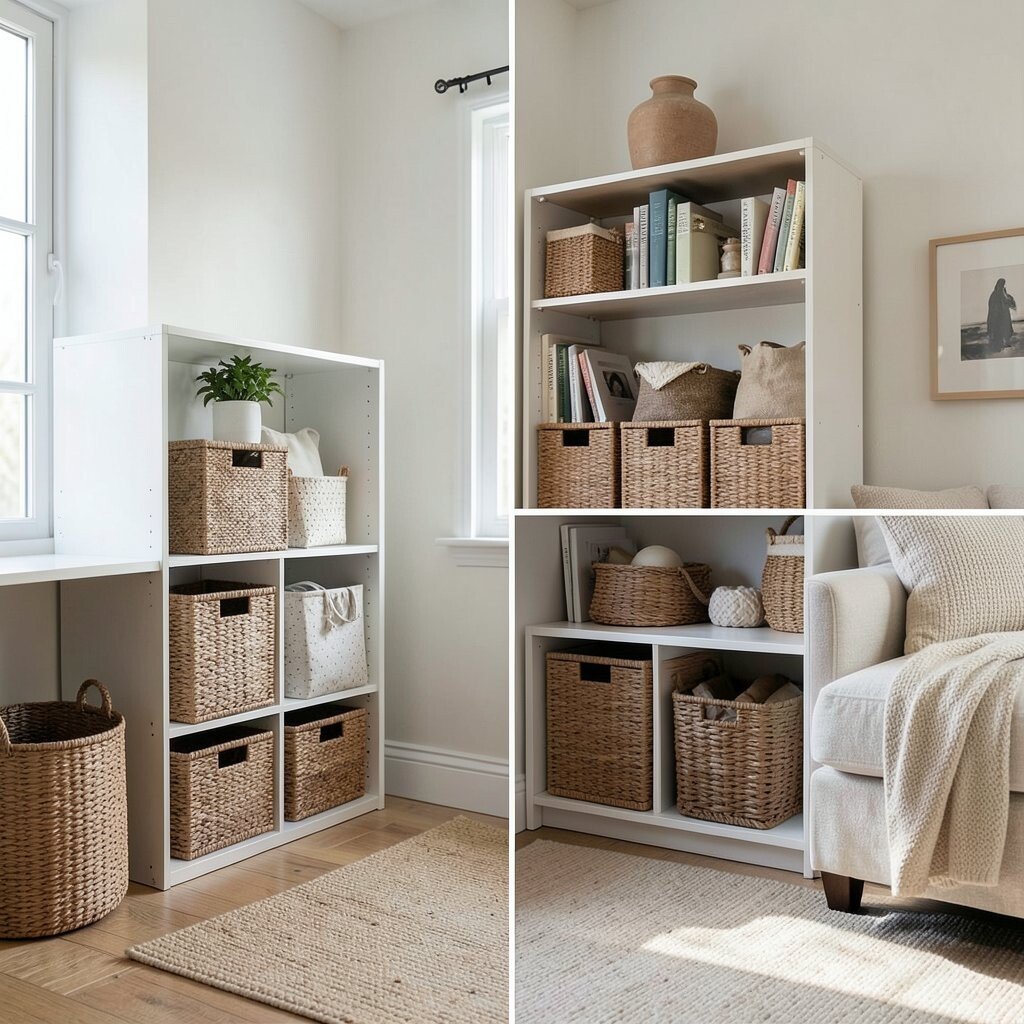
Clutter can quickly take over if storage isn’t considered. It’s not just about hiding things away; it’s about keeping your space organized and functional.
Think about clever storage solutions like shelving, baskets, and furniture with hidden storage. They can help maintain a tidy and stylish room.
Investing in good storage doesn’t have to be costly. Look for sales or repurpose items you already have. A well-organized space is always in style.
12. Ignoring Your Instincts
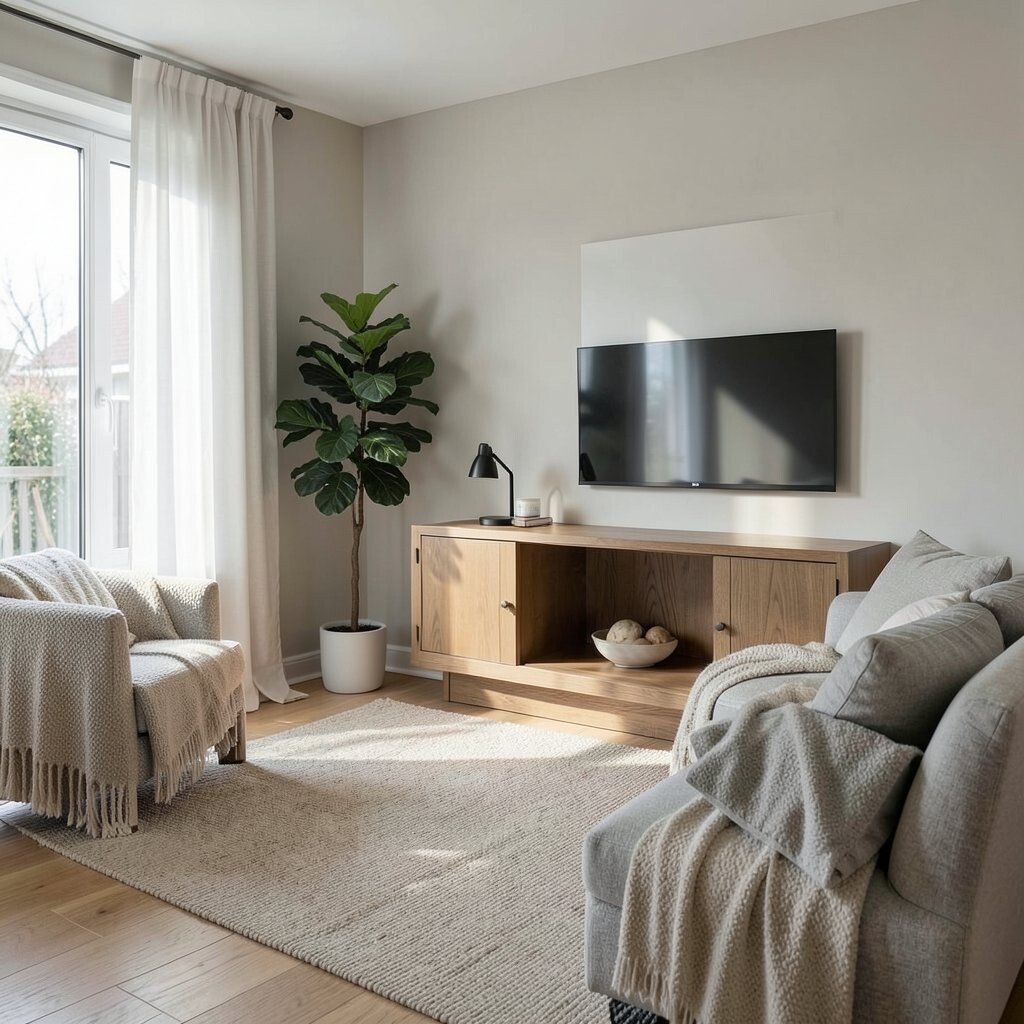
Design is personal. Ignoring your instincts can lead to a space that doesn’t feel right. Trust what you like and what makes you feel good.
Your gut feeling is often right when it comes to your home. If something feels off, it’s okay to change it. Your space should inspire you every day.
Following your instincts can be freeing and allows for a truly personalized design. It’s not about money; it’s about creating a space where you feel at home.