Your office walls can do more than hold up paint. When you plan them well, every inch starts working for you.
Small spaces need smart, flexible choices that look good and stay useful.
1. Magnetic Tack-and-Whiteboard Panels for Daily Clarity
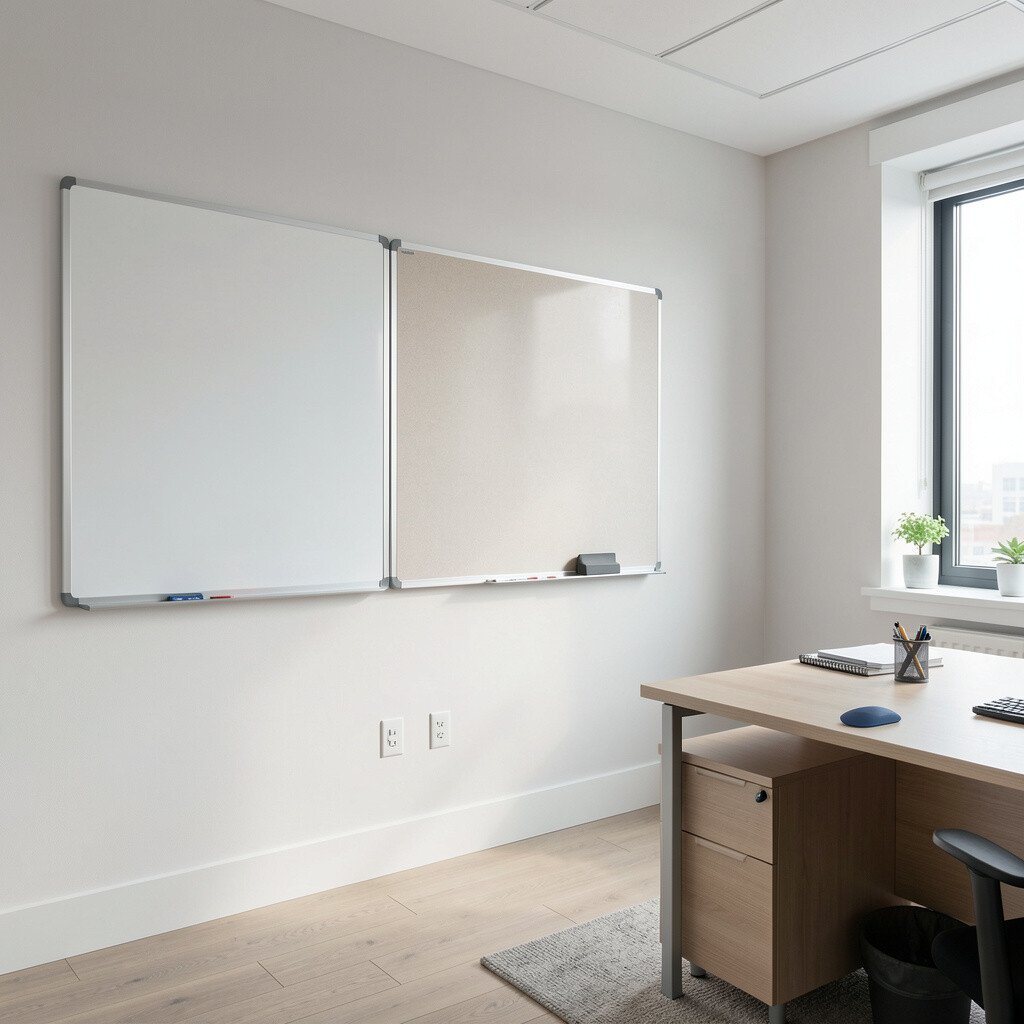
A wall panel that switches between pinning notes and writing fast reminders keeps the day moving. It looks clean with a smooth, modern face while still handling the busy chaos of real work.
Use magnets to hold meeting agendas, sticky tabs, and printed checklists right next to where you brainstorm. Keep a slim marker tray and an eraser in a nearby shelf to avoid the usual hunt. For personalization, pick a border color that matches your brand and add a simple logo decal in the corner.
2. Pegboard with Hidden Cable Channels for Setup Without the Mess
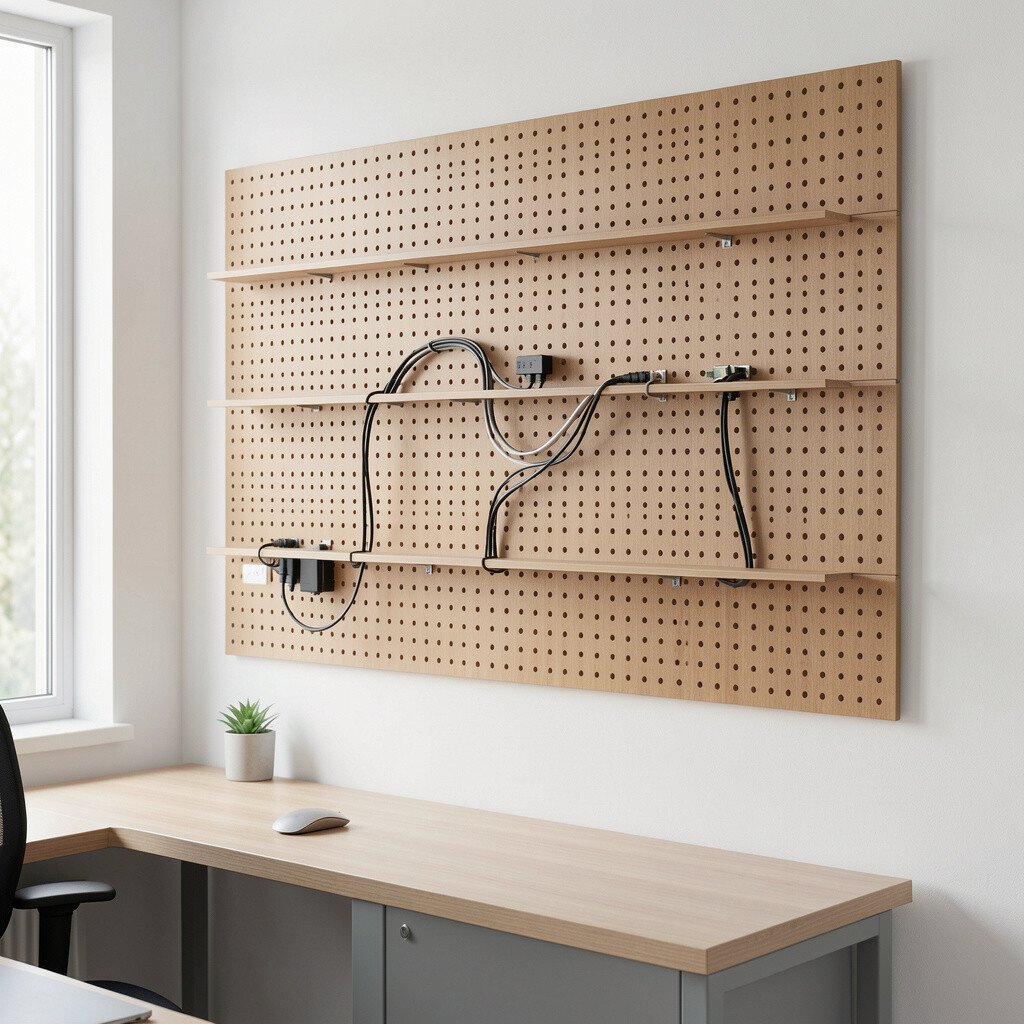
Pegboard racks can turn a bare wall into an organized workspace that feels practical and creative. With a neat look and visible hooks, it’s easy to imagine your tools hanging exactly where you reach for them.
Choose a model that includes cable routing behind the boards so charging cords and power strips stay out of sight. Store charging bricks in small bins, and run a single tidy line down to a power outlet. If you want it to feel more personal, label a few hooks with color-coded tape for your team’s most-used devices.
For cost, start with one section near your desk so you see quick results without buying everything at once. A current trend is designing “work stations on the wall,” where the right tools are always in view. As you grow, add more boards horizontally to match your changing workflow.
3. Wall-mounted Floating Shelves with a Built-in Document Ledge
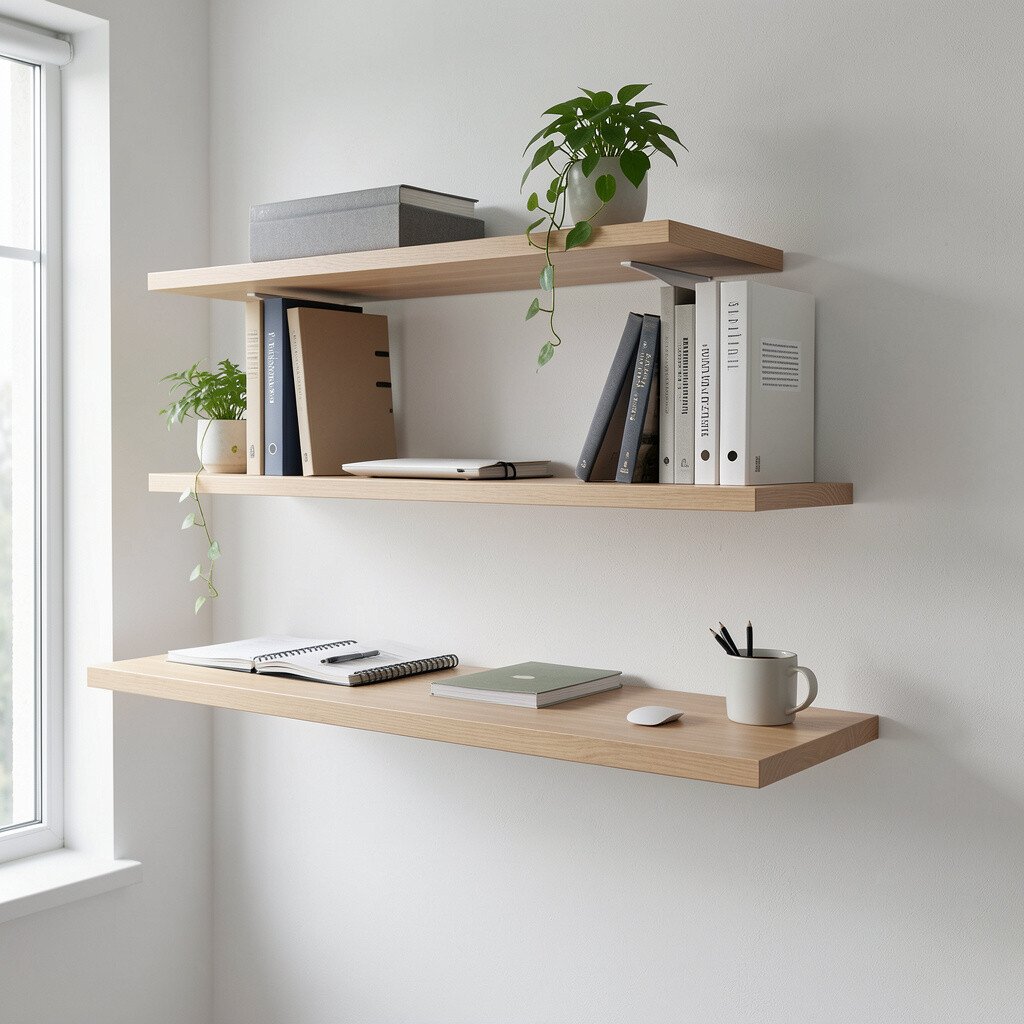
Floating shelves make your office feel lighter while creating storage that doesn’t steal floor space. You can place frames, reference books, and small bins on the top surface like a neat display.
Under the shelf line, leave or install a shallow ledge that holds folders, mail, or project sheets at standing height. That way, paper moves quickly from “to do” to “ready” without sitting in random piles. Personalize the layout by mixing one decorative item with one functional container so the wall looks intentional, not cluttered.
For practical setup, keep frequently used documents closest to eye level and reserve lower spots for archival items. To manage cost, buy one longer shelf and style it with affordable organizers first. Many small offices are leaning into this trend because it supports both presentation and daily paper flow.
When you match shelf color to your desk finish, the space feels more cohesive and calming. Even small offices can look designed when the wall storage is consistent.
4. Layered Wall Slats for a Rotating Pinboard Wall

Vertical slats add texture and a slightly modern feel while still supporting practical add-ons. The look can be warm and inviting, especially when you choose light wood tones or muted colors.
Attach rotating frames or interchangeable board inserts that you swap for different seasons, roles, or client needs. During busy weeks, pin schedules and quick reference sheets; during calmer times, display a simple inspirational print. For personalization, paint just the edges of the frames to match team uniforms or office branding.
Keep your workload simple by storing spare inserts in a closet and using one set for routine updates. This feature is unique because it turns wall organization into something you can change without redoing the whole system. It’s also trending as people look for “modular walls” that adapt instead of staying stuck.
Regarding cost, compare modular kits to buying multiple individual boards, since the savings can show up fast. Add only the frames you need now, then expand later when the team grows.
When you keep the board area tidy, the slats make the wall look like part of the office design, not just storage.
5. Large Wall Calendar with a Side “Action Bin” Compartment
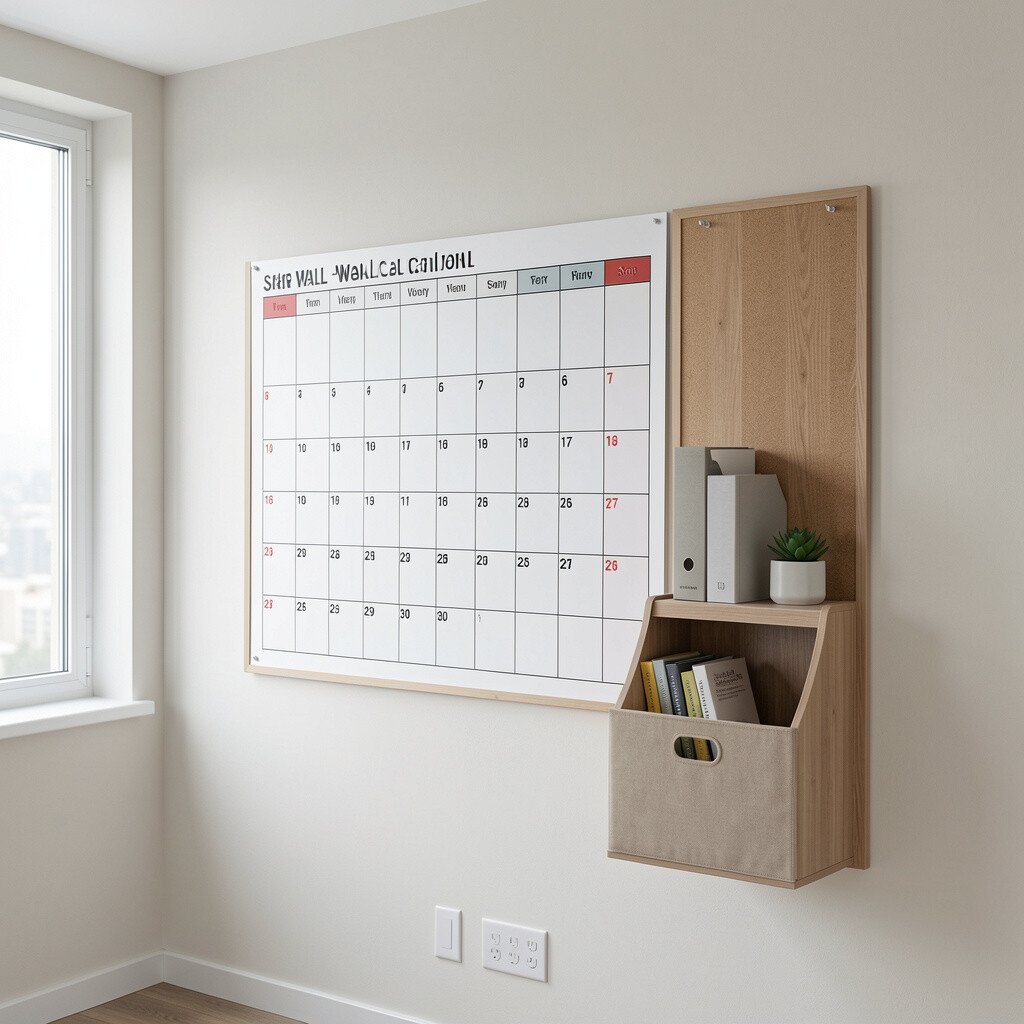
A big wall calendar gives the whole team one shared rhythm for deadlines and check-ins. When it’s visually clear, fewer tasks fall through the cracks and everyone feels more in sync.
Pick a calendar system that includes a built-in side compartment for small items like pens, sticky notes, and blank forms. That small storage area becomes a daily convenience, especially in a small office where drawers get crowded. For personalization, choose date blocks with a subtle color scheme that matches your desk accessories.
To keep it practical, set a rule that tasks move from “future” to “current” each week using the same color every time. Consider the cost by comparing refill options, since some systems are cheaper to maintain than others. A current trend is mixing planning with simple physical tools so teams feel grounded instead of only digital.
6. Chalkboard Contact Labels for Quick, Low-cost Organization
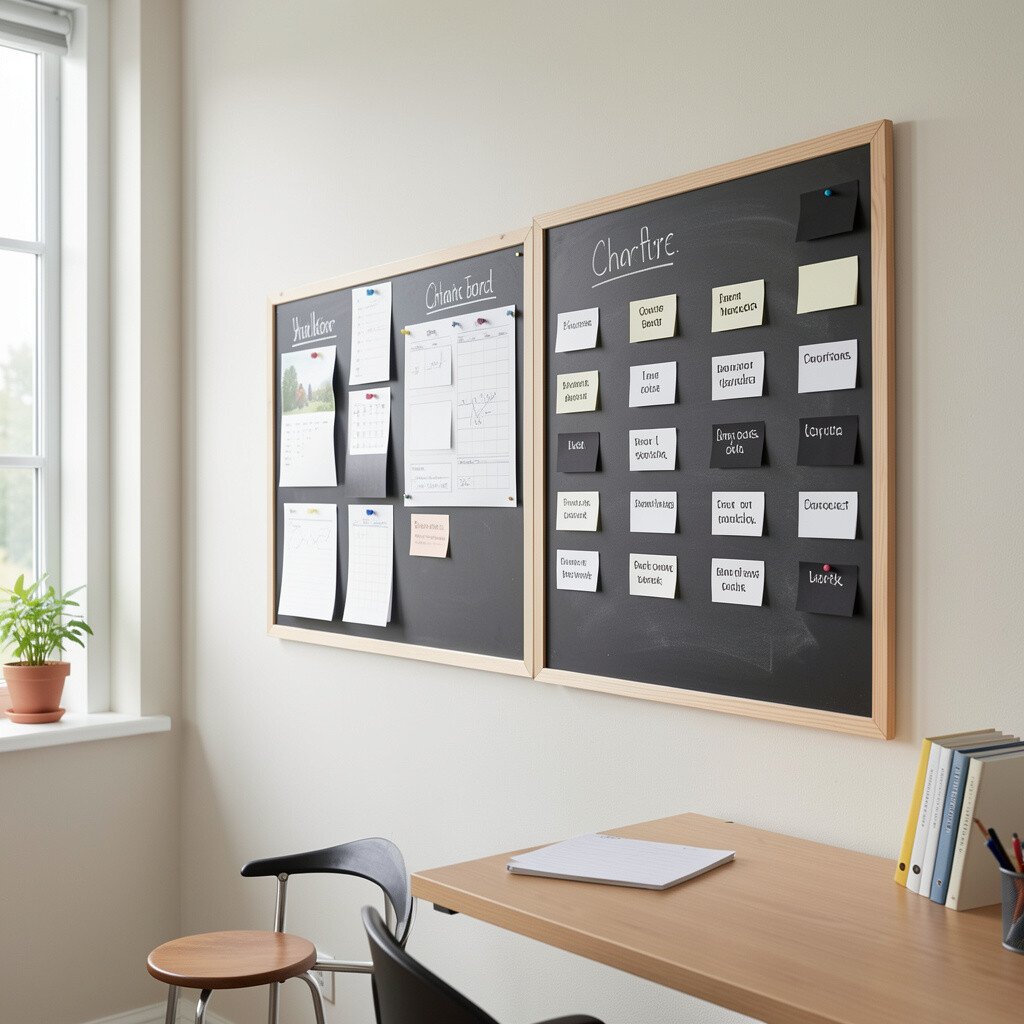
A chalkboard-style labeling strip along a wall shelf looks playful and also very useful. You can write and erase headings as your office changes, which is perfect for teams with shifting projects.
Use it to label file bins, storage cubbies, and even small storage hooks so anyone can put things back correctly. Add a slim tray underneath for chalk and a damp cloth so maintenance takes seconds. Personalize by using short, friendly names that match your company tone instead of formal categories.
To keep costs low, this option can replace expensive label sets and rework your system over time. It also fits a current trend of “soft organization,” where tools feel approachable rather than rigid. If you worry about messy writing, choose a smooth surface and write in consistent sizes.
When labels match the wall’s color scheme, the whole office feels more intentional. It’s a small change that makes daily tasks easier.
7. Wall-mounted Cork Bulletin with a Dry-Erase Overlay
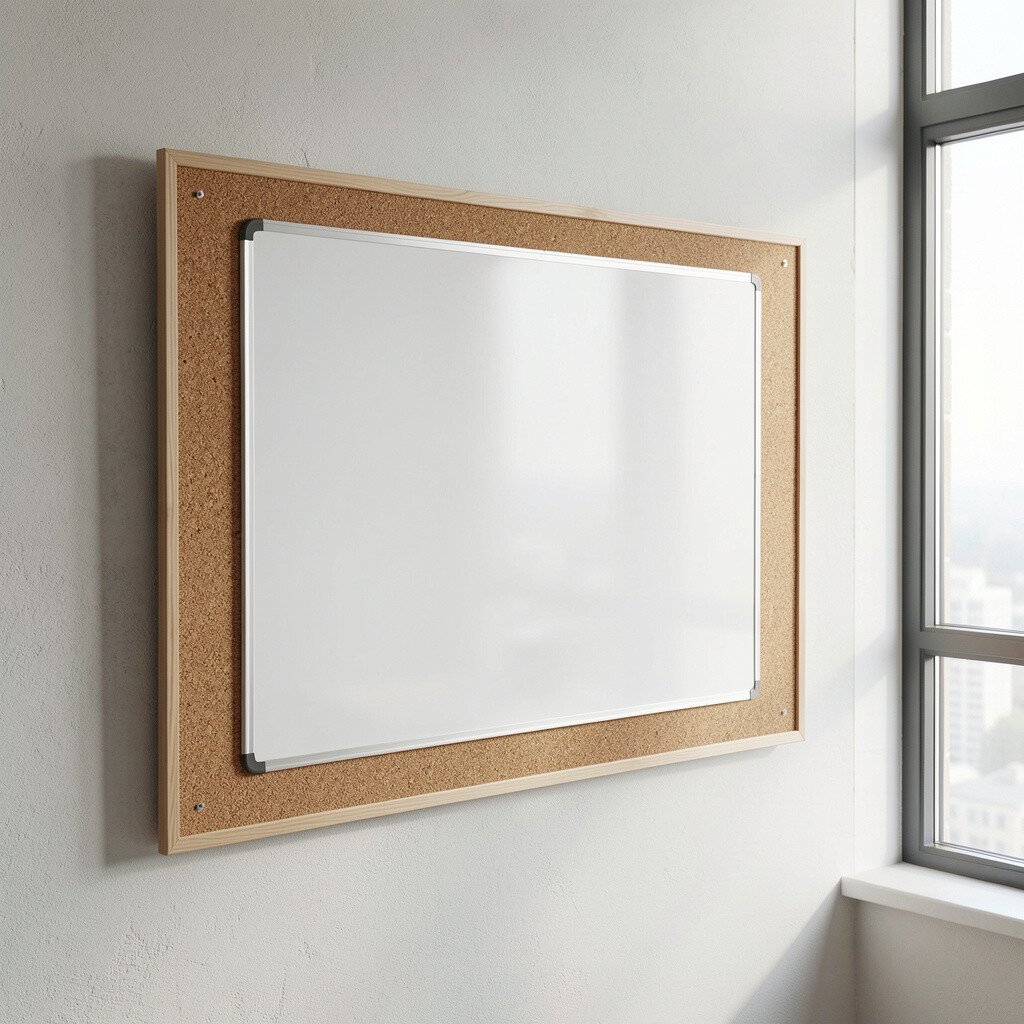
Cork offers a natural, warm look, and it grips pins securely without tearing paper. When you add a dry-erase overlay, you get two tools in one area for planning and reference.
Pin long-term items like client plans and printed forms while writing short updates directly on the overlay. This keeps the board from getting messy because you can erase quick notes instead of letting every message stay forever. For personalization, use pushpins in colors that match your brand so the wall looks cohesive.
Practically, set aside one small corner for “waiting” items so the team can scan it quickly. Cost varies based on size, but cork boards are usually easier to upgrade than full wall renovations. People also love this setup because it matches a current trend toward flexible work surfaces.
Over time, you’ll notice that fewer items disappear when the board is both a display and a working space. A well-used wall like this becomes part of your daily routine.
8. Picture Rails with Sliding Frames for Rotating Office Displays
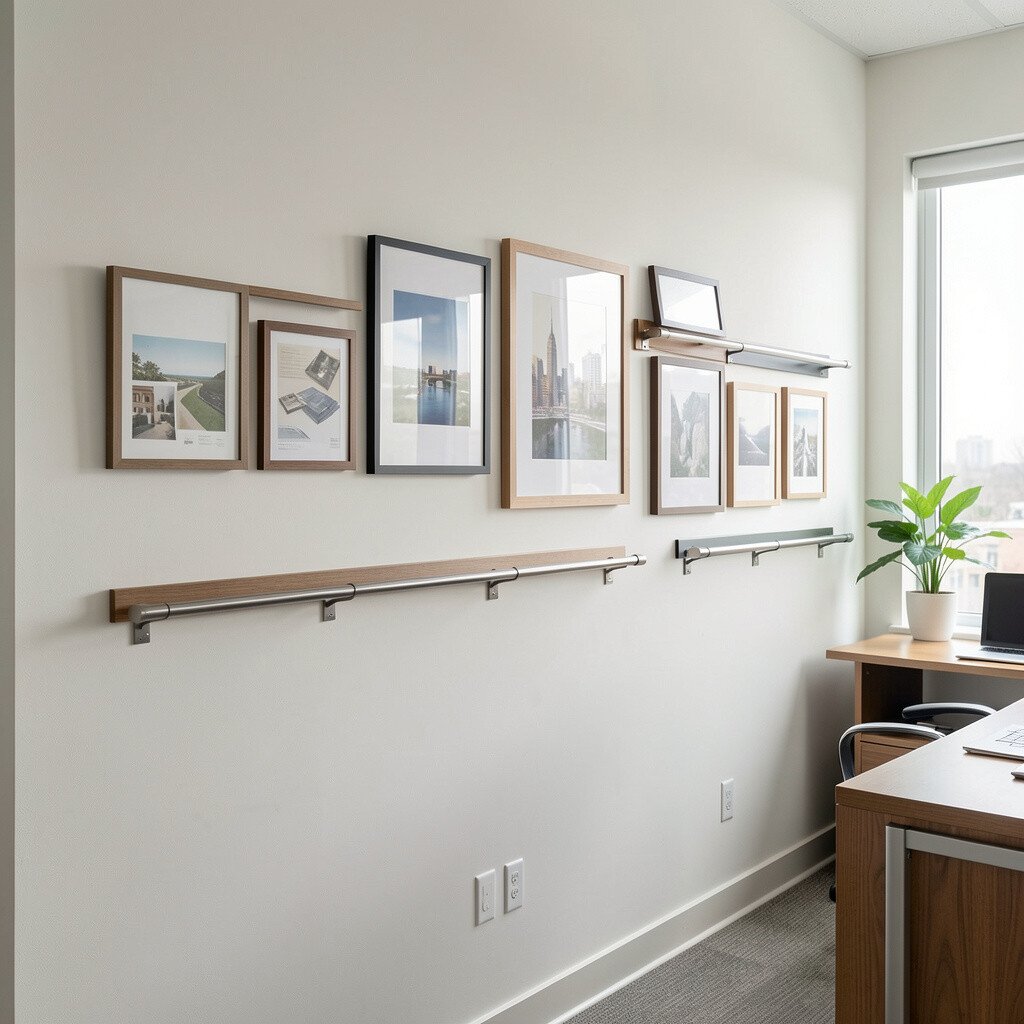
Picture rails let you hang and move frames without drilling again and again. The visual result feels gallery-like, which can make a small office feel more polished and calmer.
Choose frames that slide easily, then rotate them monthly with project wins, team photos, or client-friendly visuals. Add one or two frames that hold practical items like posted policies or step-by-step workflow cards. Personalize by selecting mat colors that complement your wall paint and desk style.
For practical tips, keep one frame for “current priorities” and make it easy to update during weekly meetings. Cost is usually manageable because you can start with just a couple of frames and expand. This approach is trending because it supports change without waste, especially when businesses refresh their visual identity often.
When the wall looks curated, your office feels intentional even when storage is limited. It’s dual-purpose because it shows brand personality while keeping key information visible.
9. Built-in Wall Nooks for Charging and Small Tech Storage
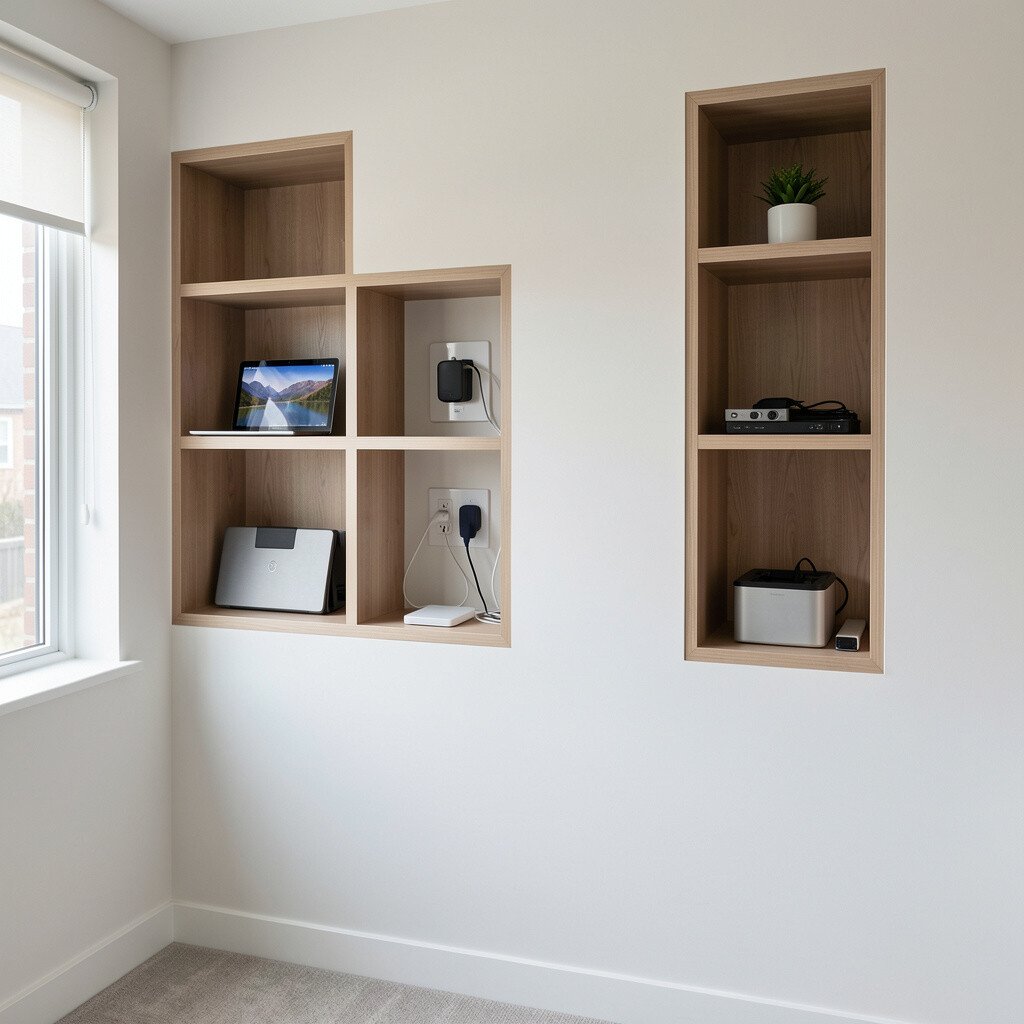
A wall nook can hide charging gear and keep small devices from turning into desk clutter. It also adds a custom look, like your office is built for the way you work.
Place a small nook near your main work area and include a recessed power strip so cables disappear. Use a tray insert for chargers, adapters, and backup batteries, then close the opening with a simple door or cover panel. Personalize the look with wood trim or paint that matches the wall, so it blends instead of standing out.
For cost, start with a simple insert unit rather than renovating a full wall. Many offices are trending toward “charging stations” because hybrid work and mobile devices keep growing. When your tech has a home, the entire space feels calmer and more professional.
Practical tip: keep only the most-used chargers inside the nook to avoid a cluttered stack. You’ll still have room for future needs without losing control.
10. Wall Planters with Self-watering Inserts for Airy Focus
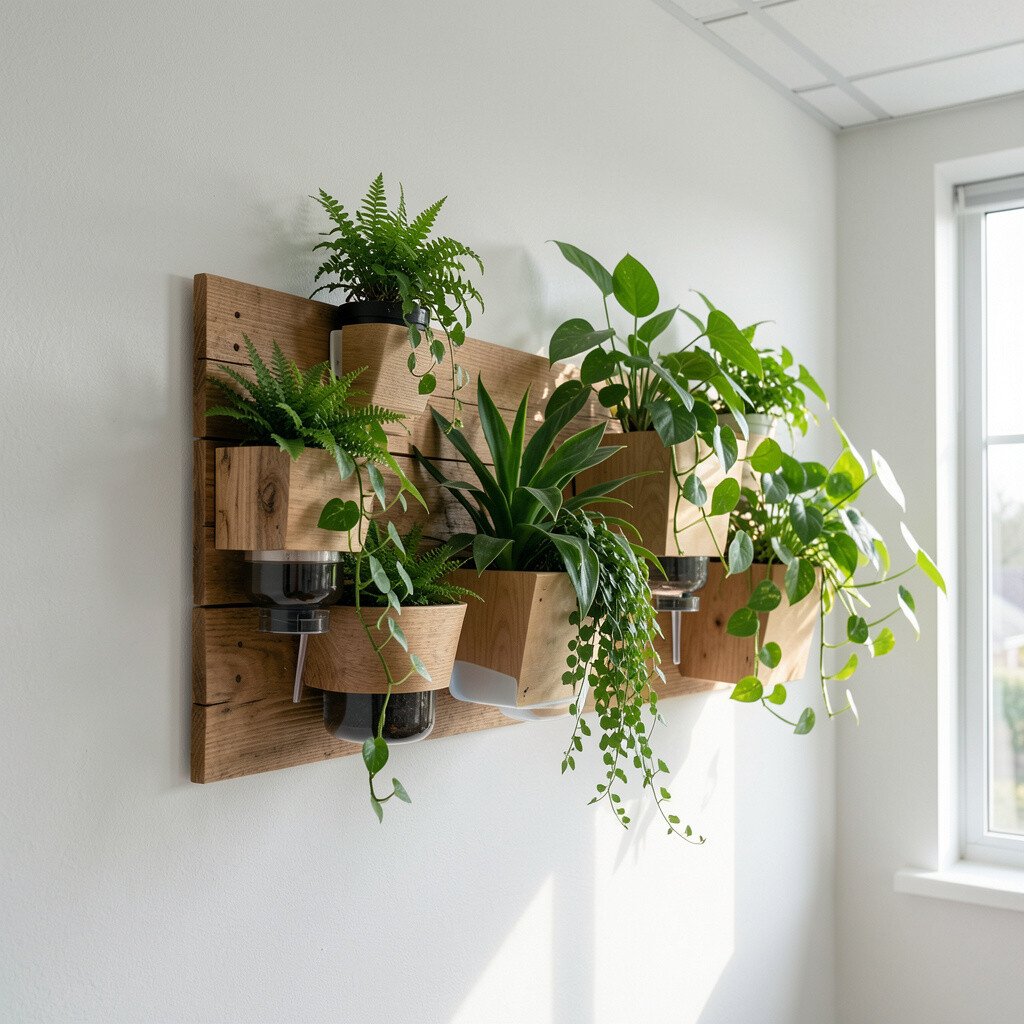
Plants on the wall add life and soften the feeling of a small room. The visual effect is refreshing, and the green tones can make your office feel less boxed in.
Use self-watering planters to reduce maintenance, and place them at eye level so they’re easy to check daily. Consider herbs for a tiny desk-adjacent vibe or choose hardy plants that handle indoor light well. Personalize by matching pot colors to your stationery or branding palette.
For practical tips, group planters by light needs so you don’t constantly move them around. Cost can be controlled by starting with fewer plants and adding as you learn what thrives in your space. A current trend is vertical greenery because it provides benefits without taking up desk or shelf area.
When the wall feels alive, conversations feel easier and focus feels steadier. Plus, caring for plants can become a simple routine that teams share lightly.
11. Wall Feature Lighting with Adjustable Task Spots
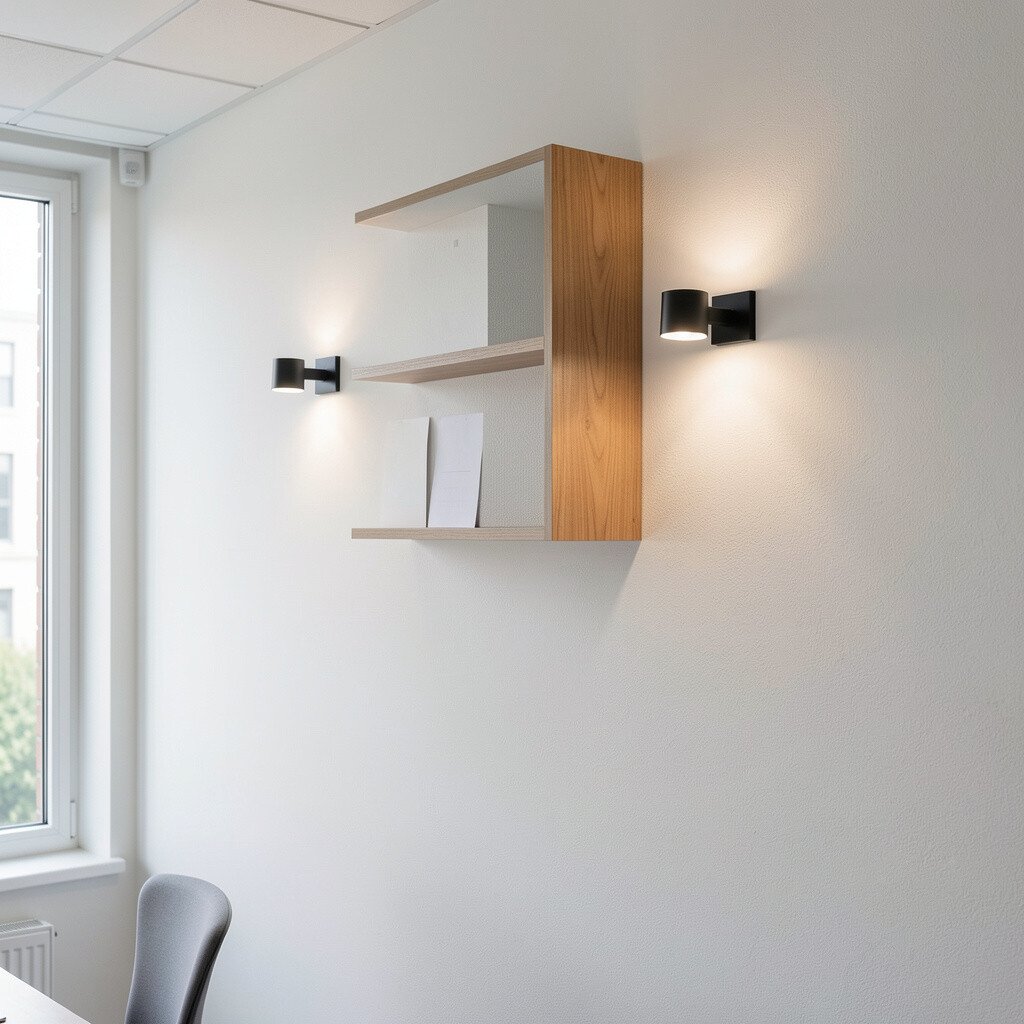
Wall lighting can do double duty by adding style and making it easier to work comfortably. When you place adjustable spots near a desk, you reduce harsh shadows and keep reading tasks more pleasant.
Choose lighting that can tilt toward wall shelving or a pinboard area so it highlights what matters. You can also aim light toward a “working wall” where planning items live, creating a clear visual zone. For personalization, pick a warm bulb tone to make the space feel cozy, especially during late hours.
Practically, keep switches reachable near the main seating area, and test brightness before committing. Cost considerations depend on whether you install new wiring or use plug-in fixtures, so compare options based on your budget. Current trends favor layered lighting, where ambient light plus focused task light gives a more designed feel.
When the wall feature is functional and flattering, the whole office looks more intentional. It’s a small investment that can support better daily comfort.
12. Storage Wall Cabinets with Clear Front Doors for Quick Scans
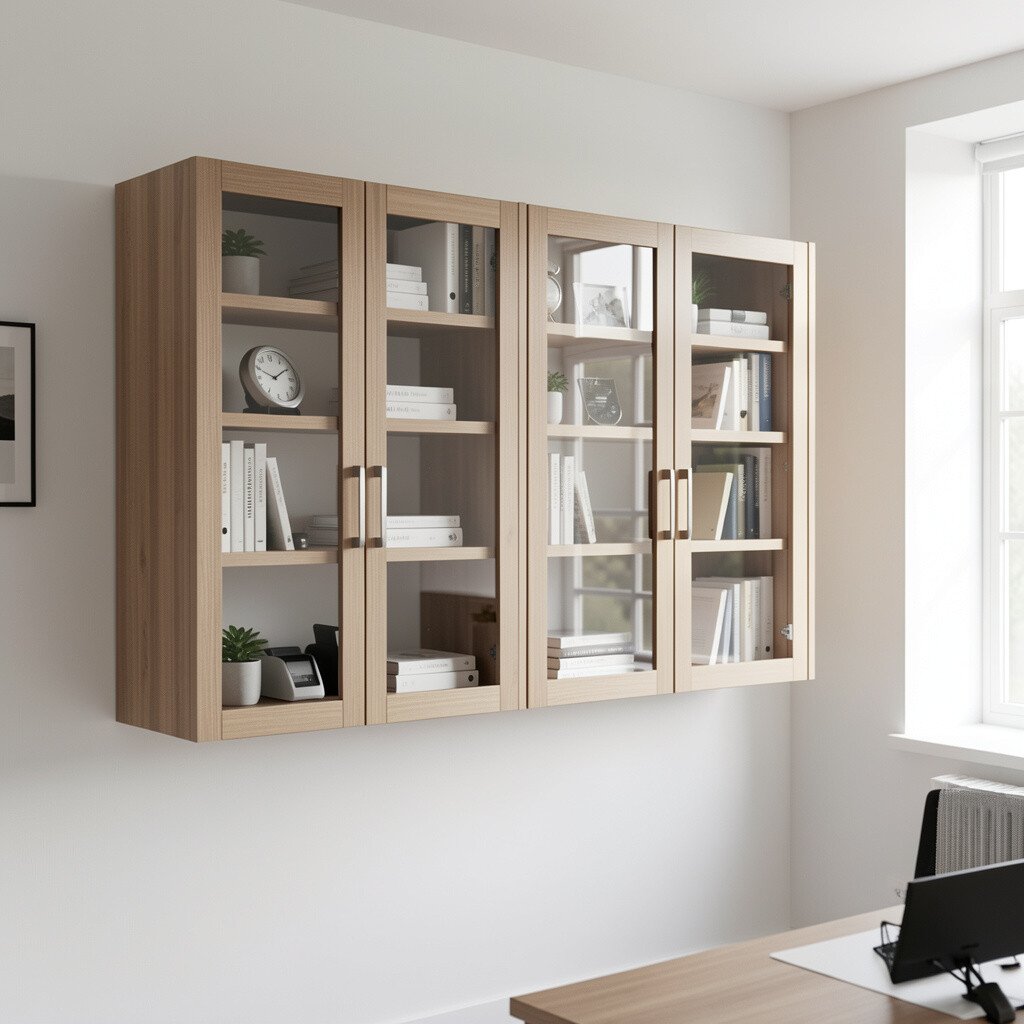
Cabinets with clear or translucent doors keep items organized while still showing what’s inside. The wall looks neat, and you don’t have to open doors to search for supplies.
Store forms, backup paper, label makers, and small hardware in one place so the team can grab things quickly. Use dividers or labeled bins inside to keep the view tidy and consistent. For personalization, choose cabinet colors that match your desk and add small decorative icons to the sides of compartments.
To make it practical, place the cabinets near your printer or main supply station to reduce back-and-forth trips. Cost can vary, so start with one cabinet that handles your top frequent items. A current trend is “see-through organization,” because it reduces time spent hunting while still keeping surfaces clean.
When the cabinet stays visually ordered, the office feels more professional without feeling sterile. Dual-purpose storage like this protects items and supports daily speed.
13. Acoustic Wall Panels with Messaging Slots for a Quieter Workday
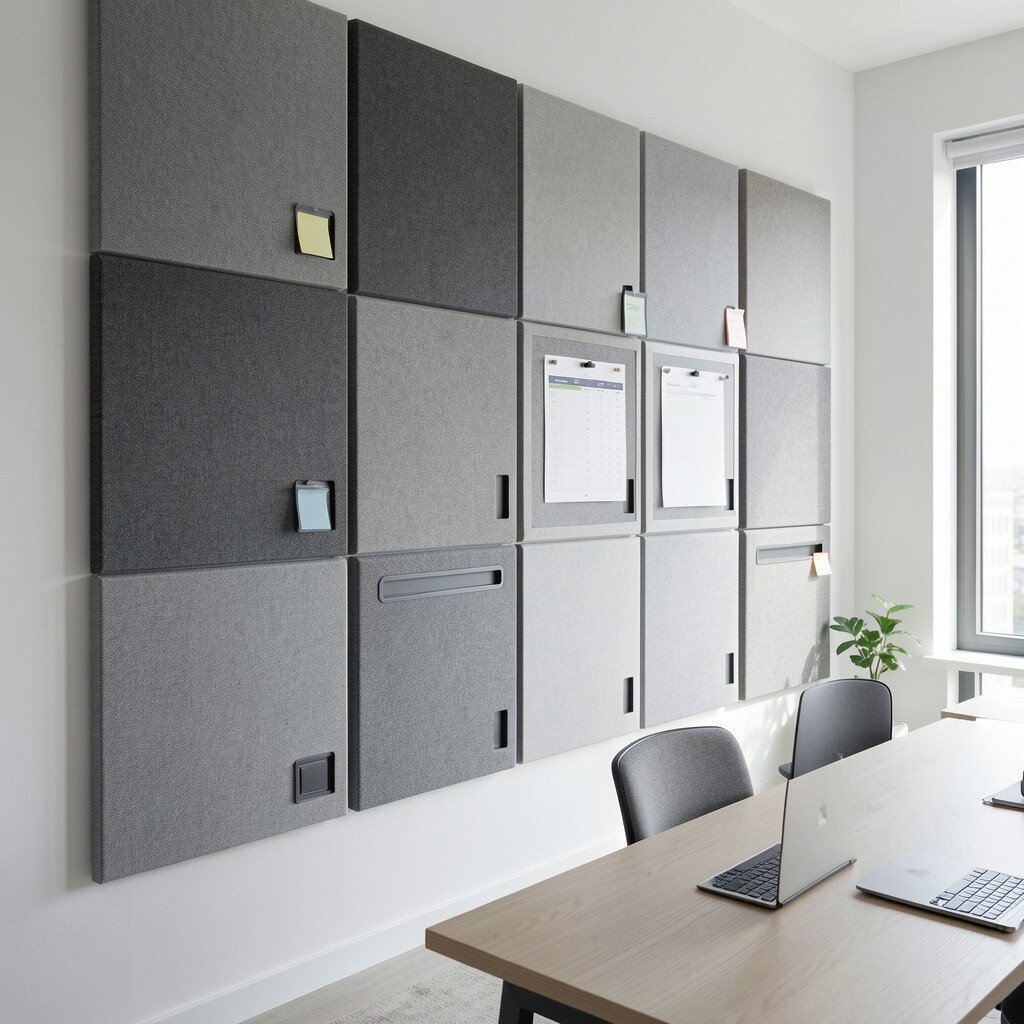
Acoustic panels can make small offices calmer by reducing echo and muffling noisy moments. With fabric-covered surfaces, they can also look friendly and design-forward.
Add messaging slots or magnetic strips to the panel area so you can share short updates without taping paper to walls. Keep rotation simple by swapping notes for “today’s focus” and “next steps” during weekly check-ins. Personalize with fabric colors that match your brand and choose subtle patterns that don’t overwhelm the room.
For practical tips, place panels near desks or meeting corners where sound bounces the most. Cost can be higher than paint, but the comfort improvements often feel worth it in shared spaces. A current trend is designing offices that balance productivity with wellbeing, and acoustic features fit that shift.
When the room feels quieter, team communication gets clearer. A wall panel that both looks good and supports messages can be a smart success tool.
14. Interactive Wall Whiteboard Wrapped Around a Corner Zone
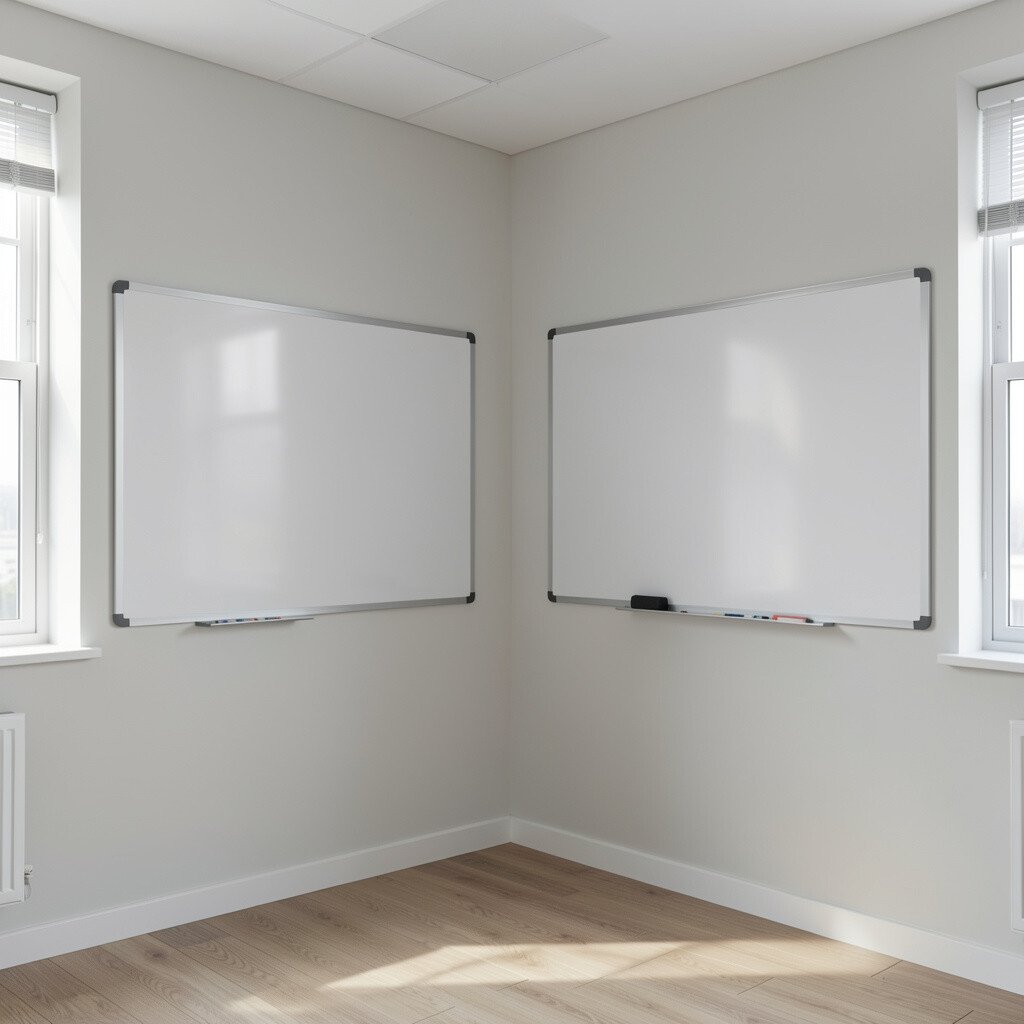
A corner wall whiteboard uses space that often goes unused, making your office feel bigger and more active. You get a wide writing surface that encourages quick planning, even when the room is tight.
Wrap the whiteboard around the corner so notes stay visible from multiple seats. Use different colored markers for categories like priorities, blockers, and client follow-ups to keep the board readable. Personalize by adding a small printed workflow graphic or a set of simple icons near the edge for your team.
Practically, keep a marker magnet and a small microfiber cloth nearby so wiping stays easy. Cost depends on size and whether you choose dry-erase film versus rigid board, so compare durable options for heavy use. A current trend is multi-angle planning walls that support team brainstorming without needing extra meeting space.
When everyone can see updates clearly, meetings shorten and tasks move faster. It’s a dual-purpose wall that supports both collaboration and everyday clarity.
15. Peg Hook + Basket Row for Reusable Meeting Supplies
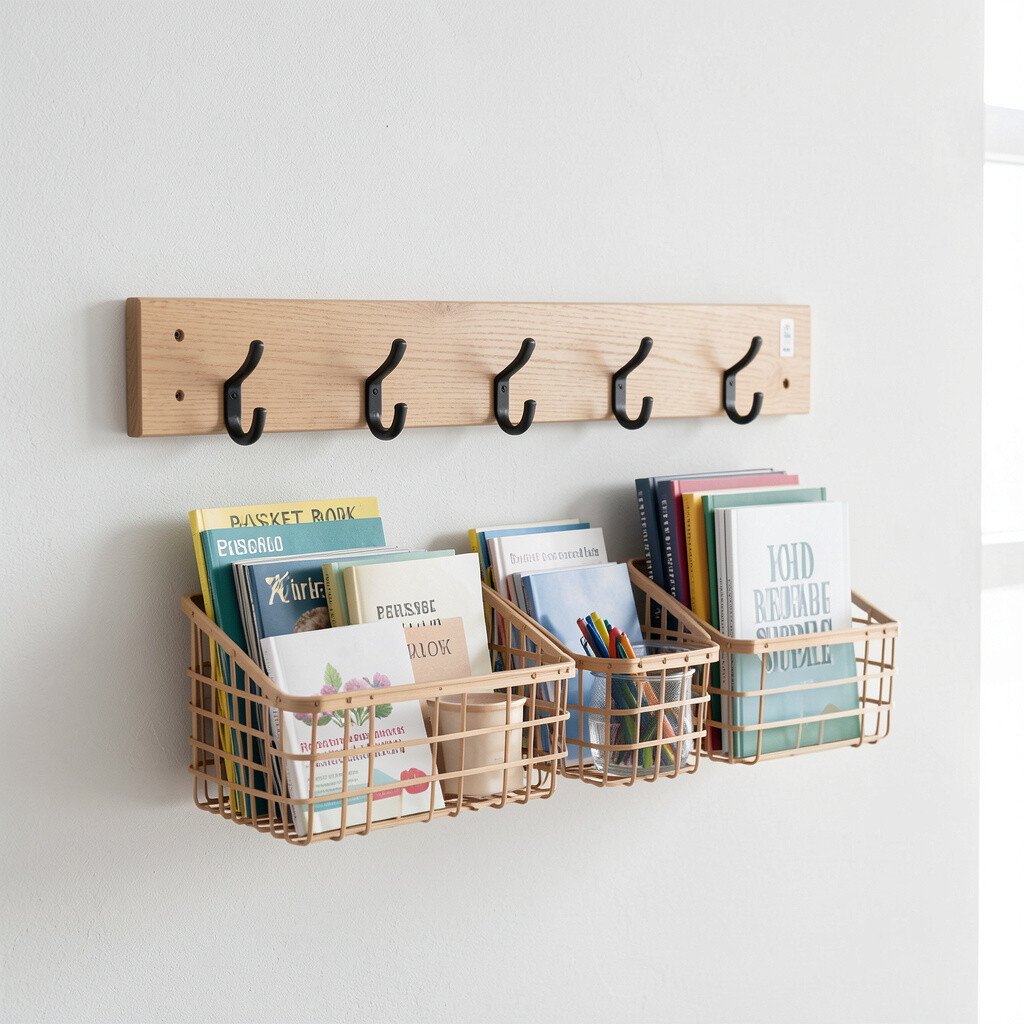
A peg hook row with baskets turns a wall into a “grab-and-go” supply strip. The look is practical, but it can still feel stylish when you match metal finishes and basket colors.
Hang reusable items like notepads, pens, small staplers, and sticky notes in baskets that keep everything grouped. Leave one space for meeting essentials like name tags or sign-in sheets so you’re never scrambling. For personalization, label baskets with team-friendly names and assign each basket to a role.
For practical tips, keep the most used items at the lowest reachable height and reserve higher hooks for less frequent supplies. Cost is often reasonable because you can build this feature gradually with a few hooks and baskets first. This approach is trending because it supports operational speed in small offices, where every minute counts.
When the wall becomes your meeting prep station, the rest of the office stays cleaner. People also feel calmer because supplies are always where they should be.
16. Wall Bookshelf with a “Reading Bench” Ledge for Solo Focus

A slim bookshelf with a ledge can create a cozy micro zone for reading and solo planning. It feels like a small retreat inside your office, and that can boost focus during busy days.
Use the ledge to hold a book, a notebook, or a tablet while you work through a section of research. Keep the shelf stocked with reference guides, training manuals, and a small set of curated articles relevant to your industry. Personalize by featuring a rotating selection of team picks, so the wall becomes part of your culture.
For practical tips, choose books by how often they’re used and avoid overcrowding, because a clean look supports calm focus. Cost considerations depend on whether you choose built-in style shelves or freestanding units, so pick based on how much wall work you can handle. A current trend is creating “focus corners” without adding furniture footprints, and this option supports that goal.
When the ledge is stable and comfortable, it encourages healthier work habits and less desk clutter. The wall does more than store books; it supports how you think.
17. Service Tag Board for Maintenance Schedules and Vendor Contact
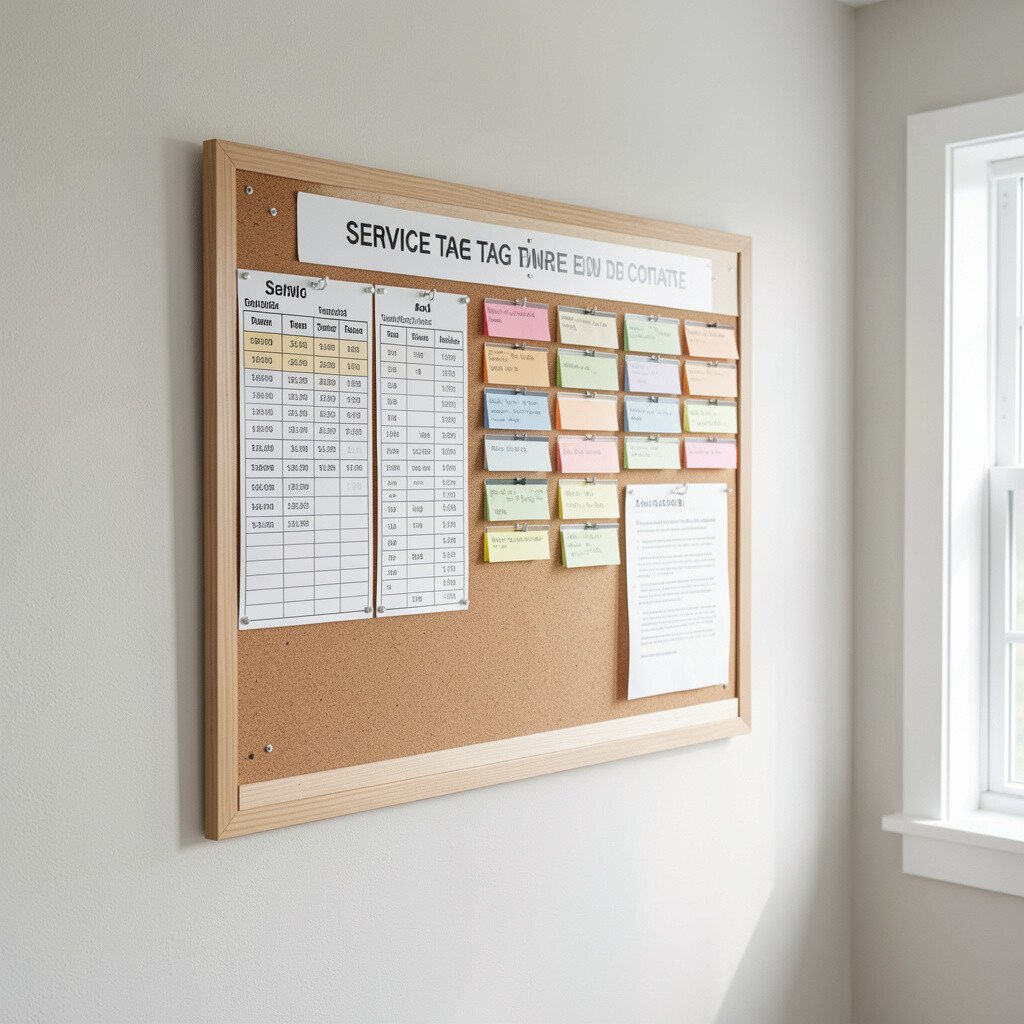
A service tag board keeps important admin details in one visible spot. Visually, it can look like a tidy set of cards or tags, which makes it feel organized rather than bureaucratic.
Use it to track cleaning schedules, printer maintenance, and vendor contact info. Keep small cards for common tasks like filter changes and supply reorder dates so the team doesn’t rely on memory. Personalize by using your office brand colors on the tags and keeping the tone friendly and simple.
Practically, place the board near your supply cabinet or near your printer so updates happen during real workflows. Cost is usually moderate because tag systems can be built with basic components and upgraded later. Current trends show offices moving toward “systems thinking,” where small routines are made easier with simple visual tools.
When maintenance details are visible, problems get solved sooner and work disruptions feel smaller. It’s dual-purpose because it supports operations while also keeping a neat, professional look.
18. Decorative Wall Panel with Removable Fabric Pocket Storage
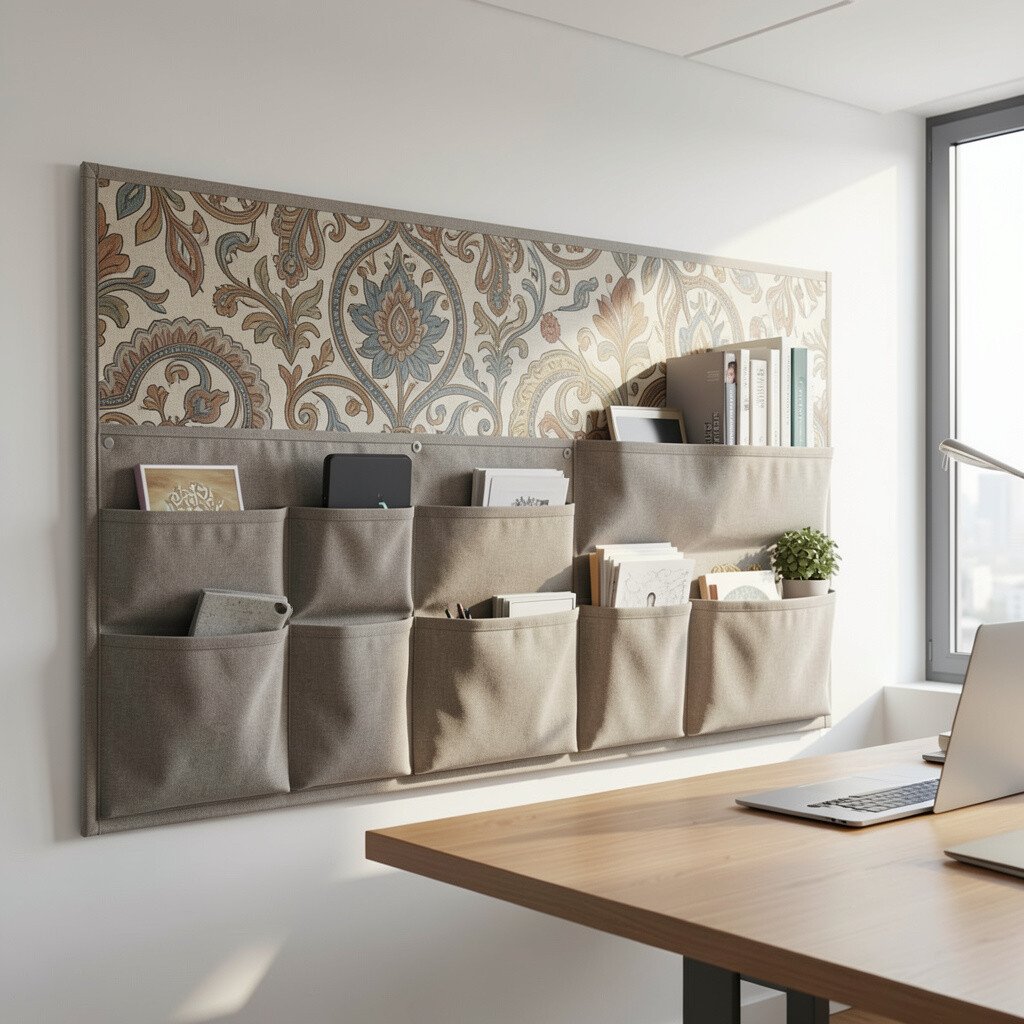
A decorative wall panel with removable fabric pockets adds texture while giving you flexible storage. It looks soft and welcoming, which can be a nice change from hard shelves in a small office.
Use pockets for small everyday items like extra chargers, headphones, notepads, and training handouts. The removable design helps with cleaning and reorganization, so you can refresh the layout without reinstalling anything. Personalize by choosing a fabric pattern that matches your style and placing a small label area for quick notes.
For practical tips, keep pockets sized for what you actually carry, so the wall doesn’t become a dumping zone. Cost considerations often favor this option because fabric organizers can be affordable and easy to swap. A current trend is blending function with comfort, and fabric pocket systems support both.
When you rotate pocket contents based on project season, the wall stays useful without feeling cluttered. You’ll also get an easy way to share supplies with visiting clients or teammates.
Even in a compact office, a dual-purpose wall like this can make daily routines feel smoother and more organized.