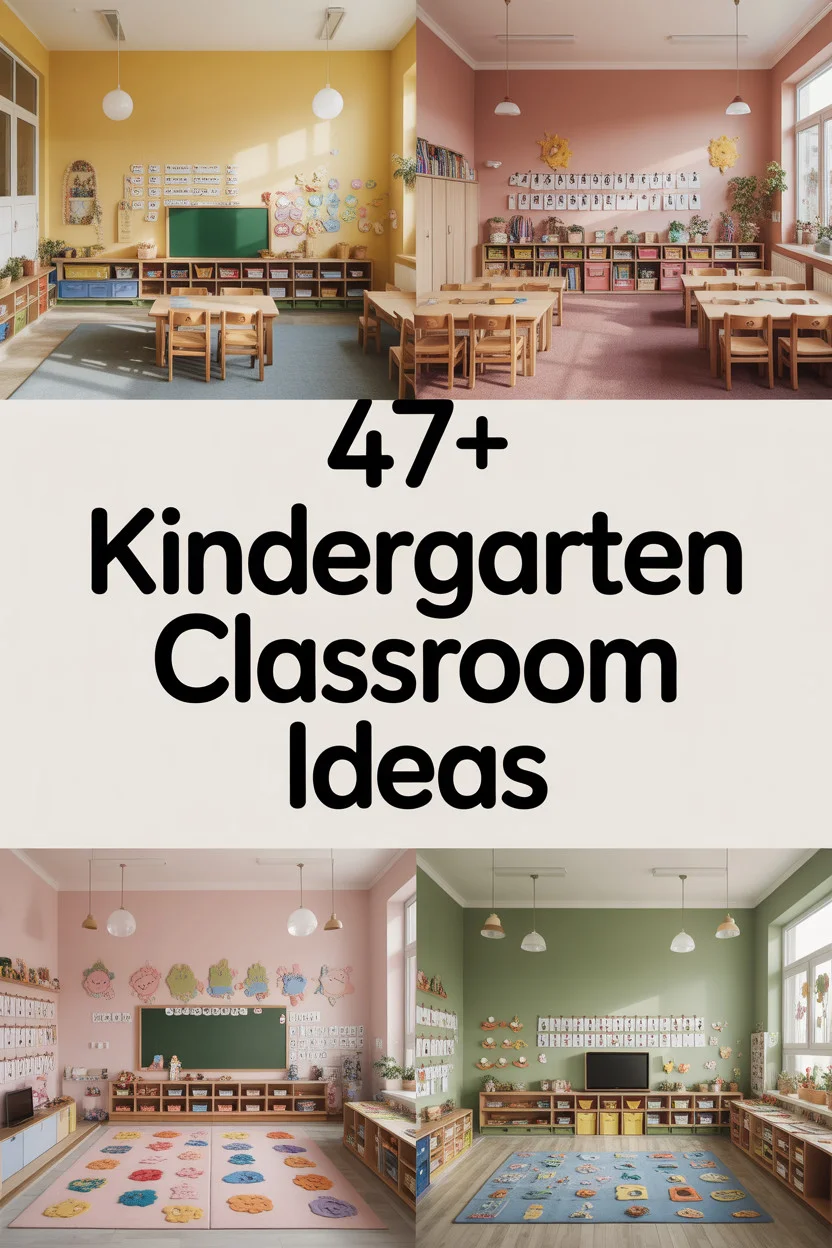
Imagine a space where young minds burst with colorful ideas and laughter. Envision a room filled with wonder, where every corner invites exploration and curiosity. How about transforming your classroom into such a magical place?
1. Nature-Inspired Reading Nook
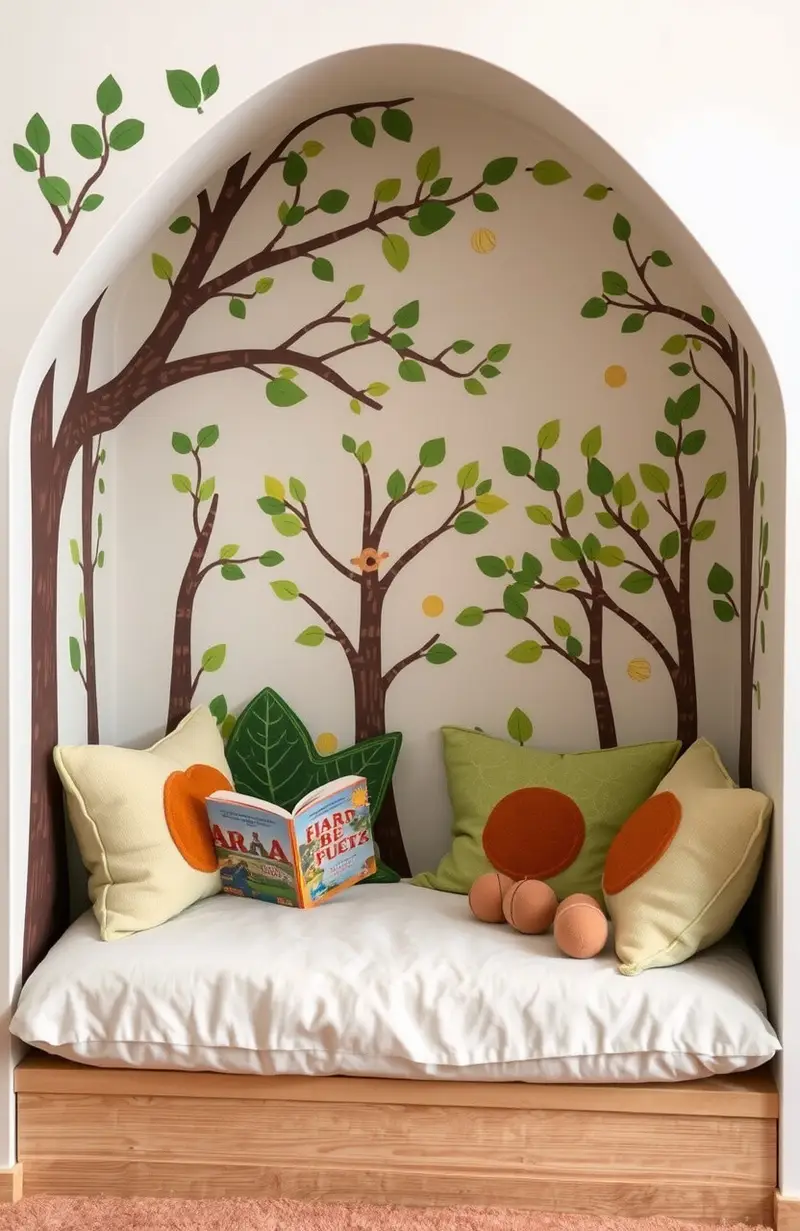
Create a cozy reading nook with tree decals and leaf-shaped cushions. This little corner will feel like a secret garden for your little ones.
Children will love to unwind with their favorite books surrounded by nature. It provides a serene environment that encourages reading and imagination.
Try adding fairy lights to make it even more enchanting. You can personalize it with the kids’ names on wooden plaques.
Minimal cost is involved, especially if you DIY the cushions and decals. It’s unique and makes reading a magical experience.
2. DIY Craft Station
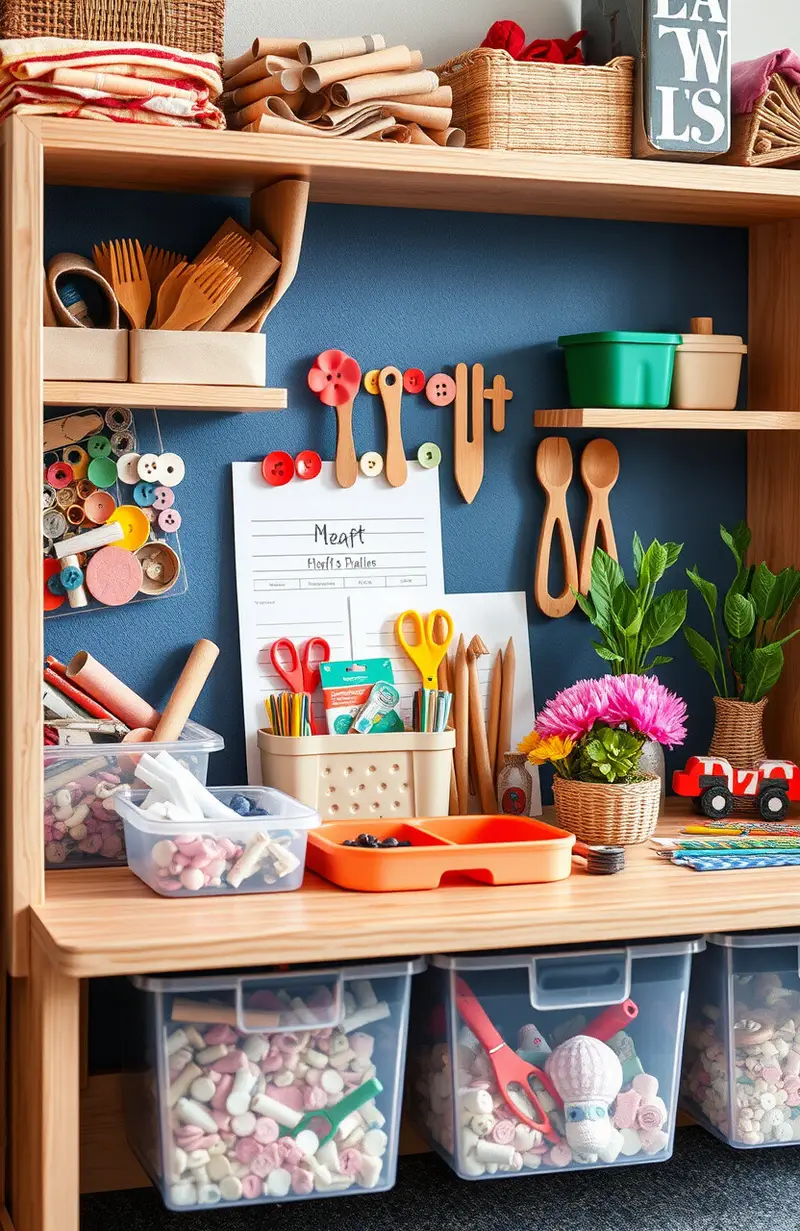
Set up a craft station with recycled materials. Encourage creativity with paper rolls, buttons, and fabric scraps.
This idea promotes sustainability and lets children explore different textures and materials. They can create anything from robots to flowers.
Keep the station stocked with safe scissors and glue. Organize materials in clear bins for easy access.
You can source materials from home or local donations, keeping costs low. This setup is both educational and environmentally friendly.
3. Interactive Math Wall
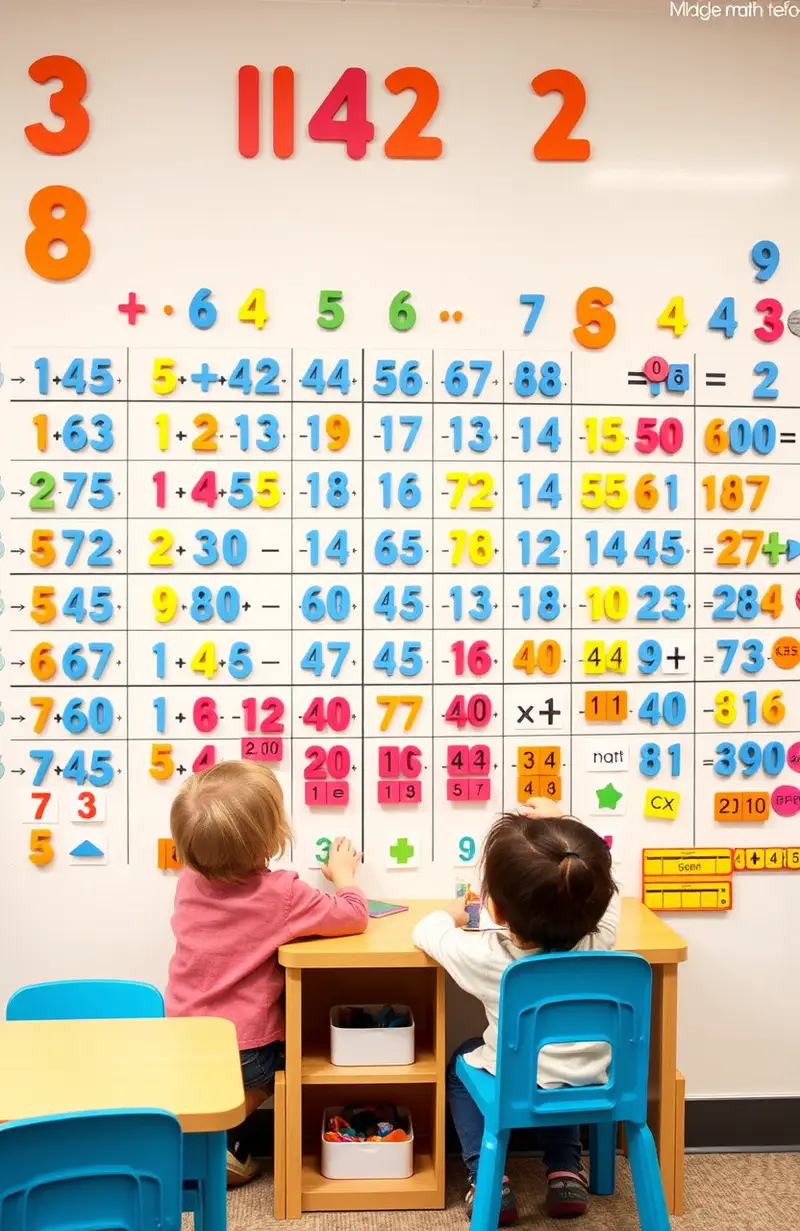
Transform a wall into an interactive math zone with number charts and fun equations. Magnetic numbers and shapes can make learning math exciting.
Kids will enjoy solving puzzles and building number sense. It’s a great way to make math hands-on and engaging.
Update the challenges weekly to keep it fresh. Involve students in creating some of the math problems.
The initial setup might require some investment, but it’s a long-term educational tool. It’s an innovative approach to math learning.
4. Themed Learning Centers
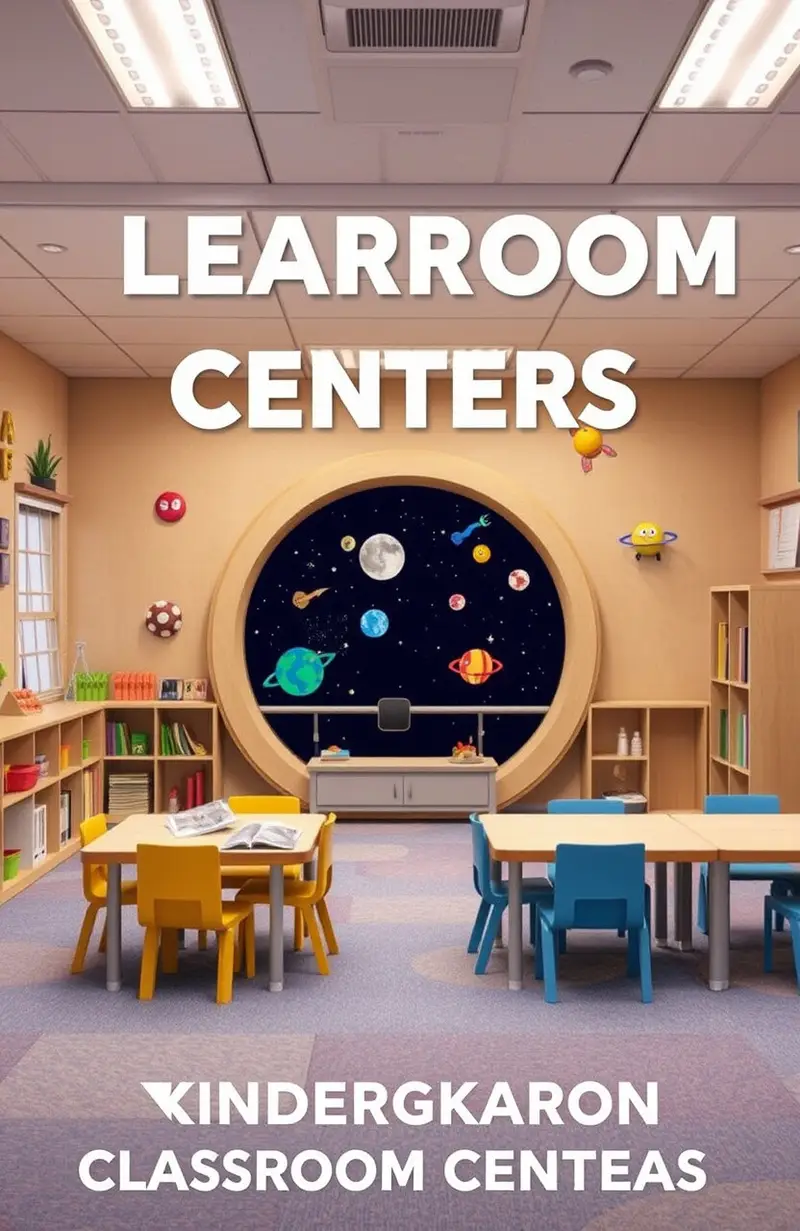
Create themed centers like a ‘Space Station’ or ‘Under the Sea’. Each center can focus on different subjects like science or art.
Themes encourage immersive learning and creativity. Children can role-play and dive deep into topics.
Change themes monthly to maintain interest. Use props and costumes to enhance the experience.
Re-use materials from past themes to keep costs down. It’s a fun way to teach diverse subjects.
5. Sensory Play Area
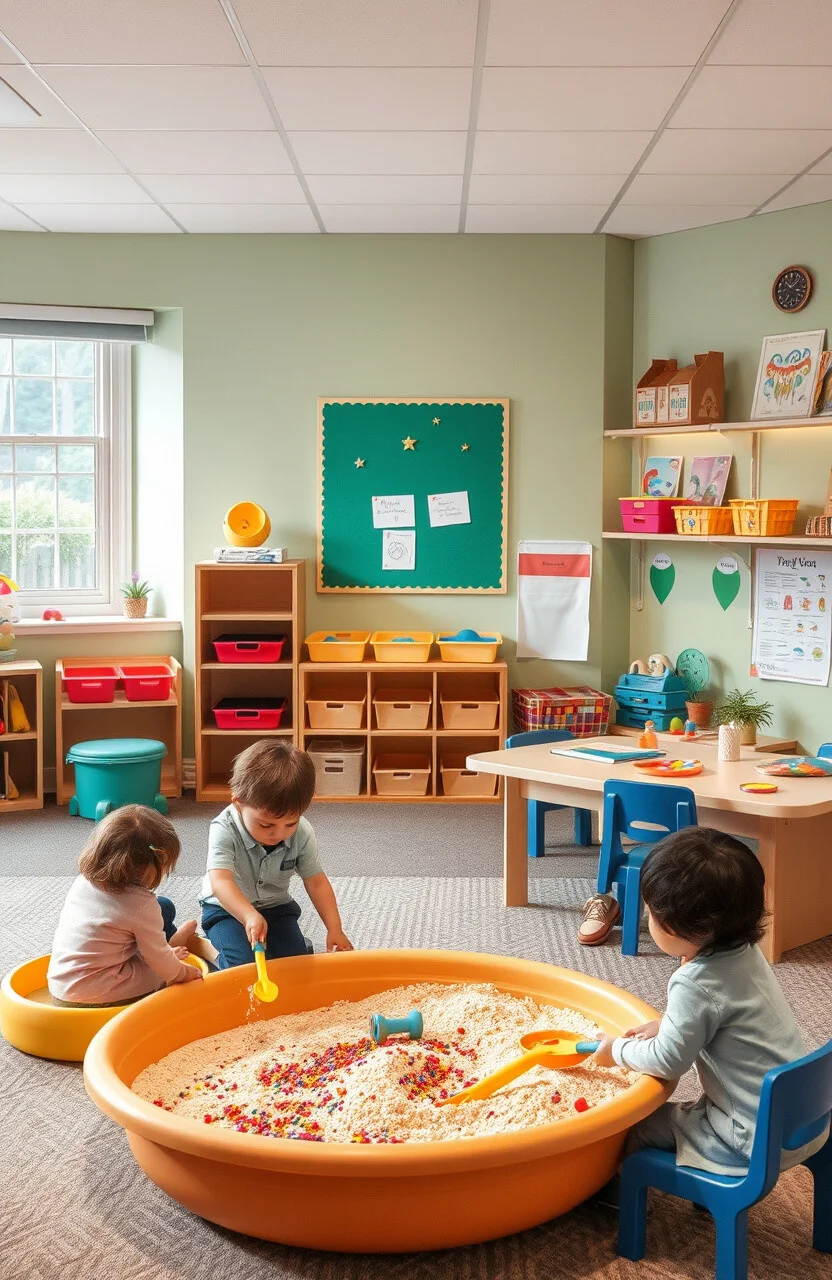
Design a sensory play area with sand, water tables, and kinetic sand. This area can be a sensory haven.
Sensory play helps develop motor skills and encourages exploration. It’s calming and can be tailored to different sensory needs.
Rotate materials like colored rice or scented playdough. Ensure it’s easy to clean and maintain.
Many materials are inexpensive and can be homemade. This area is as beneficial as it is fun.
6. Art Gallery Wall
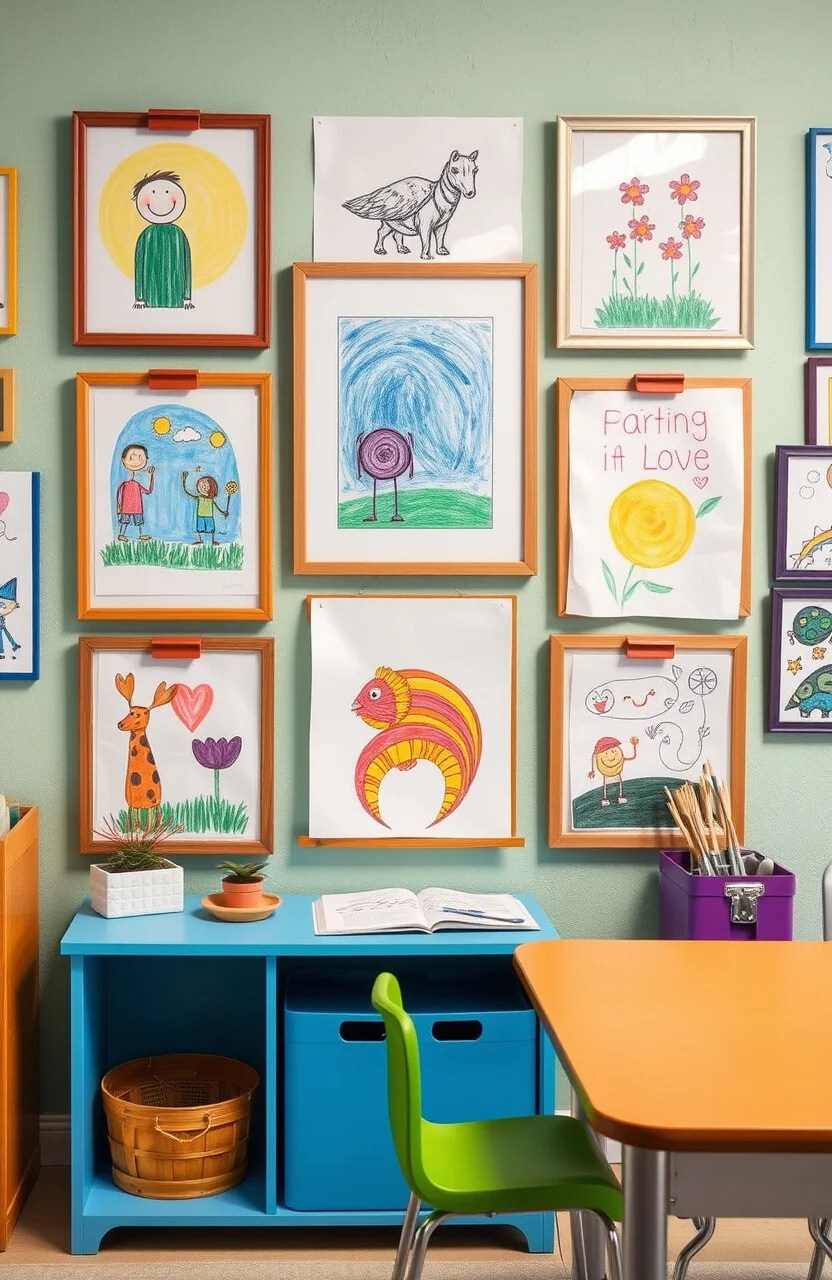
Dedicate a wall to display student artwork. Frame their masterpieces for a personal touch.
Displaying artwork boosts confidence and pride. It turns your classroom into a gallery that celebrates creativity.
Switch out art regularly to showcase all students. Use clipboards for easy changes.
Affordable frames or DIY options make this a low-cost project. It’s a beautiful way to honor student work.
7. Cozy Storytime Corner
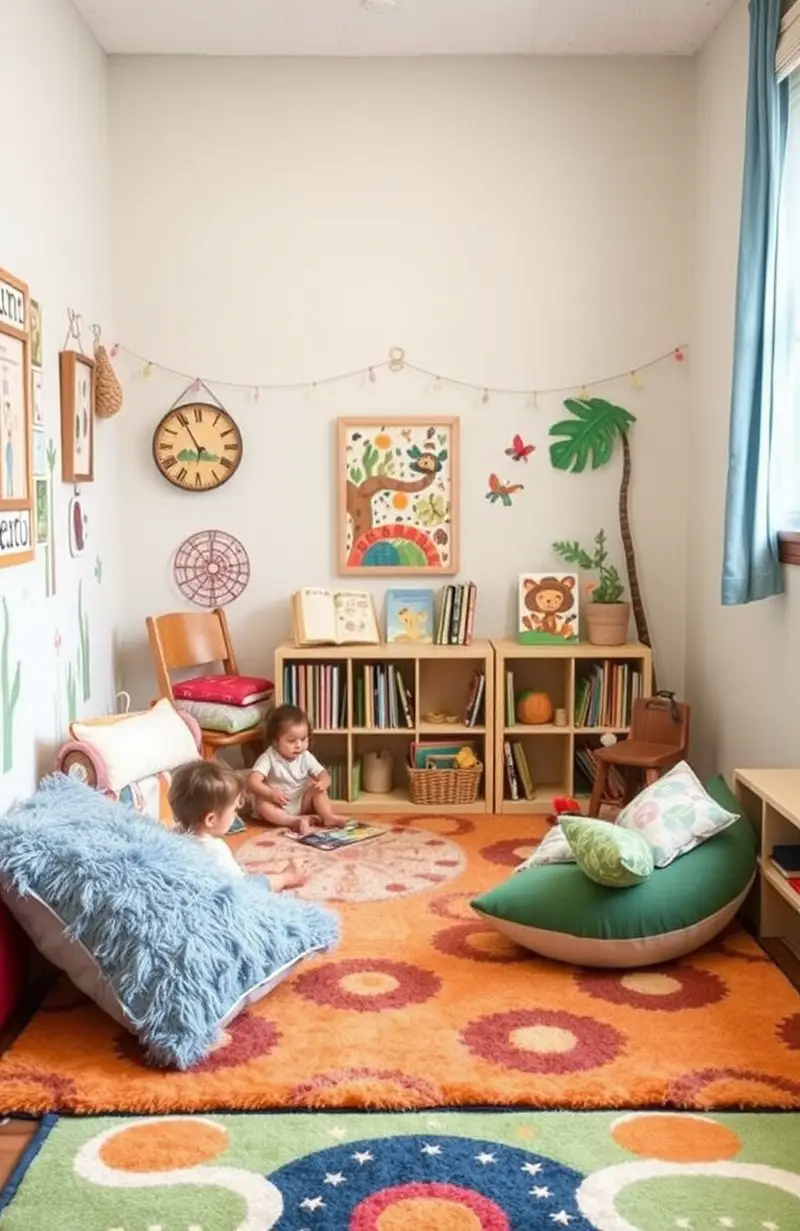
Set up a storytime area with plush rugs and pillows. This cozy corner is perfect for group reading sessions.
A comfortable space encourages a love for storytelling. Kids can gather around for tales of adventure and wonder.
Add a small bookshelf for easy access to books. Personalize it with a theme like ‘Jungle Safari’.
Thrift stores can be great for finding affordable rugs and pillows. It’s an inviting space that fosters a love of reading.
8. Music and Rhythm Zone
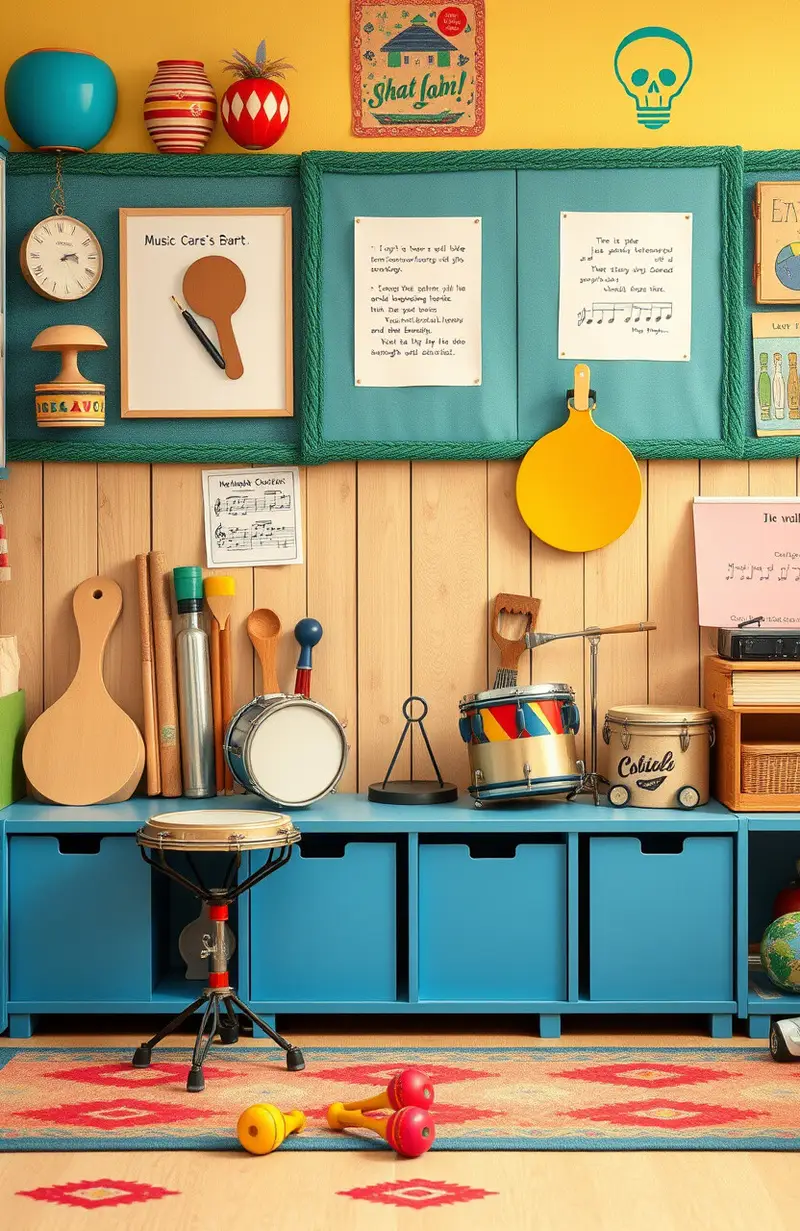
Create a music corner with instruments like drums and maracas. Introduce rhythm and music exploration.
Music boosts cognitive development and creativity. Children will love making sounds and rhythms together.
Schedule music time into your daily routine. Let kids experiment with making their own instruments.
Instruments can be found at thrift stores or made from recycled materials. It’s a joyous way to incorporate music into learning.
9. Mini Theater Stage
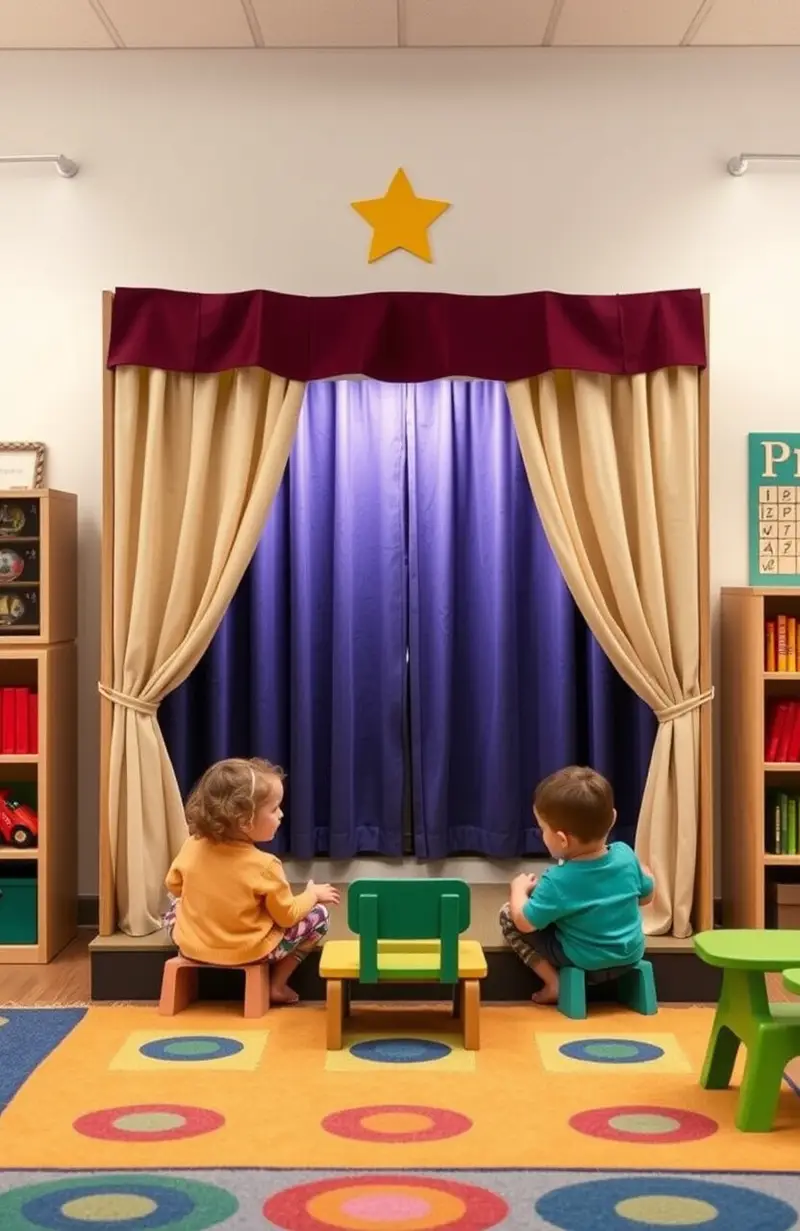
Construct a mini theater stage for little performances. Encourage role-playing and storytelling.
Drama enhances social skills and confidence. Children can act out stories or create their own plays.
Use curtains or a simple backdrop to set the scene. Involve kids in making props and costumes.
A simple setup can be done with cardboard and fabric. It’s an exciting outlet for expressive play.
10. Community Helpers Corner
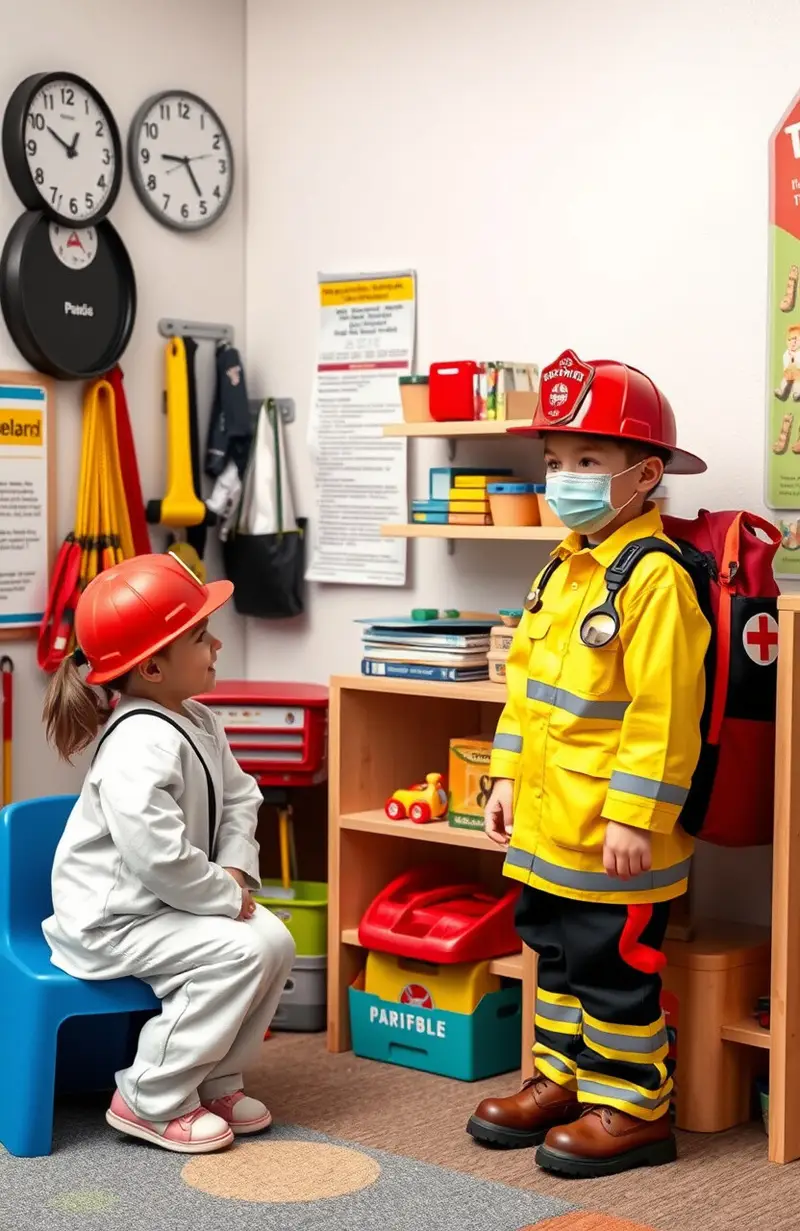
Create a corner dedicated to community helpers like firefighters and doctors. Include costumes and role-play tools.
This setup teaches about important roles in the community. Role-playing helps children understand empathy and responsibility.
Invite community members to visit and talk about their jobs. Incorporate books and videos about different careers.
Costumes can be homemade or purchased second-hand. It’s an engaging way to learn about the community.
11. Science Exploration Station
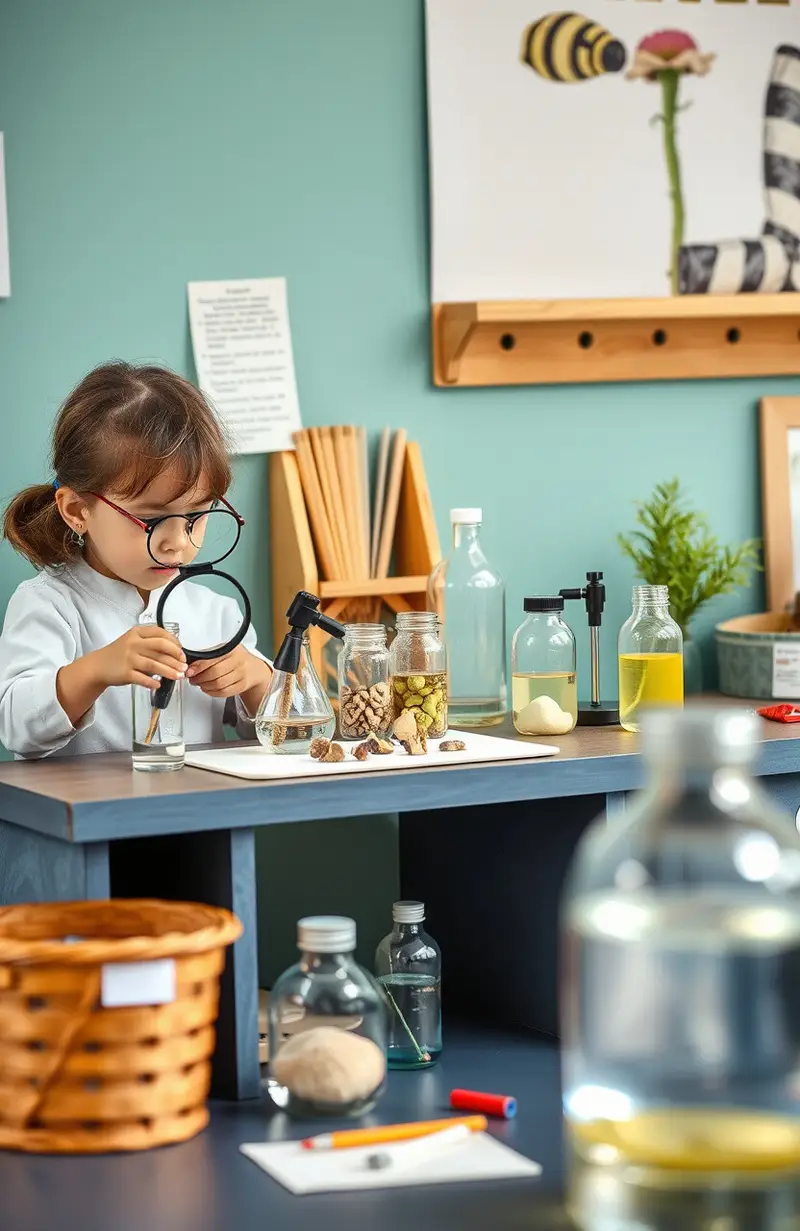
Set up a science station with magnifying glasses and specimen jars. Encourage budding scientists to explore.
Hands-on experiments make learning science exciting. Kids can observe and question the world around them.
Rotate activities like rock collections or simple chemical reactions. Involve students in setting up experiments.
Many materials can be found in nature or donated. It’s a stimulating way to spark curiosity in science.
12. Language and Literacy Center
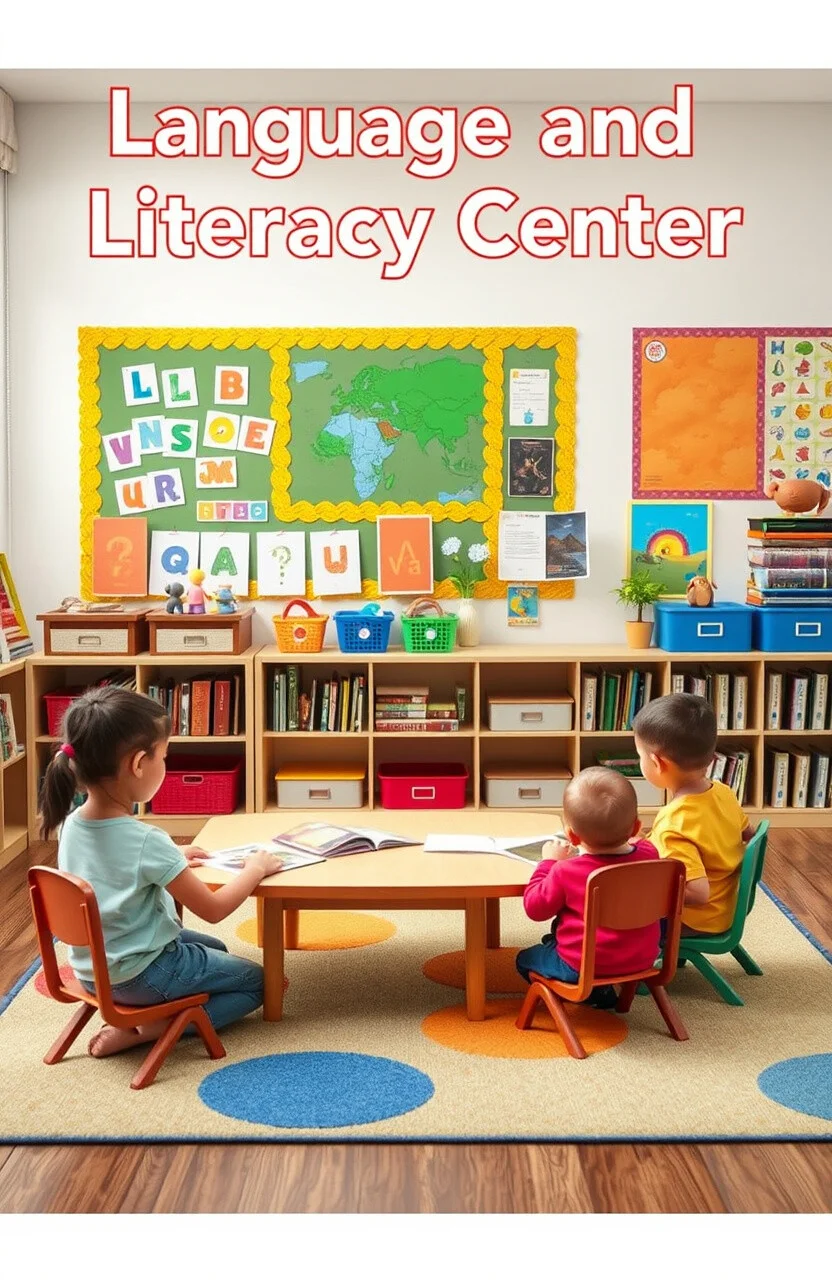
Develop a literacy center with alphabet games and storytelling kits. Encourage language development in a fun way.
Language skills are crucial for communication and learning. Interactive games make it enjoyable and effective.
Incorporate bilingual elements for diversity. Use puppets and story cards for imaginative play.
Many resources can be homemade, keeping costs low. It’s a creative way to enhance literacy skills.
13. Mindfulness and Relaxation Area
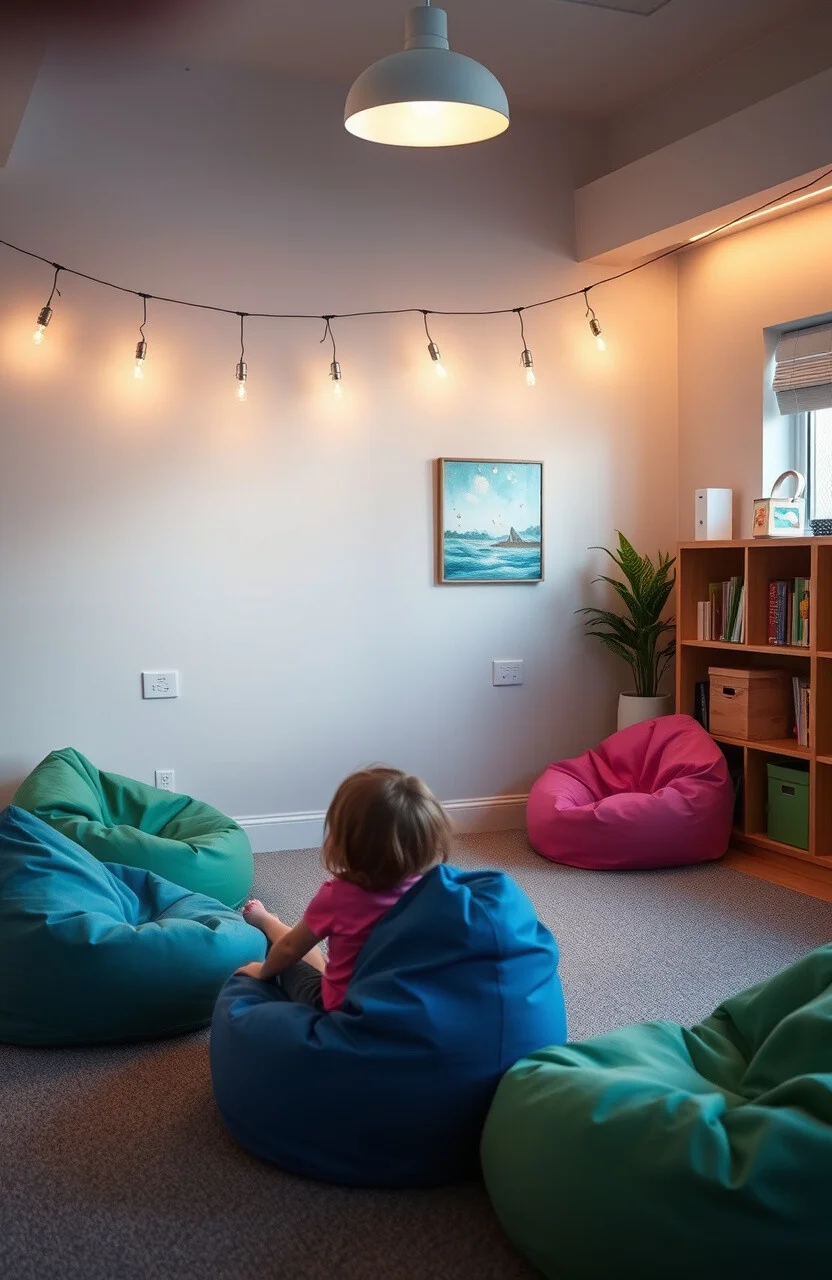
Create a calm space with soft lighting and bean bags. Teach mindfulness and relaxation techniques.
Mindfulness supports emotional well-being and focus. Kids can unwind and recharge in this peaceful area.
Include guided meditation sessions or calming music. Personalize it with student art depicting peaceful scenes.
Lighting and seating can be budget-friendly. It’s a nurturing space that promotes mental health.
14. Cultural Awareness Wall
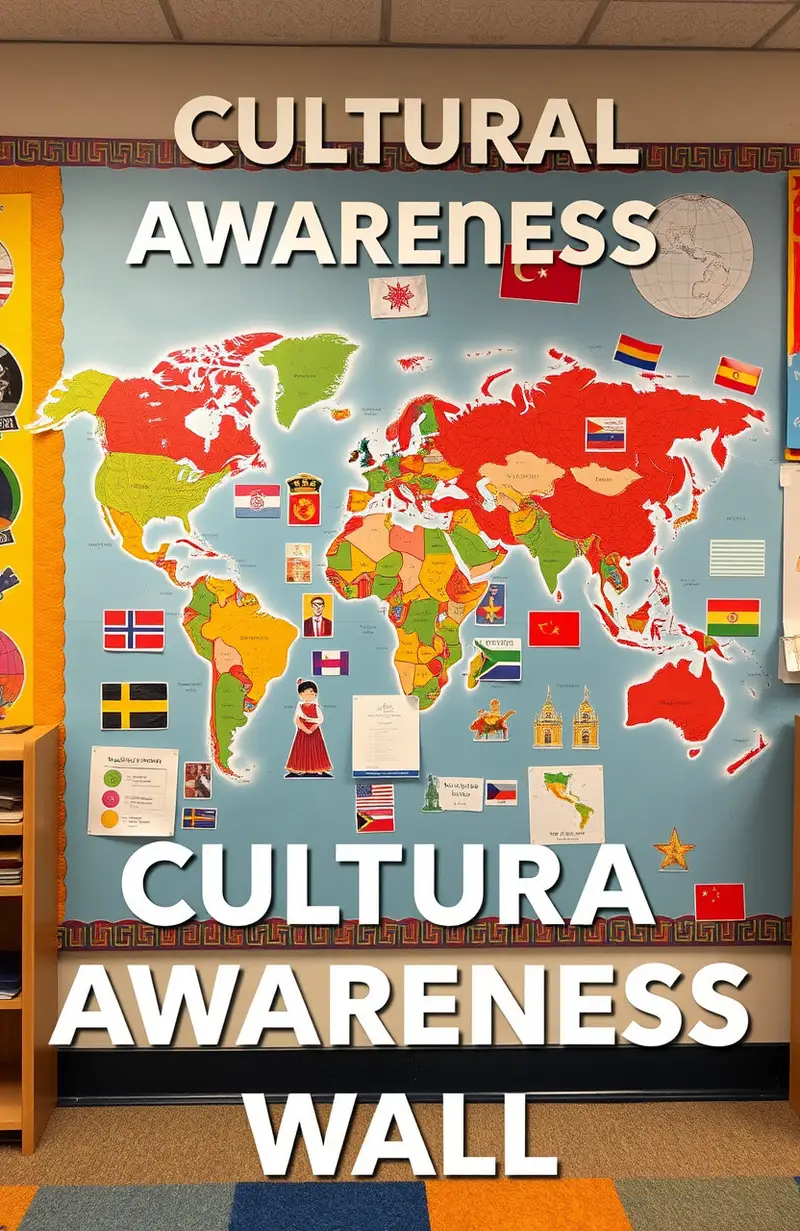
Design a wall featuring cultures from around the world. Include maps, flags, and traditional attire.
Exposure to different cultures fosters understanding and respect. Children learn about diversity and global connections.
Update the wall with cultural celebrations and festivals. Invite families to share stories and traditions.
Materials can be sourced from donations or printouts. It’s an enlightening way to teach global awareness.
15. Mystery Box Challenges
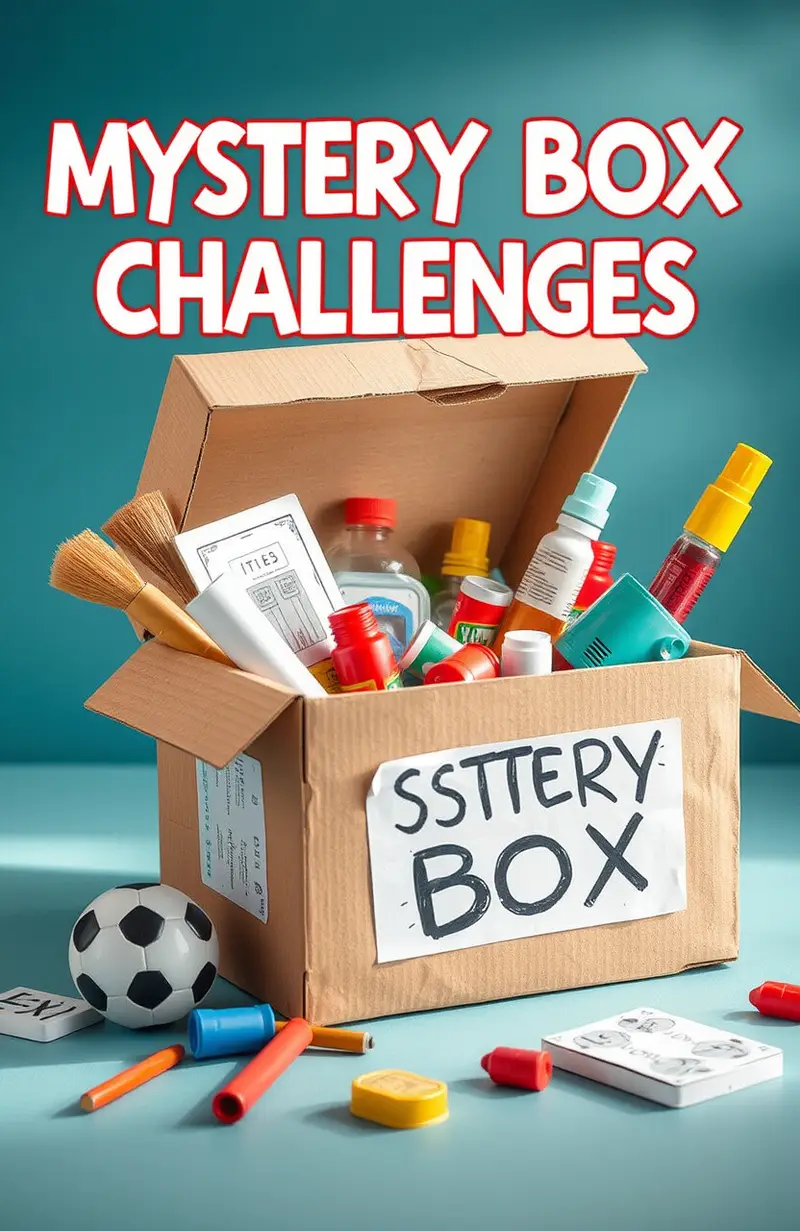
Introduce a mystery box filled with different items for problem-solving activities. Encourage critical thinking with surprises.
Mystery boxes stimulate curiosity and innovation. Kids love the excitement of discovering what’s inside.
Create challenges that require teamwork and creativity. Switch the contents regularly to keep it engaging.
Items can be everyday objects or donated. It’s a cost-effective way to enhance problem-solving skills.
16. Weather Station

Create a weather station with a thermometer, wind vane, and rain gauge. Encourage young meteorologists to observe weather patterns.
Tracking weather develops observation skills and scientific inquiry. Kids can make daily weather reports.
Include a weather chart for recording observations. Personalize it with drawings of different weather conditions.
Many tools can be DIY, reducing costs. It’s an educational way to explore meteorology.
17. Plant Growing Corner
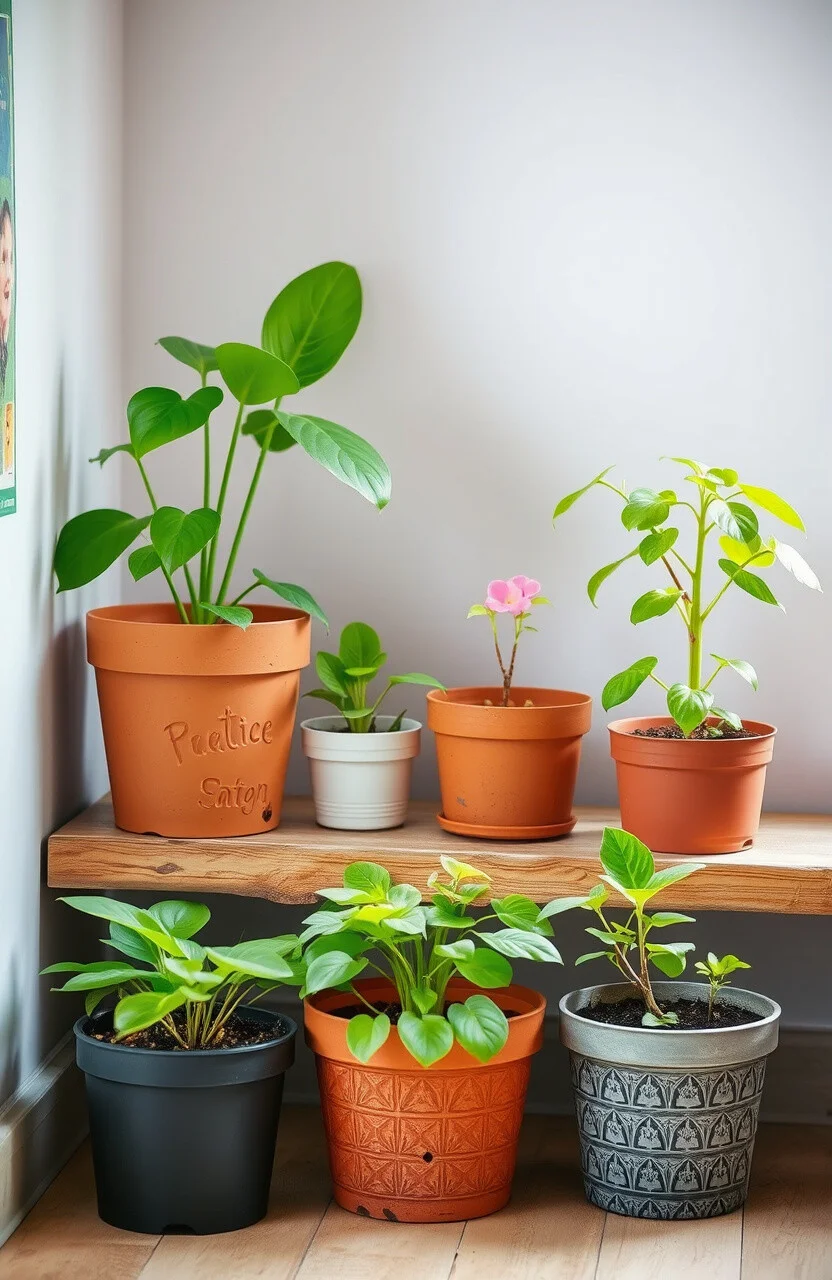
Set up a plant growing area with pots and seeds. Teach responsibility and biology through plant care.
Watching plants grow is rewarding and educational. Kids learn about life cycles and environmental care.
Encourage students to document growth in journals. Rotate plant types for variety.
Seeds and pots can be inexpensive. It’s a green way to teach nature and nurture.
18. Puzzle and Game Area
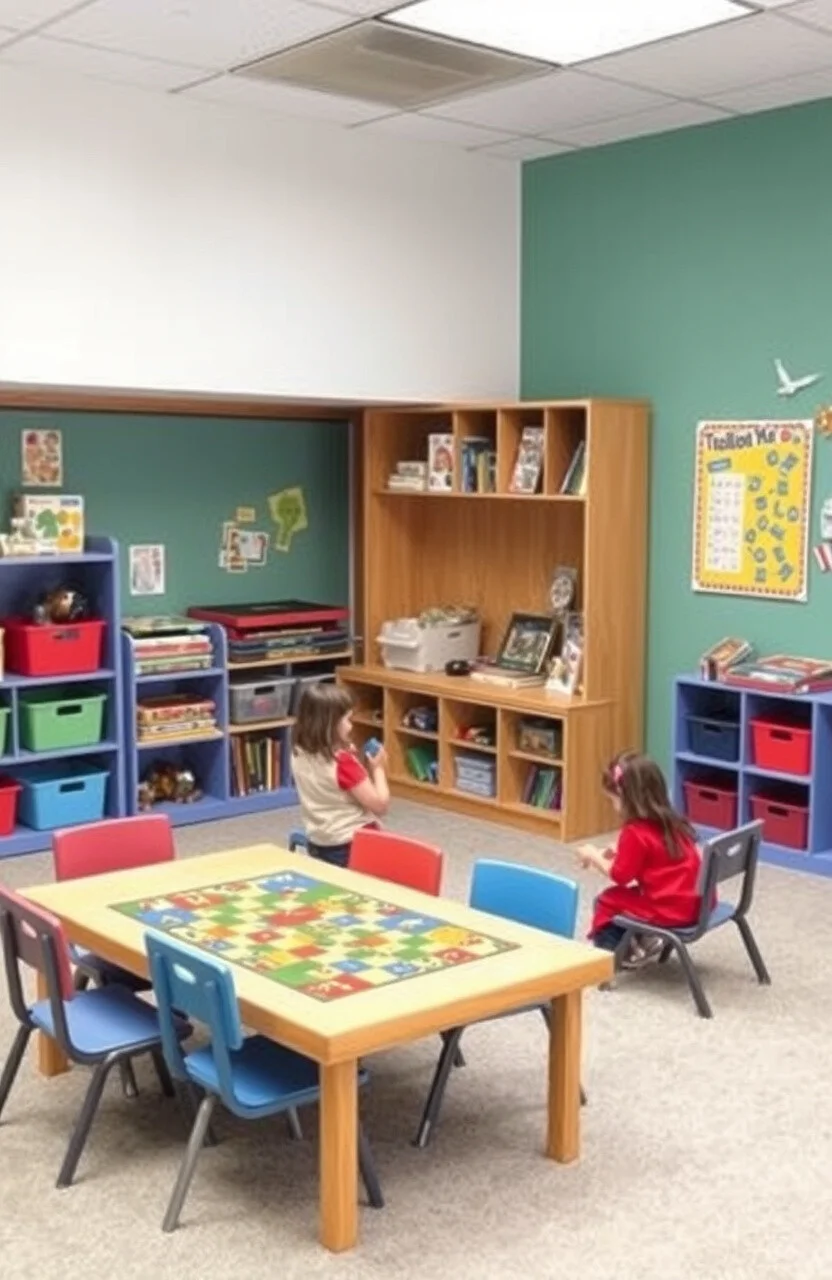
Create a dedicated area for puzzles and board games. Encourage strategic thinking and collaboration.
Puzzles and games enhance cognitive skills and teamwork. Kids enjoy the challenge and interaction.
Include a variety of difficulty levels to cater to all students. Rotate games to keep the selection fresh.
Games can be donated or found at thrift shops. It’s a fun way to blend play and learning.
19. Art Supply Bar
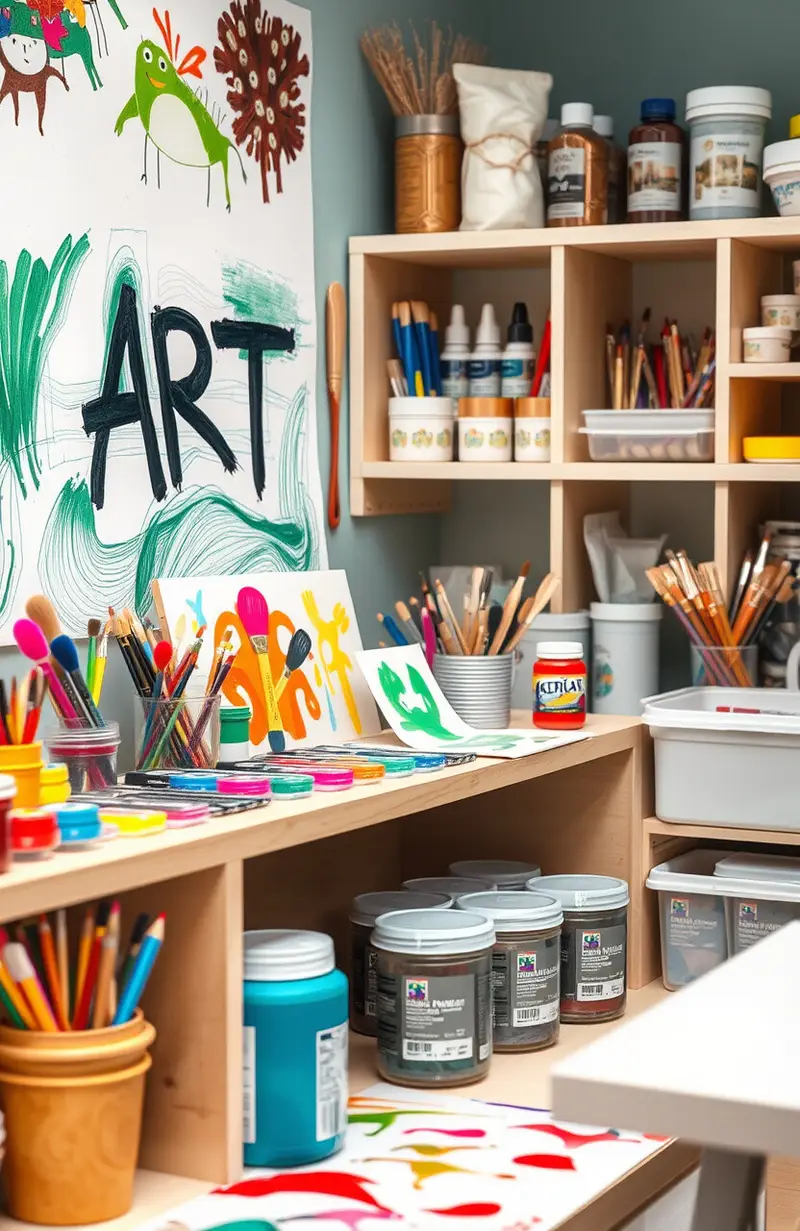
Set up an art supply bar with paints, brushes, and canvases. Let creativity run wild with easy access to materials.
Art allows for self-expression and fine motor skill development. Kids can create masterpieces whenever inspiration strikes.
Organize supplies by color or type for easy selection. Encourage experimentation with different mediums.
Many supplies can be sourced through sales or donations. It’s a colorful way to support artistic growth.
20. Wildlife Observation Window
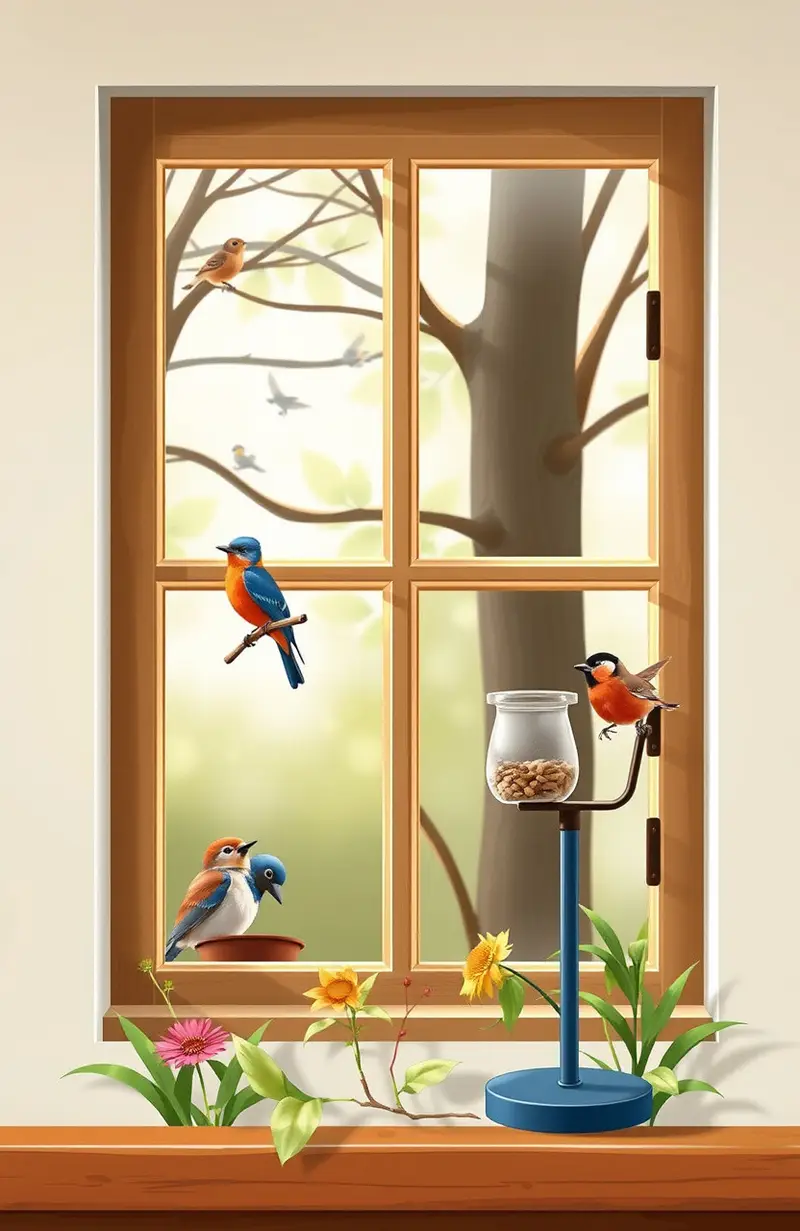
Turn a window into a wildlife observation spot with bird feeders and binoculars. Invite nature into your classroom.
Observing wildlife fosters patience and curiosity. Kids enjoy watching birds and other animals in their natural habitat.
Include a journal for recording sightings and behaviors. Personalize it with posters of local wildlife.
Bird feeders can be homemade or inexpensive. It’s a natural way to engage with the environment.
21. Time Travel History Corner
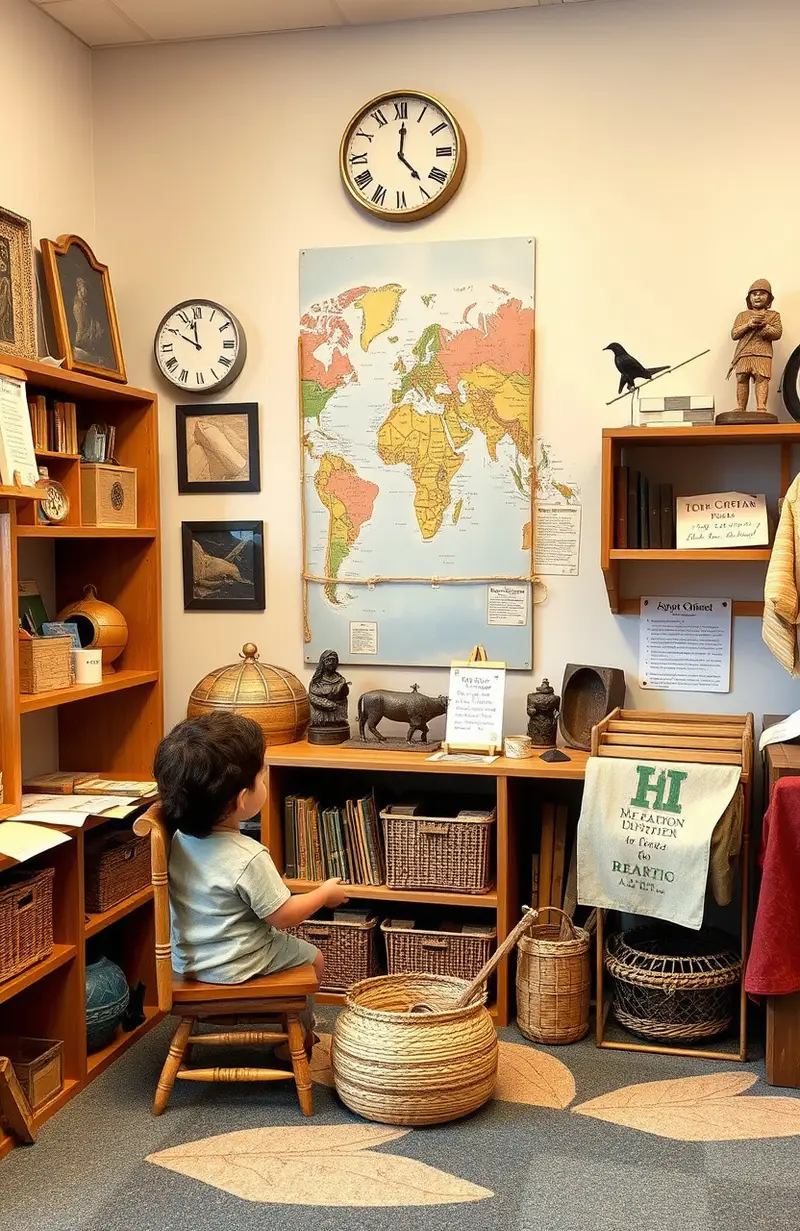
Create a history corner with timelines and artifacts. Encourage exploration of different eras.
History comes alive with interactive displays. Kids can learn about the past through hands-on activities.
Rotate themes like Ancient Egypt or Medieval Times. Include costumes for role-playing.
Many items can be replicated or borrowed. It’s an exciting way to delve into history.
22. Construction Zone
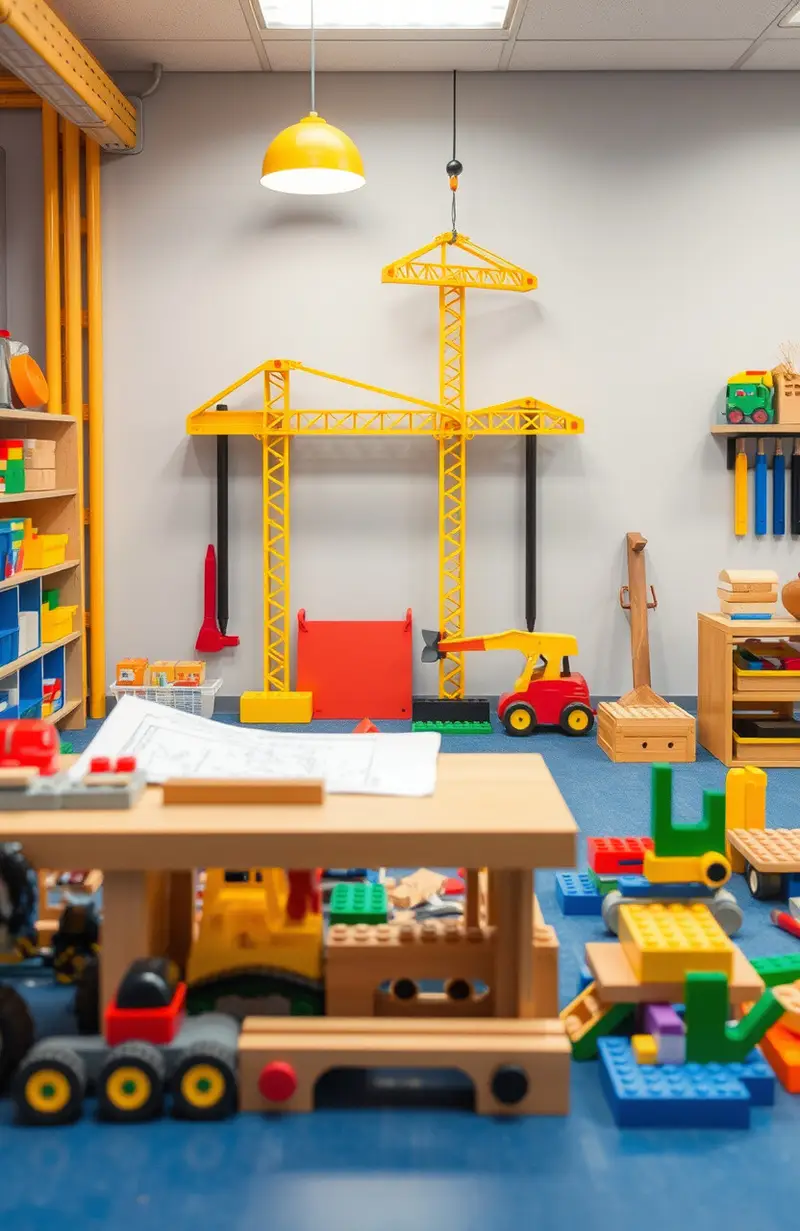
Design a construction area with building blocks and tools. Encourage engineering and architectural skills.
Building promotes problem-solving and creativity. Kids can create structures and test their designs.
Include challenges like building bridges or towers. Personalize it with student blueprints.
Blocks can be purchased second-hand or donated. It’s a hands-on way to explore construction.
23. Colorful Calm Down Corner
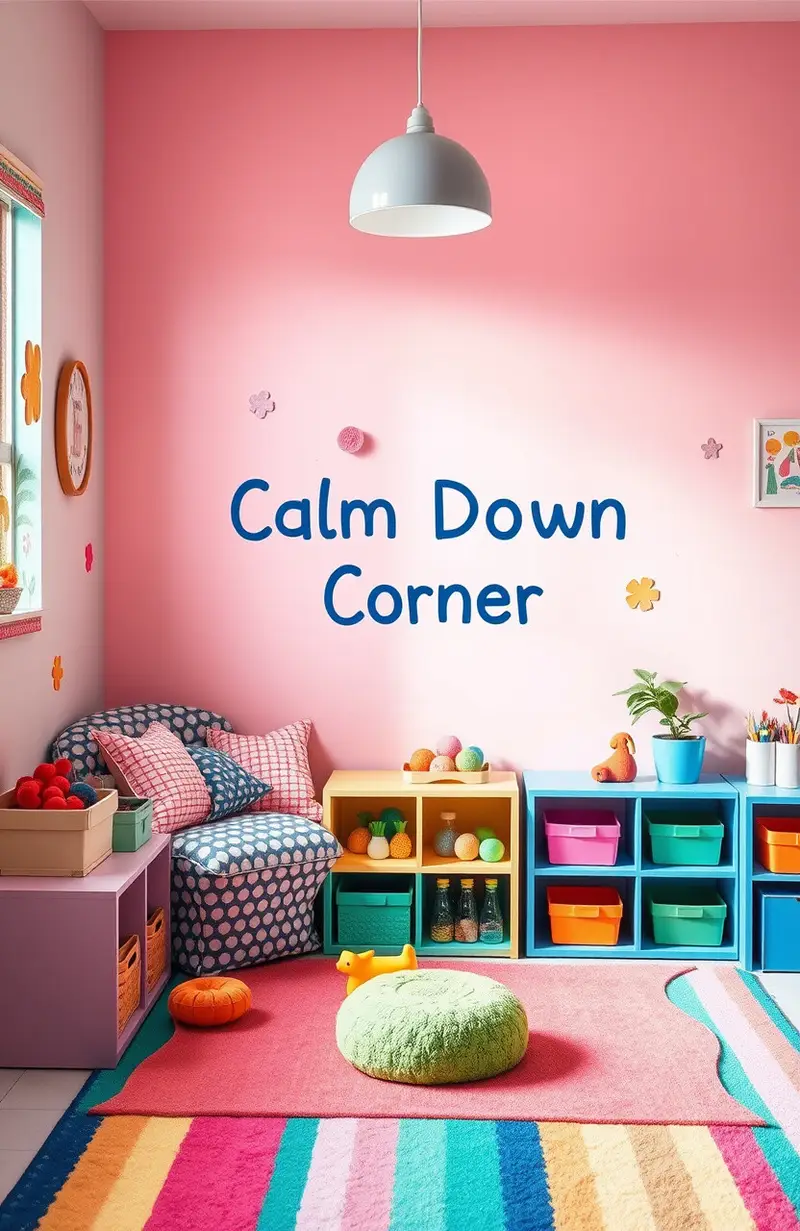
Create a calm down corner with soft colors and calming toys. Provide a safe space for emotional regulation.
A calming environment helps manage emotions and stress. Kids can retreat here to relax and refocus.
Include sensory bottles or stress balls for comfort. Personalize it with soothing artwork.
Many items can be DIY, keeping costs low. It’s a supportive space for emotional well-being.
24. Alphabet Adventure Wall
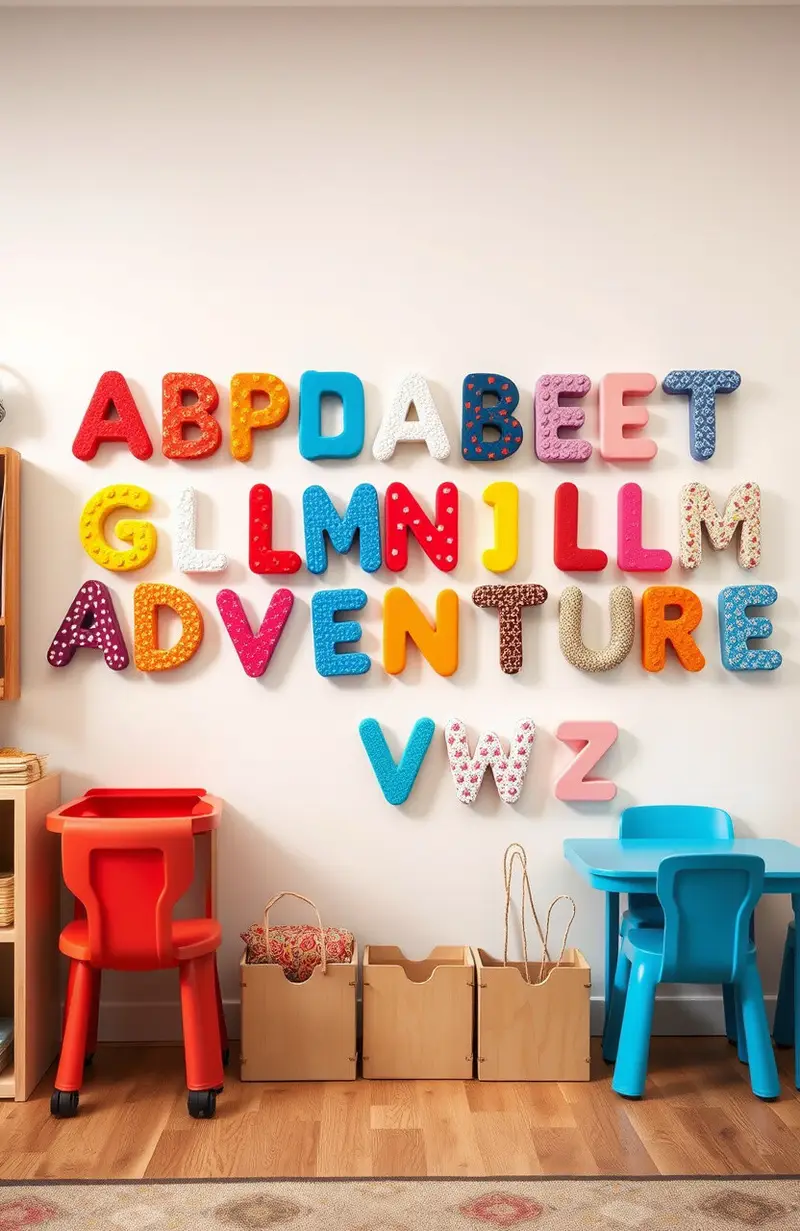
Design an alphabet wall with interactive letters and word games. Make learning letters a fun adventure.
The alphabet wall enhances literacy skills and phonemic awareness. Kids enjoy the playful approach to learning letters.
Include tactile elements like textured letters. Rotate games to keep interest high.
Materials can be homemade, reducing costs. It’s an engaging way to teach the alphabet.
25. Outdoor Learning Space
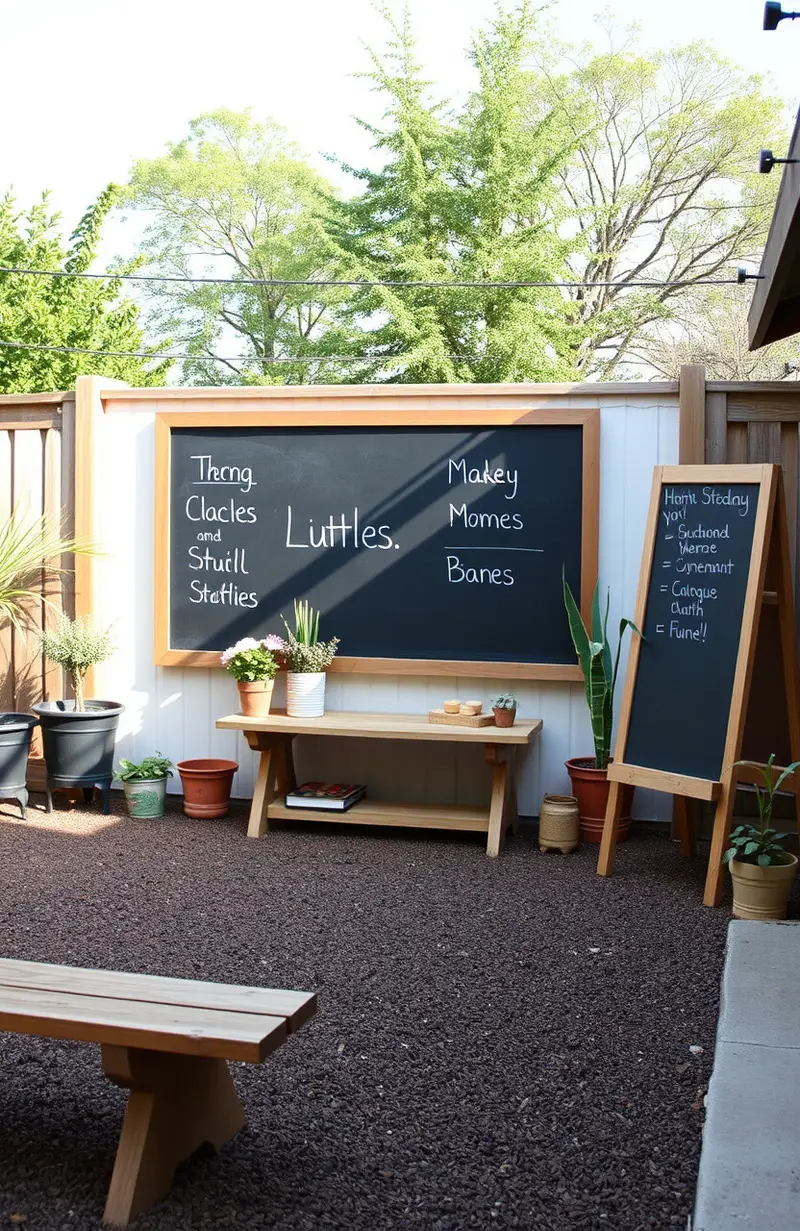
Create an outdoor classroom with benches and a chalkboard. Bring learning outside for fresh air and inspiration.
Outdoor learning supports physical health and creativity. Kids benefit from a change of scenery and fresh air.
Include nature-based lessons like plant identification. Personalize it with student artwork or projects.
Many materials can be repurposed, keeping costs low. It’s a refreshing way to conduct lessons.
26. Imagination Station
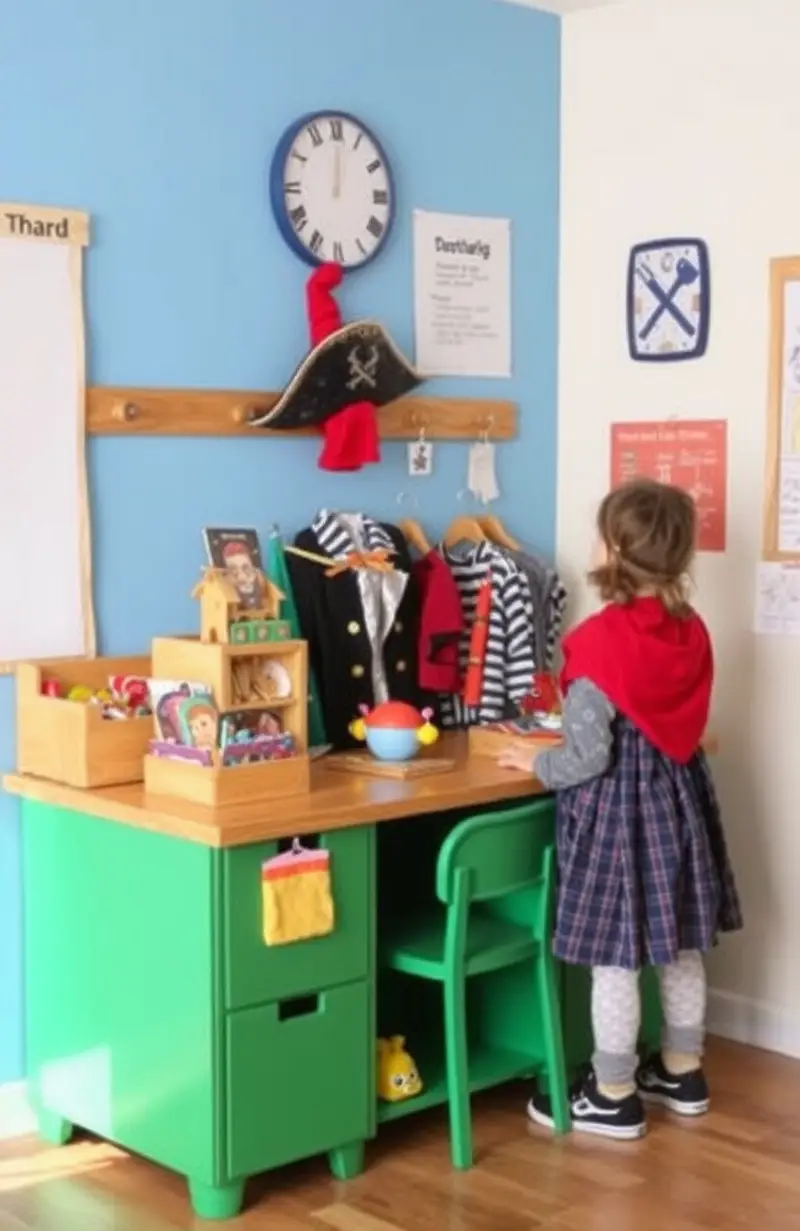
Set up a station with dress-up clothes and props. Encourage imaginative play and storytelling.
Imagination is key to creativity and problem-solving. Kids love creating stories and characters.
Rotate props and costumes to keep it fresh. Include themes like ‘Pirate Adventure’ or ‘Royal Castle’.
Dress-up items can be donated or thrifted. It’s an exciting venue for creative play.
27. Lego Learning Lab
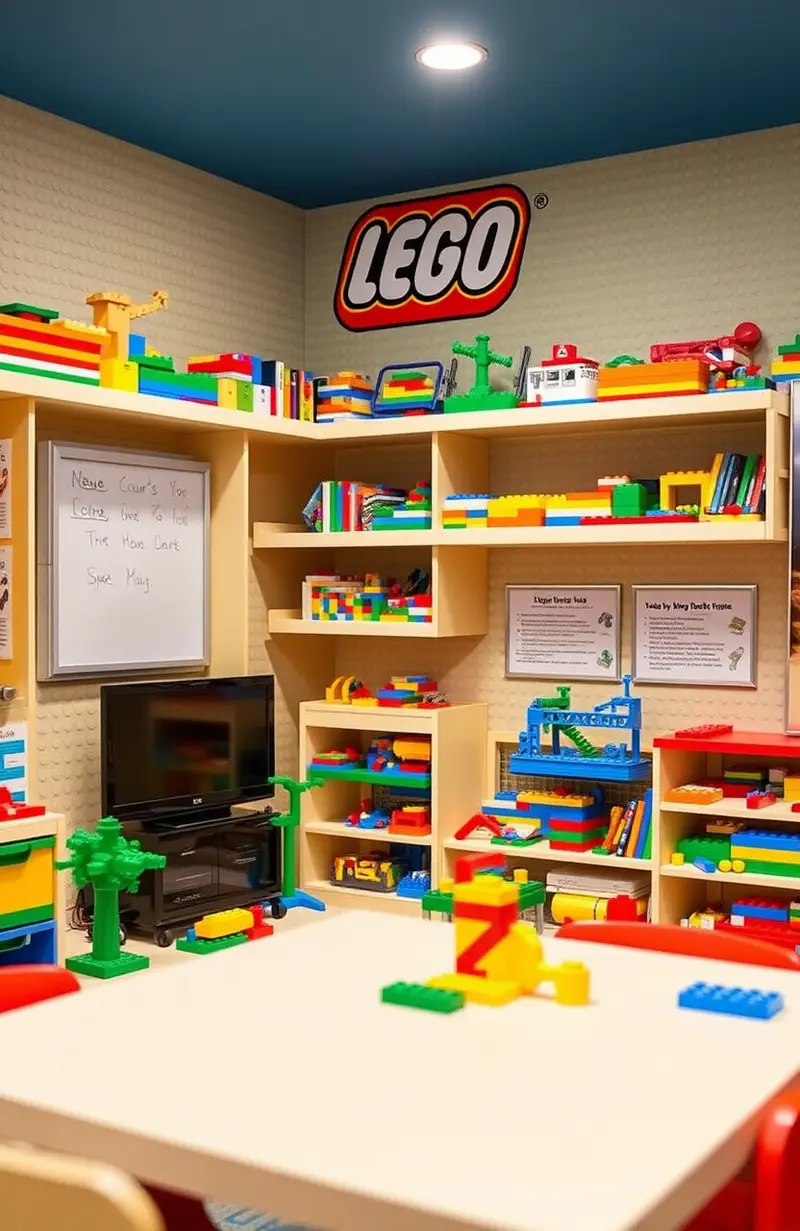
Create a Lego corner for building and learning. Encourage engineering and creativity with colorful blocks.
Legos enhance spatial awareness and fine motor skills. Kids enjoy the freedom to build and design.
Include challenges like building specific structures. Personalize it with student creations.
Legos can be collected over time or purchased used. It’s a fun and educational building activity.
28. Weather Calendar
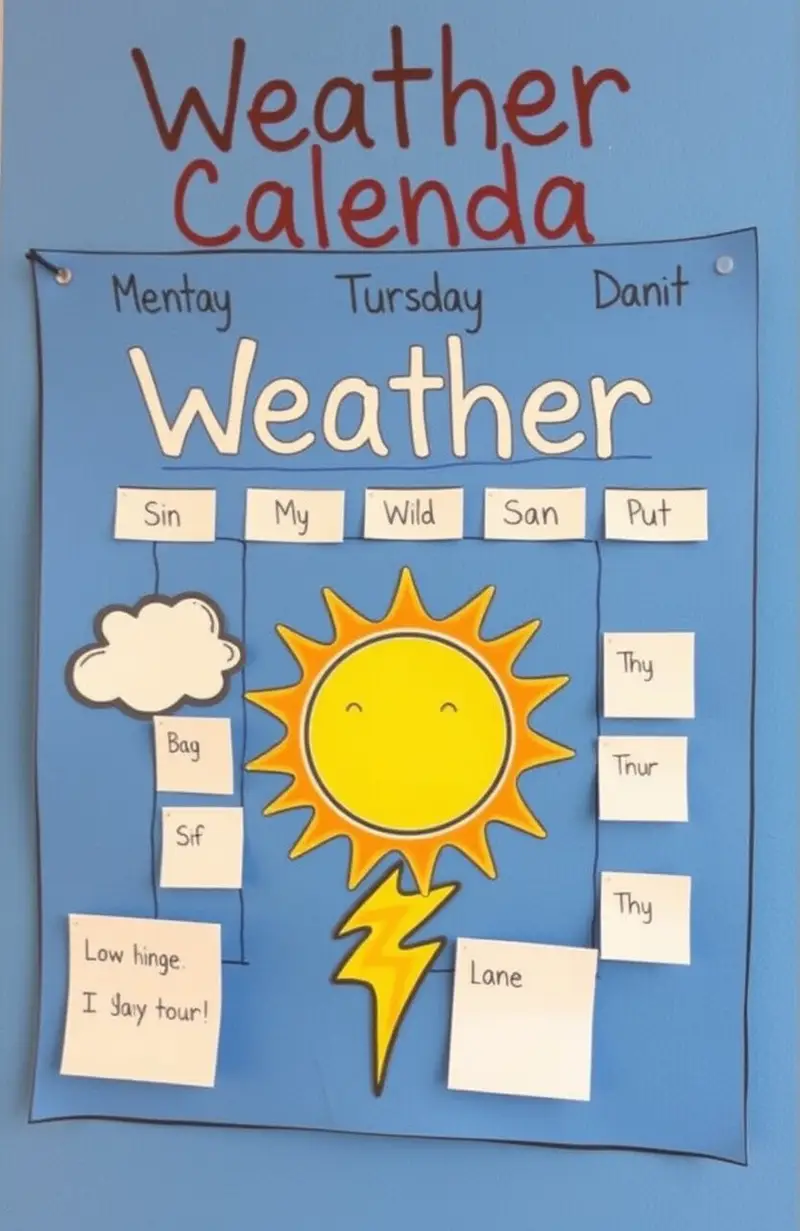
Design a weather calendar for daily observations. Encourage kids to learn about weather patterns and seasons.
Tracking weather helps with pattern recognition and science skills. Kids enjoy being the class meteorologist.
Include weather-related stories and activities. Personalize it with student drawings of weather conditions.
Materials can be printed or DIY. It’s a dynamic way to learn about weather.
29. Fairy Tale Forest
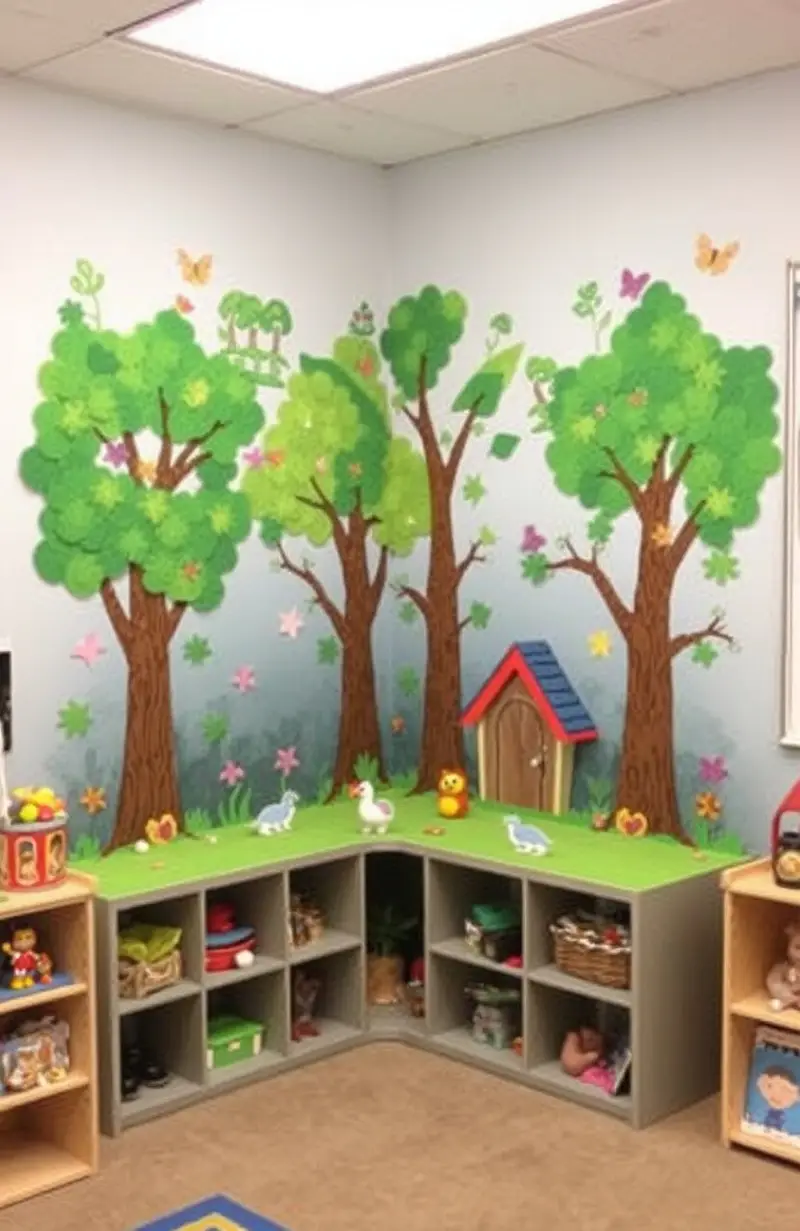
Transform a corner into a fairy tale forest with trees and magical creatures. Encourage storytelling and imagination.
Fairy tales spark creativity and wonder. Kids love entering a world of enchantment and fantasy.
Include books and props related to fairy tales. Personalize it with student-made fairy tale scenes.
Many decorations can be DIY, keeping costs low. It’s a magical space for imaginative play.
30. Math Manipulatives Area
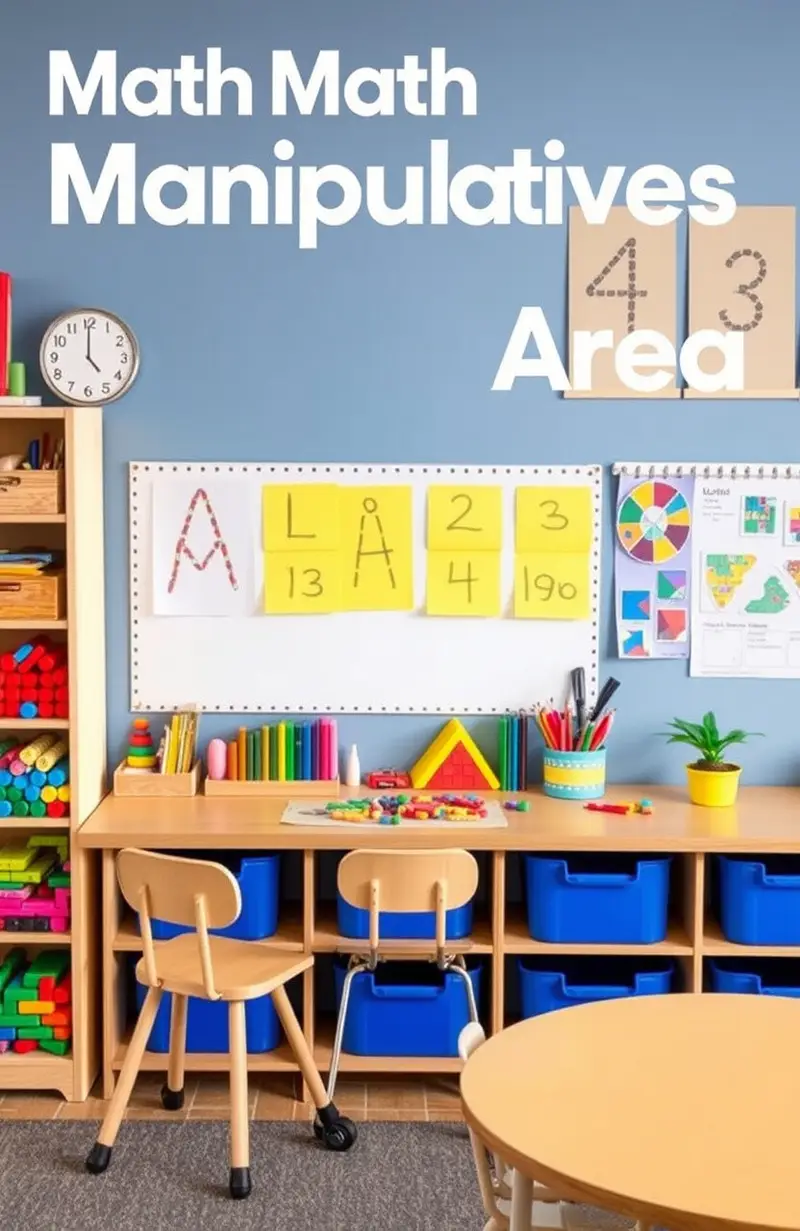
Set up an area with manipulatives like counting beads and tangrams. Make math tactile and visual.
Manipulatives help with understanding abstract concepts. Kids enjoy hands-on learning with math tools.
Include challenges and games for practice. Personalize it with student math creations.
Many items can be homemade or purchased second-hand. It’s an engaging way to learn math.
31. Cultural Celebrations Display
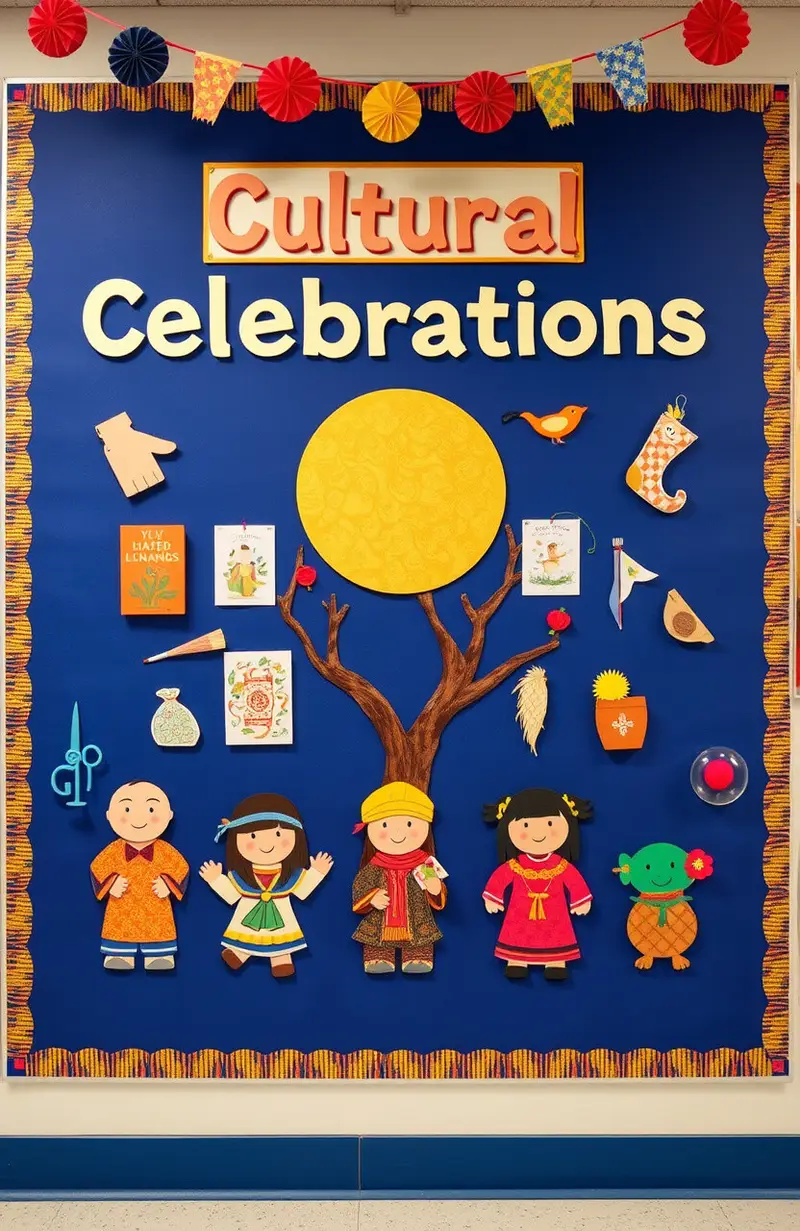
Create a display for various cultural celebrations. Teach diversity and inclusivity through visual storytelling.
Understanding culture fosters respect and curiosity. Kids learn about different traditions and celebrations.
Update the display with new celebrations. Include crafts and stories related to each culture.
Materials can be printed or donated. It’s an insightful way to explore global cultures.
32. Storytelling Stage
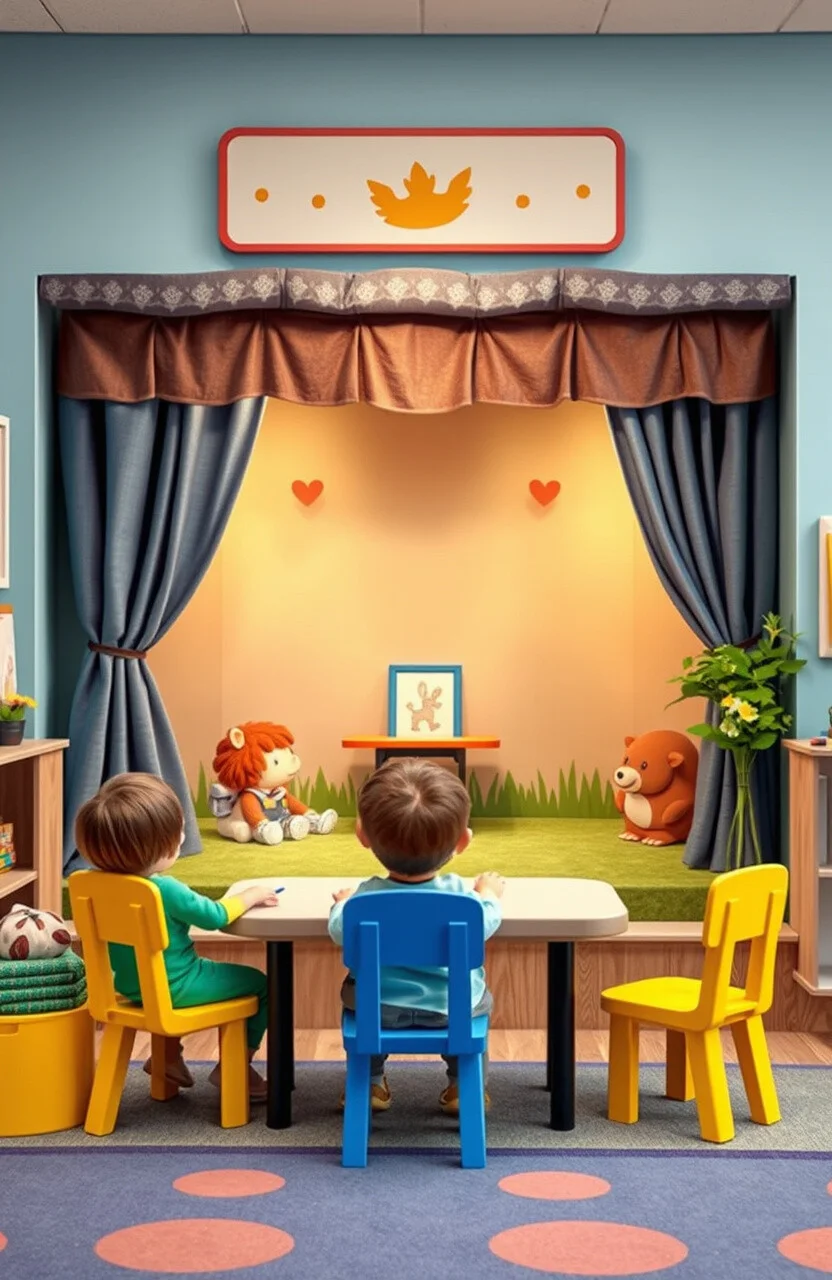
Set up a small stage for storytelling. Encourage kids to share stories and build confidence.
Storytelling enhances language and social skills. Kids enjoy performing and sharing their tales.
Include props and costumes for dramatization. Personalize it with student stories and artwork.
Many items can be DIY, keeping costs low. It’s a captivating way to encourage storytelling.
33. Letter Writing Station
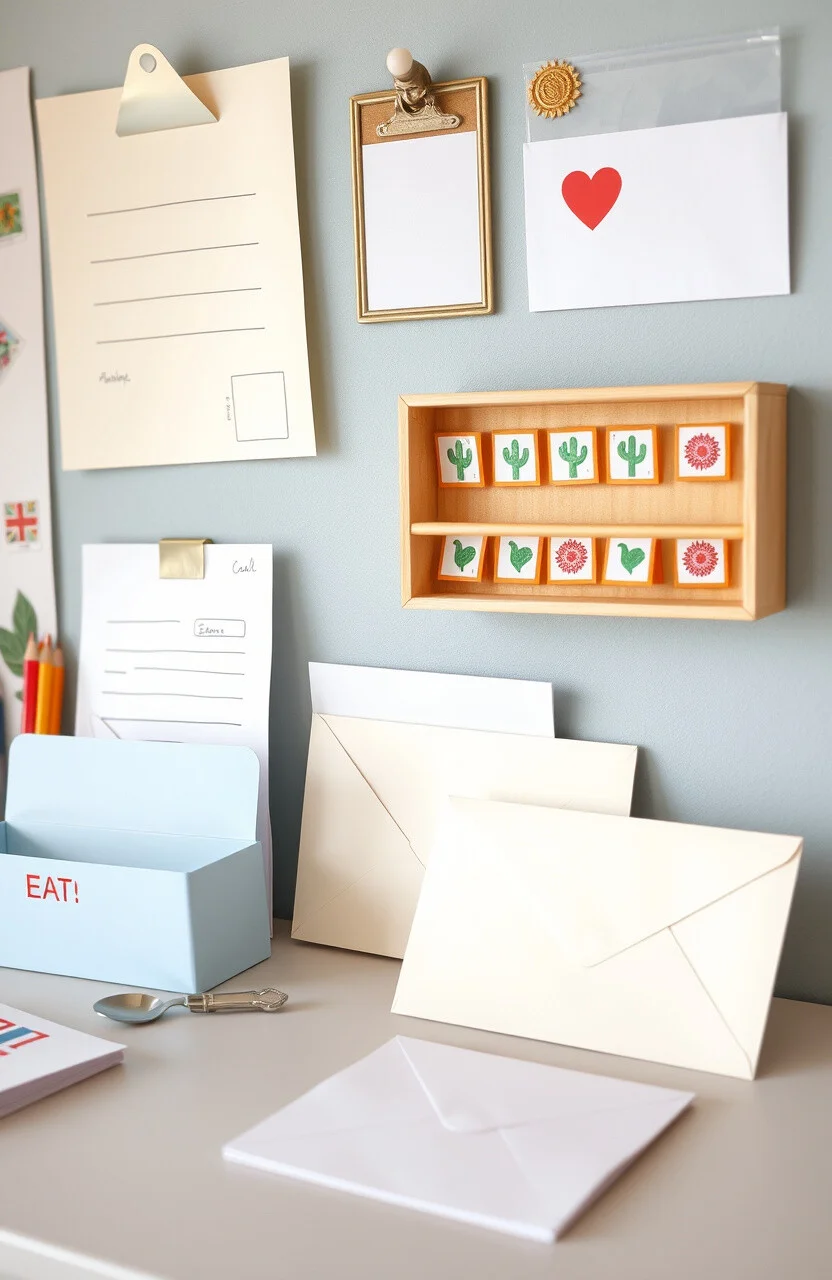
Create a station with paper, envelopes, and stamps. Teach the art of letter writing and communication.
Letter writing enhances literacy and social skills. Kids enjoy sending and receiving letters.
Include prompts and activities for writing practice. Personalize it with student-designed stationery.
Materials can be printed or handmade. It’s an expressive way to teach communication.
34. Animal Habitat Corner
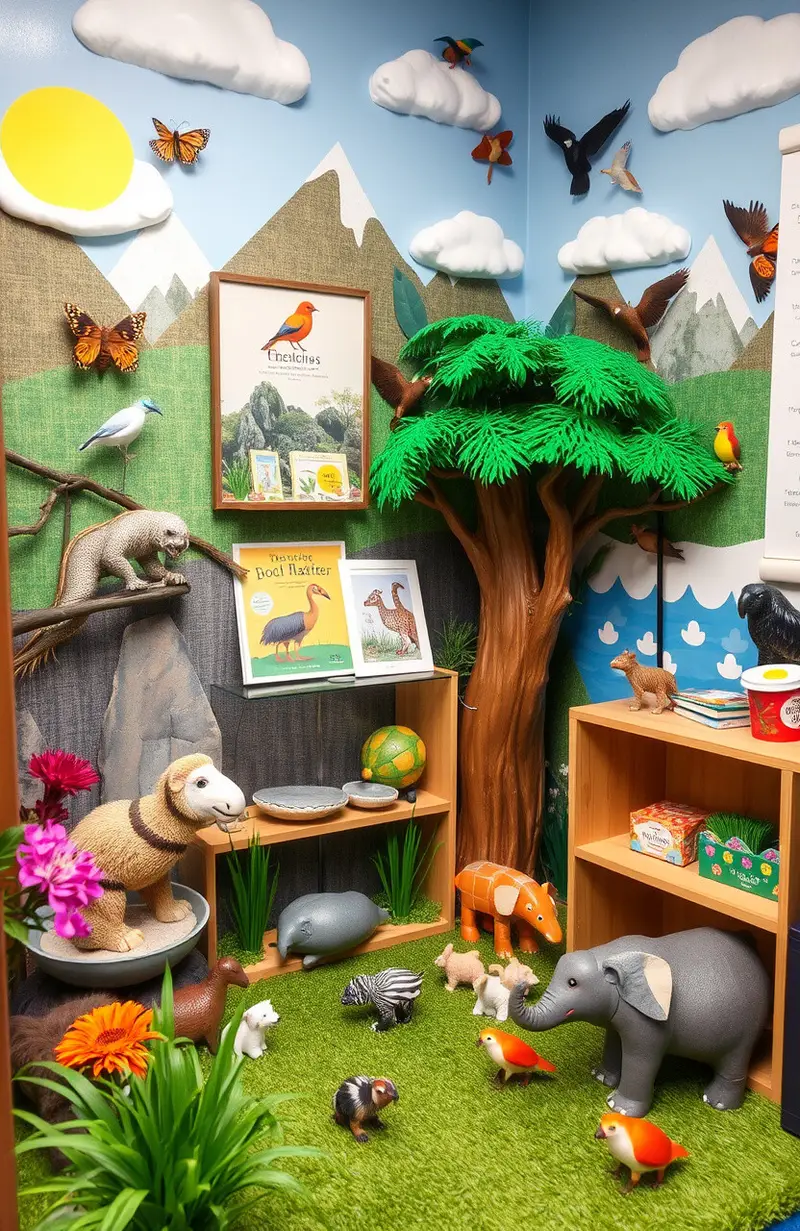
Design a corner with different animal habitats. Teach biology and environmental science through interactive displays.
Learning about habitats enhances understanding of ecosystems. Kids enjoy exploring the animal world.
Include books and activities related to each habitat. Personalize it with student-made animal models.
Many materials can be sourced naturally or donated. It’s an enlightening way to learn about animals.
35. Creative Writing Corner
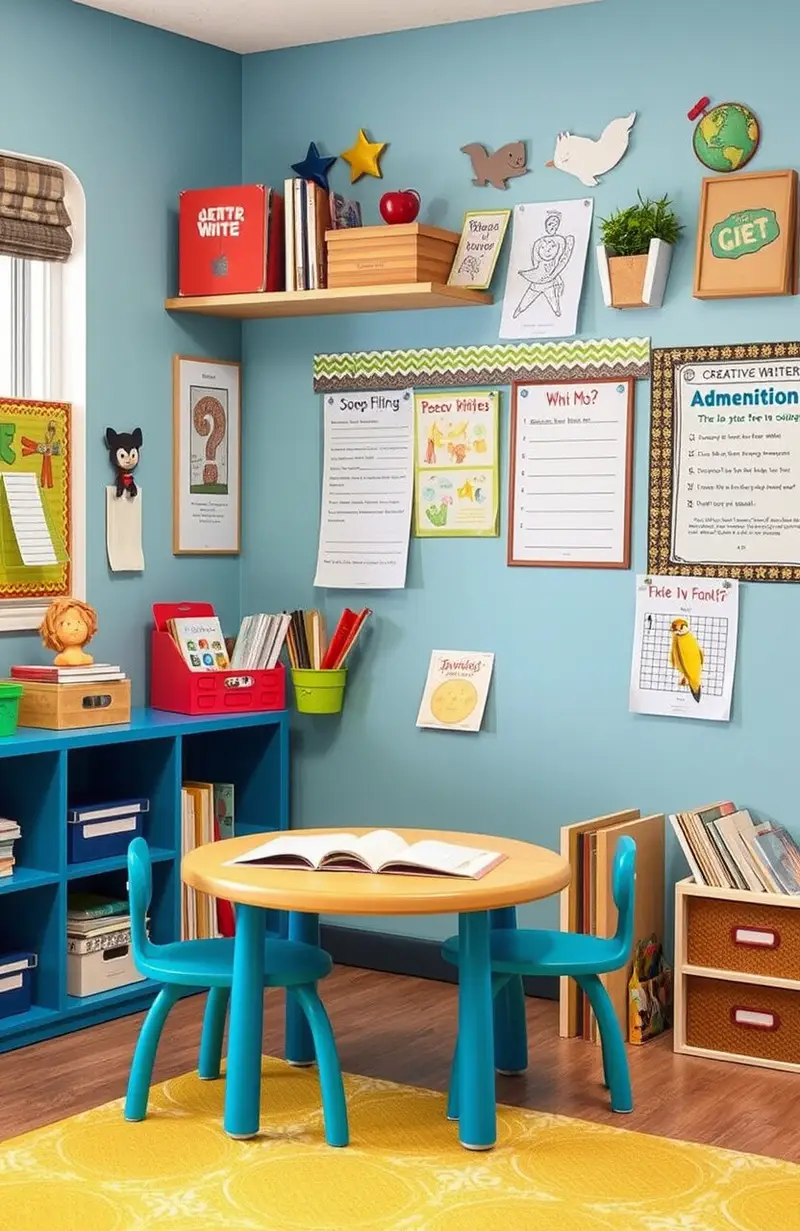
Create a space for creative writing with story starters and prompts. Encourage imaginative writing and storytelling.
Writing enhances language and creativity. Kids love crafting their own stories and sharing them.
Include activities like poetry or comic book creation. Personalize it with student stories and illustrations.
Materials can be printed or donated. It’s a fun way to foster writing skills.
36. Mystery Reader Program

Invite mystery readers to share stories. Encourage a love for reading through surprise guest readers.
Mystery readers add excitement and variety to storytime. Kids enjoy guessing the reader and hearing new stories.
Include parents or community members as mystery readers. Personalize it with a ‘Who’s the Reader?’ board.
This program involves little cost but great joy. It’s an exciting way to enhance reading enthusiasm.
37. Recycling Station
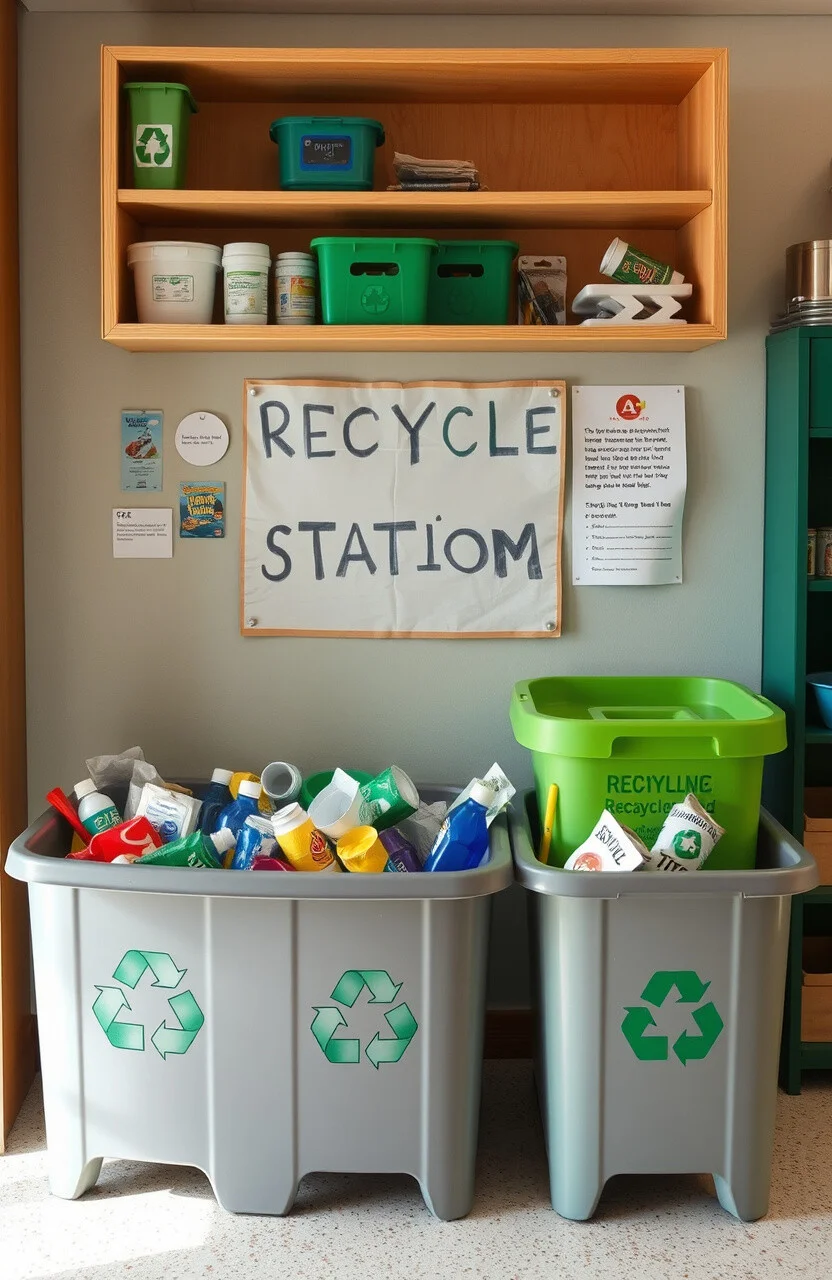
Set up a recycling station with bins for sorting materials. Teach sustainability and environmental responsibility.
Recycling promotes environmental awareness and responsibility. Kids learn the importance of reducing waste.
Include activities like recycling crafts. Personalize it with student-made posters on recycling tips.
Bins can be repurposed or donated. It’s an eco-friendly way to promote sustainability.
38. Science Experiment Lab
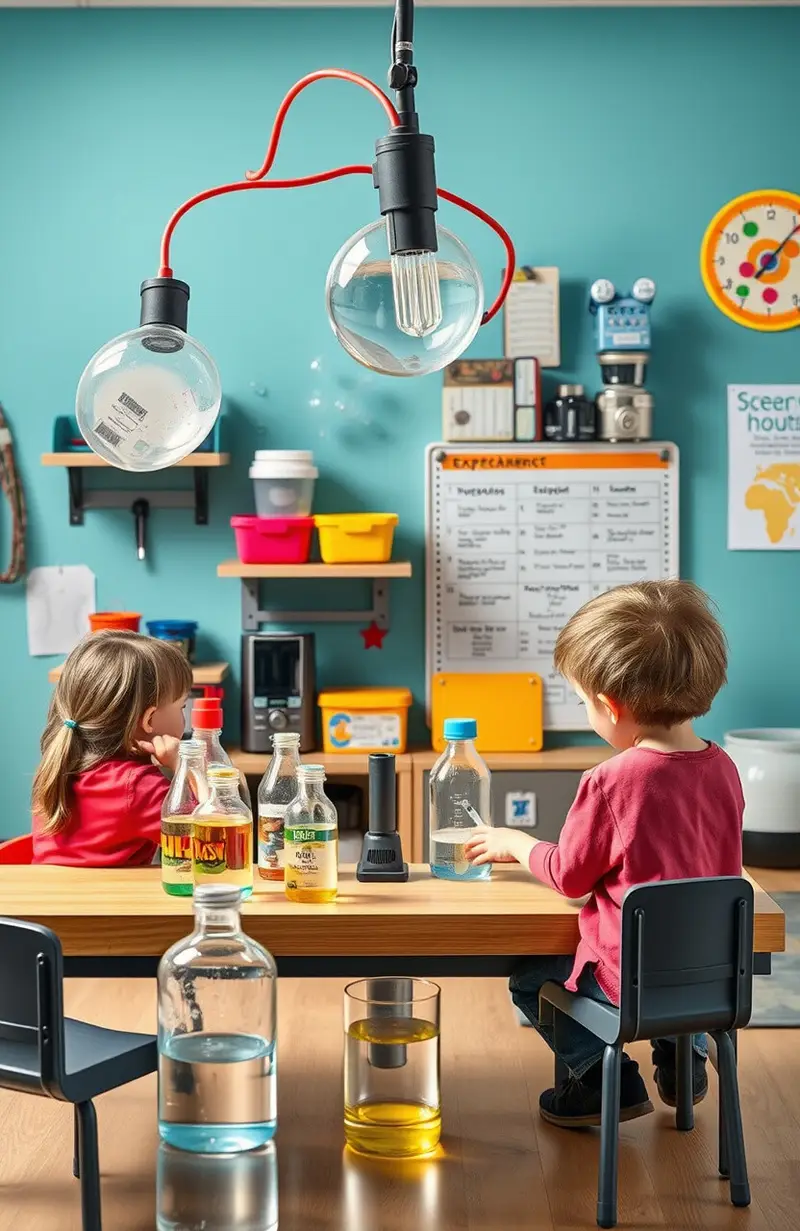
Design a lab for simple science experiments. Encourage exploration and scientific inquiry.
Hands-on experiments make science tangible and exciting. Kids enjoy discovering new concepts through experimentation.
Include safety gear and instructions for each experiment. Personalize it with student-led experiments.
Many materials can be household items, reducing costs. It’s a thrilling way to engage with science.
39. Alphabet Garden
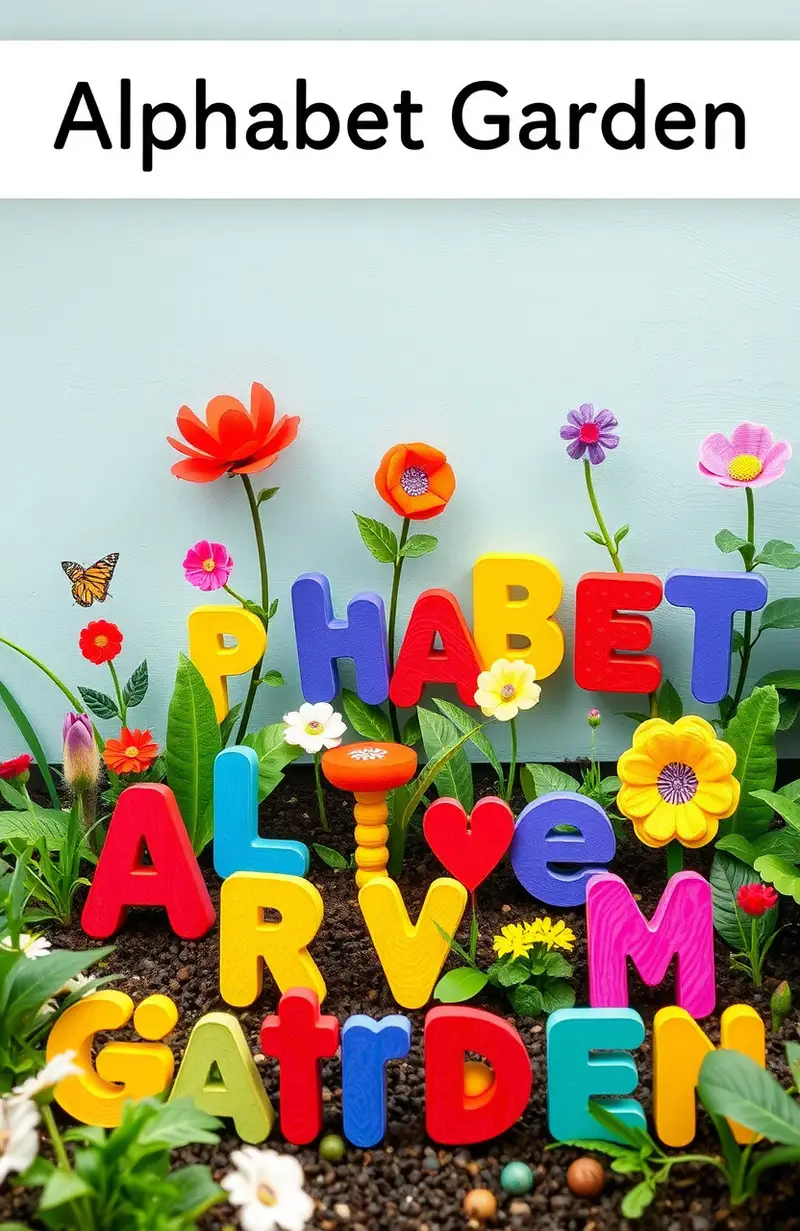
Create an alphabet garden with letters and words. Teach literacy through interactive and visual displays.
Alphabet gardens enhance phonemic awareness and literacy. Kids enjoy interacting with letters in a playful way.
Include activities like letter hunts. Personalize it with student-decorated letters.
Many materials can be homemade, keeping costs low. It’s a vibrant way to teach the alphabet.
40. Puppet Theater
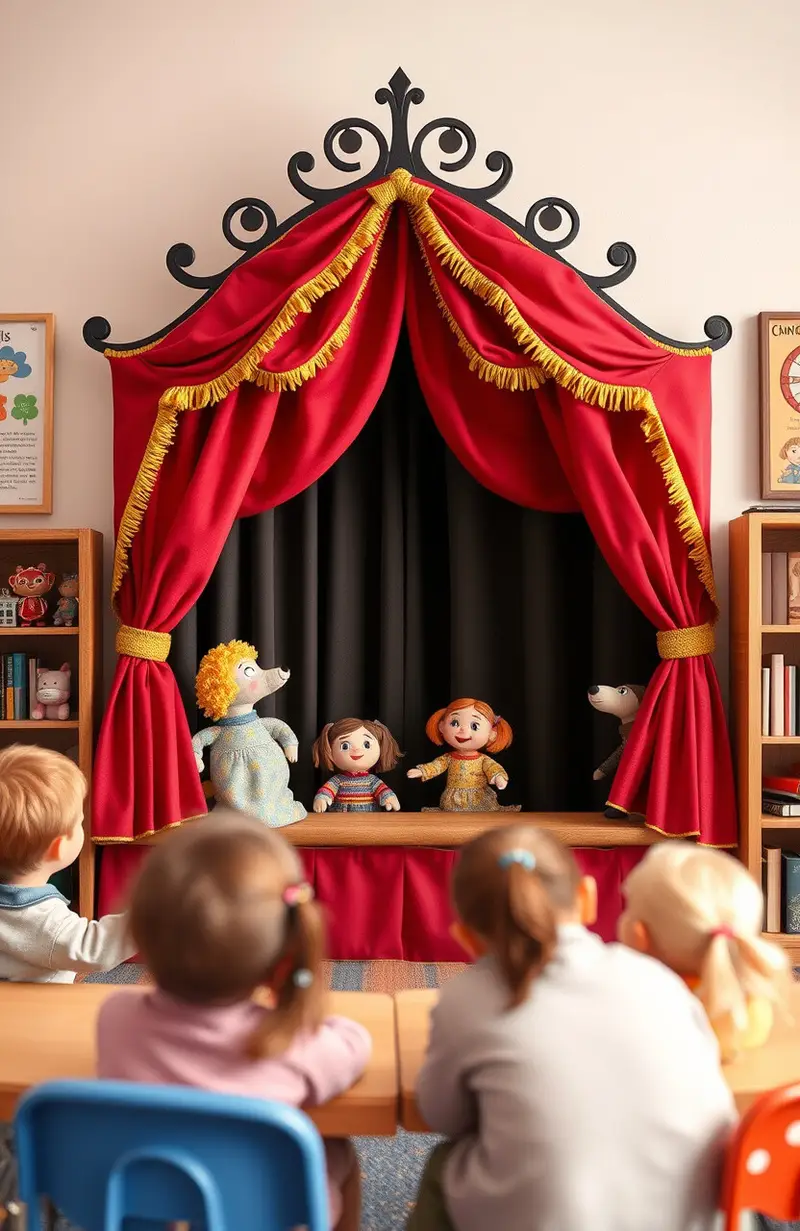
Set up a puppet theater for storytelling. Encourage creative expression and drama.
Puppetry enhances language and social skills. Kids enjoy creating and performing puppet shows.
Include a variety of puppets and scripts. Personalize it with student-made puppets and stories.
Many puppets can be DIY, reducing costs. It’s a delightful way to encourage storytelling and drama.
41. Book Exchange Program
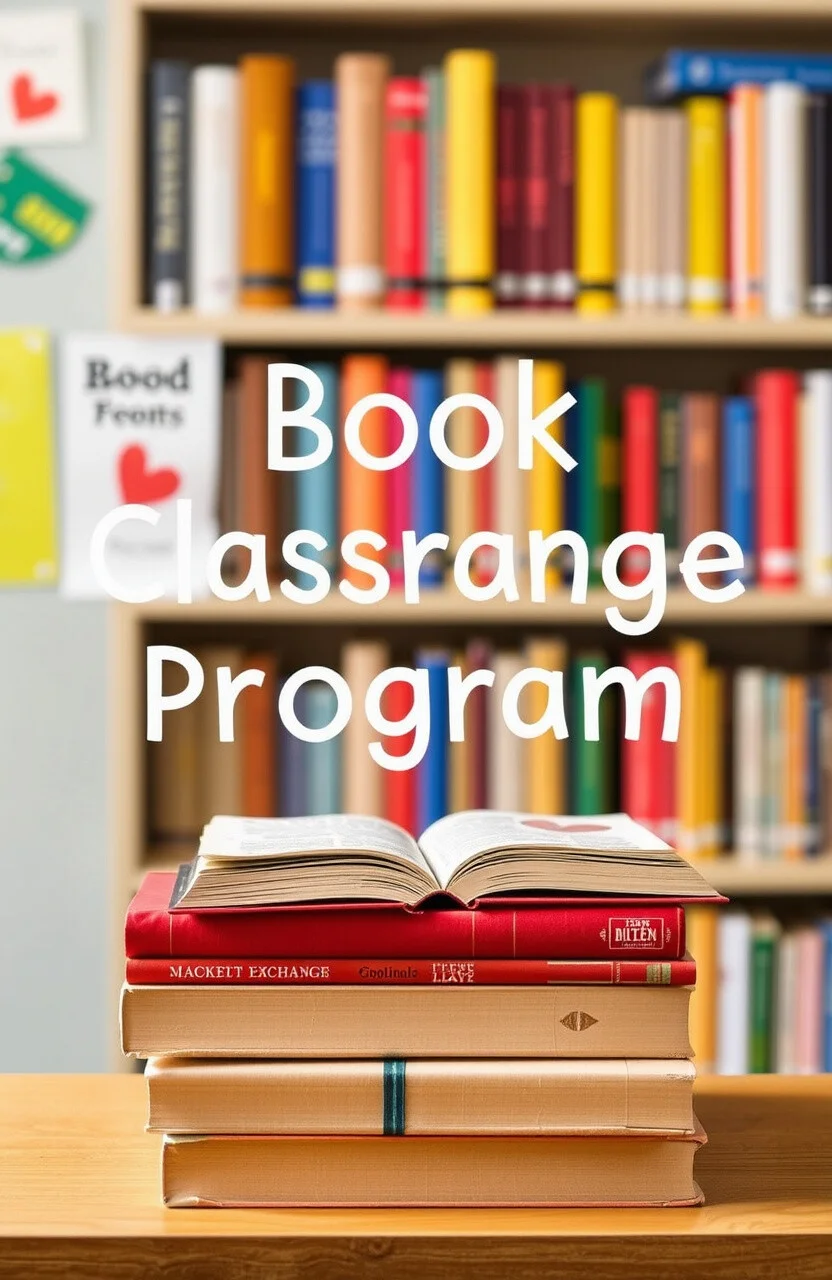
Start a book exchange program where students can trade books. Promote reading and sharing.
Exchanging books encourages a love for reading and community. Kids enjoy discovering new stories from their peers.
Include a ‘Book of the Week’ feature to highlight popular reads. Personalize it with student book reviews.
Many books can be donated, keeping costs low. It’s a community-driven way to foster a love for reading.
42. Nature Walk Journals
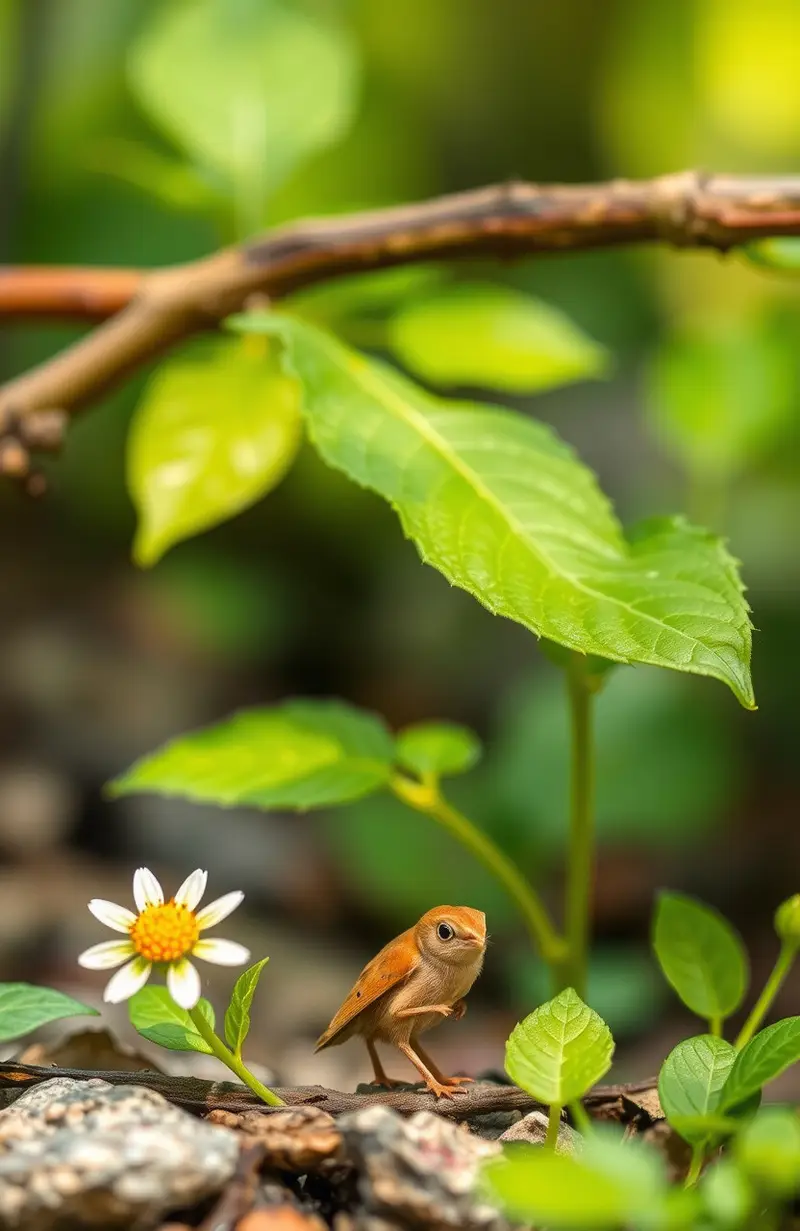
Provide journals for nature walks and observations. Encourage outdoor exploration and reflection.
Nature walks enhance observation and writing skills. Kids enjoy documenting their experiences and discoveries.
Include prompts and activities for journaling. Personalize it with student-decorated covers.
Journals can be homemade or purchased in bulk. It’s an inspiring way to combine nature and writing.
43. Inventor’s Workshop
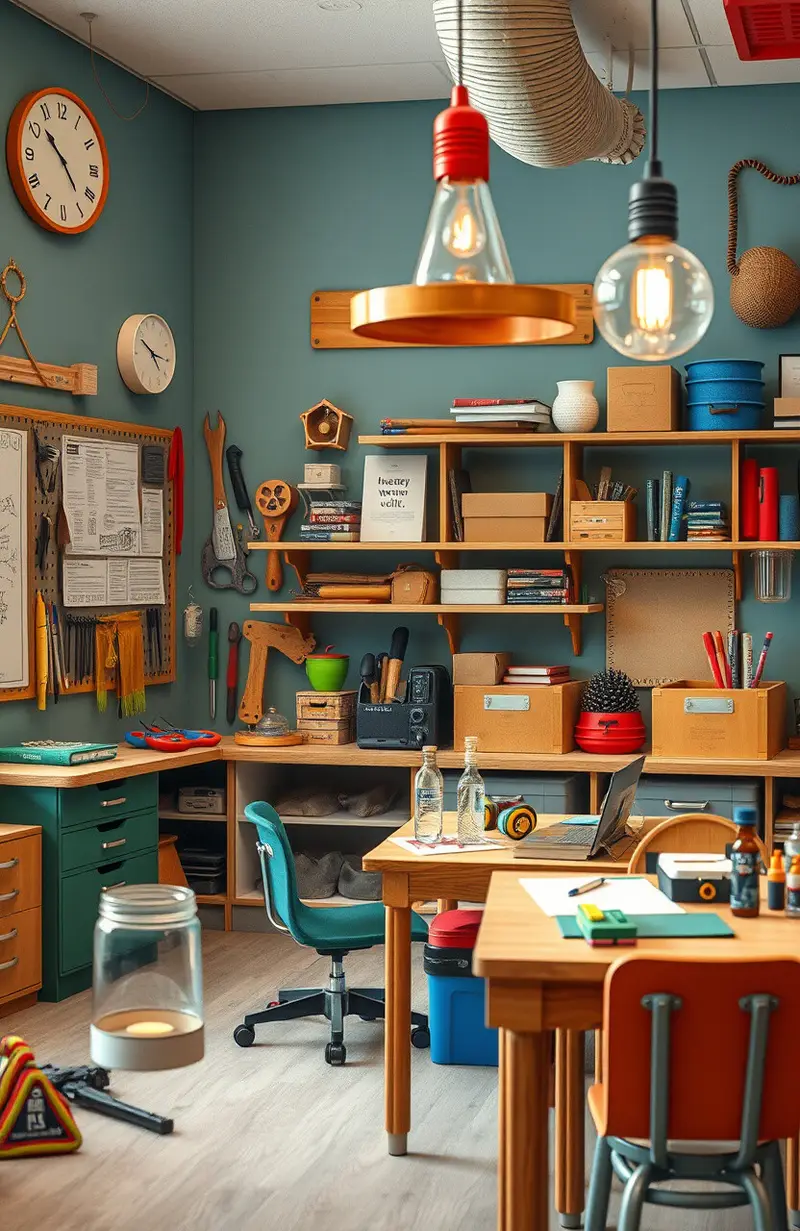
Create a workshop with tools and materials for inventing. Encourage innovation and engineering.
Inventing promotes problem-solving and creativity. Kids love designing and building their own inventions.
Include challenges and prompts for inspiration. Personalize it with student inventions and blueprints.
Many materials can be recycled or donated. It’s an exciting way to foster innovation and creativity.
44. Cultural Storytelling Corner
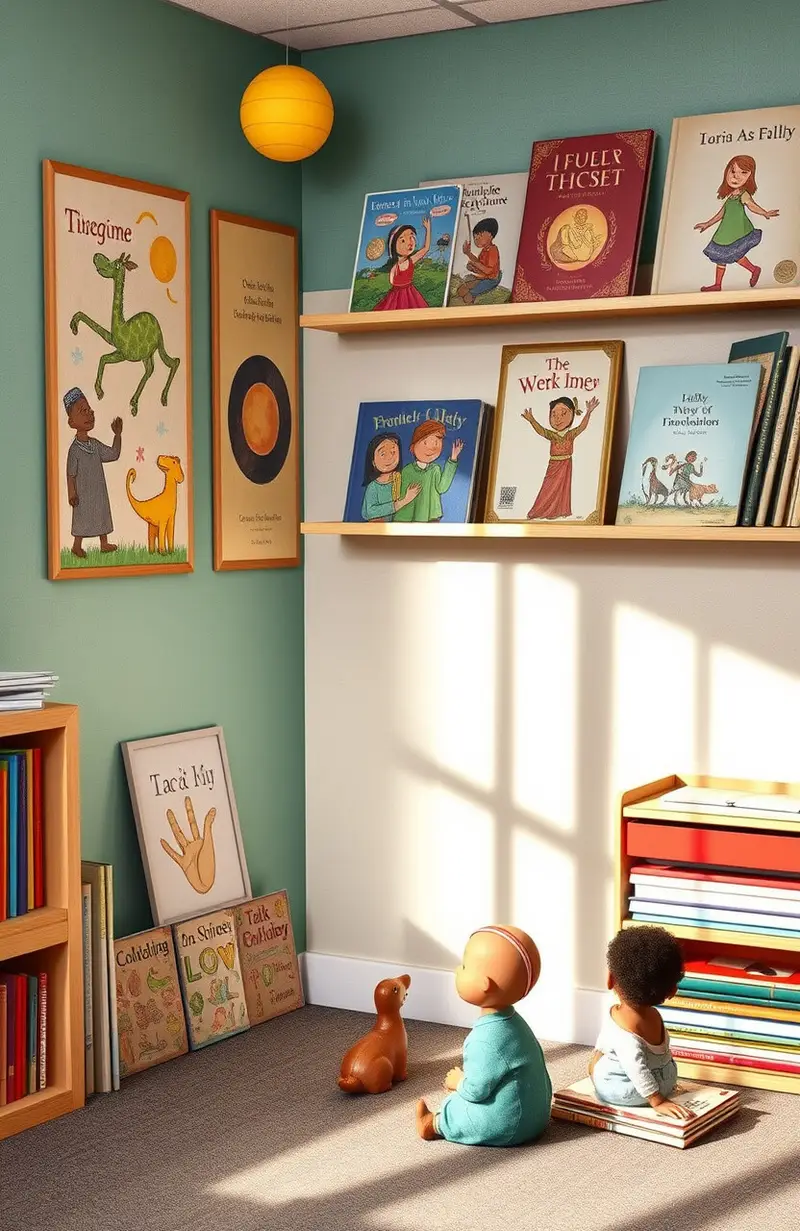
Set up a corner for cultural storytelling with books and props. Encourage diversity and understanding through stories.
Cultural stories enhance empathy and awareness. Kids love hearing tales from different cultures and traditions.
Include props and costumes for dramatization. Personalize it with student retellings and illustrations.
Many resources can be printed or donated. It’s an enriching way to explore cultural stories.
45. Community Garden
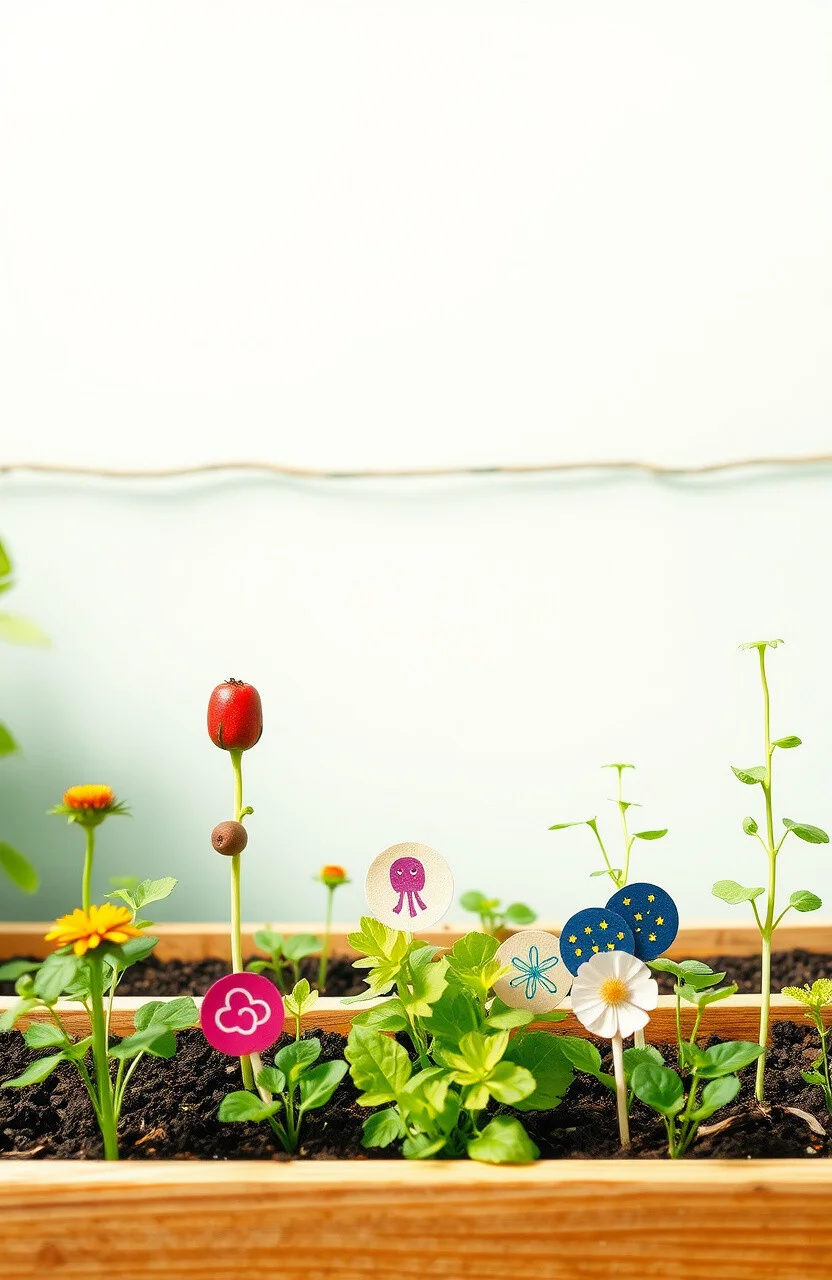
Create a community garden for growing plants and vegetables. Teach sustainability and biology through gardening.
Gardening encourages responsibility and environmental care. Kids enjoy planting and nurturing their own gardens.
Include activities like composting and plant care. Personalize it with student-decorated plant markers.
Many materials can be donated or recycled. It’s a green way to promote sustainability and learning.
46. Global Music Corner
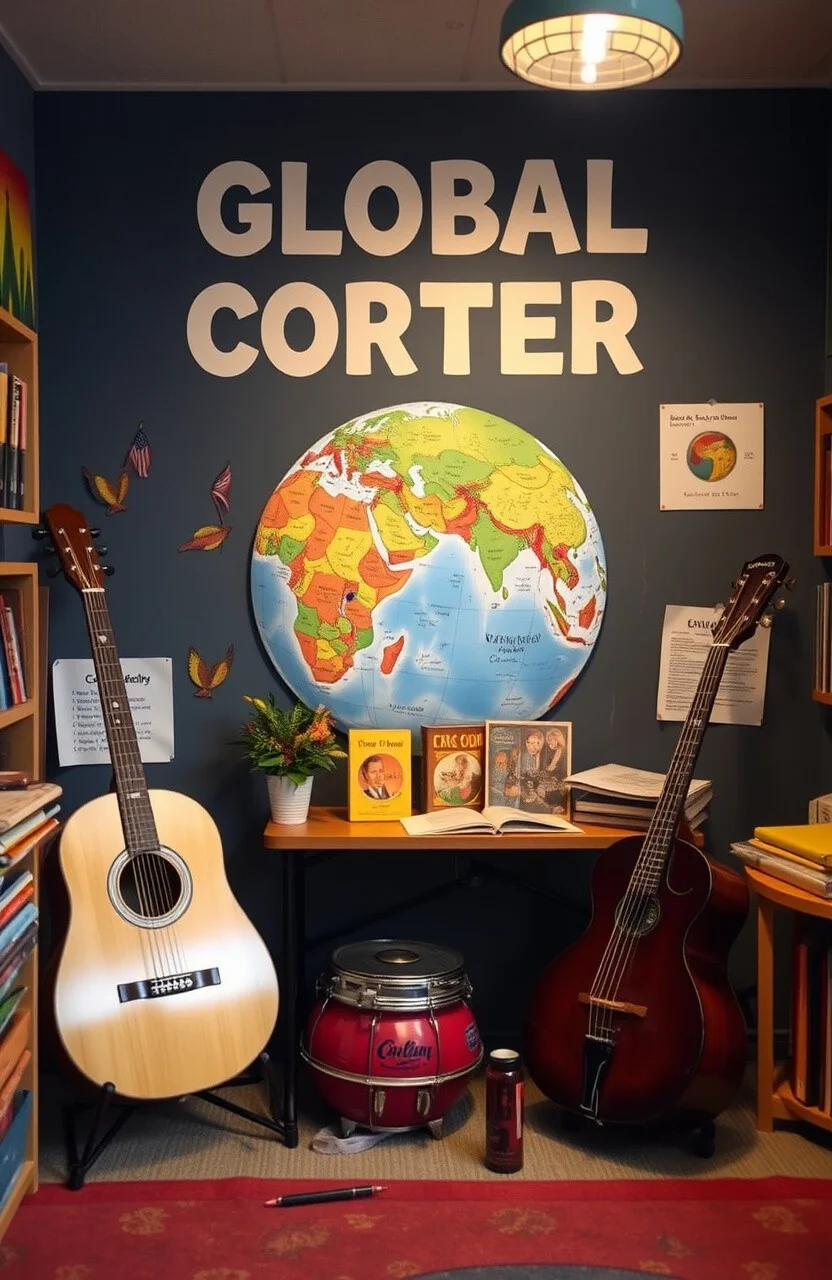
Create a corner with music from around the world. Encourage cultural appreciation through music exploration.
Music fosters understanding and curiosity about different cultures. Kids enjoy listening to and learning about global music.
Include instruments and activities related to each culture. Personalize it with student-made instruments.
Many resources can be found online or donated. It’s a harmonious way to explore global music.
47. Eco-Friendly Craft Station
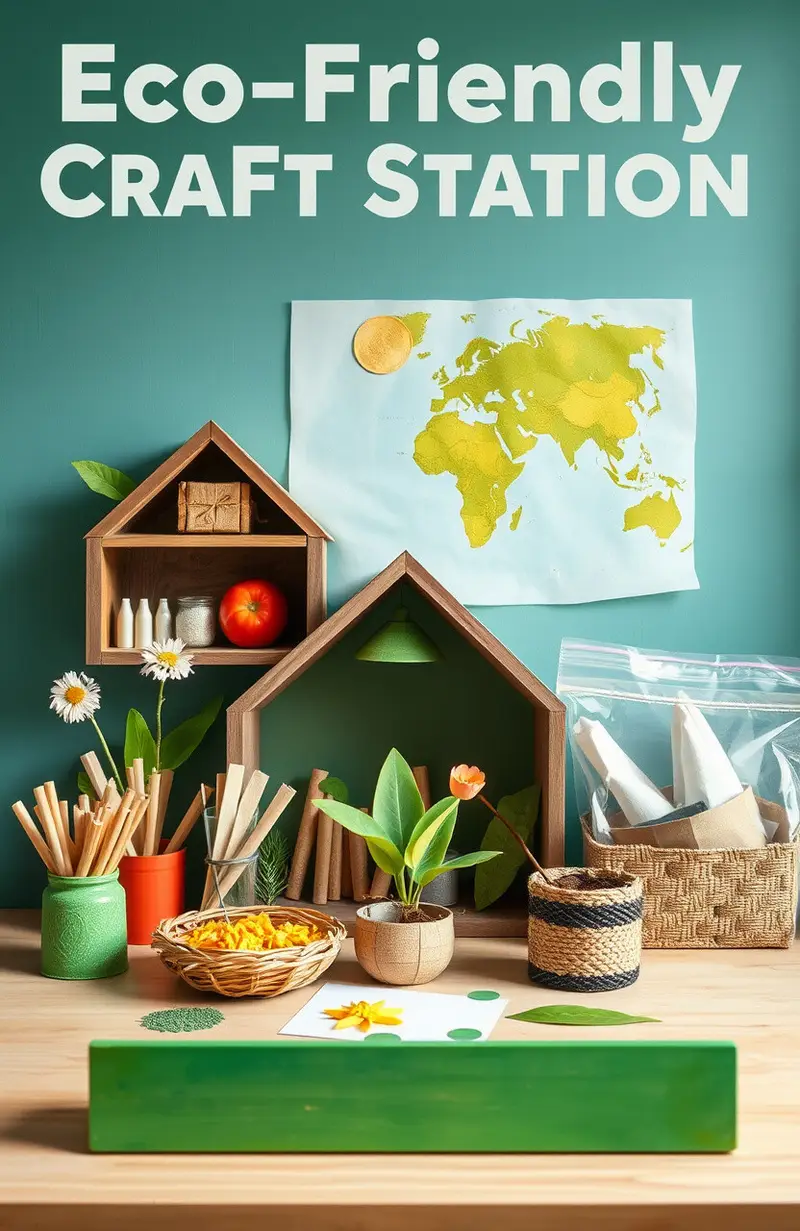
Set up a craft station with eco-friendly materials. Encourage creativity and sustainability.
Eco-friendly crafts promote environmental awareness and creativity. Kids enjoy creating with sustainable materials.
Include activities like recycled art and nature crafts. Personalize it with student eco-friendly creations.
Many materials can be recycled or donated. It’s a sustainable way to encourage creativity.
48. Outdoor Story Circle
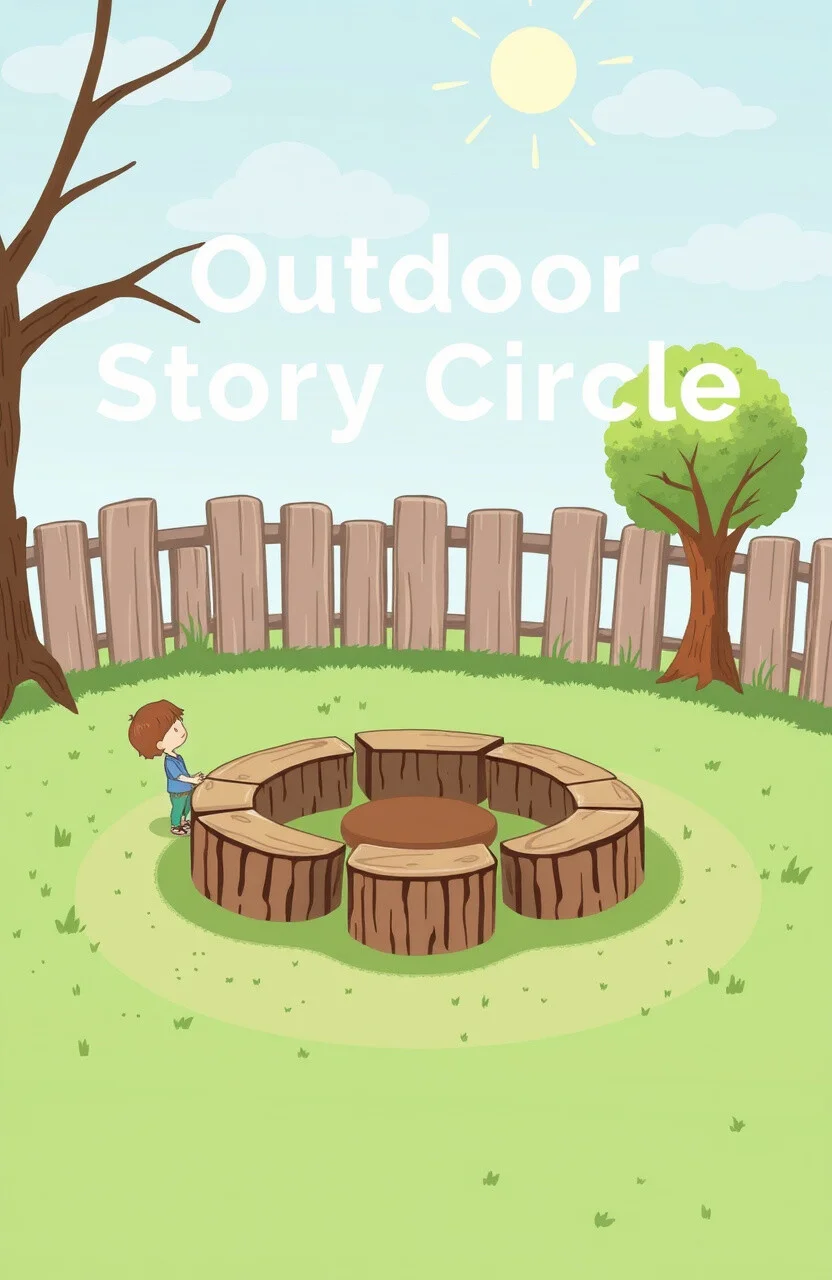
Create an outdoor story circle with logs or benches. Encourage storytelling and community through outdoor gatherings.
Outdoor storytelling enhances communication and creativity. Kids enjoy sharing stories in a natural setting.
Include themes and prompts for storytelling sessions. Personalize it with student-decorated seating.
Many materials can be sourced naturally or donated. It’s a natural way to foster storytelling and community.