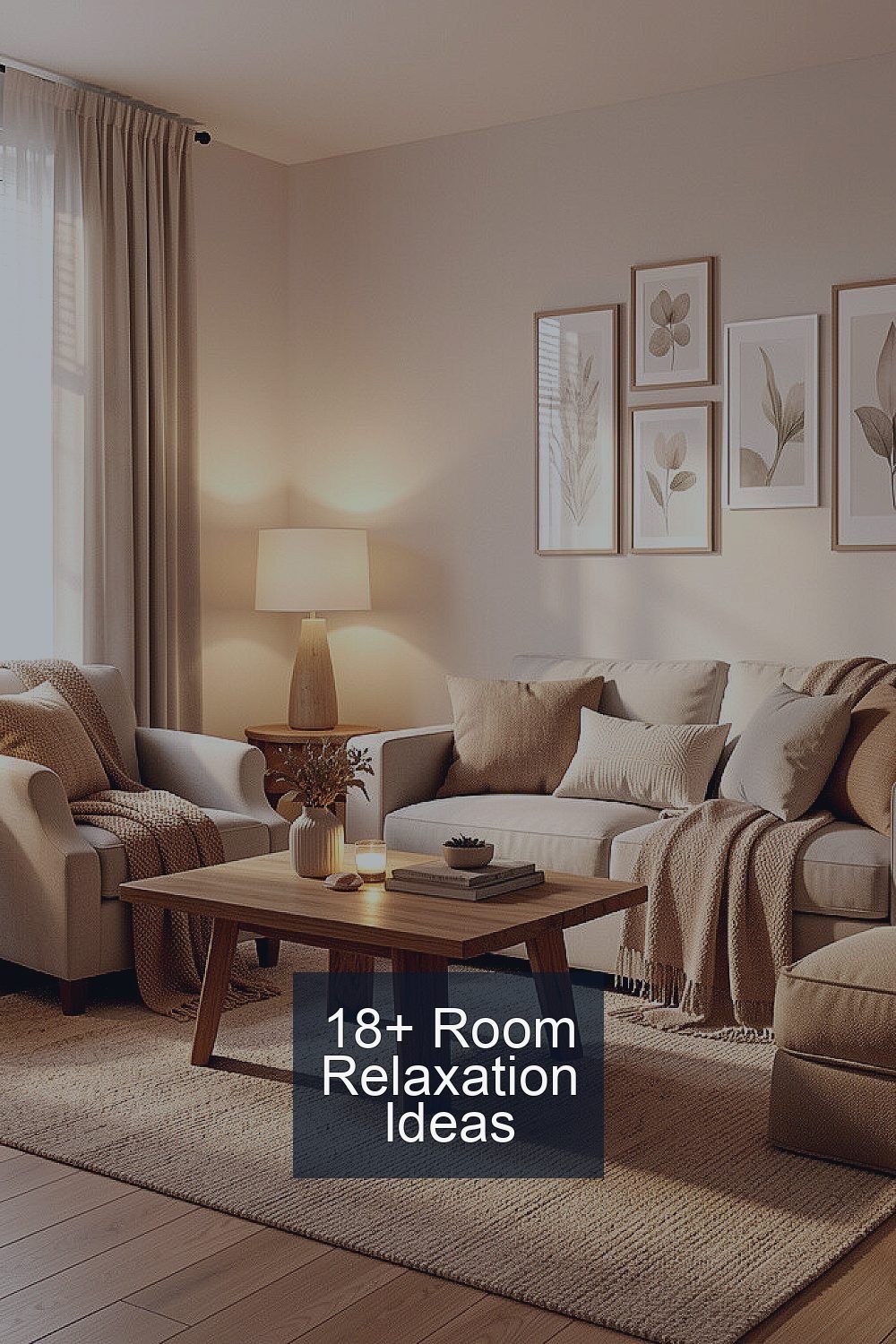
The room you want might already exist in small, surprising ways. A few changes can make it feel calmer the moment you step inside.
When relaxation feels playful, it sticks longer. Let these ideas guide you, one cozy moment at a time.
1. Soft Lighting With Warm Layers
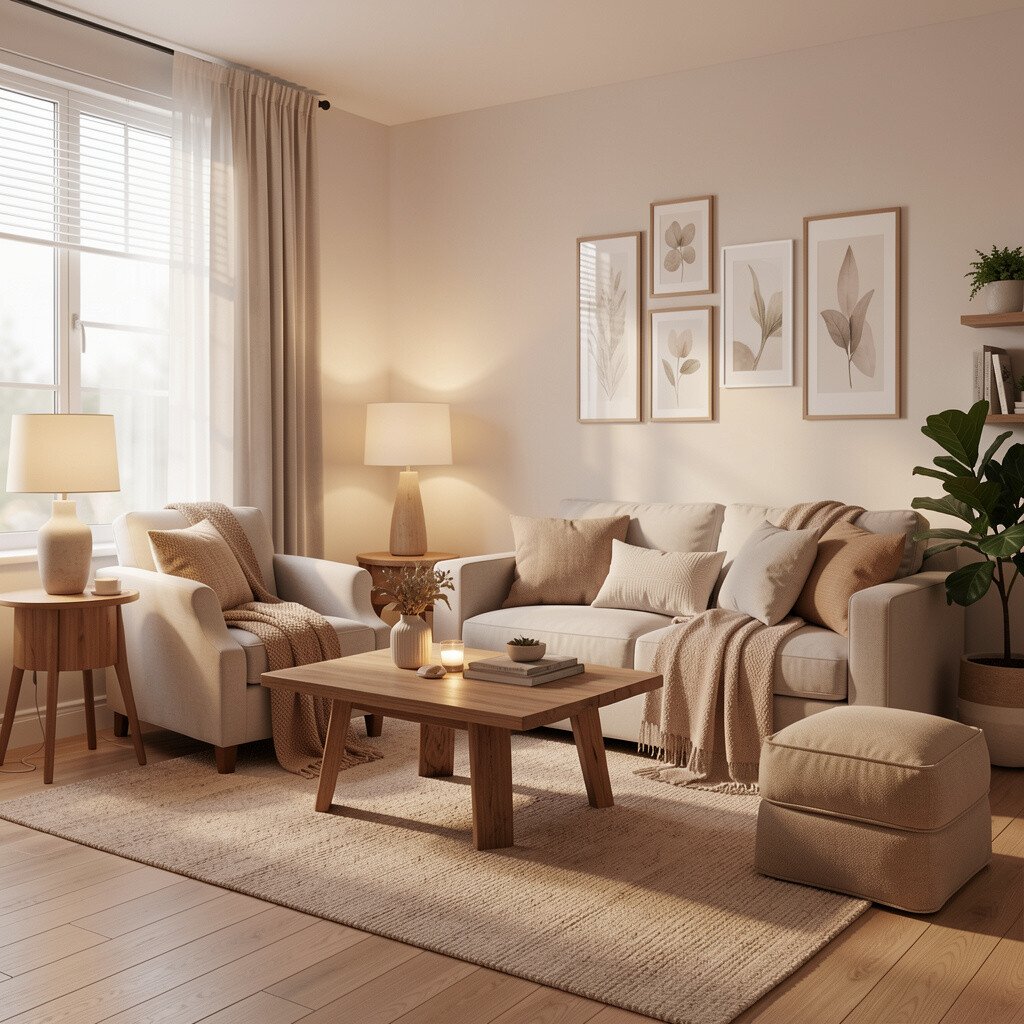
Swap harsh overhead lights for warmer, gentler layers. Picture a desk lamp glowing like a small sunset while the rest of the room fades into comfort.
Use one warm bulb, one lamp, and maybe a string of tiny lights near a corner to shape the mood. This helps your eyes relax and it can make evenings feel slower and safer. Choose dimmable options or smart bulbs so you can set the brightness for reading, winding down, or quiet music. For personalization, match the color temperature to your taste, like honey tones for cozy nights or peachy tones for a softer vibe.
2. A Cozy Reading Nook With a Secret-Feeling Blanket
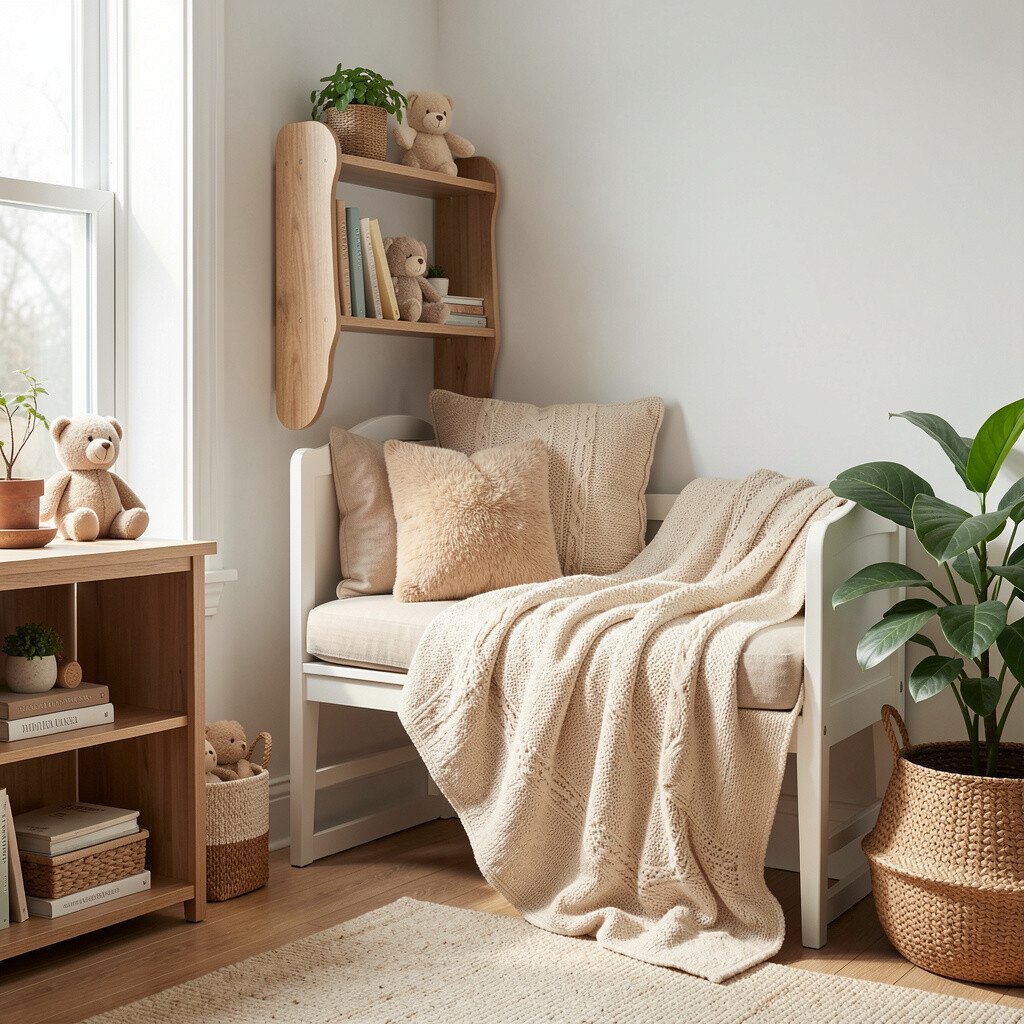
Create a small “hideaway” spot with a cushioned chair or window seat. Add a thick throw and a pillow that looks like it was made for sinking in.
When you wrap up like you’re building your own fort, your body tends to relax faster. Keep a favorite book stack, a cup coaster, and a bookmark right where you sit so the nook feels easy to use. Choose a blanket texture you love, like sherpa or waffle knit, and rotate colors by season. If you’re on a budget, shop for one statement pillow or thrift a chair cover, then keep everything else simple.
Right now, lots of people are leaning into “micro retreats” at home, like one chair area that feels special. Make it yours with a curtain panel or a small room divider so it feels extra private. If space is tight, use a floor cushion and a leaning bookshelf to keep the nook feeling open but comfy.
3. Scented Calm With a Safe Air Plan
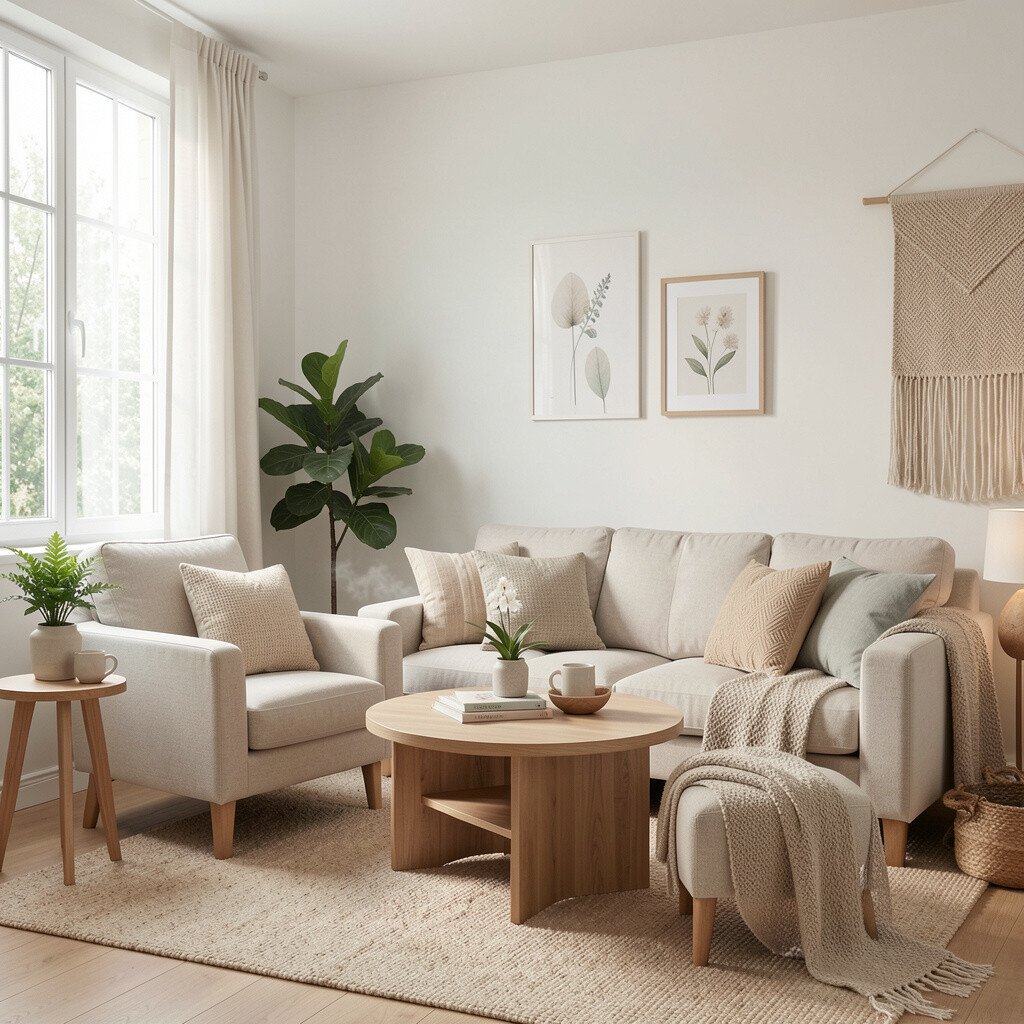
Pick one calming scent and use it like a gentle background soundtrack. Imagine how your room feels when the air smells like clean linen or soft vanilla.
Fragrance can nudge your mood by making the space feel familiar and cared for. Choose options that fit your lifestyle, like essential oil diffusers, wax warmers, or linen sprays. For practical comfort, keep scents mild and avoid mixing too many products at once. If you have pets or allergies, go for unscented candles or fragrance-free sprays and focus on cozy textures instead.
Many people today prefer “clean and simple” home scents that are not overpowering. Try testing scent strength for a few days and adjust, so it stays pleasant instead of too strong. Personalize it by using scents that match your routines, like a fresh scent for daytime and a warmer one for bedtime.
4. A Mini Music Corner With Headphones and Soft Sound

Set up a spot where music feels like a treat, not a chore. Think of a small shelf with a speaker, a charging stand, and a pair of comfy headphones.
Music can lower stress and make routines feel smoother, especially when you choose gentle playlists. Keep the area tidy so you don’t have to hunt for cables. For practical setup, place a small side table for your phone, water, and remote so everything stays in reach. Personalize it with your favorite album art or a framed lyric card that makes you smile. This can be low-cost if you already own headphones, since the biggest upgrade is the layout.
5. Wall Art That Feels Like a Deep Breath
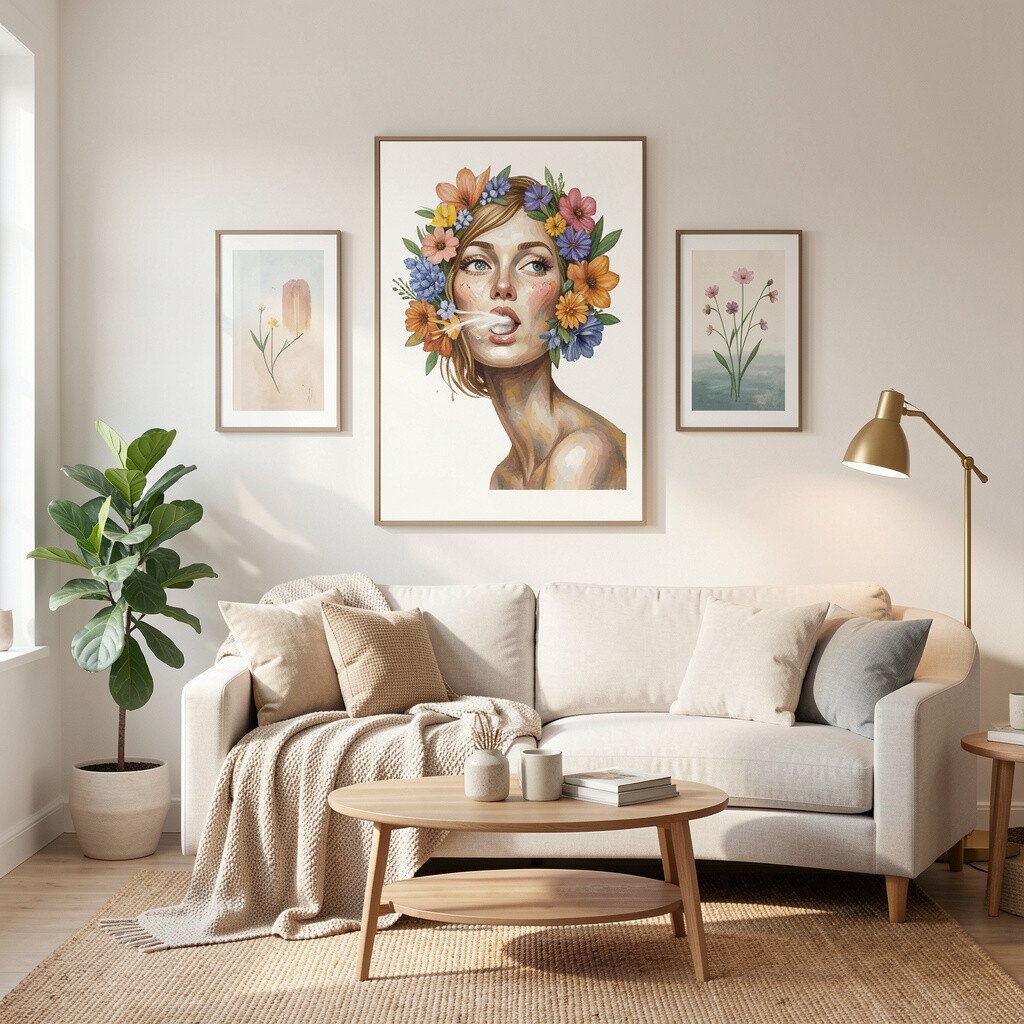
Choose art that brings your eyes comfort, not extra stress. Picture a calm landscape print, soft abstract shapes, or simple nature photos.
When you look at soothing art, your mind often settles because it has something pleasant to focus on. Pick one main piece and keep surrounding items minimal so the room feels clean and breathable. Rotate small frames seasonally for variety, which keeps the space feeling fresh without a full redesign. If you love DIY, paint a simple gradient background or make a collage of magazine clippings that match your colors.
6. A “Quiet Zone” Chair With Perfect Seating
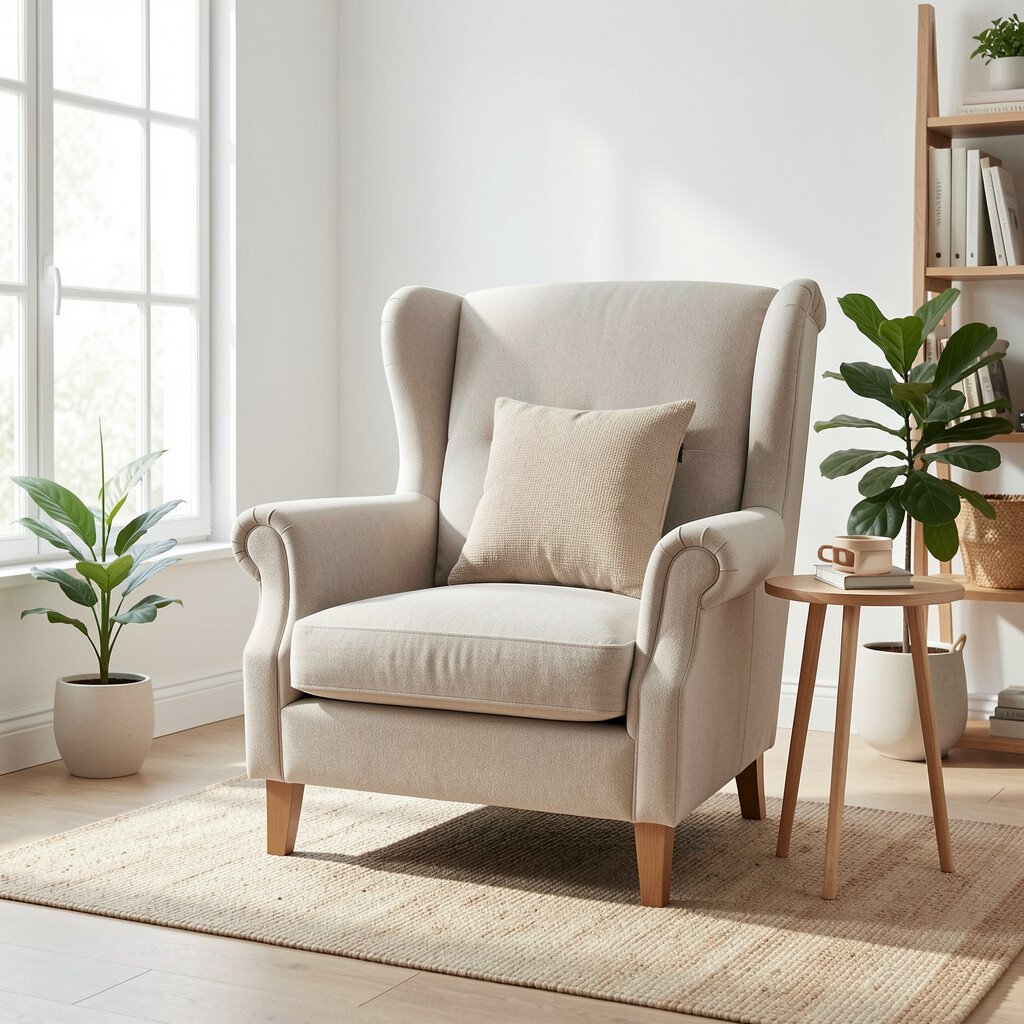
Find a chair that supports your back and invites you to sit longer. Imagine the difference when your feet rest comfortably and your shoulders can drop.
Good seating helps your body relax, which makes relaxation more natural. Add an extra cushion if the seat feels firm, and consider a footrest for better comfort. For practical tips, set the chair near natural light or a calming view so your eyes have something gentle to rest on. Personalize the chair with a cover that matches your style, like a removable slipcover for easy washing. Cost can stay reasonable if you start with cushions and a pillow rather than buying a new chair.
Right now, more people are paying attention to ergonomics at home, even in relaxation spaces. Even small changes like lumbar support can make your room feel more “made for recovery.” Try testing the spot for a few days and adjust the angle until it feels just right.
7. Floating Shelf Styling for a Tidy, Calming Look
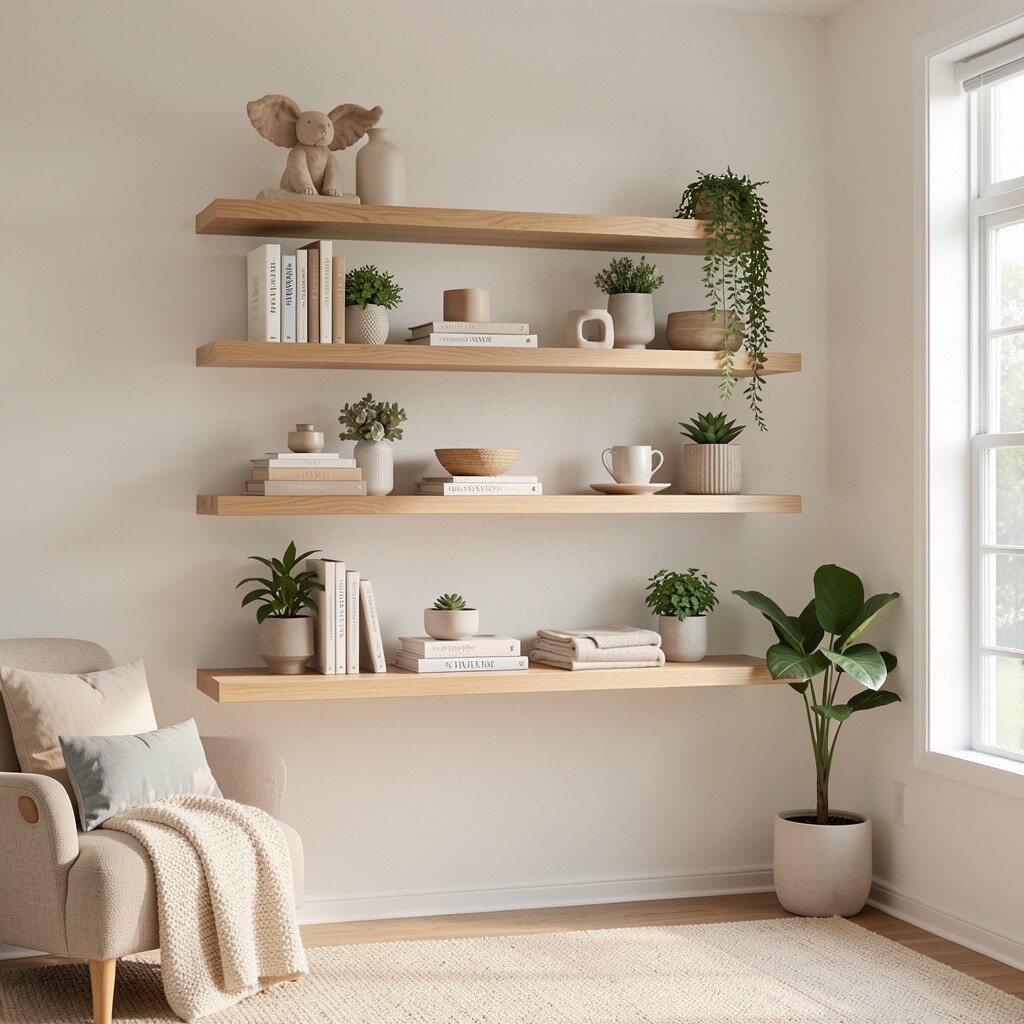
Use a few floating shelves to display calm objects instead of clutter. Picture books stacked neatly, a small plant, and a ceramic bowl that catches warm light.
A tidy surface reduces mental noise, which can make it easier to unwind. Keep items limited and choose shapes and colors that match your palette. For personalization, swap one shelf detail each month, like a new scented candle holder or a small art piece. Practical tips include placing heavier items lower and using small baskets or boxes for chargers and extras so they stay hidden. If you’re budget-minded, use reclaimed wood shelves or repurpose something you already own.
8. Cozy Flooring With Rugs and Texture
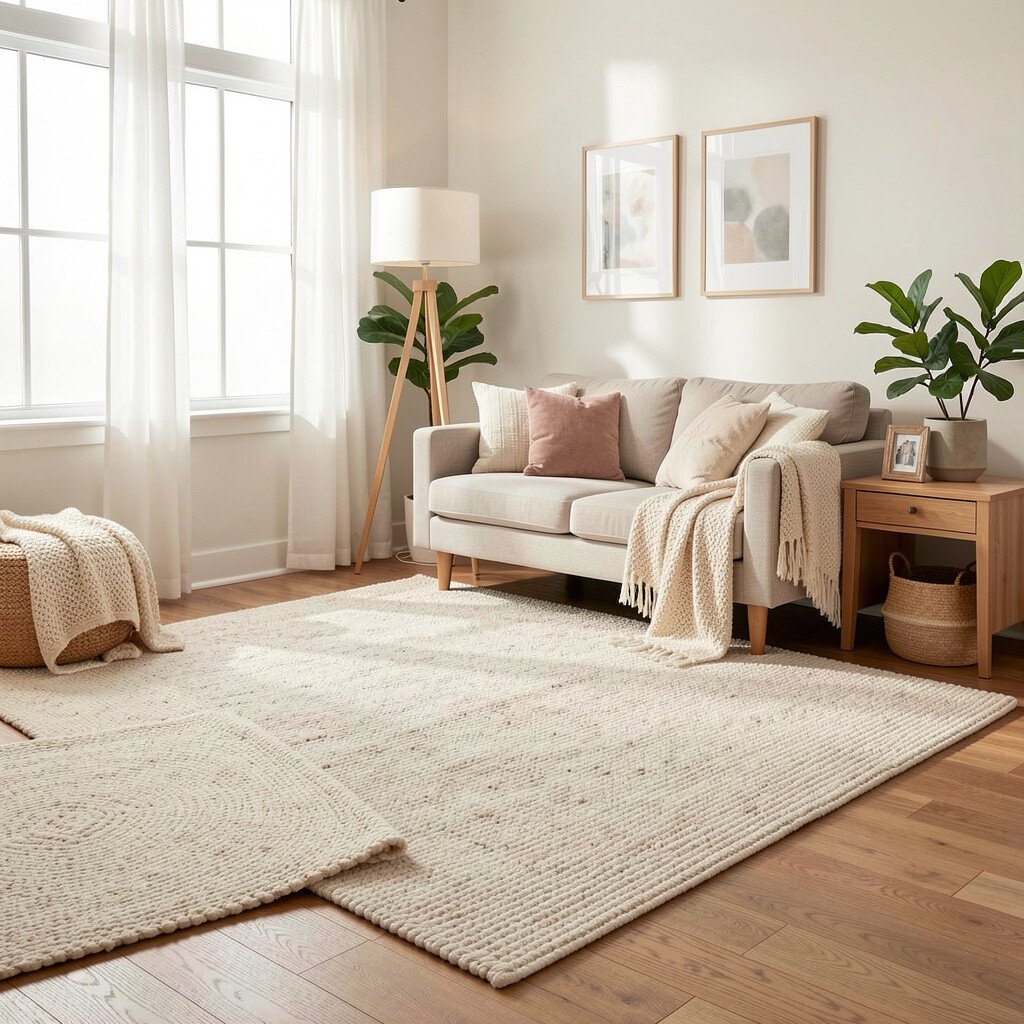
Upgrade your floor feeling with a soft rug underfoot. Imagine stepping into a warm, cushy layer instead of cold, hard flooring.
Texture under your feet can make the whole room feel warmer and more inviting. Choose a rug that fits your lifestyle, like washable or low-pile options if you have pets or kids. Add a second smaller rug near a chair for a “landing pad” effect when you move around. Personalize with colors that match your mood, like sage for calm or cream for a bright, airy feeling. Cost considerations are easier if you start with one rug in the main relaxing area instead of covering the whole room.
9. A Relaxation Playlist Setup With Visual Cues
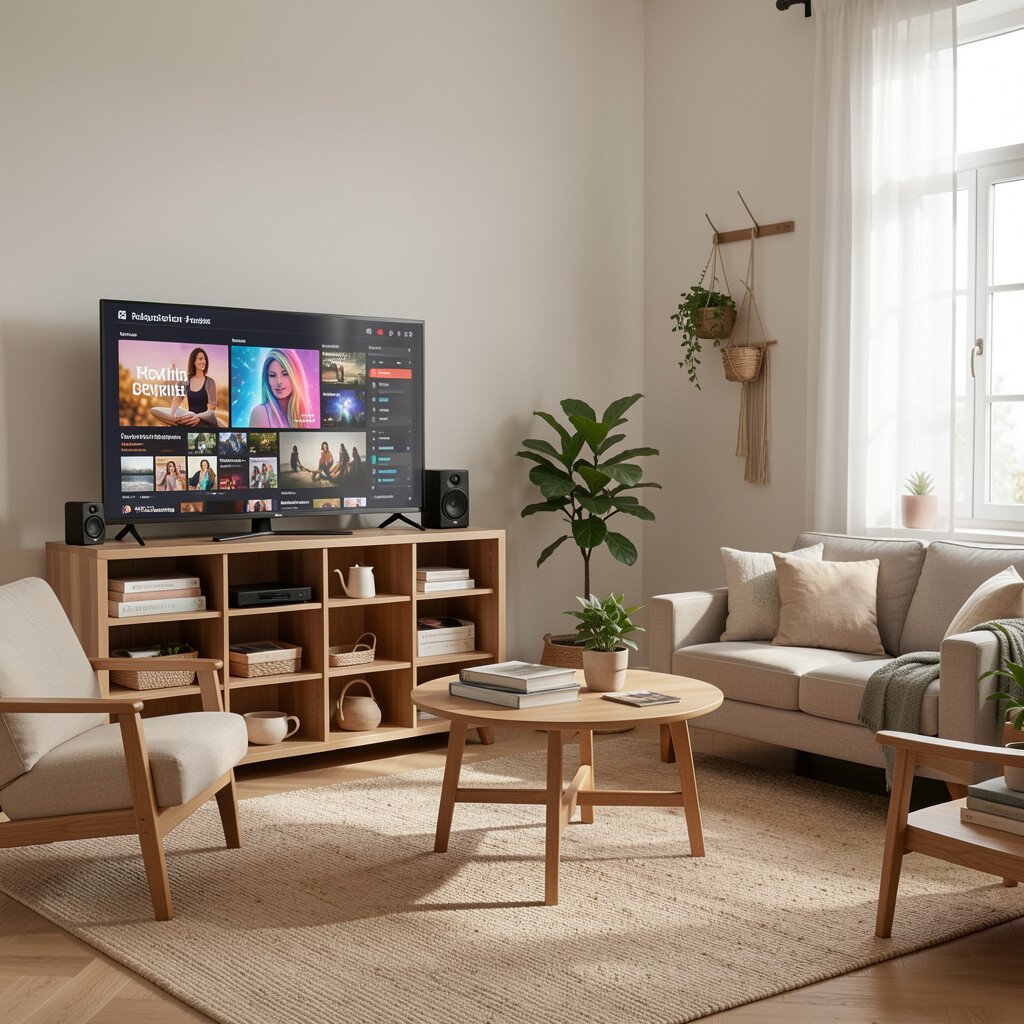
Make choosing music feel effortless by setting up a simple selection system. Picture a phone stand with a “night mode” playlist name and a small sign card in your favorite color.
When you can start your routine quickly, relaxation happens sooner. Use visual cues like color-coded sticky tabs on your playlists so you don’t spend energy deciding. For practical comfort, keep the phone charger nearby and set a volume limit you enjoy. Personalize by choosing a playlist theme that matches your day, like “morning stretch” or “wind-down calm.” This can be almost free since it mostly relies on organization and small accessories.
Current trends often highlight “ritual design,” where everyday habits get made easier through simple cues. Add a pair of headphones to the same spot each time, so you stop searching and start settling. If you share a room, consider a schedule or separate listening options so everyone feels respected.
10. A “Drip-Free” Tea or Water Station
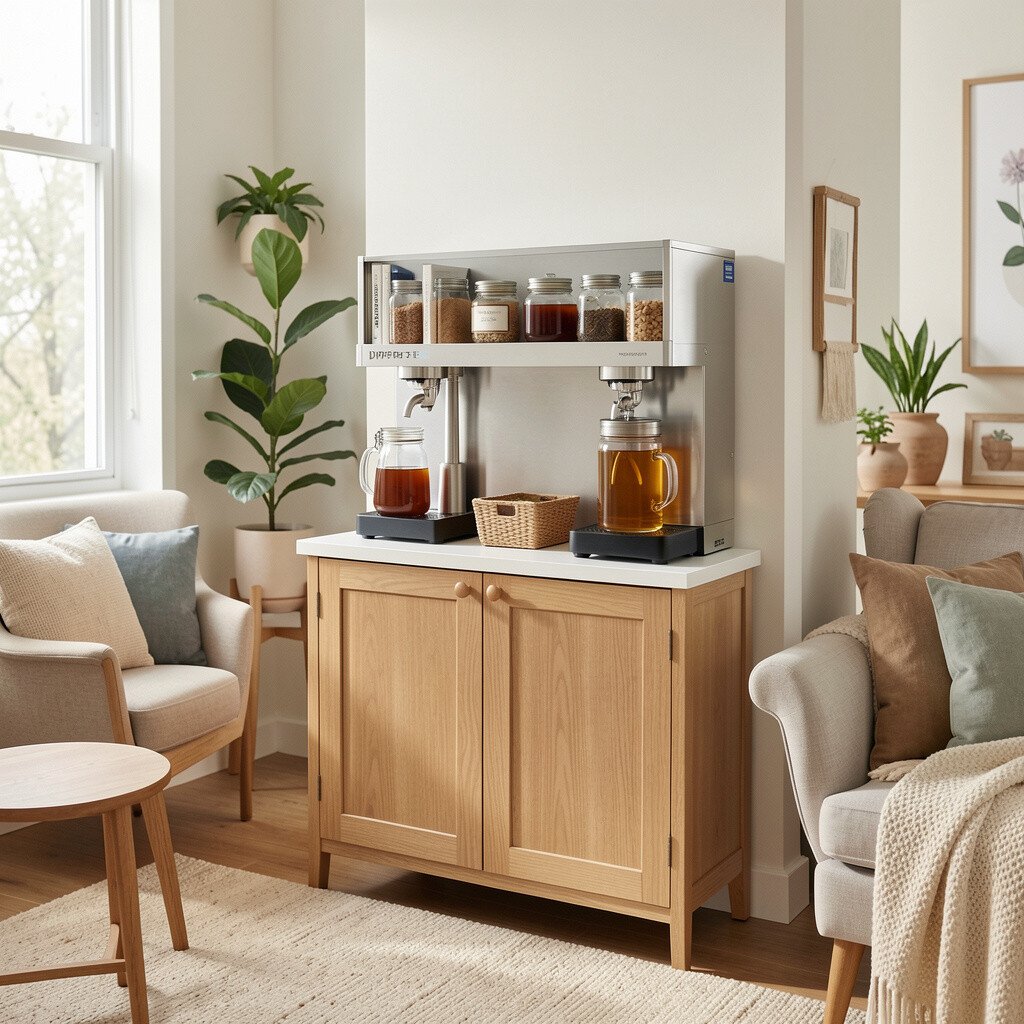
Create a small station for tea, herbal water, or warm drinks. Imagine a tray with a kettle, cups, and a napkin that feels pretty and practical.
Warm drinks can soothe your body and give your mind a gentle cue to slow down. Keep essentials in one place so you never have to wander for supplies mid-routine. For practical tips, use a tray with a towel underneath to catch spills and keep surfaces safe. Personalize with your favorite mug shape and add a jar of honey or lemon slices if you enjoy them. Cost stays manageable if you start with one mug set and a simple tray, then add more only when you want.
11. Candlelight Vibes With Flameless Options
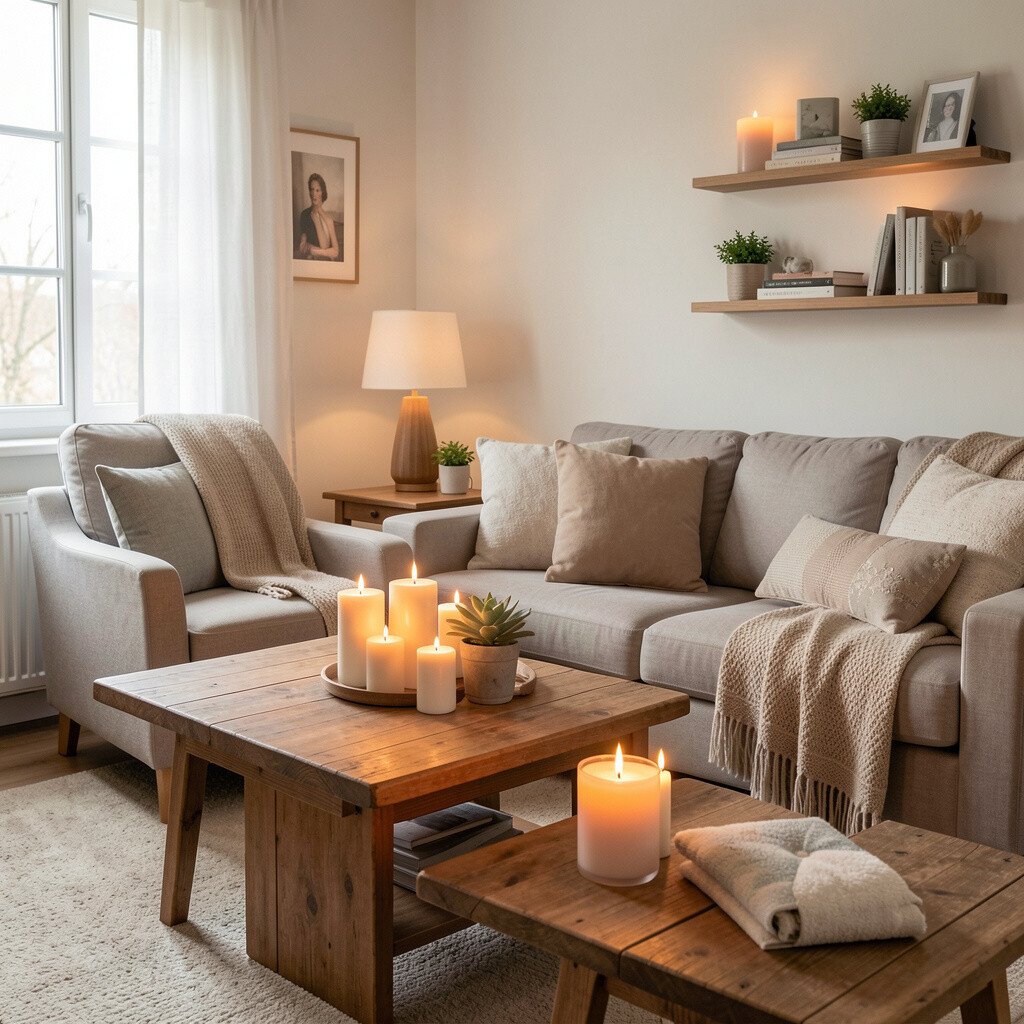
Try flameless candles to get the glow without worrying about open flames. Imagine soft moving light that looks like it’s flickering on its own.
Candle-like lighting can make your space feel cozy and special, even on regular nights. Choose LED candles with adjustable brightness so you can match the mood to what you’re doing. For practical safety, keep them away from curtains and use timers if you tend to forget. Personalize the look by mixing candle heights and placing them near bookshelves or on a coffee table. If you’re mindful about cost, start with a single set and expand only when you find shapes you love.
This style is trending because it offers “safe ambiance” for many households. Try using warm bulbs inside lanterns too, which gives a similar feel. If scents are too much for you, stick to glow only and let textures do the comforting work.
12. A Color Palette That Matches Your Mood
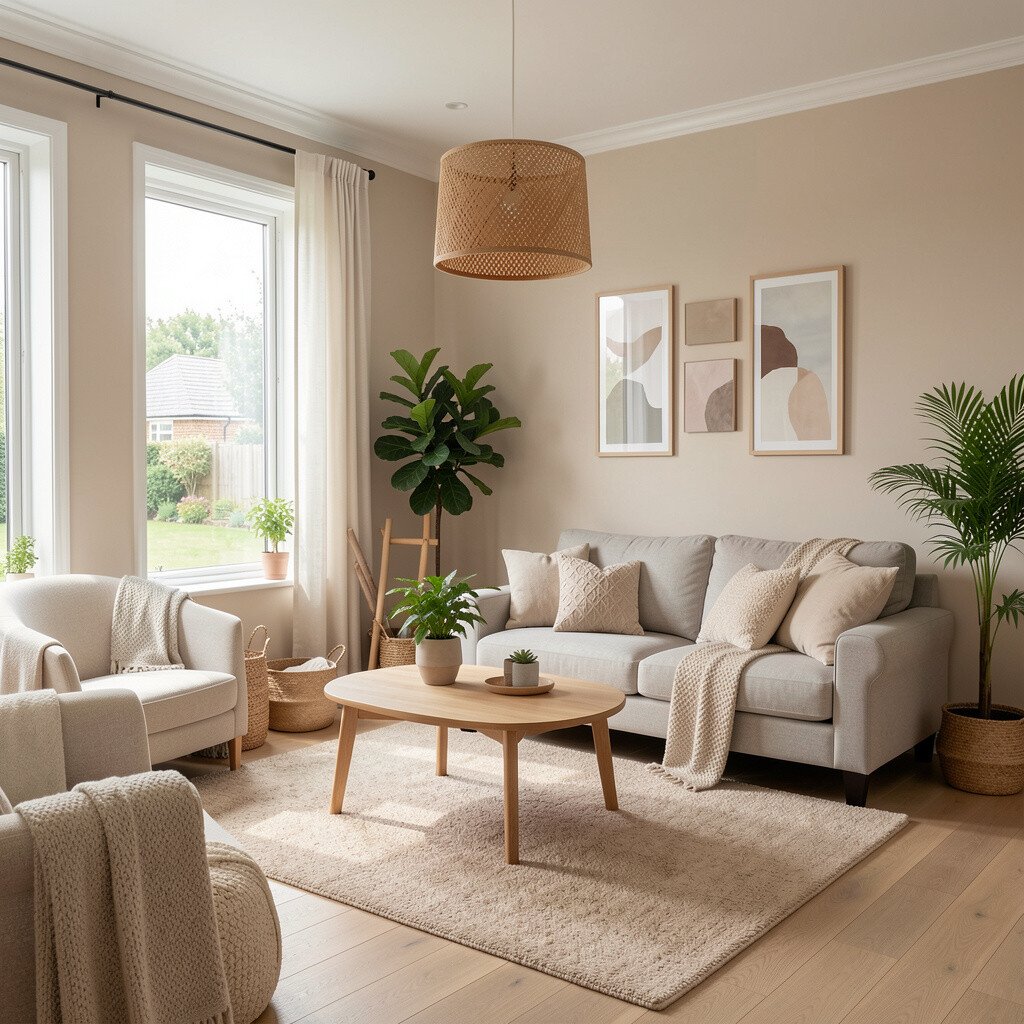
Pick a calming palette and repeat it around the room. Picture soft blues, warm creams, or muted greens tying everything together.
Color affects your mood, and a consistent scheme can help your brain feel settled. Use your palette in small ways first, like pillow covers, a throw, or wall art, so it’s easy to adjust. For personalization, choose colors based on how you want to feel, such as earthy tones for grounded calm. Practical tips include testing paint samples on a wall corner and observing how the colors look in morning and evening light. Cost considerations are kinder when you start with removable items rather than repainting everything right away.
13. A Stress-Release Wall of Notes and Gratitude
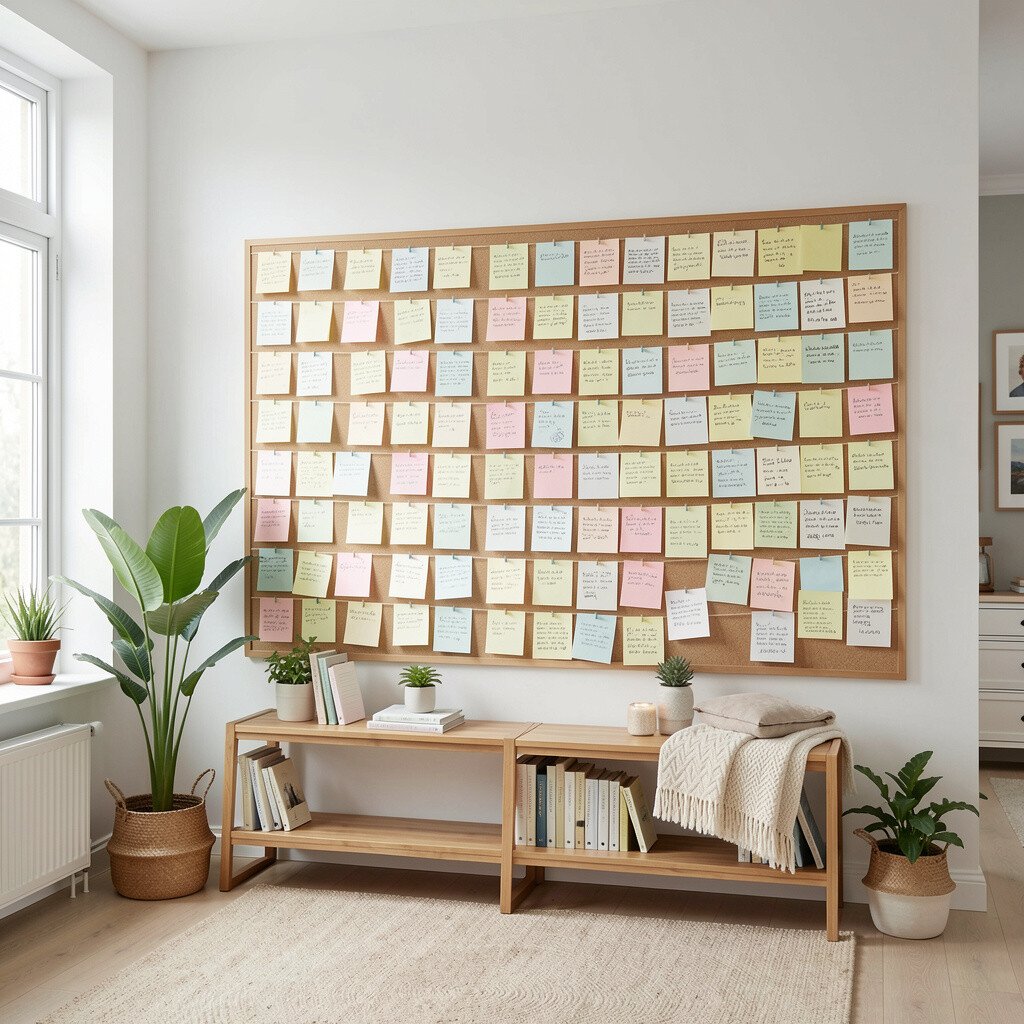
Make a small wall or board where you can write what’s on your mind. Imagine sticky notes in soft colors, pinned gently like tiny reminders to breathe.
This kind of space can help you unload thoughts, so your relaxation time feels cleaner. Keep a few prompts that are meaningful to you, like what you enjoyed today or what you’re proud of. For practical use, set a time like after dinner, so it becomes a routine. Personalize it with your handwriting style, maybe using different note colors for different feelings. This can be low-cost if you use a cork board, a repurposed frame, or a small magnet board.
Right now, people are leaning into “mindful home” touches that support emotional well-being. Make it playful by using themed stickers or doodles that match your favorite hobbies. If you don’t want a visible note wall, keep the same idea in a binder on your chair side table.
14. A Soft Lighting “Ceiling Glow” Using LEDs
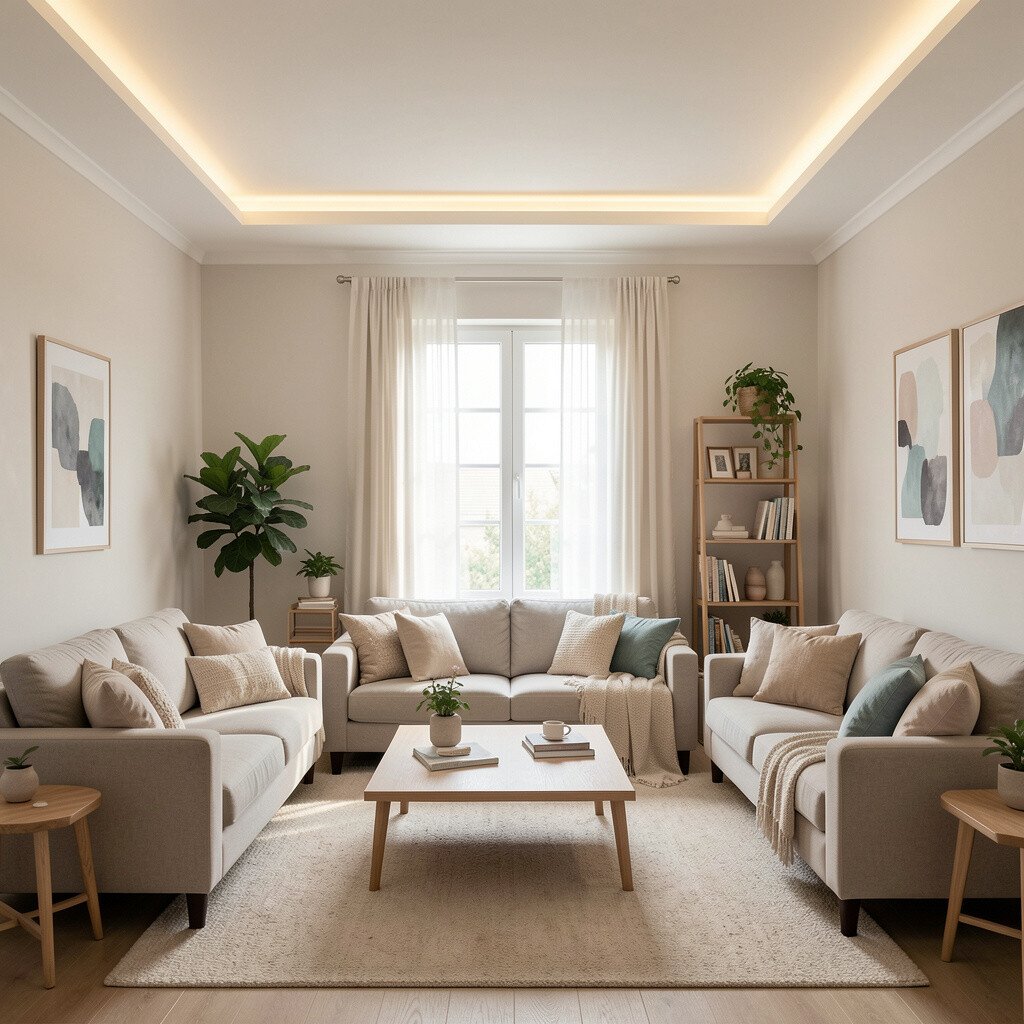
Add a gentle glow effect near the ceiling with LED strips or a plug-in option. Picture a subtle halo of light that makes the room feel more dreamy.
Indirect lighting can reduce eye strain and create a relaxing atmosphere without harsh shadows. Choose warm tones and consider timers so the light shifts automatically in the evening. For practical tips, secure the strips neatly and hide wires along edges so the look stays clean. Personalize it by picking colors that match your mood, like warm amber for calm and a neutral white for reading. Cost can fit many budgets since simple kits often cost less than major furniture changes.
15. A Game-Free Zone With Displayed Hobbies
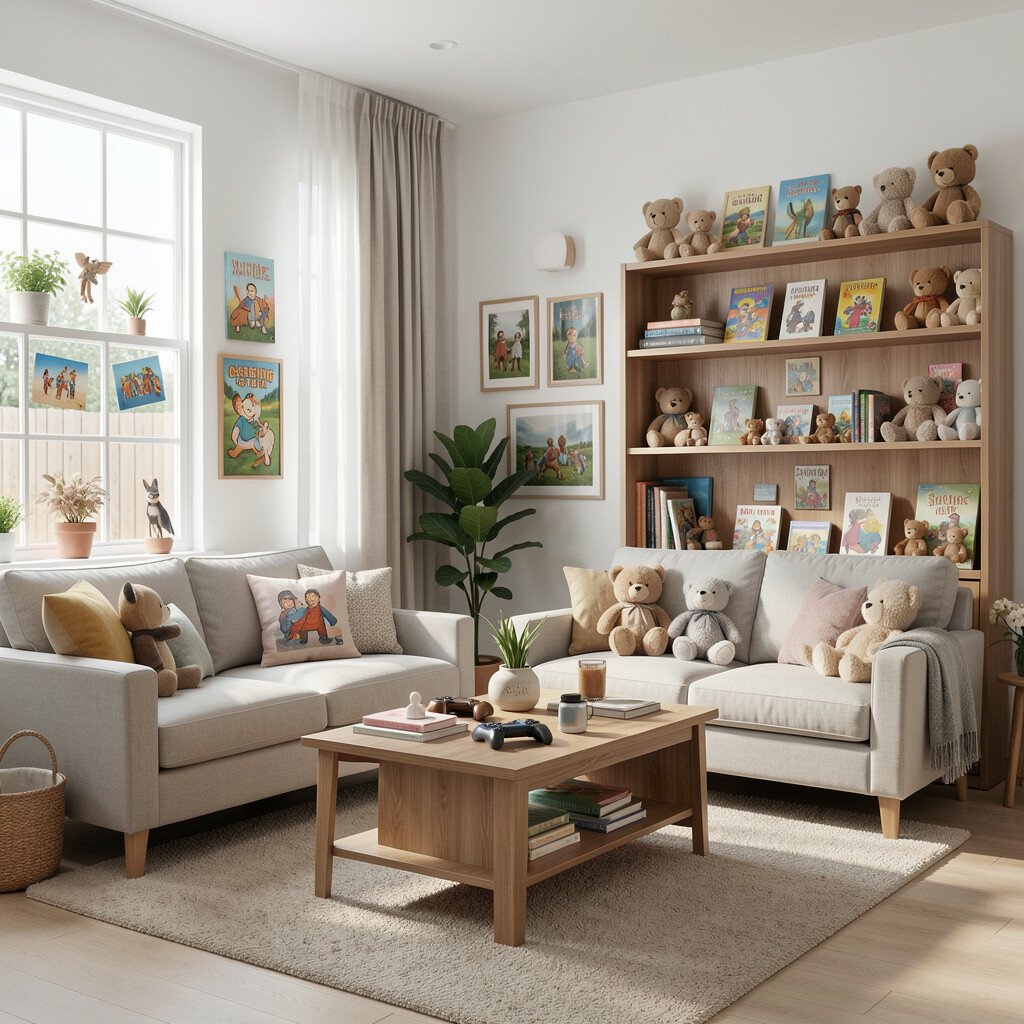
Even if your hobbies are fun, your relaxation corner should feel peaceful. Picture a shelf showing your knitting supplies, sketchbook, or puzzle box without any mess.
Having hobby items visible can make starting easier, while a clean layout keeps your mind calm. Choose one or two “ready-to-use” tools so you can begin in minutes. For practical tips, store extras in bins and keep only what you need out where you sit. Personalize it by matching containers to your palette and adding a small basket for finished projects. Cost considerations are friendly because you can start with what you already own and add only one new item at a time.
This approach fits current trends toward cozy crafting and mindful hobbies at home. Try pairing your hobby with a calm routine, like tea and a warm lamp, so relaxation feels like a ritual. If you share the space, set boundaries so your hobby zone stays respected and clutter stays away.
16. A Window Scene With Curtains and Gentle Privacy
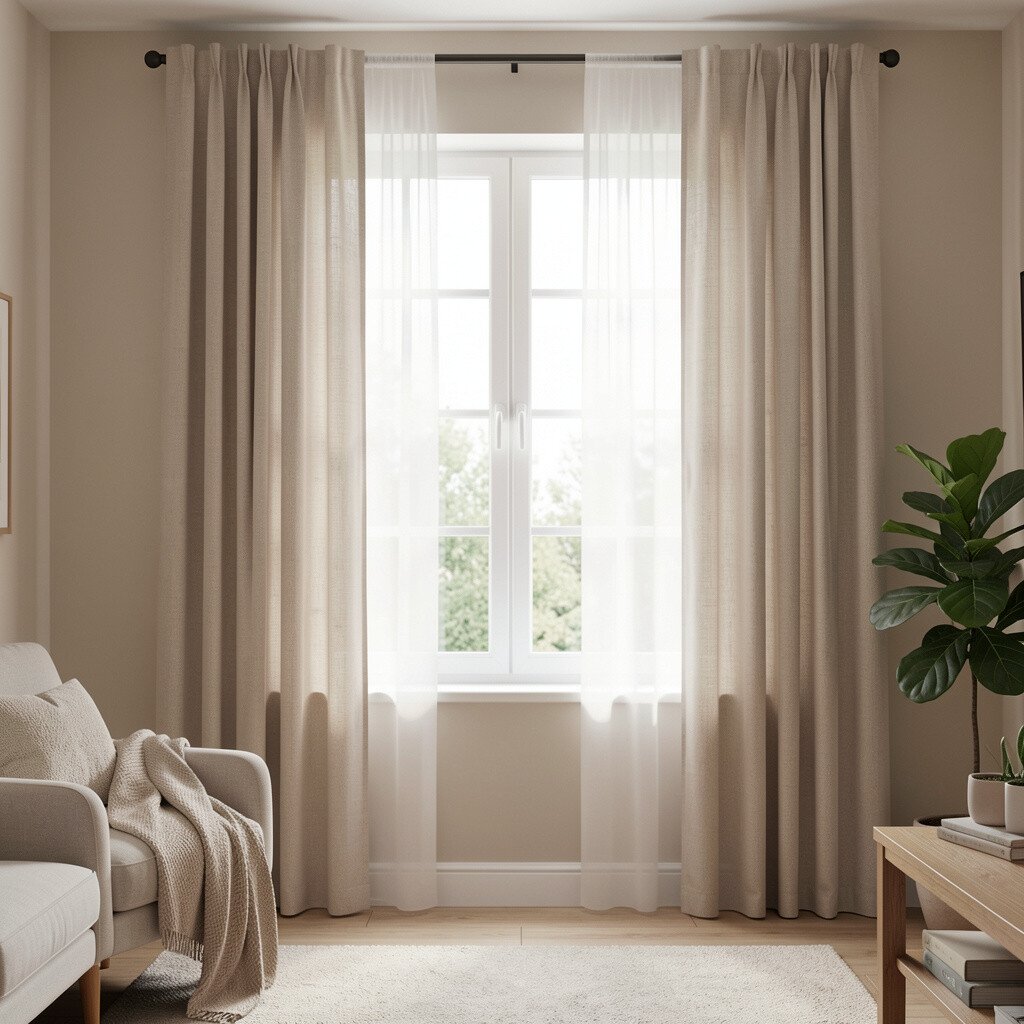
Dress your windows to soften daylight and boost privacy. Imagine curtains that move slowly and make the room feel warmer even when it’s bright outside.
Soft window treatments can calm visual noise and help you control light during wind-down time. Choose blackout curtains if you want deeper sleep, or sheer layers if you love airy brightness. For practical tips, measure carefully so curtains hang at the right height and look intentional. Personalize with patterns that match your style, like subtle florals or solid calming colors. Cost can be managed by using one window first, then adding more later if needed.
17. A Bedside-Like Table for Living Rooms
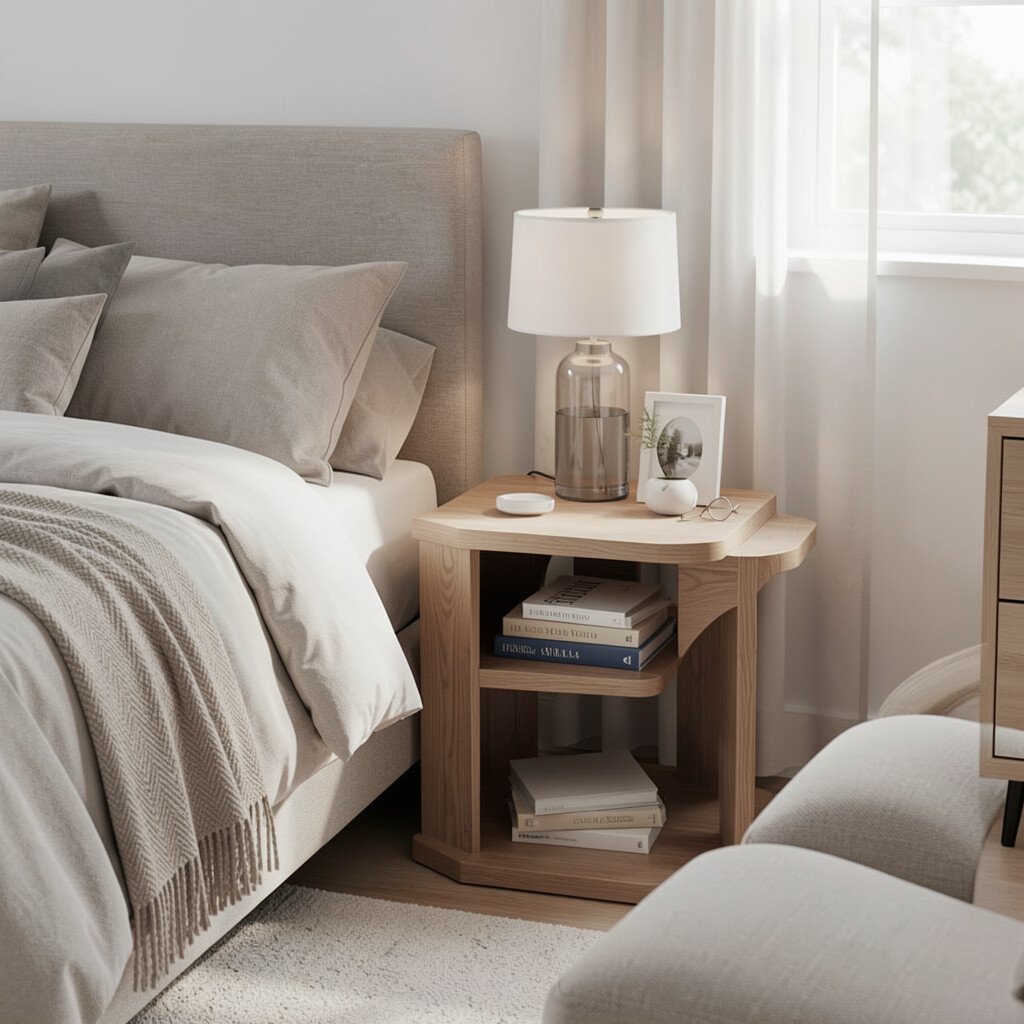
Bring the comfort of a bedside setup to your relaxation spot. Picture a small table with a book, a glass of water, and a soft blanket within arm’s reach.
Having essentials close by helps you relax without interruptions. Aim for a simple layout that makes sense in the dark, like a lamp with a reachable switch and a coaster that prevents ring marks. For personalization, add a small photo, a tiny dish for rings, or a gentle hand cream you love. Practical tips include choosing a table with a surface that wipes clean and adding a tray to keep items from scattering. Cost considerations are flexible because you can use a side table, a stool, or even a sturdy crate with a cushion.
Many people today focus on comfort “loops,” where everything you need is right where your body wants it. Try arranging your space exactly the way you use it, not the way it looks in pictures. Small placement changes can feel like a big upgrade because they reduce effort.
18. A Room Rearrangement That Creates Breathing Space
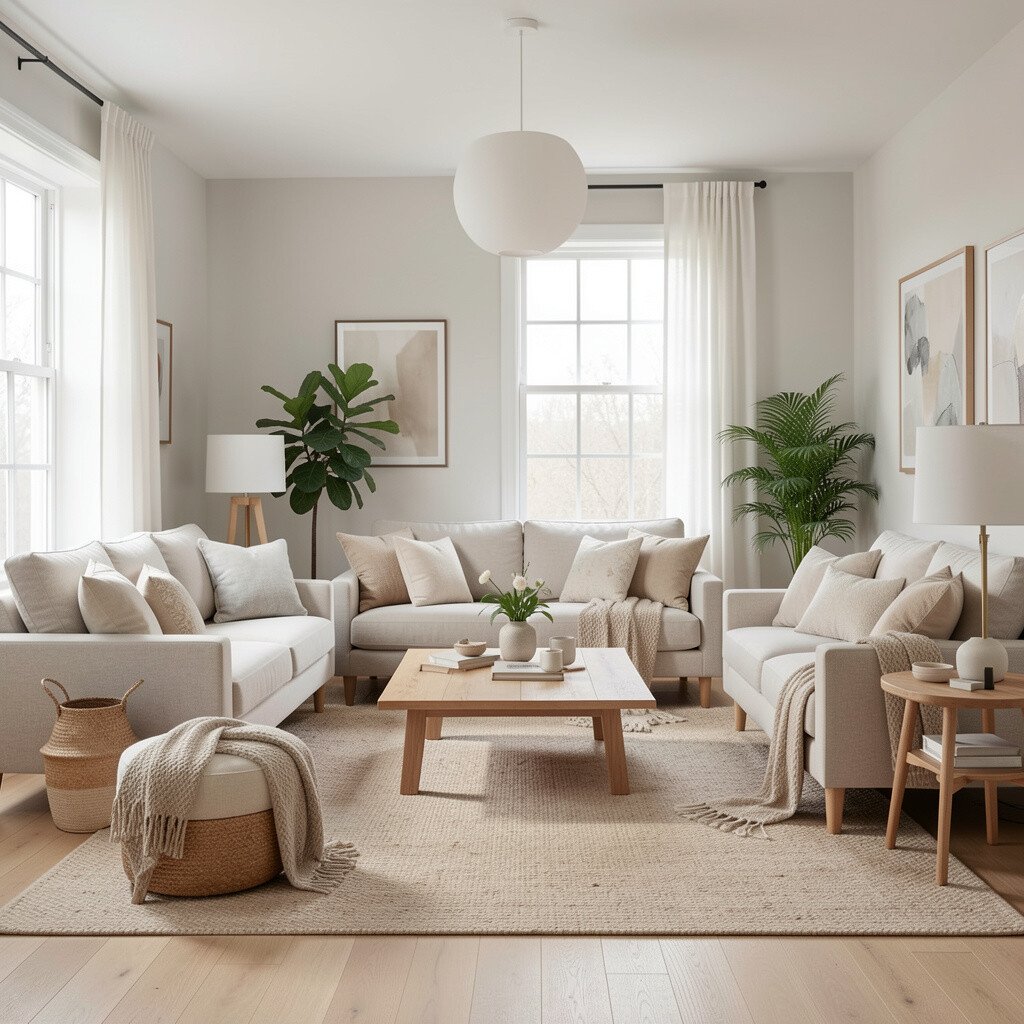
Rearrange furniture to create clear paths and open corners. Imagine walking into the room and feeling less bumping and less clutter immediately.
When the room flows well, your brain often feels calmer because your movement feels easier. Start by moving one big piece, like a chair or sideboard, and then adjust everything else to keep space around pathways. For practical tips, test the layout by walking through the room at night with lights dim, since relaxation often happens after dark. Personalize by placing your “relax center” facing a window, lamp, or calming wall so you feel drawn there naturally. Cost is basically zero because you’re using what you already have.
19. A Cozy Sensory Corner With Your Own Rules

Build a sensory corner that matches how you like to relax. Picture a small mat or rug with a weighted blanket, a stress ball, and a soft playlist waiting nearby.
Sensory comfort helps you calm your nervous system through touch, sound, and sight. Keep your corner simple so it feels inviting, not like a storage closet. For practical tips, set a routine for when you use it, like after a shower or before bed, so your body learns the cue. Personalize with items that make you smile, like a favorite scarf for warmth or a calming object you hold while you breathe. Cost considerations are flexible since you can start with one item and build slowly as you learn what actually helps you.
Current trends emphasize personal well-being, and a sensory corner is a great example of that at home. Try rotating one element each week, like switching between tea and water or swapping music styles. If you live with others, keep the corner yours by using a small container or basket that stays organized and easy to move.