
Science can feel like play when hands get busy. These experiments bring wonder to the kitchen table.
1. Rainbow Milk Swirls
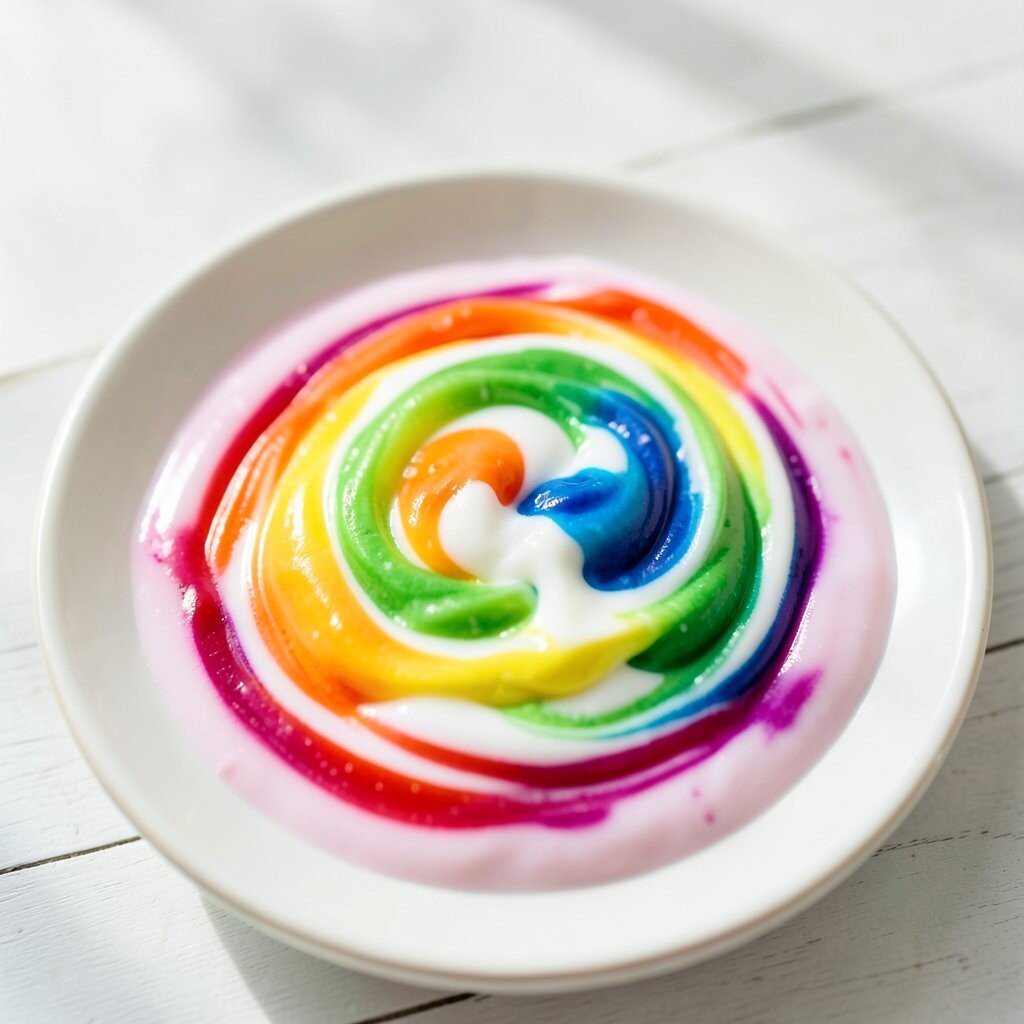
Pour whole milk into a shallow plate and add drops of food coloring in different spots. When a cotton swab dipped in dish soap touches the milk, the colors rush and twist like painted waves.
This simple setup looks beautiful right away, and it teaches how soap changes surface tension. It is low cost, quick to reset, and easy to make special by using favorite colors or a holiday theme.
2. Baking Soda Volcano Cups

Small paper cups, baking soda, and vinegar can make a bubbly burst that feels exciting without getting too messy. The foam rises fast and gives children a vivid look at a gas-making reaction.
Many homeschool families like this experiment because it uses cheap pantry items and works well indoors or outside. You can vary the size of the cup, add food coloring, or place the cup inside clay or paper to make a tiny mountain scene.
It fits nicely with current interest in maker-style learning, since kids get to build and test their own setup. A tray under the cup helps with cleanup, and a simple timer can turn the test into a fun race.
3. Dancing Raisins In Soda
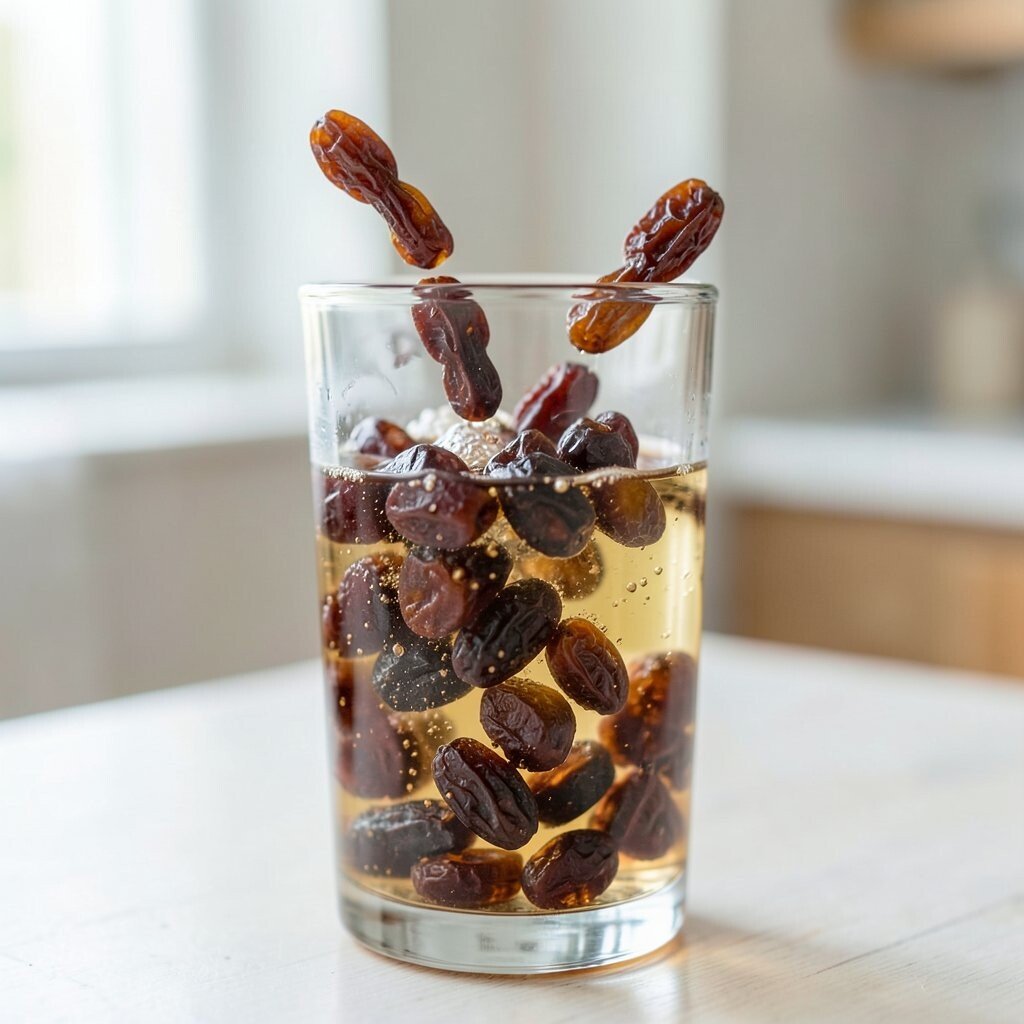
Drop a few raisins into a clear glass of fresh soda and watch them bounce upward, then sink again. The little fruits look like tiny swimmers moving through a sparkling blue pool.
The bubbles cling to the raisins and lift them, which makes a clear lesson about gases and buoyancy. This one is budget friendly, and families can try different drinks or different small snacks to compare results.
Children often enjoy predicting which items will rise best, and that turns the activity into a simple science game. A clear cup works better than a dark one, and a quiet table makes the motion easier to notice.
4. Crystal Salt Stars

Pipe cleaners bent into stars, hearts, or letters can grow shiny crystals in a bowl of hot salt water. As the water cools, the shapes slowly turn frosty and sparkly.
The result looks like winter magic, and it gives children a chance to watch change happen over time. It is a low cost project with strong visual appeal, and families can color the water with safe dye for extra charm.
Some parents like to tie the activity to art by letting children choose shapes that match a theme or season. A glass jar, a bit of string, and patience are the main tools, which makes it easy to fit into busy days.
5. Balloon Powered Cars

Build a tiny car from cardboard, bottle caps, and straws, then tape a balloon to the top. When the balloon lets go, the car shoots across the floor in a fast and funny burst.
This experiment shows motion, air pressure, and simple engineering in one neat package. It is easy to personalize with stickers, paint, or different wheel sizes, and many families enjoy comparing which design rolls farthest.
The materials can often come from recycling bins, which keeps the cost low and supports a more eco-friendly trend in home learning. A smooth floor or long hallway helps the car move well, and gentle testing lets kids make changes without frustration.
6. Walking Water Rainbow

Line up clear cups with colored water in some cups and empty cups between them, then connect them with folded paper towels. Soon the water climbs the paper and mixes into new colors in the empty cups.
The bright row looks like a tiny rainbow bridge, which makes it pleasing to watch and photograph. Families can use this to talk about capillary action, and they can choose different color sets to match a season, holiday, or favorite story.
This experiment is inexpensive, though paper towels and food coloring can add a small extra cost if they are not already on hand. A tray helps hold the cups steady, and a slow, careful setup makes the colors travel more evenly.
7. Homemade Lava Lamp Jar
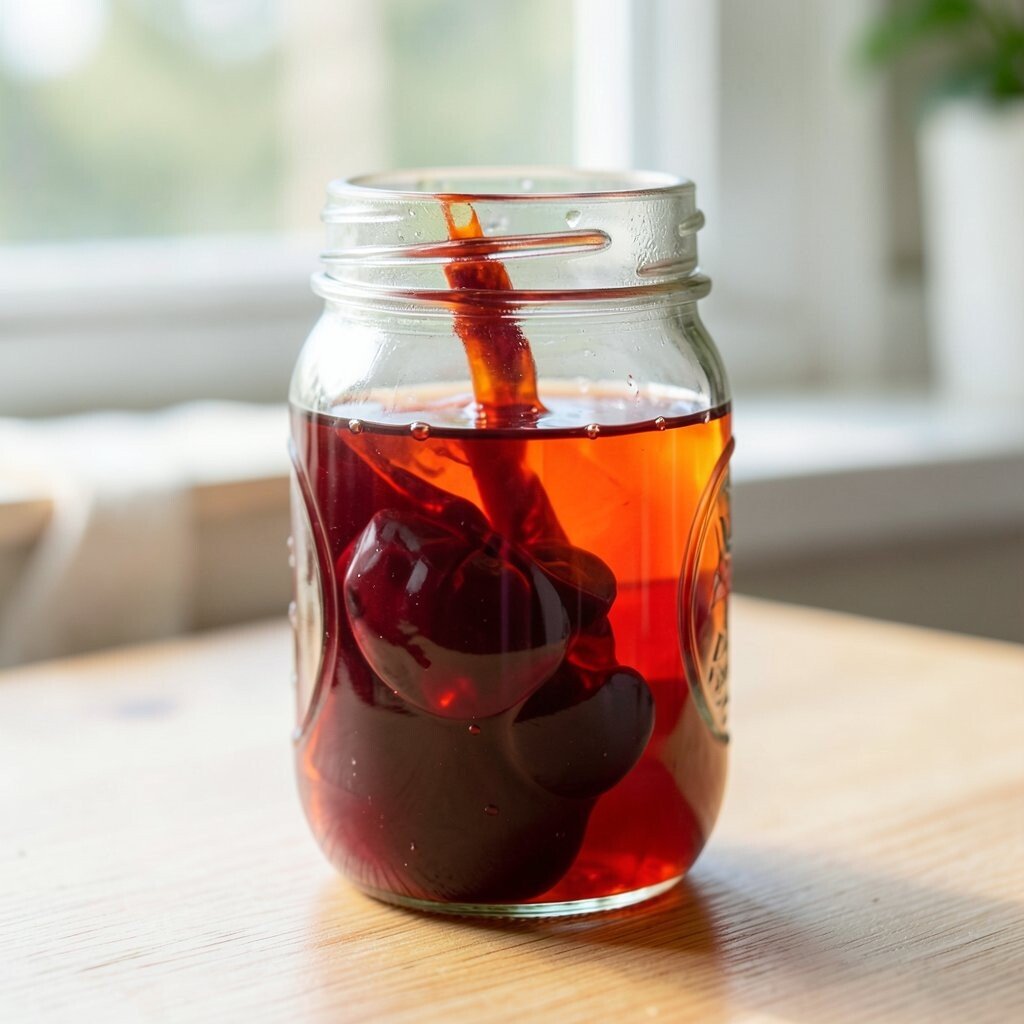
Fill a jar with oil and colored water, then drop in a fizzy tablet to make glowing blobs rise and fall. The moving bubbles look like a tiny lava lamp from a retro science fair.
Kids love the strange layered look because the oil and water stay apart while the tablet creates motion. This activity is affordable and easy to tailor with different jar sizes, bright colors, or glow-in-the-dark paint on the outside.
It also matches a growing interest in simple sensory science that feels calming as well as fun. A lid is not needed during the reaction, and a clear jar gives the best view of the floating shapes.
8. Magnet Treasure Hunt
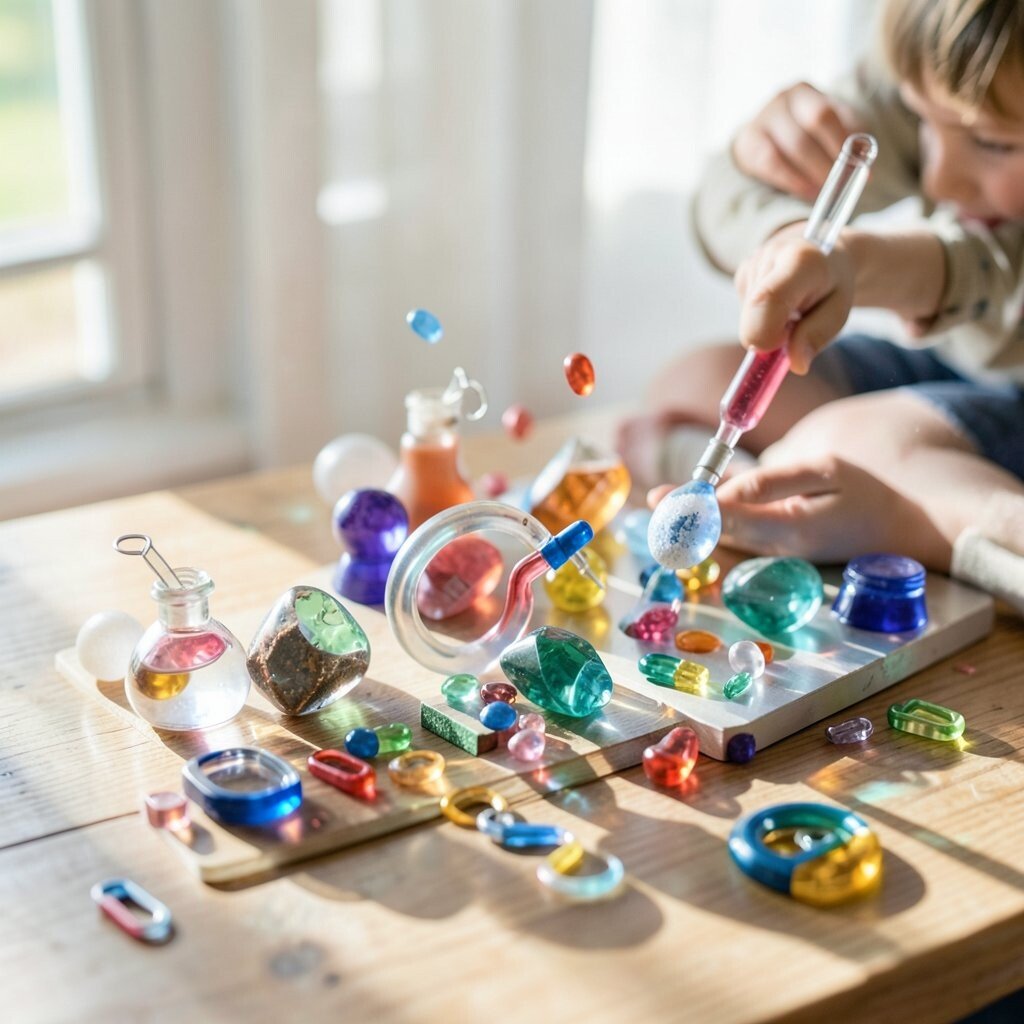
Hide small magnetic and nonmagnetic items in a tray of dried rice or beans, then let children search with a magnet. The magnet pulls only certain objects, so the hunt feels like a mystery game.
This hands-on activity gives a strong visual payoff when metal pieces jump toward the magnet. It is easy to personalize by hiding coins, paper clips, or themed objects, and it costs very little if you already have pantry fillers and a simple magnet.
Homeschool families often like this one because it keeps younger children active while older siblings sort and record what they find. A shallow bin keeps the mess under control, and a stronger magnet makes the results easier to see.
9. Static Electricity Butterfly

Cut a tissue paper butterfly and place it on a plate, then rub a balloon on hair or wool and bring it close. The butterfly lifts and dances as if it has a secret life.
The fluttering motion gives children a clear picture of static charge without using expensive tools. It is a neat, low cost experiment that can be changed with tissue colors, paper shapes, or a paper bee instead of a butterfly.
Many families enjoy repeating the test on dry days because the effect often works best then. A smooth plate and light paper make the lift easier to notice, and a calm room helps children focus on the movement.
10. Egg In A Bottle
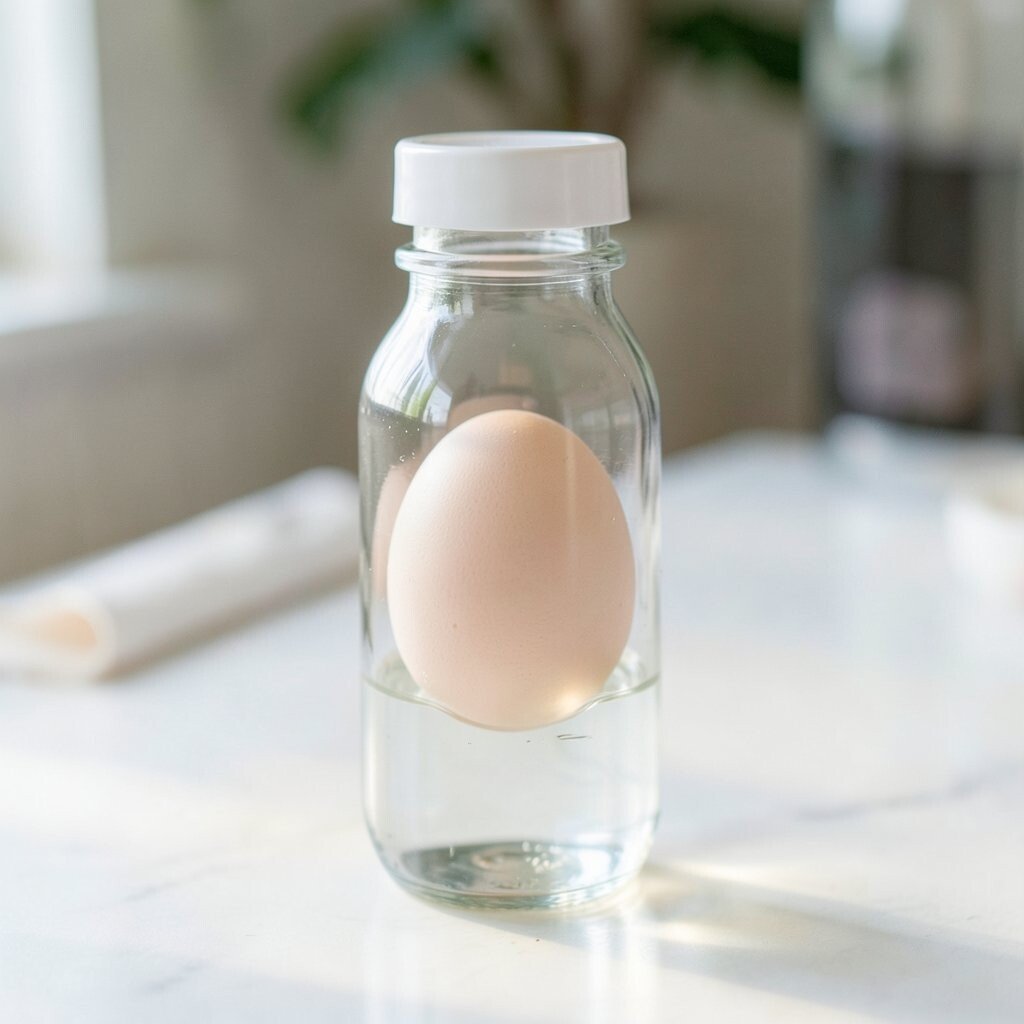
Warm air inside a bottle can pull a peeled hard-boiled egg into the opening with a loud pop. The egg seems to jump by itself, which makes the whole room pay attention.
This classic demonstration is memorable because the egg changes position in a very dramatic way. It is cheap if the bottle and egg are already available, and families can talk about air pressure using simple words and everyday examples.
Older children may enjoy trying different bottle sizes or comparing results with an unpeeled egg for a quick twist. Careful adult help is important here, and a sturdy table keeps the setup safe and steady.
11. Homemade Slime Lab

Mix glue, a safe activator, and a little water to make stretchy slime that can be pulled, folded, and squished. The glossy texture and slow drip give kids a strong sensory experience.
This activity is popular because it feels modern and keeps changing as children knead it. It can be personalized with glitter, beads, color, or scents, and families can choose budget versions by using small batches and simple ingredients.
Slime also opens a gentle path into chemistry, since children can notice how mixing changes texture. A washable table cover makes cleanup easier, and measuring cups help children practice careful pouring while they work.
12. Orange Peel Balloon Burst

Hold a peeled orange near a blown-up balloon and press a bit of the peel against the rubber surface. Tiny oils from the peel can make the balloon pop in a surprising flash.
The sudden burst always gets a reaction, and the bright peel helps kids see that the experiment is about more than fruit. It is inexpensive and uses everyday kitchen items, which makes it a great choice for families who want a quick science moment.
Because the pop is dramatic, some children like to test different citrus fruits and compare how strong the effect seems. A safe distance and clear rules help the experiment stay fun, and a dark balloon can make the burst easier to notice.
13. Pepper Skitter Water

Sprinkle black pepper over a bowl of water, then touch the center with a soap-covered finger. The pepper races away from the touch and gathers at the edges.
This tiny scene looks like a magic trick, yet it shows how soap changes the water’s surface. Families like it because the supplies are cheap, the setup is fast, and the result is easy for even young children to see.
It can be personalized with cinnamon, glitter, or a few drops of color in the water, though the pepper is the easiest to spot. A shallow white bowl makes the movement stand out, and a patient hand keeps the reaction clean and clear.
14. Floating Paperclip Challenge

Carefully place a paperclip on top of water so it appears to float on a tiny skin. A drop of dish soap nearby breaks the surface tension and sends the clip down.
The first floating moment is often the most exciting because it seems impossible at first glance. This experiment is low cost, very visual, and simple enough to repeat with different clip sizes or with a small piece of foil.
Homeschool families can turn it into a short competition by seeing who can place the clip most gently. A dry paper towel and a steady hand matter a lot here, and the lesson fits well into a short science break.
15. Seed Jar Sprout Study

Line a clear jar with damp paper towels and tuck seeds between the paper and the glass. Roots and green shoots soon appear right where children can watch them grow.
The glass jar turns the hidden life of a seed into a living picture, which is both pretty and useful. It supports lessons about plants, care, and patience, and it can be personalized by using bean seeds, sunflower seeds, or herbs.
This is a low cost project with a strong trend toward home gardening and food awareness. A sunny window and a little water each day help the process, and children can draw the changes in a notebook for extra learning.
16. Mentos Soda Fountain

Drop Mentos candy into a bottle of soda and watch a tall fountain erupt upward. The sudden spray looks wild and energetic, which is why it has become such a famous home science activity.
The burst teaches about gas release in a way that feels big and memorable. It is best done outside, and families can keep the cost low by using a single bottle and a few candies while still getting a dramatic result.
Some children like timing the fountain or trying different soda flavors to compare height. A wide open space, a quick step back, and a camera ready to record make the experience feel even more special.
17. Dry Erase Drawing On Water

Draw simple shapes on a smooth plate or glass with dry erase markers, then gently add water and tilt the surface. The floating drawings can slide loose and drift like tiny animated sketches.
The colors and motion are very eye catching, which makes this a fun way to mix art and science. It is inexpensive, easy to personalize with different images, and a good fit for families who enjoy creative learning projects.
This experiment works best with smooth surfaces and fresh markers, so a quick test line helps before making a full picture. Children can predict what will float best, and that small challenge adds another layer of thinking.
18. Simple Baking Soda Paint

Mix baking soda into paint and brush it onto thick paper, then add vinegar drops to watch it fizz and spread. The reaction makes colorful bubbles and soft foamy shapes that look lively and bright.
This one blends art with chemistry in a way that feels fresh and modern. It can be set up with low cost supplies, and families can personalize the page with initials, flowers, rockets, or abstract patterns.
It is also easy to adjust for different ages by using large brushes for younger children and droppers for older ones. A tray under the paper catches drips, and thick paper helps the artwork stay strong while the fizz happens.
19. Invisible Ink Lemon Notes
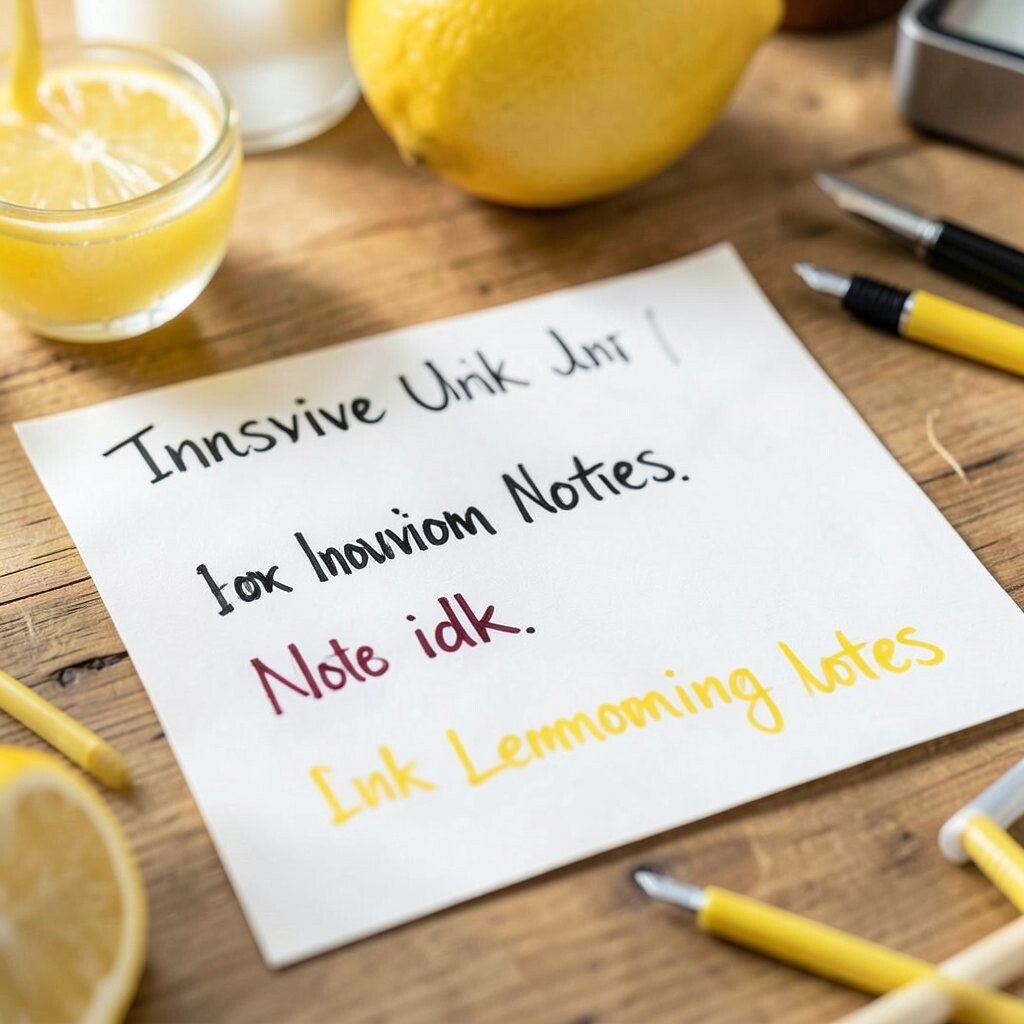
Use lemon juice to write a secret message on paper, then gently warm the page with adult help. The words turn brown and appear like a hidden note from an old storybook.
This experiment feels special because the message is unseen at first and then slowly comes to life. It is low cost and easy to customize by using different paper colors, fun messages, or simple drawings instead of words.
Children often enjoy using it for treasure hunts, spelling practice, or surprise notes for family members. A careful heating method is important, and a clear space for drying keeps the paper from smudging before the reveal.
20. Straw Rocket Launch

Make a paper rocket and slide it over a straw, then blow to send it flying across the room. The rocket streaks forward in a quick flash, making a neat indoor launch game.
This activity gives a clear look at force and motion, and kids can feel proud when their design travels farther. It is inexpensive, easy to personalize with colors or stickers, and a great choice for families who like fast-moving challenges.
Many homeschoolers enjoy comparing nose shapes, wing sizes, or paper weights to see which rocket performs best. A long hallway or open room works well, and a gentle launch lets children repeat the test without much cleanup.
21. Water Walk Through String

Thread cotton string through a paper cup, fill the cup with water, and tilt it slowly so the water follows the string. The flow looks unusual because the water seems to travel where it should not.
The effect gives children a fun reason to ask questions about movement and absorbent materials. It is low cost, simple to prepare, and easy to personalize with colored water, decorated cups, or a race between two strings.
This activity fits well into current interest in simple STEM challenges that use everyday items in new ways. A calm pour helps the water move along the string, and a towel below the cup makes cleanup easy if a few drops escape.
22. Mini Sunprint Art

Arrange leaves, lace, or toy shapes on sunprint paper and set it in bright light for a short time. The paper shifts color around the objects, leaving behind crisp pale outlines that look magical.
The finished print is beautiful enough to frame, which gives the experiment a lasting reward. It is a little more costly than some pantry projects, but families often enjoy it because the result feels special and can be personalized with nature walks, favorite toys, or seasonal shapes.
It also connects science with outdoor time, which is a strong trend in home learning these days. A flat board, a sunny spot, and careful timing help create clear shapes, and the final print becomes a keepsake that reminds children science can be artistic too.