
Your floors set the mood the moment you walk in. Small installation choices can make a big difference in comfort, style, and daily life.
1. Floating Engineered Wood Planks

Floating engineered wood planks give you the look of real hardwood without the same level of moisture worry. You will see warm grain patterns and a smooth, clean finish underfoot.
Plan your subfloor carefully before installing. Use the recommended underlayment for sound control and slight cushioning, and keep expansion gaps along walls for seasonal movement. Many homeowners love how fast this system can feel compared with nail-down floors, especially in lived-in homes.
2. Wide-Plank Laminate for a Modern Glow
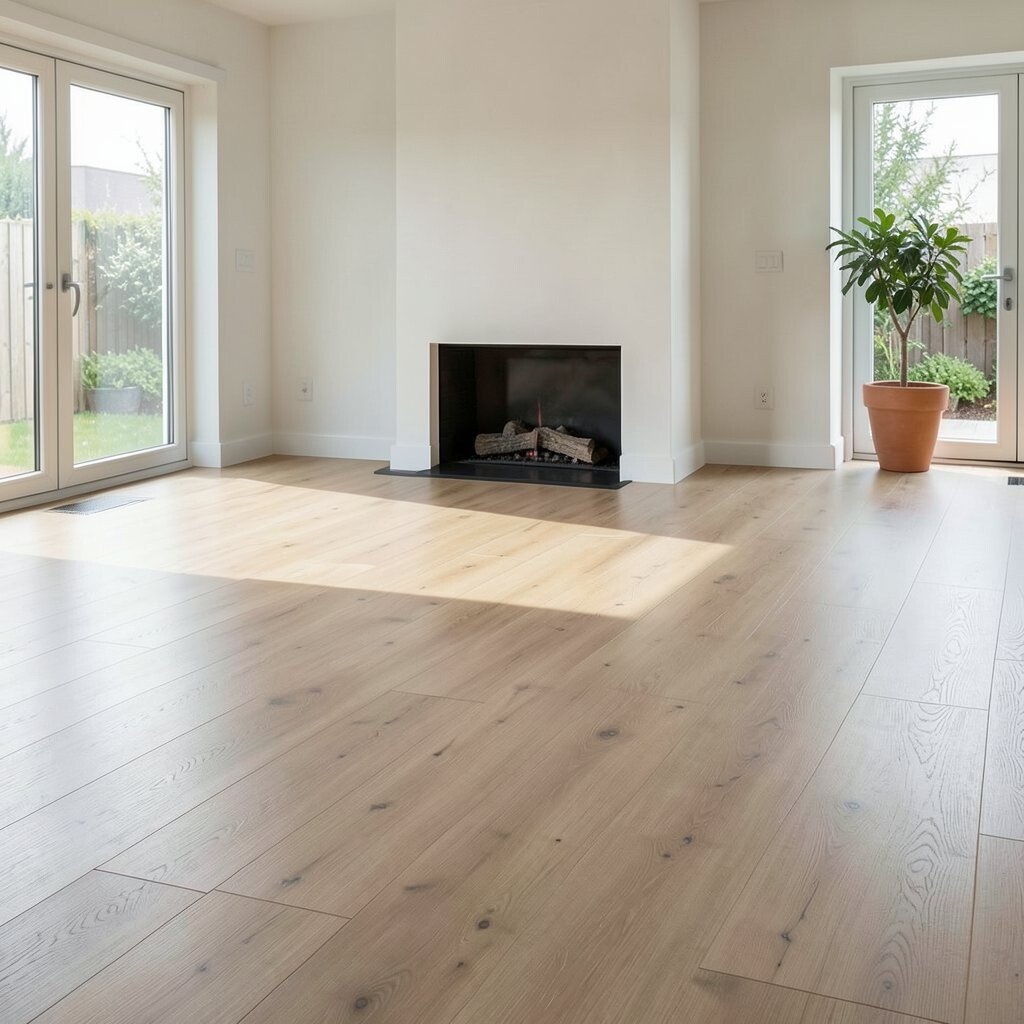
Wide-plank laminate brings a sleek, modern look with less visual clutter. The surface can mimic oak, walnut, or even brushed textures that catch light beautifully.
Choose an AC rating that matches your foot traffic so the finish stays crisp. For a more natural look, stagger the plank joints like brickwork and use matching trims at doorways. If you want extra realism, pick patterns with varied knots and color tones so your room looks less “repeating.”
For cost planning, laminate often lands below engineered wood while still delivering style. Consider sample swatches in different daylight hours so you pick a color that flatters both morning and evening lighting.
3. Vinyl Plank With Click-Lock Ease

Click-lock vinyl plank can feel surprisingly sturdy and soft at the same time. You get a flexible floor that looks great in kitchens, hallways, and busy family spaces.
Before you start, check for flatness and fix any dips or high spots in the subfloor. Lay planks in the direction that matches how your eye travels through the room, which helps everything look longer and calmer. Many people also enjoy how quiet it feels when you walk, especially with the right underlayment.
If you enjoy personalization, mix a wood-look plank with a small border strip at the room edges. When it comes to cost, vinyl typically offers an approachable price and can reduce installation hassles. Look for wear layers that fit your lifestyle so the surface stays attractive longer.
4. Tile-Ready Porcelain for Durable Rooms

Porcelain tile installation can create a solid, lasting foundation that handles spills and daily messes. You can picture wide tiles with subtle veining or smaller patterns that feel cozy and detailed.
Make sure your subfloor is properly prepared for tile weight and movement control. Use a level system for even spacing and choose grout colors that hide small stains. If you want a current look, try large-format tiles paired with minimal grout lines for a clean, airy style.
5. Peel-and-Stick Linoleum Style Sheets

Peel-and-stick floor sheets give you the charm of classic linoleum with a more beginner-friendly install. The pattern can look playful, like retro kitchen floors, yet it stays neat and tidy under everyday life.
Start by cleaning the subfloor until it feels smooth and dry, because adhesion depends on that surface. Measure twice and plan seams so they land where cabinets or furniture will cover them. For a personalization twist, match a bold pattern to a simple room palette so the floor becomes the main visual star.
In many homes, this option can be budget-friendly because it skips some heavy materials and tools. Choose sheet thickness and a protective finish that suits your traffic level, especially for entryways and homes with pets.
6. Cork Flooring for Warmth and Sound

Cork flooring looks natural and feels gentle underfoot, like a soft landing. You will notice earthy speckles and warm tones that blend well with modern and rustic rooms.
It also helps reduce noise, so footsteps and dropped items feel less sharp. For the best results, seal it properly and follow acclimation instructions so the planks handle humidity changes. Many homeowners like using cork in bedrooms, playrooms, and home offices because it creates a calmer atmosphere.
When thinking about cost, cork may cost more than some vinyl or laminate, but it can pay off through comfort and potential longevity. If you want personality, pick a lighter cork for airy spaces or a richer tone for a cozy, library-like feel.
7. Herringbone Pattern With Engineered Panels

Herringbone gives instant drama and makes a room feel designed, not just furnished. Engineered panels in this layout show crisp edges and a lively zigzag rhythm that draws the eye.
Installation takes patience, but planning helps a lot. Lay out a test section to confirm your center line and to see how the pattern behaves with your room shape. Use the right adhesive or locking system for your specific product so each panel stays stable, especially where foot traffic changes.
To keep costs manageable, focus the herringbone look on a main area like a living room or entryway and use a simpler plank style in adjacent spaces. If you want a trend-forward finish, choose whitewashed or smokier tones that pair well with neutral walls and warm lighting.
Personalize the final look by adding matching transitions at thresholds and using baseboards that frame the pattern cleanly. You will get a polished effect that feels custom without needing an entire home makeover.
8. Bamboo Flooring for a Clean, Eco-Friendly Look

Bamboo flooring creates a light, airy vibe with straight grain lines or subtle striping. When installed well, it can look smooth, modern, and bright, even in smaller rooms.
Because bamboo is often made for durability, many people appreciate how it holds up to everyday life. Make sure your subfloor is solid and level, and use the manufacturer’s underlayment for stability and comfort. If you want a quieter room, prioritize sound-reducing underlayment and keep furniture pads handy.
For cost considerations, bamboo usually sits in a mid-range spot, depending on thickness and finish. Consider your lifestyle when choosing hardness and finish type, especially if you have pets or heavy rolling chairs. A satin finish can hide minor scuffs better than a super glossy surface.
9. Micro-Concrete Look for an Industrial Style

A micro-concrete style floor can look smooth and architectural, with subtle mottling that feels modern. You might imagine gray tones, warm undertones, or even a soft sand color that brightens your space.
This type of finish can be a strong choice for open-plan homes that need a continuous surface. Proper preparation is crucial, including a stable base and correct curing, so it stays strong and consistent. Many homeowners like the way it pairs with metal fixtures, concrete countertops, and simple furniture shapes.
Because it can involve more specialized materials, cost planning matters more here than with click-lock floors. Ask about total system options that include primers and sealers, and make sure your expected traffic level matches the finish. For personalization, you can create gentle color variations or stain accents that mimic natural stone.
10. Traditional Hardwood With Nail-Down Character

Nail-down hardwood offers classic beauty and a timeless feel you can sense when you walk. The rich color and the crisp plank structure can make even a basic room look elevated.
Installation works best when the subfloor is ready for nailing, so start with a flat, sturdy base. Acclimate the wood and keep humidity in the safe range for long-term stability. If you like a more authentic look, choose boards with character marks and varied grain that make the floor feel truly lived-in.
Cost varies widely depending on species and board thickness, but hardwood can be a long-term investment. Consider refinishing plans so you can refresh the color down the road without replacing everything. For a modern twist, stain a little darker near the baseboards and lighten the overall room with bright wall paint.
11. Raised Flooring Panels for Easy Access
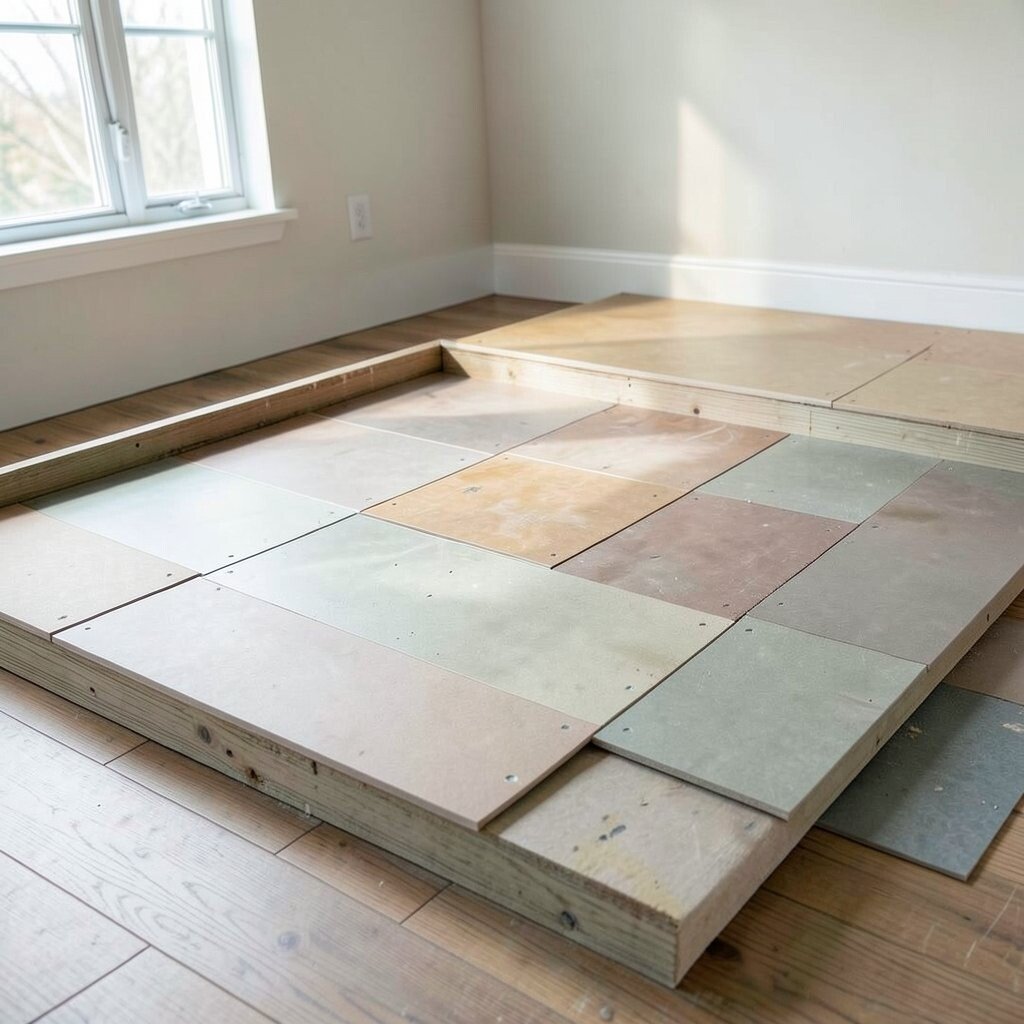
Raised flooring panels can be a clever choice when you want hidden access for wiring, cooling, or future upgrades. Visually, it can give a clean, architectural feel with defined sections and a sturdy look.
This setup is especially appealing for home studios, offices, and tech-focused rooms. Plan the layout early so panel edges align with furniture placement and doors open smoothly. Choose a top surface that matches your style goals, such as wood-look tiles or durable laminate panels.
In terms of cost, raised systems can run higher than standard flooring, but they can save money later if you expect changes. If you like personalization, map panel sizes that match your decor scale so the room looks intentional. You can also choose finishes that handle cables, power strips, and occasional equipment movement without worry.
12. Pergo-Style Laminate With Attached Underlayment
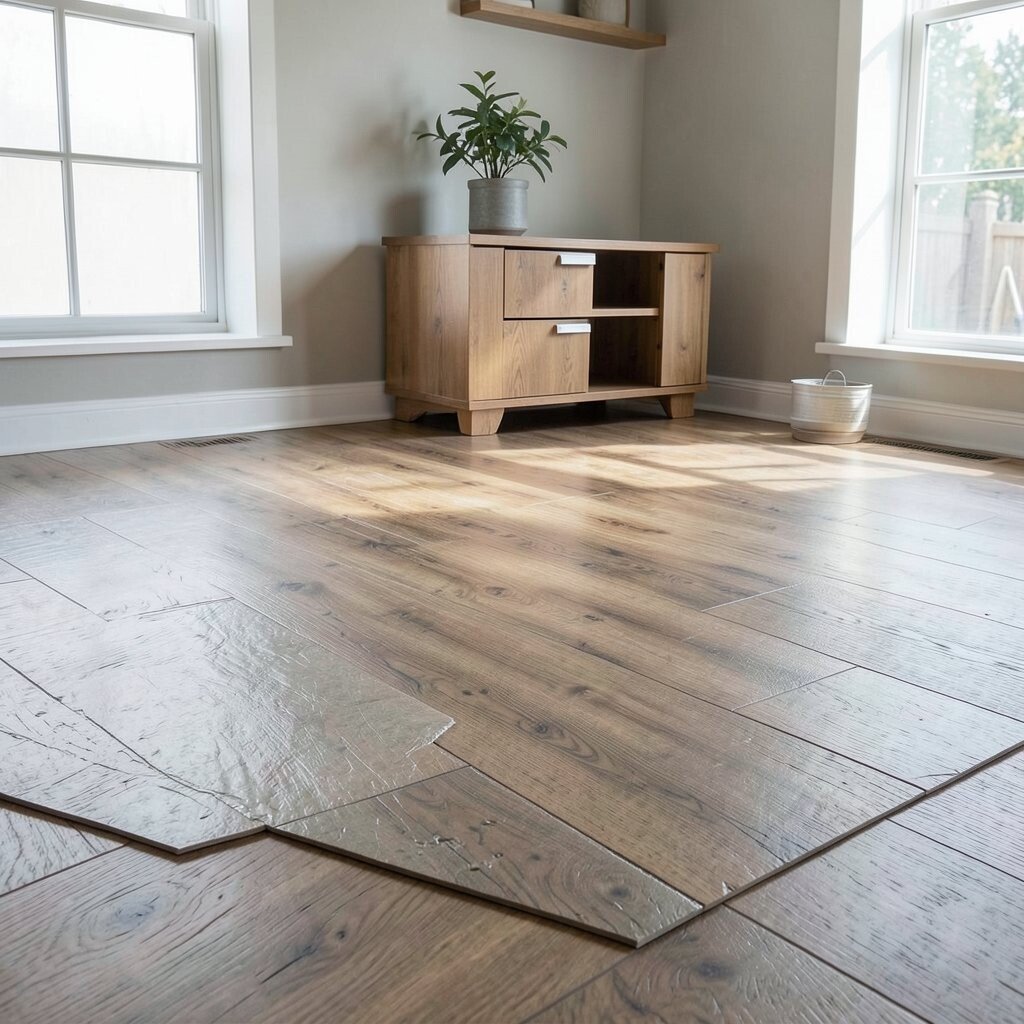
Laminate systems with attached underlayment can make installation feel smoother and less tool-heavy. The floor surface usually looks even and tidy, with realistic textures that mimic wood grain.
Before you lay it down, clear dust and confirm the subfloor is clean, dry, and level. Use spacers for consistent expansion gaps and keep edges aligned so the room looks straight from corner to corner. Many homeowners appreciate the comfort underfoot, especially in rooms where people stand for cooking or crafts.
For cost planning, built-in underlayment often reduces extra purchases while still delivering a solid result. Trends today lean toward warmer wood tones and subtle variation, so pick a shade that pairs well with your current cabinets or furniture. Personalize by changing the board direction between rooms to create a gentle flow that feels custom.
After installation, use manufacturer-approved cleaners and protective felt pads to keep the finish looking fresh. If you ever want to update later, laminate can be replaced room by room, which makes home styling easier over time.