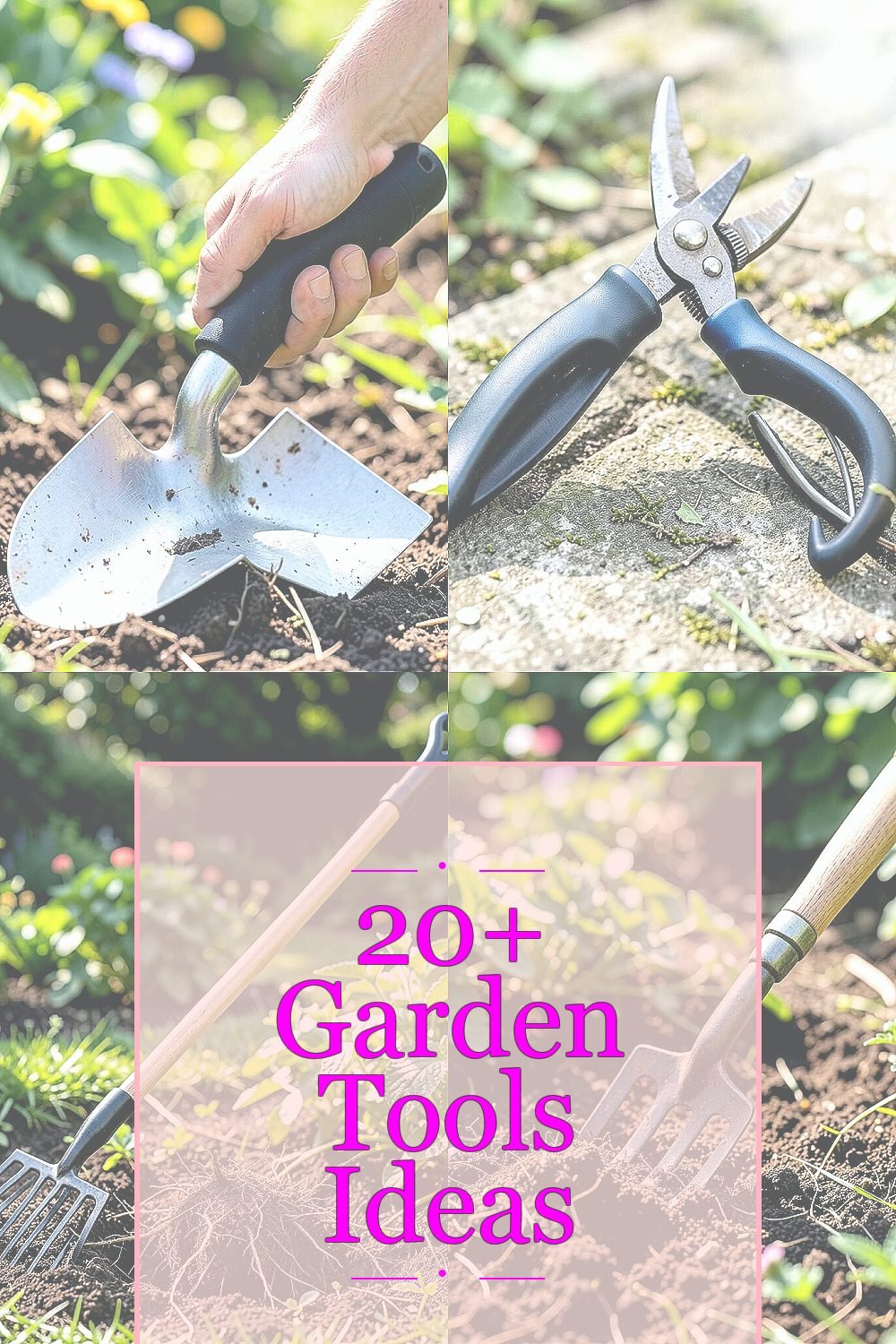
The garden has a way of teaching you through small wins. With the right tools in hand, those wins come faster and feel better.
1. Hand Trowel With a Comfort Grip

You’ll reach for a hand trowel again and again, and it should feel good doing it. The metal blade slips into soil like a steady spoon, while the handle sits firmly in your palm.
Use it for planting seeds, setting small plants, and breaking up stubborn clumps. If your soil is heavy, choose a slightly wider blade and keep your wrist relaxed to avoid strain. For personalization, mark the handle with a color band for transplanting versus weeding.
2. Ergonomic Pruning Shears for Clean Cuts
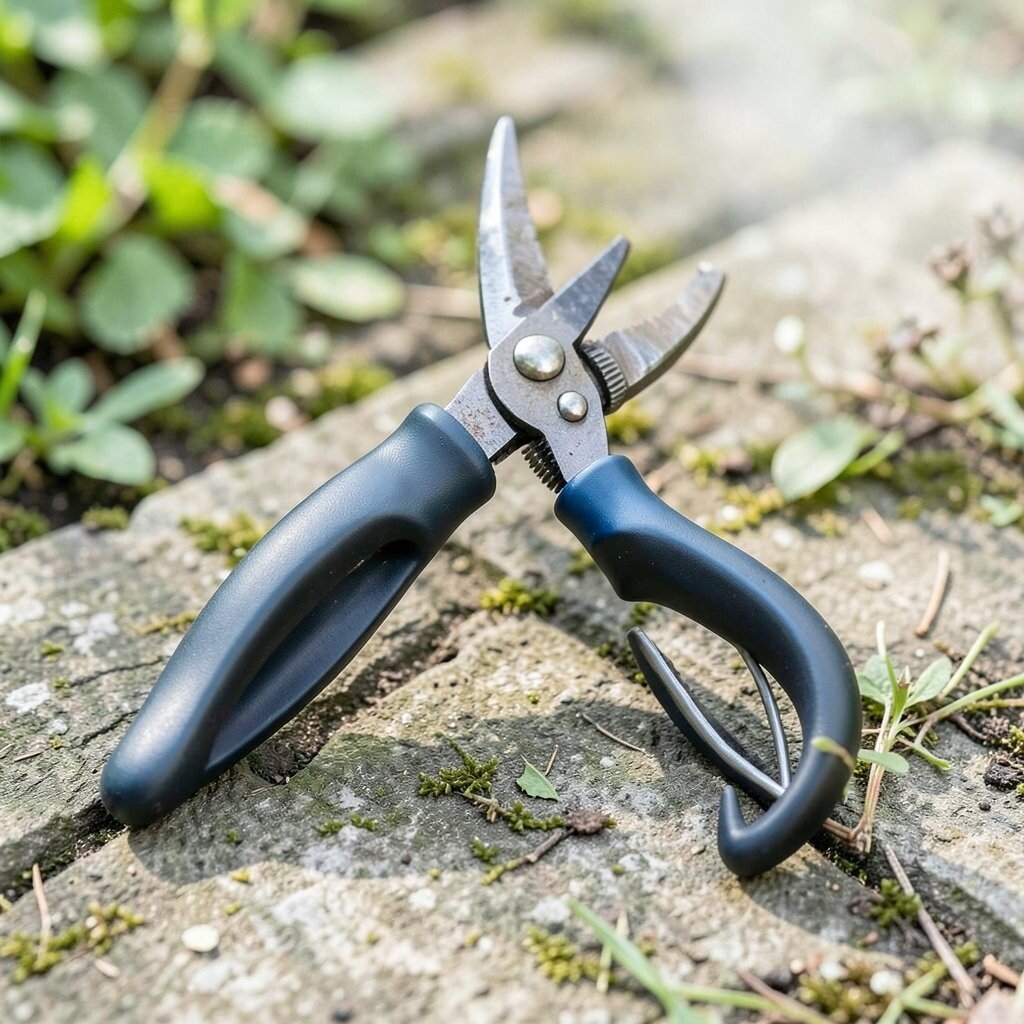
Pruning shears can look simple, but the difference is huge when the blades are sharp. Picture shiny steel cutting through stems with a crisp snap, leaving edges that callus neatly.
Clean cuts help plants heal faster and can reduce disease spread. For best results, sharpen the blades when they start to snag and wipe them after cutting diseased growth. Choose bypass pruners for living stems and take your time with angle and pressure for smoother work.
If you’re budget-minded, look for mid-range shears with replaceable blades and a solid spring. A popular trend is pairing shears with a small blade-cleaning cloth, so keep one in your garden bag for quick maintenance.
3. Long-Handled Weeder for Tough Roots

A long-handled weeder feels powerful because it gives you leverage. When you pull, the tool lifts weeds and loosens roots while you stand more upright.
Use it between plants to reduce digging damage and keep your beds looking tidy. Aim for small, repeated pulls rather than yanking, and work in short sessions after watering when soil is softer. If you want a personal twist, wrap the handle with extra grip tape and add a tag showing which crops you’re careful around.
For cost planning, you can start with a basic model and upgrade only if it feels wobbly. Many gardeners now prefer tool shapes that protect knees by lowering bending, which makes a big difference during busy seasons.
4. Garden Fork for Aeration and Soil Lifting
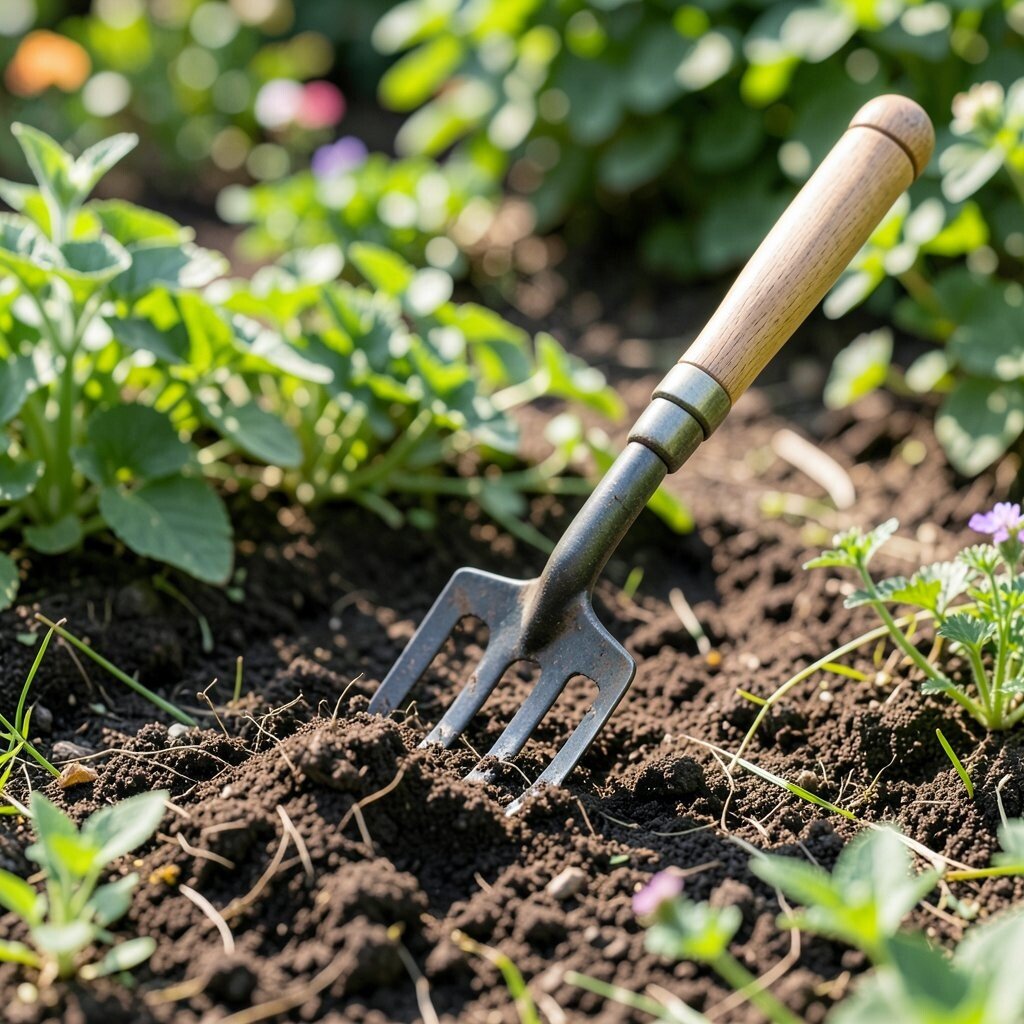
A garden fork isn’t just for digging; it’s for giving your soil a breath of air. Its tines create neat impressions that look almost like tiny rake marks, only deeper and more supportive.
Loosen compacted ground, mix in compost, and turn over cover crops with less strain than a spade for many tasks. Try using it when the soil is slightly damp so it breaks apart in manageable clumps. If your garden has lots of clay, work in layers and avoid over-turning too often.
5. Sturdy Spade for Bed Building

A spade is the tool that helps you shape beds with confidence. It feels heavier than a trowel, and that weight helps you cut clean edges through turf.
Use it to remove sod, create trenches, and dig planting holes for larger plants. Keep the blade clean so it slices smoothly, and store it so moisture doesn’t rust the metal. A fun personalization idea is to paint the handle end a bright color so you can grab it instantly in low light.
When thinking about cost, spend a bit more if you find a spade with a comfortable handle and a sturdy blade. Current trends lean toward tools with ergonomic grips and durable finishes because gardeners want fewer replacements.
6. Soil Moisture Meter for Smarter Watering
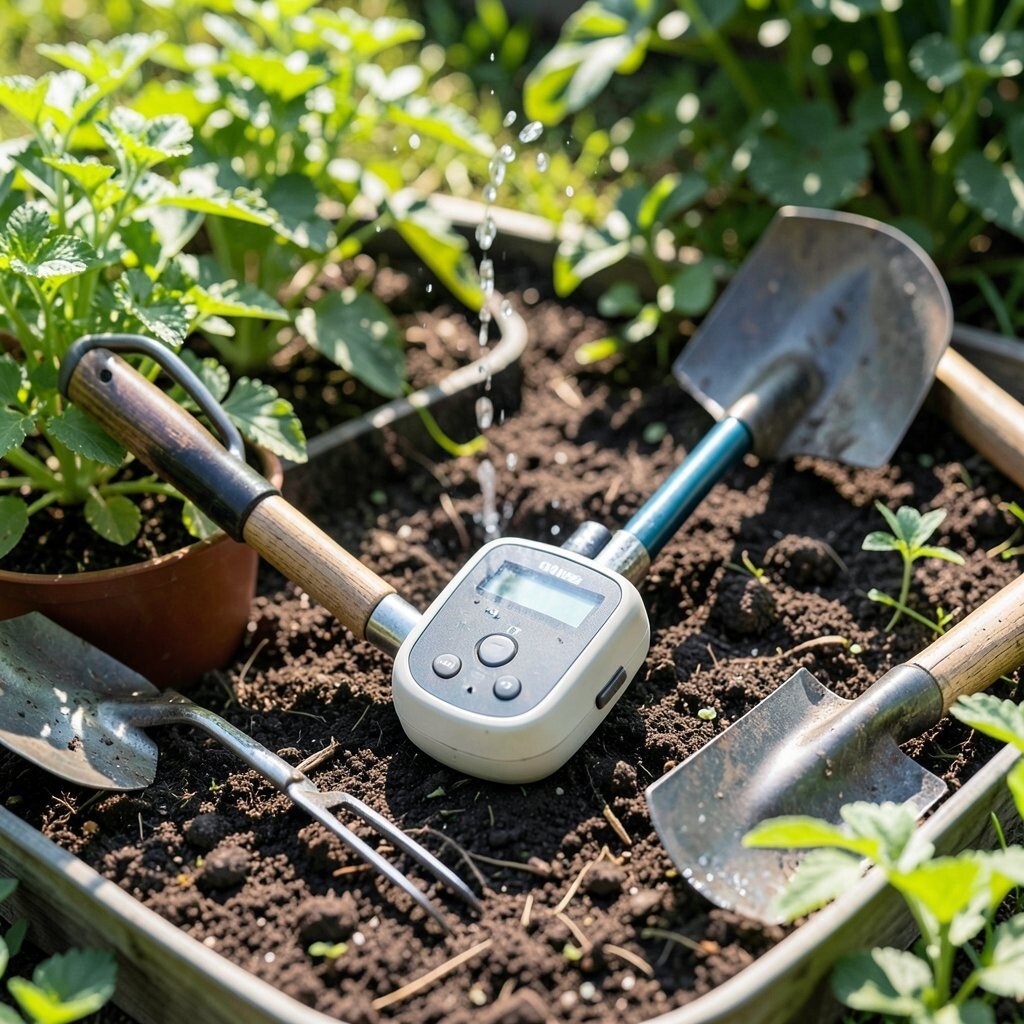
A soil moisture meter is small enough to fit in your pocket, yet it changes how you water. You insert the probe and watch the reading, like a quick check-up for your plants.
It helps you avoid watering out of habit and instead water when plants actually need it. Push the probe near root zone area, not right beside thick stems, and take a couple readings across the bed. For personalization, keep a sticky note in your phone with your usual schedule so you learn your garden’s pattern.
7. Watering Can With a Rose Nozzle

A watering can with a fine rose nozzle turns a hard stream into gentle rain. You’ll see droplets scatter like mist, which keeps seedlings from getting washed away.
Use it for newly planted seeds, hanging baskets, and slow, targeted watering. A wide spout makes it easier to water near the base without soaking leaves. If you want to make it yours, choose a can in a happy color and add a small clip to hold a label for plant names.
For cost considerations, a simple plastic can works for many gardens, but a metal one lasts longer if you’re rough on tools. Many gardeners today like slim, lightweight cans because they’re easier to carry up stairs.
8. Expandable Hose Reel for Less Tangling

An expandable hose reel keeps the hose from turning into a messy knot. You’ll notice how it retracts neatly, and the garden path stays clear while you work.
Use it for watering larger areas and rinsing tools without dragging heavy sections across beds. Start with water pressure that matches the hose, and avoid leaving it in direct sun when it’s not in use. If you want personalization, mount the reel at a comfortable height and wrap a bright ribbon around the nozzle so you find it quickly.
On cost, expandables can be budget-friendly, but stronger braided options usually last longer. A current trend is using lightweight hoses for easier movement, especially for small yards with lots of containers.
9. Soaker Hose for Steady Root Watering
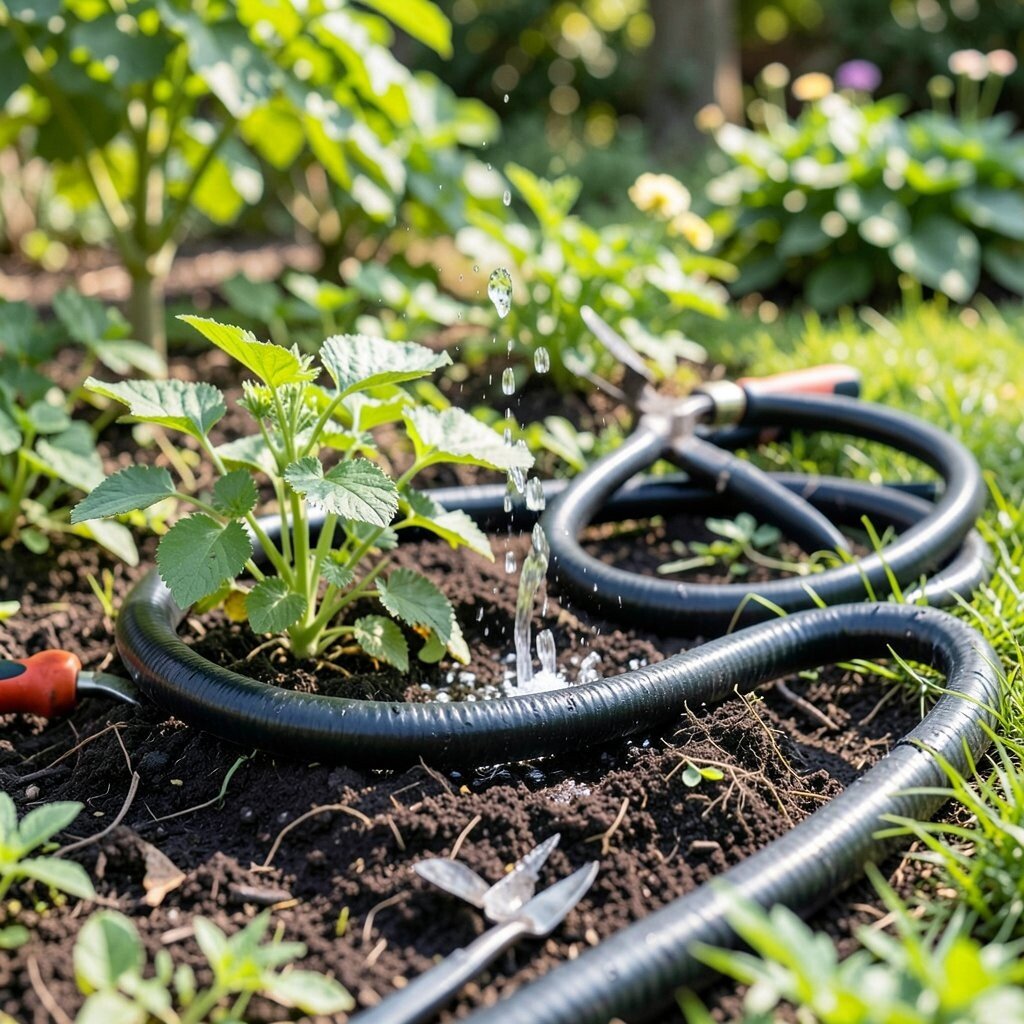
Soaker hoses look like soft fabric tubing laid across soil. When the water turns on, you can almost see a slow, even wet line spreading where roots need it.
They help you water deeply and reduce leaf wetness that leads to fungal problems. Place the hose along plant rows or under mulch, then use a timer if your schedule is busy. For personalization, add small markers so you know where the hose sits after you’ve moved mulch or rearranged pots.
10. Garden Gloves With Reinforced Fingertips
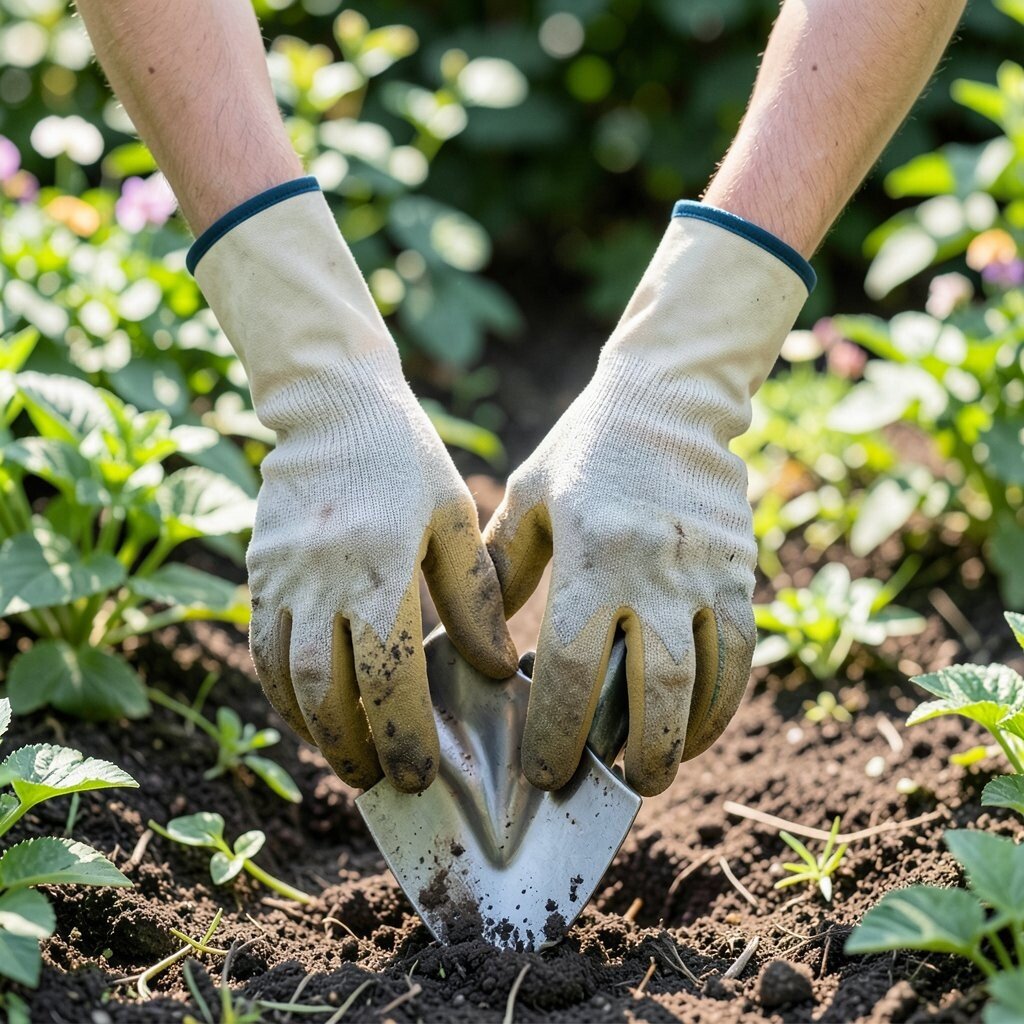
Gloves change everything about comfort, because your hands stop worrying about scrapes and dirt. With reinforced fingertips, you can feel small textures while still staying protected.
Wear them for weeding, transplanting, and handling thorny plants. Choose a breathable pair for warm days and a thicker option for rough soil. To personalize, match glove color to your plant bed theme so you can spot them fast during morning work.
If you’re thinking cost, don’t just judge by price; check stitching and finger reinforcement since those wear first. Many gardeners now prefer gloves that grip well for small tasks because they help you work carefully without dropping tools.
11. Kneeling Pad for Longer Gardening Sessions
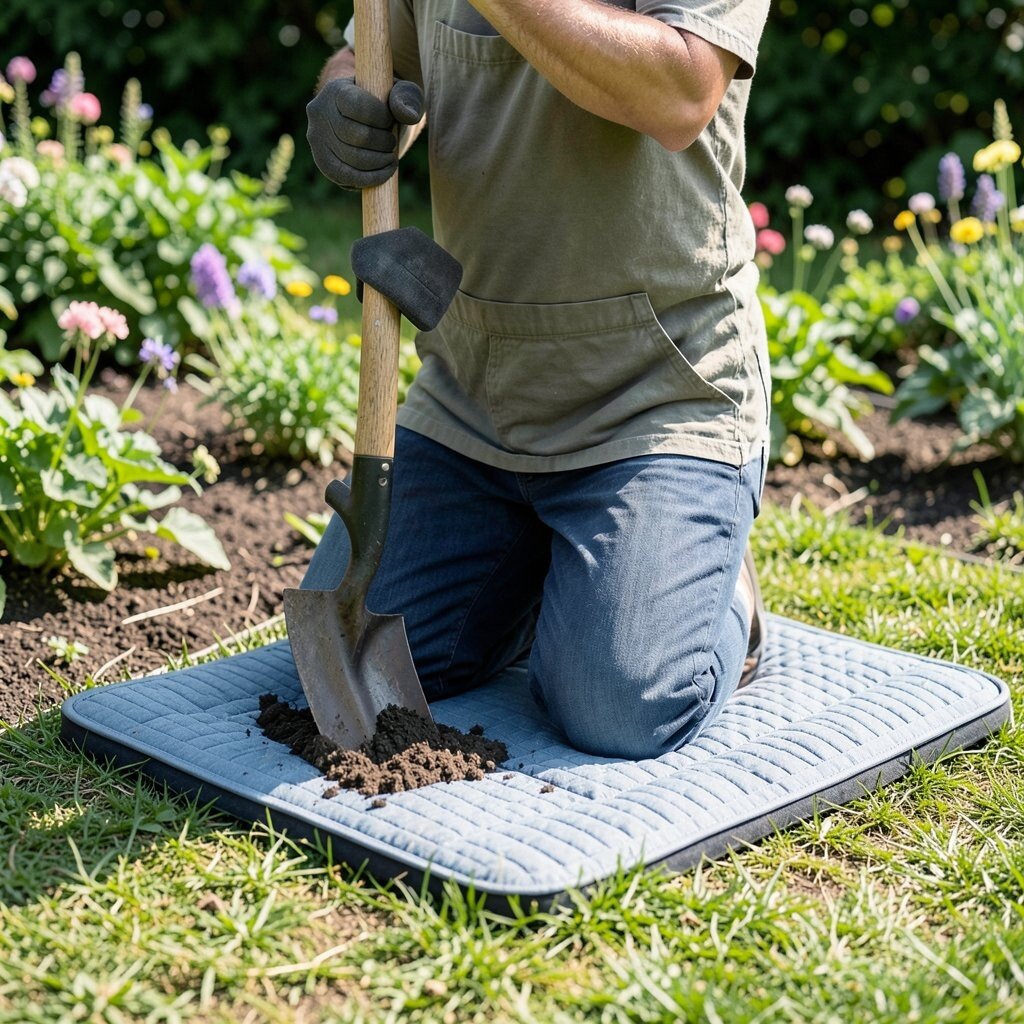
A kneeling pad turns hard ground into a softer workspace. You’ll feel the difference right away, especially when you garden for an hour or two without rushing.
Use it for planting, weeding, and container work where you bend low. Look for a pad that’s easy to clean and comfortable enough to support your knees and back. Personalize it by choosing a bright pattern so you’ll actually want to leave it by your tools instead of hiding it.
12. Leaf Rake for Clean Beds and Mulch Lines
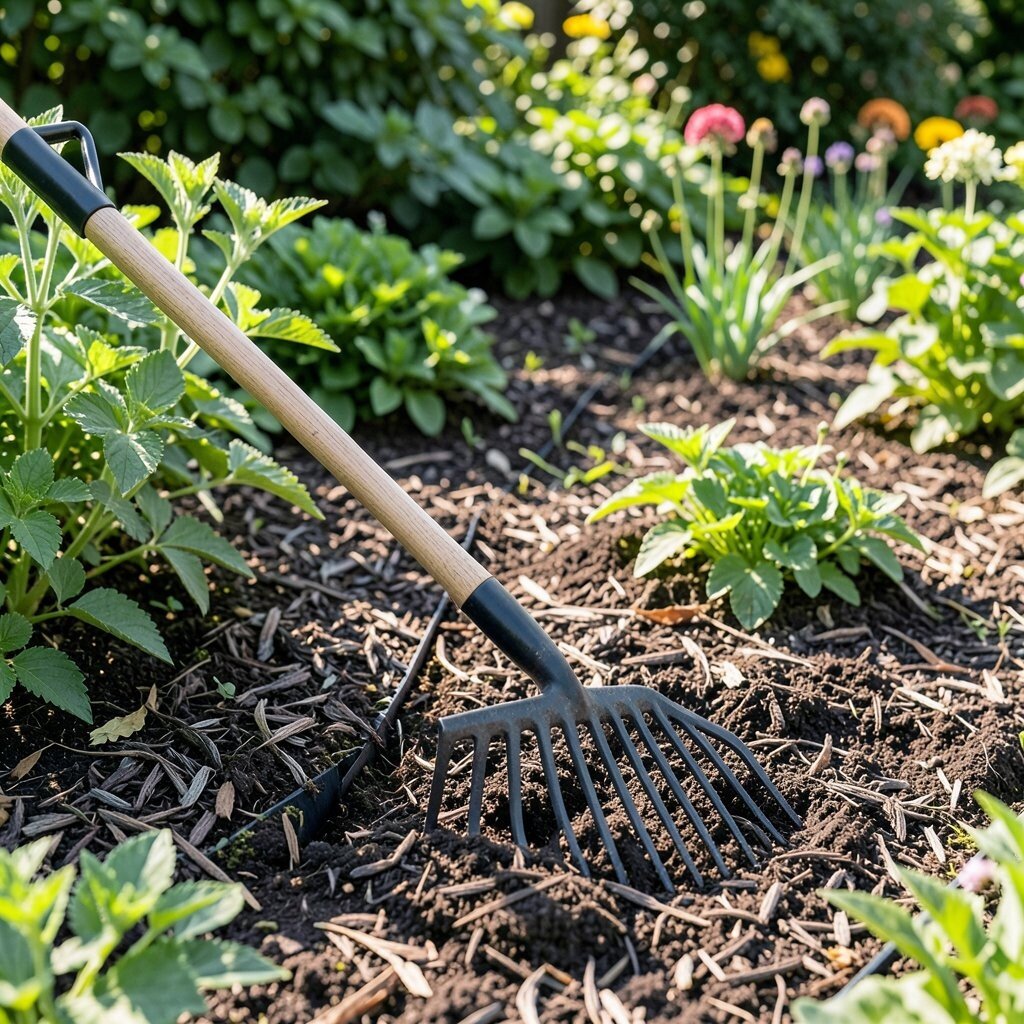
A leaf rake makes your garden look neat in minutes. You can see loose leaves gather into tidy rows, and mulch stays in place instead of smearing everywhere.
Use it for clearing debris, leveling compost, and pulling light thatch off lawns. A rake with flexible tines is gentle on young plants, while stiffer tines work better for heavier cleanup. For personalization, keep a second small rake for tight corners and label them by size with marker paint.
For cost, you can start with a basic rake, but a sturdier handle helps during longer sessions. A trend you’ll notice is gardeners using rakes to tidy pathways between raised beds for that crisp, designed look.
13. Stand-Up Scraper for Lawn and Path Cleanup
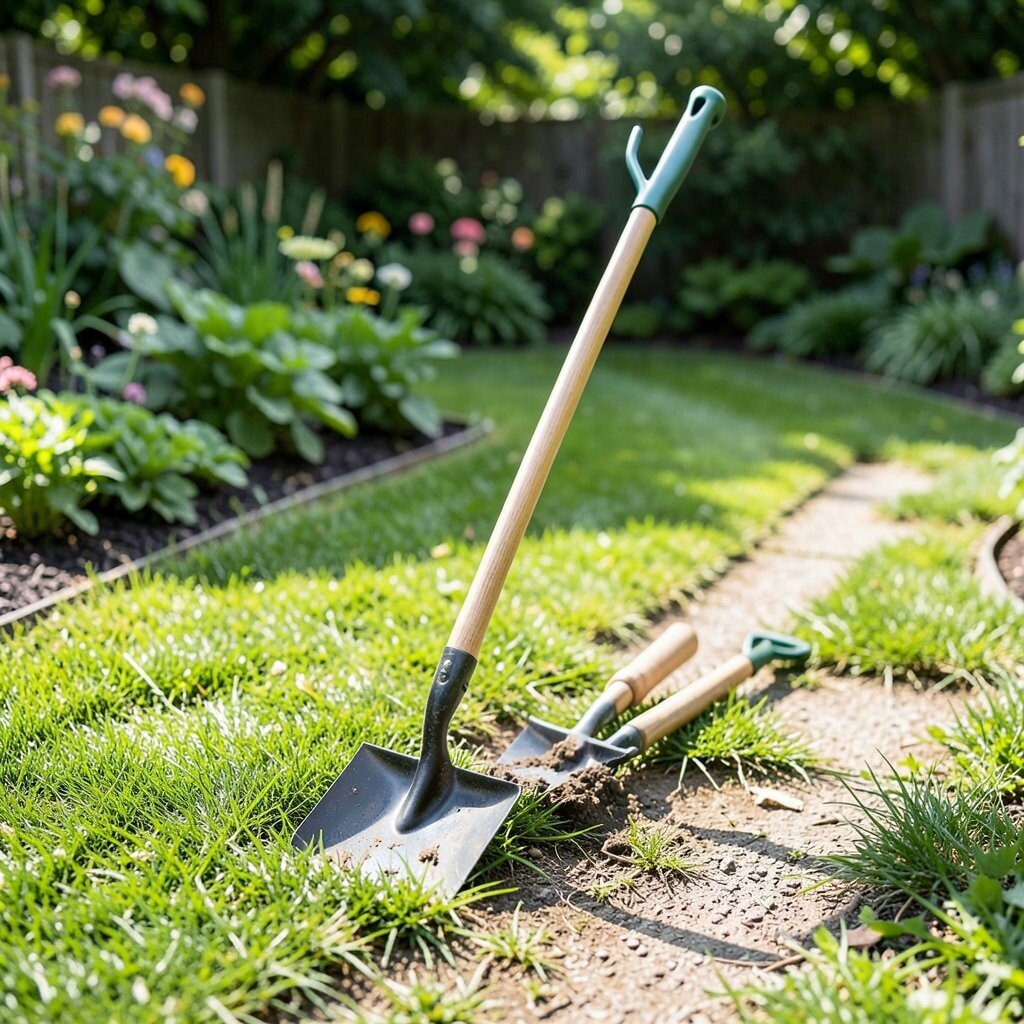
A stand-up scraper helps you tidy without bending over again and again. It drags across soil or pavement with a firm motion, lifting debris like you’re brushing away dullness.
Use it for removing weeds in cracks, scraping off old mulch, and cleaning up walkway edges. Keep the blade sharp and adjust the angle so you don’t gouge surfaces. Personalize by choosing a handle length that matches your height, which can make yard work feel easier and safer.
14. Hand Cultivator for Easy Bed Maintenance
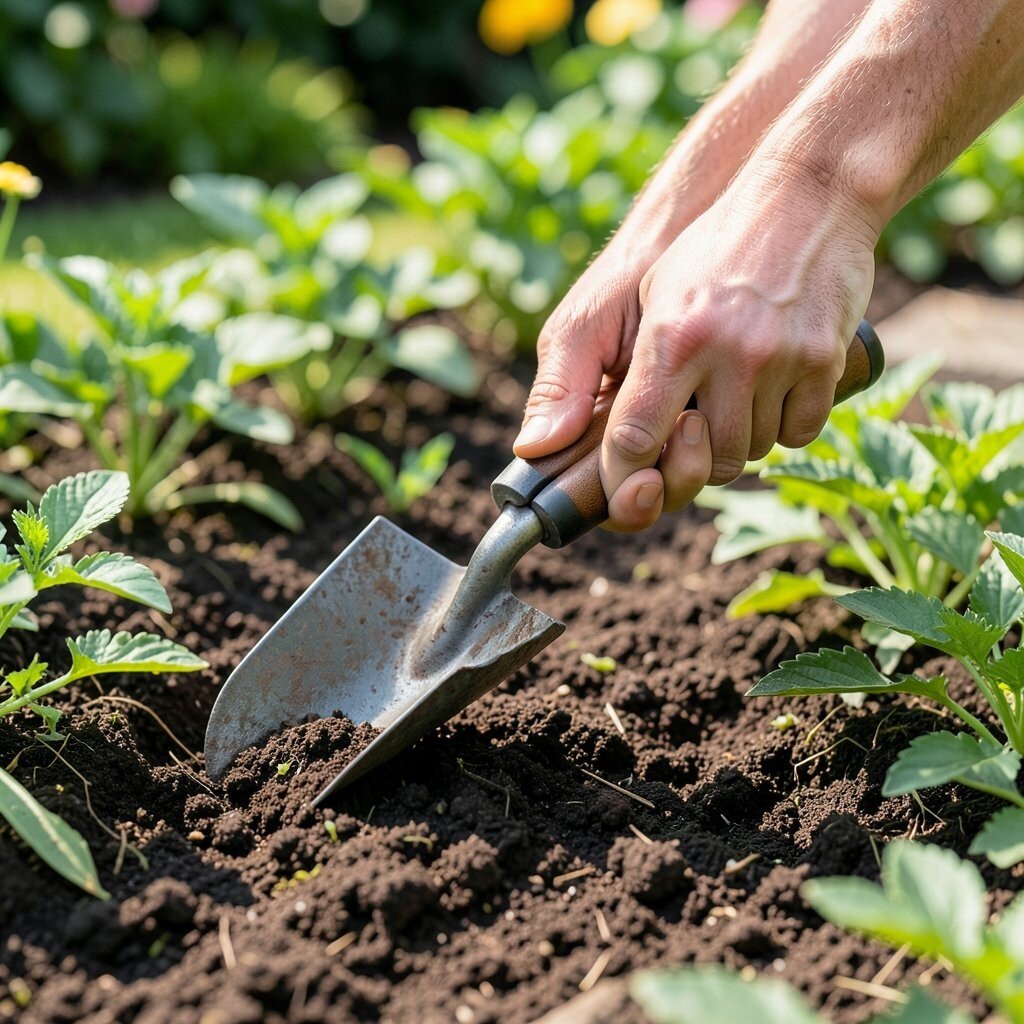
A hand cultivator looks like a small tool with sharp little arms. When you move it through topsoil, it breaks crusty layers and loosens weeds before they spread.
Use it on the surface for quick weeding and light aeration between plants. Work after watering so soil crumbles, then finish with a light layer of mulch if your bed needs it. For personalization, pick a cultivator with a comfortable handle shape and add a grip wrap if you garden often.
Cost-wise, cultivators are usually affordable, which makes them a great starter tool. Many current gardening routines include frequent surface loosening because it saves water and keeps roots healthier.
15. Compost Sifter for Fluffy, Even Texture
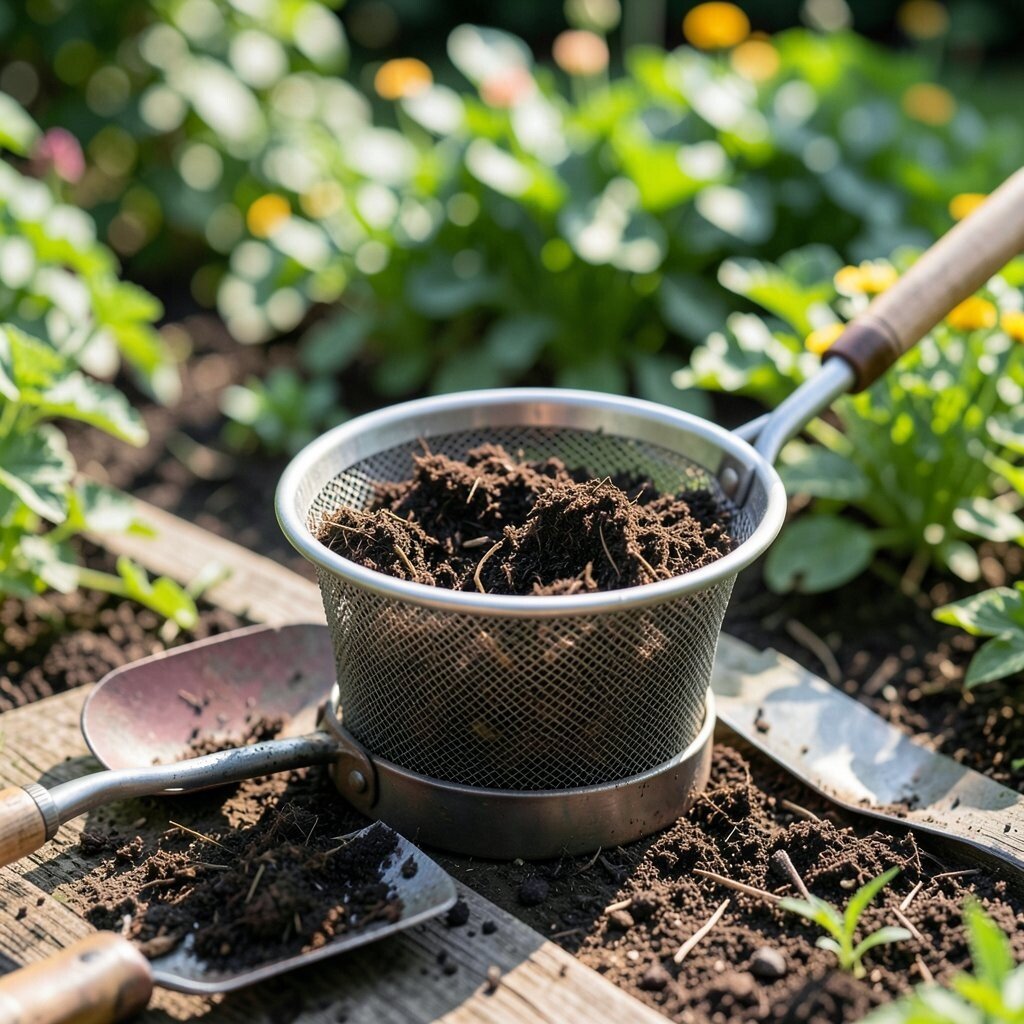
A compost sifter turns rough compost into a smooth, spreadable mix. You’ll love the sound and sight of crumbly pieces filtering through, leaving twigs behind.
Use it to prepare potting blends, top-dress beds, and feed seed-starting trays with consistent texture. If your compost is chunky, sieve it once and save the larger bits for the next batch. Personalize the sifter by storing it in a labeled bin and setting a dedicated area for “ready” compost.
16. Garden Knife for Harvest and Trimming
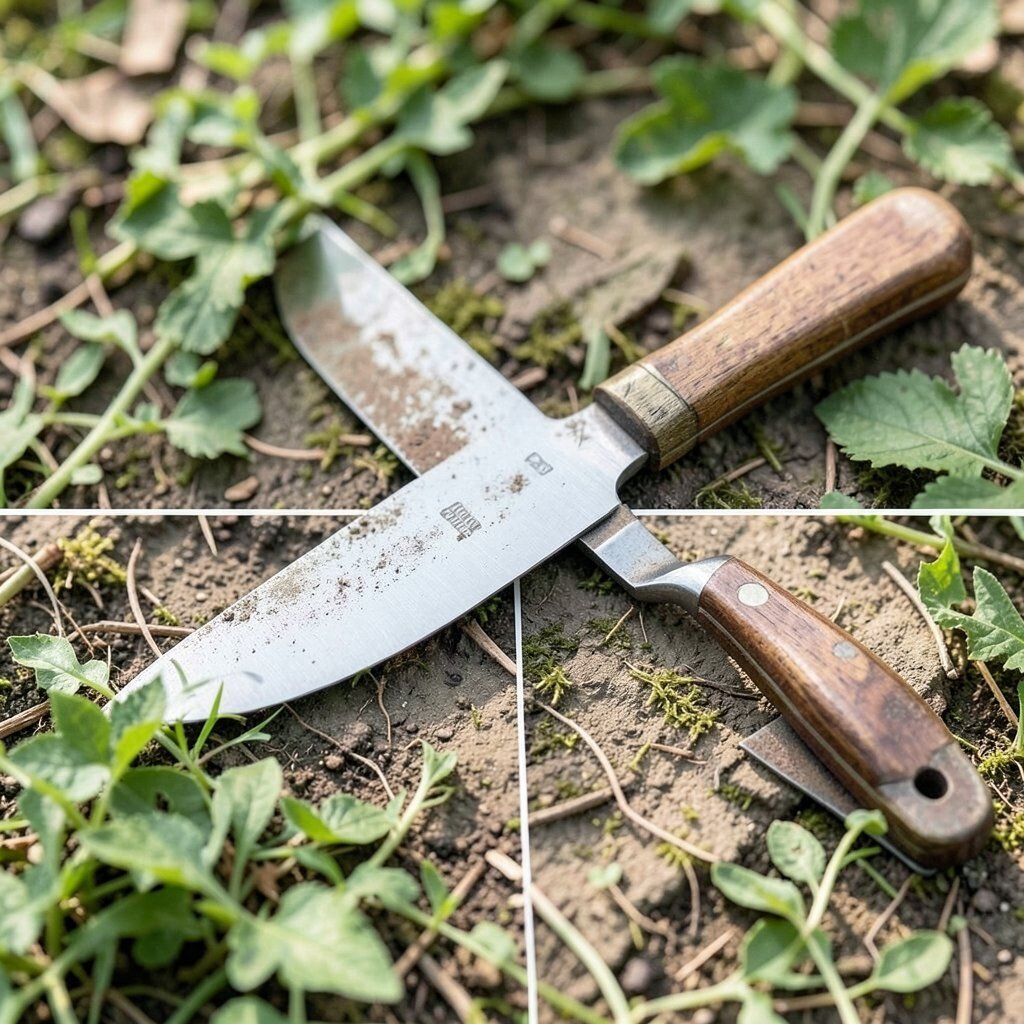
A garden knife feels like precision equipment for plant care. With a sharp blade, you can harvest cleanly and trim with control instead of ripping stems.
Use it for harvesting herbs, cutting twine, and opening bags of potting mix without fuss. Wash and dry the blade after use so it stays ready when plants are at their best. For personalization, choose a knife with an easy-grip handle and keep a small blade cover in your kit.
On cost, a good sharp knife can last years, especially if you maintain it properly. A trend in many kitchens and gardens is using herbs more often, so a sharp, handy knife becomes a daily tool during peak seasons.
17. Plant Support Clips and Twine Set
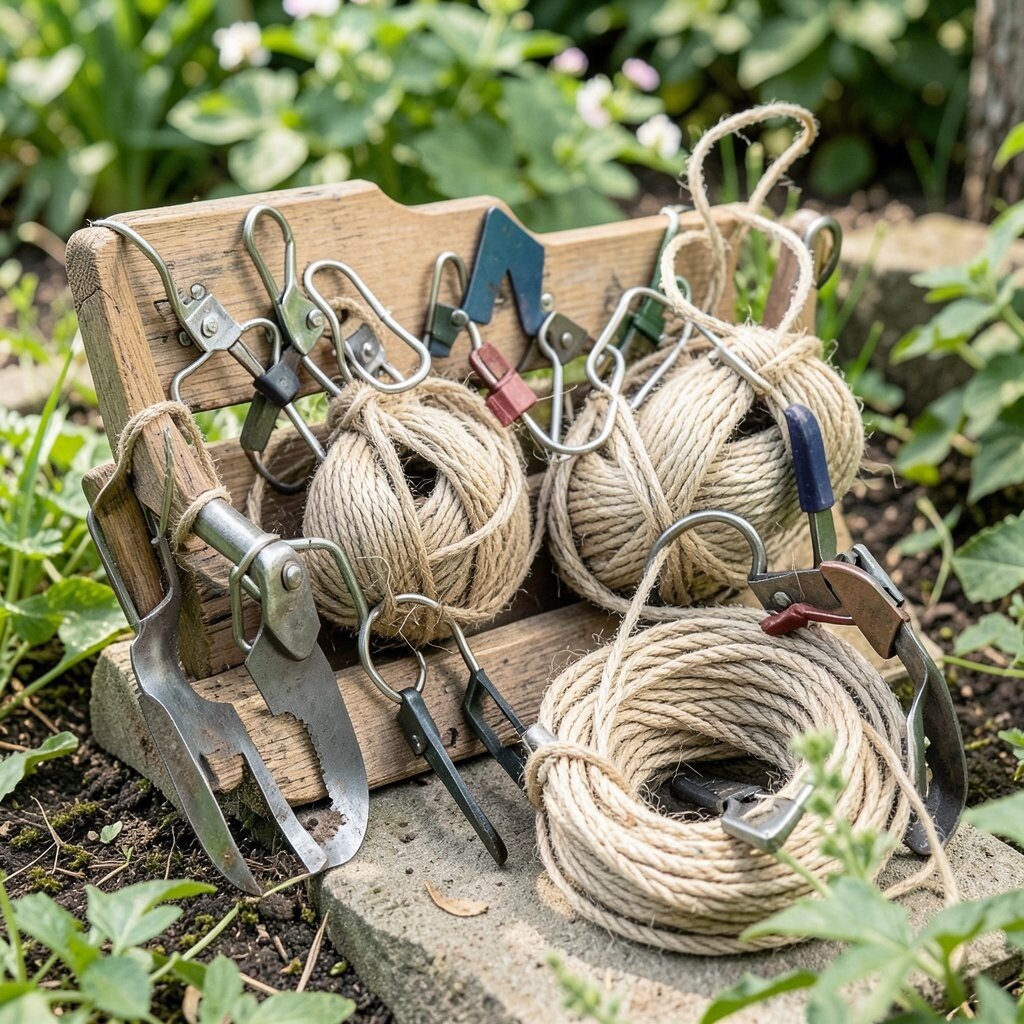
Support clips and twine make climbing plants look tidy and healthy. As you guide vines upward, you can almost see the garden structure forming right in front of you.
Use clips to attach stems to stakes without damaging them, and use twine to tie in gentle loops. Check growth every few days so ties don’t get tight. Personalize by using twine colors that match your garden theme or by keeping clips sorted by size in a small container.
18. Seed Starter Tray for Faster Growth
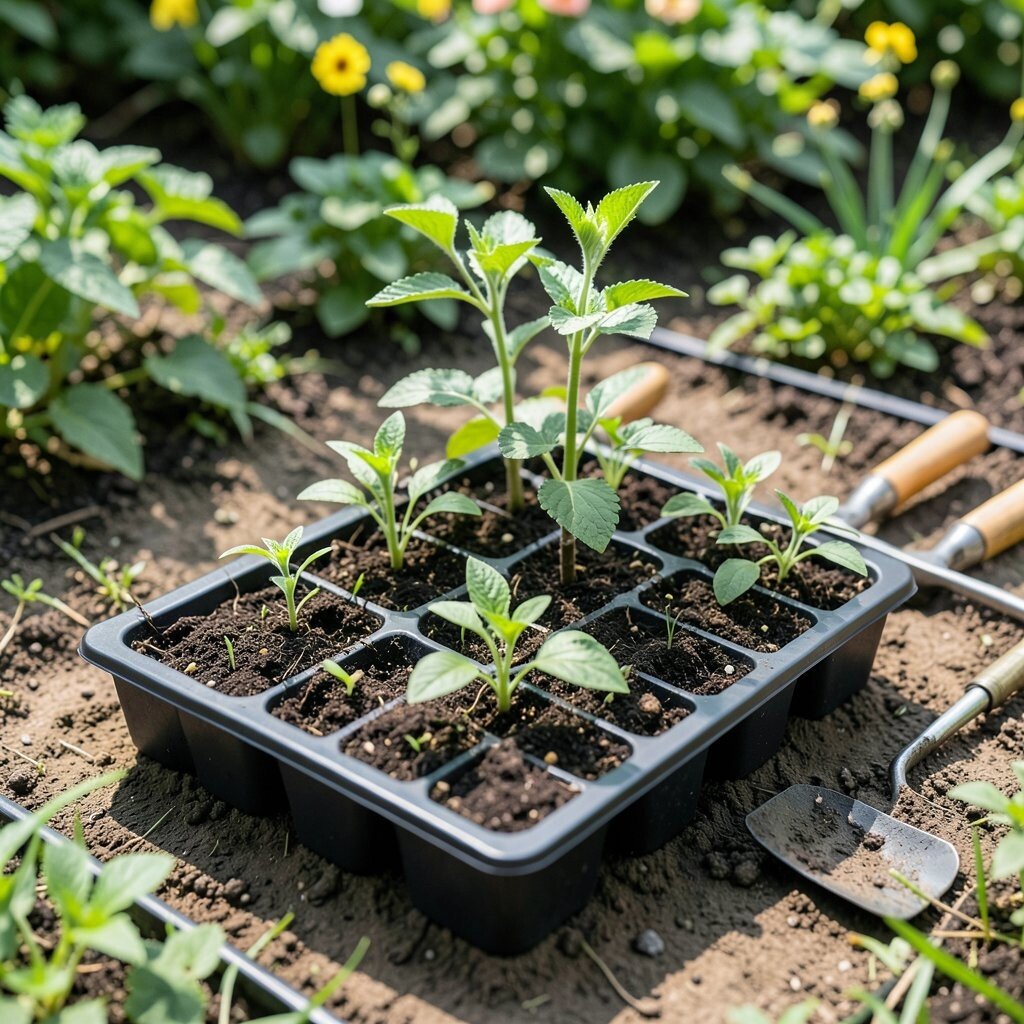
Seed starter trays turn your window space into a mini greenhouse. Small cells keep seeds from tangling, and you can spot sprouting changes day by day.
Use them for starting vegetables, flowers, and herbs before the weather is ready. Keep trays evenly moist, and don’t bury seeds deeper than the packet suggests since depth matters. For personalization, mark each tray with a simple system you can remember, like color dots that match plant labels.
Cost considerations are usually friendly because trays are reusable, though some gardeners choose disposable ones for convenience. A current trend is using compact tray setups with LED lights so seedlings grow sturdier even in small rooms.
19. Mulch Fork for Spreading and Turning

A mulch fork helps you move thick material without heavy digging. You’ll see the mulch lift and fall in an even layer, which makes beds look dark, neat, and protective.
Use it to turn compost, spread straw, and fluff shredded leaves so air can move through. Keep mulch at a safe distance from plant stems to reduce rot and pest hiding. Personalize by choosing a fork length that matches your bed height so you don’t strain your shoulders.
20. Wheelbarrow With a Balanced, Easy Handle
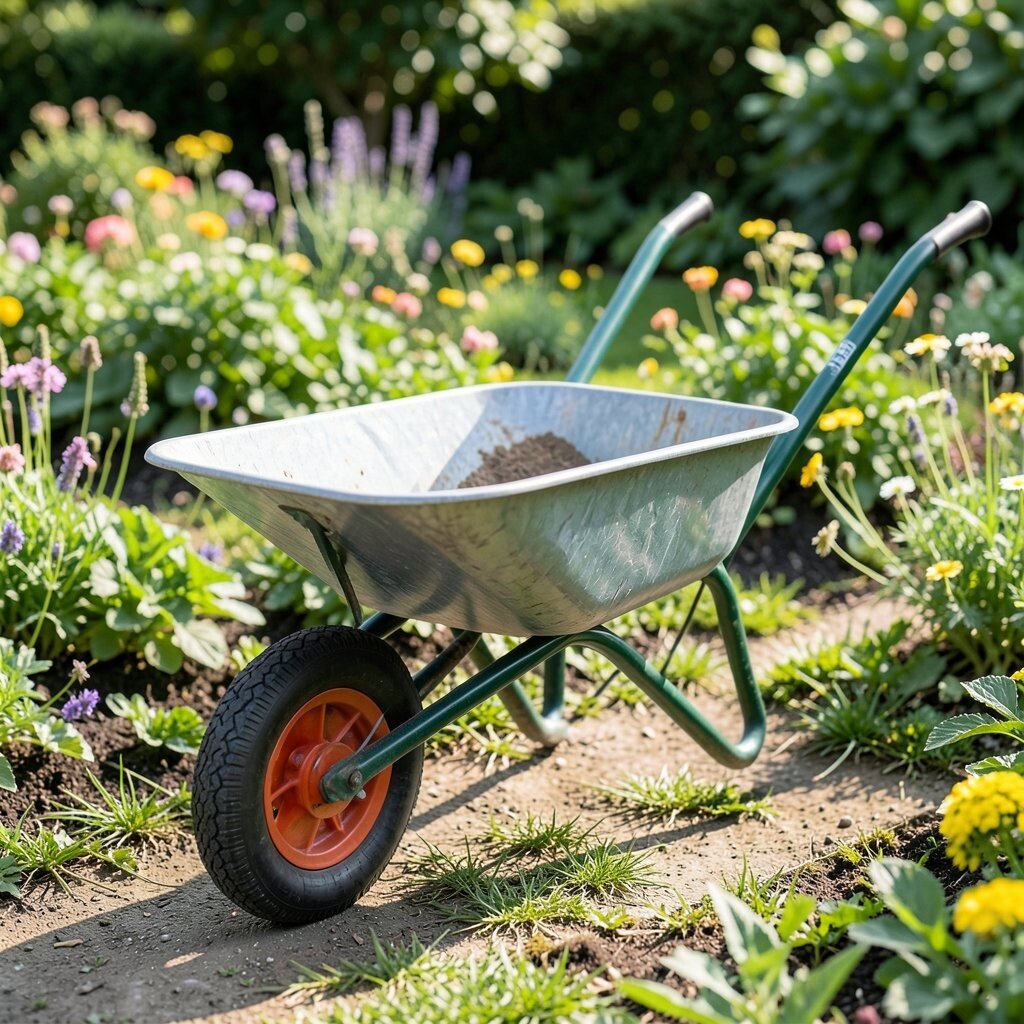
A wheelbarrow is the workhorse that carries soil, compost, and plants with steady momentum. When it rolls smoothly, you’ll feel how less effort goes into each trip.
Use it for moving heavy loads, leveling garden amendments, and hauling mulch. Check tire condition and keep the axle clean so it doesn’t get stuck or wobble. For personalization, adjust how you park it and store accessories in a clip-on basket so your tools stay in reach.
Cost can vary a lot, so think about how often you’ll use it and what surfaces you cross. A trend many gardeners love is switching to models with durable puncture-resistant tires for less hassle after yard debris.
21. Tool Sharpening Kit for Better Performance
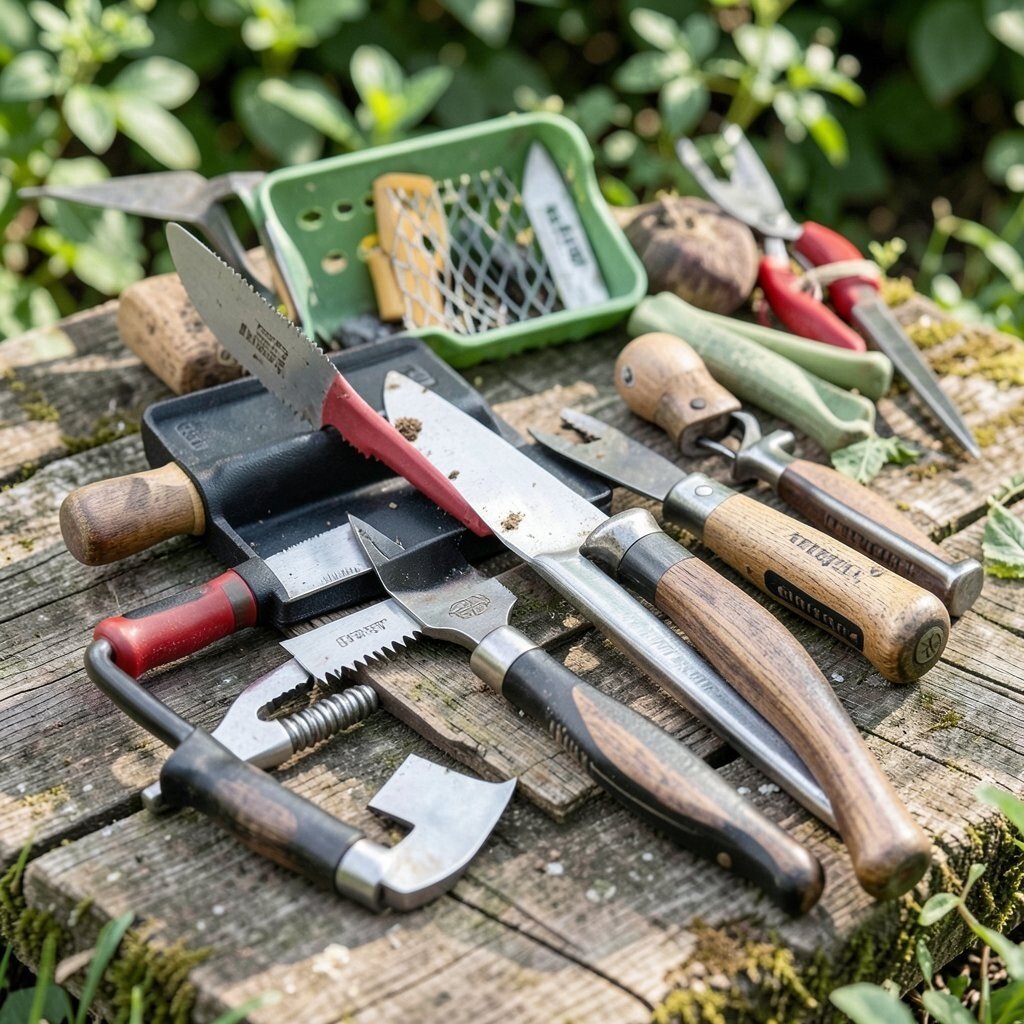
A sharpening kit keeps your blades cutting instead of tearing. When edges are restored, you’ll notice plants looking cleaner after pruning and harvesting.
Use it for pruning shears, small knives, and other cutting tools that develop dull spots. Follow the manufacturer’s angle guidelines and test on a scrap stem to confirm sharpness. Personalize your kit by storing it in a dedicated bag and pairing it with a microfiber cloth so cleanup is quick.
Budget-wise, even a small sharpening setup can save money by extending tool life. Current trends emphasize tool care routines because gardeners want fewer replacements and more reliable results throughout the season.