1. Fresh Water First

Clean water looks plain, but it can make an older dog seem brighter and more lively. A shiny bowl of fresh water also tells you a lot about appetite and comfort.
Older dogs often drink less than they should, so keeping water easy to reach matters a lot. Try placing bowls in a few quiet spots, and pick a bowl size that fits your dog’s face and whiskers without bumping. Stainless steel bowls cost a bit more than plastic, yet they last longer and stay cleaner, which makes them a smart pick for many homes.
2. Protein With Gentle Support
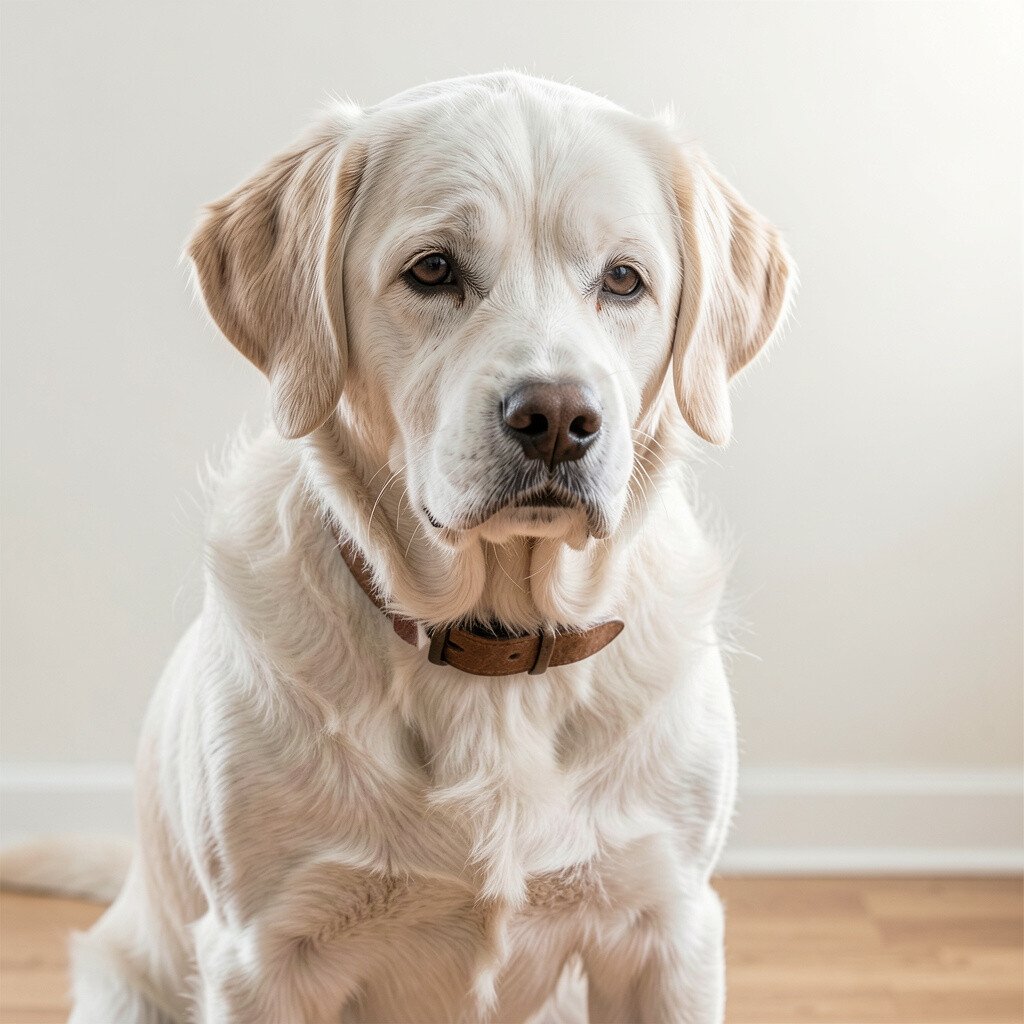
Meat, fish, or eggs can help aging muscles stay strong and steady. A bowl with moist chicken and soft rice may look more tempting than dry kibble, especially for a dog with tired teeth.
Many older dogs do well with protein that is easy to chew and easy to digest. You can match the choice to your dog’s activity level, since a calm lap dog may need a different balance than a still-active hiker. Fresh or lightly cooked choices are popular right now, though they can cost more, so many families mix premium protein with simple home add-ons to keep feeding affordable.
Watch how your dog moves after meals, because good protein should support strength without making the stomach feel heavy. If your dog has a sensitive belly, smaller meals with softer textures can be a kind and useful change.
3. Healthy Fats for Shine and Brain Support

Fats from fish oil, flax, or small amounts of chicken skin can give food a glossy look and a richer smell. That smell matters, because older dogs often eat better when the meal feels special.
These fats can support skin, coat, and brain health in a gentle way. A spoon of fish oil may help one dog with dry skin, while another may do better with ground flax for a lighter touch. Fish oil products are trendy in senior care, yet prices vary a lot, so it helps to compare labels and start with small amounts.
Always begin slowly and watch for loose stools or a greasy coat. When the dose fits your dog well, the change can be easy to see in the fur and energy level.
4. Soft Foods for Easier Chewing
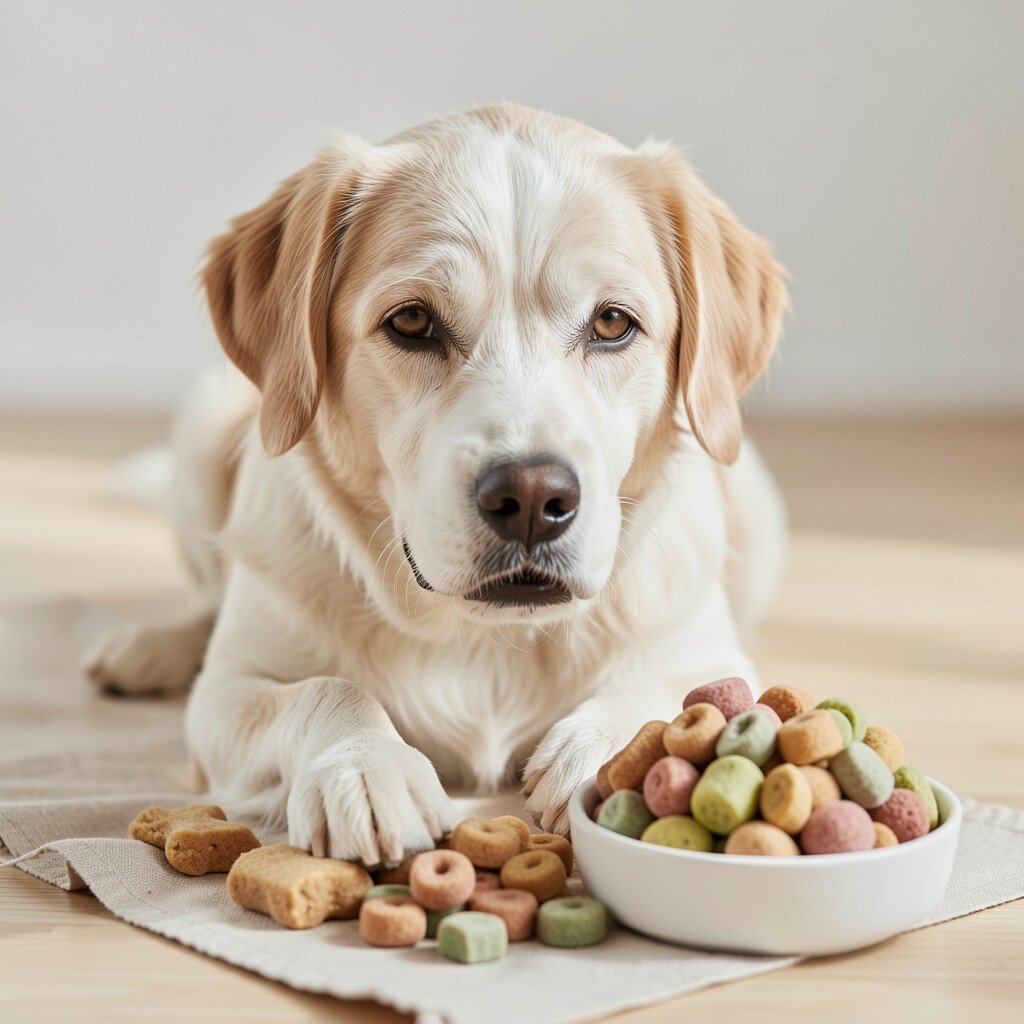
Soft food can turn mealtime from a struggle into a calm routine. Steamed vegetables, soaked kibble, and gentle stews often look warm and comforting in the bowl.
Many older dogs with worn teeth or sore gums eat more when the texture is tender. You can soften dry food with warm water, broth without onion or garlic, or a little plain yogurt if your dog tolerates dairy. Homemade soft meals can be budget friendly, but buying canned food is often the quicker choice when life gets busy.
5. Fiber for Smooth Digestion

A little fiber can help the tummy feel steady and the bathroom routine more regular. Pumpkin, oats, and cooked green beans add color and a soft, homey look to the plate.
Older dogs sometimes need extra help with digestion, especially if they move less than they used to. Fiber can also make meals feel more filling, which may help weight control without making portions huge. Simple pantry foods are usually affordable, and many people like them because they are easy to personalize for picky eaters.
Too much fiber can cause gas, so start small and notice how the stool changes. A slow approach works best and keeps the belly calm.
6. Antioxidant-Rich Fruits and Vegetables
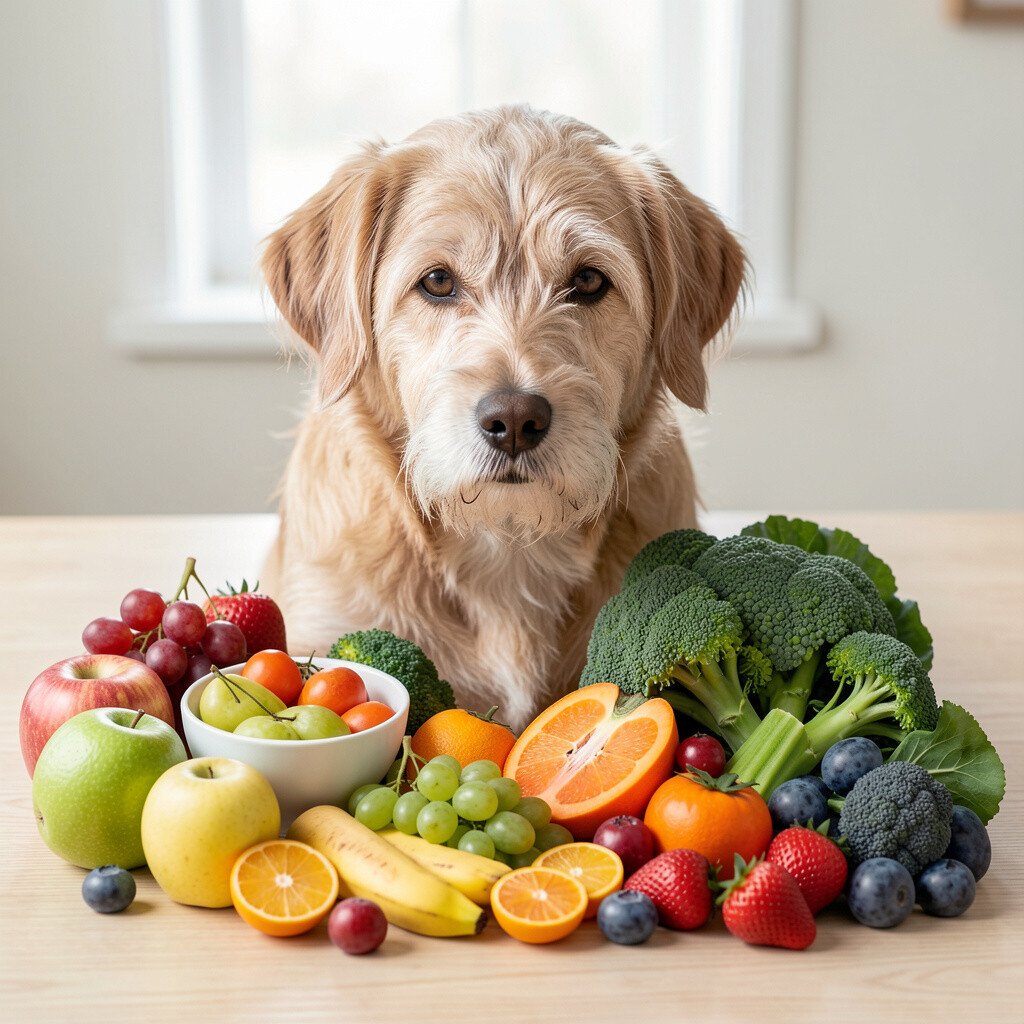
Blueberries, carrots, spinach, and sweet potato add bright color and a fresh look to senior dog meals. They also bring a little natural sweetness that can wake up a sleepy appetite.
These foods may help protect the body from daily wear and tear. Steamed or lightly mashed vegetables are often easier for older dogs to handle than raw chunks. Farmers market produce can be affordable when it is in season, and frozen options are a handy trend for people who want less waste and less prep.
Mixing a small amount into the main meal can make the bowl more interesting. A dog with a mild stomach may do well with carrots, while another may prefer soft squash or blueberries as a simple treat.
7. Joint-Friendly Nutrients
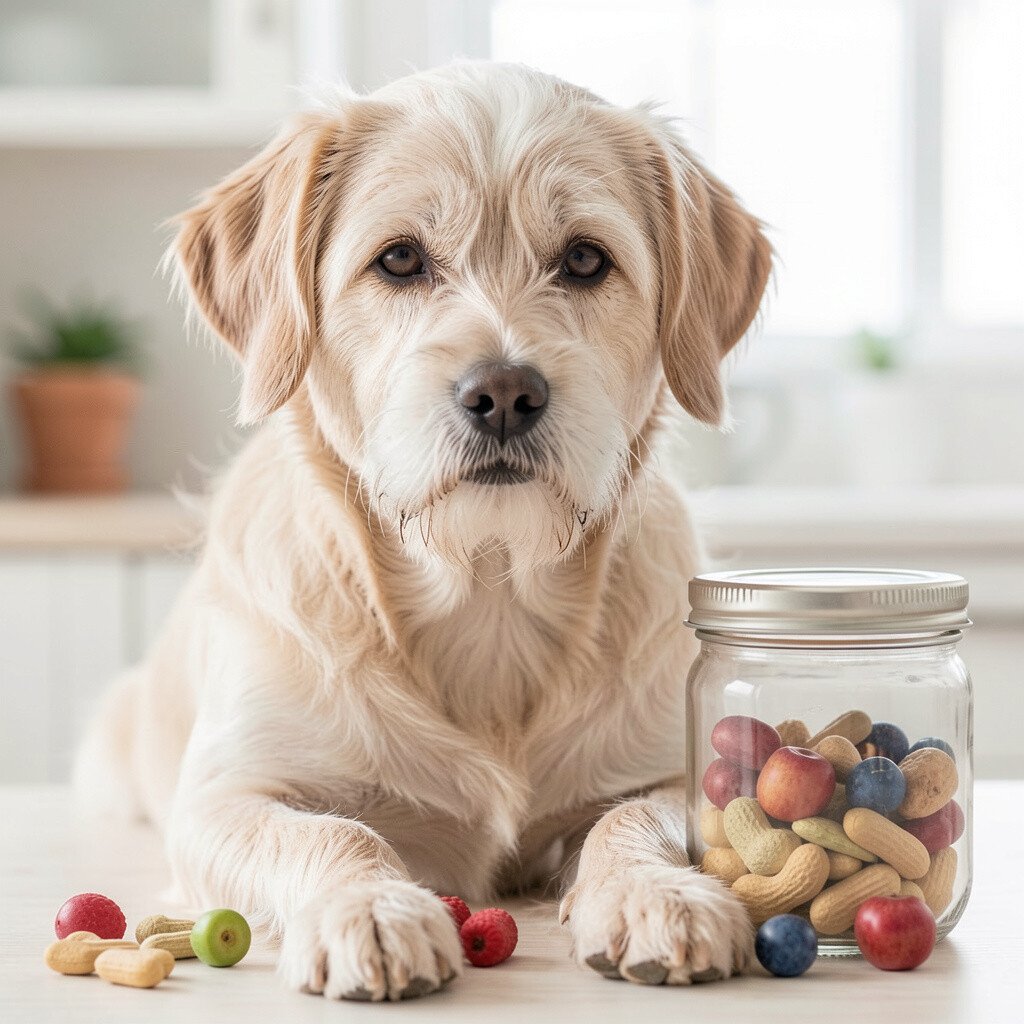
Older dogs often move with a slower, careful gait, and that can make meals feel linked to comfort and mobility. Foods with glucosamine, chondroitin, or green-lipped mussel can support that creaky feeling in a thoughtful way.
A shiny senior dog may still love long walks, but the joints need kind support from the inside too. Some pet parents choose joint-focused toppers, while others add small amounts of plain bone broth or fish. These foods can be pricier than basic meals, so it helps to compare the cost per serving and use them where they matter most.
Personalizing this part of the diet is smart because one dog may need extra support after a surgery, while another only needs light help for stiff mornings. Watch how your dog rises from a nap, since small changes in the bowl can sometimes show up in the legs.
8. Weight Control Without Hunger
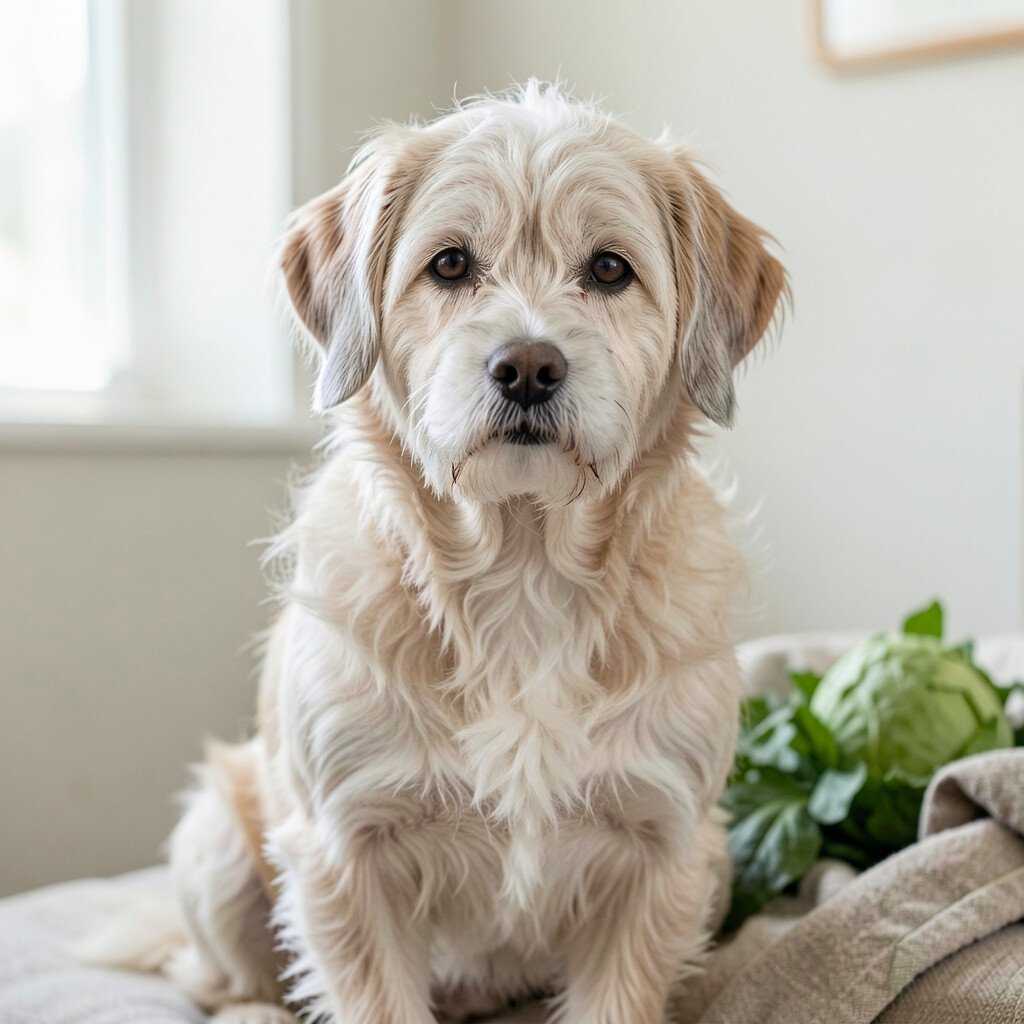
Many older dogs carry a little extra weight, and that can make a round belly look cute while quietly stressing the body. A balanced meal with lean protein, fiber, and fewer empty calories can help keep the shape healthier.
It is better to trim portions gently than to make a dog feel left out. Using a kitchen scale or measuring cup can stop sneaky overfeeding, especially when several family members share feeding duties. Weight-control foods are a growing trend, but simple home planning often costs less and gives you more control over ingredients.
Try adding low-calorie extras like steamed zucchini to make meals feel fuller. That way your dog still gets a satisfying bowl and you can keep the plan easy to follow.
9. Limited Ingredient Meals for Sensitive Stomachs
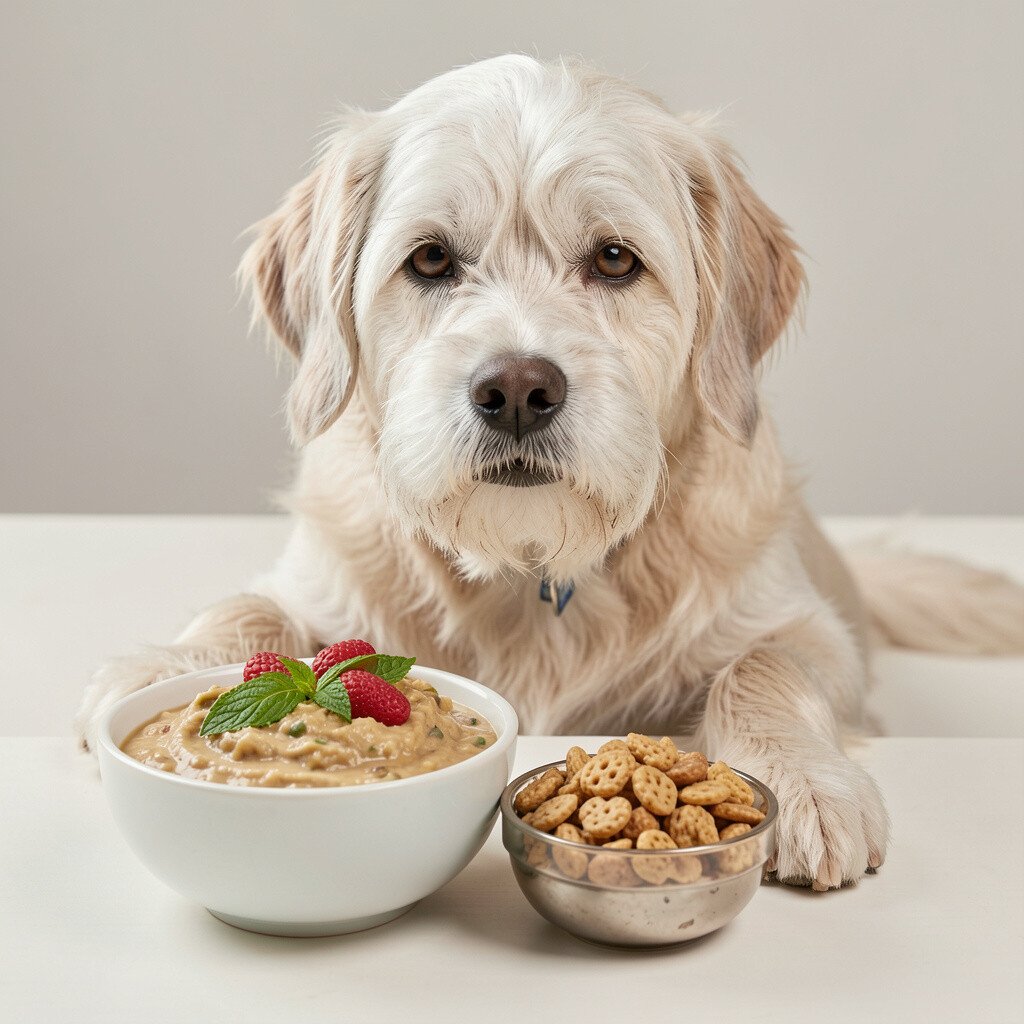
Some older dogs seem picky, but often they are just sensitive to certain foods. A simple bowl with a short ingredient list can look neat and smell clean, which helps when a dog turns up its nose at busy meals.
Limited ingredient diets can reduce the chances of upset stomach, itchy skin, or loose stools. They are also useful when you are trying to spot what works and what does not. These meals may cost more than basic kibble, yet the savings can show up later if you waste less food and have fewer vet visits.
If you want to personalize the plan, change only one part at a time and keep notes in your head or on paper. That slow method makes it easier to see what your dog truly likes and tolerates.
10. Probiotics for Gut Balance

A healthy gut can help an older dog feel calmer, cleaner, and more comfortable after eating. Probiotic foods or powders may look plain in the bowl, but they can be very helpful behind the scenes.
These friendly bacteria can support digestion and may help with occasional stool changes. Plain yogurt, kefir, or pet-specific supplements are common choices, and each one has a slightly different taste and texture. Pet probiotics are a strong trend right now, yet prices vary, so it makes sense to compare labels and start with a small amount.
Some dogs like the cool, creamy feel of yogurt mixed into food, while others do better with a supplement sprinkled on top. Keep the serving small at first so the stomach can adjust smoothly.
11. Bone Broth for Warm Comfort
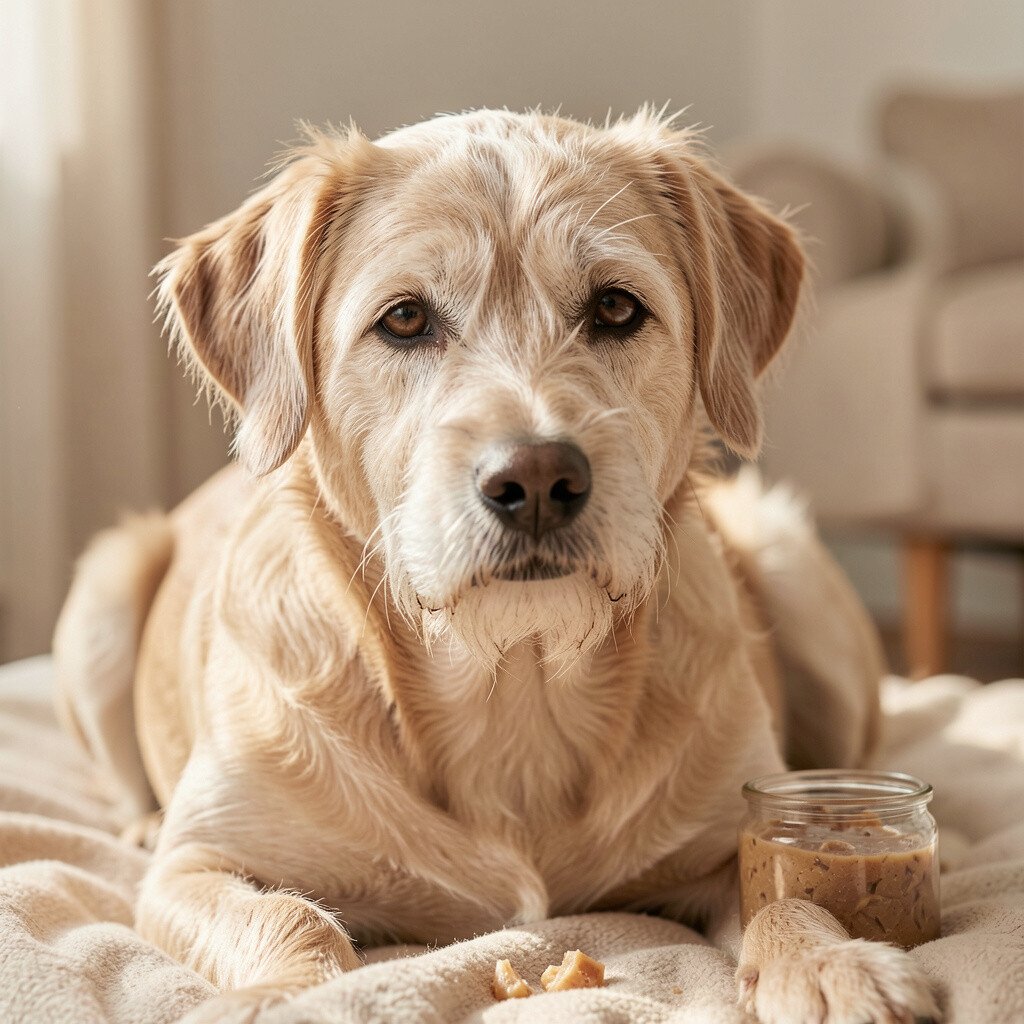
Warm broth can make an old dog’s meal smell rich and inviting. The steam, the deep color, and the soft texture often feel cozy on chilly days.
Bone broth can encourage eating, add moisture, and bring a little extra flavor to dry food. It is also easy to pour over kibble or mix into mashed vegetables for a softer meal. Store-bought broth can be convenient, but homemade broth may cost less if you already save safe scraps and follow a simple recipe.
Choose broth without onion, garlic, or too much salt. A small splash can go a long way, and it can be a lovely way to personalize meals for a dog with a fading appetite.
12. Calm Carbs for Steady Energy

Brown rice, oats, and sweet potato can give older dogs a gentle energy lift. These foods look warm and filling, almost like comfort food for pets.
Carbs are not the enemy when they are used wisely and in the right amount. They can help balance meals for dogs that need a little more fuel without a heavy feel. Whole grains and simple starches are usually affordable, and they pair well with protein and vegetables for a balanced bowl.
If your dog gets sleepy after eating, smaller portions may work better than one large serving. A careful mix of carbs can keep the mood even and the stomach settled.
13. Dental-Smart Food Choices
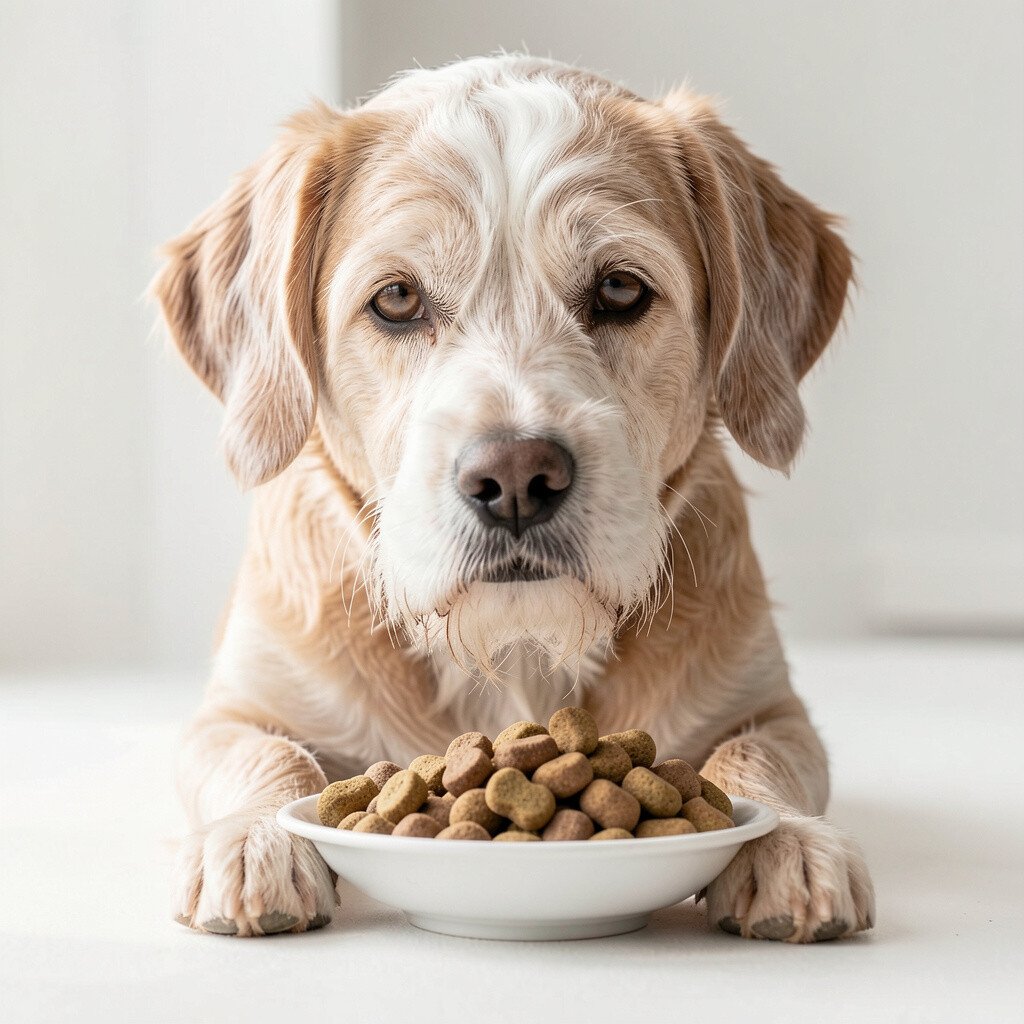
Older dogs with sore mouths may eat less if food is hard, crunchy, or rough. Softer bites, moist toppers, and smaller kibble pieces can make the bowl much easier to enjoy.
Good dental care still matters, but food texture can help right away. Some pet parents use softened kibble in the morning and a smoother meal later in the day to keep chewing gentle. Dental-friendly senior foods are popular, though the best choice often depends on your dog’s teeth and your budget.
It helps to watch how your dog chews and swallows, since dropping food or eating on one side can signal discomfort. Matching texture to the mouth can make meals feel kinder and more complete.
14. Personalized Portions by Age and Activity

Two senior dogs can look almost the same and still need very different bowls. One may nap all day, while the other still trots after birds and asks for long walks.
Portion size should fit the dog in front of you, not a chart alone. You can adjust based on body shape, energy, and appetite, then watch the ribs, waist, and overall feel of the body. This kind of personalization is simple, free, and often more useful than buying the fanciest food on the shelf.
Measuring portions helps keep things steady from day to day. It also makes it easier to spot changes early if your dog starts eating more or less than usual.
15. Seasonal Fresh Foods

Seasonal produce can make meals feel lively and fresh. A bowl with pumpkin in fall or berries in summer looks bright and cheerful.
Using foods that are in season can lower the grocery bill and add more variety to the diet. It also gives you a chance to rotate flavors without making the menu too complicated. Local produce is a smart trend because it can be fresher and sometimes cheaper than imported choices.
Keep portions small and safe, and always wash produce well before serving. Simple seasonal swaps can help an older dog stay interested in food without upsetting the stomach.
16. Moisture-Heavy Meals for Kidney and Urinary Comfort

Wet meals can be soothing for older dogs that do not drink much. The glossy look of canned food or soaked kibble often feels more appetizing than a dry, dusty bowl.
Extra moisture can support hydration and may be helpful for urinary or kidney comfort, depending on your vet’s advice. You can add warm water, unsalted broth, or watery vegetables to raise the moisture level in a gentle way. Canned and fresh-prepared foods often cost more than dry kibble, so many families blend the two to manage the budget.
Changing texture and moisture can also help picky eaters. A dog that ignores dry food may happily eat the same recipe once it is softer and richer in smell.
17. Skin and Coat Support from the Inside

A healthy coat shines before it feels soft, and older dogs often benefit when meals support skin health. Foods with omega fatty acids, zinc, and vitamin E can help reduce dullness and dryness.
When the coat looks better, grooming usually feels easier too. A softer brush glide and less flaking can make daily care more pleasant for both of you. Skin-support foods are widely talked about now, but the best results come from steady use rather than quick fixes.
You can personalize the plan by noticing where the dryness shows up most, such as elbows, paws, or the back. That helps you choose the right ingredients without paying for extras your dog does not need.
18. Simple Homemade Mix-Ins
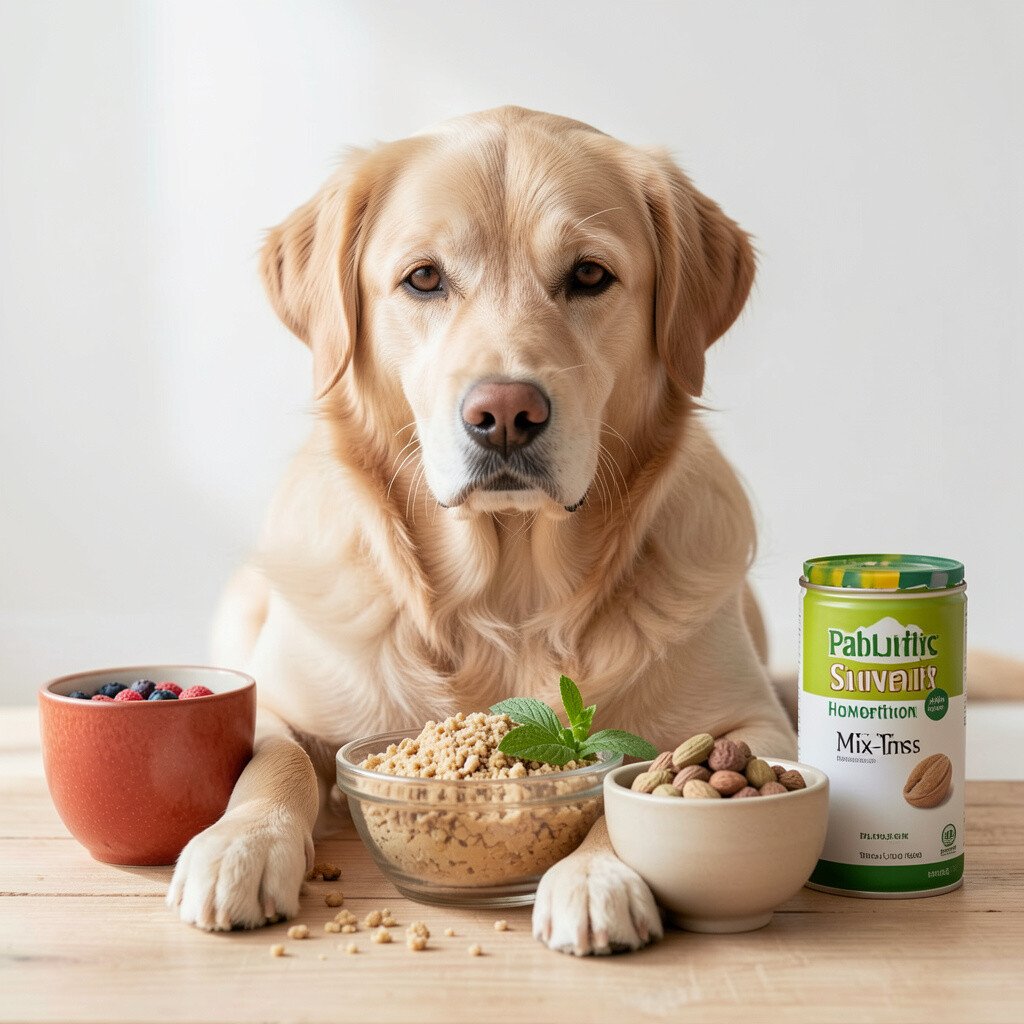
Small mix-ins can turn plain food into a meal that looks handmade and special. A spoon of mashed pumpkin, a little scrambled egg, or a few steamed peas can make a plain bowl feel new.
Homemade extras give you more control over flavor and ingredients. They are also useful when you want to save money by stretching a bag of food a little farther. The key is to keep them simple and safe, since messy sauces and rich seasonings are not a good fit for senior dogs.
Many people like this approach because it is easy to change from day to day. One dog may love eggs, while another may prefer soft carrots or fish flakes as a tasty topper.
19. Feeding Schedules That Match Senior Needs

Older dogs often do better when mealtime follows a calm and familiar rhythm. The sight of food at the same time each day can feel reassuring and make the tail wag sooner.
Smaller, more frequent meals can help with digestion, energy, and comfort. They may also reduce begging and keep the stomach from feeling too full. This style can fit many budgets because it does not require fancy food, only a steady plan and a little patience.
Try linking meals to daily habits such as morning light or an evening walk. That kind of routine makes the whole day feel smoother and easier for both of you.
20. Vet-Guided Nutrition That Fits the Whole Dog

Every older dog has a story, and the best diet should match that story. A dog with arthritis, kidney trouble, allergies, or a weak appetite may need a very different bowl from a healthy senior with a big heart and strong legs.
Working with a vet helps you choose food that supports the whole body, not just one issue. It can also save money over time by cutting out guesswork and stopping unnecessary trial and error. Custom senior plans are growing in popularity, especially when people want food that feels more thoughtful and less random.
Bring notes about your dog’s stool, energy, coat, and eating habits so the advice can be more personal. With the right plan, meals become more than food, because they become steady support for a long, comfortable life.