Your home can feel more alive with art that acts like a warm voice in the room. When you choose pieces that fit your day-to-day life, style becomes something you actually enjoy.
The best part is that art doesn’t have to be fancy or expensive to look thoughtful. With a few smart choices, you can make your space feel personal, cozy, and confidently yours.
1. Frame a Statement Gallery Wall
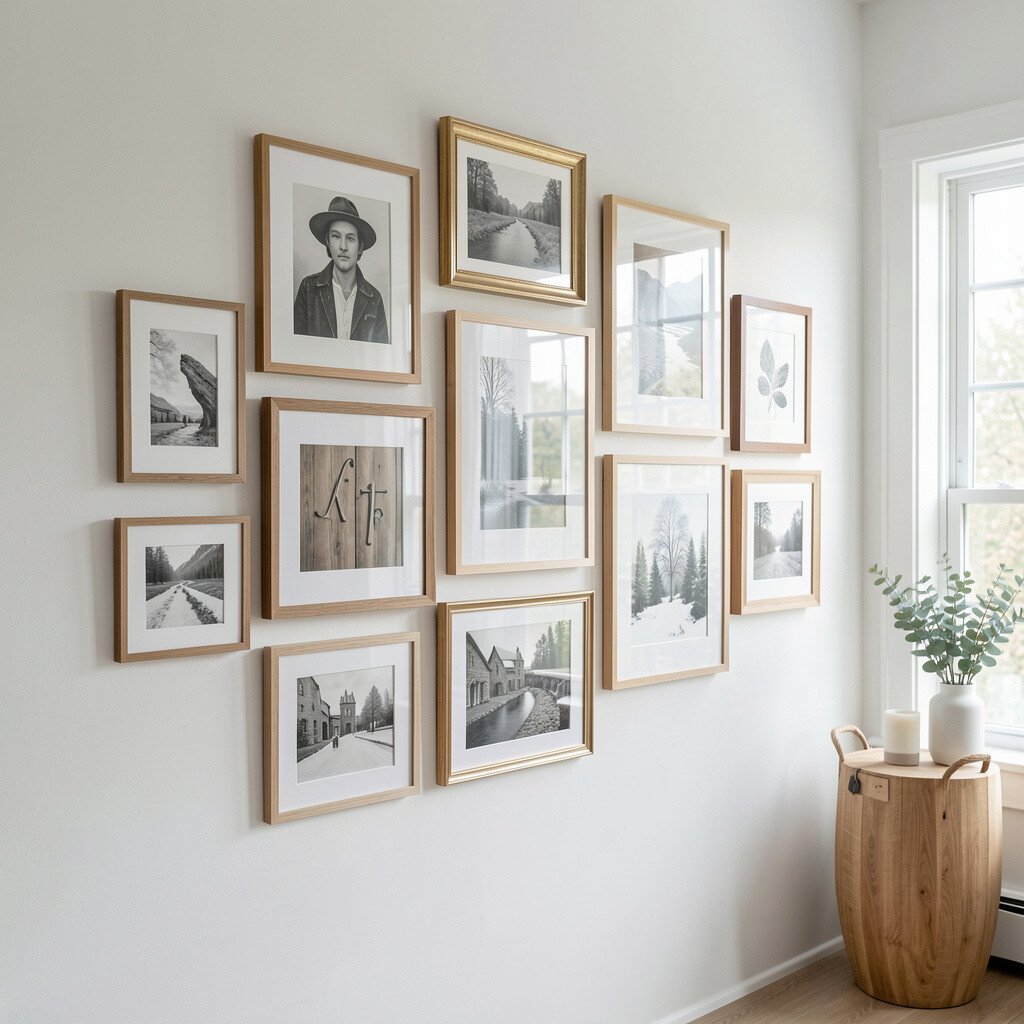
A gallery wall is like a spotlight for the memories and moods you love. Pick a tight color story and mix frames so everything looks intentional even when it varies in size.
Start by laying your frames on the floor and moving them around until the spacing feels calm. Aim for strong focal pieces near eye level, and then build around them with smaller prints or photos. If you want a current feel, choose a mix of matte prints and subtle textures instead of only glossy finishes.
2. Turn Fabric Swatches Into Wall Art
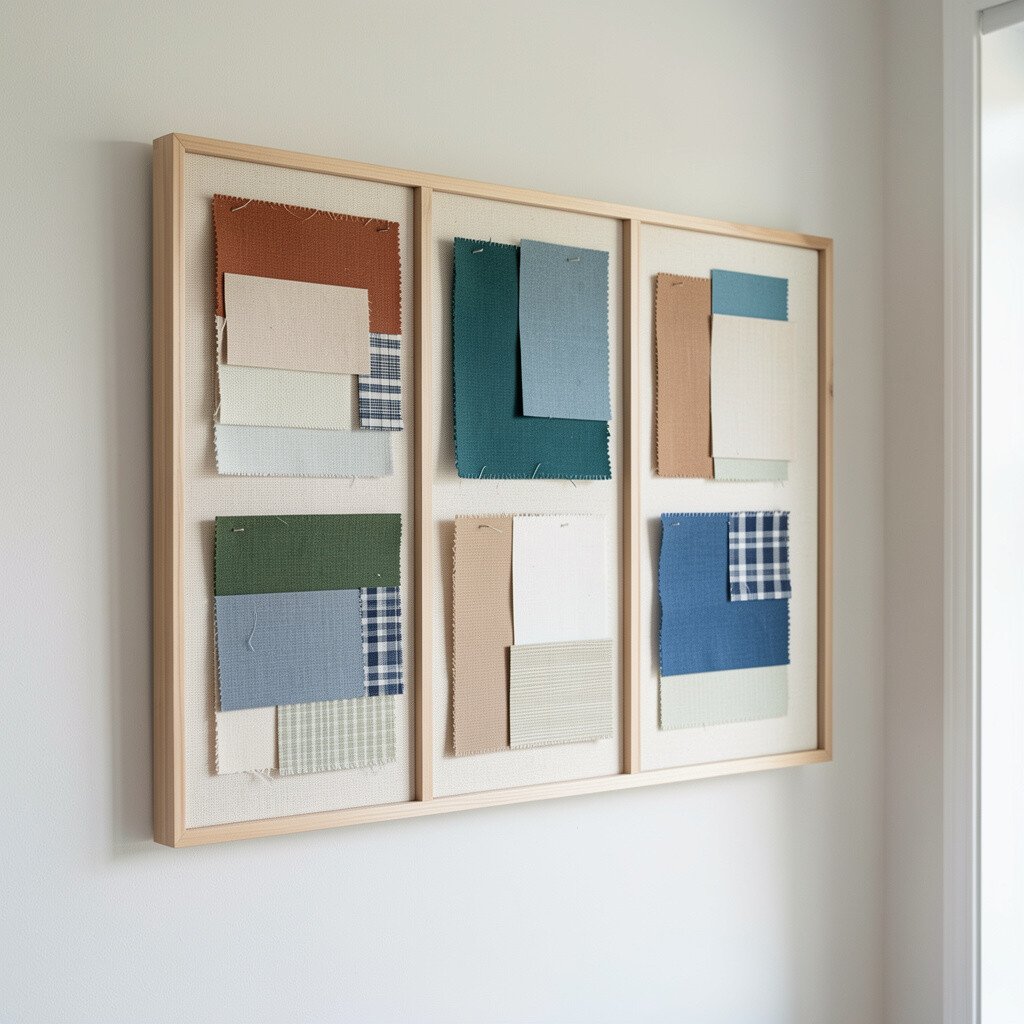
Fabric can look like art when you treat it with the same care as prints. Think of soft colors, bold patterns, and tiny details that make your walls feel cozy.
Stretch swatches over lightweight frames or use tension rods with neat fabric panels for an easy look. Combine a few coordinating textiles to create depth, and keep the palette consistent so the room still feels peaceful.
Look for places to reuse fabric from old curtains, scarves, or even thrifted cloth, which helps keep costs low. This style also feels unique because no two fabric collections will ever match.
3. Create a Layered Shelf Display With Art-Like Objects
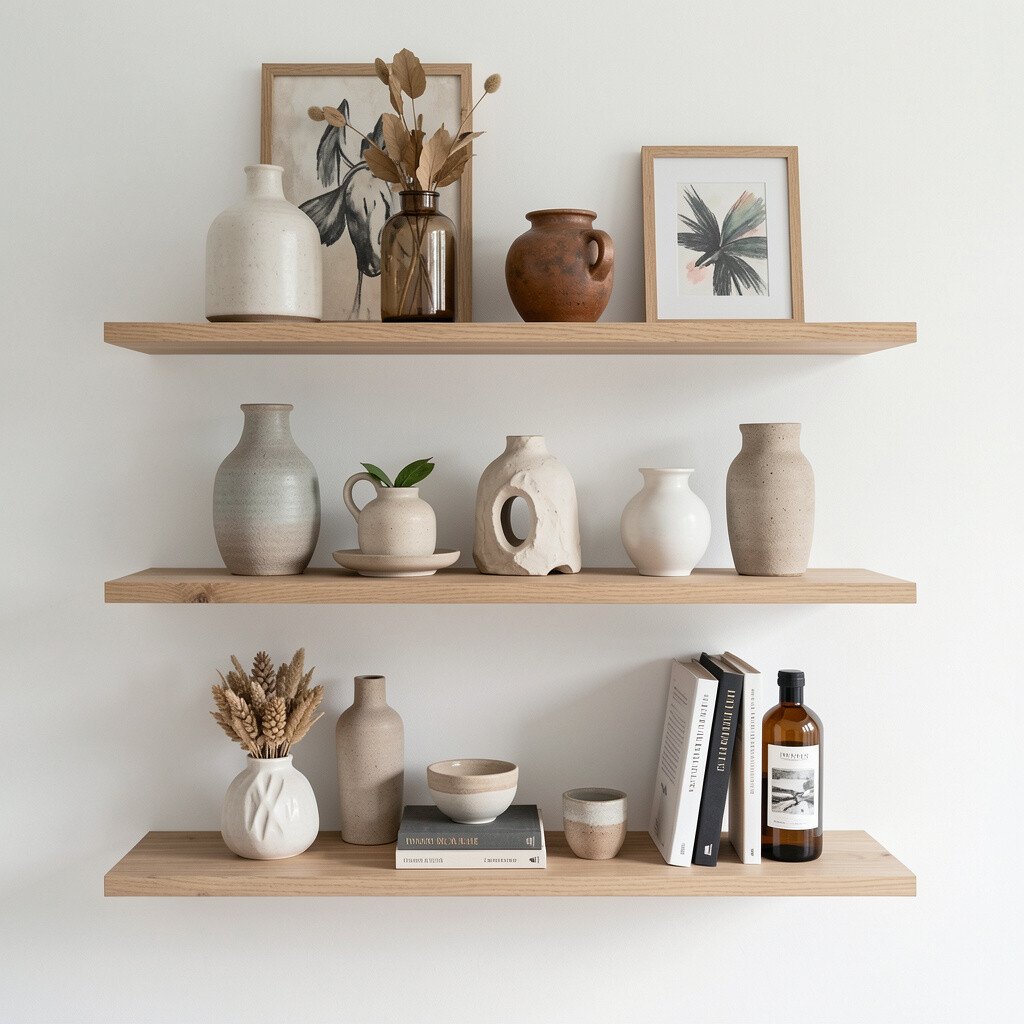
Shelves can do more than store things when you arrange them like a small exhibit. Vary heights and mix materials so the eye keeps moving across the room.
Use books with colorful spines, framed photos, and a few sculptural pieces like vases or ceramic bowls. Add one “hero” item in the center, then balance it with smaller objects on both sides.
For a practical approach, group items by color or theme, such as warm neutrals or ocean blues. If you want a trend-forward look, lean into minimal forms with one or two rich accents instead of crowding everything.
Swap objects seasonally so the display stays fresh without buying new art. When you curate with intention, it feels designed even if it uses what you already own.
4. Paint a Texture Wall With a Simple Technique
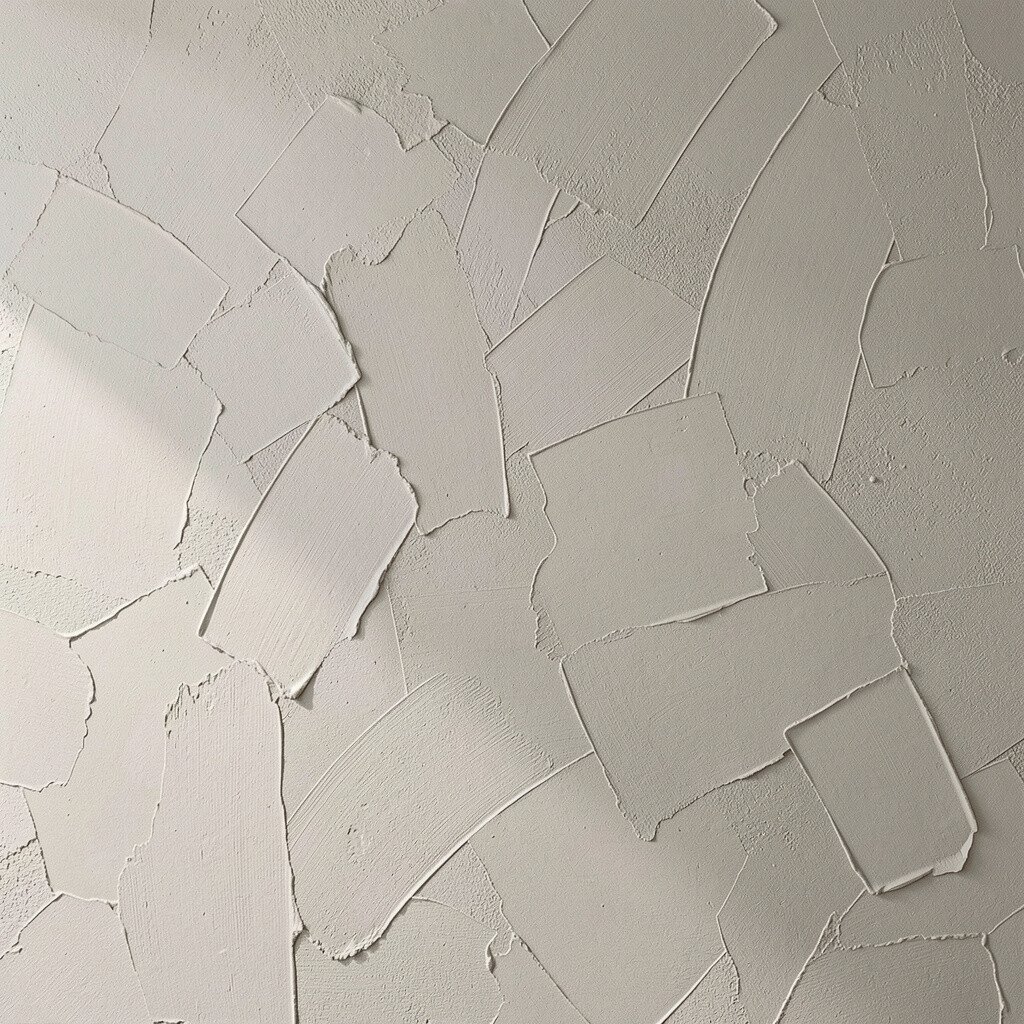
A textured wall adds art energy without needing a frame. You can get that look with easy tools and gentle layers that catch the light throughout the day.
Try a sponge finish, a dry-brush effect, or a limewash-style approach using a soft roller. Keep the base color close to your room’s main tones so the texture becomes the star rather than the shade.
Start small in a corner or on one wall section, then step back and check how it looks in daylight. This is often budget-friendly because paint is usually cheaper than large art prints.
Personalize it by matching the undertone to your decor, like warm cream for wooden furniture or cool gray for sleek metal accents.
5. Use Oversized Wall Prints for Instant Impact
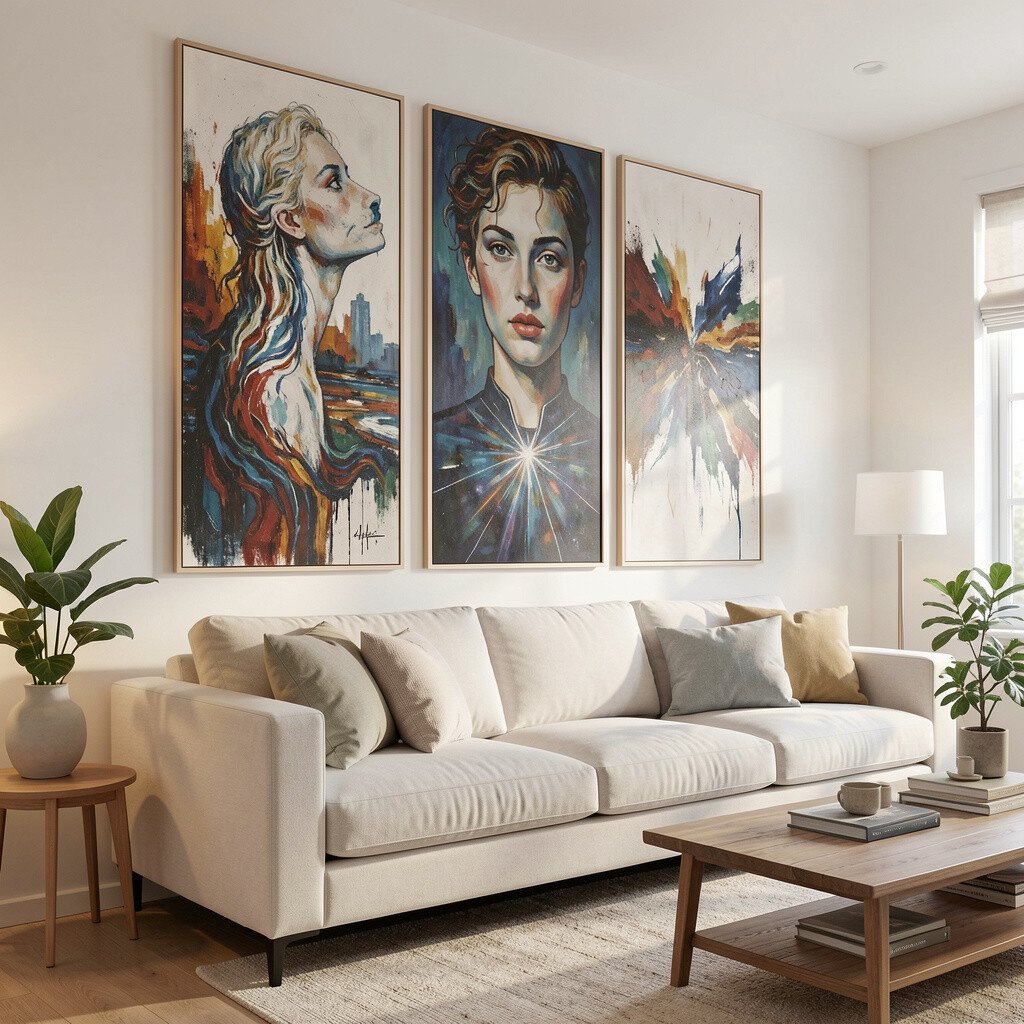
Big prints can make a room feel styled in minutes. When the scale is right, even a simple image turns into a focal point.
Choose an artwork style that matches your life, like nature scenes for calm vibes or bold typography for energy. Hang the piece so its center lines up with eye level, and make sure there’s enough wall space around it to breathe.
If you’re watching costs, look for high-quality posters, canvas prints on sale, or local artist prints at events. Unique art often comes from supporting small makers, and you’ll also get pieces that aren’t mass-produced everywhere.
6. Make a Painted Floor-to-Ceiling Curtain of Color
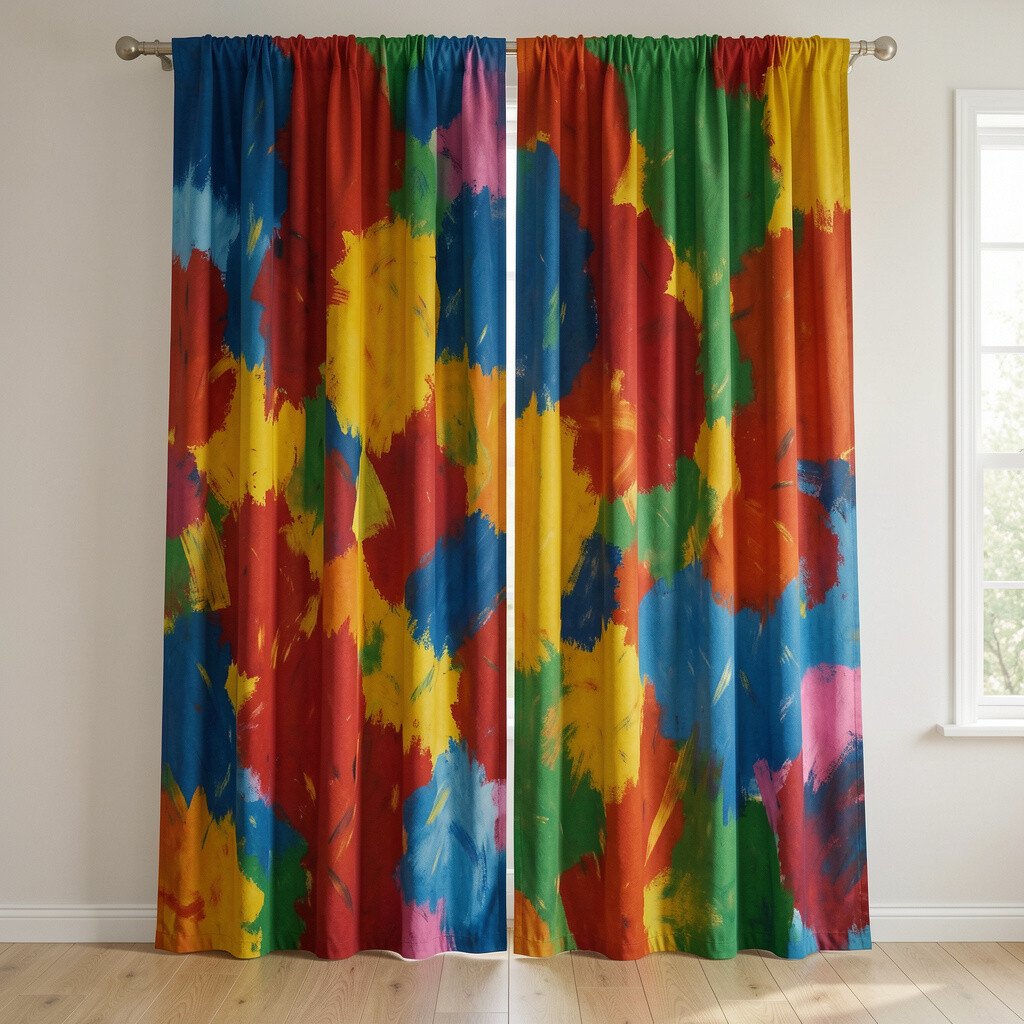
When curtains feel creative, they turn into wearable art for your windows. A bold color block can add drama without needing extra wall space.
Use panels in coordinated shades and arrange them in a way that creates clean vertical lines. If you want a personal touch, add a subtle hand-painted pattern on one panel using fabric paint.
For practical living, choose a washable fabric and pick a color that won’t show dust too quickly. This approach can be mid-range in cost depending on fabric, but it’s still often cheaper than framing multiple large artworks.
Current style leans toward “curated color,” where one vivid hue sits beside calm neutrals. That makes your windows look like intentional design, not just decoration.
7. Display Botanical Prints in Vintage-Looking Frames
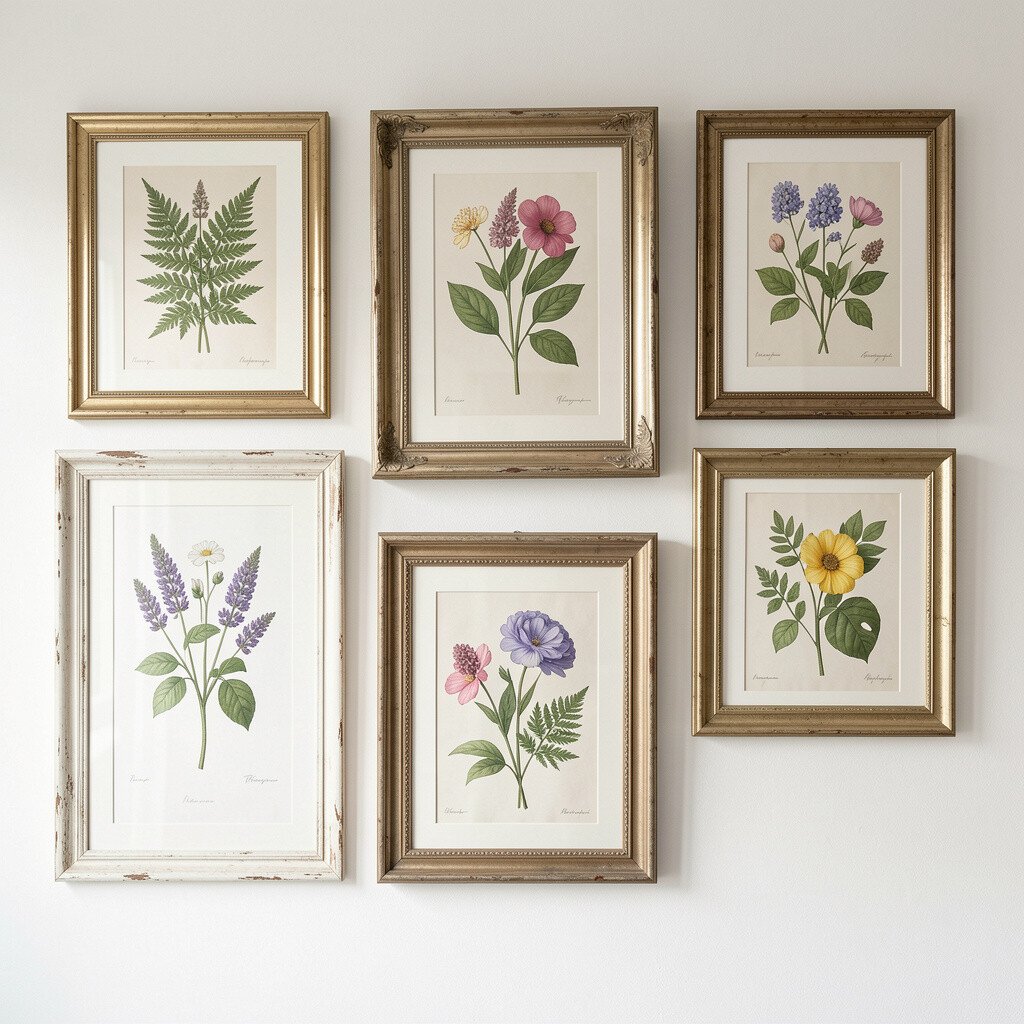
Botanical art makes spaces feel fresh and warm. Even simple leaf images can add a lived-in charm that works in many rooms.
Look for vintage frames at thrift stores, then clean and repaint them in a soft black, warm gold, or gentle white. Swap out the old art insert for new prints so you get that aged look with modern clarity.
Try mixing sizes, like one larger botanical print with several smaller ones around it. This keeps the wall interesting while still feeling organized.
Personalize the theme by choosing plants that match your interests, such as herbs, tropical leaves, or pressed-flower-inspired illustrations. It’s also a great option if you want low cost, because print sets are usually affordable.
8. Arrange a Wall of Small Mirrors as Decorative Art
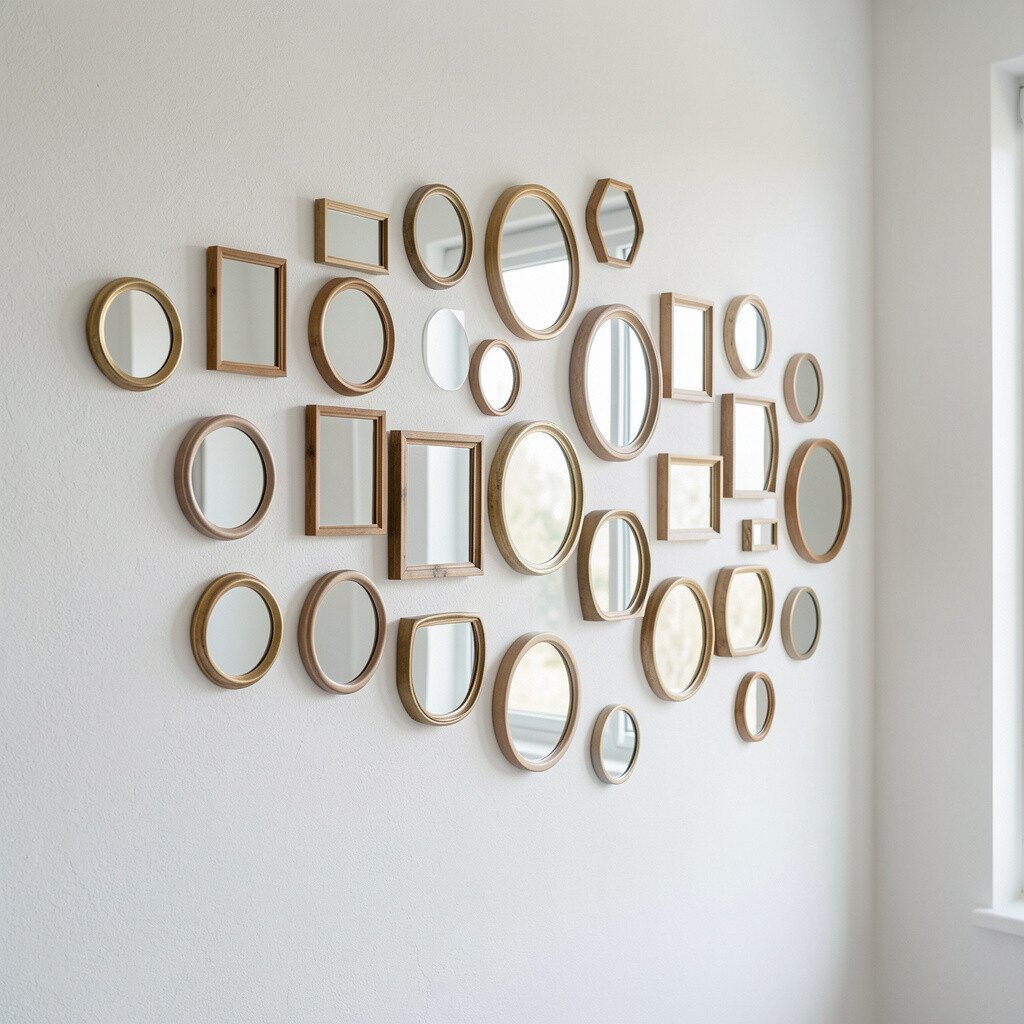
Mirrors can be art because they reflect light and create movement across walls. A clustered mirror wall also makes small rooms feel bigger.
Pick mirrors with similar shapes, like circles or rectangles, then mix finishes such as brass, black, and white. Keep spacing tight for a modern, gallery-style look.
For practical tips, measure the wall and test the layout on the floor first. Use sturdy wall anchors and hang carefully because mirror weight can surprise you.
Unique charm comes from using slightly imperfect mirrors, like vintage finds or handmade-style frames. This trend-forward idea is popular because it blends function and style at the same time.
9. Create a Color-Blocked Headboard Accent With Paint or Panels
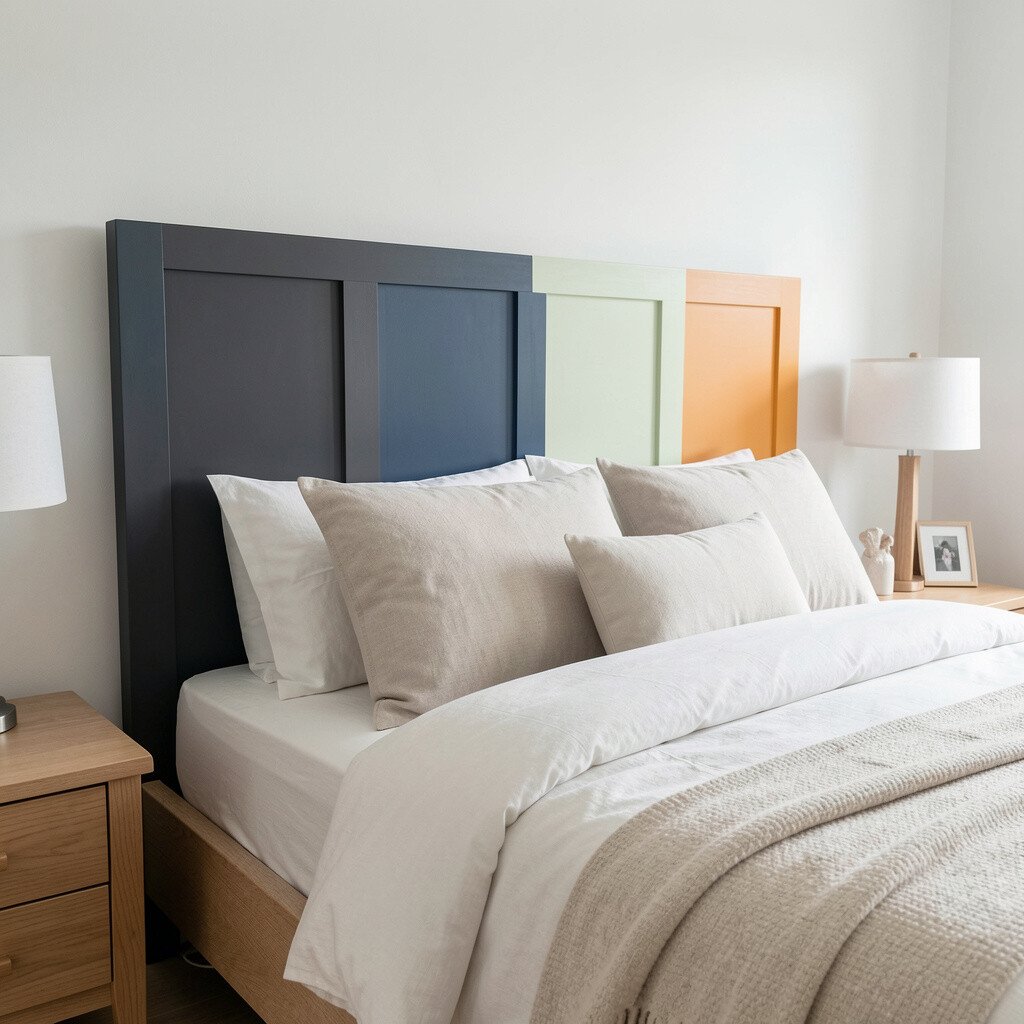
Your bed area is a natural place for art, even when it’s not a picture. Color blocking near the headboard adds a bold graphic feel and makes mornings look more exciting.
Use removable wall panels, peel-and-stick shapes, or painter’s tape to create a clean design. Choose two or three colors pulled from your bedding so the look feels balanced.
Cost stays reasonable when you use temporary options or a single paint color plus one accent. This is also easy to personalize because you can match your art style, like playful kid-friendly blocks or calm adult tones.
For a trend that’s still going strong, aim for soft contrast and matte finishes instead of shiny neon. It looks modern but still cozy.
10. Build a Shadow Box With Found Objects
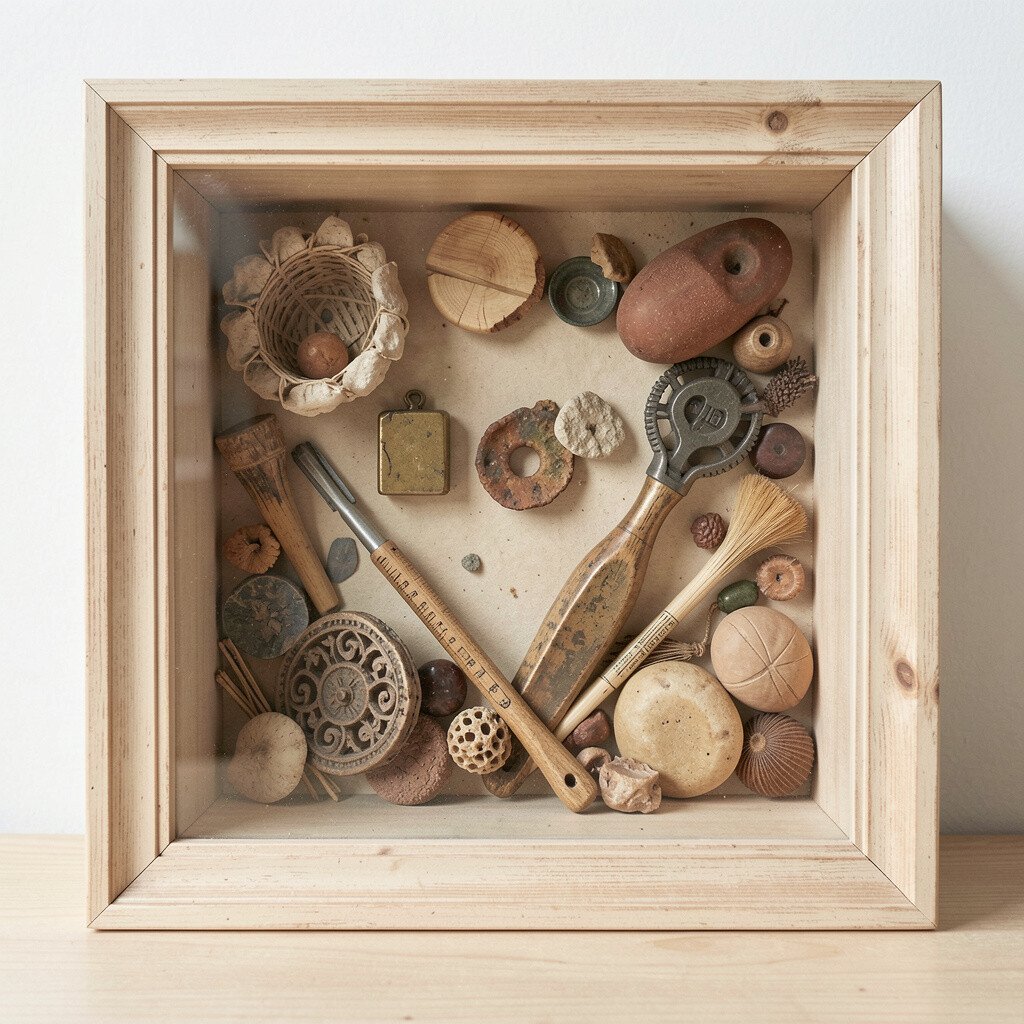
A shadow box turns everyday treasures into a one-of-a-kind artwork. It’s especially great for things with meaning, like shells, ticket stubs, or small keys.
Use a deep frame and fill it with layered items on different depths so shadows create dimension. Secure items with craft-safe adhesive and add a background paper that matches your room’s palette.
Choose a theme that feels like you, such as travel, ocean days, or family keepsakes. This makes the piece unique, and it can cost very little if you use what you already have.
To keep it practical, dust the glass regularly and avoid items that decay over time. A shadow box gives you a durable memory display that still looks polished.
11. Hang a Statement Textile Like a Tapestry
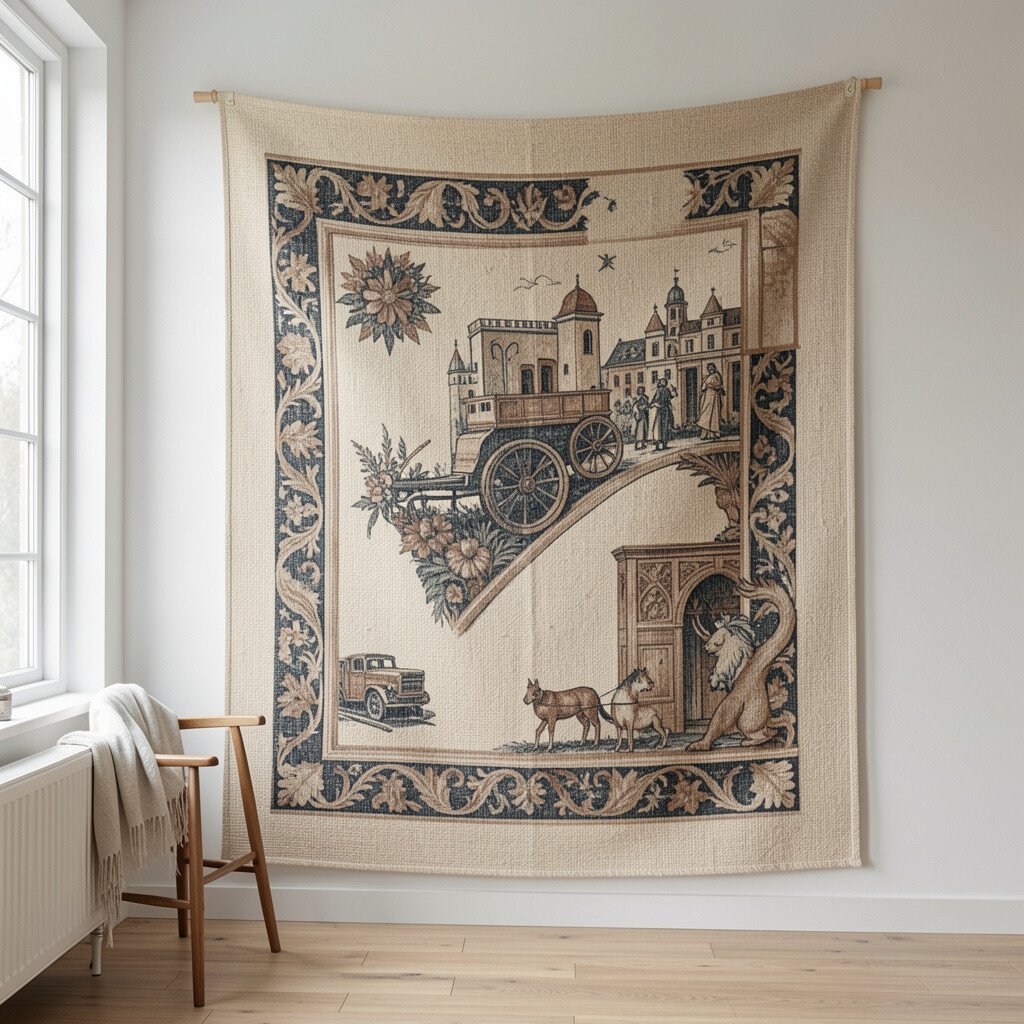
A hanging textile can make a room feel softer and more layered. It’s like adding a fabric painting that moves with light and air.
Choose a tapestry or woven piece that matches your style, from boho patterns to clean geometric weaves. Hang it with a rod, dowel, or tension system so it lays flat and looks neat.
This idea can be budget-friendly if you find a beautiful piece at a thrift store or online marketplace. It also feels unique because textiles have subtle variations that printed art sometimes lacks.
Personalize it by pairing the textile with matching throw pillows or a rug that shares one color. That makes the room feel intentional even if the art is the only bold item.
12. Make a DIY Framed Fabric Map or City Print

Maps can feel romantic because they point to places you love. A framed map becomes a piece of art with a story built in.
Pick a city, region, or even a neighborhood you know well, then print a clean version or copy one you love. Use a simple frame that fits your room style, and make sure the print is centered.
If you want a practical twist, include a small handwritten note on the margin with a memorable date or place. Personalize it with pins or tiny markers to show meaningful spots.
Current trends often lean toward personal storytelling in decor, and maps fit right in. Cost is usually low because many map prints are affordable, especially when you print at home or through a local shop.
13. Use Ceramic Plates as Wall Art
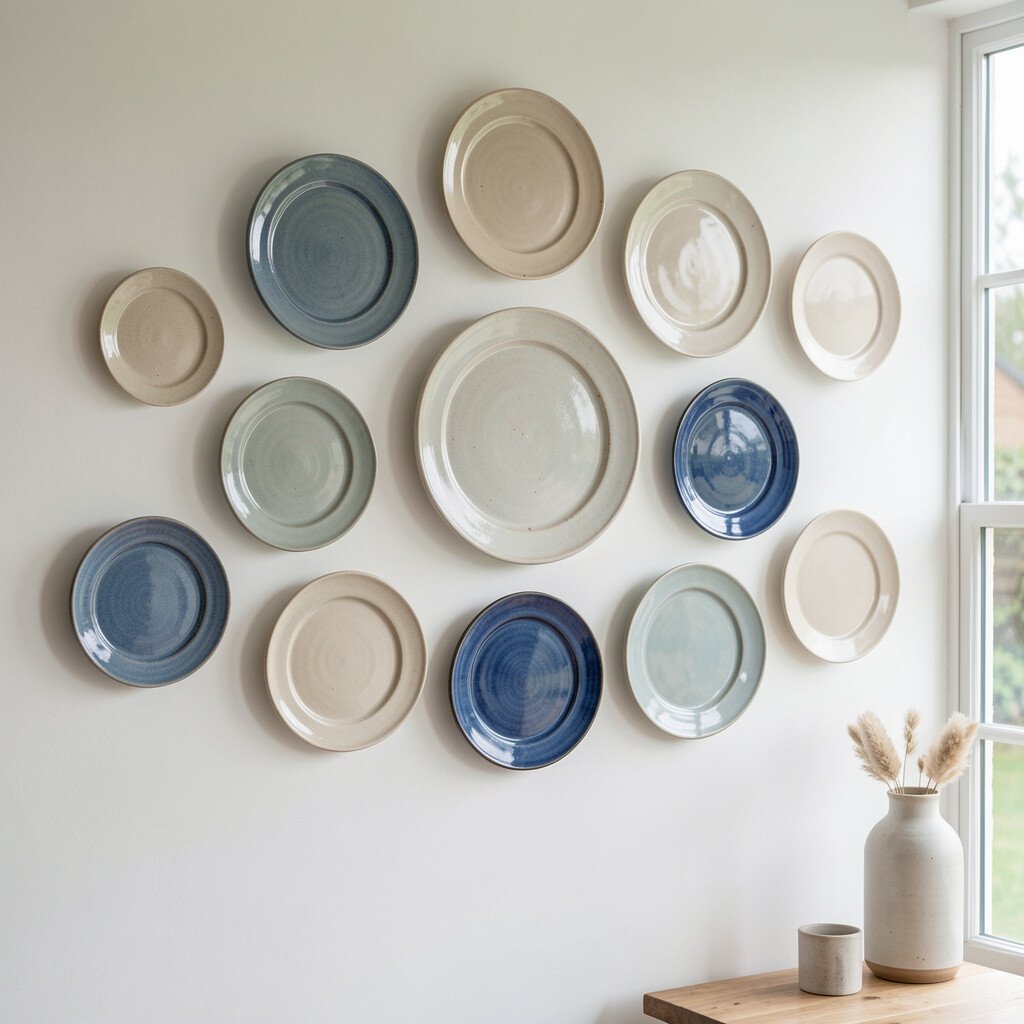
Decorative plates look lovely when they’re mounted like artwork. They add color and a handmade vibe that feels welcoming.
Choose plates with matching tones or a repeating motif, then arrange them in a staggered pattern. For practicality, use plate hangers or wire systems designed for wall display.
Mix sizes for a dynamic look, and consider placing them near a kitchen nook, dining area, or hallway. You can often find plates at thrift stores, so the cost can stay friendly.
To personalize, use plates from special dinners, gifts, or different travels. This makes the wall feel like a gallery of your life, not just decor.
14. Create a Monochrome Art Theme With One Strong Color
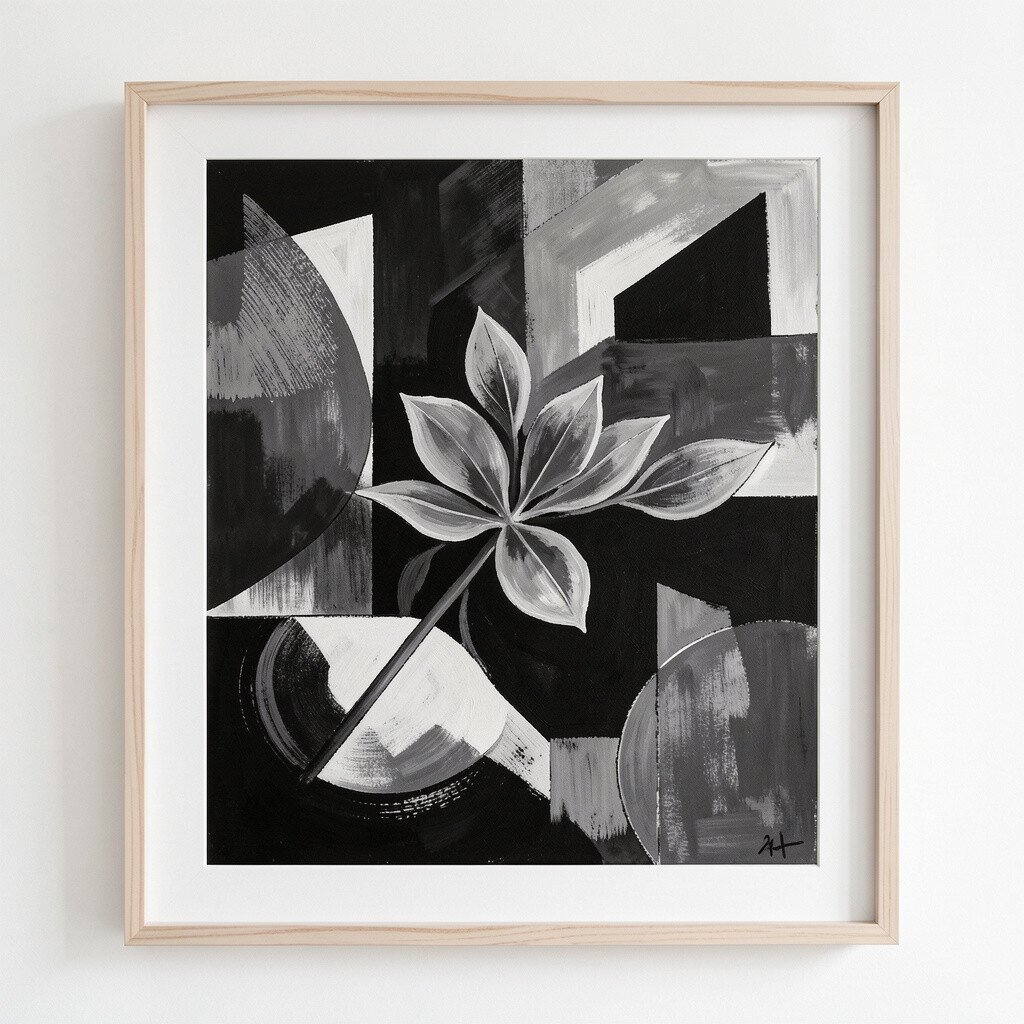
Working in monochrome helps your art look calm and grown-up. When you pick one strong color, the room feels cohesive and easy to style.
Choose art pieces that share the same color family, like deep navy, forest green, or warm terracotta. Use different formats, such as framed prints, canvas art, and simple sculptures, to keep it interesting.
For practical tips, repeat the color in small decor items like candles, bowls, or vases. This makes your art blend naturally with the rest of the room.
Trend-wise, designers are leaning into “quiet drama,” where one rich hue does the heavy lifting. It can be achieved without buying everything at once, since one color palette ties older items into the new look.
15. Frame a Childhood Photo Series With Consistent Layout
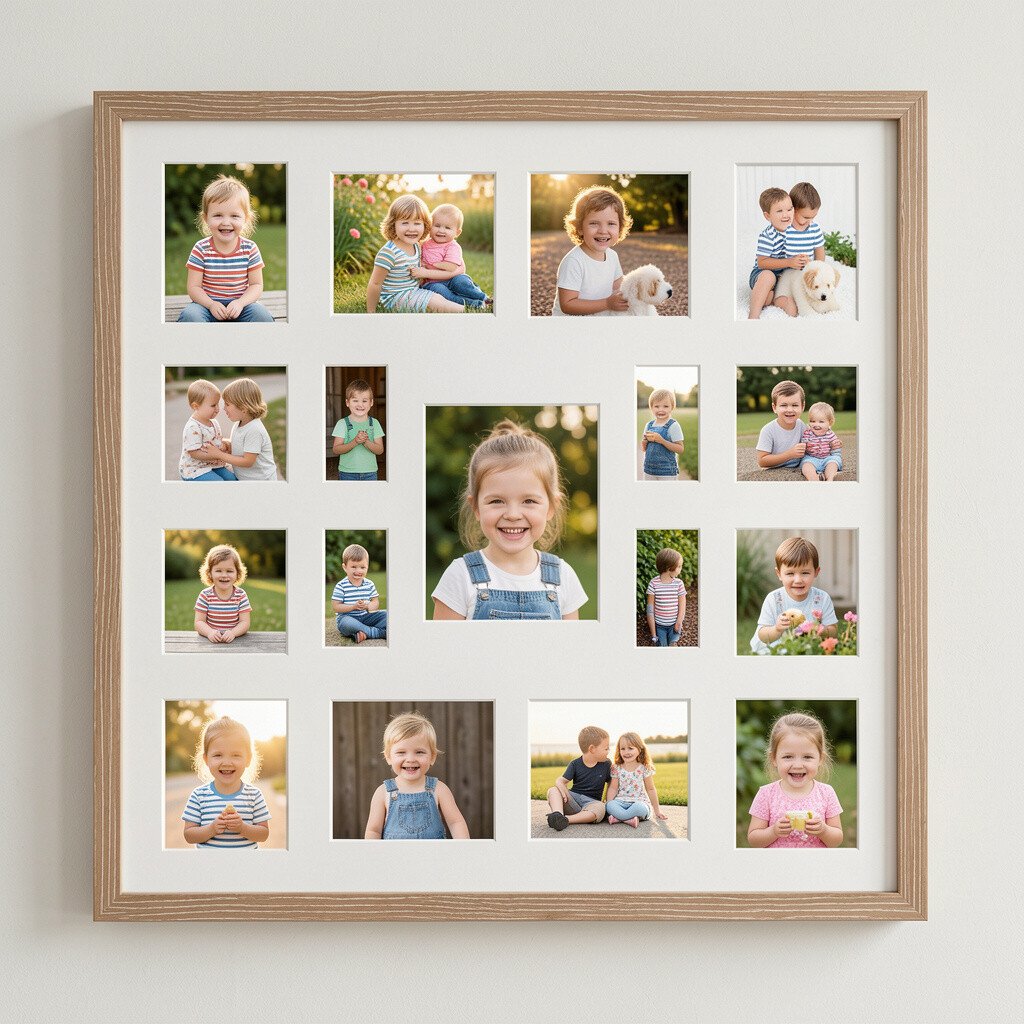
Photos become art when they’re arranged with care and consistency. A themed photo series brings warmth and familiarity to any wall.
Pick a set of photos that share a moment, theme, or time period, then print them in similar sizes. Use matching frames or matting so the layout looks clean.
Add subtle variation by choosing slightly different frame finishes, like matte black and natural wood. This gives personality without making the display chaotic.
It’s also budget-friendly because you’re using photos you already have. Personalization is built in, and it feels meaningful every time you walk past it.
16. Add Light With a Backlit Artwork or Shadow-Lit Canvas

Light changes art, and backlighting can make your space feel magical. Even a simple print looks more dramatic when it glows softly.
Consider a thin canvas with LED strips behind it, or use a backlit frame if you want a clean and modern setup. Pick warm white lighting for cozy rooms and slightly cooler white for crisp, contemporary spaces.
For practical safety, follow installation instructions closely and keep wires tucked away. This can be mid-range in cost, but the visual impact is high.
Personalize by choosing art that benefits from light, like line drawings, botanical prints, or abstract color fields. Current trends favor gentle illumination because it feels like mood, not just brightness.
17. Curate a Rotating Art Stand for Easy Swaps
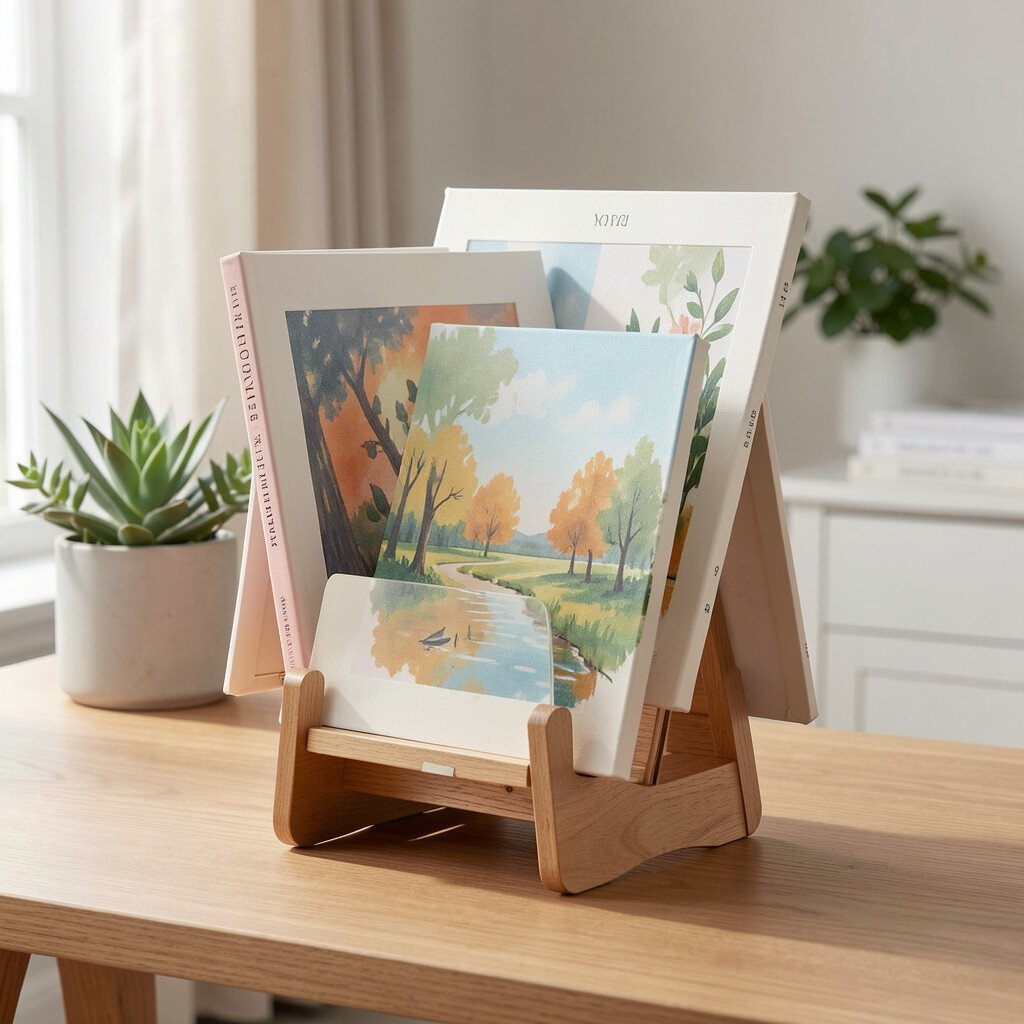
If you love changing your look, a rotating art stand is a smart move. It lets you refresh your space without rehanging everything.
Pick a standing display system, like an easel-style frame or a shelf that holds small artworks. Add a protective cover or choose washable prints so swapping stays simple.
Rotate artwork with seasons, holidays, or your monthly mood. This personalization makes your home feel active and current, not stuck in one style.
Cost stays manageable because you can print your own designs or buy small affordable pieces over time. It also supports unique finds, like art from local makers, because you can switch them in quickly.
18. Hang a Statement Piece Above a Console or Dresser
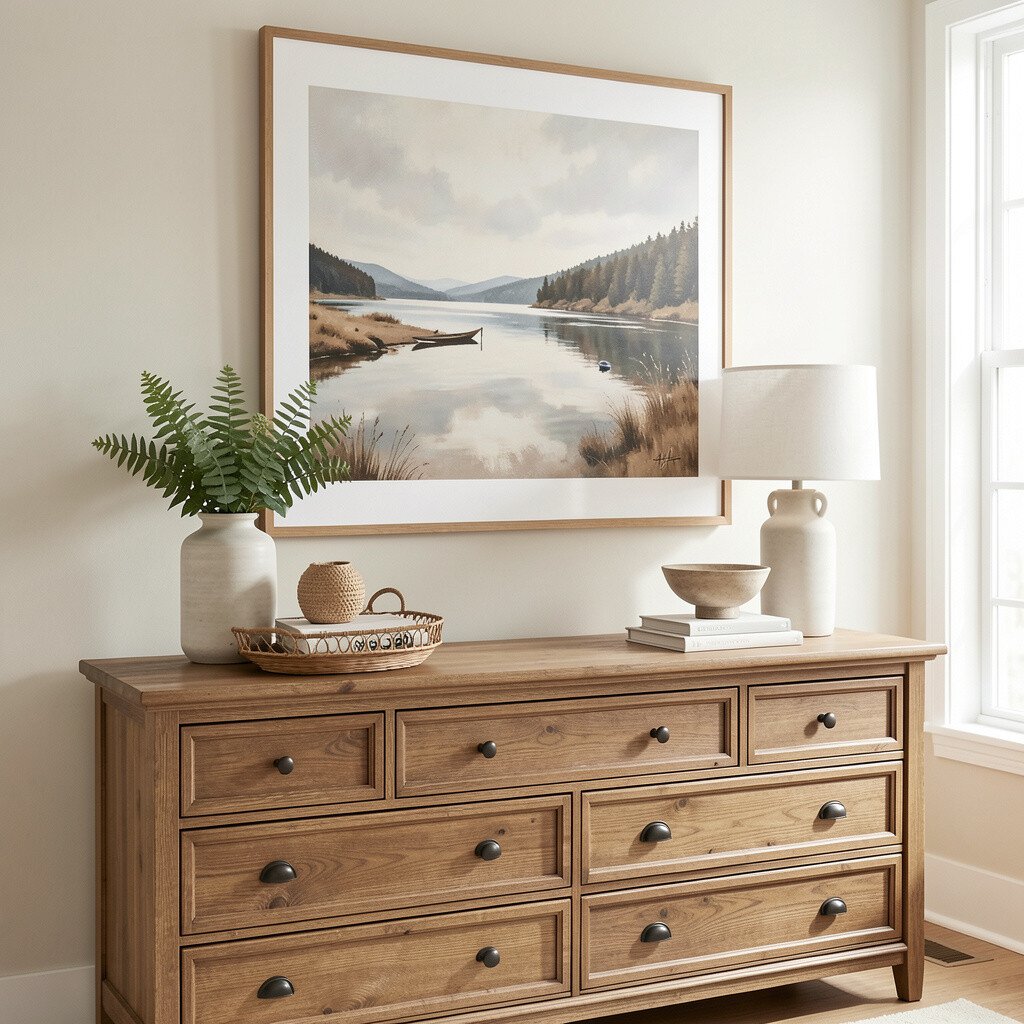
The top of a dresser or console is prime real estate for art. A well-chosen piece makes the whole room feel styled and finished.
Choose a painting, large print, or framed mirror that matches the width of your furniture. Center it carefully and keep the bottom edge in a comfortable visual range above the surface.
To make it practical, match the art’s color to accents like lamp shades, cabinet hardware, or the rug. This helps the space look balanced instead of random.
Uniqueness comes from mixing modern and vintage elements, like a contemporary artwork with an antique frame. Current trends often feature bold focal art paired with simple styling below it.
19. Make a Wall Mosaic With Small Tiles or Pebbles
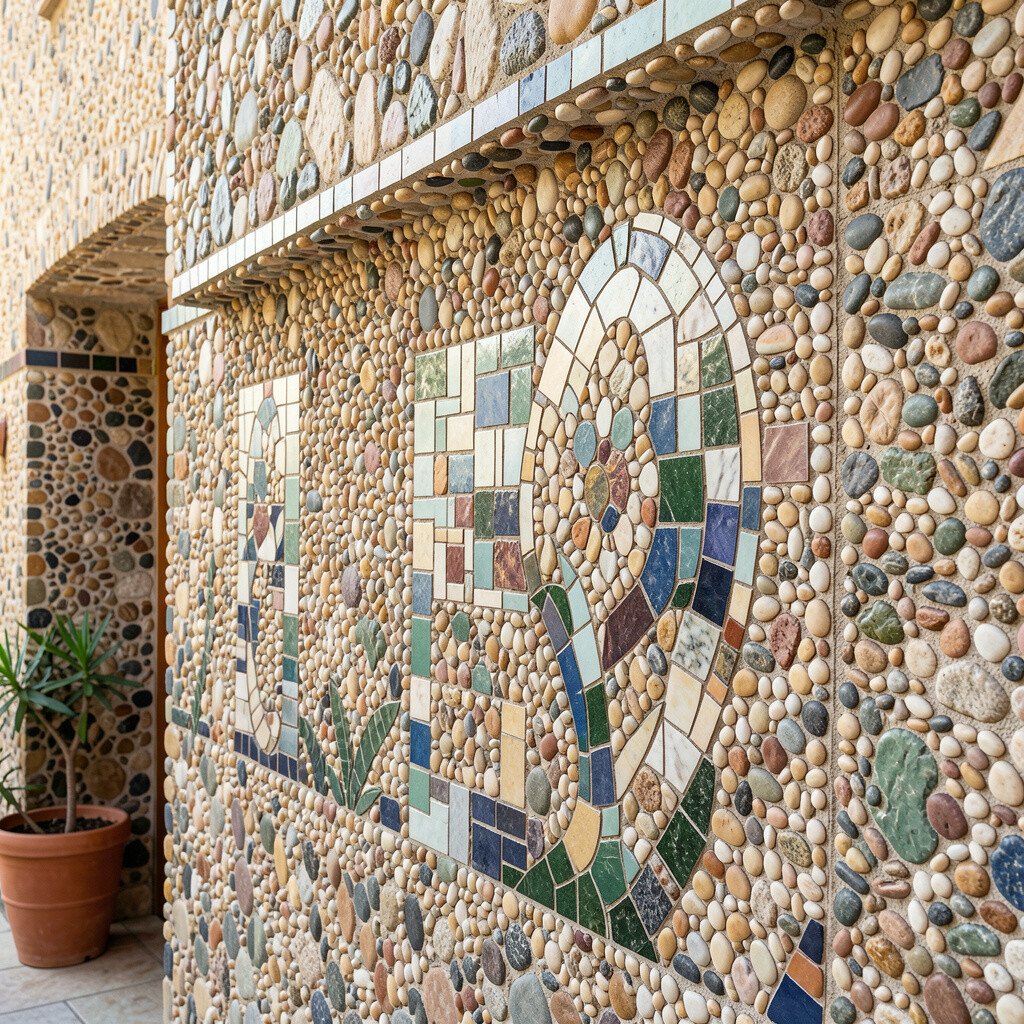
A mosaic adds texture and craft energy that feels truly special. Small tiles or pebbles can create patterns that catch light and invite close looks.
Create a simple grid pattern or a flowing shape, then mount it on a board for easier handling. Use a grout or adhesive that matches your materials so everything stays secure.
Personalize by choosing colors that mirror your existing decor, like warm sandstone tones or cool ocean blues. Cost can be low if you use leftover tiles or craft pebbles, but it can rise if you buy premium stones.
For a practical tip, keep the design moderate in size if you’re new to mosaics. It’s easier to manage and still makes a strong visual statement.
20. Add Art Through a DIY Stencil on Furniture
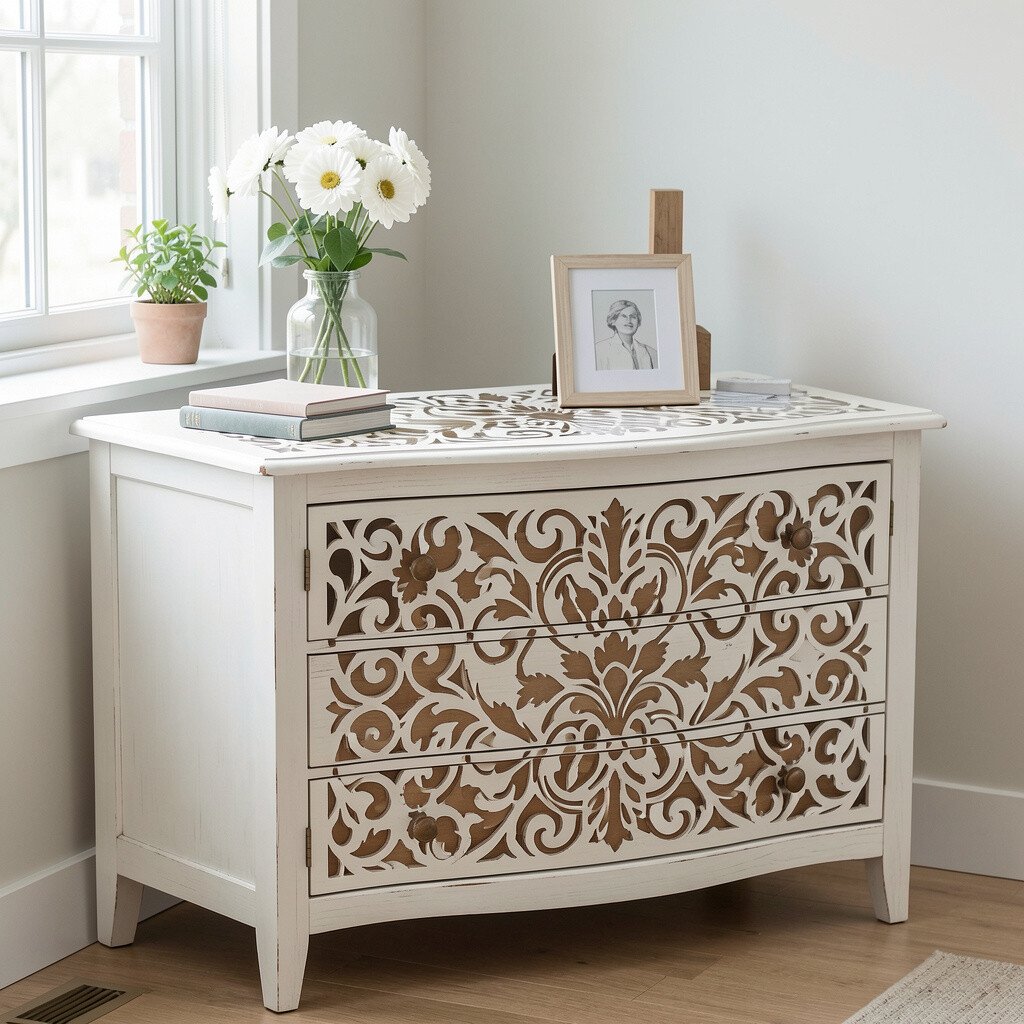
Your furniture can become a canvas when you add a stencil pattern. It’s a clever way to make older pieces look new without buying anything huge.
Pick a stencil style that suits your room, like tiny stars, botanical lines, or geometric stripes. Use painter’s tape to keep edges crisp, and seal with a clear topcoat for easy cleaning.
This is a strong personalization idea because it turns a plain cabinet, dresser, or side table into a signature piece. It also helps with cost since you’re working with what you already own.
Current trends lean toward subtle custom details instead of full bold color flips. A stencil adds that modern touch while still looking wearable in everyday spaces.
21. Style a Ceiling Sculpture or Hanging Mobile
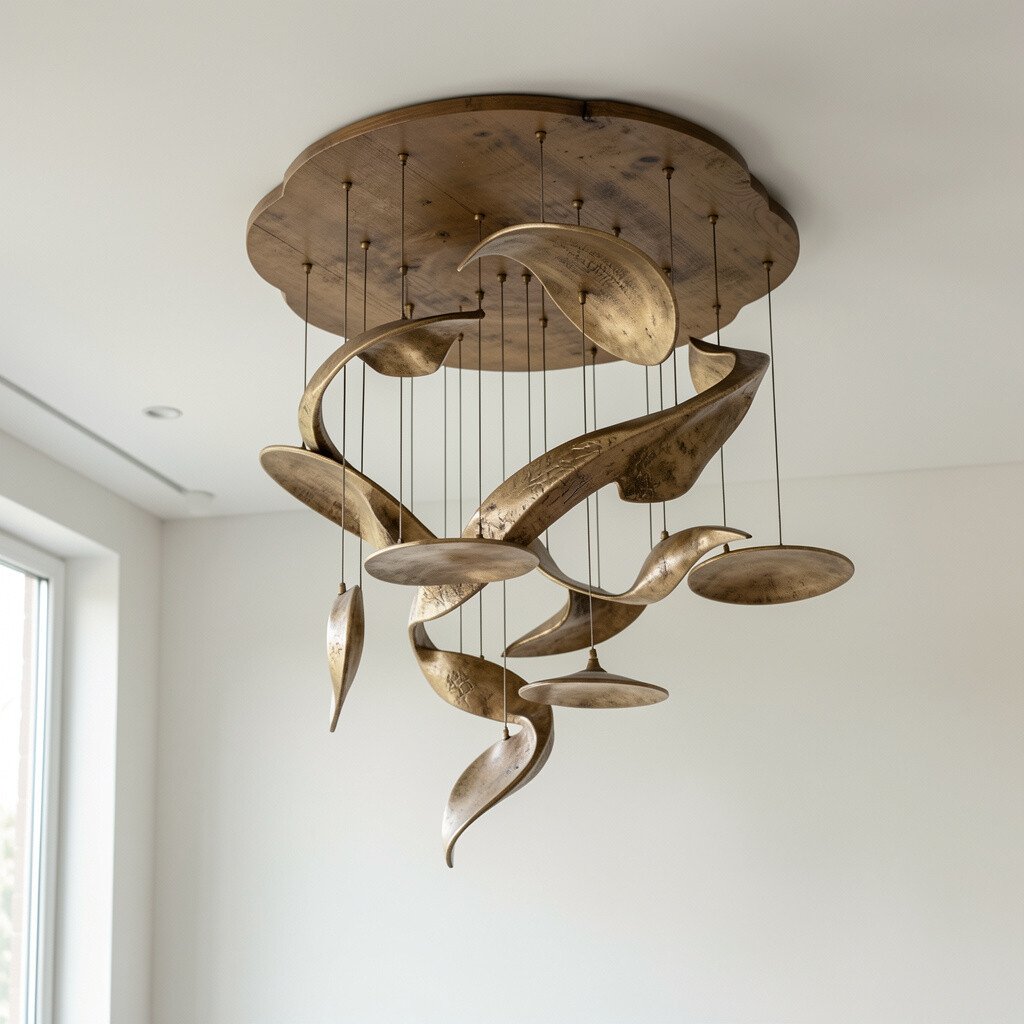
Art doesn’t have to stay at eye level. A hanging mobile or ceiling sculpture can make a room feel airy and creative.
Choose lightweight materials like wood shapes, paper cutouts, or thin metal pieces that won’t feel heavy. Hang it near a window or above a seating area where you’ll notice it often.
To keep it practical, use strong hooks and ensure balanced weight so it doesn’t wobble too much. Cost can vary, but many DIY versions use affordable supplies.
Personalize the design with your color palette, like soft neutrals with one bold accent. This idea feels unique because most rooms don’t use the ceiling as a creative space.
22. Create a Statement Wall With a Large Textile Swag and Hooks

A dramatic swag of fabric can turn a blank wall into a styled scene. It feels elegant but still friendly, especially when the fabric has movement.
Use hooks and a tension rod system, then drape one or two layers so the folds look natural. Choose a fabric with a pleasing texture, like linen blends or woven cotton, for a warm look.
For practical tips, iron the fabric first and secure the ends so they don’t droop unevenly. This can be a budget-friendly art choice when you use yardage, thrifted curtains, or discounted fabric bolts.
Uniqueness comes from the folds you create, which can’t be copied exactly. Personalize it by picking colors that echo your rug or bedding, so your wall art feels like part of the room’s story.