Your small room can feel bigger with a smarter layout, not more stuff. When every inch has a job, the space starts working for you.
From furniture choices to lighting angles, small changes add up fast. You can make it cozy, practical, and uniquely yours without turning the room into a puzzle.
1. Start With a Clear Layout Blueprint

Before you move anything, take a quiet look at your room like it’s a blank canvas. Notice where doors open, where windows bring light, and where your daily routines naturally pass by.
Sketch the room roughly on paper or in a simple app, then mark the biggest pieces you already own. Place a bed, sofa, or desk on your sketch first, because those shapes control the rest of the layout. When you match the layout to how you live, the room feels smoother and less crowded.
2. Choose Furniture With the Right Scale
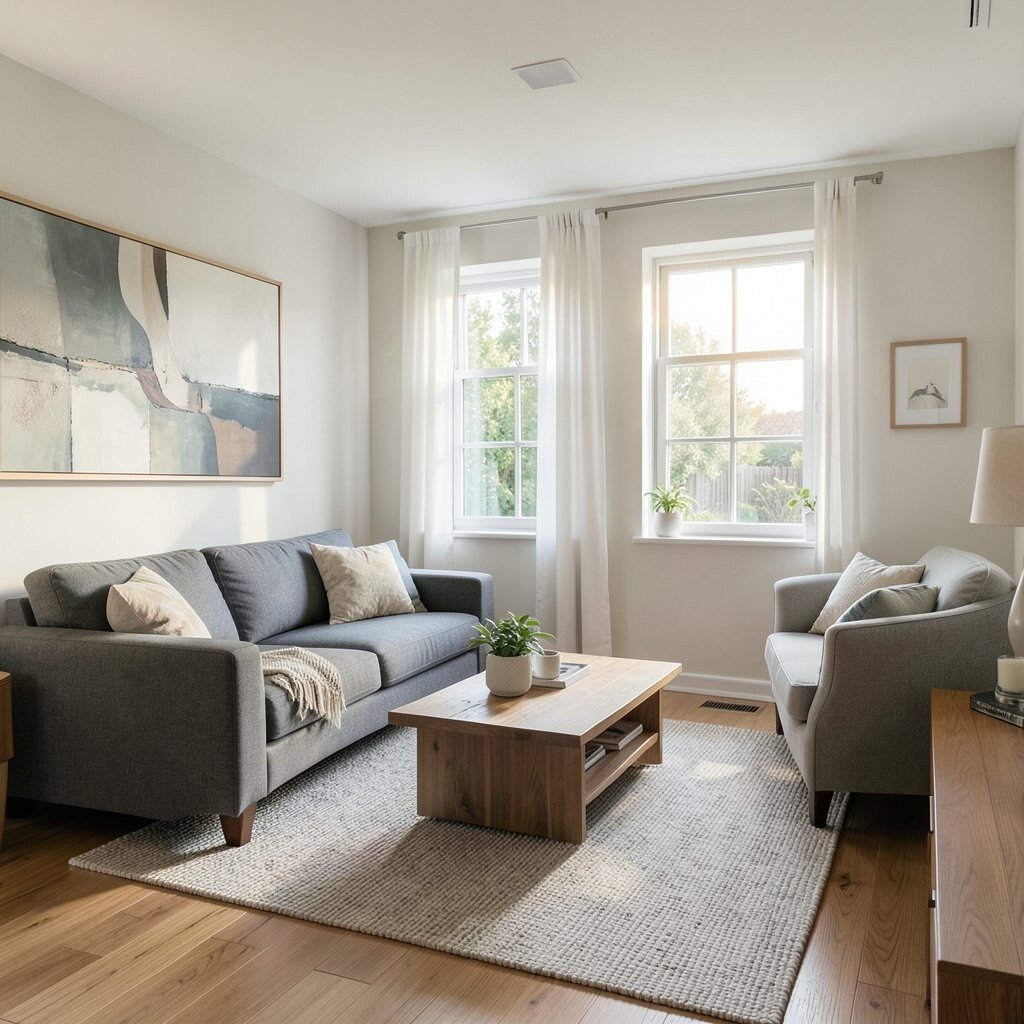
In a small room, furniture size changes everything. A bulky dresser can swallow the space, while slim legs make it feel airy and open.
Look for pieces that stay close to the floor, like a low-profile sofa or a compact console. Then check the “visual weight” of each item, since dark heavy furniture can make walls feel farther away. Choosing the right scale gives you more breathing room and helps you keep a tidy look.
To personalize your space, mix one hero piece with lighter accents, such as a patterned rug under neutral furniture. If you’re working with a limited budget, consider secondhand or DIY-friendly options and focus your spending on one quality piece that you’ll keep for years. This keeps the room stylish without overspending.
3. Use One Main Activity Zone

A small room feels calm when it has a clear purpose. Pick a main activity like sleeping, working, or relaxing, and let everything else support it.
For a bedroom, center the bed around the most natural wall and treat the sides as “helper space” for nightstands and lamps. For an office corner, keep the desk near a light source and store supplies nearby so you’re not crossing the room all day. When you group items by function, you reduce clutter and make moving around easier.
Try adding a small tray or drawer unit that matches your style, such as wood tones or matte black. This helps you personalize while still keeping surfaces from turning messy. You’ll feel the room working with you instead of against you.
4. Face Furniture Toward the Best View
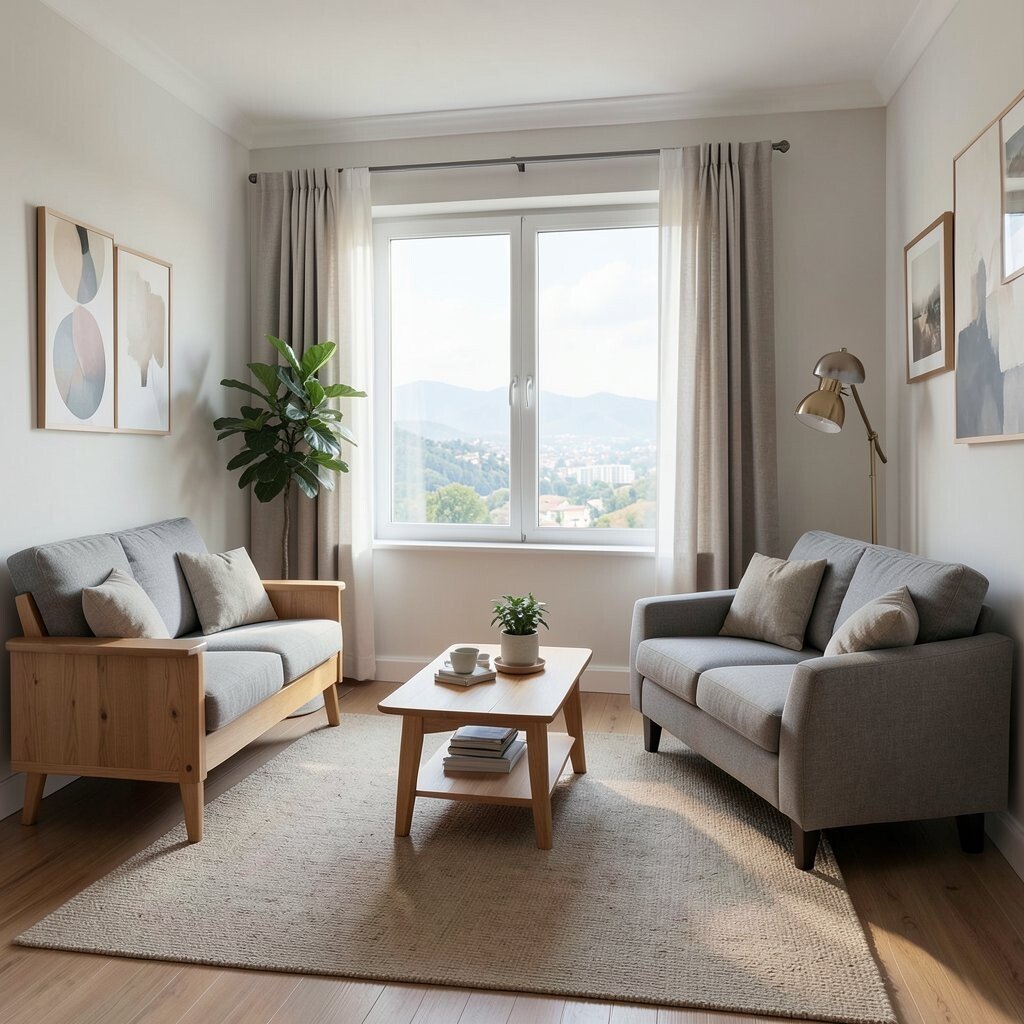
Even in a small space, your eyes need a friendly place to land. If a window or artwork is your strongest feature, point seating and key surfaces toward it.
When furniture faces the best view, the room feels intentional instead of random. It can also make the space feel brighter because light bounces off surfaces naturally.
5. Create Walkways With Clear Pathways
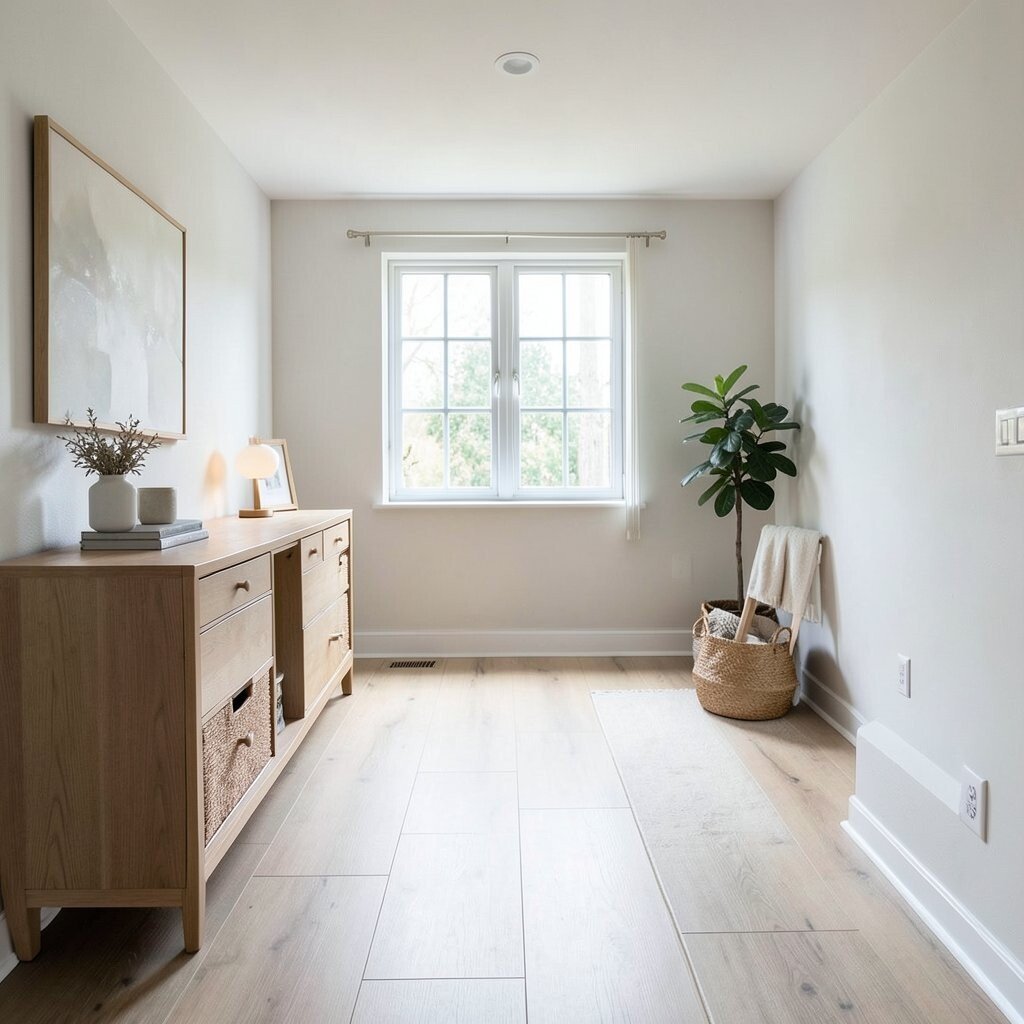
People forget that traffic flow matters as much as style. You want your body to move easily from door to bed, desk, or couch without squeezing past chairs.
Try keeping a consistent pathway through the room, even if it’s narrow, and avoid placing tall items in that line. Swapping a deep cabinet for a shallower one can free space where you actually walk. Clear pathways help the room feel larger and reduce that “trapped” feeling.
If you like a cozy vibe, you can still keep seating close, just angle it so you’re not stepping over or around obstacles. For personalization, use a runner rug that guides your movement and adds texture without filling the room with clutter. It’s a simple layout trick with a big payoff.
6. Go Vertical With Storage That Doesn’t Crowd
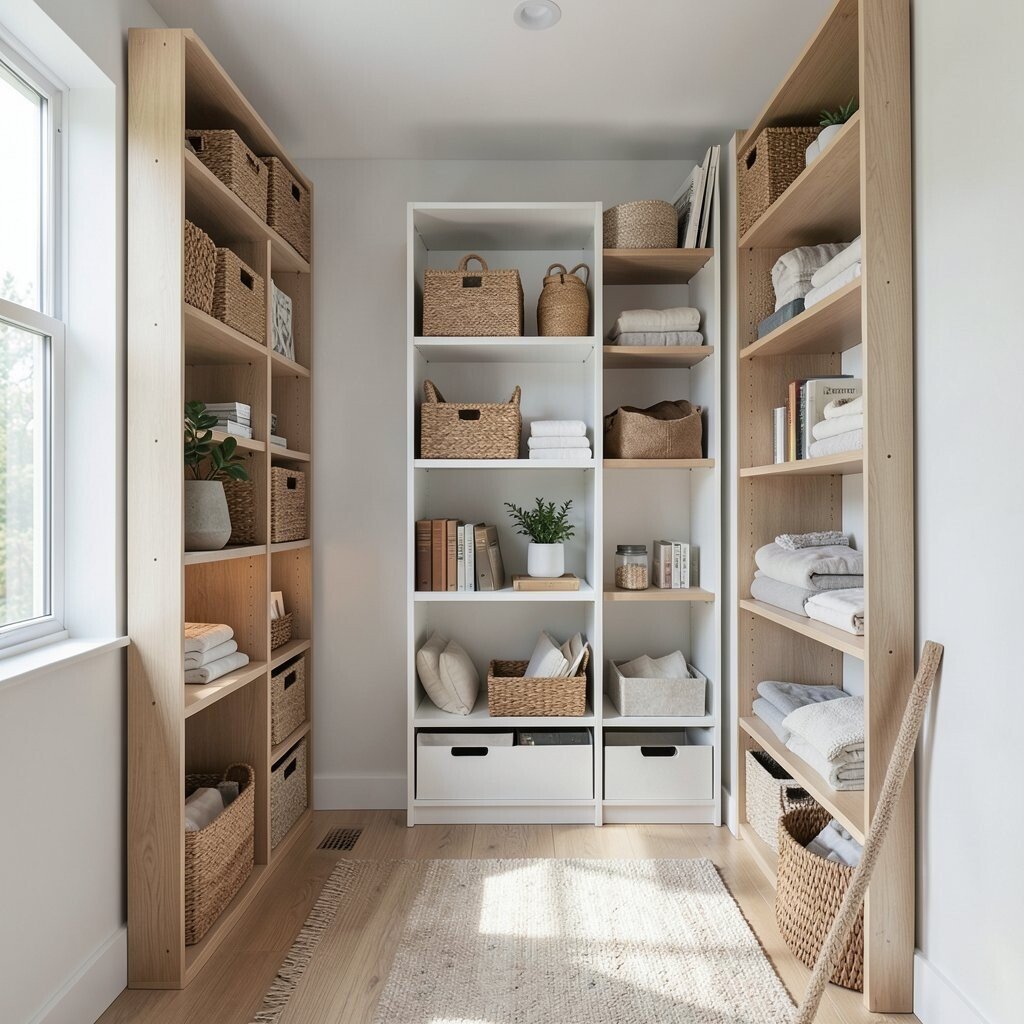
Small rooms often fail because storage only lives on the floor. When you add height, you reclaim the space you actually need to move and breathe.
Use wall shelves, tall bookcases, or stackable organizers that reach upward instead of outward. Hanging storage for bags, hats, or even kitchen items keeps surfaces clean and makes everyday items easy to grab. Vertical storage also looks intentional when you match finishes like white shelves with light-colored frames.
7. Switch to Multifunction Furniture
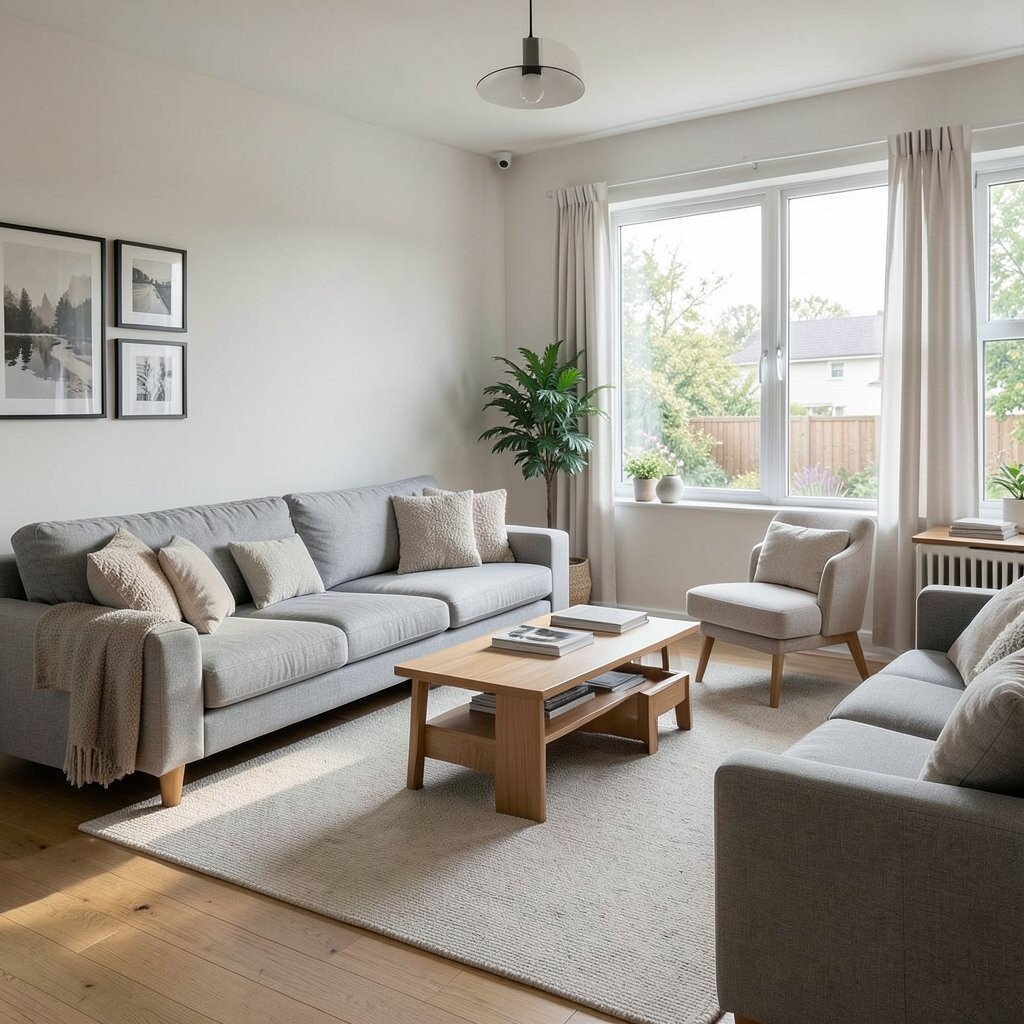
Multifunction pieces are like secret helpers in a small room. A sofa bed, storage ottoman, or lift-top coffee table can do more than one job without adding extra bulk.
When choosing multifunction furniture, check how it will be used day to day, not just once. A desk with drawers can replace extra organizers, and a bed frame with built-in storage can cut down clutter fast. This keeps the room tidy and makes your layout feel smarter.
You can personalize by selecting colors and textures that match your style, like a woven ottoman or a fabric storage bench. If budget is tight, start with one multifunction item that supports your most important routine. That one change often makes the rest of the room feel easier to manage.
8. Use Mirrors to Add Depth
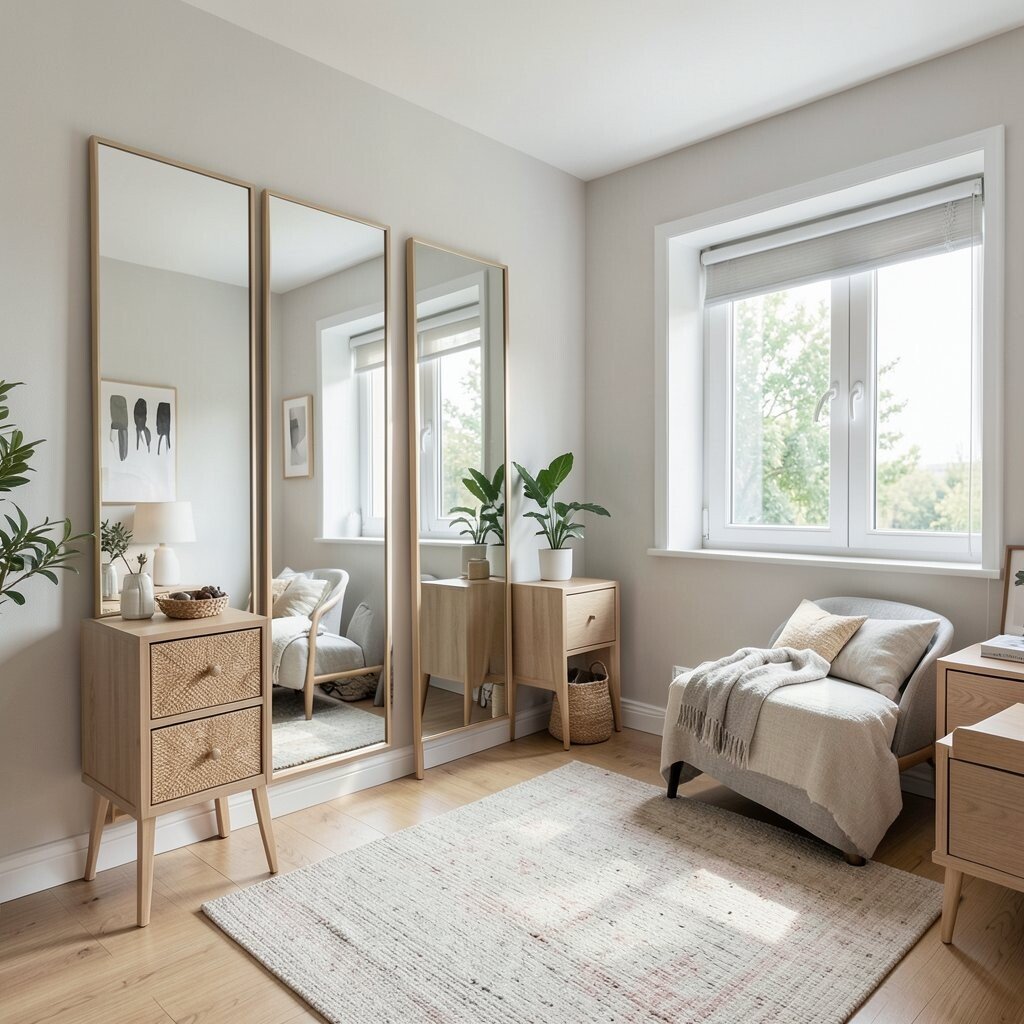
Mirrors can make a small room feel like it has extra space. They reflect light and create a “second” visual layer, which tricks your brain into seeing more room.
Try placing a mirror across from a window or near a light source so the brightness spreads. For a modern look, choose a slim framed mirror or an arched shape that softens corners. This adds uniqueness while still being practical and easy to style.
9. Light the Room in Layers
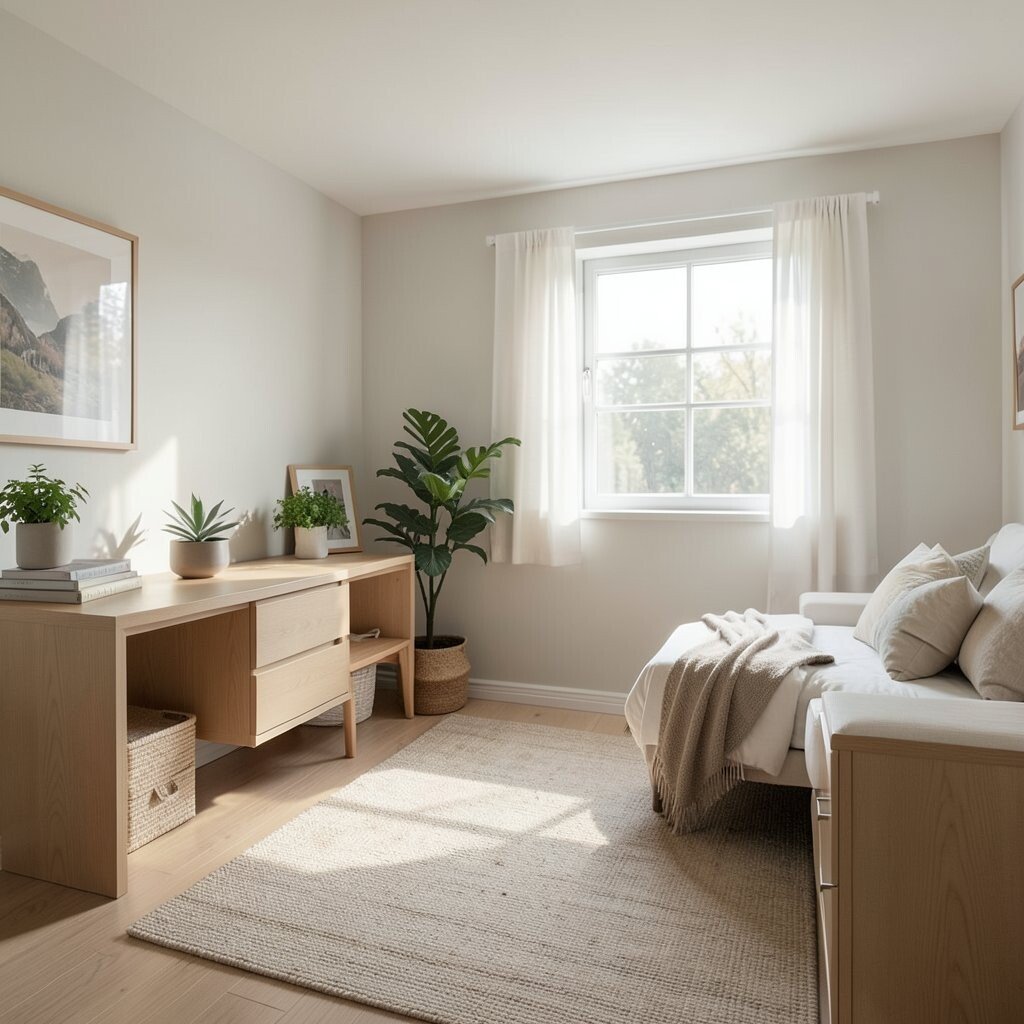
Bright light alone doesn’t always make a room feel bigger. Layered lighting creates depth and comfort, which helps small spaces feel inviting instead of flat.
Use a mix of ceiling light, a floor lamp, and a small table lamp or wall sconce. Warm bulbs can make evenings feel cozy, while brighter bulbs help with focus during the day. When light is spread around, corners don’t look heavy and the room feels more open.
10. Keep Colors Light and Cohesive
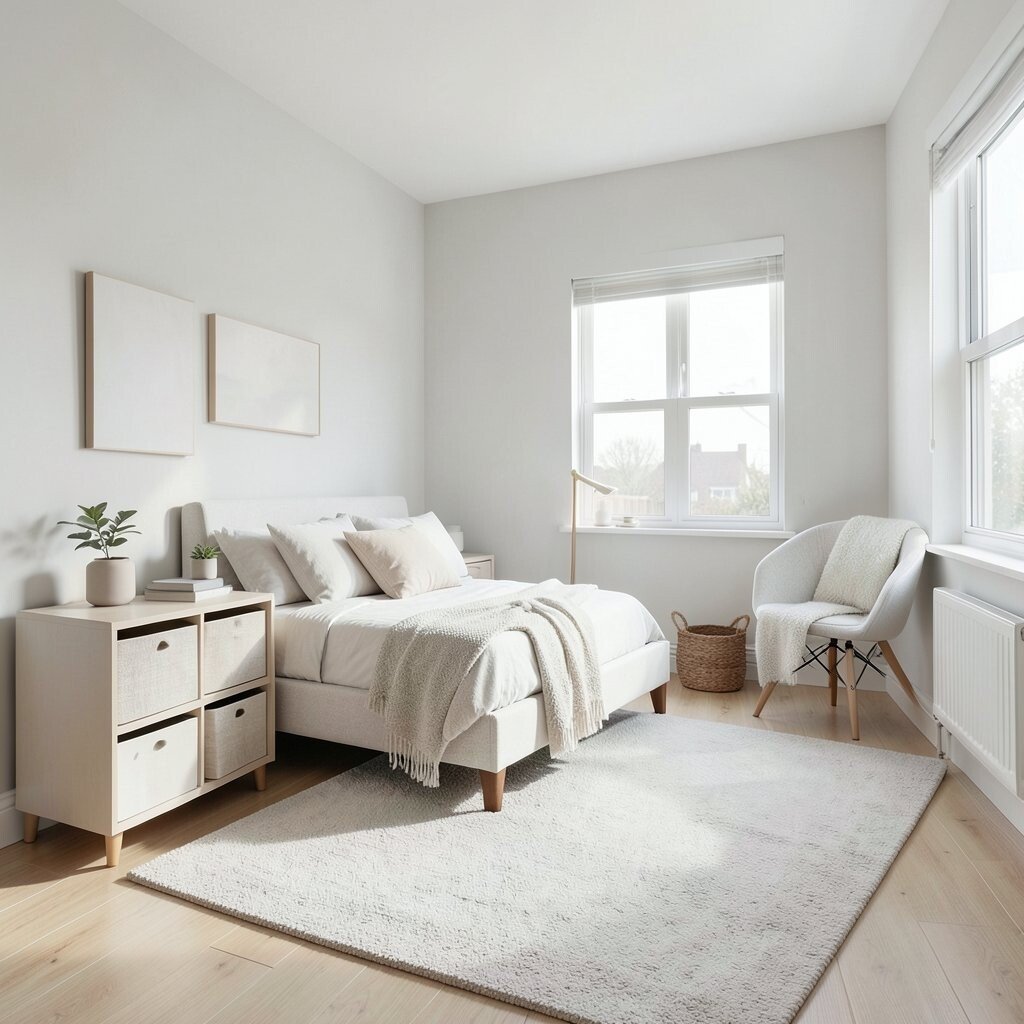
Color guides how your room “reads” from the doorway. Light walls and coordinated tones can make the entire space feel connected rather than chopped into small pieces.
Pick one main neutral, then add color through textiles like curtains, cushions, or a rug. Try using the same color family across different items so the room looks calm and intentional. This creates a clean background for your personal style without making the layout feel busy.
If you love bold color, use it in smaller ways like a single accent chair or framed art. For cost control, painting one wall or updating fabric covers can be cheaper than replacing furniture. The result feels fresh, not overwhelming.
11. Lean Into Open Sides and Negative Space
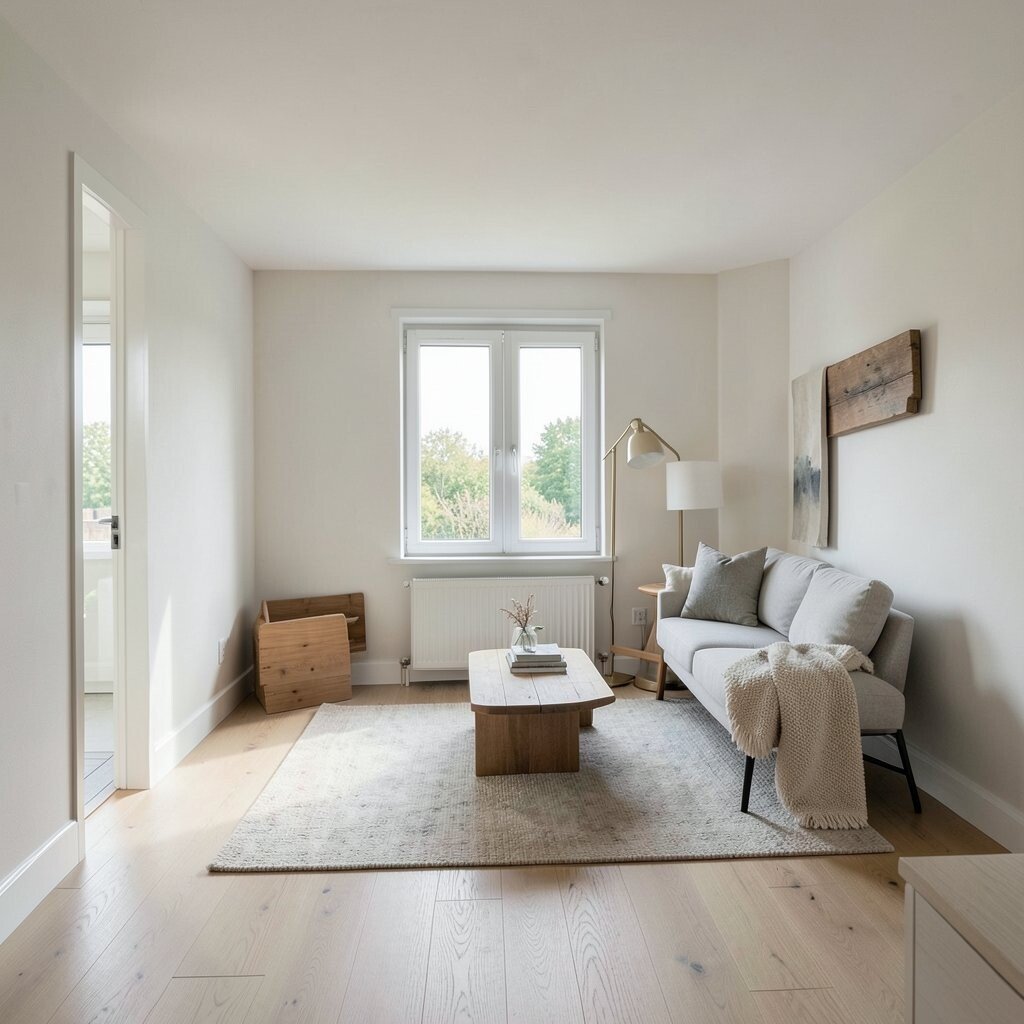
Negative space isn’t empty for no reason, it’s space your eyes can rest on. In small rooms, leaving a little breathing room around key pieces makes everything feel less cramped.
Instead of filling every wall and corner, choose a few intentional spots for shelves, art, or decor. Keep pathways and seating areas slightly open so the room feels inviting. This also makes cleaning easier because there’s less to rearrange every time you wipe.
12. Align Furniture to Reduce Visual Clutter
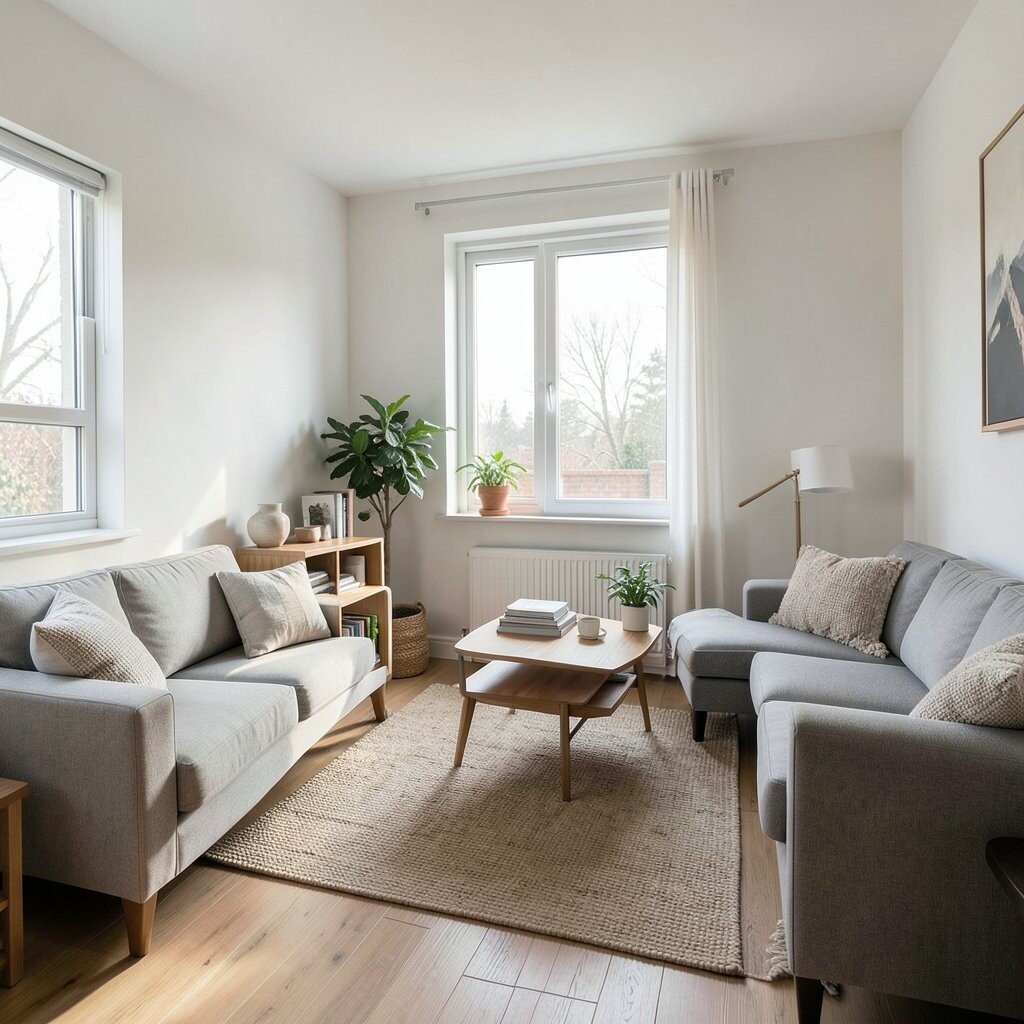
When furniture lines up neatly, the room looks calmer. Random angles can make a small space feel busy even if it’s not packed with items.
Try placing larger furniture parallel to the longest wall when possible. Keep matching pieces like nightstands at similar heights, and use organizers in the same style. Alignment helps create a clean rhythm that makes the room feel designed, not accidental.
13. Use Curtains and Rugs to Create Continuous Lines

Soft textiles can change the feel of a small room quickly. Long curtains and properly sized rugs add lines that make the space appear taller and wider.
Hang curtains closer to the ceiling and extend them wider than the window so light flows in and the walls look taller. Choose a rug that fits under at least the front legs of your main furniture when you can, because that “grouping” makes the room look bigger. These details are practical and they also add a cozy, layered look.
If you’re into current trends, earthy textures and warm neutrals are still popular because they make rooms feel grounded. For personalization, add one small pattern that repeats in another area like throw pillows or a framed print. Even with a small budget, fabric changes are one of the easiest upgrades.
14. Add Storage Under, Behind, and Beside

Your small room has more unused space than you think. Under beds, behind doors, and beside furniture are all areas that can hold items without stealing your floor plan.
Use under-bed bins, door organizers, and slim side cabinets that tuck next to the bed or desk. When you store things this way, you reduce visible clutter and you stop “micro-mess” from taking over countertops. This also helps you keep daily routines faster because items are closer to where you use them.
To personalize, match storage bins to your decor so hidden storage still looks neat. If cost is a concern, start with one area that’s always messy, like a hallway closet or desk supplies. Fixing that one hotspot can make the whole room feel more organized.
15. Refresh the Layout Seasonally With Small Tweaks
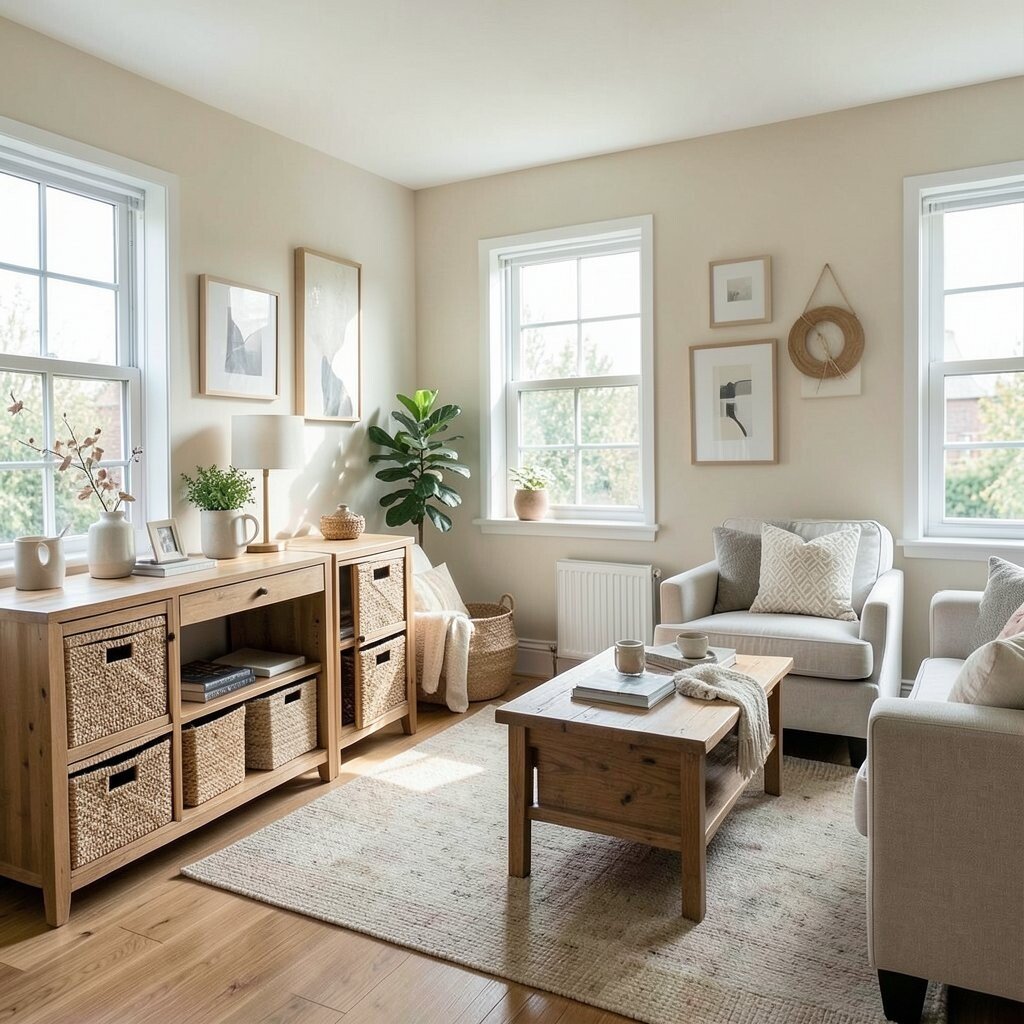
Even the best small-room layout can feel outdated after a while. Seasonal tweaks keep your space feeling fresh without needing big changes.
In cooler months, bring in warmer textiles like heavier curtains and extra throws, then adjust seating for comfort. In warmer months, lighten the look with airy curtains and switch to lighter decor colors. This helps you create variety while still keeping the room functional.
Try moving one piece at a time, like swapping where a side chair sits or repositioning the lamp. You’ll learn what works best for your habits and your preferences. It’s a low-cost way to keep the room feeling like you.
16. Personalize With a Few Strong Style Anchors
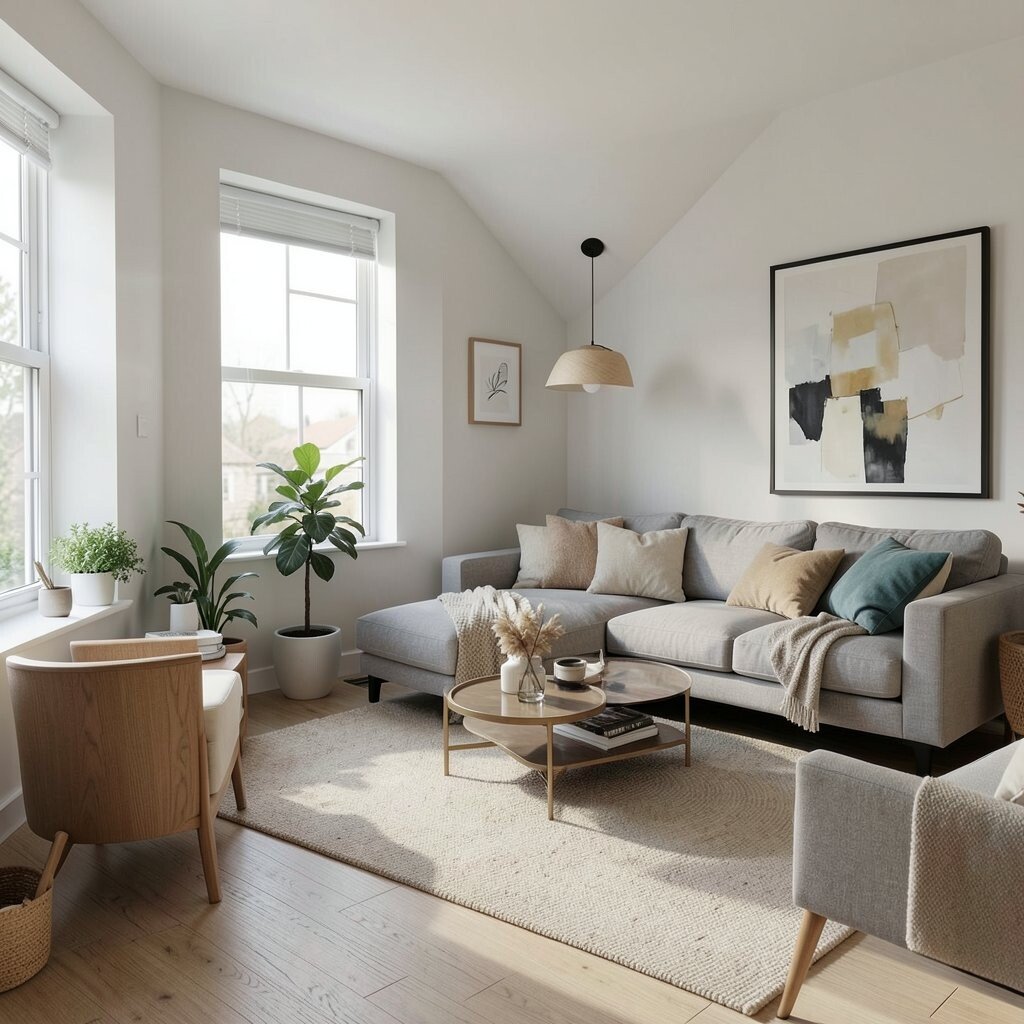
A small room doesn’t need a lot of decor to look high-end. It needs a few strong anchors that make the layout feel intentional and connected.
Choose one anchor like a standout rug, a piece of wall art, or a stylish headboard, then build around it. Keep other decor simpler so the eye stays focused and the room doesn’t feel cluttered. This approach is unique because it reflects your taste while still respecting the limits of small layouts.
For practical personalization, add items you actually use, like a reading light, a stylish storage basket, or a small display shelf. If you want to keep costs down, focus on affordable upgrades like frames, textiles, and lighting bulbs rather than replacing furniture. With a thoughtful anchor, your small room can feel special every day.