Stairs take a lot of daily use, but they do not have to cost a fortune. With the right upgrades, you can get a safer, prettier look on a real budget.
Below are budget-friendly stair ideas that focus on smart choices, good materials, and personal style.
1. Paint Instead of Replace
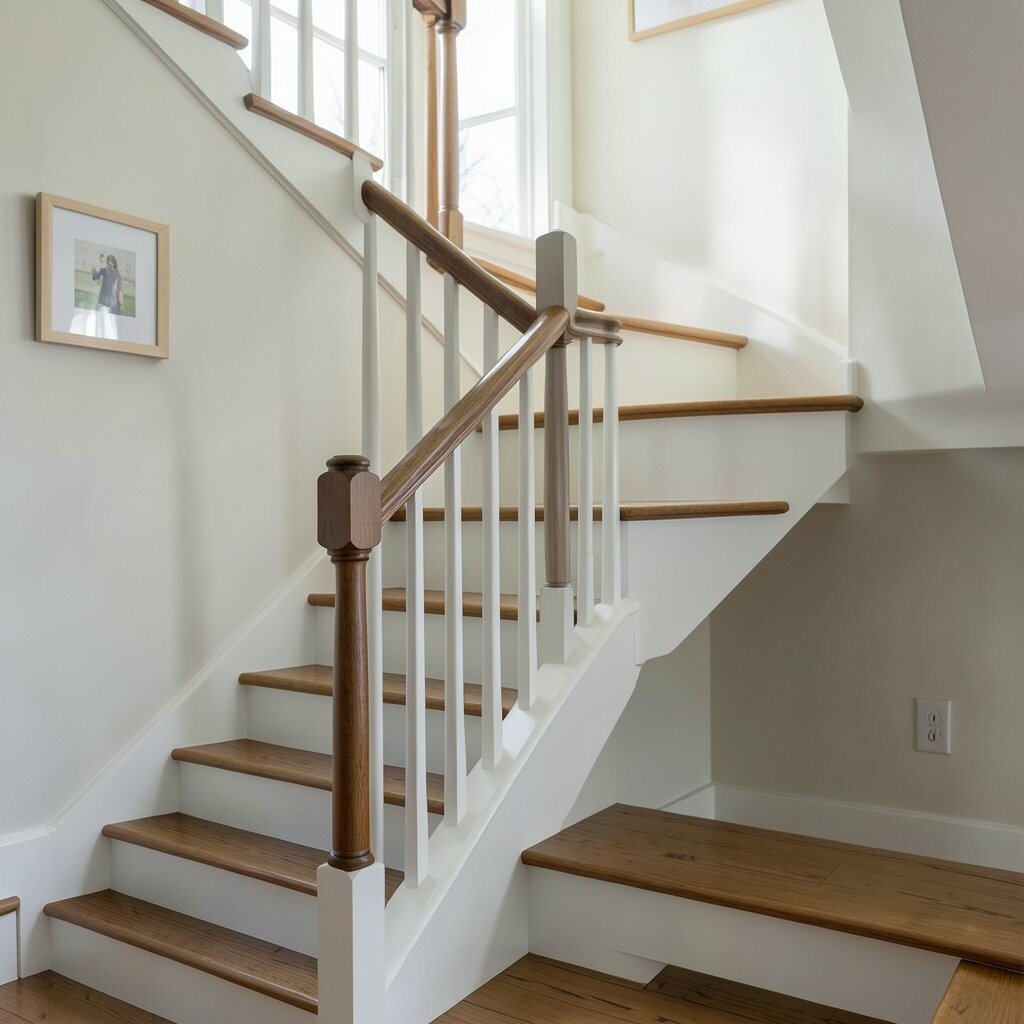
If your stairs look worn, paint can give them a fresh start fast. Imagine the light catching a clean finish, turning scuffed steps into something neat and even.
Choose a durable paint made for floors or high-traffic surfaces so it holds up to footsteps. A semi-gloss or satin sheen often looks classy and wipes clean. For extra grip, mix in a non-slip additive and test a small spot first.
2. Swap to Budget Stair Treads
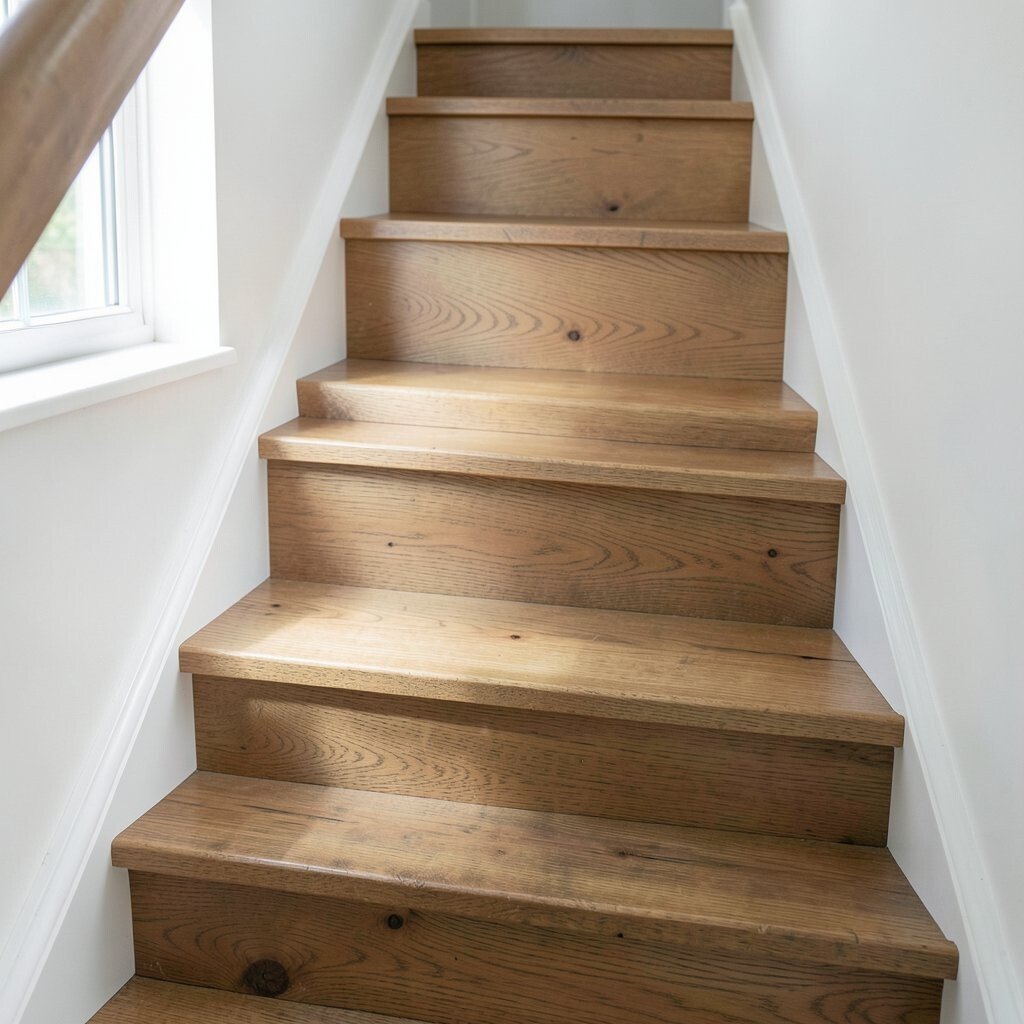
Thick, peel-and-stick or screw-on treads can cover damage without changing the whole staircase. You can see the transformation right away as the top layer looks crisp and intentional.
Pick materials that match your room, like wood look, textured vinyl, or a simple neutral. Measure each tread carefully so edges look straight and tidy.
For personalization, choose patterns only on the steps that show most from your main doorway. To keep costs down, focus on the risers later and do one section at a time if needed.
3. Add a Low-Cost Runner Without New Carpet
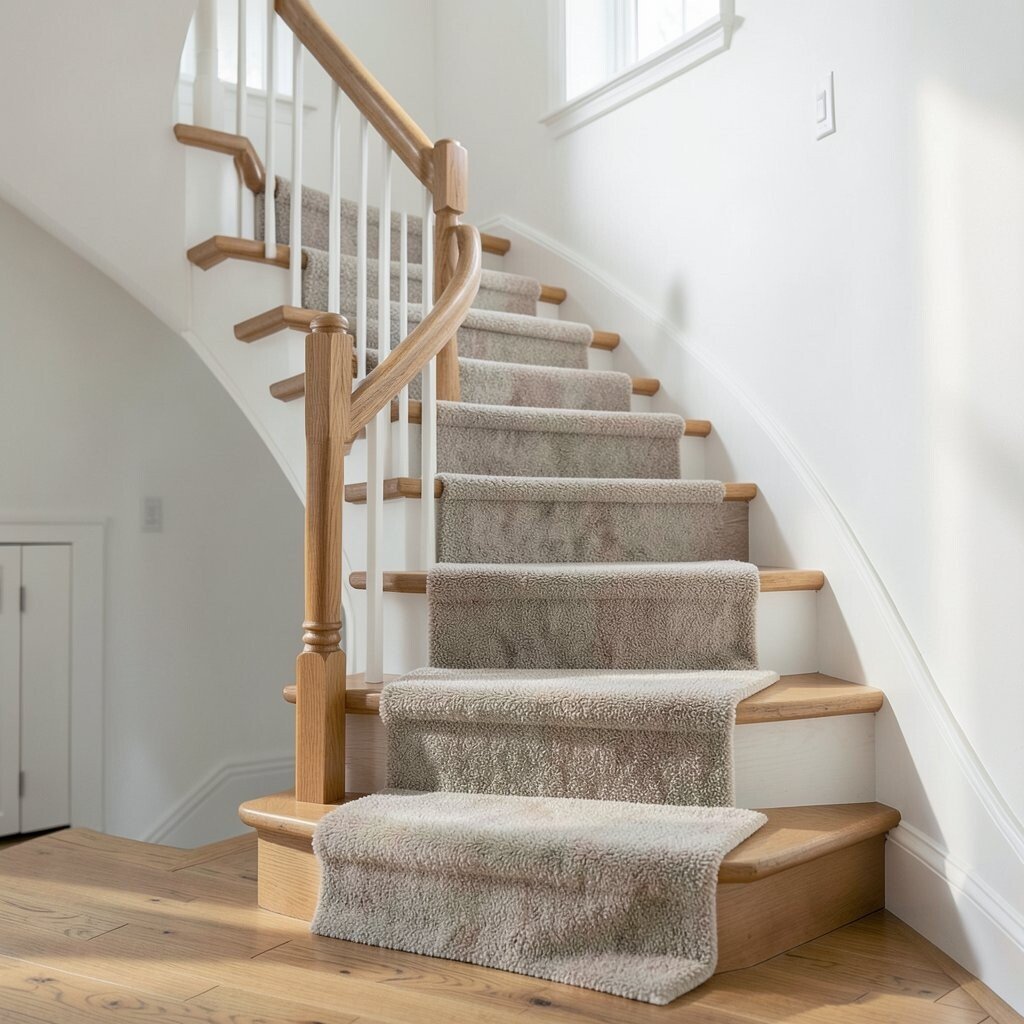
A runner can soften noise and add warmth, especially on stairs that feel echo-y. Picture a narrow path down the steps, with the color guiding your eye and making the whole landing feel calmer.
Use a pre-made runner and secure it with stair rods, tacks, or non-slip tape under the edges. This helps prevent slipping and keeps the runner in place after a busy day.
To keep it budget-friendly, choose a simple solid shade or subtle pattern that hides everyday dirt. If you want uniqueness, cut and shape the runner around odd turns or landing spaces, and blend colors with nearby wall paint.
Newer trends often favor muted tones and clean geometric designs, which look modern without being flashy.
4. Use Temporary-Friendly Railing Upgrades
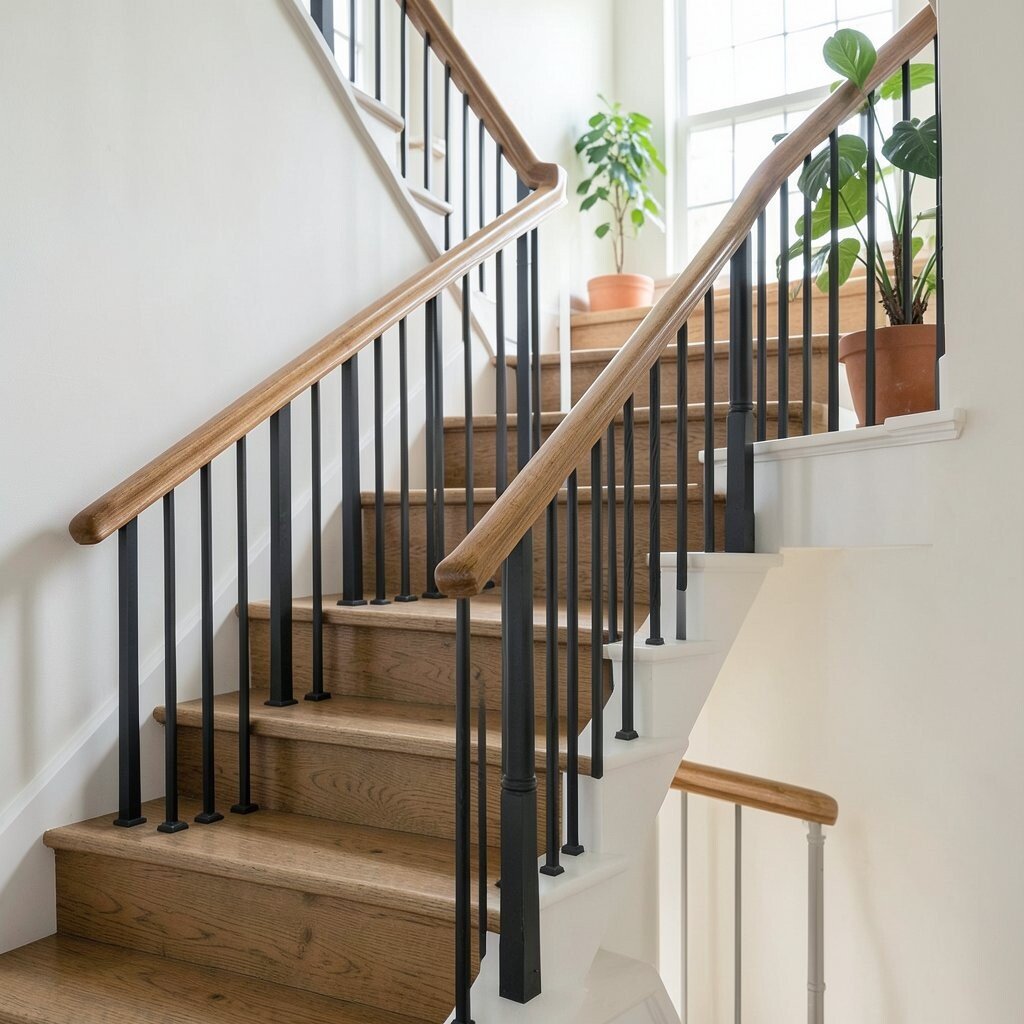
Old railings can make stairs feel outdated even when the steps are fine. Updating the look can be surprisingly affordable and still feel sturdy.
Try adding a new grip material like wood wrap, vinyl wrap, or stain-and-seal over existing railings if the base is solid. A fresh coat can deepen the color and make the railing feel smoother to touch.
5. Refresh the Risers With Color Blocking
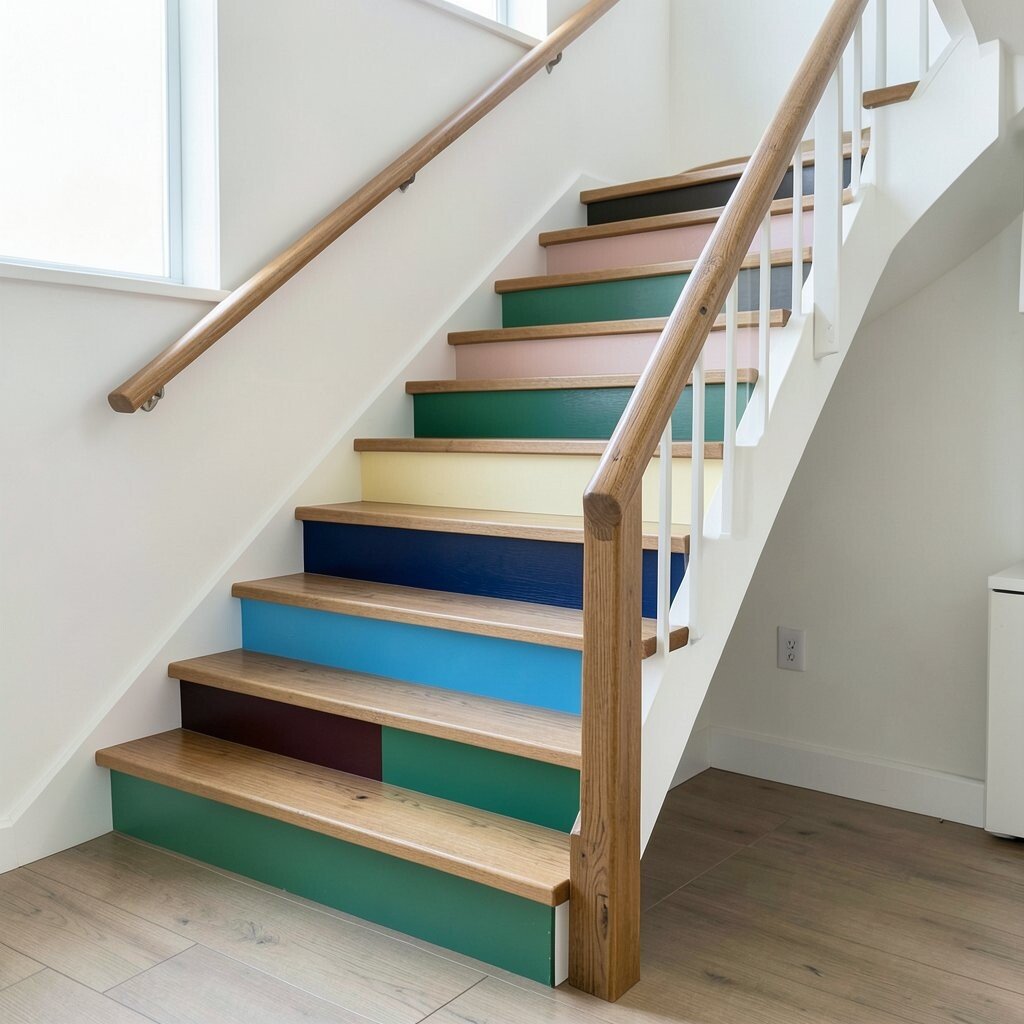
Risers are the vertical faces of each step, and they offer big visual impact for less money. When you paint them in a contrasting color, the stairs can look like a planned design instead of random wear.
Use painter’s tape to create crisp lines and keep your edges straight. Pick a palette that matches your room, such as soft white with muted gray, or warm beige with a darker accent.
For practical stability, make sure the paint is fully cured before heavy foot traffic. If you want a unique style, try gentle color blocks that focus on the top few steps where guests will notice first.
6. Choose Vinyl or Laminate for Stair Resilience
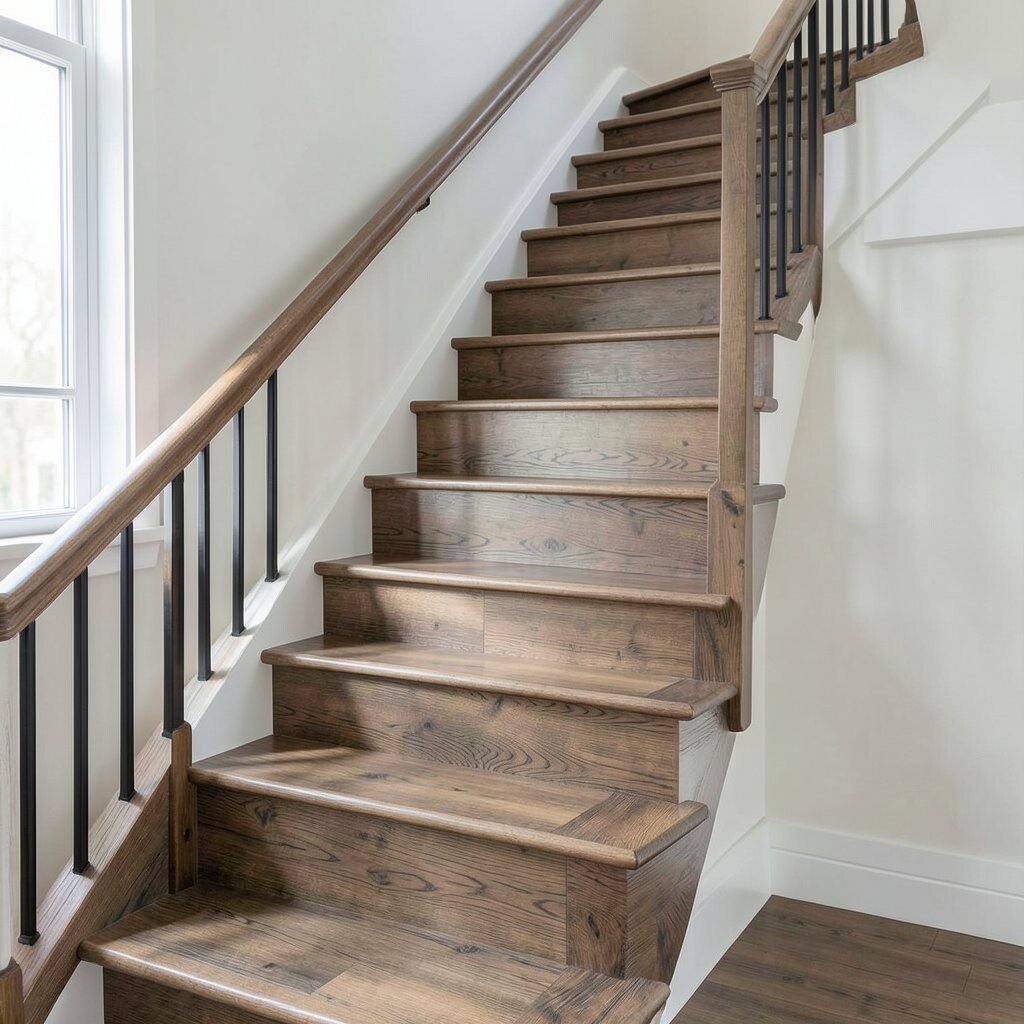
When you want a durable surface, vinyl and laminate can be more budget-friendly than solid wood. They can look clean and consistent, especially in busy homes where spills happen.
Look for products made for stairs or those labeled suitable for high-traffic flooring. Visualize a uniform finish that makes each step feel balanced and helps you see less of scratches.
For personalization, pick a wood tone that fits your furniture, like oak look, walnut look, or a cool gray. Consider cost by comparing total coverage needs, since stair projects often require fewer special cuts when you plan your layout.
7. Refinish Existing Wood With Sanding and Stain
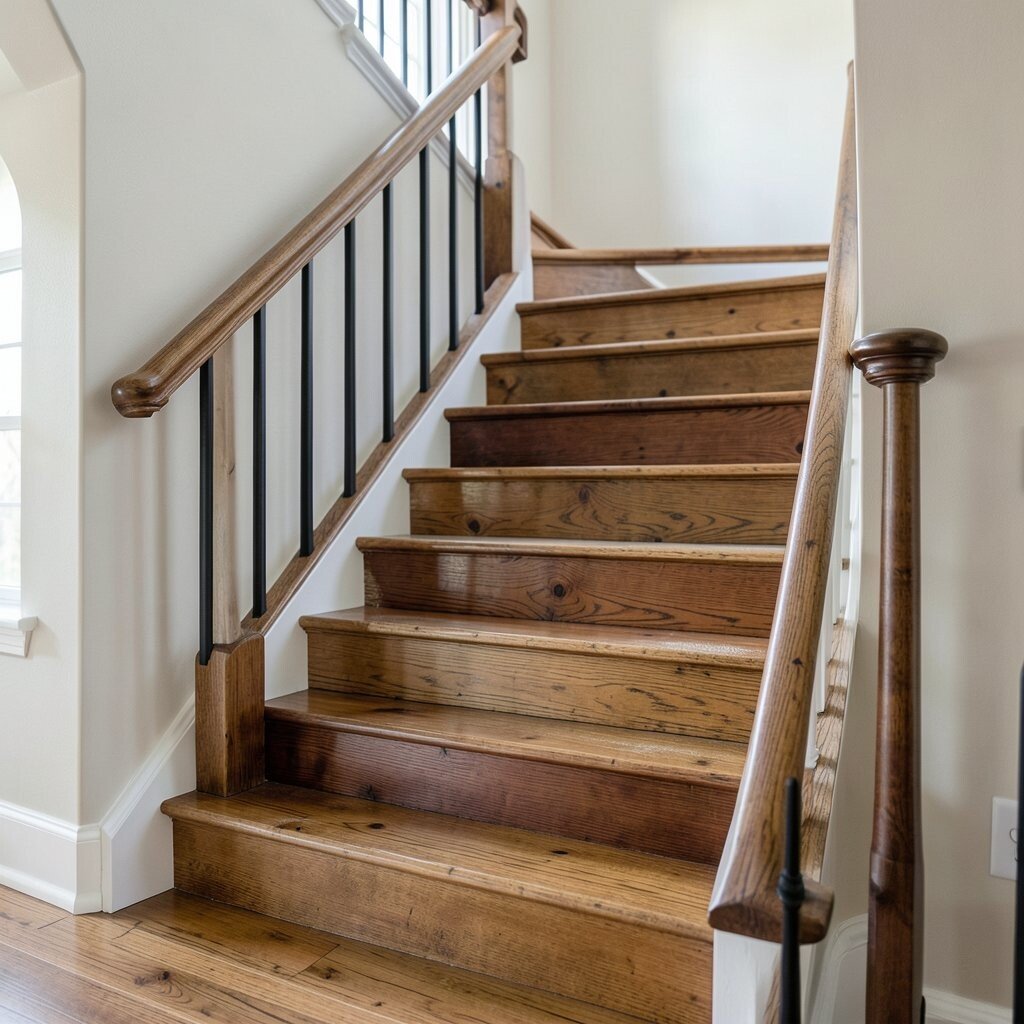
If your stairs are already wood, refinishing can be a major value. With the right prep, the grain can look richer than you remember.
Start by sanding the surface lightly to remove old finish and smooth bumps. After that, apply stain evenly and seal it with a protective top coat so the steps can handle scuffs.
It is easiest to save money by focusing on the parts that wear most, like the top surface and the edges you see often. For uniqueness, choose a stain shade slightly deeper than your current floor for a coordinated look without matching perfectly.
Current trends often lean toward natural tones with matte or satin sealing, which hide minor imperfections.
8. Add Anti-Slip Strips That Fit Your Style
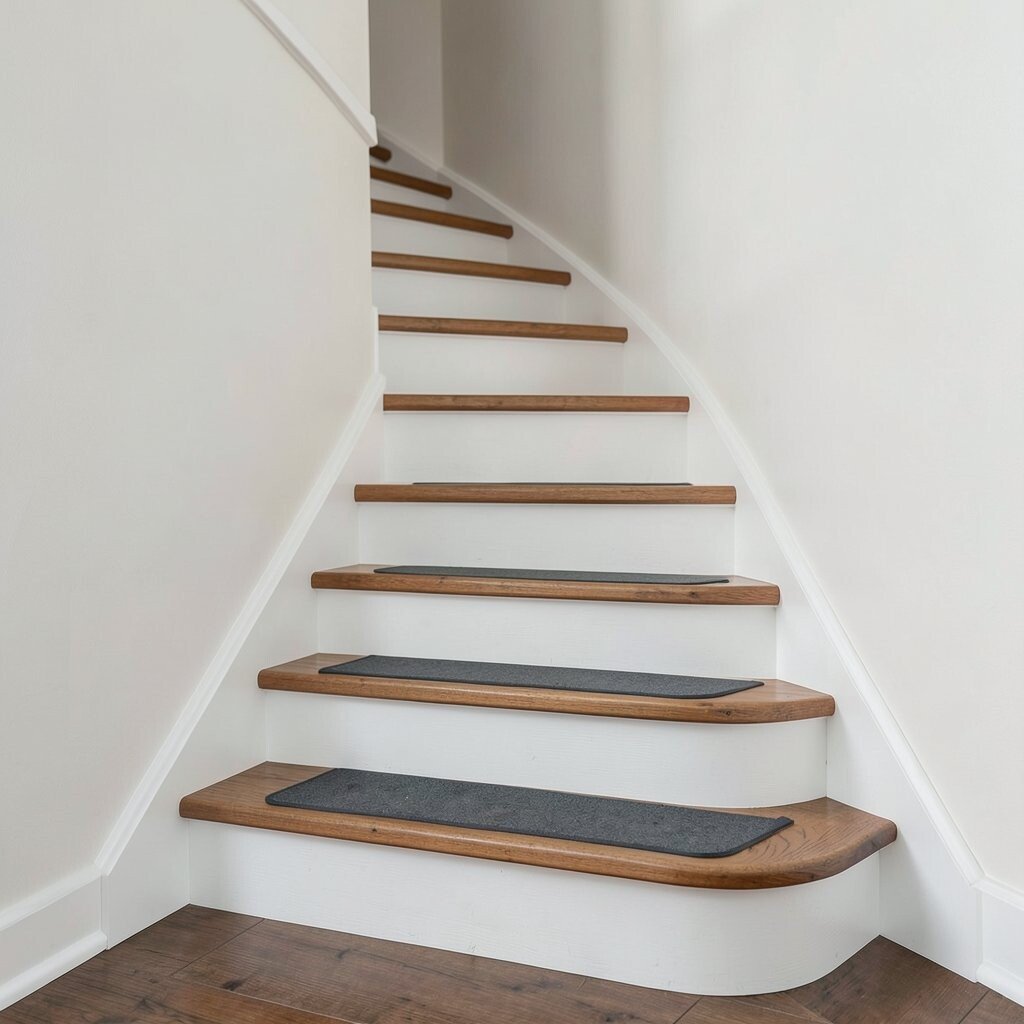
Safety matters, and anti-slip strips are a budget way to reduce slipping. You can picture small changes that add traction without making your stairs look messy.
Look for strips that match the color of your treads, such as clear, bronze, or dark gray. Install them where feet land most, and keep spacing even so each step feels consistent.
To personalize, combine strips with a runner or paint so the strip finish looks intentional. This approach keeps costs controlled because it targets the problem area directly.
9. Swap Lighting to Make Stairs Look Better Immediately
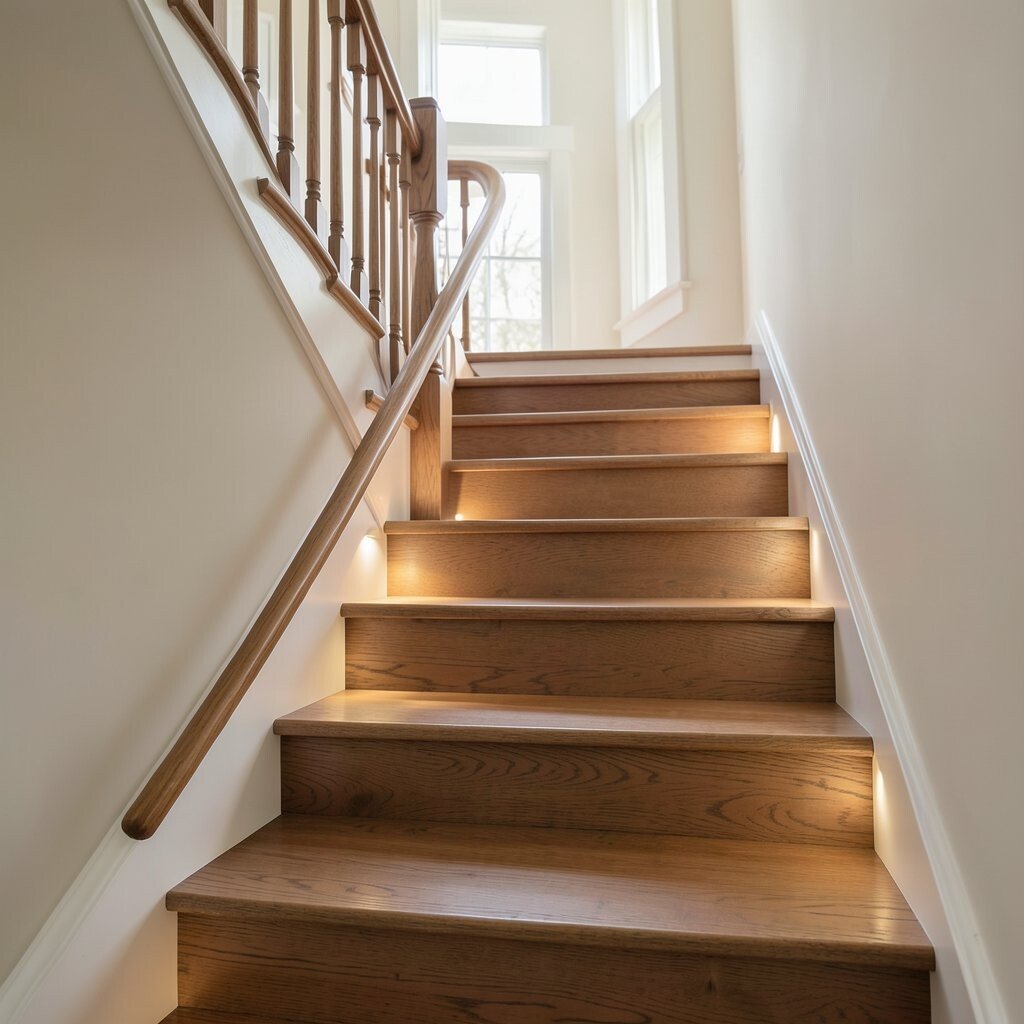
Stairs can feel gloomy when light is dull, even if the materials are decent. Better lighting can make the same steps look brighter, cleaner, and safer.
Try adding LED tape along the edge of the landing or installing a simple wall sconce near the stair turn. When light catches the edges, scuffs seem less noticeable and colors look truer.
If you want uniqueness, choose a warm white bulb for a cozy feel, or a slightly cooler tone if your home style is crisp and modern. Energy-saving bulbs also cut down on long-term costs.
Pay attention to outlets and wiring, and if anything feels tricky, hire help for electrical work.
10. Use Thrifted or Discount Decor on the Landing
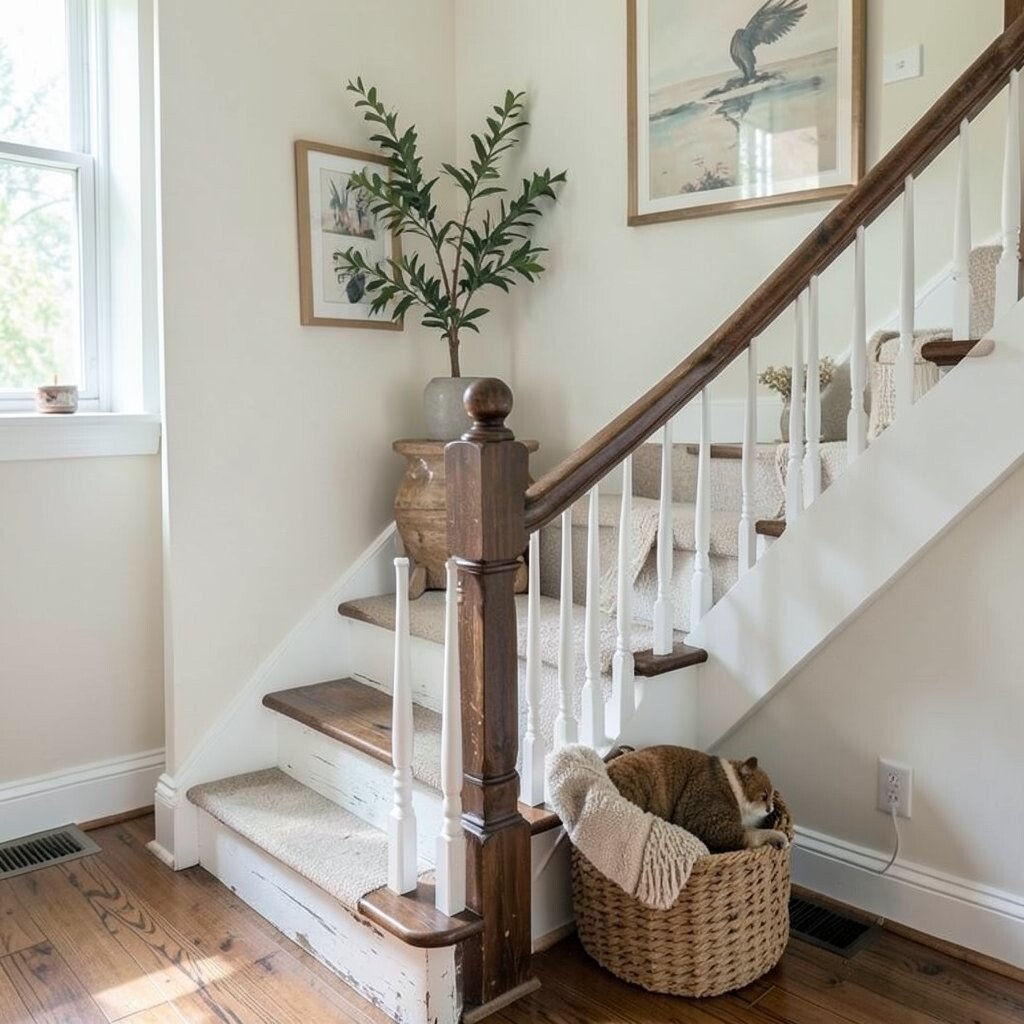
A landing is the pause point where people notice style, so it deserves attention. With small decor choices, you can make your stair area feel designed without major construction.
Think about repurposed wall art, a thrifted mirror, or a budget-friendly plant stand that fits the space. Add frames or baskets that match your color scheme, and place them so they do not block pathways.
To keep it practical, choose washable or durable items that handle dust from foot traffic. This idea saves money because you can update the look seasonally, instead of investing in new fixed materials.
11. Cover Worn Edges With Stair Nosing
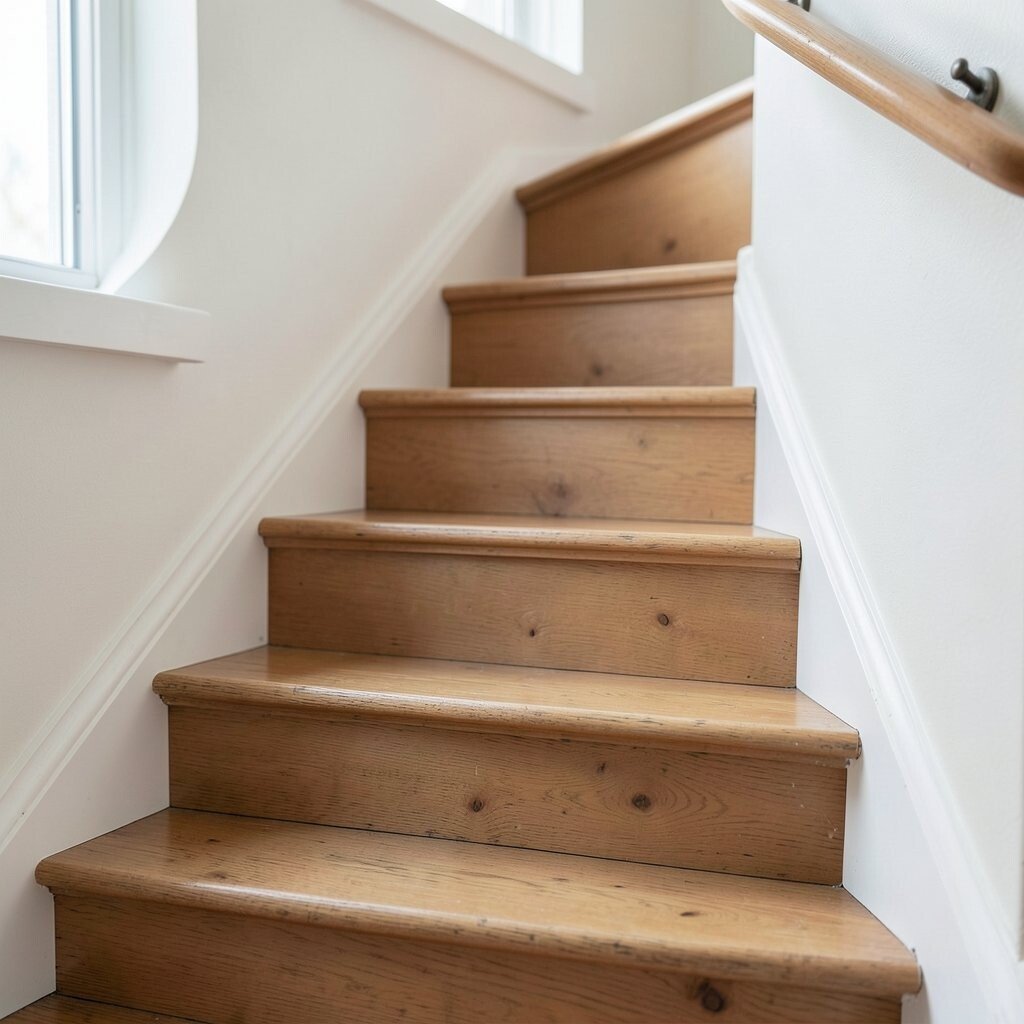
Step edges take a beating, and worn noses can make stairs look tired. Stair nosing adds a clean edge line and can protect the most damaged area.
Look for metal or wood-look nosing that can be installed over existing stairs. You will notice how the edge looks sharper, like each step has a polished finish.
For cost savings, choose a style that needs minimal custom cuts. If your stairs have a curve or unusual spacing, bring a measuring tape and buy the closest match, then trim carefully for a snug fit.
12. Install a Budget-Friendly Carpet Scrap Border
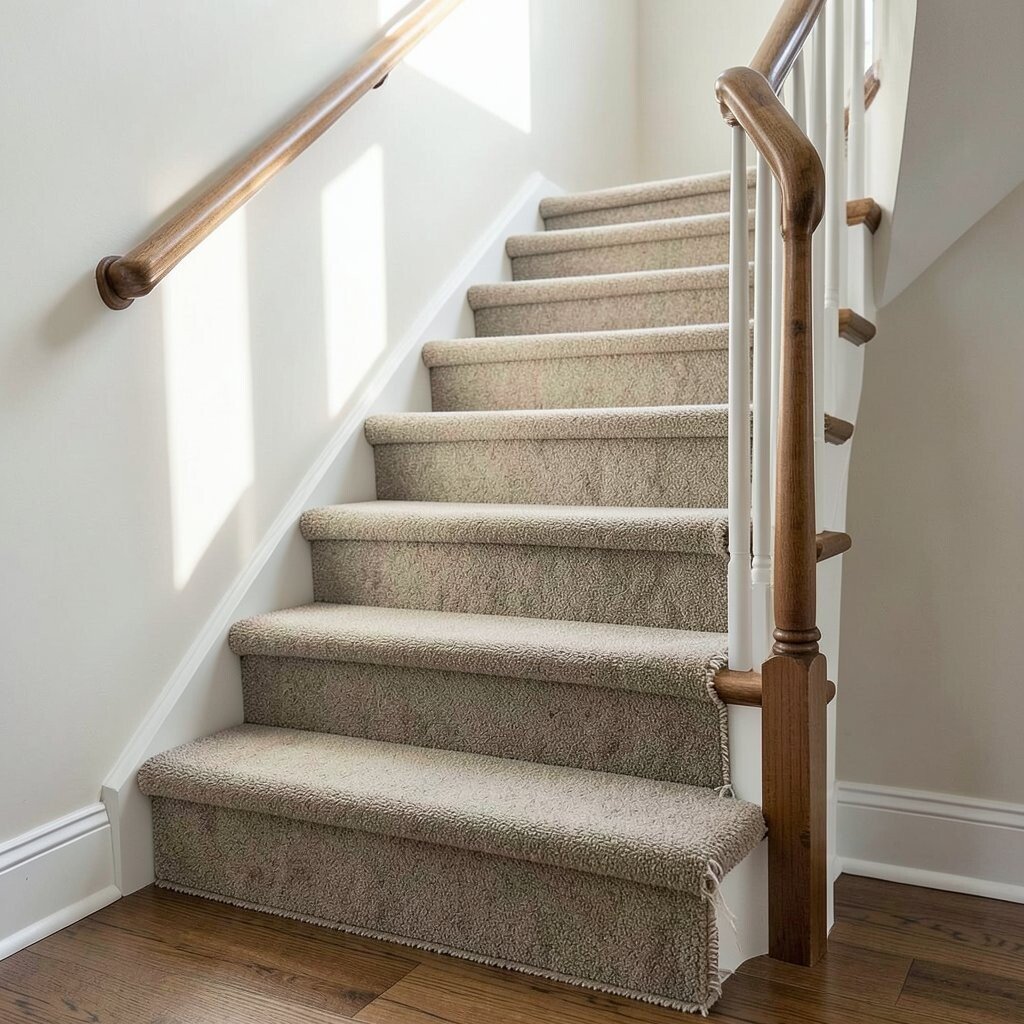
If you want softer steps but full carpeting feels too expensive, use a border approach. A narrow trim of carpet or rug fabric can add comfort while keeping most of the stair surface exposed.
Choose fabric with a low pile so it stays tidy and does not mat quickly. You can wrap or adhere the border edges so they look neat and stay in place.
To personalize, pick a border color that echoes throw pillows or a nearby curtain. This gives your stairs a unique designer touch without covering every inch.
Cost-wise, using scraps is often the best deal, especially when you can coordinate with what you already own.
13. Choose a Simple Color Scheme for a Tighter Look
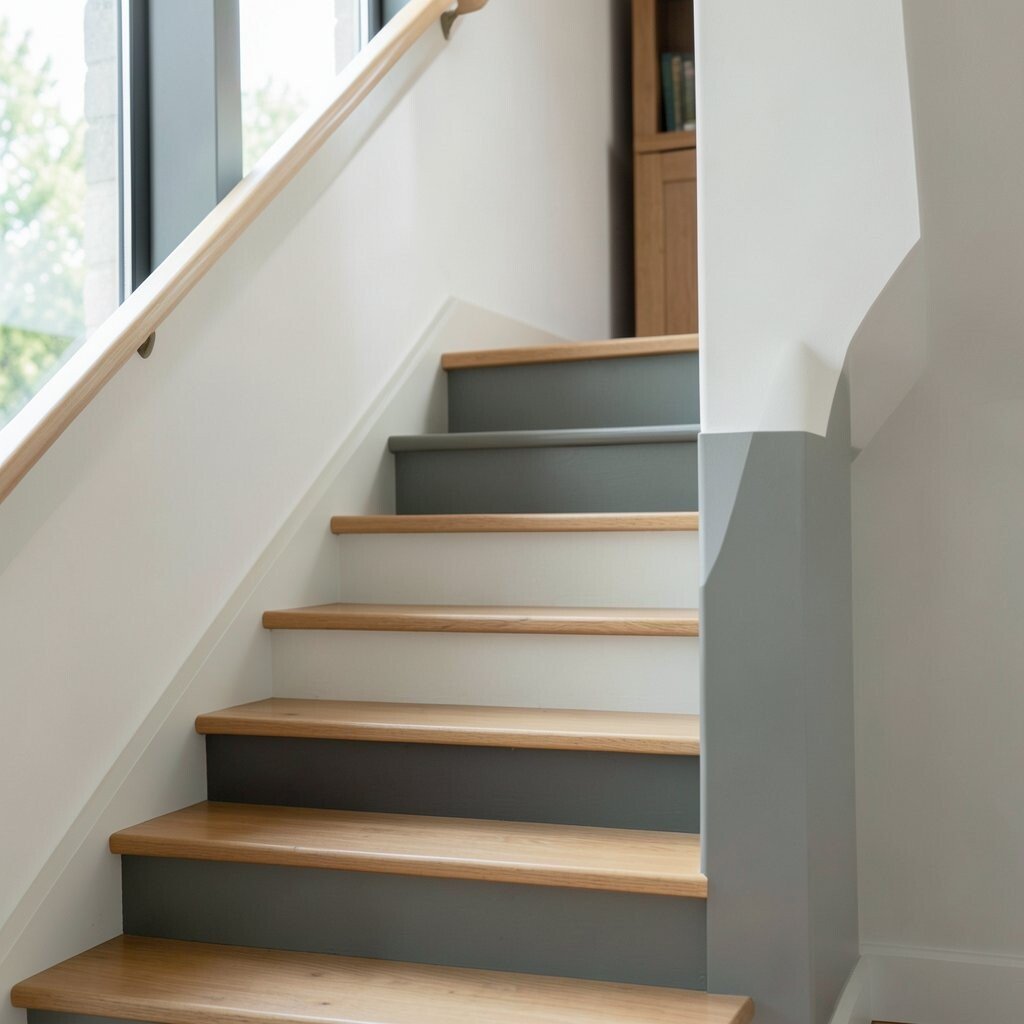
When stair surfaces, walls, and railings clash, the whole space can feel messy. A focused color scheme can make budget changes look more expensive.
Stick to two or three main tones, like warm white, medium wood, and a dark accent for contrast. Visualize how the stairs will look unified from the bottom step to the top landing.
For practicality, pick colors that hide everyday wear, like light neutrals that do not show tiny dust marks too easily. This helps you avoid constant touch-ups and keeps the look fresh longer, which saves money over time.
14. Build DIY Storage Under the Stairs Carefully
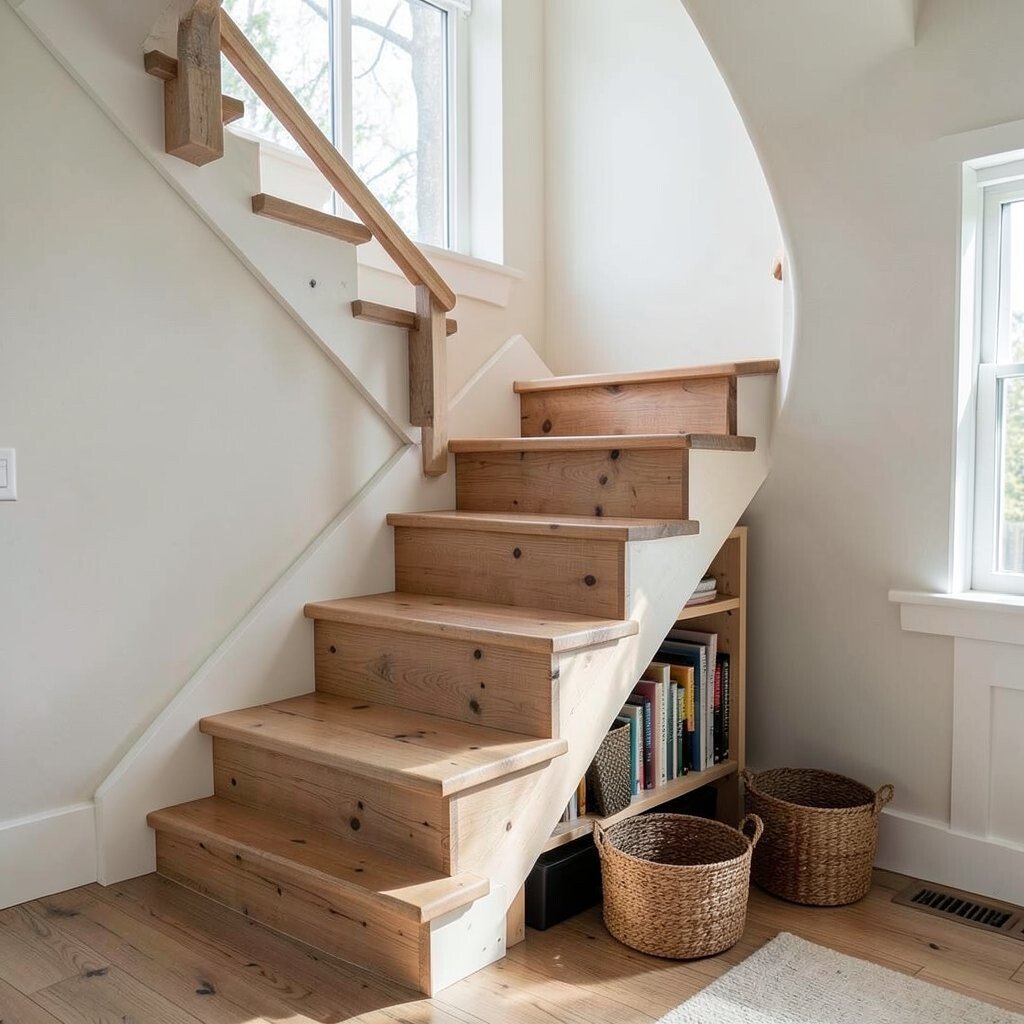
Extra storage under the stairs can free up space and reduce clutter that makes your home feel smaller. When the area stays organized, the stairs look cleaner and more inviting.
Try adding shelves with basic wood panels or inexpensive modular units, and cover the open space with a simple curtain. A clean doorway or panel can also hide mess while keeping the area easy to reach.
Personalization can be as simple as adding a matching paint color or labels on bins for family organization. Cost considerations depend on how much of the space you plan to finish, but even a basic system can make a big difference.
To keep it safe, ensure any storage does not block stairway clearance or create trip hazards.
15. Use a Stain-Guard Top Coat for Long-Term Savings
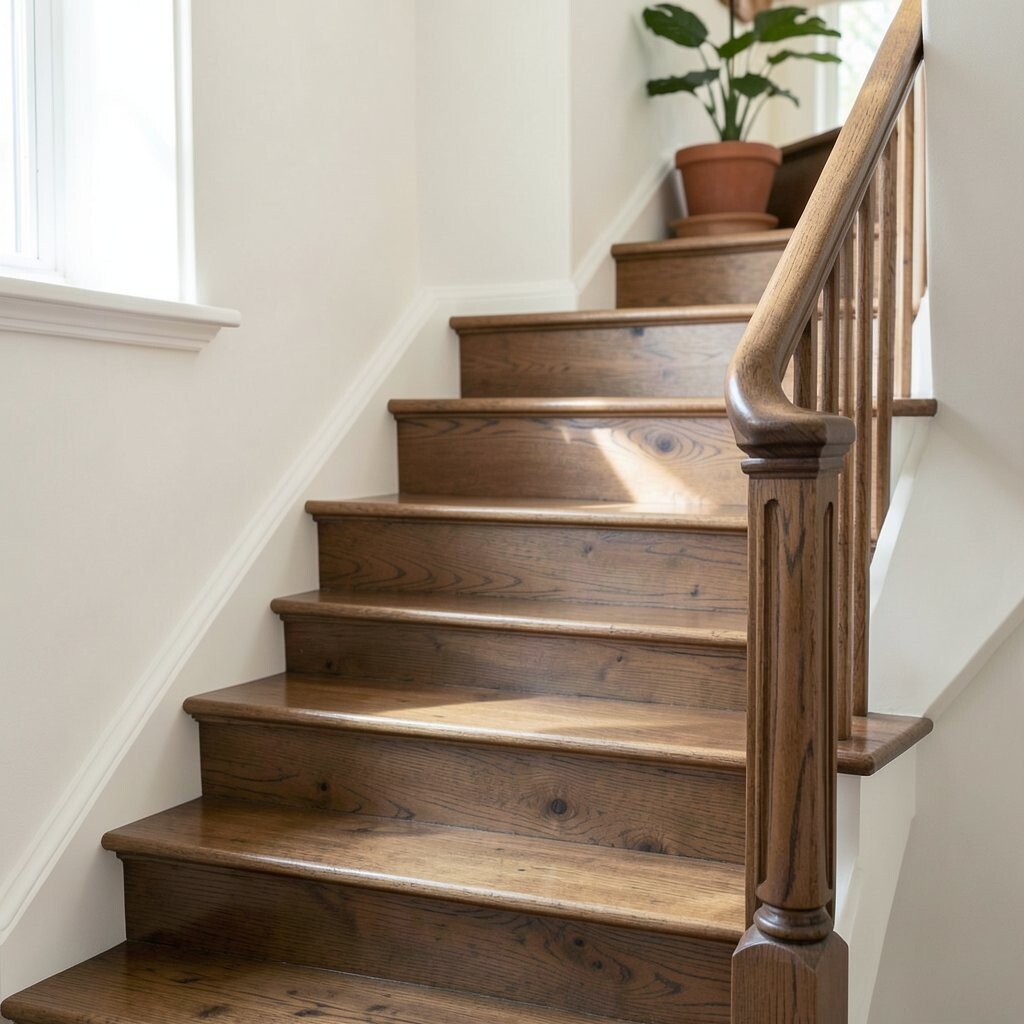
A protective top coat is one of the smartest ways to save because it helps your stairs stay pretty longer. When spills and scuffs happen, a good finish makes cleanup easier.
Choose a finish made for floors and stair use, and apply it evenly with careful drying time. You can see the difference when the surface looks smooth and resists dull stains.
For personalization, use a matte, satin, or semi-gloss finish to match your home’s style. Trends today often favor lower shine levels because they reduce glare and fingerprints.
16. Replace Only What’s Loose, Not Everything
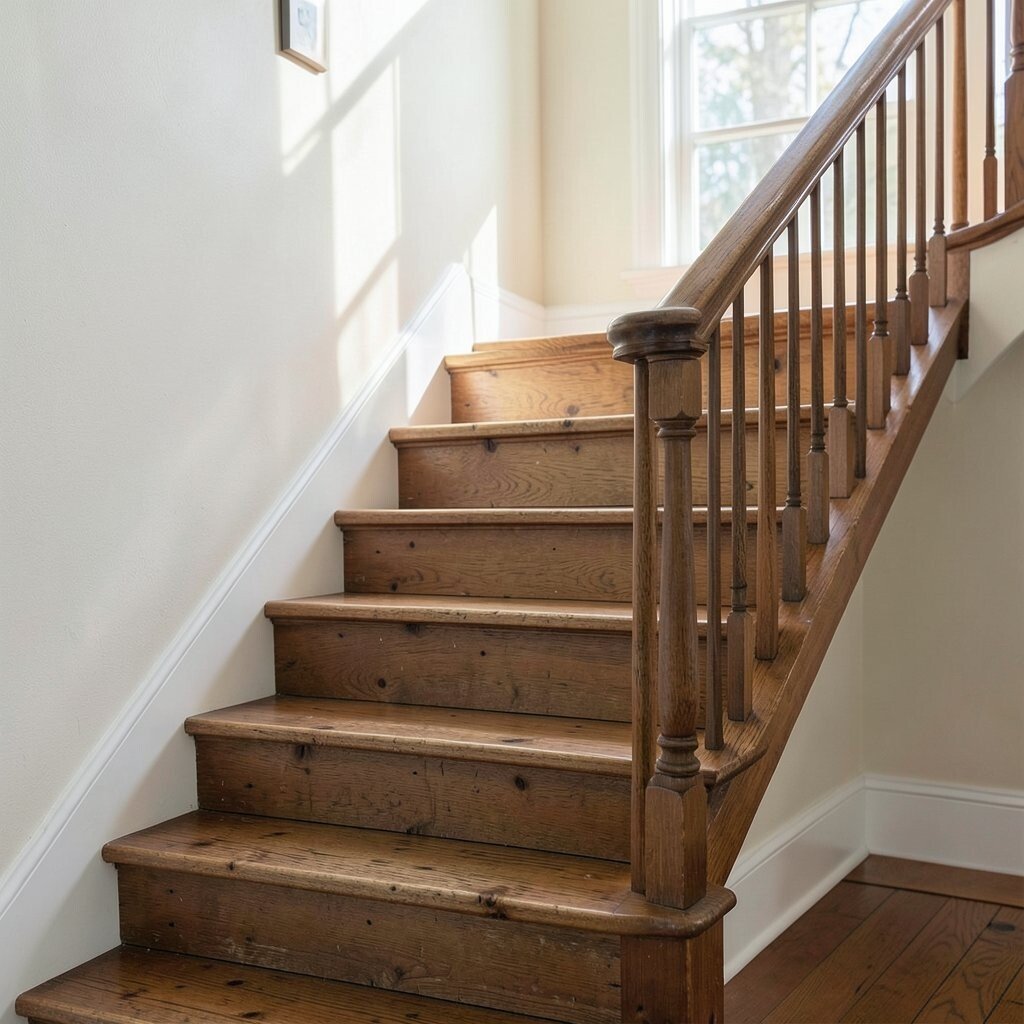
Not every problem needs a full stair rebuild. If a few boards squeak or a panel looks slightly worn, you can often fix just those parts.
Check for loose treads, wobbly nosing, or damaged edges, then repair or replace just those sections. When everything feels firm again, the stairs look more cared for and safer to use.
This approach is unique because it respects what is already working in your home. It also saves money by avoiding full replacement when only small areas need attention.
For practical tips, keep screws and matching wood pieces on hand so the repair blends in smoothly.
17. Style the Steps With Removable Wall-to-Step Runners
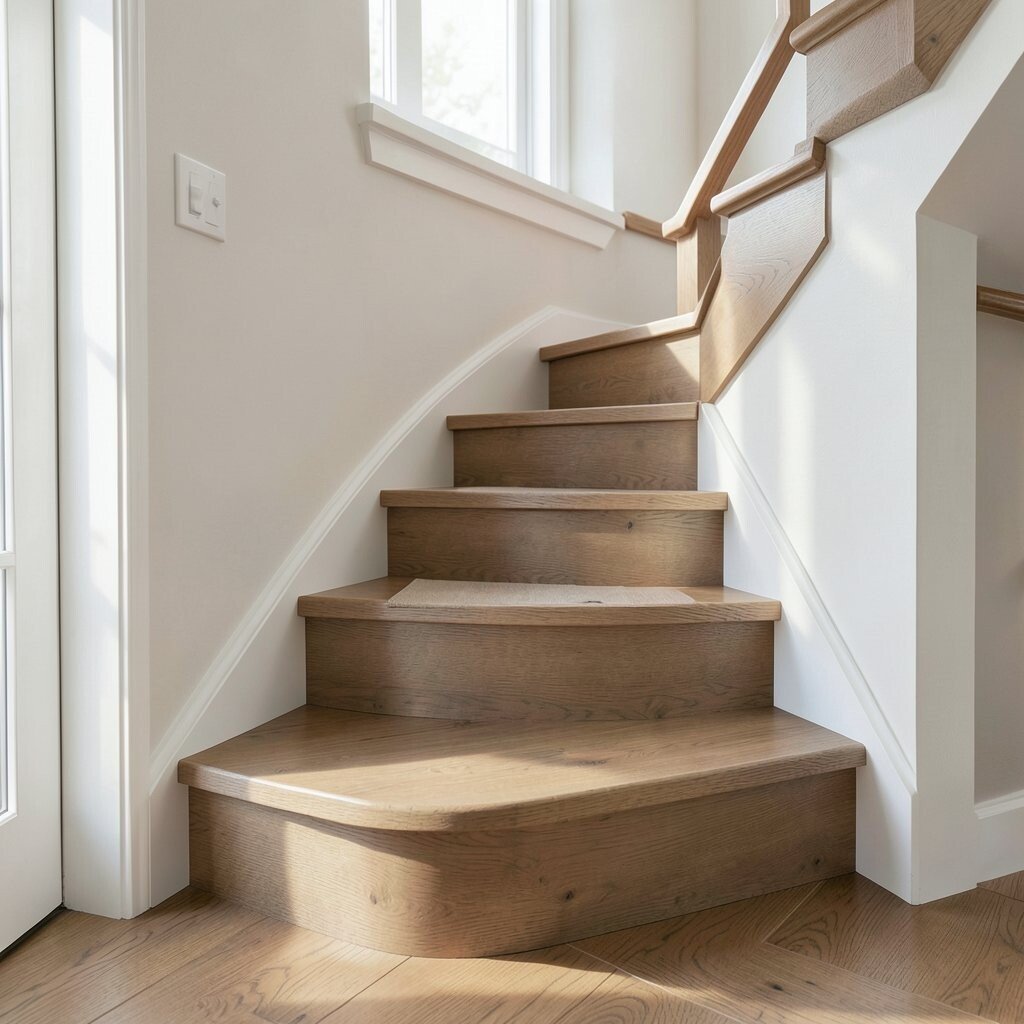
For renters or anyone who loves change, removable runners can be a great option. They add visual warmth without locking you into one look.
Choose a runner system that uses tape strips or grips so you can lift and swap pieces later. Imagine swapping colors for the seasons while keeping the stair base protected.
To personalize, use a runner that matches your wall paint tone, or choose a contrasting color on select steps for a bold but budget-friendly statement. Cost considerations are often lower because you buy a few key runner pieces rather than multiple new surfaces.
18. Match Your Stairs to Your Floor With Careful Contrast
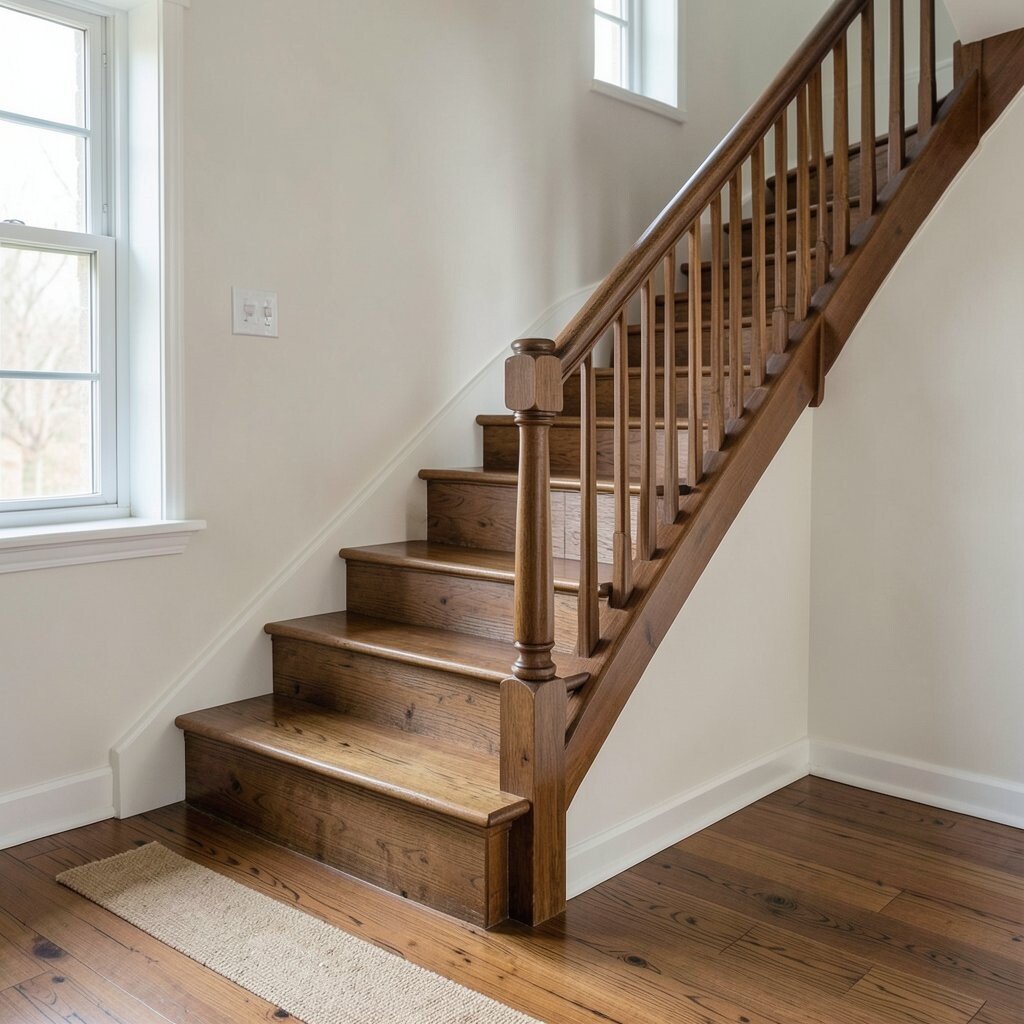
Stairs look best when they relate to your flooring, even if they do not perfectly match. The right contrast can make budget materials look intentional and high-end.
Pick a stair finish that sits between your floor and your wall color, like a slightly lighter wood tone or a complementary neutral paint. Visualize a smooth flow that guides your eye instead of creating harsh breaks.
For practical tips, take samples home and compare them in different lighting throughout the day. This helps you avoid overspending on finishes that look great in-store but dull in your hallway.
19. Plan a Step-by-Step Upgrade Path
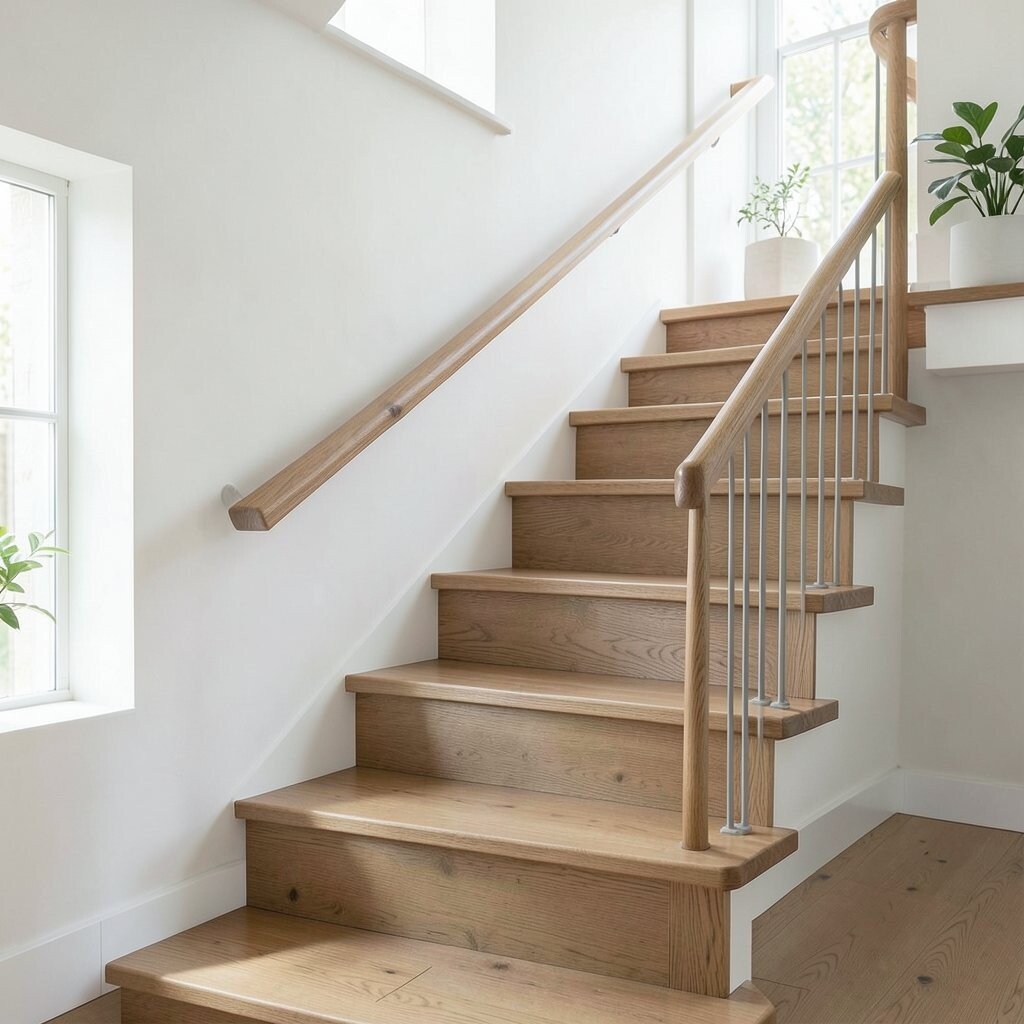
If your stairs need several updates, spreading the work out can keep the budget from getting stressful. A planned path also helps you prioritize what improves safety and everyday comfort first.
Start with the highest-wear items, like treads, anti-slip protection, and cleanup-friendly surfaces. Then move to cosmetic changes such as riser color, runner placement, and railing refreshes.
For uniqueness, decide on a signature detail that you will keep consistent across upgrades, such as a repeating color, a specific wood tone, or one pattern you love. Cost considerations become easier when you buy materials in stages and use what you already have when possible.
Recent trends favor mixing finishes, like pairing painted risers with wood-toned treads, because it feels custom without requiring a full renovation.