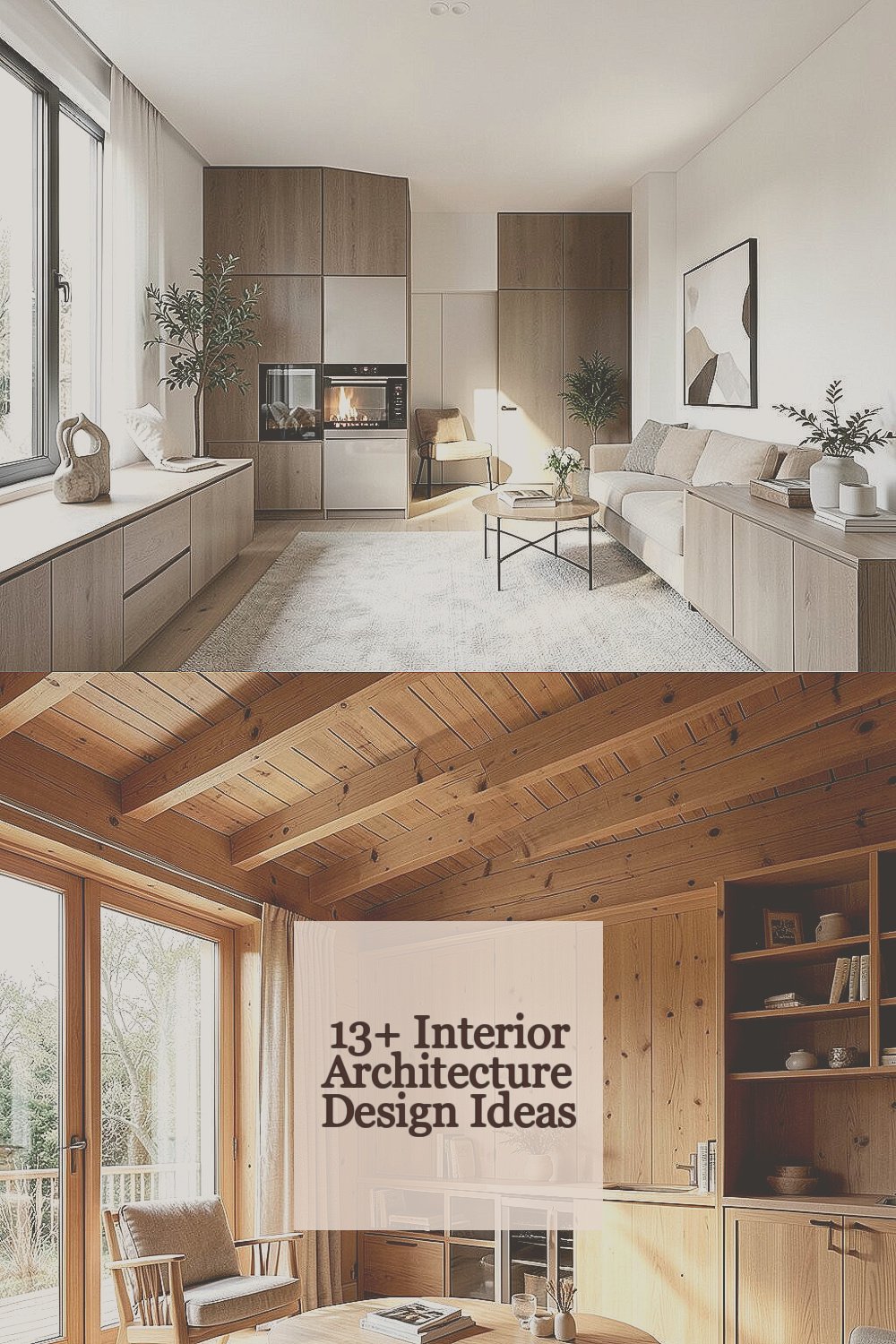
A room can feel bigger, calmer, and more alive with the right plan. Small choices can make a home feel special in a very real way.
1. Open Up the Floor Plan
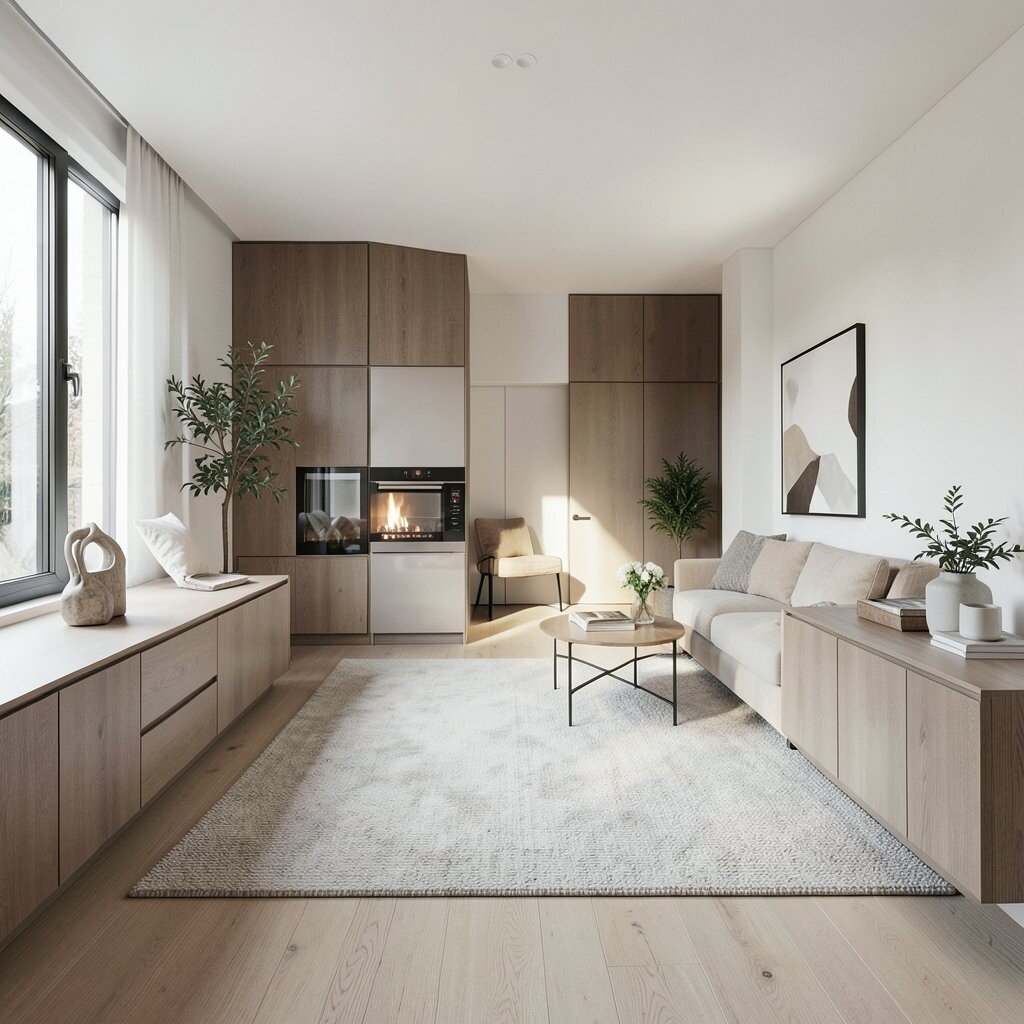
An open layout can make a home feel bright, roomy, and easy to move through. It often brings the kitchen, dining area, and living space into one smooth flow, which can help daily life feel less crowded.
This style works well for families, hosts, and anyone who likes a social feel at home. It can cost less than building many walls, but it may need smart storage and careful furniture placement to keep the space neat.
2. Use Warm Natural Materials
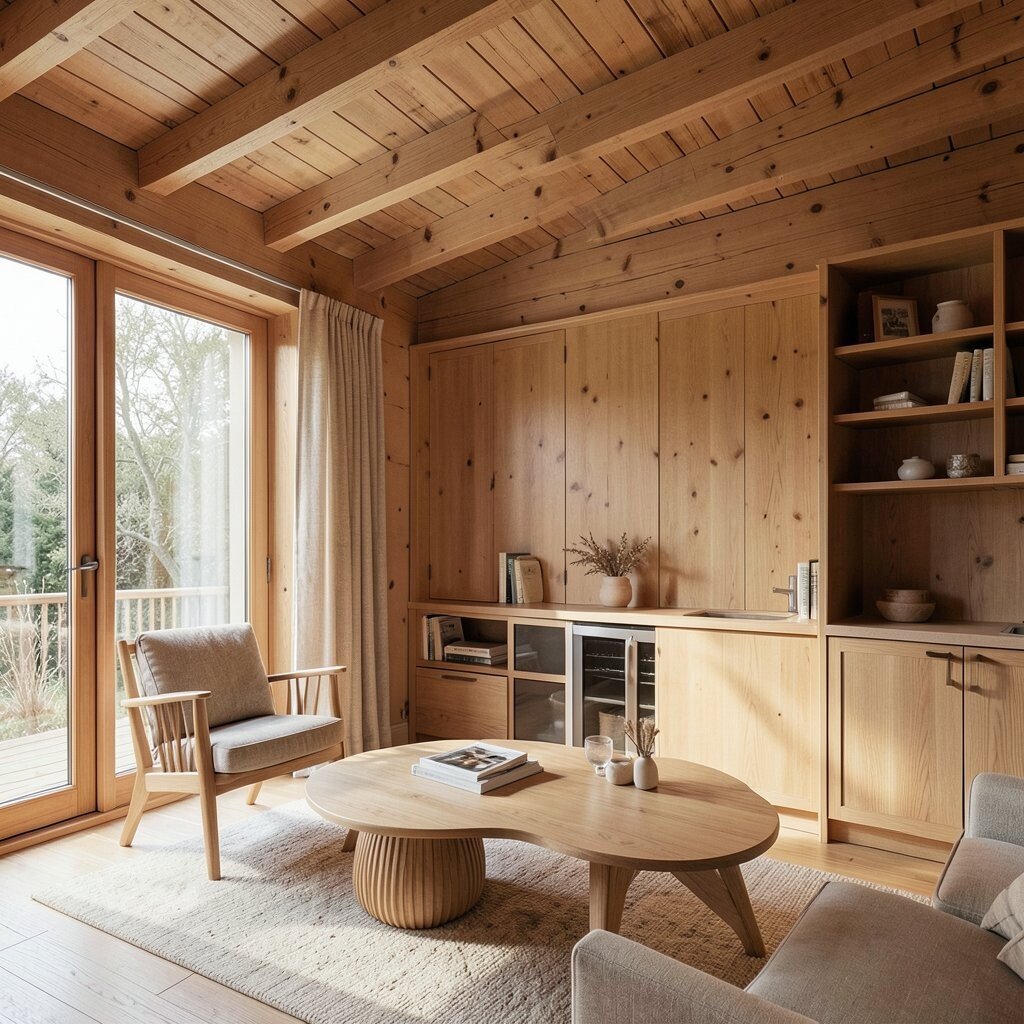
Wood, stone, linen, and clay can give a room a soft and honest look. Their textures add depth, and they help a space feel calm instead of stiff.
These materials are easy to mix with modern or classic furniture, so they offer a lot of freedom. Many people like them because they age well, and that can save money over time since they do not feel outdated quickly.
Try a wood coffee table, a stone sink, or woven chairs to bring in a gentle natural mood. If you want the room to feel personal, choose finishes that remind you of places you love or colors found outside your window.
3. Add Curved Shapes
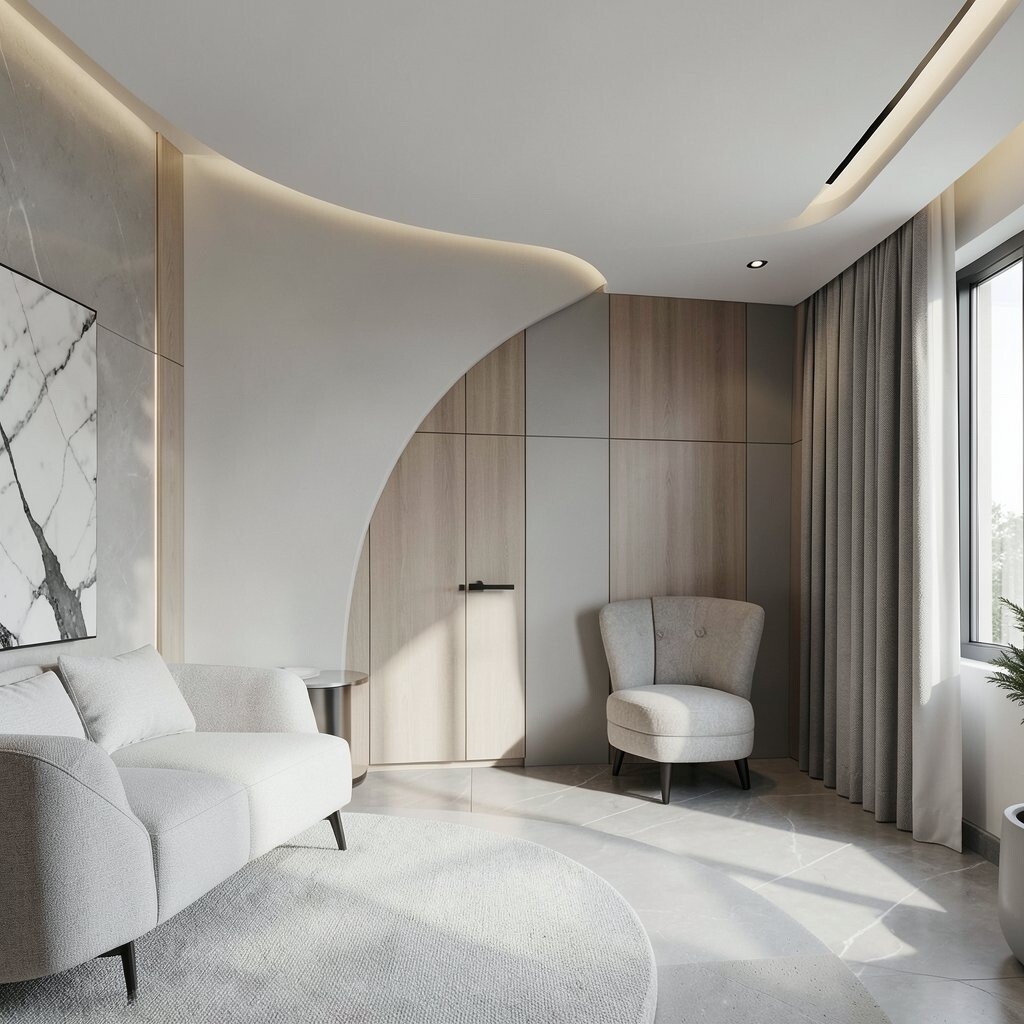
Curves can soften a room and make it feel friendly right away. An arched mirror, a rounded sofa, or a soft-edge table can stand out in a fresh and playful way.
These shapes are useful in rooms with sharp corners because they balance the look. They can cost more when custom made, but even one curved piece can change the whole feel of the room.
Many current homes use rounded details because they feel gentle and modern at the same time. You can keep the rest of the room simple so the curved piece gets all the attention it deserves.
4. Create a Strong Focal Wall
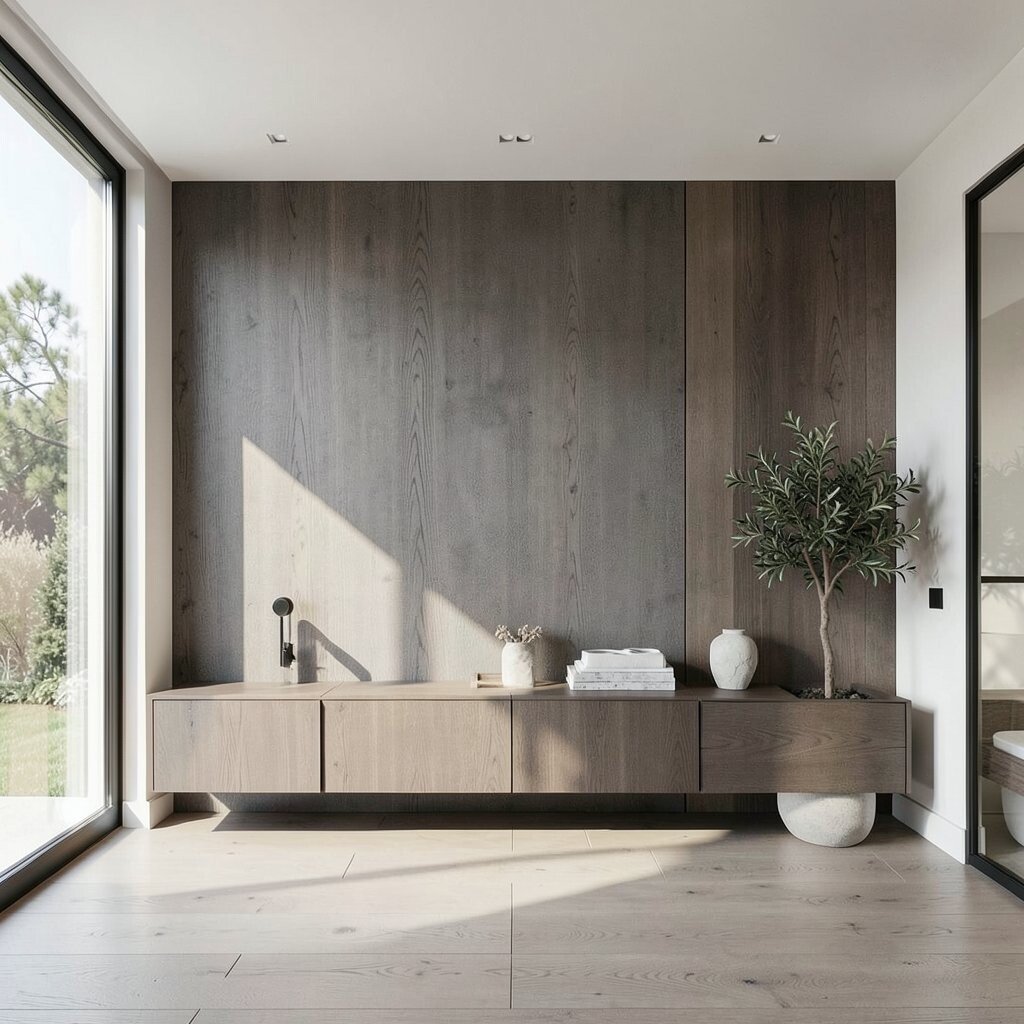
A single wall with bold color, paneling, wallpaper, or art can give a room a clear center. It draws the eye and helps the space feel planned instead of random.
This idea works well in bedrooms, living rooms, and dining spaces where one side needs more energy. It can also be a smart budget move, since you only need to decorate one area with extra care.
Choose a pattern or color that fits your taste, not just the latest trend. A darker wall can feel cozy, while a lighter one can make the room feel airy and open.
If you want a unique look, mix texture with color so the wall feels rich even when the palette stays simple. A painted wall, slatted wood, or fabric panel can all create a strong and stylish mood.
5. Bring in Layered Lighting
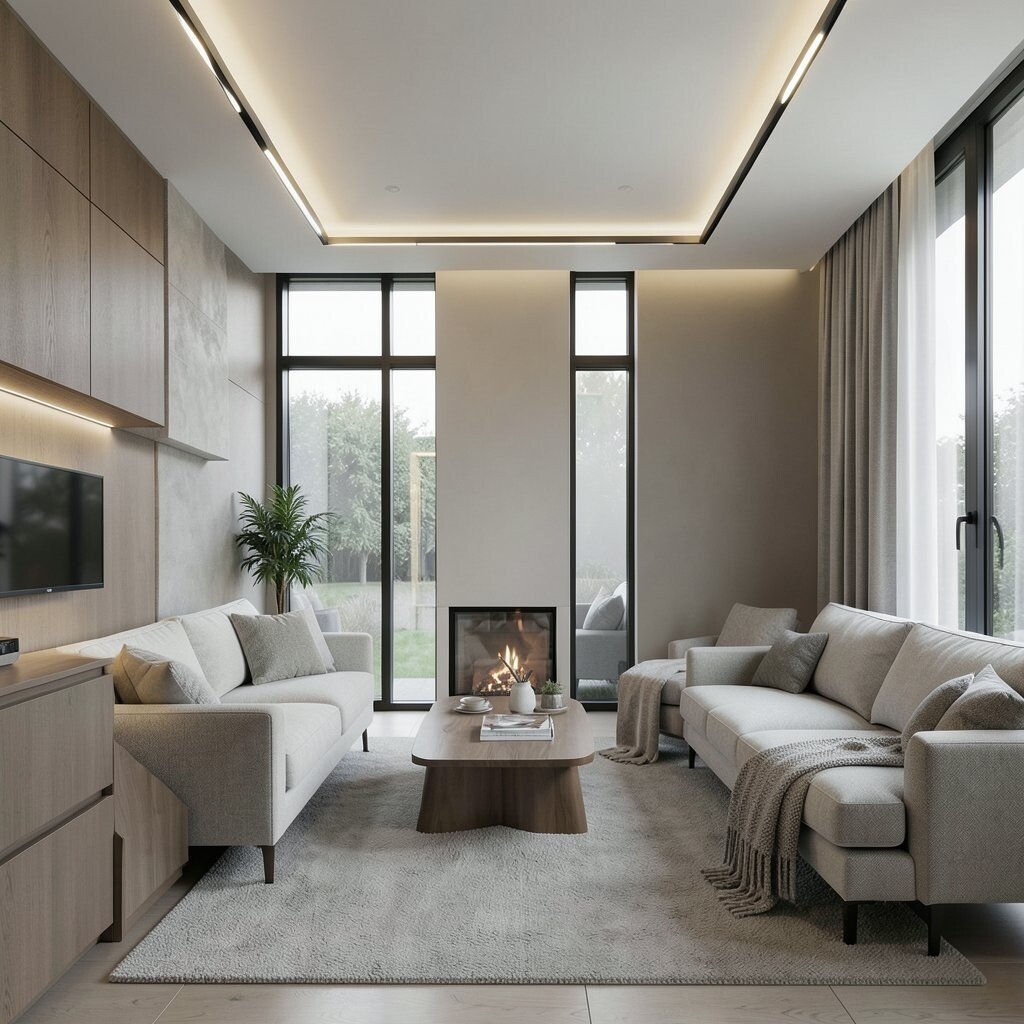
Good lighting can change everything, and layered lighting gives a room more depth. Ceiling lights, lamps, and small accent lights work together to make the space feel warm and useful.
This mix helps during reading, cooking, working, or relaxing, so it is both pretty and practical. It can also keep energy use in check when you choose the right bulbs and place lights where they matter most.
People often like warm-toned lights because they make walls, furniture, and skin tones look softer. You can add dimmers for more control, which gives you a fancy feel without a huge price tag.
6. Mix Old and New Pieces
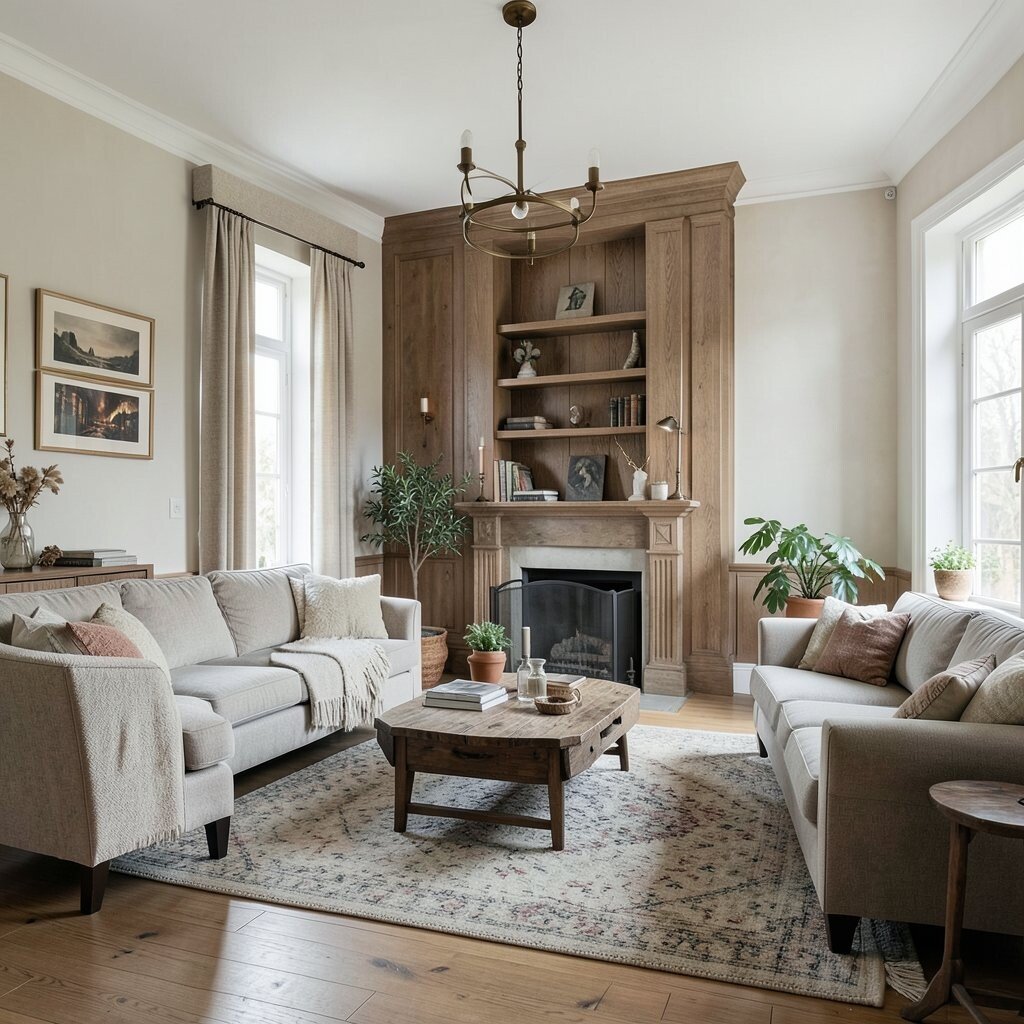
A room with both vintage and modern items often feels more alive and personal. The contrast gives the eye something fun to notice, and it keeps the space from looking too one-note.
This style is great for people who want a home that feels collected over time. It can also be kinder to your budget because older chairs, tables, or lamps can often be found at lower prices than brand-new designer pieces.
Use one old item with a few clean modern shapes so the room stays balanced. A classic chest with a sleek sofa, for example, can make the space feel thoughtful and unique.
Small repairs, fresh fabric, or new hardware can make older pieces feel current without much cost. That mix of past and present is one of the easiest ways to make a room feel truly yours.
7. Build In Hidden Storage
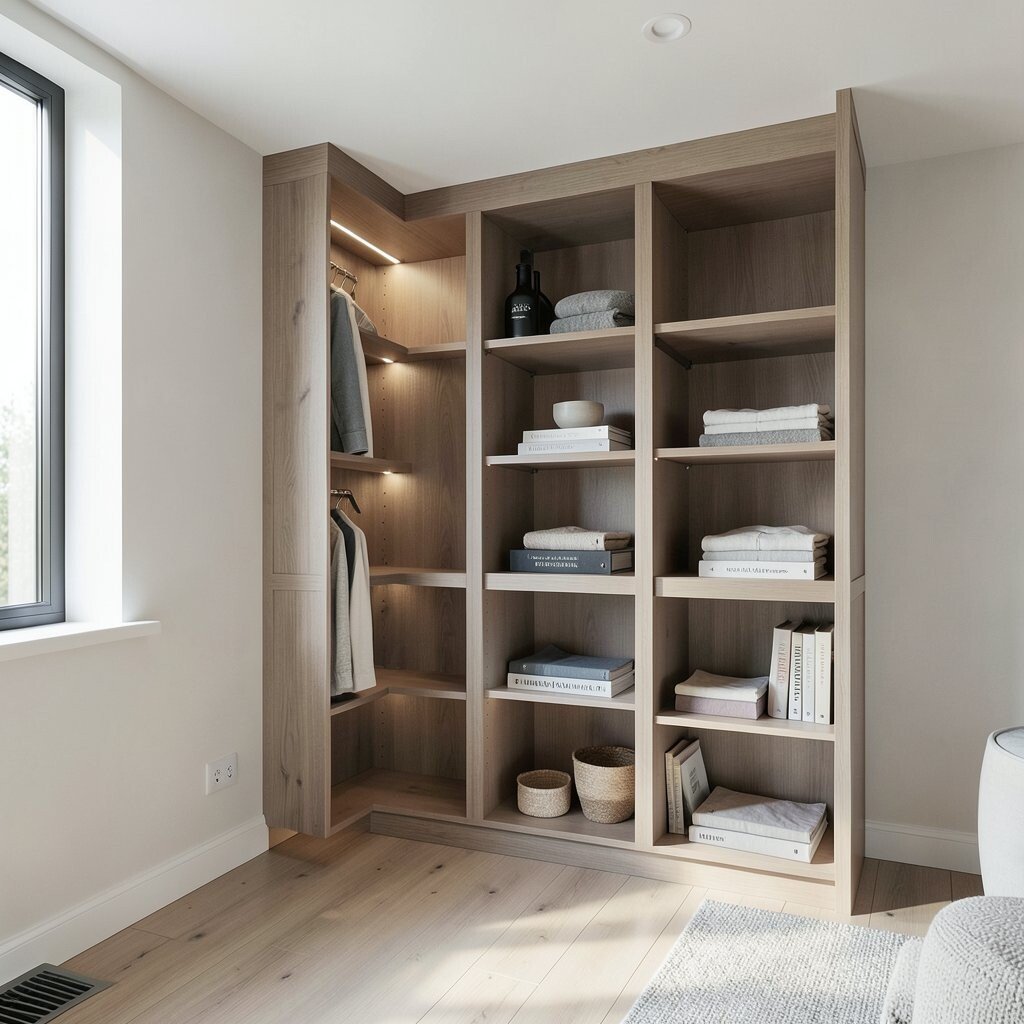
Hidden storage helps a room stay calm, clean, and easy to enjoy. When clutter has a place to go, the whole space can feel larger and more peaceful.
Benches with lift tops, cabinets that blend into walls, and drawers under beds are all smart choices. These features may cost a little more at first, but they often save space and stress for years.
Built-in storage can also look very smooth and tailored, which makes a home feel polished. Choose finishes that match your walls or floors if you want the storage to fade into the background.
8. Use Texture to Add Depth
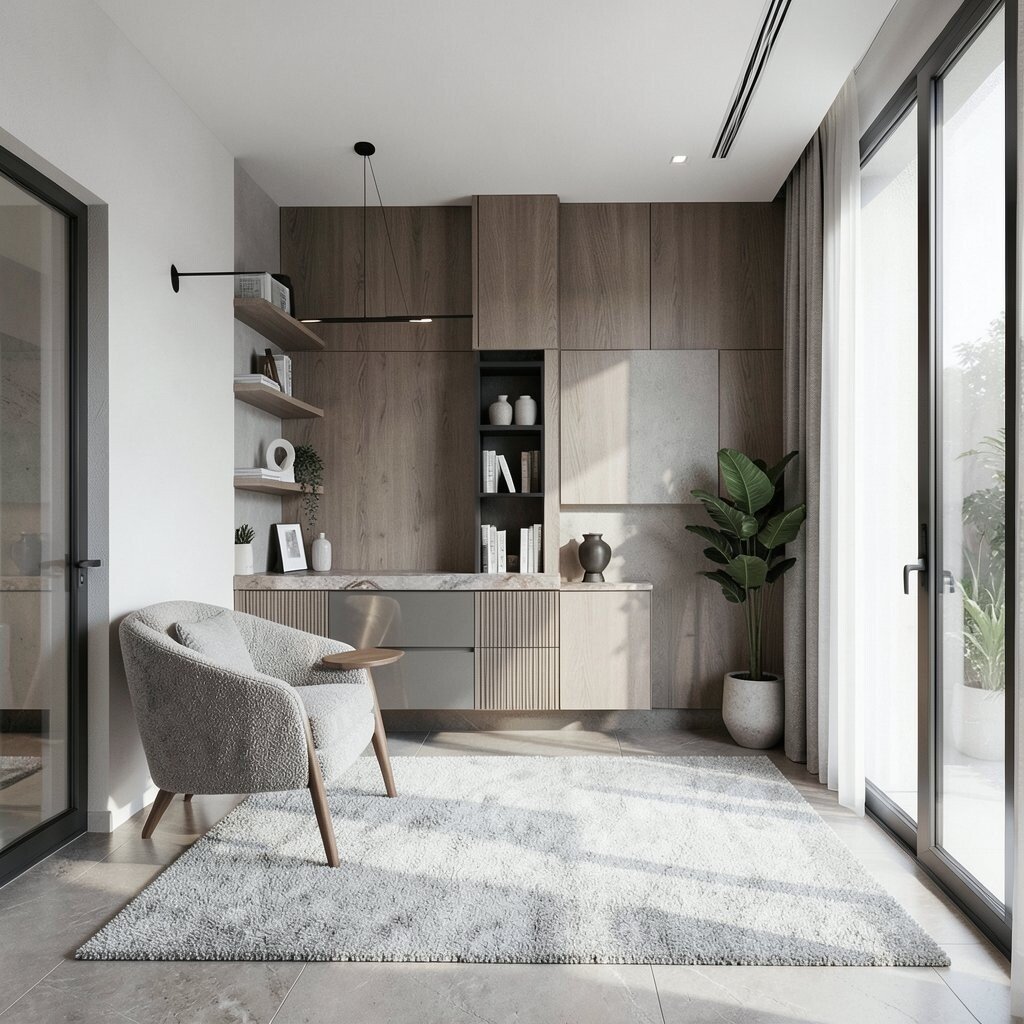
Texture can make even a simple room feel rich and interesting. Think of soft rugs, rough baskets, smooth glass, and woven fabrics all sharing the same space.
This approach is useful when you want style without too much color or clutter. It can be a low-cost way to improve a room because texture often matters more than buying many new objects.
Try layering pillows, curtains, and throws in different finishes so the room feels cozy and full. Current design trends often favor tactile rooms because they feel warm, lived-in, and easy to love.
A personalized mix of textures can reflect how you live, from neat and simple to soft and relaxed. The best part is that small changes like a rug or blanket can make a big visual impact fast.
9. Add a Statement Ceiling
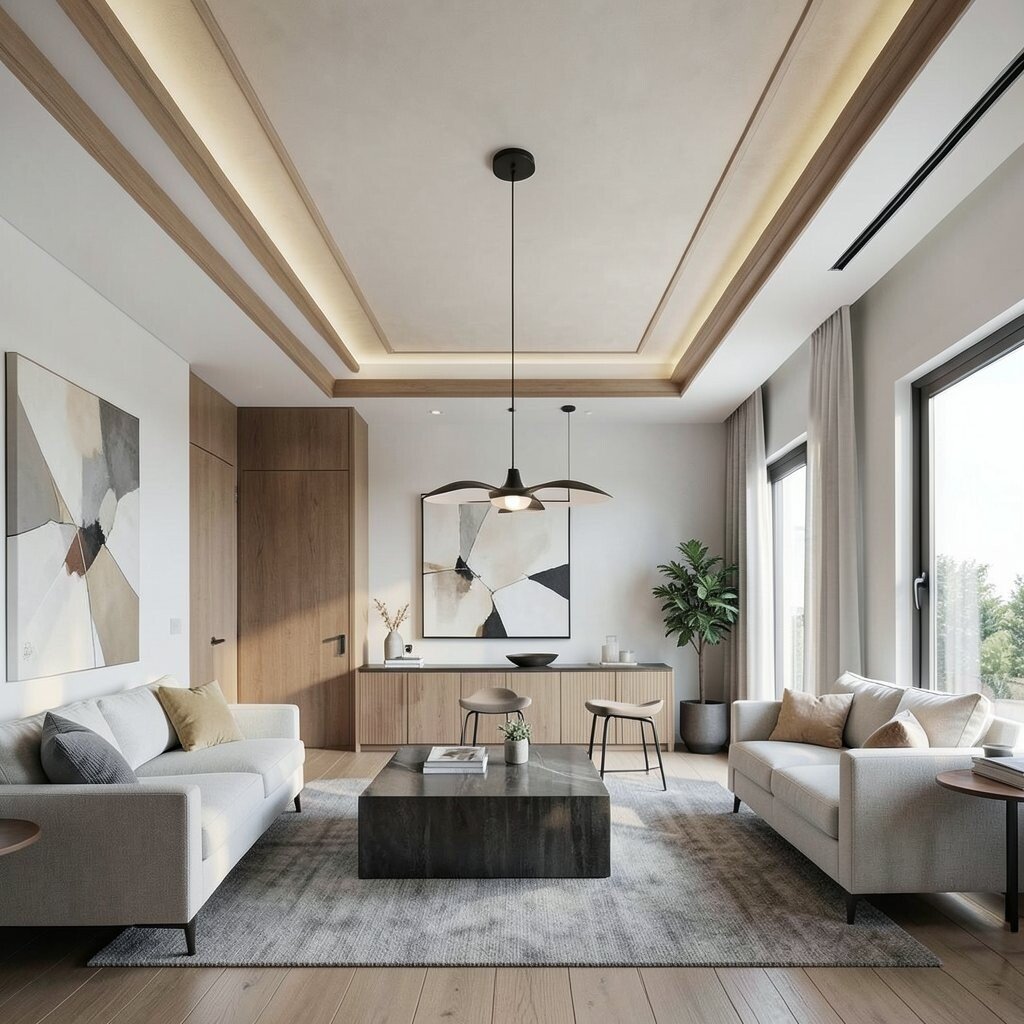
The ceiling is often forgotten, but it can become one of the most exciting parts of a room. A painted color, wood beams, or subtle molding can make people look up with surprise.
This idea works well in rooms that need more charm or height. It can be costly if you choose detailed trim or custom wood work, yet painted ceilings are often a simple and affordable option.
A soft blue ceiling can feel airy, while a deep shade can make a large room feel snug and dramatic. Personal touches like a favorite color or a simple pattern can make the space feel more connected to you.
10. Let Built-Ins Do the Work
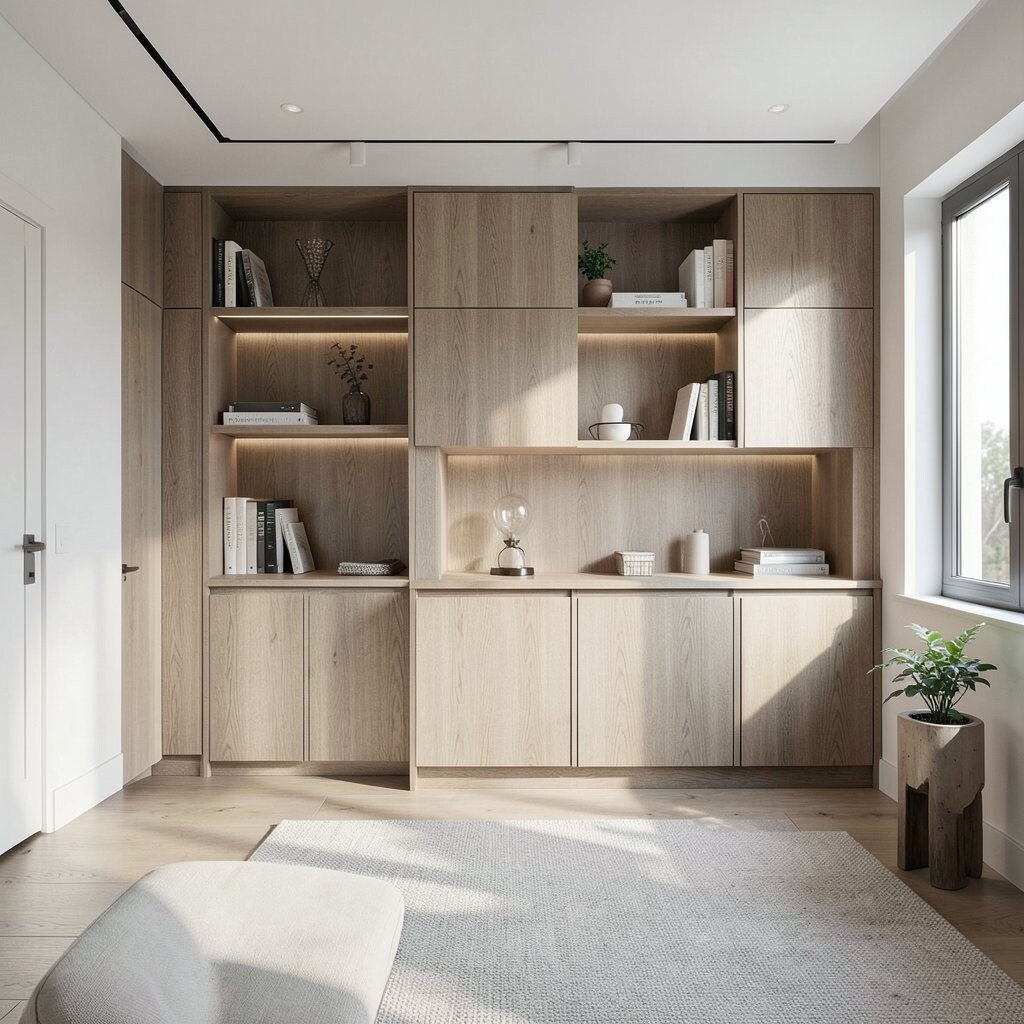
Built-in shelves, seating, and window nooks can make a home feel made just for the space. They use every inch well and give a room a clean, finished look.
These features are especially helpful in small rooms because they save floor space. They may cost more than loose furniture, but they can also add long-term value and make storage feel much prettier.
A built-in bench with cushions can turn a plain corner into a favorite reading spot. You can paint the units the same color as the walls for a calm look or choose a contrast shade for more personality.
Many homes now use built-ins as part of a simple, custom style that feels both modern and timeless. They are a smart choice when you want usefulness without giving up beauty.
11. Work With Natural Light
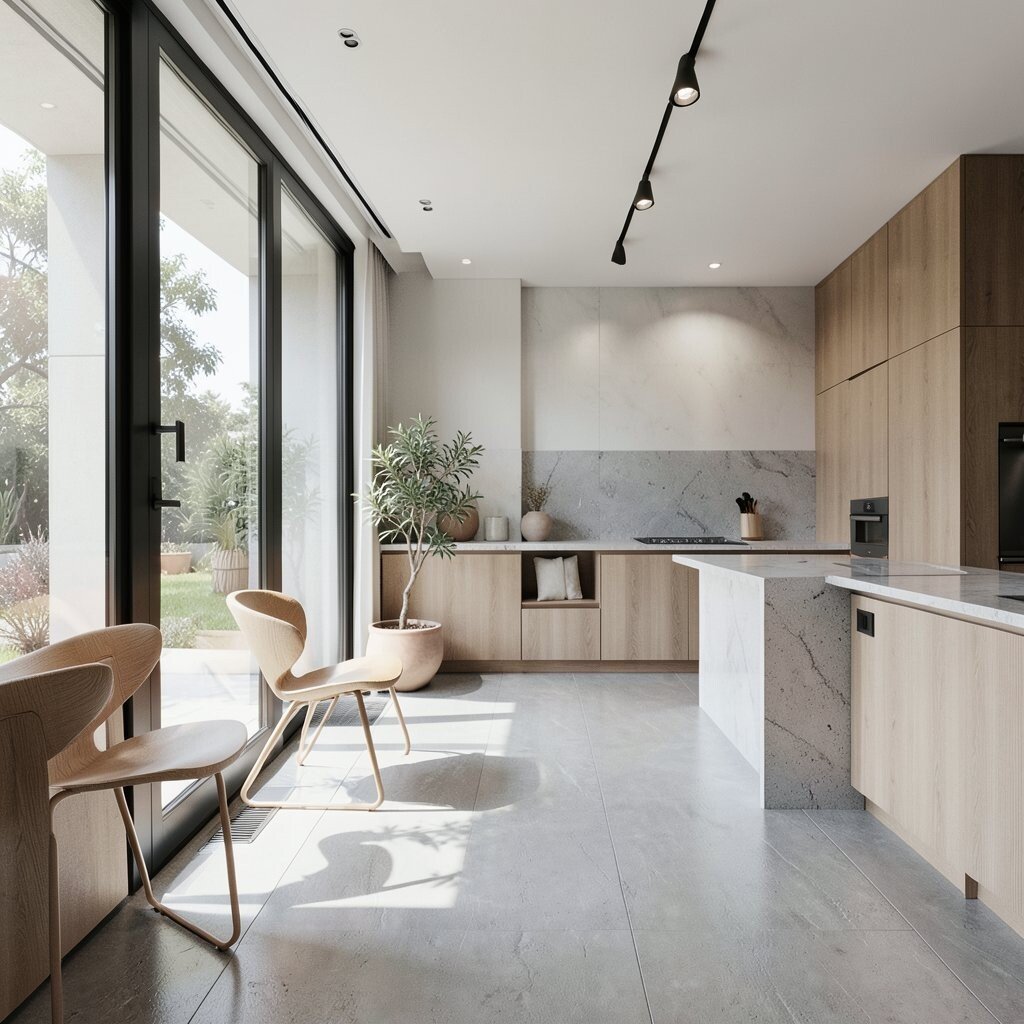
Natural light can make colors glow and help a room feel open and fresh. Large windows, light curtains, and reflective surfaces all help spread that daylight around.
This is one of the best ways to improve a space without major building work. It can also lower the need for lamps during the day, which is a nice help for energy use and everyday comfort.
Keep window treatments soft so they filter light instead of blocking it. If privacy is a concern, use layered curtains or frosted glass where needed so you can still enjoy the bright, uplifting feel.
Rooms with strong daylight often look better with simple furniture and calm colors. That makes it easy to personalize the space with art, plants, and objects that matter to you.
12. Shape Zones in One Room
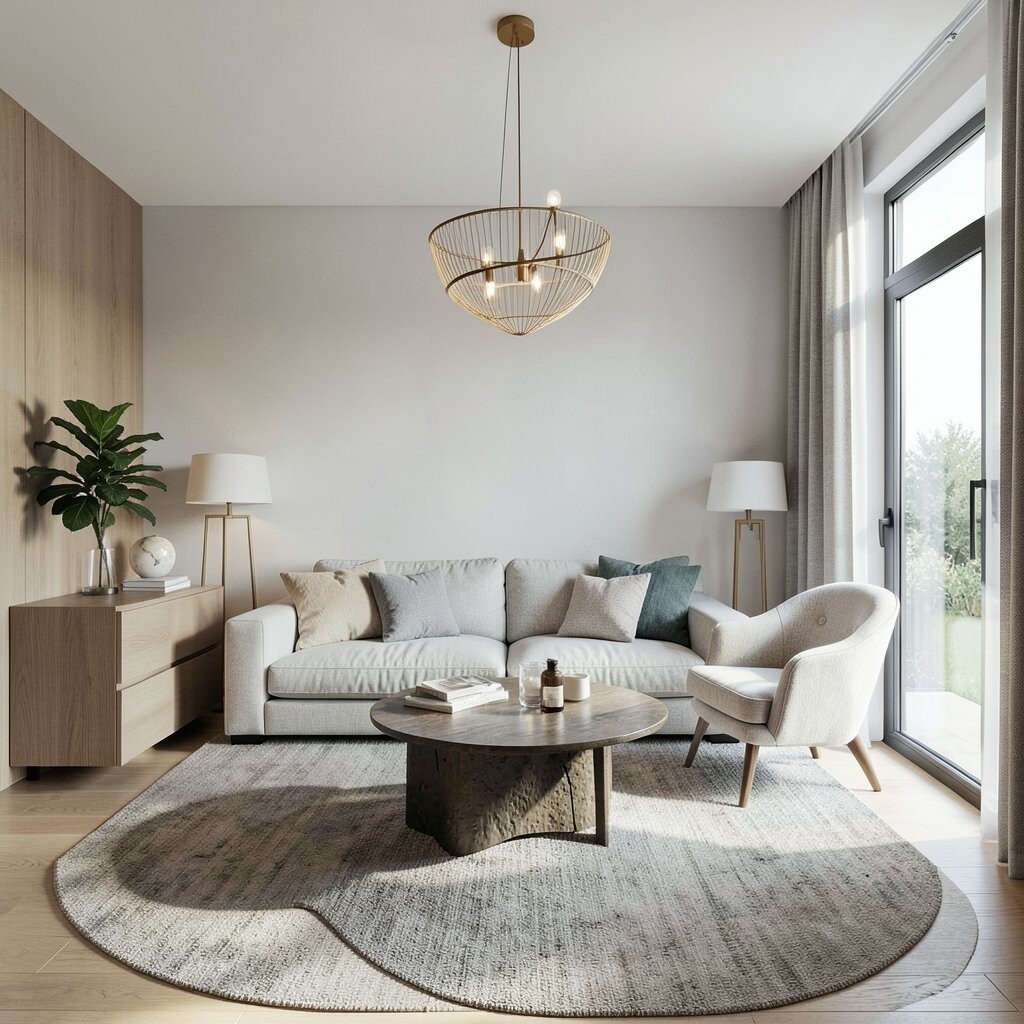
Even one large room can feel organized when it has clear zones. A rug, a sofa back, or a change in lighting can separate work, play, and rest areas without adding walls.
This method is helpful in studio homes, open-plan layouts, and family rooms. It can cost very little if you use furniture you already own, and it gives the room a more thoughtful flow.
Try placing a desk in one corner, a reading chair by a lamp, and a dining table near the kitchen side. This kind of setup makes the room easier to use and keeps each area feeling special on its own.
People often like this approach because it makes a home feel bigger and more organized. You can make each zone match your daily habits, which turns the room into a better fit for real life.
13. Bring in Bold Art
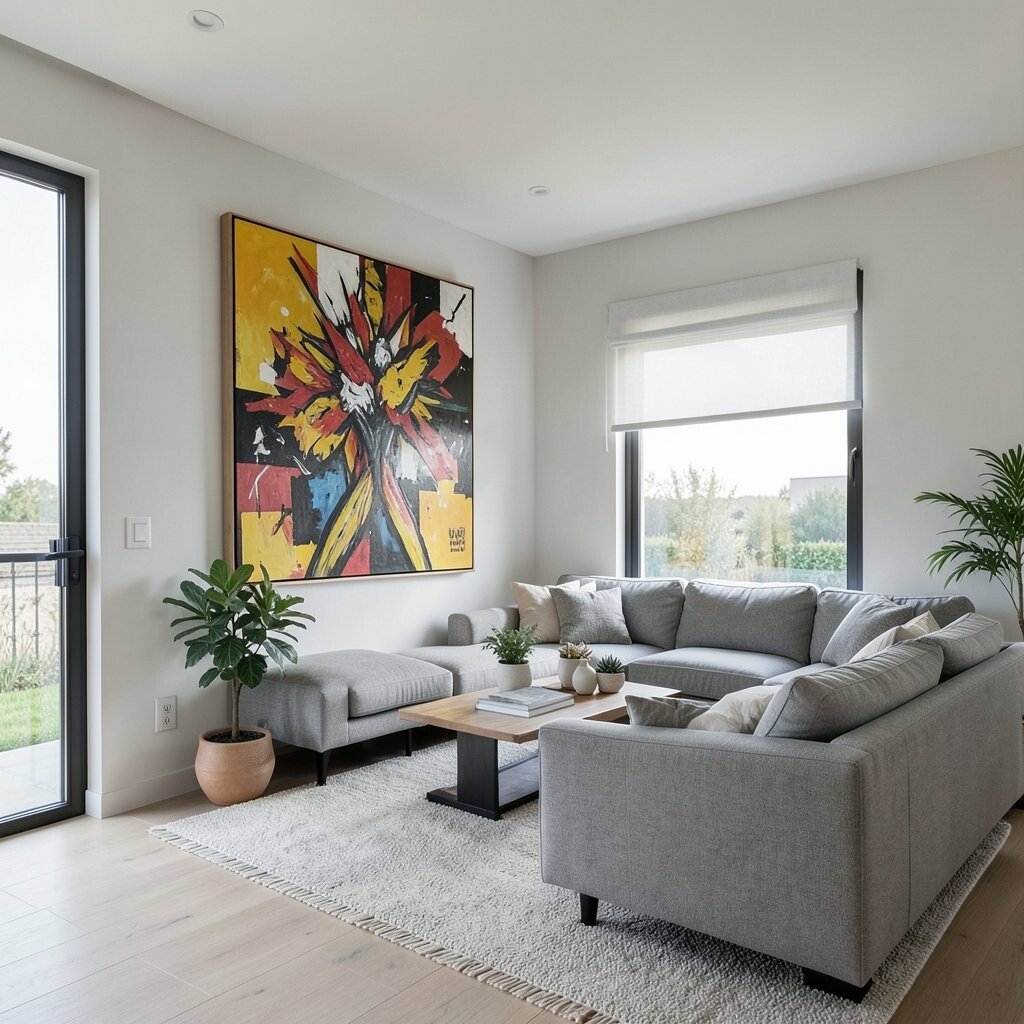
Large art can make a room feel complete in a single move. It adds color, story, and emotion, and it gives the eye a clear place to rest.
This is a great choice if the rest of the room is simple and calm. It can be expensive to buy original art, but prints, posters, and framed fabric can still create a strong and stylish effect.
Pick art that says something about your taste, your travel memories, or your favorite moods. A bold piece above a sofa or bed can give the room a strong point of view without needing many extra items.
Current interiors often use very large artwork to make spaces feel modern and clean. If you want a unique result, choose art with colors that tie the whole room together in a quiet but powerful way.
14. Keep the Palette Calm and Layered
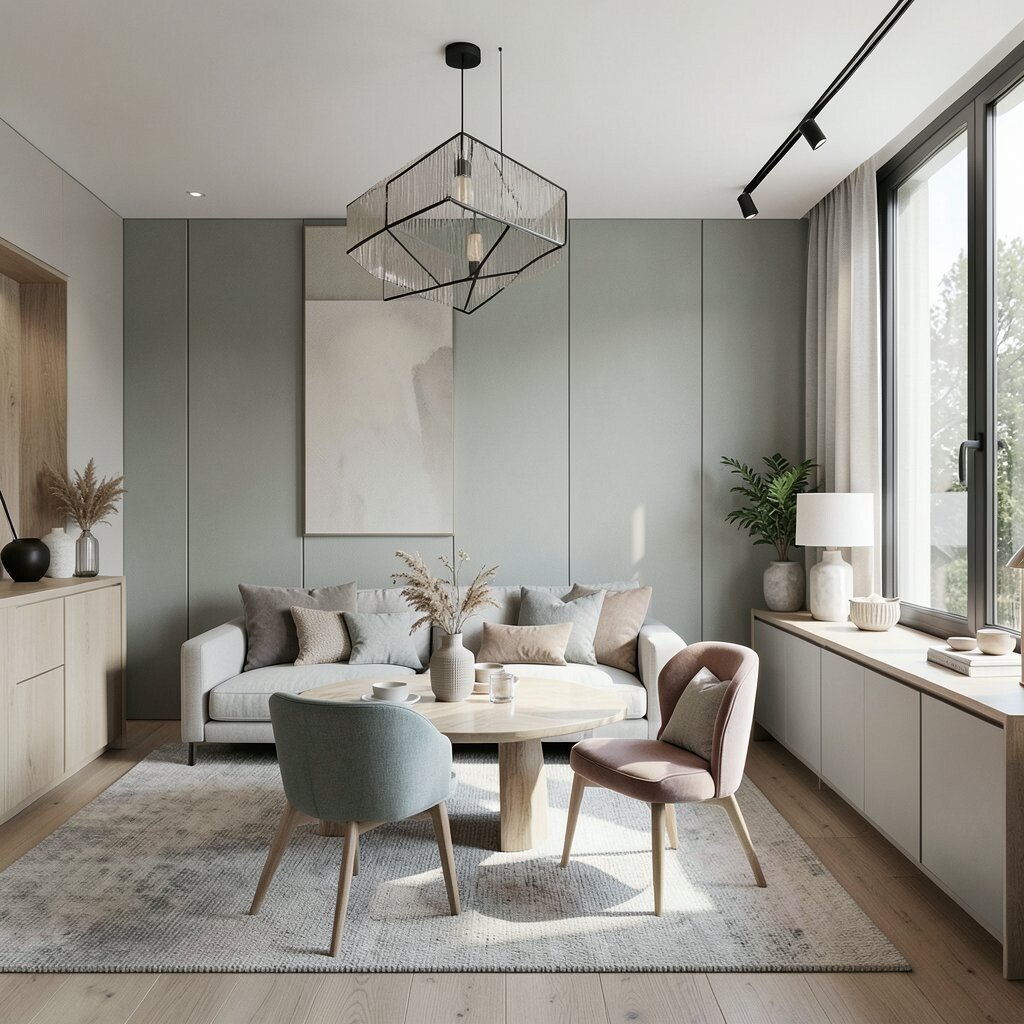
A calm color palette can make a space feel restful and easy on the eyes. Soft whites, warm grays, muted greens, and gentle browns can all work together in a peaceful way.
This style is useful for homes that need a sense of order or quiet. It can also help you spend less, since a few well-chosen shades can guide all your decorating choices and keep shopping simple.
Layer the colors through paint, fabric, rugs, and small decor so the room feels complete. Add small personal touches like books, pottery, or family pieces to keep the space from feeling plain.
Many current homes use calm palettes because they look clean, timeless, and easy to live with. A soft color story also lets the shapes, textures, and details in the room stand out in a graceful way.