A good day together can start with something simple and end with new memories. When families share small moments, the whole week feels warmer.
Ready ideas help you spend less time planning and more time enjoying. Let these living ideas bring laughter, bonding, and comfort into everyday life.
1. Create a Family “Open Door” Evening

Pick one weekday evening where everyone knows they can bring questions, stories, or even goofy ideas to the table. The mood shifts fast when people feel safe to talk.
Use a calm visual setup like dim lights, cozy blankets, and a snack tray that looks inviting. For cost, keep it low with store-bought treats and homemade warm drinks. Personalize it by letting each person choose one topic, such as a favorite app, a school moment, or a surprising fact. A simple rule keeps it smooth: give everyone a chance to speak, and keep the talk kind and light. This kind of routine feels like a modern trend too, because families everywhere are choosing connection over busy schedules.
2. Cook a “Choose-Your-Path” Meal Night
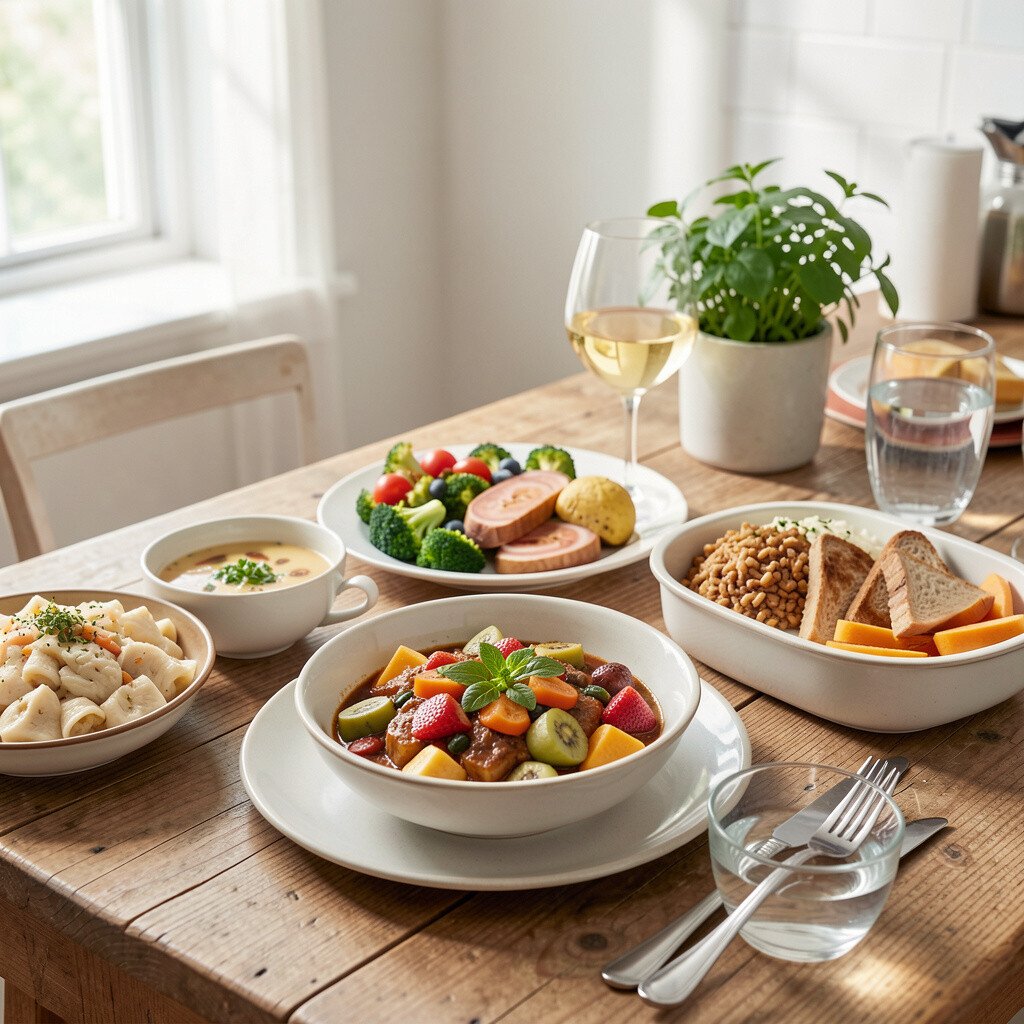
Gather a few ingredients and let each person decide one step of the meal. You can turn dinner into a shared game without making it stressful.
Set out bowls, labels on the counter, and a colorful lineup of choices like taco toppings, pasta add-ins, or sandwich spreads. Visual variety matters, so aim for bright colors like red peppers, green herbs, and golden cheese. Keep costs in check by using pantry staples and buying one fresh item per person. Each family member can personalize by choosing a flavor path, such as mild and creamy, zesty and tangy, or sweet and smoky. For a current twist, many families are using freezer-friendly mixes and quick meal kits, then mixing them with homemade touches for a “made together” feel.
Enjoy practical tips like setting a timer for each step and doing a quick cleanup swap so everyone helps. When the meal is ready, sit together and rate the choices like a friendly team. The uniqueness comes from the way the same dinner base becomes different each time.
3. Start a Weekly “Neighborhood Photo Quest”

Take a walk, then agree on a mini photo mission for the family. The world becomes a playful stage when your phones are used for noticing, not just scrolling.
Look for visual moments like colorful doors, funny signs, window gardens, or interesting sidewalk patterns. You can keep it budget-friendly by using free local parks and sidewalks instead of paid attractions. Personalize the quest by choosing themes, such as “shadows,” “round shapes,” or “things that smell like food.” For uniqueness, let kids lead by picking the next theme based on what they spotted that morning. This also fits current trends toward slow, screen-smart time, where families balance digital cameras with real-world attention.
To make it practical, set a time limit and then pick the best photo together at home. Print a few favorites monthly using a low-cost service or even make a simple photo folder in a drawer. The memories feel alive because you’re collecting moments as you move, not only after the fact.
4. Build a Living Room “Story Circle” With Props
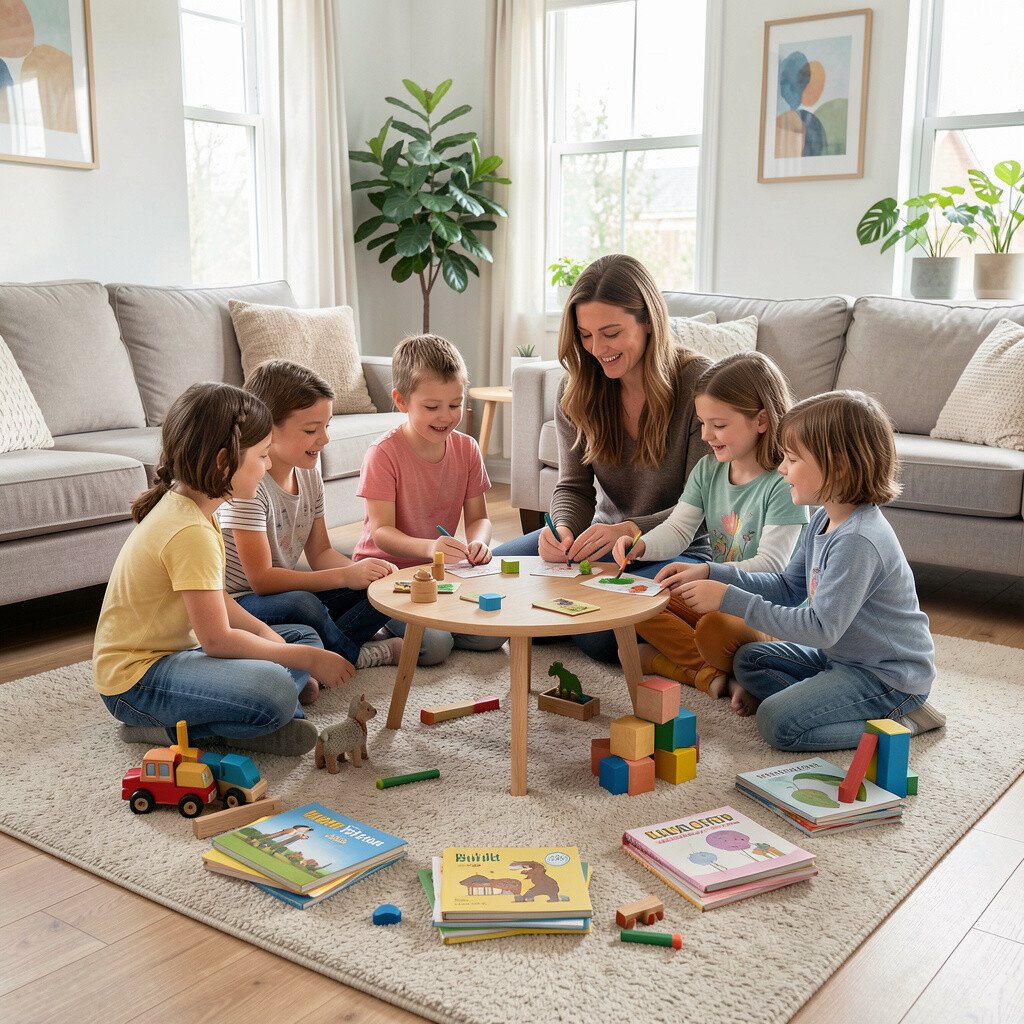
Choose a comfort time, like right after dinner, and tell stories in a way that everyone can join. Props make it visual and fun, even for shy kids.
Use simple items like hats, scarves, old costume jewelry, or toy animals to act out parts of the story. The room can look magical with a small basket of props and a soft light in the corner. Keep costs low by sorting what you already own and adding one thrift-store find if you want. Personalize by matching stories to your family life, such as a “trip” to the ocean using seashells and blue paper. This idea feels unique because the props turn imagination into something you can see and touch, not just hear.
5. Plant a Small “Kitchen Garden” for Busy Hands

Grow herbs, leafy greens, or even small beans near a sunny window so it feels doable. Caring for plants gives families a shared rhythm and a satisfying payoff.
When you water, notice the look of new sprouts and the smell of fresh leaves. The visual change happens fast, which helps kids stay interested. Keep costs reasonable by starting with seeds, a reused pot, and potting soil from a budget store. Personalize by letting each person name “their” plant and choose a care schedule card. Many families are leaning into home gardening trends because it’s calming, greener, and a fun learning tool right at home.
Practical tips include setting a two-minute check time each day and using a small spray bottle for gentle watering. If space is tight, try a vertical setup with hanging planters or a tiered rack. The uniqueness is that your home becomes a living place, and you can cook with what you grow.
6. Make a Family “Jukebox Playlist” Workshop

Let everyone contribute songs that match their mood and stories. Then build a family playlist like you’re creating a shared radio station.
Choose a visual cue by designing a playlist cover with markers, stickers, and a big title on paper. Keep cost down by using music apps you already have, or by saving offline tracks from streaming services if available. Personalize the playlist by grouping songs into moments like morning focus, weekend fun, or quiet wind-down. For uniqueness, ask each person to add one song that reminds them of a memory, and keep it short and sweet. This matches current trends where families use shared media feeds to spark conversation instead of competition.
Practical tips help it run smoothly, like setting a limit of a few songs per person and making a “we all voted” section. Play it during chores, car rides, or board game breaks. The benefit is clear: music becomes a glue that helps everyone shift into the same mood together.
7. Host a “Texture Table” Snack Time

Pick snacks with different textures and arrange them like a colorful tasting set. When kids see variety, they try more and talk more.
Use visuals like crisp crackers, creamy yogurt, crunchy fruit, and chewy snacks in separate bowls. For cost, choose easy items from the store that keep well, such as apples, nuts, and simple dips. Personalize it by letting each person choose one texture category, like “crunch,” “smooth,” or “squishy.” The uniqueness is how food becomes a sensory lesson without feeling like school. It also feels current because many families enjoy mindful eating and sensory play ideas at home.
Keep it practical by setting a small portion for each item and using a simple checklist so no one gets overwhelmed. Ask gentle questions like what texture feels calm, exciting, or funny. Over time, this becomes a relaxing bonding ritual you can repeat with whatever seasonal fruit you find.
For extra fun, draw the texture words on sticky notes and place them by each bowl. Everyone can add a sticker if they like that texture best. That tiny system makes the moment feel organized and special.
8. Turn Laundry Into a “Sorting Story”

Make chores feel less like a drag by turning laundry sorting into a game with choices. It’s a practical way to spend time without adding extra errands.
Let each person sort by a visual rule you choose, like color shades, towel sizes, or who the clothes belong to. The room can look bright if you use baskets in different colors and place them in a clear row. Keep costs low since you’re using what you already have, and it saves time by reducing re-washes. Personalize the categories to match your home, such as school uniforms, bedtime clothes, or “sports gear day.” Families are also leaning into “chores with creativity,” because skills and teamwork matter more than perfection lately.
9. Do a “Curious Question” Walk After Breakfast

Step outside for a short walk and ask one question each, like “What do you think this insect is doing?” Curiosity turns a routine step into a shared adventure.
Look for visual clues like leaf shapes, cloud patterns, or small tracks in the dirt. Stay budget-friendly by keeping the route close, like one block loop or a nearby park. Personalize by tailoring questions to the season, such as noticing winter birds or spring flowers. The uniqueness comes from the way the walk becomes a family conversation, not just movement. This aligns with current trends toward nature time as a mood booster, especially when people feel stretched thin.
Practical tips include wearing comfortable shoes, bringing water, and keeping questions simple enough for younger kids. If it rains, do a “window walk” by looking at raindrops and imagining where they go. Over time, the habit builds language skills and calm energy at the start of the day.
10. Create a “Family Museum” Corner With Rotating Items

Choose one corner of your home to feel like a small museum. Rotate items weekly so everyone stays curious about what’s new.
Use visual displays like a shelf with framed photos, small trophies, ticket stubs, and handmade crafts. For cost, you can start with a shoebox, tape, and printed labels you already have, then upgrade slowly if you want. Personalize it by letting each person pick one item to display and one story to tell about it. The uniqueness is that your home starts to celebrate everyday life, not only big trips. Many families are enjoying “micro-rituals” like this because it supports creativity and makes memories visible.
Practical tips include setting a simple rotation rule, like one item per person each week. Keep fragile things safe by using sturdy bins and covered containers. When family members gather, the museum corner becomes an easy conversation starter without needing extra planning.
You can also add a small “visitor notebook” where each person writes one sentence about their favorite exhibit. That tiny writing activity can be fun for older kids and still simple for younger ones.
11. Plan a “Family Skill Swap” Night

Pick one evening where everyone teaches one tiny skill they know. Sharing skills helps families feel capable and connected.
Make it visual by setting up a few mini stations, like “how to fold a shirt,” “how to draw a simple animal,” or “how to make a smoothie.” Keep costs low by using supplies you already own and keeping each skill under ten minutes. Personalize the skills to match real life, such as a grandparent’s cooking habit or a teen’s best trick for organizing homework. The uniqueness is how the family becomes the teacher, not just the learner. This also fits current trends where families value maker culture and practical life skills at home.
For practical tips, start with a quick practice run so everyone knows the supplies. Then let the whole family rotate stations in a friendly order. You’ll notice the benefits right away, because kids listen harder when they’re holding the “expert” role for a moment.
12. Host a “Backyard or Balcony Science Studio”

Set up a small science zone with safe, simple experiments that don’t feel too serious. When kids make observations together, they remember more than facts.
Choose visuals like color-mixing cups, sprouting jars, or a homemade “wind” tool using paper strips. Keep cost in mind by using household items like vinegar, baking soda, food coloring, and clear containers. Personalize by using experiments that match the weather, such as testing shade patterns on sunny days or studying how water flows on a small tray. The uniqueness comes from turning your space into a lab, even if it’s just a table on the porch. Right now, many families are choosing hands-on STEM moments that fit into everyday schedules rather than special classes.
Practical tips include setting clear safety rules, doing clean-up together, and writing a quick “what we noticed” sentence on paper. If you want a trend-friendly twist, take short videos of the results and make a family “science recap” reel for later laughs. The benefits show up in curiosity, confidence, and shared problem-solving.
13. Make a Family “Time Capsule” for the Season
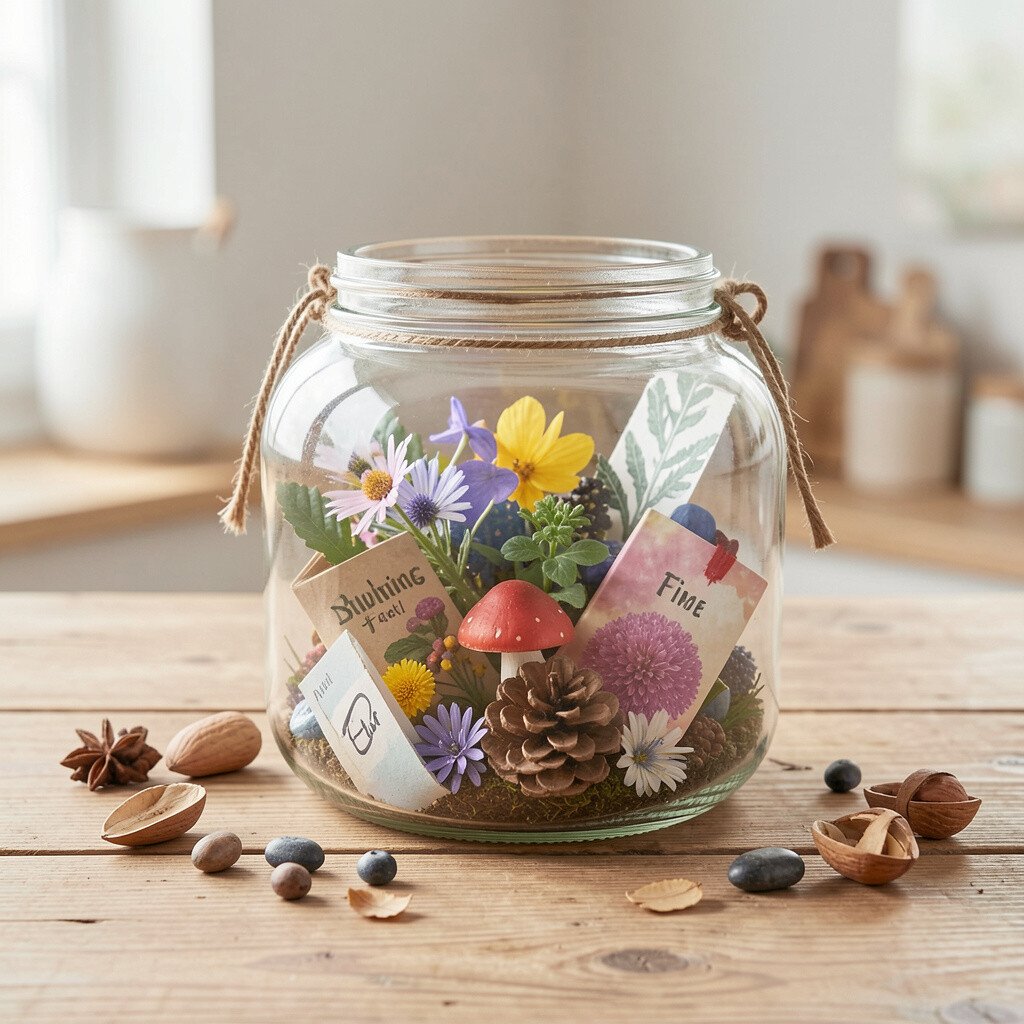
Collect small items that represent your current season as a family. Then save them in a box so you can open them later and feel the past come back.
For a visual touch, wrap items in colorful paper and include a few photos, like everyone holding a seasonal item or doing a simple pose. Keep costs low by using a shoebox, envelopes, and simple craft supplies. Personalize by having each person add one note that describes what they’re proud of right now. The uniqueness is that the capsule becomes a family snapshot, not a generic craft. Many families enjoy time-capsule traditions again because they mix nostalgia with modern photo habits.
Practical tips include choosing a clear future date on the outside of the box and storing it somewhere safe but easy to find. You can also print a few mini prompts on slips of paper to guide younger kids, like “My best moment this season is…” written in their own words. When you open it together, it feels like a warm reunion even if only a few months have passed.
14. End the Week With a “Gratitude Garden” Journal

Pick one family night at the end of the week to write a few gratitude notes. This simple habit creates a calmer mood and helps people notice good things.
Visuals make it feel special, so use a lined notebook, decorate the cover, and keep a jar of pens on the table. Keep cost low by using paper you already have or repurposing a notebook cover from a thrift store. Personalize it by letting each person write one sentence, draw a tiny picture, or add a sticker that matches their favorite moment. The uniqueness comes from making gratitude specific, like “I loved how you helped me” or “The sunset looked like orange paint.” This connects with current trends toward mindfulness and gentle reflection in everyday routines.
Practical tips include setting a short timer so it never feels long and letting everyone choose their own comfort style of writing. If younger kids can’t write yet, they can dictate a sentence to an adult or use picture symbols. The benefits show up as more kindness and better communication in the days that follow.
When the page fills up, read a couple of notes aloud and keep it light. Then close the journal together like you’re locking in something good for next week.