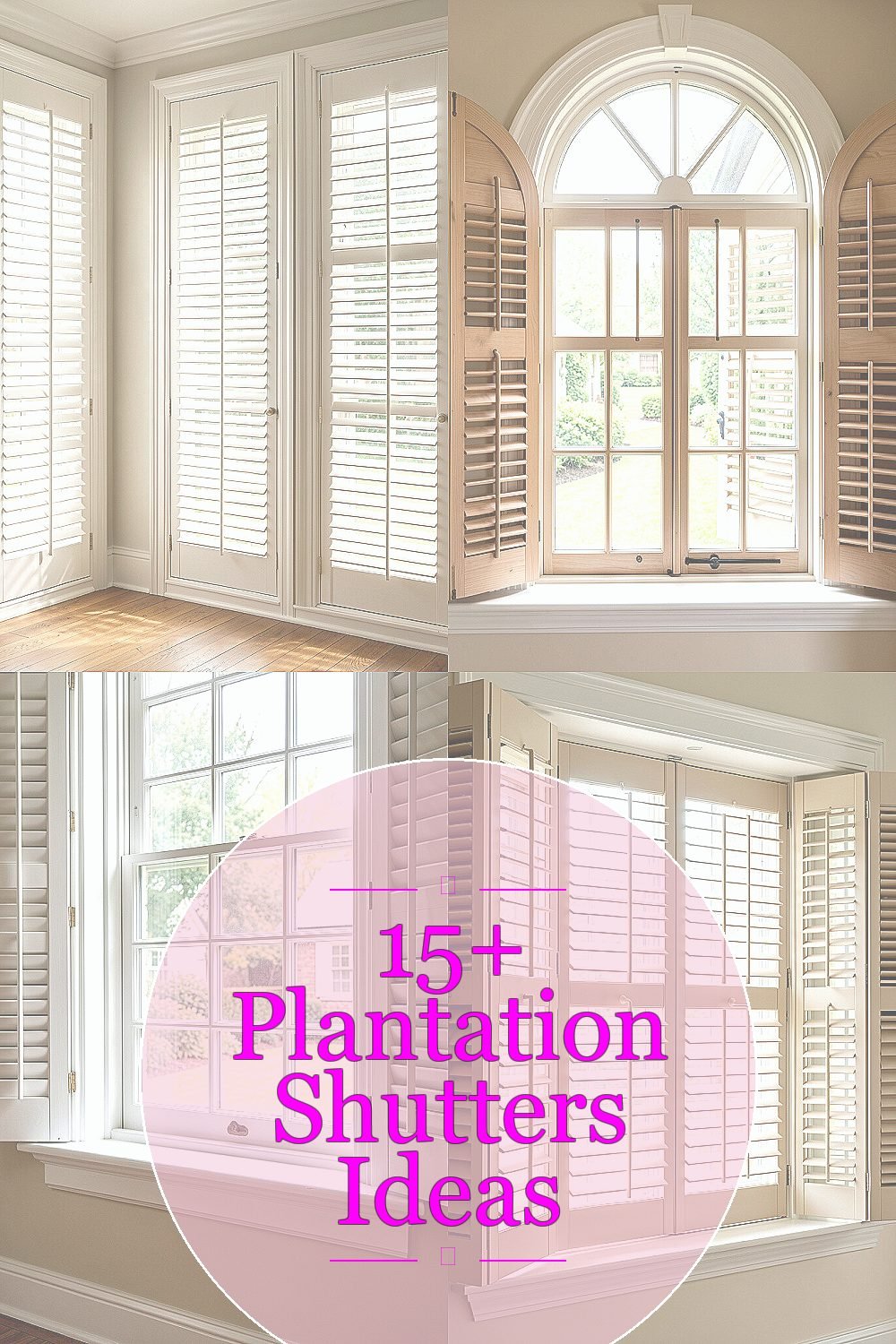
Historic rooms deserve window treatments that feel timeless and warm. Plantation shutters add that just-right mix of charm, comfort, and control.
From airy light to better privacy, these classic details can make renovations look intentional and lived-in.
1. Tall-Frame Shutters With Balanced Light Control

Imagine stepping into a hallway where sunlight lands softly on the walls, guided by crisp shutter lines. Tall-frame plantation shutters can stretch that glow up high while still giving you privacy when you need it.
Choose operable louvers for daytime flexibility so rooms feel bright without being glaring. For historic homes, aim for panel proportions that match the original window rhythm, which helps everything look “meant to be there.” Measure carefully from casing to casing so the fit looks clean rather than crowded.
2. Arched-Top Custom Units For Old-World Window Beauty

An arched-top window can look like a little architectural poem, and custom plantation shutters make it feel complete. The curved frame softens the strong geometry of louvers, creating a gentle, luxury look.
Keep the shutter profile aligned with the arch so the sightlines stay smooth when the louvers open and close. A practical bonus is better insulation around oddly shaped glass, which can help older homes feel more comfortable across seasons.
Consider a matching paint color that echoes trimwork, or use a stain that leans warm like walnut. If your home has multiple arched windows, repeat the same shutter width and louver spacing to create visual harmony.
3. Deep Sill Mounting For Heritage Windows That Need Respect

Some historic windows sit deep in the wall, and shallow shutter installs can look off. A luxury approach is mounting plantation shutters to respect the depth, letting the frame sit naturally in the architectural pocket.
When shutters align with the window recess, you get a cleaner shadow line and fewer gaps where light can leak. Better sealing also helps reduce drafts, which is a real win in older rooms.
Ask your installer about shim and weatherstrip options that keep movement smooth while still looking tight. For personalization, choose a hardware finish that echoes period details such as polished brass or aged bronze.
4. Plantation Shutters in Traditional Colors With Modern Clean Lines
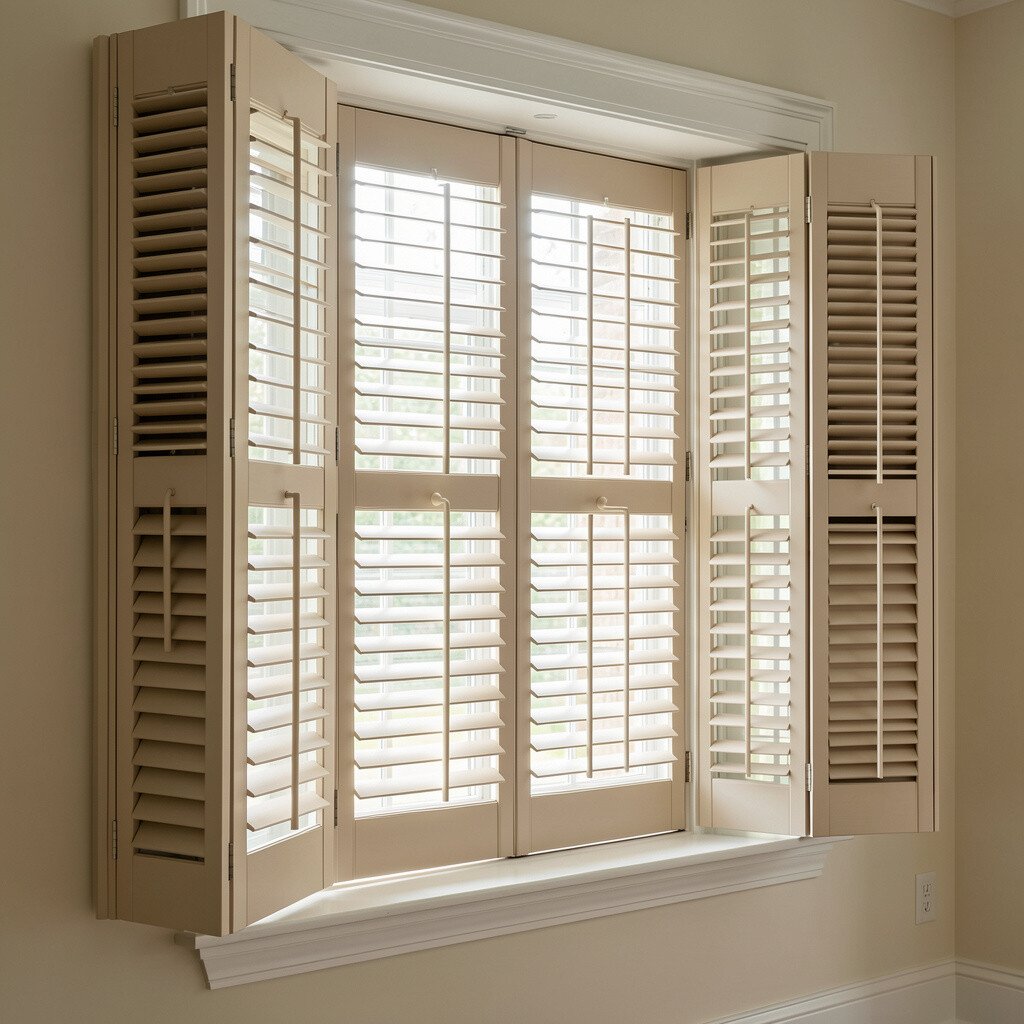
Color can make shutters feel like part of the original home instead of an add-on. Classic off-white, warm cream, or soft greige can mimic old plaster and trim while keeping the look fresh.
Pair traditional color with clean, precise lines so the shutters feel tailored, not bulky. If your renovation includes updated flooring or new paint, match the shutter shade to a mid-tone from the room for a smoother blend.
5. Full-Height Floor-To-Crown Style For Grand Rooms

In a formal living space, floor-to-crown shutters create a stately backdrop that frames furniture like a gallery. The dramatic vertical lines help tall ceilings look even higher, and louvers give you adjustable views.
They can also make the room feel cozier because closed shutters reduce the “open window” feeling that older houses sometimes have. Choose sturdy hinges and smooth operation so the shutters remain easy to use every day.
When planning installation, consider how furniture legs, radiators, or baseboards may affect clearance. A tailored placement lets shutters sit right, keeping sightlines crisp and avoiding visual interruptions.
6. Split-Style Panels That Match Multi-Section Historic Windows

Many older homes have windows made of distinct sections, like tall mullions or layered casements. Split-style plantation shutters mirror that structure, so the treatment looks built for the architecture.
Using separate shutter sections can make cleaning simpler and reduce the stress on one large panel. It also gives you more control over light, because you can tilt louvers independently depending on the room’s angle and sun exposure.
For personalization, keep the louvers consistent across sections so the whole window reads as one cohesive design. Consider adding a matching center divider rail if it suits your existing trim style.
7. Radiator-Friendly Layouts With Practical Louvers

Radiators can turn window treatments into a tricky puzzle, especially in historic homes with steam heating. A luxury shutter plan works when the bottom rails and louvers are placed to clear heat sources and still look balanced.
Plan for comfortable operation by checking how far shutters swing or tilt near furniture and vents. Practical placement helps reduce heat block, so the room stays warm while the shutters keep privacy on your schedule.
If you want a softer look, select a slightly lighter paint color that reflects heat and brightness. Keep the bottom rail aligned with the window sill so the design feels intentional rather than improvised.
8. Textured Finish Options That Imitate Old Materials

Luxury doesn’t always mean shiny and new. Textured finishes can echo the feel of historic woodwork, especially in rooms with ornate trim or paneling.
Look for finishes that resist scuffs and still feel warm to the touch, such as durable paint systems or low-sheen coatings. This is helpful in kitchens and hallways where shutters are more likely to get bumped during daily life.
When choosing texture, keep it subtle so louvers stay crisp and light still reflects beautifully. You can also pair a textured frame with smooth louvers for a refined contrast that feels custom.
9. Stained Hardwood Shutters For Warm, Timeless Character

A rich stain can make shutters feel like real heritage wood, adding warmth even before the louvers move. In rooms with dark trim, hardwood floors, or built-ins, stained plantation shutters often look like they belong from day one.
Choose stain tones that complement the undertone of your floors, whether they lean honey, cherry, or cool walnut. This helps the room feel connected, not like separate pieces were added during renovation.
For practical durability, ask about protective topcoats that handle sunlight exposure without fading too quickly. If you’re personalizing, consider slightly varying the sheen between frame and louvers for depth.
10. Grid-Style Matching For Windows With Historic Dividers

Some historic windows have muntins or decorative dividers, and shutters look especially right when they echo that layout. Grid-matching can be achieved through thoughtful louver placement and frame detailing that aligns with the window’s structure.
The result is a composed look where shutters blend into the window design instead of competing with it. It also makes the architecture look intentional, which is a big deal in older homes with character.
Use consistent spacing across nearby windows so the entire facade or room reads as a single design story. If you want a unique twist, choose a slightly bolder rail thickness to emphasize the grid rhythm.
11. Black Or Deep Espresso For Dramatic Contrast

Deep espresso and black shutters can bring a dramatic, tailored mood to historic interiors. When used thoughtfully, they create strong definition around moldings and make trim details pop.
Pair dark shutters with warm wall colors like creamy taupe or soft clay to keep the room inviting. This contrast also works well in modernized spaces where you want a timeless anchor without sacrificing elegance.
Because dark finishes can show dust and smudges sooner, plan for simple cleaning with microfiber cloths. Choosing a durable, wipe-friendly finish helps maintain the crisp look without extra effort.
12. Bow And Bay Window Fit For Scenic, Controlled Views
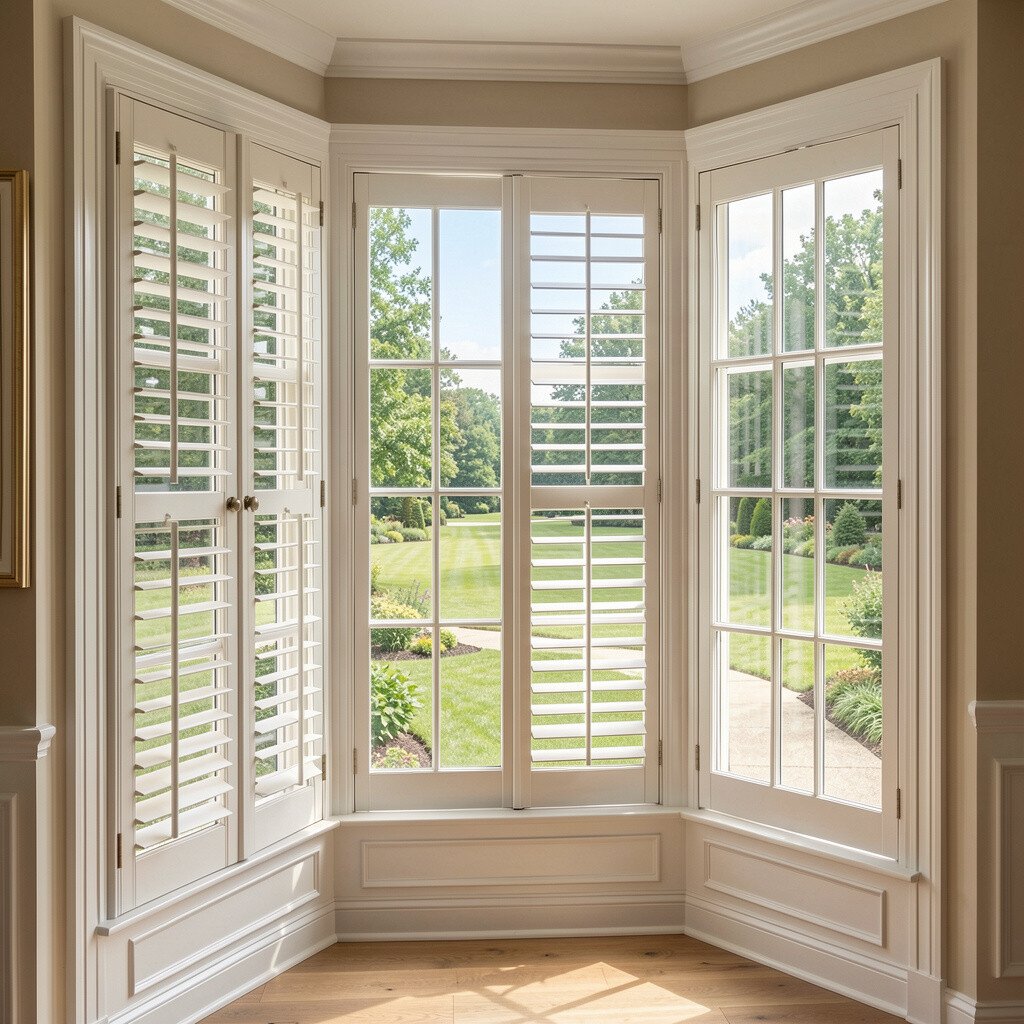
Bow and bay windows deserve shutters that hug every curve, so you can enjoy views without losing privacy. Custom plantation shutters can wrap around the shape, keeping louvers aligned for a smooth, luxurious look.
When shutters fit each section, you gain gentle control over light entering at different angles during the day. That can reduce glare on floors and help furniture last longer by limiting harsh sun exposure.
For personalization, choose different louver angles on each bay segment for a naturally blended look. Ask about the best order of operation so all panels open and close smoothly without awkward interference.
13. Motorized Louvers For High-Traffic Windows And Easy Living
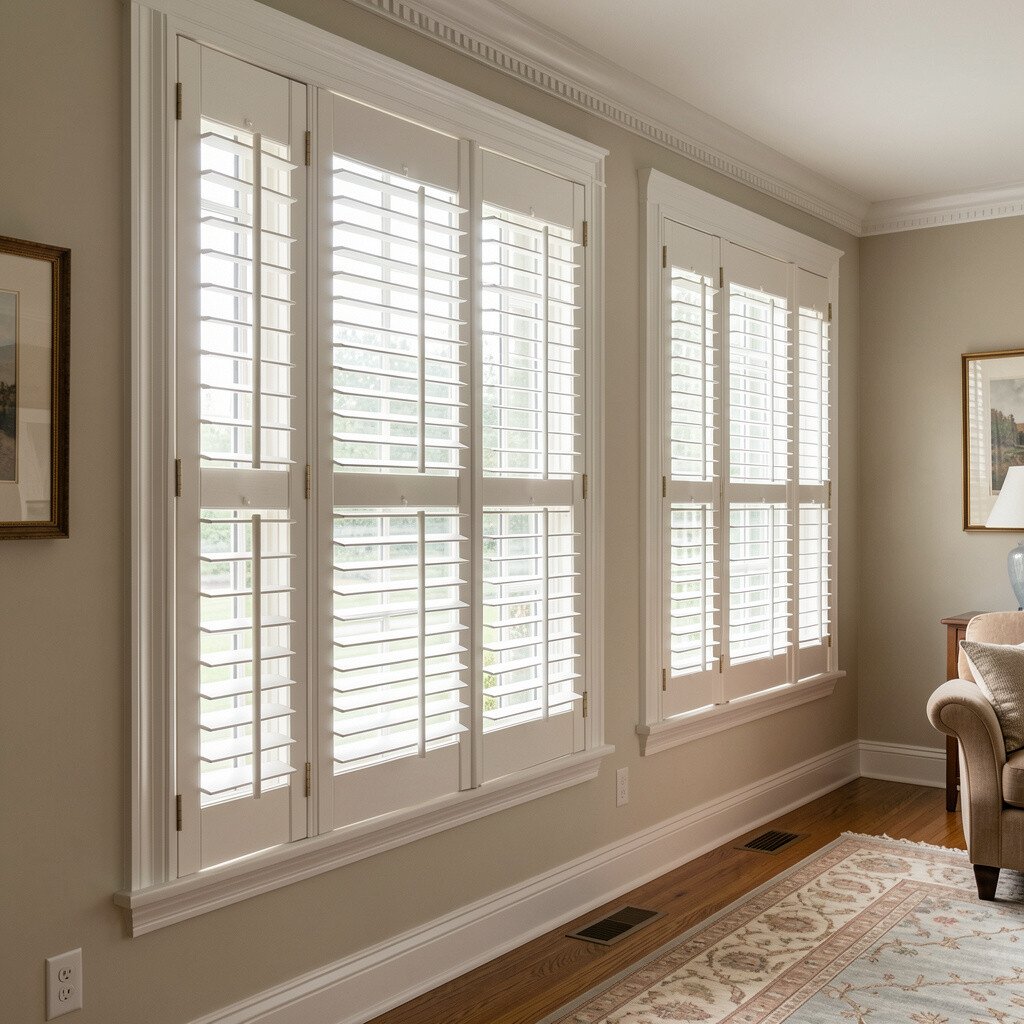
Luxury can also mean less daily effort, especially for tall windows or upstairs landings. Motorized plantation shutter options let you adjust louvers with a remote while keeping the historic look intact.
Practical advantages include timed schedules for privacy and light control, which can help during long workdays or when you travel. It also reduces wear on manual hardware, which is helpful for large or frequently used windows.
If you prefer a clean, traditional interior, choose motors that keep controls discreet. Consider integrating operation with smart home systems only if your wiring setup supports it smoothly.
14. Corner Windows With Flawless Junction Lines
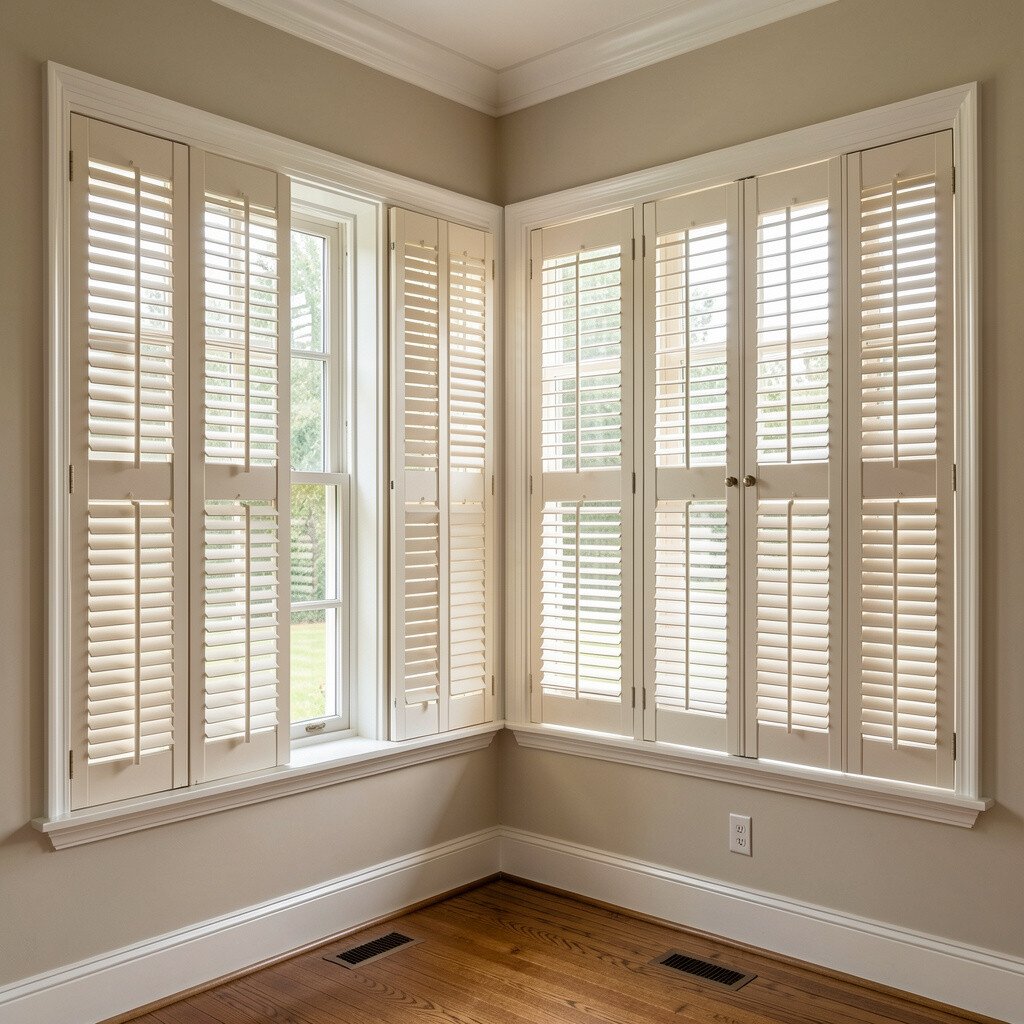
Corner windows can make shutters look either elegant or awkward, depending on how panels meet. Premium installation focuses on junction lines so frames connect cleanly across the angle, preserving the architecture.
Correct alignment helps prevent light gaps and keeps the louvers looking symmetrical from every viewpoint. It also improves airflow control because the sealing around frames is more consistent.
For personalization, decide whether you want matching casing thickness at the corner or a slightly stepped detail that follows the existing trim. Either choice can look high-end when the measurements are precise.
15. Nursery-Ready Or Kid-Friendly Shutters With Soft Control

Even in a child’s room, plantation shutters can feel cozy and polished when chosen with safety and ease in mind. The classic look pairs well with playful colors, while the louvers offer calm, adjustable light.
Look for features that make operation smooth and secure, such as child-safe louver control options. This helps parents manage morning sun without relying on heavy curtains that get tugged.
Personalize with brighter wall shades and warm shutter colors like creamy whites or light honey stains. For practical durability, choose finishes that handle frequent cleaning and fingerprints without losing their charm.
16. Designer Hardware And Crowned Trim Details For Extra Luxury

Small details often signal true luxury, and shutters are perfect for showing them off. Upgraded hardware, refined tilt rods, and crowned trim can make plantation shutters feel custom even in a renovation plan.
This kind of detailing also improves usability because sturdy, well-fitted hardware stays smooth over time. When you match hardware finishes to existing door knobs, faucets, or lighting, the room feels thoughtfully coordinated.
Consider selecting a crown profile that echoes the room’s millwork style, such as simple casing or more ornate molding. Budget-wise, hardware upgrades usually cost more than basic finishes, so prioritize the features you’ll see daily and interact with often.