Small homes deserve smarter space use. Metal spiral stairs can bring style without hogging square footage.
1. The Compact Classic With a Clean Center
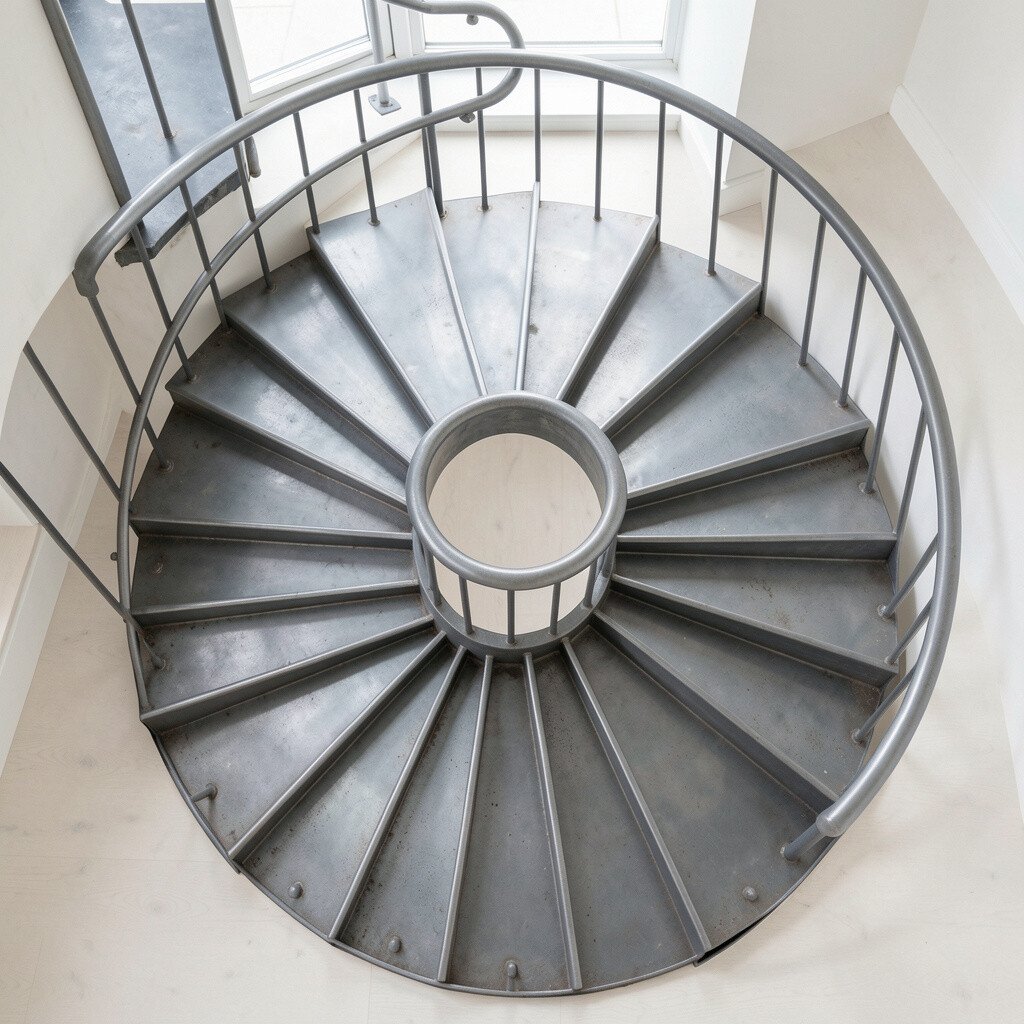
You get a tight spiral made for narrow footprints, with every step curving smoothly around a central column. Up close, the metal rails catch light in thin highlights, making the stair feel airy even when it is close to the wall.
Because there is no landing to take up extra space, the stair keeps a continuous flow from floor to floor. That continuous run can make small rooms feel taller since you are not breaking sight lines with a bulky platform. For practical use, measure the tightest point where your feet will pass and check that furniture can slide near the stair without snagging.
2. Minimal-Weld Finishes That Look Custom
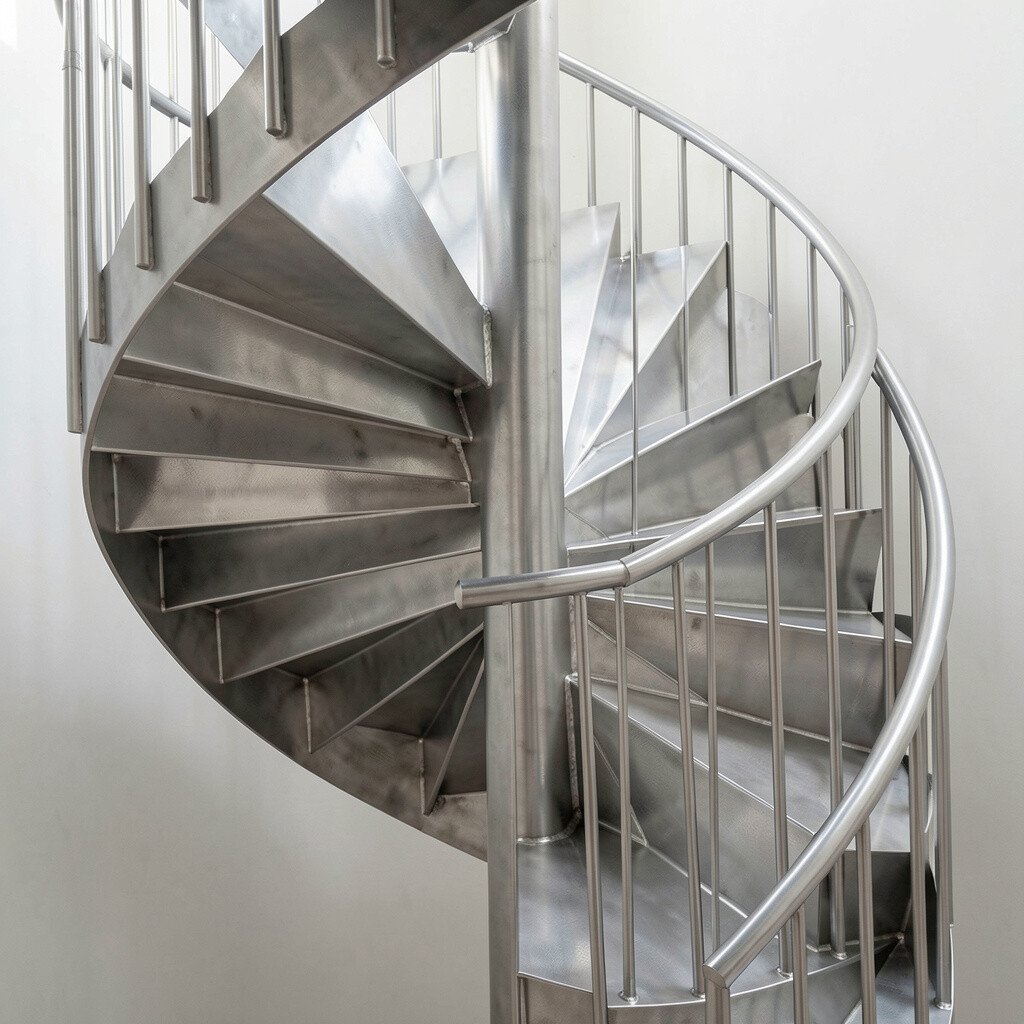
Some designs use neat seams and careful finishing so the stair looks tailored rather than mass-made. When you stand beside it, you can see the spiral line like a piece of modern jewelry running upward.
This kind of clean build often feels steadier because the structure is engineered to handle movement along the curve. If you want it to match your space, choose a finish that blends with your door hardware, light fixtures, or window frames. Add a thin anti-slip coating on each tread so the metal stays comfortable in everyday shoes.
To keep costs from creeping up, ask whether a standard tread pattern can be used with your finish choice. You can also choose a slightly simpler rail profile and still get a high-end look. That small decision helps you put money where it matters most, like safe grip surfaces and correct spacing.
3. Narrow-Tread Spirals Built for Daily Flow
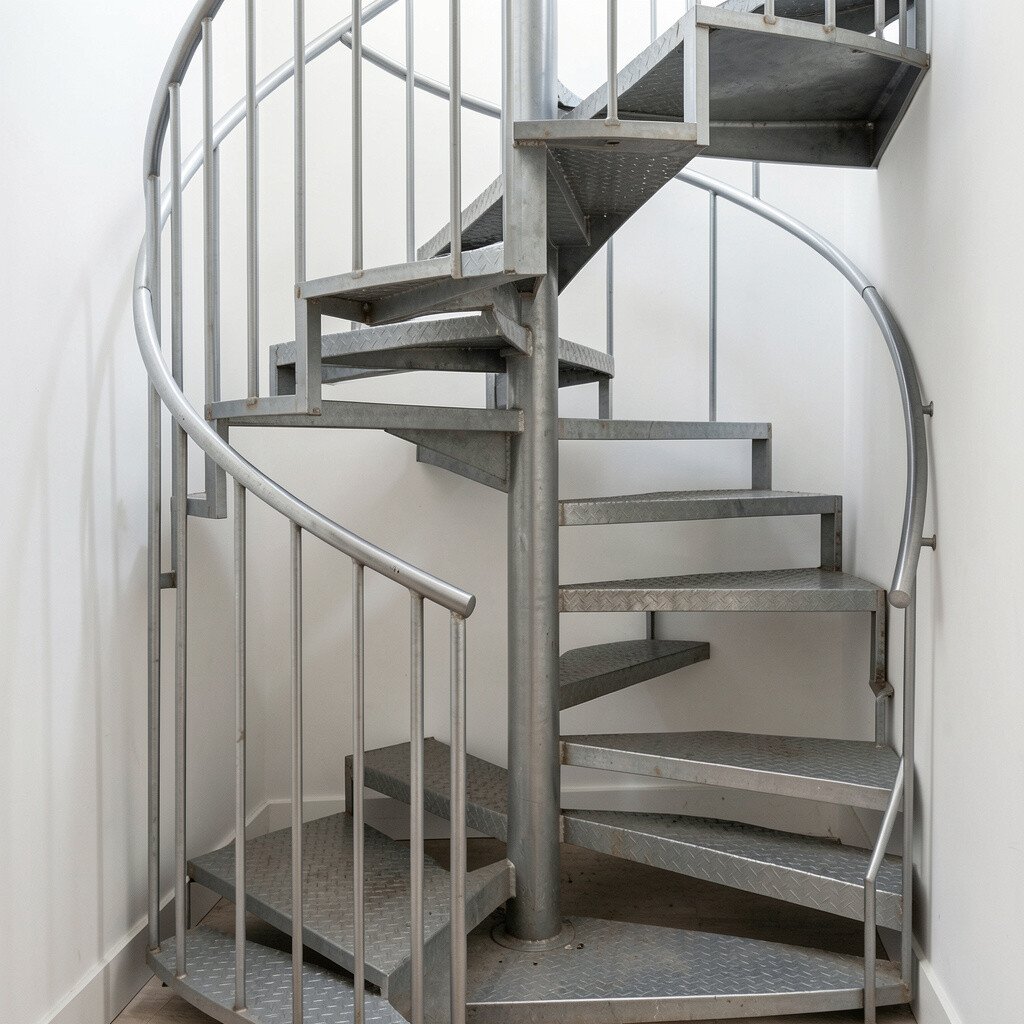
A spiral with narrower steps can fit surprisingly well, especially in hallways that already feel full. The visual effect is a tight, elegant coil, with your eyes following the curve upward without hitting a flat landing.
Smaller treads can help maximize the usable floor area around the stair, which is the big win for small spaces. For everyday comfort, make sure the tread depth still supports a full foot strike, not just a toe. It is also helpful to add a continuous handrail height that matches your reach so going up feels natural.
Consider how you move through your home at different times of day, like morning coffee trips or late-night bathroom visits. If you often carry items, plan a route so you can keep one hand on the rail. This is where personalization shines, because a slightly different rail shape can make the whole stair feel easier to use.
4. Matte Black Metal That Hides Smudges
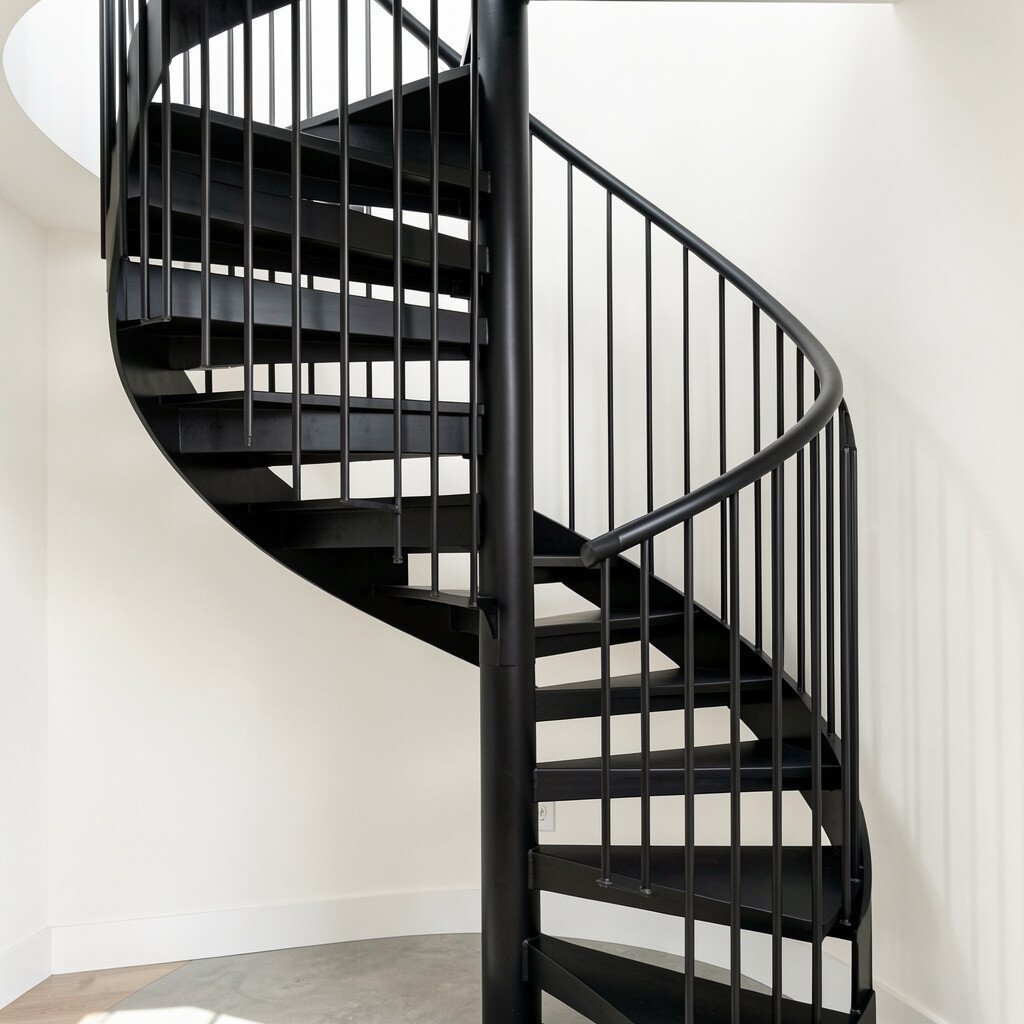
Matte black spirals look bold and calm at the same time, and the finish can hide fingerprints better than glossy paint. From a distance, the stair reads as a single dark line, then up close you notice the tread texture and the smooth curve of the rail.
You get a modern style that fits many interiors, from industrial studios to warm farmhouse homes. For practical benefits, matte surfaces often look better over time because small scuffs blend in. Pair it with light-colored walls or warm wood to keep the staircase from feeling heavy.
5. Bronze-Tinted Steps for Warm, Cozy Light
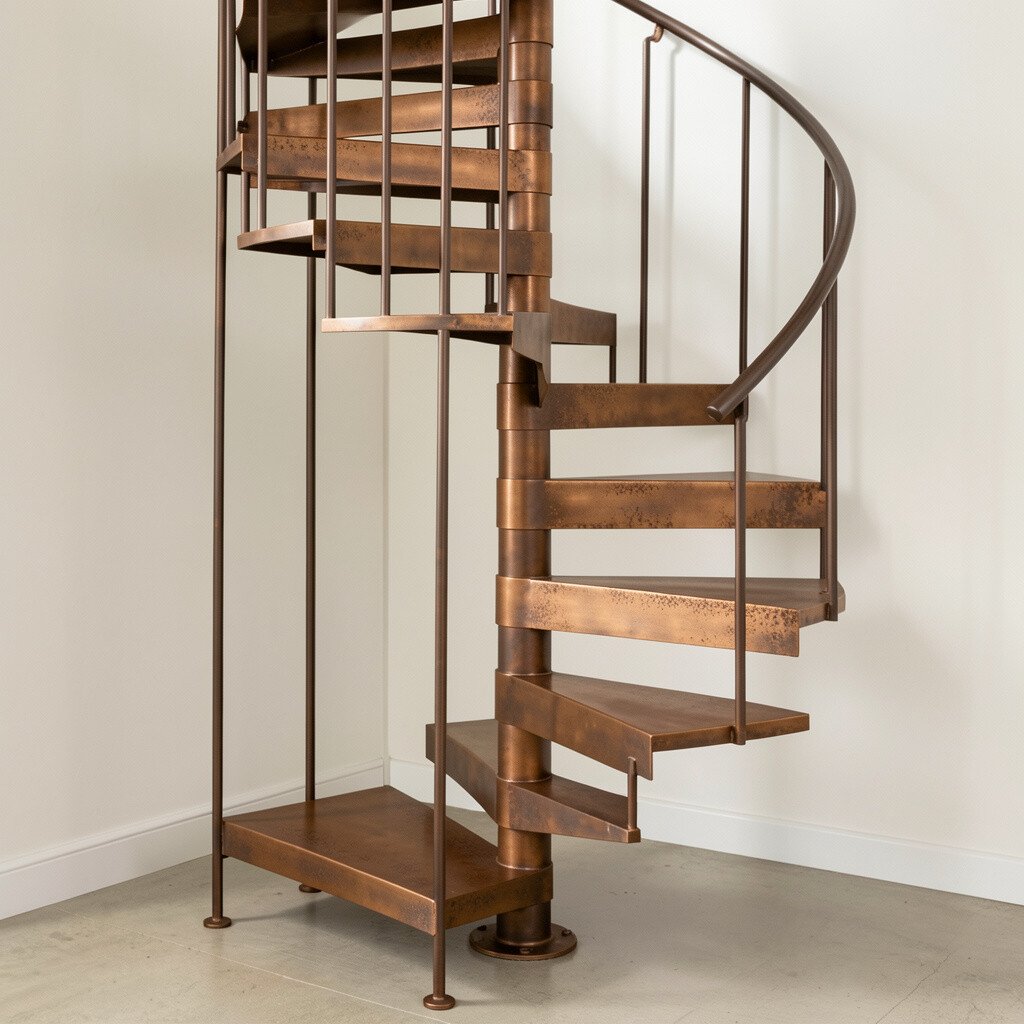
If you want the stair to feel welcoming, bronze-tinted metal can create a gentle glow as light hits the treads. The color shift along the spiral makes the structure feel less mechanical and more like a crafted object.
This finish choice can also bring visual warmth to small spaces that might otherwise feel cold. To keep the look consistent, choose matching tones for nearby hardware such as hinges, faucets, and curtain rods. A practical step is to confirm the tread coating matches the tone so every footfall feels grippy and safe.
For budget planning, bronze options may cost more than basic powder coats, so compare samples first. Sometimes a similar look is possible with a high-quality powder coat that only mimics the tint rather than using heavier materials. Personalize further by choosing a handrail end cap that looks decorative while still being functional.
6. Balanced Headroom With No Flat Landings
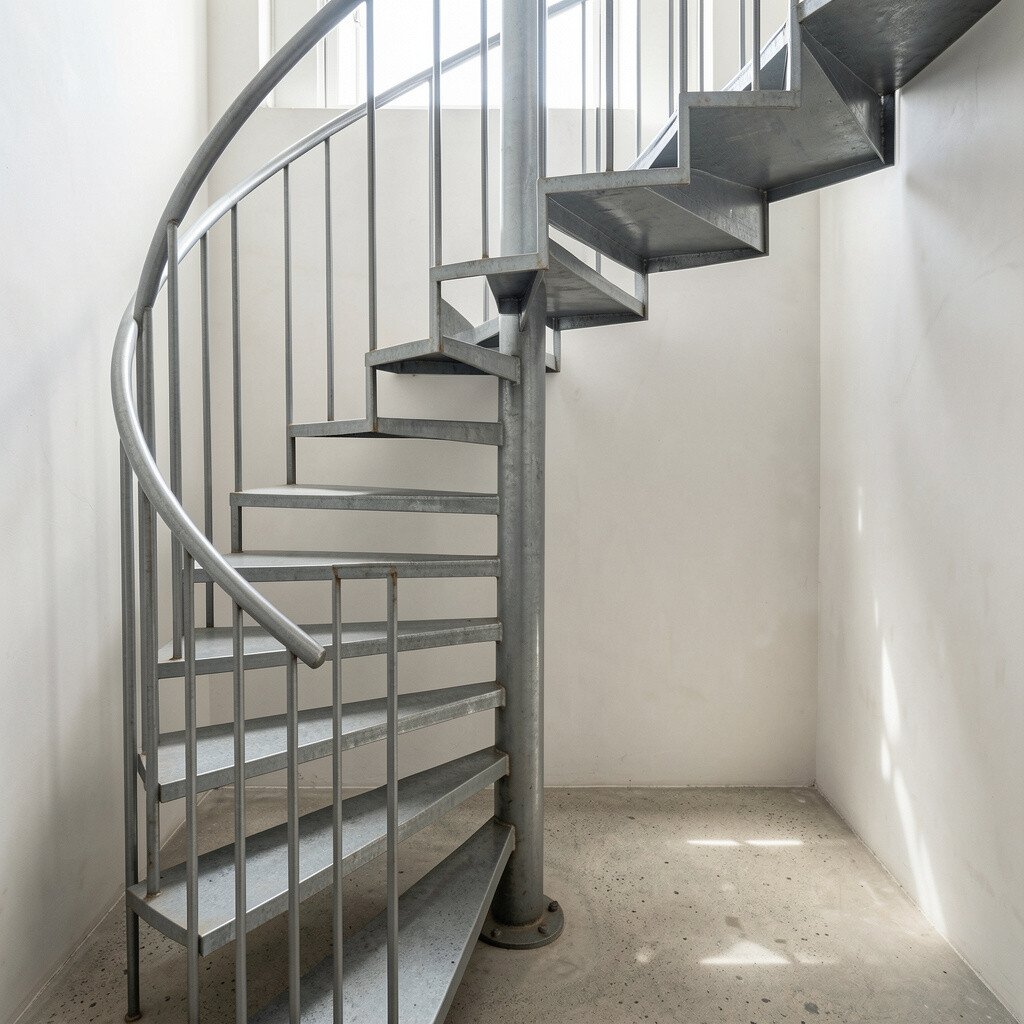
A true no-landing spiral helps you avoid extra platforms that can crowd ceilings or reduce head clearance. When designed well, the stair climbs in a smooth arc and keeps airflow and sight lines moving upward.
Better headroom can make daily movement feel less cramped, which matters a lot in tight apartments and lofts. Before ordering, check the ceiling height at both sides of the spiral because clearance can change along the curve. If you have tall storage nearby, confirm that opening cabinet doors does not bump the stair’s path.
7. Center-Corbel Design for Maximum Open Floor Area
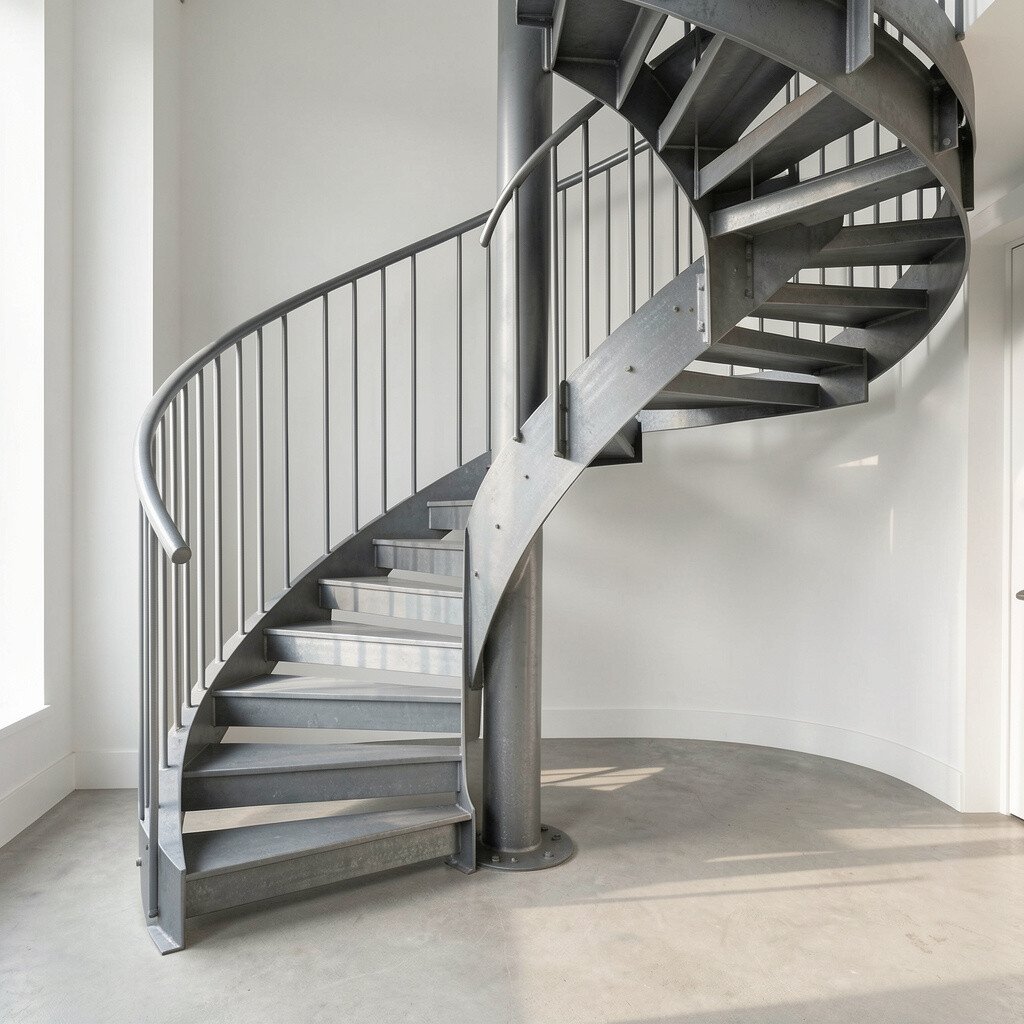
Some spirals mount around a strong center support, leaving more space around the perimeter for furniture. The metal frame can look like it is hovering, because there is less bulk at the edges.
This layout is useful when you need room for a small dining set, a home office desk, or even a laundry nook. It also helps keep cleaning easier since you are not working around a large landing base. For a practical approach, keep the stair path clear of rugs that might curl and create a trip hazard.
Personalize the look by matching the center support color to the rail or using a contrasting shade for drama. If you are cost-conscious, focus spending on tread safety and correct anchoring rather than extra decorative trims. That balance usually gives the best everyday value.
8. Floating-Look Steps With Tight Visual Spacing
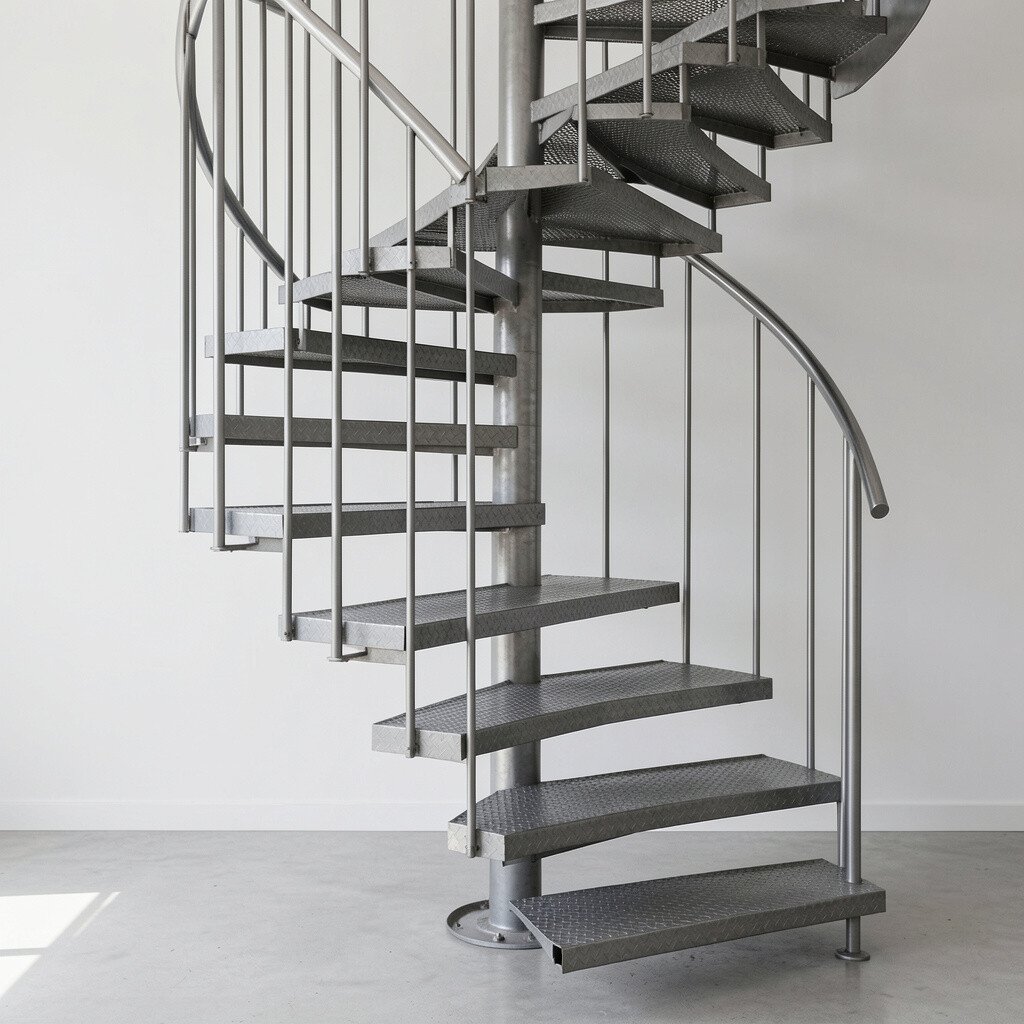
Some metal spiral stairs use a design that makes the steps feel like they are floating around the column. The close spacing of the supports can create a delicate ring pattern that looks crisp in small rooms.
This can make tight corners feel less busy because the stair’s structure reads as a continuous sculpture. To keep it comfortable, choose tread finishes that resist slipping even with dust or light spills. It also helps to position the stair so your main walkway remains straight and free from sideways bump risk.
9. Rail-First Customization for Comfort and Control
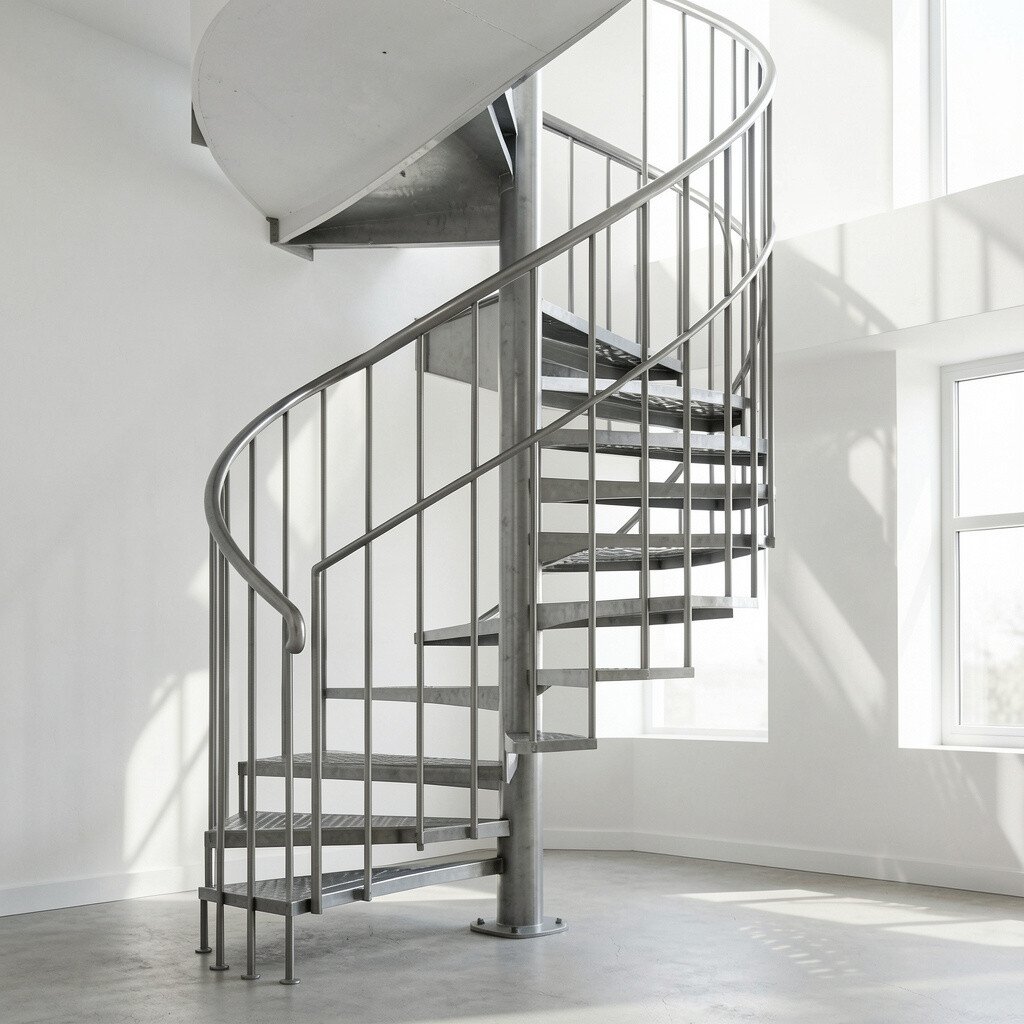
When you get the handrail right, the stair feels easier to use even if the space is small. Many metal spirals allow customization in rail shape, grip texture, and height so it matches how you actually walk.
A well-fitted rail can reduce strain during climbs and help you feel confident carrying items. Try standing next to the rail and simulate movement, noting where your palm naturally sits. Practical shopping tip: ask about grip materials or coatings because the difference between smooth and textured can be huge.
For personalization, you can select rail ends that echo your home style, like simple rounded caps or slightly curved details. If your budget is tight, keep the rail elaborate and choose simpler tread geometry. That strategy often makes the stair feel premium where you interact with it most.
10. Light-Reflecting Polished Steel for Small Rooms
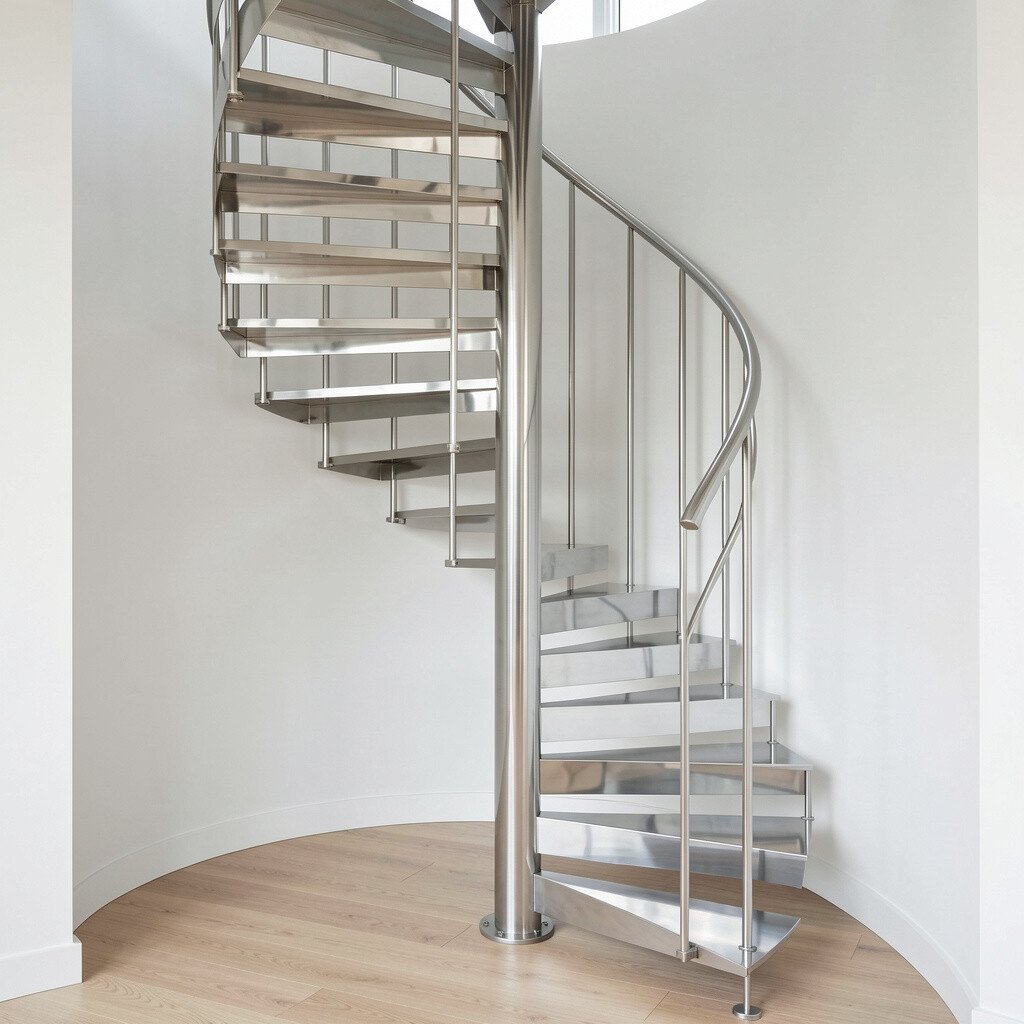
Polished steel has a bright, mirror-like quality that can make a small hallway feel larger. As you move up, you see moving reflections across the treads and rail, which adds a lively feel without adding clutter.
This reflective effect is a current style choice, especially in compact modern homes where people want extra visual light. To keep it looking great, plan on wiping down the rail occasionally since polished surfaces can show fingerprints. If you prefer less maintenance, ask for a satin finish that still brightens the space.
11. Spiral Stairs With Integrated Side Supports

Some designs add subtle side supports that reinforce the steps while keeping the overall footprint narrow. The visual result can be a more structured look, with crisp lines that match modern furniture.
You can gain real stability benefits, which helps when multiple people use the stair or when you move bulky items. For practical use, confirm the side supports do not reduce usable clearance when you pass by the stair. Consider how you will hang coats or mount shelves nearby so nothing interferes with the stair’s sweep.
To personalize, choose how the side supports align with the wall, either blending in or creating a deliberate contrast. When costs are a concern, request options that prioritize structural strength rather than decorative side cutouts. Spending wisely here keeps the stair safe and still good-looking.
12. Powder-Coat Colors That Match Your Accent Wall
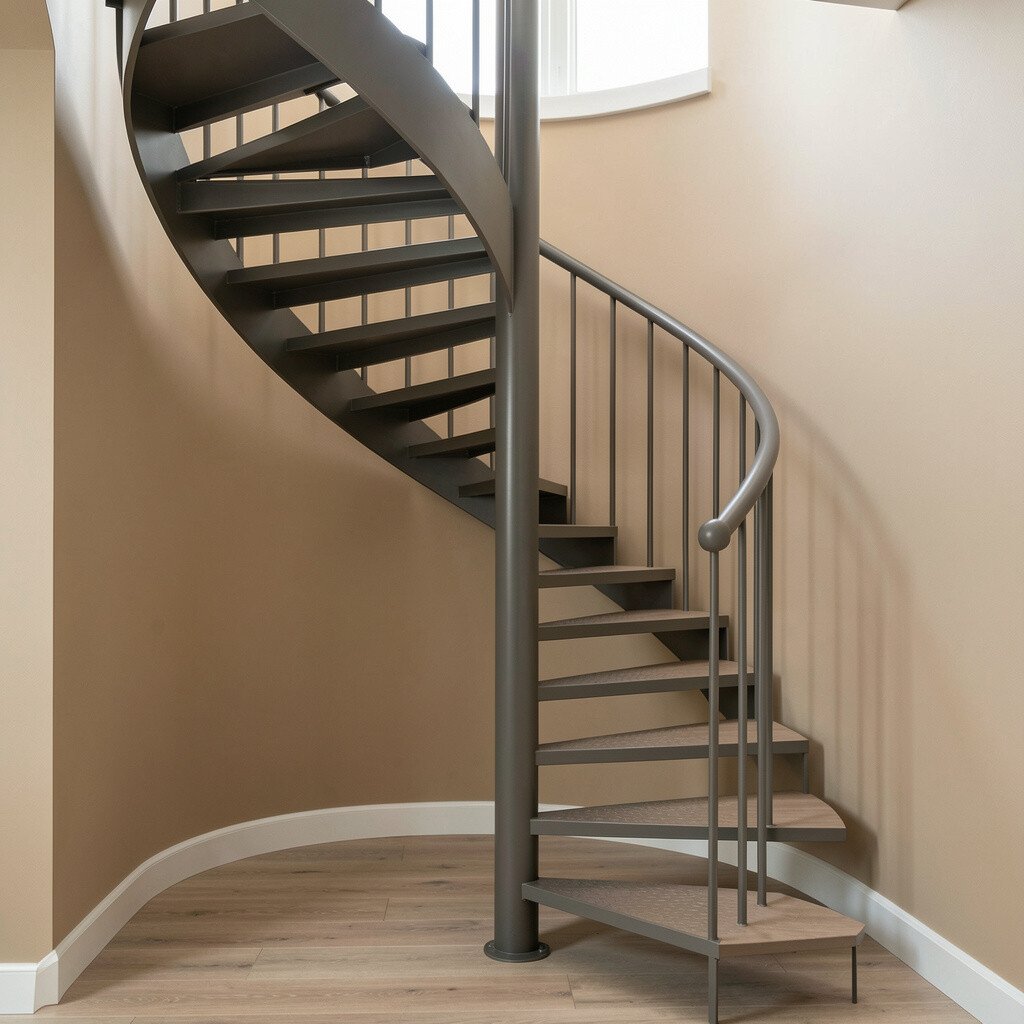
Powder-coated metal lets you pick a color that harmonizes with your accent wall, giving the stair a built-in style connection. The finish looks even and smooth, and you can see the spiral pattern clearly in the coating.
This approach makes the stair feel like part of the room plan, not an add-on. A smart practical tip is to bring a paint swatch when you order samples, because metal tones can shift slightly under indoor lighting. If you have warm lighting, choose a color with matching undertones so it does not look mismatched.
For budget considerations, select a popular stock color to reduce lead time and cost. If you want a custom shade, ask whether it can be achieved with a close-match powder rather than a fully bespoke mix. Personalization can also include subtle choice of tread edge detailing for a more tailored look.
13. Narrow Footprint With Smart Step Height Planning
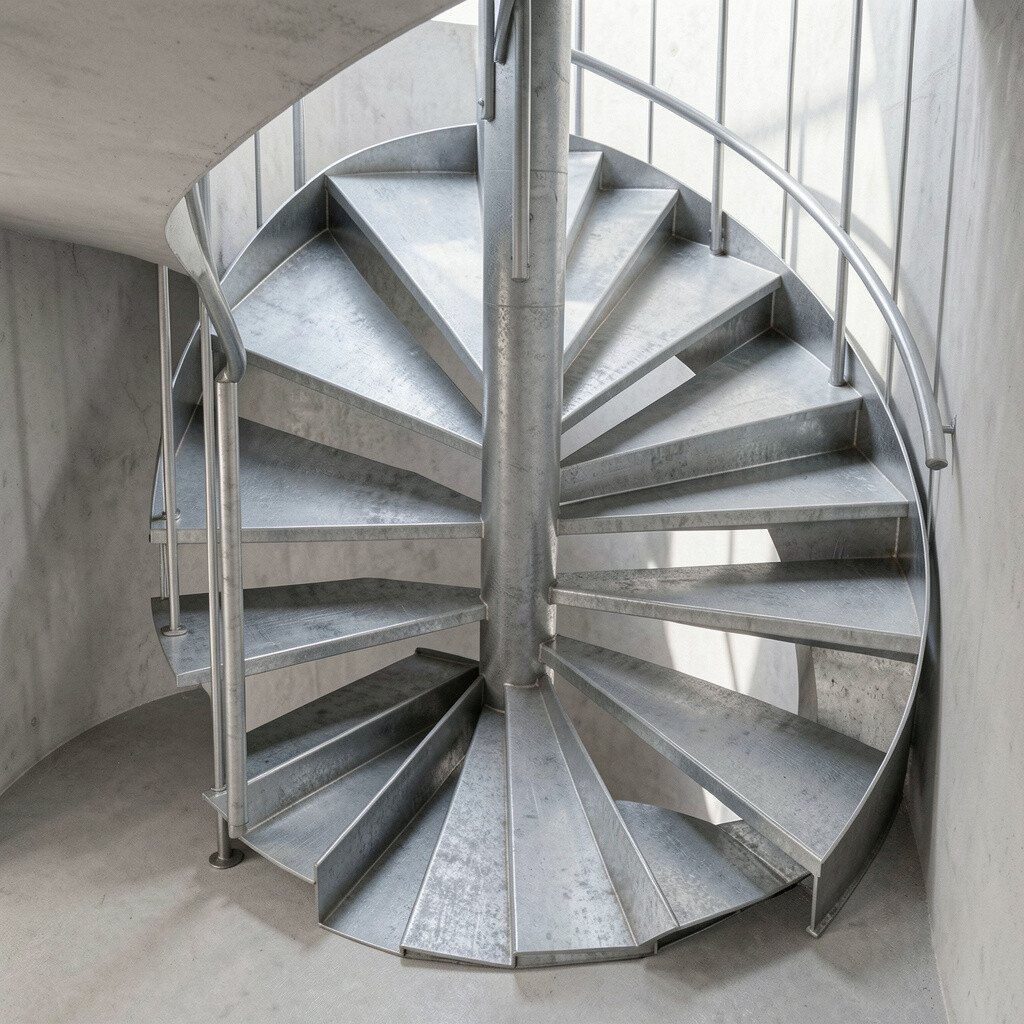
A no-landing spiral can work well when the stair height and step rise are planned carefully. You will notice the stairs feel consistent from the bottom to the top, rather than awkward or uneven.
Correct step height helps daily use feel safer and reduces the chance of missteps in small spaces where you might rush. Before you commit, measure how many steps you can accommodate in your available vertical run and make sure each rise fits common stride comfort. Practical tip: ensure the bottom and top access align with door swing so you can enter and exit without awkward turns.
For personalization, adjust the tread surface texture so it fits your lifestyle, like extra grip for a busy household. If you often host guests, consider a slightly wider tread edge where feet land most naturally. Cost-wise, refining step geometry during design usually saves money later by reducing the need for modifications.
14. Staircase Centered in a Studio Loft Layout
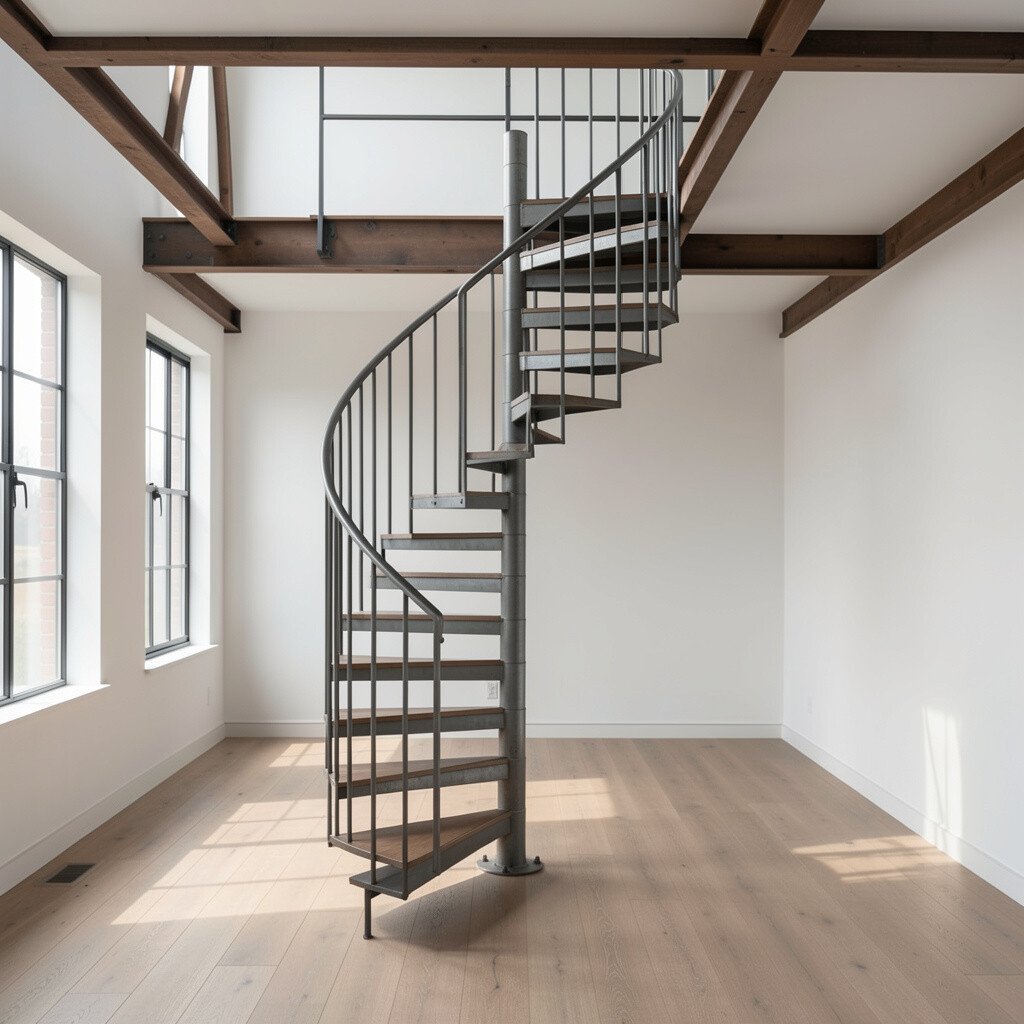
Placing the spiral in the middle of a studio layout can create a dramatic focal point while still keeping walkways open. The metal coil draws the eye upward, and the lack of landings keeps the space feeling flowing.
This can be especially beneficial for open-plan homes because the stair becomes a visual anchor. To make it practical, plan where the stair shadows fall during the day so they do not block your windows or favorite seating spots. If you have a small kitchen, confirm that cabinet doors and refrigerator handles do not conflict with the climb path.
Personalization is easy here with lighting choices, since you can add small wall lights aimed at the rail. Current trend notes: modern lofts often use warm LED lighting to soften metal shadows and create an inviting glow. Budget care comes from combining your stair installation with lighting planning so contractors can handle wiring efficiently.
15. Elegant Ring-Style Balusters for a Light Look
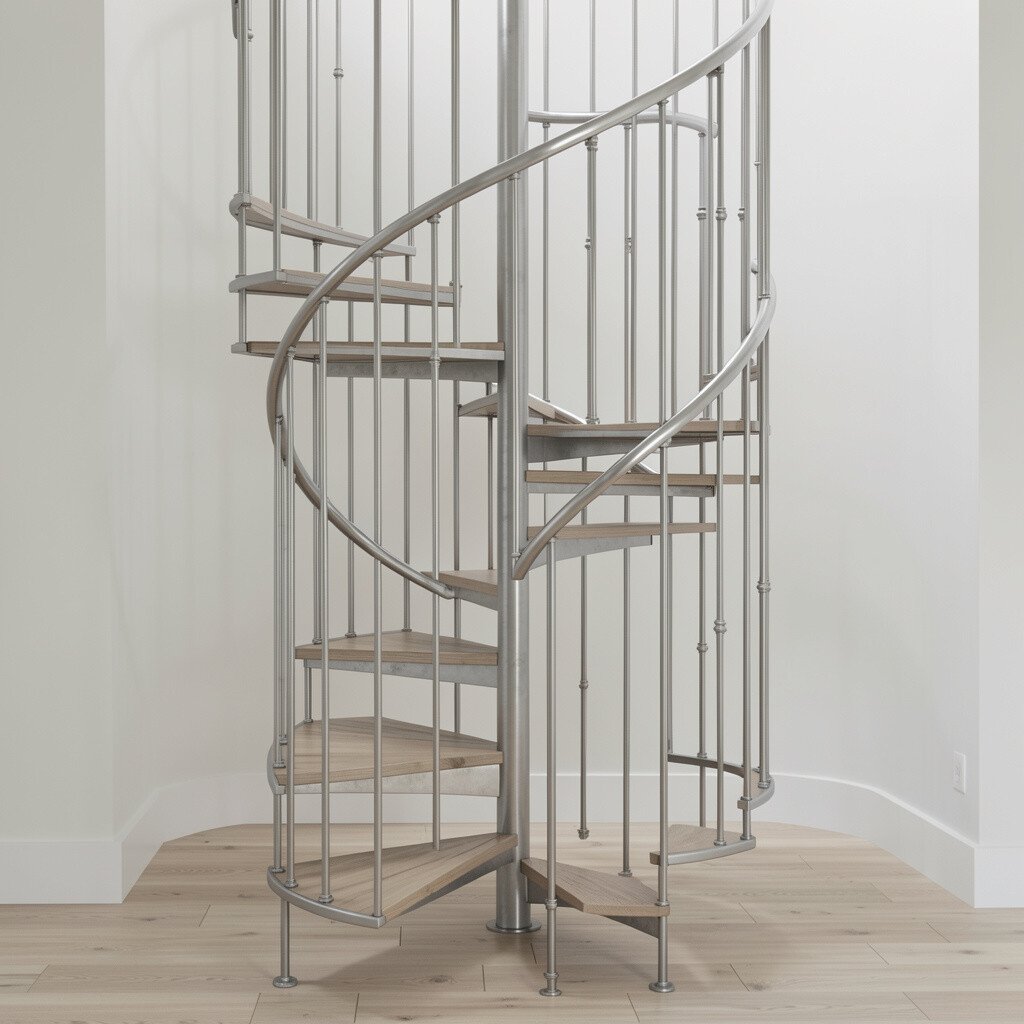
Instead of bulky posts, some spiral stairs use ring-style balusters that keep the view open. The gaps in the metal make the stair feel lighter, which is helpful in compact rooms where every visual detail matters.
You still get protection and a clear handhold path, but the design feels less crowded than thick panels. For practical safety, make sure the spacing complies with local rules and that children cannot slip through. If you want comfort, choose a grip texture that feels secure even with slightly damp hands.
Personalize the ring style to match your home, such as using rounded rings for softer interiors or sharper angles for modern rooms. Cost can vary depending on how complex the baluster pattern is, so consider a simpler ring set if you want to keep expenses down. Many homeowners find that the ring look delivers the “wow” factor without requiring heavy decorative extras.
16. Two-Color Tread and Rail Contrast
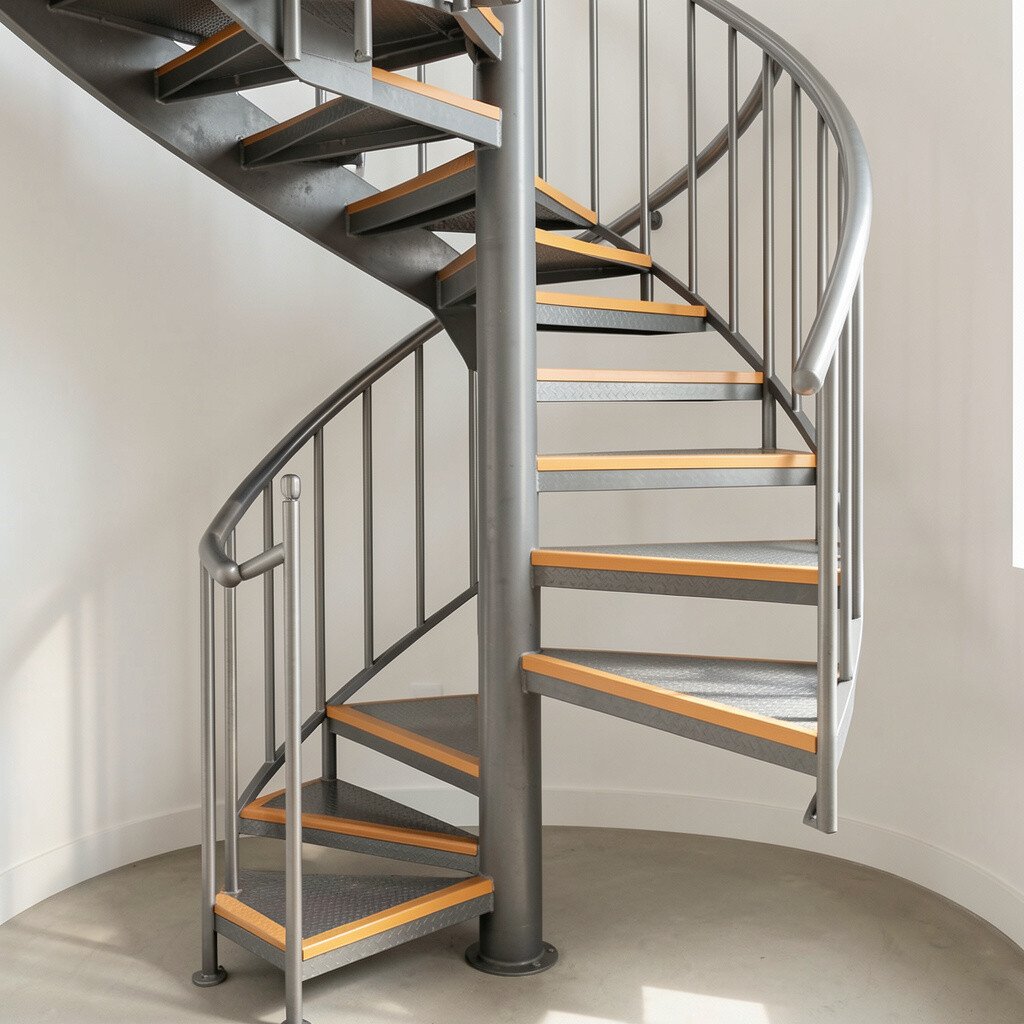
A two-color approach can make a metal spiral stair feel designed rather than standard. For example, you might choose a neutral rail color and a darker tread coating so each step defines your foot placement.
This contrast is a practical benefit because it improves visibility of the steps, especially in dim hallways or at night. To personalize, match the tread tone to your flooring for a grounded look, while keeping the rail aligned with other metal finishes. Safety tip: contrast can help you judge the next step height more easily when you are in a hurry.
For cost considerations, simple dual-tone coatings often cost less than elaborate decorative carving. You can also keep the visual impact high by choosing one accent color that stands out against your wall. That single choice can make the spiral feel intentional even in a small corner.
17. High-Contrast Lighting Effects With Wall Washers
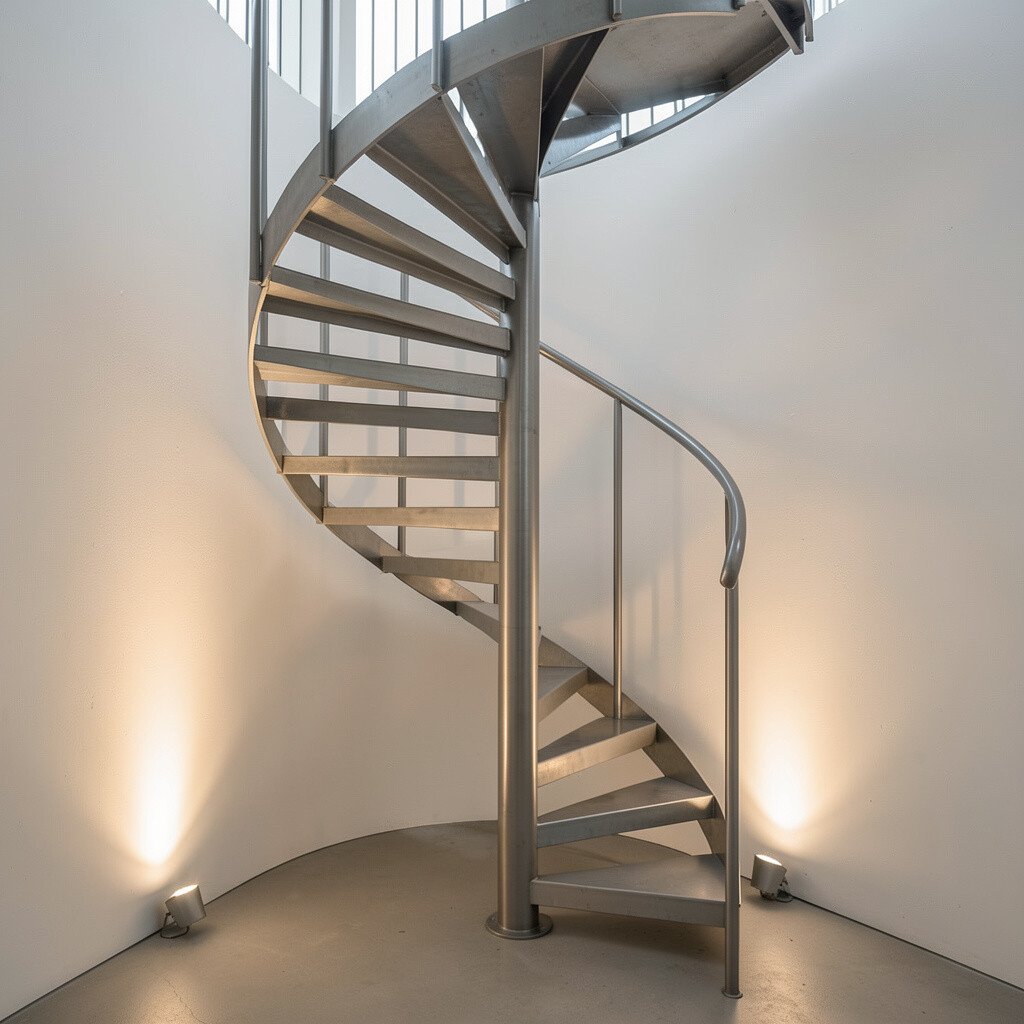
When you add subtle lighting aimed at the spiral, the stair becomes a glowing line rather than a dark obstacle. Wall washers or small step lights can highlight the curve and make the no-landing design easier to navigate.
This kind of lighting supports both style and function by improving step visibility. A practical tip is to place lights so you avoid glare on the polished rail, which can make it harder to see the treads. Also consider using a warm color temperature so the metal looks inviting, not harsh.
Personalization shines through light placement, since you can emphasize either the handrail or the steps. Current trends often pair metal stairs with smart dimmers so you can adjust mood from bright to cozy. For budgeting, ask whether your stair vendor coordinates with an electrician, which can reduce separate call-out fees.
18. Space-Saving Stair Entry With Clear Door Swing
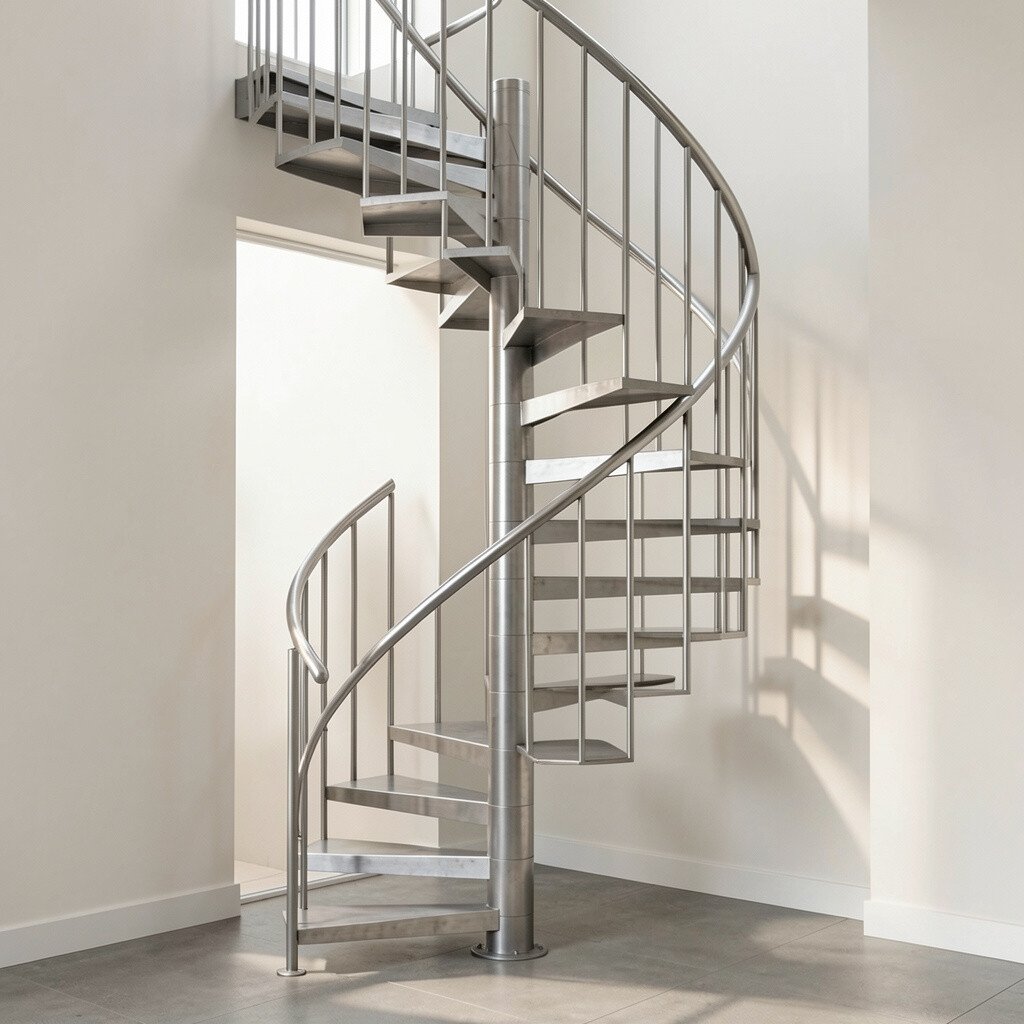
A small-space spiral needs careful planning around doors so the first move feels smooth. When the bottom of the stair is aligned well, you can open a door, step into the stair path, and keep moving without tight sideways stepping.
You get a practical daily benefit: fewer awkward pauses and less bumping into door edges. To make it work, measure door swing arcs and confirm the stair rail does not block the opening. If your entry is narrow, consider a thinner rail profile or a rail that curves slightly to guide your hand.
Personalize by choosing a finish that matches the doors and baseboards so the stair blends in like a planned architectural feature. Cost-wise, minor alignment tweaks during installation are usually cheaper than later changes. Taking extra time at the layout stage often prevents expensive rework.
19. Oversized Central Column for Strong Visual Impact

An extra-strong central column can make the stair feel like a bold sculpture. The larger column can help anchor the structure visually, which can be helpful in small spaces that crave a single confident focal point.
This design choice can also add stability, which is important when there are no landings to break momentum. For practical use, check how the column size affects clearance at the bottom steps and how it changes the handrail angle. If you have limited wall area, the column can act as the main structural reference point, simplifying placement.
To personalize, you can paint or coat the column in a matching tone or use a contrasting finish for a dramatic look. Budget considerations vary, since larger structural components may require different fabrication, so compare quotes carefully. The upside is that the stair can look custom even when other details stay simple.
20. Quiet-Ride Treads With Sound-Softening Materials

Metal stairs can sound loud, but the right tread setup can make everyday movement feel calmer. Some designs add sound-softening surfaces on the steps so footsteps do not echo as much through small homes.
This is a practical comfort benefit, especially if bedrooms sit close to the stair. For best results, choose tread materials that stay grippy and durable while reducing noise. Also think about when you climb most, since late-night trips can be impacted by how sound travels in your layout.
Personalize by matching tread texture to your interior style, like subtle grit for a modern feel or smoother coatings for a minimal look. Cost planning matters here because specialized tread layers may add to the price, but they can prevent the need for aftermarket add-ons. When comparing options, ask what maintenance each surface requires so you can keep your stair looking new without extra hassle.
21. Custom-Built Spiral for a Specific Room Corner
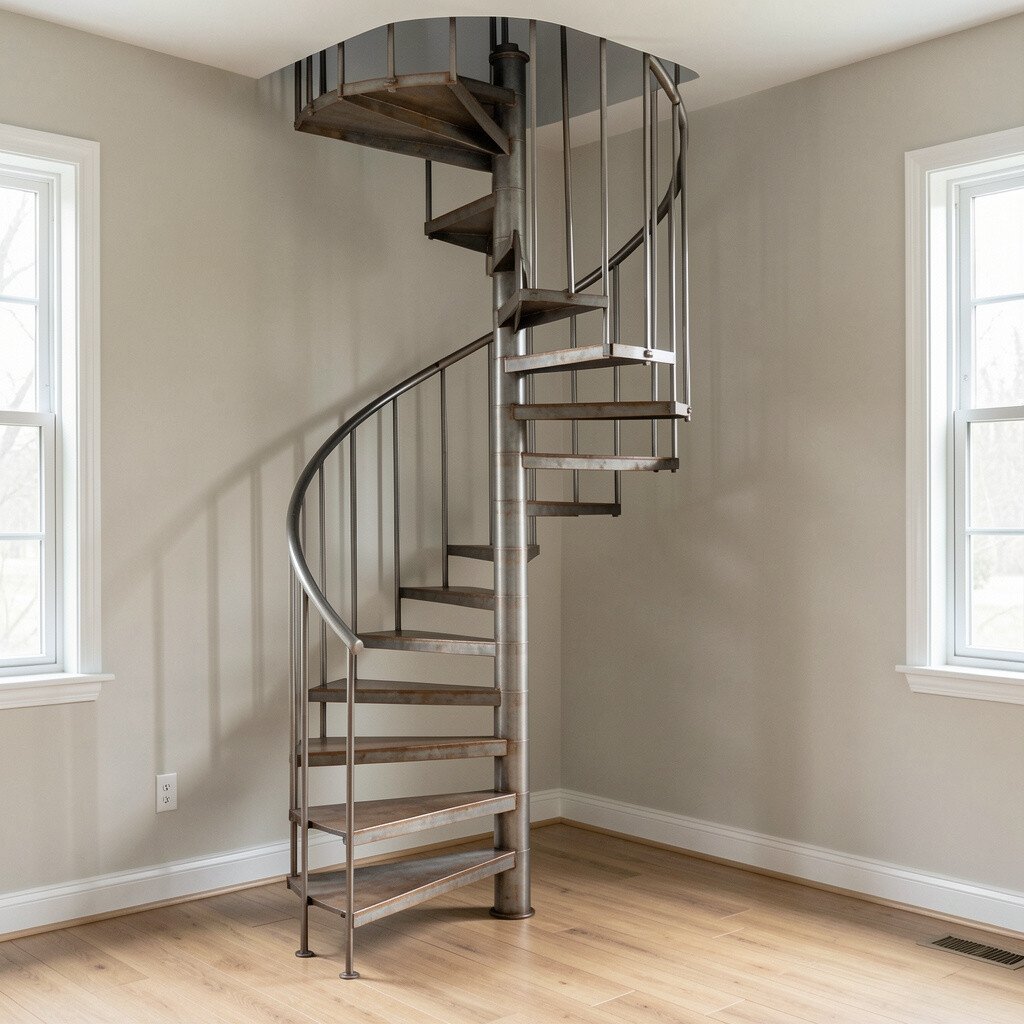
When a spiral is built to fit your exact corner, it can feel like it was always part of the room plan. You may notice the stair aligns perfectly with walls, windows, and existing furniture paths, creating a smooth flow without dead space.
This kind of tailored installation is unique because it turns a tricky area into a functional vertical route. Practical tip: bring a sketch of your room with measurements and mark where obstacles sit, like radiators, electrical outlets, or baseboard heating. Personalization can go further by selecting a rail finish and tread edge style that matches your personal taste, from sleek and simple to slightly ornate.
Cost considerations depend on custom fabrication and precise mounting, so get multiple quotes and compare what is included in installation. Current trends show homeowners leaning into custom design that makes even small homes feel intentional and high-quality. If you want to balance cost, request custom fit for the structural layout while keeping the decorative level modest and focused on safety and comfort.