The right story can make a classroom feel like a movie theater. When students write back, characters start talking in fresh ways.
Here are projects that borrow energy from popular films and turn it into thoughtful middle school reading and writing.
1. “Time-Loop” Character Journal From Groundhog Day

Imagine a student flipping through pages that all look the same, like the day is stuck on replay. Each entry starts with a new attempt, and the handwriting slowly changes as the character learns from mistakes.
Students can keep a visual record of the loop with a small “scene stamp” at the corner, using symbols like a clock, a broken smile, or a repeated location map. A strong twist comes from having the character notice patterns in people, not just events. For practical work, they should choose one setting, one relationship, and one habit to track every “day” so the journaling stays focused.
2. “Heist Plan” Chapter Outline Inspired By Oceans
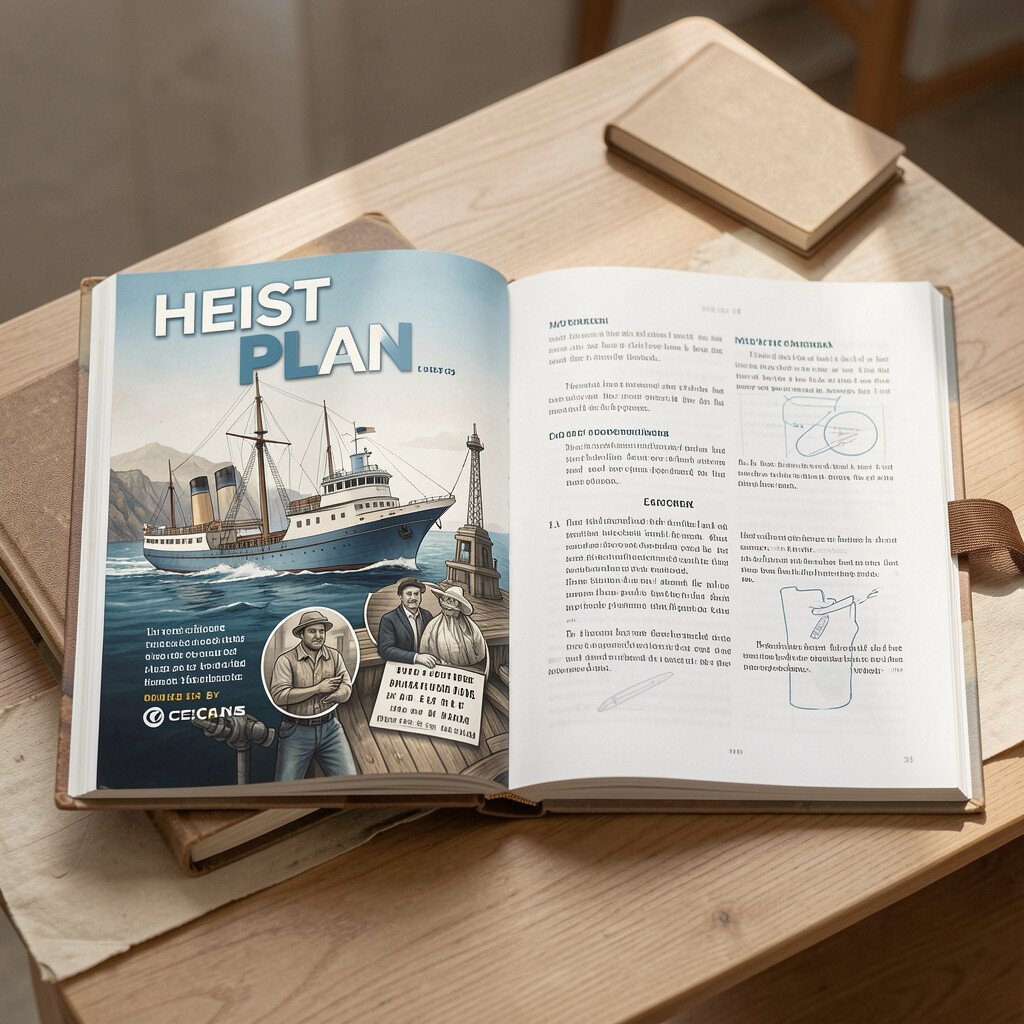
A student can sketch a sleek blueprint on notebook paper, drawing arrows between suspects and hiding clues in the margins. The whole outline should feel like a careful montage, with steps that build tension page by page.
To make the project useful, students can write each chapter as a mini stage of the plan, including a goal, an obstacle, and a backup choice. They will benefit from using a simple checklist for consistency, like who needs what, what goes wrong, and how the team adapts. For uniqueness, ask them to build a “technique” unique to their story, such as code words made from favorite books.
Cost stays low because paper, colored pencils, and a timer are enough to create the vibe. Personalization can happen when they swap the setting for something familiar, like a school talent show, a library fundraiser, or a neighborhood festival.
3. “Magic School Rules” Story Rewrite Inspired By Harry Potter
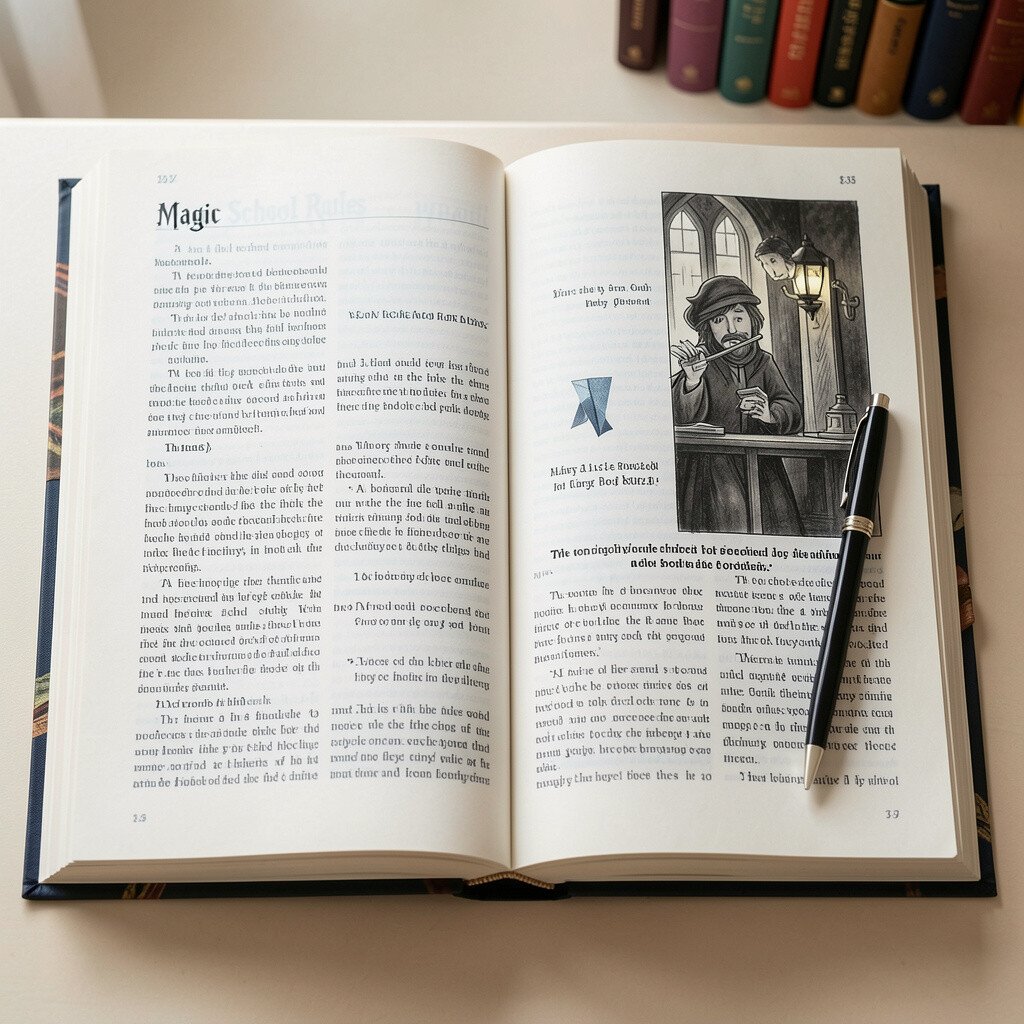
Picture a classroom wall covered in parchment rules, complete with doodles of wands, crests, and mysterious warnings. Students can rewrite a key scene using their own school’s culture and values, keeping the magic feeling but changing the details.
Students should benefit from choosing one theme from the original, such as loyalty or courage, then showing it through choices instead of speeches. A fun uniqueness comes from creating a new set of school traditions, like “House Days” that connect to real interests. For practical tips, they should list three character traits first, then write the rewrite while matching the traits to actions.
Cost considerations are simple since they can use index cards, markers, and a binder ring to organize story rules. Personalization shines when they let their main character be based on a friend’s personality mix, not a perfect copy.
4. “Undersea Adventure Map” Research Story Inspired By Finding Nemo
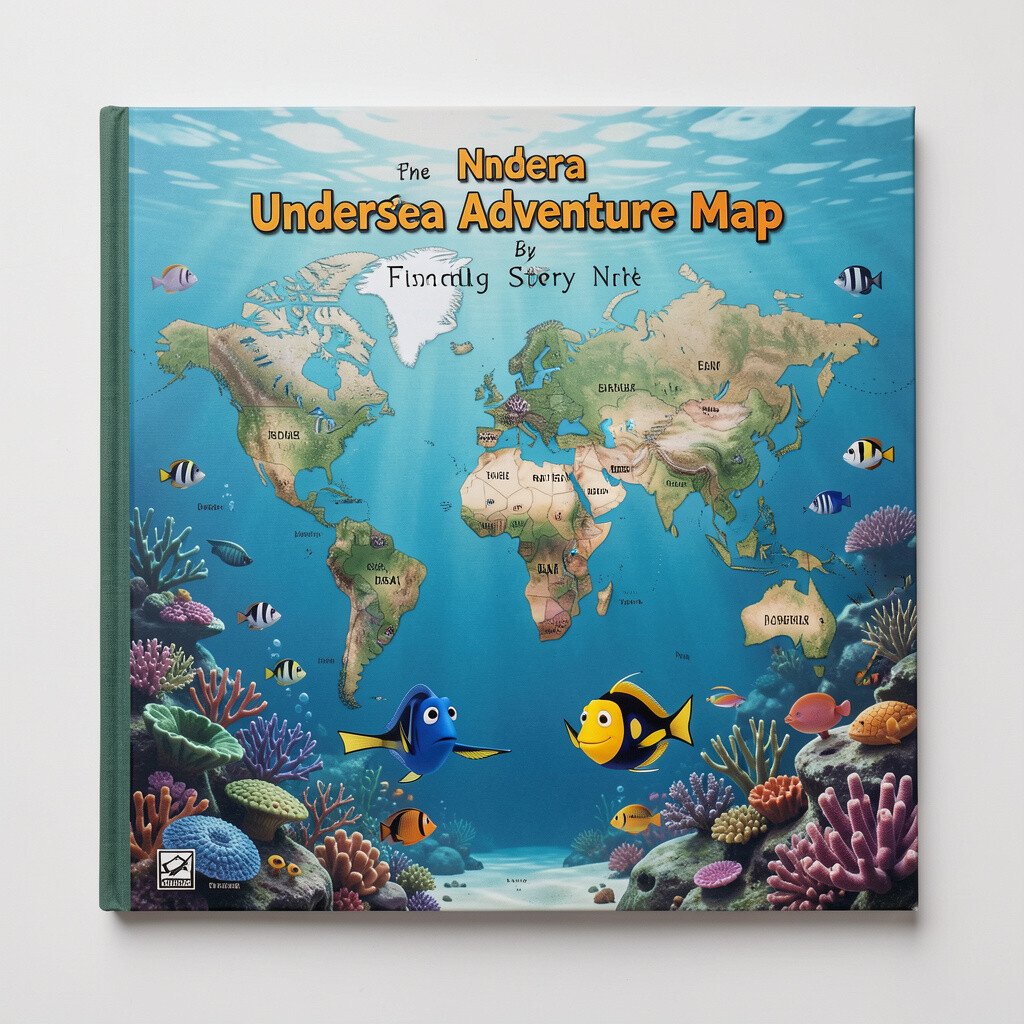
Students can create a bright, picture-heavy map with currents drawn like ribbon waves across imaginary waters. Every stop on the map becomes a scene where the character learns something useful, not just something exciting.
They benefit from doing quick research on real sea life so their invented world feels grounded. A practical approach is to pick three animals to reference and weave them into the plot with clear cause and effect. For uniqueness, let students include one “safe zone” location with a moral lesson tied to kindness or patience.
5. “Robot Friend” Dialogue Journal Inspired By Wall-E
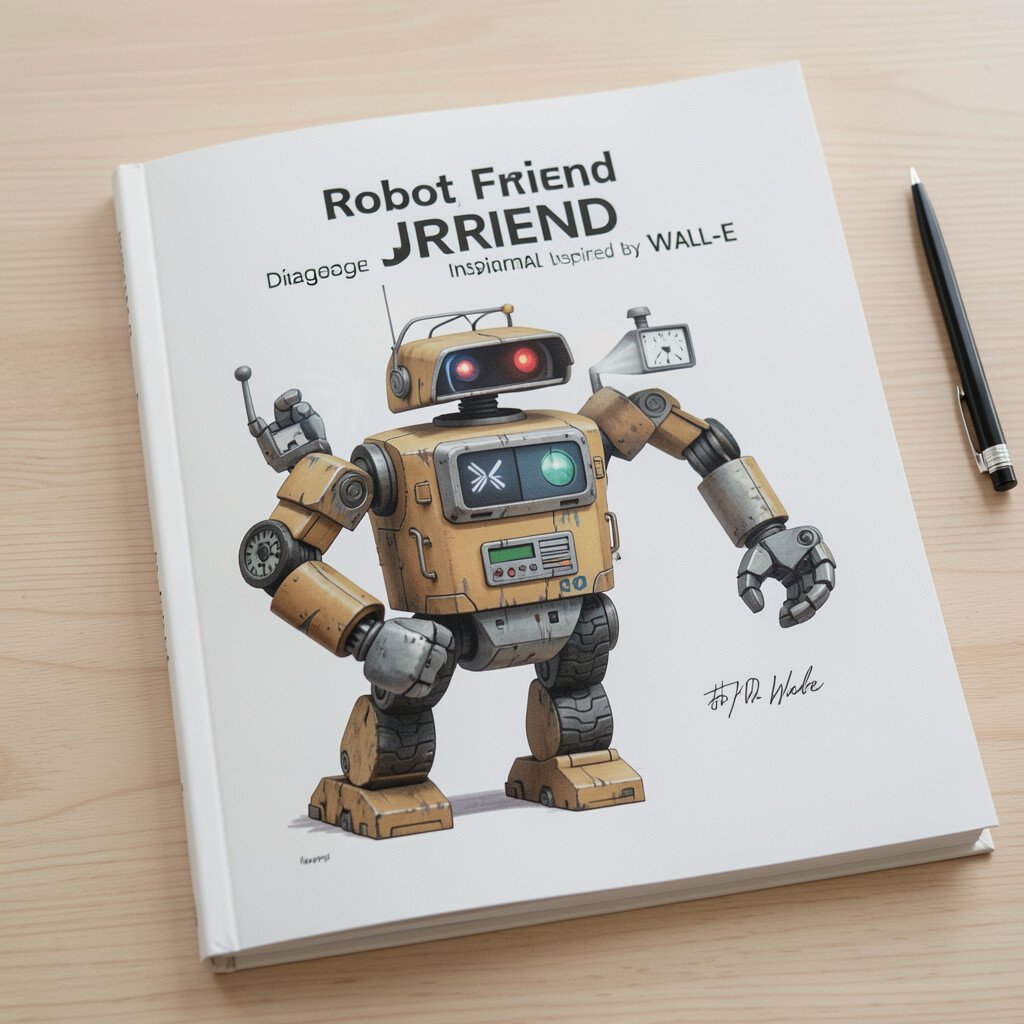
Think of a silent robot with a notebook that looks like it survived dust storms, slowly learning to write feelings. Students can pair short dialogue snippets with tiny drawings that show mood changes over time.
For practical steps, they can script scenes as turn-taking conversations, even if one character communicates through beeps and symbols. Students benefit when they end each entry with a question that pushes the reader to infer meaning. To keep it personal, they can choose what the robot wants most, such as companionship, home, or a single kind object that matters.
Cost stays friendly since scrap paper, sticky notes, and colored pens are enough to make it feel cinematic. Current trends in relatable AI conversations also help, because students naturally connect robot friendship to real online topics about communication and empathy.
6. “Sports Rivalry” Persuasive Letter Inspired By Remember the Titans

A student can write a letter that sounds like halftime energy, with strong reasons and emotional proof. The pages can include quick sketches of plays or a team banner, making the writing feel like a real campaign.
They benefit from practicing evidence by using character actions as “quotes,” even when they’re paraphrased. For a practical tip, students can organize their letter into three parts: the problem, the impact, and the change they want. Uniqueness comes from letting them argue for something specific at school, like fair team rules, better teamwork jobs, or class group roles.
7. “Heaven and Hell Geography” Opinion Essay Inspired By Inside Out
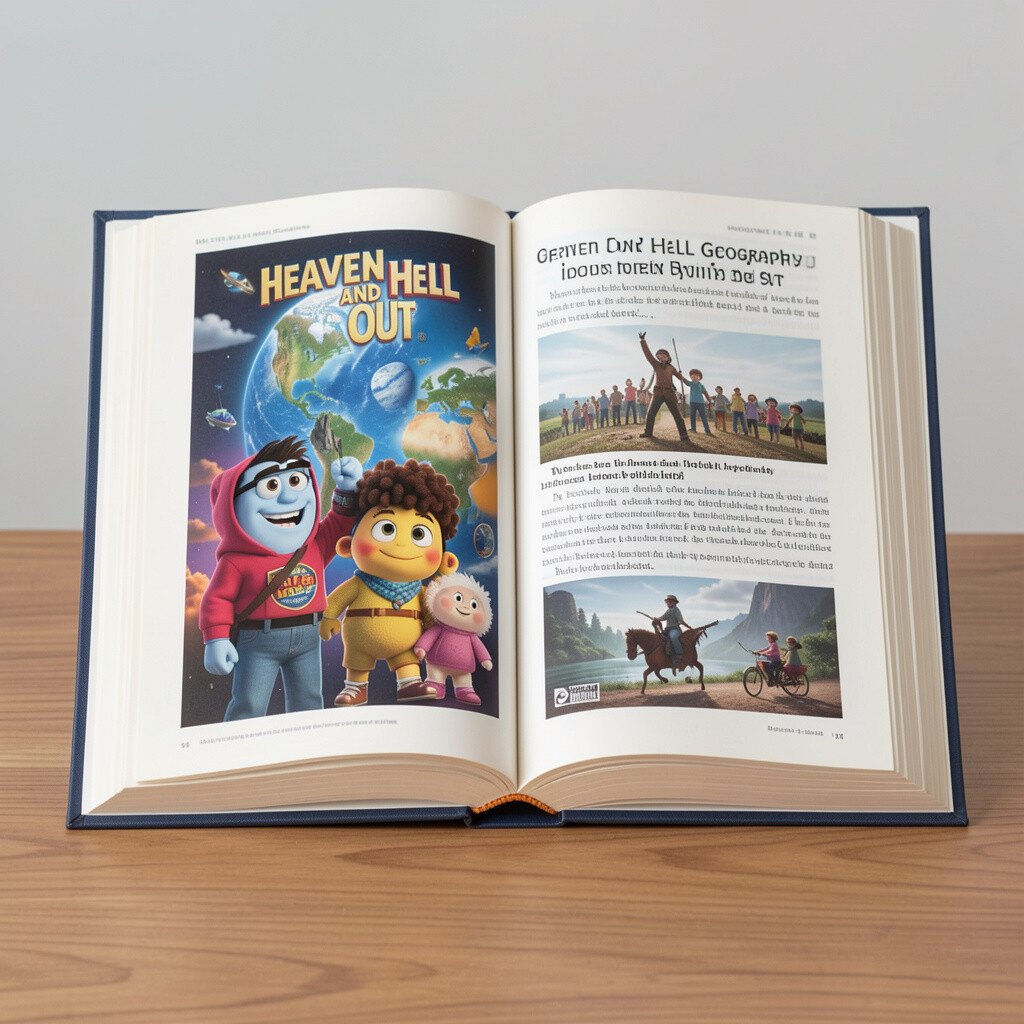
Imagine a mind mapped like a colorful city, with neighborhoods labeled by emotions and streets named after memories. Students can describe how one decision routes the character toward a new emotional balance.
They can benefit from choosing one emotion to focus on, then writing how it influences behavior in a story moment. A practical approach is to include a short scene where the character makes a choice under pressure, then show what changes afterward. For uniqueness, students can invent a “missing memory” that explains why the character behaves the way they do.
Cost considerations are low since a simple sketch or collage works, and using magazine clippings can add color. Personalization becomes easy when students base the memory on a real life moment, like starting a new club or moving seats in class.
8. “Space Suit Safety Manual” Survival Scene Inspired By The Martian

A student can build a survival manual that reads like a mix of science notes and tense survival instructions. On the page, diagrams for water, food, and tools can look like mini posters stuck to a wall.
They benefit from blending plot with practical problem solving, which strengthens both reading comprehension and writing clarity. A practical tip is to require at least three constraints in the story, like limited power, limited supplies, or time pressure, then make each constraint drive a decision. For uniqueness, they can set the survival challenge in a familiar place, like a storm-torn greenhouse behind school, while keeping the survival logic.
9. “Monster Under the Bed” Fear Montage Inspired By Monsters, Inc.

Picture a series of sketches that fade from bright to spooky, like the lighting changes when fear rises. Students can write a montage where each “fear visit” reveals how assumptions create problems.
They will benefit from using sensory details, like echoing footsteps and squeaky doors, to make the montage feel vivid. For practical tips, students can write three short scenes that share the same setting but change the mood each time. Uniqueness can come from choosing one fear that feels real for middle school life, such as giving a presentation, joining a team, or feeling left out.
Cost stays low because pencil drawings and simple captions are enough to sell the visual style. Personalization ideas can include letting students create a “fear word bank” from their own daily worries and then showing how the characters handle them.
10. “Detective Clue Chain” Short Mystery Inspired By Knives Out

A student can lay out evidence cards on a desk, like a neat trail of footprints across the floor. Each clue card should include a detail from the story, plus a question that pushes the reader to connect dots.
They benefit from planning the mystery before writing by listing suspects, motives, and opportunities in simple sentences. A practical tip is to write one false assumption that someone makes, then later correct it using a fair clue the reader saw earlier. For uniqueness, students can switch the setting to their school, turning lockers, group projects, and cafeteria choices into the mystery stage.
Cost considerations are easy since index cards, colored markers, and a clipboard-style cover page are enough. Current trends in true crime storytelling can be used responsibly by focusing on ethical investigation and character motives rather than gore.
11. “Forest Friendship Bonds” Chapter Cards Inspired By Avatar
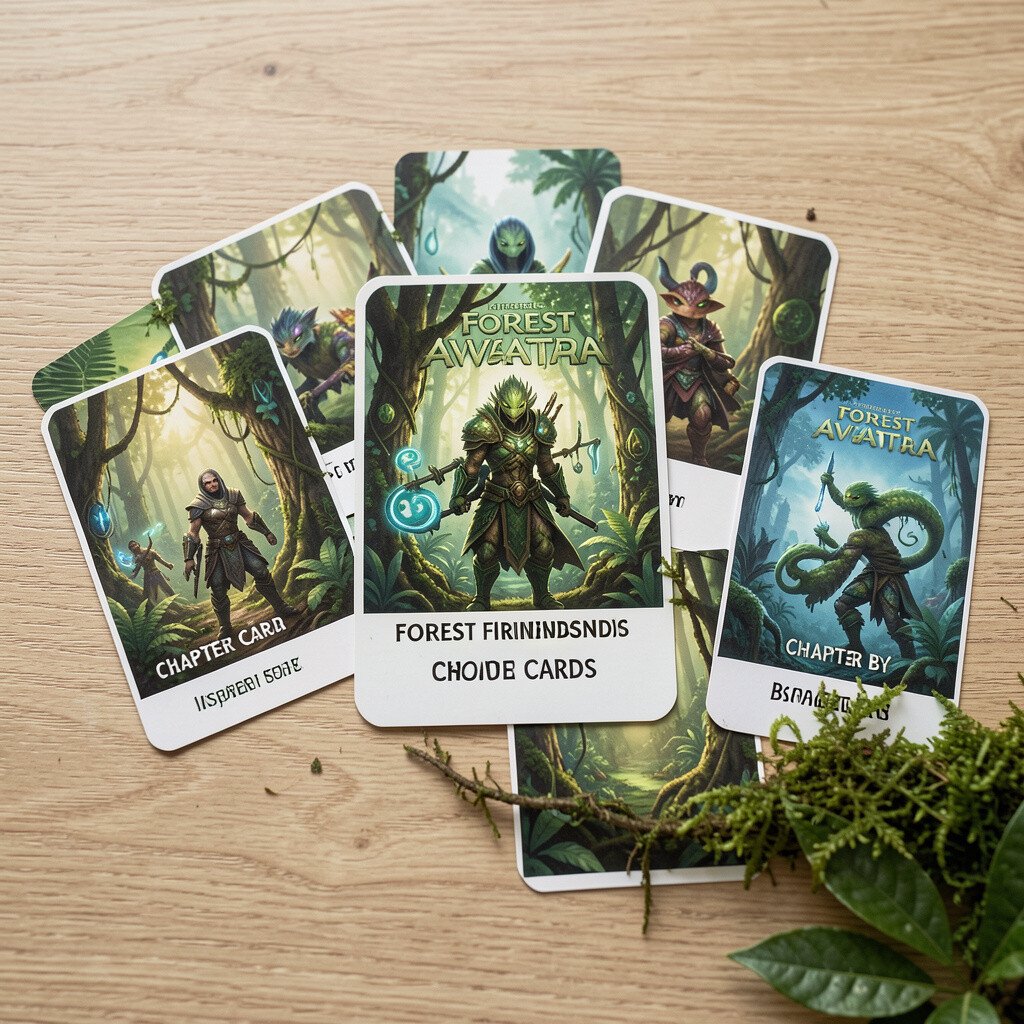
Imagine a stack of chapter cards like trading cards, each one showing a different creature, symbol, and character moment. Students can build a storyline where nature is not background, but a living force that responds to choices.
They benefit from tying theme to action by showing how respect changes relationships, not just how the landscape looks. For practical tips, students can include one “exchange” moment each chapter where the human or outsider learns from the native community. Uniqueness grows when students design three cultural traditions of their fictional group, based on something real like art, music, or local plants.
12. “Campfire Story Circle” Frame Narrative Inspired By The Princess Bride
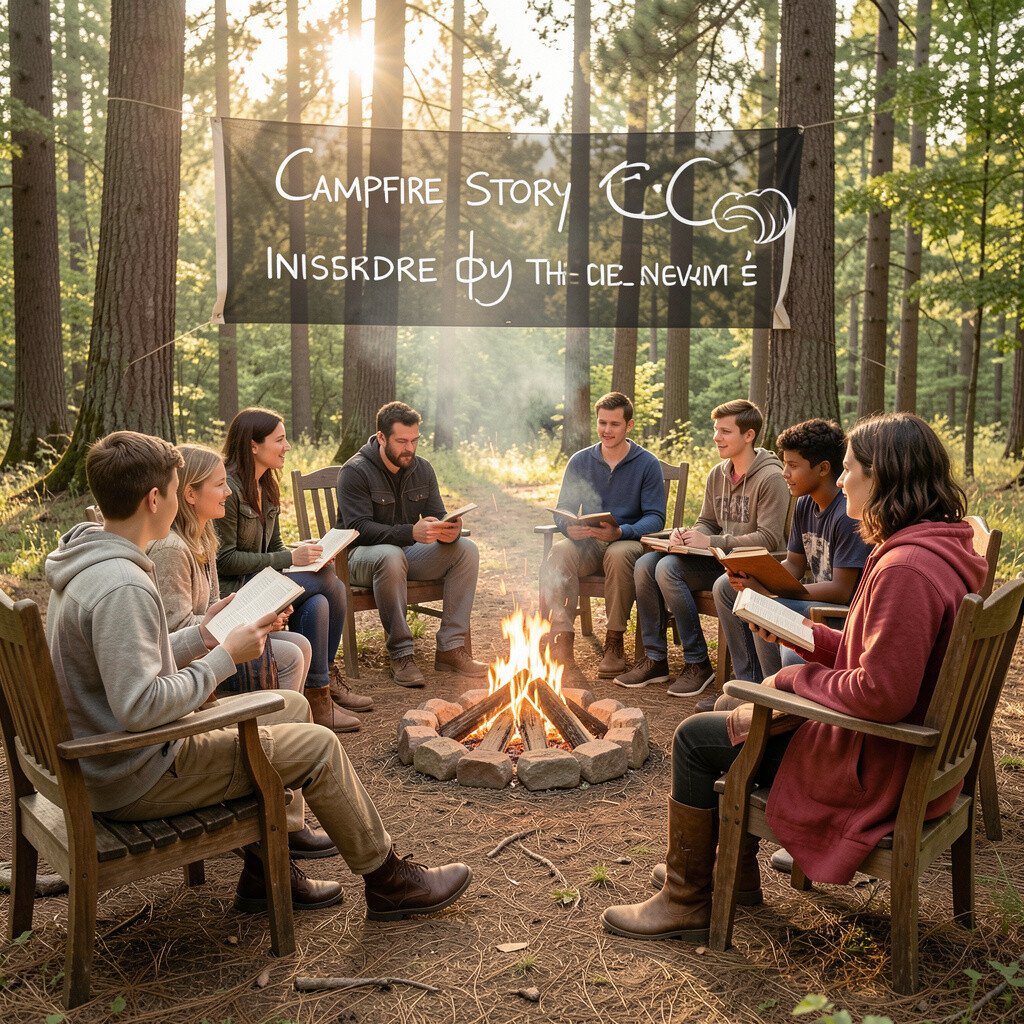
Students can write a story inside a story, with a narrator who pauses to argue, tease, and react. The visual can be a circle of illustrations around a written script, making it feel like a real campfire circle.
They benefit from practicing pacing by alternating between fast banter and slower reflection. A practical tip is to include a recurring phrase or image that appears in the frame story and then changes meaning in the nested story. For uniqueness, students can set the frame in a place middle school students know, like a bus ride, after-school practice, or a sleepover where stories become challenges.
Cost considerations are minimal since the “circle art” can be made with pencil and simple sticky notes. Personalization can happen when students pick a favorite humor style, then keep the tone consistent as the story shifts levels.
13. “Secret Garden Garden Plan” Reflection Story Inspired By A Secret Garden

Picture a student’s notebook filled with careful drawings of leaves, fences, and little paths that lead somewhere hopeful. The writing can follow a routine, like daily check-ins, where the character’s feelings show up in the garden’s changes.
They benefit from building character growth through concrete actions, such as watering, cleaning, and noticing small creatures. A practical tip is to choose one specific plant or object to symbolize a theme, like renewal, friendship, or patience. Uniqueness can come from making the garden a metaphor for a school space that needs care, like a neglected courtyard or reading nook.
14. “Training Montage” Skill-Building Memoir Inspired By Rocky
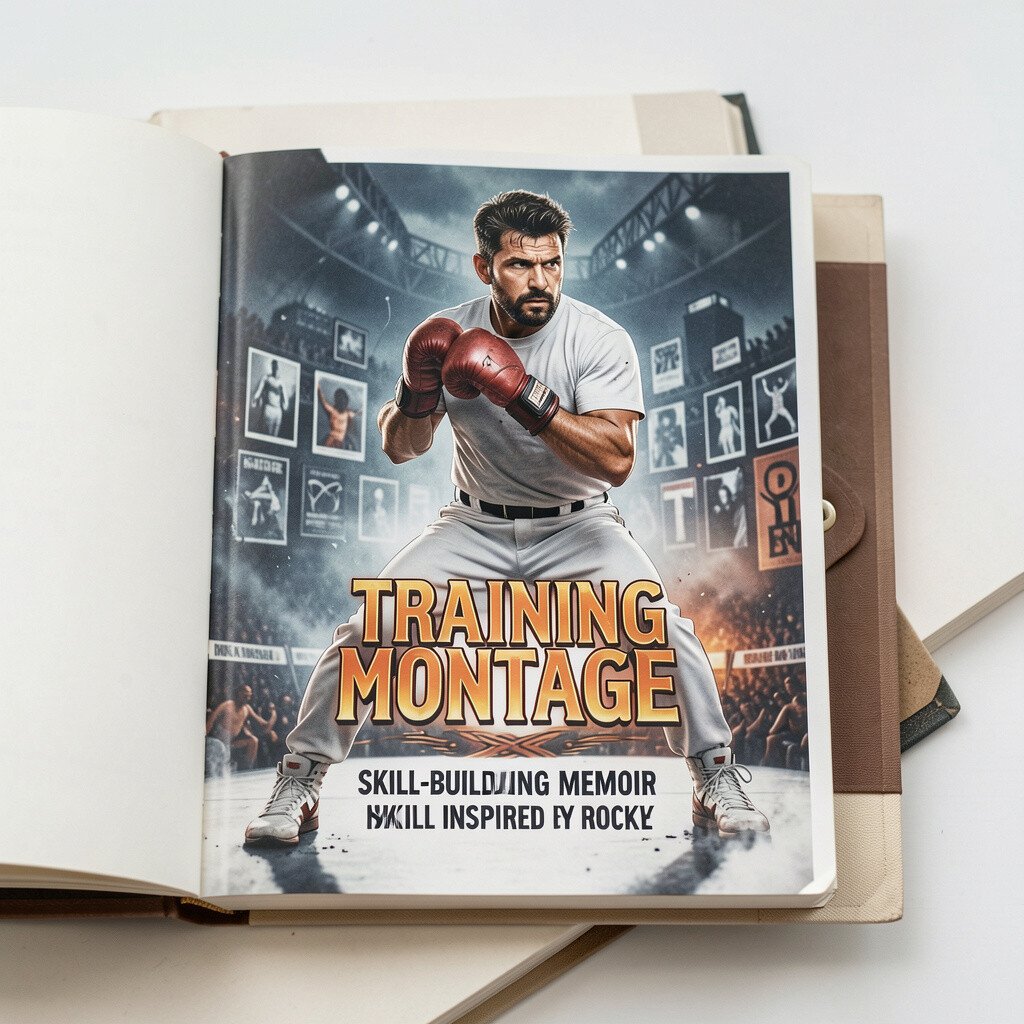
Students can create a montage-style memoir where each paragraph starts with a training focus and ends with a new lesson. Visuals can include a “progress chart” drawn by hand, like rounds, reps, or milestones.
They will benefit from showing improvement step by step, not as sudden success, because that strengthens narrative credibility. For practical tips, students can write about one real skill they want, then connect each “training day” to a specific reading or writing challenge at school. Uniqueness comes from choosing an unusual training method, like practicing debate questions, running through dialogue, or timing how long it takes to revise a paragraph.
Cost considerations are flexible since the “chart” can be done with paper, simple stickers, or a free digital doc. Personalization also fits current trends around goal-setting, because students love reflecting on progress using daily check-ins and small wins.
15. “Courtroom Story With Evidence” Ethical Debate Inspired By 12 Angry Men
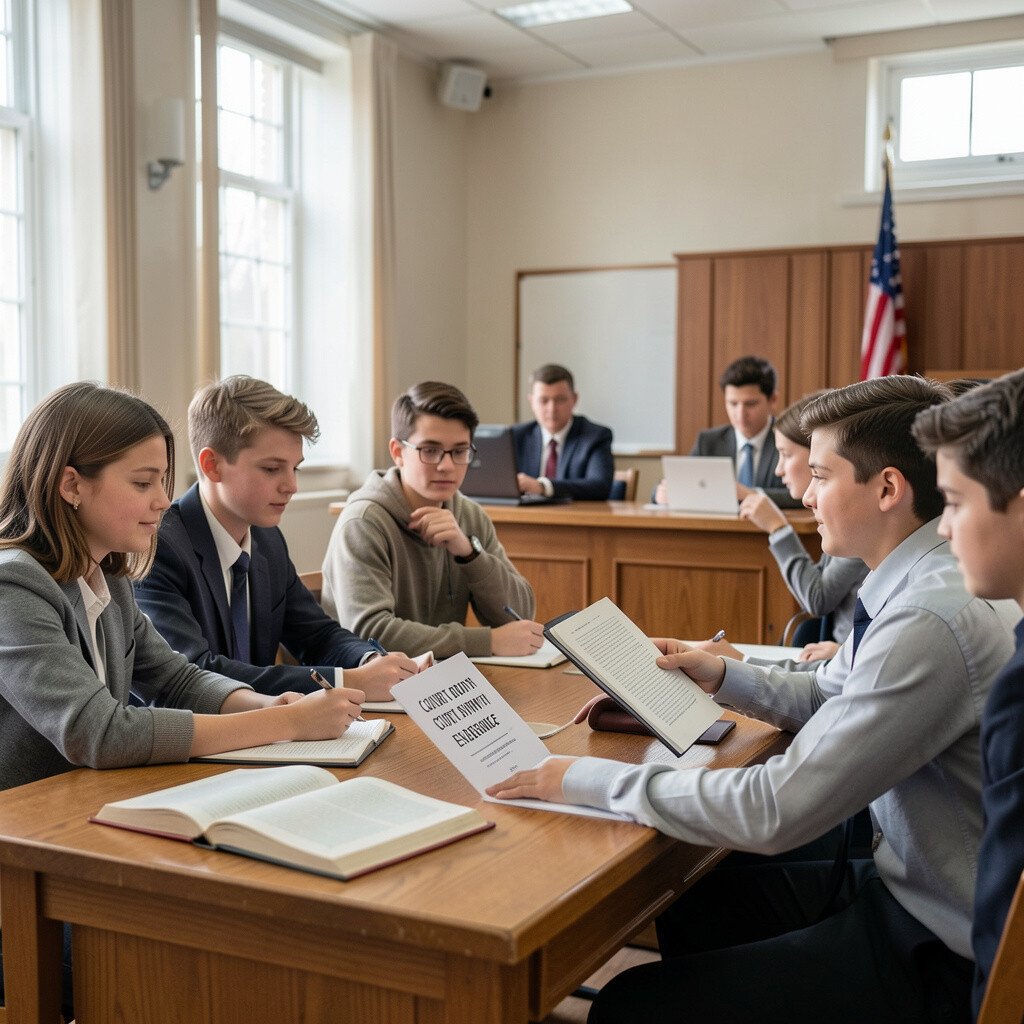
Imagine a classroom arranged like a courtroom, with each student placing argument slips into a neat pile. The story can be written as a debate where evidence changes minds, not just facts.
Students benefit from learning how to build respectful arguments by using characters’ actions as support for claims. A practical tip is to require one moment where a character changes their stance after hearing a new point, which helps students practice empathy and reasoning. For uniqueness, they can adapt the case to middle school situations, like a group project accusation, a school rule dispute, or a rumor that spreads too fast.
Cost considerations are low because they can use index cards, highlighters, and a simple “evidence jar” for story prompts. Personalization ideas can include letting students choose a theme that matters to them, such as fairness, responsibility, or how listening affects community.