The first step sets the mood for everything that follows. Quiet lines and solid material can make a walkway feel calm and confident.
Minimalist concrete steps work because they look clean, last a long time, and fit many home styles. With a little planning, you can get a simple look that still feels personal.
1. Start With a Clear Pathway
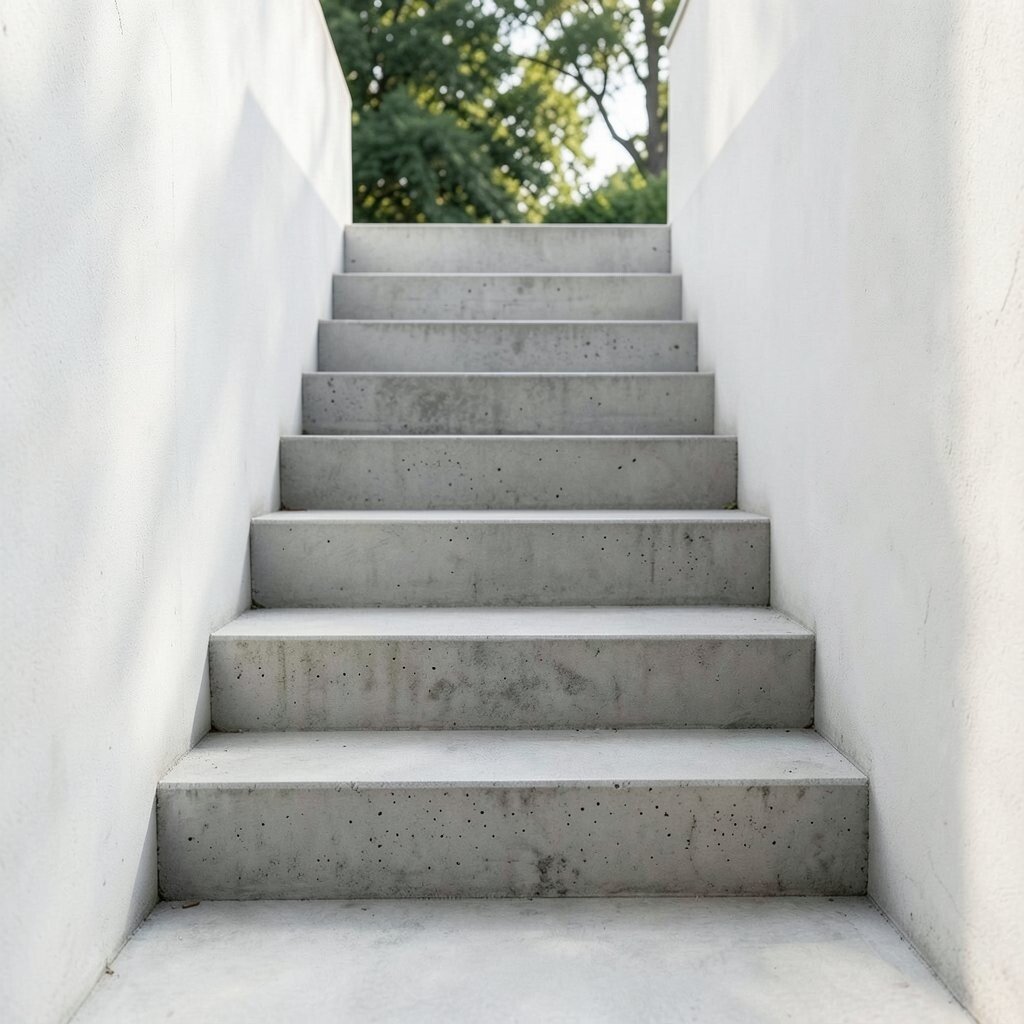
Look at your entry like it is a short story. Clear lines help your steps feel obvious, calm, and easy to walk on.
Concrete is great for showing a straight, steady route from the door to the yard. Pick where your feet naturally want to land, then plan the layout so people do not zigzag.
To keep the look simple, aim for fewer turns and fewer visual interruptions. If you have an existing walkway, match its width and alignment so the steps look like they always belonged.
2. Choose a Clean Step Shape

Minimalism looks best when the step shape stays consistent. Straight edges and simple risers make the whole staircase feel neat.
Try to keep the top surfaces flat and the front edges crisp. Rounded corners can work too, but use them only if you like a softer feel.
For a practical win, decide how wide each tread needs to be for comfortable foot placement. A wider tread can make daily steps feel safer, especially for kids or guests.
3. Use a Subtle Color That Blends
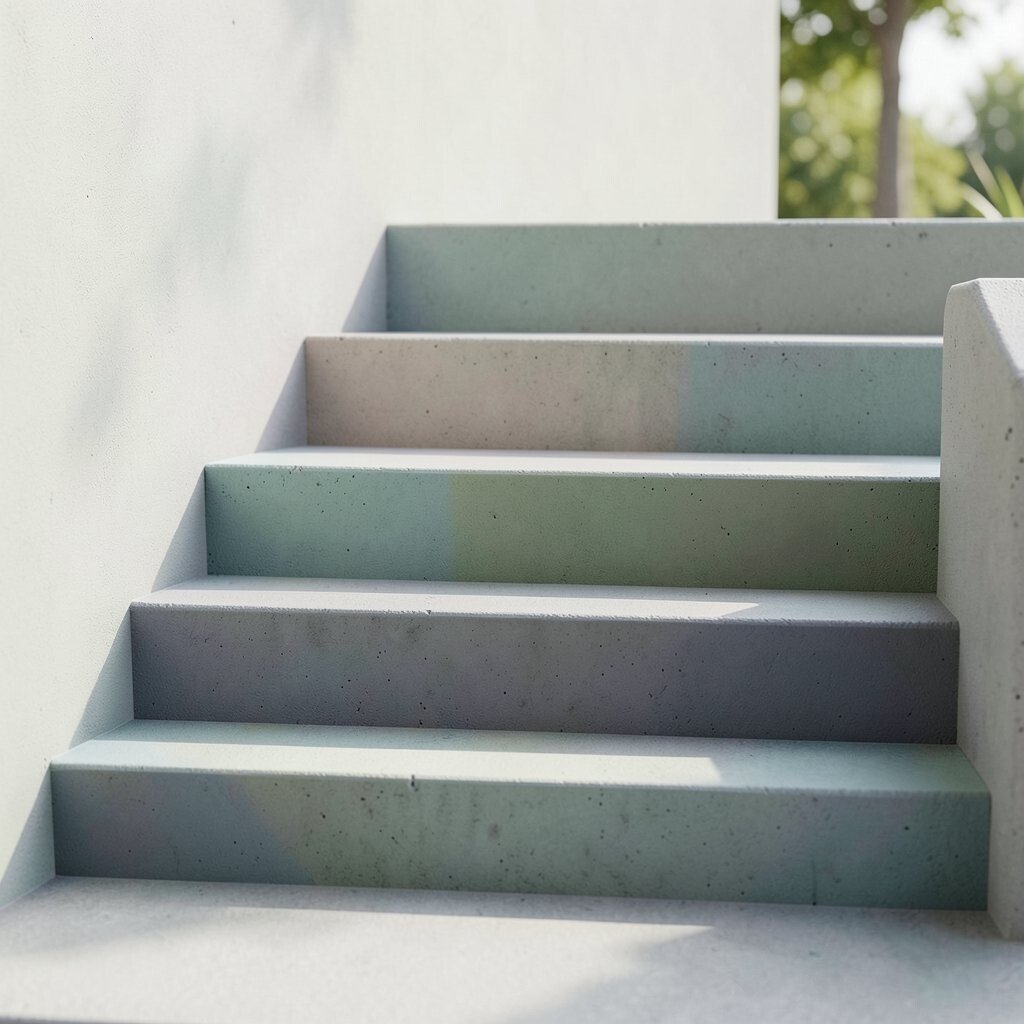
Concrete can look stylish even when you keep the color calm. A warm gray or light sand tone often pairs well with wood, stone, and metal.
If your home has cool colors like gray siding or black railings, a cooler concrete tone can look extra sharp. If your home feels cozy with beige brick or tan accents, choose a warmer finish so everything feels friendly.
Consider a stain or integral color so the color runs through the slab. That helps the steps hide small wear marks that happen over time.
To keep maintenance easier, go with a color that matches the rest of your hardscape. When the steps blend, chips and minor scuffs do not stand out as much.
4. Pick the Right Finish for Grip
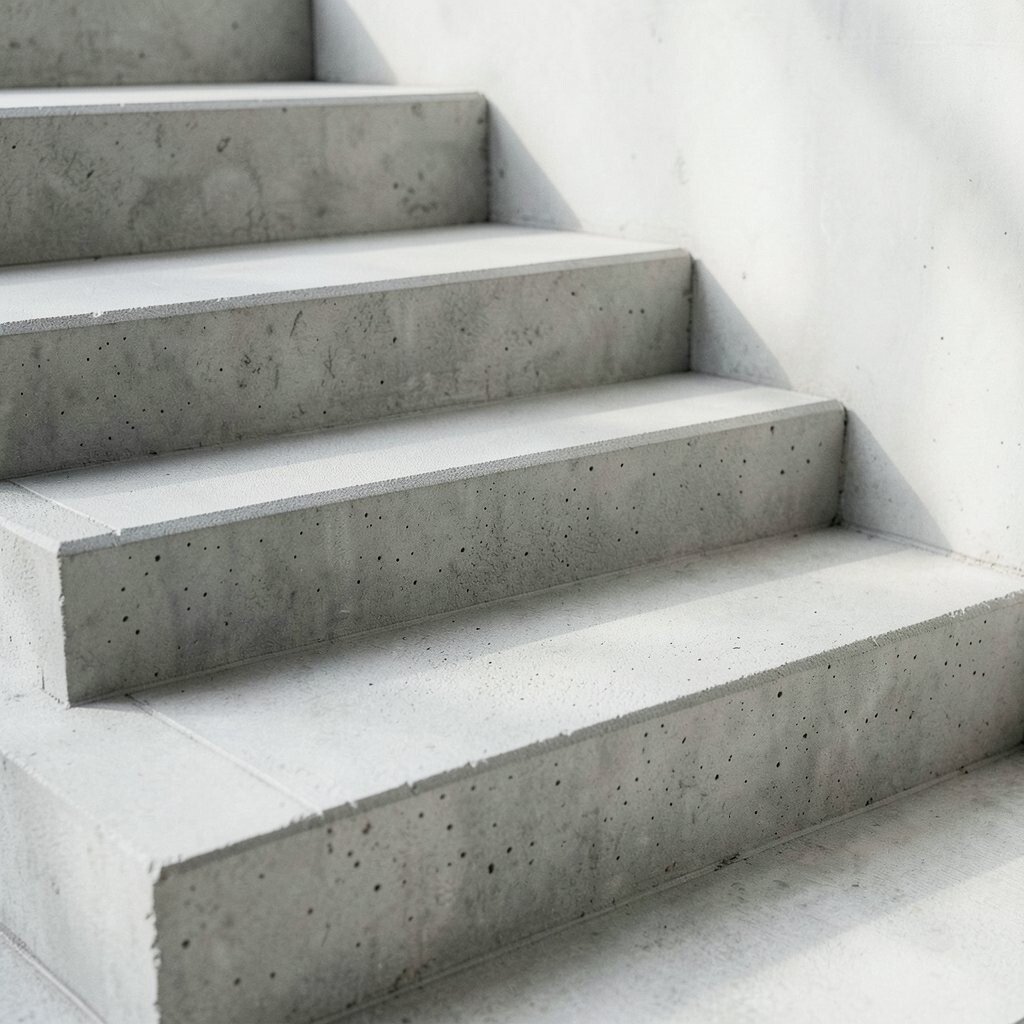
Your steps should look great and still feel secure underfoot. A finish with good texture helps prevent slips on wet mornings.
A broom finish gives a classic, lightly textured surface that wears nicely. A stamped or heavily troweled surface can look smooth, but it may need extra care to stay grippy.
Ask your contractor or yourself what your area is like for rain and frost. In colder climates, a rougher finish can help with traction during ice-prone seasons.
5. Plan the Height and Tread Comfort
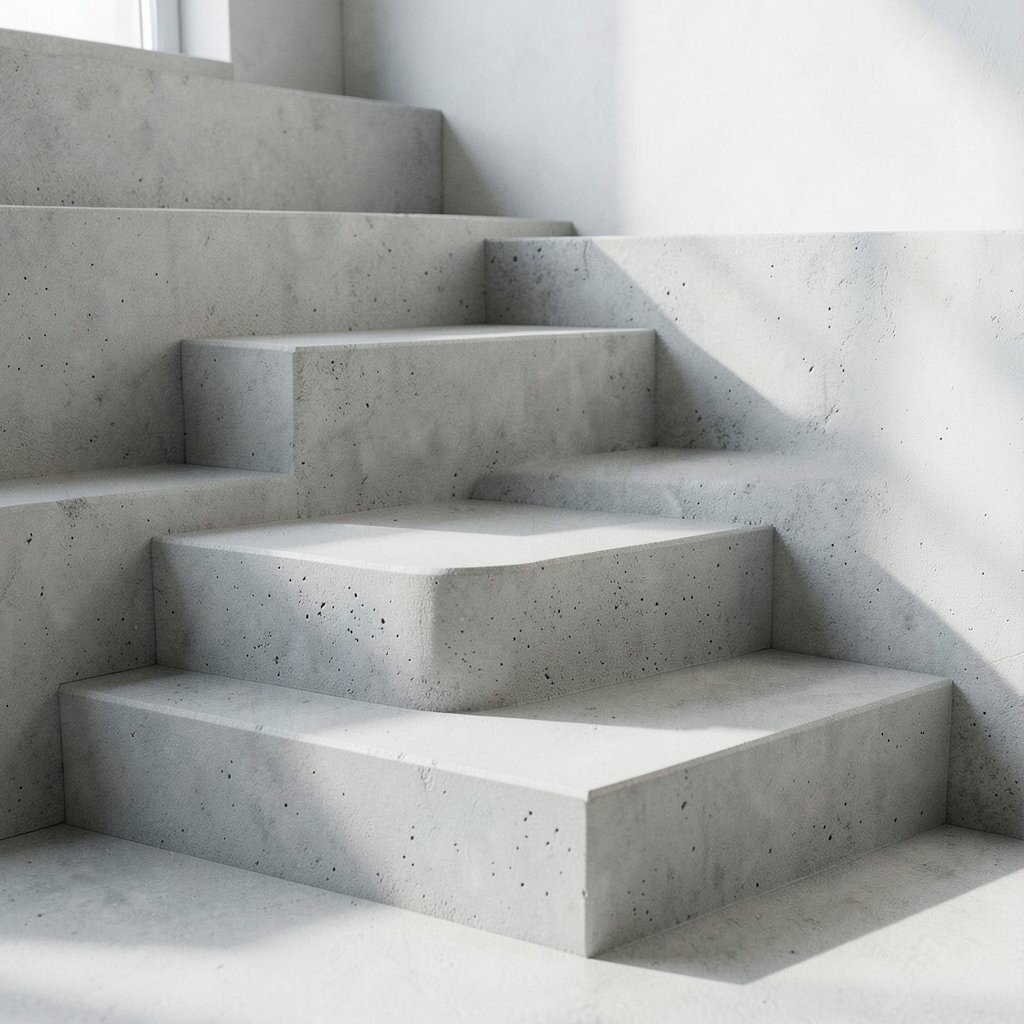
People notice comfort even when they do not mention it. Steps that feel right make the whole entry area feel welcoming.
Keep the rise and tread proportions consistent so your stride stays natural. If you are building new steps, measure the total height carefully and build from that plan.
For an easy personalization move, think about who uses the stairs most. If older family members often go up and down, prioritize comfortable spacing and steady landing depth.
6. Build Strong Edges With Formwork
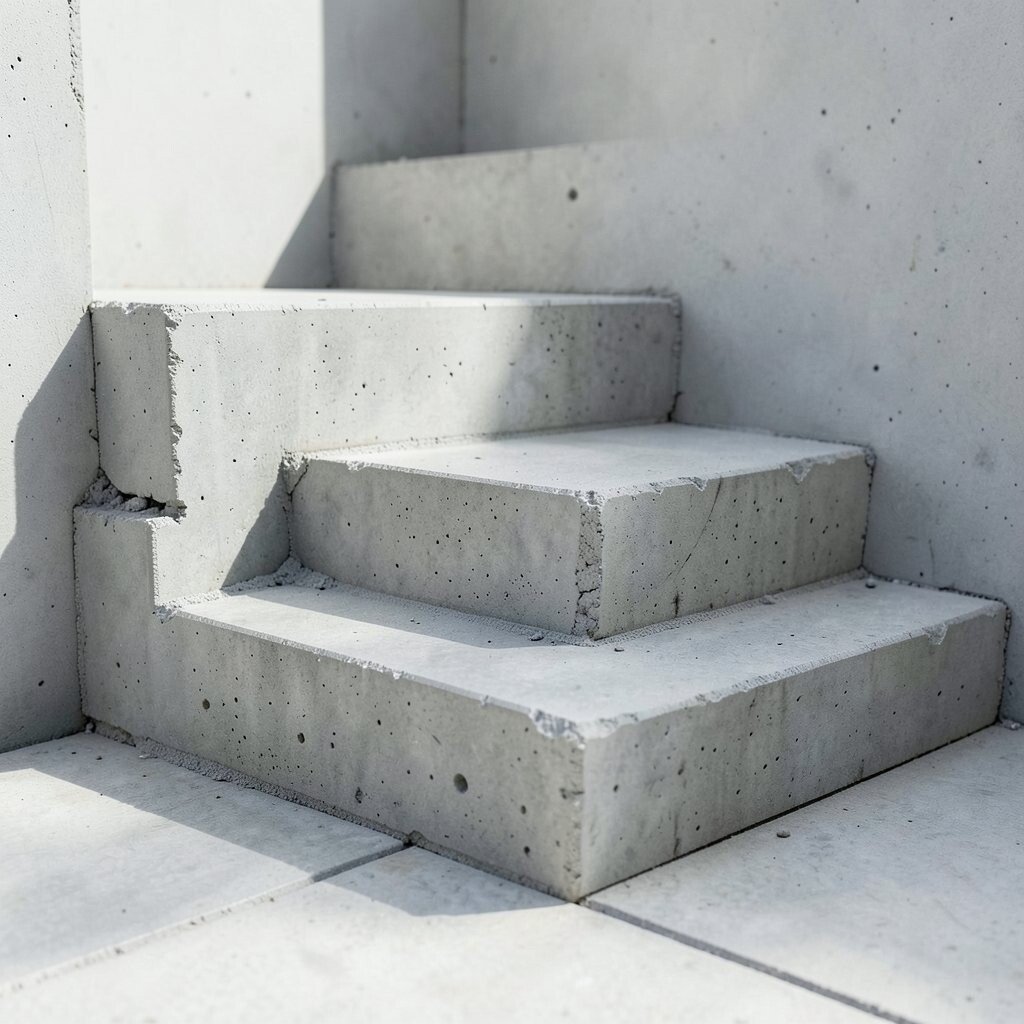
Clean edges are the secret behind a simple look. When concrete edges look sharp and straight, the whole staircase feels designed.
Good formwork helps you avoid wavy lines and uneven fronts. Use sturdy boards and take time to align them before you pour.
For a practical touch, keep the edge details repeatable on every step. Repeating the same profile makes the design feel intentional, not accidental.
7. Add a Minimal Handrail Line
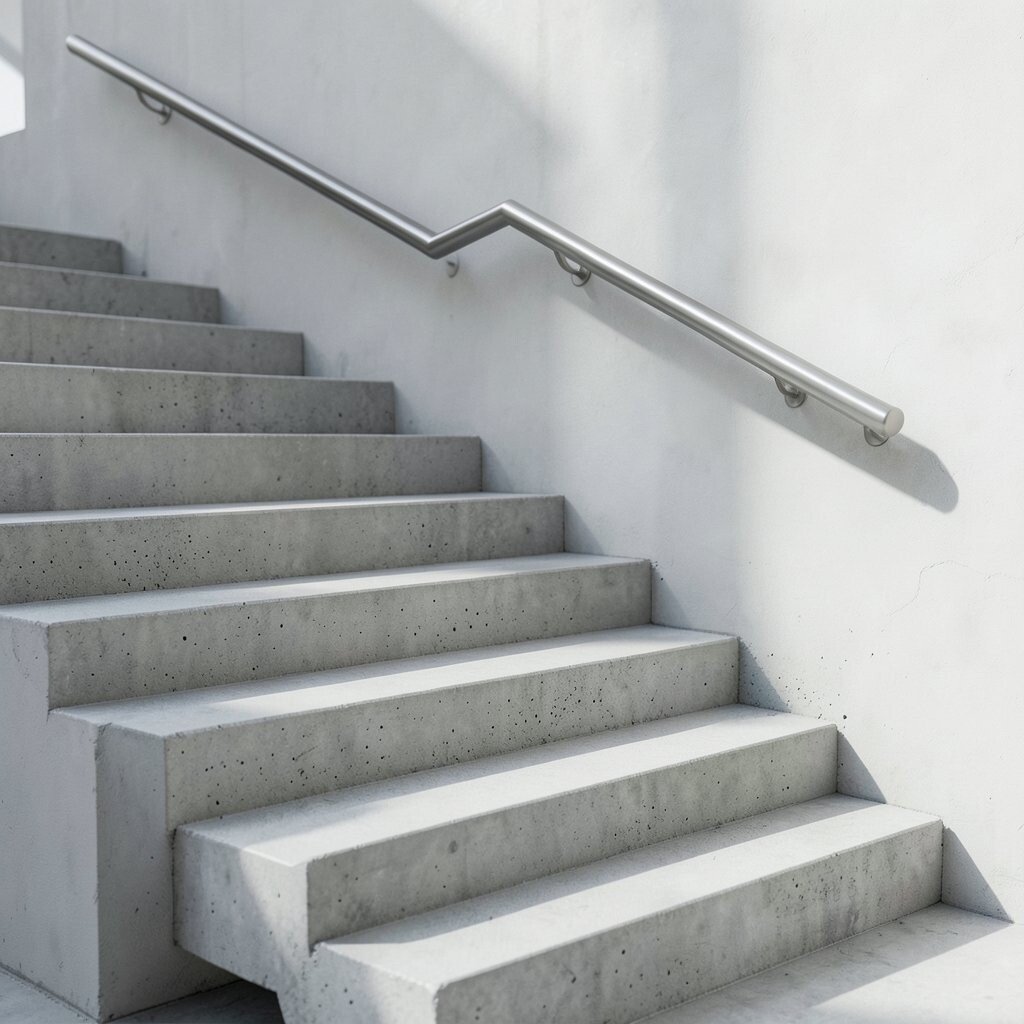
A handrail can make minimalist stairs feel safer without adding clutter. Choose a thin profile so it does not overpower the concrete.
Black metal, brushed steel, or weathered wood can all fit a modern vibe. If you want extra simplicity, use one straight line and keep the posts evenly spaced.
For functionality, make sure the rail height works for the most common users in your home. Comfort matters, and it shows in how confidently people walk.
8. Keep the Design Flat and Low-Noise
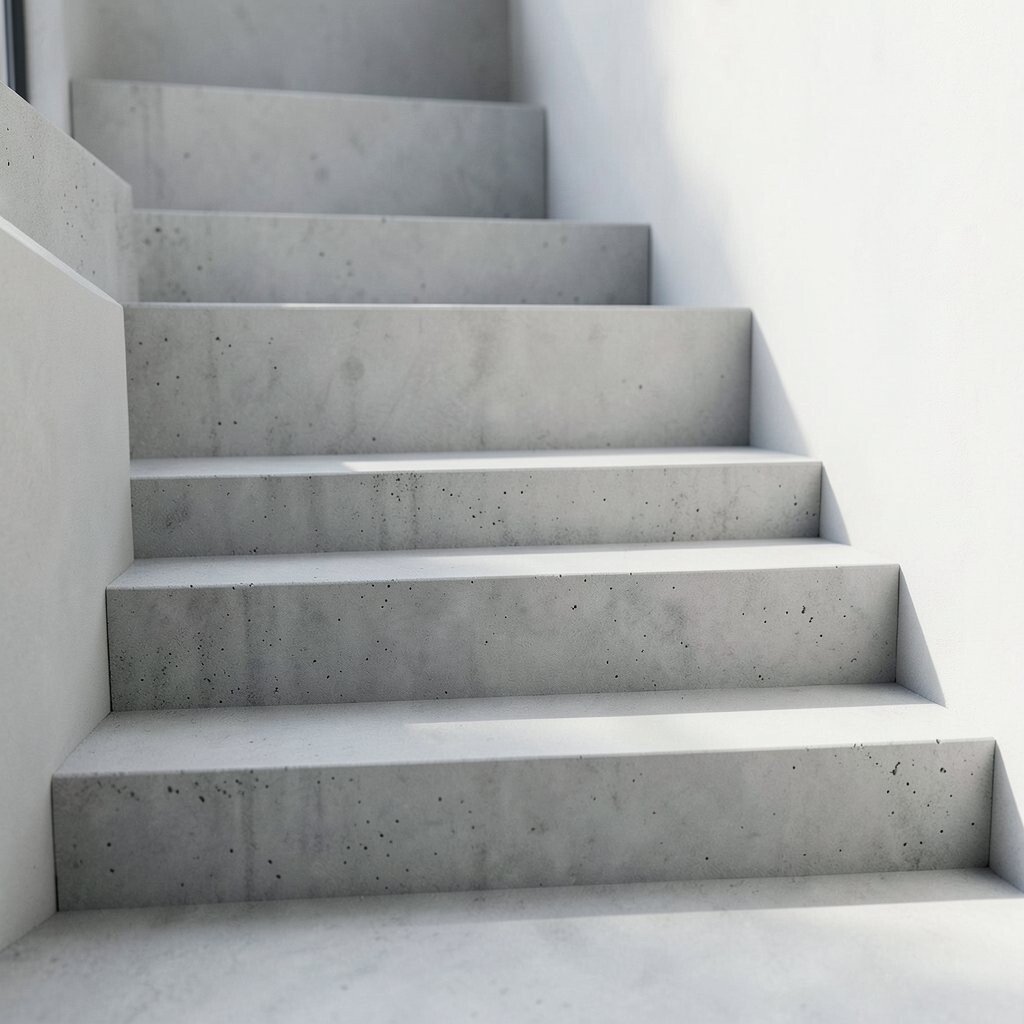
Minimalist steps look best when they do not shout. A low-noise design means fewer interruptions in the visual flow.
Try to avoid extra decorative borders and busy patterns. Even simple grooves can be too much if you already have a clean concrete finish.
If you want detail, use it in one place only, like a single centered line or a thin divider. One quiet detail can feel classy without turning busy.
9. Consider a Landing That Feels Spacious
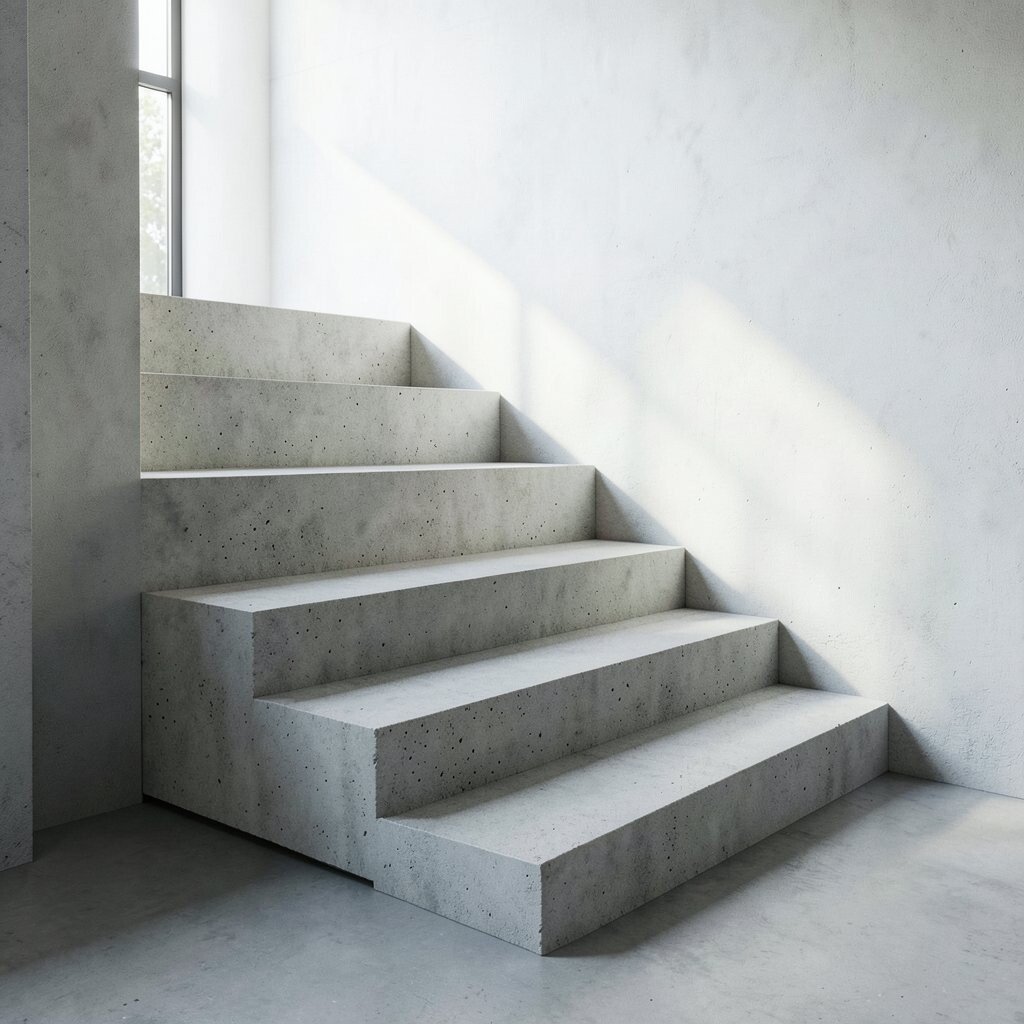
A landing is where the eyes relax and where people feel stable. Even a small landing can make the entry feel more breathable.
Place the landing so it lines up with the path you walk from the door. That alignment makes the steps feel intuitive and reduces awkward foot adjustments.
For daily convenience, choose a landing size that makes it easy to set down groceries or bags. A little extra space can save time during busy days.
When you style the area, keep planters and mats simple so the landing stays the star. This is how the whole entry keeps its calm look.
10. Use Lighting That Highlights the Steps
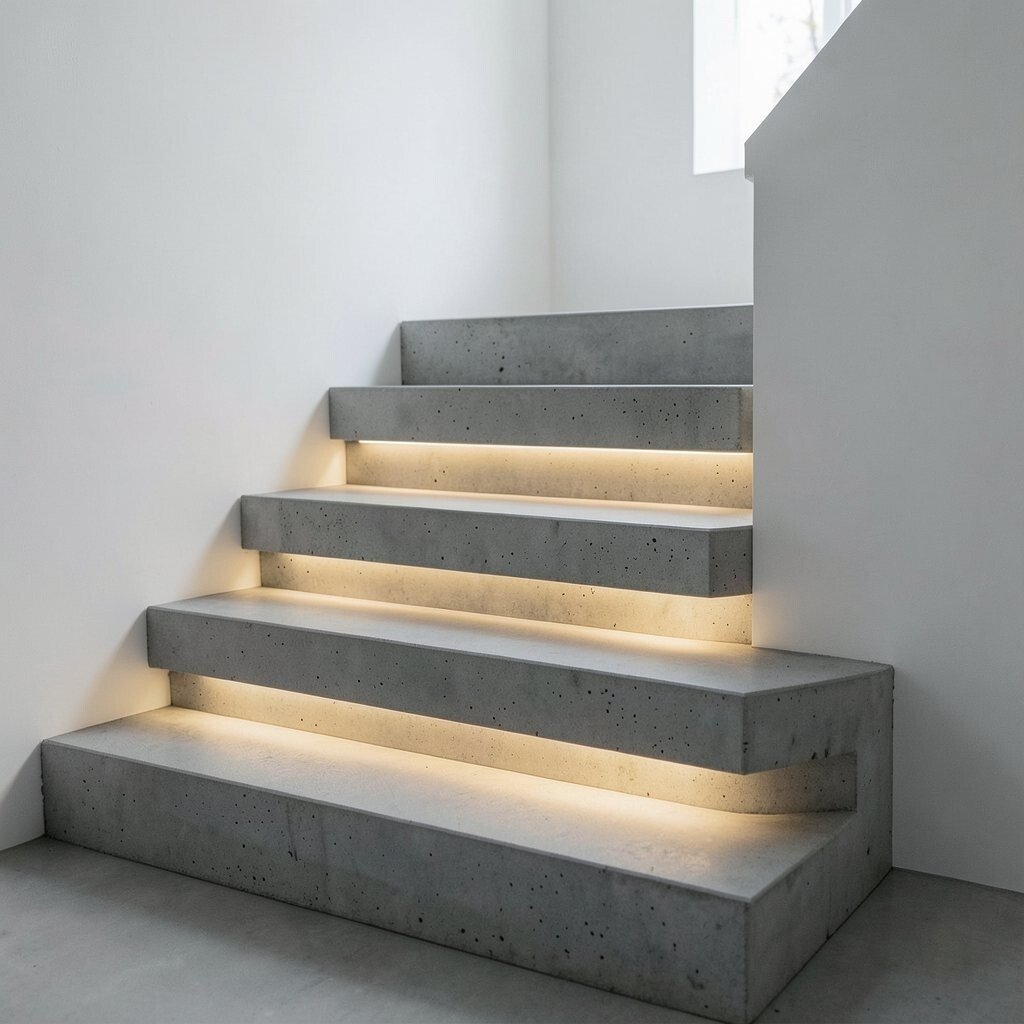
Good lighting can make minimalist concrete look even more modern. Small lights along the path guide footsteps and create a soft glow.
Low-profile step lights or subtle wall sconces work well when placed carefully. Aim for lighting that brightens the tread edges without glare.
For trends right now, warm white LEDs are popular because they feel cozy and natural. Cooler tones can look sleek, but warm light usually makes the entry feel more inviting.
11. Seal the Concrete for Lasting Clean Lines
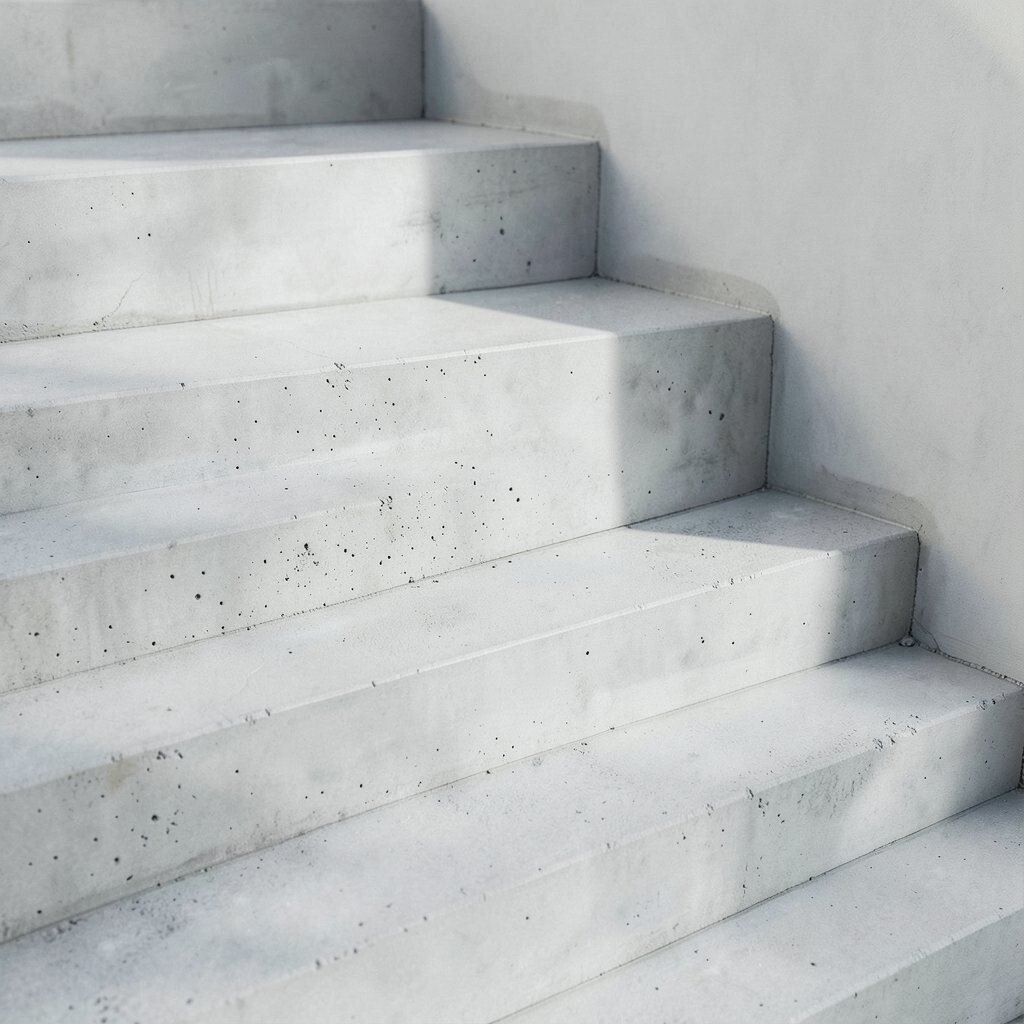
Concrete looks sharp right after finishing, then it slowly changes with weather. Sealing helps keep the color even and makes cleaning easier.
A clear penetrating sealer can reduce staining from dirt, leaves, and muddy shoes. That means you can keep the steps looking fresh with simpler rinses.
Pick a sealer that fits your climate and finish type. If you live where winters are tough, choose a product made for freeze-thaw conditions.
For an easy routine, sweep often and rinse when needed. Small maintenance keeps the minimalist look from fading into dullness.
12. Match the Steps to Your Existing Hardscape
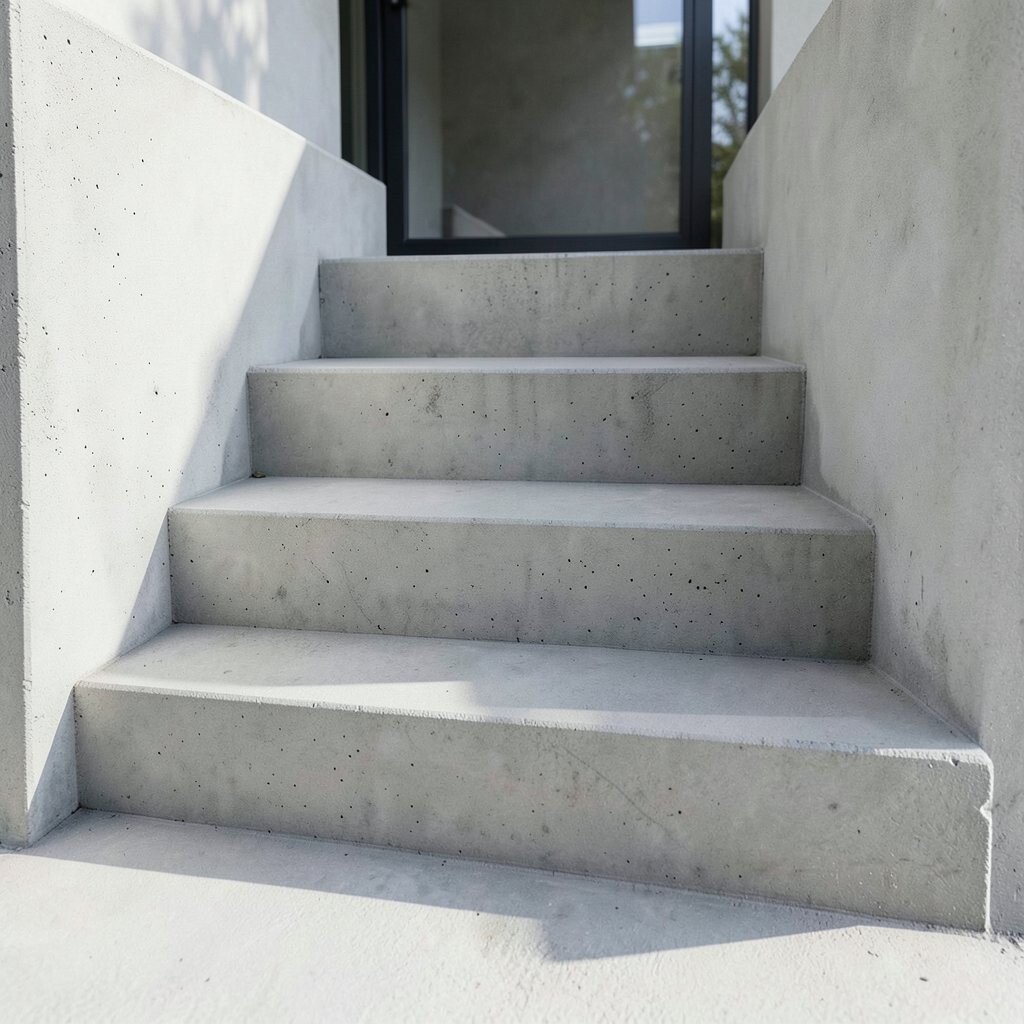
Minimalism feels best when materials work as a team. When the steps match nearby paths, walls, or pavers, the whole entry looks intentional.
Pay attention to width, color tone, and edge lines. If your driveway uses a specific gray, try to echo it in the steps so nothing looks stuck on.
For personalization, you can add a slight texture difference that still feels cohesive. For example, keep the steps smooth-textured while the side areas have a different but compatible finish.
13. Add Landscaping Without Overdoing It

Plants can soften hard edges, but minimalist design still needs restraint. A few well-chosen plants can frame the steps without clutter.
Try low-growing grasses, small shrubs, or neat groundcovers that stay tidy. Keep plant borders from crawling onto the tread area so walking stays clear.
For a modern touch, use planters that repeat the same color family as the handrail or lighting. When the planters feel matched, the steps look like part of a finished design.
Mulch choices matter too, because bright mulch can fight the concrete color. Dark mulch or clean stone often looks calmer with minimalist concrete.
14. Personalize With One Simple Feature
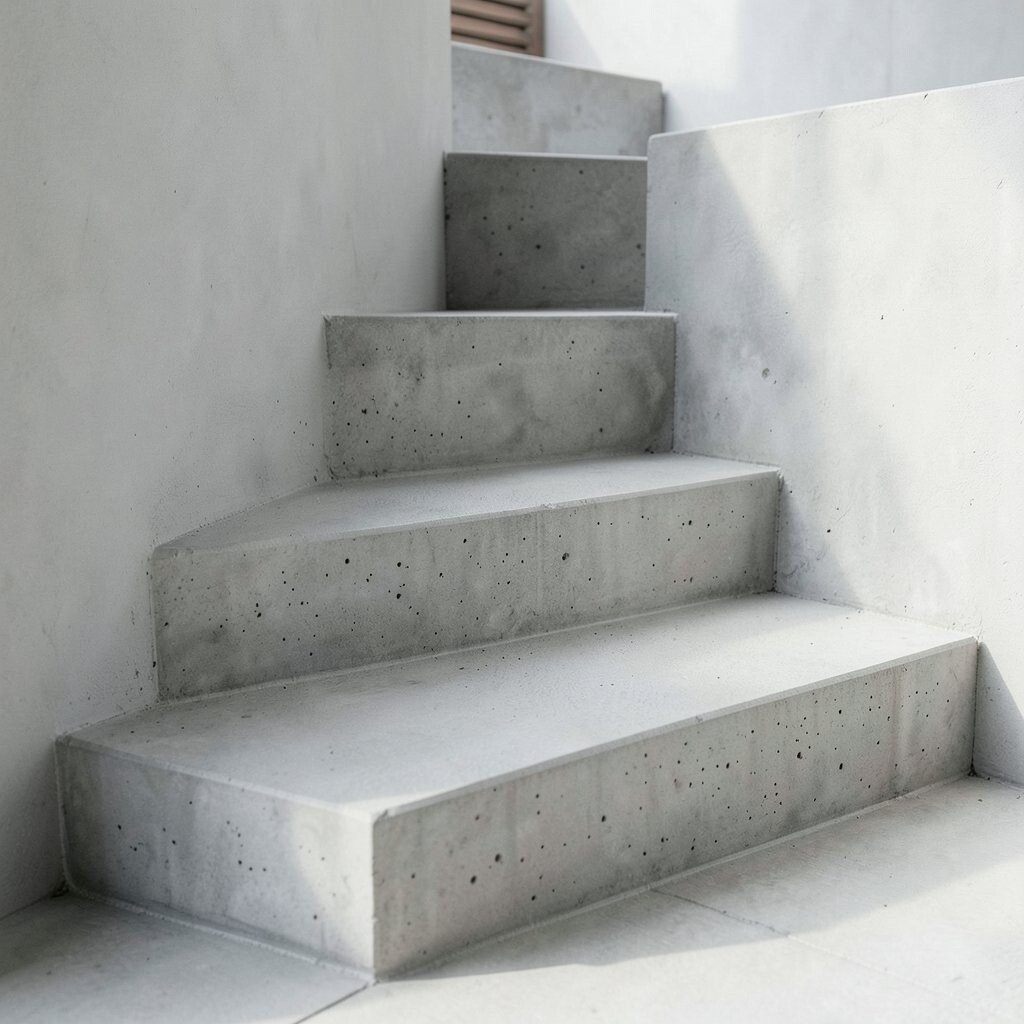
You do not need lots of extras to make the steps feel like yours. One simple feature can add personality while still keeping the clean look.
A small set of engraved lines, a single centered inlay, or a subtle border can feel special. Keep it limited so the concrete remains the main visual.
If you want a functional feature, build in a spot for a doormat that sits flush. That keeps the front entry neat and reduces random mat shifting.
15. Think About Winter Safety From Day One

Winter can turn even a pretty entry into a slippery challenge. Planning for safety protects your concrete and keeps steps usable.
Choose a traction-friendly finish and avoid overly glossy surfaces. When you use de-icing products, follow safe practices for concrete so you do not damage the surface.
Consider adding a drainage angle so water does not pool on the treads. Pooling water leads to freeze-thaw damage over time, which can create rough edges.
For practicality, store snow tools nearby so you can clear steps quickly. Quick clearing keeps the minimalist look intact because debris does not sit and stain.
16. Keep the Maintenance Plan Simple
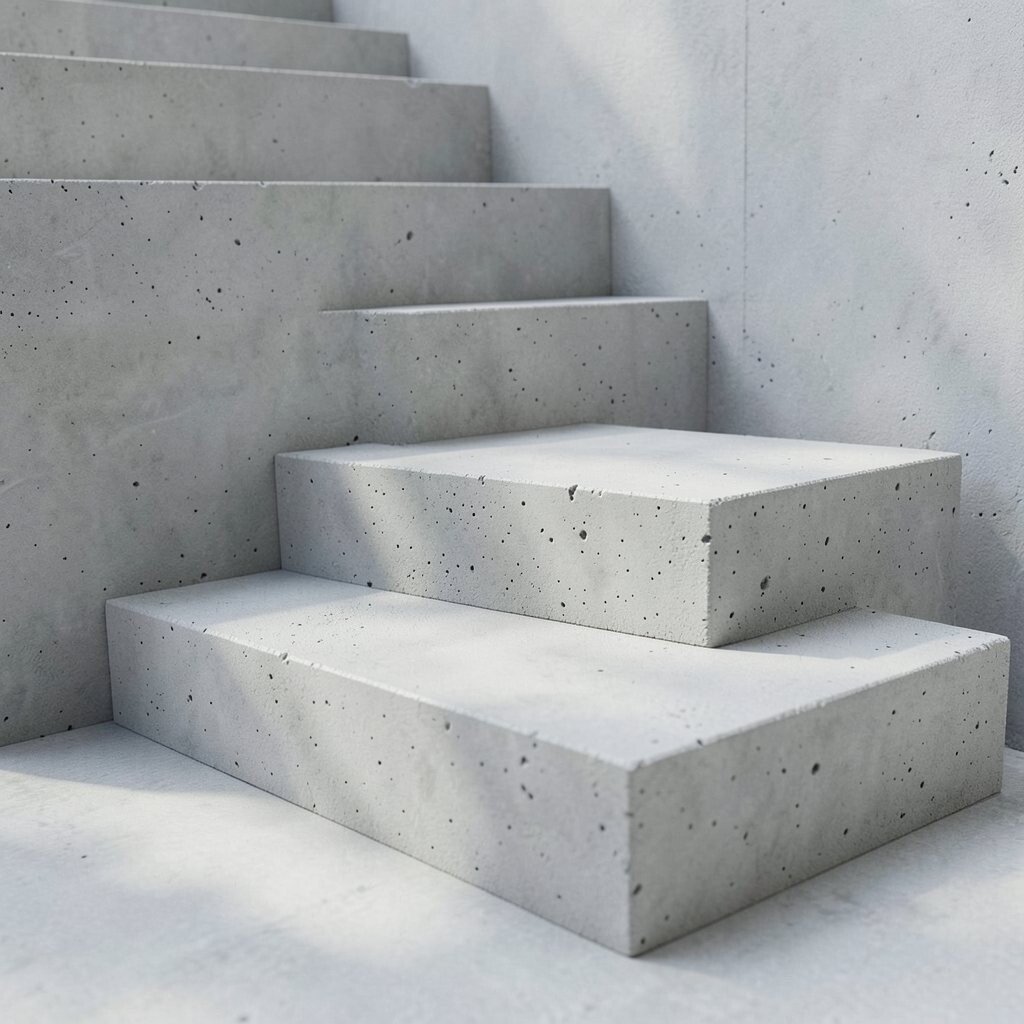
Minimalism is not just about looks, it is about easy living. When maintenance is manageable, your steps stay beautiful longer.
Make a routine that fits your week, like sweeping dust, checking for loose edges, and rinsing stained spots. Small, regular care prevents bigger repairs later.
Watch for hairline cracks and treat them early with suitable repair materials. Early fixes are usually cheaper and keep the clean lines from spreading.
If you want a low-cost ongoing option, use a mild cleaner and soft brush rather than harsh scrubbing. The more you protect the surface, the longer the concrete keeps its simple, modern appearance.
For personalization, adjust the seasonal styling around the steps instead of changing the structure. Simple seasonal plants, a single light change, or a tidy welcome mat can refresh the look without adding new work.