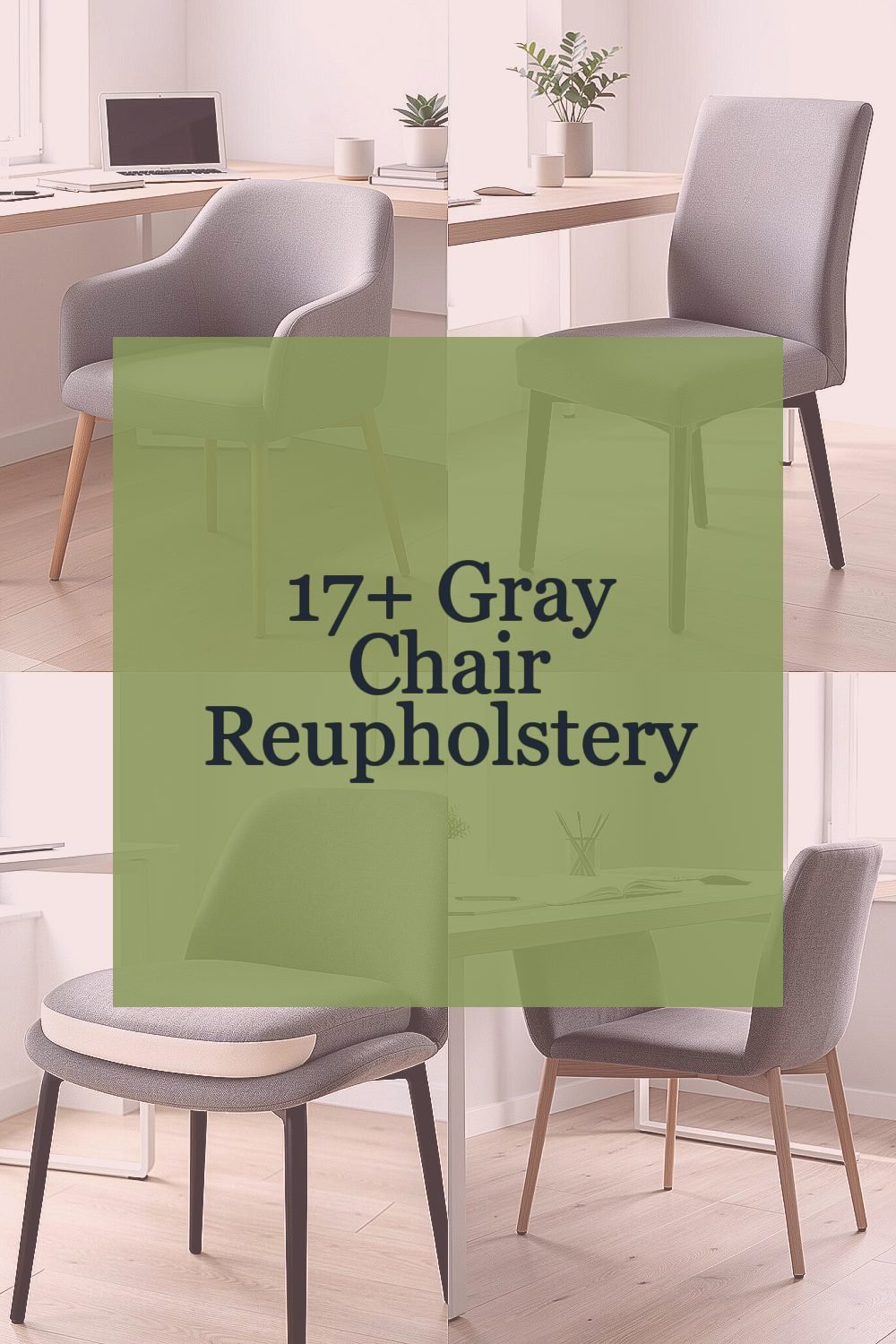
Your gray chair can look brand new without losing its calm, minimalist vibe. A fresh fabric choice also makes long work sessions feel nicer.
1. Choose a Soft Performance Fabric in Cool Gray
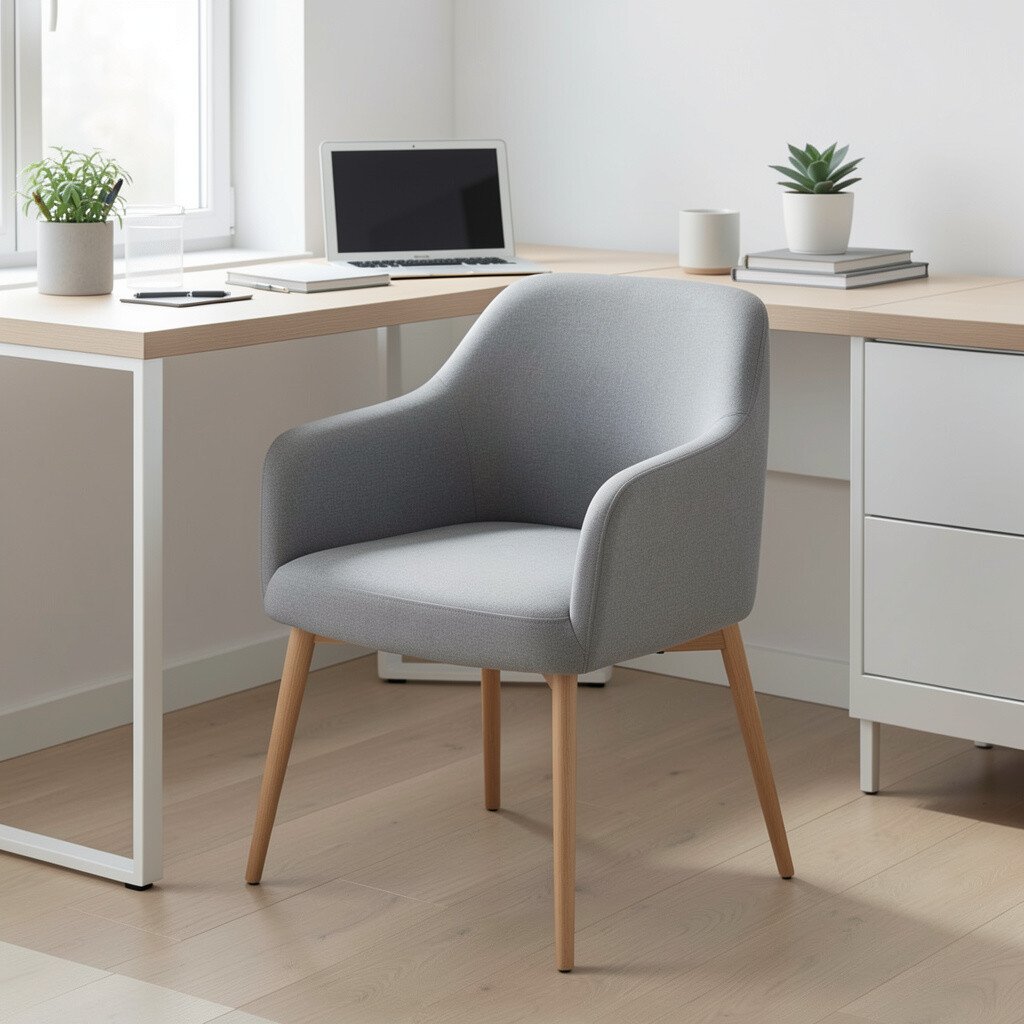
Pick a fabric that looks smooth and modern, like a tightly woven performance blend. You will notice how the chair’s gray tone stays even and tidy, even after daily use.
Look for materials that resist stains and hold their shape so the chair stays crisp. If you work with coffee, snacks, or art supplies nearby, that practicality matters more than you think. Cool gray tones also match current office styles that favor clean, low-contrast color palettes.
2. Keep the Seat and Back Lines Sharp with Tight Stretching
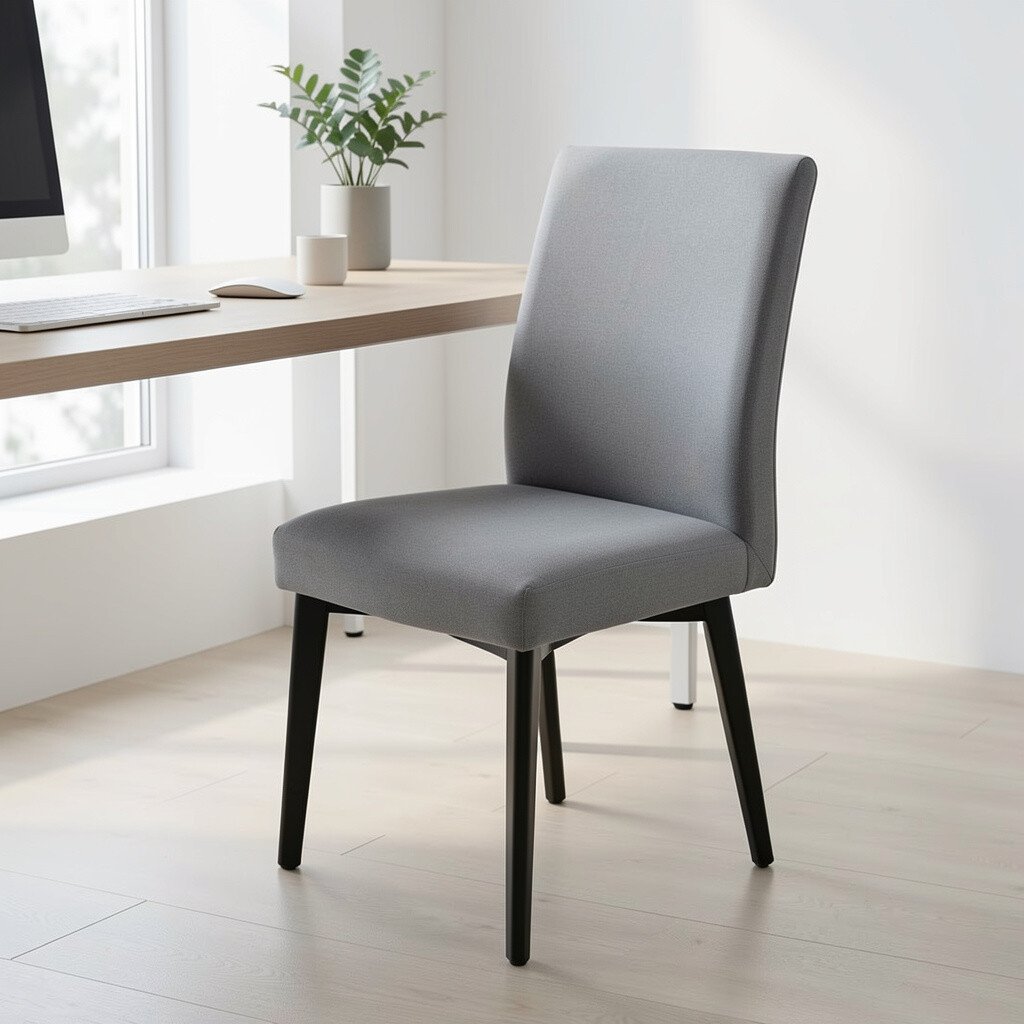
When you reupholster, focus on keeping seams and edges neat, so the chair keeps its straight, minimalist lines. The visual result is a chair that feels intentional, not bulky or sloppy.
Use careful tension while attaching the fabric, especially on the back panel and seat corners. This makes the chair look sleeker and prevents wrinkling that can make gray fabric look messy.
Even small improvements, like a smoother seat surface, can make your workspace feel more put together. If you want personalization, match the seam position to the chair’s original design so it feels like a true refresh.
3. Upgrade the Cushion with a Slightly Firmer Foam Layer
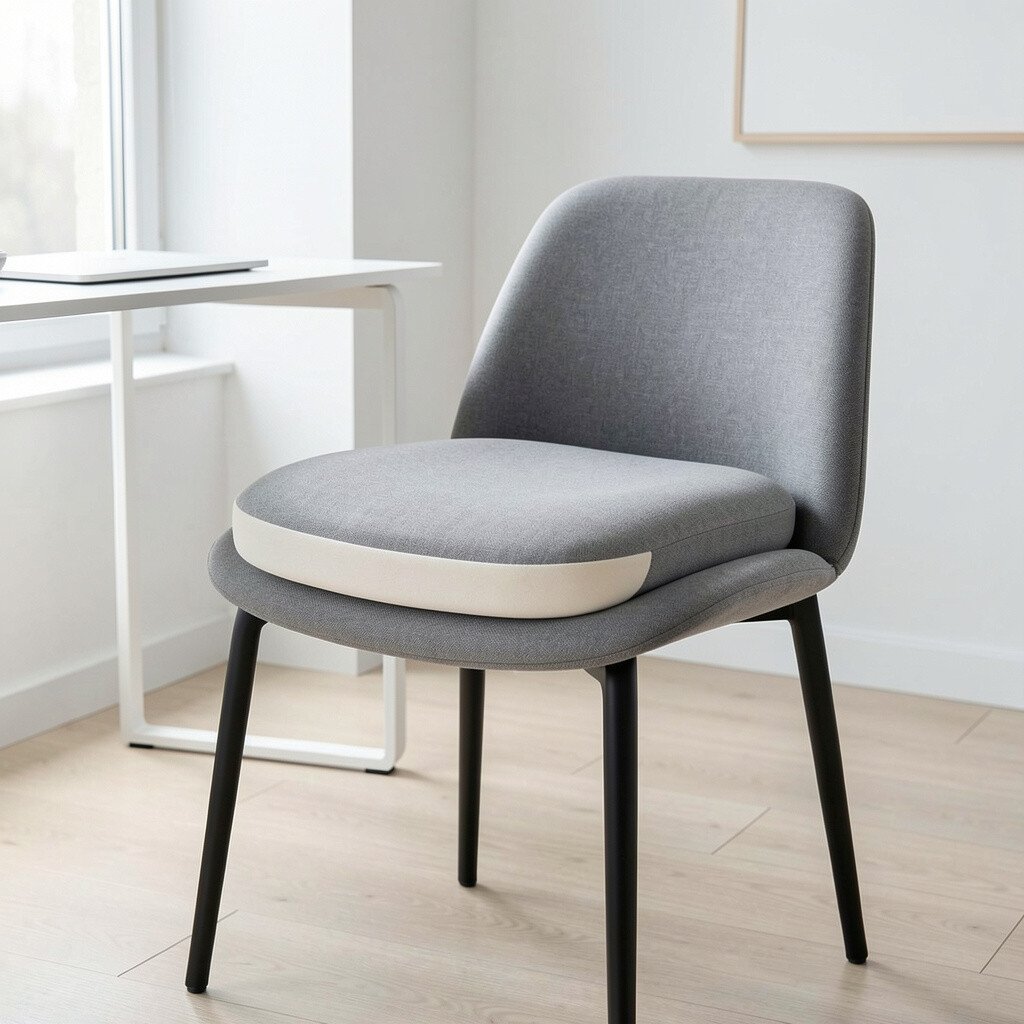
A gray chair can look perfect and still feel flat during long typing sessions. When you add a firmer foam layer, the chair’s shape stays supportive and tidy.
Choose a comfort level that fits your body, then test it by sitting in the chair for a few minutes. A modest upgrade can reduce sinking, which helps your posture look better and feel better.
Many minimalist offices now mix comfort with clean design, so a better cushion fits right in. For cost planning, compare foam options and remember you are improving comfort every day, not just appearance.
4. Match the Fabric Texture to the Room’s Lighting
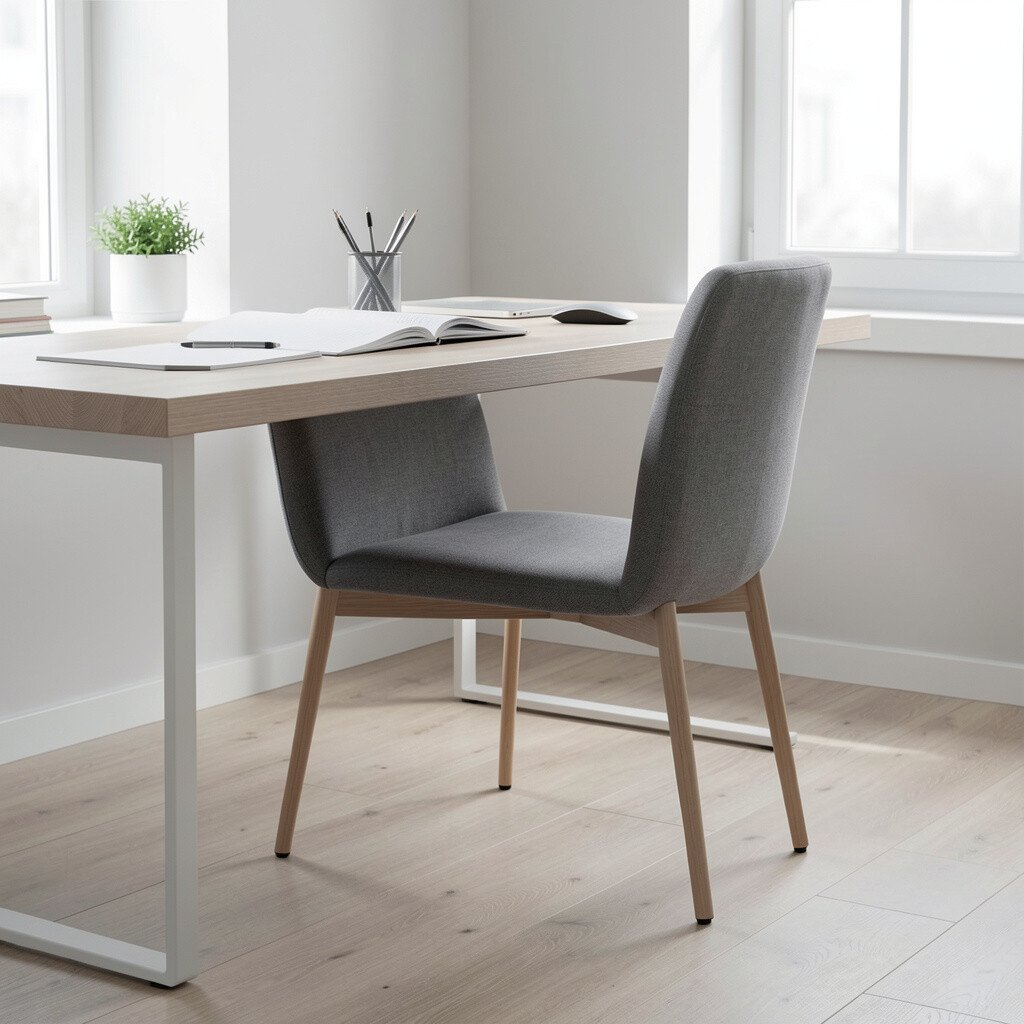
Gray can look different in morning light versus evening lamp light. A fabric with the right texture can soften glare and keep the color looking calm.
If your workspace has bright overhead lighting, go for a fabric that shows subtle weave rather than strong shine. With warmer lighting, a slightly richer gray can keep the chair from looking washed out.
5. Add Invisible Piping for a Crisp, Tailored Edge
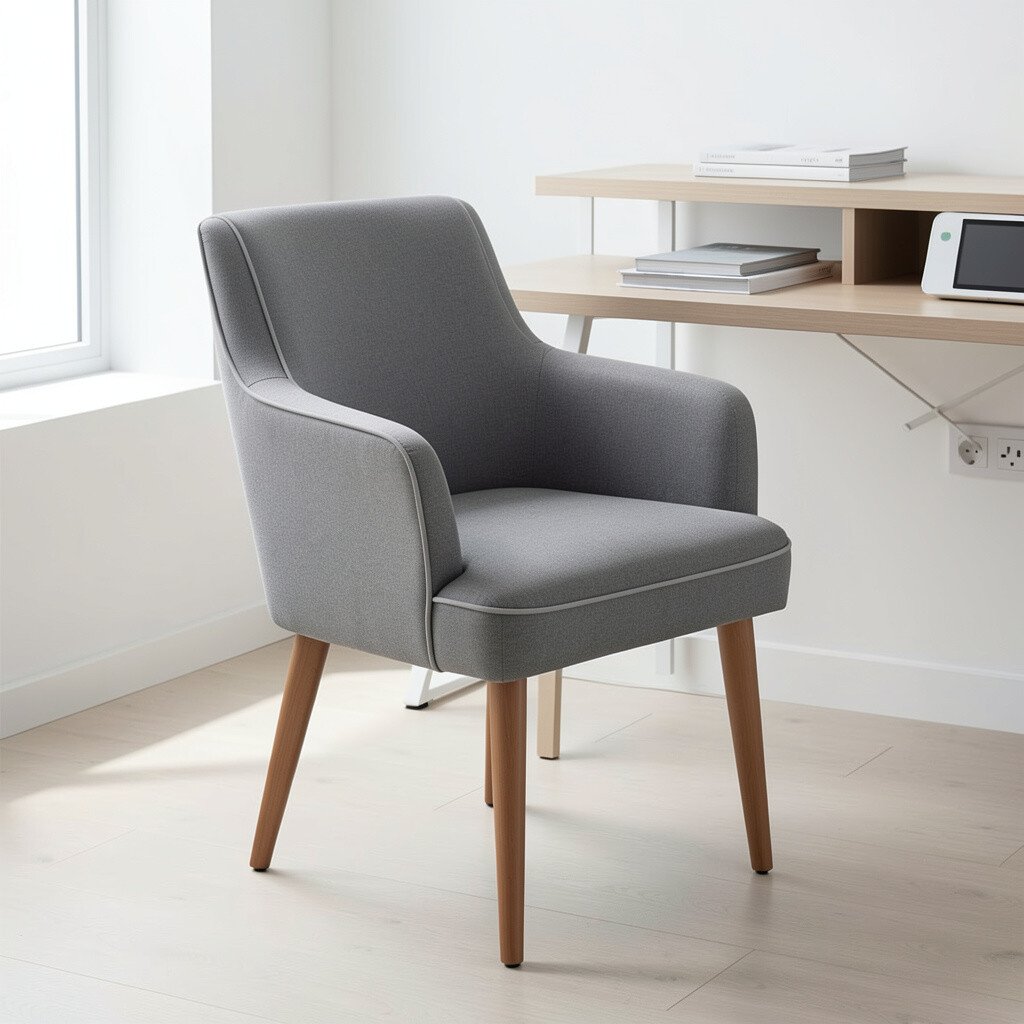
Piping can make a simple chair look custom-made, especially when it stays understated. When the piping blends into the gray, it gives your workspace a tailored, boutique finish.
Choose a tone close to the main fabric so it frames the shape without shouting. You can also use piping to hide minor seam irregularities, which helps the chair look cleaner overall.
This style fits current trends where subtle details replace loud patterns. For practical budgeting, remember piping uses extra fabric and labor, so plan the upgrade when you want the biggest “wow” effect.
6. Save Money by Reusing the Original Frame and Hardware
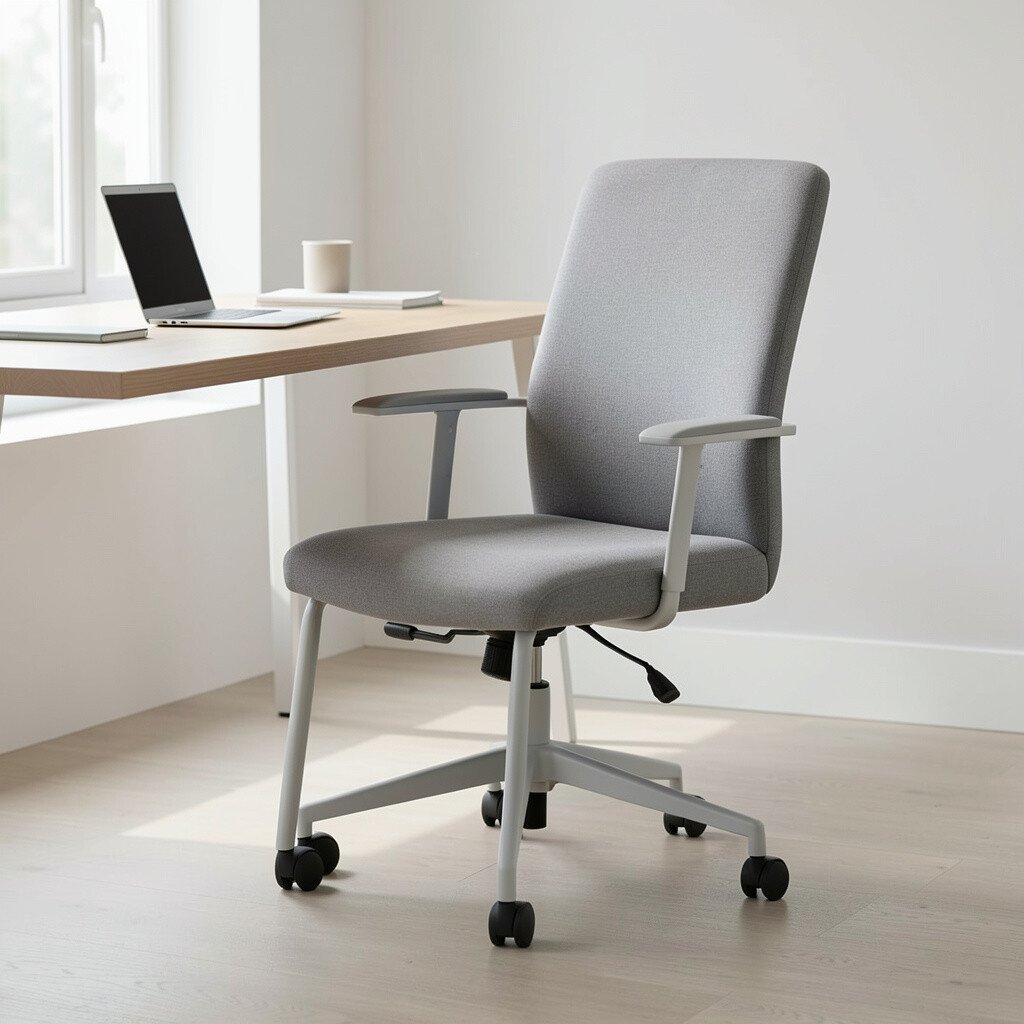
Before you buy new parts, check what is already solid on your chair frame. Many minimalist chairs have sturdy backs and legs that only need fresh upholstery.
Reuse the original springs, screws, and frame pieces when they are not broken, so you spend on fabric and cushioning instead. This approach keeps the project focused and helps you get better value for your money.
7. Personalize with a Slightly Different Gray for the Back Panel
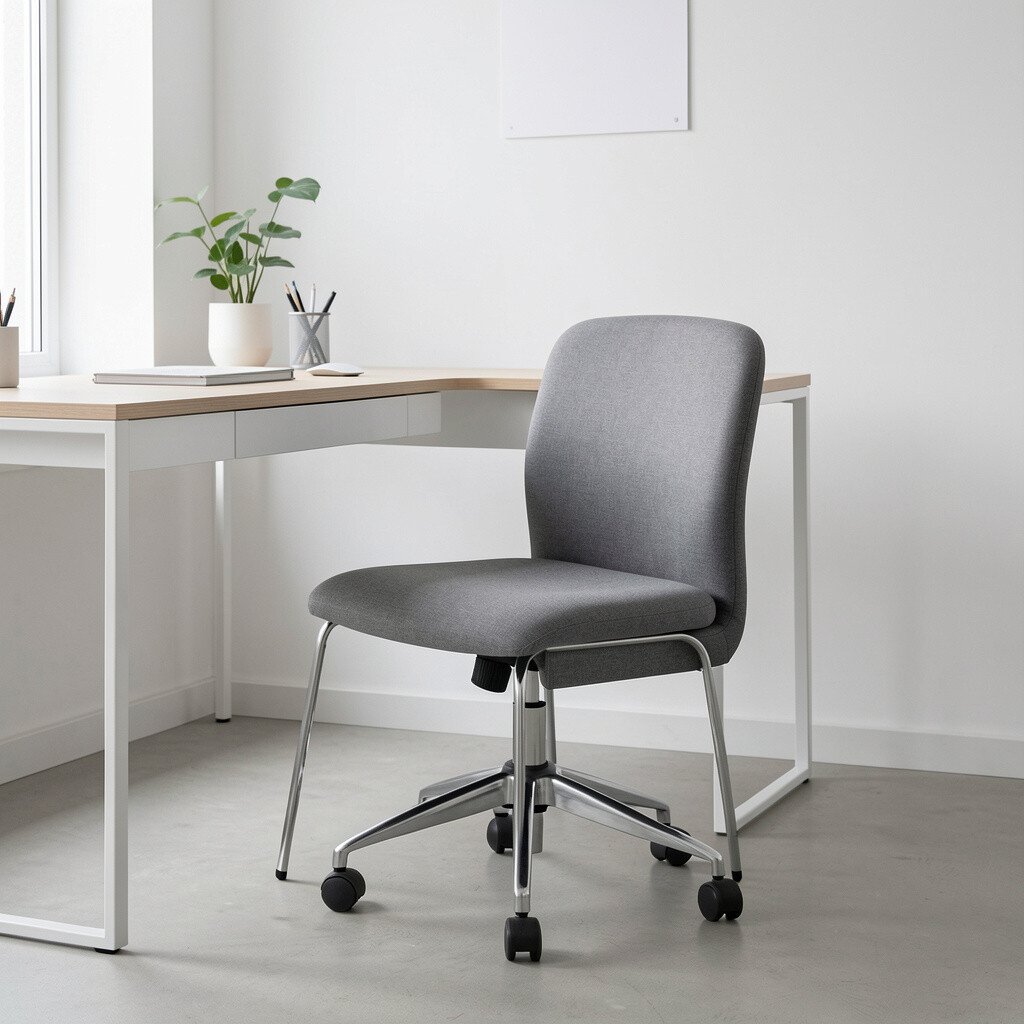
You can keep the chair minimalist while still making it feel uniquely yours. Try a near-match gray for the back panel so it creates a gentle contrast.
This visual trick looks modern and helps define the chair’s shape without adding loud colors. Pair the lighter or darker panel with desk accents like a gray lamp or neutral notebook covers.
If you want customization that still feels calm, keep the shade change subtle. It can also be a cost-friendly way to use small fabric remnants while achieving a designer look.
8. Keep Color Consistent by Pre-Washing and Pre-Drying Fabric
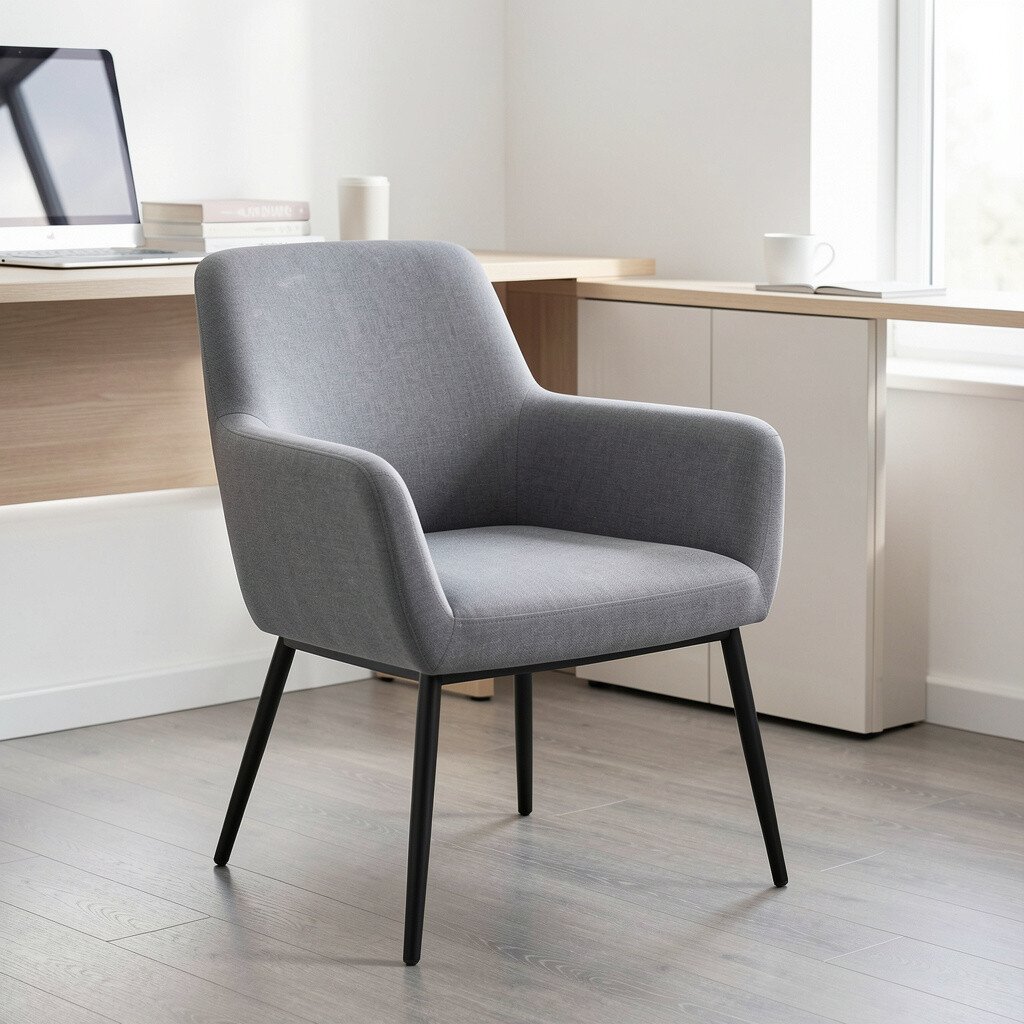
Fabric can shrink or shift shade if it is not treated before installation. Pre-washing and pre-drying helps the chair stay consistent after the first weeks of use.
This step also reduces surprises when you stretch the fabric around the seat corners. A smooth, stable fabric makes gray look even, which keeps your workspace feeling neat and intentional.
9. Upgrade to a Stain-Resistant Finish for Busy Days
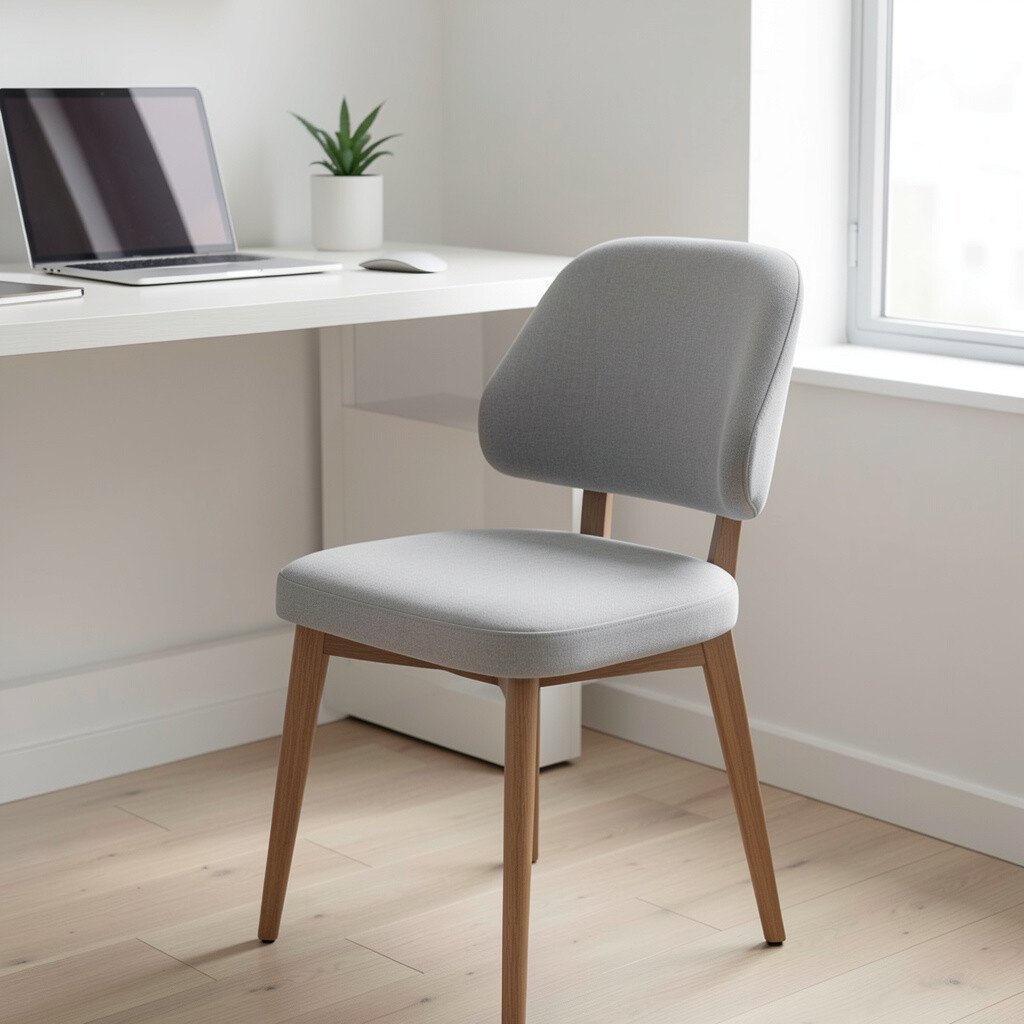
Gray upholstery is forgiving, but stains still show when the chair is in heavy rotation. A stain-resistant fabric or finish helps your chair stay looking fresh.
You can picture the everyday benefits right away, like wiping away spills without panic. That peace of mind also supports long work sessions because you can keep snacks, drinks, and papers nearby.
People love low-maintenance materials right now because home and office spaces are used more than ever. For cost considerations, remember that durable fabric can last longer, which saves money over time.
10. Use Minimal Tools and Methodically Label Parts as You Remove Them

Reupholstery works best when you move in a calm, organized way. Keep parts in order as you take the chair apart so you can put everything back the same way.
Use simple labels like small tags or tape marks for sections, then store screws together. This saves time and reduces frustration, which makes the project feel smoother and more rewarding.
When everything goes back cleanly, the final chair looks more professional. That professionalism supports the minimalist look and helps your chair feel like a purposeful upgrade.
11. Choose a Straightforward Pattern, Like Micro-Texture or Herringbone
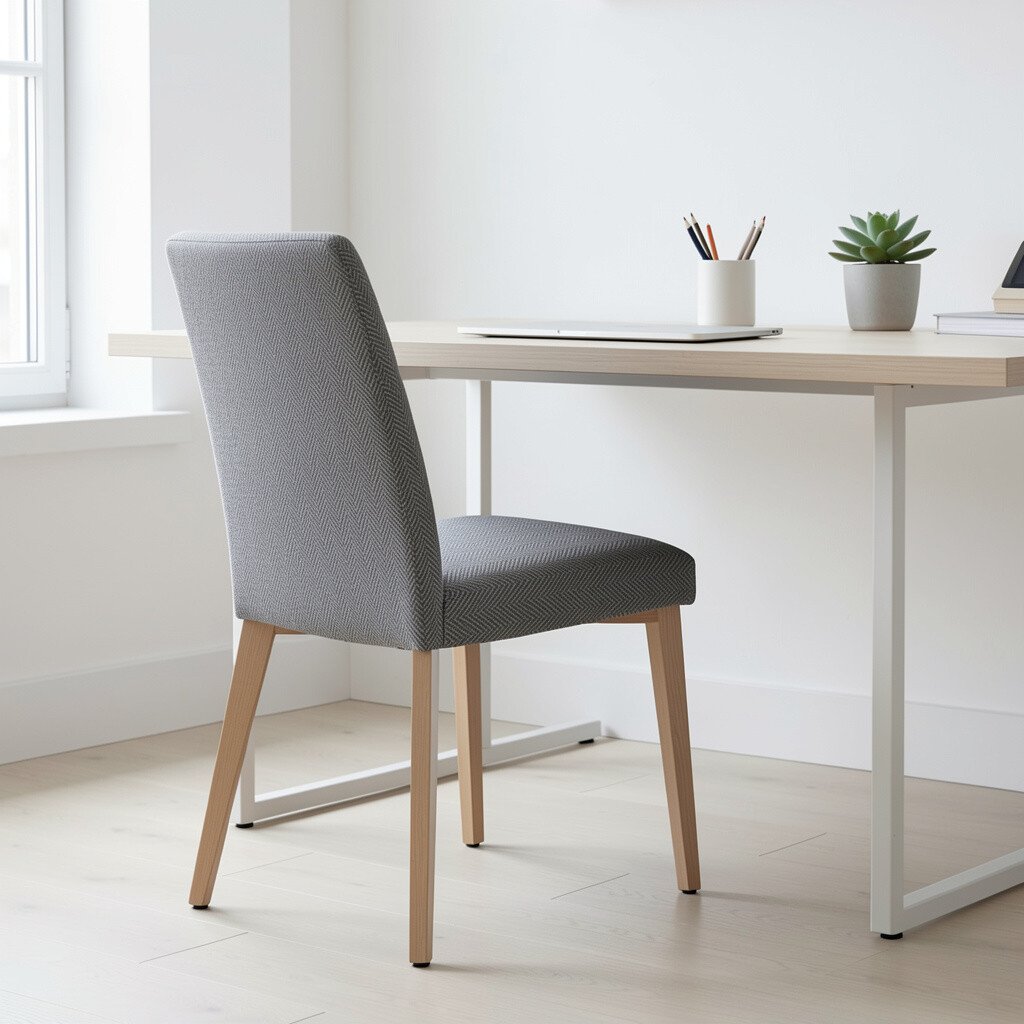
A gray chair does not need to be perfectly plain to stay minimalist. A micro-texture or tight pattern can add depth while still reading as calm from across the room.
When you choose a subtle design, the chair looks more interesting up close but stays simple at a glance. That balance is perfect for modern workspaces that favor clean surfaces with gentle visual interest.
Current trends often blend solid color with soft texture, which makes fabrics feel richer without turning bold. For personalization, match the texture to other room materials like wood desk grain or matte metal hardware.
12. Plan Your Seam Placement to Align with the Chair’s Original Shape
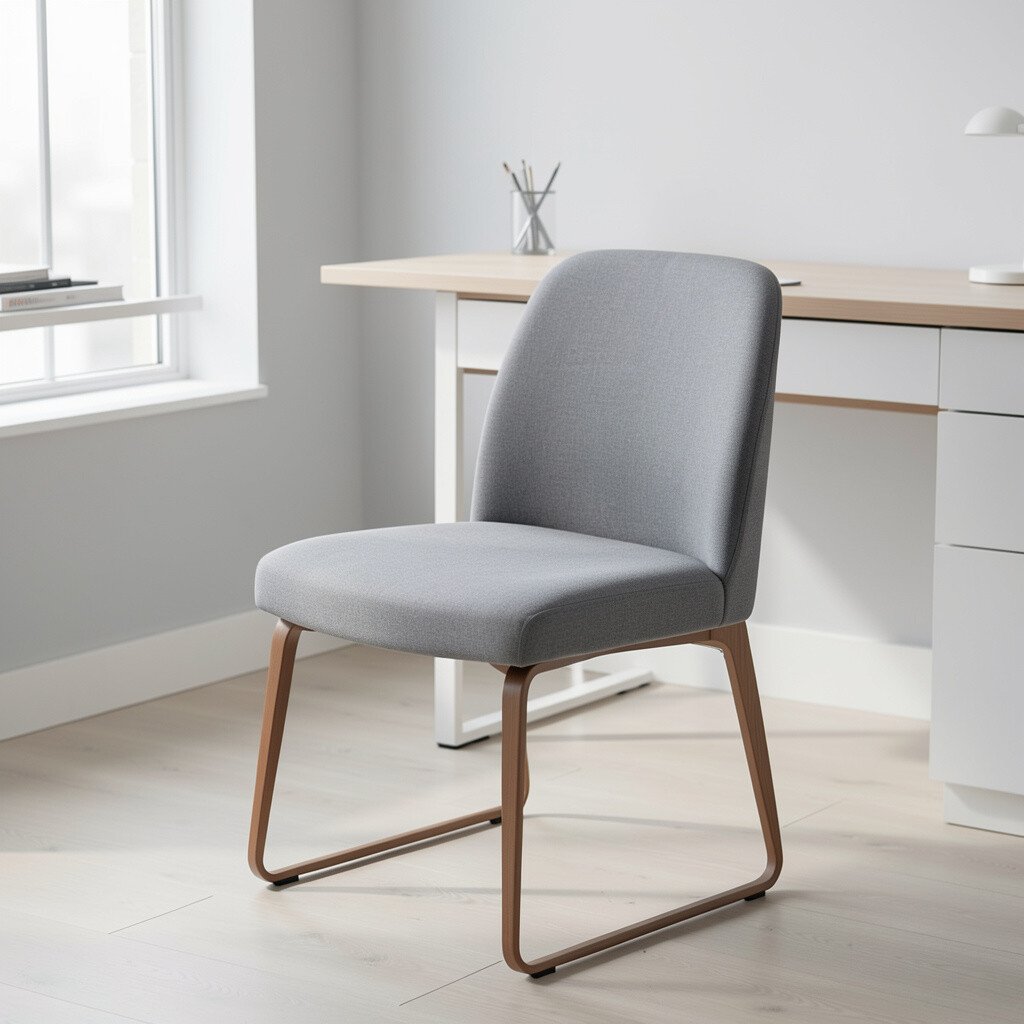
Seams can make or break the look of a minimalist chair. When you align seams with the original structure, the chair looks naturally balanced and clean.
Take a close look at where the old fabric seams fell, then aim for the same placement. That small planning step keeps the upholstery from looking stretched or uneven.
13. Consider Removable Covers for Easy Future Updates
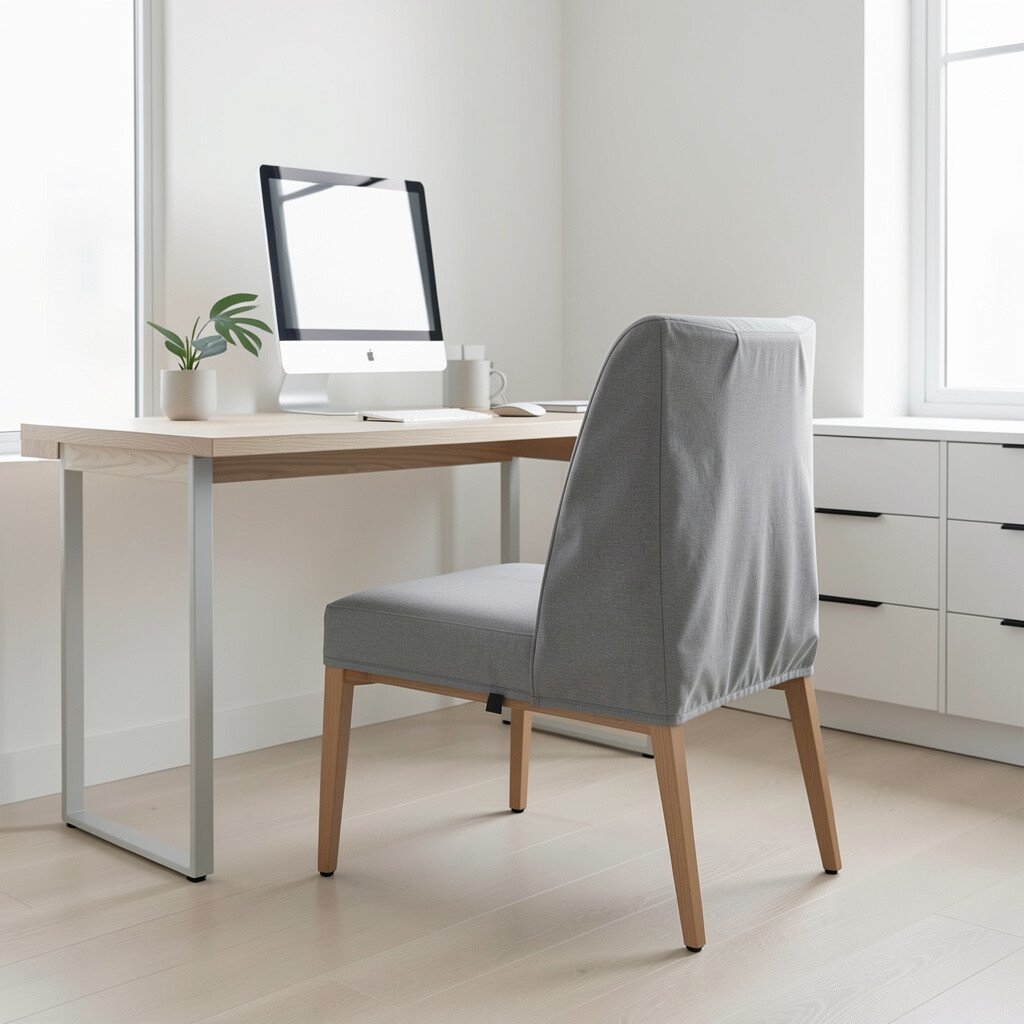
If you like changing your workspace seasonally, think about removable seat covers. A simple slip-on or zip-on approach lets you swap the look without starting from scratch.
Removable covers can also help you protect the chair from future spills, which is practical for busy homes. It supports uniqueness because you can create new gray tones or add subtle accents without reupholstering every time.
While removable setups may cost a bit more at first, they can save money later. This option also matches trends toward flexible home organization and quick refreshes.
14. Blend the Upholstery Color with Your Desk and Flooring Undertones
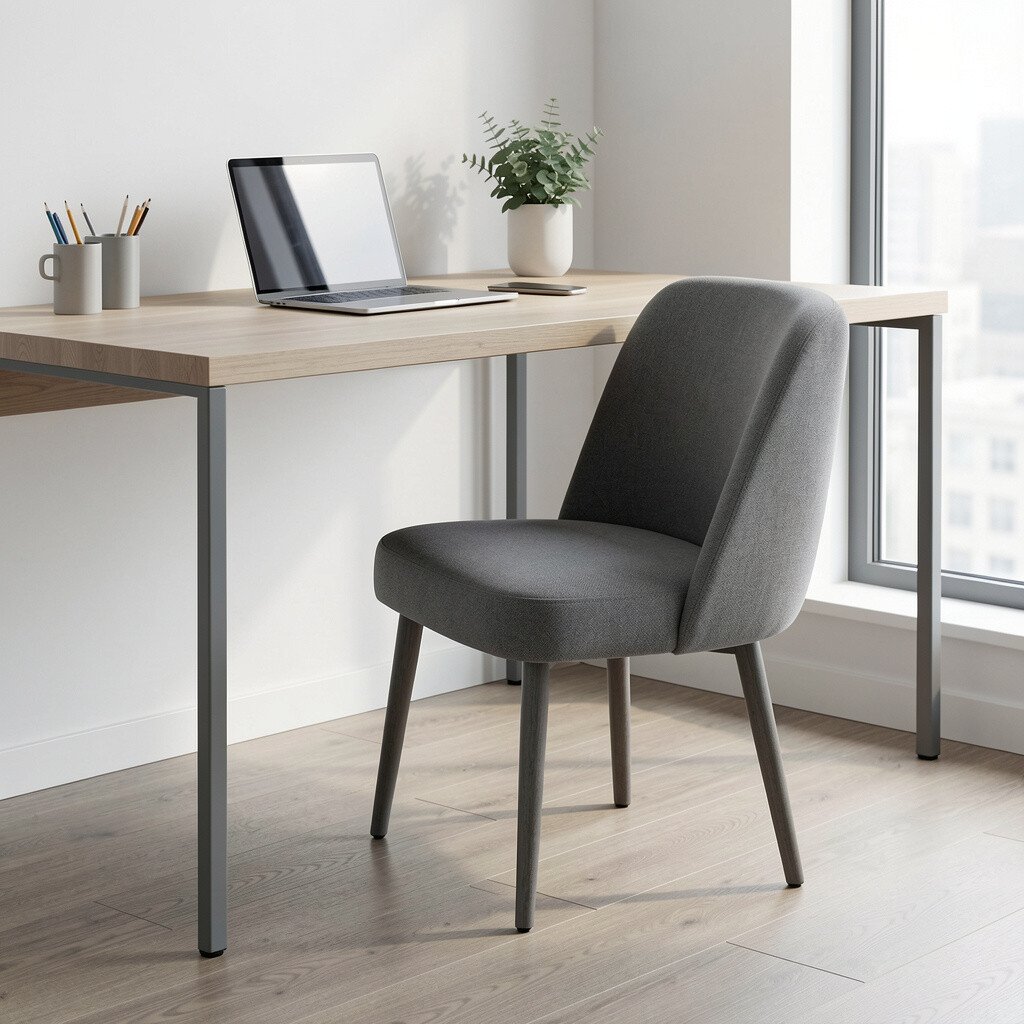
Gray is not one color, because it can lean cool or warm. Your chair should echo the undertones of your desk wood and flooring, so the whole space feels steady.
If your desk has warm wood tones, a slightly warmer gray can look calmer and more cohesive. For cool floors or steel-gray desk frames, a cooler gray upholstery can keep the look crisp.
15. Add a Simple Lumbar Support Pad for Better Comfort
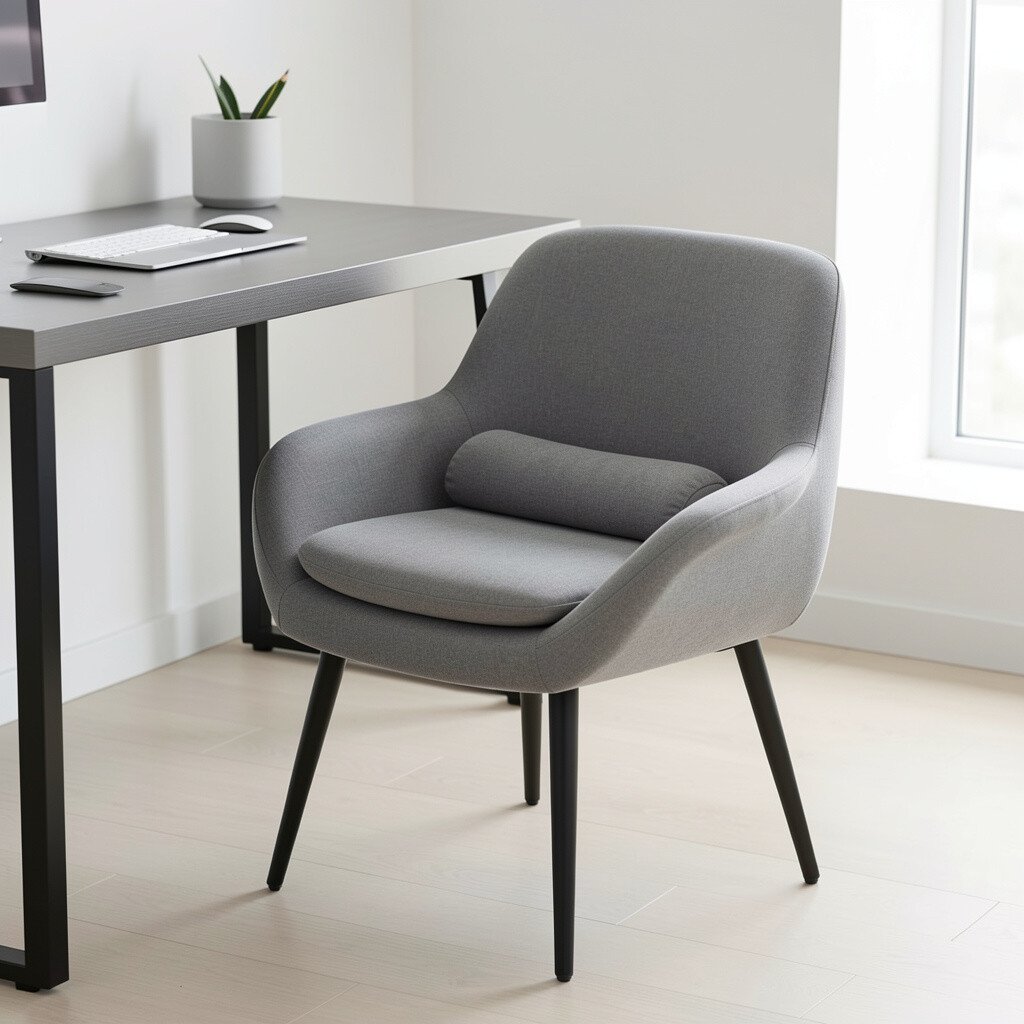
Even a minimalist chair can feel better when the back offers gentle support. A small lumbar pad helps your lower back feel held, especially during long focus sessions.
You can keep the look clean by choosing a pad in a matching gray fabric or a discreet backing. This personalization upgrade does not have to be bulky, and it can work with many chair designs.
Comfort trends now prioritize ergonomic feel without visual clutter. For cost considerations, pads are usually cheaper than full cushion replacement, so it is a smart step if you want big comfort benefits.
16. Decide on Upholstery Weight Based on How Often the Chair Moves
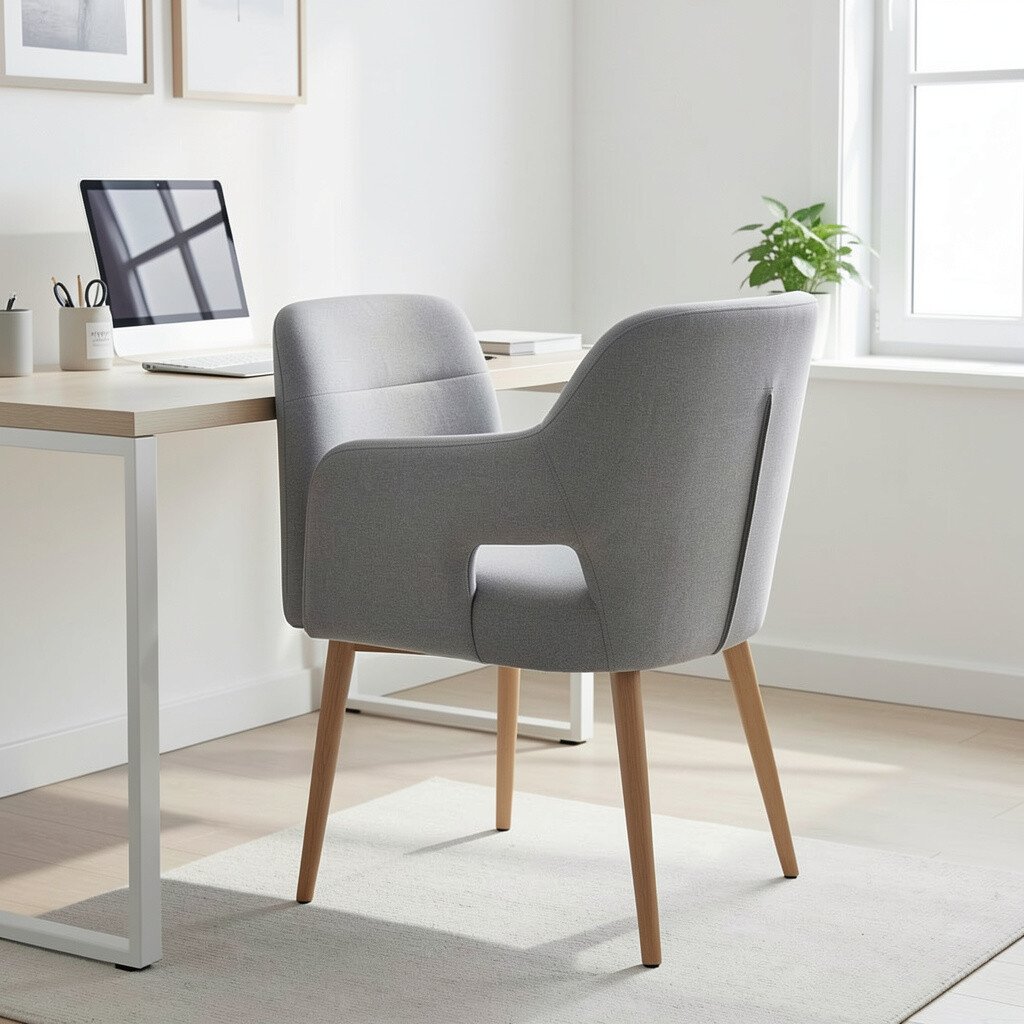
A chair that gets moved often needs fabric that handles friction and contact. Heavier upholstery weight can hold its shape longer, which keeps gray from looking worn too soon.
If your chair mostly stays in one spot, a mid-weight fabric may be enough and can feel softer to the touch. This choice affects both the final look and your long-term upkeep, so match it to your routine.
17. Use Matching Thread and Adjust Stitch Tension for a Clean Look
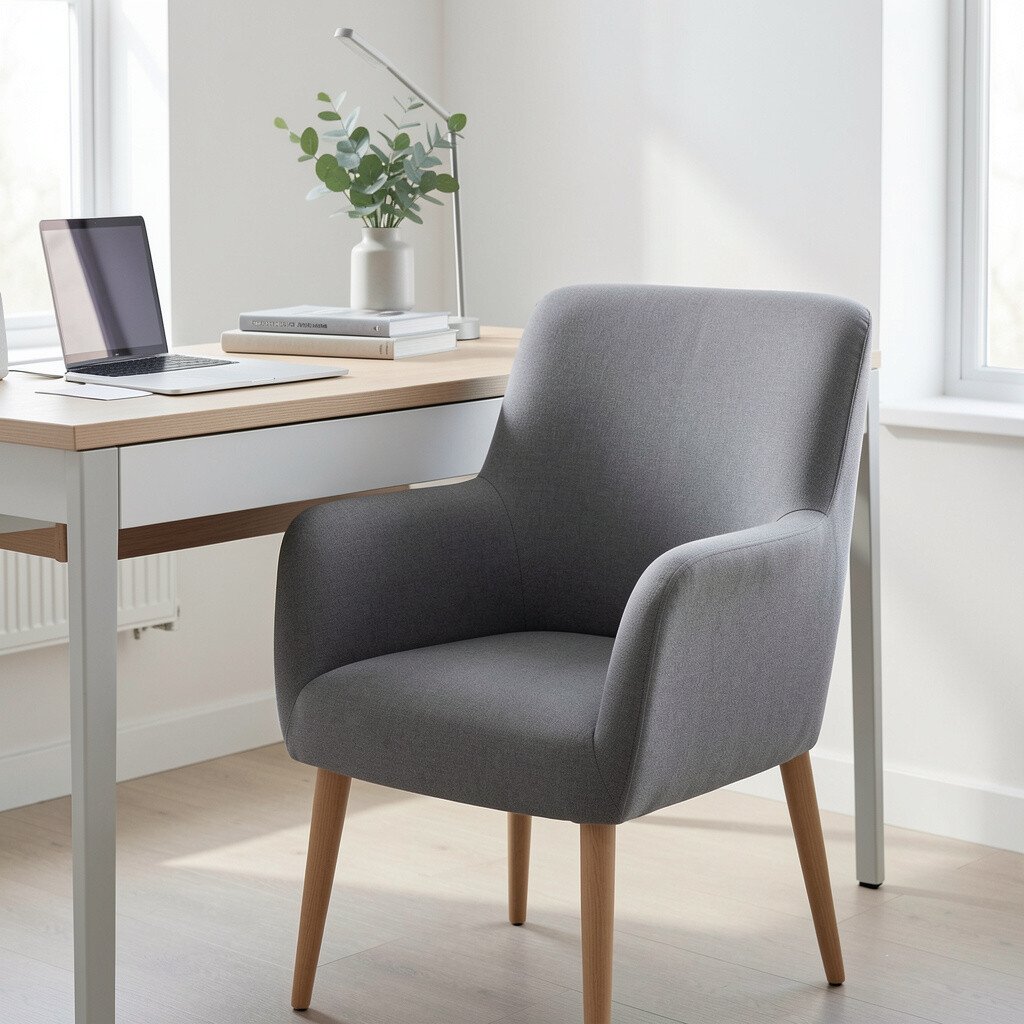
Thread color and stitching tension affect how polished your chair looks at close range. Matching the thread to your gray fabric helps seams blend in, supporting that calm, minimalist finish.
Test stitch tension on a scrap piece before you start the main upholstery work. When stitches lie flat and even, the chair’s shape stays sharp and visually tidy.
This is a practical step that also improves durability, so the upholstery holds up as you sit and stand. For personalization, you can choose slightly darker thread if you want a subtle accent that still feels restrained.
18. Finish with Careful Trimming and a Final Fabric Pull-Through Check
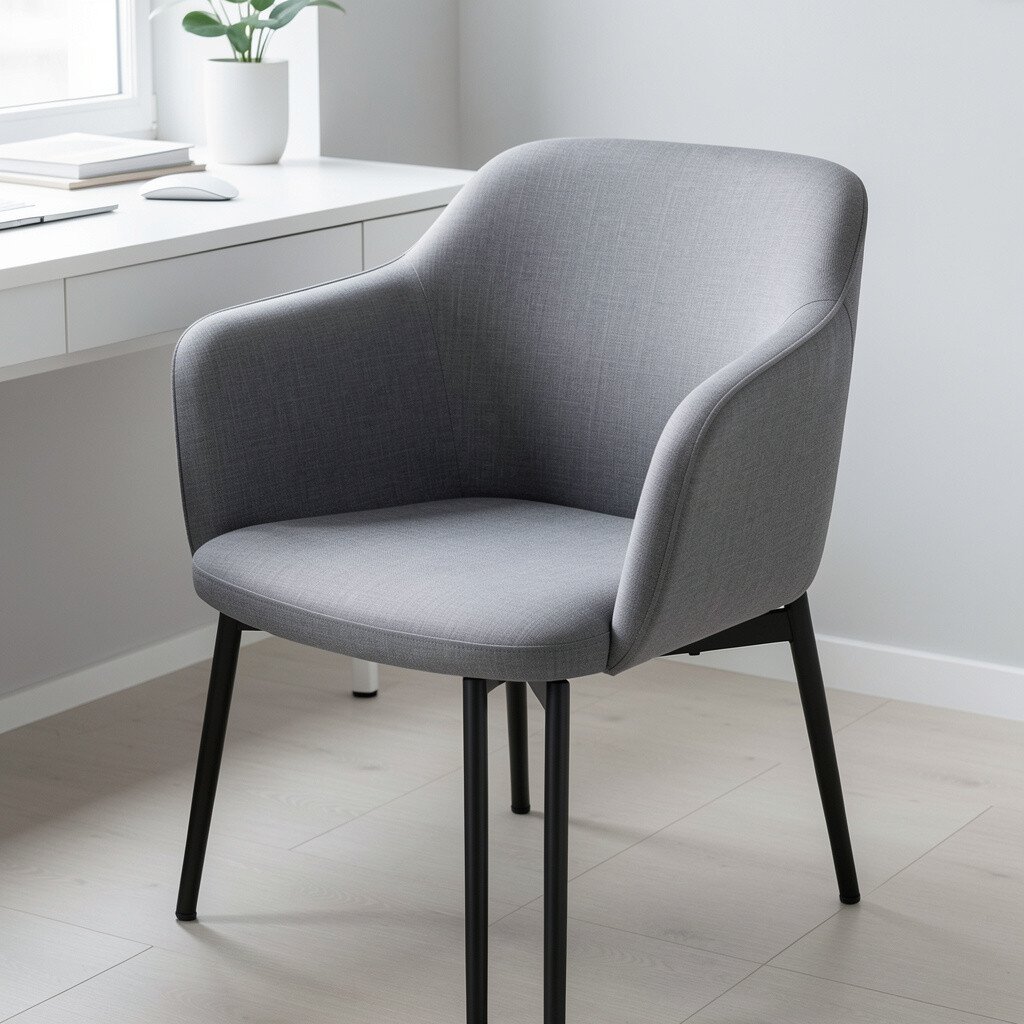
Once the fabric is attached, trim edges neatly and double-check how the seat corners fold. A clean trim line keeps the chair from looking unfinished, even when you look closely.
Do a final pull-through check by lightly tugging stress points at the back and under the seat. If anything looks loose, fix it now so the chair stays smooth and snug.
This last step is what makes the chair feel truly new, not just covered. It also helps protect your investment, since tight fabric reduces future wear and keeps your gray workspace looking sleek.