Modern exteriors can look calm and bold at the same time. Small choices often decide if the whole home feels polished or flat.
1. Chasing Trends Without a Plan
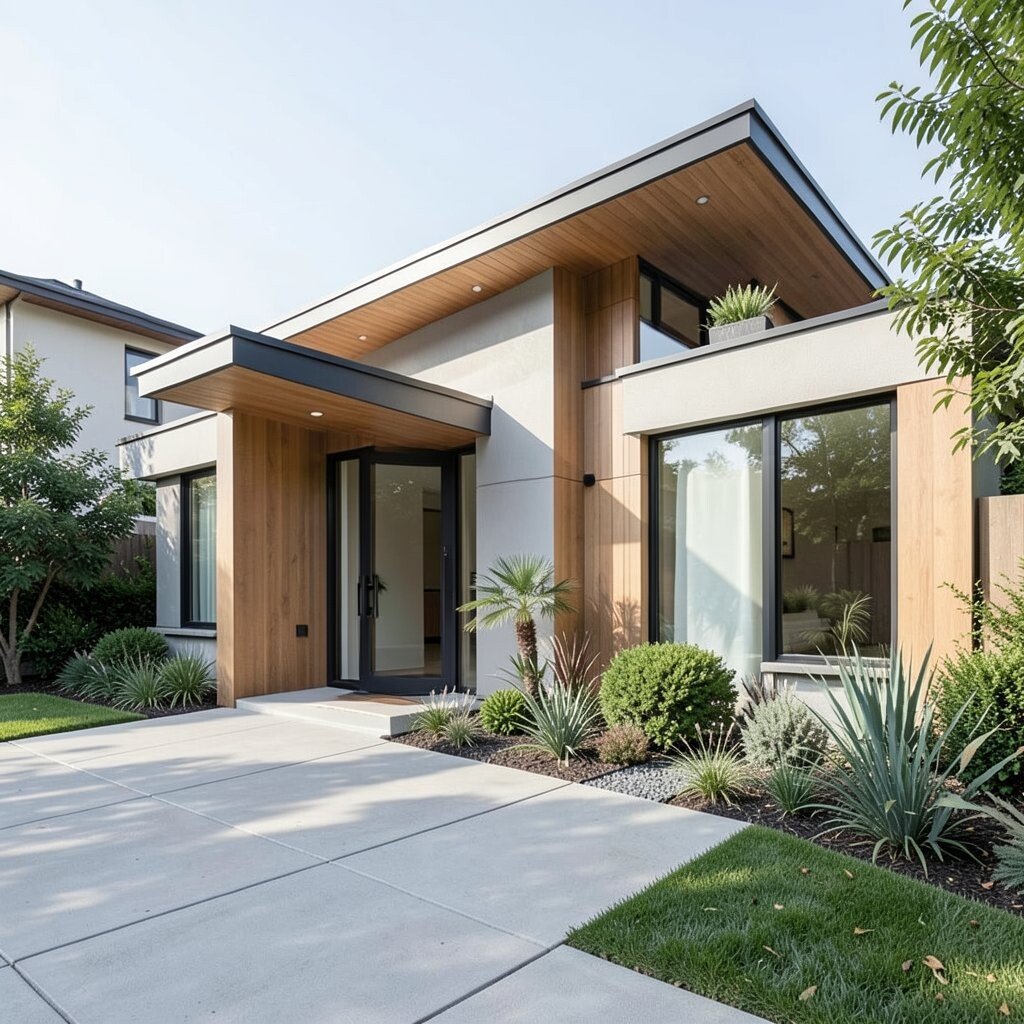
It is easy to copy a house you saw online, but that can make your own exterior feel random. A cleaner look comes from shapes, colors, and materials that work together in a simple way.
When you choose pieces that fit your home’s style, the result feels more unique and lasting. This also saves money because you avoid replacing trendy parts that age fast, and you can use smaller personal touches like house numbers, planters, or a painted door to make the design feel like yours.
2. Ignoring the Home’s Natural Shape

Every house already has a strong outline, and the design should respect it. If trim, siding, and windows fight that shape, the home can look busy instead of sharp.
Paying attention to roof lines, wall height, and porch size helps the exterior look neat from the street. This often gives better visual balance and can keep costs down because you are using the home’s built-in charm instead of adding too many extras.
Simple changes like matching vertical lines with tall windows or using low plants near a wide front wall can make a big difference. A thoughtful plan also leaves room for your own taste, like a bold front door or a softer color that feels warm and friendly.
3. Using Too Many Materials at Once
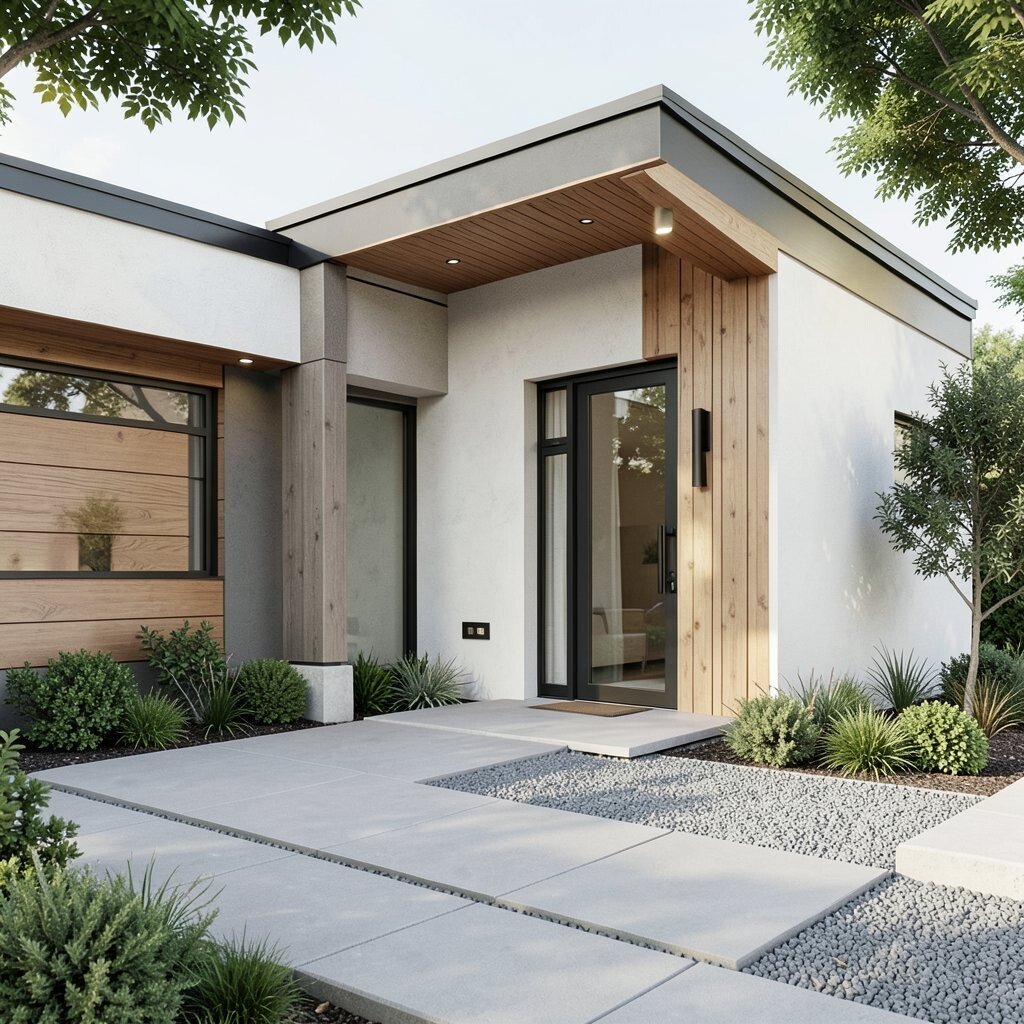
Stone, wood, metal, and brick can all look great, but too many at once can make the outside feel messy. A modern home often looks stronger when it uses just a few materials in a clean way.
Sticking to a small mix creates calm visual flow and makes the house easier to read from far away. It can also lower the bill, since fewer materials usually mean less labor and less waste, while still giving you room to add a standout texture in one special area.
For a fresh look, try one main material and one accent material, then repeat them in a few spots. That simple choice can feel current and stylish without looking overdone.
4. Choosing Colors That Clash

Bold paint colors can be exciting, but a clash can break the whole look. The outside of a home works best when the main color, trim, roof, and accents feel like a friendly team.
Soft gray, warm white, black, and earthy tones are popular because they make details easy to see. If you want more personality, use one brighter color on the front door or shutters so the design stays fun without feeling loud.
Testing samples in sun and shade helps you avoid expensive mistakes later. A color that looks rich in the store may look too bright outside, so a small test patch can save time and money while giving you a better result.
5. Forgetting About Nighttime Appeal
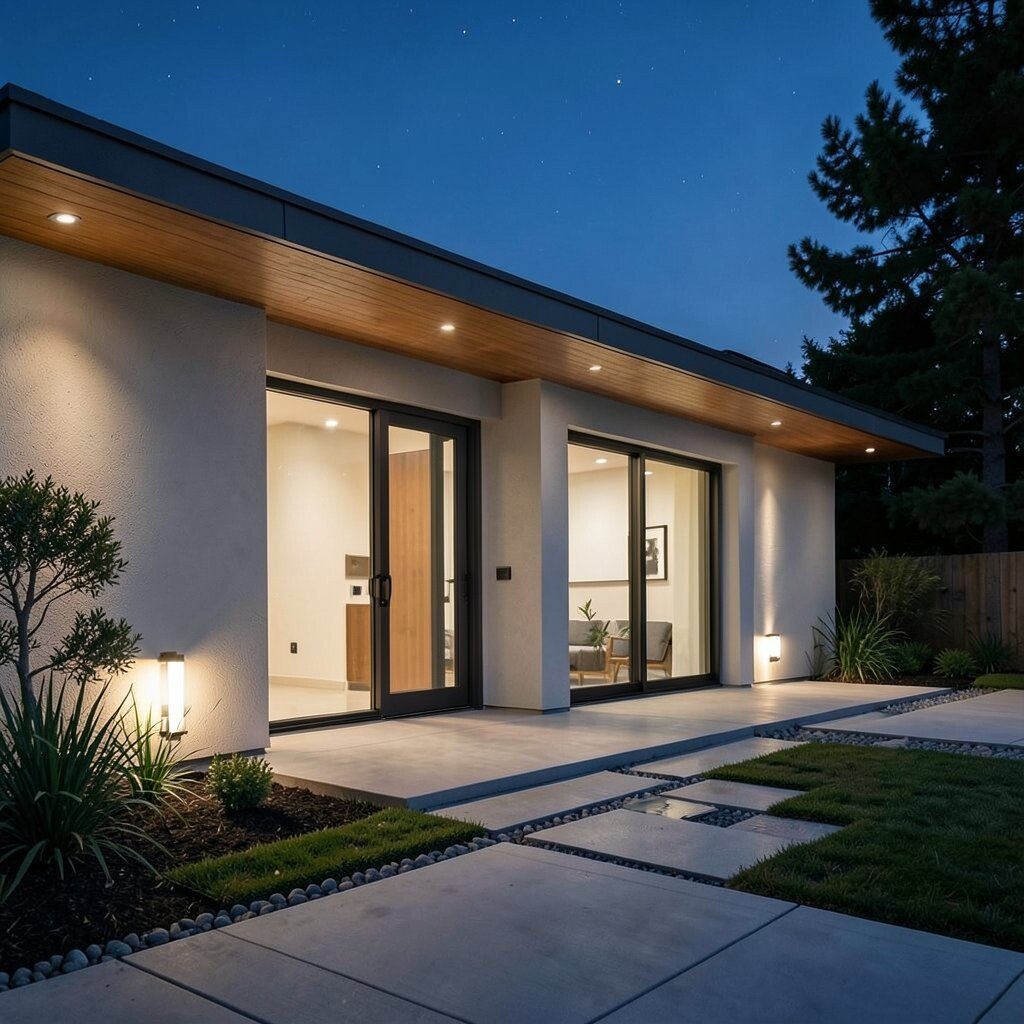
A home can look lovely during the day and still feel flat at night. Good lighting makes the shape, textures, and entry area glow in a soft and welcoming way.
Well-placed lights add safety, highlight details, and make the house feel finished after dark. Simple fixtures with warm bulbs are often the best value, and you can also add a modern touch with hidden strips or small uplights near plants.
Try to light the path, the door, and one or two special features instead of flooding everything with brightness. That approach feels more elegant and can keep energy use lower too.
6. Making the Entry Hard to Read
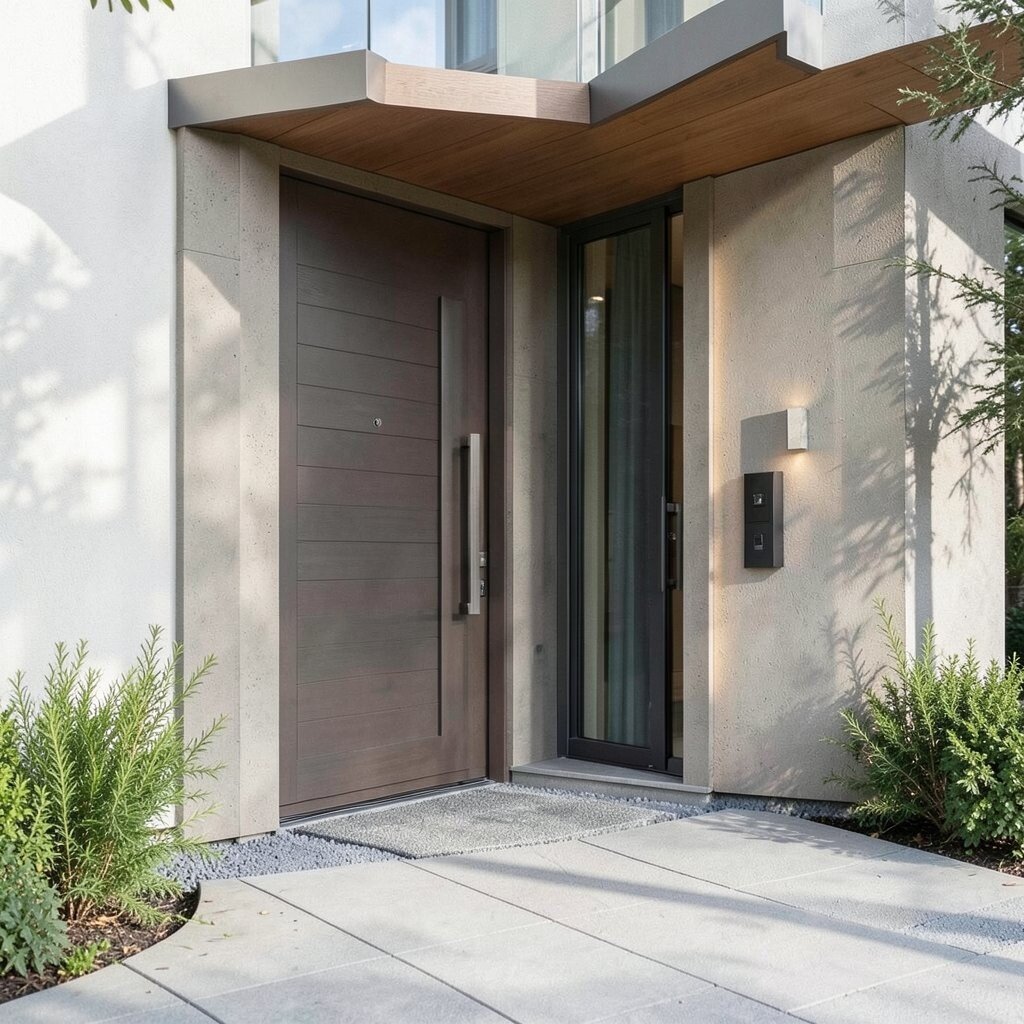
The front door should be easy to spot, but some exteriors hide it by accident. When guests cannot tell where to go, the home feels less welcoming and less clear.
Using a frame, a path, or a change in color can guide the eye right to the entrance. This small fix adds charm, improves daily use, and often costs much less than a major remodel.
A simple bench, a pair of planters, or a narrow awning can make the entry feel more personal. These details help the front of the house feel lived-in, not staged.
7. Overlooking Window Style and Placement
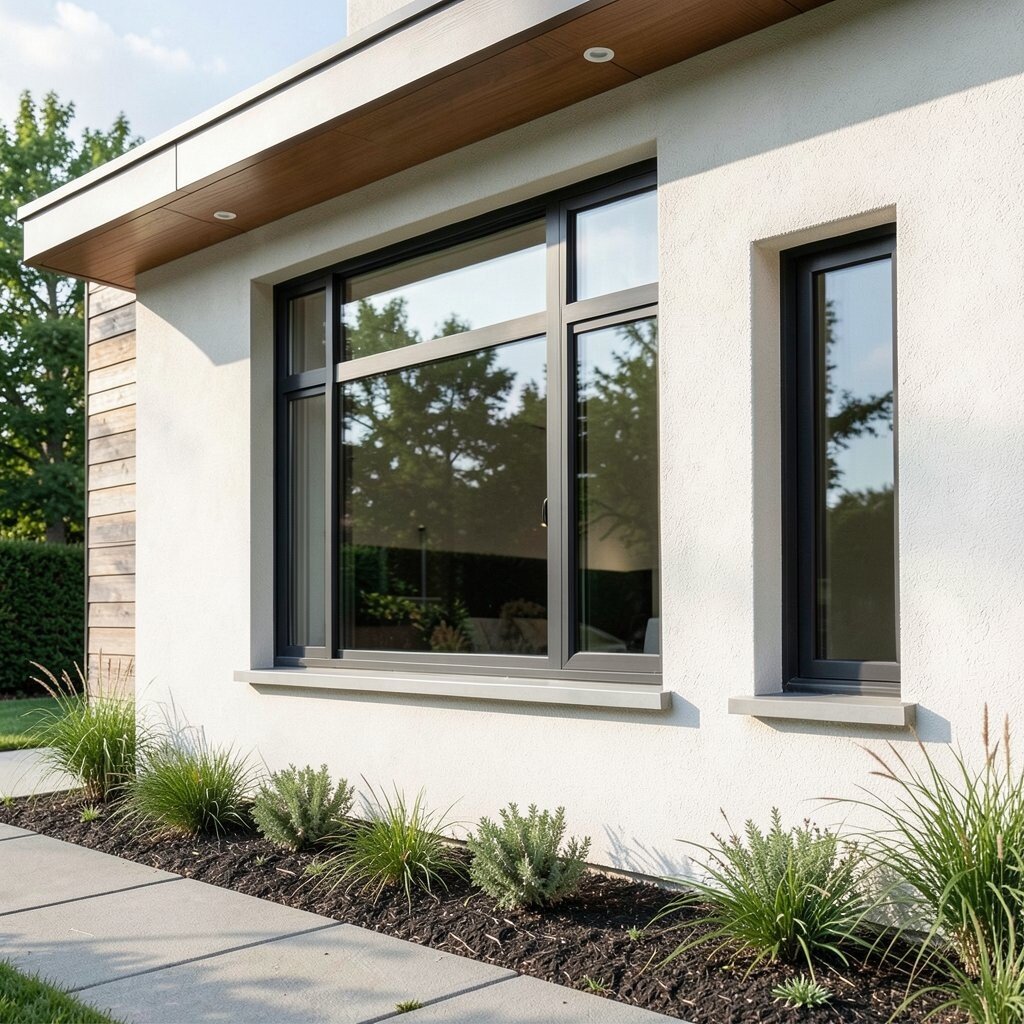
Windows are like the eyes of a home, and they should feel balanced. When they are too small, too large, or oddly placed, the whole exterior can seem off.
Matching window shapes and spacing gives the facade a calm rhythm that people notice right away. It can also boost natural light inside, which adds comfort and makes rooms feel bigger without major added cost.
If your budget is limited, new trim, black frames, or better window grouping can still improve the view. A well-chosen window style also supports your taste, whether you like a sleek modern feel or something a little softer.
8. Using One Flat Surface Everywhere
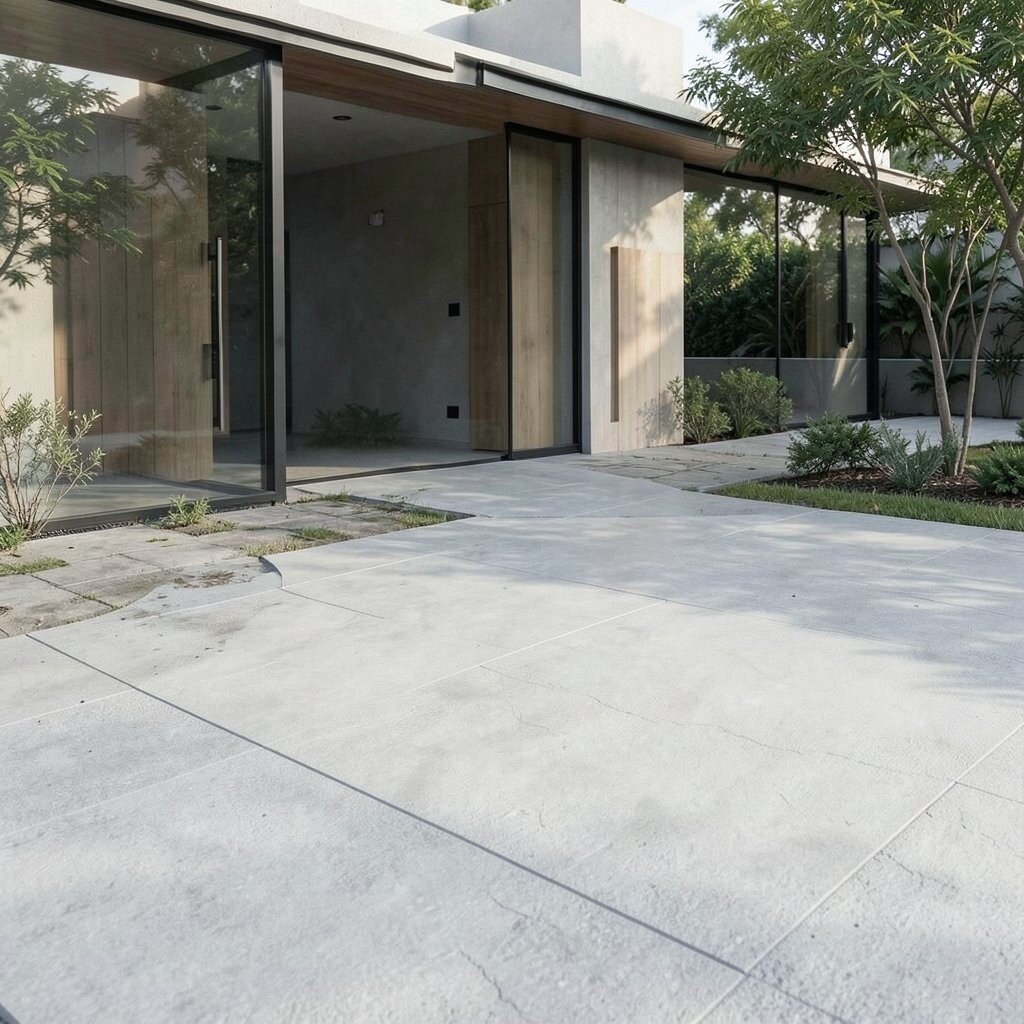
Large blank walls can make a home look unfinished and cold. A modern exterior needs some depth so the eye has places to rest.
Mixing textures like smooth panels, wood slats, or stone accents can make the house feel richer and more alive. Even a small change in material can give more visual interest without turning the design into a heavy project.
Adding shadows with overhangs or recessed sections is another smart way to create shape. These details often bring a high-end feel while staying practical and calm.
9. Skipping the Landscape Plan
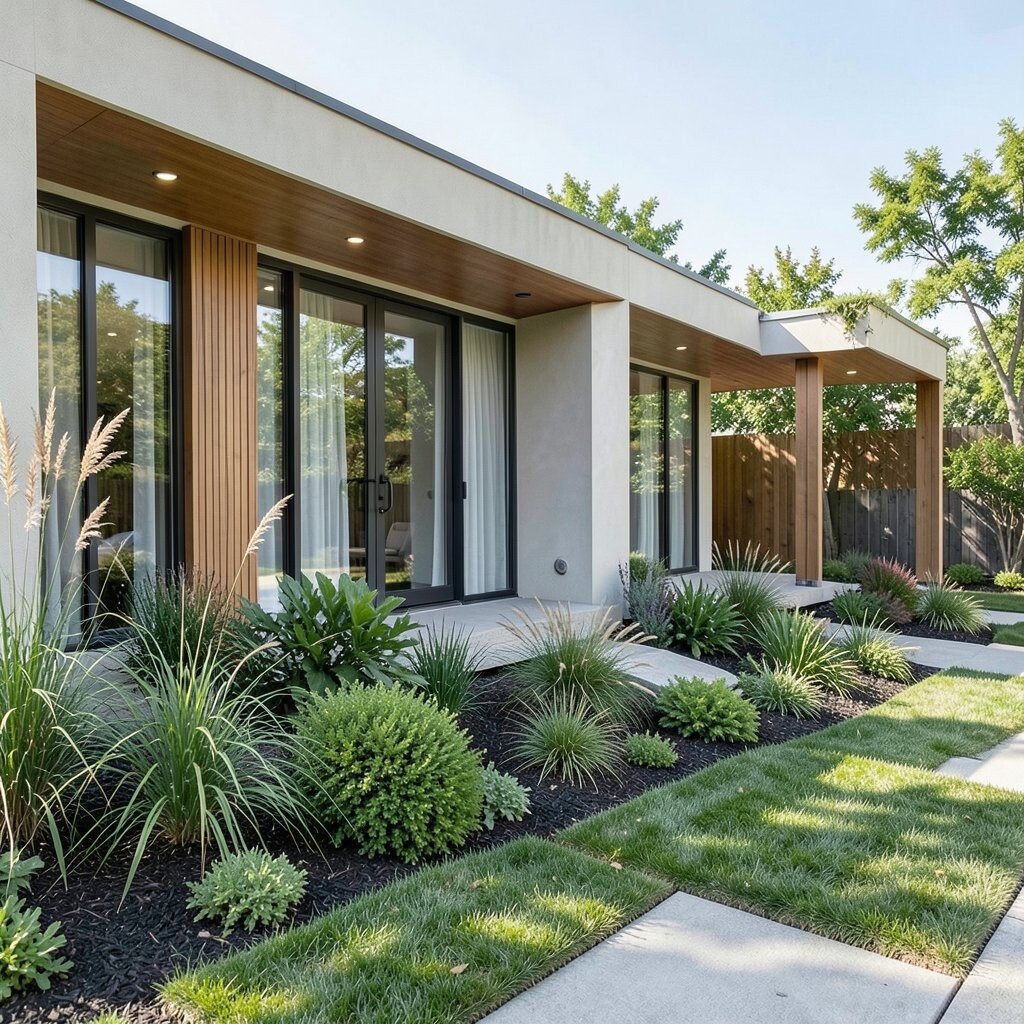
The yard and the house should work together, but that link is often forgotten. Without plants, paths, and clean edges, even a stylish home can look a little bare.
Simple landscaping softens hard walls and helps the exterior feel complete in every season. It can also be a smart budget choice because native plants and gravel paths often cost less than fancy hardscape work.
Choose plants that match the scale of the house so the front does not feel crowded or tiny. A few well-placed shrubs, grasses, or trees can bring color, movement, and your own style to the scene.
10. Making the Roof Feel Like an Afterthought

The roof covers a huge part of the home, so it should never be ignored. If its color or shape clashes with the rest, the full design can lose its charm.
A roof that fits the walls and trim helps the house look complete and steady. Dark shingles, standing seam metal, and mixed tones are popular right now because they add a crisp modern edge.
Roof repairs and upgrades can be costly, so it helps to choose a look that will stay appealing for years. Picking a style that suits the whole house gives better value and saves you from wishing you had chosen differently later.
11. Crowding the Front With Too Many Decorations
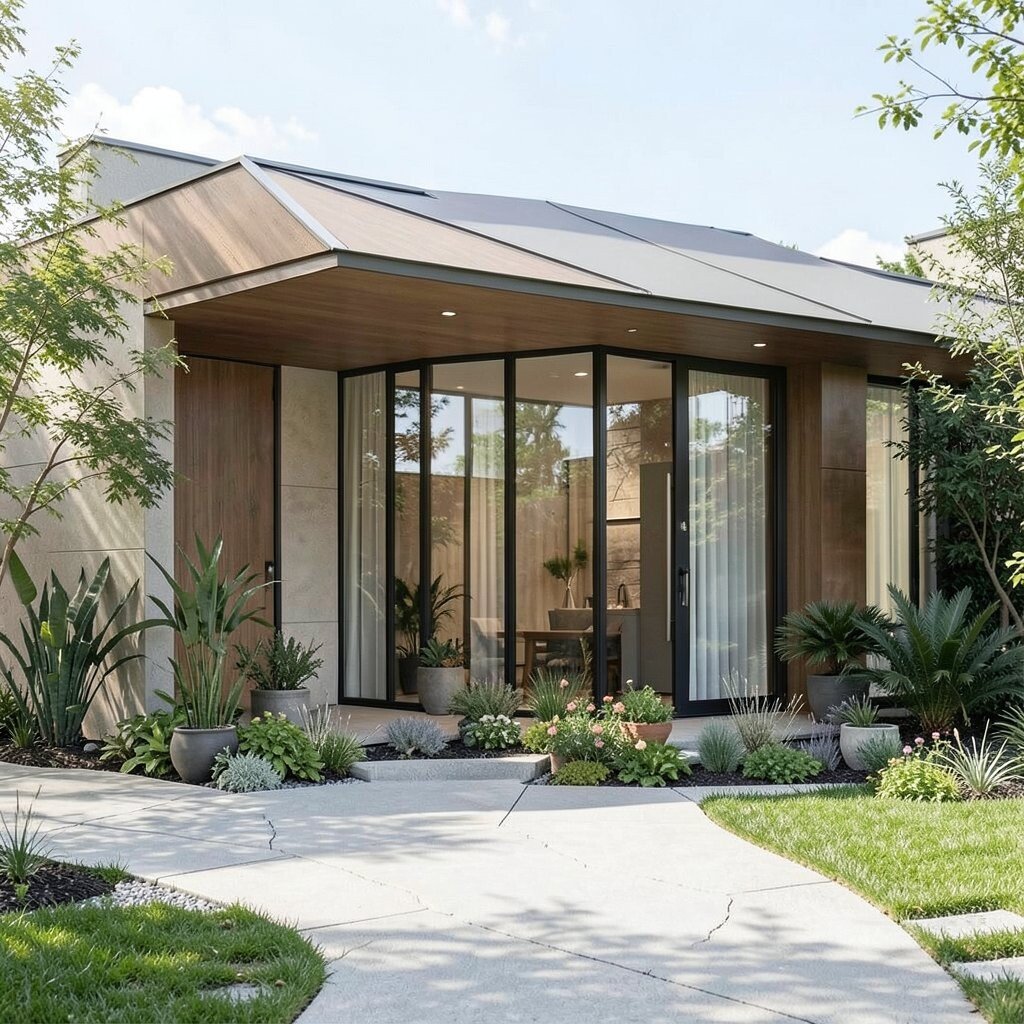
Modern design usually feels strongest when it is simple and clean. Too many lanterns, signs, wreaths, and small objects can make the outside feel busy instead of calm.
A few strong pieces often look better than a dozen tiny ones. That makes the home feel more unique because each detail gets room to stand out, and it can also save money by helping you buy less but choose better.
Pick one or two accents that match the house style, such as a sculpted planter or a smooth bench. The result feels more personal and more current without making the space feel crowded.
12. Forgetting About Scale
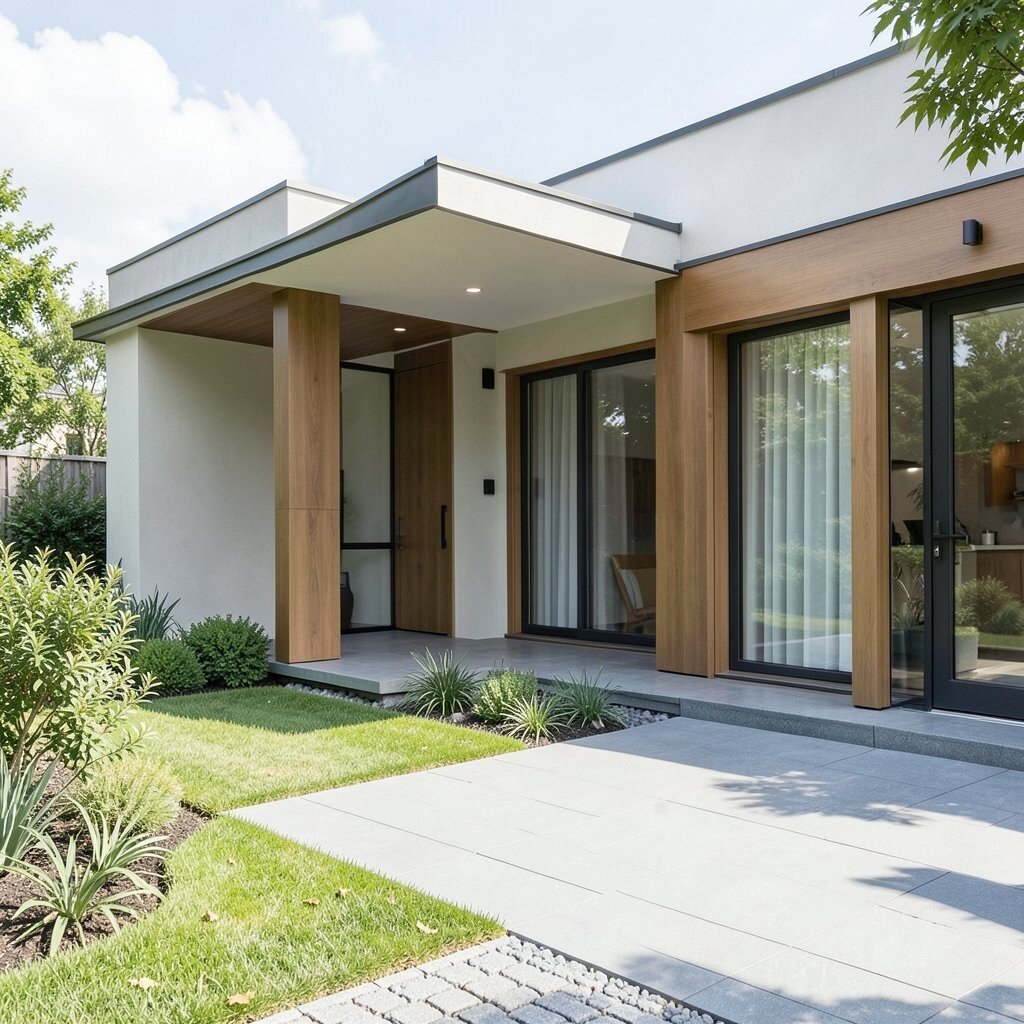
Scale matters because every object outside has to fit the size of the home. Tiny lights on a large wall or huge planters beside a small entry can both feel awkward.
When items are sized well, the exterior looks thoughtful and balanced. This also helps with shopping, since buying the right size the first time is usually cheaper than replacing pieces that feel wrong.
Look at the house from the curb and compare each feature to the wall around it. If something feels too small or too large, adjust it until the full view feels smooth and easy on the eyes.
13. Leaving the Garage Too Plain
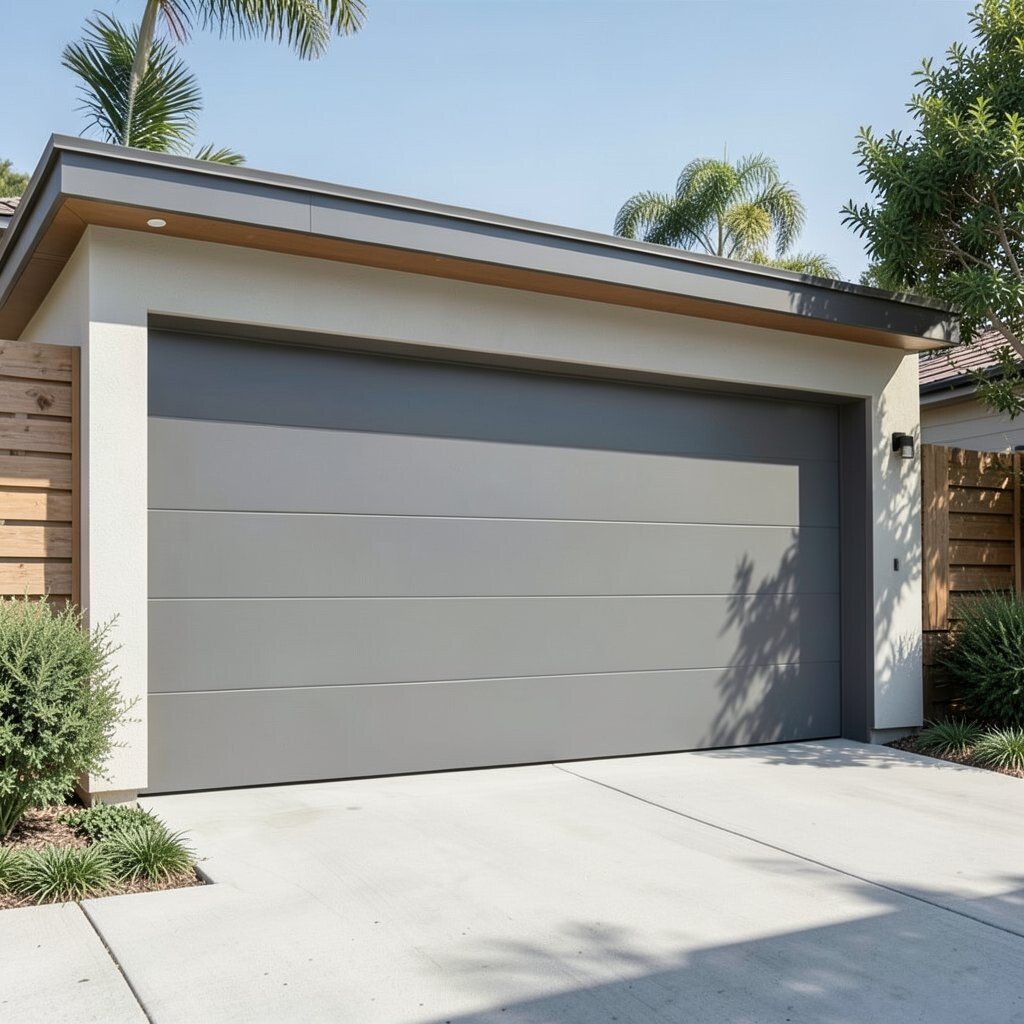
The garage often takes up a big part of the front view, so a blank door can hurt the whole design. If it looks flat and dull, it can pull attention away from the prettier parts of the home.
Panel details, wood tones, or matching paint can help the garage feel like part of the home instead of a box added on. These updates can bring a modern look without a full rebuild, which makes them a smart cost choice for many families.
You can also soften the area with lights, a small tree, or a clean driveway edge. Those touches make the exterior feel more complete and show a little more of your own style.
14. Using Weak Materials in Visible Spots
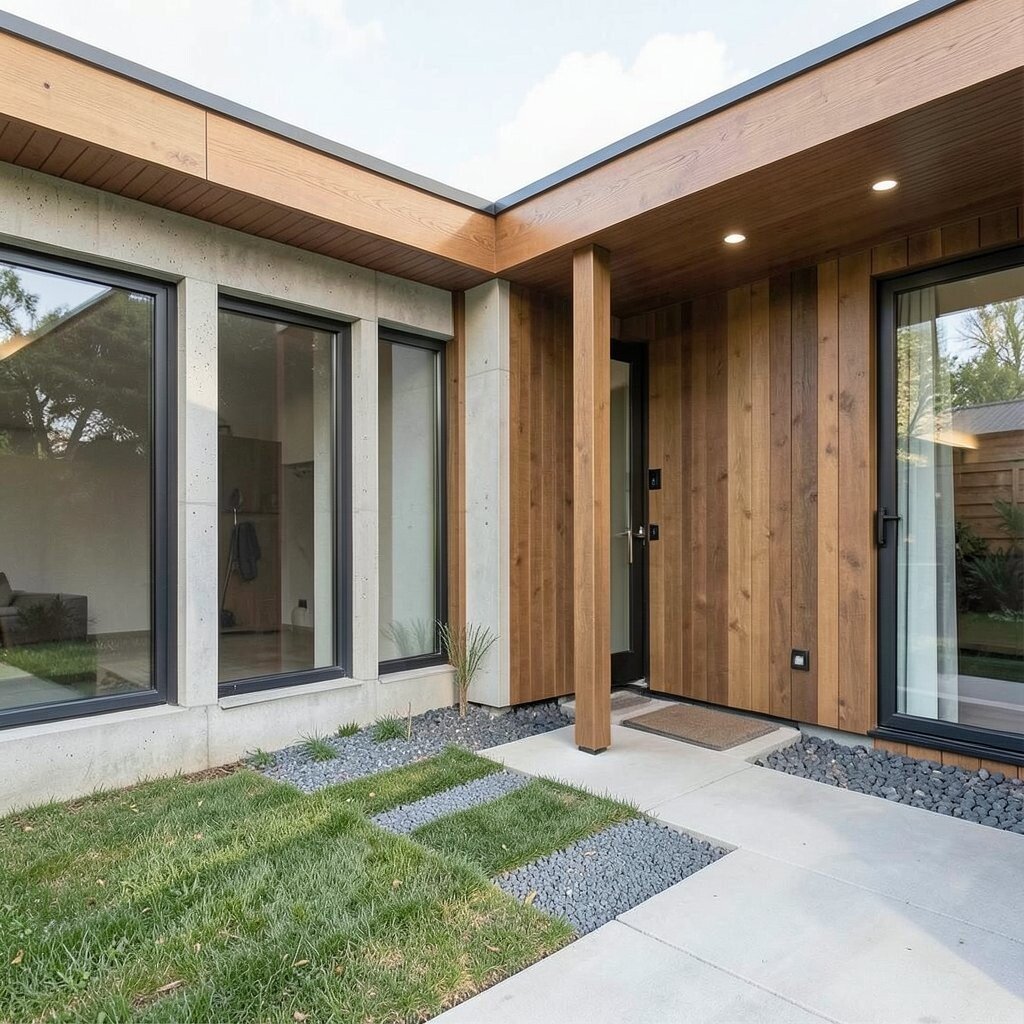
Some materials look fine for a short time but wear down fast outdoors. When that happens, the home can quickly lose its sharp look and start feeling tired.
Choosing sturdy siding, trim, and finishes helps the exterior stay fresh longer and reduces future repair costs. Durable options often give better value because they keep their color and shape while still fitting modern tastes.
It is smart to save money on hidden parts and spend more on the pieces people actually see. That balance keeps the house attractive and lets you personalize the design with details that last.
15. Forgetting About Privacy
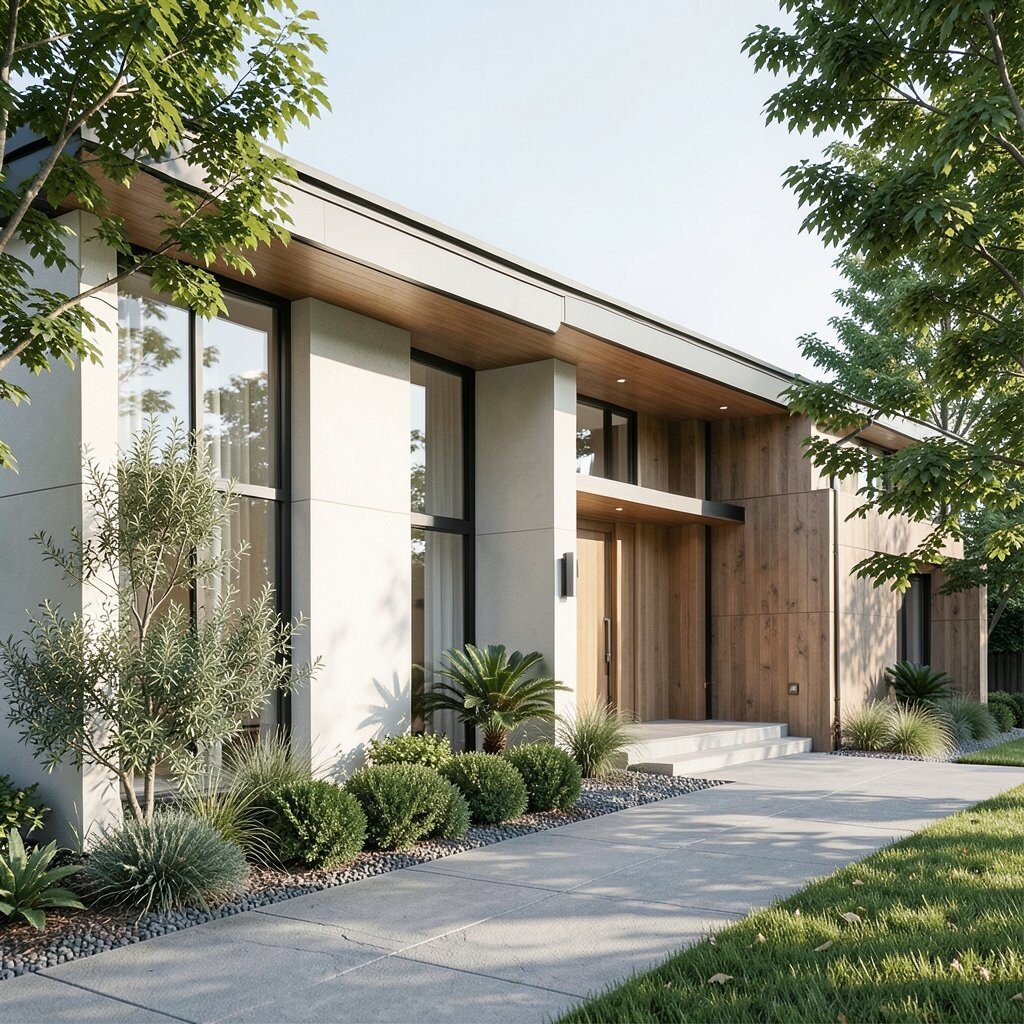
A beautiful home still needs to feel comfortable to live in. If the front yard or windows are too exposed, the space may look nice but feel awkward.
Smart screening with trees, frosted glass, or a low wall can protect privacy while keeping the exterior open and stylish. This can also add depth and texture, which gives the design a more polished and modern feel.
Privacy features do not have to look heavy or closed off. Light layers of planting and simple fencing can feel welcoming, save on major construction, and still fit your own way of living.
16. Neglecting the Walkway
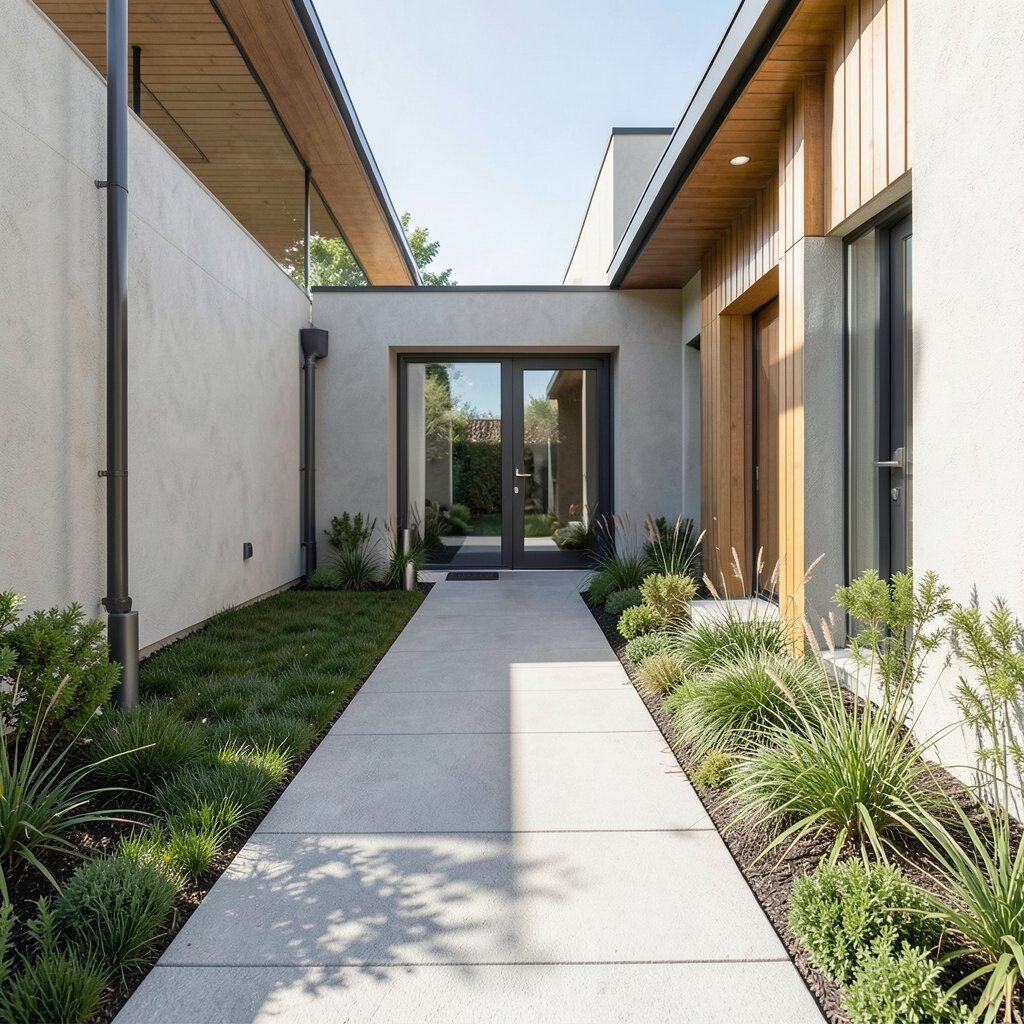
The path to the front door is part of the first impression, but it is often treated like a small side job. A cracked or awkward walkway can make even a lovely house seem less cared for.
A clean path with clear edges helps guide visitors and gives the entrance a finished look. Materials like pavers, gravel, or smooth concrete can match modern trends and come in a range of prices, so there is usually a good fit for different budgets.
Simple curves or straight lines can each work well, depending on the home’s shape. If you choose the path with care, it adds beauty, function, and a sense of welcome all at once.
17. Picking Hardware That Does Not Match
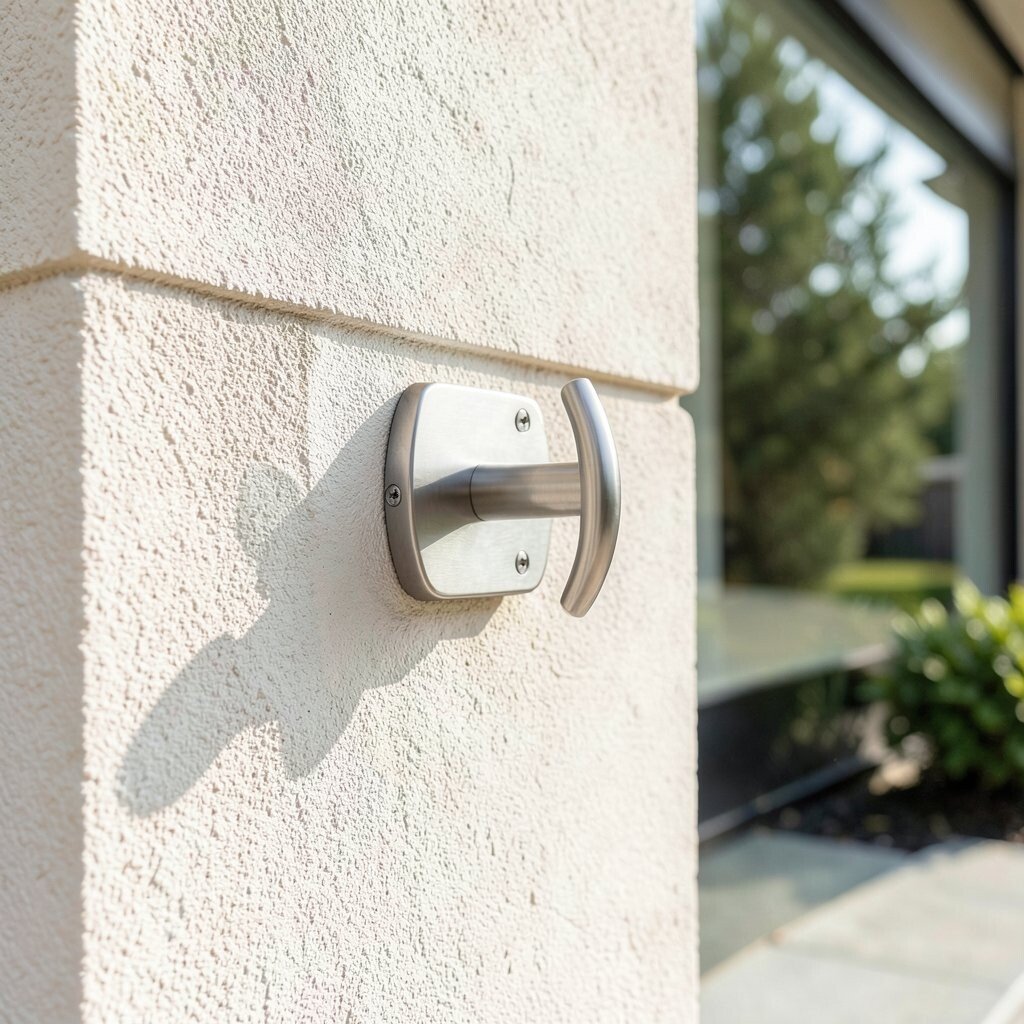
Door handles, house numbers, mail slots, and light fixtures may seem small, but they matter a lot. When these parts do not match, the design can feel pieced together and less refined.
Keeping finishes in the same family, such as matte black or brushed metal, gives the home a cleaner look. It also makes the exterior feel more unique because the details look intentional instead of random.
These upgrades are often affordable, which makes them a great way to improve the front of the house without a big project. A few well-chosen pieces can add a modern edge and show your personal taste right away.
18. Ignoring Weather and Sun

What looks good in a photo may not work well in your climate. Strong sun, heavy rain, snow, or wind can change how colors, plants, and materials hold up.
Choosing finishes made for your weather helps the home keep its beauty longer and lowers future upkeep. This practical step can save money over time, and it also supports a look that stays crisp in real life, not just on day one.
Shady homes may need different paint tones than bright ones, while hot areas may need cooler materials and hardy plants. A design that fits the local weather feels smarter, more personal, and more useful every season.
19. Making Everything Too Symmetrical

Balance is good, but perfect symmetry can feel stiff. Many modern homes look better with a little movement and surprise.
Asymmetrical planters, mixed window sizes, or a side entry detail can make the exterior feel more lively. This kind of design often feels more current because it gives the eye something fresh to enjoy.
Small shifts can create a custom look without changing the whole house. That can be a clever way to keep costs manageable while still giving the front a strong sense of style.
20. Forgetting the View From the Street
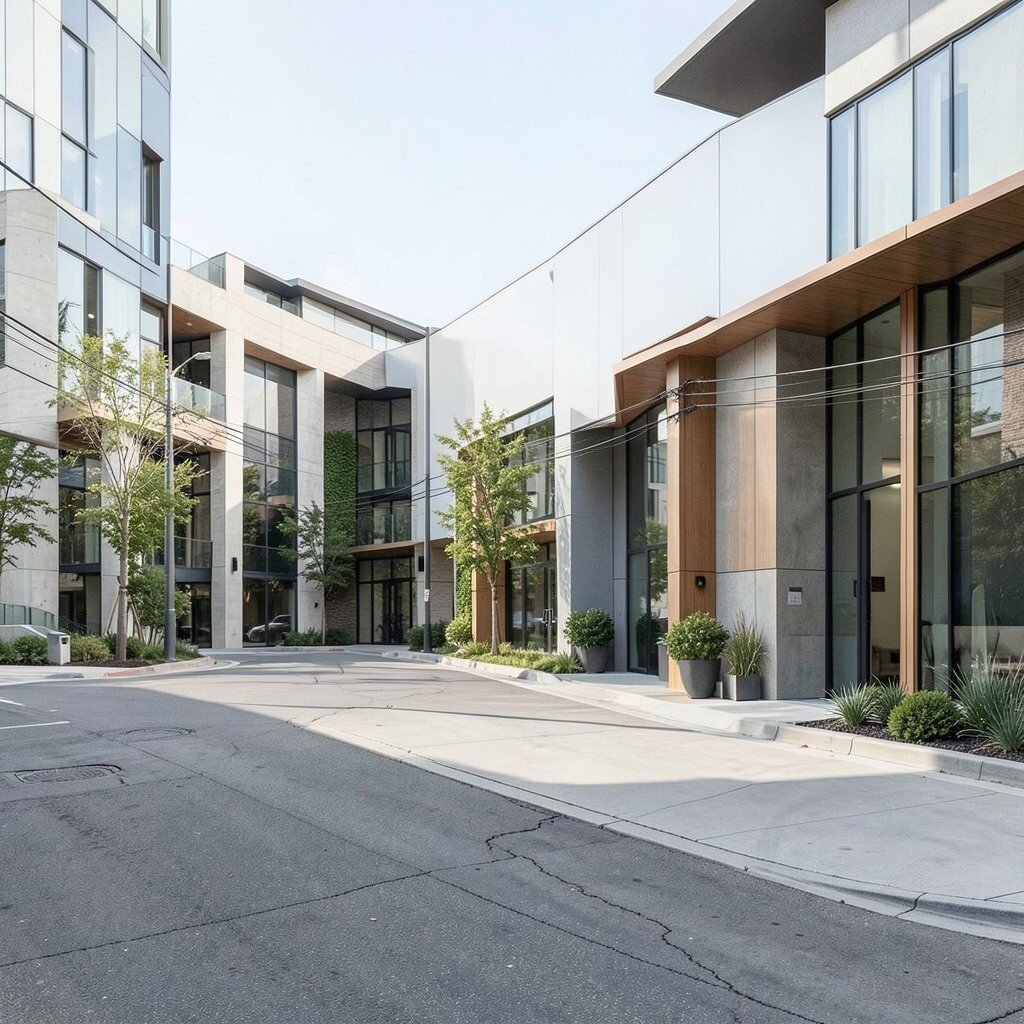
Homeowners often focus on what looks good up close and forget the far view. From the curb, some details disappear while others become too strong.
Step back often and look at the whole front as one picture. This helps you spot clutter, weak spots, or color problems before they become expensive fixes.
A design that reads well from the street usually feels more confident and polished. It also helps you decide where to spend and where to simplify so the full look stays clear.
21. Leaving No Room for Personal Style
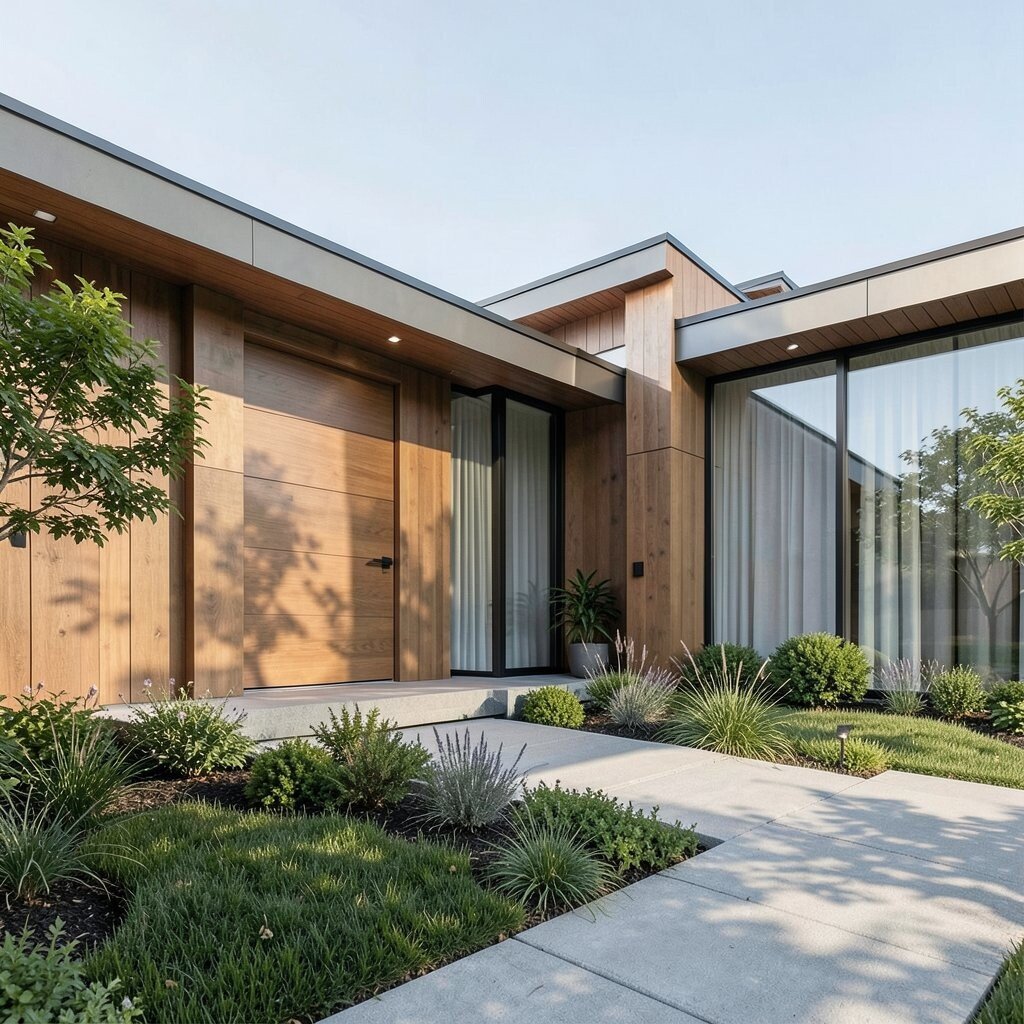
A modern exterior should feel current, but it should also feel like home. If every choice is too plain, the house may look nice but not memorable.
Adding a favorite color, a custom light, or a special garden detail can give the design heart. These touches help the home stand out in a friendly way and make the exterior feel more human.
Personal style does not need to be loud or costly to work well. Even a simple detail, like a wood bench or a unique front door finish, can make the whole space feel warmer and more inviting.
22. Rushing the Final Decisions

Exterior design rewards patience because so many parts depend on each other. When choices are made too fast, the home can end up with mismatched colors, awkward materials, and a look that feels unfinished.
Taking time to compare samples, view them in daylight, and test them against the house shape leads to better results. That slower approach often saves money too, since careful planning helps avoid redo work and brings a cleaner, more lasting finish.
It also gives room for creativity, which is where the best designs often begin. When every choice is made with care, the house can feel stylish, useful, and true to your own taste.