
A modern living room should feel effortless, not forced. Small missteps can quietly make the whole space look outdated.
You can fix most of them with simple choices that match how you actually live.
1. Ignoring the layout flow.
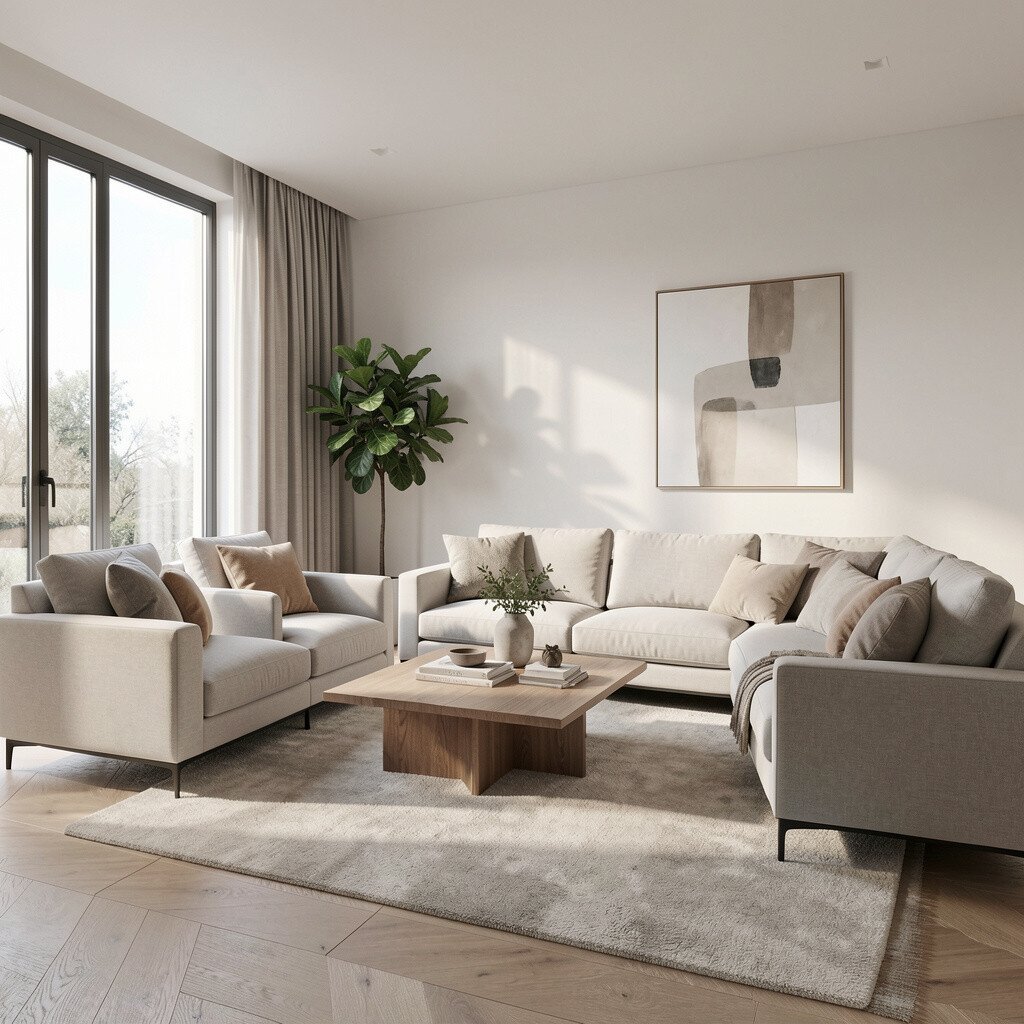
Many people start by picking a sofa they love, then they wonder why the room feels cramped. Before you buy, measure paths for walking and how you move from seating to the TV or coffee table.
Keep a clear walkway so the space feels calm instead of busy. A practical move is to position the biggest piece first and then build outward with chairs and side tables. When the layout works, guests naturally settle in and you feel more relaxed at home.
2. Overcrowding the room with matching sets.
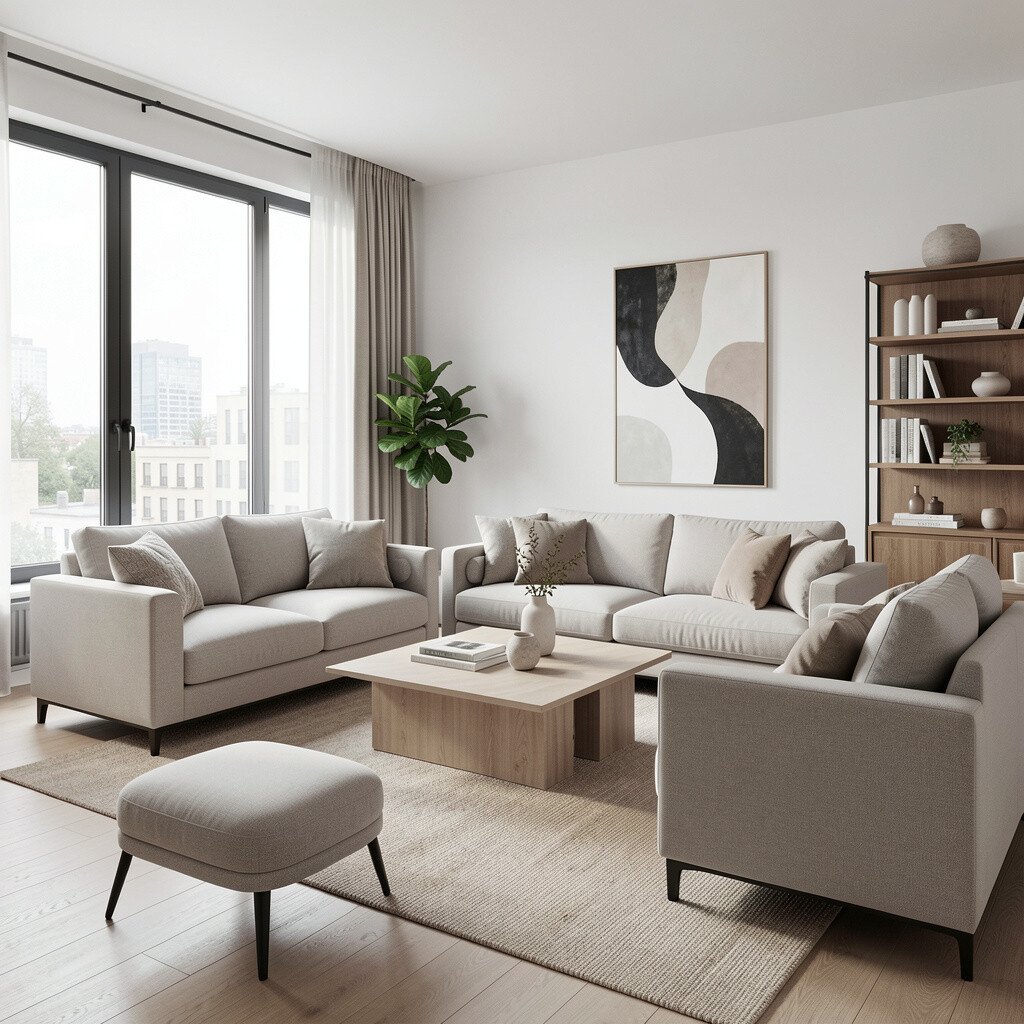
Some rooms look modern on day one, then quickly feel like a showroom. Buying a “complete set” often leads to furniture that looks identical in scale and personality.
Instead, mix shapes and finishes while staying consistent in color. Choose one main sofa and add two different seating options that share a similar fabric tone. That small shift brings uniqueness and makes the room feel collected, not copied.
You can keep cost under control by shopping in stages, starting with the sofa and then adding one accent piece at a time. Look for secondhand items in great shape and update them with simple upgrades like new legs or slipcovers.
3. Choosing the wrong scale for your space.
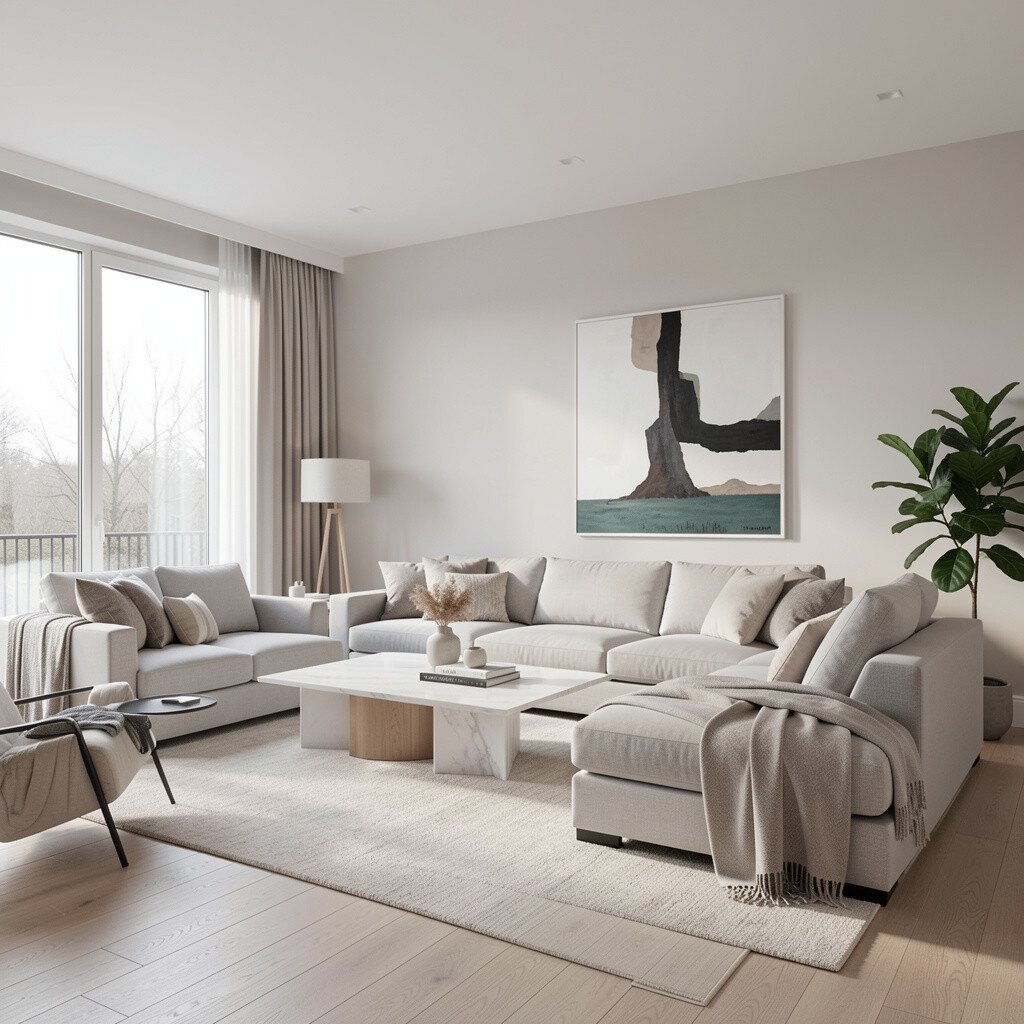
A common problem is buying a coffee table that’s too small or too low, which makes everything feel awkward. When the scale is off, even nice furniture can look “stuck” in the room.
Use a quick check by imagining everyday actions like reaching for a drink or leaning back to watch. Aim for side tables that match the height of your sofa arms so it feels comfortable. If you love a large sectional, confirm it leaves enough space around it for easy movement.
For personalization, choose artwork and decor that are sized to the wall, not to your phone’s screen. Bigger spaces usually need bolder pieces, while smaller rooms benefit from fewer, well-chosen items that breathe.
Also, watch for hidden cost since returns and exchanges add up fast. Buying the right size the first time saves money and prevents the “why doesn’t this work?” feeling.
4. Failing to balance warm and cool tones.
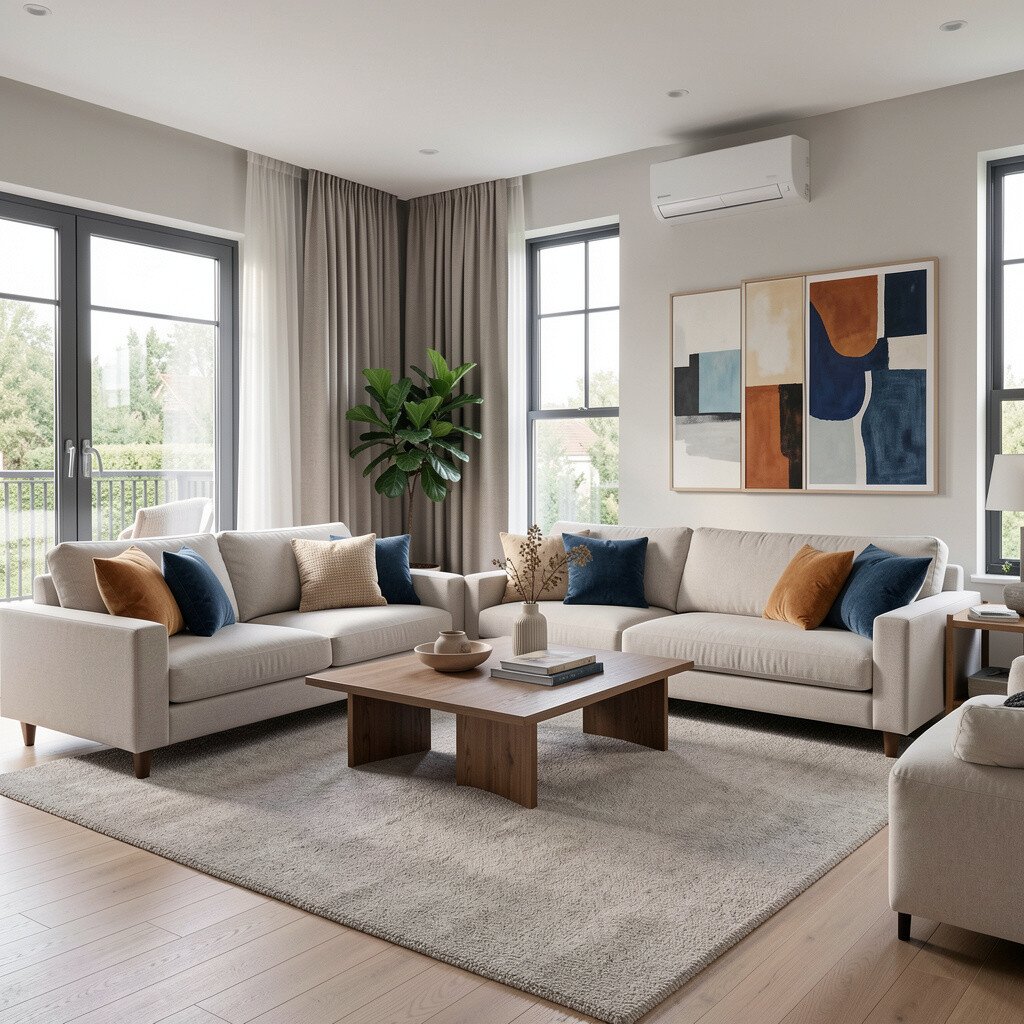
Modern style can look either inviting or cold, depending on your color choices. If everything is gray on gray with no warmth, the room can feel sterile.
Add a warm element like walnut wood, caramel leather, or soft ivory textiles. Then ground it with a few cool notes like black metal frames or matte ceramics. This contrast creates a natural visual rhythm that still feels clean and contemporary.
5. Using too many bold colors at once.

Color is exciting, but too many strong shades can fight for attention. The room starts to feel loud instead of stylish.
Pick one main accent color and repeat it in two or three places, like cushions, a rug pattern, or a vase. Keep the rest of the palette calm so the bold bits feel intentional.
If you want a trend look, consider muted jewel tones or earthy terracotta that pair nicely with neutral walls. You can test color with removable items so changing your mind later won’t be painful or expensive.
6. Skipping window treatment planning.
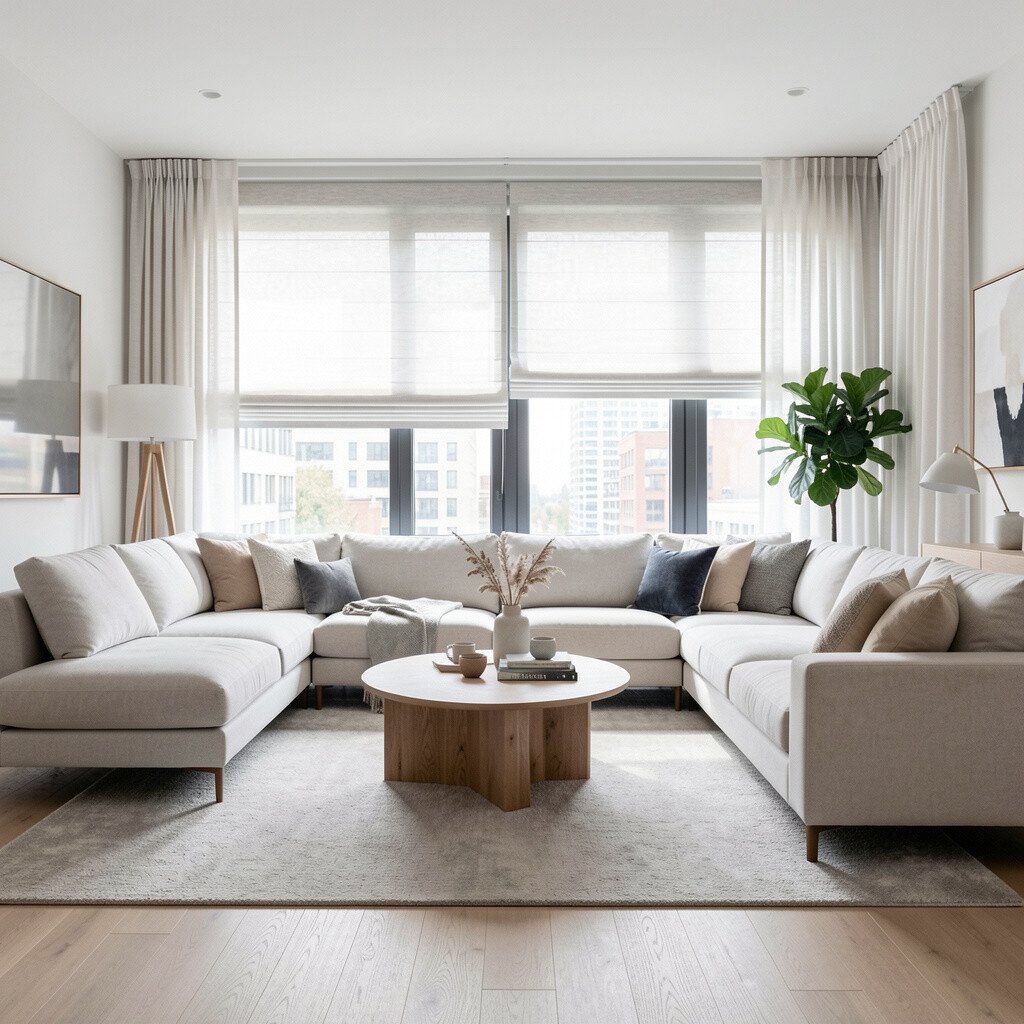
Some modern rooms look unfinished because curtains are missing or too short. Harsh daylight and glare can also make seating areas less relaxing.
Choose window treatments that match the room’s lines, like simple roller blinds or floor-length curtains with minimal hardware. Soft fabric adds comfort while still keeping the look sleek. If privacy matters, layered options let you control light without losing style.
7. Choosing the wrong lighting temperature.
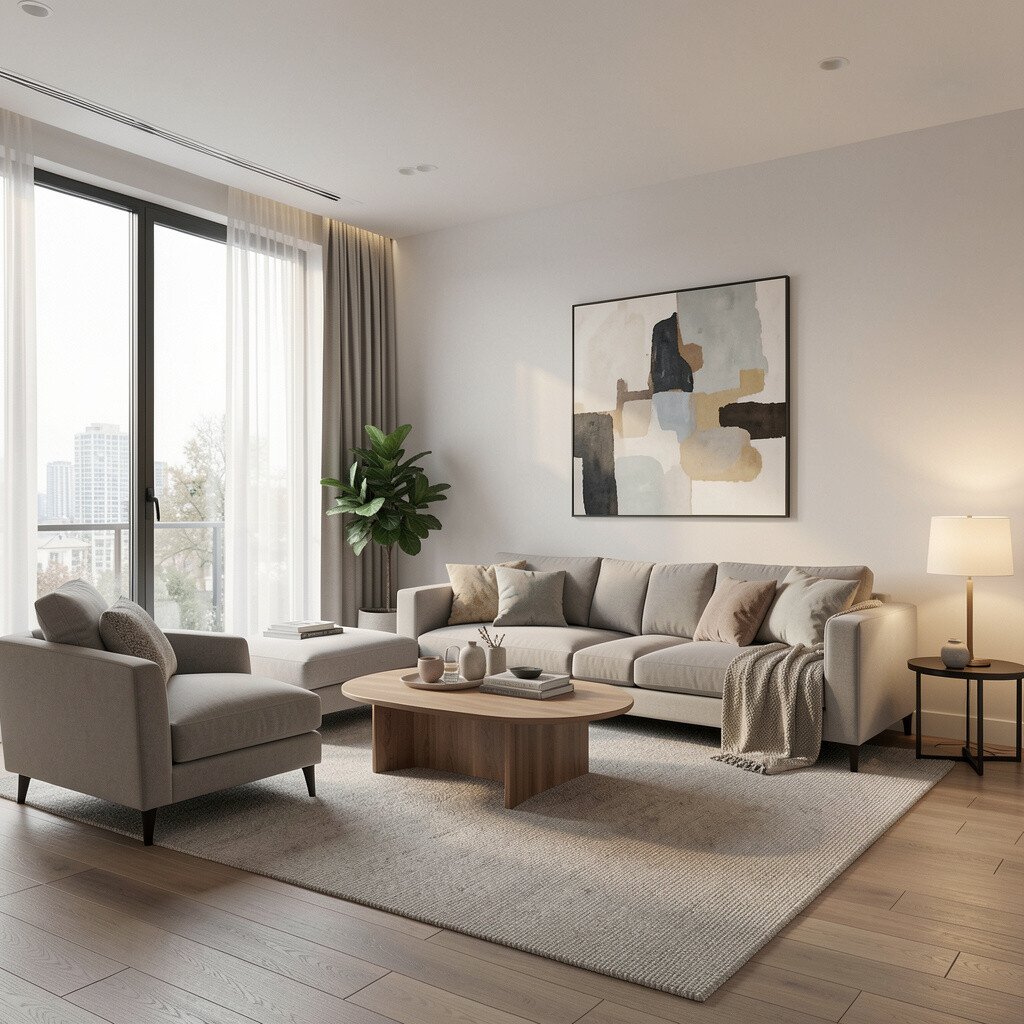
Even beautiful decor can look flat when the lighting is too blue or too yellow. You might feel like the room is dim, even if it’s bright.
Use warm-to-neutral bulbs for cozy evenings and cooler light near reading spots. Consider layered lighting with a ceiling fixture, a floor lamp, and a table lamp so the room adapts to different moods. This helps your space feel polished and lived-in.
8. Overlooking layered lighting and shadows.
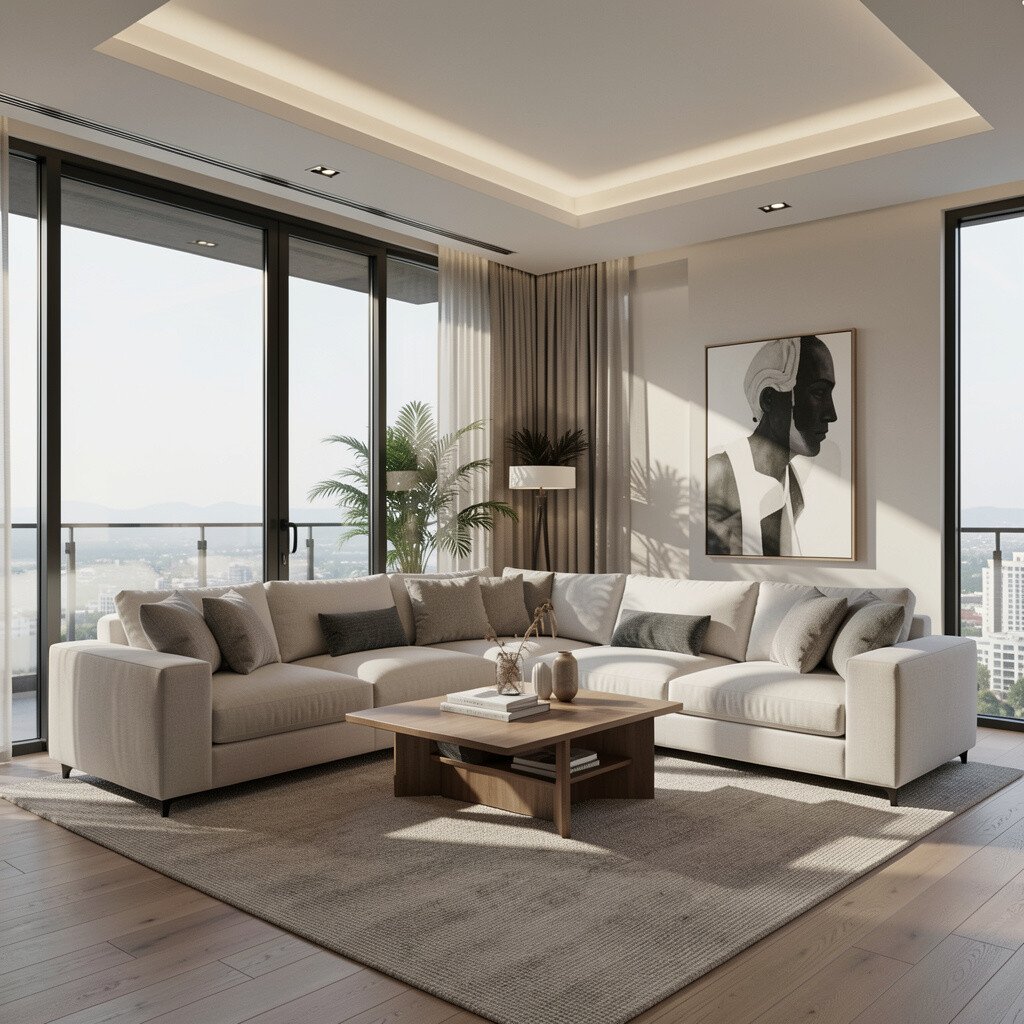
Relying on one overhead light makes a room feel harsh and shadows block the cozy feel. Modern design looks best when lighting is spread across the space.
Try mixing sources so walls and corners get gentle light too. A dimmable option is a small upgrade that makes entertaining and relaxing easier. When shadows soften, textures like rugs and throws look more inviting.
9. Forgetting about texture.

Many modern living rooms look stylish, but they can feel too smooth and slippery. Without texture, the room misses that comforting, lived-in vibe.
Add texture through a boucle chair, a knit throw, a textured rug, or matte wall paint. The mix of soft and structured elements gives your space depth and visual interest. You’ll also find it makes the room more comfortable for lounging.
To keep costs reasonable, update texture first with textiles since they’re easier to change than furniture. Swap a flat rug for a thicker one or add a few patterned cushions that match your color theme.
10. Neglecting storage in plain sight.
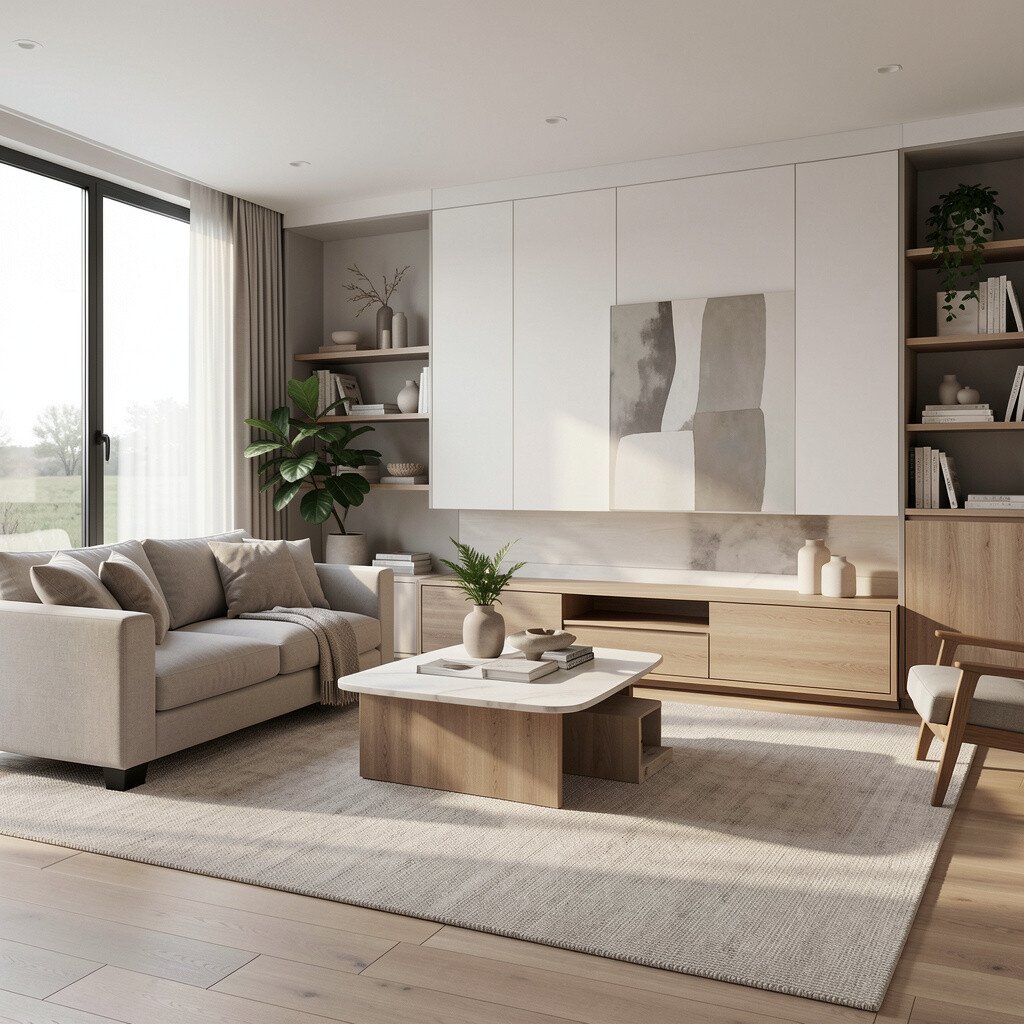
In modern spaces, clutter is extra noticeable because lines and surfaces are usually clean. If cables, remotes, and everyday items sit out, the room won’t feel finished.
Use media consoles with doors, baskets with lids, or built-in style shelves to hide the busy parts. Keep a few decorative pieces on display, but limit what you leave on open surfaces. That simple habit helps the room stay crisp without feeling empty.
For personalization, store your favorites while still showing character. A small tray on a side table or a stack of books with a consistent spine color can look intentional and modern.
11. Making the TV the only focus.
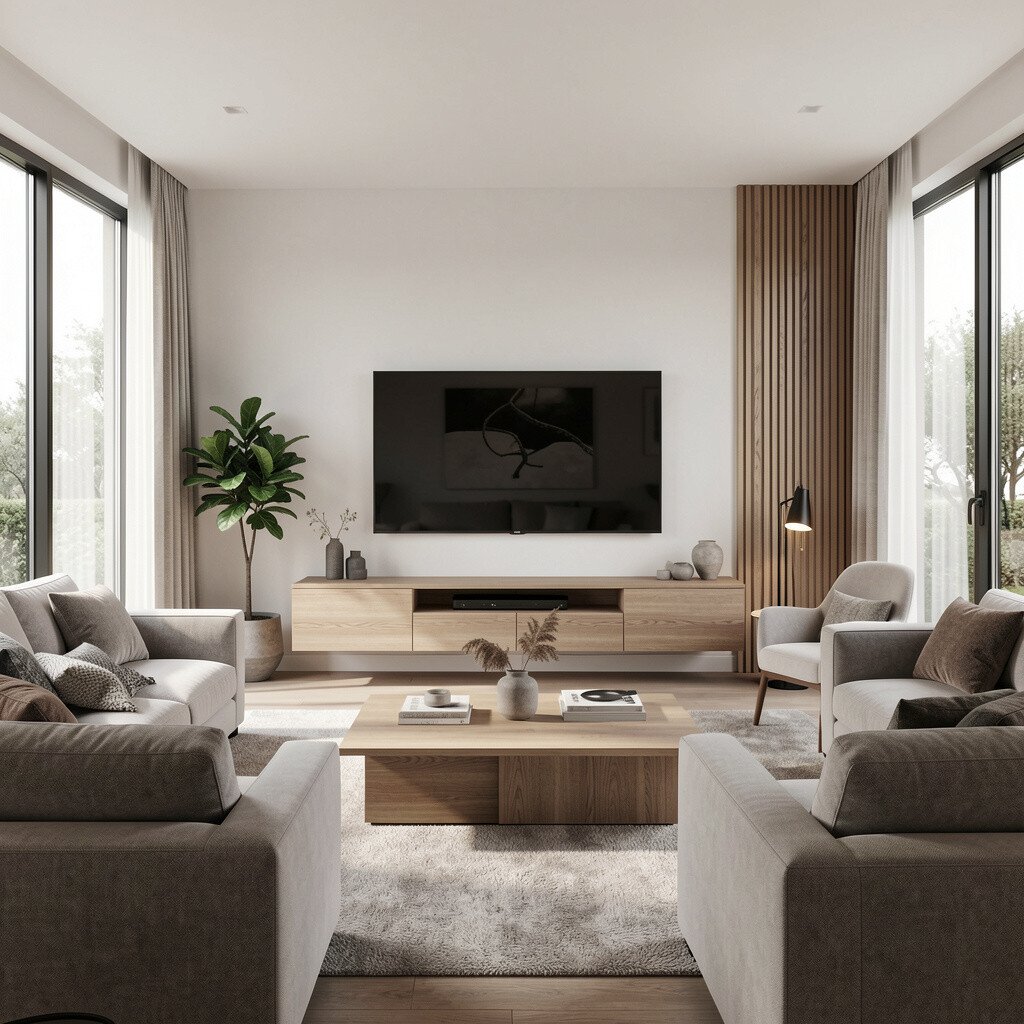
When the TV is the main star, the rest of the room can feel like an afterthought. Modern living rooms should also support conversation and comfort.
Create a balanced focal point using a large art piece, a fireplace style feature, or a gallery wall. If you love your TV setup, place seating so people can talk while still enjoying the screen. A media wall with integrated shelving can also keep things tidy.
12. Choosing art that’s too small or too random.

Small art can look lost on a large wall, even if it’s beautiful. Random placement can also break the modern look because the composition feels unfinished.
Go for a bold size that fits the wall space, then keep spacing consistent. A clean grid or a single large piece often looks more modern than a scattered mix. For a personal touch, use artwork that reflects your daily life, like travel prints or family photos with a modern frame.
13. Using only hard surfaces and no softness.
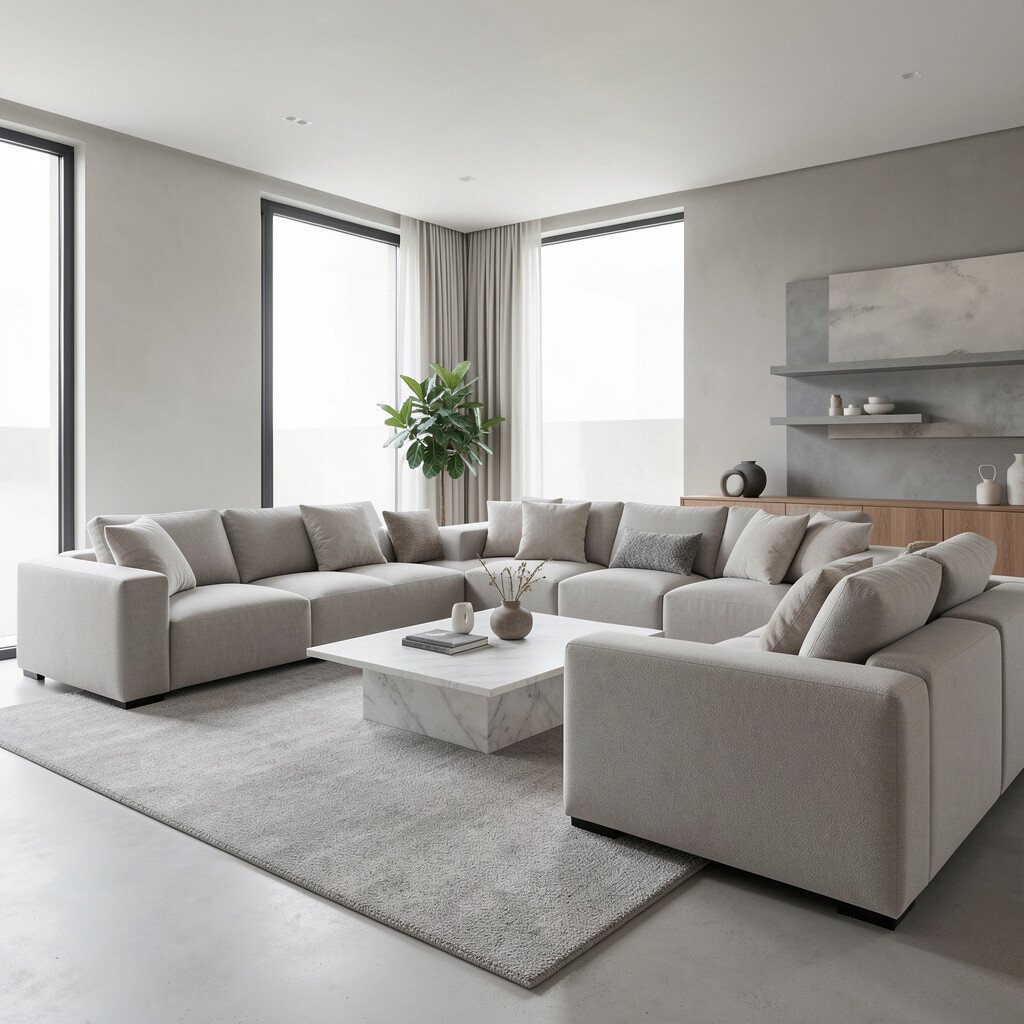
A room with lots of glass, metal, and bare flooring can sound echoey and feel less inviting. Even a gorgeous modern sofa can feel uncomfortable if the room lacks softness.
Add a rug with enough thickness to define the seating area and reduce noise. Then soften the look with cushions, curtains, and a throw that you actually want to touch. This makes the space feel welcoming while still honoring modern lines.
14. Picking a rug without measuring the seating area.
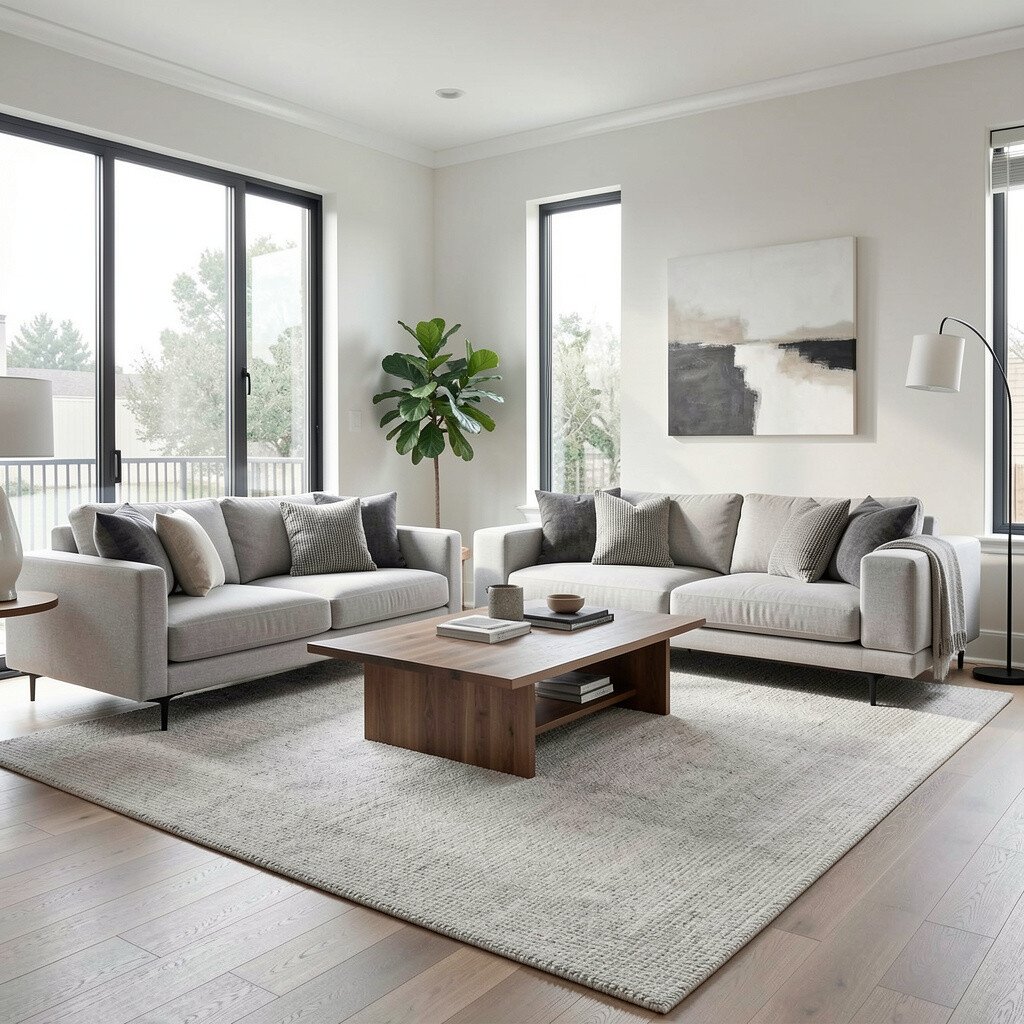
Many rugs look great in a store, but they shrink the room once you place them. If the rug is too small, the furniture can look like it’s floating.
Measure so the front legs of your seating usually sit on the rug, which visually anchors the area. Choose a pattern that fits your style, like subtle geometric lines for a modern feel. If you want trend-forward, consider low-contrast patterns or soft abstract designs.
Cost matters here, so aim for quality under the main pieces first. A rug with a better weave may cost more upfront, but it lasts longer and keeps your room looking fresh.
15. Forgetting the “everyday” details.
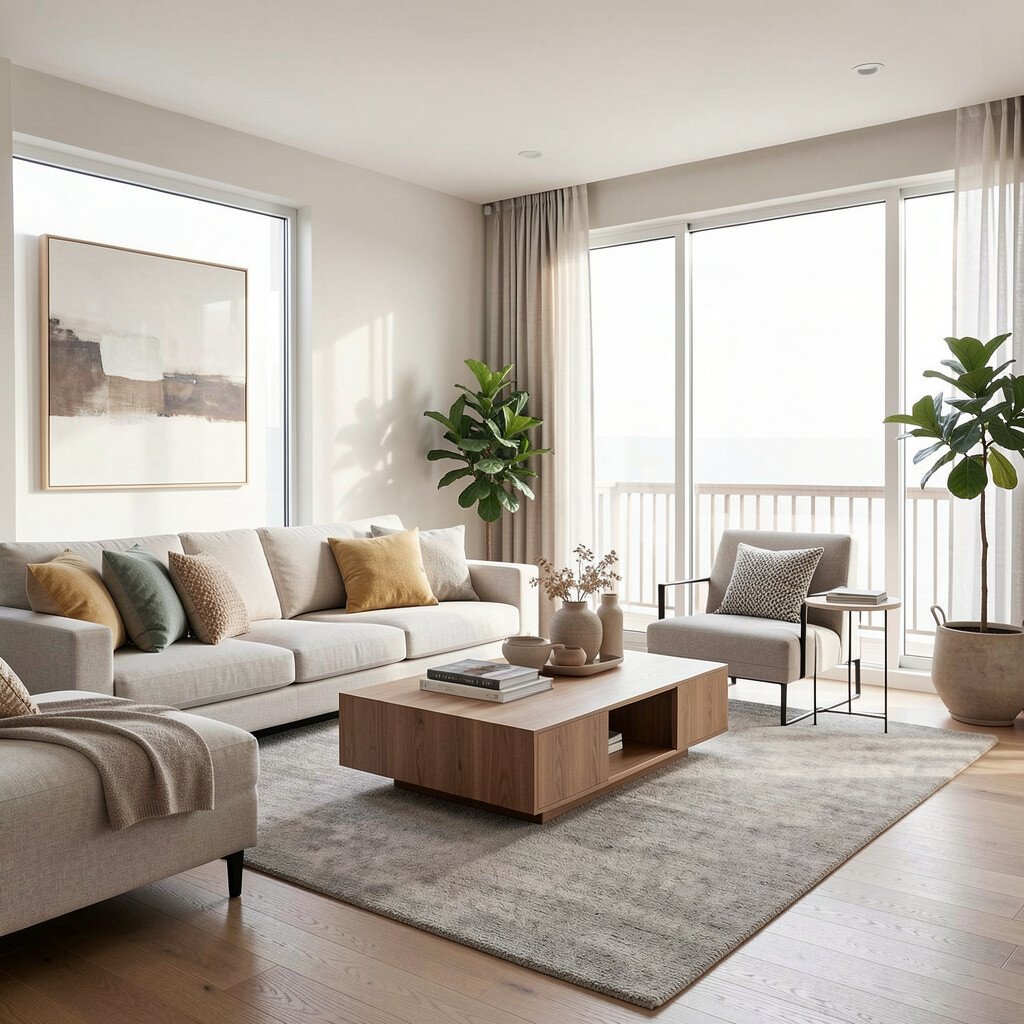
Modern style isn’t only about looks, it’s also about how the room works each day. If the coffee table is awkward or outlets are hard to reach, life gets annoying fast.
Choose a coffee table height that makes it easy to set down drinks and snacks. Make sure charging ports are within reach, especially if you use your living room for work or watching. Even one or two charging solutions can remove daily friction and make the space feel thoughtful.
16. Overdoing shiny finishes.
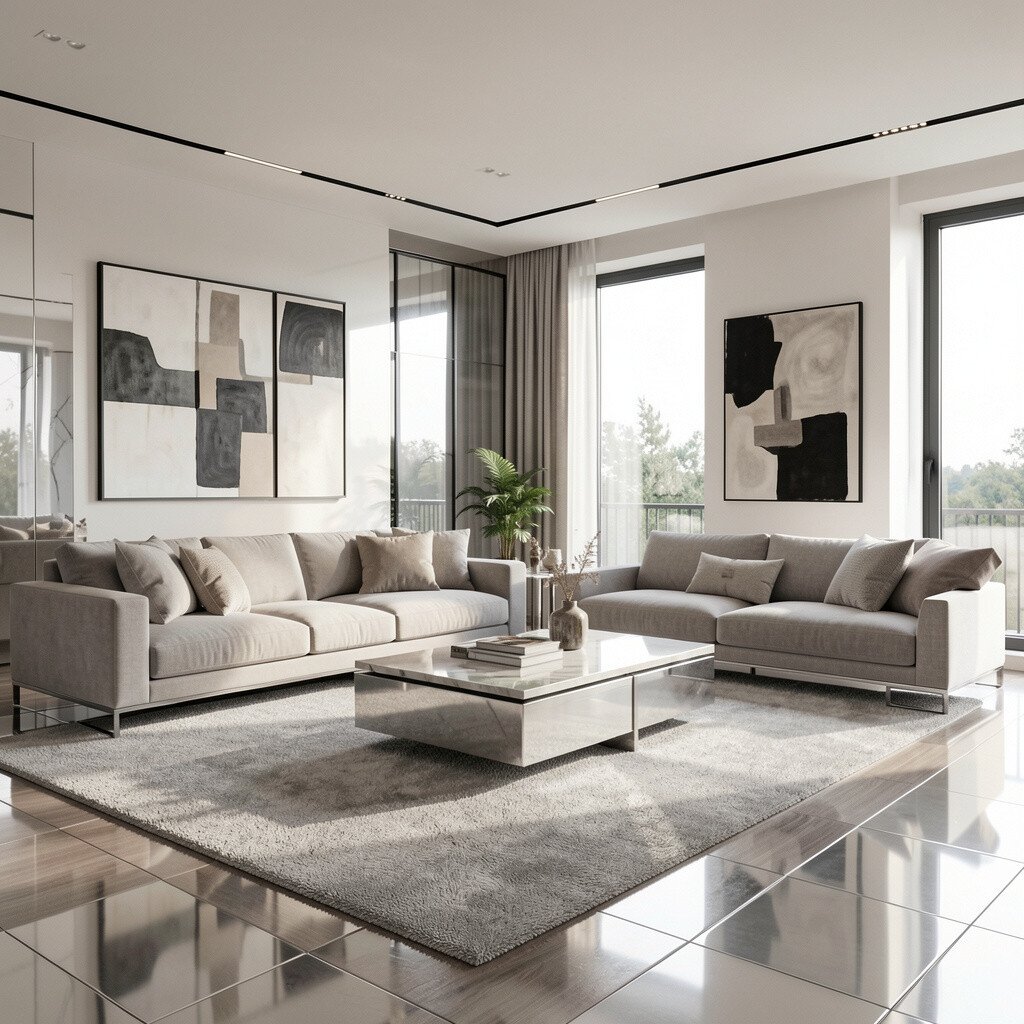
Glossy surfaces can be trendy, but too much shine can look flashy and tiring. It can also exaggerate fingerprints and dust.
Balance shine with matte textures like brushed metal, matte black frames, or soft ceramics. This keeps the modern vibe refined instead of loud. When everything reflects light equally, nothing feels comfortable, so aim for a mix that looks steady and calm.
17. Not planning the wall color carefully.
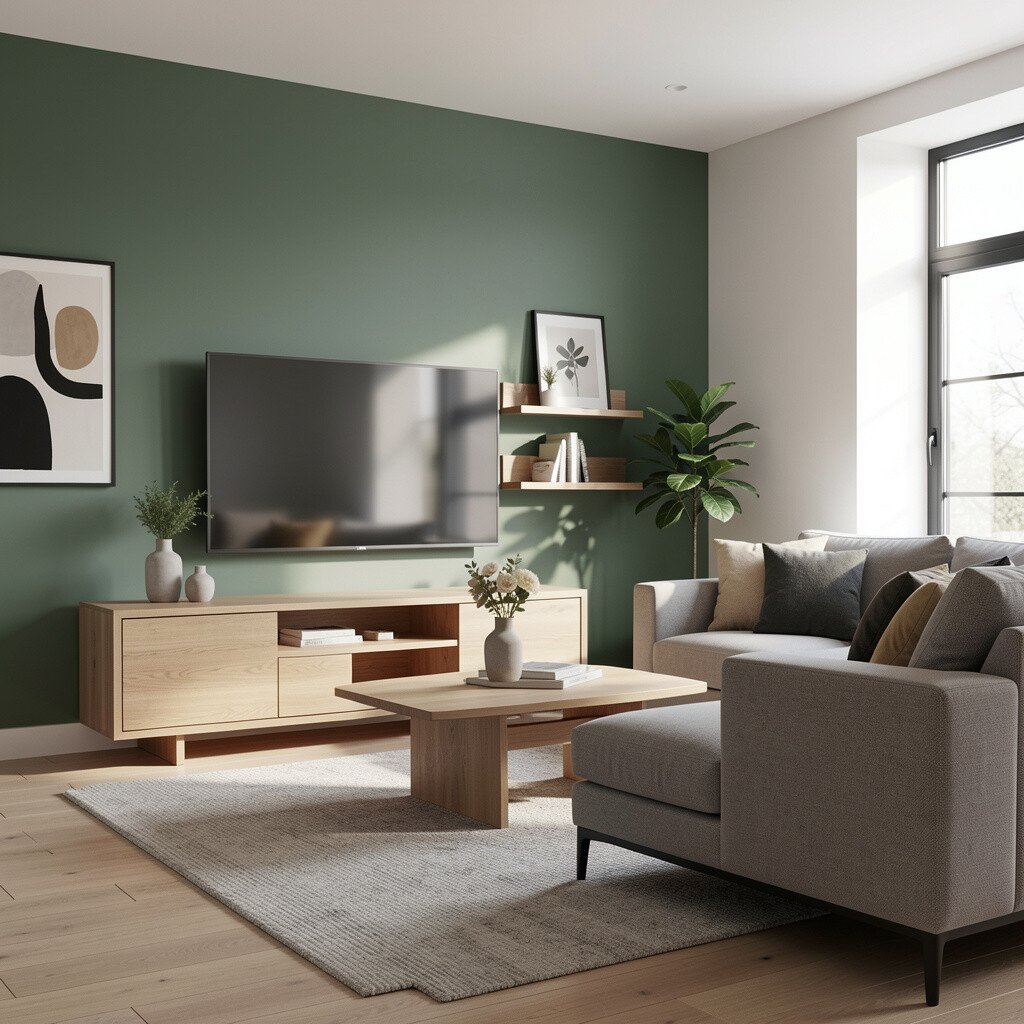
Walls set the mood for every piece of furniture and decor. A vague neutral can make the room look flat, especially with cool lighting.
Choose a wall color that works with your flooring and the undertone of your wood. Test swatches in the room at different times of day so you can see how it shifts in sunlight. When the walls complement your palette, everything else looks more cohesive.
18. Ignoring ceiling and vertical proportions.
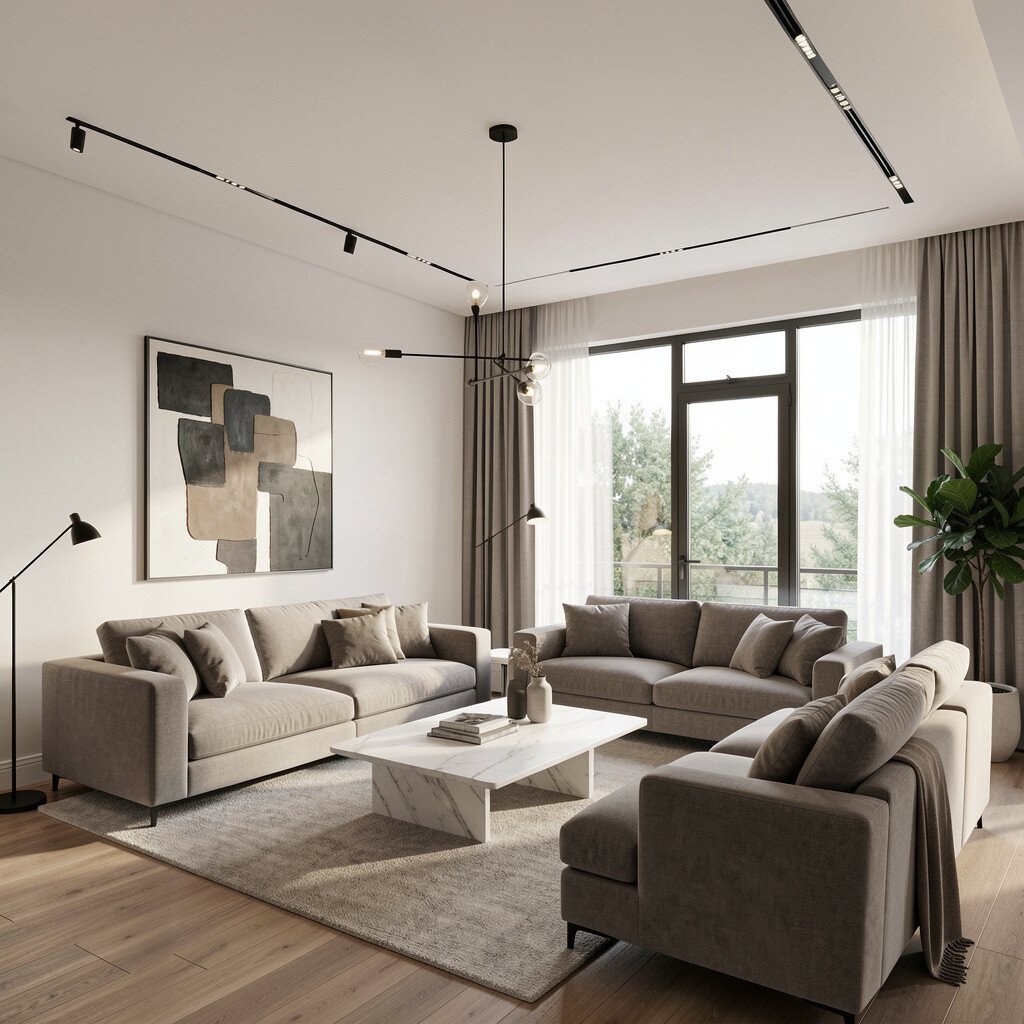
Modern rooms often rely on strong lines, and those lines start at the ceiling. If you hang curtains or shelves without thinking about height, the space can feel off-balance.
Hang curtains higher and let them fall closer to the floor to make windows look taller and rooms feel larger. Floating shelves can add vertical interest while keeping sightlines open. This is a smart way to elevate the look without buying more furniture.
19. Buying trendy pieces you can’t style.
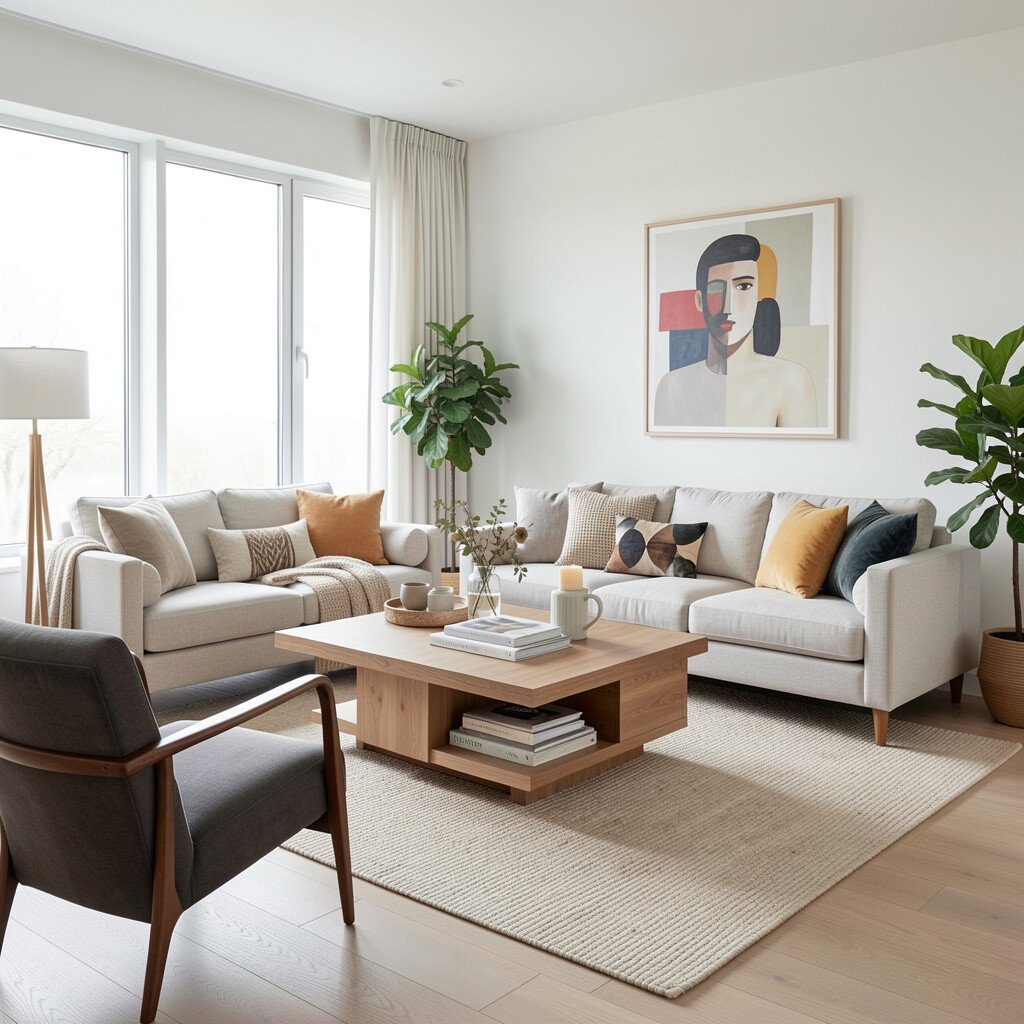
Trends can be fun, but they can also trap you in a single look. If a trendy item doesn’t match your existing colors, it can feel like an awkward add-on.
Instead, choose trendy shapes and materials that blend easily, like simple boucle textures, rounded silhouettes, or minimal black hardware. Style them with basics you’ll keep for years. That strategy keeps the room fresh while still feeling uniquely yours.
Cost wise, this approach helps because you won’t need to replace everything when you change your mind. Look for pieces with timeless forms and update through pillows, art, and lighting when you want a new mood.
20. Forgetting to anchor the space with a purpose.
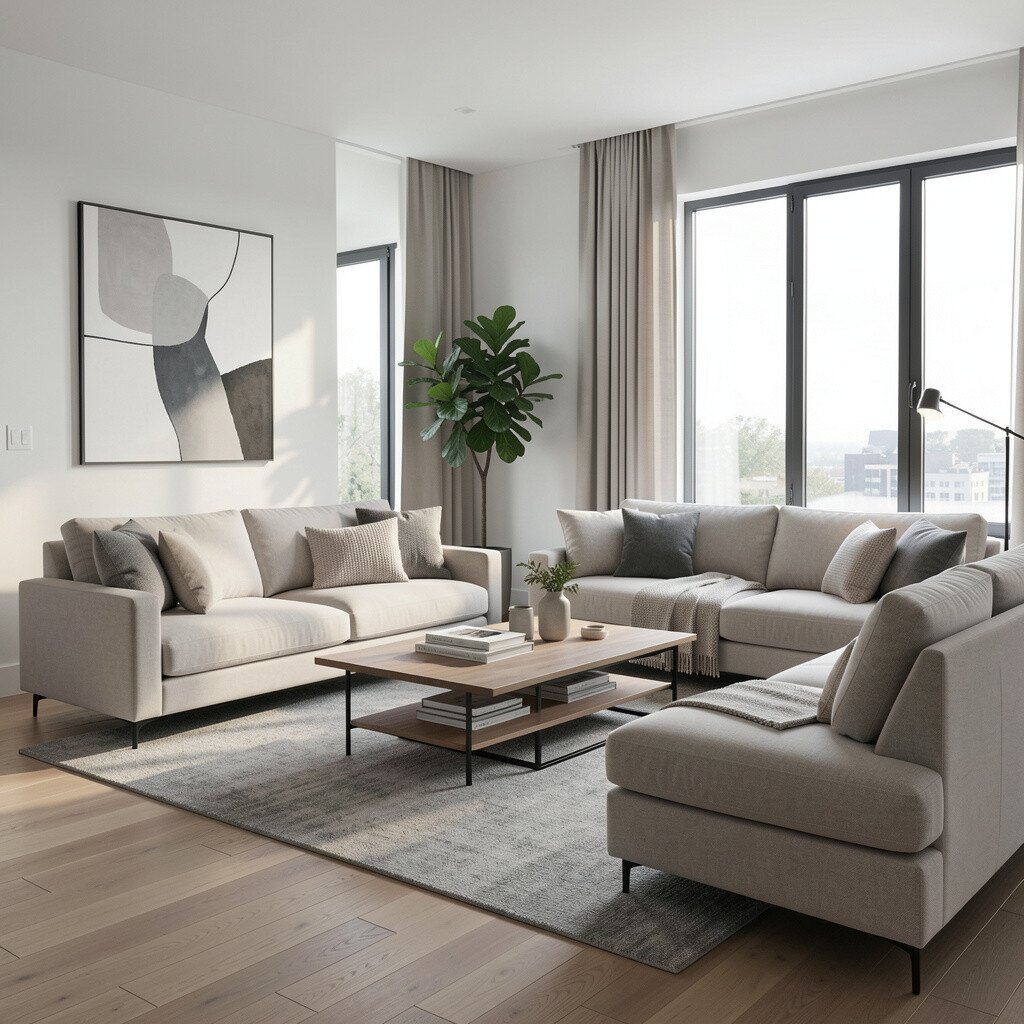
A living room can be pretty but still feel pointless if it doesn’t support your routine. If you don’t plan how you use the space, the decor may not feel right.
Decide what the room is for, like movie nights, casual chats, or reading. Then choose seating placement and accessories that support that purpose. When the room matches your lifestyle, it looks better automatically because everything feels intentional.
21. Making every surface a display surface.
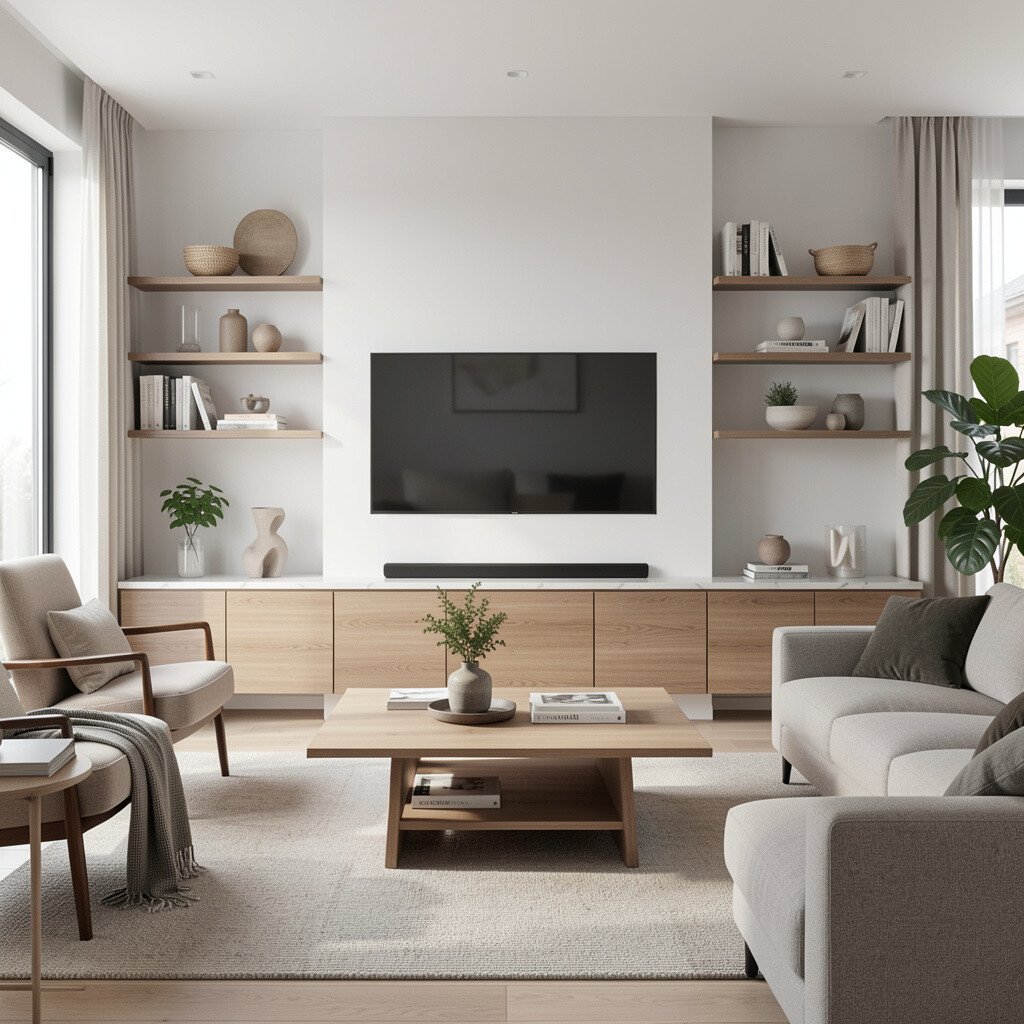
Modern styling looks clean when there’s room to breathe. If every shelf and table is packed, it starts to feel heavy and cluttered.
Leave some negative space so a few standout pieces can shine. A single sculptural vase, a stack of well-chosen books, or a framed photo can carry a lot of style. This approach also makes cleaning easier and keeps your room looking sharp.
If you want a more personal touch, rotate decor with the seasons using items you already enjoy. This keeps the room feeling current without purchasing a whole new set of accessories.
22. Choosing furniture that doesn’t feel good to sit on.
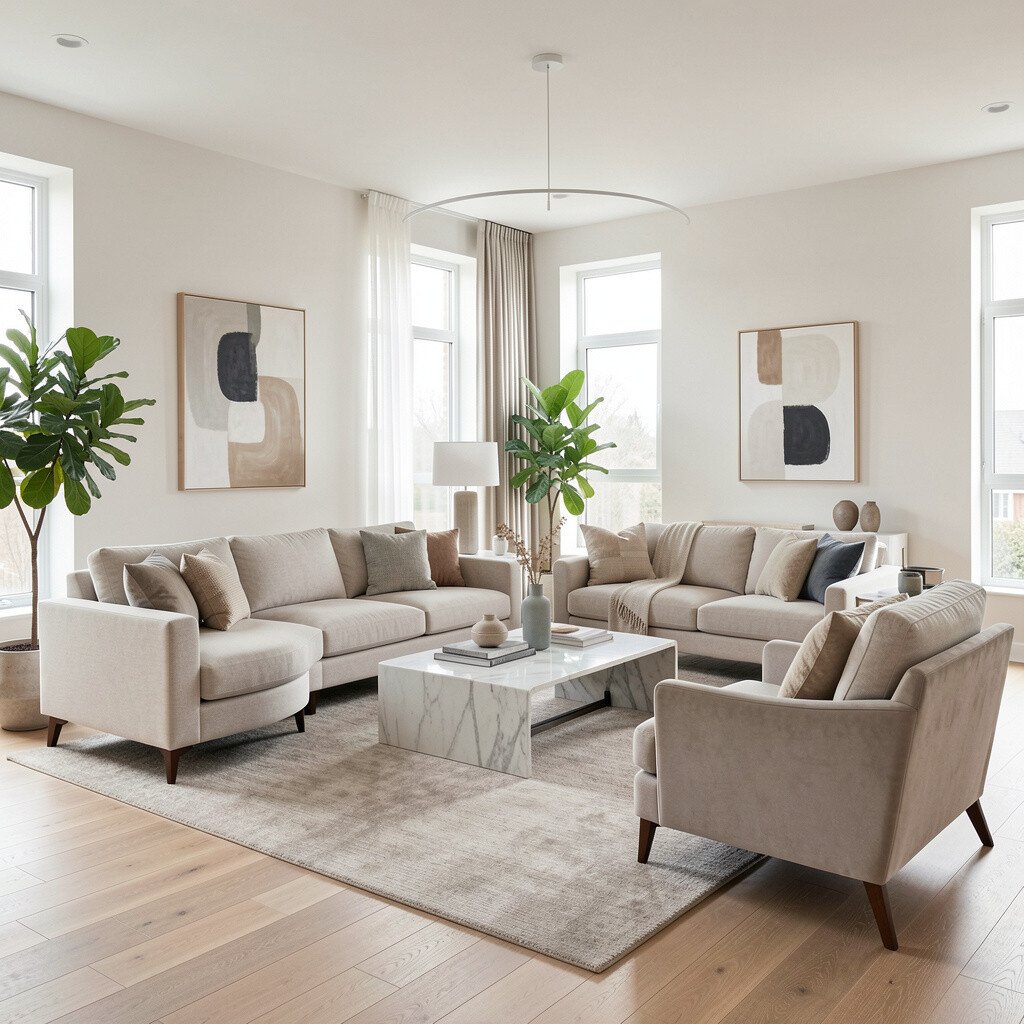
One of the biggest modern living room mistakes is prioritizing looks over comfort. A sleek sofa can still be wrong if cushions are too firm or too shallow for your body.
Test seating for the way you actually lounge, like leaning back and sitting upright. Consider performance fabrics if you have kids or pets since they handle everyday life better. When comfort is right, the room becomes a place you want to return to, not just a place you admire.
Cost planning helps here too since quality comfort often saves money long-term. Try to invest in your seating first, then spend on smaller accents that you can refresh over time.