A wooden staircase can be the star of a home. It can also become a daily annoyance if it is planned badly.
1. Ignoring the shape of the room
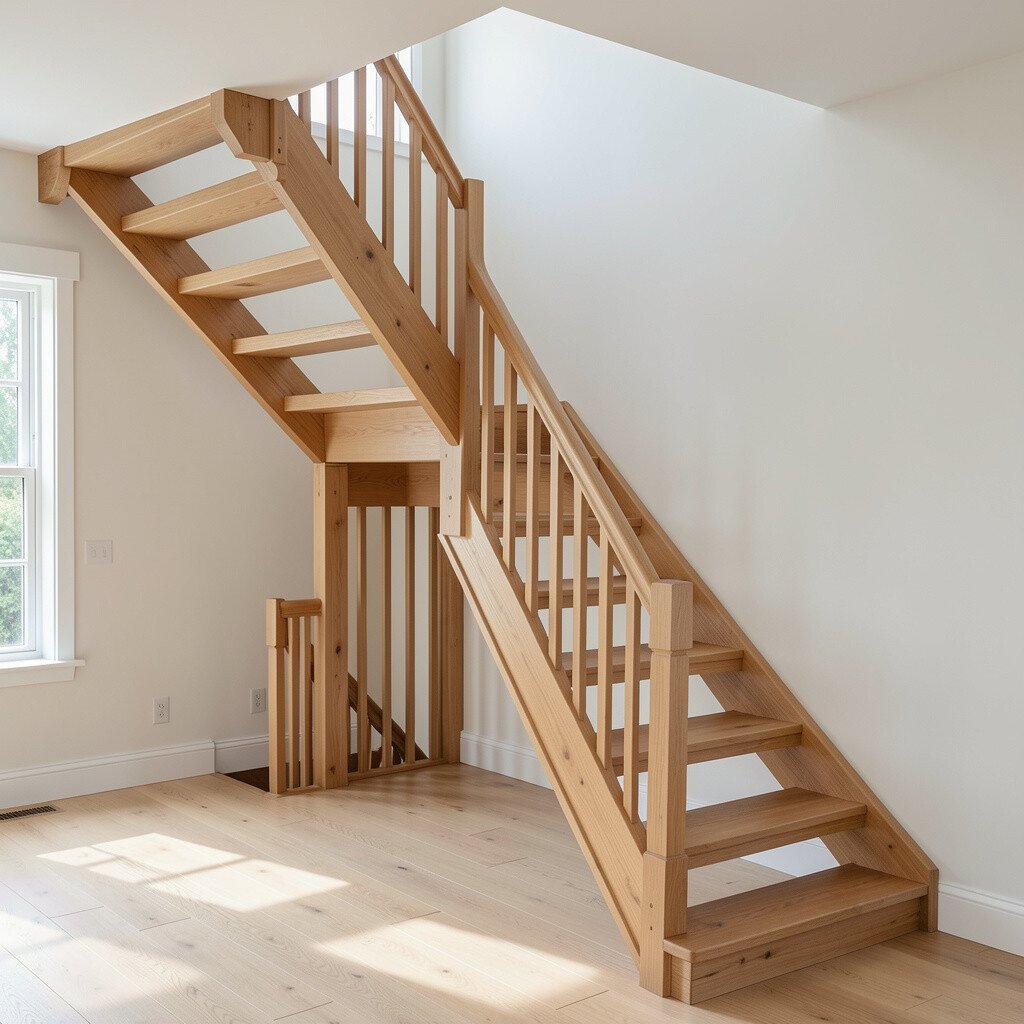
A staircase that fights the room will always look awkward. A good wood stair feels like it belongs there, with clean lines and a warm look that matches the walls, windows, and floor.
People often choose a style they saw online without checking how it fits their space. A straight run may be simple and less costly, while a curved or switchback design can save room and add charm, but it may need a bigger budget and more careful planning.
2. Picking style before comfort
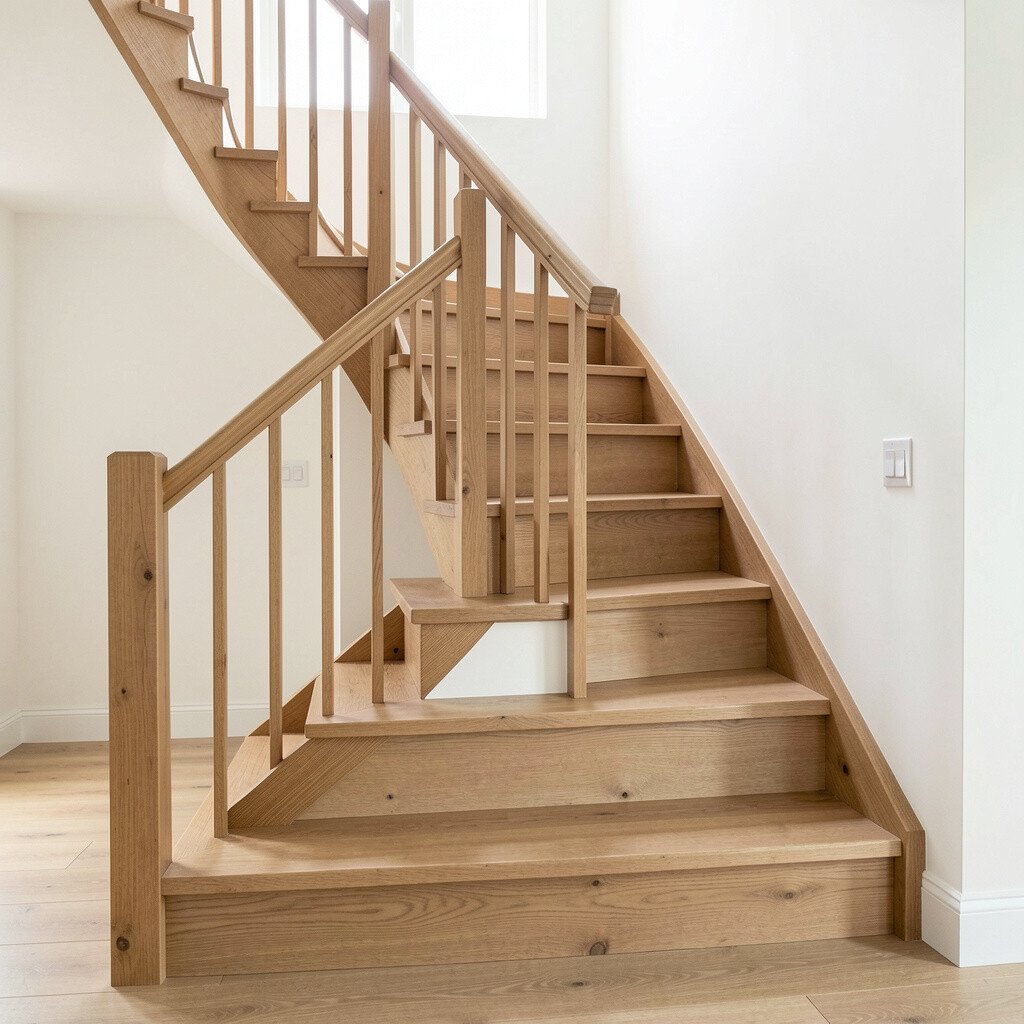
Pretty stairs are nice, but comfort matters every day. Steps that feel smooth underfoot, railings that sit well in the hand, and a layout that makes movement easy all bring real value.
Some homes look best with bold wood grain and dark stain, while others shine with light wood and slim parts. Before you choose a look, think about who will use the stairs, because children, older adults, and pets all need safe, easy steps.
It also helps to test the rise and depth of the steps before final work begins. A staircase can be one of the most unique features in a home, but if it feels tiring to climb, the beauty will not matter for long.
3. Forgetting the right measurements
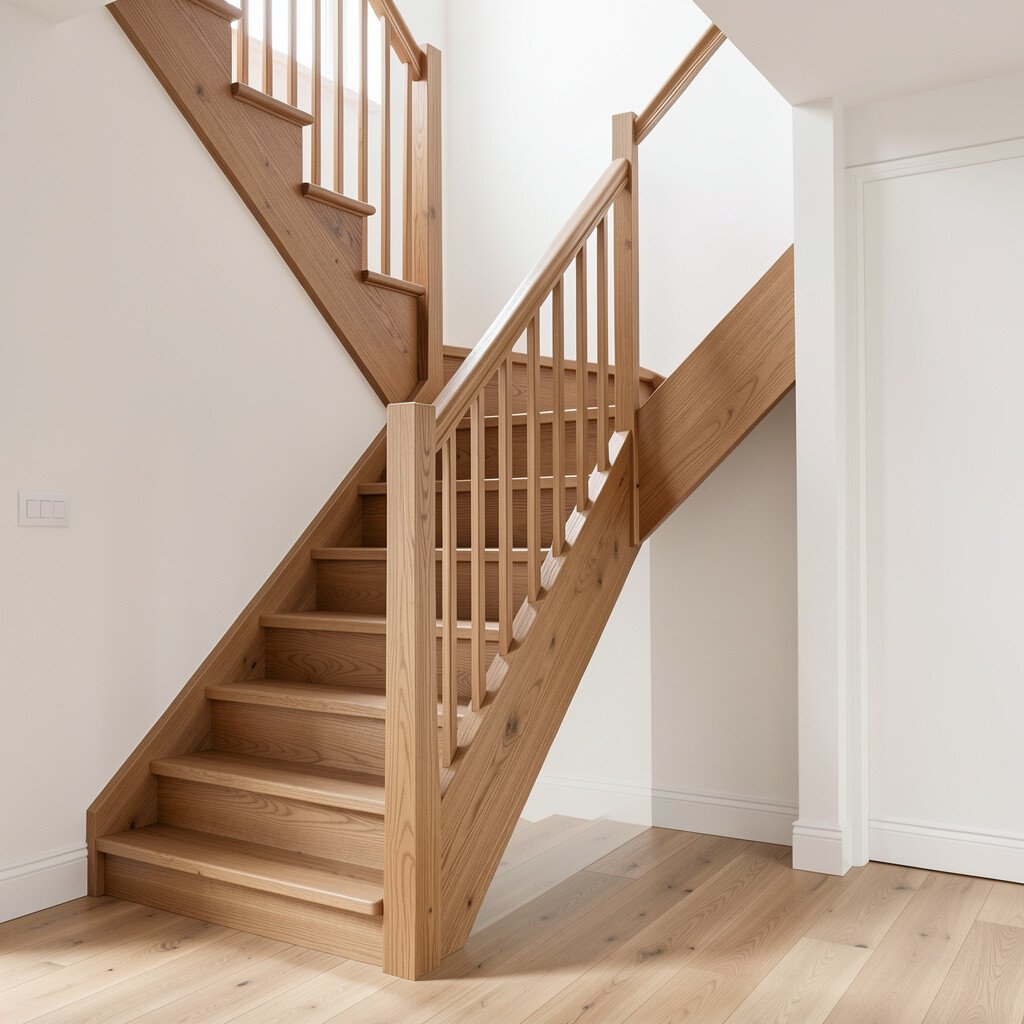
Small measuring mistakes can make a wooden staircase feel off from the first day. When the height between steps is uneven or the run is too short, the stairs can look rough and feel unsafe.
Careful measuring also helps with cost because mistakes lead to waste. A builder who checks the space, ceiling height, landing size, and headroom can save time, reduce material loss, and create a staircase that feels natural.
Many homeowners like to add custom touches once the measurements are correct. A wider tread, a lower first step, or a deeper landing can make the whole stairway feel more personal and more comfortable.
4. Choosing wood only for looks
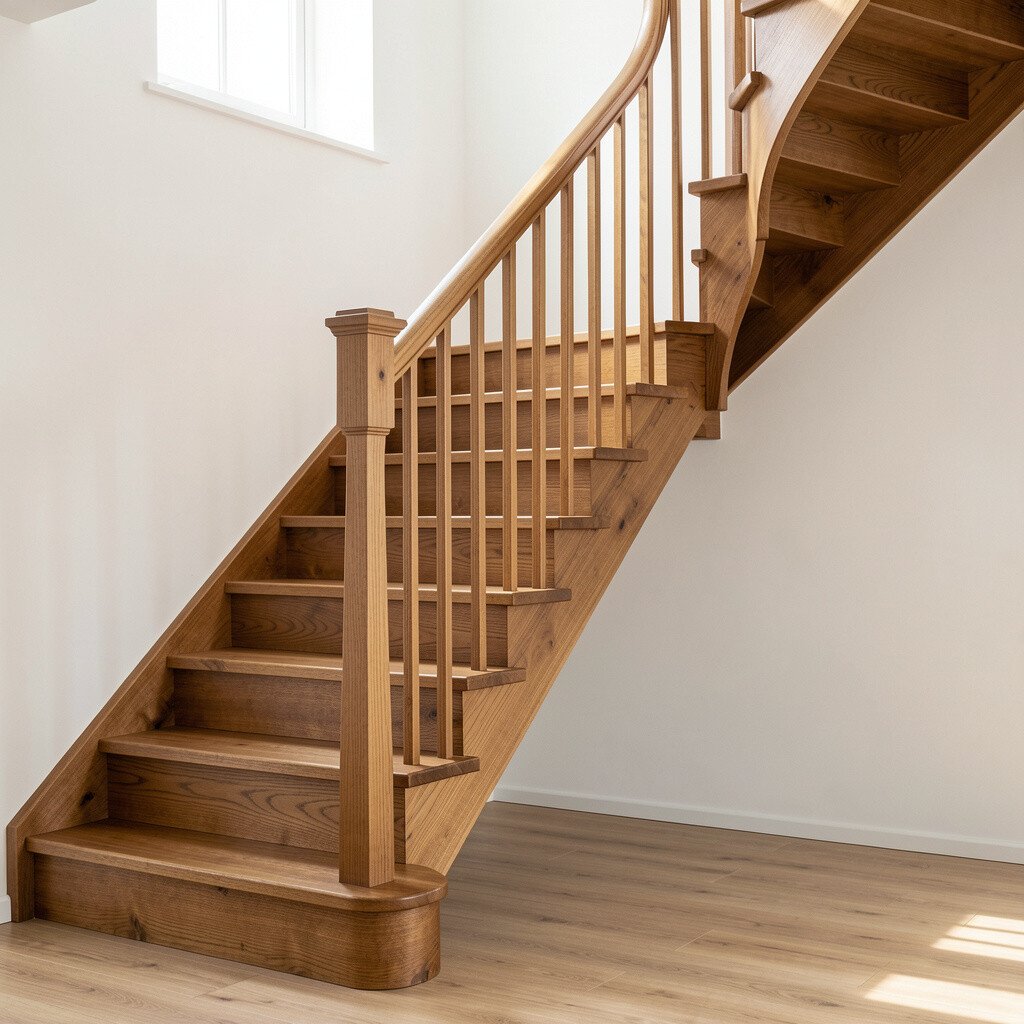
Wood comes in many shades and patterns, and that beauty is a big reason people choose it. Still, a staircase needs wood that can handle daily use, so strength and wear matter just as much as color.
Soft woods may cost less at first, but they can dent more easily in busy homes. Harder woods often cost more, yet they may last longer and keep their rich look even with kids, bags, and shoes moving across them every day.
Some current designs mix wood with metal rails or glass panels for a lighter feel. That mix can give a staircase a fresh look, but the wood itself still needs the right finish so the whole structure stays strong and easy to clean.
5. Skipping safety details
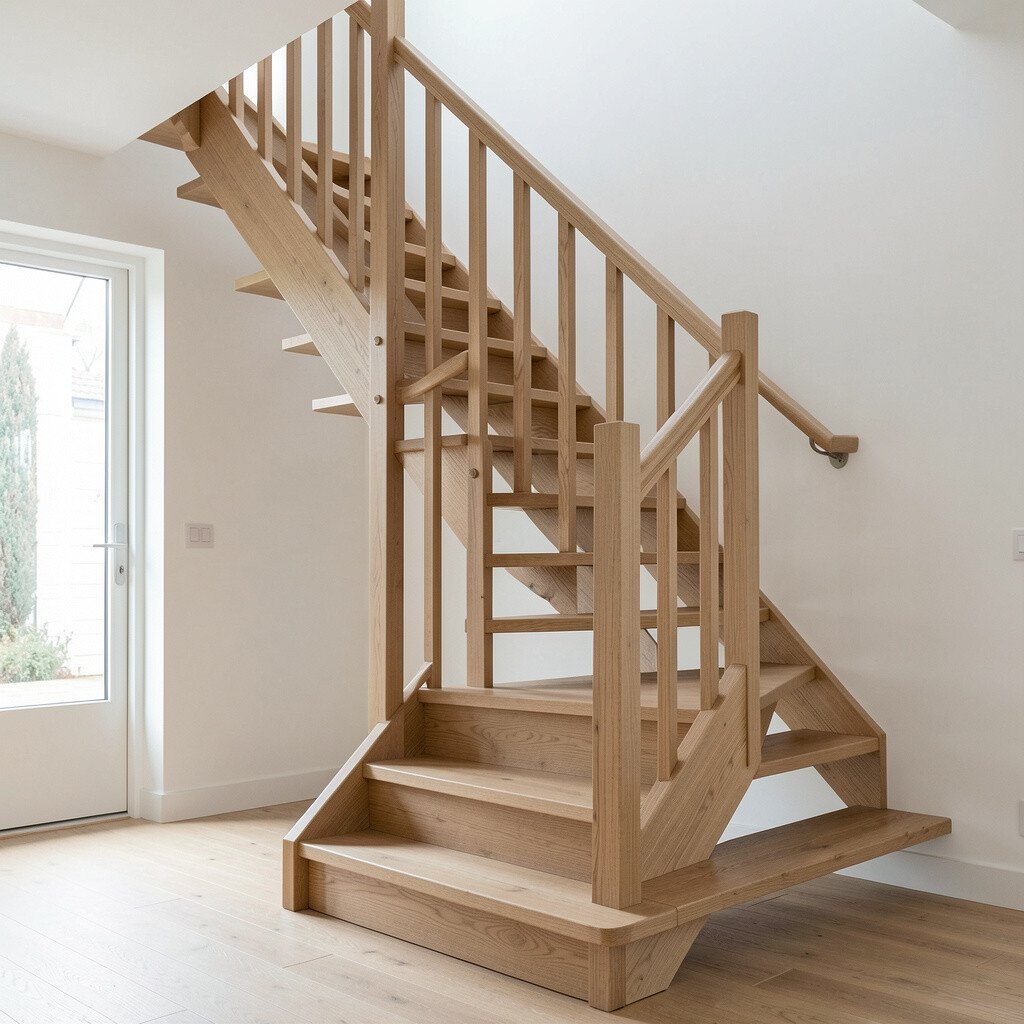
A staircase should feel welcoming, not risky. Good handrails, proper spacing, and slip control on each step help protect everyone who uses it.
One common mistake is leaving the edges too sharp or the surface too smooth. A soft edge, a grippy finish, and solid rail placement can make the stairs safer without ruining the style, and that matters in both family homes and rental spaces.
Safety features can still look beautiful. Thin rail posts, painted risers, and warm wood tones can all work together, and the final result may feel more custom than plain.
6. Making the staircase too dark

Deep wood stains can look rich, but too much darkness can make a stairway feel heavy. In a small hall or narrow entry, that heavy look can shrink the space and hide the natural grain.
Light from nearby windows, wall color, and floor color all affect how the wood appears. If the staircase sits in a dim area, a lighter stain or a mix of tones may give it more life and help it feel open and bright.
Many homeowners now like soft natural finishes because they feel calm and current. These finishes also pair well with simple decor, which makes the stairs easier to style over time without needing a full remodel.
7. Forgetting about daily traffic
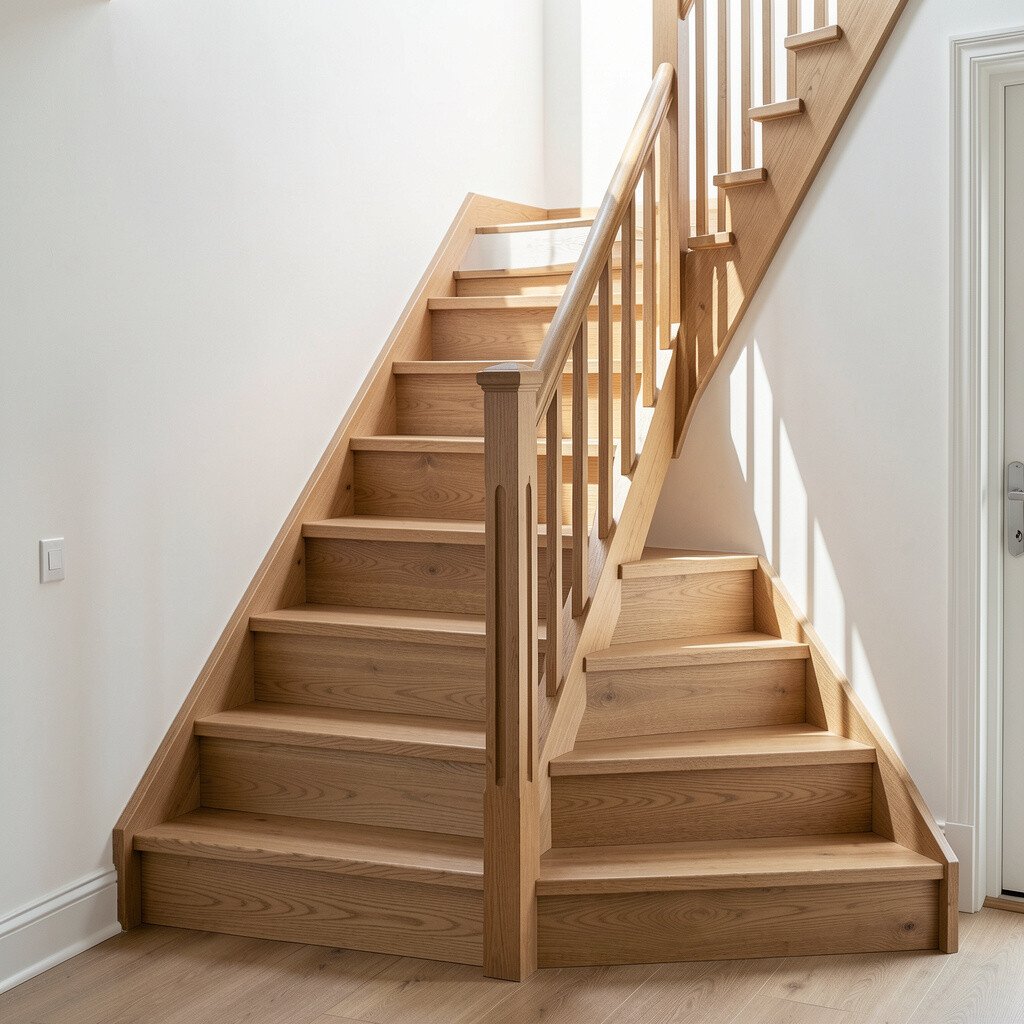
A staircase in a quiet room and one in a busy family zone need different planning. High-traffic stairs should be built to handle constant use, dropped toys, wet shoes, and frequent cleaning.
When traffic is not considered, the wood can wear out too soon. Choosing a strong finish, planning for easy cleaning, and keeping the design simple can help the stairs stay nice longer and lower repair costs later.
Busy homes also benefit from details that make life easier, like slightly wider treads or a landing that gives people space to turn. Those small choices can make the staircase feel more relaxed and far more useful each day.
8. Leaving out enough light
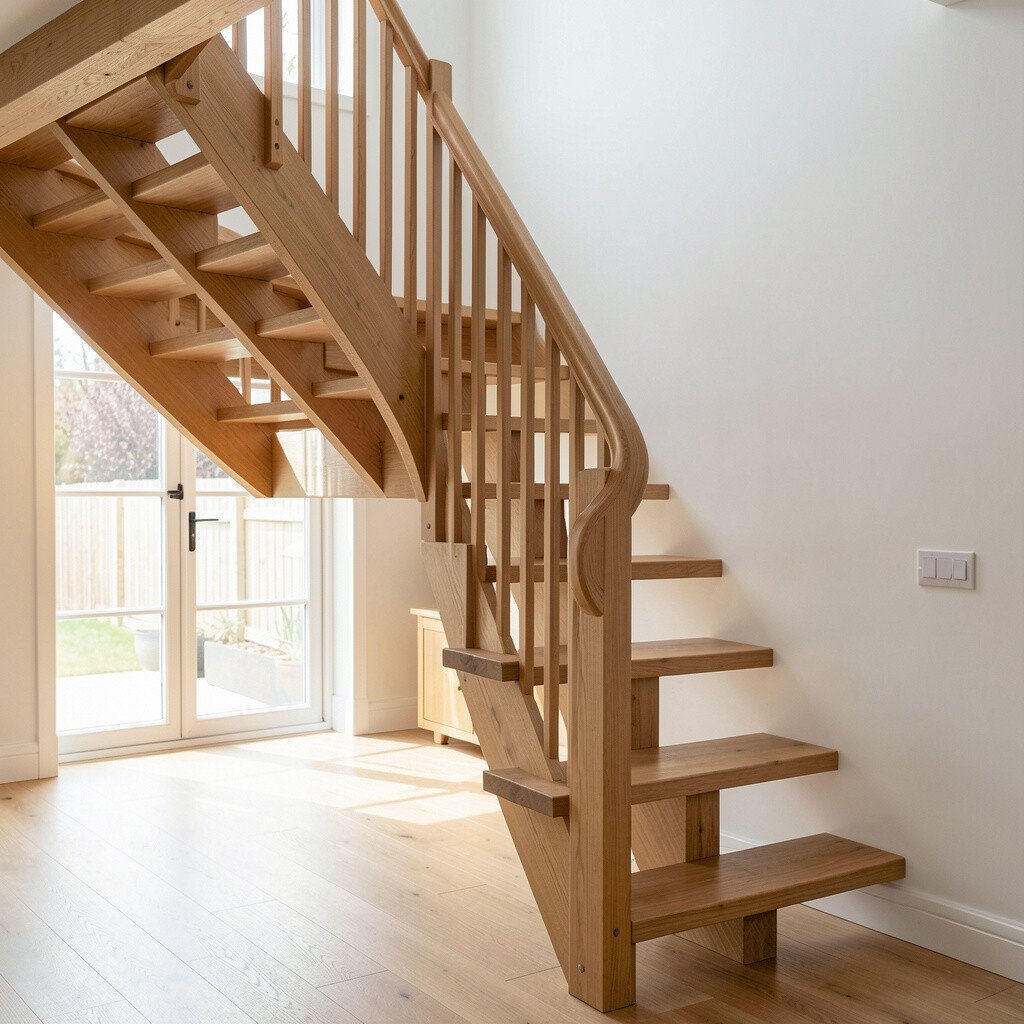
Even the prettiest staircase can feel dull if the lighting is poor. Good light brings out the wood grain, shows each step clearly, and makes the stairway look warm and inviting.
Lights can be added in many ways, including wall sconces, under-step strips, and ceiling fixtures. The best choice depends on the room shape and the mood you want, but each option can add both style and safety.
Some homeowners now use hidden lighting for a clean, modern look. That trend can make wood stairs feel sleek and fresh, while still helping the steps stand out in a gentle way.
9. Using the wrong finish
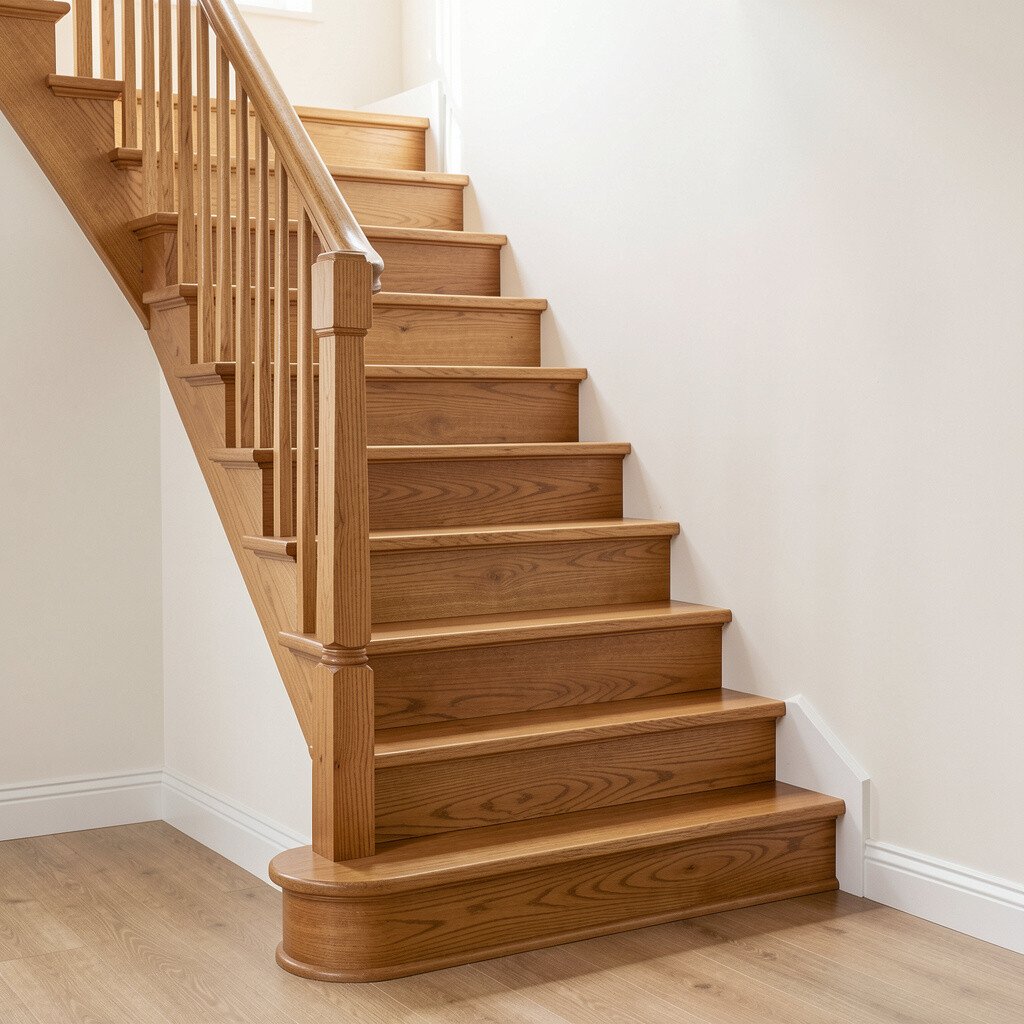
The finish on wood stairs does much more than add shine. It protects the surface from spills, scratches, and daily wear, and it helps the staircase keep its color and charm.
A finish that is too glossy may show every mark, while a finish that is too flat may not give enough protection for busy homes. The right balance depends on use, style, and budget, so it is smart to think about the long term before making a choice.
Matte finishes are popular right now because they feel soft and natural. They can make the wood look rich without being loud, which works well in homes that want a calm and cozy feel.
10. Not matching the staircase to the rest of the home
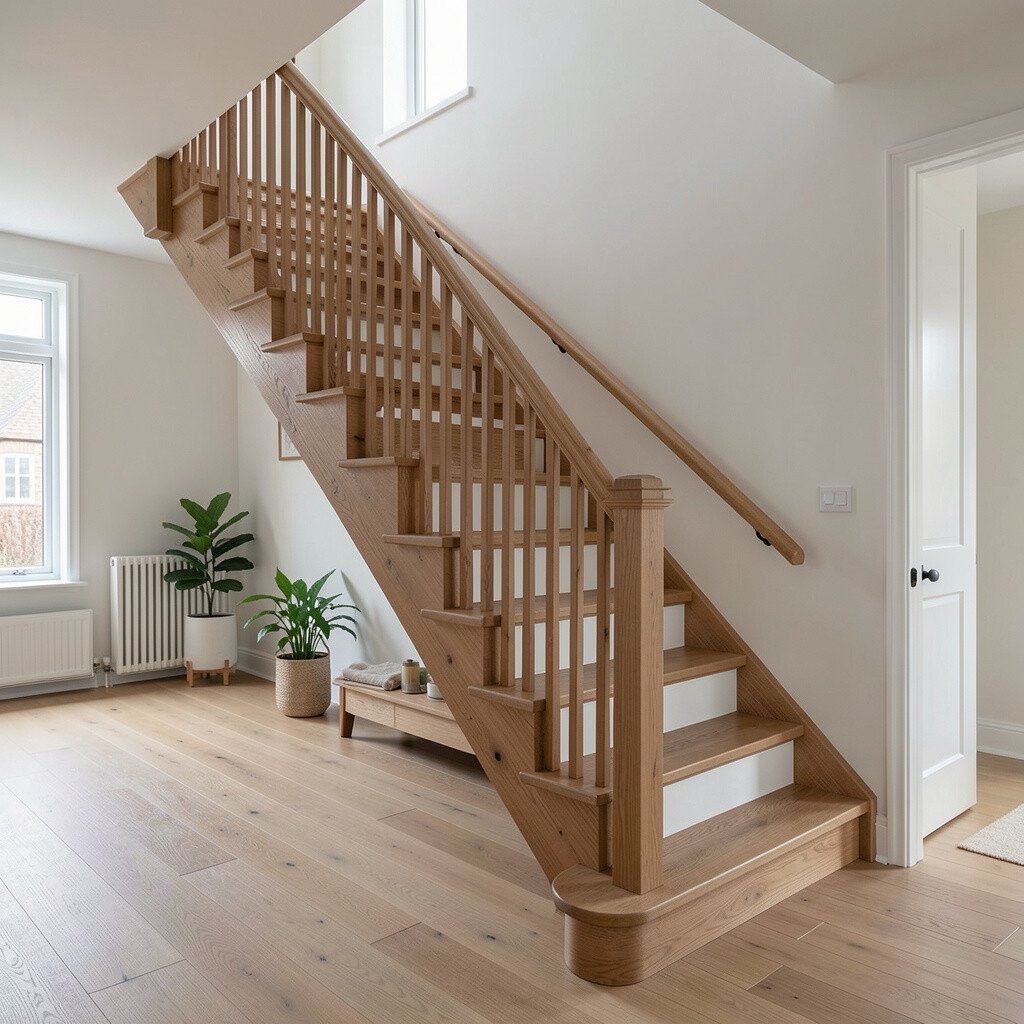
A wooden staircase should feel like part of the house, not like it was borrowed from somewhere else. When the wood tone, railing shape, and overall style match the rest of the home, everything feels smoother and more complete.
This does not mean every room must look the same. A staircase can stand out in a nice way with a unique pattern or bold rail, but it should still connect to nearby flooring, doors, and furniture so the home feels balanced.
Careful matching can also help with resale value. Buyers often notice when a staircase feels planned rather than patched in, and that thoughtful look can make the whole house seem better cared for.
11. Overlooking storage chances
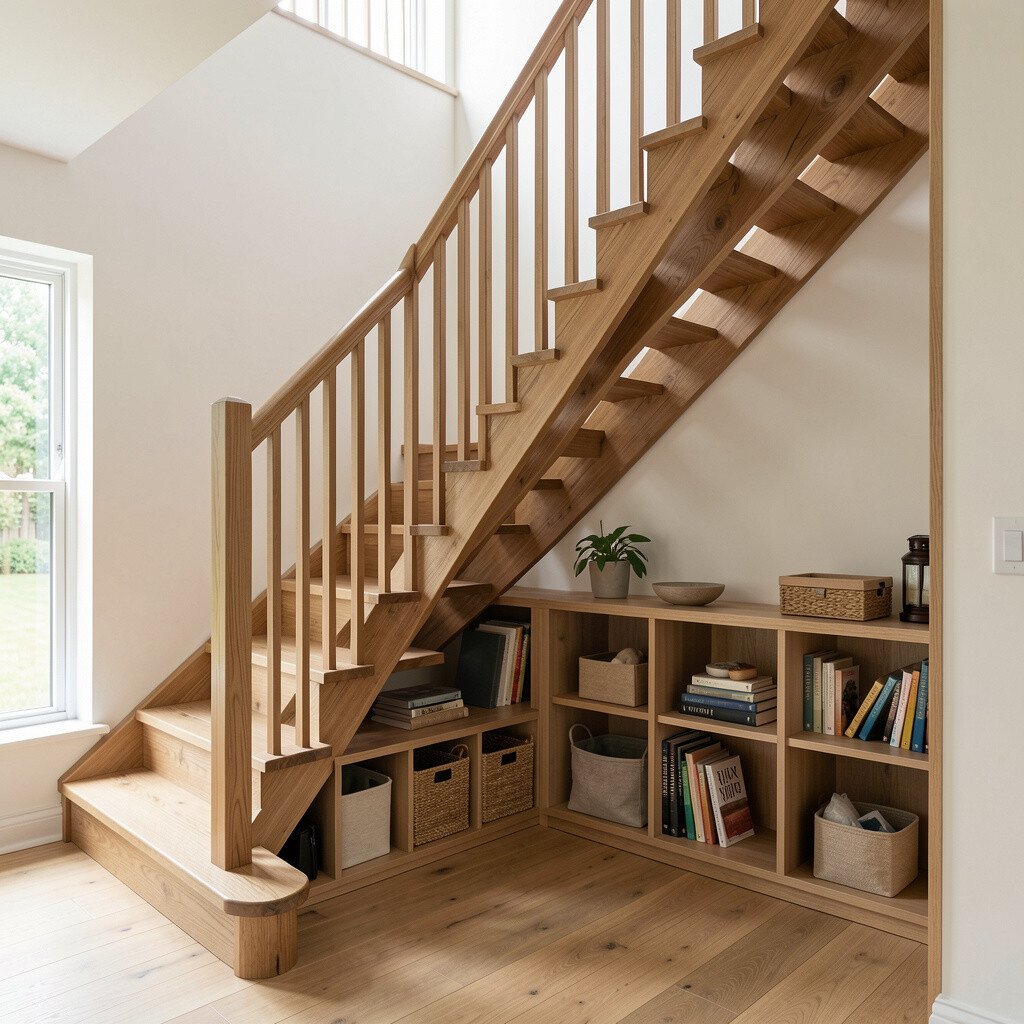
The space under a staircase often gets wasted, but it can do so much more. With the right design, that area can hold shoes, books, toys, or even a small reading nook that makes the home feel smarter and more complete.
Built-in storage can raise the project cost a bit, yet it often pays off in daily use. It keeps clutter off the floor and gives the staircase a custom feel that makes the design stand out in a lovely way.
Many modern homes now use hidden drawers or open cubbies under the stairs. These touches add convenience without crowding the room, and they can be shaped to fit a family’s exact needs.
12. Choosing a rail that feels weak
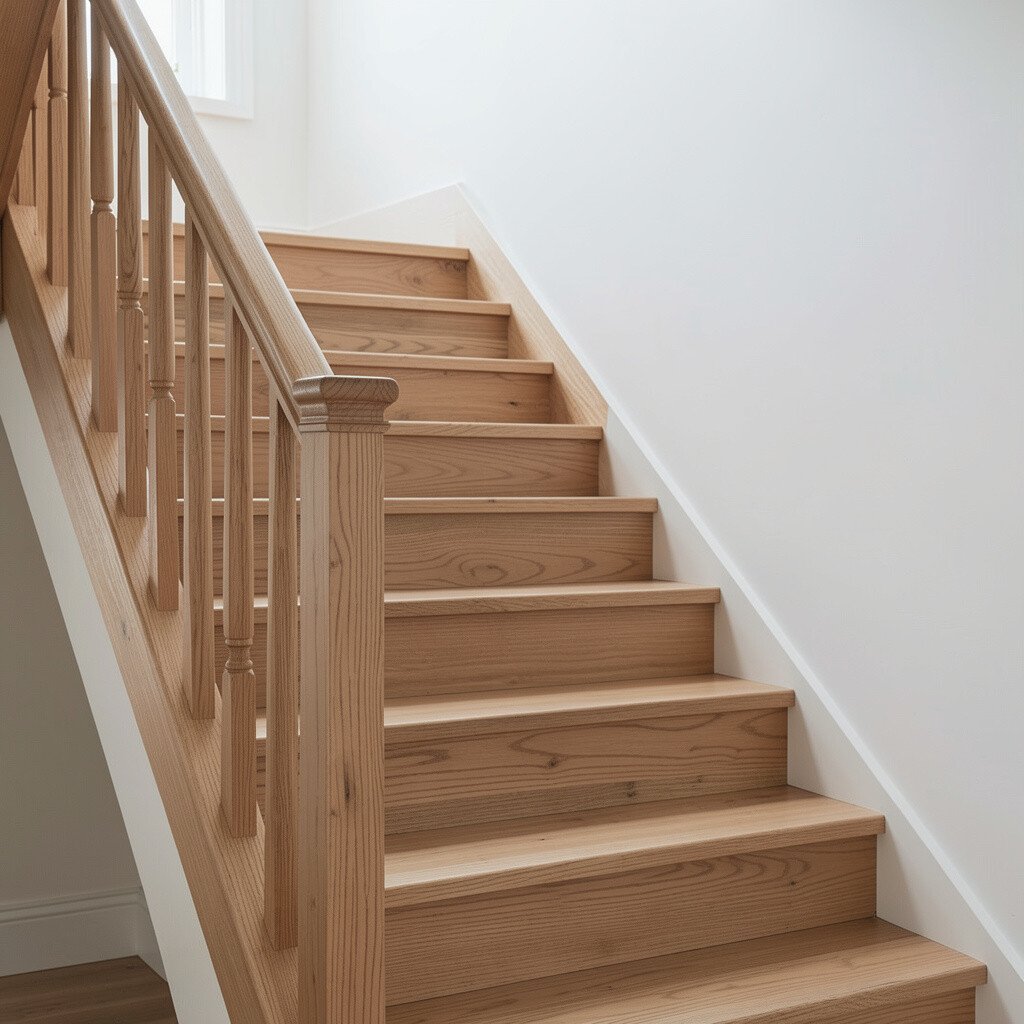
A railing is more than a finishing touch. It should look good, feel solid, and help people move with confidence every time they go up or down.
Thin or shaky rails can spoil the whole staircase, even if the wood steps are beautiful. A sturdy rail made from matching wood or a mix of wood and metal can bring strength, comfort, and a polished look at the same time.
Homeowners often like rails that show simple curves or slim lines because they feel fresh and current. If the rail fits the hand well and matches the stair style, the whole design feels more personal and complete.
13. Forgetting sound and feel
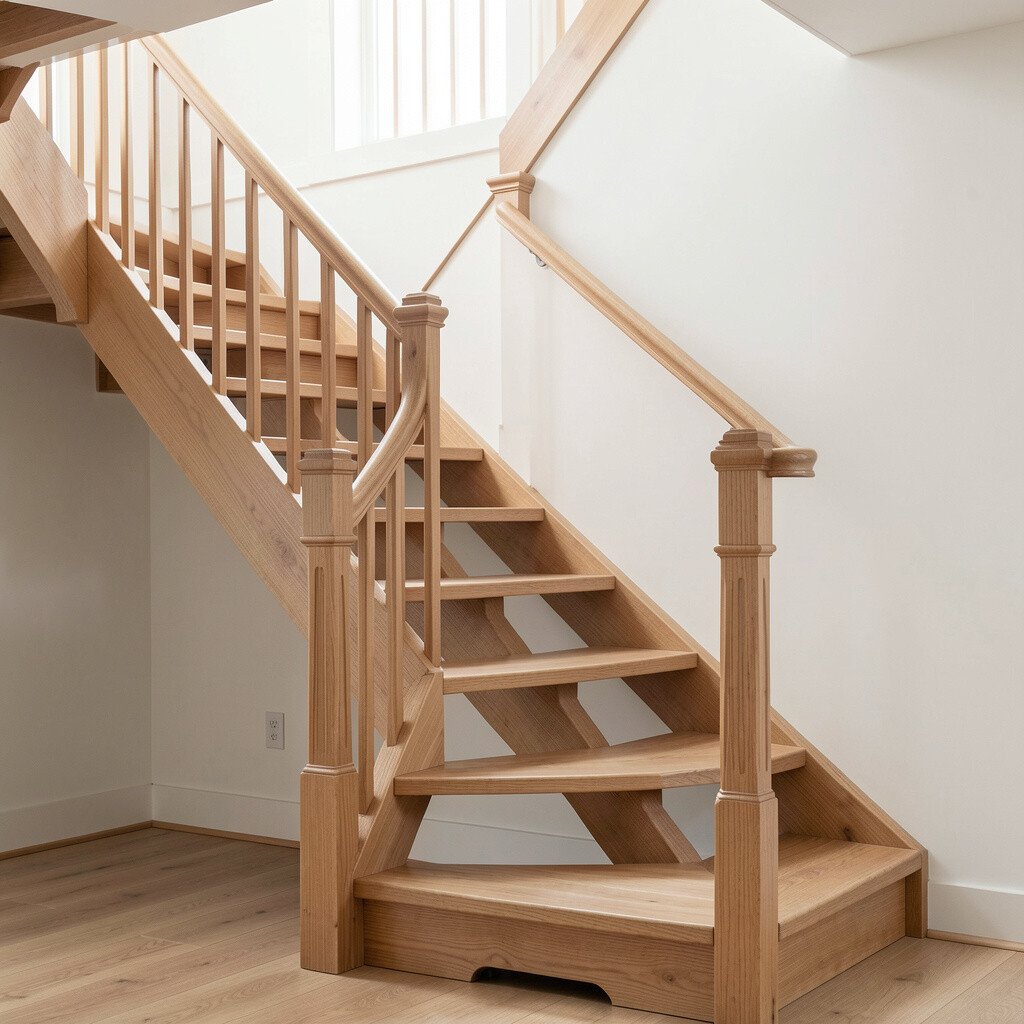
Wood stairs can make a lovely soft sound, but noisy steps can become annoying fast. If the build is loose or the finish is wrong, every footstep may echo through the house.
Good construction helps reduce squeaks and bounce. Using quality joinery, proper support, and the right underlayers may raise the upfront cost a little, but it can save frustration and repair work later.
Texture matters too, since a stair that feels too slick can be unpleasant even if it looks perfect. A slightly textured finish or a carefully chosen rug runner can add comfort, style, and a safer step without hiding the wood beauty.
14. Ignoring easy care and cleaning

Beautiful wood stairs should not be hard to keep clean. If the design collects dust in deep grooves or has too many tricky corners, the charm can fade fast.
Smoother surfaces, simple profiles, and finishes that resist marks can make care much easier. That kind of planning helps save time and lowers the chance of needing repairs, which is a big plus for busy homes.
Many people now prefer staircase designs that stay neat with quick wiping and light vacuuming. That current approach fits modern life well, because a staircase should look good without asking for extra work every day.
15. Trying to do too much at once
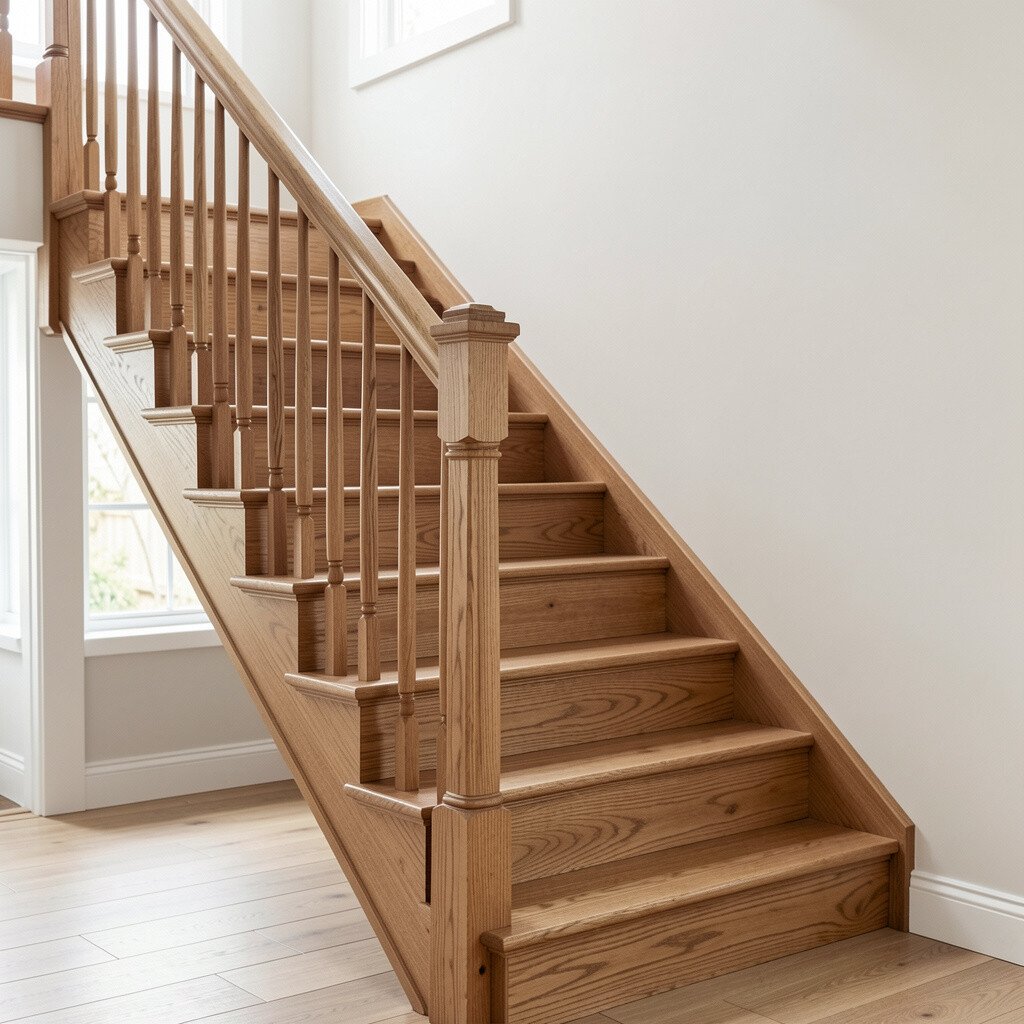
A wooden staircase can be a showpiece, but too many ideas in one space can make it feel messy. Bold stains, busy rails, mixed materials, and strong shapes may all fight each other if they are not chosen with care.
Simple design often wins because it lets the wood speak for itself. A clean layout, one strong accent, and a few personal touches can create a staircase that feels unique, calm, and worth the money spent on it.
When the design stays focused, the result is easier to live with and easier to love. That is why the best staircase plans often keep the look warm, the details clear, and the whole space ready for daily use.