Going over budget feels stressful, but it also opens the door to better choices. With a few smart moves, you can still end up with a modern home you love.
The key is to fix the money pressure without losing the look, comfort, or future value.
1. Reframe the Plan Around What You’ll Actually See
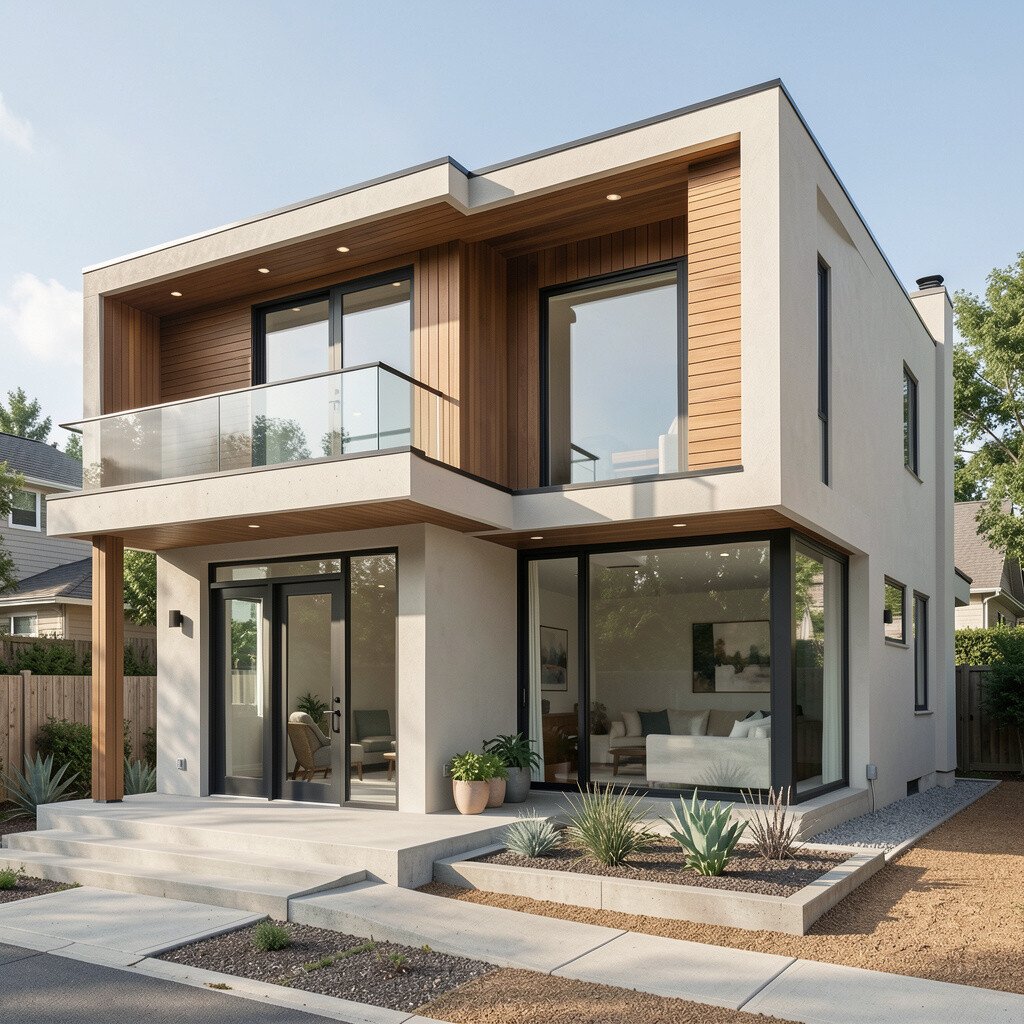
When money gets tight, it helps to start with what shows up every day. Walk through your future rooms in your mind and focus on the visible parts first.
You can picture warm light on clean lines, soft shadows from modern fixtures, and a tidy kitchen layout that feels calm instead of cluttered. Choose finishes that look rich from a few steps away, and save heavier upgrades for areas people naturally notice, like the entry and main living space. This approach keeps your home feeling intentionally designed, even when the budget needs gentle corrections.
2. Swap High-Price Surfaces for High-Impact Texture
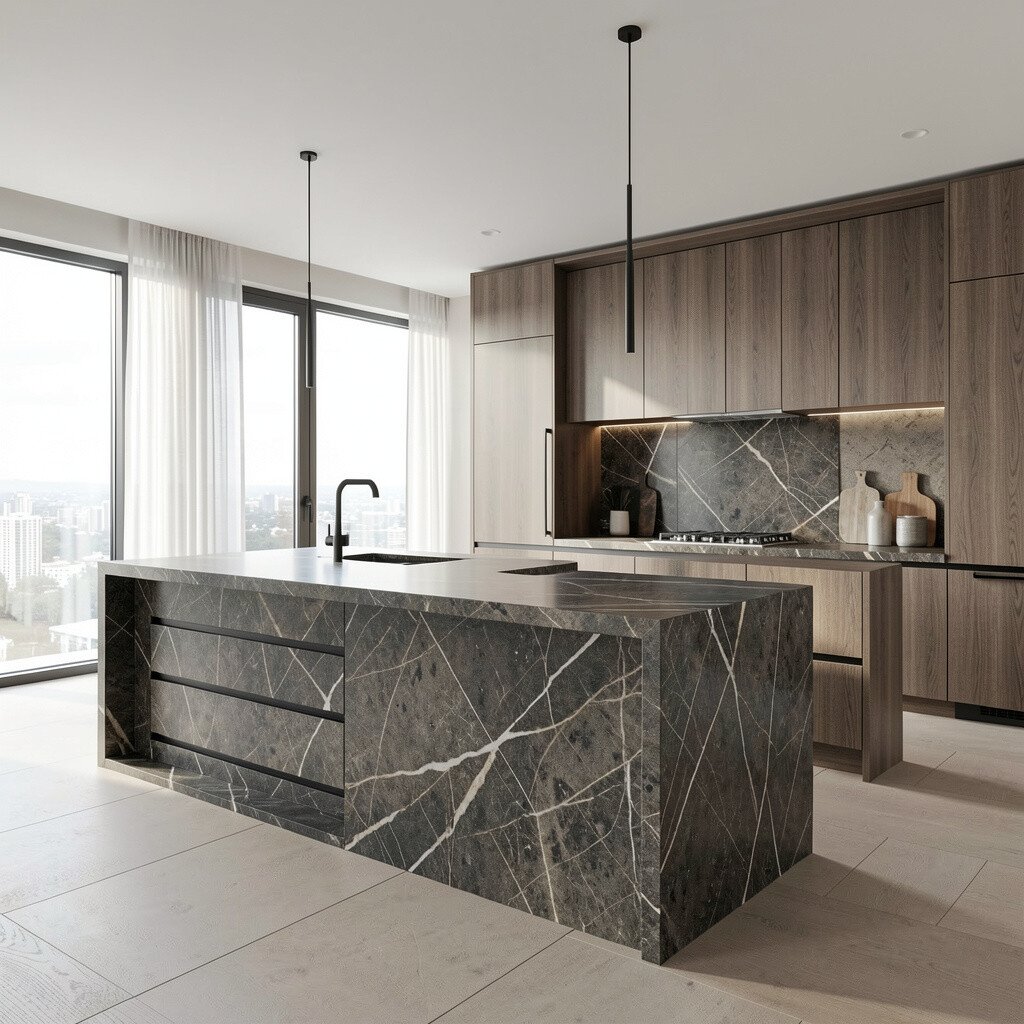
A smooth, shiny surface can be tempting, but texture often looks more modern and hides wear better. Imagine a living room with a matte plaster look, brushed metal accents, and warm wood tones under sunlight.
Consider materials that create depth at a lower cost, such as cement-look finishes, engineered wood panels, and durable vinyl that mimics real grain. You can also use patterned tile in smaller areas to get the visual punch without paying for full-room coverage. This keeps the style bold while protecting the budget.
To personalize it, pick a texture direction for each room, like one for the floors and another for the walls. Keep colors in a tight range so everything feels planned, not patched. If you’re worried about mistakes, bring home sample swatches and view them at morning and evening light.
3. Use Lighting Layers to Make Everything Feel Designer
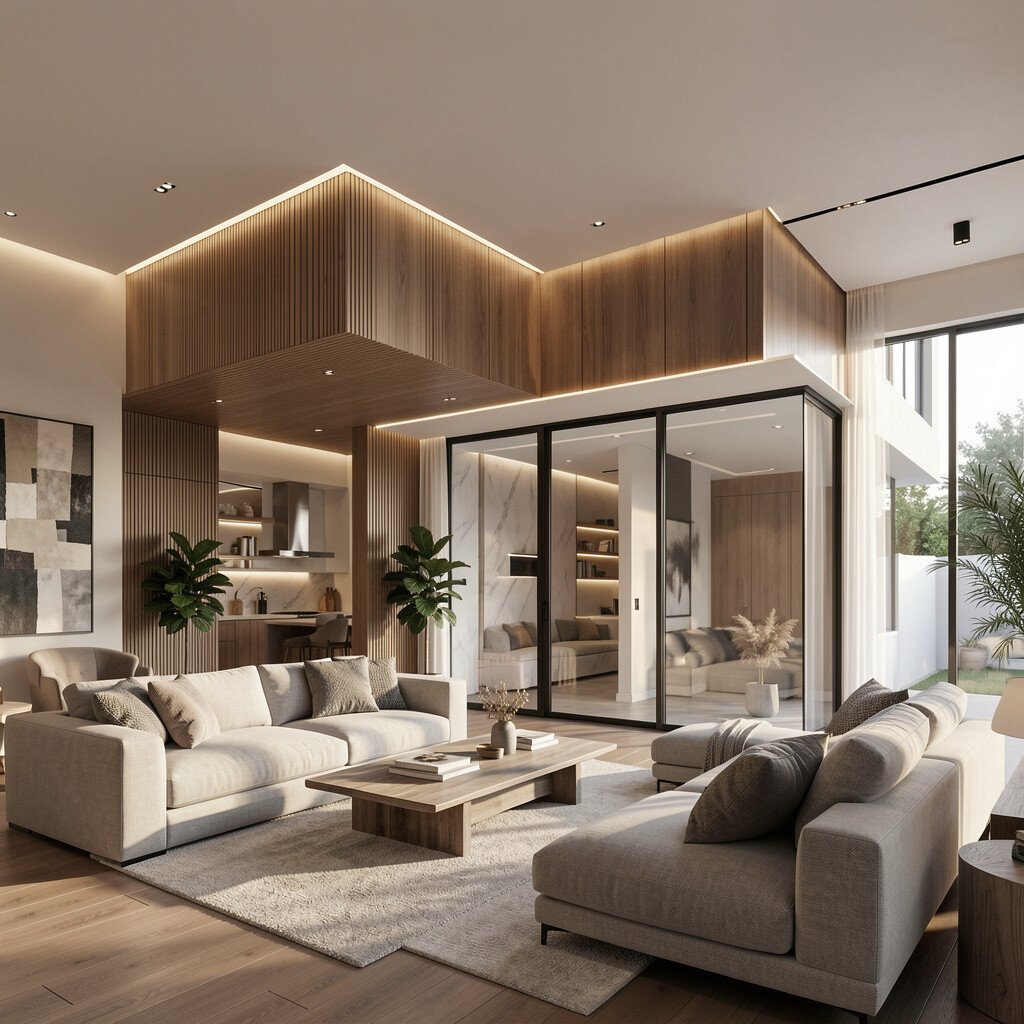
Over budget problems often get worse when the house feels dim or flat. Lighting is one of the fastest ways to give a modern look without tearing down walls.
Try layered lighting with recessed or track fixtures for clean lines, plus a few warm lamps for softness. Add wall washing to highlight texture, like a feature wall in a hallway or behind a media unit. When you picture the glow reflecting on sleek hardware, the whole home starts to feel more finished.
For practical savings, choose one upgraded fixture per room and keep the rest simple. Use dimmers so the mood can shift from bright to cozy. You can also plan outlet placement for the easy use of lamps, so you don’t need extra electrical work later.
This works well with personalization, because you can change bulbs and lamps as your style evolves. Stick to warm color temperatures for living areas and save cooler light for work zones. If you already have wiring, you can often keep it and just adjust fixture choices.
4. Choose a Durable Flooring Plan That Matches Your Life

Modern homes look great with open sightlines, and flooring is the main player in that visual flow. If you love the clean look of wood, you can still make it practical and budget-friendly.
Pick engineered wood or luxury vinyl with realistic texture if you want comfort underfoot and easier maintenance. Plan transitions carefully at entryways, kitchens, and bathrooms so edges look crisp instead of messy. When floors run in one direction, rooms feel bigger and more connected.
To keep costs steady, measure the room layout early and buy a bit extra for cuts and repairs. If you have pets, prioritize scratch-resistant finishes and consider thicker wear layers. This helps your home keep its fresh look even after busy days and family life.
5. Refresh Cabinets with Hardware and Color Instead of Full Replacement
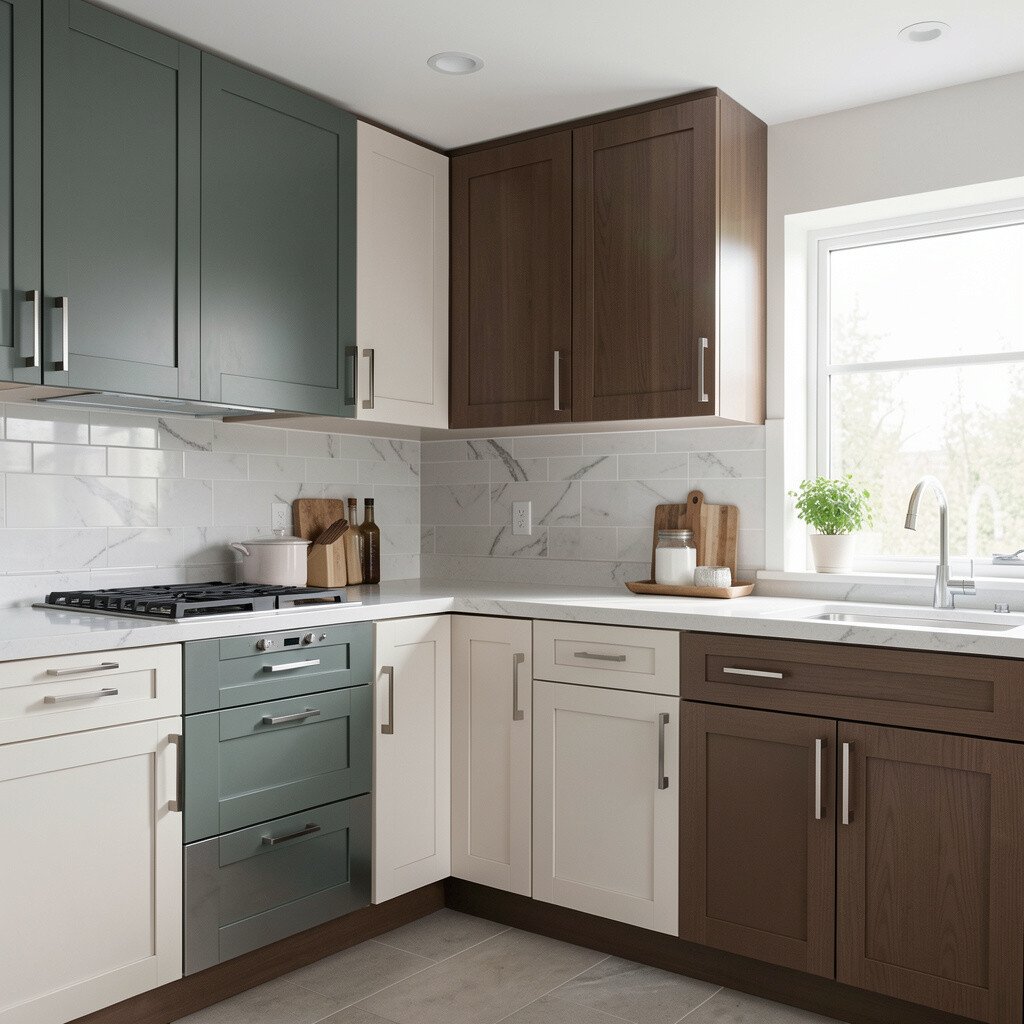
Cabinets can be the biggest budget drain, especially when you assume everything must be replaced. Many modern kitchens can look updated with smart cabinet changes that cost far less.
Picture a kitchen with clean cabinet fronts, then add the right hardware in brushed nickel or matte black to make everything feel intentional. You can also repaint or reface cabinets with a modern color, like warm white, soft greige, or deep charcoal for contrast.
For practical tips, check cabinet boxes first; if they’re solid, focus your effort on faces and doors. Add under-cabinet LED strips for a sleek glow and easier cooking. If you want a more custom feel, mix a few glass-front doors for a light, airy look.
6. Make One Feature Wall, Not Every Wall
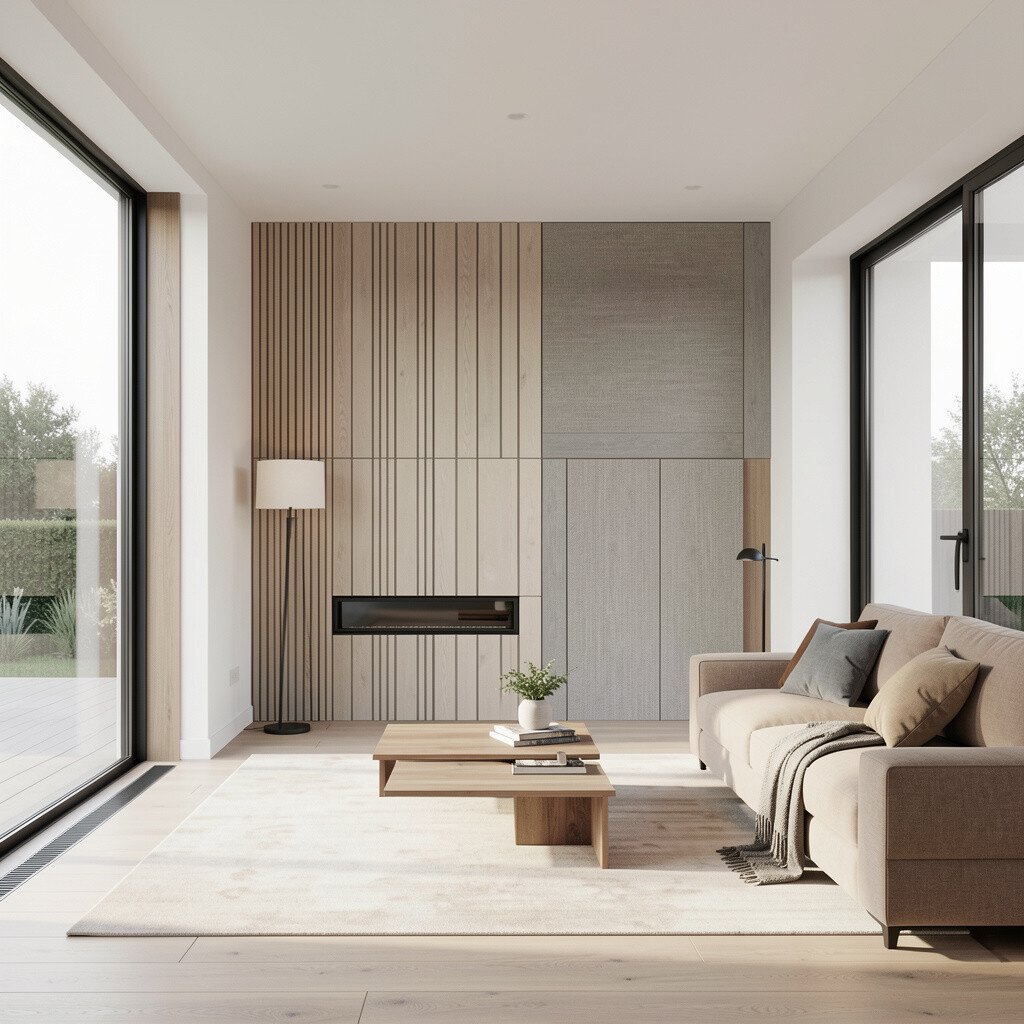
A feature wall can create that modern “wow” moment without pushing the entire budget. Think of a dining nook with a single strip of textured paneling or a sleek vertical pattern that frames the space.
Pick the wall that people see first, usually behind a sofa, above a console, or near the stair landing. Use a durable finish like wood slats, large-format tile, or a wallpaper design that holds up well. This way the style stays strong while other walls stay simpler.
To personalize, choose a pattern scale that matches your room size. In smaller spaces, go for subtle textures and lighter tones so it feels calm. This method also helps you avoid waste, because you only buy more expensive material for one area.
7. Redesign the Layout Before You Spend on Finishes
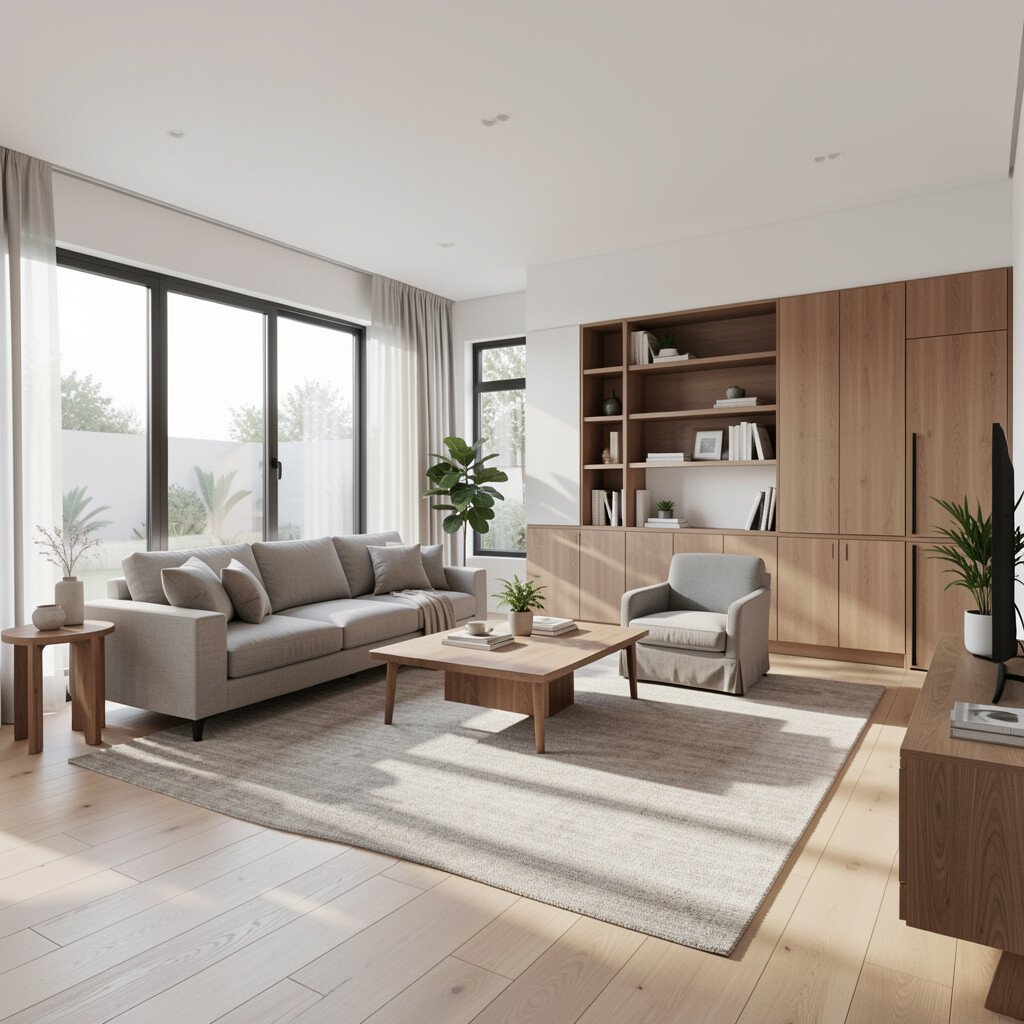
Sometimes the biggest savings come from moving things instead of upgrading everything. A smart layout can make standard materials feel more premium.
Consider opening a passage way, adjusting the pantry position, or changing how you place the dining table. When rooms flow better, you get better sightlines and the modern look feels natural. You can also make the kitchen feel “clean” by choosing a spot for small appliances so counters stay open.
For cost considerations, ask what changes require only carpentry and minor patching rather than full demolition. If you’re unsure, do a simple tape mock-up on the floor so you can “try” the plan before any work starts. This helps you personalize the home around how you actually live.
8. Build Privacy with Landscaping That Looks Modern
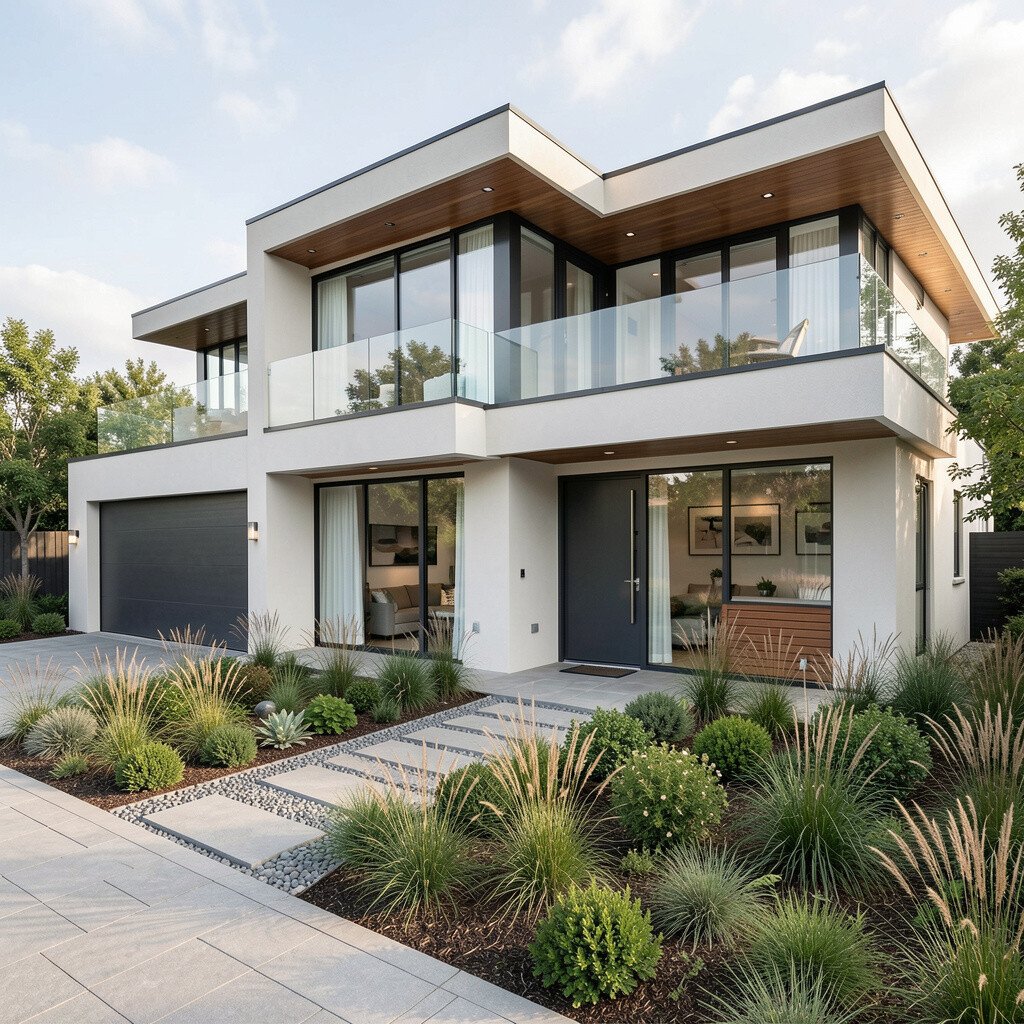
When budgets tighten, you can still create a private backyard feel with smart planting and clean lines. Modern landscaping often uses repeating shapes, simple materials, and thoughtful placement.
Think of tall grasses for movement, shrubs trimmed into clean edges, and a few feature trees to frame windows. Use planters or raised beds to control soil and make the yard look neat without constant upkeep. This creates a calm, protected feeling that feels like an outdoor room.
To keep it practical, group plants with similar water needs and choose varieties that fit your climate. Add outdoor lighting at key paths so evenings feel safe and stylish. This is an easy place to personalize, because you can change plant selection over time as your taste evolves.
If you want lower costs, prioritize fast-growing elements for the first season and add slower growers later. Mulch and weed fabric can reduce maintenance spending too. A modern look doesn’t need complicated design if you keep shapes consistent.
9. Choose Windows for Light and Energy, Not Just Style
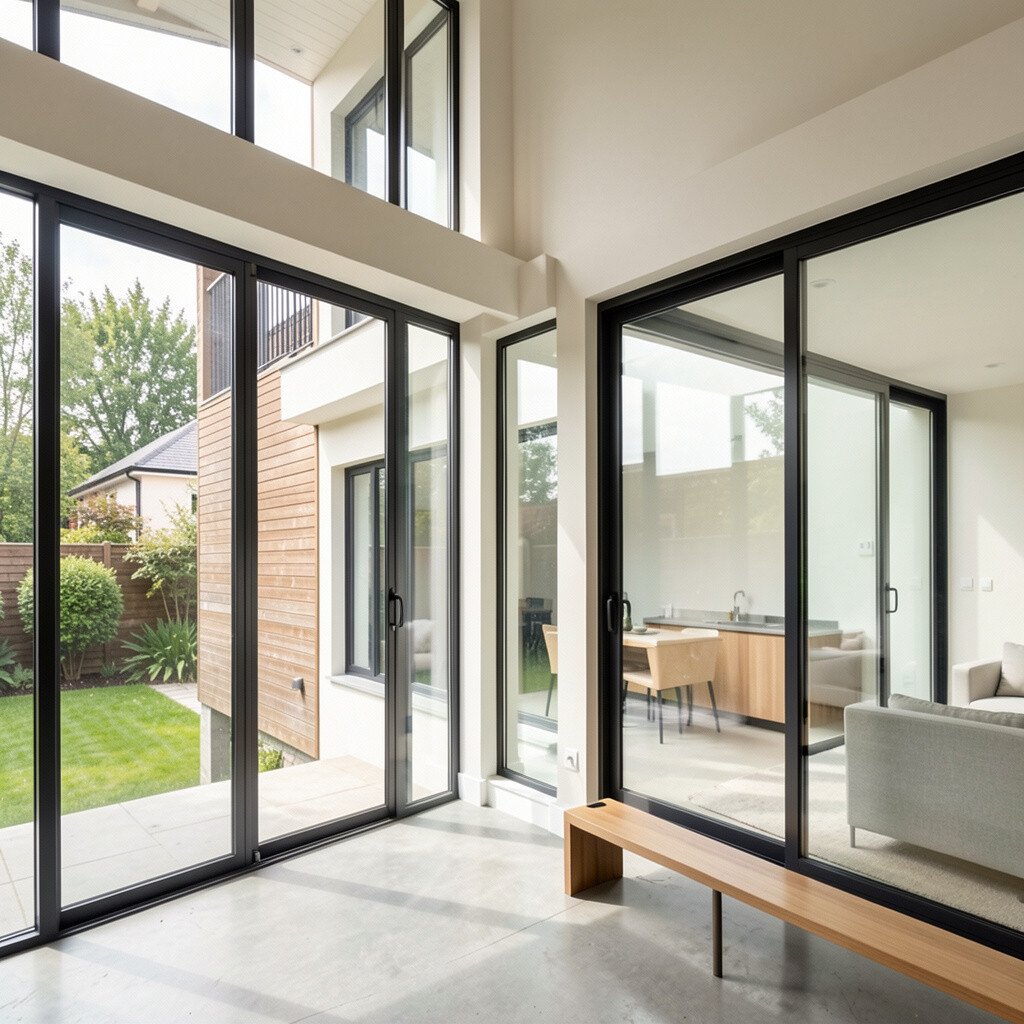
Modern houses often look best when the interior feels bright and steady. Window choices affect comfort every day, and they can also help with long-term energy costs.
Imagine a living room with sunlight gliding across a matte wall, showing the texture in a soft way. When you pick quality glazing and good seals, you reduce drafts and keep temperatures stable. That means fewer surprises with heating and cooling bills.
For practical tips, focus on placement and frame color, then pair it with the right blinds. You can choose simple, clean hardware and still get that modern look. If the budget is tight, consider upgrading windows in the most visible rooms first.
10. Create Storage That Makes the House Feel Cleaner
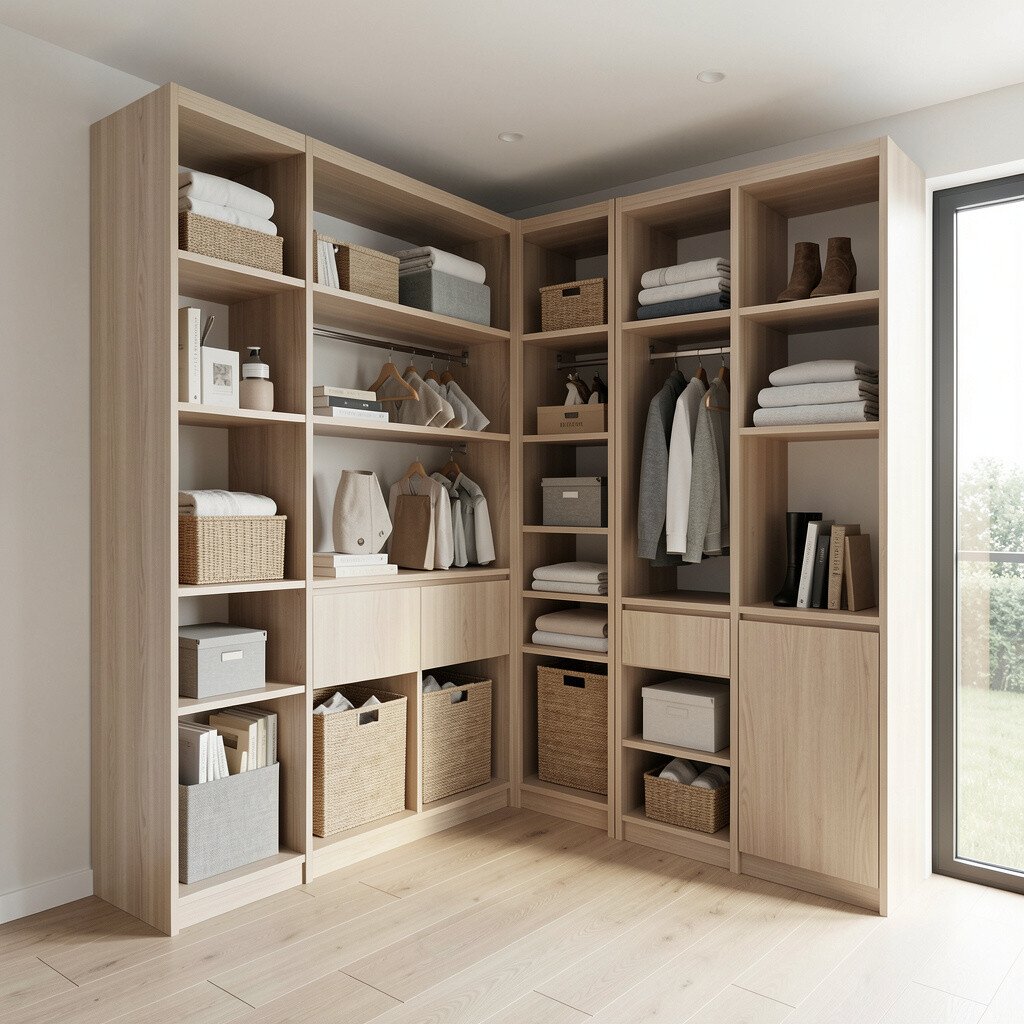
Clutter makes even the best modern finishes look messy, so storage is more than a convenience. Clever storage keeps your lines crisp and your surfaces calm.
Picture built-in shelves that run alongside a doorway, a bench with hidden compartments, or cabinets that vanish into the hallway. Add closet organizers and drawers where you naturally toss items, like entryways and near laundry. This improves daily life and supports the modern “less visual noise” style.
To manage cost, start with storage in high-traffic areas, where the payoff is fastest. If you’re customizing, keep your design repeating, like the same shelf depth and drawer sizes. That makes installation easier and personalization simpler.
Measure carefully and label your storage goals in your head, like where coats go, where mail goes, and where you store seasonal items. You’ll feel the difference right away when everything has a home. This also helps you avoid spending twice when you later realize you need more space.
11. Upgrade the Bathroom with One Smart Material Switch
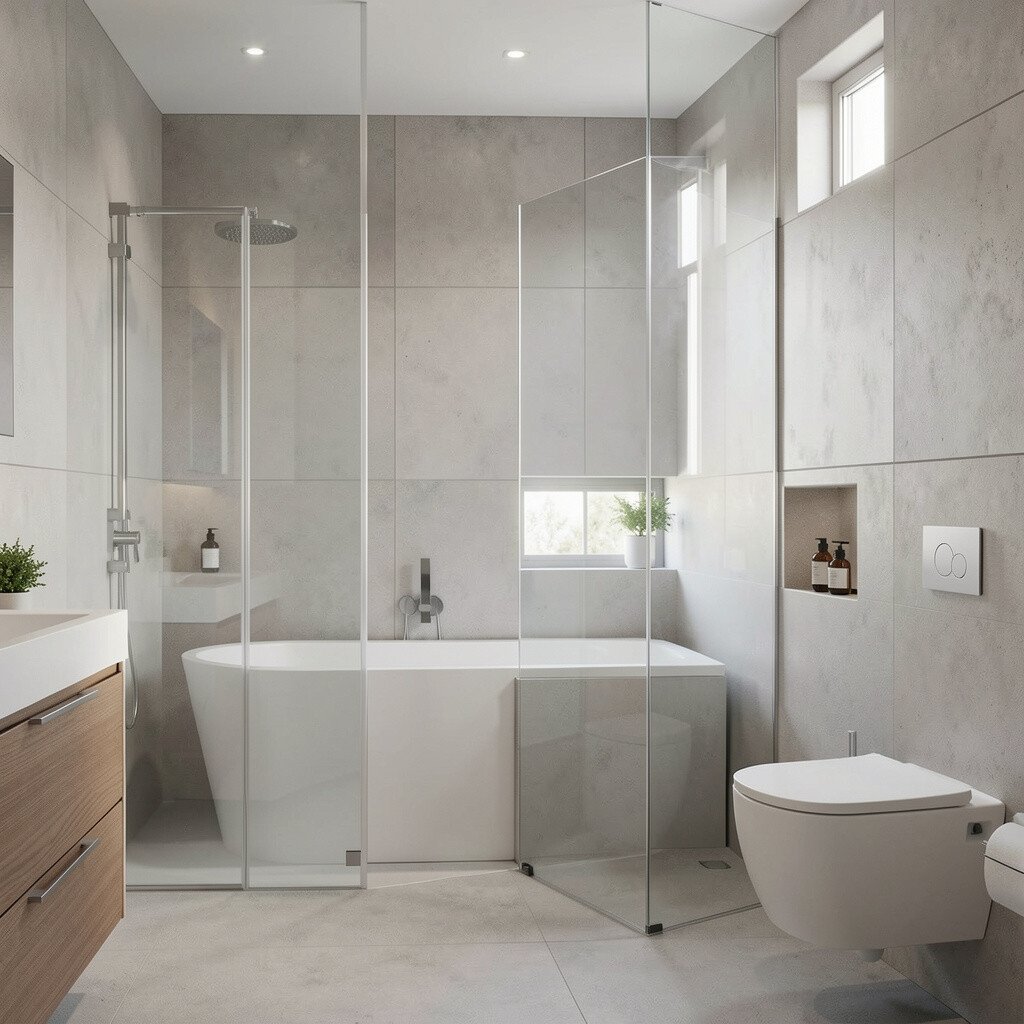
Bathrooms can eat budgets fast, but you can keep them modern with one smart material change. Small upgrades, done in the right way, can still make the room feel high-end.
Consider durable, water-friendly surfaces that look like stone without the heavy cost, such as porcelain tile with a realistic pattern. Picture a shower with clean lines, a niche for bottles, and a floor that stays safe and modern. Pair it with simple fixtures in brushed finishes for a smooth, consistent look.
For practical tips, focus on the areas that get touched and seen the most, like the shower wall and vanity. Choose a vanity style that fits your space and add good lighting around the mirror. This reduces daily frustrations while still giving the modern feel.
12. Use Custom Built-Ins Where the Shape Fits
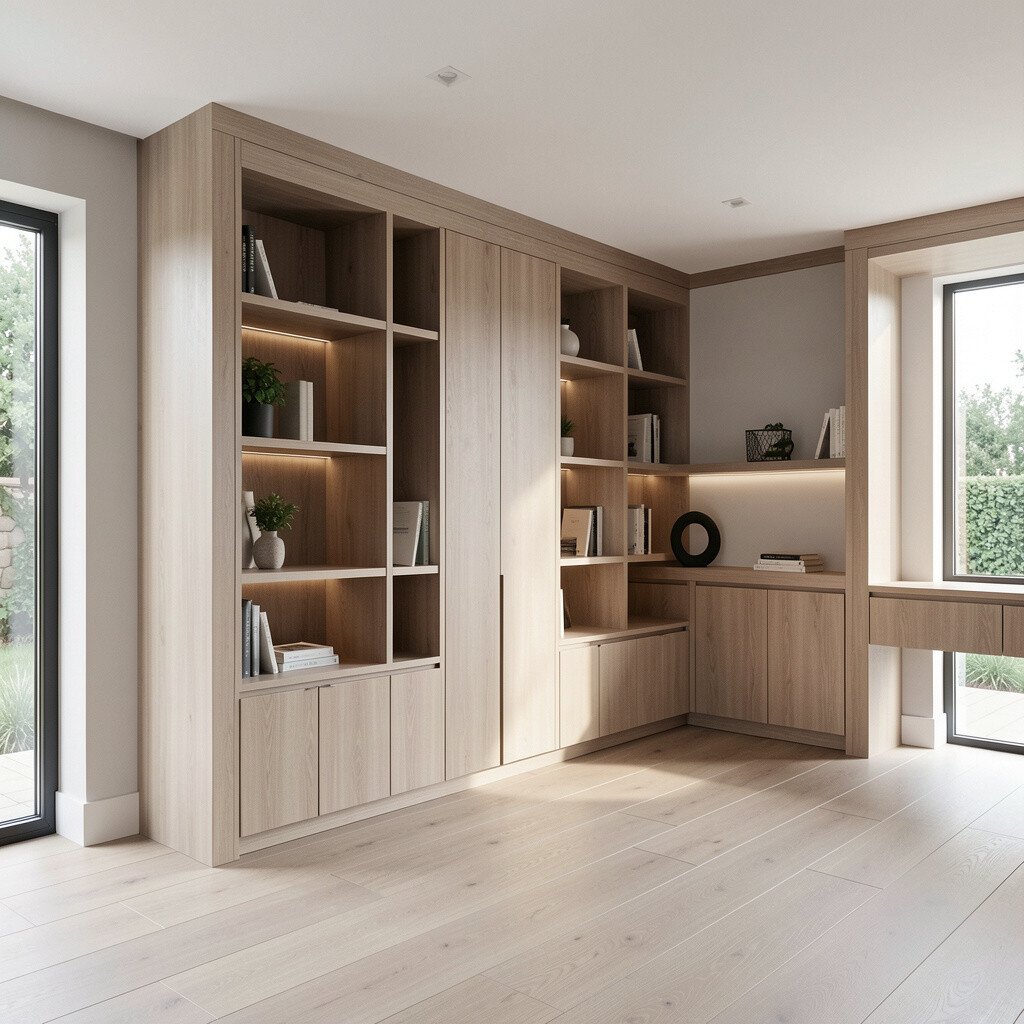
Modern built-ins can look like they were always part of the house, especially when they follow existing shapes. If you have an awkward nook, a sloped ceiling, or a narrow wall, built-ins can turn it into a feature.
Think of a reading corner with shelves, a window seat with storage, or a media wall that frames a screen with clean trim lines. Built-ins can be cheaper than you’d think when you measure carefully and reuse materials you already planned to buy. This makes the space feel more personal and less generic.
To personalize, choose a finish that matches your main color scheme, like light oak tones or matte white. Add doors or open shelves depending on how tidy you like to keep things. For practical savings, limit the number of distinct materials and keep hardware consistent across the home.
Also consider how you’ll use the space over time, such as adding baskets now and books later. Built-ins are one of those changes that keep paying you back daily.
13. Plan Exterior Color and Trim for a Clean Modern Edge
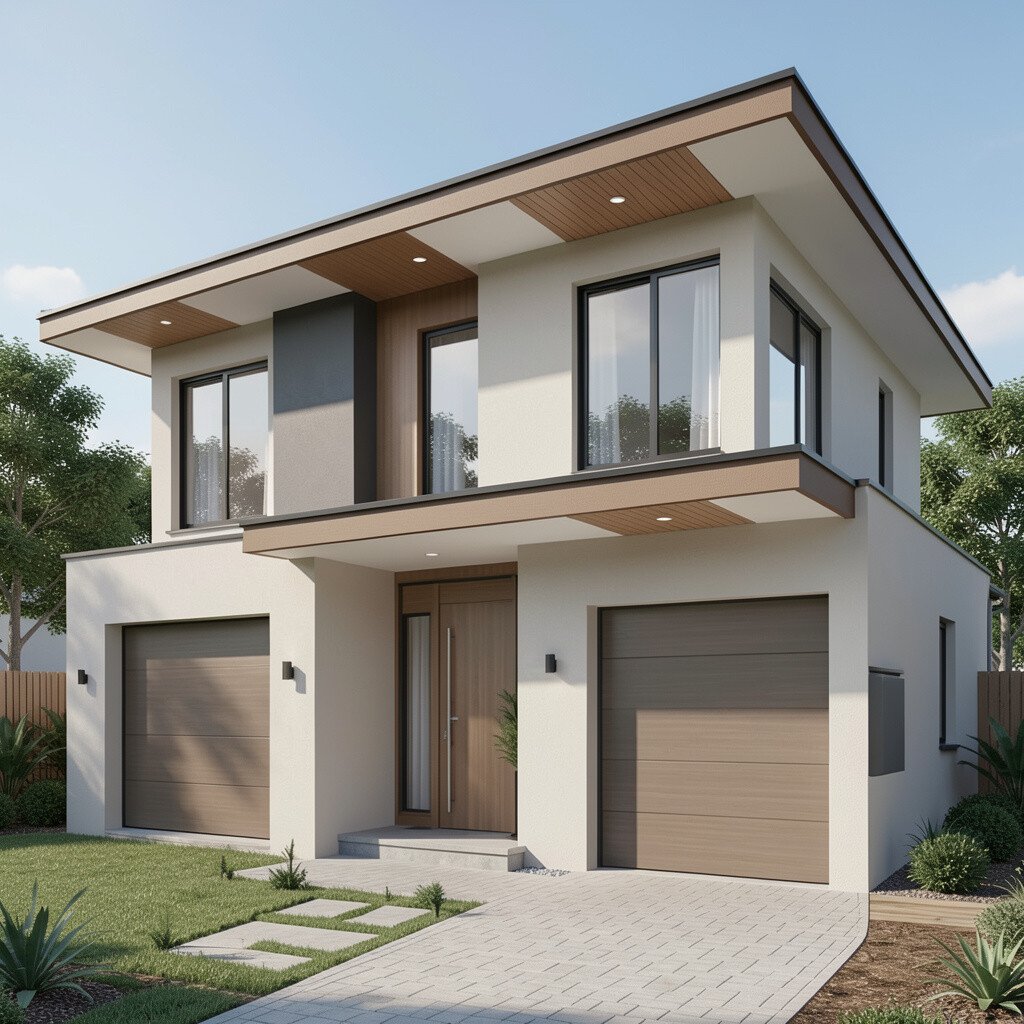
Modern curb appeal is mostly about contrast and clean edges. When the exterior looks sharp, people assume the inside is too, even if you made careful budget choices.
Imagine a front door with bold color, paired with siding in a light neutral and darker trim lines that frame windows. You can also add a simple railing style or a sleek mailbox to keep the look cohesive. Choose fewer colors and repeat them in a planned way for a modern, calm feel.
For cost considerations, prep and paint with care, because good prep prevents extra repairs later. Small trim updates can also make a big difference, like replacing old hardware or upgrading lighting. If you want personalization, select a door color that matches your personality while staying within a modern palette.
14. Make the Kitchen Feel Expensive with a Better Workflow
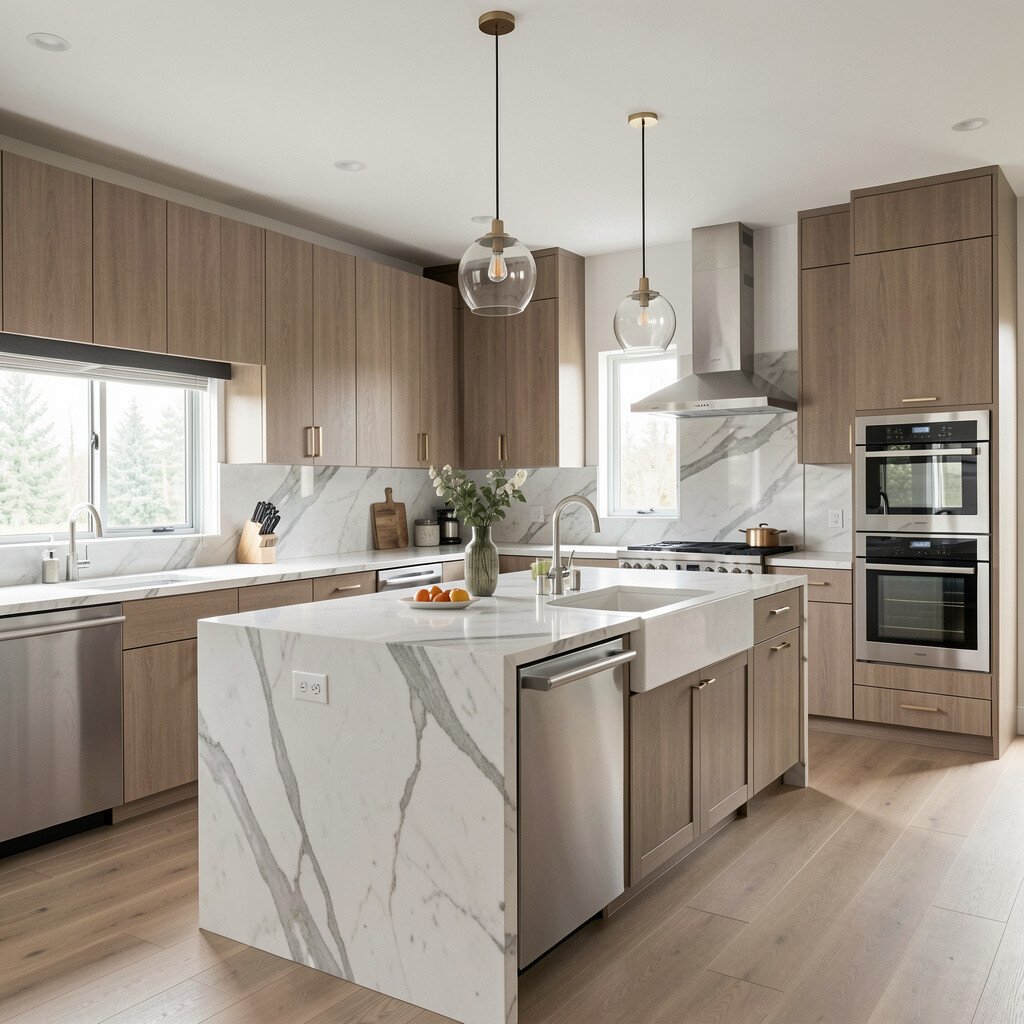
A modern kitchen doesn’t just look good, it works smoothly. When the workflow makes sense, you’ll enjoy cooking more and feel less rushed.
Plan your sink, cooktop, and fridge so you can move in short, easy steps. Add a dedicated spot for prep near the countertop that feels most comfortable for you. When you picture a clear pathway with open sightlines, the kitchen starts to feel like a studio setup, not a budget compromise.
For practical tips, check where doors swing and how far you can reach while standing at the counter. If space allows, include a pull-out trash and a hidden space for daily tools so counters stay clean. This is a great place to personalize, because you can design around your cooking habits, like extra storage for baking supplies or spices.
To keep costs under control, prioritize layout improvements first and upgrade finishes later in phases. That way, the kitchen functions well right away, and it still gets nicer over time.
15. Create a Sustainable Upgrade Path That Fits Your Timeline
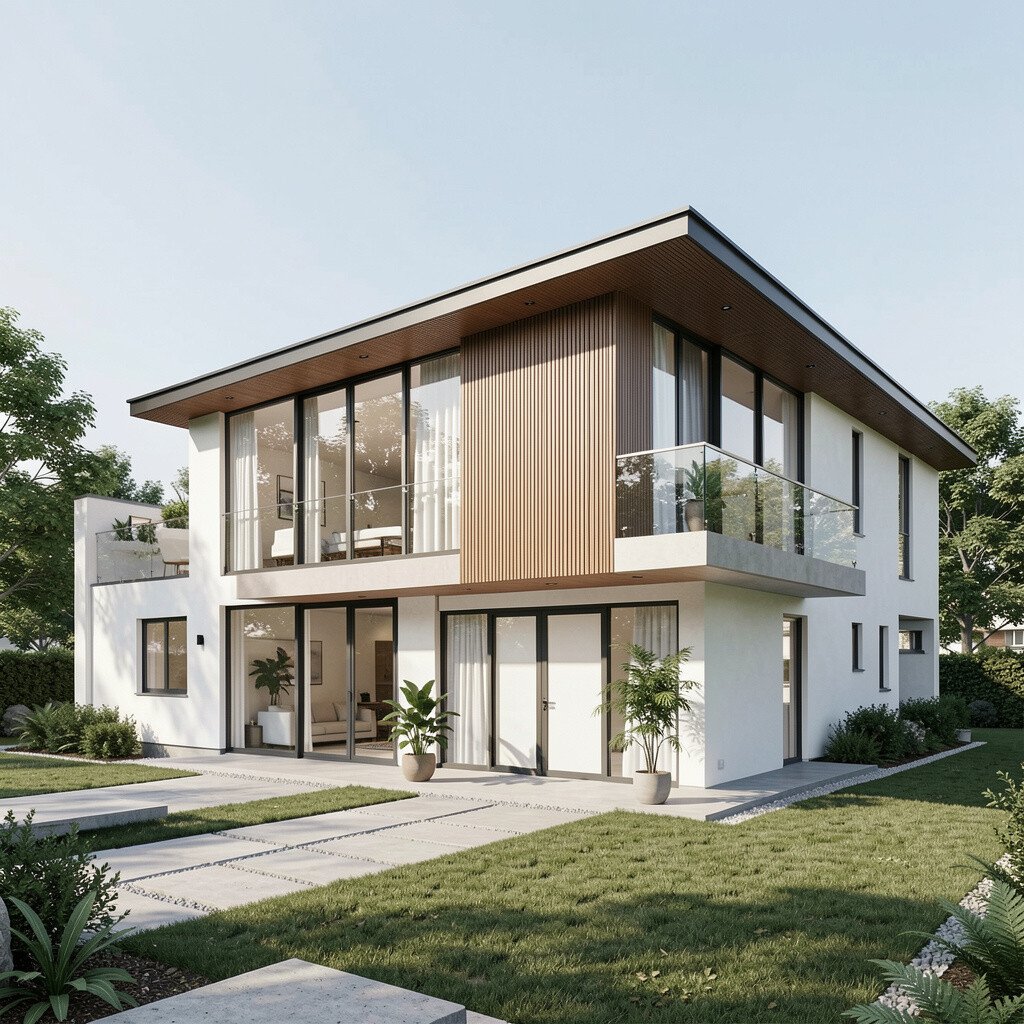
When money is tight, doing everything at once can lead to regret. A steady upgrade path lets you spread decisions without losing your modern vision.
Think about energy-saving moves like better insulation, smart thermostats, and efficient lighting, all paired with a home design that stays bright and comfortable. Modern trends often lean into long-lasting choices, such as durable finishes that age well and simple maintenance details. This helps your home look fresh even as you complete upgrades in later seasons.
To personalize, set priorities based on your daily comfort, like quieter bedrooms, cooler summers, or easier cleaning. Track what you change and how it affects your routine, so your next purchase feels smarter. For cost considerations, focus on items with both visible impact and practical payoff first.
If you’re not ready for major renovations, small improvements like sealing gaps, adding weatherstripping, and upgrading outlets can make an immediate difference. Then you can move on to bigger design choices when the budget catches up. The result is a modern home that grows with you instead of overwhelming you.