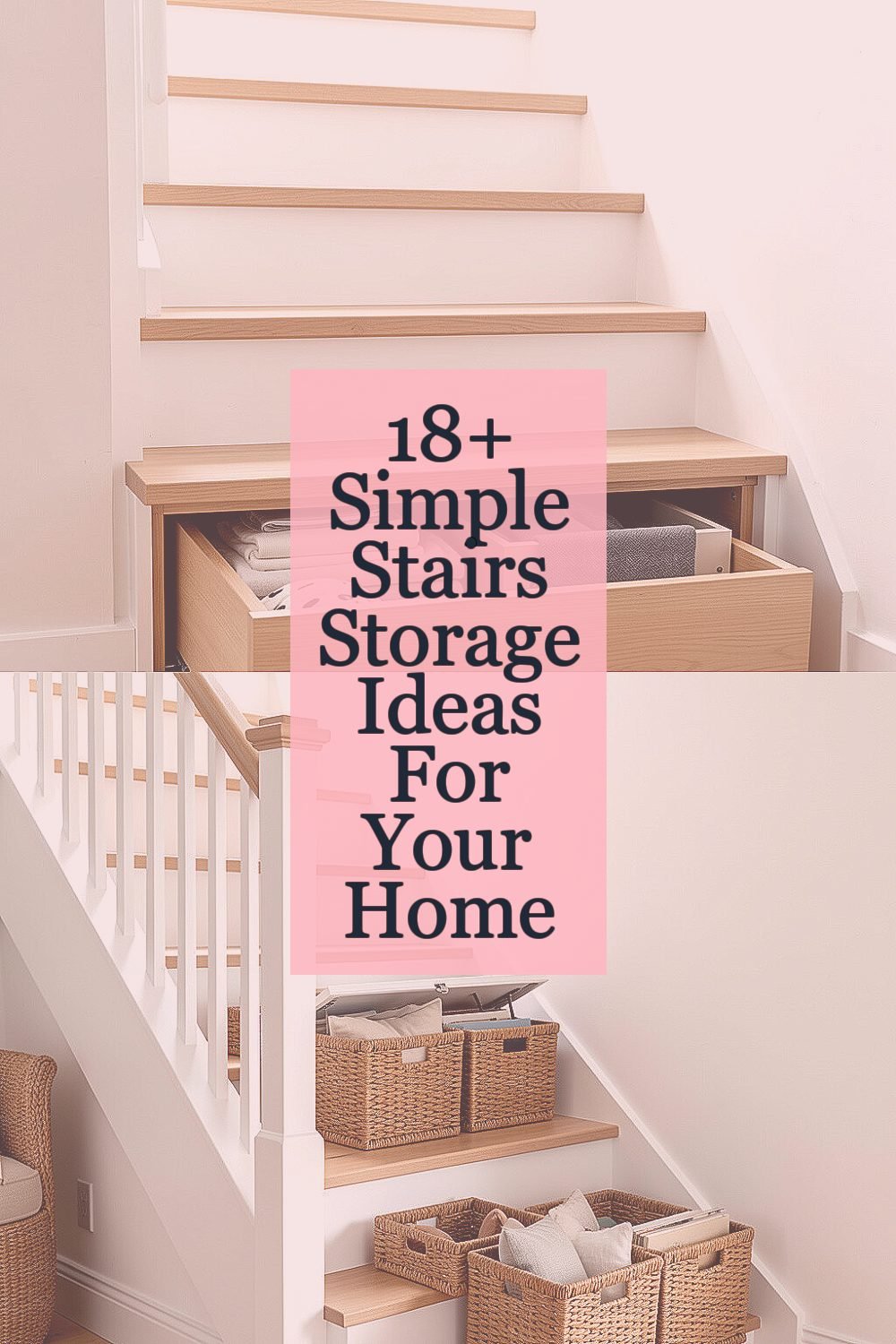
Your staircase can do more than move you from floor to floor. With a few smart tweaks, it can start working like extra storage without feeling bulky.
From tiny everyday fixes to custom carpentry touches, these ideas help you keep things tidy while making your home look more intentional.
1. Tuck Drawers Under the First Steps
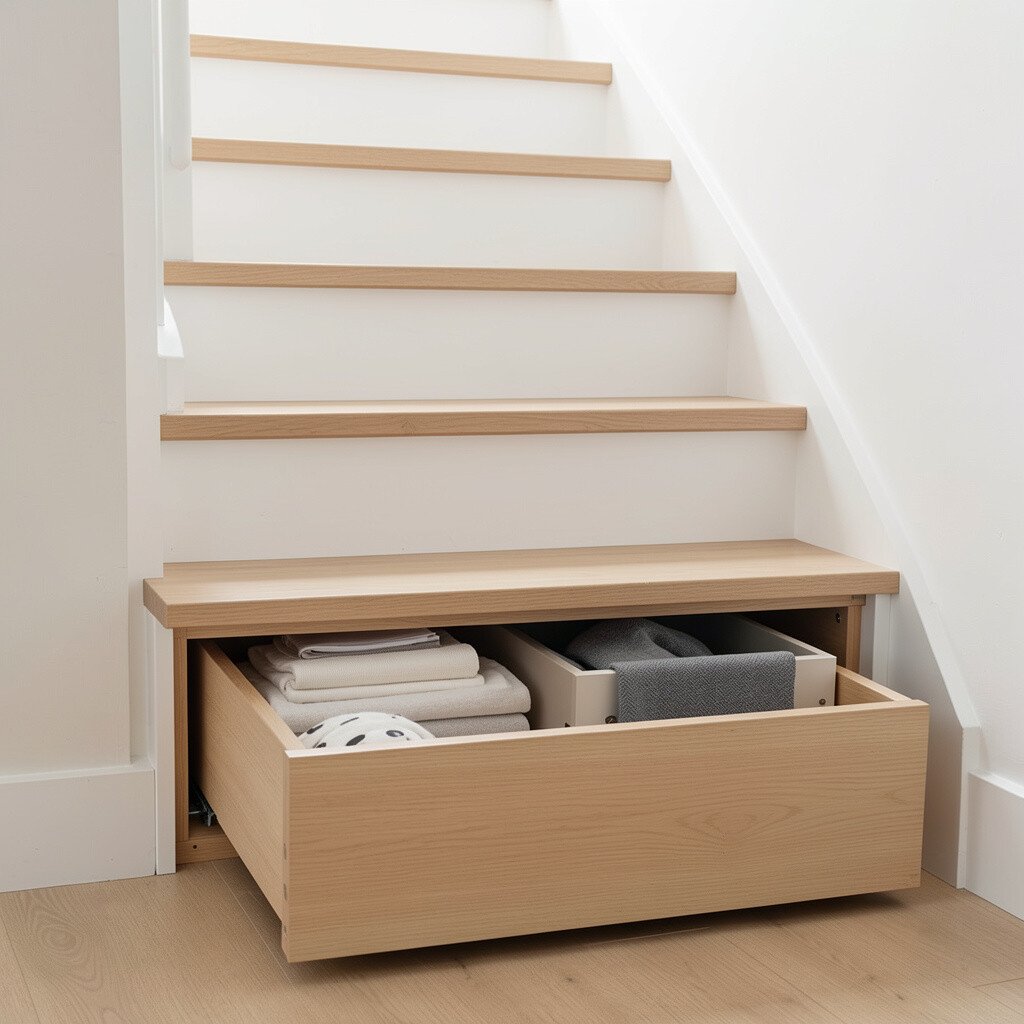
Imagine sliding out small drawers right beneath the earliest steps every time you need keys, gloves, or charging cables. The front rail can still look neat while the inside quietly holds daily items.
Use soft-close slides so the drawer closes smoothly and quietly. Measure the space carefully, and plan for a little breathing room around the drawer edges so it never catches when the wood expands or contracts.
2. Add Baskets to Stair Risers That Flip Open
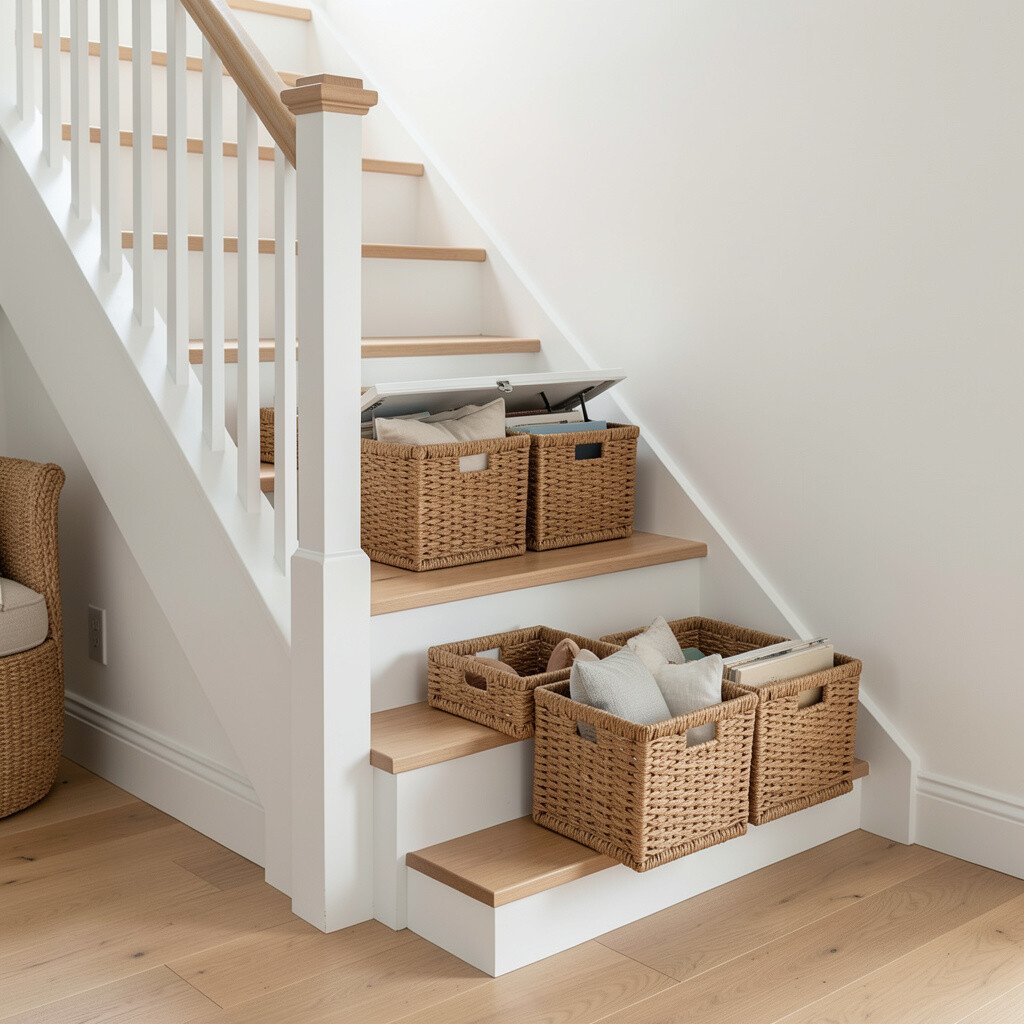
Some stair risers can be built as hinged panels that open like little doors. A shallow basket inside looks tidy and makes use of space you normally walk past.
Choose baskets with a lip so items stay put even when you grab them quickly. For personalization, paint the interior panel color to match your hallway vibe, like warm white, soft gray, or a calm sage tone.
For practical setup, store items that you grab often, such as spare socks, small toys, or cleaning rags. This approach is usually less expensive than full custom cabinetry because the compartments are sized smaller and simpler.
3. Create a Narrow Shelf Strip Along the Side Wall
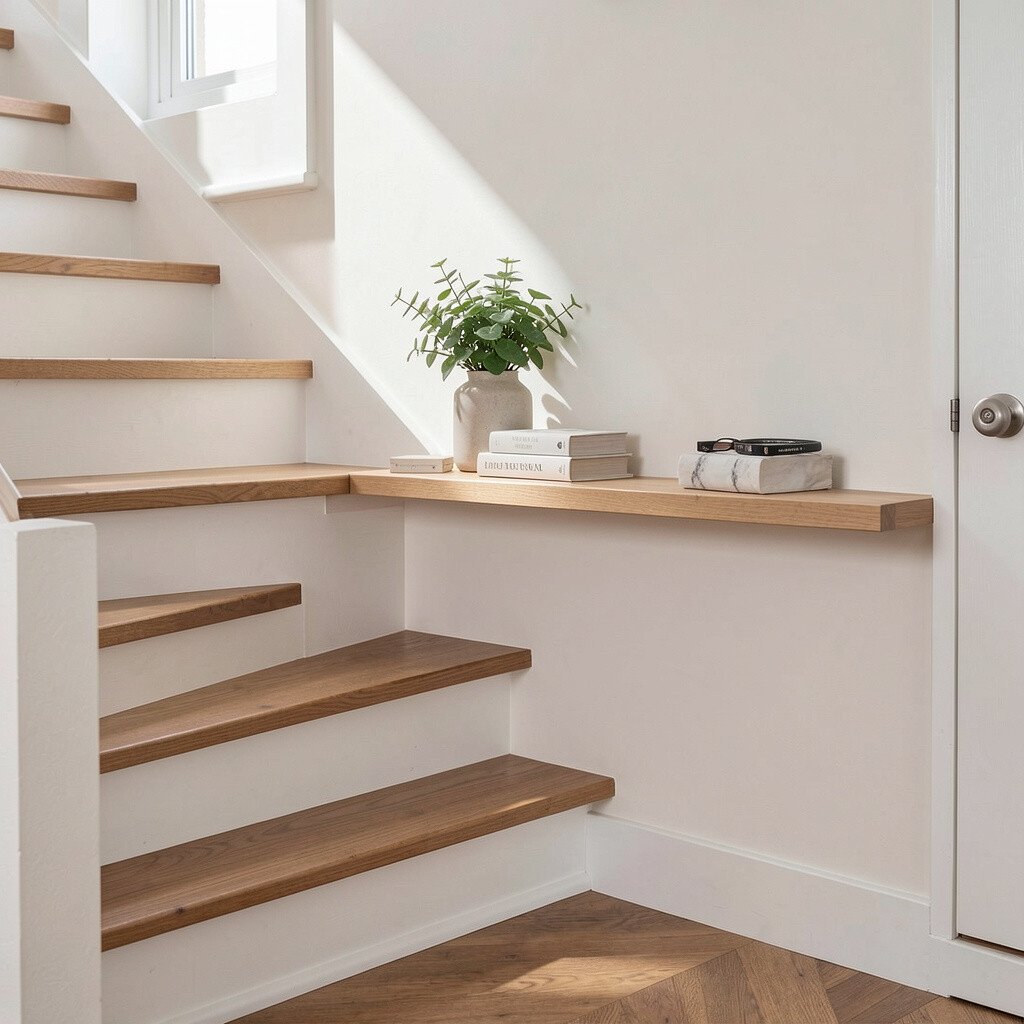
Running a slim shelf along the side of the staircase instantly adds a place for baskets, books, and framed photos. Even a thin ledge can feel decorative while it also gives you a home for everyday clutter.
Stagger shelf height so taller decor fits on one section while smaller items sit higher or lower. Use brackets rated for weight, then add a simple lip on the shelf edge to keep items from slipping forward.
If you want a modern look, use matching wood tones and keep the shelf lines straight. For cost control, use store-bought brackets and pre-finished boards so you spend less on materials and finishing time.
4. Turn the Landing into a Small Storage Bench
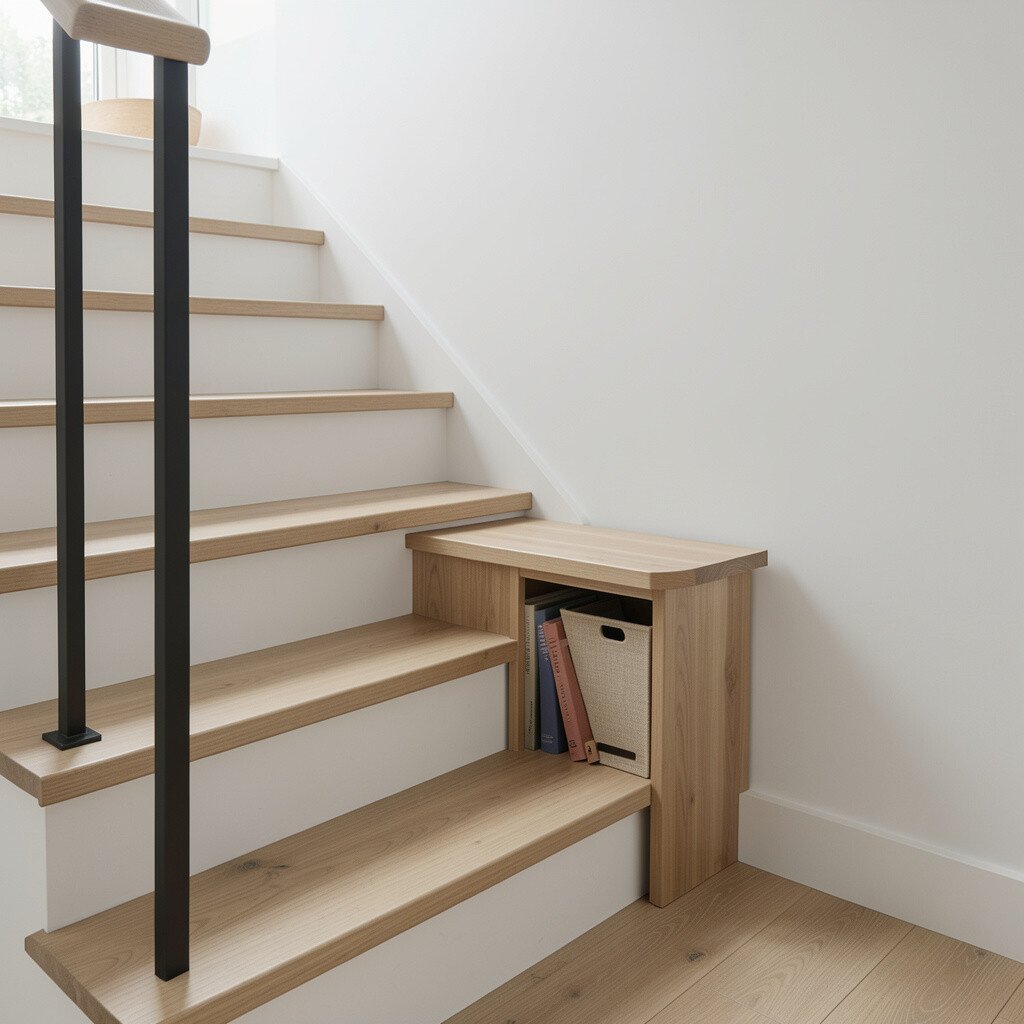
A landing bench with hidden storage can make the staircase feel more welcoming. You get a soft place to sit while also gaining a place for seasonal items and extras.
Look for a bench lid that opens smoothly and has a support hinge so it stays up safely. Add a removable tray inside so you can separate scarves, hats, or board games without digging.
5. Use Ladder-Style Shelving Between Stringers

If your staircase has space between the vertical supports, you can build ladder-like shelving there. The sight of neat shelves rising step by step looks stylish while giving you vertical storage.
Keep shelf depth shallow so it doesn’t steal walking space. This works well for books that stand upright, small storage bins, and decorative boxes that you rotate seasonally.
6. Install Sliding Doors on the Space Below the Stairs
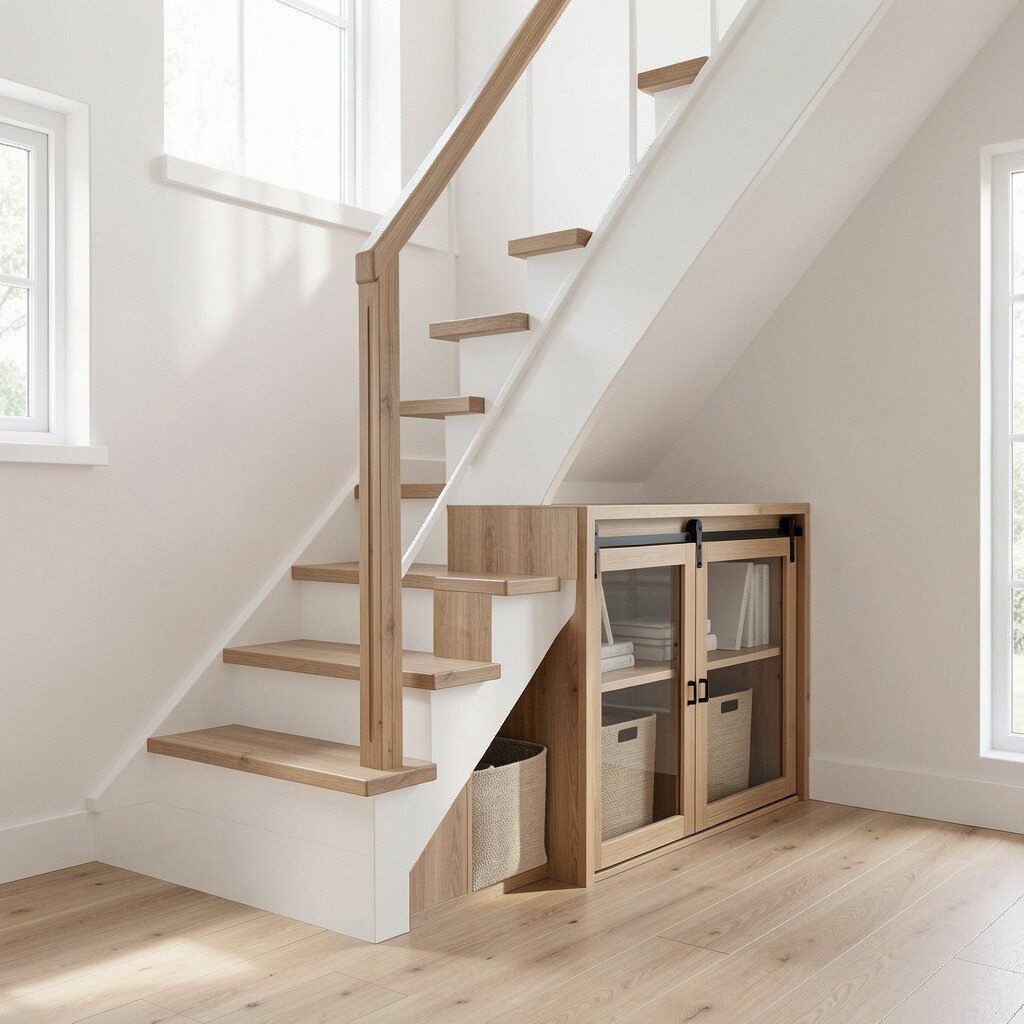
The area under the stairs often feels awkward and empty, but sliding doors can make it look intentional. When the doors are closed, you get clean lines that fit your home instead of a “storage cave.”
Use tracking hardware that runs smoothly, and choose materials that match nearby cabinetry. For practical organization, place labeled bins inside so you can find what you need quickly after a busy day.
7. Build Step-Niche Cubbies That Match the Stair Profile
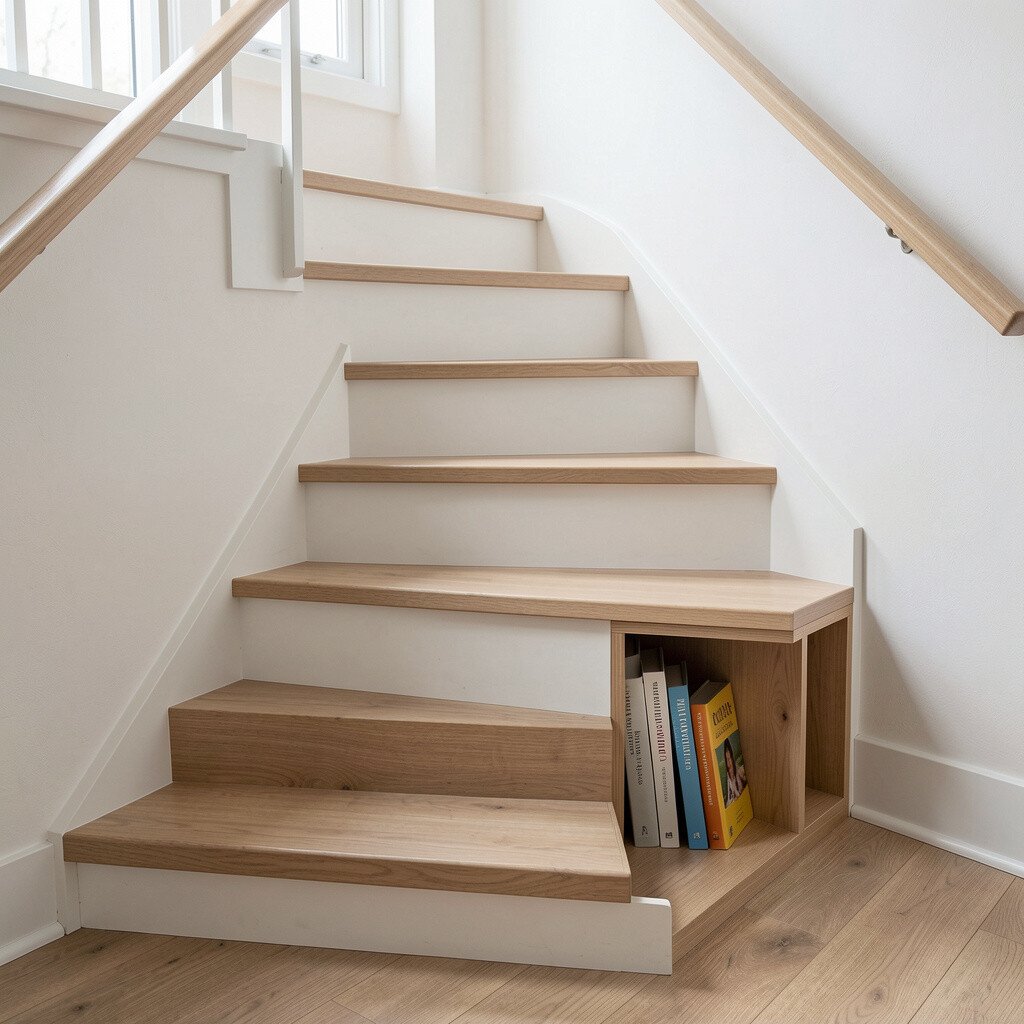
Each step can hide a small niche, creating a row of cubbies that line up with your staircase. The pattern looks custom and gives you perfect spots for decor, kids’ items, or display pieces.
Use the same wood or paint finish as the stairs so everything feels cohesive. Add a small door or open face depending on what you store, since closed cubbies help keep dust away from delicate items.
To keep it practical, store lighter things in open cubbies and heavier items in cubbies with strong backs and thicker shelves. Hiring a carpenter can raise the cost, but the result often looks like built-in furniture rather than an afterthought.
8. Fit Pull-Out Trays for Cleaning Supplies
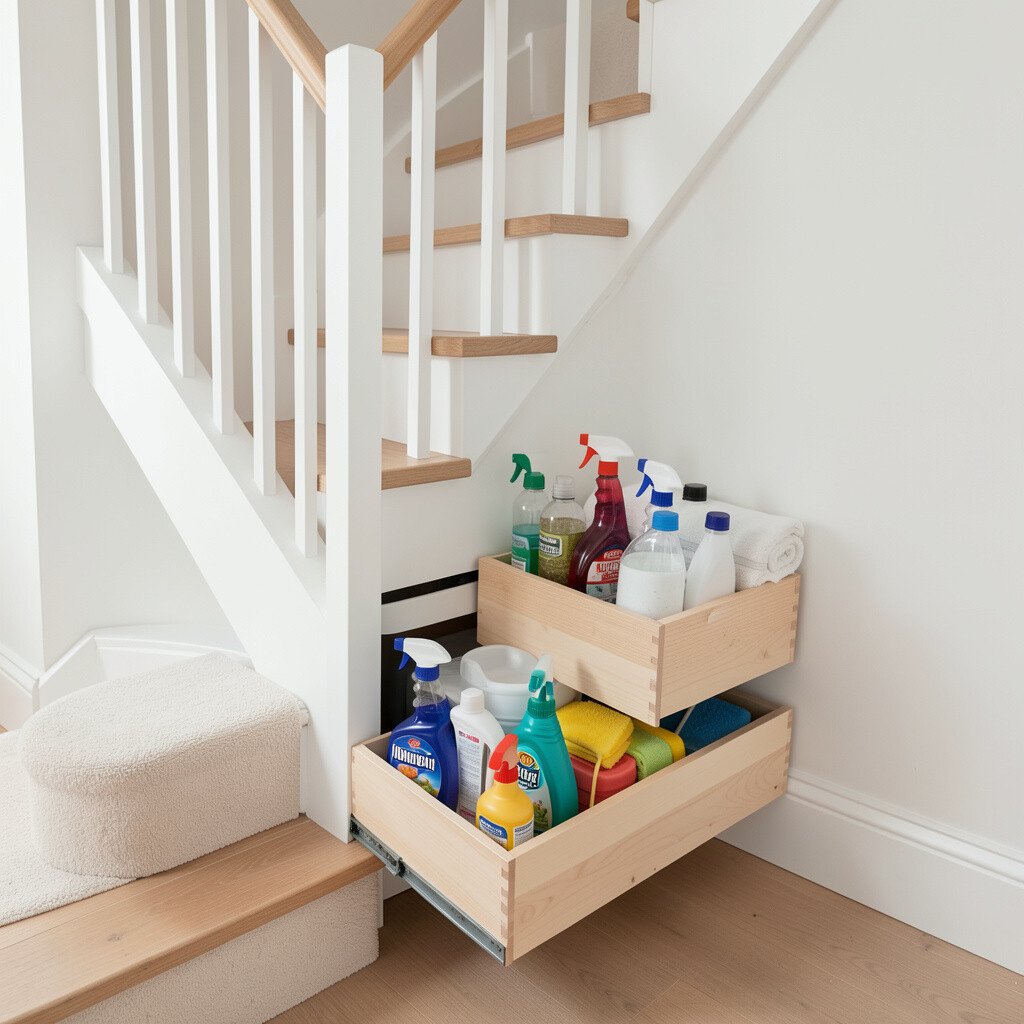
Cleaning tools tend to multiply fast, and stair storage can help you keep them controlled. Pull-out trays under a few key steps give you quick access while keeping bottles and tools tucked away.
Use rails designed for frequent opening so the trays don’t sag. A simple way to personalize is to add small dividers, like a narrow lane for sprays and another for scrub brushes, so everything stays upright.
9. Add a Bookshelf Ladder Next to the Stairs
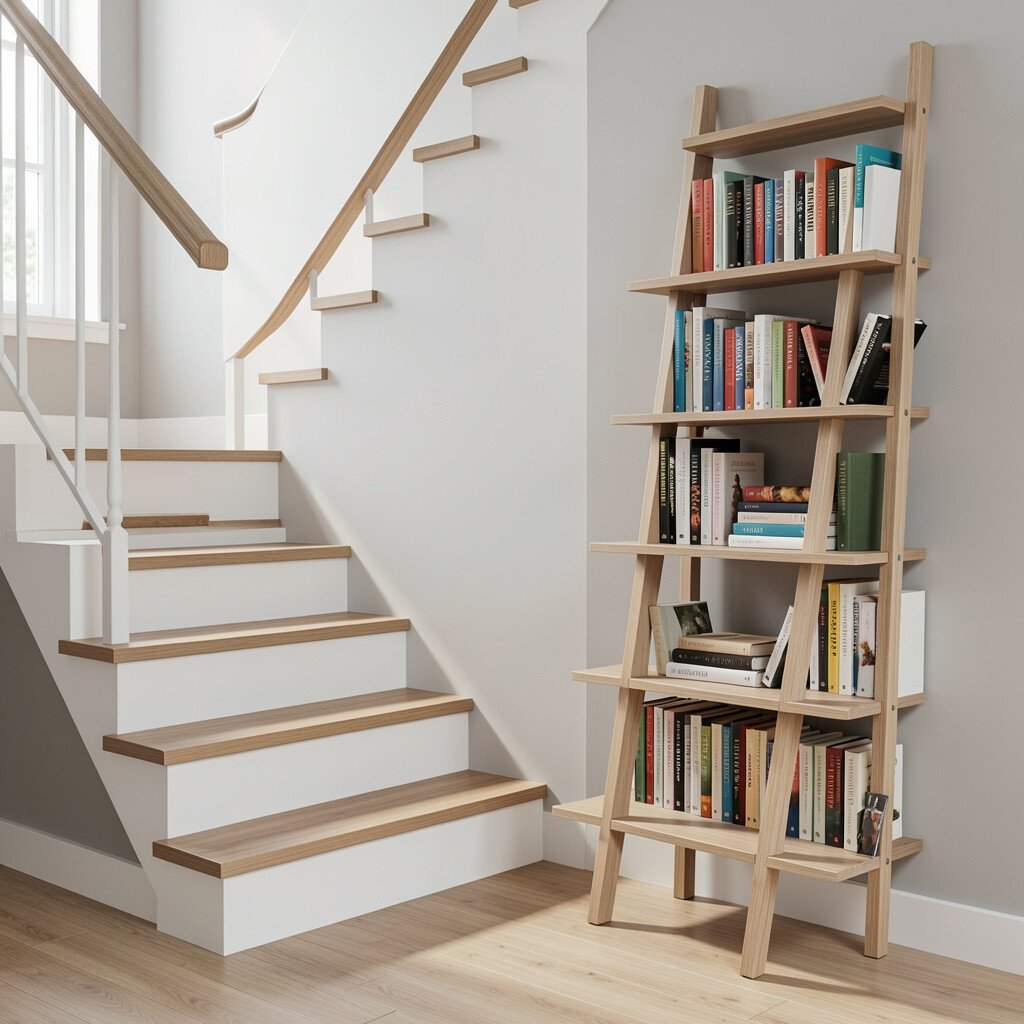
If your staircase has a nearby wall, a ladder shelf can lean into that space beautifully. The open shelves show off books and baskets without making the hallway feel cramped.
Choose sizes that align with sightlines from the main hallway so it looks balanced. This is a great low-risk option for cost, because you can pick a ready-made unit and style it with your own color choices and baskets.
10. Use Towel Bars and Hooks on the Back of Stair Doors
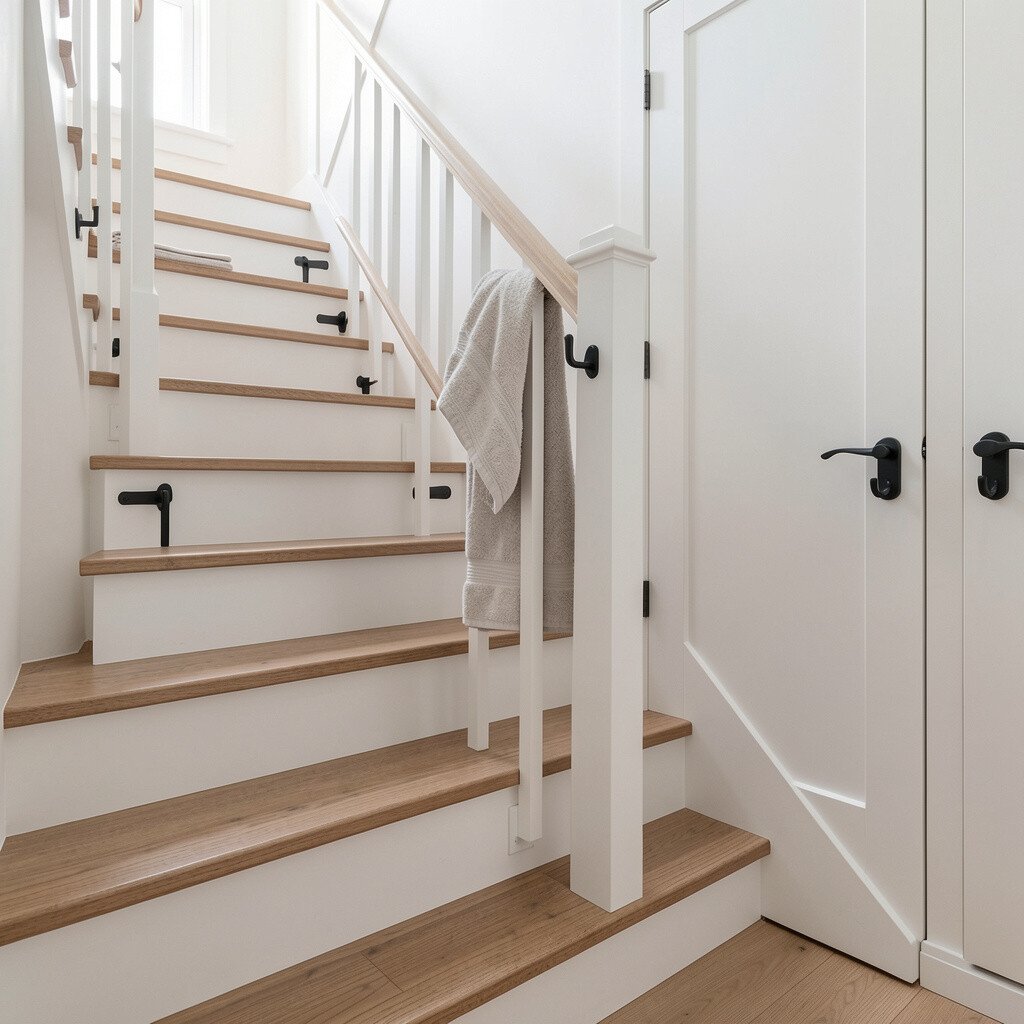
Where there are door panels or closet backs near the stairs, hooks can be surprisingly handy. Hanging towels, bags, and even small umbrellas keeps the space working while keeping the visual clutter down.
Mount hooks at different heights so kids and adults can use them easily. For a cleaner look, select finishes that match your handles and light fixtures, such as matte black, brushed brass, or polished chrome.
11. Create Hidden Hinged Panels Inside Larger Storage Volume
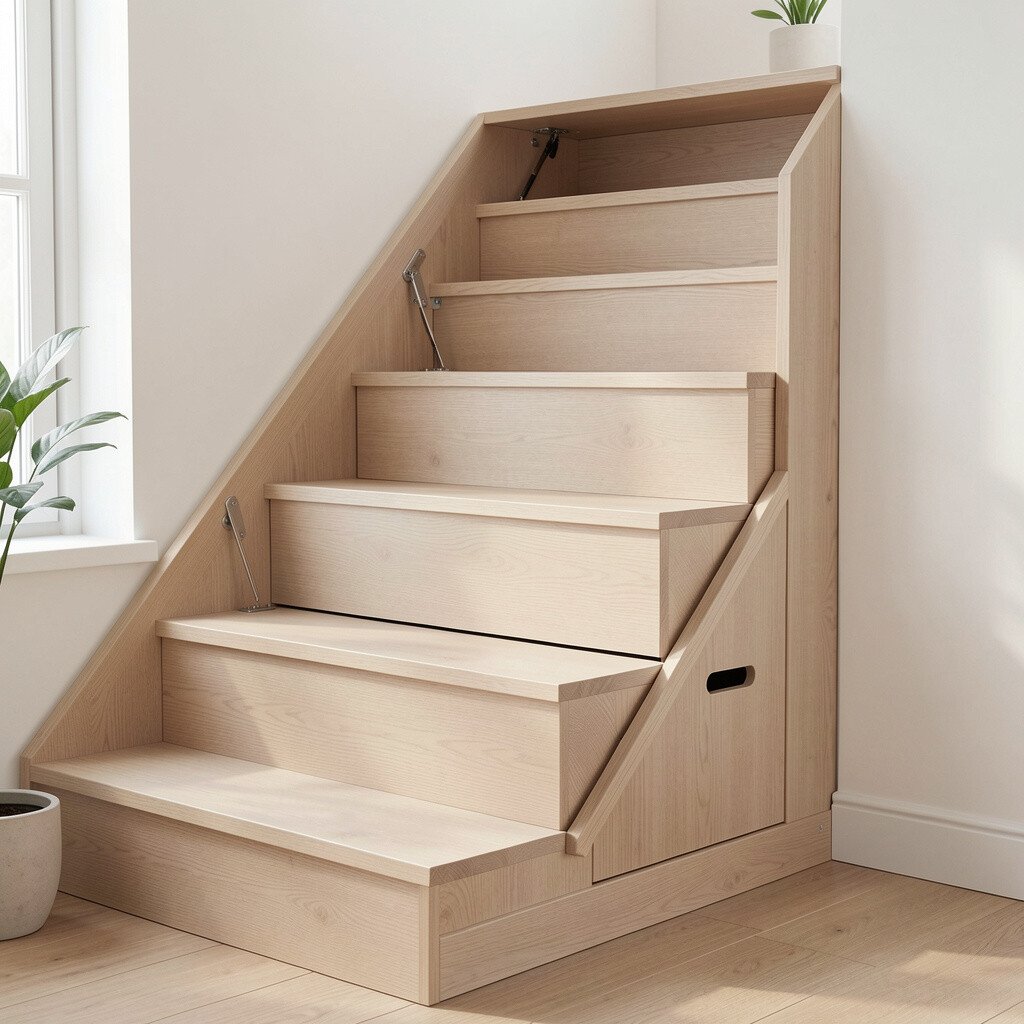
If you already plan a larger storage area under the stairs, hinged interior panels can add extra organization. Instead of one big space, you get compartments that hold different item types.
Use soft-close hinges and add a stopper so doors don’t swing too far. This is a nice customization route, because you can build panels for pet supplies, mail trays, or holiday wrapping paper.
It may cost more than simple baskets, but you also gain long-term convenience. A tidy system helps you maintain the storage instead of letting it turn into a dumping spot.
12. Install a Pegboard Backing for Small Items
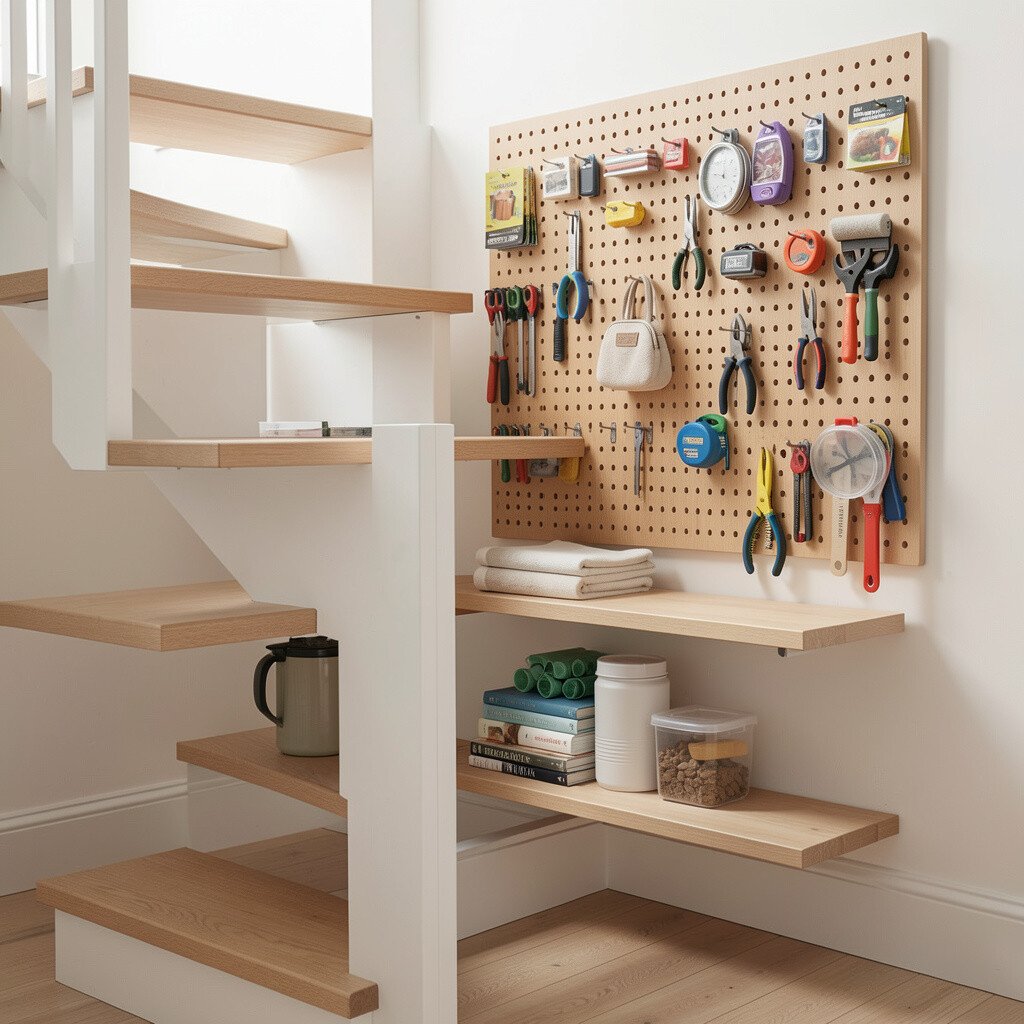
Pegboard can turn a stair-adjacent wall into a flexible storage zone. You can hang small baskets, hooks for cords, and even clip-on holders for scissors or charging bricks.
Paint the pegboard to match the room so it looks less like a workshop and more like part of your decor. When your needs change, you can move the hooks without rebuilding anything, which is a big win for personalization.
13. Add Drawer Stoppers and Label Slits for Easy Finding
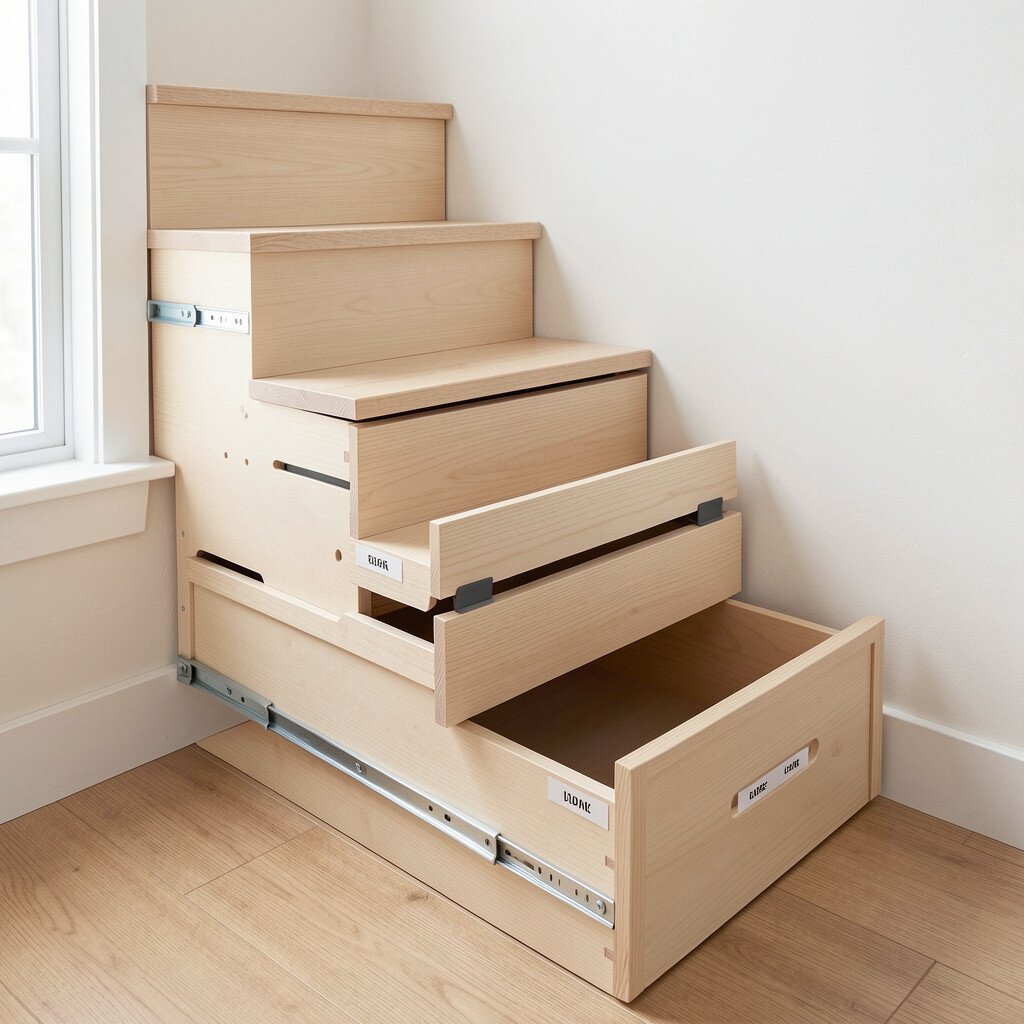
Storage only works if you can find things fast, especially in a busy home. Small drawer stoppers and built-in label slots make it easier to return items to the right spot.
Choose label styles that stay pretty, like small card holders or stamped inserts that match your interior. This approach also saves time, because you won’t have to open every compartment to locate one thing.
If you’re keeping costs lower, you can start with temporary labels on removable cardstock and upgrade later once you refine your system.
14. Put a Reading Nook Shelf at Eye Level on the Stair Wall
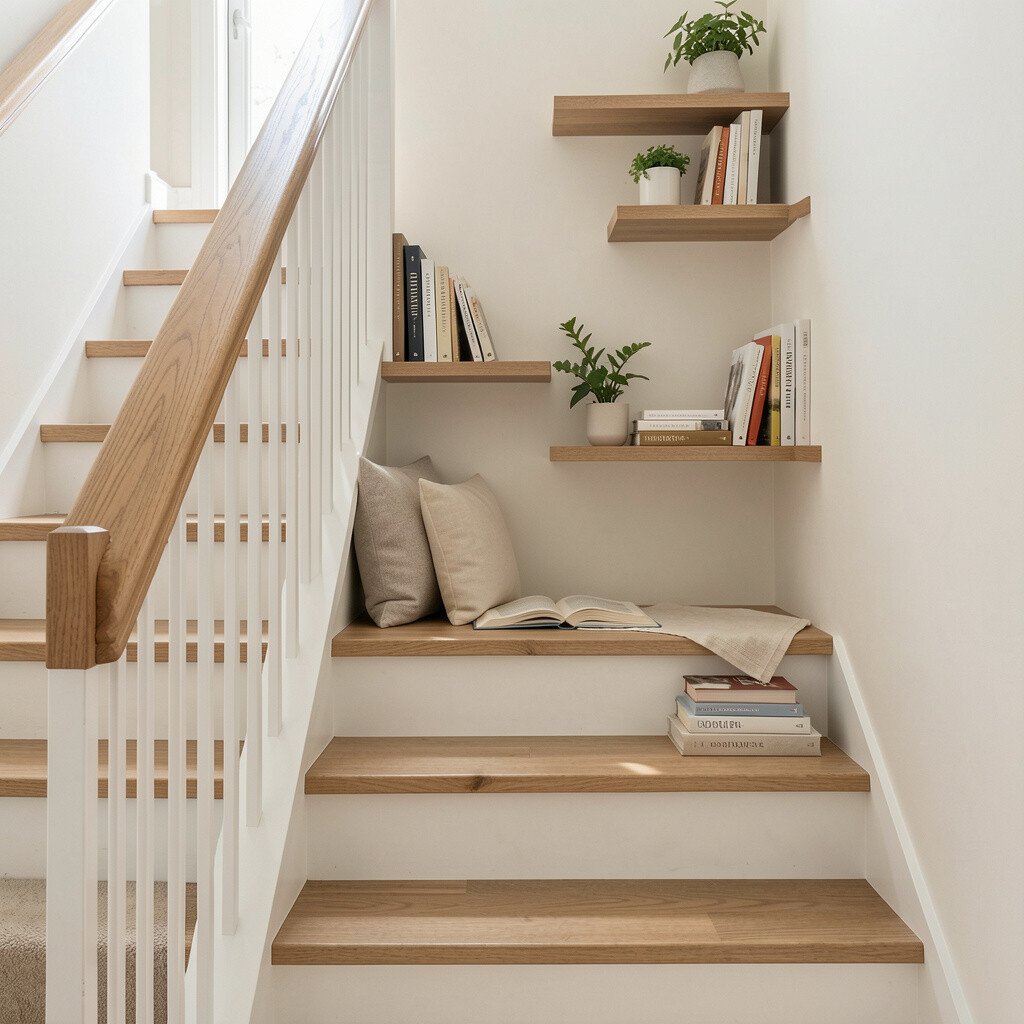
A shelf at eye level by the stairs can turn waiting time into quiet reading time. Stacked books, a small lamp, and a cozy throw make the staircase feel like part of your home’s comfort.
Keep the shelf shallow enough to avoid clutter, but add a small bin underneath for bookmarks, chargers, or kids’ reading supplies. This idea feels unique because it blends storage with mood, giving you both function and style.
15. Store Shoes in Built-In Side Pull-Out Cabinets
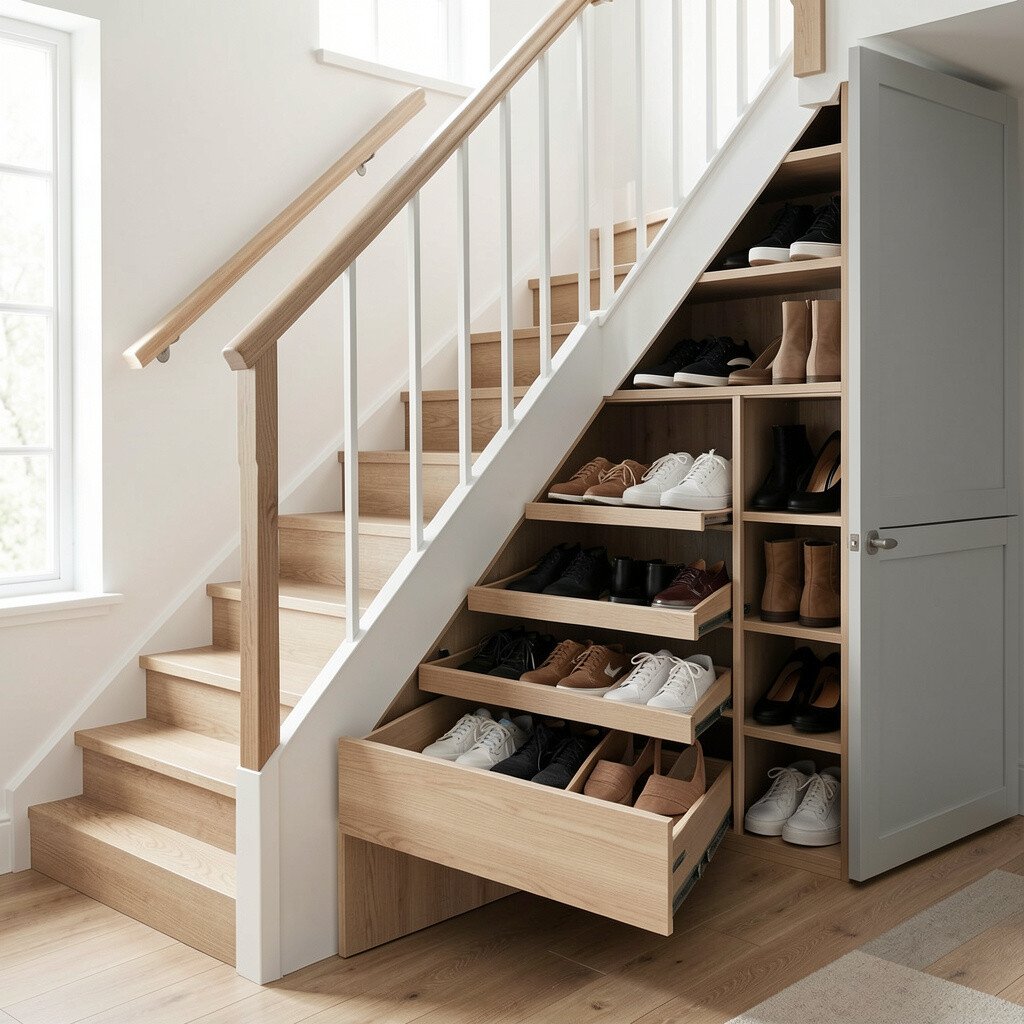
Shoe storage is one of the biggest hallway pain points, and stairs often sit near entry areas. Slim pull-out cabinets next to the stair wall can keep shoes organized without taking up floor space.
Use shelves with a slight angle so shoes slide in neatly and stay visible. For practical tips, install handles at different heights so everyone can open them easily, including guests.
This setup usually costs more than adding a simple shelf, but it can look like a real custom piece. If you want a budget version, use off-the-shelf pull-out organizers and tailor the frame width around them.
16. Use Clear Front Bins on Open Stairs for Quick Access
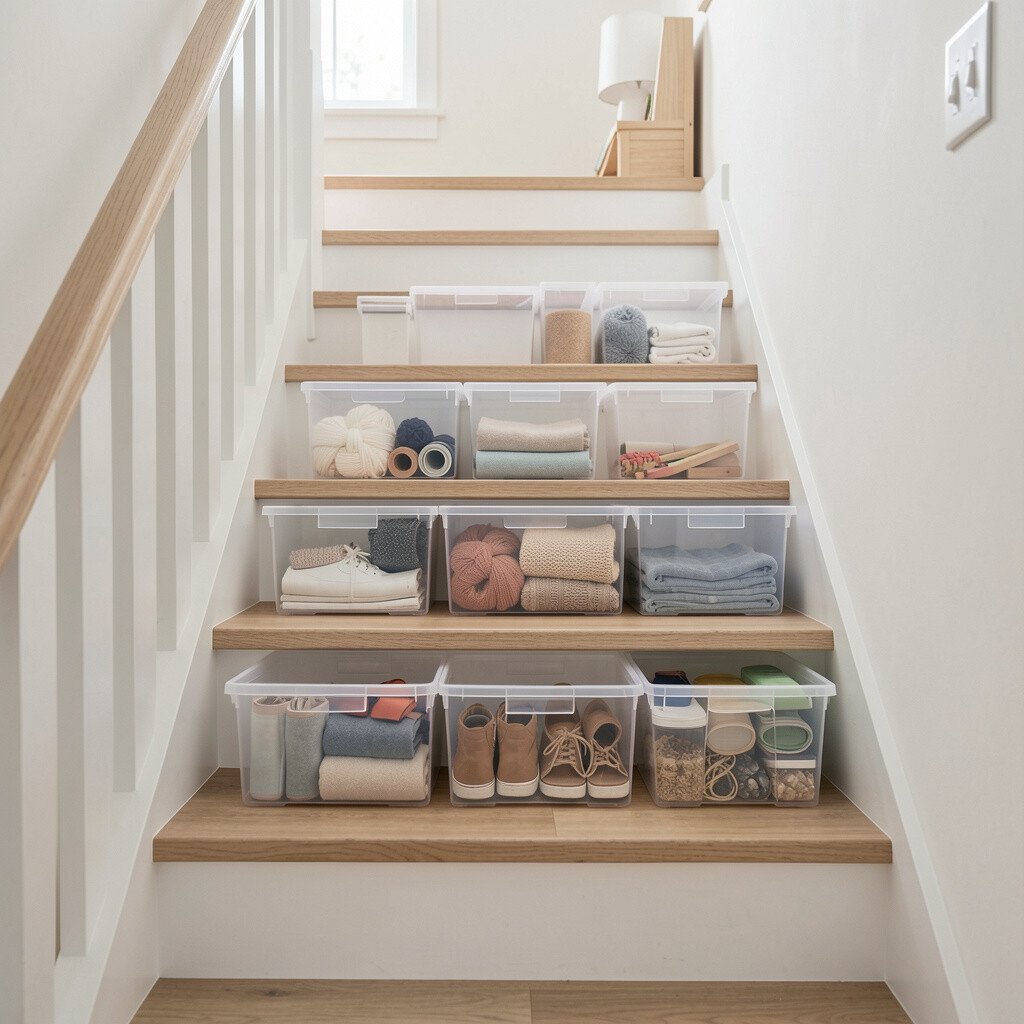
Clear bins can make storage feel lighter, even when you’re keeping a lot. On open stair cubbies or side compartments, you can see what’s inside and grab items quickly.
Choose bins with matching lids to keep dust out and keep the look consistent. Personalize by adding small color tags, like a green tag for kids’ items or a blue tag for seasonal decor.
17. Make a Weather-Proof Entry Crate Zone Beneath the Stairs
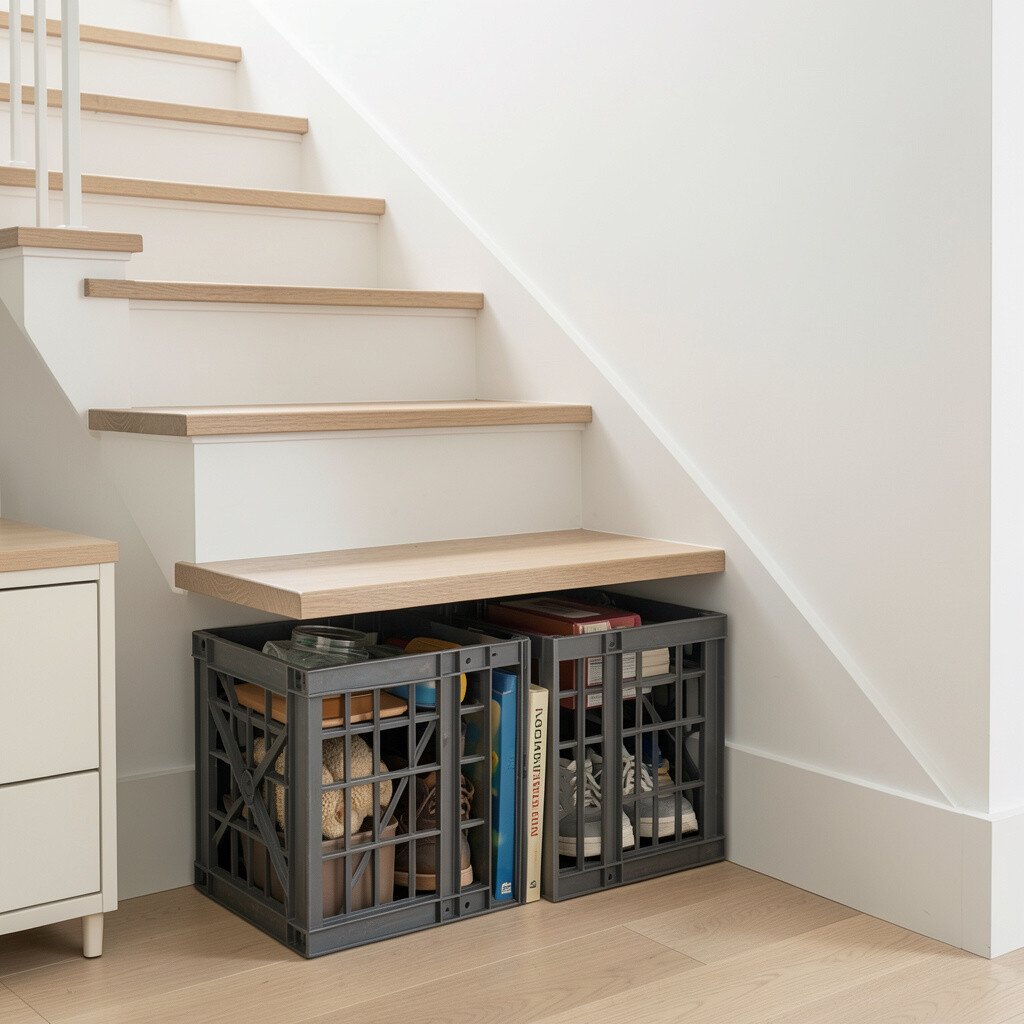
If your entry area collects raincoats, wet shoes, and umbrellas, stairs storage can help contain the mess. A weather-friendly crate zone under the stairs keeps damp items together so they don’t spread grime across your hallway.
Use materials that handle moisture, such as sealed wood or coated metal, and include a drainage tray where needed. This is a unique way to make the storage feel purposeful, not just decorative, and it can reduce the smell that sometimes builds with wet gear.
18. Add Soft Fabric Storage Inserts for Kids and Small Toys
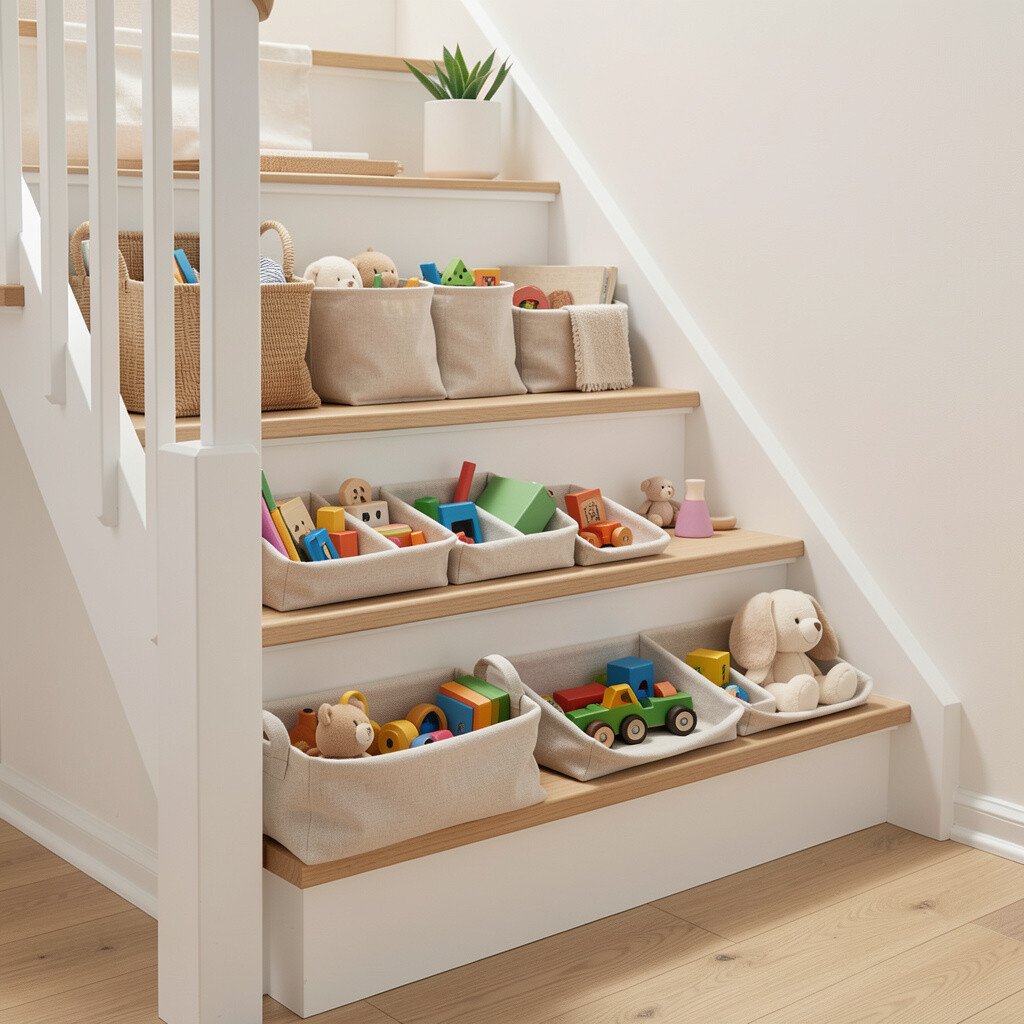
Fabric inserts tucked into stairs cubbies are a friendly option for families. They’re lightweight, easy for kids to pull out, and gentle on the edges of wooden compartments.
Use removable liners that you can wash, so messes don’t linger. For personalization, stitch or choose fabric colors that match your kids’ room themes, and rotate themes during the year so it stays fun.
To keep things practical, pick inserts sized for the items your children actually use, like blocks, dress-up pieces, or art supplies. This is often a more affordable route than building hard compartments for every toy type.
19. Build a Custom Wraparound Banquette with Hidden Storage
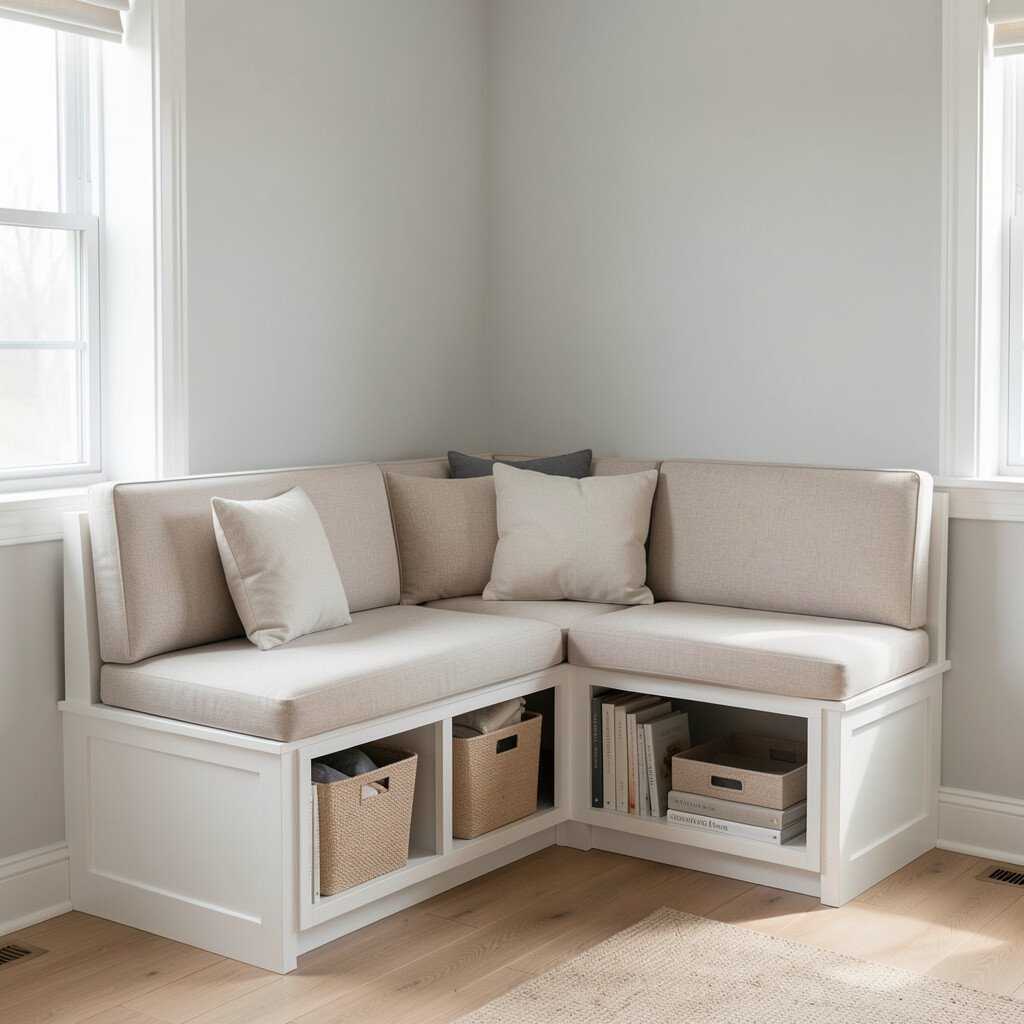
A wraparound banquette near the staircase can turn a tricky corner into a cozy storage hub. Upholstered seating looks inviting, while hidden drawers or lift-up panels keep the inside organized.
Choose upholstery fabric that matches your lifestyle, such as stain-resistant blends for busy households. This idea is uniquely satisfying because it blends comfort and storage into one beautiful piece, making your stair area feel finished.
For cost considerations, focus the most expensive finishes on the front face and use simpler materials behind panels. With careful measurements and sturdy hinges, you’ll get a long-lasting storage solution that feels like it was always part of your home.