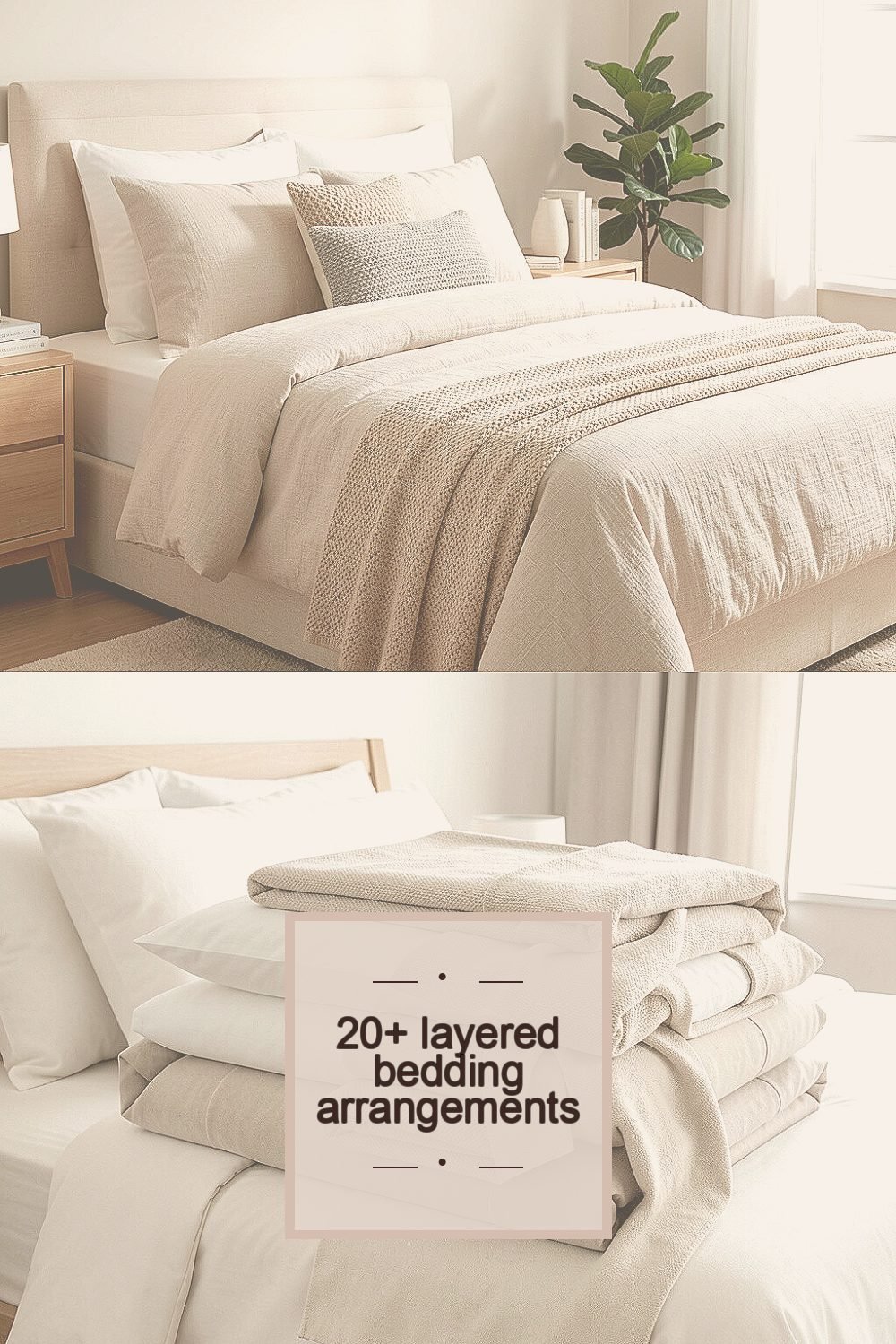
Soft layers can make a bed feel dressed up without any complicated work. With a few everyday pieces, you can change the mood of your room fast.
These ideas focus on simple stacking, comfy textures, and smart little choices that feel personal. Pick a style you like and try it in an afternoon.
1. The Cozy Pillow-Front Welcome
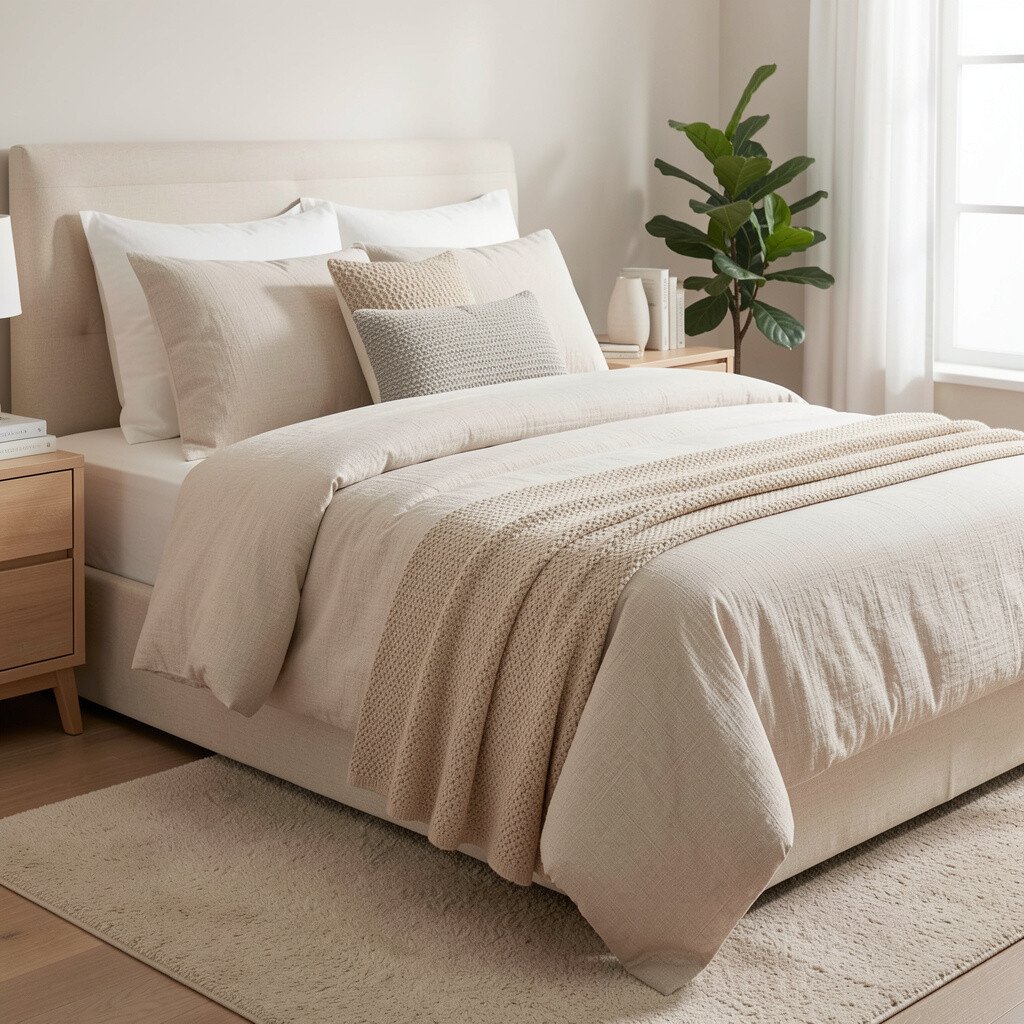
Start with your fitted sheet and then add a top sheet or a flat sheet in a color you already love. Place two to four pillows upright against the headboard so the front edge looks neat and inviting.
Next, add one softer accent pillow in front of the others, then another smaller one like a mini frame. Finish by pulling a light blanket over the top pillows so it hangs in a gentle fold. This arrangement looks fuller even when the bed isn’t cluttered, and it helps keep pillows from sliding around during the night.
2. The Blanket-Over-Arm “Hotel Fold”
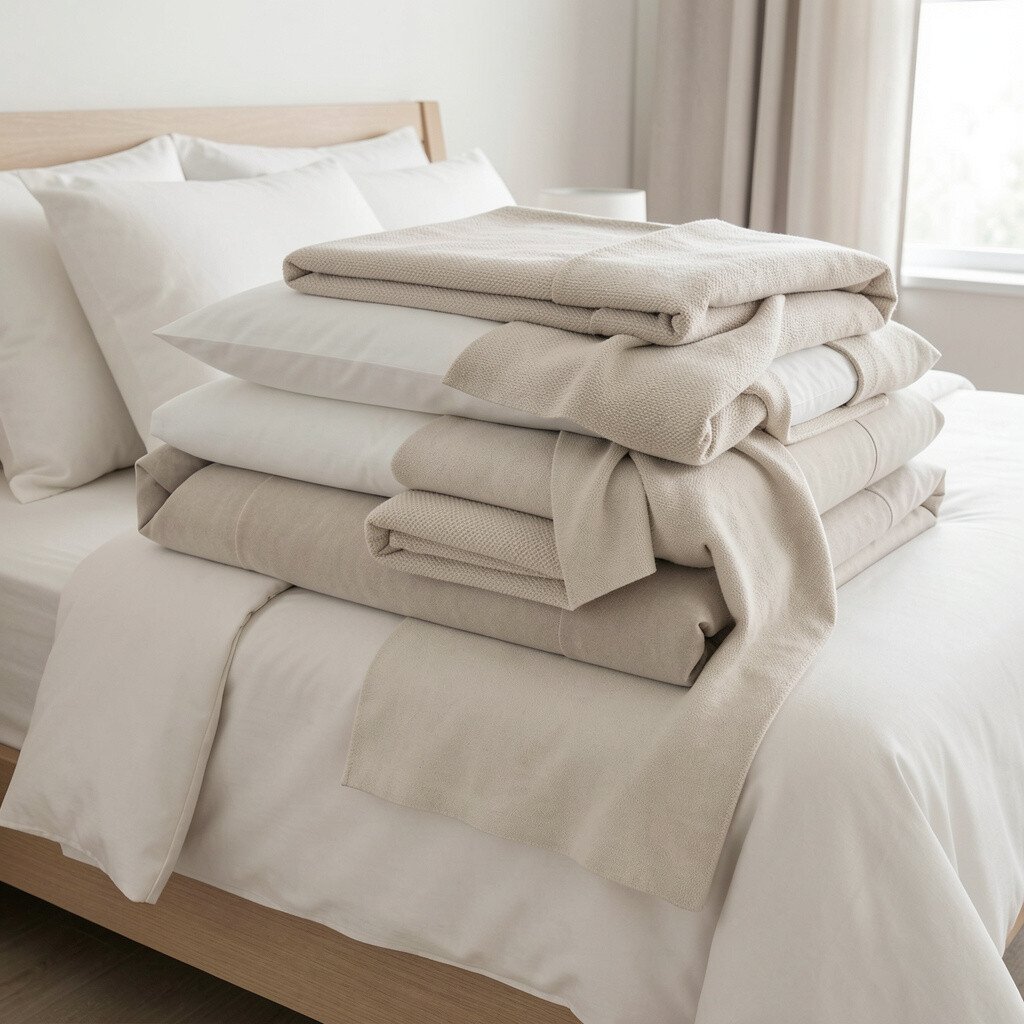
Lay your comforter flat, then choose a throw blanket with a bold pattern or a calm solid. Fold the throw lengthwise and drape it so one side sits like an armrest near the edge of the bed.
Let the fold angle slightly upward for a crisp look that still feels soft. Tuck the bottom corner just a little to keep it from slipping. You get that “freshly made” vibe with very little effort.
If you want it to feel more personal, match the throw to your curtains or a rug color. Keep the fabric lightweight so the layers don’t feel bulky. This is also a budget-friendly way to refresh the room without buying a full new set.
3. The Color-Block Sheet Stack
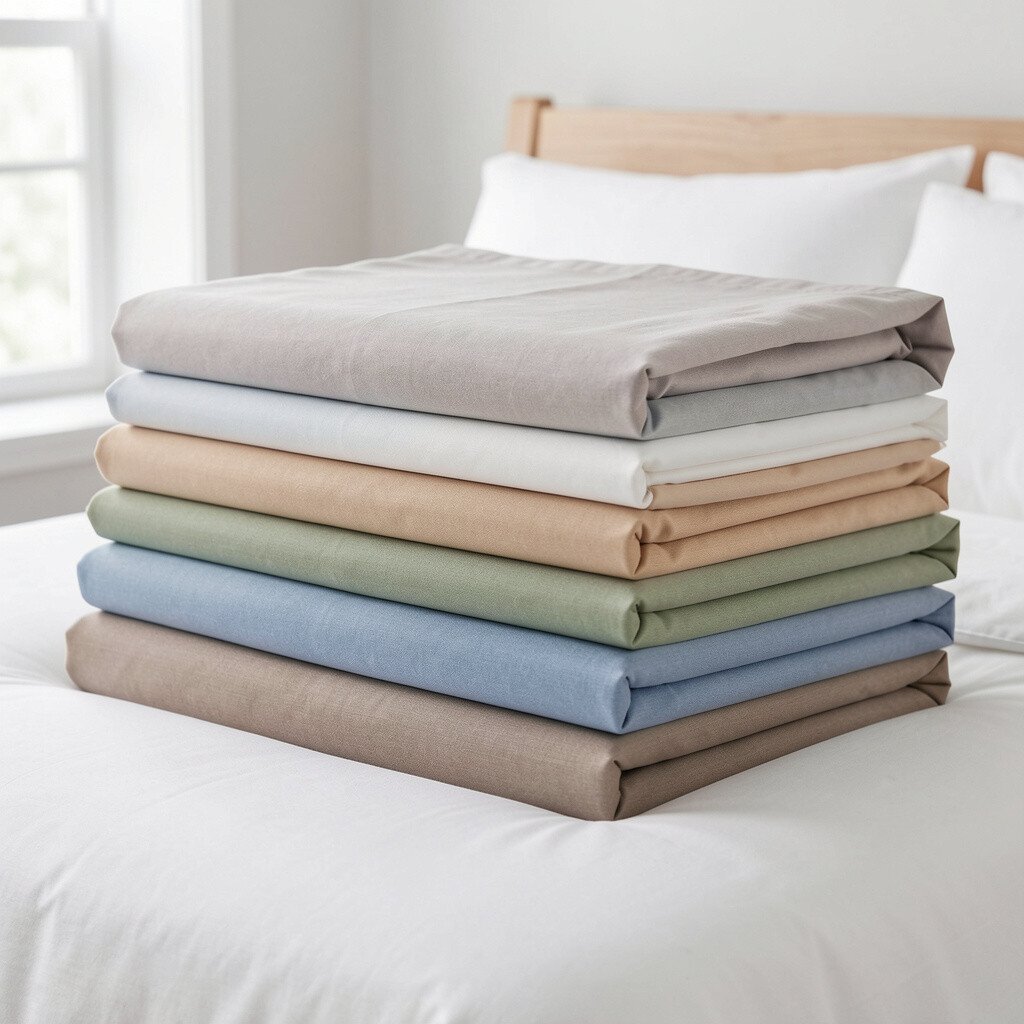
Use two flat sheets in different colors or tones, then overlap them like a simple band at the top half. The bottom layer stays smooth while the top layer adds a visible stripe or block of color.
On top, add a neutral comforter or duvet that calms the look down. When you tuck the top sheet slightly under the duvet edge, the color blocks stay visible but tidy.
This layered effect is unique because it changes your bed’s look even when nothing is flipped or swapped. For practical comfort, pick colors that don’t show lint easily and fabrics that breathe well. If you’re shopping, focus on one good sheet set plus one inexpensive extra sheet for the accent layer.
4. The Textures-Only Layer Parade
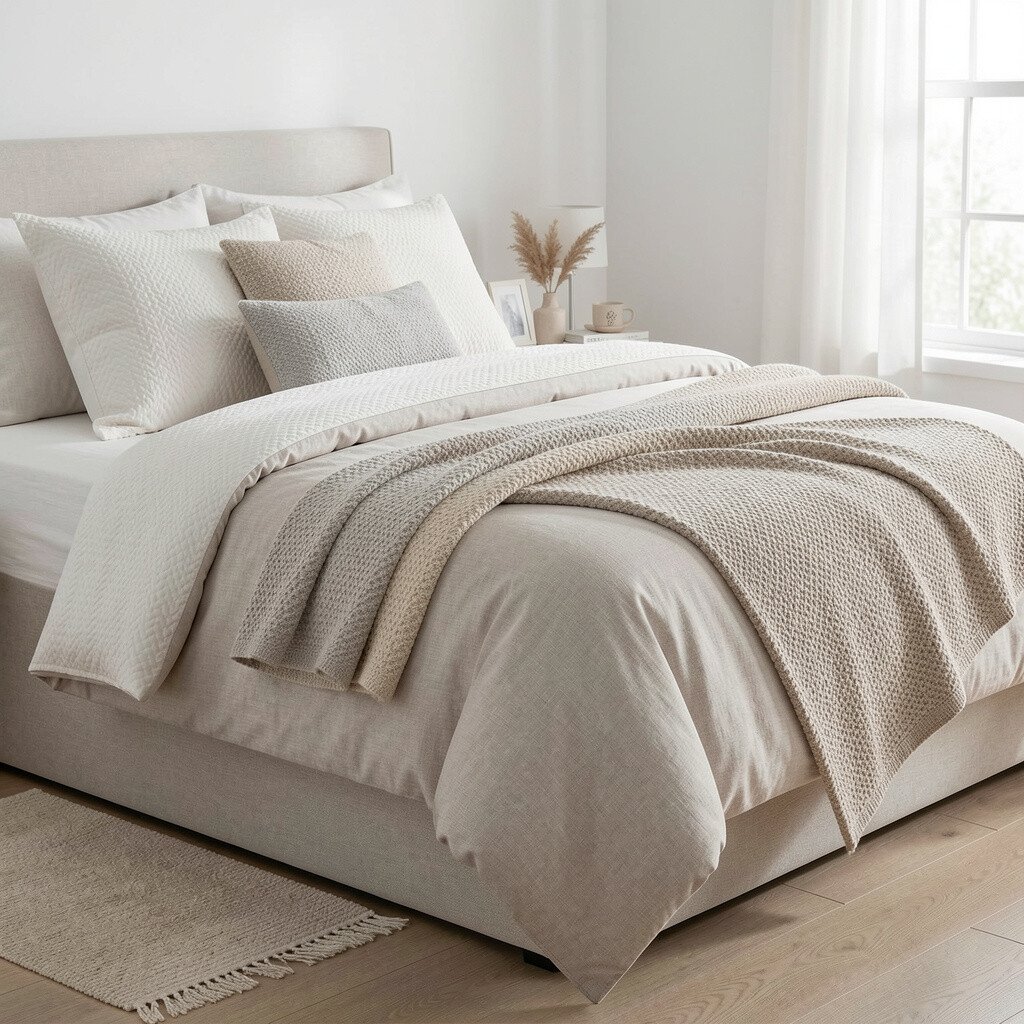
Choose layers mainly based on texture instead of patterns. A smooth duvet, a waffle blanket, and a knit throw can look amazing together even if they all share one color family.
Pull the knit or waffle layer near the middle of the bed so you can feel it when you sit up. Add one pillow cover with a different weave, like a corded or boucle look, to keep the surfaces interesting.
As you stack textures, your bed looks designed, not random. This style is great for anyone who wants cozy without loud visuals. If you’re cost-conscious, buy one textured throw first and build the rest around it.
For personalization, match the textures to your daily routines, like using the smooth layer as the “rest” side and the textured layer as the “morning warmth” side.
5. The Blanket Ladder With Tucked Edges
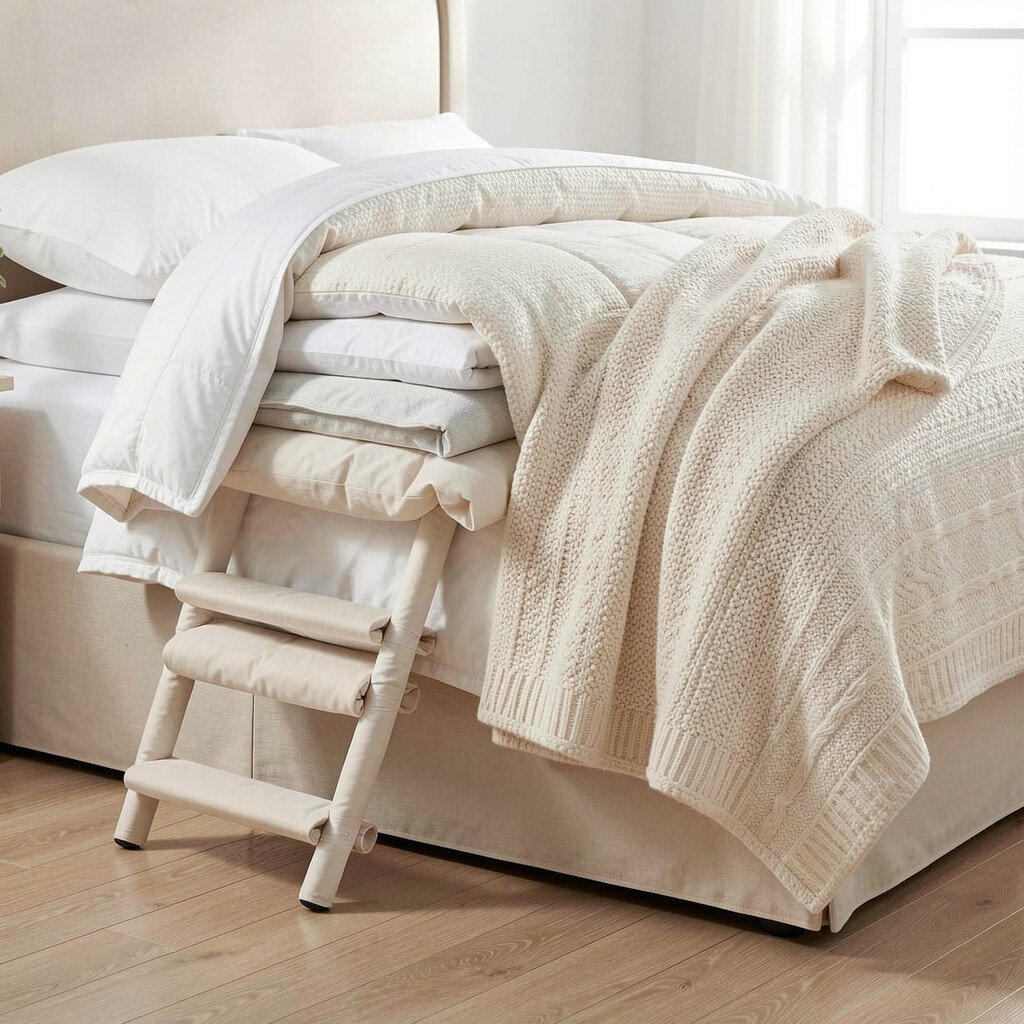
Start with your main comforter, then add a second blanket folded into thirds. Place it across the bed so it creates a visible band, and tuck both ends under lightly.
Repeat with a thinner throw folded the same way, stacking it above the first band. Keep each band slightly offset so you get a gentle stair-step look.
This arrangement is unique because the layers read like a set of steps, which makes the bed feel taller. It also helps manage blankets during the night since tucks keep everything in place. If you want a trendy look, use neutral layers with one accent color band, like sage, rust, or deep blue.
6. The One-Accent Pillow “Spotlight”
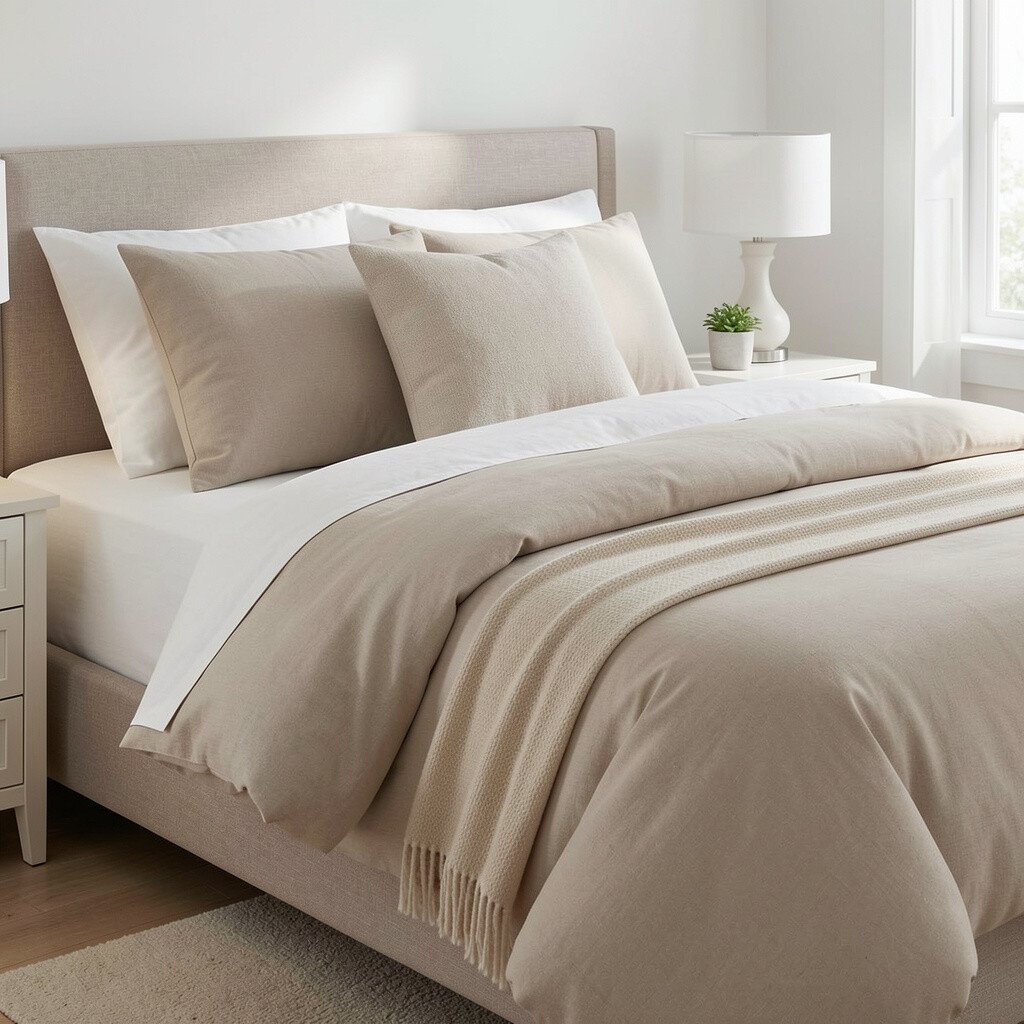
Keep your base bedding simple with matching pillowcases and a calm duvet. Add just one accent pillow that stands out with a graphic print or a richer color.
Center that accent pillow and place the other pillows around it like a soft frame. Finish with a thin throw folded over the front edge so it mirrors the accent color without stealing attention.
This method feels polished because the focus stays on one strong element. It’s also low-cost since one accent cover can change the whole look. If you like seasonal swaps, store the accent cover in a bin and switch it when the seasons do.
7. The Three-Throw Cozy Wrap
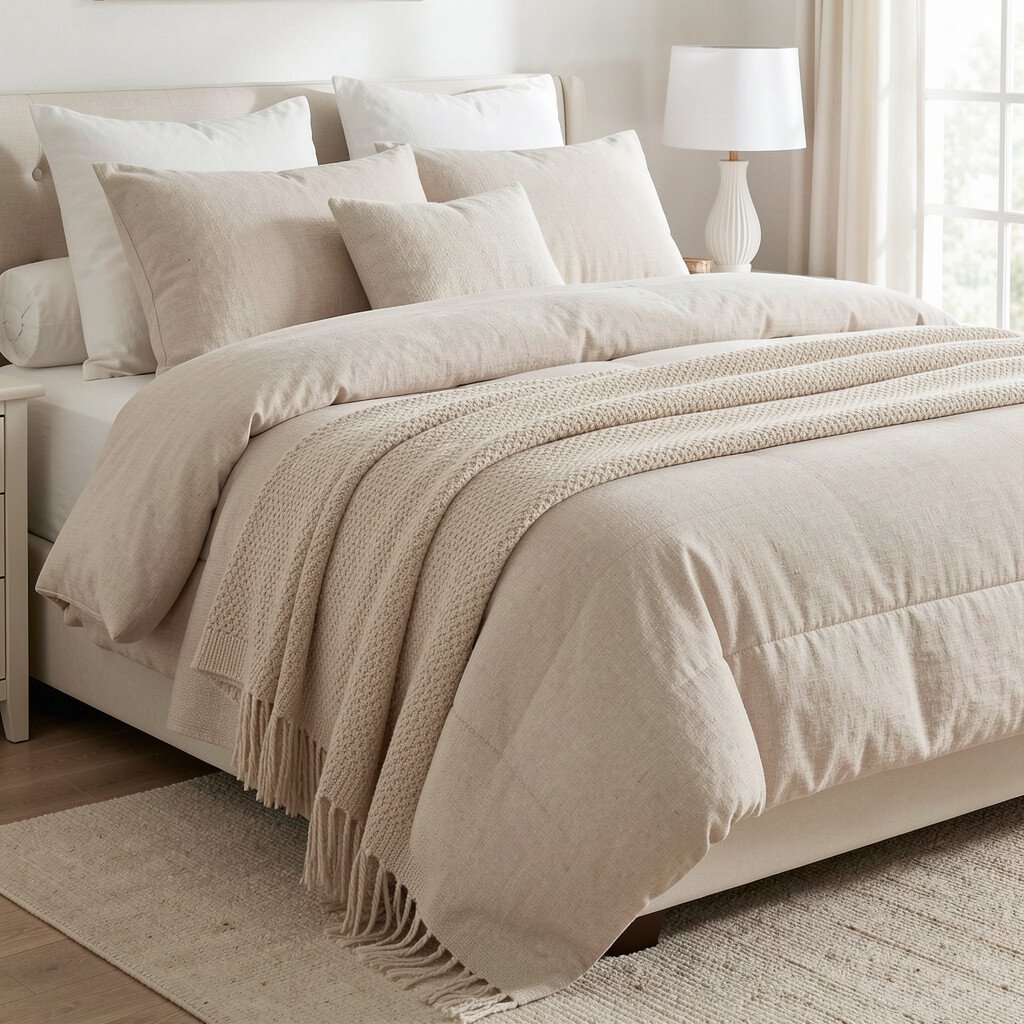
Pick three throws in different sizes, all in shades that go well together. Lay the largest throw flat, then place the second throw on top and slightly overlap the edges.
Fold the smallest throw into a square and place it near the center like a warm centerpiece. Tuck just one corner so it feels styled but still easy to grab.
This layering trick looks special because each throw adds a different shape and weight. You’ll also stay warmer since you can peel off layers when you change temperature. For practical comfort, choose one throw that’s breathable and one that’s warmer so you can adjust easily.
8. The Duvet-First With Side-Slipped Throws
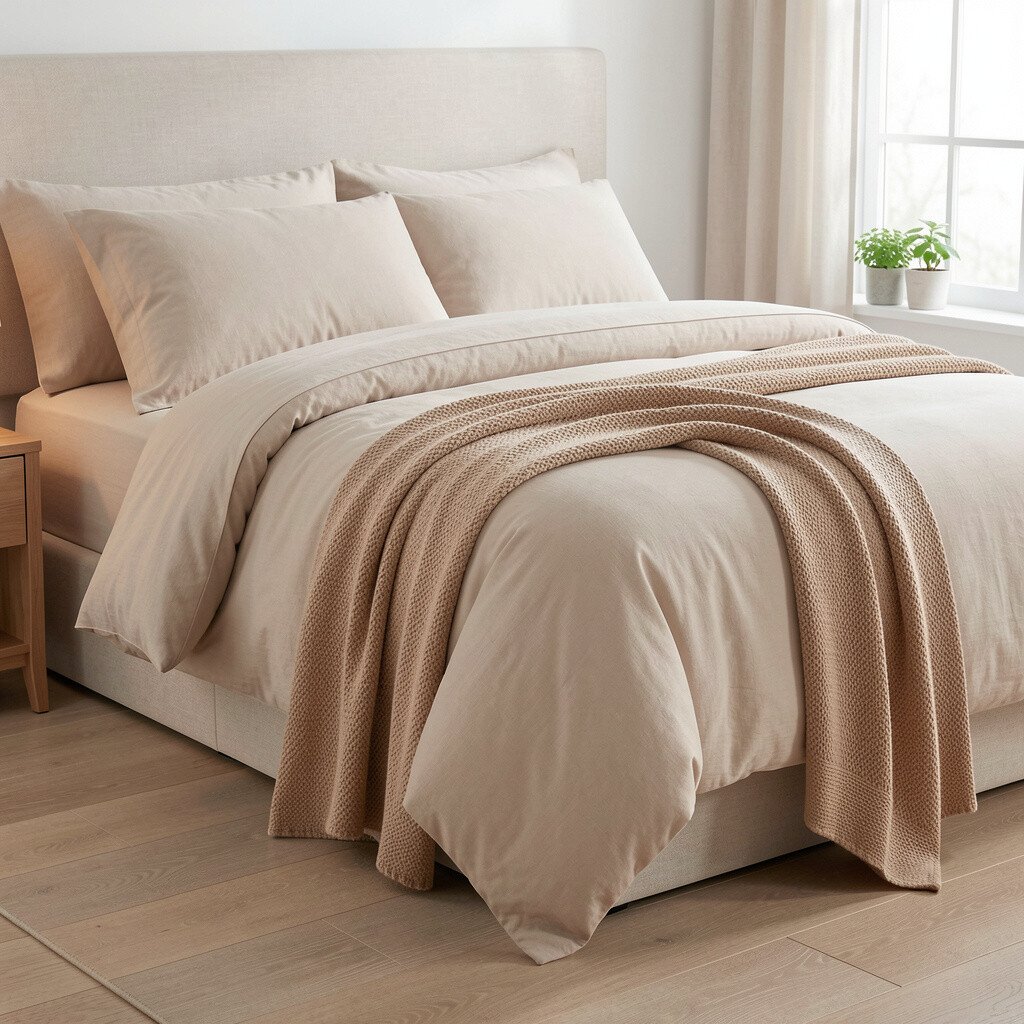
Place your duvet centered, then smooth it with your hands so the fabric lies flat. Now take a throw and slide it halfway from one side, like it’s lounging.
Do the same with a second throw from the opposite side, so both create symmetry. Keep the top edges visible so the layers look intentional.
When the throws are side-slipped, the bed reads as layered from every angle, not only when you look straight on. It feels modern, and the open space in the middle is great for people who like a clearer surface for reading. Pick two throws with different patterns so the look feels current, but keep colors from fighting.
If you want it extra tidy, tuck the bottom corners under the duvet edge. This saves time every day because nothing bunches up easily.
9. The Pattern-Then-Plain Balance
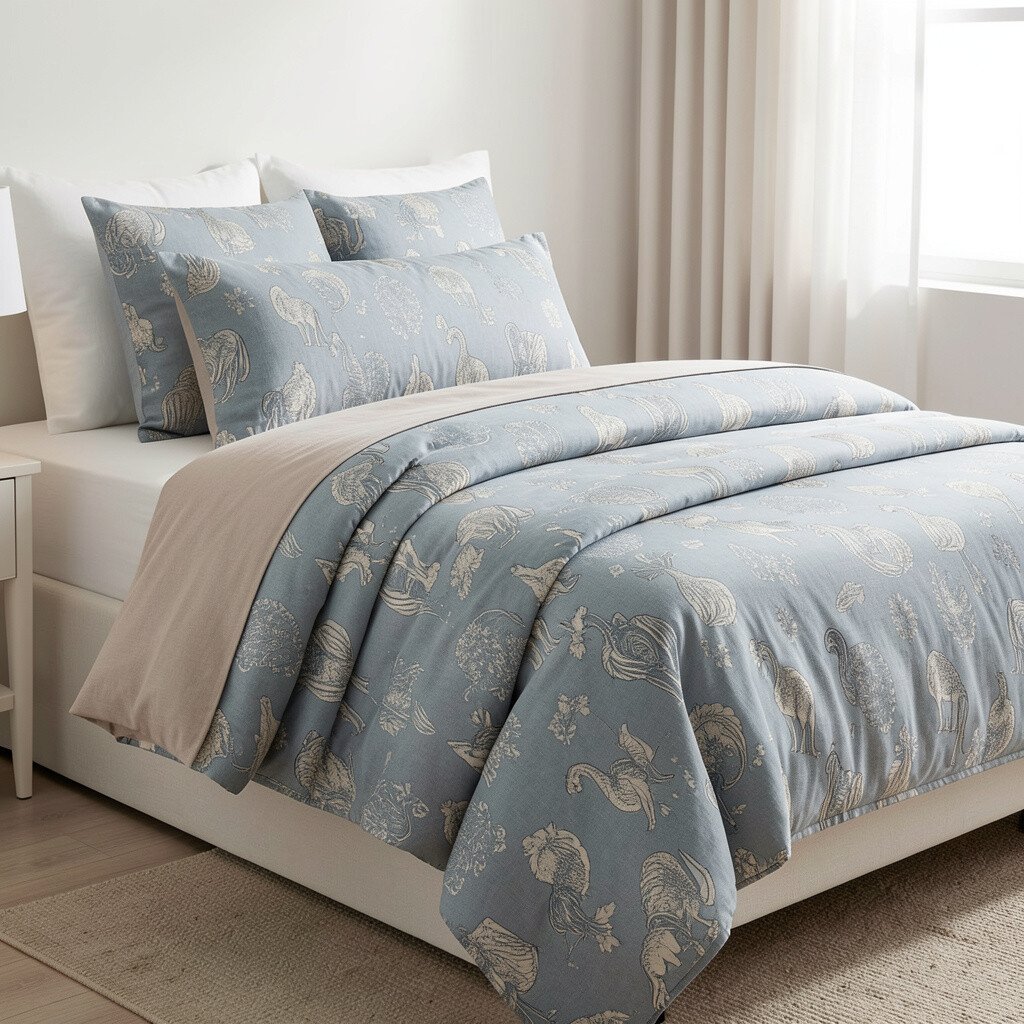
Choose one pillow or blanket that has a pattern you like, then keep everything else plain. The patterned piece should sit on top so your eye naturally lands there.
Pair it with solid pillows and a solid duvet so the room doesn’t feel busy. When you fold a plain throw over the edge, make it wide enough to show the clean color block.
This arrangement is unique because it gives you the fun part of patterns without the clutter. It’s practical too, since solid covers tend to hide small wrinkles and lint better. For personalization, use the same color from the patterned item in your sheets, even if it’s only one shade.
10. The Same-Color Different-Shade Cascade
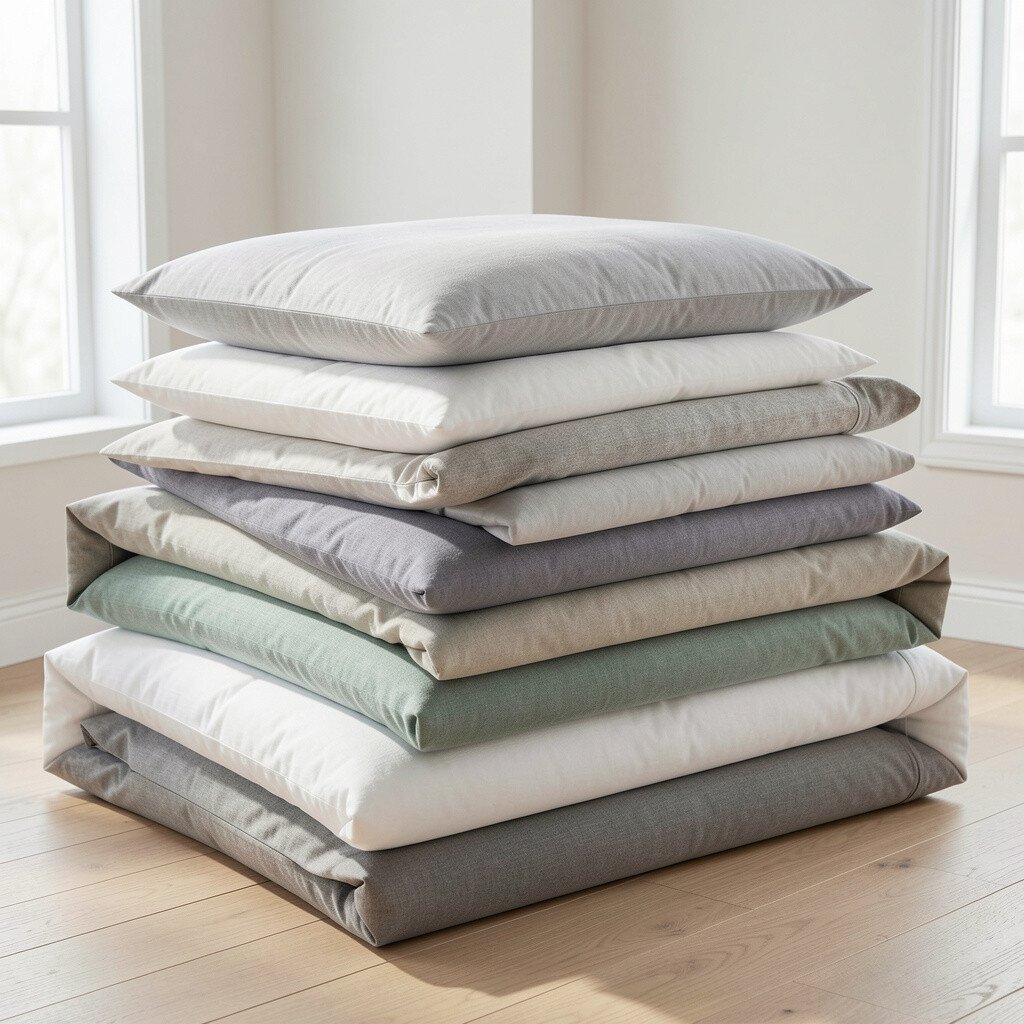
Pick one color family, like blues, greens, or warm neutrals, and gather layers in different shades. Start with the darkest layer under, then add a lighter shade as a middle band.
Finally, place the lightest blanket or throw on top so it creates a soft cascade effect. Keep the edges aligned so the gradient looks smooth rather than messy.
This style feels calm and trendy because it follows a “tone-on-tone” look. It also makes your room feel bigger since bright layers reflect more light. If you want cost control, shop for one new throw in a lighter shade and use what you already have for the rest.
11. The Scarf-Style End Wrap
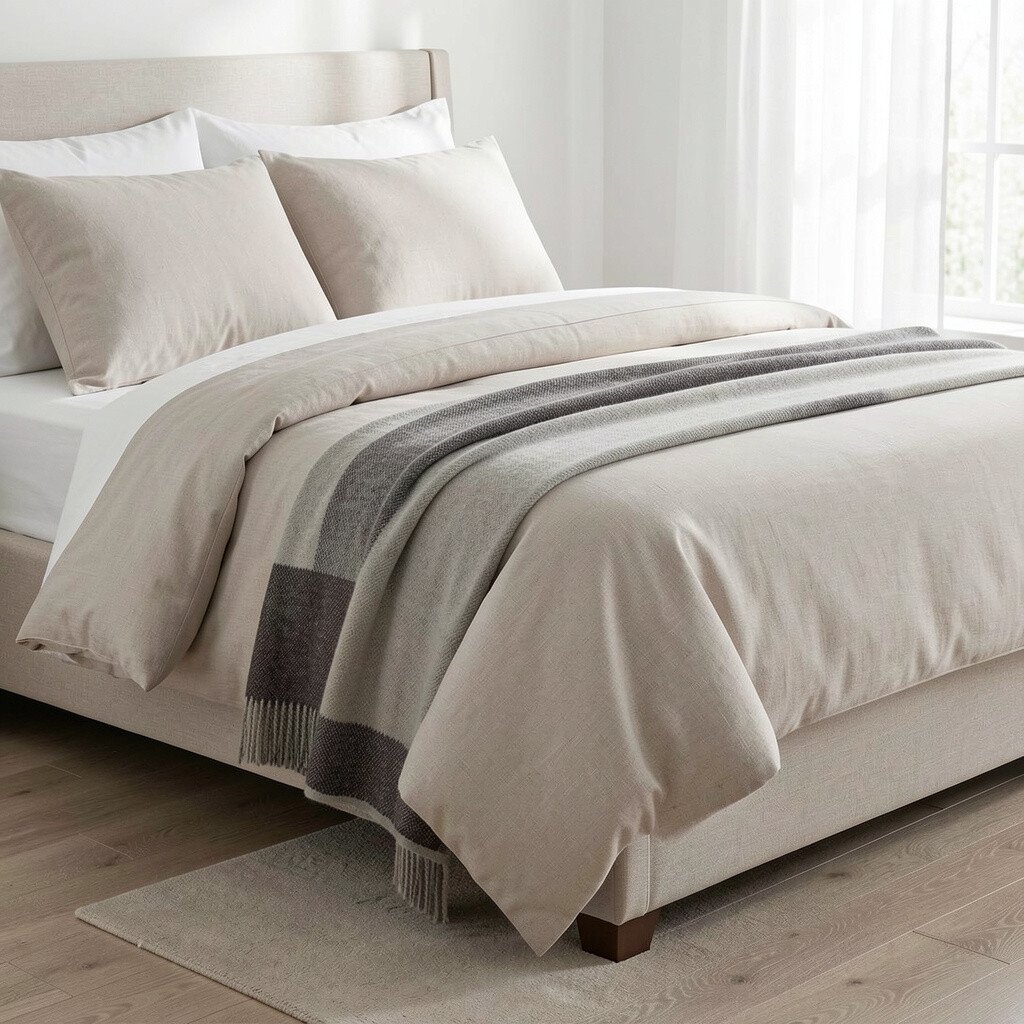
Roll or fold a long throw like a scarf and wrap it around the end of the bed. Let the ends hang down slightly, like you’re finishing a gift ribbon.
Place a neutral comforter underneath so the end wrap becomes the highlight. Then tuck the middle section at the foot so it stays put.
This arrangement is surprisingly practical because the wrapped throw protects the foot area from drafts. It also gives your bed a designer shape even if the rest of the bedding is basic. Personalize it by using a throw that matches a favorite scarf color palette you already own.
12. The Sheet-Peek With Rolled Top Edge
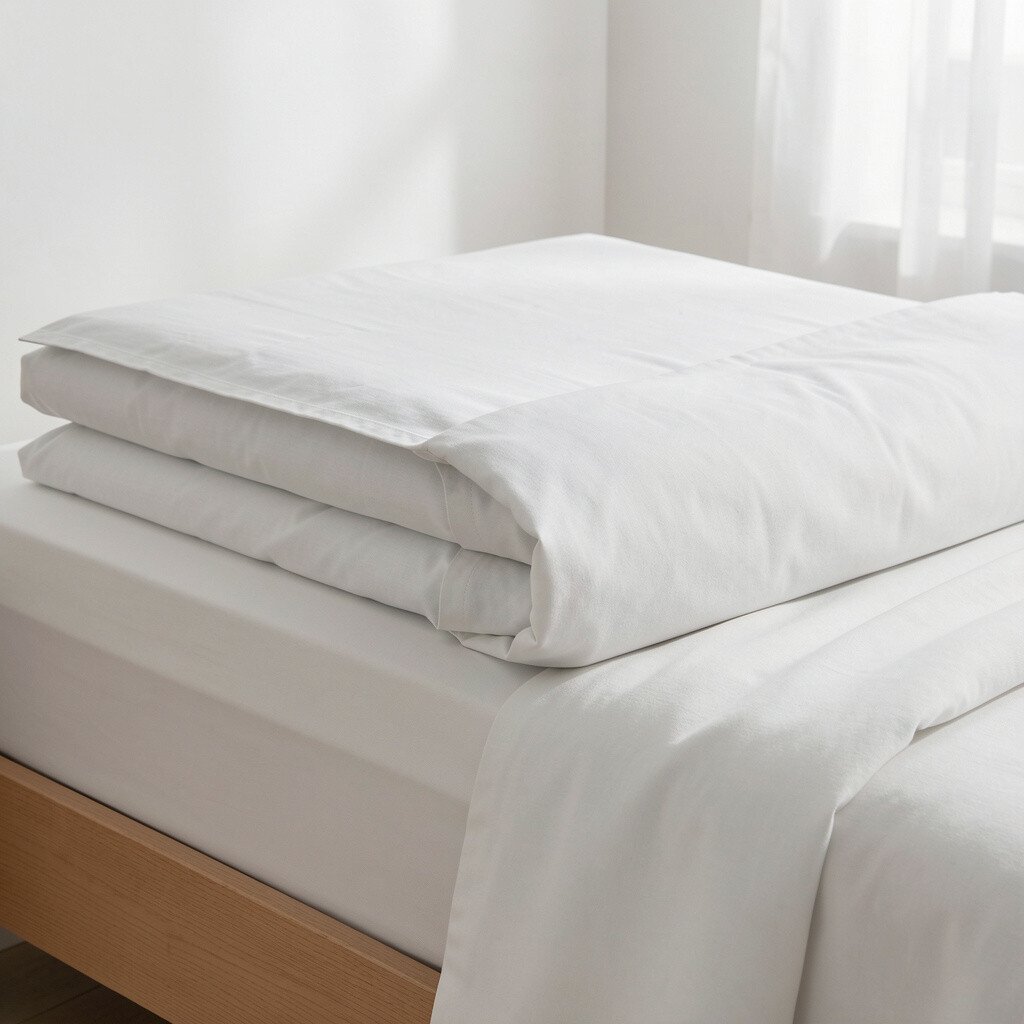
Use a duvet or comforter, but leave a bit of the sheet visible at the top edge. For the sheet-peek look, tuck the top sheet under the duvet lightly and then roll the edge once.
The rolled edge creates a clean line that looks intentional. Add pillows in front and drape a thin blanket so it covers the lower half of the pillows.
This style is unique because it adds a tailored touch without buying any extra decorative bedding. It also helps you spot your bedding easily in the morning since the rolled edge stands out. If you like current trends, aim for crisp cotton looks and a simple color story with one accent.
13. The “Lounge Like a Bench” Layering
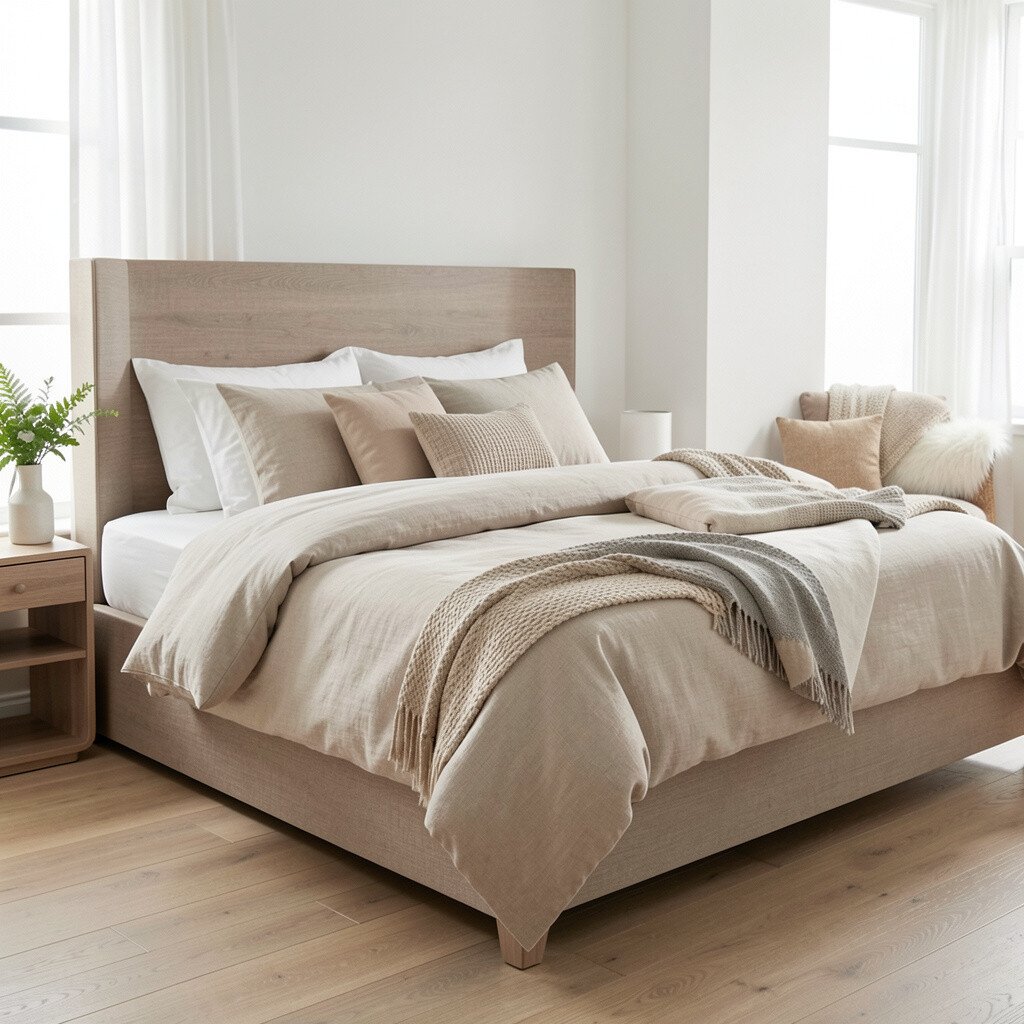
Arrange pillows so you can sit up comfortably, like you’re making a comfy bench. Place two large pillows behind, then add two medium pillows in front like steps.
Drape a blanket across the top so it lands on your lap area when you sit. Keep the fabric weight medium so it doesn’t slide off.
This setup is especially useful for reading in bed because the layers support your back. It feels cozy, and the structured pillow layout gives the bed a strong visual shape. For personalization, choose pillow covers that match your mood, like soft pastels for calm days or deeper colors for cozy evenings.
14. The Reversible Color Mood Switch
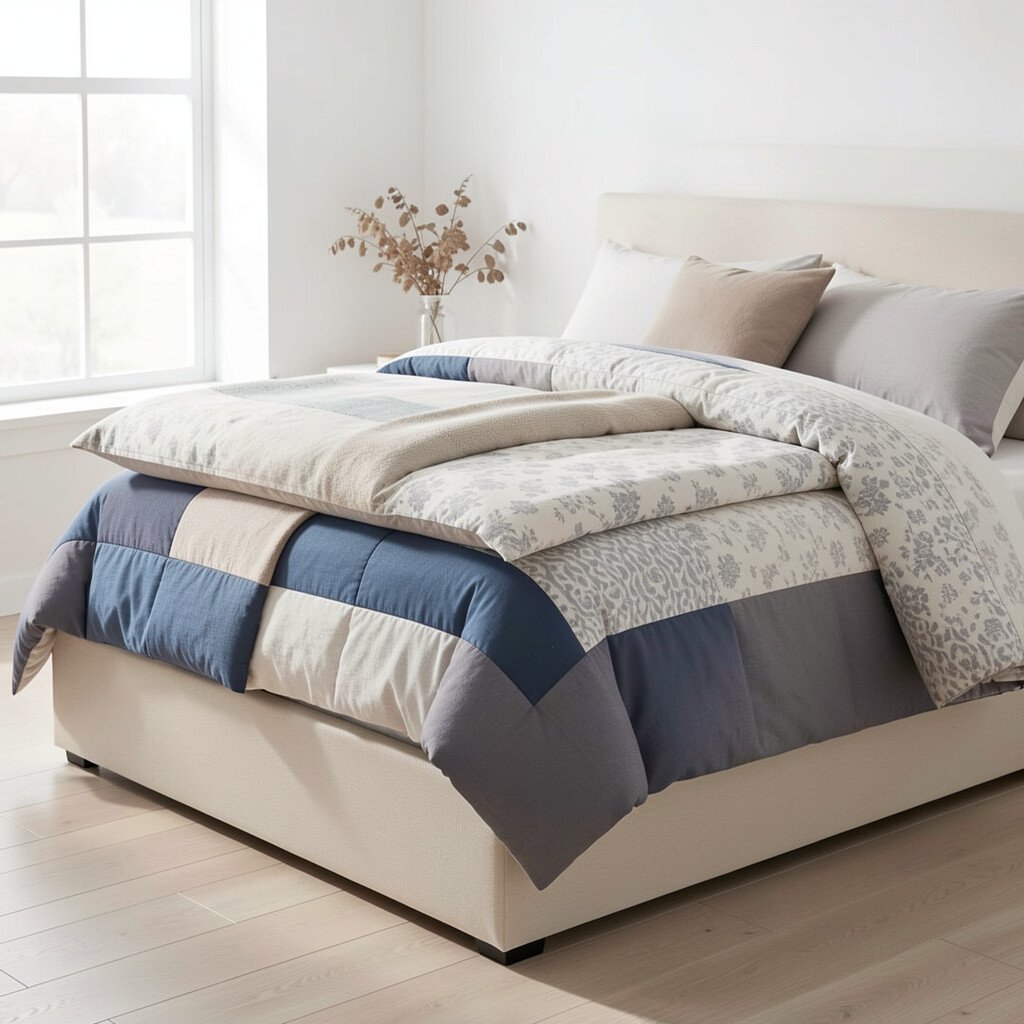
If your duvet cover is reversible or your blankets have two sides, use the switch to create a layered look. One side can be brighter, while the other is calmer.
Fold one side of the duvet back slightly at the top, then add pillows that lean toward the visible side’s color. Let a neutral throw sit on top so the transition stays smooth rather than harsh.
This is a smart way to try trends without buying new items every time. It’s also a practical cost move because one cover can give you multiple looks. Personalize it by choosing which mood you want, like airy mornings with lighter tones and cozy nights with deeper ones.
15. The Monochrome With One Tiny Pop
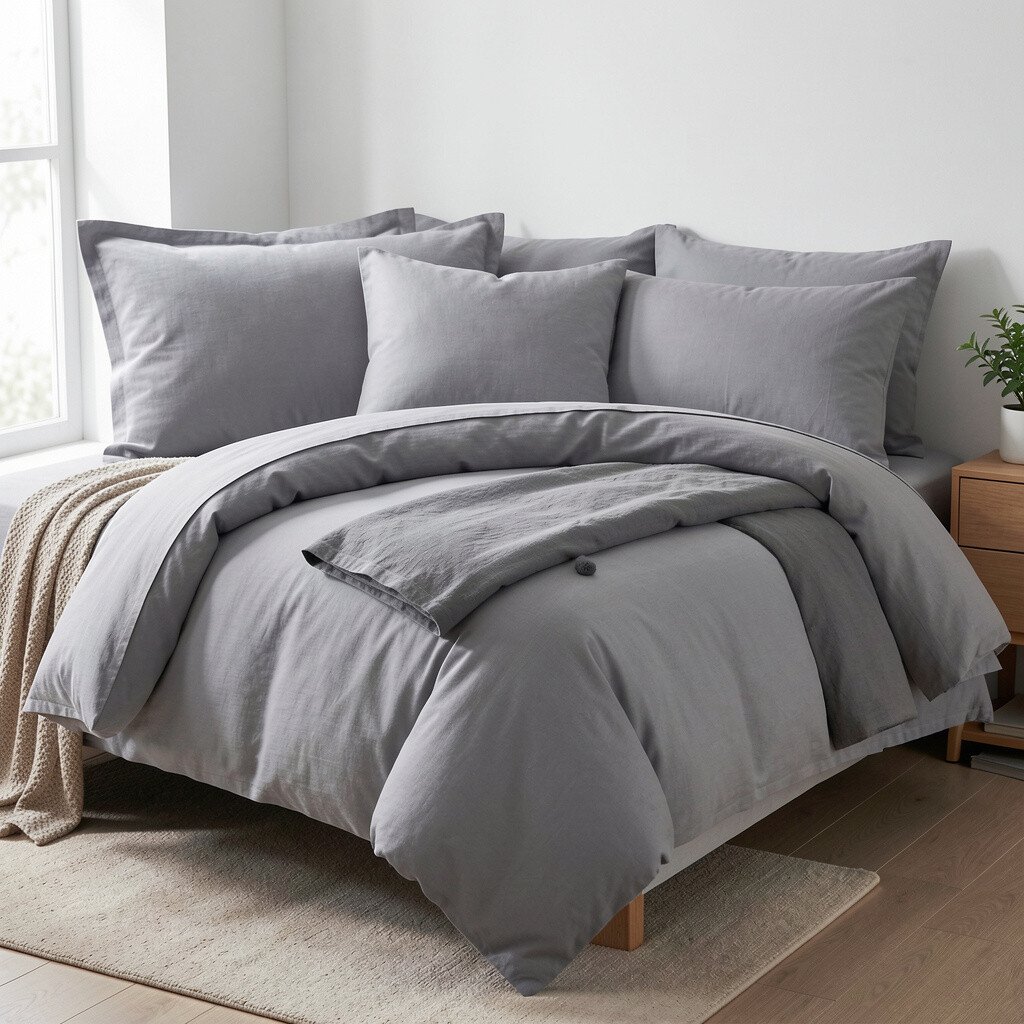
Build your bed in one color, but vary the fabric types and shades slightly. Use matching pillowcases, then add a duvet in the same family so the whole bed feels uniform.
Now add one small accent piece, like a single square pillow or a small blanket fold in a contrasting color. Keep that pop spot-sized so it doesn’t overwhelm the clean look.
This arrangement feels modern and confident because the monochrome base does the heavy lifting. It’s easy to keep tidy too since everything blends. If you’re working with a limited budget, use one affordable accent cover to create the pop while keeping the rest thrift-friendly or already owned.
16. The Corner-Toss Blanket Illusion
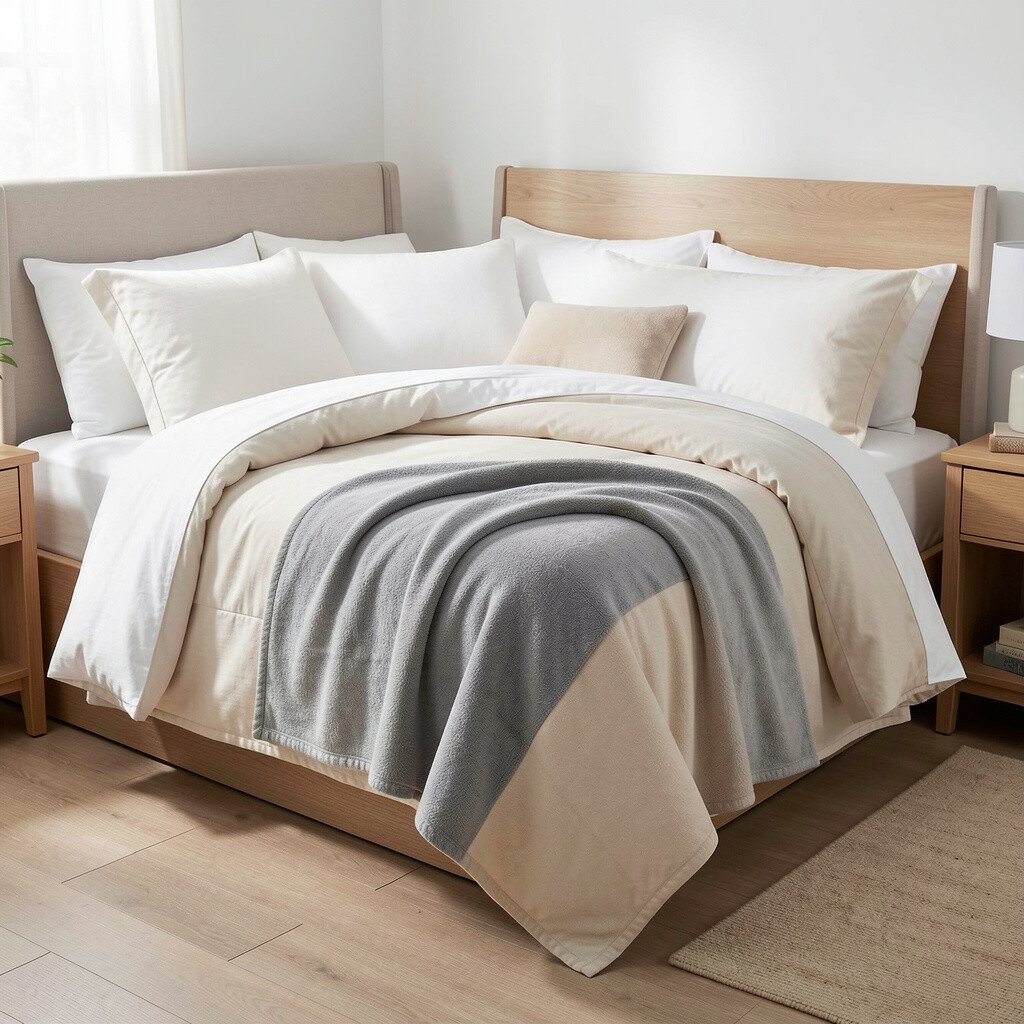
Place your comforter flat, then toss a blanket into one corner like it landed there naturally. Smooth the visible side so it looks soft, not tangled.
Let the blanket edge curve slightly across the bed for a relaxed look. Add one pillow close to the corner so the blanket seems supported rather than random.
This style is unique because it mimics “lived-in” coziness while still feeling styled. It’s practical too, since you can use the tossed blanket as your grab-and-go layer in the evening. Personalize it by choosing patterns that match the vibe of your room, like subtle stripes for calm or small florals for warm charm.
17. The Layered Linen Look With Fewer Pieces
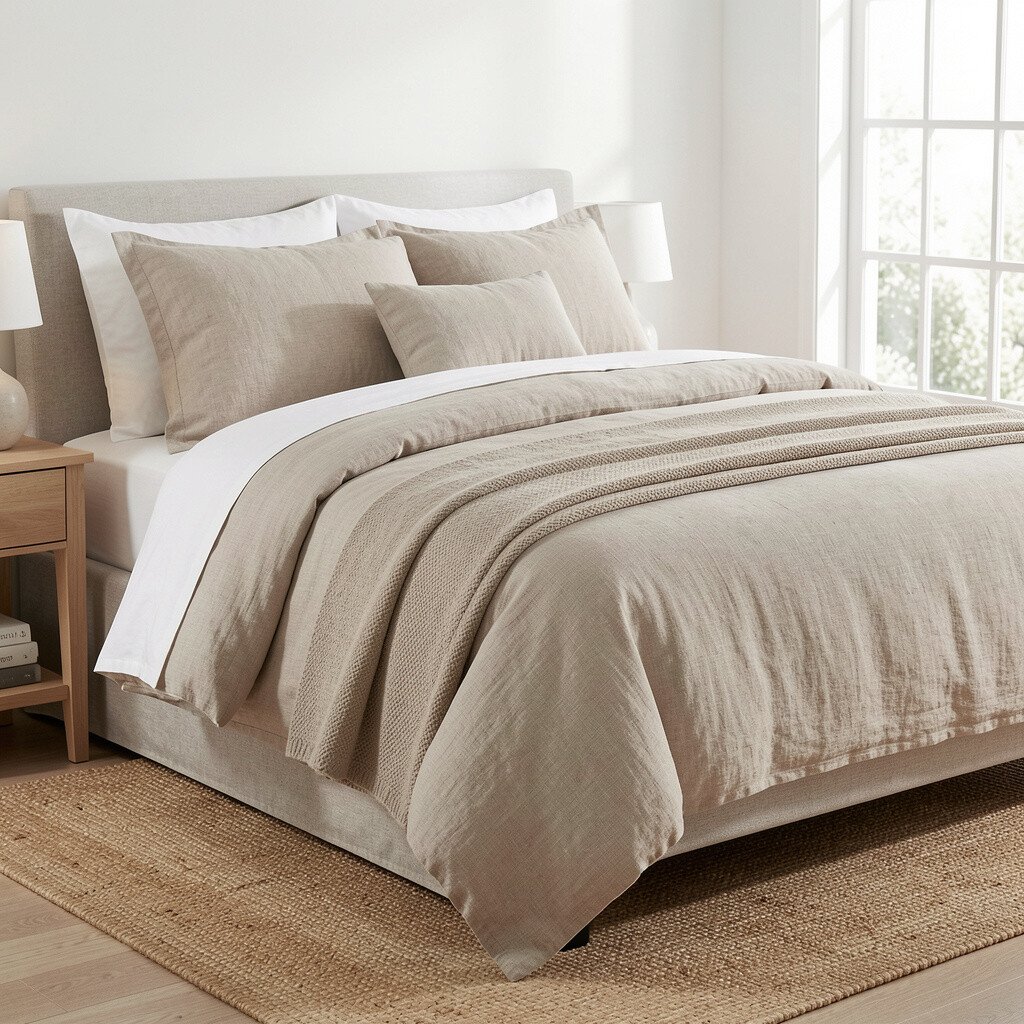
Achieve a linen look without needing true linen by choosing textured cotton sheets or sheet sets designed to mimic it. Use a light duvet or comforter and keep the rest simple.
Add a textured throw and one patterned pillow only, so you still get movement. Keep the folds loose so the layers breathe and feel airy.
This arrangement matches a current trend toward relaxed, natural textures. It also helps with comfort because lighter layers make it easier to regulate temperature. If you care about costs, buy one quality textured throw and use it for multiple setups throughout the year.
18. The Vertical Stripe Runner Effect
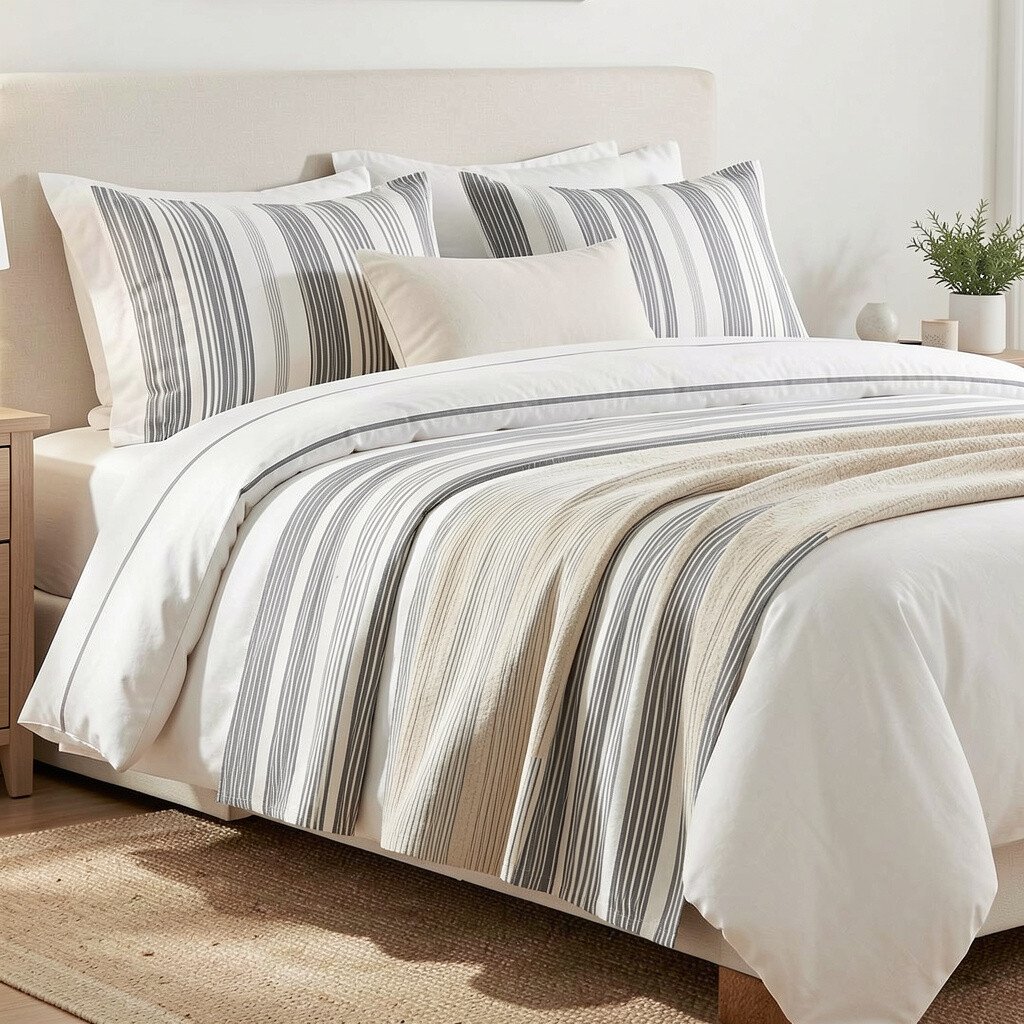
Fold a long runner-style blanket lengthwise and place it down the center of the bed. The runner should be visible from the top and should reach toward the foot.
Then add pillows on either side to frame it, keeping pillow heights similar. Finish with a blanket drape on the side, like a gentle curtain.
This layout feels unique because the vertical line draws attention and makes the bed look more structured. It’s practical for people who like a tidy center space for electronics or a book. Personalize it by selecting a runner with thin stripes that echoes the vibe of your rug or curtains.
19. The “Wrap and Tuck” Cold-Night Stack
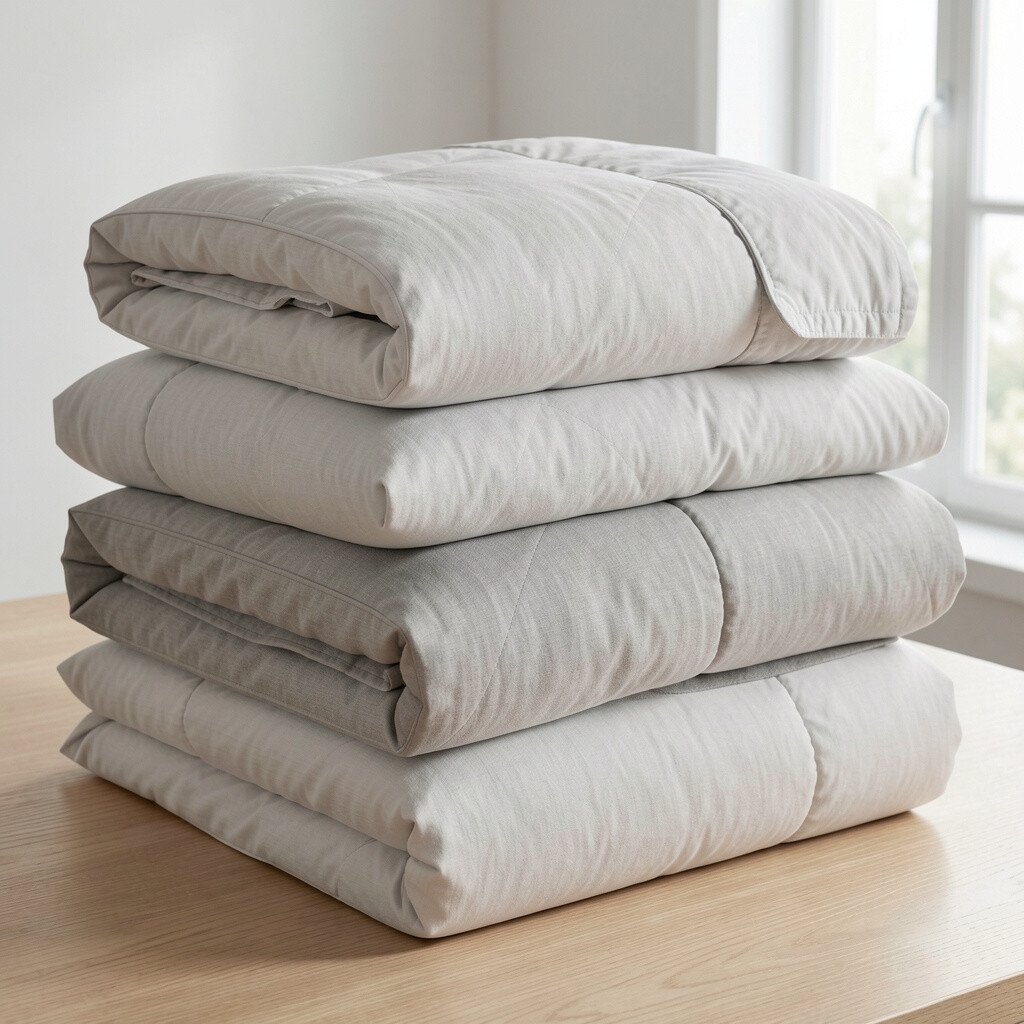
For cold nights, start with a thin base blanket underneath your top layer so you don’t feel the chill. Then add a thicker blanket on top and tuck the sides under the pillows.
This wrap and tuck method holds heat near your body and reduces drafts. Use one throw with a soft lining so it feels cozy when you settle in.
It’s actionable because the steps are simple, and it keeps everything from shifting when you move during sleep. This arrangement also saves money since you can use lighter blankets most of the year and rely on stacking for winter. Personalize it by using your favorite warm color, like caramel or charcoal, to make the bed feel inviting.
20. The Bottom-Heavy Layer With a Statement Band
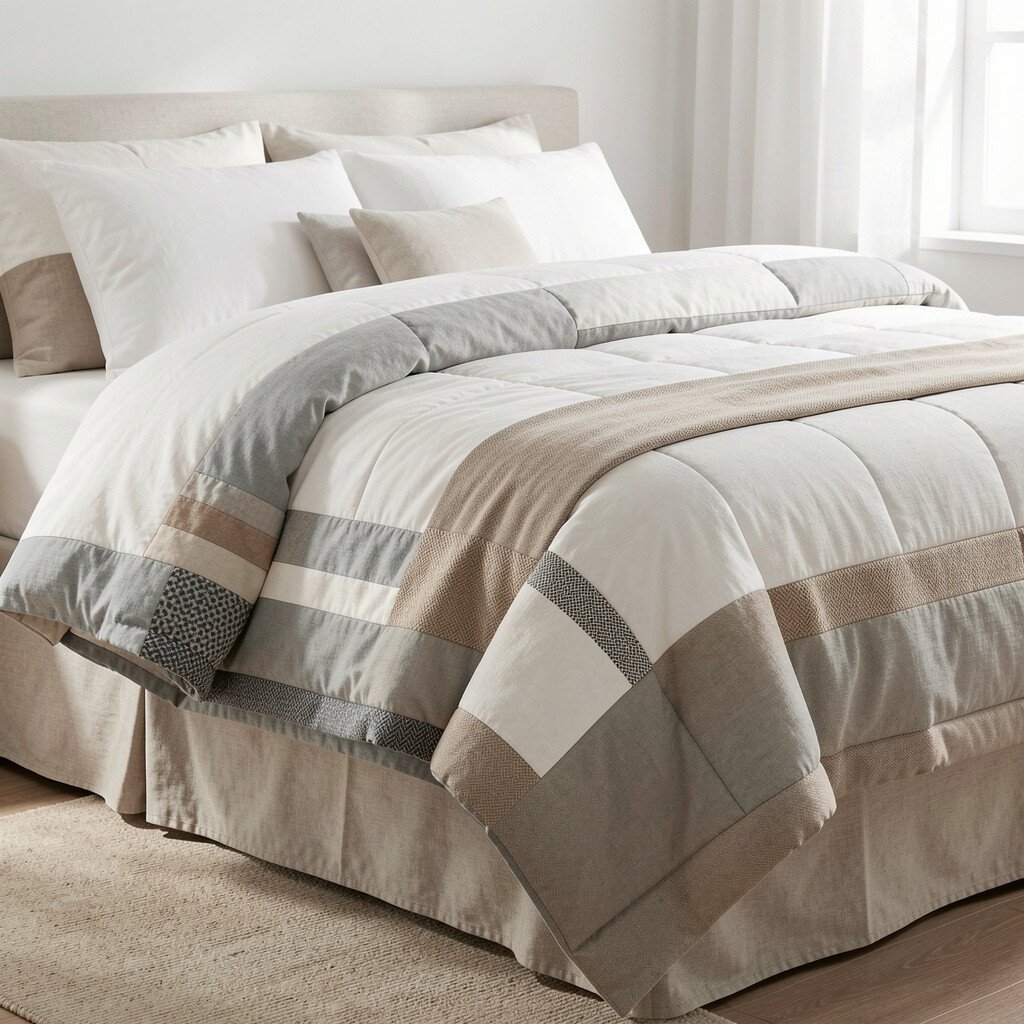
Start by keeping the top layers minimal, then focus on a statement band near the lower half of the bed. Add a patterned throw or blanket at the bottom edge, letting it show clearly.
Use plain pillows above so the statement band stays the main visual. Tuck the bottom edge under the comforter to keep the band from moving around.
This arrangement is unique because it changes the “reading” of the bed from top to bottom, making the room feel balanced. It can also hide wear spots on older comforters since the band covers them. If cost is a concern, search for a single affordable patterned blanket or even a large scarf to create the band.
21. The Seasonal Swap With a Layering Theme
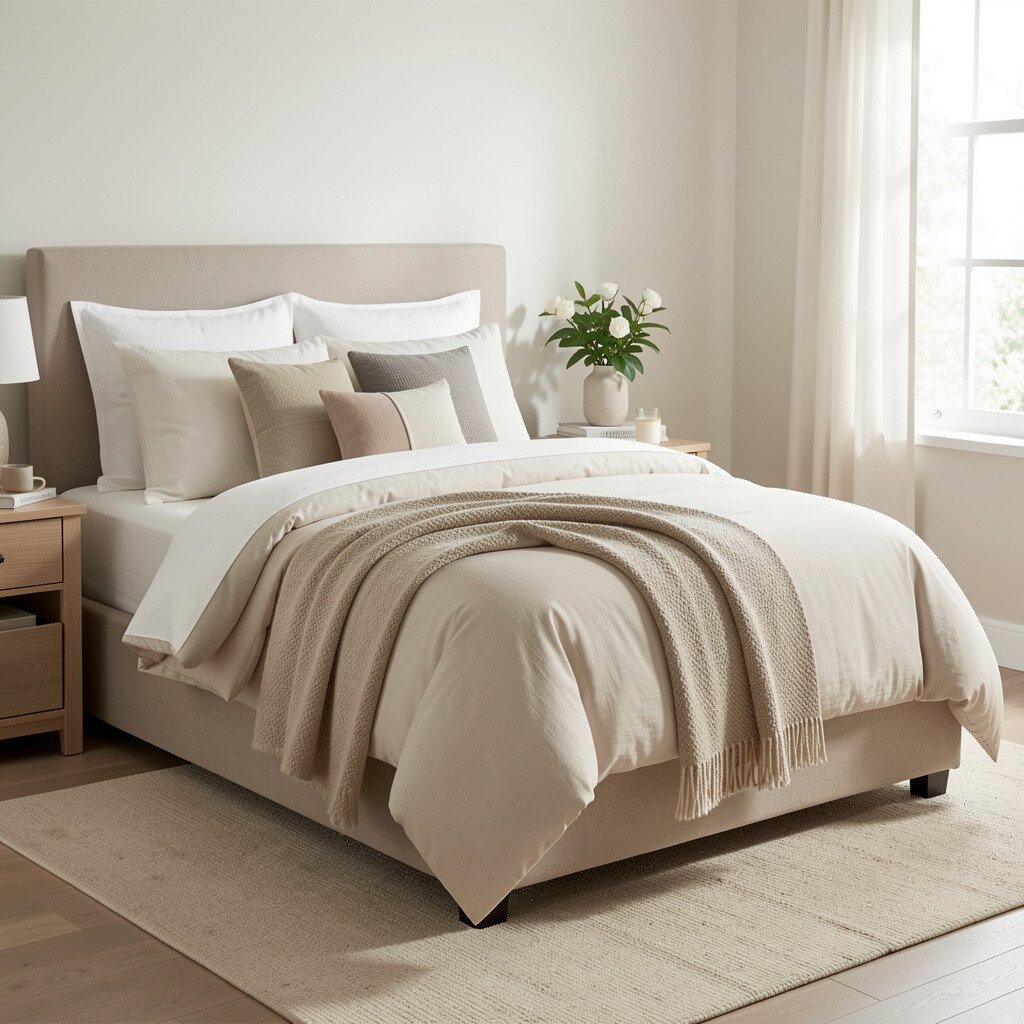
Create a layering theme for each season using the same stacking order, so switching takes only minutes. In warmer months, choose lighter fabrics and colors, then keep the pillow structure consistent.
For cooler months, swap in one warmer throw, a thicker blanket, and richer pillow covers. Even small changes can create a big visual shift when the layout stays steady.
This is unique because it’s repeatable, so you get consistent results without needing new skills. It’s practical for busy weeks, and it keeps your bedding from feeling stale. Personalize it by tying the theme to real life, like using beachy blues in summer and cozy earthy tones in fall while keeping costs low through smart seasonal swaps.