
Care improves when everyday practice meets careful questions. Nursing research can turn small observations into safer, kinder routines.
Below are practical, nurse-friendly activities that strengthen evidence, improve patient outcomes, and fit real clinic and bedside life.
1. Shadow a Patient Journey With Careful Notes

Spend a shift walking through a patient’s experience in your mind before you write anything down. You can use brief, honest notes about pain patterns, comfort needs, and how communication lands in the room.
Look for moments that feel important, like a delayed medication effect or a worry that shows up during discharge planning. With careful notes, you can later connect those moments to research questions and measurable outcomes. This approach also helps your team see what matters most from the patient’s viewpoint.
2. Turn Questions Into Testable Micro-Studies

Pick one small concern and shape it into a question your team could realistically measure. For example, you might ask whether a new reminder message changes call bell response time or reduces missed follow-ups.
Choose a method that fits your setting, such as checking records over a short period or using a simple rating scale. Keep the goal clear, like better symptom control or smoother teaching moments for families.
Short studies are often easier to run, and they can build confidence in evidence-based change. When your question is practical, you get buy-in from busy coworkers.
3. Measure Comfort Using Simple, Consistent Tools

Pick comfort indicators that you can observe and record with consistency across shifts. A visual scoring chart on a clipboard, a printed pocket guide, or an electronic form can help you stay steady.
Good measurement shows up in daily life as fewer surprises and faster help. It also supports fairness, because different nurses collect data in similar ways.
Use short training before collecting data so everyone interprets the tool the same way. When families see that you track comfort, they often feel more secure and heard.
Start with what you already monitor during assessments, then refine it with research-friendly definitions. Over time, you can compare groups and see what care actions truly help.
4. Partner With Patients to Co-Design Care Plans

Invite patients to describe their goals in plain language, then map those goals into the care plan. You might sit with a patient while they point to a printed schedule, showing when they prefer rest or when they learn best.
This kind of co-design makes the plan feel personal instead of generic. It also improves adherence because the plan matches the patient’s real life.
5. Audit Documentation for Clarity and Safety

Review your own charting and notice where readers might get stuck. A chart that reads like a clear story helps the next nurse act quickly and correctly.
Look for patterns such as unclear medication timing, missing education details, or repeated gaps in symptom descriptions. When documentation becomes more consistent, handoffs get smoother and fewer errors slip through.
Run a small audit cycle and compare notes before and after a targeted change. Even a modest improvement can reduce confusion, especially during busy shifts and transfers.
6. Study Hand Hygiene and Supply Flow in Real Time

Watch the unit like a detective, focusing on where staff actually pause and what slows them down. Sometimes it is not motivation but layout, missing supplies, or unclear signage.
Measure key moments such as access to sanitizer, glove availability, and whether supplies are within arm’s reach. Then bring back the findings to suggest small fixes like repositioning items or standardizing station locations.
These improvements can lower infection risk and make care feel more organized. Nurses often feel relief when research points to practical barriers they can fix.
For cost considerations, focus on low-cost adjustments first, like relocating existing products or using simple labels. Track outcomes again afterward to show whether the change worked.
7. Evaluate Patient Education With Teach-Back Checks

Use teach-back to test learning during real discharge moments, not only at the end. When you ask patients to explain their steps in their own words, you get a clear view of understanding.
Write down which parts confuse people, such as dosing schedules or warning signs that should trigger a call. Then adjust your education materials and your speaking order to match what patients struggle with.
Education research helps prevent avoidable returns to care, which benefits both patients and families. It also supports your own confidence because you can point to what works.
8. Compare Communication Styles Across a Care Team

Notice how different team members share information and how patients react to each style. You might observe whether a calmer tone reduces anxiety or whether shorter messages reduce confusion.
Gather feedback from nurses, patients, and families about what feels clear and respectful. This can lead to small wording changes that make a big difference, especially for anxious visitors.
9. Map Barriers to Access for Follow-Up Care
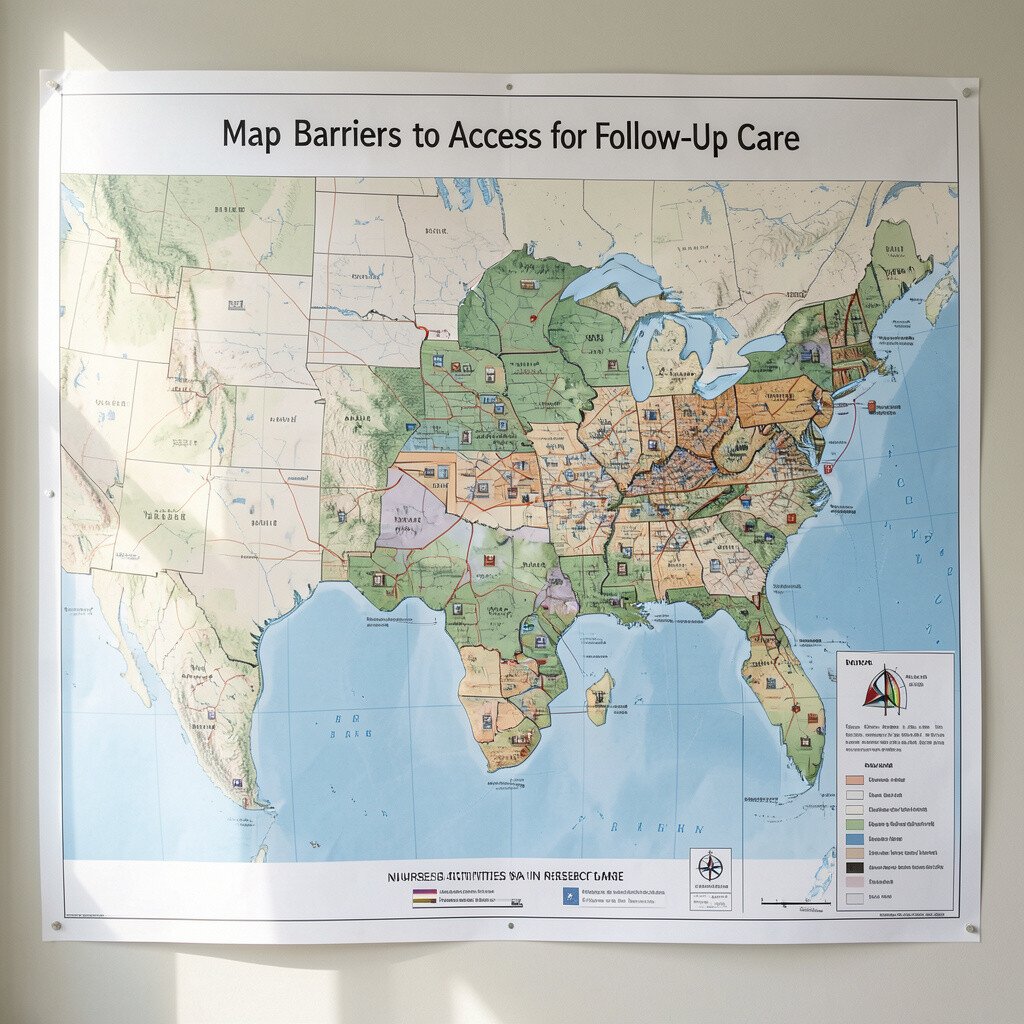
Look at the steps after discharge and identify where patients get stuck. Transportation issues, pharmacy wait times, unclear instructions, or limited phone coverage can all block progress.
Track which barriers appear most often in your unit and which patient groups experience them. Visual records, like simple charts of common obstacles, can make patterns easier to see.
Research in this area supports better planning, such as earlier scheduling, reminder calls, or coordination with social services. When follow-up becomes easier, outcomes improve and stress drops for families.
10. Pilot a New Symptom Support Routine

Try a symptom support routine in a way that feels safe and realistic for your unit. You can begin with a small group and document how patients respond to structured interventions like scheduled comfort checks.
Record what you see in the room, such as breathing comfort, reduced agitation, or smoother transitions from rest to activity. If you keep the routine consistent, the data becomes meaningful.
This kind of pilot supports uniqueness because it reflects how your team already thinks and works. It also gives you practical tips for scaling, like who leads the check-ins and how supplies are stocked.
Consider costs early by choosing interventions that rely on existing equipment and routine workflows. When resources are needed, you can request them with evidence from your pilot results.
11. Use Focus Groups With Staff to Improve Workflow

Invite a small group of nurses and aides to talk about what slows them down during critical moments. A relaxed, friendly conversation can uncover hidden workarounds and communication gaps.
Listen for themes that repeat, such as unclear priorities during rounds or confusion about paging. These insights often lead to simple, research-backed changes that improve safety and reduce burnout.
12. Study Fall Risk Factors With Better Screening Practices

Examine how fall risk screening is done and whether it captures the patient’s real situation. Sometimes the score alone misses details like new dizziness, weak vision, or sudden medication changes.
Use visual cues in your workflow, such as brightly colored wristbands or door signs in line with your facility policy. Then document how screening outcomes match what actually happens during the shift.
Care improves when the screening triggers timely prevention, like mobility support and environmental safety checks. Practical tips include training for consistency and quick reminders during handoff.
13. Research Pain Management Preferences Across Patients

Pay attention to how different patients want to handle pain, because preferences are part of care quality. Some people respond well to music, others to clear explanations, and some to paced breathing guidance.
Create a way to record these preferences in the chart so your team can act quickly. When nurses can see the patient’s comfort style at a glance, care feels more respectful and personalized.
This activity benefits outcomes because comfort plans become tailored rather than one-size-fits-all. It also builds uniqueness by celebrating patient voice as a real research signal.
Cost is often minimal when you prioritize non-drug options and use resources you already have. Over time, your unit may find patterns that guide better protocols and fewer trial-and-error moments.
14. Test a Screening Tool for Delirium or Depression Signals

Choose a screening process and evaluate whether it catches early warning signs sooner. You can observe how quickly staff begin screening, and how patients understand questions.
Compare screening results with later clinical changes, like new confusion or mood shifts. Visual tracking of timing, such as when screenings occur during the first days, can help you see gaps clearly.
Research here benefits patients by enabling earlier support, which can prevent complications. It also gives nurses practical tips for integrating screening into routine care without adding stress.
15. Review Medication Teach-Back for Accuracy and Confidence

When you teach medication, watch for moments where patients seem unsure or silent. A teach-back moment, done kindly, can reveal whether people truly understand timing, dose, and purpose.
Document which instructions are misunderstood most often, including what to do if a dose is missed. This information helps you improve education materials and how you phrase key points.
Personalization ideas can include using patient-friendly language, showing a pill organizer, or matching examples to daily routines. These changes can reduce errors and boost confidence for the patient and caregiver.
Cost considerations are usually low because you can build new scripts and printed guides using existing unit resources. When you standardize education, you also reduce re-teaching time and support staff efficiency.
16. Analyze Patient Satisfaction Feedback for Actionable Patterns

Collect feedback from surveys and informal comments, then read for meaning instead of just volume. Pay attention to what people mention repeatedly, like clarity, waiting time, or the tone of care.
Organize notes in a way that helps your team act, such as grouping feedback into communication, coordination, and comfort. Visual summaries can make it easier to present findings to leadership.
This activity can improve uniqueness because it highlights what patients value most in your specific unit culture. It also benefits care by connecting feedback to specific nursing actions you can change quickly.
17. Study Technology Use, Like Monitoring Alerts and Portals

Observe how staff and patients use monitoring devices and patient portals during care. Alerts can be helpful, but they can also create alert fatigue if they are not tuned to real risk.
Track when alarms prompt action and when they get ignored, then consider ways to adjust workflows. You can also test patient portal instructions by measuring whether patients can find results and ask questions.
These research steps support better safety and better access, especially for patients managing chronic conditions at home. Practical tips include simplifying log-in steps, checking readability, and offering quick in-person help at the first touch.
Cost considerations matter when new software is proposed, so start with workflow and training changes first. If upgrades are needed, your collected data becomes a strong reason to request resources.
18. Share Findings Through Staff Teaching and Friendly Posters

After you collect and interpret data, bring the story back to the team in a clear and friendly way. A poster with simple images, like a before-and-after chart or a flow picture of a new routine, helps busy staff absorb the key points quickly.
Keep your message practical by describing what changed, what improved, and what you would adjust next time. This makes your research feel like support rather than extra work.
Benefits show up when staff feel ownership and can use the findings in their own shifts. Your uniqueness shines when you connect research results directly to patient moments nurses recognize.
For personalization ideas, you can tailor examples to different units and patient needs during short huddles. Cost considerations are usually manageable because teaching materials can be printed locally or created with existing tools and templates.