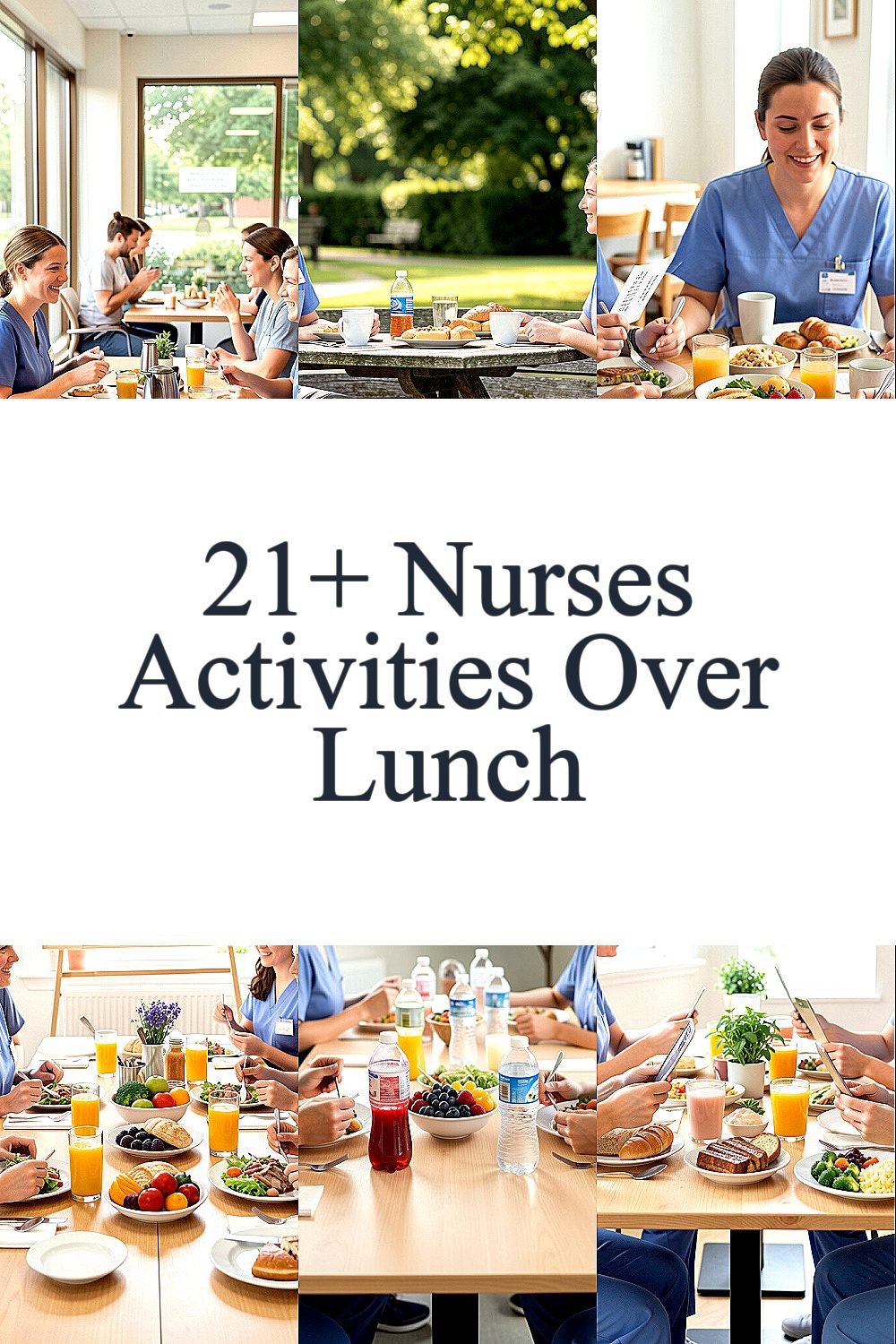
The break you take can feel small, but it can still reset your whole day. A little planning during lunch helps nurses come back calmer, clearer, and kinder.
When the hallway is loud and the schedule is tight, a thoughtful lunch break becomes a quiet superpower. Here are activities that fit real shifts and real budgets.
1. Fresh Air Walk With a Buddy Route
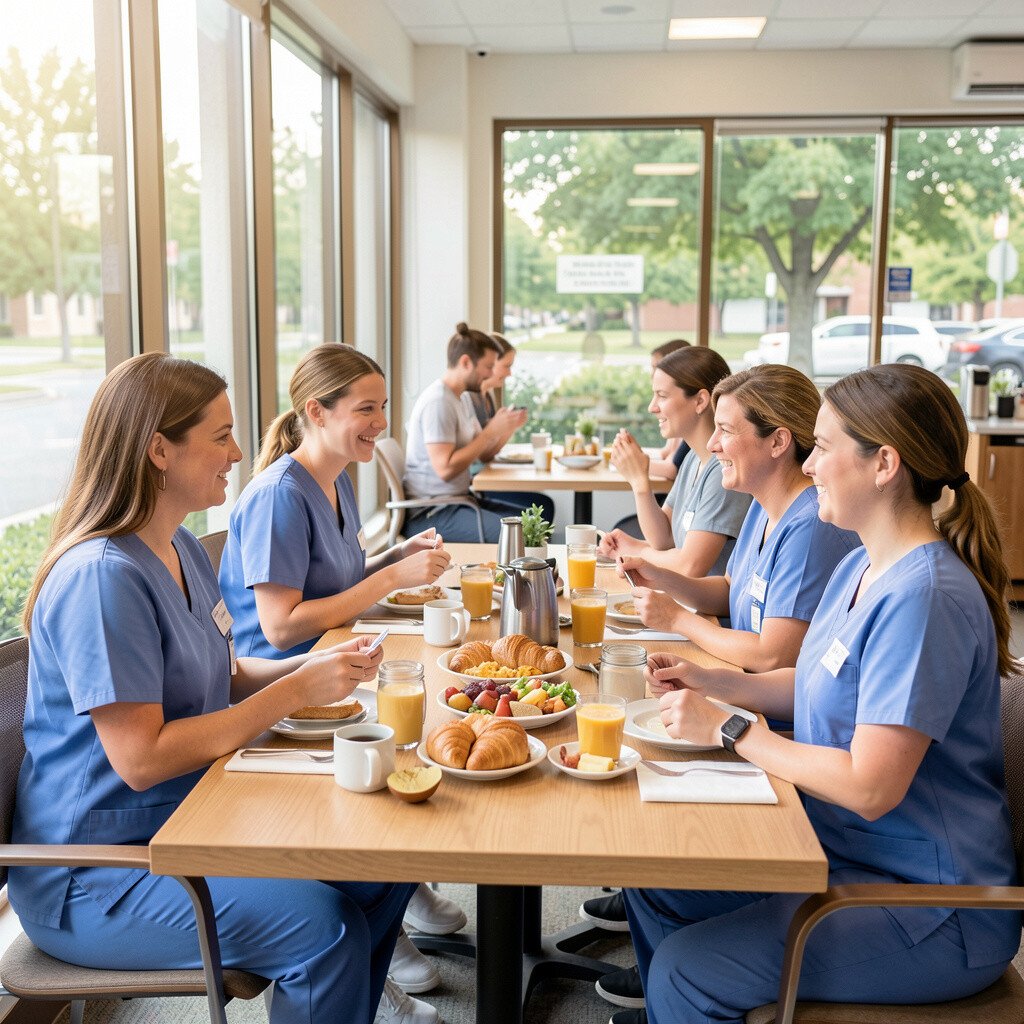
Step outside if you can and pick a short loop that feels safe and familiar. You will notice the air, the light, and the small sounds that never make it into charting.
Walk slow for a few minutes, talk about something simple, and then return before you feel rushed. This kind of break helps your mood and your focus, and it gives your body a gentle movement reset. Keep it realistic by choosing a route that is easy to access and easy to shorten.
2. Guided Stretch on a Quiet Bench
Try a simple stretch routine right where you are, like a bench near a staff area. You can roll your shoulders, stretch your wrists, and lengthen your spine while looking at the ground so you stay calm and grounded.
Short stretching breaks reduce tension in common nurse spots like neck, hands, and lower back. It is practical because you do not need special gear, and it fits in between the rush of getting lunch and heading back to work.
For personalization, swap in stretches that match your own tight spots, like hip flexors or calf muscles. If the space is busy, keep the movements small and private, focusing on breathing and comfort first.
3. Gratitude Notes in Small Print

Spend a few minutes writing tiny notes about what went well today. The words do not have to be big; even one kind detail counts.
When you reread them later, you will remember more of the good moments than the stressful ones. This helps reduce burnout feelings and gives your day a softer landing. It also strengthens team spirit because you can share a note when someone needs encouragement.
For uniqueness, try a “one sentence per lunch” habit and keep a small notebook in your bag. Make it cost-friendly by using any scrap paper, and keep it private if you prefer.
4. Color Break With a Quick Photo Board
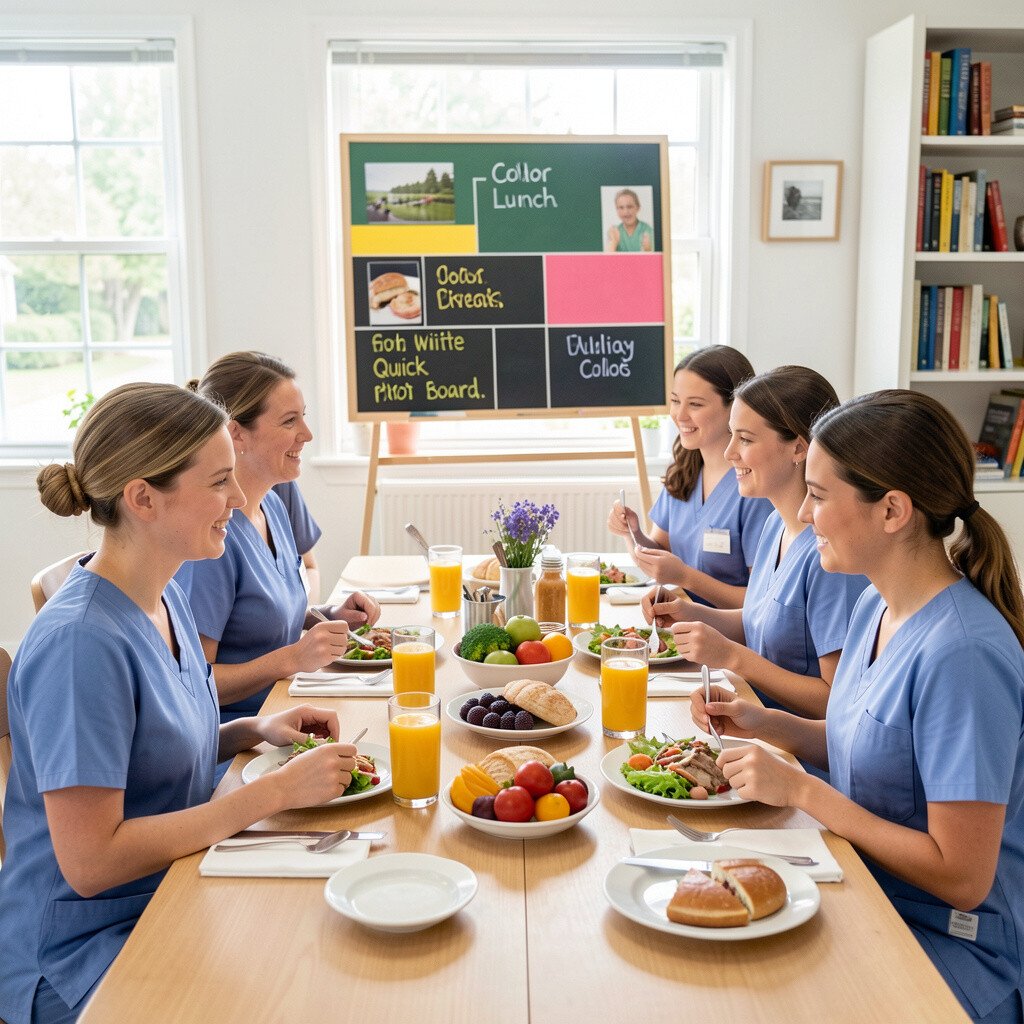
Pick a few colors you want to notice during lunch, then look around and find them in your environment. You might spot green plants, blue lockers, or warm light on a wall.
This “color hunt” turns waiting time into a mini mental vacation. It improves attention because your brain has an easy task, and it helps you return to work with less mental clutter. Try personalization by choosing colors linked to your mood, like calm blues or energizing yellows.
5. Hydration Challenge With a Flavor Twist

Take a moment to drink water before you go back to tasks. Then add a safe, simple flavor twist like a lemon wedge or a few mint leaves if you have access.
Staying hydrated supports energy and helps your body keep up with long shifts. It is also a low-cost break that does not require a shared schedule or any extra equipment. For uniqueness, label your own “lunch cup rules,” like sip regularly and pause to taste the flavor.
If you share supplies in a unit, keep it hygienic by using personal bottles and separate add-ins. This keeps the routine smooth and respectful for everyone.
6. Lunch Playlist Swap With Two Songs Only
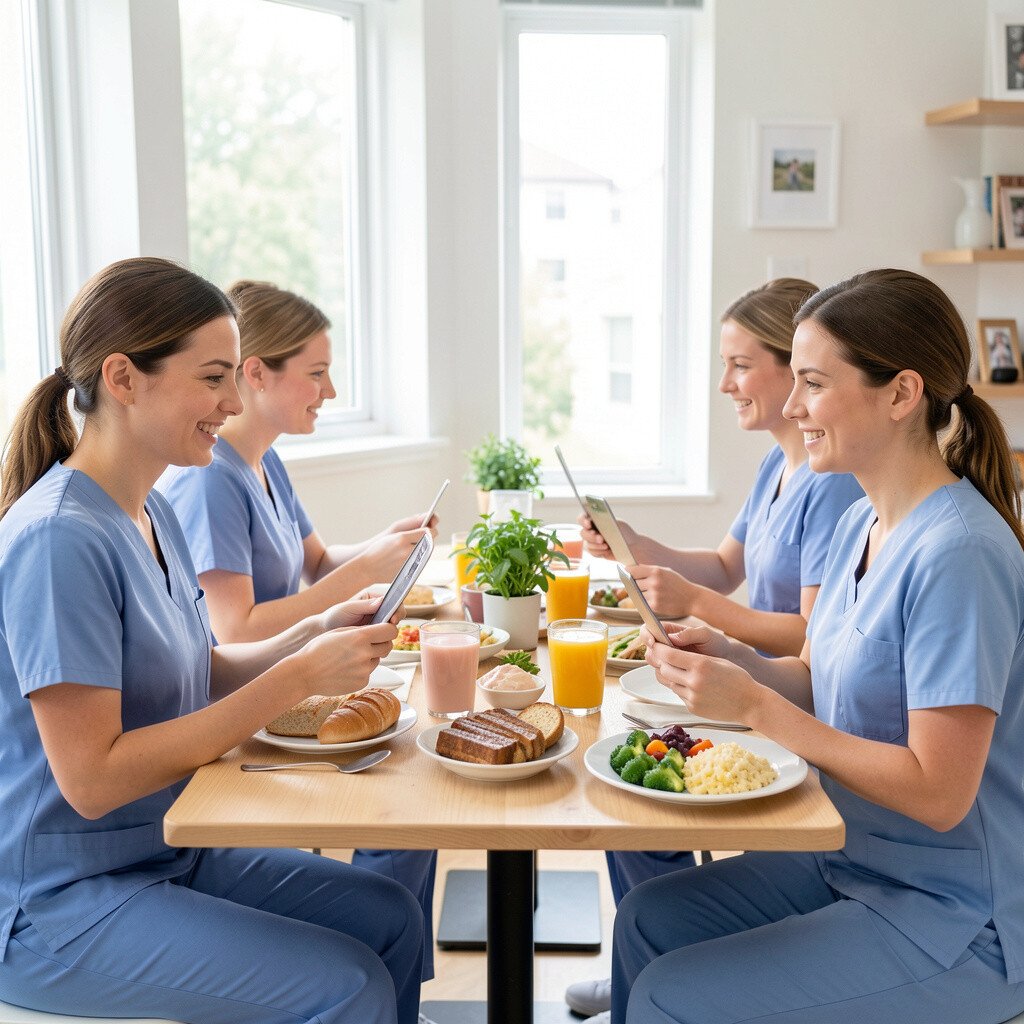
Choose two songs for your break and share them with a teammate if that feels comfortable. The room might look busy, but the sound can make you feel like you’re stepping into your own bubble for a moment.
A short playlist helps your mood shift quickly, especially when you return to patient care tasks. It is practical because it does not take planning beyond selecting songs. If you worry about volume, use headphones and keep it low so you respect the environment.
7. Mindful Eating With Bite-by-Bite Focus

Take one slow bite and really notice texture, temperature, and flavor. You might feel the warmth of soup, the crunch of a salad, or the softness of bread.
This activity supports digestion and helps you avoid eating on autopilot. It also gives you a calmer pause that can reduce irritability when the next call comes. Personalize it by picking one sense to focus on each bite, like smell for the first few bites and taste for the last few.
If you have only a short window, even three mindful bites can help. Keep it cost-friendly by using whatever lunch you already brought, no special food needed.
8. Desk-Side Breathing With a Visible Countdown
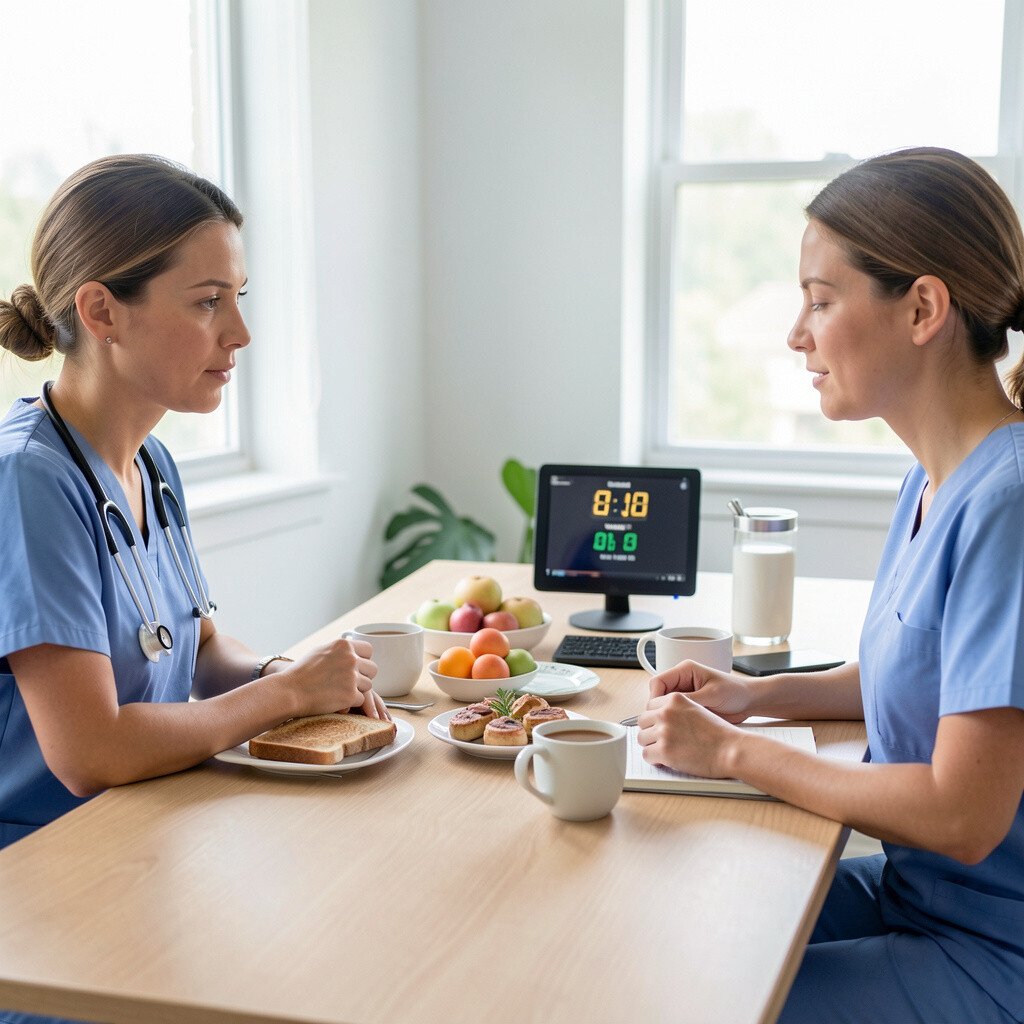
Find a comfortable seat and breathe with a gentle rhythm, then watch a simple timer on your phone. The screen’s glow can feel comforting, like a signal that your body is allowed to pause.
This quick reset helps your nervous system settle, especially after a busy morning. It is practical because it requires only your breath and a few quiet minutes. For personalization, match breathing to a phrase like “in for calm” and “out for ease,” even if you keep it to yourself.
9. Compliment Circle for the Next Shift
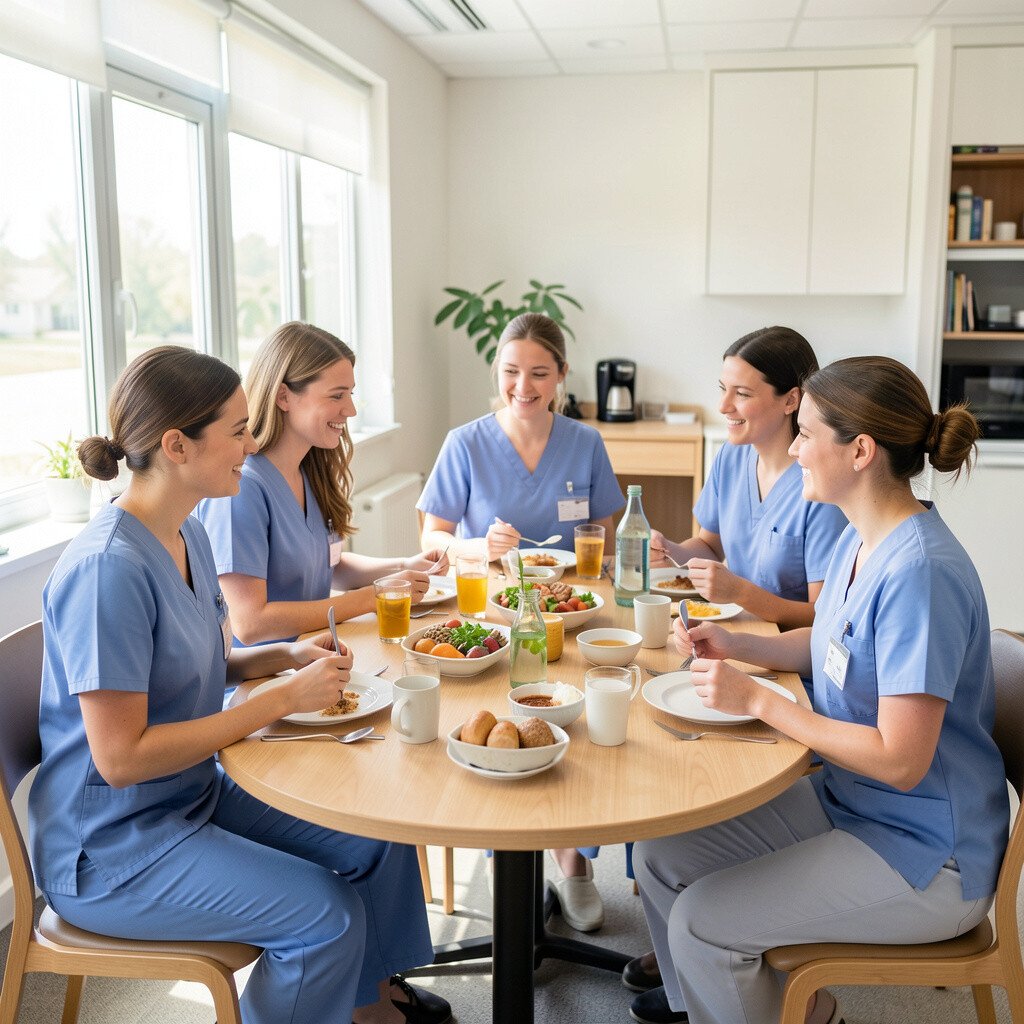
Pick one coworker and offer a sincere, specific compliment that fits the moment. You might notice someone’s patient calm, careful documentation, or helpful teamwork.
Kind words build connection and make the next shift feel less heavy. This is unique because it turns lunch into a tiny morale boost, not just downtime. It also supports retention of positive memories, which can matter a lot on hard weeks.
Keep it practical by offering the compliment in passing, then letting the moment end naturally. If you want cost considerations, there is nothing to buy, and the impact is immediate.
10. Hand Massage With a Soft Lotion Ritual

Use a small amount of lotion and massage your hands slowly, like you are caring for your own tools. You may feel your wrists relax as your fingers loosen and your skin softens.
This break helps relieve dryness and tension from glove wear and frequent hand washing. It is practical and affordable, and it can make you feel more comfortable during the rest of your shift. For personalization, choose scents you enjoy, like light citrus or unscented if you prefer.
11. Lunch-Time Journal With a “One Thing” Focus

Write one thing you learned today, then one thing you want to be gentler about tomorrow. The page can be plain, but your words give it meaning.
Journaling supports reflection and helps your brain process stress instead of carrying it forward. It is unique because you keep it short, so it does not feel like another task. Practical personalization could mean using prompts that match your week, like sleep, pacing, or teamwork.
Cost considerations are easy since you can use any notebook or even a notes app. If you share a unit computer, keep it personal and off shared screens.
12. Quick “Shelve Stress” Scavenger Moment

Look around and name things you can “set down” mentally, like a chart, a phone call, or a worry you cannot solve at lunch. You can do it silently while you sit, watching the room steady you.
This activity helps your mind stop replaying problems, so you can return with less dread. It is practical because you can do it anywhere, even if breaks are limited. Personalize it by choosing three worries to mentally park and one calm feeling to hold onto.
13. Tea or Coffee Time With a Cozy Temperature Check

If you drink tea or coffee, take a minute to notice the temperature as you sip. Notice how it warms your hands and how it feels in your throat.
This small pause creates comfort and helps your break feel more intentional. It also gives you a steady rhythm that can lower stress when the day feels chaotic. For uniqueness, try pairing your warm drink with a simple breathing pattern, like one slow inhale before each sip.
Cost considerations are flexible since you can use what you already buy or bring from home. If you are sensitive to caffeine, keep it mindful and choose decaf or herbal options when needed.
14. Small Art Session With Paper and Markers

Spend a few minutes doodling lines, shapes, or simple symbols on paper. The page might look messy, and that is the point, because it is for you.
Creating something loosens tension and gives your brain a break from clinical thinking. It is practical because you only need basic supplies, and you can keep it private in your bag. Personalize it by drawing a tiny “comfort image” that reminds you of a good moment, like a beach sunset or a cozy kitchen.
15. Walk-By Window Moment With a Focus Lens

Stand near a window and let your eyes rest on something far away. Then look at something closer again, like a sign, a plant, or the window frame.
This helps your eyes and gives your mind a calm visual rhythm. It is practical because it works in many break areas, even if you cannot leave the building. For uniqueness, pick a theme like “circles” or “patterns” and spot repeating shapes outside and inside.
If you want cost considerations, all you need is your body and a place with light. Be gentle and keep it short if you feel dizzy or strained.
16. Team Micro-Game of Would You Rather

Ask a teammate a simple would-you-rather question and take turns answering. You might swap ideas about favorite comfort foods or the best kind of weather.
This kind of light conversation supports connection without pulling you into heavy topics. It is unique because it turns a quiet lunch moment into friendly energy. For personalization, choose questions that feel safe for your unit culture, and keep it respectful if someone is not in the mood.
17. Stretching for Shoulders and Neck With Gentle Range

Do slow neck rolls, shoulder circles, and careful upper-back stretches while keeping your movements small. You can feel the difference when tension lifts even slightly.
This activity targets areas that often get tight from long shifts, headsets, and leaning over charts. It is practical because it can be done seated, and it helps you feel less stiff when you return. Personalize it by adjusting range of motion to what feels comfortable, and stop if anything hurts.
Cost considerations are simple since you only need your body. If you share a space, keep your posture controlled and quiet.
18. Lunch Table Cleanup and Reset Ritual
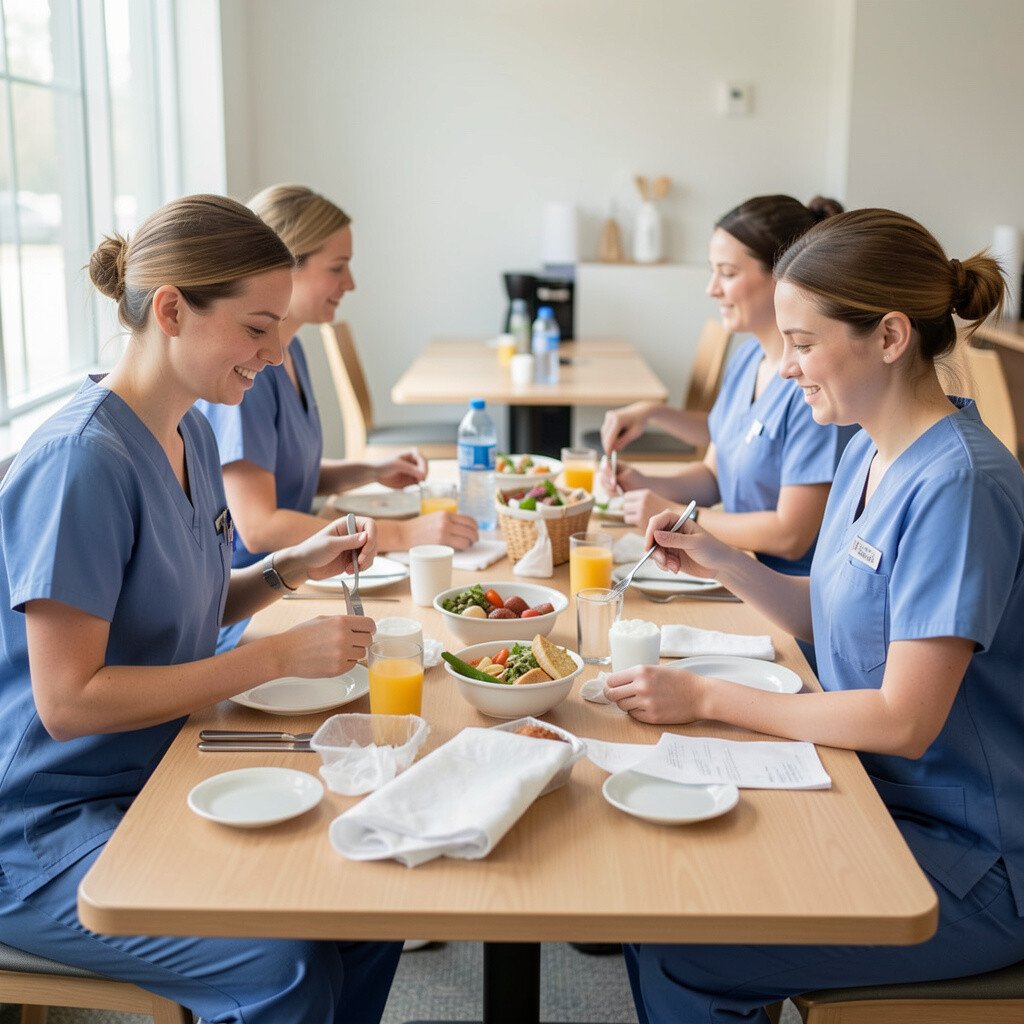
If you share a break room, tidy your corner and wipe down your spot if you can. Notice the clean surface as a visual signal that you are taking care of yourself.
A reset ritual helps you return to work with less mental noise and more respect for shared spaces. It is practical because it uses items already around you, like napkins and disinfectant wipes. For uniqueness, add a small rule like placing your lunch container neatly and saving your utensils for next time.
19. “Bring Back Calm” Sensory Kit From Home
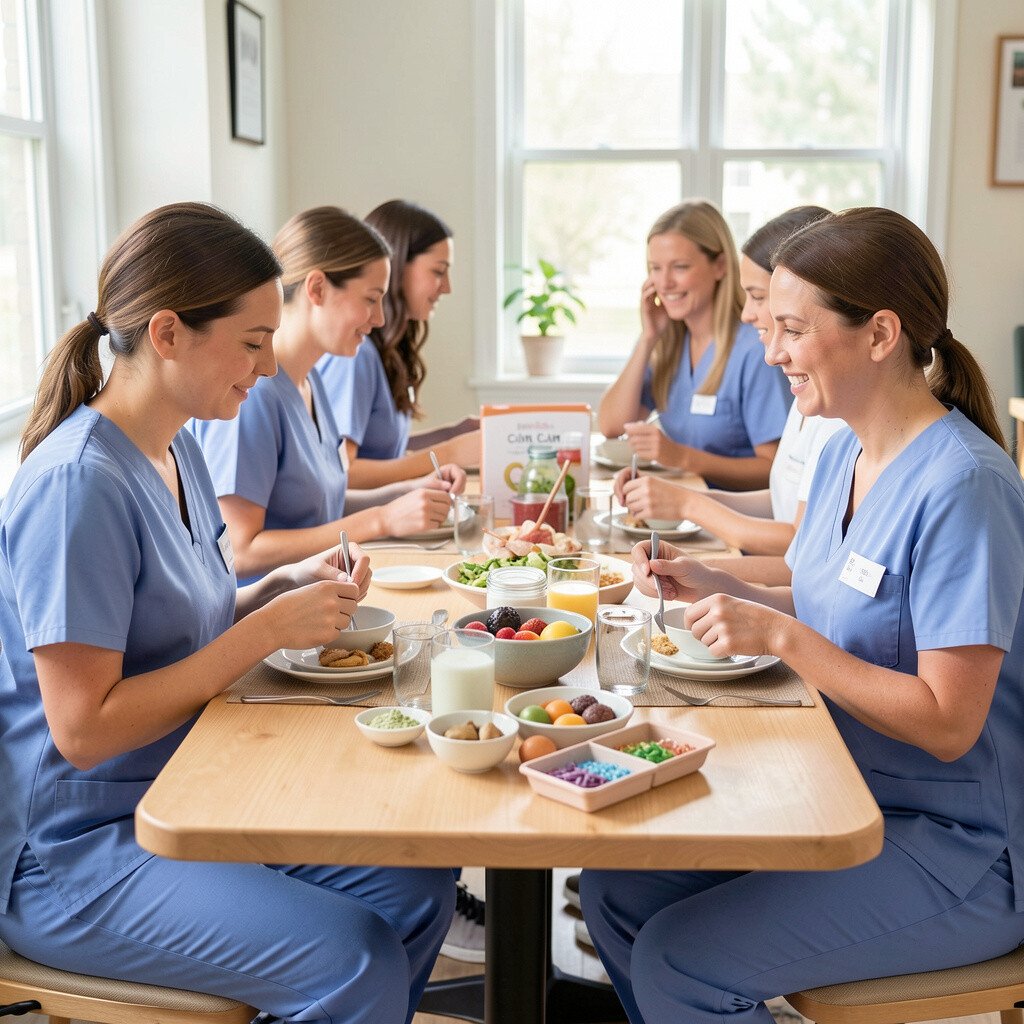
Create a small kit in a bag with calming items you like, like a stress ball, a peppermint, or a soft scarf. When you open it, you will see colors and textures that signal comfort to your brain.
This break supports mental regulation by engaging senses in a gentle way. It is unique because it is truly yours, built around what makes you feel safe and steady. For personalization, keep the kit simple and choose items that match your preferences, like unscented options if fragrances bother you.
Cost considerations can be managed by using things you already own, then adding only one or two new items. Keep it hygienic by using clean items and storing them in a small pouch.
20. Micro Volunteer Moment for a Fellow Nurse

Look for a small helpful action you can do during lunch, like refilling a shared supply or offering to take a quick errand later. Even a tiny gesture can change the energy in a unit.
This activity builds teamwork and creates goodwill that makes future tasks feel lighter. It is practical because you can choose something short that does not delay anyone’s break. Personalize it by matching the help to the moment, like offering a hand with a form or reminding someone about a schedule update.
21. Personal Goal Check With a Gentle Scale

Think about your day and rate how you feel on a simple internal scale, like calm versus rushed. Then pick one small goal for the next stretch, like drinking water or finishing one task slowly.
This helps you steer your mindset instead of letting stress steer you. It is practical because it takes only a moment and it does not require extra materials. For uniqueness, tie your goal to something visible, like keeping your posture relaxed at the next handoff.
Cost considerations are zero, and personalization is easy since your goals can be based on what you actually need. Keep it kind, not strict, because lunch is for support.
22. Storytelling Break With a “Small Win” Share

Share a small win with a coworker, like a moment you handled well or a patient interaction that warmed your heart. You may start with a sentence, and then the story will naturally unfold.
This is powerful because it pulls attention toward progress, not just pressure. It also creates uniqueness since every nurse has different experiences and lessons. Personalize it by choosing wins that reflect your values, like patience, teamwork, or creativity in problem solving.
For practical tips, keep the share brief and watch for cues if someone needs quiet. Cost considerations are easy since the main ingredient is your voice, and the emotional payoff can be huge.