
Imagine a world where the backyard becomes a playground of discovery. The world of physics is waiting just beyond the doorstep, ready to spark curiosity and wonder in little minds.
1. Water Balloon Drop
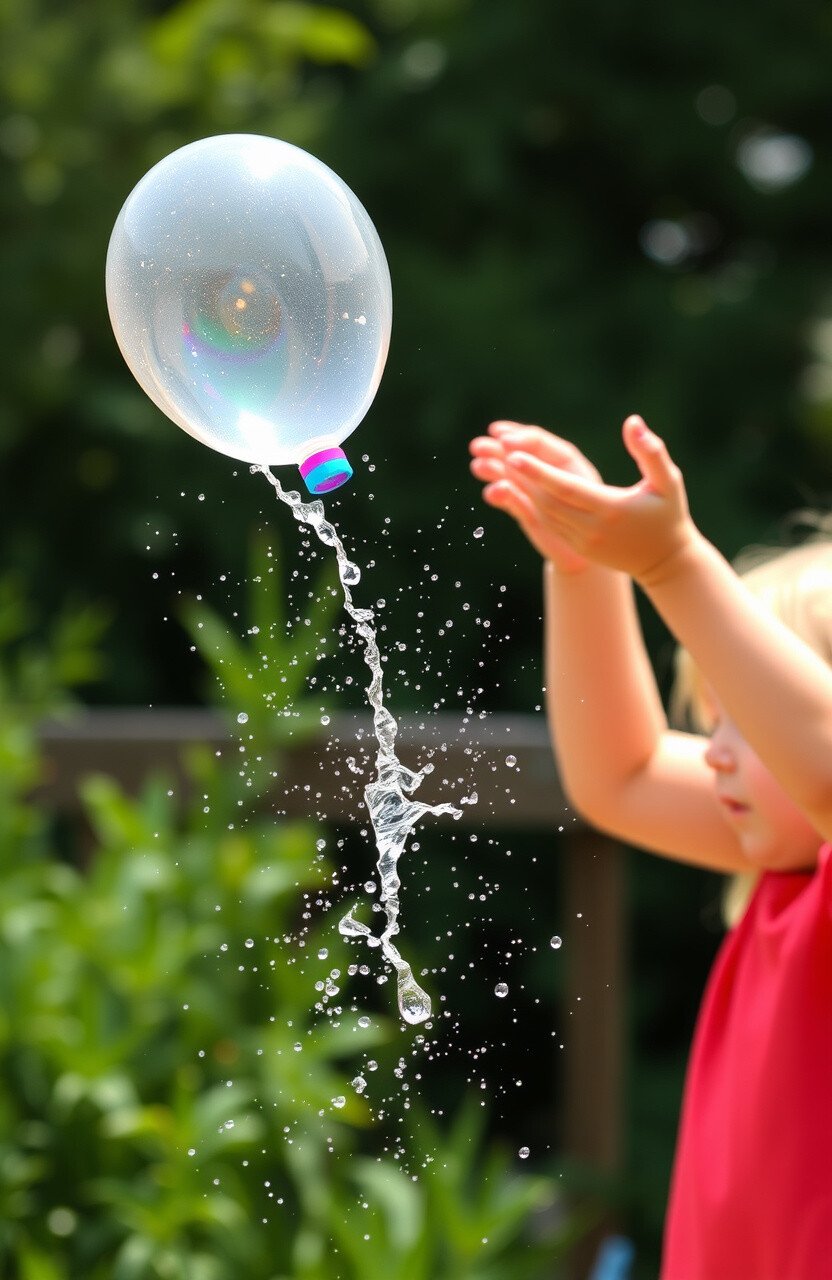
Picture the thrill of releasing a water balloon and watching gravity work its magic. This activity involves filling balloons with water and dropping them from different heights.
Kids adore the splash and excitement, while learning about gravity and potential energy. Use different sizes of balloons for varied results. Adding food coloring can create a rainbow splash effect!
For a small cost of balloons and water, this experiment is a summer favorite. Capture the moment in slow-motion video for an unforgettable memory!
2. Homemade Rainbow Bubbles
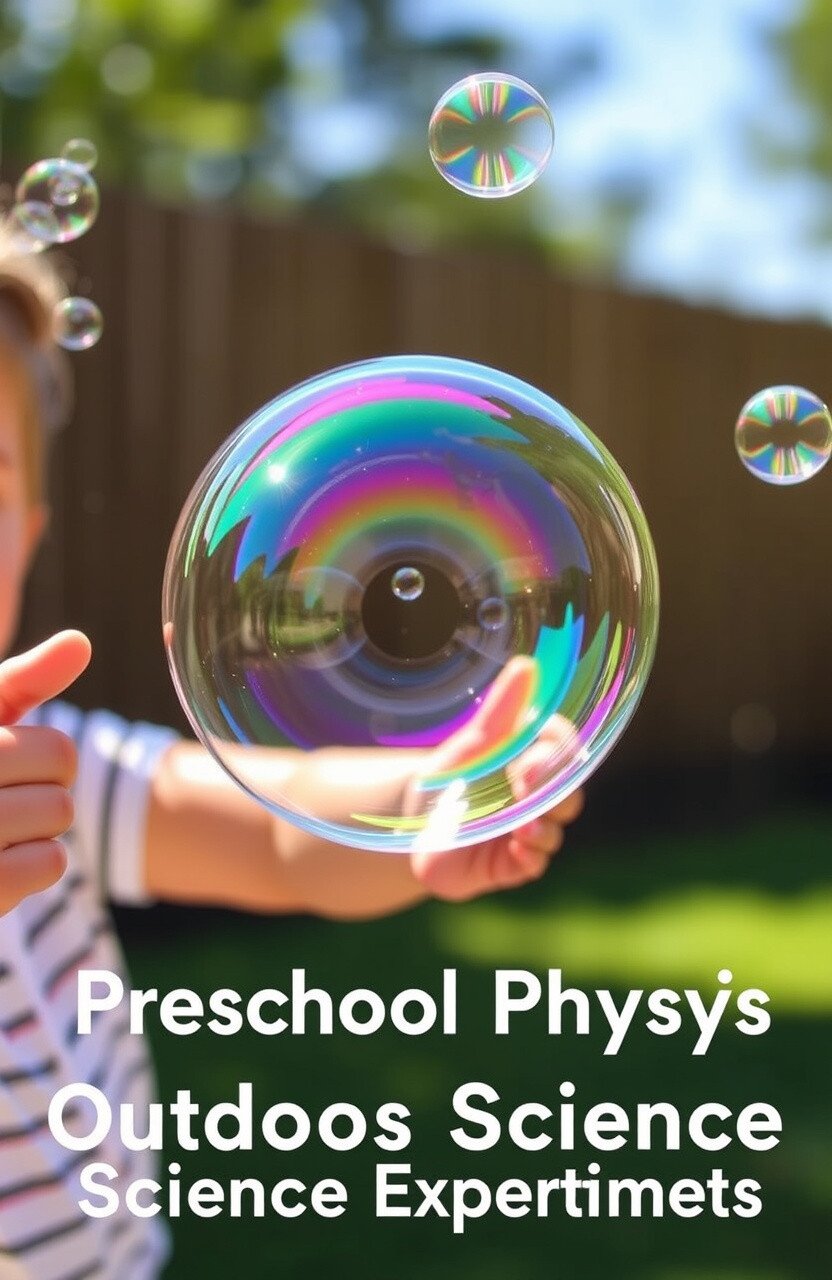
Crafting bubbles with dish soap and water, add a touch of glycerin for durability, then blow them in the sunlight. The result? A cascade of colors dancing in the air.
Bubbles teach about surface tension and light reflection. Encourage children to observe how bubbles form and float. Try using different shaped bubble wands for unique effects.
The ingredients are likely already in your kitchen, making this a budget-friendly activity. It’s the perfect way to brighten any day!
3. Shadow Art

Using the sun as a light source, have children trace shadows of toys or plants on paper. It’s a creative way to learn about light and shadow.
Kids can personalize their shadow art with colors and patterns, making each piece unique. Experiment with different times of the day for varied shadow lengths.
This activity costs nothing but paper and pencils. It’s an artistic exploration of physics that combines creativity and science beautifully.
4. Leaf Parachutes
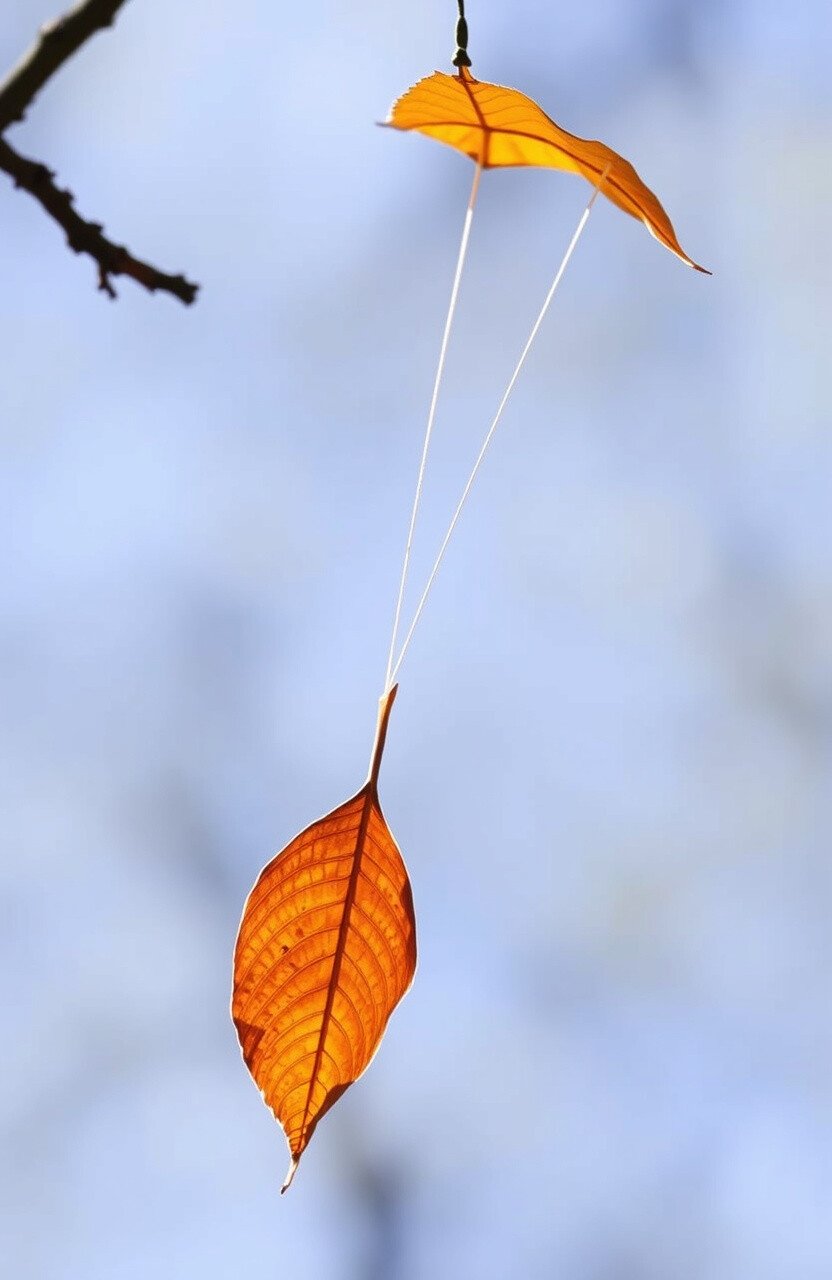
Collect leaves and attach them to small weights to create parachutes. Drop them from a height and watch them glide gracefully down.
This experiment is all about air resistance and gravity. Kids will enjoy finding the best leaf shapes for their parachutes.
It’s a unique, cost-free activity that blends nature with science. Encourage children to test leaves of different sizes and types.
5. Egg Drop Challenge
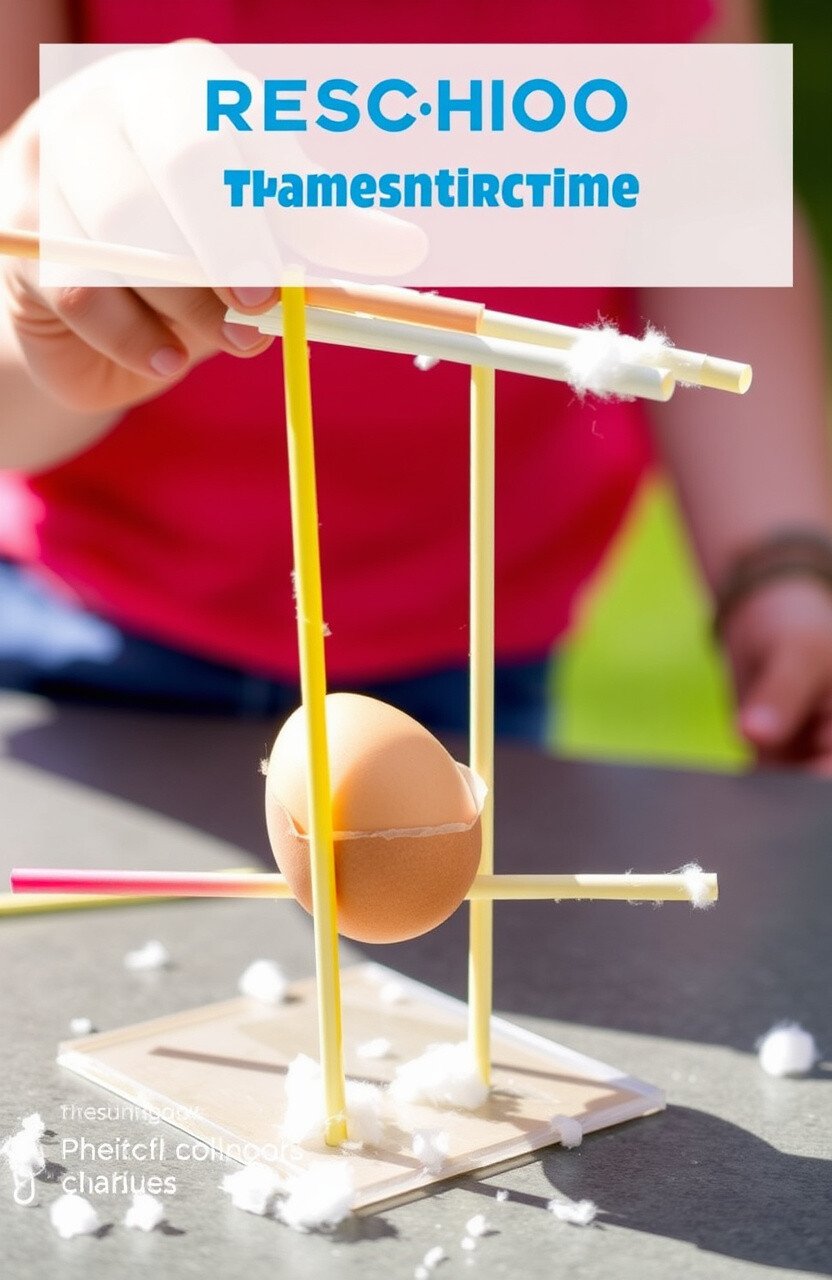
Using materials like straws, tape, and cotton balls, challenge kids to create a protective contraption for an egg. Then, drop it to see if it survives!
This hands-on experiment teaches about impact and cushioning. It’s a fantastic way to think creatively and problem-solve.
Gather materials from around the house for a low-cost activity. Children will love the challenge and thrill of the egg drop.
6. Wind-Powered Boats
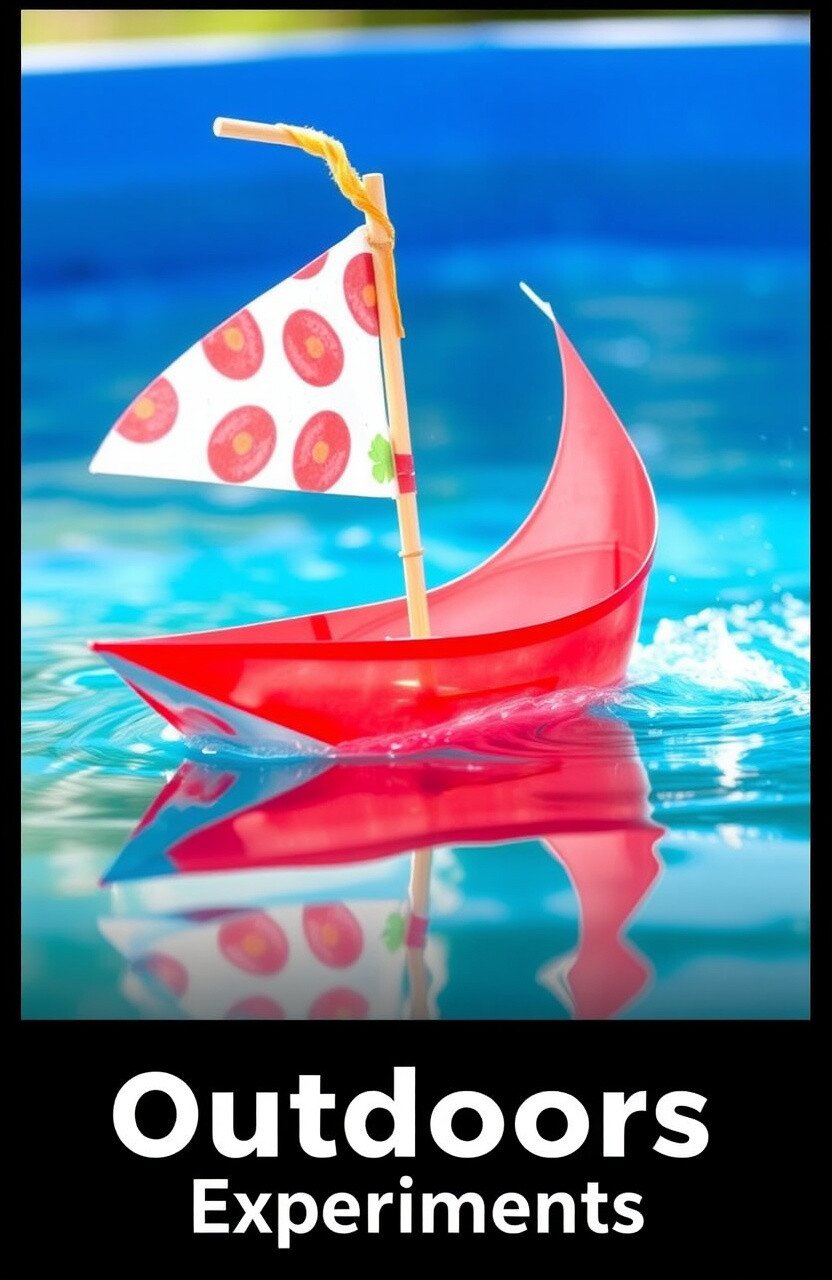
Create boats from recycled materials and see how they move using the wind in a kiddie pool or pond. It’s about harnessing natural energy.
This activity delves into wind energy and buoyancy. Kids can decorate their boats, making each one special.
It’s a fantastic way to reuse materials, making it environmentally friendly and cost-effective. Let the creativity flow!
7. Rolling Race
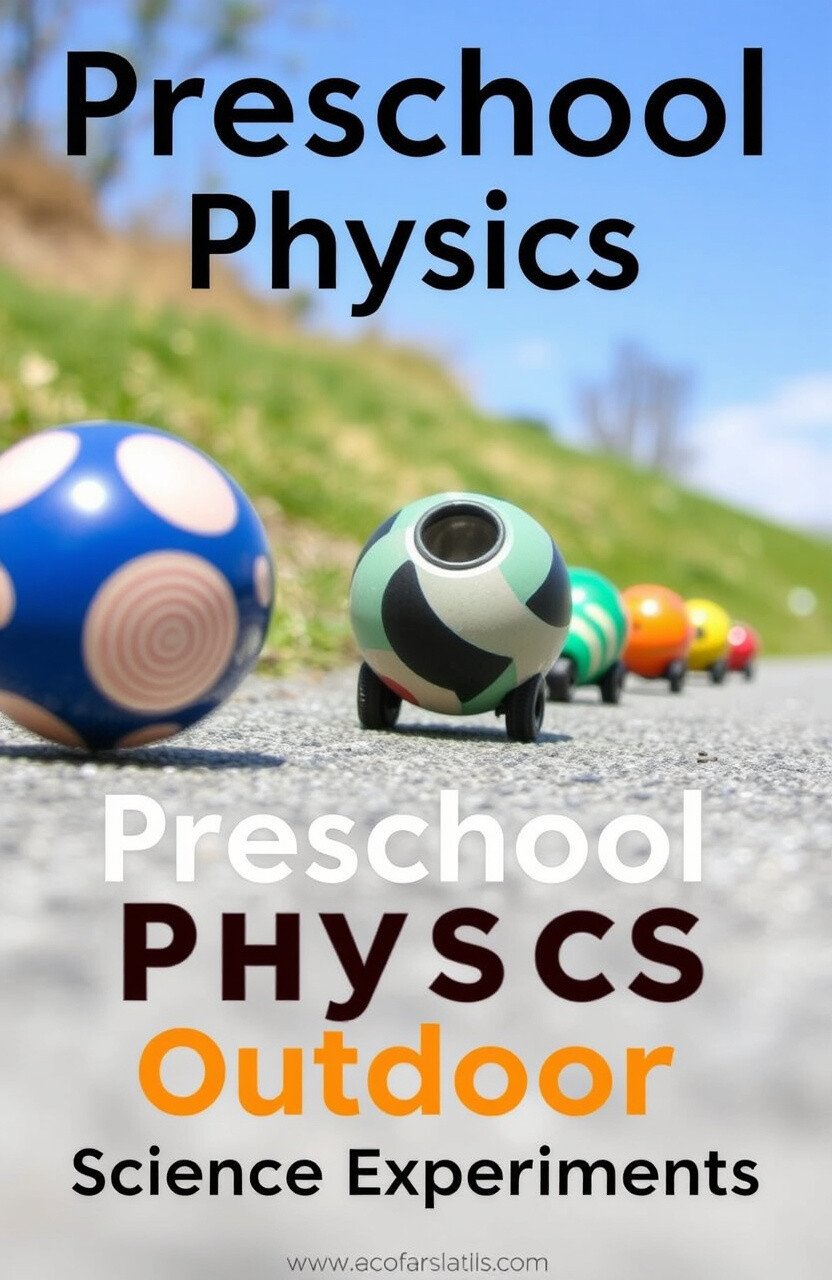
Find various objects like balls, cans, and toy cars. Roll them down a slope to see which goes fastest. It’s a simple yet intriguing exploration of motion and friction.
Kids will learn about speed, weight, and surface texture. Encourage experimentation with different slopes and surfaces.
All you need are items from home, making this a virtually no-cost activity. It can become a fun, friendly competition!
8. Magnetic Treasure Hunt
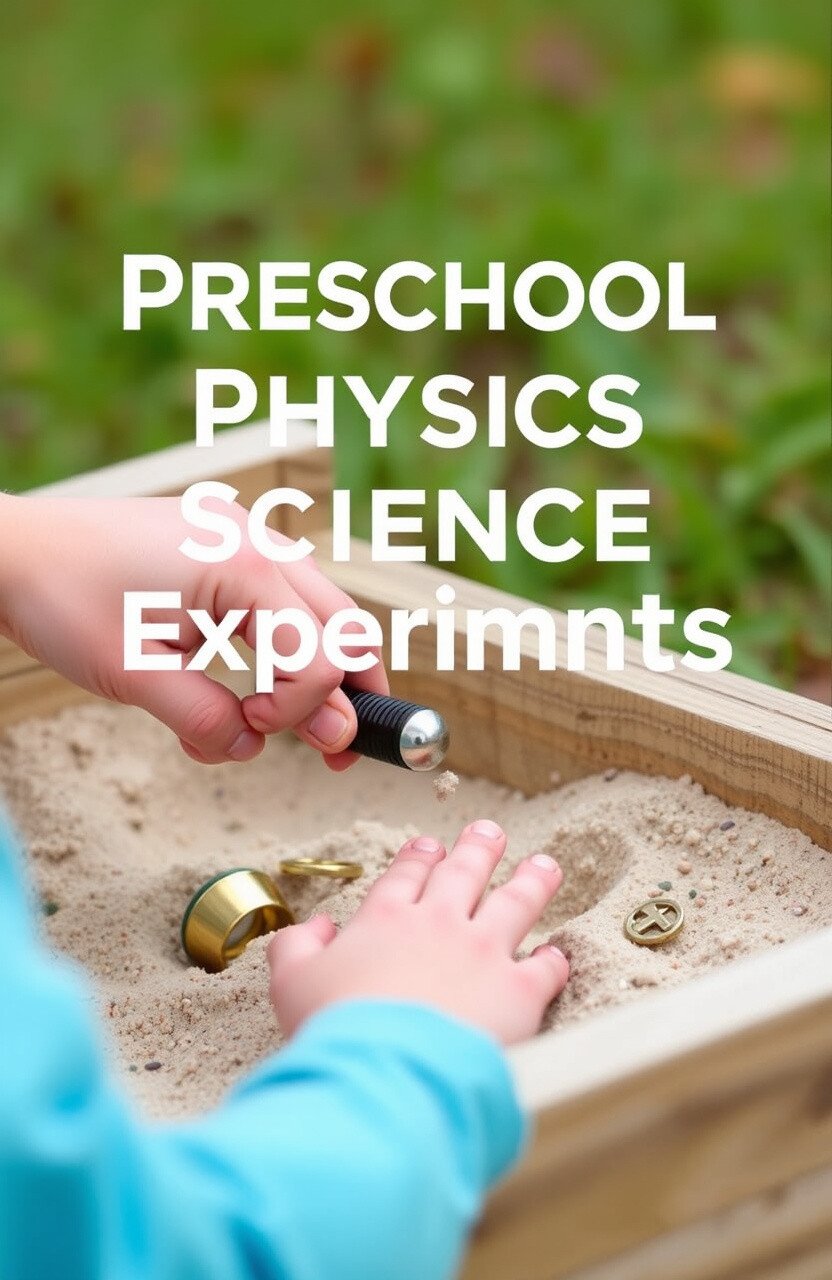
Bury small metal objects in a sandbox and provide a magnet wand to uncover them. It’s an exciting way to learn about magnetism.
Children will enjoy the thrill of discovery and understanding magnetic forces. Use different magnets to compare strength.
With a small investment in a magnet wand, this activity turns into an engaging outdoor quest. Personalize it with themed treasures!
9. Water Xylophone
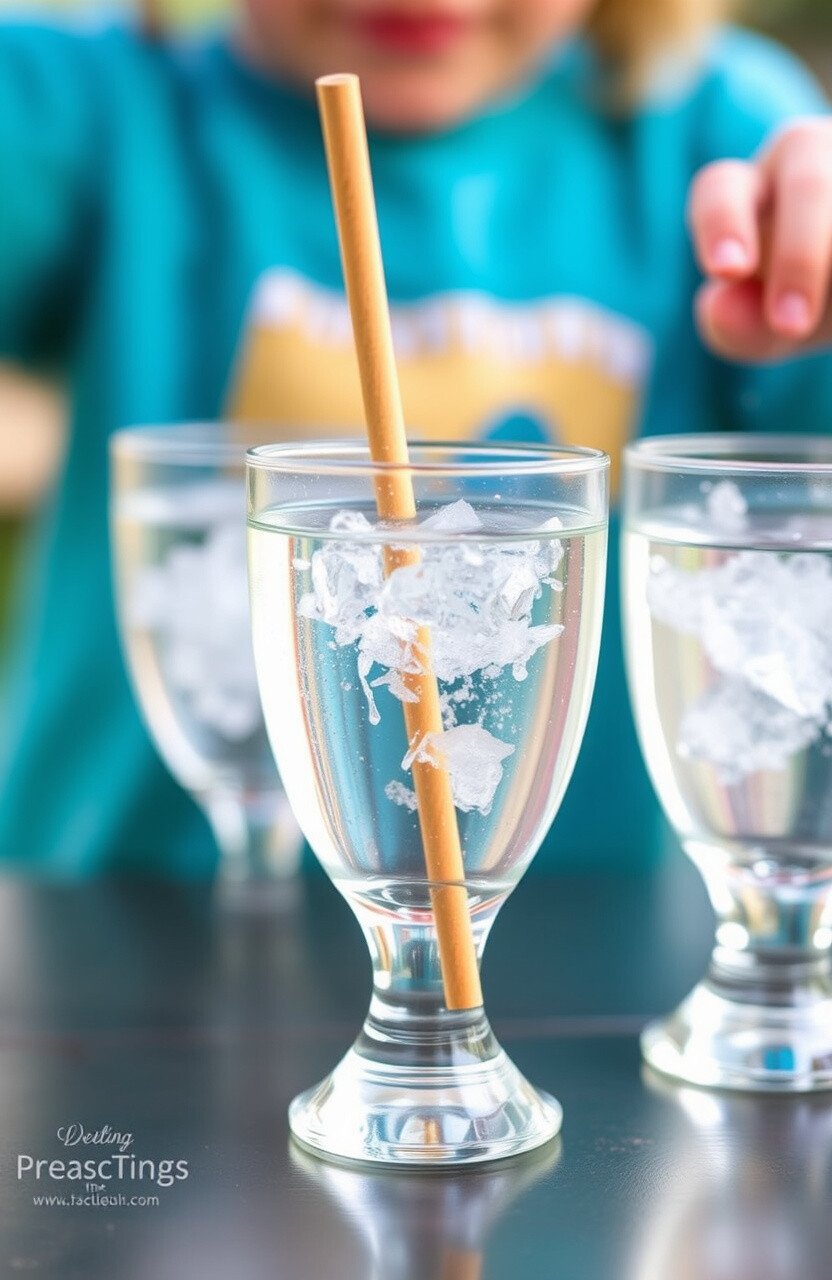
Fill glasses with varying amounts of water and use a stick to tap them, creating different notes. It’s music and physics combined!
Kids will learn about sound waves and pitch. Experiment with different glass sizes and water levels for a unique melody.
This is a low-cost, entertaining way to explore sound. It’s a delightful symphony of science and art.
10. Balloon Rocket
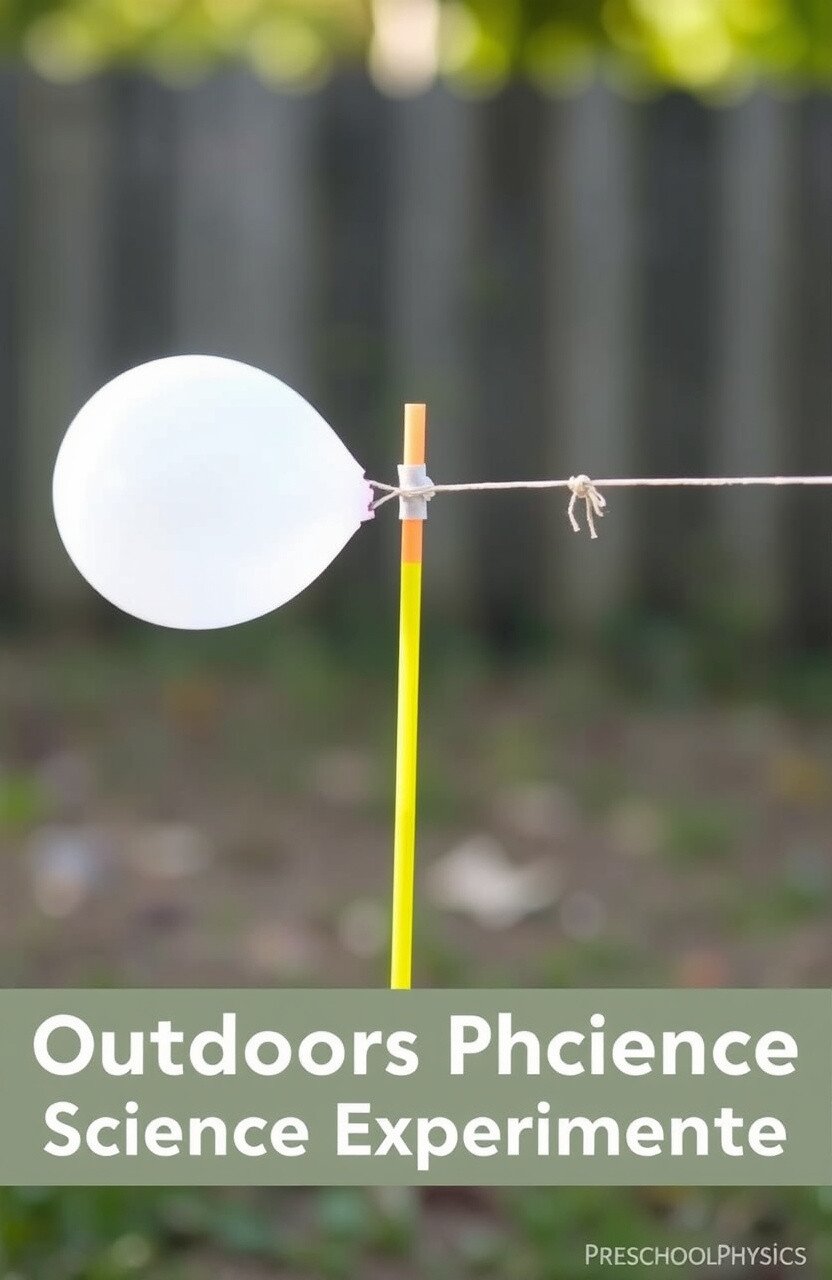
Thread a string through a straw, tape a blown-up balloon to the straw, and let it go. Watch it zoom along the string!
This experiment demonstrates propulsion and air pressure. Kids can try different string lengths and angles.
Balloons and tape are all you need for this thrilling activity. It’s an exhilarating experiment that feels like playtime.
11. Ice Melting Race
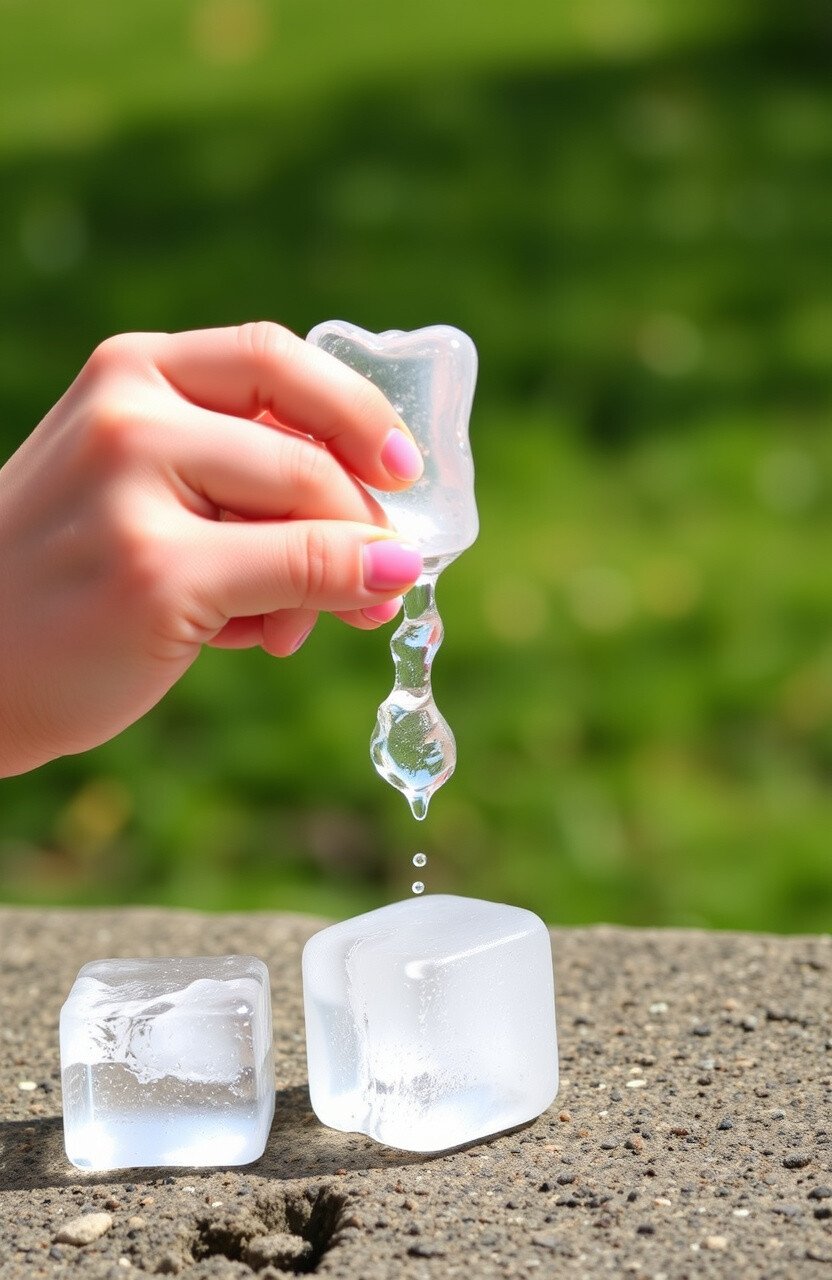
On a warm day, give kids ice cubes and see who can melt theirs the fastest using only natural elements. It’s a fun way to learn about heat transfer.
Children will understand how heat affects ice and the concept of faster melting. Encourage the use of sunlight, friction, and creativity.
This activity is free and perfect for a hot summer day. It’s a cool way to beat the heat and learn physics!
12. Giant Soap Bubbles
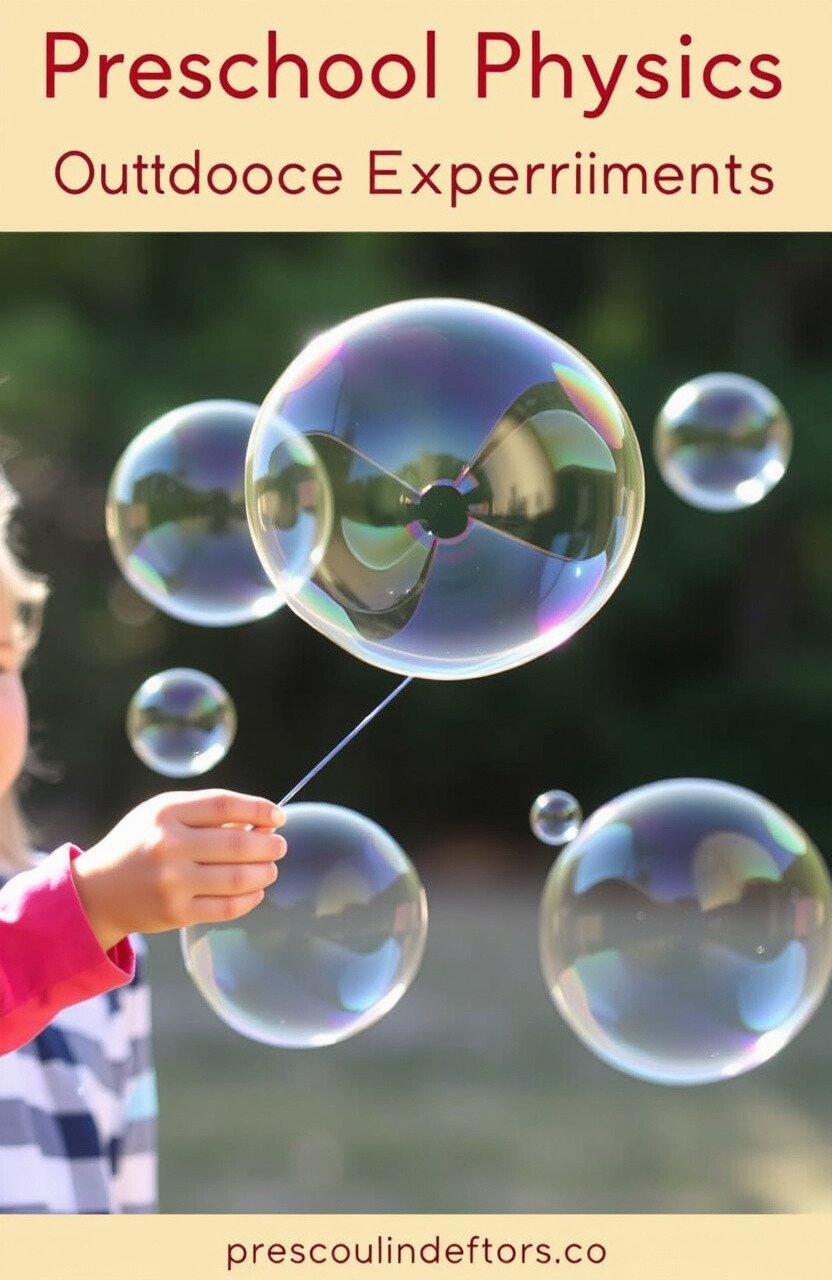
Use a homemade bubble mix and a large bubble wand to create enormous bubbles. It’s a mesmerizing display of science and fun.
Kids learn about surface tension and the science of bubbles. Try different wand shapes for unique effects.
With ingredients from home and a little creativity, this activity is cost-effective. It’s a magical, whimsical experience.
13. Homemade Kite
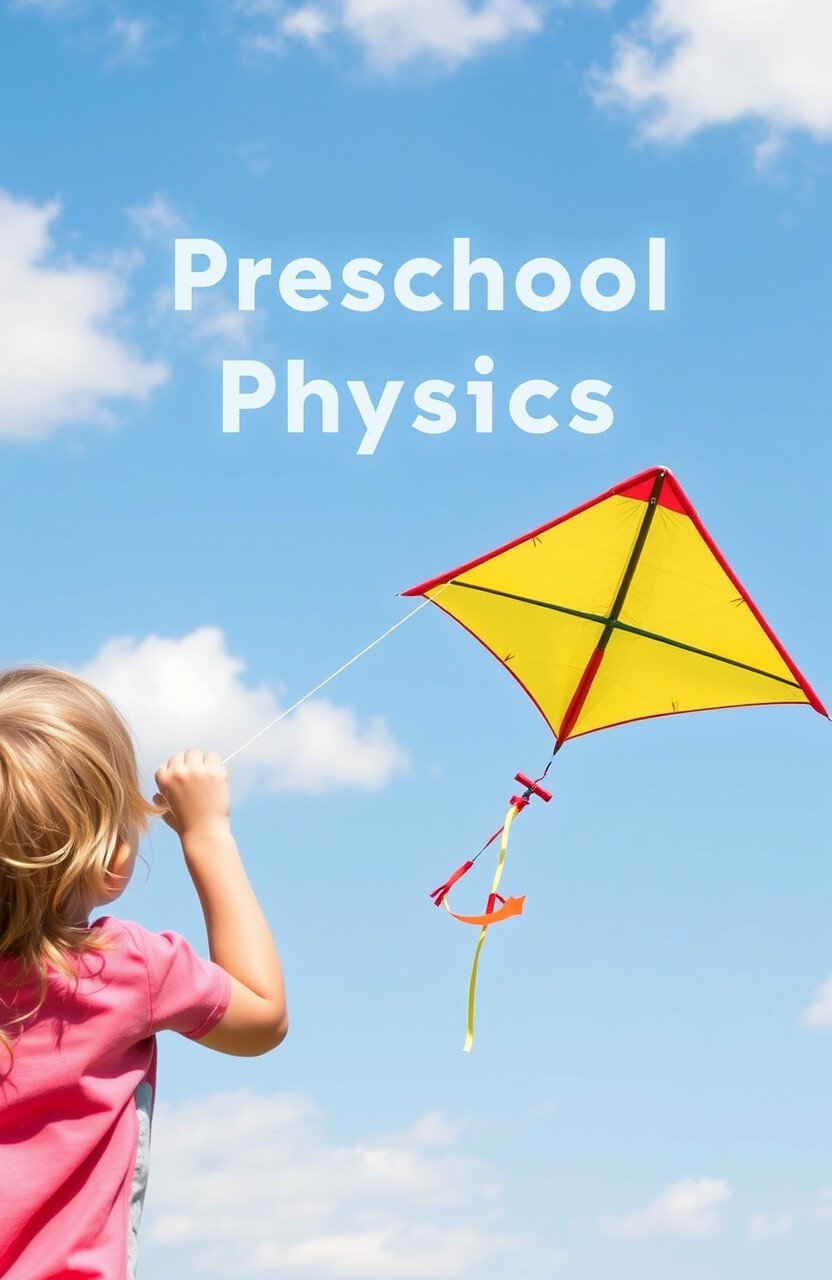
Build a simple kite using paper, sticks, and string, then fly it on a breezy day. It combines engineering and physics in a delightful way.
Children learn about lift, air pressure, and design. Personalize kites with colors and patterns to make them unique.
This is an inexpensive yet enriching activity. Flying a homemade kite is an unforgettable adventure.
14. Leaf Boats
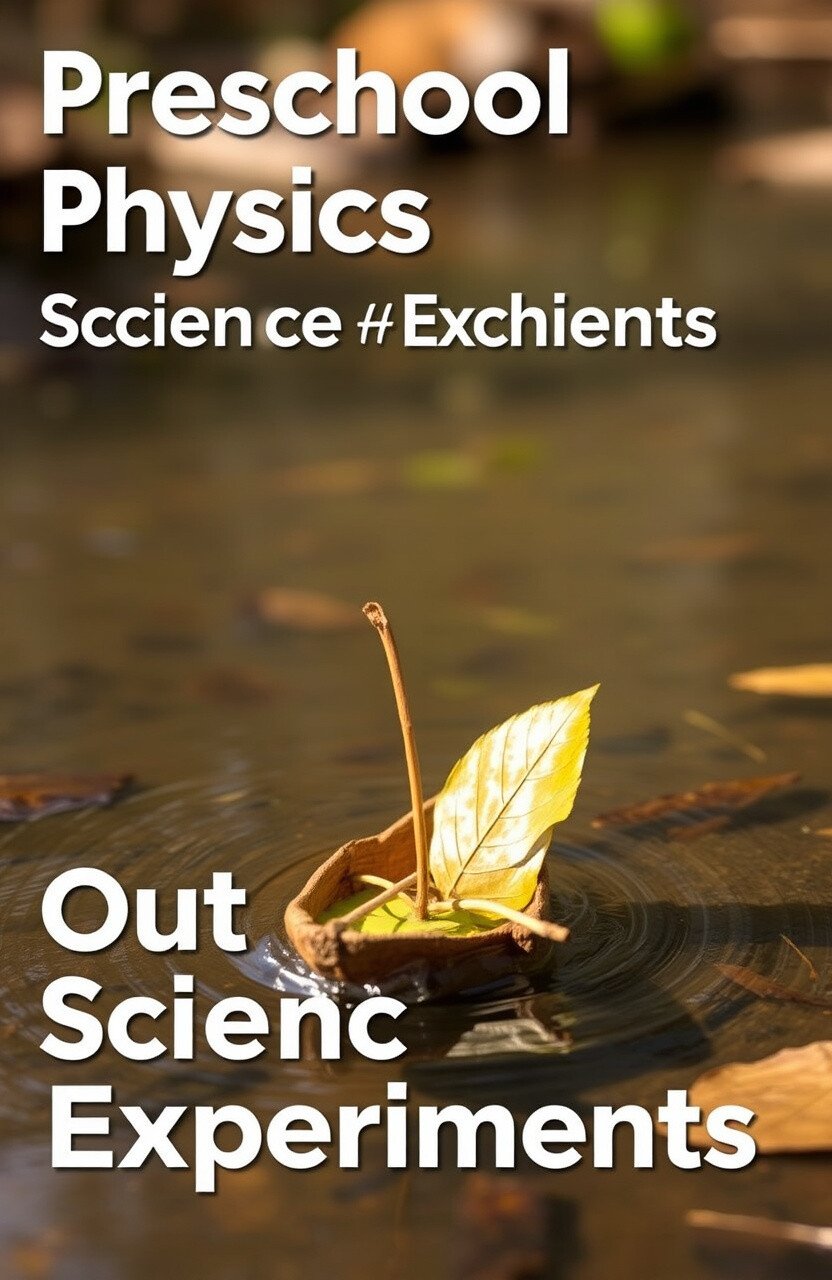
Construct small boats using leaves and twigs, then float them in a stream or small pool. It’s a serene exploration of buoyancy.
Kids discover how different materials float and move in water. Experiment with various designs for the best floating results.
Nature provides all the materials, making this a free activity. It’s a tranquil way to learn and enjoy the outdoors.