Soft light, playful textures, and small moments of joy can make a room feel like a warm hug. When your space carries preschool vibes, everyday routines get easier and sweeter.
This list is packed with practical, kid-friendly ideas that still look great, even when the toys are everywhere.
1. Cloud-Soft Reading Corner

Set up a cozy nook with a low cushion or floor mattress and a couple of plush pillows that look like they belong in a dream. Add a sheer curtain or a simple canopy to create a gentle glow during story time.
Choose a small bookshelf or wall ledge so little hands can pick books easily, and keep a basket nearby for quick cleanups. Consider using washable covers and durable fabrics so the area stays fresh after daily adventures. When you rotate books every week, kids feel newness without needing more shelves.
2. Crayon-Color Storage That Hides the Chaos
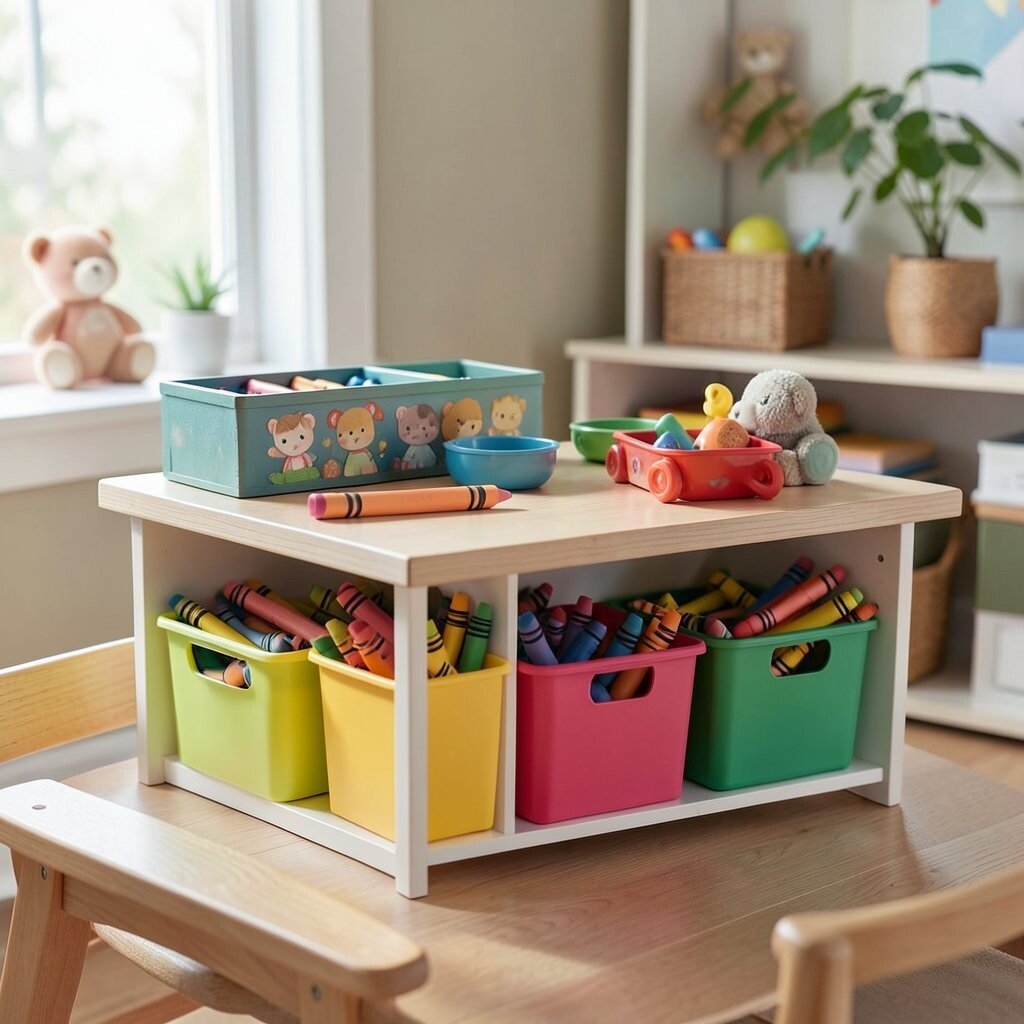
Pick storage bins in cheerful colors and label them with simple pictures so kids can match items fast. Use open bins for toys that get used often and closed bins for craft supplies that need to stay neat.
Try adding a small step stool so children can reach bins safely and confidently. A tidy look is easier when everything has a home, and it also helps the room feel calmer for adults too.
Go for a mix of sizes so big toys, tiny blocks, and art paper all fit without crowding. For cost control, shop your home first, then add only the bins that your space truly needs.
3. Rainbow Wall Gallery With Kid-Led Art
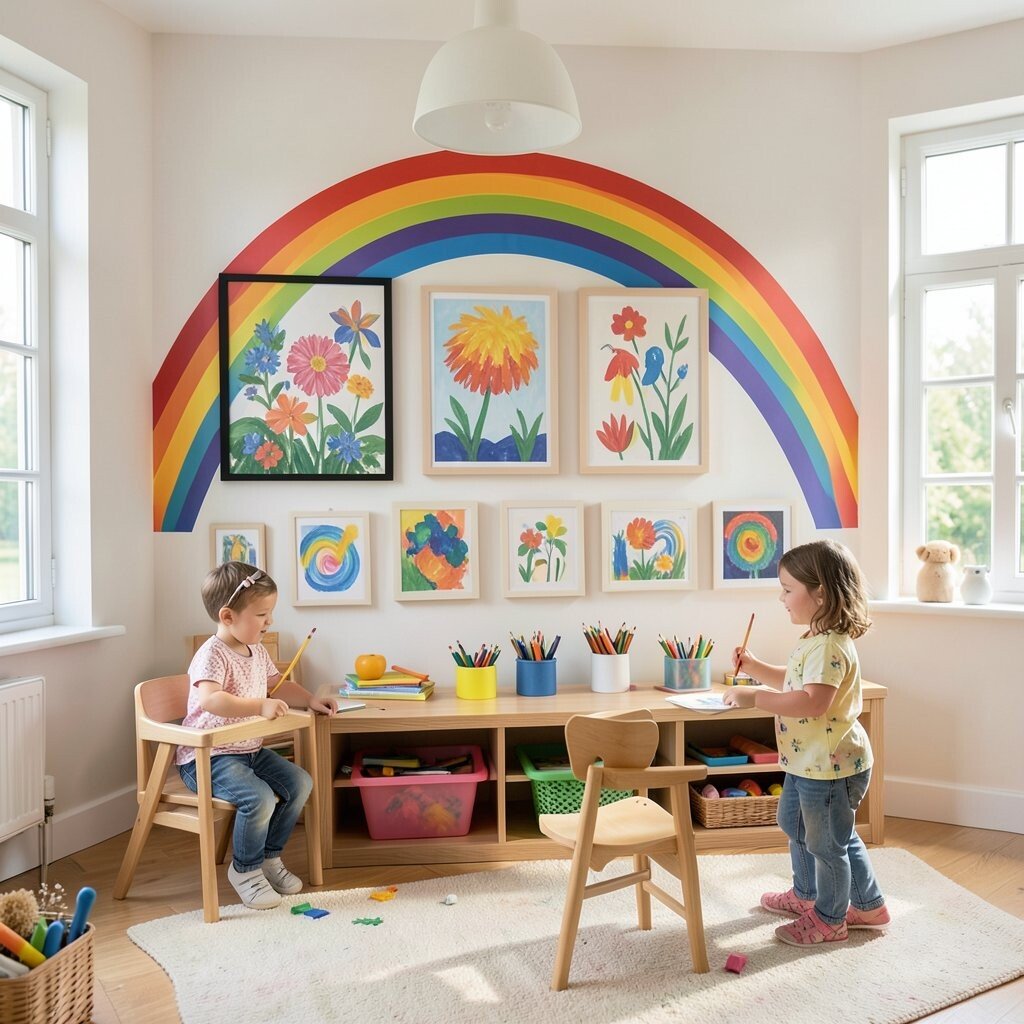
Hang a simple grid or clothesline system for artwork so each child’s work gets to shine. Use colorful clothespins and plain frames to keep the display bright and easy to update.
Swap the art often so the wall feels alive, like a changing window into what kids are learning. For a fun twist, create a “today’s favorite color” space and collect small samples of drawings or paint swatches.
Use cheap frames or even binder rings with clear sleeves if you want variety without spending much. If you want extra polish, match the frame colors to your room tones so the gallery blends in.
Keep a small folder for older pieces so you can rotate favorites and keep the rest safely stored. When families see their child’s work displayed, it builds pride and makes the room feel personal.
4. Nature-Inspired Sensory Bin Station
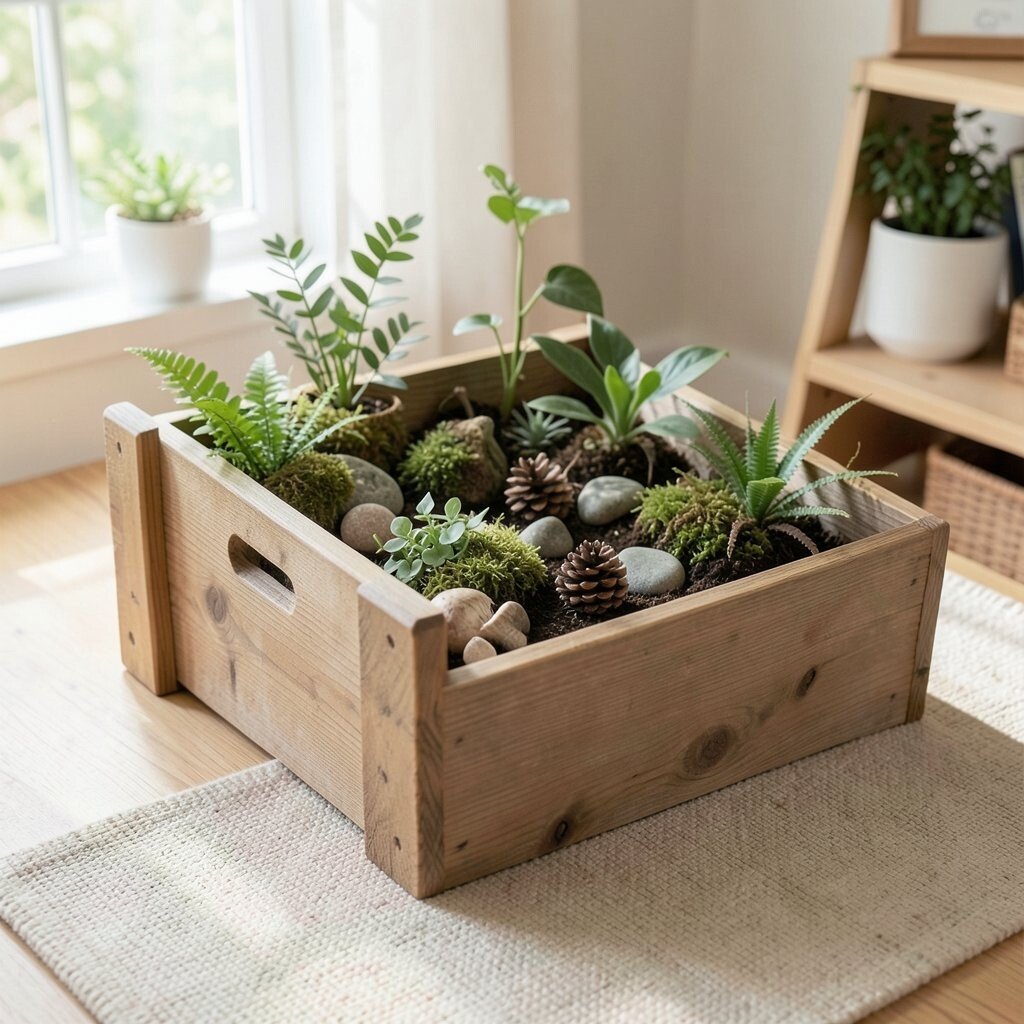
Create a sensory area with a large bin or tray that you can switch out every few days. Fill it with safe items like dry beans, smooth river rocks, or soft fabric scraps depending on your child’s age.
Place a small scoop set, a tiny watering can, and a couple of cups so kids can pour, scoop, and practice careful hands. Use a wipeable mat underneath to make cleanup quick, and keep a towel nearby for spills.
5. Cozy Puppet Theater With Built-In Rehearsal Spots
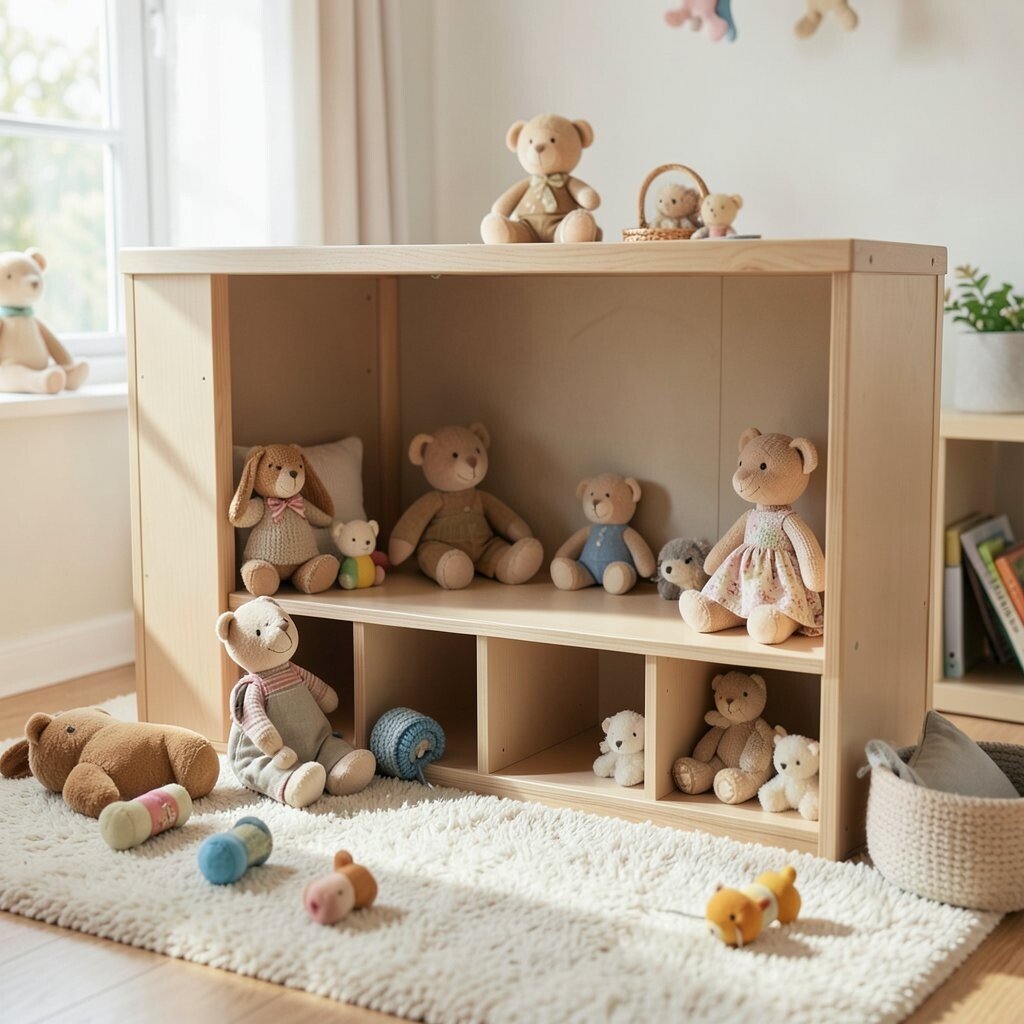
Set up a mini puppet stage using a curtain rod and a colorful fabric backdrop. Add a box or shelf beside it for puppets, felt characters, and simple props.
Create a “back row” seating spot with floor cushions so performances feel special. Kids love taking turns, and it quietly supports language practice, storytelling, and confidence.
For personalization, add a small name banner made from craft paper or felt, and let it match your room theme. If you want budget-friendly options, use an old sheet as the curtain and repurpose cardboard for a sturdy base.
6. Play Mat Zones That Keep Activities Separate
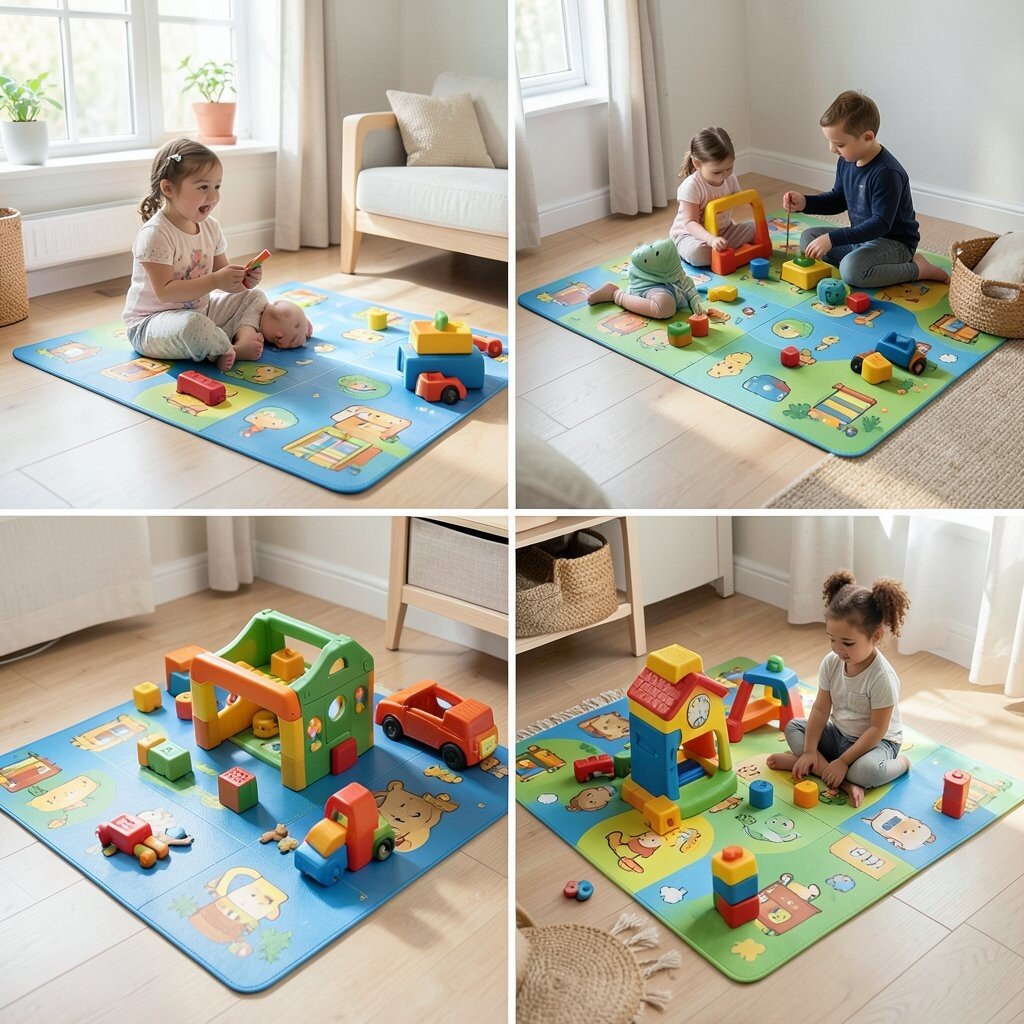
Use rugs or foldable mats to define different zones like building, reading, and crafts. Light patterns and soft colors help the room feel fun without looking messy.
When kids know where activities happen, transitions get smoother and fewer toys wander across the whole floor. Keep each zone stocked with one type of tool at a time, like blocks only in the building spot.
Try using removable mats so you can wash them quickly and keep odors away. For cost, consider secondhand mats that are still sturdy and choose washable covers for comfort.
7. DIY Shape and Texture Wall Cards
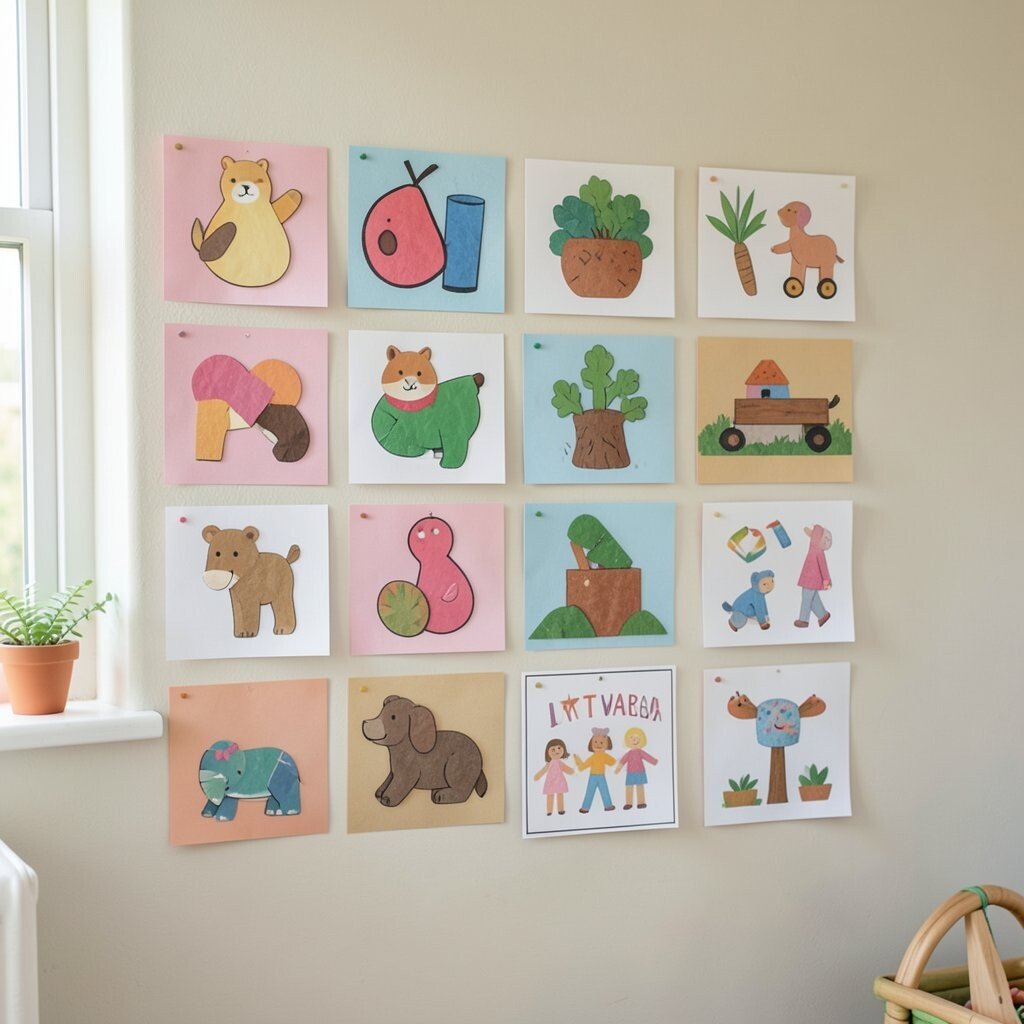
Create a wall display with cardstock cards showing shapes and textures kids can touch. Glue fabric swatches, sandpaper squares, or felt patches onto cards for tactile learning that still looks neat.
Mount the cards with safe, sturdy clips or a child-friendly organizer strip so they don’t fall. This gives kids a calm, guided activity that supports fine motor skills and early recognition.
Match the colors to your room palette so the display feels like décor, not clutter. You can personalize by adding names or simple pictures that relate to your child’s favorite things.
For a budget approach, use leftover packaging cardboard and fabric scraps from old projects. Replace pieces over time so the wall stays fresh and relevant.
8. Soft Lighting With Warm, Friendly Color
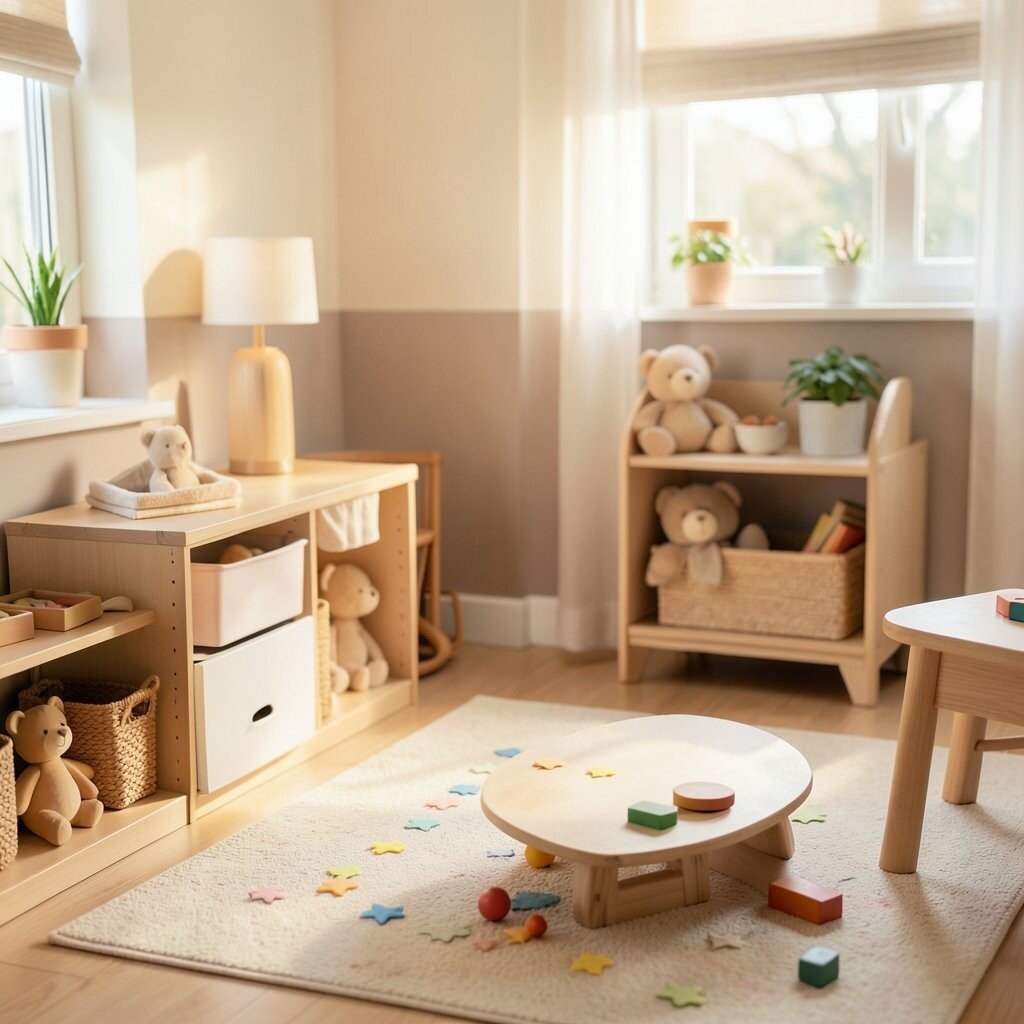
Choose warm lamps or string lights with a gentle glow to create a cozy atmosphere. Look for cool white bulbs that still feel soft, or use shaded lamps to prevent harsh glare.
Better lighting helps kids settle down during reading and craft time. To keep it practical, use a dimmer switch if you have one, or pick a lamp with multiple brightness settings.
9. Block Building Shelf With Rotation Magic
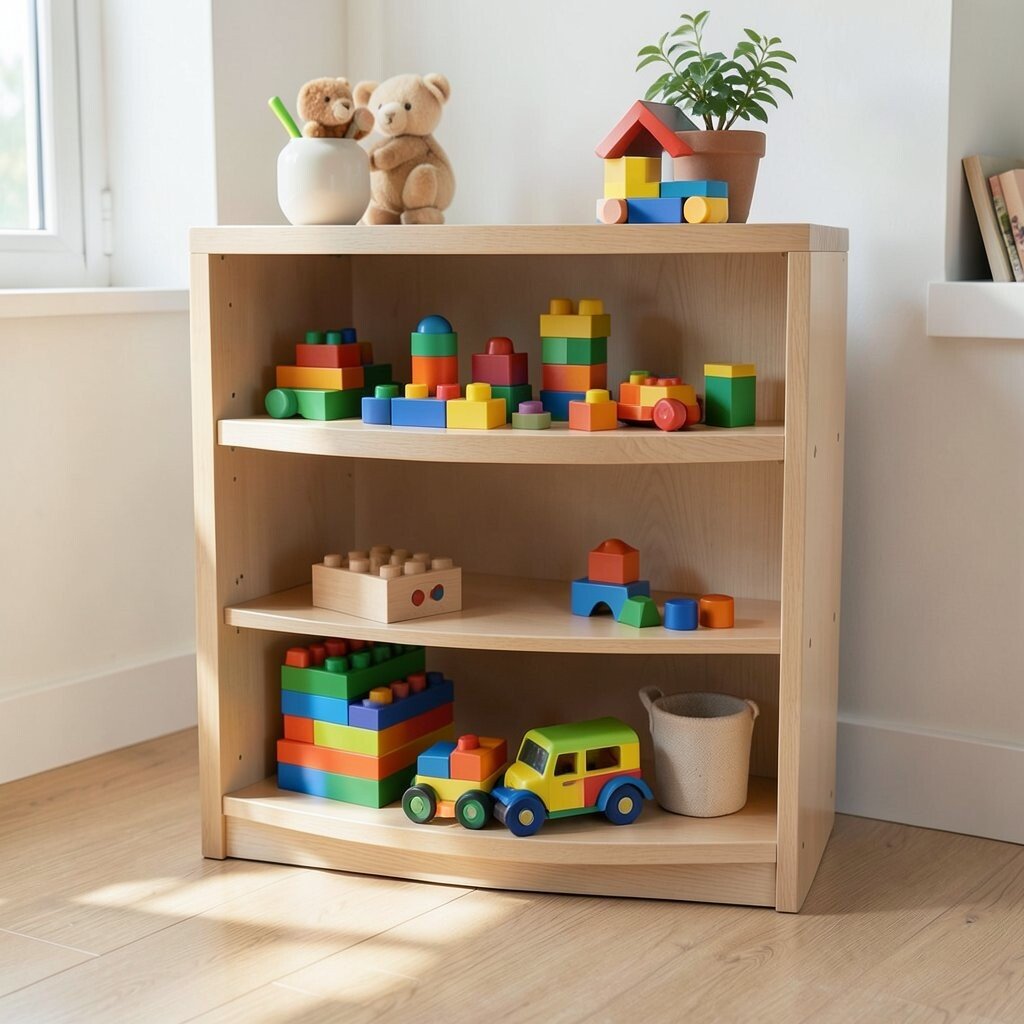
Arrange blocks and building toys on a shelf with clear sightlines so kids can see what they can build. Use small trays or sections inside the shelf so sets stay grouped.
Rotate the collection every week to reduce overwhelm and spark fresh ideas. When the “new” set appears, kids build differently, and you get more creative play without buying too much.
For personalization, add a few themed pieces like road signs, animal blocks, or pastel arches that match your home style. If you’re on a budget, mix wooden blocks, thrifted pieces, and simple DIY cardboard additions.
This setup also supports independence because kids can grab just what they need and put it back easily.
10. Art Caddy That Makes Mess Feel Organized
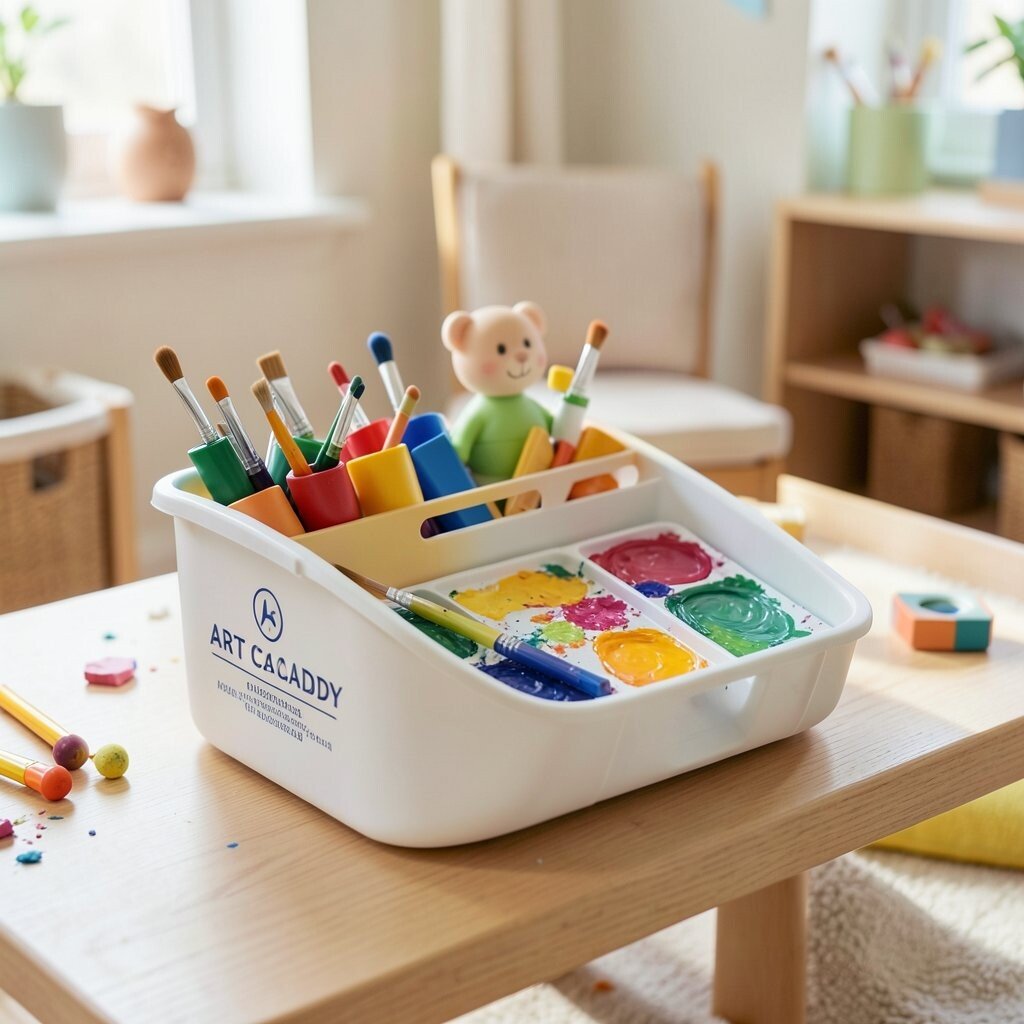
Use a rolling cart, plastic drawer unit, or a sturdy caddy for art supplies. Keep brushes, markers, paper clips, and glue where children can reach them with support.
Use short containers for small items so everything doesn’t spill into one pile. A dedicated art setup encourages kids to create more often, and that regular practice builds skill over time.
Add a washable tablecloth or a mat underneath to protect surfaces and make cleanup less stressful. For cost considerations, start with the basics and buy refills only when you run out.
11. Theme Corners Like “Under the Sea” or “Space Fun”
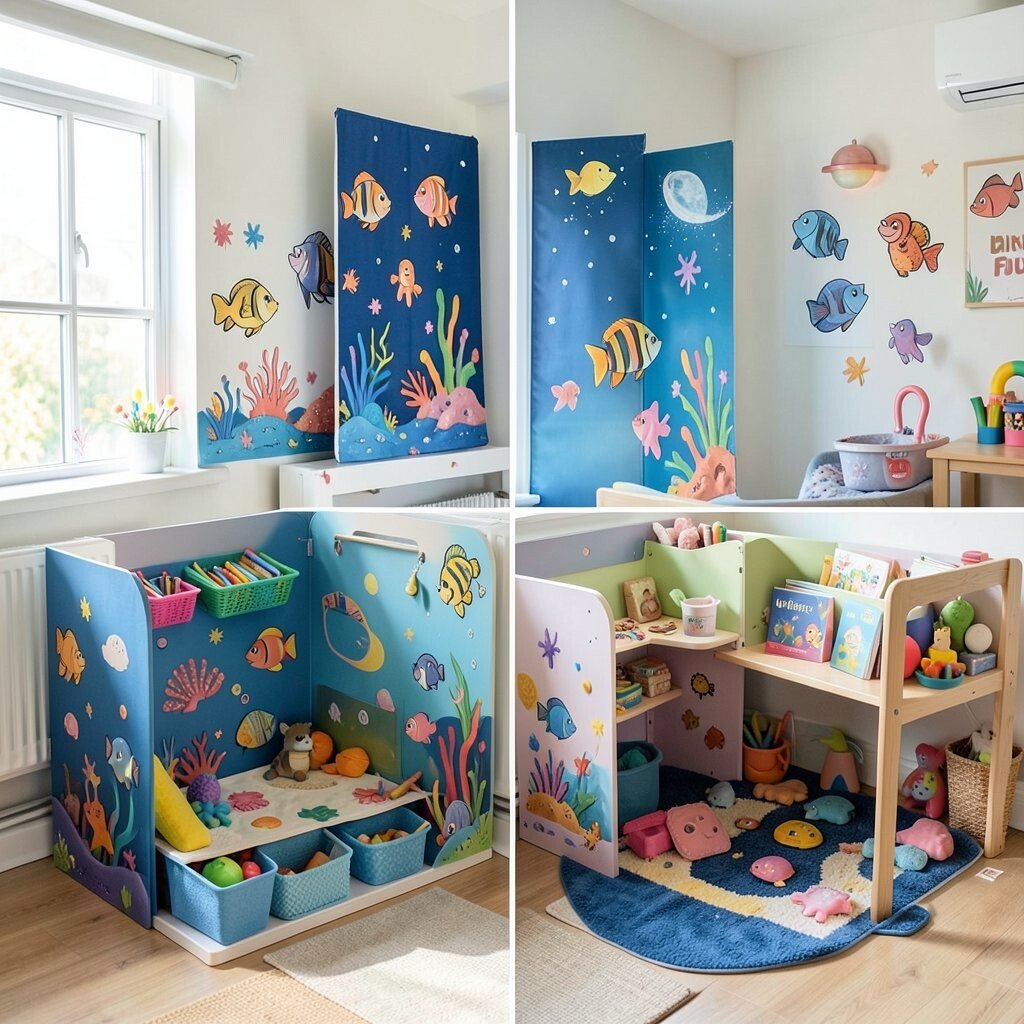
Set aside a small corner where you can swap themes, like ocean colors one month and starry colors the next. Use a few key items like a mat, wall art, and storage bins to make the theme feel complete.
Kids love having a visual story in the room, and it supports play that lasts longer than random toys tossed together. For a unique look, choose items that match in color and texture even when the theme changes.
Keep the theme budget friendly by reusing what you already have and adding only one or two new elements. Personalize by letting kids choose between two theme options and help you place the pieces.
12. Kindness Chores Board With Picture Prompts
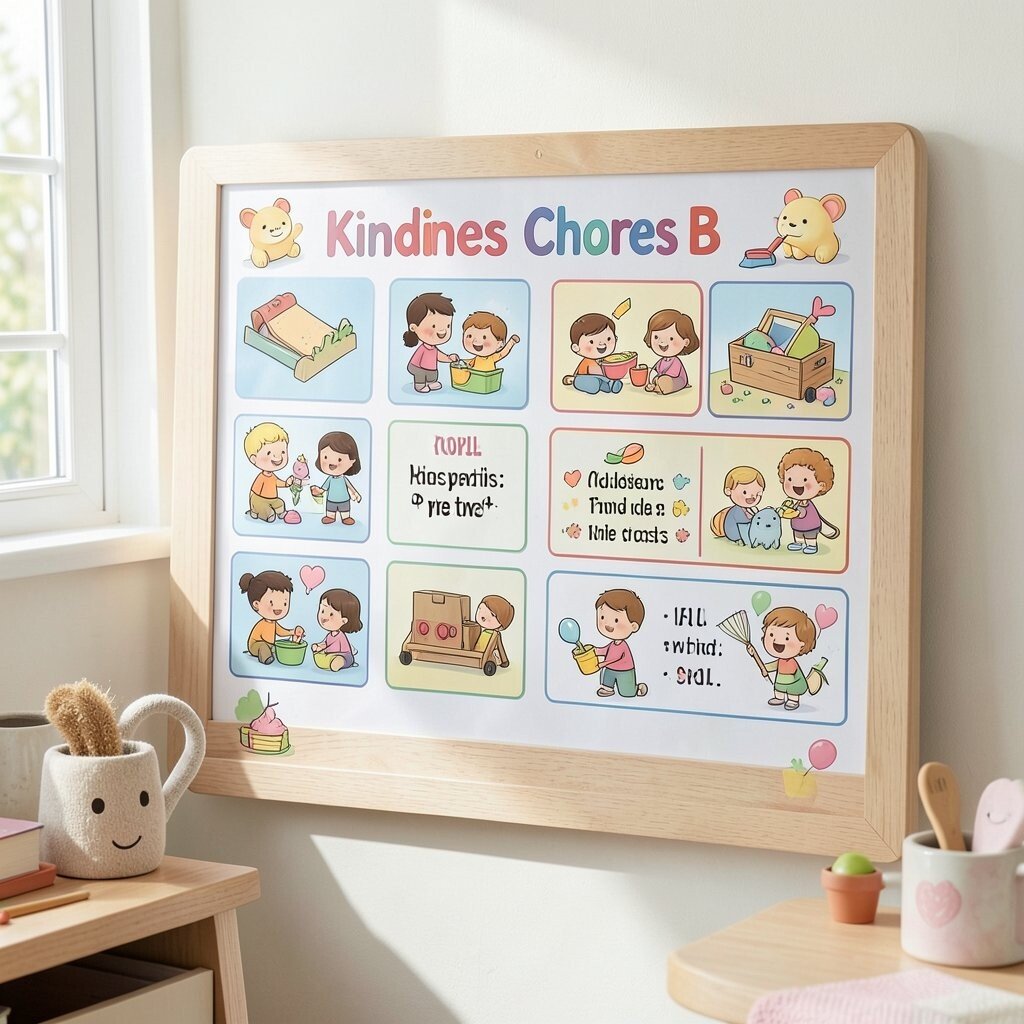
Create a small chores board with simple images that show what to do, like putting toys away or feeding a pretend pet. Use a wipeable surface so you can update the plan as routines change.
When children follow clear picture steps, they feel capable and routines become predictable. This kind of structure helps both kids and adults because mess turns into a team activity.
Use age-appropriate tasks and keep each one short so kids don’t lose interest. For personalization, include pictures of your child or favorite characters to make the board feel special.
13. Sensory “Quiet Corner” With Calm Tools
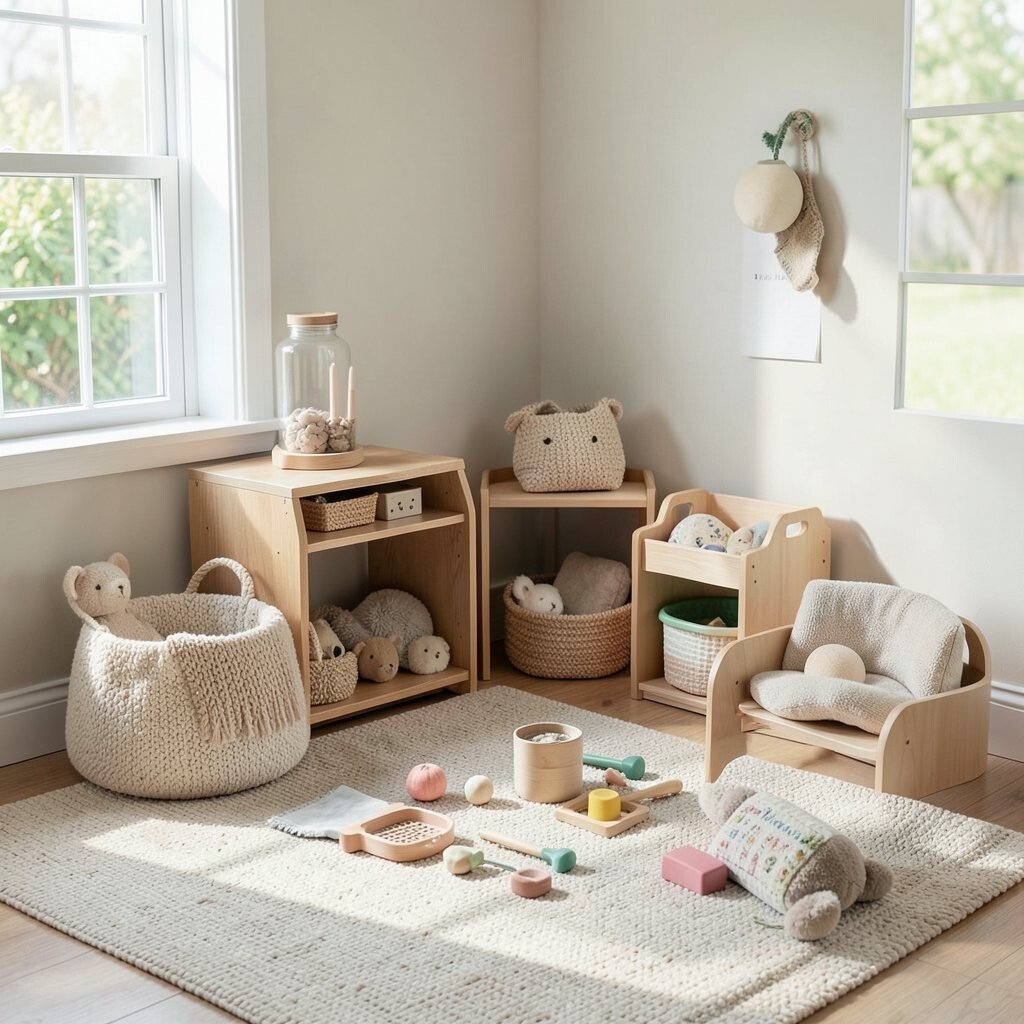
Design a small quiet spot with a comfy seat, soft blanket, and a few soothing tools like sensory bottles or a fidget cushion. Choose colors that feel relaxing, such as soft blue, gentle green, or warm beige.
This corner helps kids regulate big feelings and can make bedtime transitions easier. Keep the tools simple and limit the number so the space feels calm, not crowded.
Add a washable cover or a basket for quick reset. If you want a trendier vibe, search for “calm corner” ideas and adapt them to your home colors without copying exactly.
14. Cozy Craft Wall With Tape-Friendly Surfaces
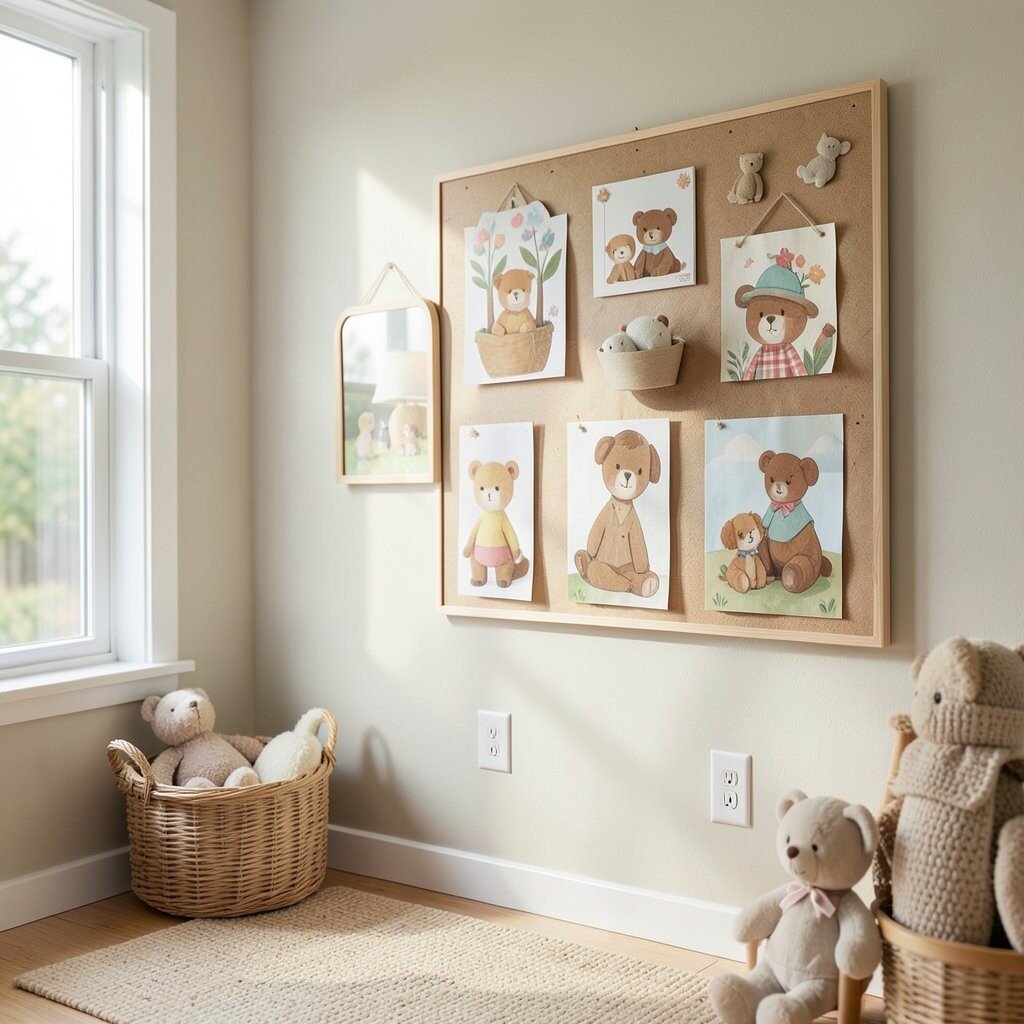
Cover one section of wall with a peel-and-stick surface or use a bulletin board where kids can attach paper. Add a few shelves for crayons, scissors, and glue sticks so crafts are ready to start.
Using a dedicated craft wall makes art visible and turns the room into a playful studio. To keep it practical, use paper that’s easy to tear and tape that removes cleanly.
Personalize by adding a small “ideas jar” filled with prompts like draw a farm animal or make a circle collage. For cost, use recycled paper and store-bought supplies only when you need them most.
15. Mini Weather Station for Daily Science Play
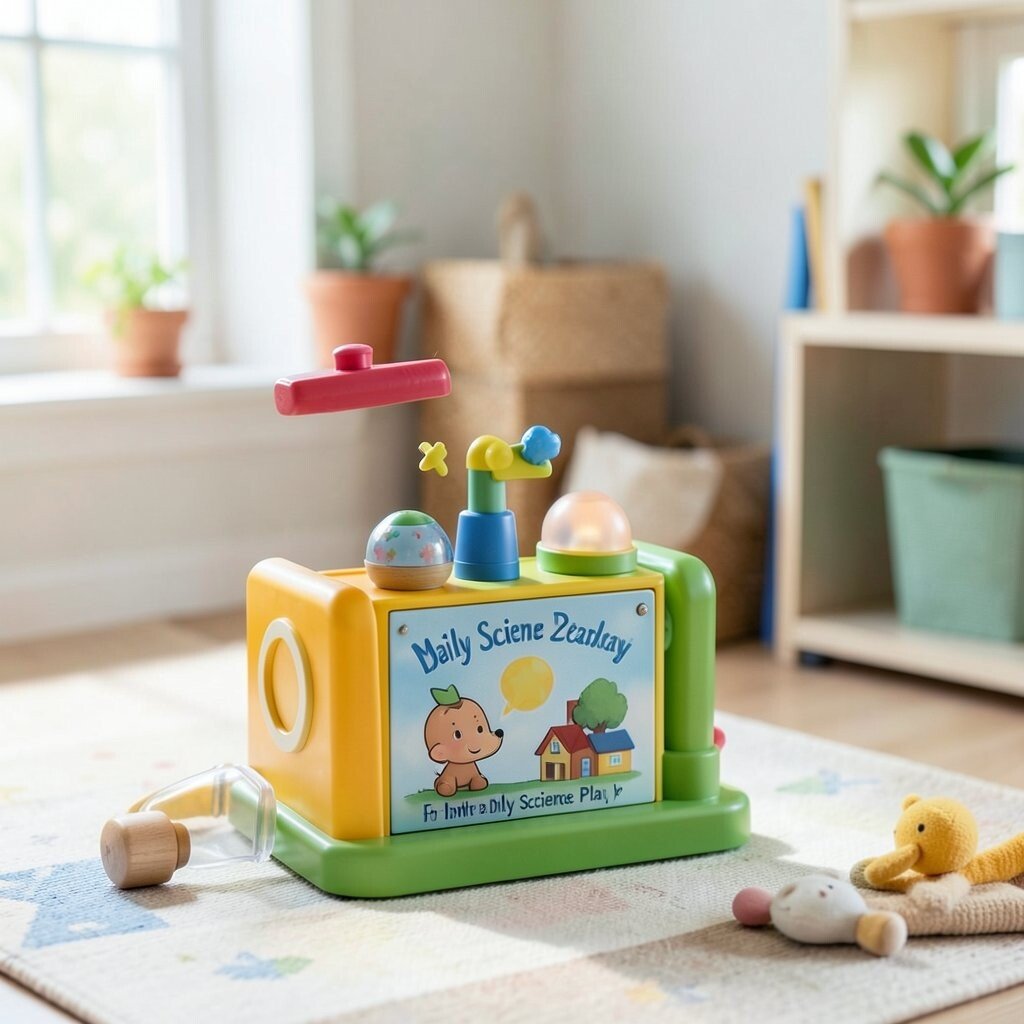
Create a simple weather display using a small board, a chart, and a clear container for activity cards. Add visuals for sunny, rainy, windy, and cloudy days so kids can choose what they observe.
Even with preschool basics, kids enjoy noticing patterns, and it makes everyday life feel like a lesson. This setup also sparks conversations, which supports early language growth.
Let kids personalize by decorating a small thermometer cover or creating cloud cutouts to place on the board. For budget-friendly building, use craft foam, marker drawings, and a few clear pockets to keep cards tidy.
16. Toy “Story Map” That Encourages Pretend Play
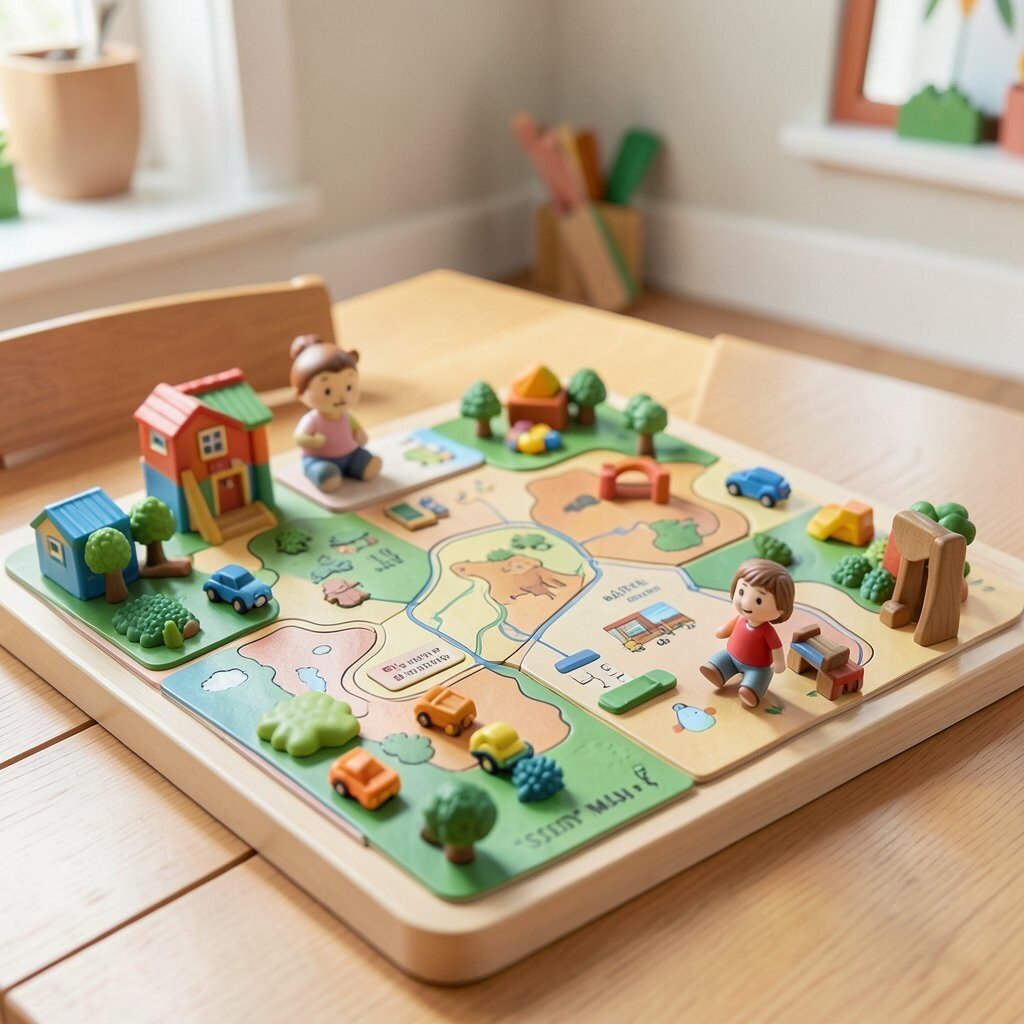
Make a pretend-play map on the floor using removable tape and simple icons like a house, a park, and a store. Keep it small and easy to set up so kids can change it when they get new ideas.
When play has a path or location, kids naturally follow a storyline, which supports imagination and social interaction. Keep supplies nearby, like small figures and play money, so kids can start without hunting for items.
Personalize the map with your child’s favorite places, like your real street or a family pet spot. For cost considerations, tape and printed icons are usually much cheaper than store-bought floor sets.
17. Bedroom-Friendly Play Storage Under the Bed
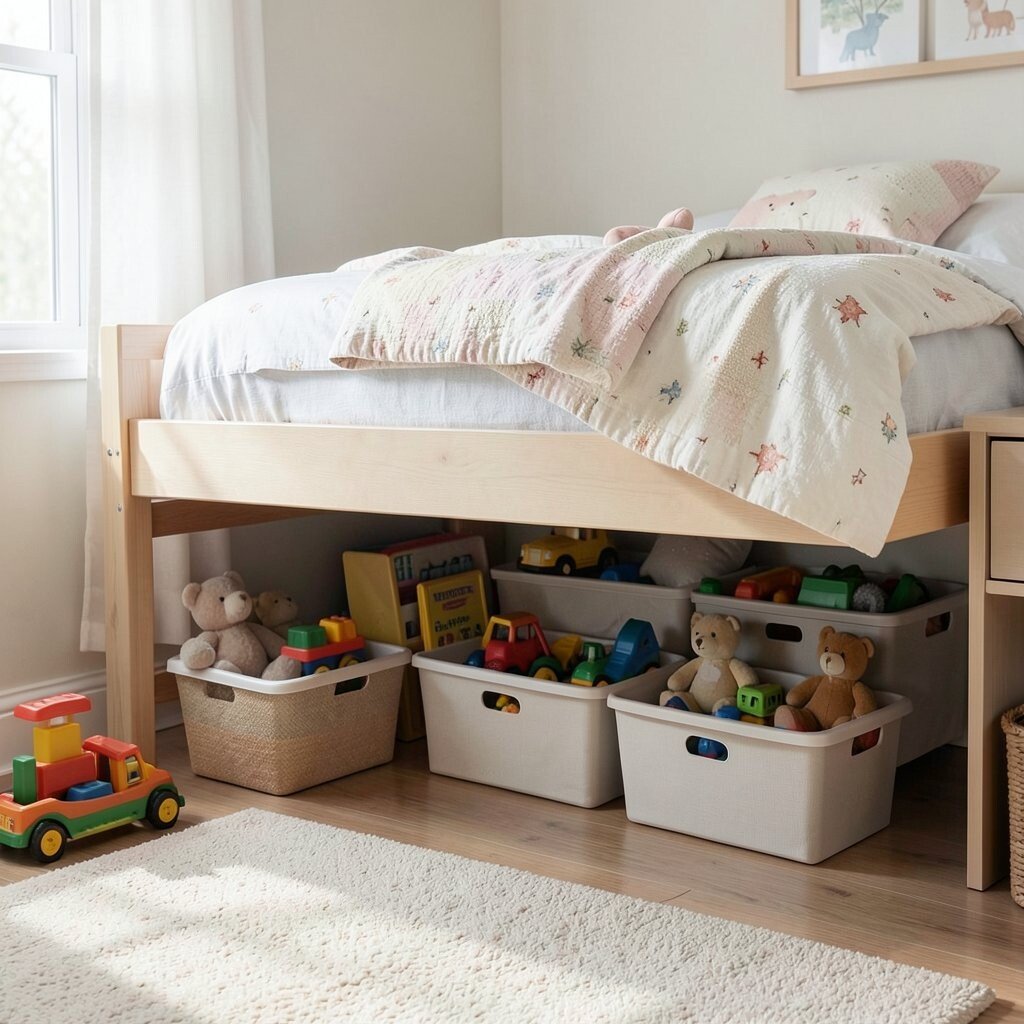
If you have limited floor space, use under-bed bins to store toys out of sight. Choose rolling bins or clear drawers so kids can quickly see what’s inside.
Keeping the floor clear helps the room feel bigger and reduces clutter pressure. It also supports safer play because there are fewer obstacles during active play.
Add a small rotation schedule by season so you only bring out a few sets at a time. Personalize by matching bin colors to the room, so storage feels intentional instead of hidden.
For budget, measure carefully and use existing bins before buying new ones.
18. Pastel Seating and Floor Pillows for Turn-Taking
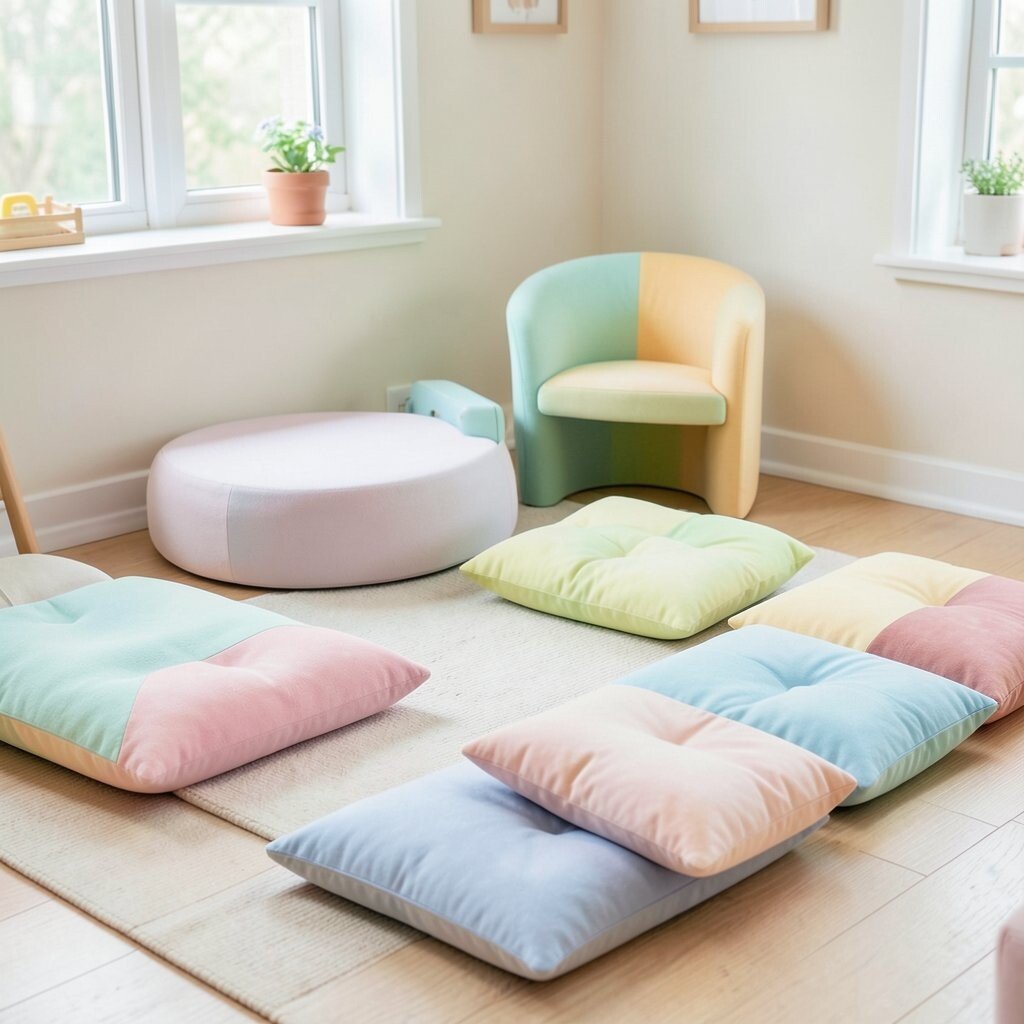
Use low chairs, floor cushions, or small stools to create seating for games and circle time. Choose pastel fabrics and patterns that feel cheerful and soft.
Comfortable seating helps kids focus longer, and it makes group time feel welcoming. Add a simple “wait your turn” space by placing one cushion in the center so it’s clear where attention goes.
Personalize by covering cushions with removable covers that match your current theme. For cost, look for secondhand cushions and reupholster or swap covers for a fresh look.
19. Sensible Toy Amount With a “One In, One Out” Routine
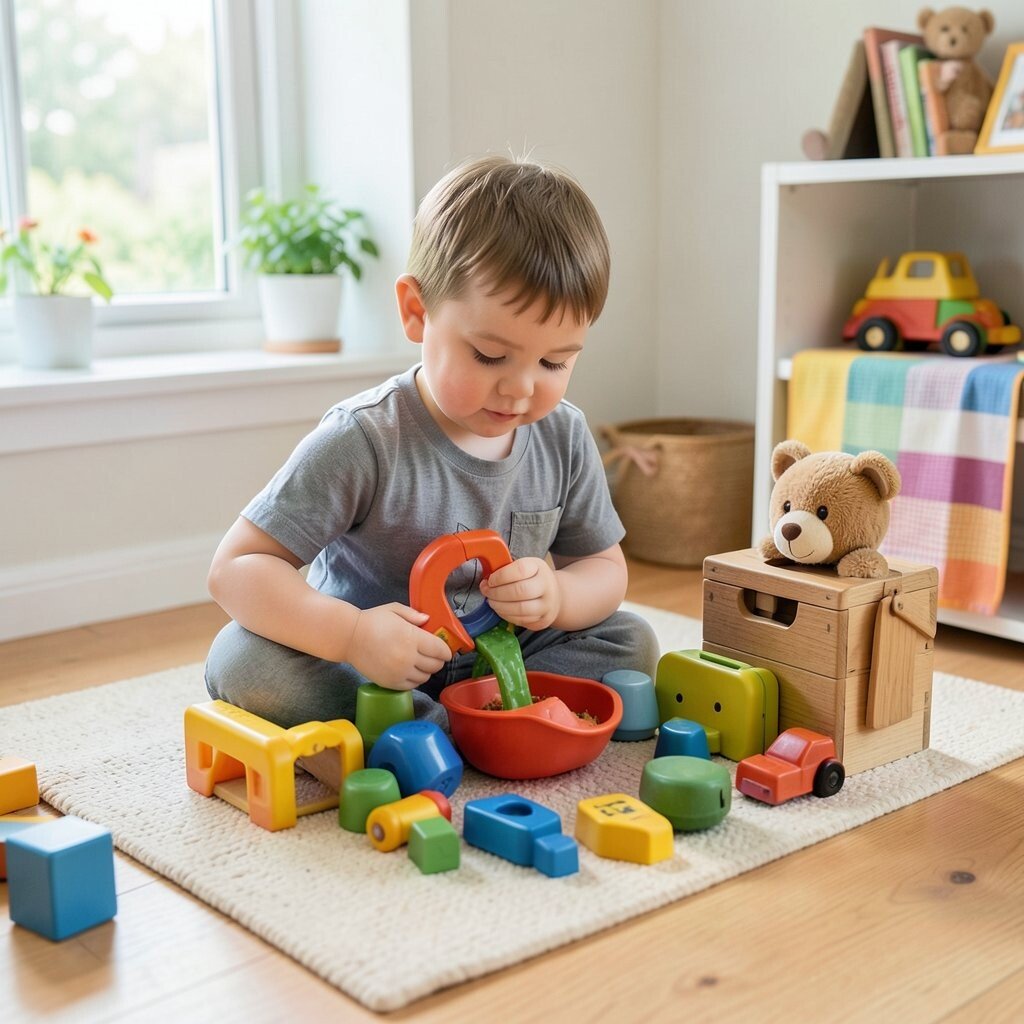
Keep toy counts manageable by storing less-used items in labeled boxes. When you add something new, remove something older so the room stays inviting and not overstimulating.
This helps kids concentrate and reduces cleanup battles because there’s less clutter to sort. It’s also a great way to keep your space looking tidy while still offering variety.
Personalize the system by using rotating “season boxes” like winter fun, summer building, or rainy day crafts. For cost, aim to trade toys with friends or use a donation swap so kids get fresh experiences without big spending.
As a current trend, many families lean into minimal-but-meaningful play, keeping only what supports frequent, joyful use.