Tight rooms can still feel open and joyful. Small changes often make the biggest difference.
1. Use wall shelves that float
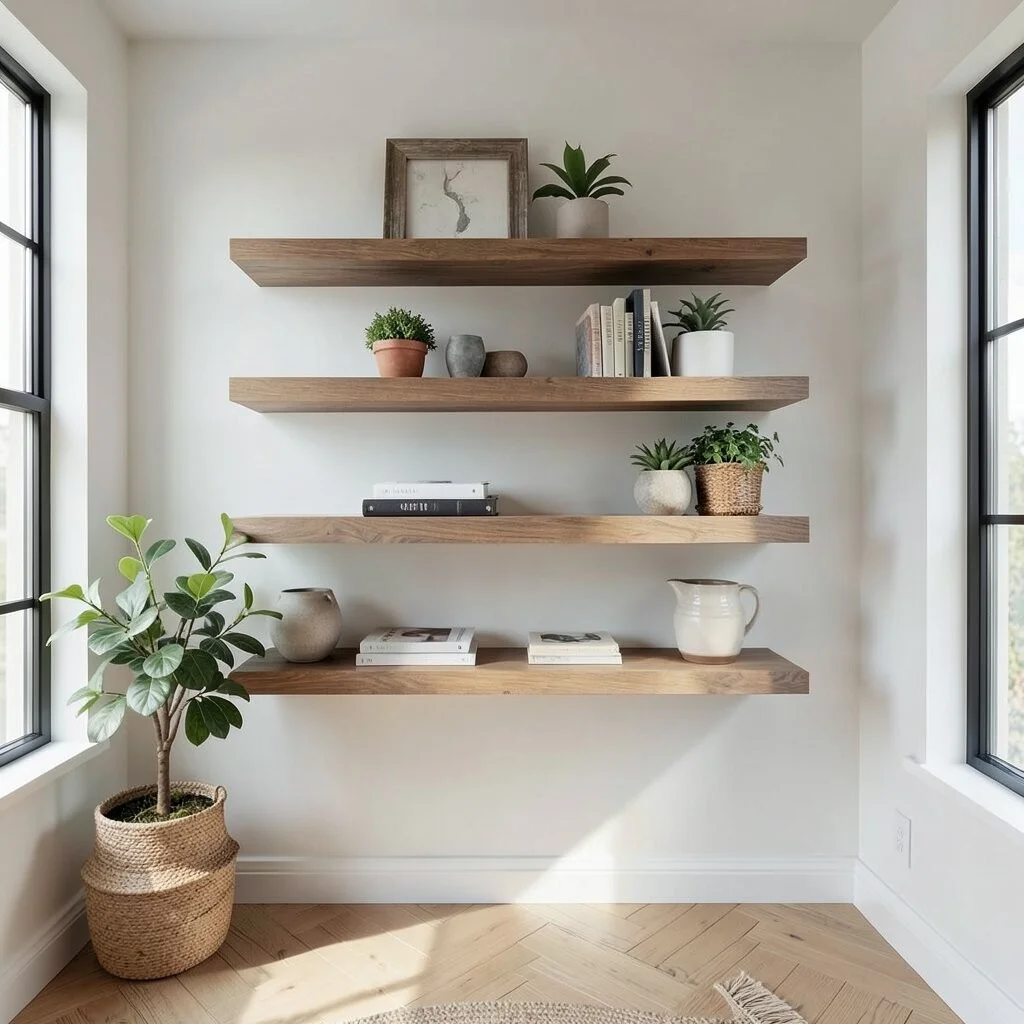
Floating shelves keep the floor clear and make a room look lighter. They also turn plain walls into useful display space.
Pick wood for warmth, metal for a modern feel, or painted shelves for a soft color pop. Place books, plants, baskets, or framed art on them to show your style without crowding the room.
2. Choose furniture that does more than one job
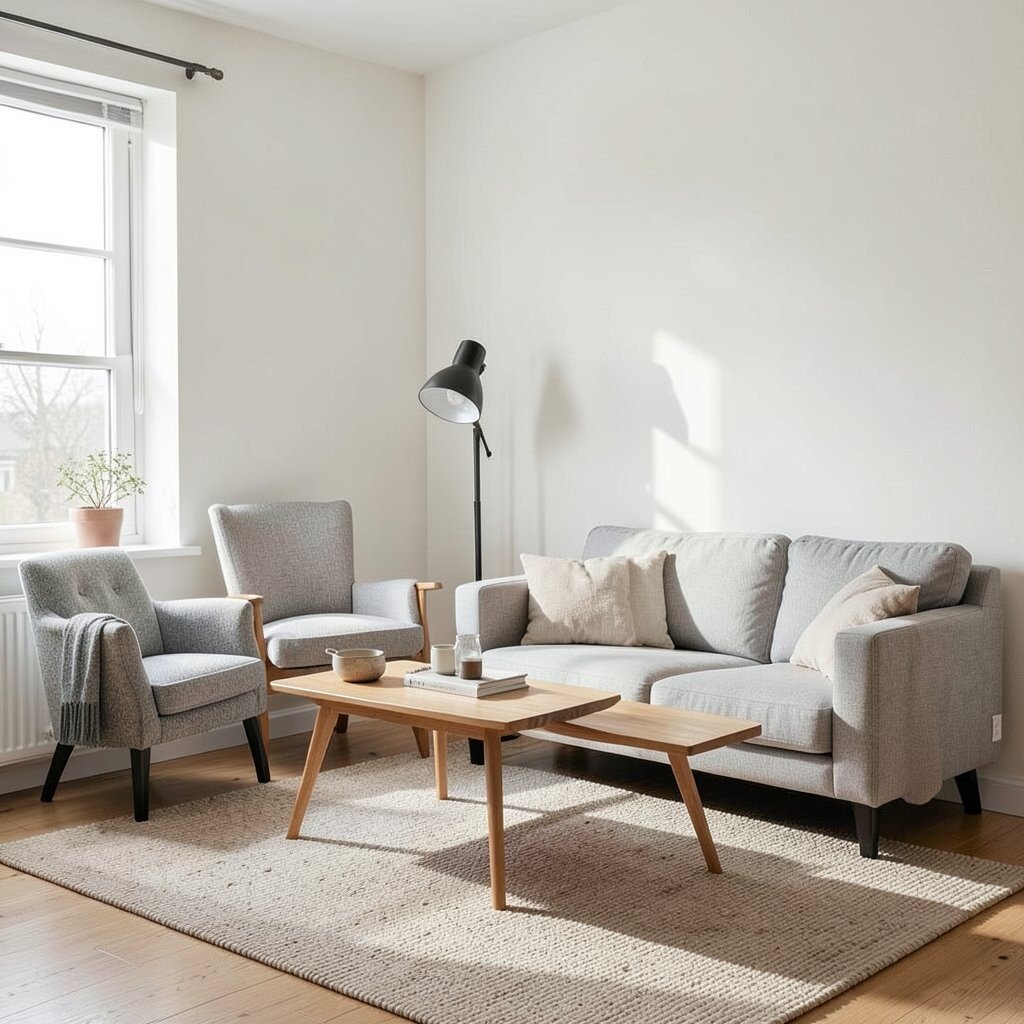
A bench with storage, a sofa bed, or a coffee table with drawers can save a lot of space. These pieces help a room work harder without looking packed.
Look for clean shapes and slim legs so the room feels open. Higher price tags can happen with built-in storage, but simple versions are often easy to find at budget stores or secondhand shops.
Personalize them with soft pillows, a folded throw, or pretty boxes inside the storage area. Multiuse furniture is a big trend because it fits busy homes and small rooms so well.
3. Hang curtains high and wide

Mounting curtains closer to the ceiling makes windows seem taller. That small trick can make the whole room feel grander and brighter.
Choose light fabric for a soft look or thicker fabric for more privacy. If you want a custom feel, pick curtains that match your rug or pillow colors.
This idea works on a low budget and can change the mood of a room fast. It is a simple way to add style without adding clutter.
Sheer panels are very popular right now because they let in daylight. They also create a calm, airy look that suits tiny spaces.
4. Add mirrors where light can bounce

Mirrors can make a small room feel larger and brighter in a snap. They reflect windows, lamps, and pretty parts of the room.
A round mirror softens sharp corners, while a tall mirror can stretch the look of a wall. Try one above a console table or across from a window for the best effect.
5. Pick a light color story

Pale walls and soft fabrics help a room feel open and fresh. Light shades also make it easier for the eye to move around the space.
White, cream, soft gray, and gentle blue are easy choices. If you like color, add it in small pieces like pillows, art, or a lamp base.
This idea can be very affordable because paint is often cheaper than new furniture. A calm color story also makes it easier to mix old and new pieces.
6. Use baskets to calm the clutter

Baskets hide loose items and make shelves look neat. They also bring in texture, which helps a room feel cozy instead of plain.
Try woven baskets, wire baskets, or fabric bins depending on your style. Place them near the sofa, under a table, or on top of a cabinet for quick storage.
Label them if the family shares the space, so everyone knows what goes where. This small habit saves time and keeps the room looking tidy.
Natural woven storage is very on trend because it feels warm and homey. It is also easy to swap out as your needs change.
7. Make use of the back of doors

Door backs are often wasted space, but they can hold hooks, pockets, or slim racks. That means bags, scarves, cleaning tools, or shoes can stay off the floor.
Choose clear pockets for quick viewing or wood hooks for a softer look. If you rent, use removable pieces that will not damage the door.
8. Try a foldable table or desk

A foldable piece gives you workspace only when you need it. When the task is done, it can tuck away and free the room again.
This is great for small dining areas, craft corners, or home offices. Some styles fold flat against the wall, while others slide into a closet.
Look for a finish that matches your room so it feels like part of the design. A wall-mounted drop-leaf table is a smart pick for homes that need flexible spots.
These pieces can cost less than a full-size desk or table, especially if you choose simple designs. They are a strong choice for people who want order without bulk.
9. Keep the floor as open as possible

When the floor is clear, the whole room looks bigger and easier to move through. Even a few inches of open space can change the feel a lot.
Choose slim chairs, raised furniture legs, and small side tables to keep the view open. A rug can still define the space without making it feel crowded.
Open floor plans are still popular, but even tiny rooms can borrow that airy feeling. The goal is to let light and movement flow with less visual weight.
10. Use a narrow console table

A skinny console table gives you a surface without taking over the room. It can sit behind a sofa, along a hallway, or near an entry spot.
Style it with a lamp, a bowl for keys, and one small plant so it looks neat. If you want extra function, choose one with drawers or a lower shelf.
These tables come in many price ranges, so it is easy to find one that fits your budget. A slim shape also makes it simple to move if you change the room later.
Metal and wood mixes are popular now because they feel modern but warm. That blend works well in small homes that need style and storage at once.
11. Create zones with rugs

Rugs can help one room act like several spaces. They also add color, softness, and a cozy feel underfoot.
Use one rug under a reading chair and another under a dining set to show where each area begins. Pick low-pile rugs in small spaces so chairs move easily.
Patterned rugs can hide wear and bring energy to a plain room. If your budget is tight, a smaller rug in the right spot can still do a lot of work.
Layered rugs are a stylish trend that adds depth without needing more furniture. They are a fun way to make a small space feel rich and personal.
12. Hang art in a smart way

Art gives a small room personality and helps the walls feel finished. A few good pieces can make the home feel thoughtful and lived in.
Try one large piece for a bold look or a neat grid of smaller frames for a tidy feel. Keep the colors tied to your room so the wall looks planned, not busy.
Framed prints, family photos, and kids’ drawings all work well in a small home. The best part is that art can be changed over time without much cost.
Gallery walls remain popular because they tell a story. They also let you fill space without adding any heavy objects.
13. Choose clear or light-looking furniture

Furniture made of glass, acrylic, or light wood can feel almost invisible in a room. That helps the space seem less crowded.
A clear chair or table still does its job while keeping the view open. If you want a softer style, try pale oak or ash with simple lines.
These pieces can be pricey, but one special item can be enough to lift the whole room. They work especially well in tiny living rooms and small bedrooms.
Because the look is clean and simple, it fits many styles from modern to cozy. It is a great pick for homes that need both function and a light touch.
14. Store things under the bed

The space under a bed can hold a lot more than dust. Boxes, bins, and rolling drawers can keep out-of-season items neatly tucked away.
Use flat containers for clothes, shoes, or extra bedding. If you want a tidy look, choose matching bins that slide in and out with ease.
This trick saves closet space and can cut down on the need for extra furniture. It is one of the most useful low-cost ideas for small bedrooms.
Bed risers can create even more room if you need it. Just make sure the storage looks neat so the room still feels calm.
15. Add hooks in key spots

Hooks are tiny helpers that solve big messes. They keep bags, hats, towels, and coats off chairs and floors.
Use a row of hooks by the door, in the bathroom, or near a desk. Wood, brass, and black metal hooks can all add style while staying useful.
They are cheap, easy to install, and simple to move if your needs change. A few hooks can make daily cleanup much faster.
16. Pick slim lighting

Bulky lamps can eat up precious room, while slim lights keep things neat. Wall sconces, floor lamps with narrow bases, and pendant lights save surface space.
Good lighting makes a small room feel warm and inviting at night. Try one bright task light and one softer light for a cozy balance.
Black metal, brass, and paper shades are all stylish choices right now. They add character without making the room feel heavy.
If wiring is a problem, plug-in sconces can give you the same look for less money. Lighting is an easy way to improve both mood and function.
17. Use a rolling cart

A rolling cart can move from room to room as your needs change. It works as a drink station, craft center, bathroom shelf, or bedside helper.
Choose a cart with open shelves if you want a light look. If you prefer a calmer feel, use bins or trays on each level to corral the items.
This is a smart choice for renters and anyone on a budget. It gives flexible storage without needing built-ins or major changes.
Rolling carts are still trendy because they are easy to style and easy to move. They can also hold seasonal items when you need quick access.
18. Keep decor small and grouped

Small decor pieces can look sweet, but too many can make a room feel busy. Grouping a few items together often looks cleaner and more polished.
Try a tray with a candle, a tiny vase, and one book on a table. This creates a little scene that feels intentional and personal.
Choose items in the same color family for a calm look, or mix textures for more interest. This approach costs less than buying many big decorations.
Grouping also makes it easier to clean and move things when needed. It is a simple styling trick that works in every small room.
19. Use sliding or pocket-style doors

Regular doors need swing room, which can be a problem in tight spaces. Sliding or pocket-style doors help save that extra area.
They also make rooms feel sleek and modern. A barn-style slider can add character, while a flush door can blend in quietly.
This change may cost more than a small decor fix, but it can be worth it in a very tight layout. It is especially helpful for closets, bathrooms, and laundry spots.
Painted doors in the same color as the wall can make the room look calmer. That little detail helps the eye move around with less interruption.
20. Build a window seat if you can

A window seat turns a plain corner into a cozy spot. It can become a reading nook, a quiet place to sip tea, or a place to daydream.
Use the space below for hidden storage if possible. Add a cushion, a few pillows, and a soft throw to make it feel welcoming.
Built-ins cost more, but a simple bench can give a similar effect for less money. The look feels special and custom even in a tiny home.
Window seats are loved because they make a room feel lived in and warm. They also use a spot that might otherwise go unused.
21. Keep a tight edit of belongings

Small spaces feel better when every item has a purpose. A careful edit makes the room look cleaner and easier to enjoy.
Sort items by what you use often, what you love, and what you can store elsewhere. If something is only adding clutter, it may be time to let it go.
Fewer things can make the room feel calmer and more open. This also makes cleaning faster, which is a big win in a busy home.
Try giving each shelf or drawer a job so things do not pile up. A tidy space often feels more stylish than a crowded one.
22. Use mirrors and art together

Pairing a mirror with framed art can create a balanced wall that feels full but not crowded. The mix adds shine, shape, and personality at the same time.
Hang them side by side or across from each other for a pleasing flow. A slim shelf below can hold a plant or candle if you want more charm.
This idea works well above a sofa, in an entryway, or along a hallway. It gives a small wall more purpose without taking up floor space.
Mixing reflective and matte surfaces is a current trend that feels fresh and layered. It is a nice way to make a home feel styled, not stuffed.
23. Choose furniture with exposed legs

Furniture that sits on legs lets more light show under it. That open area helps the room feel less heavy.
Chairs, sofas, and cabinets with slim legs can look neat and airy. They also make cleaning easier because you can reach under them more easily.
Wood legs bring warmth, while metal legs can feel crisp and modern. Pick the finish that works best with the rest of your room.
This style is often available at many price points, so it is easy to shop smart. It is a small design choice that can change the whole mood of a room.
24. Make a tiny reading nook

Even a corner can become a special place with one chair and a lamp. A reading nook brings comfort and gives the room a clear purpose.
Add a small side table for books or a drink, plus a cushion for extra softness. A basket nearby can hold blankets or your current reads.
This idea does not need a lot of money if you already have a chair and light. It can feel custom with just a few personal touches.
Soft textures and warm light are popular in cozy homes right now. They make small spaces feel calm and inviting after a long day.
25. Use matching containers inside cabinets

Cabinets look better when the inside is neat and easy to read. Matching containers help you stack and sort without wasting space.
Clear bins work well for snacks, toiletries, or craft items because you can see what is inside. Labeled boxes can also help family members put things back in the right place.
This can save money by helping you use what you already own more wisely. It also keeps small items from getting lost in deep shelves.
Uniform storage is a strong trend because it looks tidy and calm. It gives even hidden spaces a polished feel.
26. Add a peg rail or wall rail

A peg rail gives you a simple line of storage that feels neat and old-fashioned in a good way. It can hold coats, hats, mugs, or baskets depending on the room.
Wood rails bring a cozy cottage look, while painted ones can blend into the wall. You can place one in an entry, kitchen, or bedroom for quick access.
This is a low-cost idea that brings both charm and function. It helps keep everyday items visible so they are easier to grab and put away.
Wall rails are popular in small homes because they use vertical space well. They also add a clean, organized look without much fuss.
27. Keep a simple bedside setup

A tiny bedside table can hold just what you need and nothing more. That keeps the bedroom calm and easier to rest in.
Try a small table, a wall shelf, or even a stool if space is tight. Add a lamp, a book, and a glass of water, then stop there.
This idea costs less when you keep the setup simple. It also makes dusting and cleaning much faster.
Minimal bedside styling is a favorite trend because it feels peaceful. In a small room, less stuff by the bed can make sleep feel easier too.
28. Use light-filtering window coverings

Heavy window treatments can make a small room feel closed in. Light-filtering shades or curtains let in sunshine while still giving privacy.
The room will look softer and brighter during the day. At night, you can layer in a second panel if you need more cover.
Choose fabric colors that match your walls for a smooth look. This helps the window blend in and makes the room feel larger.
Simple shades are often budget-friendly and easy to install. They are a practical choice for bedrooms, kitchens, and small living spaces.
29. Create hidden storage in plain sight

Some of the best storage looks like decor. Ottomans, hollow benches, and decorative boxes can keep items tucked away while still looking nice.
Use them for blankets, game pieces, chargers, or seasonal items. When the outside is pretty, the room feels stylish even when the inside is working hard.
This is a smart way to save money because one item can do two jobs. It also helps keep the room free of random piles.
Neutral textures and soft shapes are popular because they blend in easily. Hidden storage is a favorite in small homes for good reason.
30. Make the ceiling feel part of the design

The ceiling can do more than sit there in white. A soft paint color, slim trim, or a hanging light can make it feel like part of the room.
In a small space, drawing the eye upward adds a sense of height. Even a tiny pattern or a gentle tint can make the room feel special.
This is a creative place to add personality without using floor space. If you want to keep costs low, try paint before anything more involved.
Ceiling details are becoming more popular as people look for simple ways to add charm. They can make a room feel finished in a fresh, surprising way.
31. Use slim storage beside the sofa

A narrow shelf or side table next to the sofa can hold drinks, remotes, and books. It keeps small items close without needing a large table.
Choose a design that slides under the sofa arm or stands lightly beside it. A round shape can soften the room, while a square one can feel crisp and neat.
This works well in living rooms that need order but still want a relaxed look. It is often cheaper than buying a full set of matching tables.
Small side pieces are easy to personalize with a lamp, a plant, or a favorite photo. That little touch can make the space feel more like home.
32. Make every corner earn its keep

Empty corners can become useful with the right piece. A tall plant, a slim shelf, or a corner desk can turn a forgotten spot into something helpful.
Look at each corner and ask what it could do for you. Maybe it can hold a basket, show off a lamp, or give you a quiet place to work.
This idea helps a room feel complete without adding clutter in the middle. It also gives you more ways to fit life into a smaller home.
Corner furniture has become more common because people want every inch to matter. With the right choice, even the smallest nook can feel smart and stylish.