
A staircase can change the whole mood of a home. It can feel bold, calm, warm, or full of charm.
1. Floating Wood Steps
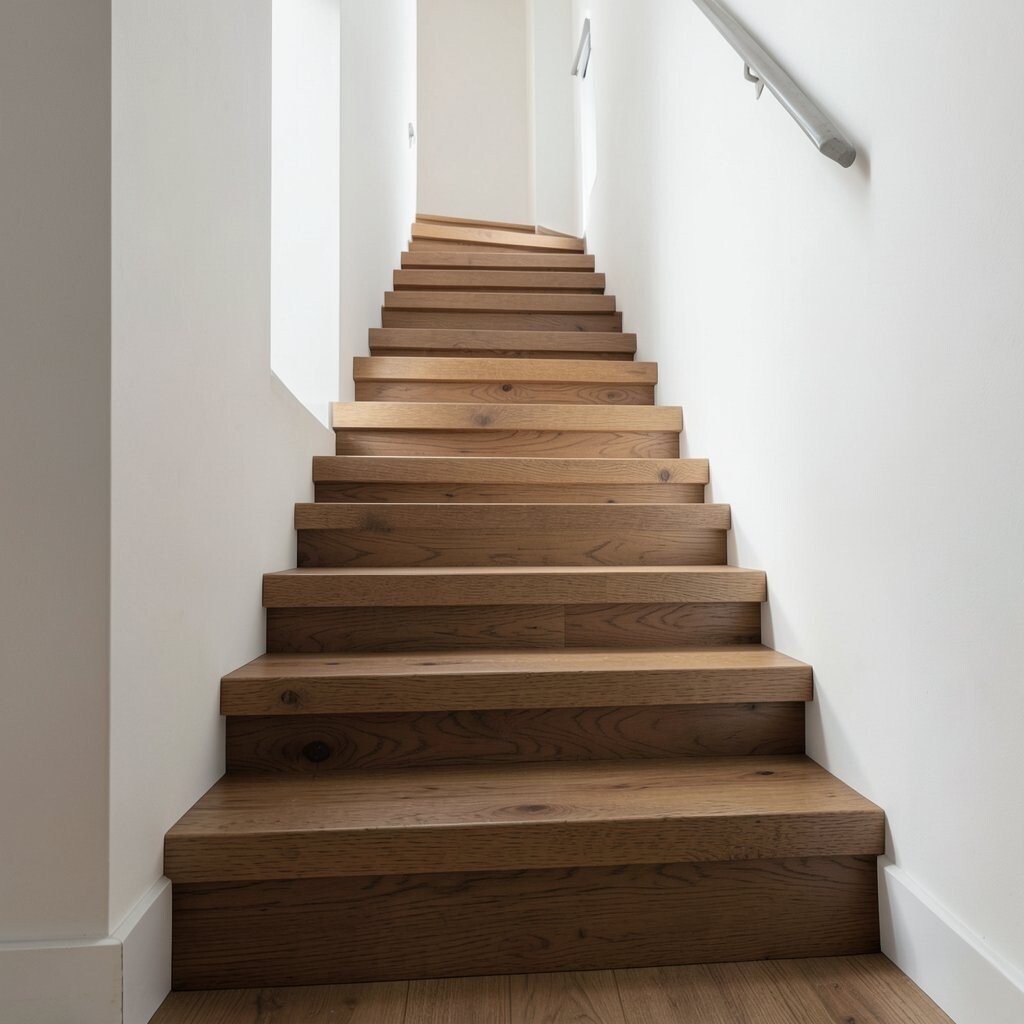
Floating wood steps give a staircase a light and open look. The clean shape works well in modern homes and makes small spaces feel less crowded.
Natural wood brings warmth, and that soft color helps balance sharp walls or plain floors. Many people like this style because it feels fresh without needing lots of extra decoration, and the build can be pricey if it needs strong hidden supports.
2. Black Metal Railing
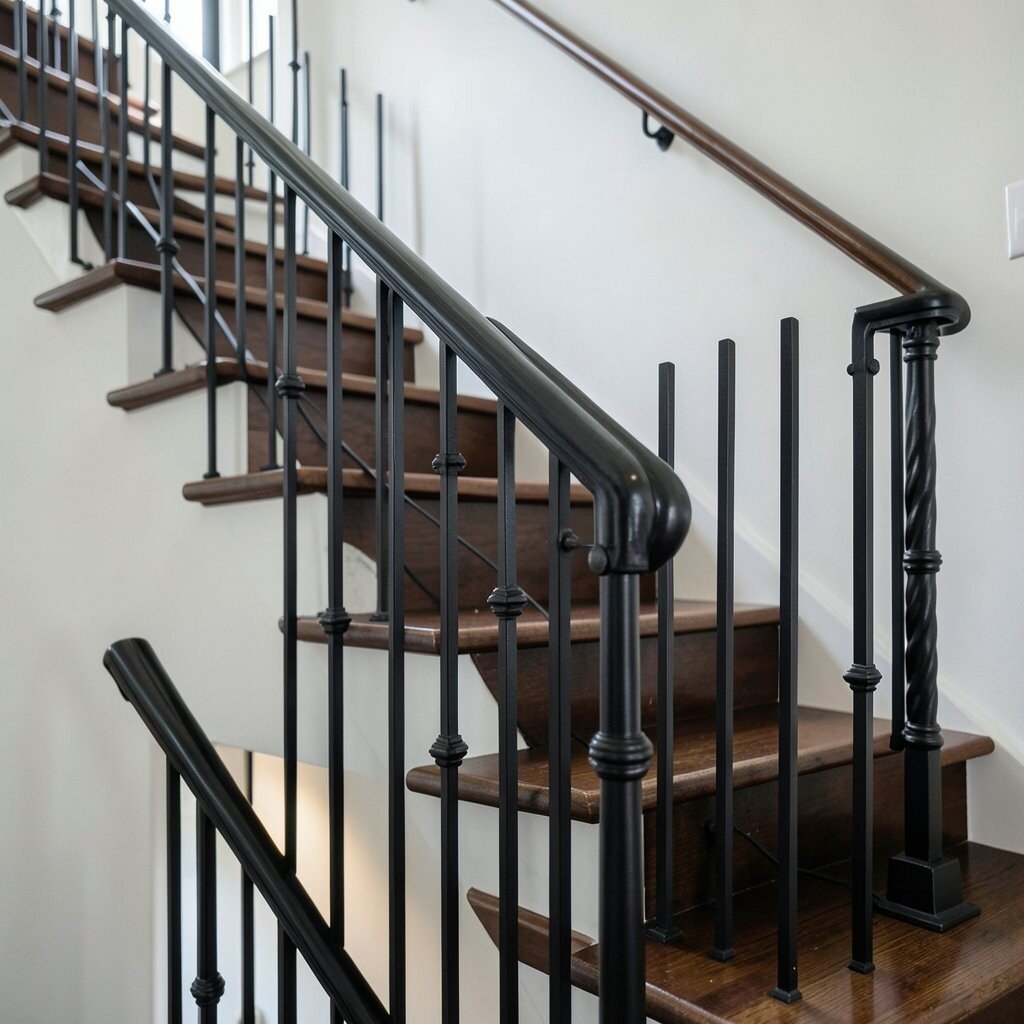
A black metal railing adds strong lines and a smart, finished look. It stands out nicely against white walls, pale wood, or soft paint colors.
This choice is popular right now because it feels both simple and stylish. You can pair it with wood steps for a balanced look, and the cost stays fair when you keep the design clean and avoid fancy details.
It also works well in homes that need a sturdy handhold and a design that is easy to care for. If you want a personal touch, choose a matte finish for a softer feel or a glossy one for a sharper shine.
3. Carpet Runner With Pattern
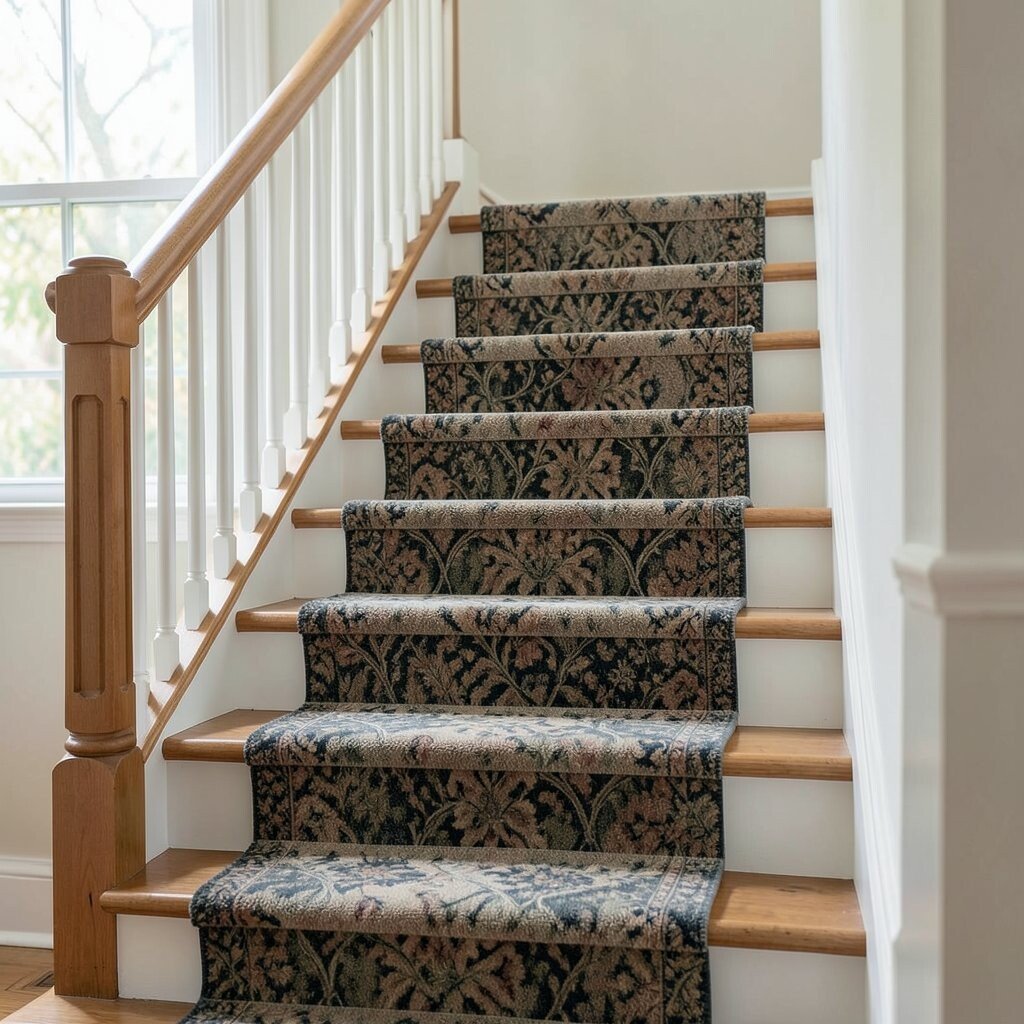
A patterned carpet runner can make stairs feel cozy and full of life. It also helps soften footsteps, which is nice in busy homes with kids or pets.
Bold stripes, small dots, or old-style prints can give the staircase a unique look without changing the whole structure. This is often a lower-cost update than replacing the steps, and it is easy to switch later if your style changes.
Choose colors that match your hallway, curtains, or rugs so the stairway feels connected. A runner with a firm backing can also help the fabric stay neat and safe.
4. White And Bright Open Risers
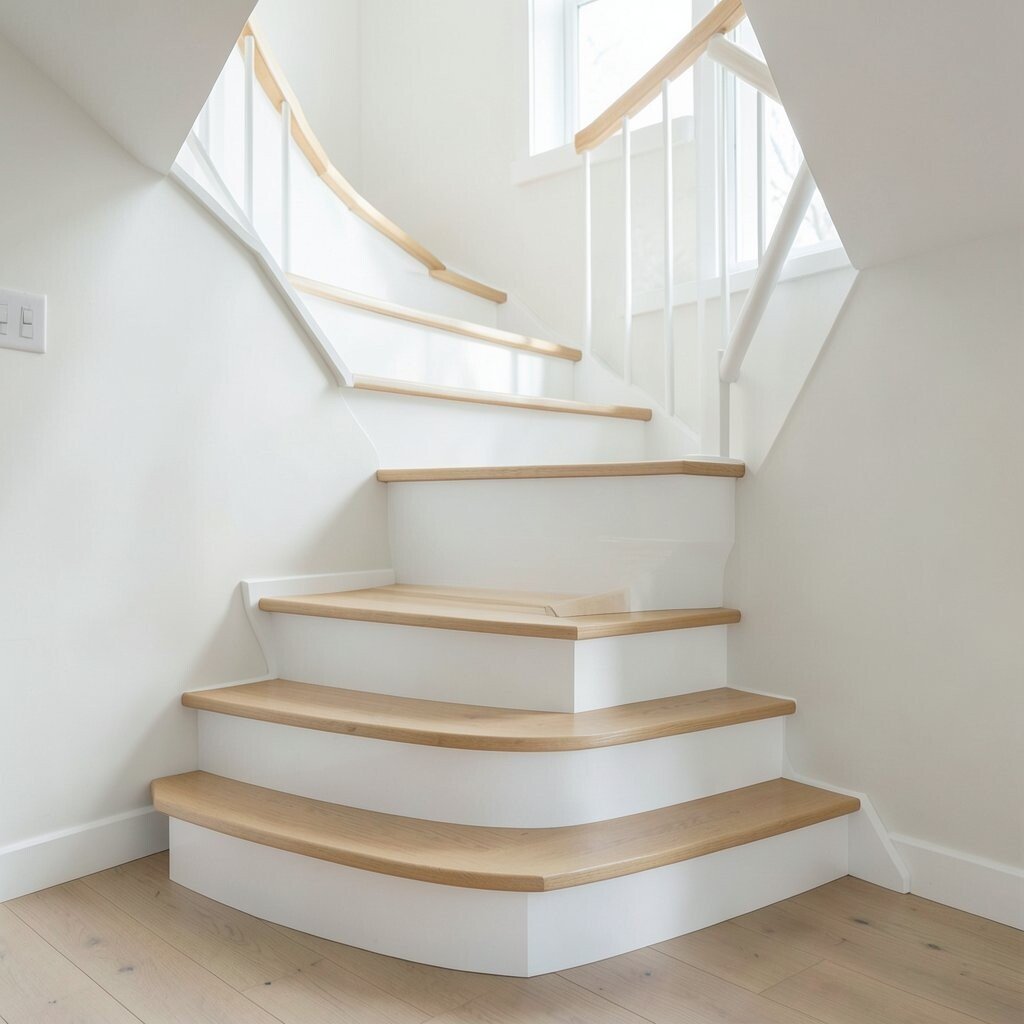
Open riser stairs with white surfaces can make a home feel airy and cheerful. Light bounces around them, so the whole entry area can look bigger and brighter.
This style is great for modern spaces and can be paired with glass or thin railings for a sleek effect. It may cost more than a simple closed stair if the design needs custom work, but the open look is very eye-catching.
5. Glass Side Panels
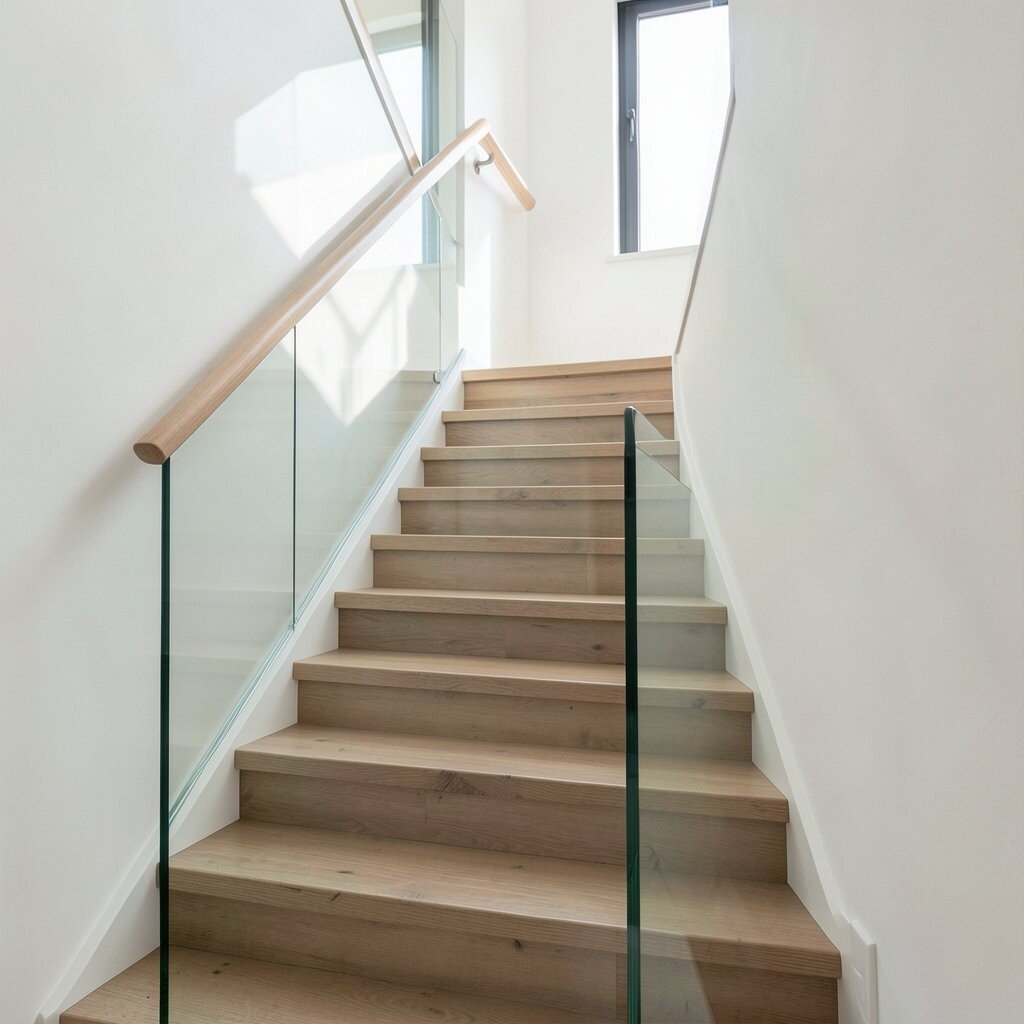
Glass side panels create a smooth, almost invisible border for stairs. They let light pass through, which can make nearby rooms feel more open and calm.
This design feels clean and current, especially in homes that like a neat and polished style. Keep in mind that glass needs regular wiping, and the price can rise if you choose thick, custom-cut panels with special fittings.
You can warm up the look with oak steps, a soft carpet runner, or small wall lights nearby. That mix of clear glass and cozy materials keeps the stairway from feeling cold.
6. Built-In Storage Under The Stairs
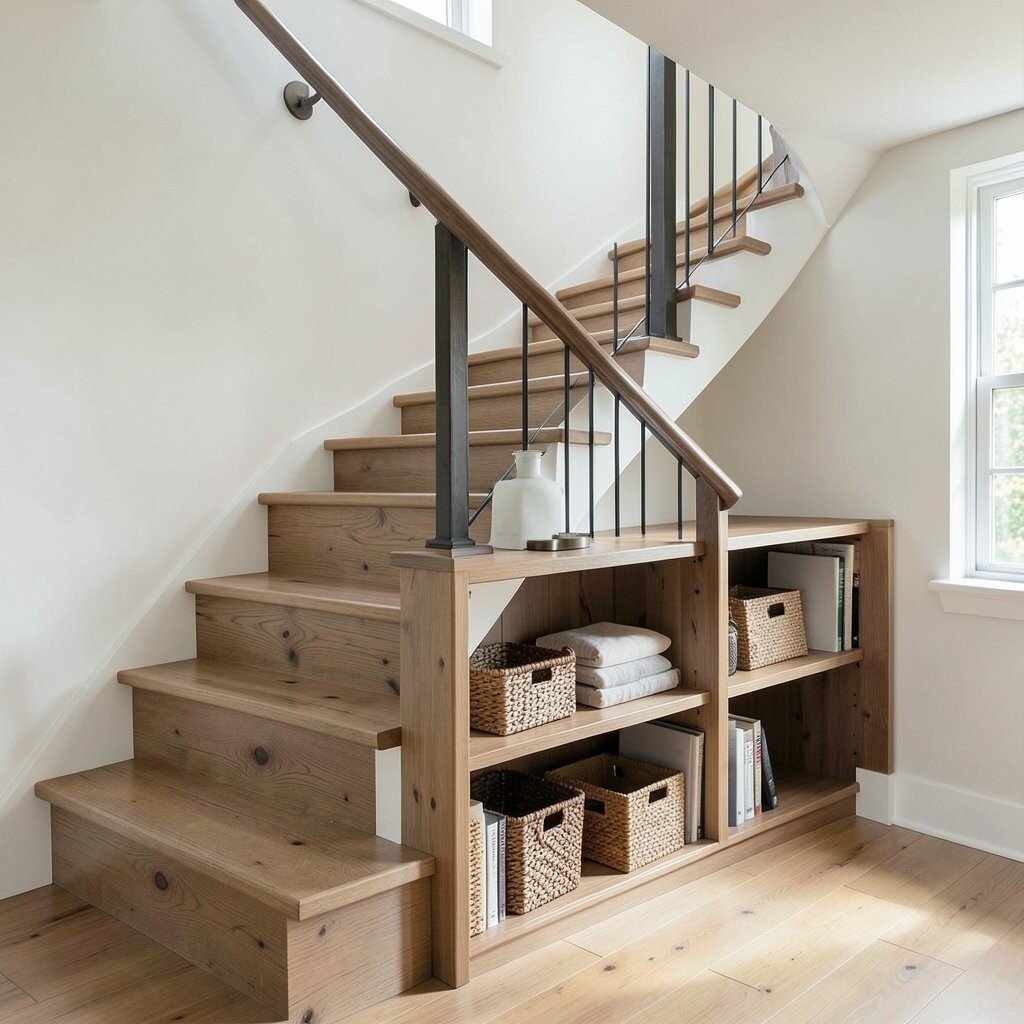
Using the space under stairs for storage is smart and tidy. Drawers, cabinets, or open shelves can turn a blank spot into a useful part of the home.
This idea is loved by families because it helps hide shoes, books, toys, and extra blankets. The look can be simple or custom, and the cost depends on how many drawers or doors you add.
You can match the cabinet fronts to the wall color for a quiet look or paint them in a deep shade for more character. Good storage also helps keep the stair area clear, which makes the whole room feel calmer.
7. Statement Lighting Along The Wall
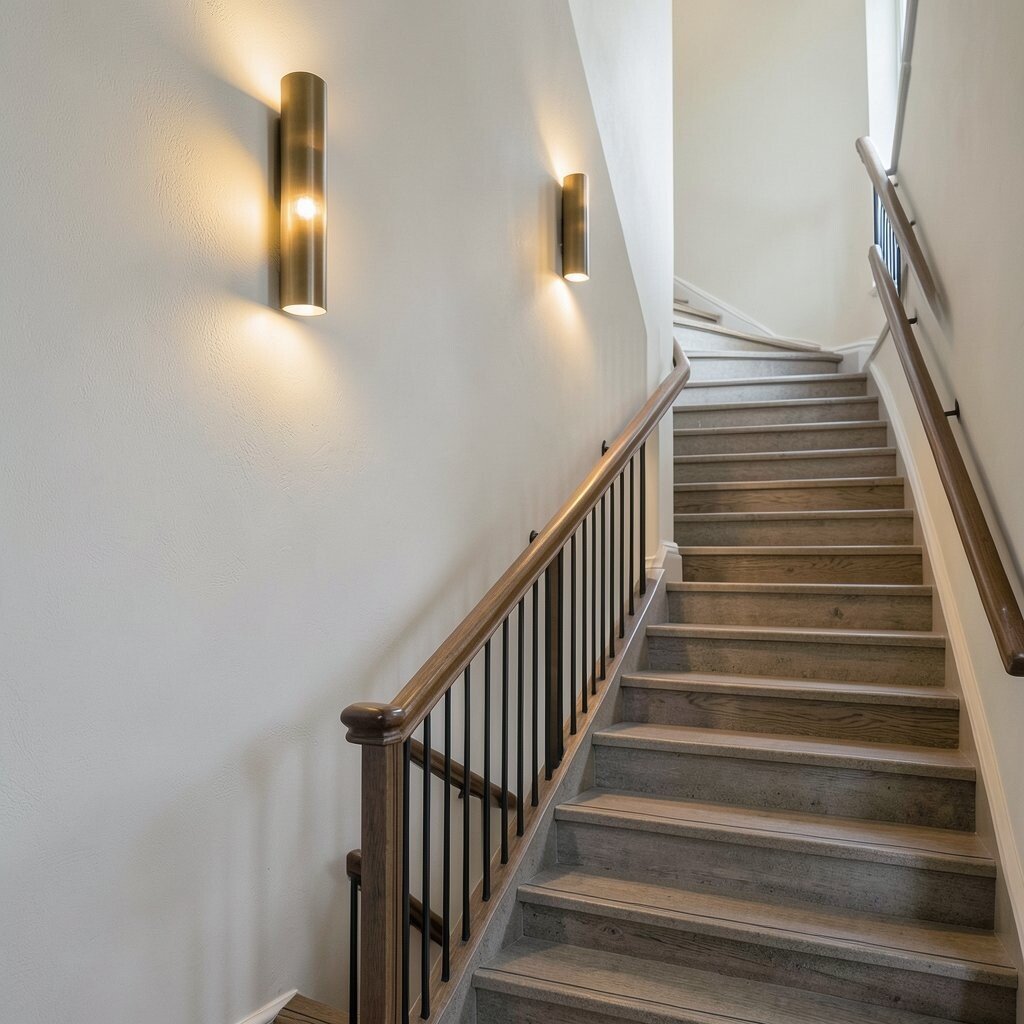
Lighting beside stairs can turn a plain path into something special. Soft wall lights or small step lights make the steps easier to see and give the space a cozy glow.
This kind of design is both pretty and useful, especially at night. It is often a good upgrade because even a simple stair shape can feel more stylish with well-placed lights, though wiring work can add to the price.
Warm light usually feels more welcoming than bright white light in a home stairway. If you want a personal touch, choose fixtures with a shape that matches your home, such as round, square, or slim bars.
8. Curved Staircase With Soft Lines
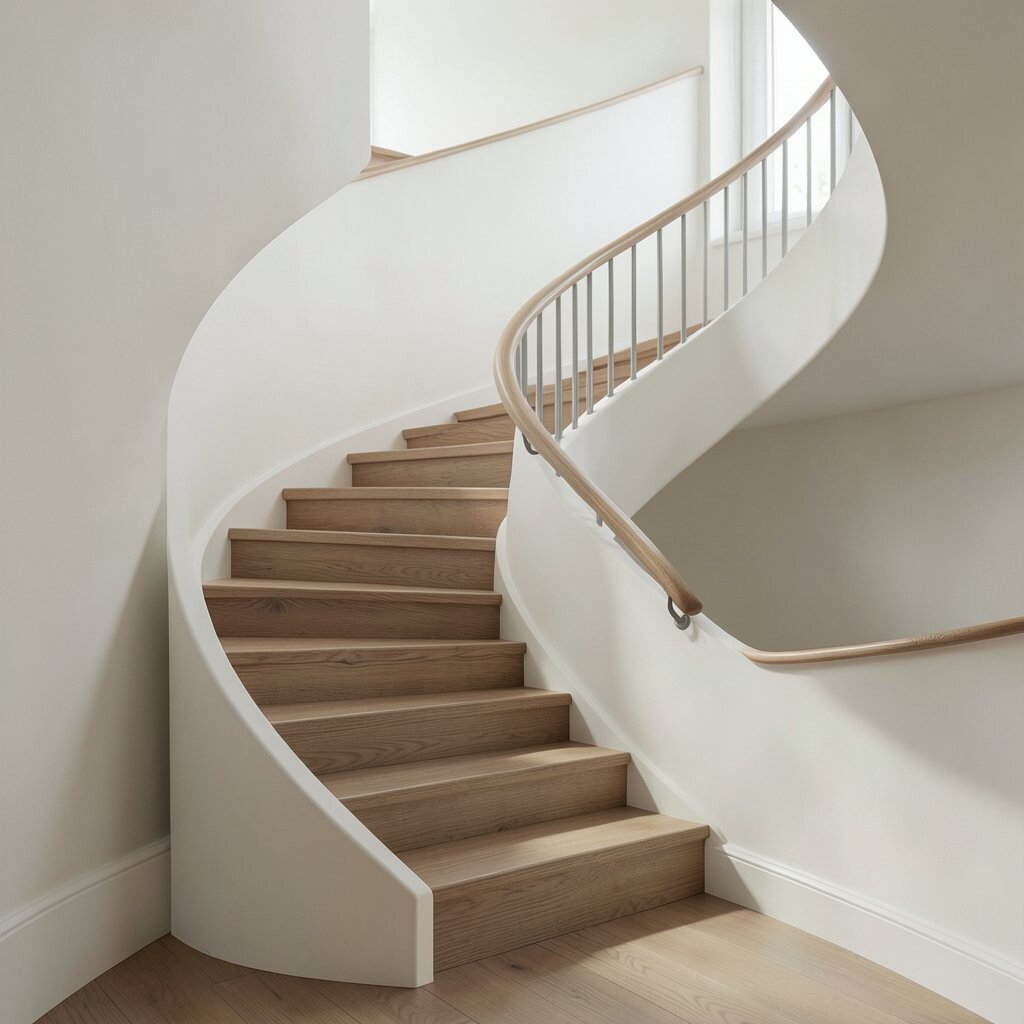
A curved staircase brings a graceful shape into the home. The flowing line feels elegant and can make an entry hall look rich and welcoming.
This style is often used in larger homes, and it creates a strong first impression. Because it usually needs custom building, it can be one of the more expensive choices, but it brings a unique sense of drama.
Soft carpets, curved railings, and warm wood tones can help the shape feel even smoother. If you like classic style, this stair design can give your home a timeless look without feeling stiff.
9. Rich Wood Treads With White Risers
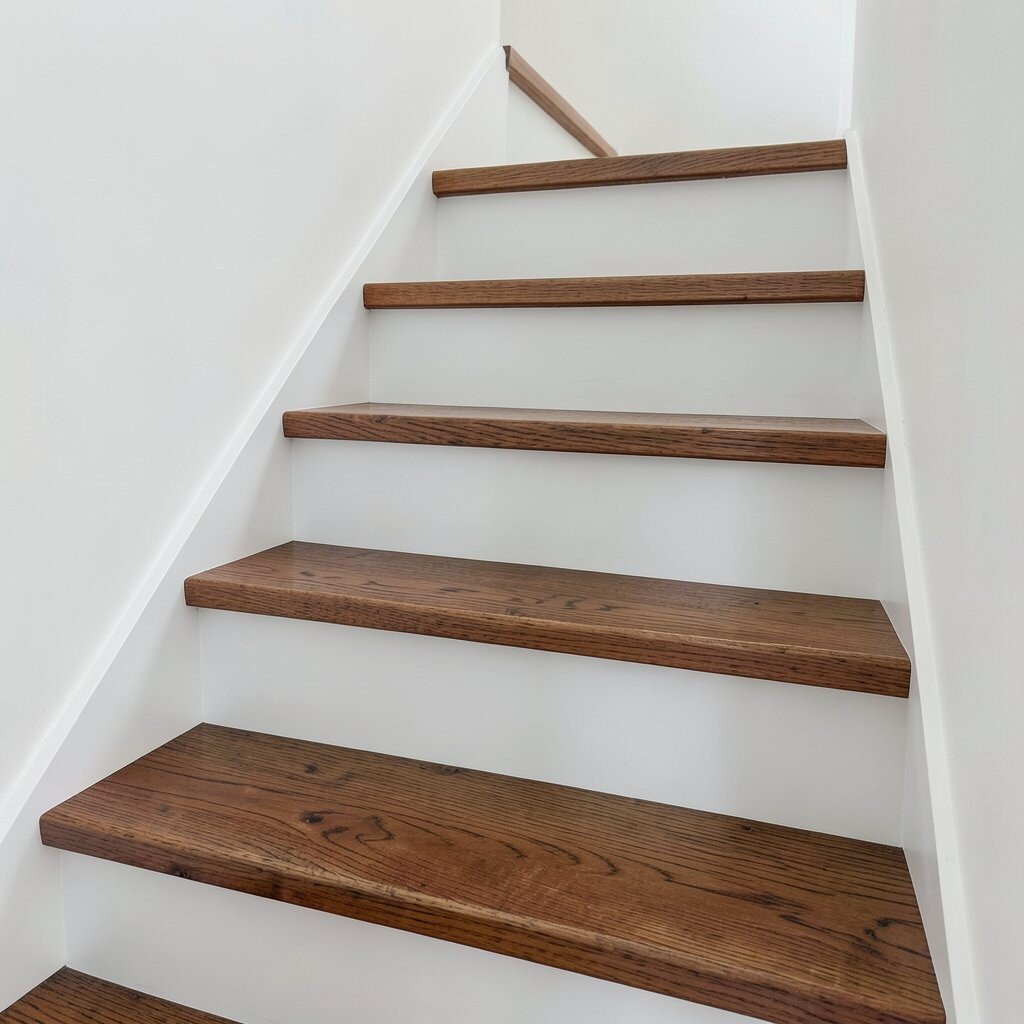
Wood treads with white risers offer a clean mix of warm and bright. The wood brings depth, while the white keeps the staircase feeling fresh and neat.
This style works in many homes, from older houses to newer ones. It is a smart choice when you want something simple but still full of charm, and the cost can stay reasonable if you use common wood types.
You can make it feel more personal by choosing a darker stain for a bold look or a lighter stain for a softer one. It also pairs well with almost any wall color, so it is easy to change the room around it later.
10. Rustic Reclaimed Wood
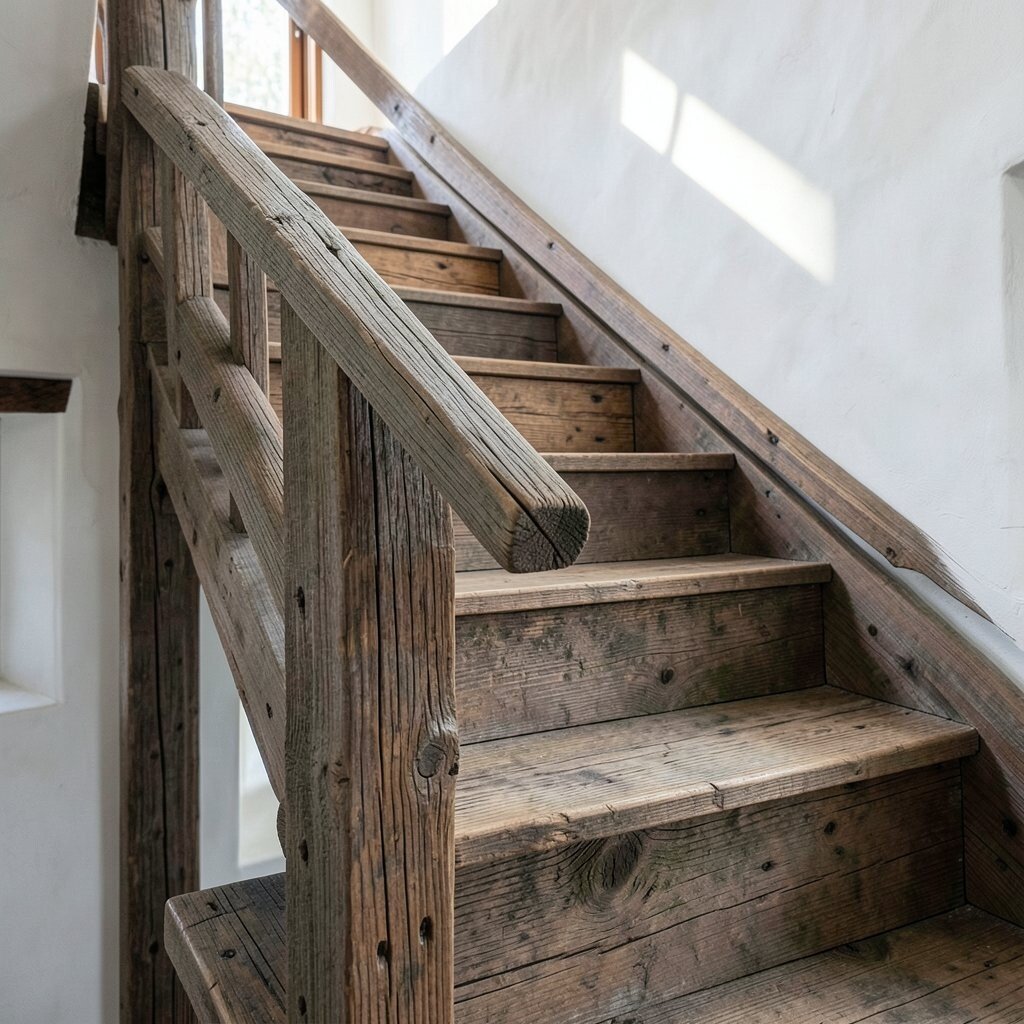
Reclaimed wood stairs bring in rough texture and natural character. Every board can show marks, grain, and color shifts that make the staircase feel one of a kind.
This look is a favorite in farmhouse and cabin-style homes because it feels warm and real. It can also be a smart way to reuse old wood, though prices can change depending on how rare the pieces are and how much repair they need.
Pairing reclaimed wood with simple railings helps the material shine without feeling messy. You can keep the rest of the space plain so the stairs become the main feature.
11. Colorful Painted Risers
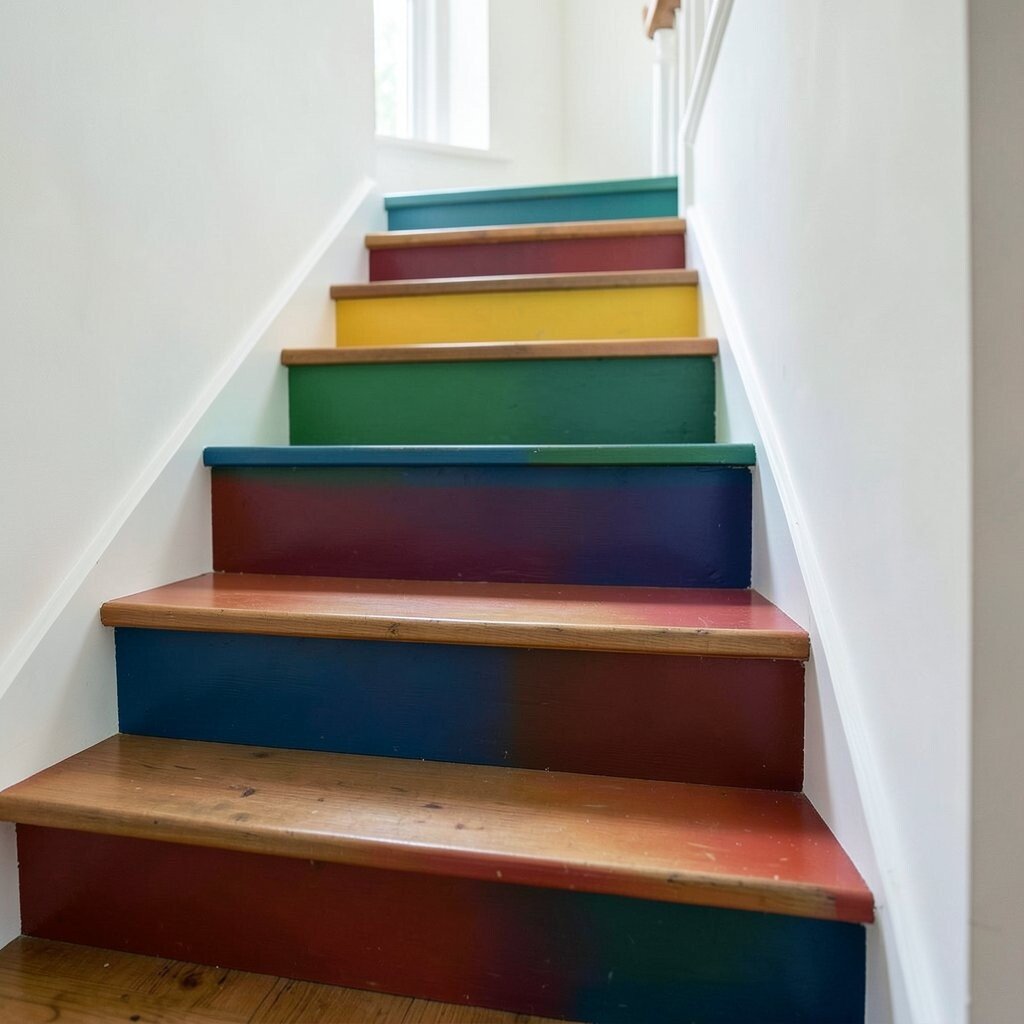
Painted risers can bring cheerful energy into a stairway. A soft blue, sunny yellow, or deep green can turn each step into a fun visual moment.
This is a good choice if you want a big change without a big rebuild. It is usually budget-friendly, and it gives you a chance to match the stairs to art, pillows, or a nearby wall color.
Using strong paint made for floors helps the finish last longer and look neat. If you want a calmer result, choose one shade and repeat it on every riser for a tidy and balanced feel.
12. Hidden LED Step Lights
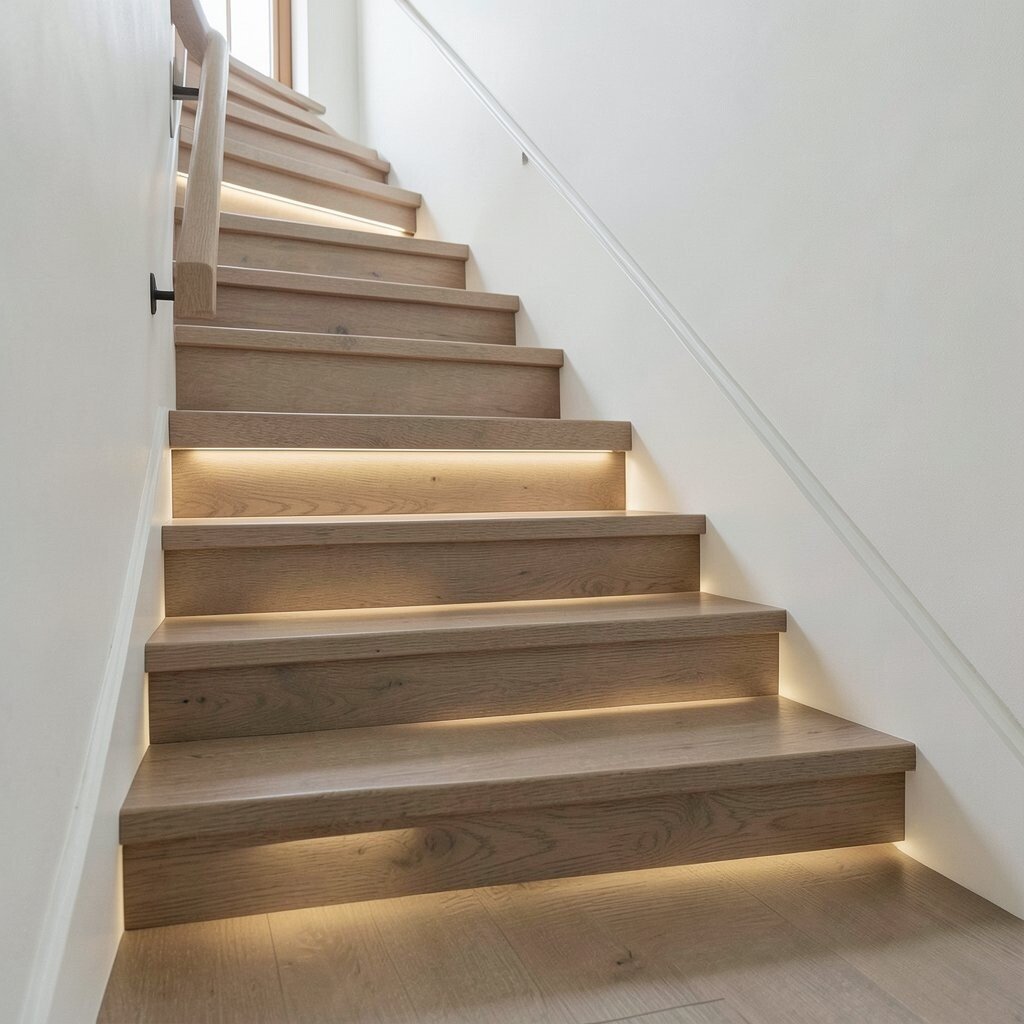
Hidden LED step lights make stairs glow softly from below or beside each tread. The effect feels sleek and modern while also helping people see each step more clearly.
Many homeowners like this design because it blends beauty with safety. It works well in homes that have a night-time look, and the energy use is usually low even though the wiring may increase the total cost.
You can keep the lights warm for a cozy mood or cool for a sharper style. The hidden placement is part of the charm, since the light seems to float along the staircase.
13. Spiral Staircase
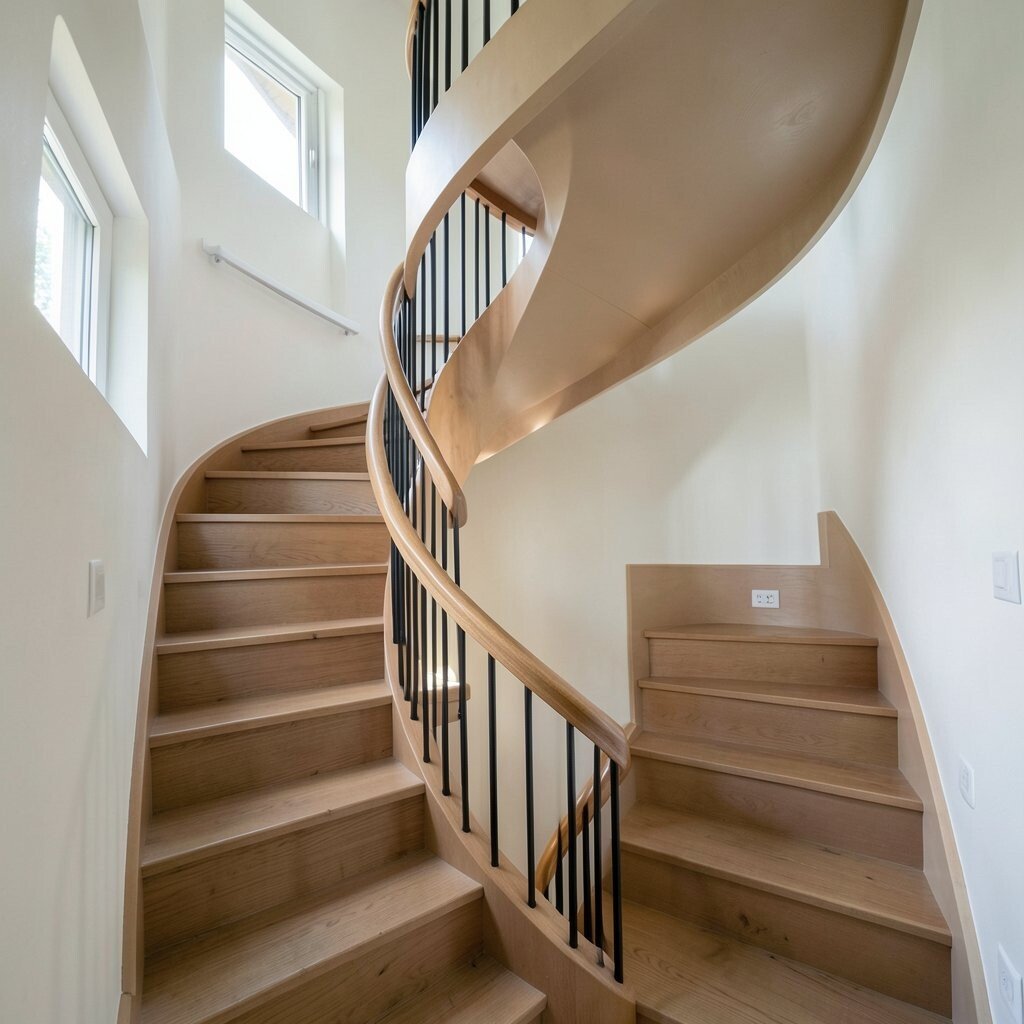
A spiral staircase saves floor space and adds a bold shape to the home. The tight curve can feel playful, artistic, or even a little dramatic.
This design is useful in smaller homes, lofts, or rooms where every inch matters. It can also be less costly than building a wide custom stair, though the exact price depends on the material and finish.
Metal spirals often look light and modern, while wood spirals feel warmer and more classic. If you want the staircase to stand out more, choose a railing with a smooth curve or a striking color.
14. Minimal Cable Railing
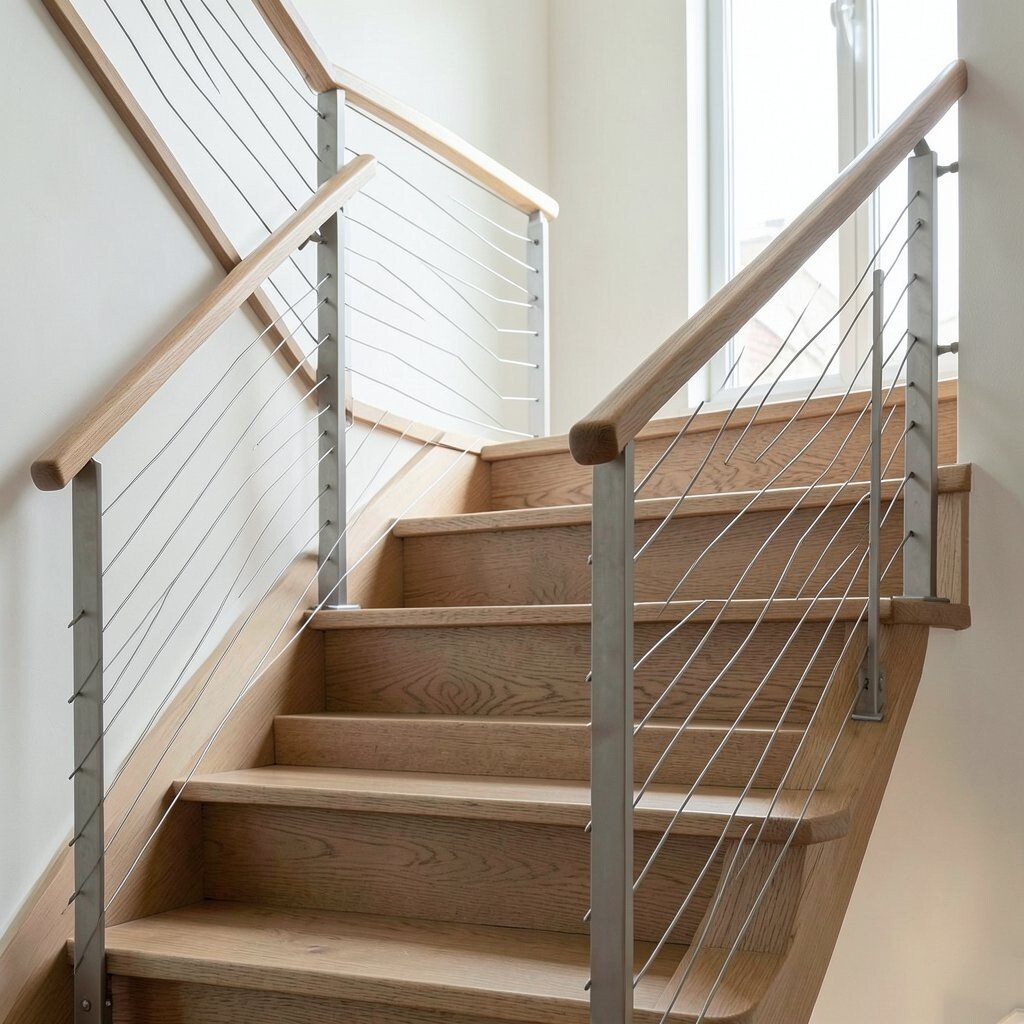
Cable railing gives stairs a neat and open look with thin lines that do not block the view. It helps a room feel bigger and keeps the focus on the steps or the space beyond.
This style fits well in modern, coastal, and mountain homes because it feels simple and strong. The cost is usually tied to the quality of the posts and hardware, and regular checking keeps the cables tight and safe.
You can mix cable railing with wood, concrete, or painted stairs for a look that feels balanced. It is a good choice if you like low visual clutter and a fresh, airy feel.
15. Stone Steps With A Grand Feel
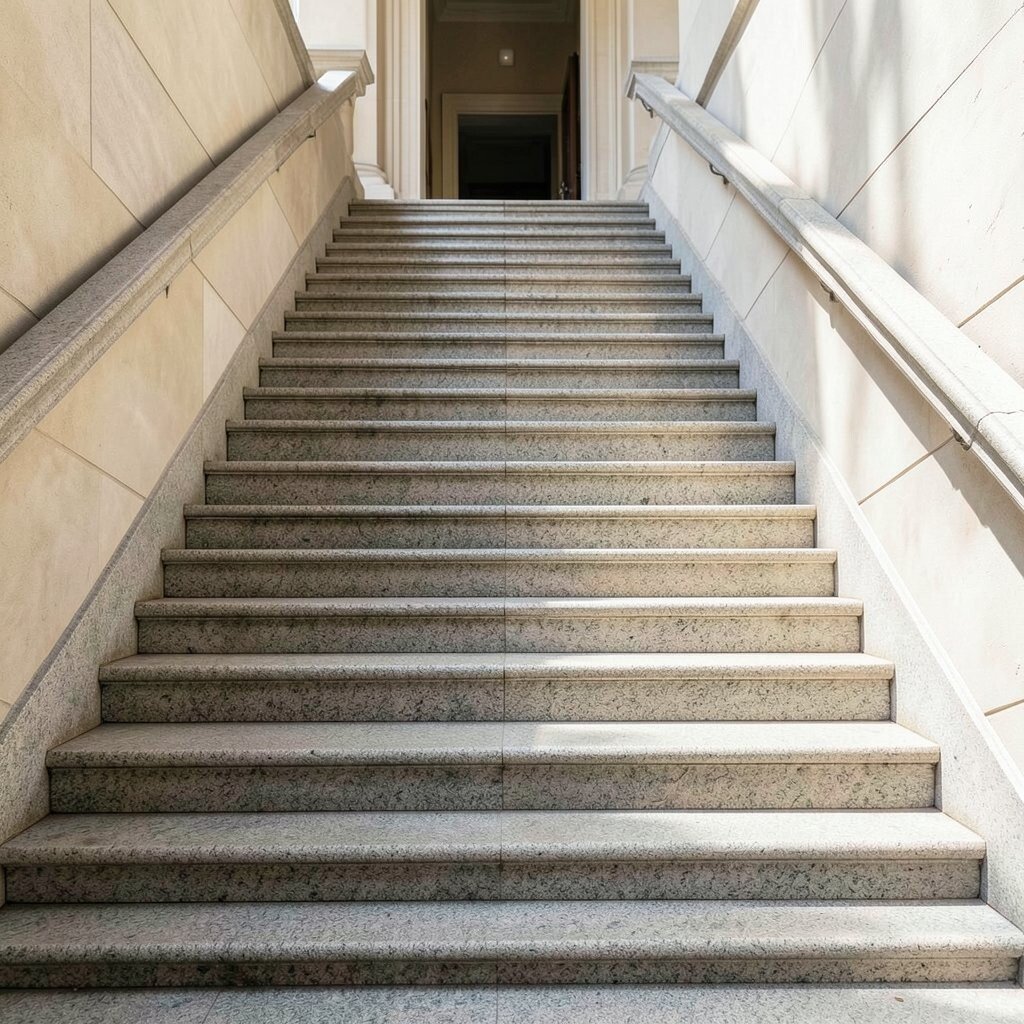
Stone steps give a staircase a solid and elegant presence. Their cool surface and natural marks can make the whole area feel calm and lasting.
This design works well in homes that want a formal look or a touch of old-world style. It can be costly because stone is heavy and often needs skilled work, but the strong finish can last for many years.
Soft runners or warm lighting can keep stone from feeling too hard. You can also choose lighter or darker stone tones to match the mood you want in the room.
16. Two-Tone Staircase Design
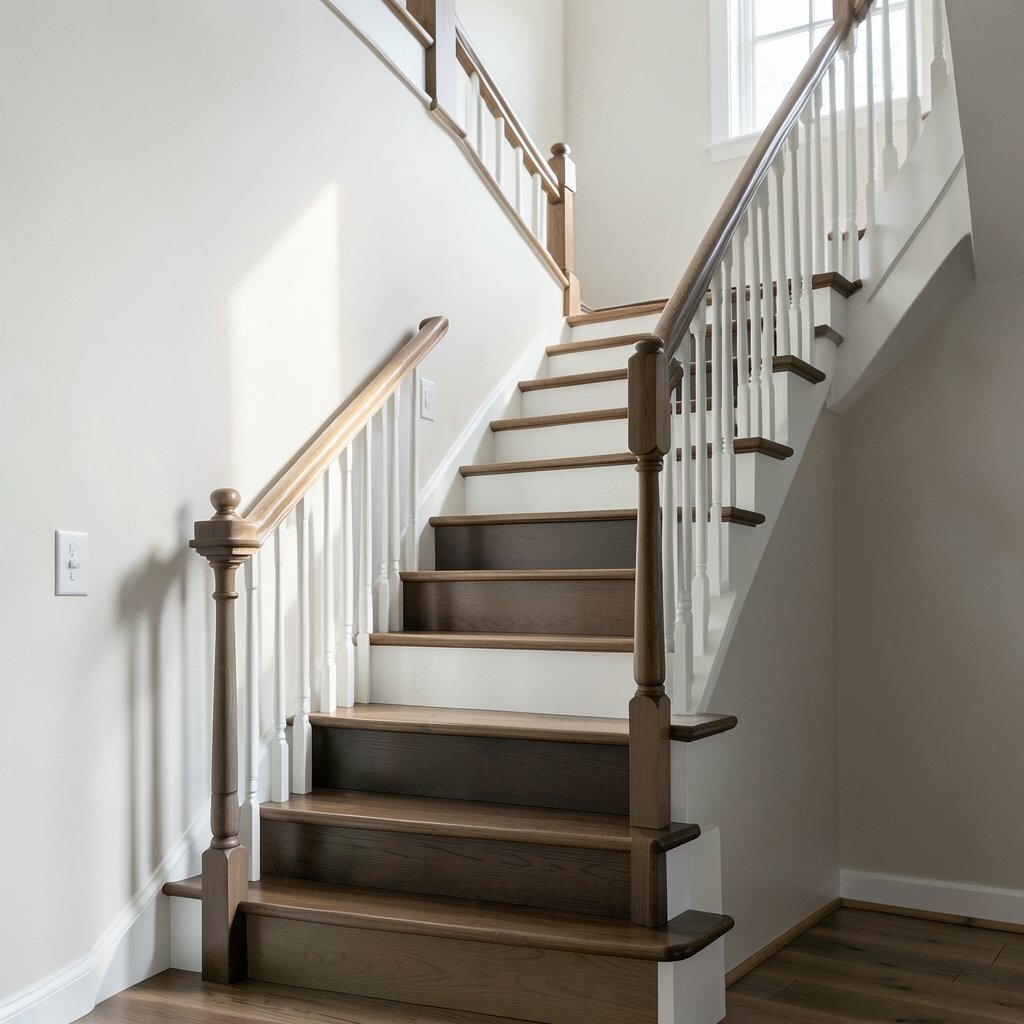
Two-tone stairs mix two colors or materials for a lively and balanced look. A dark tread with a light side frame, or a wood finish with painted trim, can add depth without crowding the space.
This idea is easy to make your own because you can choose colors that match your furniture or wall art. It is also a smart way to update older stairs without replacing everything, which can help keep costs under control.
The contrast can make the steps easier to read, which is helpful in busy homes. If you want a softer effect, pick shades that are close together instead of using very strong contrast.
17. Gallery Wall Staircase
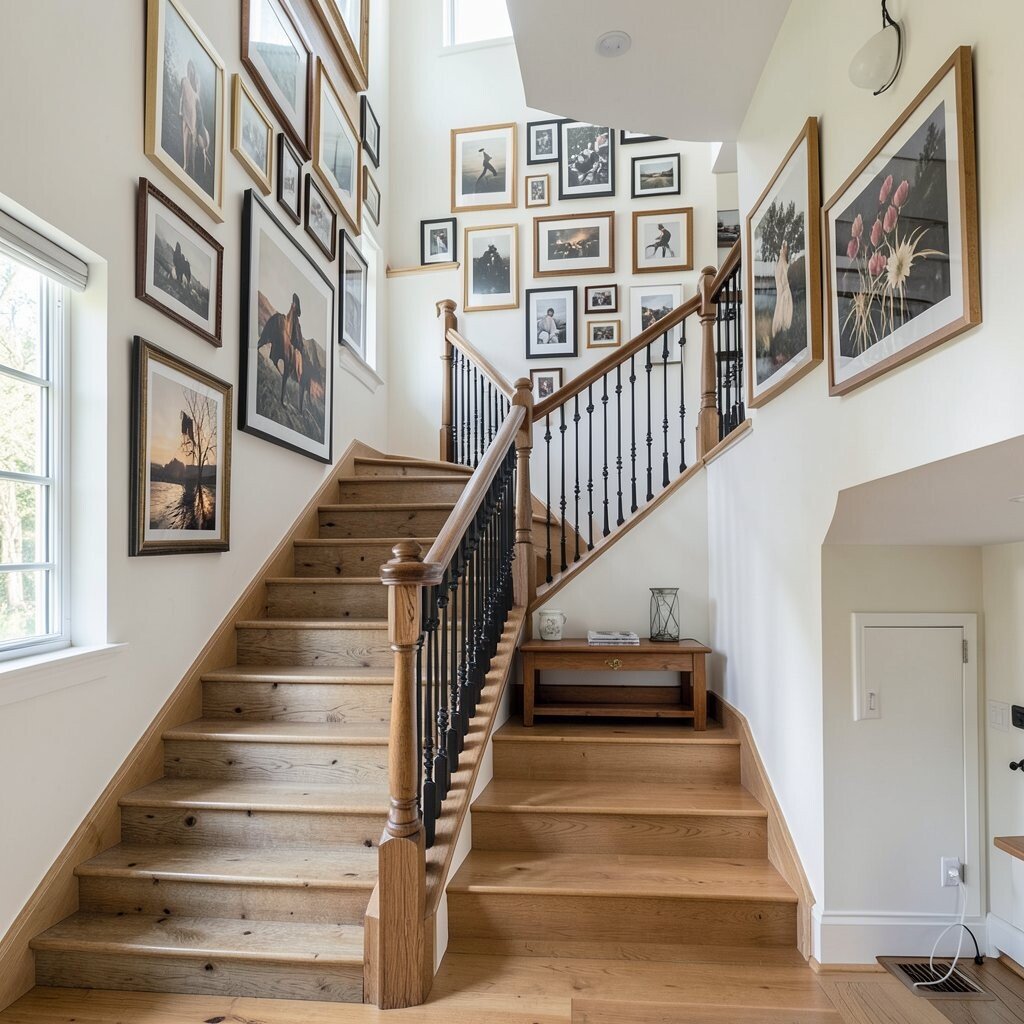
A gallery wall beside stairs turns the climb into a mini art walk. Family photos, framed prints, and favorite sayings can give the area a warm and personal feel.
This style is special because it tells a story as people move up and down the steps. It is also one of the most affordable ways to add beauty, since you can build it slowly with frames you already own or find over time.
Keeping the frame shapes or colors related helps the wall feel neat instead of messy. Good spacing and even lighting make each piece easier to enjoy.
18. Seamless Wall-Matched Stairs
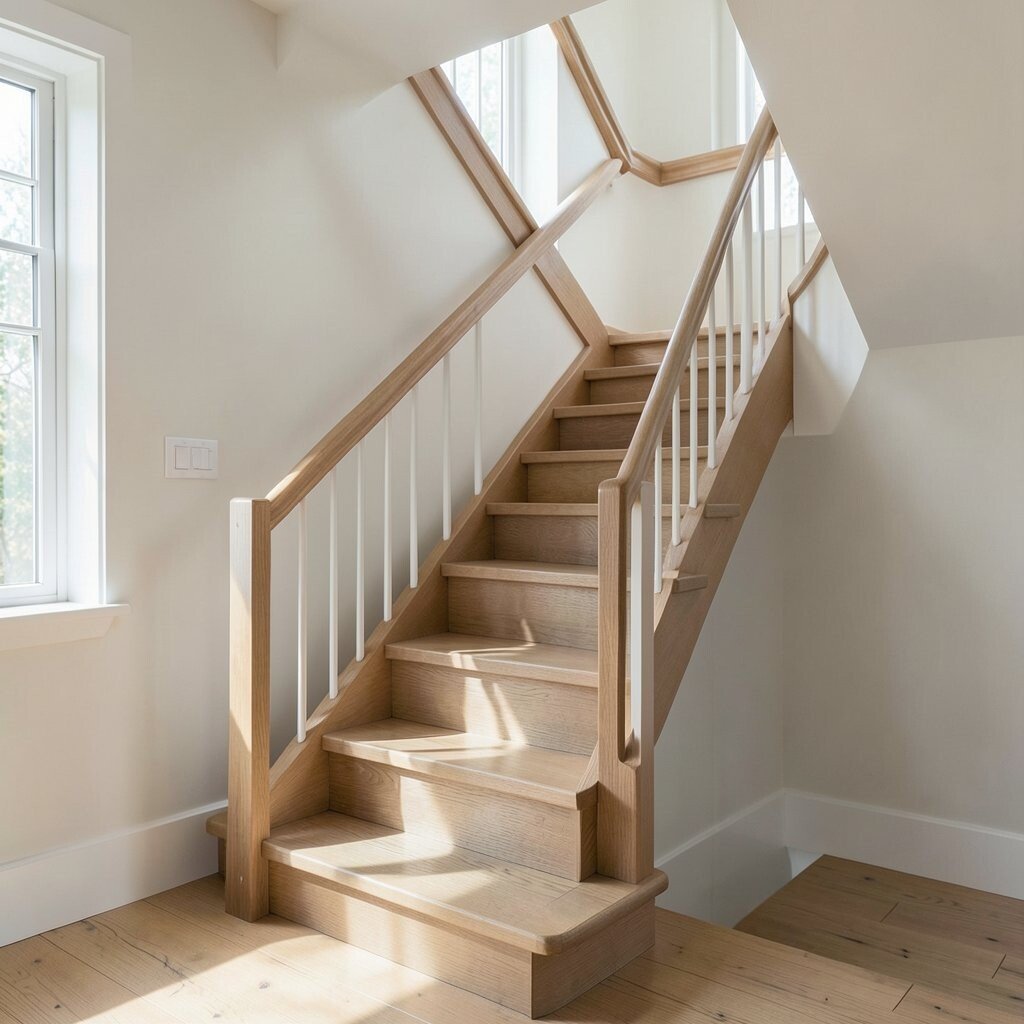
Stairs painted to match the wall can look smooth and quiet, almost like part of the room itself. This creates a clean backdrop that lets other features in the home stand out.
The effect feels modern and calm, and it can be a smart choice for small spaces that need less visual noise. The cost is often lower than a full redesign because paint and finish work can do most of the job, though careful prep still matters.
You can make the look more personal with a different handrail color or a textured runner that adds a little contrast. This simple style is proof that a staircase does not need to shout to make a strong impression.