
A good chair can make your desk feel like your favorite corner of the world. When comfort shows up, your focus often follows right behind.
Student seating is more than a purchase, it is the small daily choice that can turn study time into something you look forward to.
1. The Memory Foam Cocoon Chair

Picture a chair that wraps around you like a soft hug. The seat and back cushion hold your body in a steady, comfy position, so you can sit longer without that nagging ache.
You will feel the difference when you lean forward to write notes and when you sit back to review slides. Pick a chair with medium firmness so it supports you without feeling too stiff. For a study boost, add a removable cover in a color you love and keep a small pillow nearby for extra support.
2. The Ergonomic Task Chair With Adjustable Arms
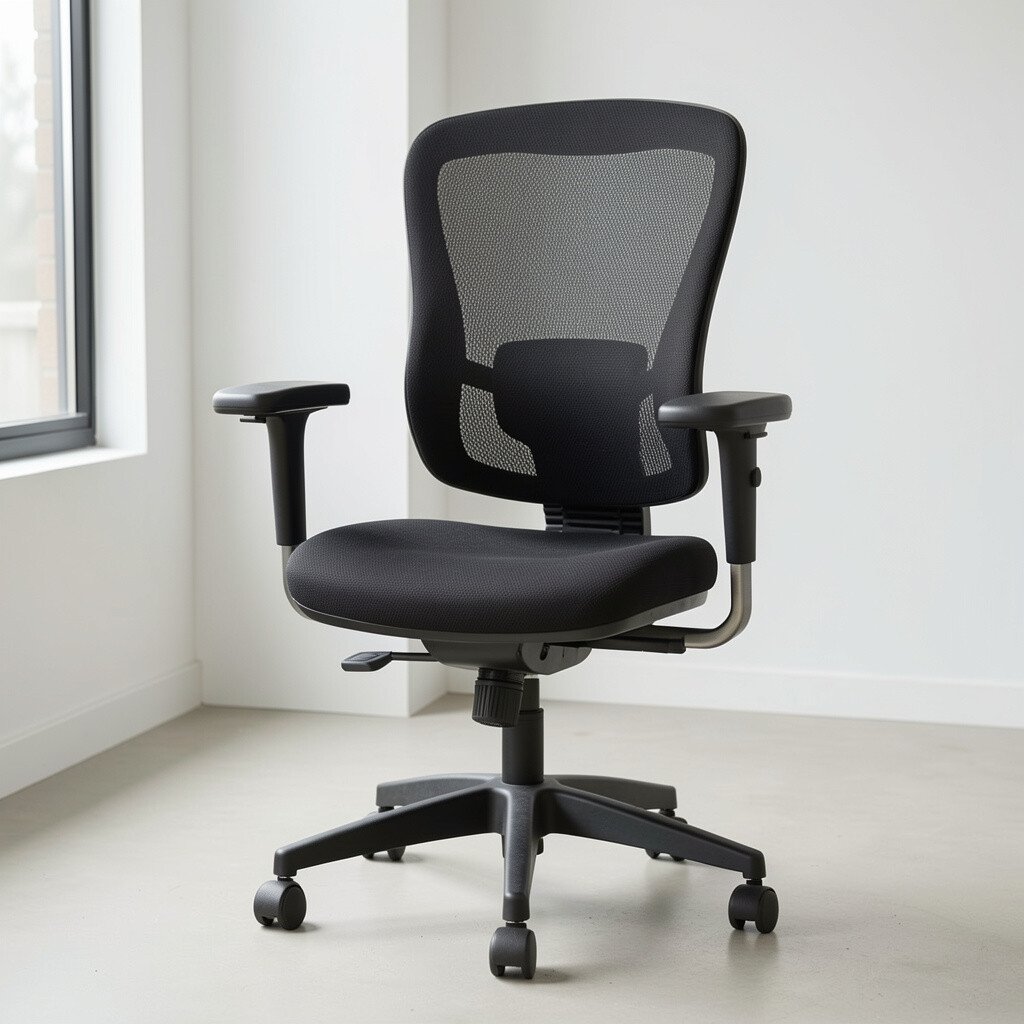
Think of a chair where your arms land in the right place every time. Adjustable armrests help your shoulders stay relaxed, which makes typing and writing feel smoother.
Look for height adjustment, seat depth, and arm height so you can match the chair to your desk and your body. A practical step is to set your chair so your feet rest flat and your elbows hover near desk height. Choose a breathable fabric cover for warm days, since heat can sneak in during long sessions.
If you are working on a laptop, consider adding a small keyboard tray or a monitor stand so your posture stays tall. This kind of chair is often a current favorite in home offices, and it can be found in many comfort budgets. Watch for sales during back-to-school season, and keep an eye on warranty terms.
3. The Saddle Stool for Active Sitting

Imagine sitting in a way that keeps your body moving, even when you are still. A saddle stool opens up your hips and encourages a more upright posture, which feels great for people who hate slouching.
You can use it at a standing desk or a regular desk with a compatible chair height. Pair it with a footrest if your feet do not fully reach the floor. Add a gel cushion pad for extra comfort and to reduce pressure on your legs.
This chair style is trendy in studios and creative work spaces because it feels dynamic. For personalization, pick a bold seat color or add a textured cushion that you love touching while you study. If you tend to fidget, this setup may help you focus longer without feeling stuck.
4. The Floor Cushion and Low Table Combo

There is something cozy about studying low to the ground with soft cushions around you. You can arrange a large floor cushion behind your back and a second pad under your seat so your body feels supported.
This setup is great for reading, note-taking, and quick planning pages. Use a lap desk or a low tray so your elbows are not stretched, and keep a small book stand handy for less neck strain. If you live in a colder room, add an extra blanket under the cushions for comfort.
5. The Soft Swivel Chair With a Supportive Back

Picture a chair that moves gently while you work, letting you turn from monitor to notebook without twisting your spine. A supportive back helps you stay upright, even when you get lost in research tabs.
This type of chair feels friendly and familiar, especially if you want something less technical than a full ergonomic model. Look for a swivel base with smooth movement and a backrest that reaches at least mid-back. For practical comfort, add a seat cushion if the padding feels thin.
You can personalize it easily with a throw blanket draped over the side and a small desk lamp clipped at the perfect angle. Many students like this style because it fits small rooms while still giving you freedom to move. When cost matters, check secondhand stores and online marketplaces for well-kept frames.
6. The Rolling Mesh Chair for Heat-Free Focus

Close your eyes and imagine a chair that stays cool during long study marathons. Mesh backs help air move through, so you do not feel sticky or distracted by heat.
This kind of chair often feels lighter than fabric models, and the breathable design supports better comfort. Choose one with adjustable lumbar support so your lower back gets the right shape. Set the height so your knees are at a comfortable angle and your wrists feel neutral while typing.
It is a popular pick in current workspace trends because it works well for warm climates and small apartments. Add a simple cushion for your seat if you want extra softness without blocking airflow. You can also match the chair color with your desk accessories for a clean, coordinated look.
7. The Comfy Gaming-Style Chair With Real Support

Some gaming chairs look bold, and they can also be surprisingly comfy for studying. With the right fit, head and lumbar cushions can make long writing sessions feel easier.
Try to choose one that lets you adjust seat height and tilt so you can find your best angle. If the side padding feels too thick, aim for a slimmer model so your body can sit close to the desk. For practical care, wipe down the surface often and keep a light cover on top to protect it from spills.
This style is everywhere in online home office setups, which means many newer models now focus more on comfort and posture. Personalize it with a small, matching footrest or a breathable cushion to keep things fresh. Budget-wise, you can find deals on last-year models if you shop carefully and check return policies.
8. The Classic Wooden Chair With a Custom Cushion
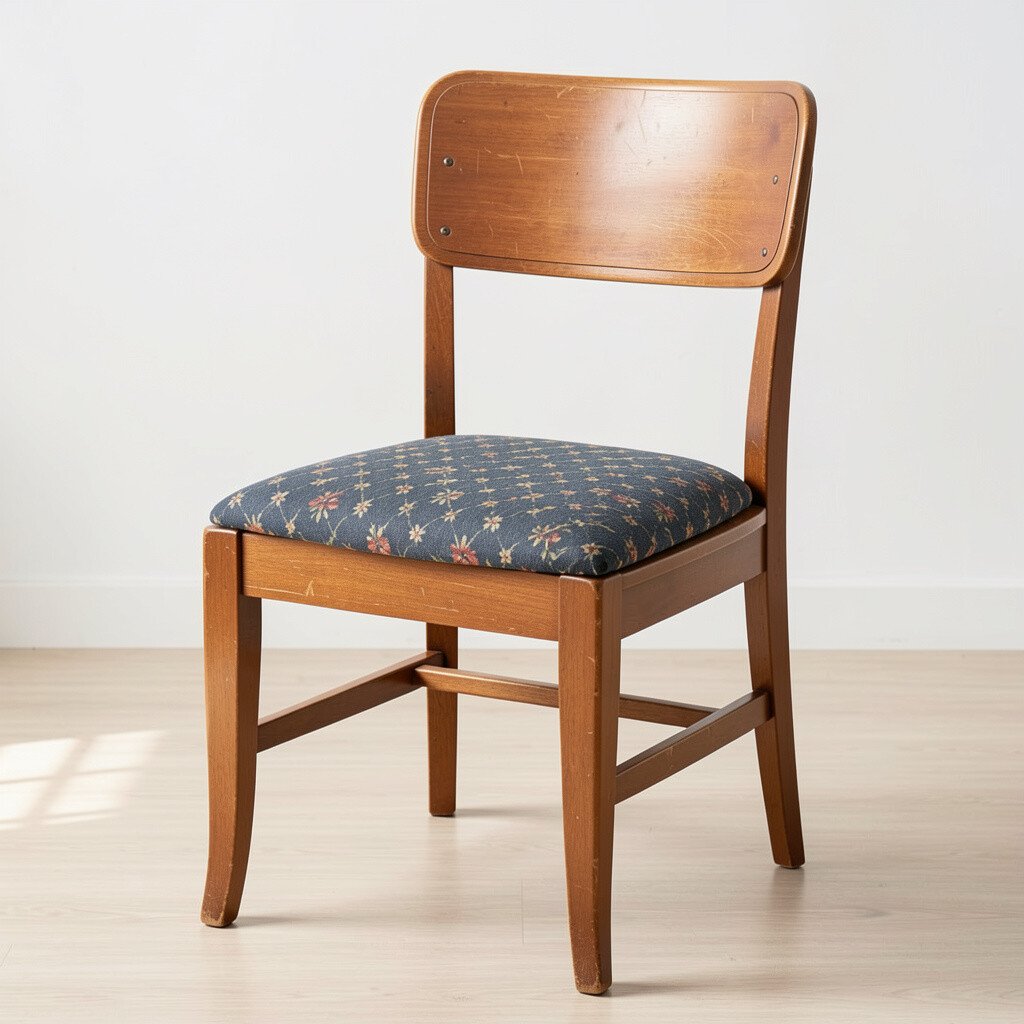
Think of a sturdy wooden chair with a simple shape and a warm, natural look. Wood can feel steady under you, and with the right cushion, it becomes a study-ready seat.
Select a cushion with supportive foam and a cover that matches your room style. A practical trick is to choose a seat cushion that is thick enough to reduce pressure but not so high that your posture tilts forward. If your desk is tall, add a small footstool to keep your legs comfortable and grounded.
Wooden chairs never really go out of style, which is why they stay common in study spaces and current minimalist trends. Personalize the vibe by adding a fabric slipcover or a knitted throw in your favorite color. For cost savings, use what you already own and invest in the cushion instead.
9. The Kneeling Chair for Better Posture
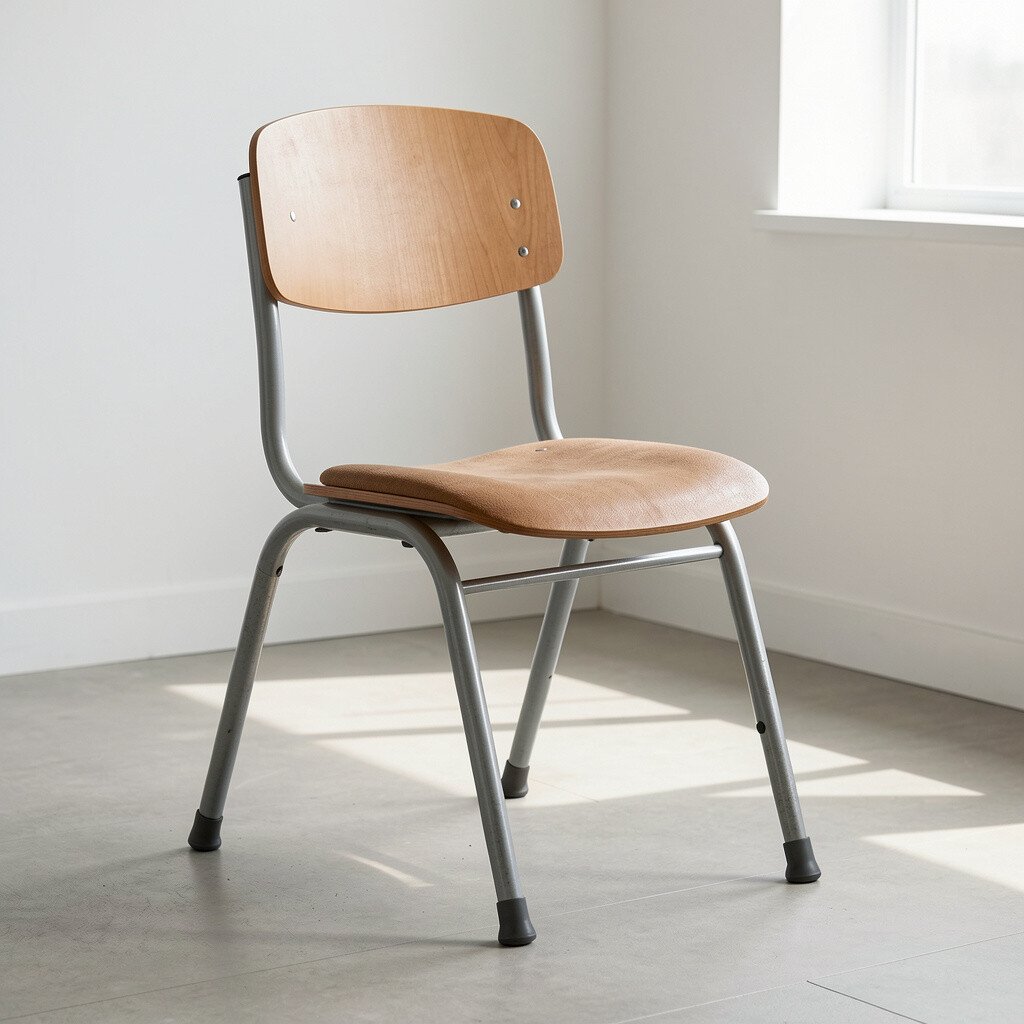
A kneeling chair can feel unusual at first, but it often helps your posture straighten quickly. The design shifts your weight forward so your back has less pressure to hold you up.
You might notice your shoulders relax and your back stays happier during longer tasks. Look for a chair with adjustable pads and a stable base that does not wobble. Add a soft pad for knee comfort, especially if you study for hours.
This option is a favorite among students who want a more active posture without switching desks or buying new tables. For personalization, choose a cover color that matches your desk lamp and stationery. When budgeting, consider secondhand kneeling chairs, since frames last a long time.
10. The Comfy Accent Chair With a Removable Lap Desk
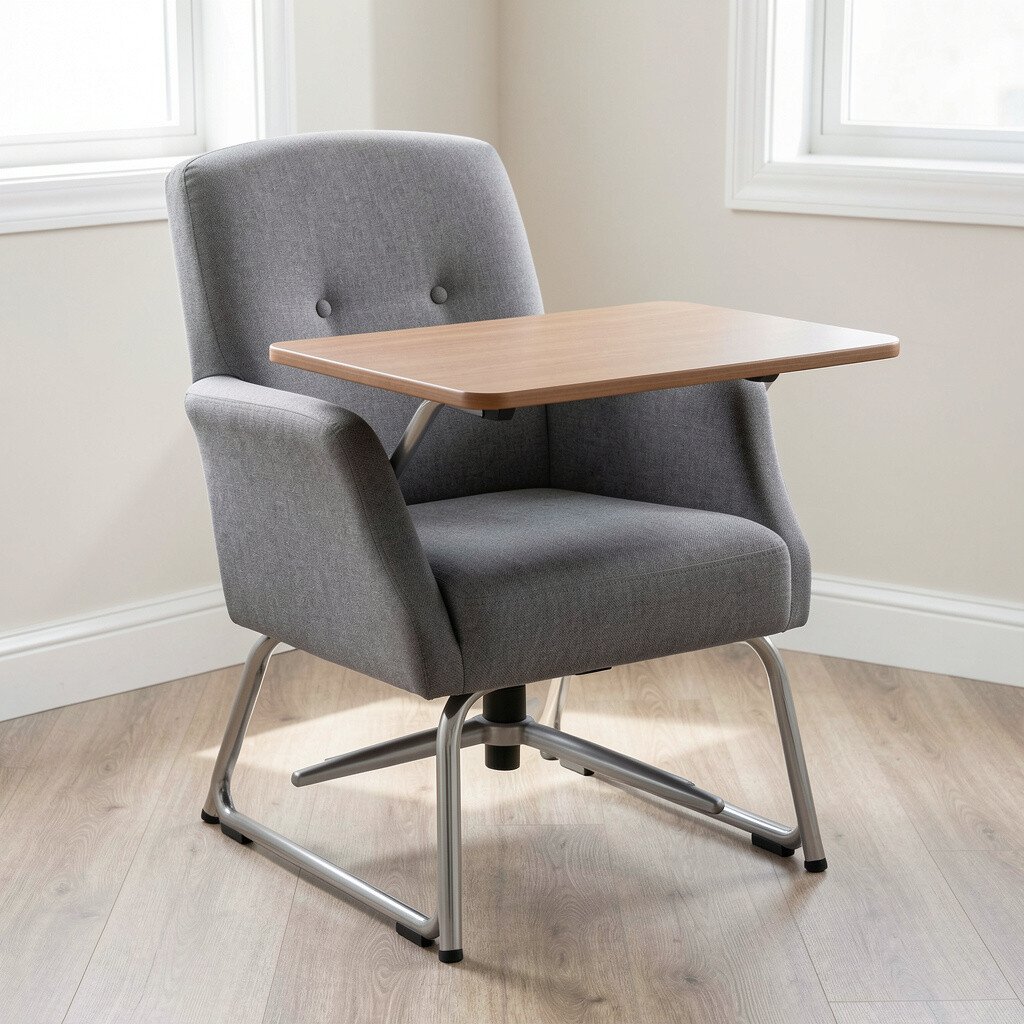
Imagine settling into a small accent chair that feels like a cozy reading spot. When you add a removable lap desk, your note-taking setup becomes instant and practical.
This can work beautifully for essays, brainstorming, and reading long chapters. Choose a chair with a supportive back and enough depth so you do not sink too far. Keep a lap desk with a lip edge so your pages do not slide around.
Accent chairs are trending because they make study corners look like real living spaces, not just functional rooms. Personalize it with a throw blanket, a mug warmer if your area gets chilly, and a soft organizer tray for pens. For cost, you can start with a chair you already like and buy a lap desk separately.
11. The Ergonomic Chair Matched to Your Desk Height

Comfort often comes from the fit between your chair and your desk. When the heights match, your body does less guessing and your work feels easier from the first minute.
Start by setting your chair so your feet rest flat and your thighs feel supported. If your desk is too high, use a footrest or adjust your chair height until your shoulders stay relaxed. Keep your screen at eye level with a simple stand, so you do not lean forward.
This idea is especially helpful for small spaces where you might not be able to swap furniture easily. For personalization, add a cushion in a color that makes you feel calm and ready. You can often achieve a great fit without buying a new chair by adjusting what you already have.
12. The Bean Bag Chair With a Firm Core Insert
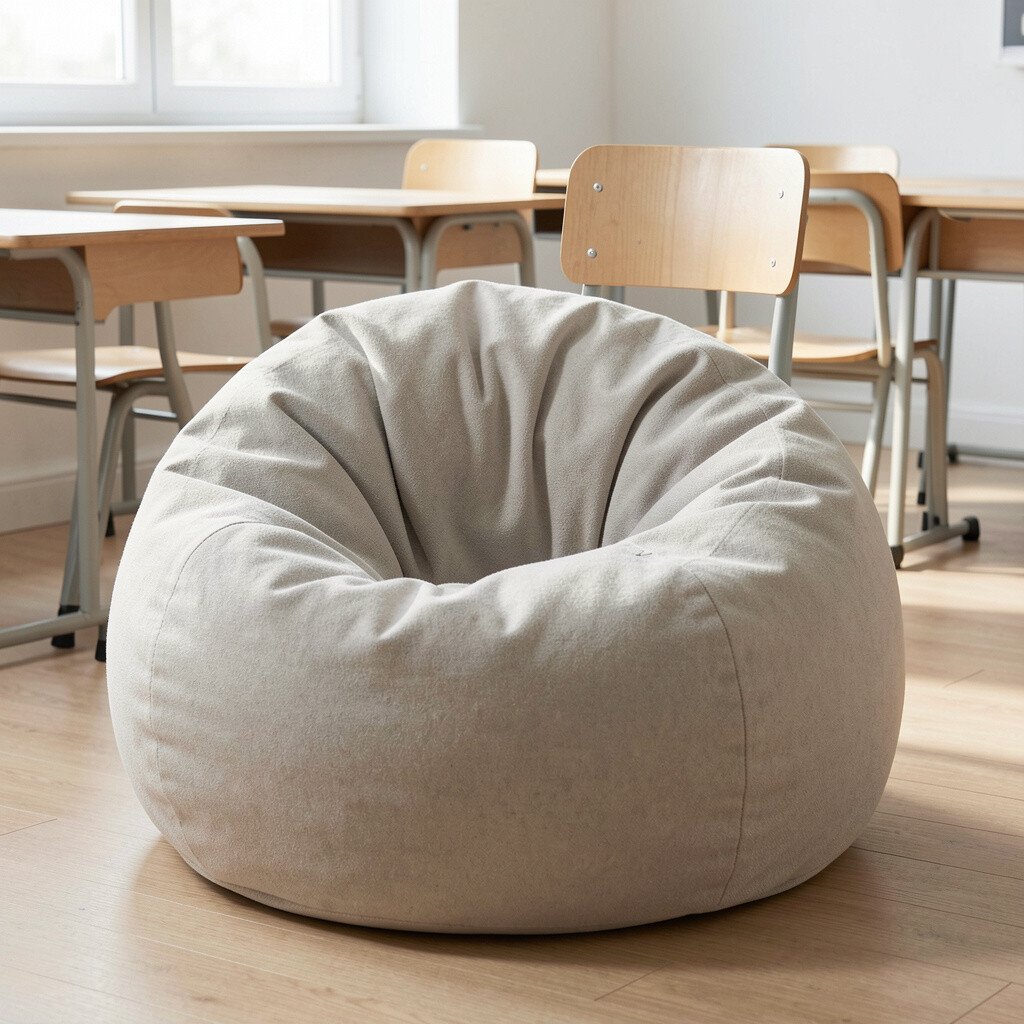
Bean bag chairs are fun, but comfort improves a lot when you add a firmer core. That extra support helps you stay steady while you type, write, or review flashcards.
For study, choose a bean bag with a size that keeps your hips from sinking too low. Place a supportive back cushion behind you if the chair feels too soft at the spine. Keep a non-slip mat under it so the base stays put on your floor.
This is a playful trend in casual study corners, especially for students who love relaxed vibes. Personalize it with a patterned cover or a color that matches your room theme. Budget-wise, you can find great deals online, and you may even swap covers later to refresh your space.
13. The Traditional Office Chair With a Cozy Seat Cushion
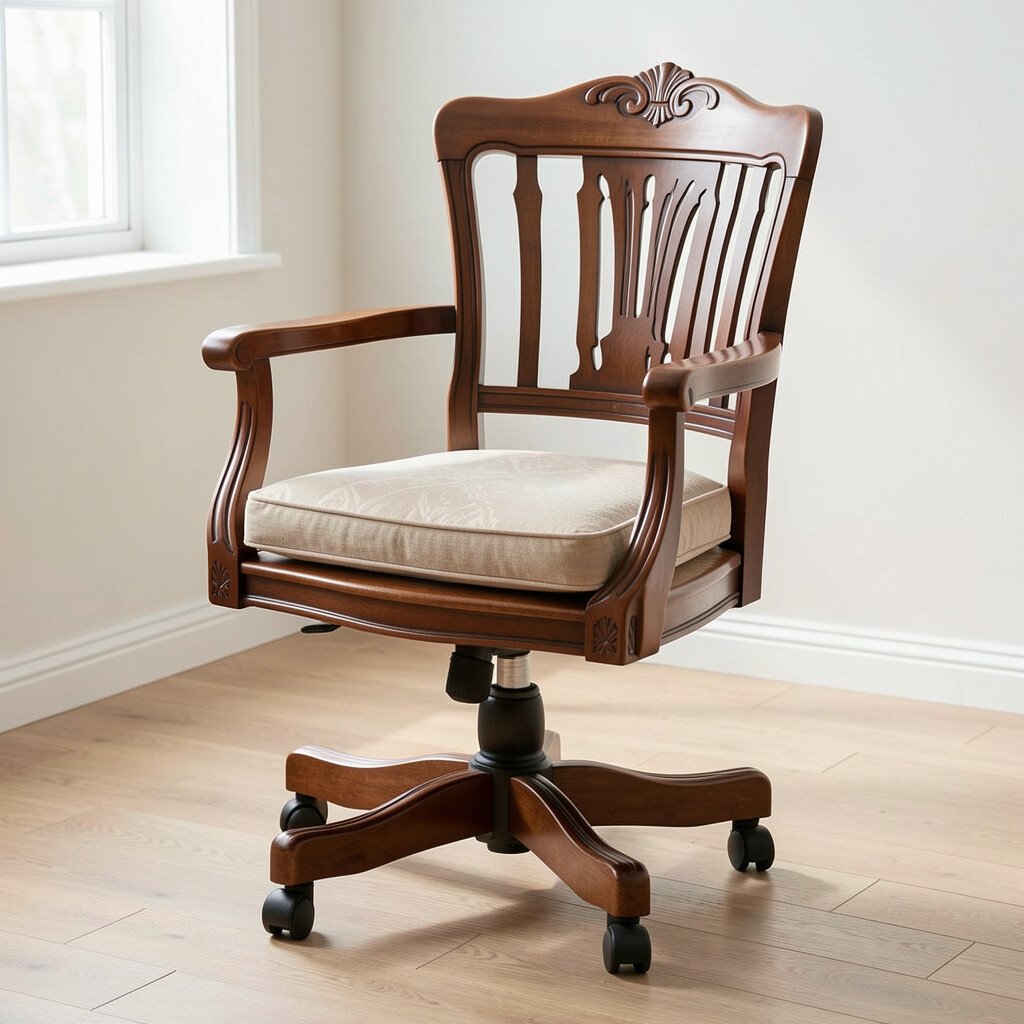
If you already have an office chair, you might be closer to comfort than you think. A supportive office frame plus a thick, cozy cushion can turn an average seat into a daily study favorite.
Use a cushion that provides pressure relief and supports your lower back with either built-in padding or a separate lumbar pillow. Keep your chair arms adjusted so your wrists do not bend awkwardly while you write. Add a small blanket draped over the back for warmth and a little style.
This approach fits current trends toward practical upgrades instead of full replacements. Personalize the look by choosing a cushion cover with your favorite pattern, like subtle dots or calming stripes. Costs stay manageable because you can buy only what is missing for comfort.
14. The Rocking Chair for Focused Reading Sessions

Picture a rocking chair that moves gently as you read, making pages feel slower and calmer. A steady rocking motion can help some students feel more settled and ready to focus.
Choose a rocking chair with sturdy supports and enough back padding for comfortable sitting. Use a footrest if the rocking makes your legs drift forward. Keep a small tray nearby for your water, books, and notes so you do not have to stretch often.
15. The Adjustable Height Stool for Desk Variety
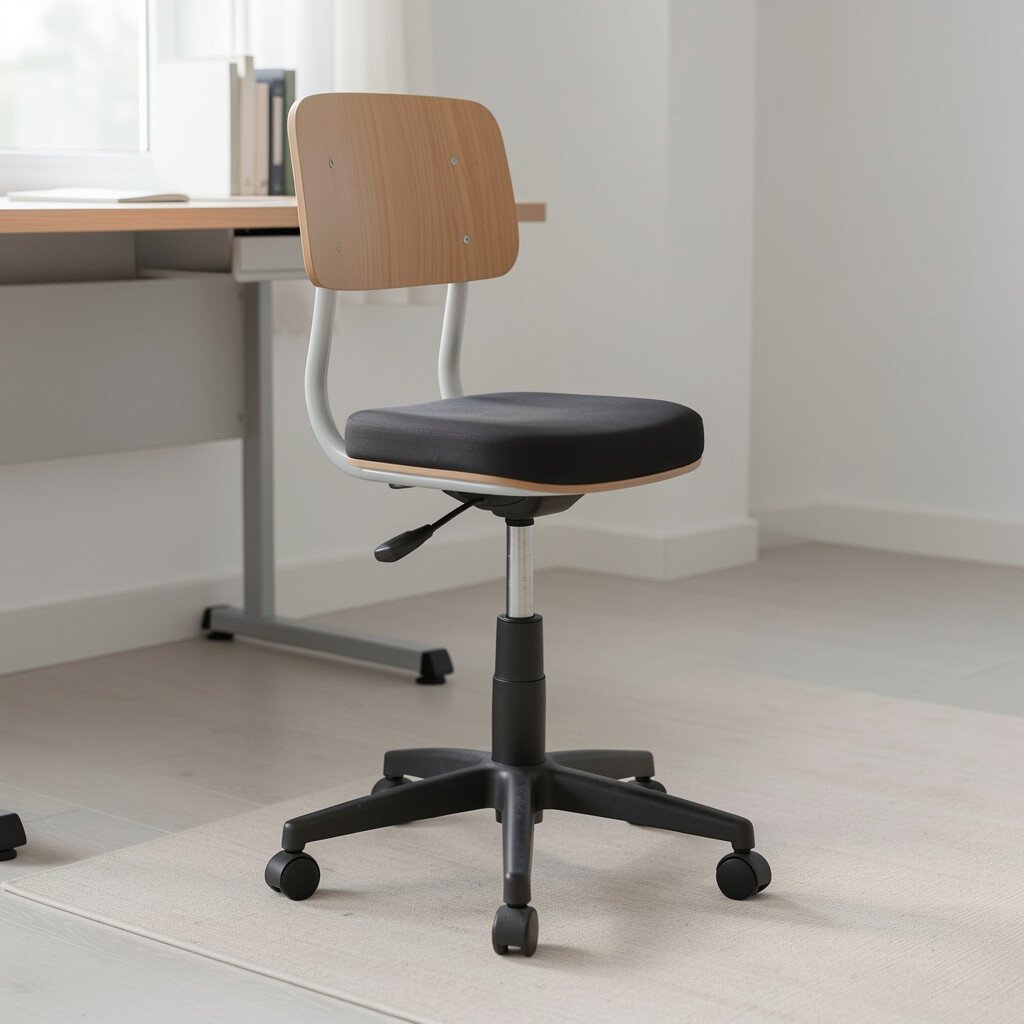
Some days you sit at your desk, and other days you switch to a higher setup for different tasks. An adjustable stool helps you match your body to whichever surface you use.
Look for a stool that locks securely at each height so you feel stable. Pair it with a comfortable seat pad and a back support if you prefer extra help. Keep your feet supported with a foot ring or a separate footrest so your legs stay relaxed.
This is a practical choice for students who study in different spots, like a kitchen table on busy days. Personalize it with a cushion cover that fits your style and makes your routine feel special. On cost, you can often find a sturdy adjustable stool for less than a full task chair.
16. The Comfortable Dining Chair With Posture-Friendly Add-Ons

Dining chairs are common, which is why they can be an easy starting point for studying. With a few add-ons, they can become surprisingly comfy for writing and reading.
Add a seat cushion with supportive foam and a small lumbar pillow to help your back feel guided. If the chair legs are too tall for your desk, use a sturdy footstool or stack of non-slip coasters with care. Keep a lap tray close so you can work without leaning too far forward.
This idea also matches a current trend toward using what you already own. Personalize the experience with a slipcover, chair pad, or decorative throw that makes the room feel inviting. Budget stays low because you are upgrading comfort rather than replacing furniture.
17. The Massage-Style Seat Chair With a Simple Power Option

Imagine a chair that gives gentle vibration or massage-like relief when you need it most. For some students, that small comfort can reduce restlessness and help them settle into focus.
Look for a seat cushion or chair with multiple intensity settings and an easy power option near your desk. Make sure the chair still supports your spine even when the massage feature is on. Keep cords tucked safely so you do not snag them during busy note-taking.
This is a fun modern option that fits the trend of comfort tech in home workspaces. Personalize it by choosing a cover that matches your room and feels good to touch. Cost can vary a lot, so compare prices between chair models and cushion versions before buying.
18. The Chair With a Built-In Footrest for Long Study Blocks

A built-in footrest can make studying feel more natural, like your body has found its resting spot. When your feet are supported, your legs stop fidgeting and your focus stays steadier.
Choose a chair with a footrest at a comfortable angle and a seat that supports your hips. If your desk is adjustable, fine-tune the heights so your shoulders stay relaxed. Add a soft seat pad if the surface feels firm, since comfort at the base matters for long sessions.
This design is practical and can fit many study styles, from modern apartments to classic rooms. Personalize by matching the cushion to your stationery colors or by adding a small side organizer on the chair arm. Budget is often reasonable because footrest features appear on many mid-range chairs.
19. The Standing-Sit Chair for Quick Switches
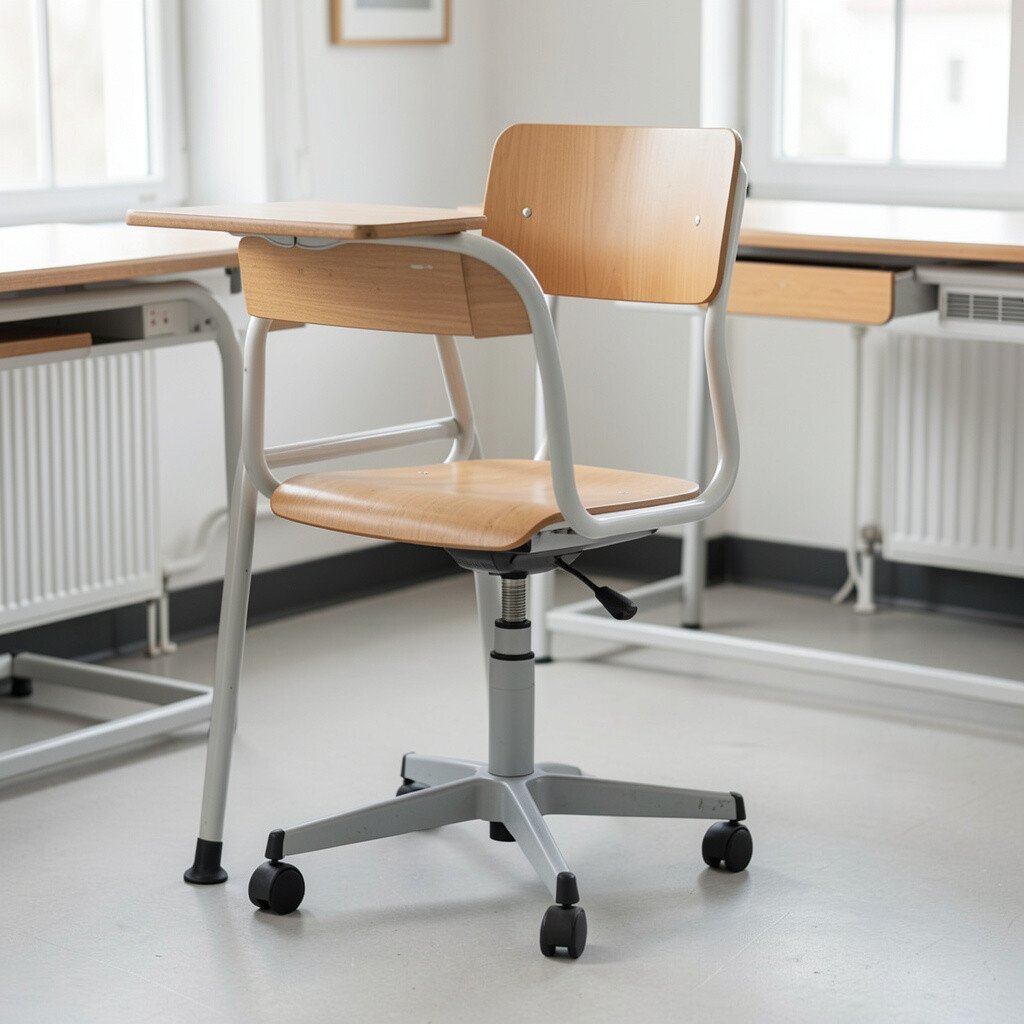
Some study days need quick changes, like moving from writing to browsing slides without feeling stiff. A standing-sit chair gives you the option to shift positions and keep blood flowing.
Pick one with a stable base and smooth height adjustment so you can switch safely. Use it at a desk height that supports your arms at a comfortable level, not one that forces your shoulders up. Add a cushioned mat if your floor feels hard, since standing time can add up.
This setup fits current health-focused trends that encourage movement during focused work. Personalize it by keeping a small towel for sweat and a simple water bottle holder nearby. Costs depend on the model, so compare alternatives like adjustable stools or simpler posture chairs if you are watching your budget.
20. The Chair With a Cozy Backrest Pillow and Desk Organizer

Sometimes the simplest setup feels the best, especially when you add a supportive backrest pillow. That extra comfort helps your spine stay aligned while you concentrate on assignments and revision.
Pair the pillow with a chair that already has decent seat support, then add a desk organizer so you stop searching for supplies. Keep pens, sticky notes, and a highlighter in a spot you can reach without standing up. For personalization, choose a pillow cover that matches your desk accessories and makes you smile.
This is a current favorite because it combines comfort and order, two things that make studying smoother. If you want to manage costs, you can upgrade a basic chair with pillows and organizers rather than buying expensive furniture. Take a quick measurement before you shop so the pillow size fits your chair and gives you the exact level of support you want.