Your home is more than walls and floors. It’s the feeling you carry in every room.
Choosing a style sets the mood for how you live, host, and unwind each day.
1. Color That Tells a Story
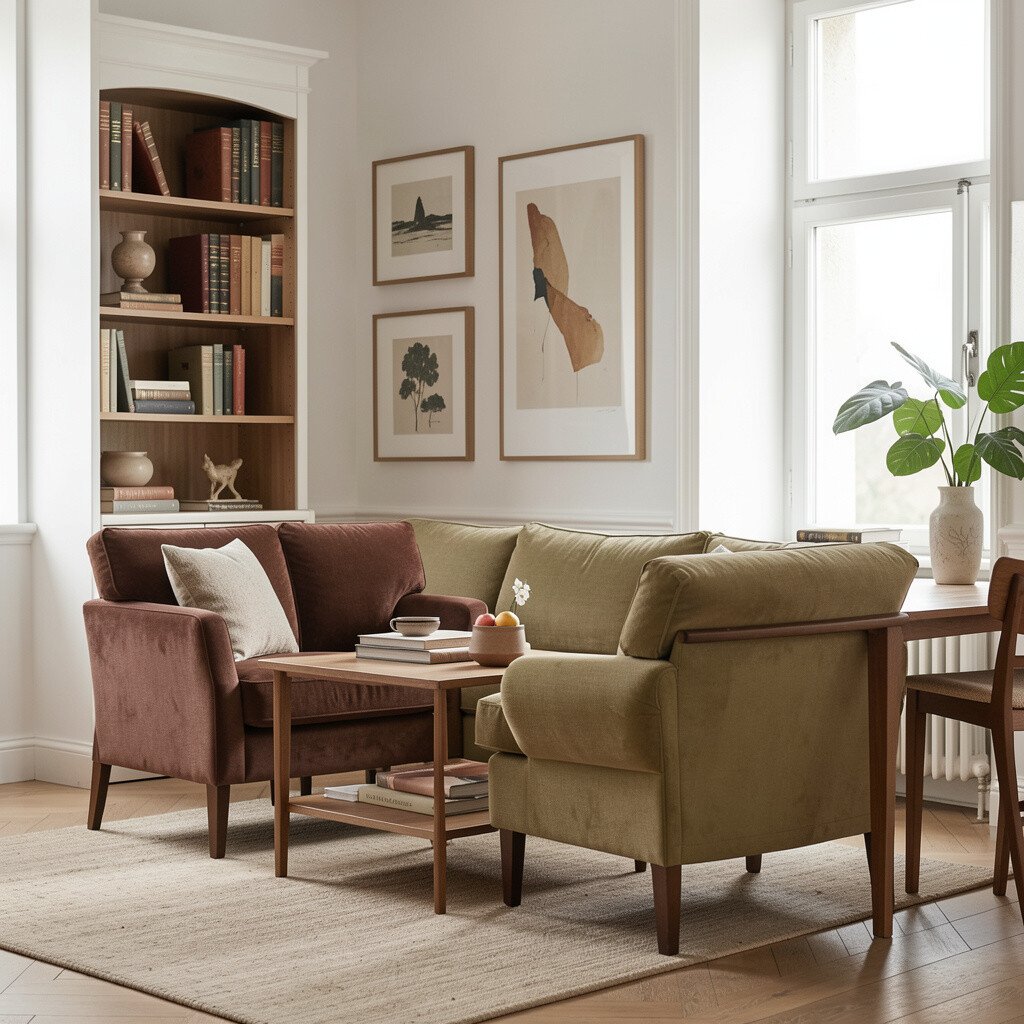
Stylish design often leans into bold, playful color choices. You might see deep greens, warm terracotta, or soft chalky pastels that make a room feel alive.
Traditional design tends to favor timeless shades like cream, beige, and muted wood tones. Stylish color can feel more personal because you can match it to your favorite art, textiles, or seasonal decor.
To keep it practical, start with one strong wall or a large rug, then carry the tones through smaller details like pillows, frames, and lamps. If you worry about cost, paint is one of the most budget-friendly upgrades, and it usually pays off fast.
2. Layout That Fits Your Daily Rhythm
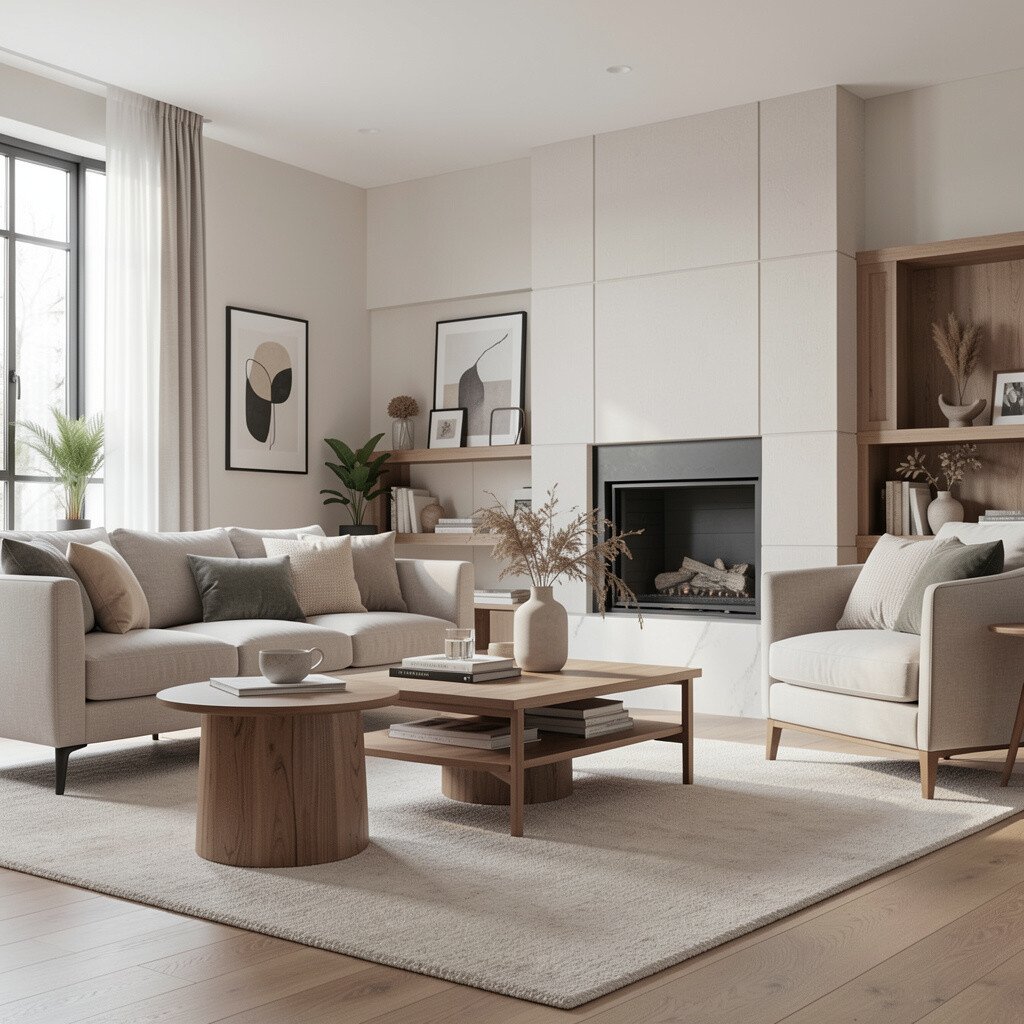
Stylish design looks at how you actually move through a home, not just how rooms look on paper. You may notice open sightlines, smarter storage, and seating placed for real conversation.
Traditional design often follows familiar room setups with clear boundaries and classic traffic paths. That can still work beautifully, especially if you love a formal feel and prefer privacy.
If you want a stylish layout without overspending, rearrange first and buy last. Measure your biggest pieces, test layouts on paper, and plan built-in storage only where it solves a clear problem like clutter or tight corners.
3. Lighting That Makes Even Simple Things Look Special
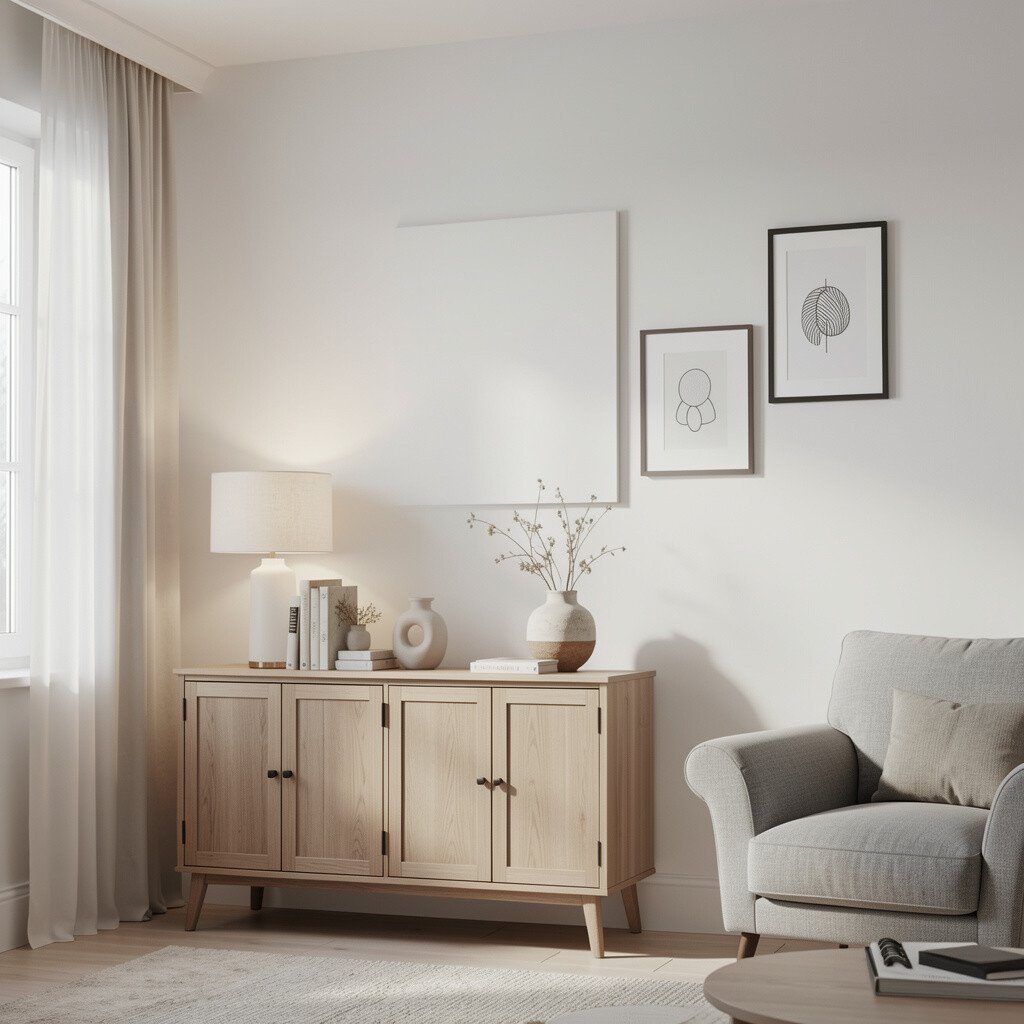
Stylish design loves layered lighting, so the room glows in more than one way. You might see pendant lights, wall sconces, and warm lamps working together for an easy, flattering mood.
Traditional design often uses one main fixture plus matching lamps for balance. It can feel cozy and steady, especially with shades in neutral fabrics.
For a modern-but-affordable approach, swap bulbs for warmer tones and add a dimmer if your wiring allows. Then match finishes like black, brushed brass, or matte nickel so your lighting looks intentional.
Current trends favor soft, warm light and sculptural fixtures that look like art. Pick one statement piece and keep the rest simple so the style stays clean.
4. Materials With Modern Texture
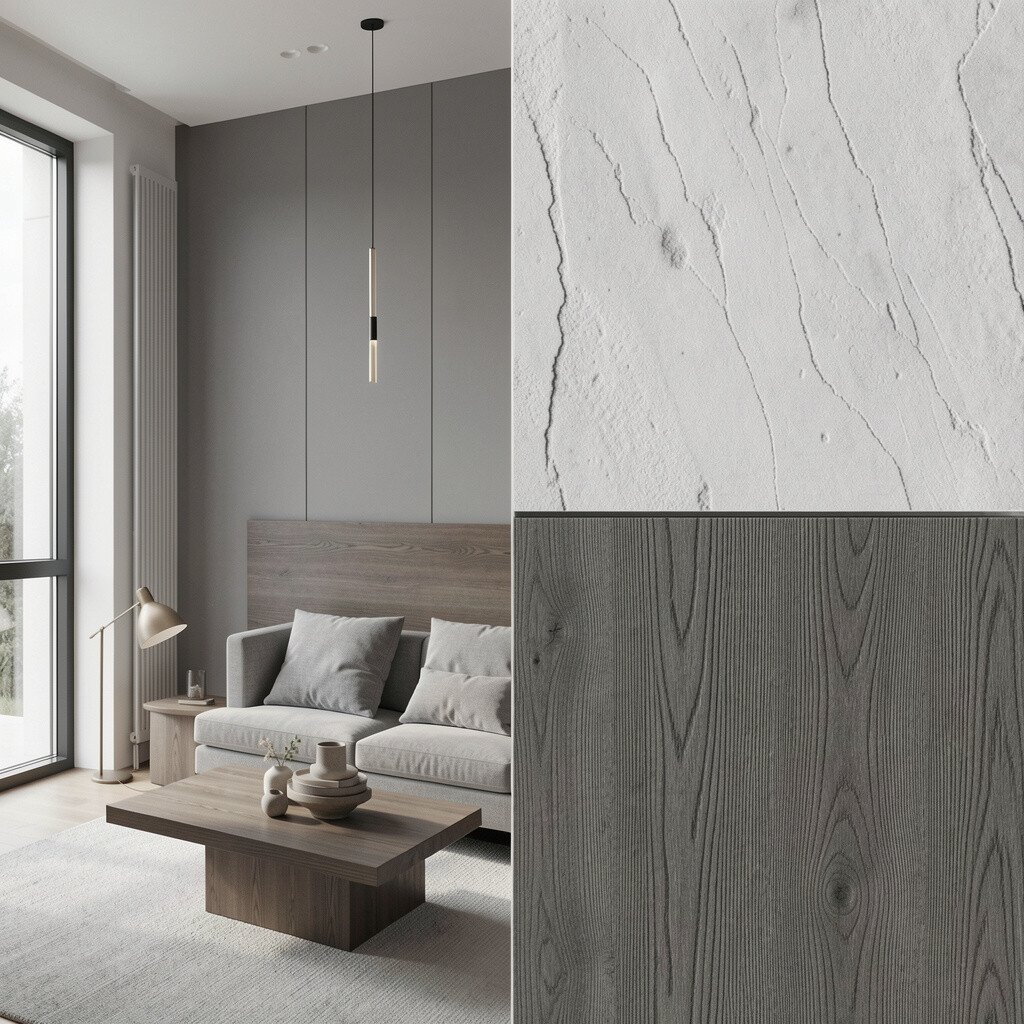
Stylish design frequently mixes materials to add touchable texture. Think smooth plaster walls, sleek tiles, natural wood, and gentle metal accents that catch light.
Traditional design often sticks to consistent textures like solid hardwood, classic molding, and familiar stone patterns. Those materials bring a sense of heritage and comfort.
If you want uniqueness without a full renovation, add texture through removable items. A patterned runner, textured curtains, or a woven accent chair can give the room depth while keeping costs under control.
5. Wall Treatments That Create Depth
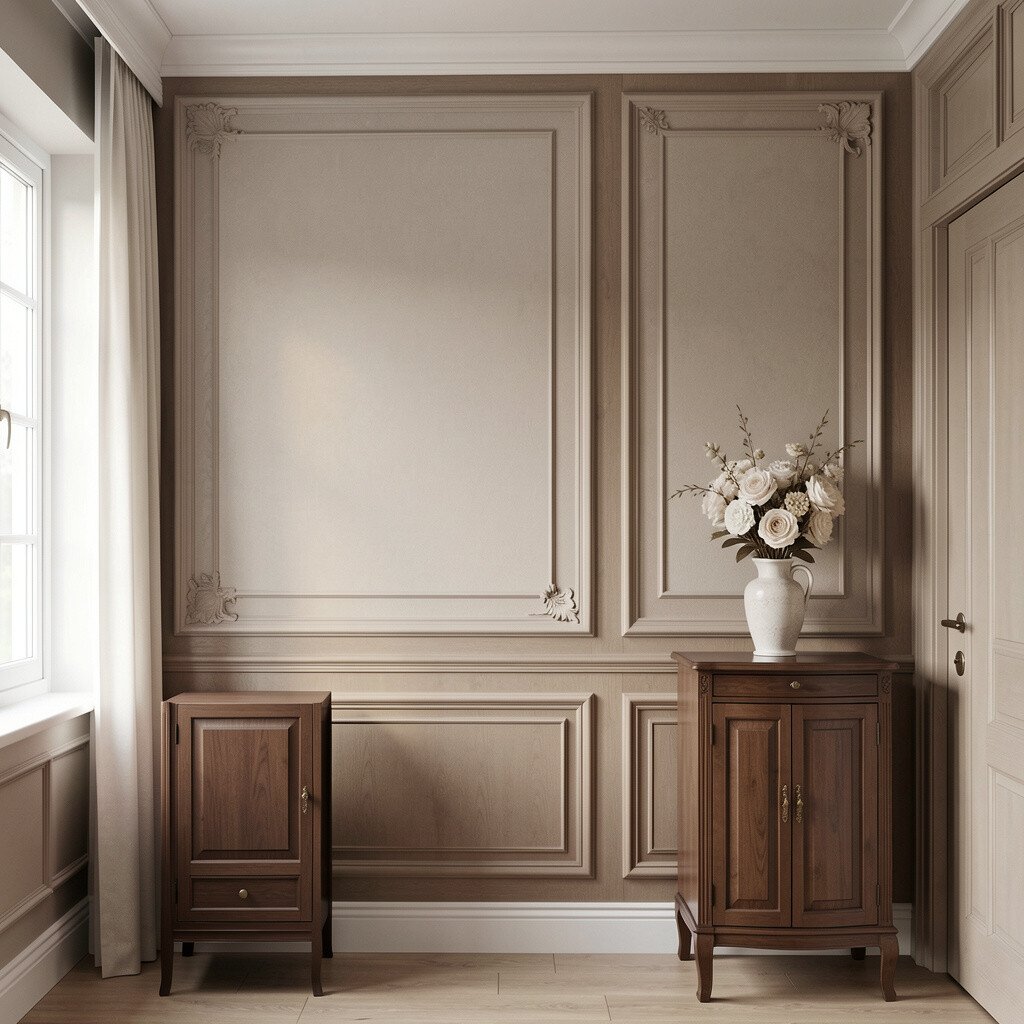
Stylish design can use statement walls to add depth and personality. You may see bold wallpaper, modern paneling, or textured finishes that make the room feel styled from every angle.
Traditional design usually leans toward paint, simple trim, and classic wall details. It’s calm and timeless, especially in spaces that need a soft, restful backdrop.
To personalize, choose a wall treatment that connects to what you already love, like your art colors or your favorite fabric. For cost considerations, removable wallpaper and peel-and-stick options can help you test the look before committing.
6. Furniture Lines That Feel Fresh
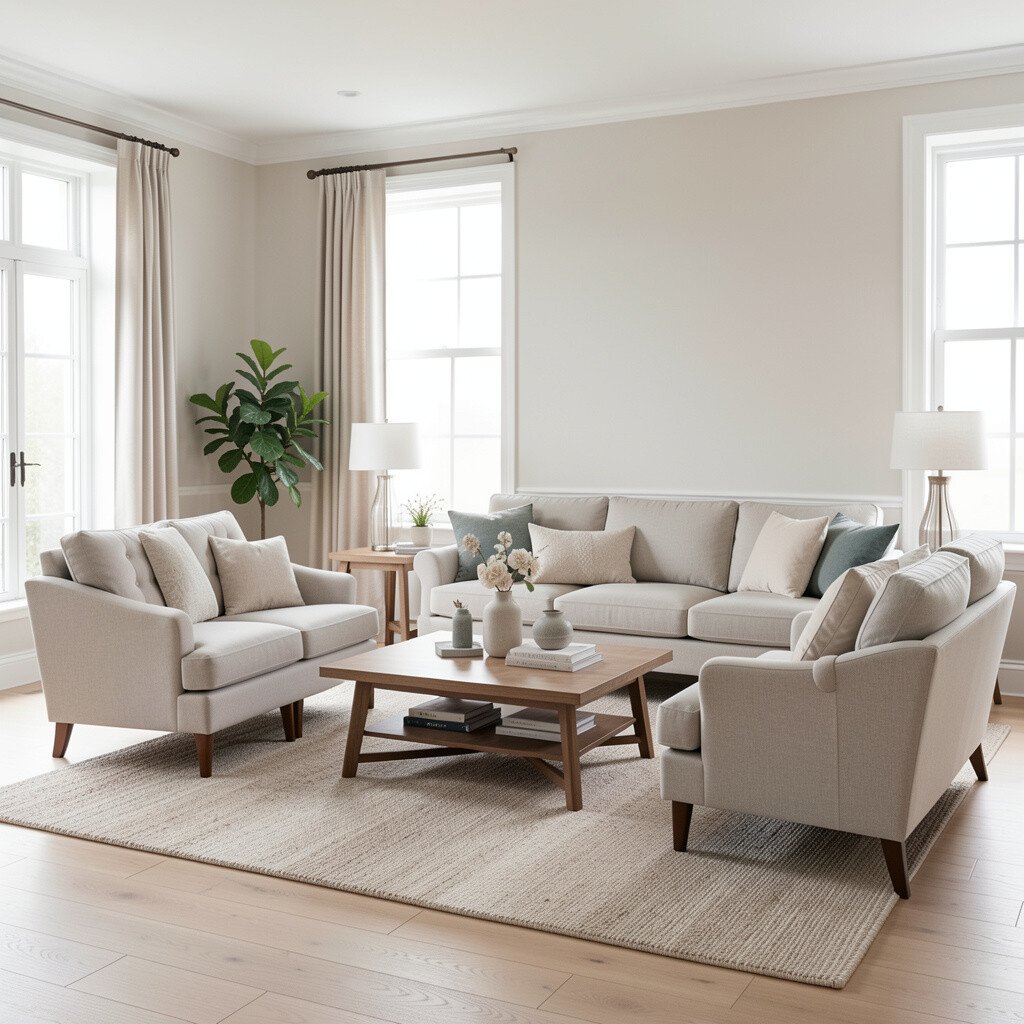
Stylish design often features furniture with cleaner lines and balanced proportions. You might notice low-profile sofas, armless chairs, and sleek media consoles that feel light and modern.
Traditional design leans into rounded edges, carved details, and upholstery that looks rich and familiar. That style feels grounded and inviting, especially with deep cushions and classic forms.
Start with the piece you use most, like the sofa or dining table, and then build around it. If you’re budgeting, choose timeless shapes first, then update covers and hardware to keep the look current.
7. Decor That Looks Curated, Not Crowded
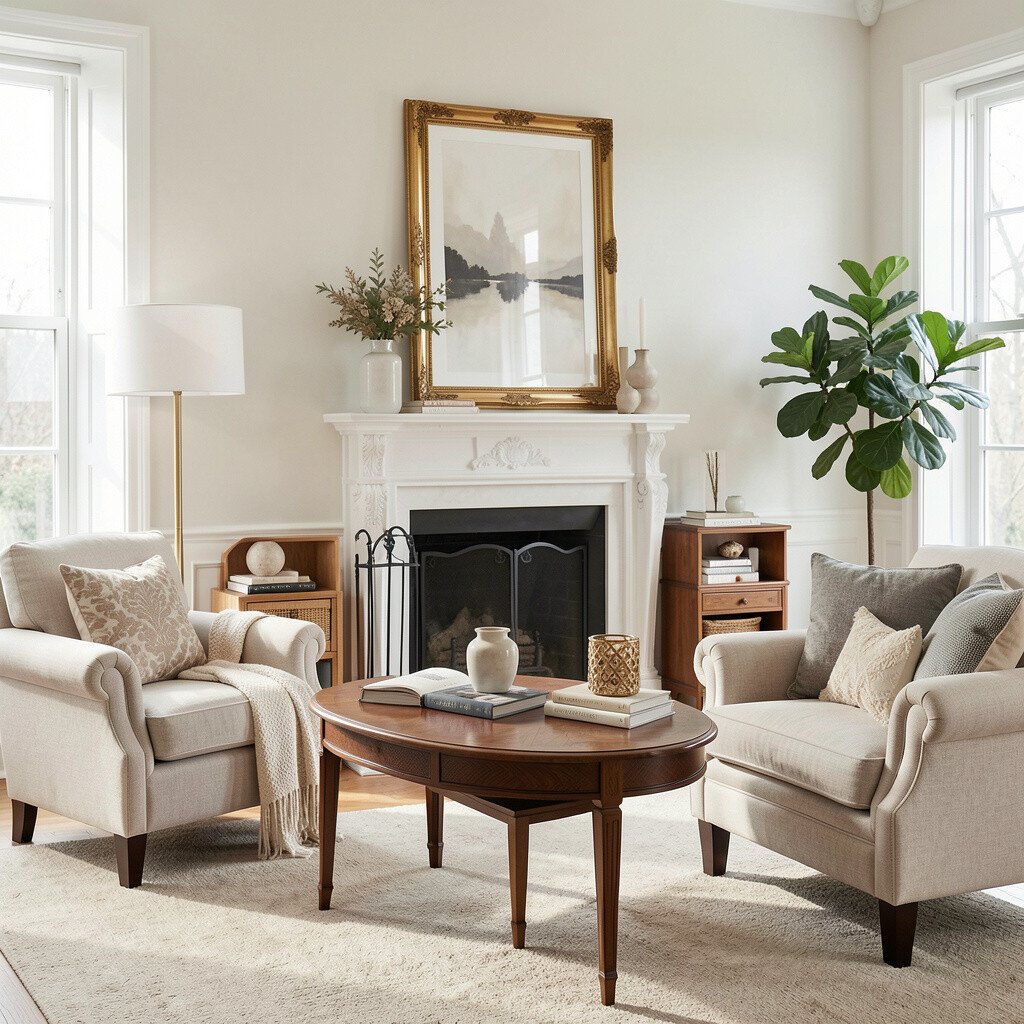
Stylish design usually aims for curated decor with breathing room. You might see fewer items, but each one feels purposeful, like a large art print or a carefully chosen vase.
Traditional design can include many meaningful objects, like family photos, heirlooms, and layered keepsakes. That can feel warm and personal, especially in homes where stories matter.
A practical way to personalize without clutter is to group items by color or size, then leave some space around them. Use trays for small things like keys or candles so surfaces stay neat and styled at the same time.
8. Storage That Disappears Into the Design
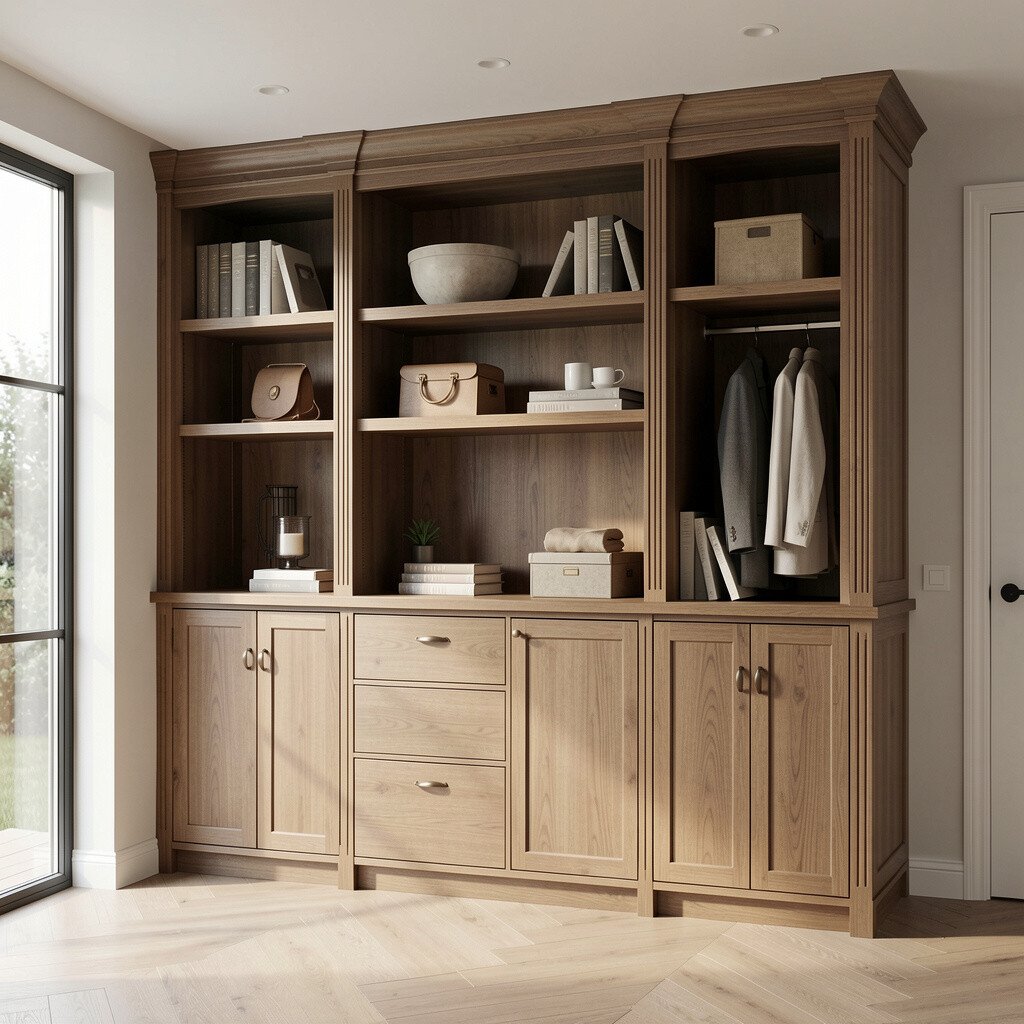
Stylish design often hides storage so rooms look calm and organized. You may notice built-in shelves, sleek cabinets, and doors that blend into the wall.
Traditional design uses storage too, but it often shows more detail. You might see open shelving, decorative cabinets, and furniture that doubles as display space.
If your goal is a cleaner look, begin with simple storage upgrades like bins, drawer dividers, and matching baskets. When you’re ready to spend more, add concealed storage in areas that always look messy, like entryways and kitchens.
9. Flooring Choices That Set the Tone
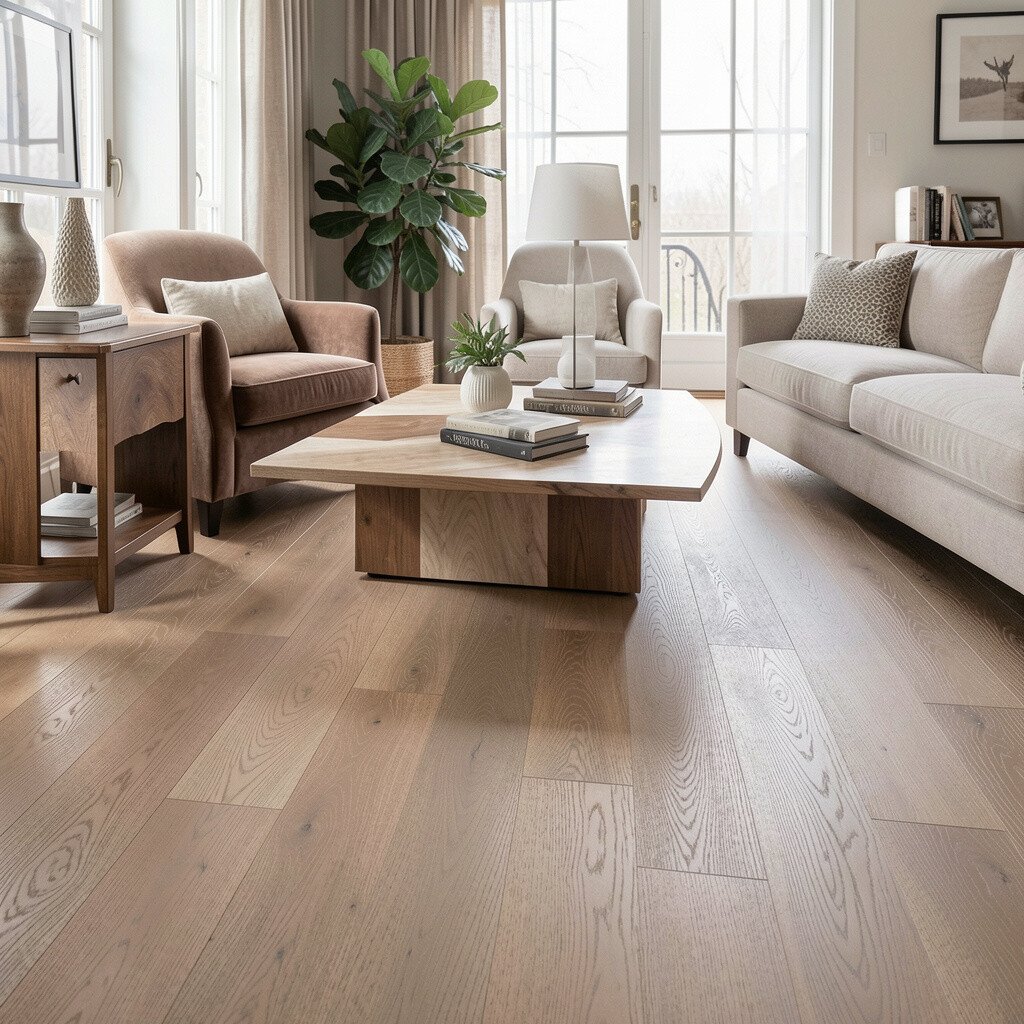
Stylish design often favors flooring that feels modern and easy to maintain. You might see wide-plank wood, sleek tile, or stain-resistant options that keep life moving smoothly.
Traditional design tends to lean toward classic hardwood patterns, smaller tile formats, or area rugs for warmth. That approach can feel cozy and elegant, especially in living rooms and bedrooms.
For practical tips, match your flooring choice to how you live. If you have pets or kids, prioritize durable finishes, and choose rugs that can be cleaned easily.
To control cost, consider refinishing existing floors before replacing them. It’s a satisfying upgrade that still supports a stylish look when paired with updated decor.
10. Window Styling With Personality
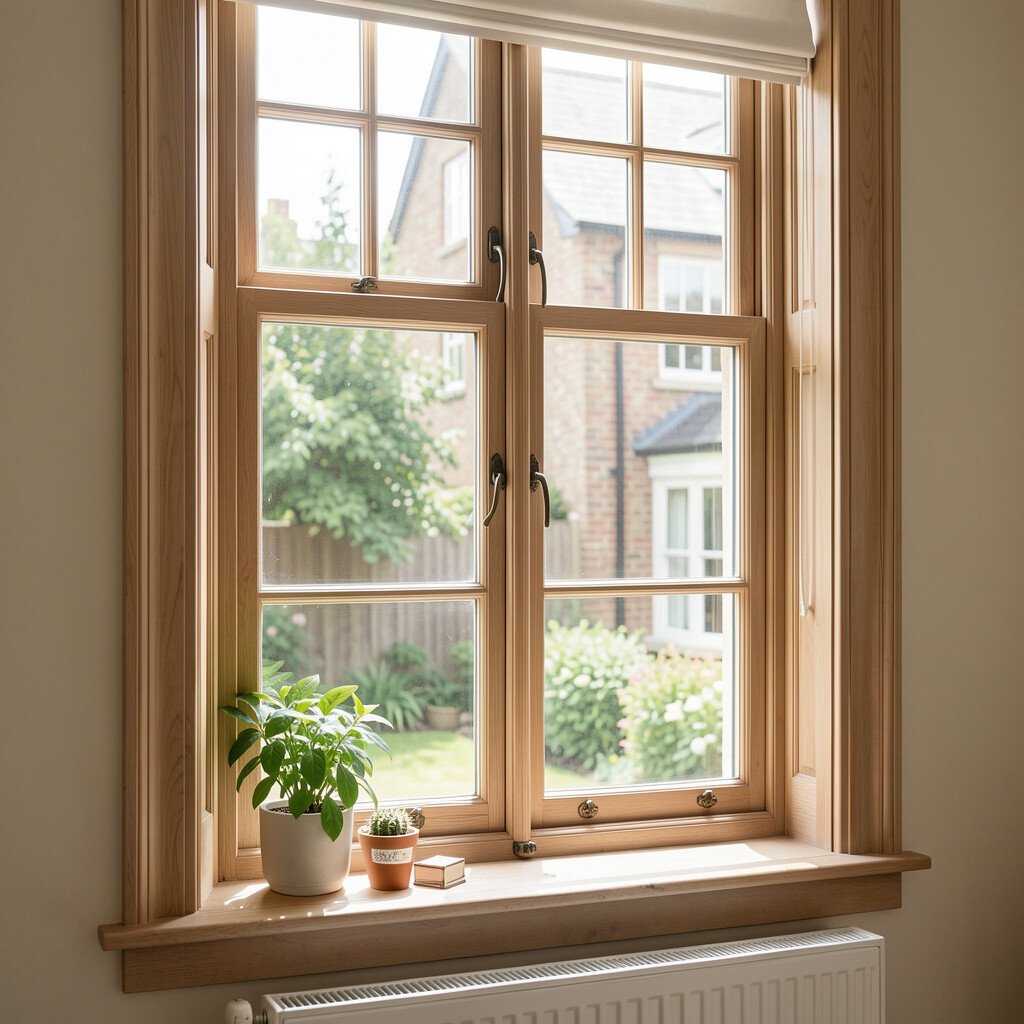
Stylish design pays attention to windows because they frame the whole room. You might see floor-to-ceiling curtains, modern roller shades, or layered treatments that add a soft finish.
Traditional design often uses classic drapes, valances, or Roman shades for a more traditional charm. The goal is usually a polished, finished look that feels familiar.
Personalize by choosing fabrics that match the mood you want, like linen for airy calm or thicker blends for warmth. For cost considerations, measure carefully and consider ready-made panels for a quick win.
11. Backsplashes That Feel Like Art
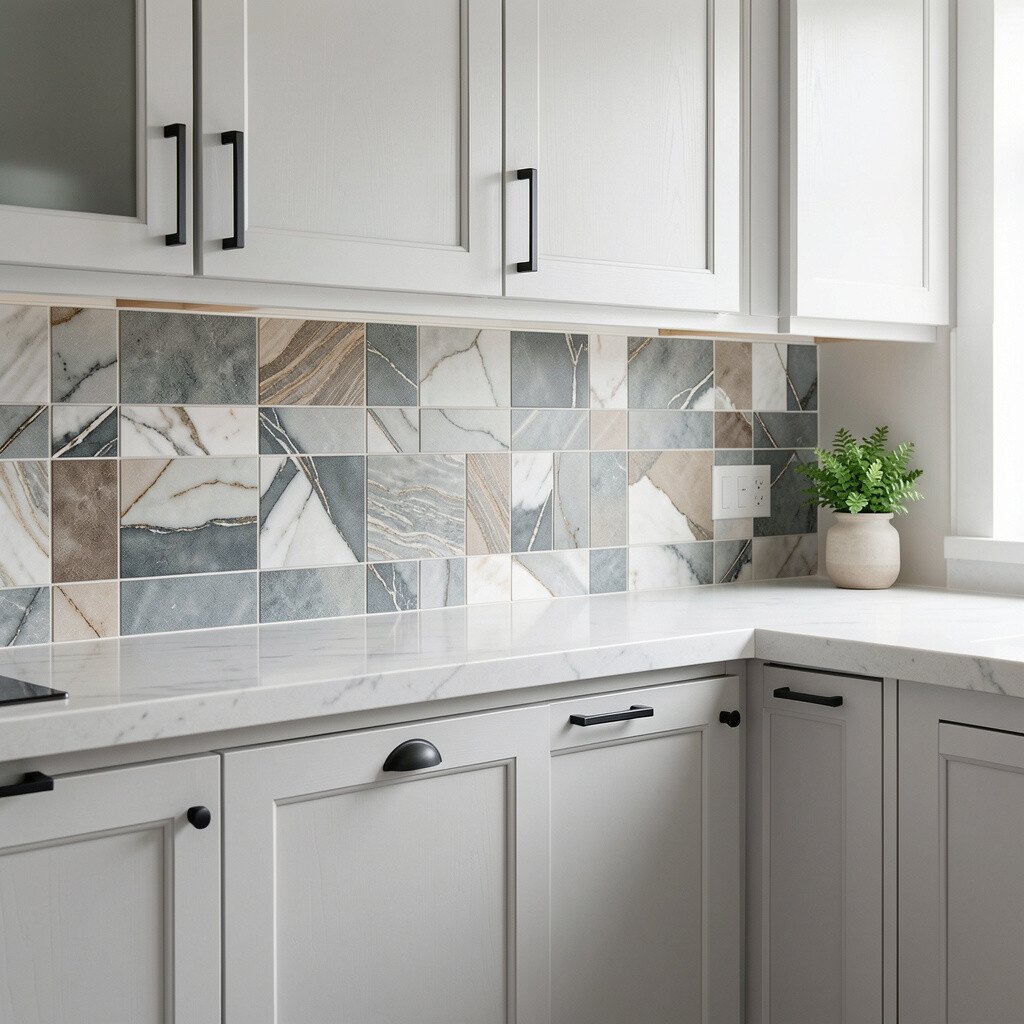
Stylish design uses backsplashes to add bold visual interest. You might see geometric tiles, sleek herringbone, or even subtle stone looks that make cooking feel nicer.
Traditional design often chooses simpler patterns, warm colors, and classic materials like subway tile. That style works well because it stays attractive for years.
If you want uniqueness on a manageable budget, start with peel-and-stick backsplash panels. Then upgrade to permanent tile only in areas where you want the highest impact, like behind the stove or sink.
Current trends lean toward warm neutrals, textured finishes, and a mix of matte and glossy surfaces. Choose a finish that won’t fight with your cabinets and countertops.
12. Modern Kitchens With Everyday Ease
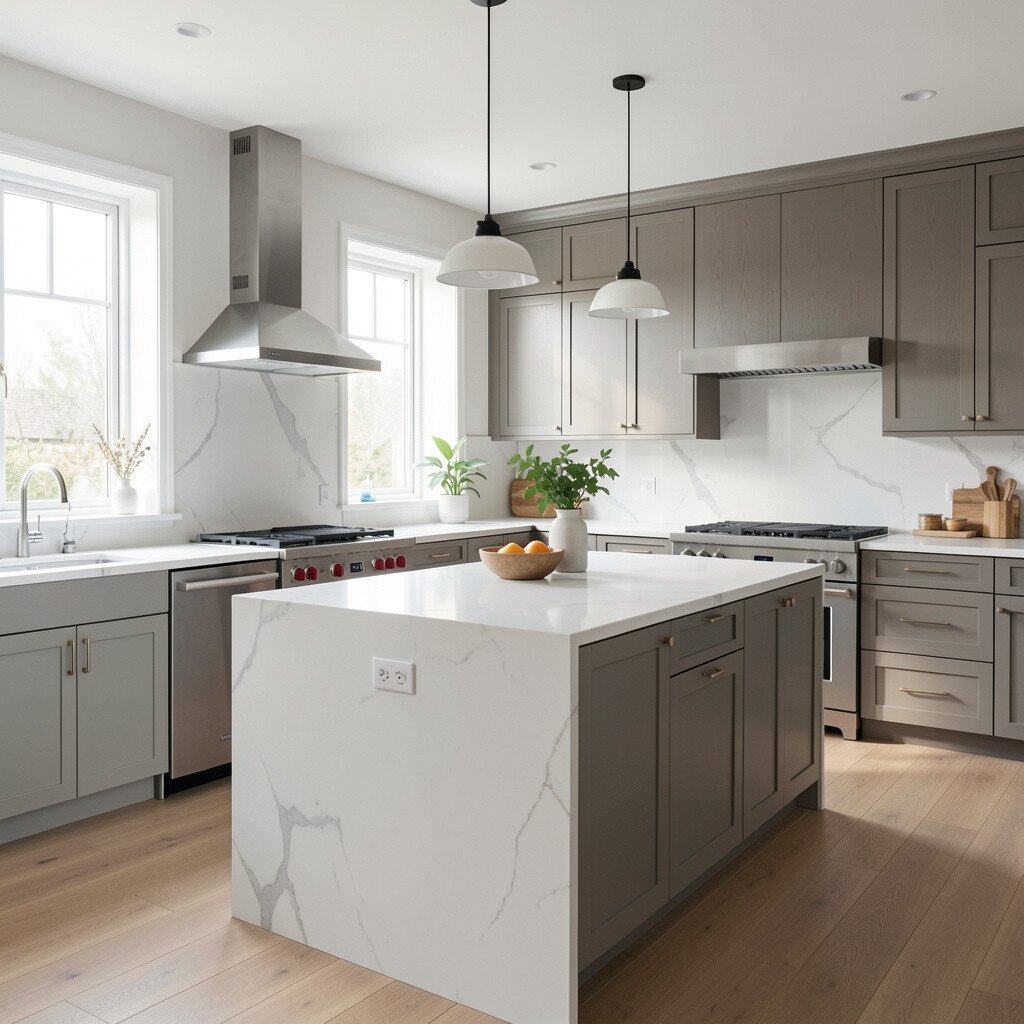
Stylish design kitchens often focus on smooth workflow and clean visuals. You may notice handleless cabinets, minimal hardware, and counters that feel uncluttered.
Traditional design kitchens feel welcoming and familiar, often with raised panel doors and classic lighting. They can still be functional, especially with thoughtful storage and durable materials.
For practical tips, reduce visible clutter first by using matching containers and drawer organizers. Then add personalization with open shelving, a patterned runner, or a standout faucet.
13. Bathrooms With a Spa-Like Mood
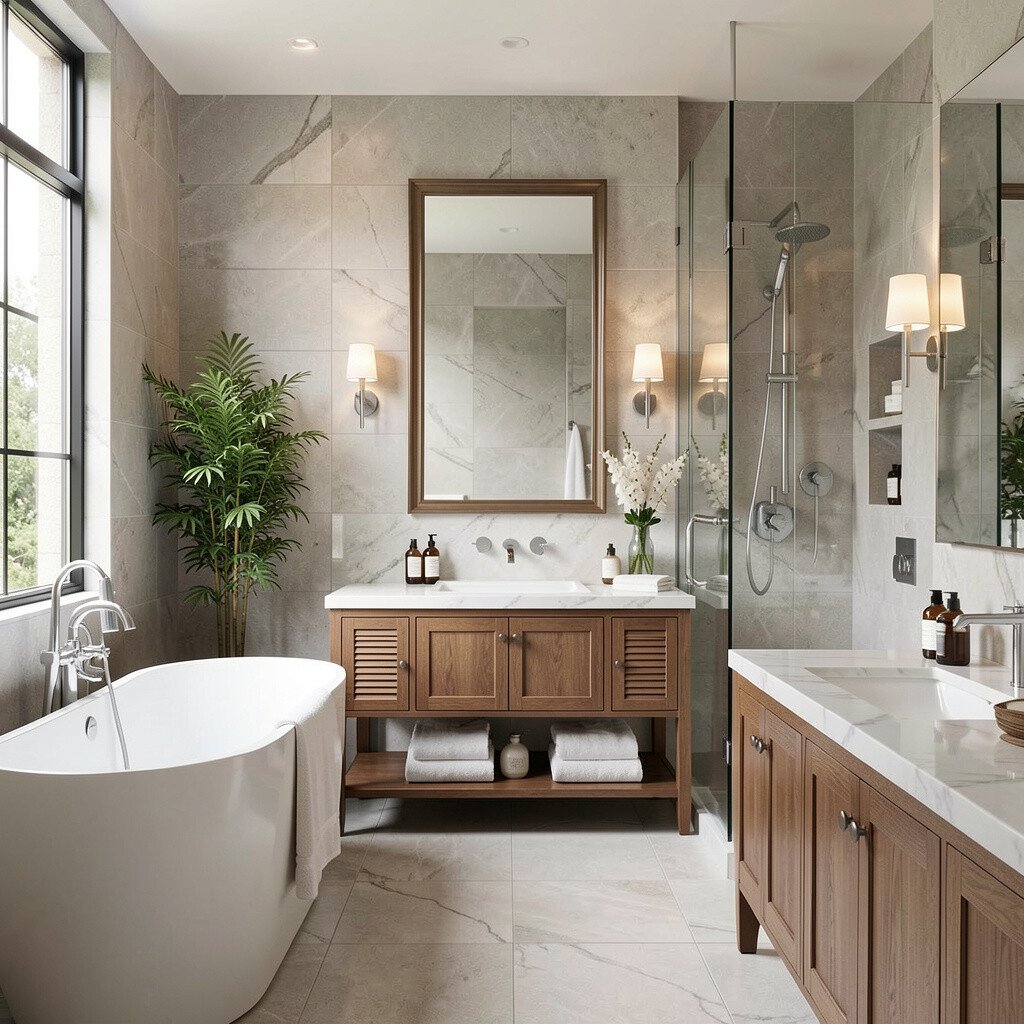
Stylish design bathrooms aim for calm and clean lines. You might see large-format tiles, frameless glass, and modern fixtures that look crisp and bright.
Traditional design bathrooms can feel timeless with classic vanities, framed mirrors, and traditional tile styles. That approach gives a familiar comfort, especially when finished with warm tones.
To personalize without heavy spending, update mirror shapes, switch out lighting, and add a simple towel strategy with color coordination. For cost considerations, small fixture swaps usually cost less than tile changes but still make a big difference.
14. Entryways That Welcome With Intention
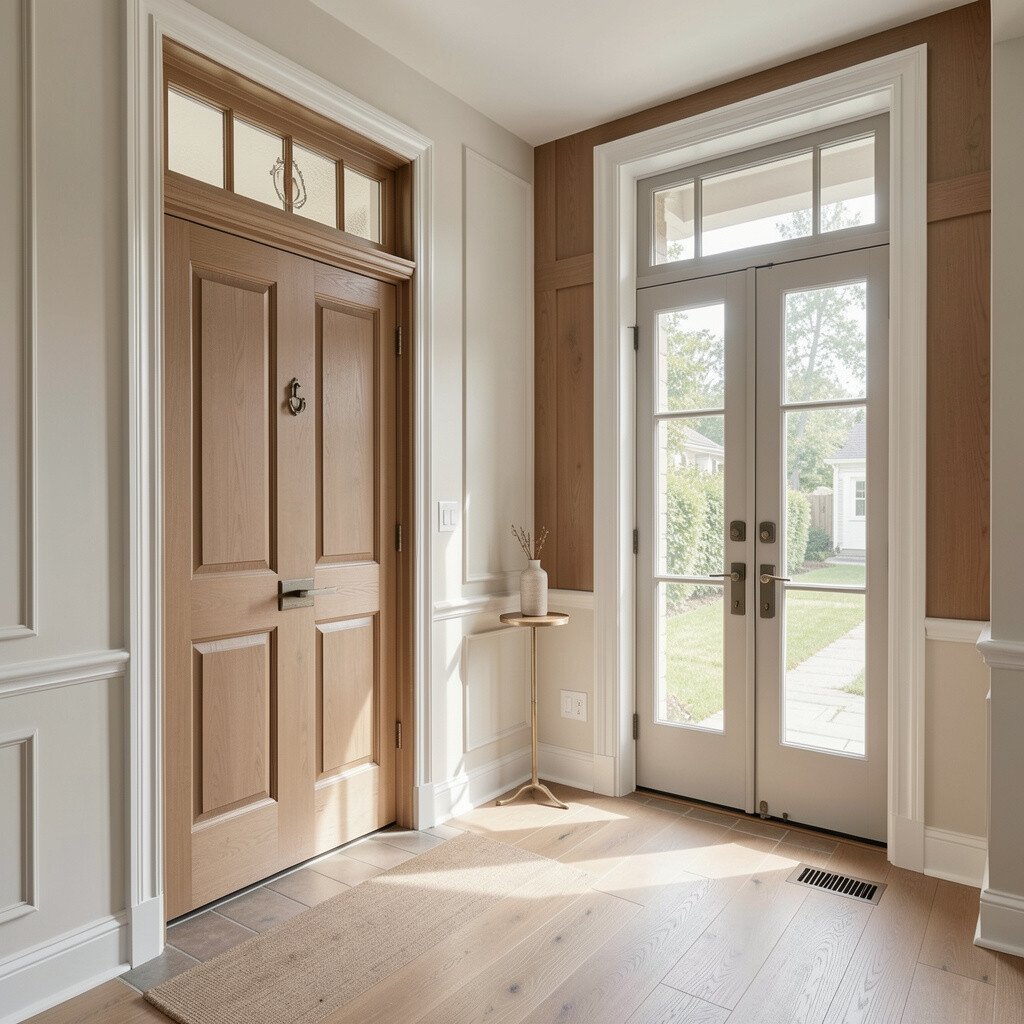
Stylish design entryways often feel organized and sleek from the first step inside. You may see a slim console table, a statement mirror, and hooks placed for real daily use.
Traditional design entryways often feel grand and classic. You might spot a traditional bench, decorative trim, and warm lighting that sets an elegant tone.
For practical tips, keep a landing zone for keys, mail, and shoes. Add a tray or basket, then choose one decorative element like a modern vase or a framed print to keep it stylish, not busy.
15. Bedrooms That Feel Cozy Yet Sleek
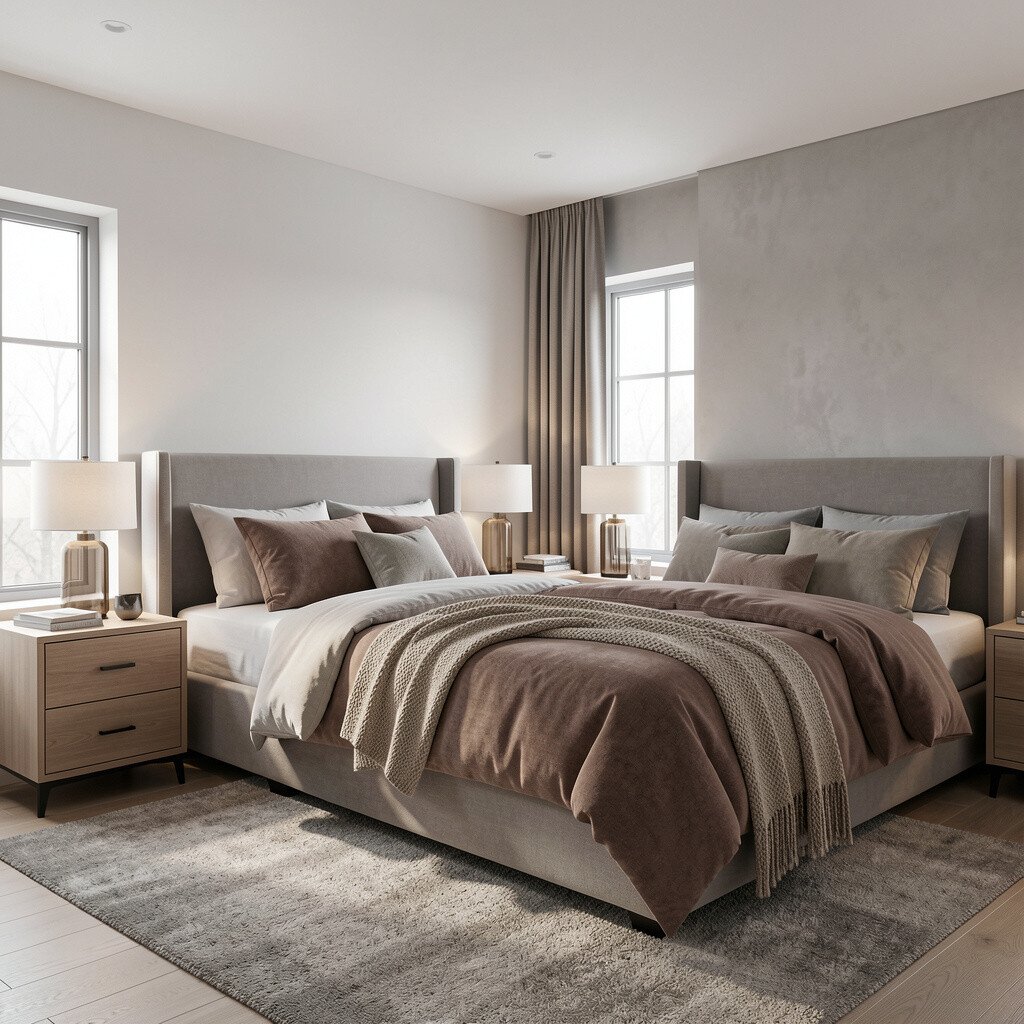
Stylish design bedrooms often balance soft textures with modern simplicity. You might see layered bedding, clean nightstands, and artwork that feels calm and intentional.
Traditional design bedrooms lean into classic details like panel bed frames and elegant drapery. It feels warm and comforting, especially with richer fabrics.
Personalize by choosing bedding colors that match your sleep mood, like cool blues for rest or warm neutrals for calm. If you want a cost-effective upgrade, replace pillows, add a throw, and refresh your curtains before buying bigger items.
Current trends favor restful colors, natural fibers, and simple wall styling that doesn’t overwhelm the room. Keep your palette steady so the bedroom feels like a retreat.
16. Outdoor Living That Matches the Interior Style
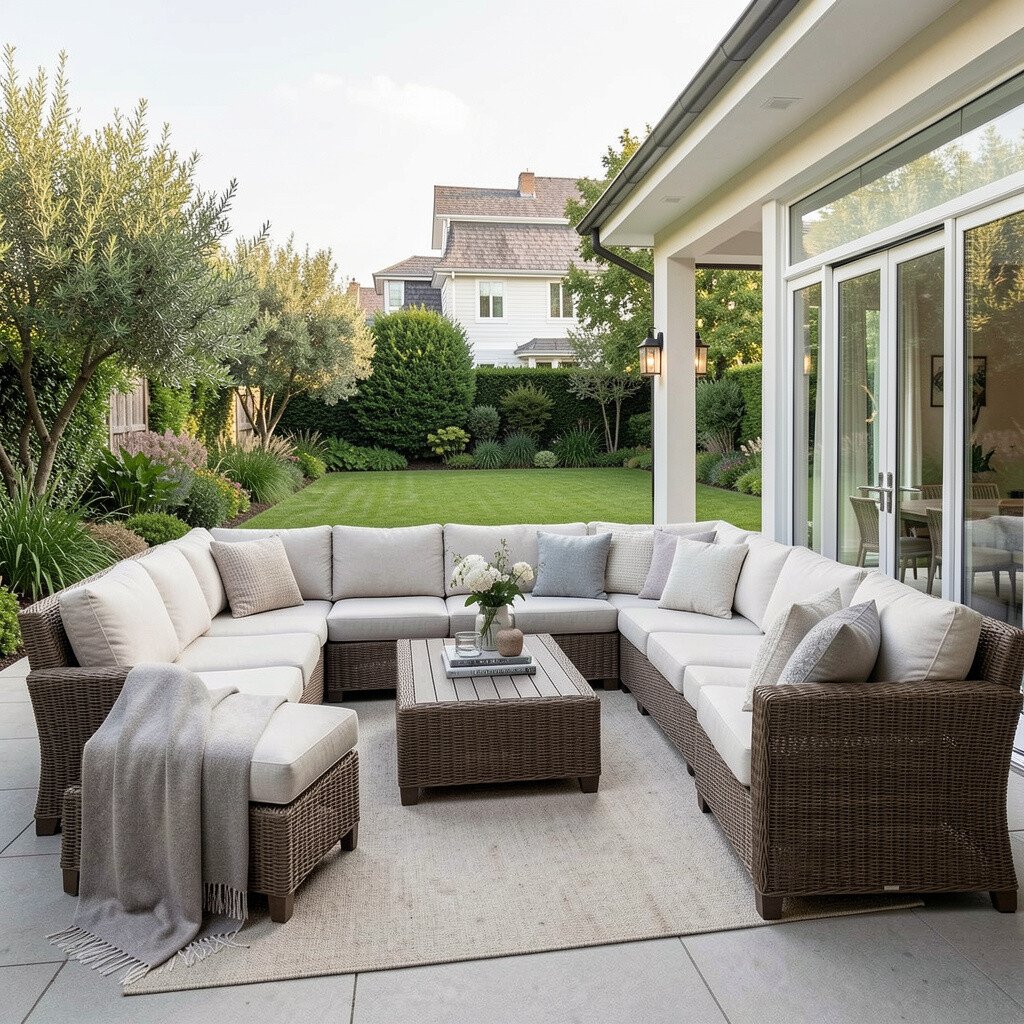
Stylish design extends beyond indoor rooms to patios, balconies, and outdoor seating. You might see modern planters, sleek lighting, and coordinated outdoor cushions.
Traditional design outdoor spaces often use classic furniture styles and familiar landscaping patterns. It feels inviting and grounded, especially with established trees and steady greenery.
For practical tips, unify the look by matching outdoor colors to what you use inside. Use weather-friendly fabrics, then add personalization with planters, string lights, and a small outdoor rug.
17. Smart Home Touches With Style
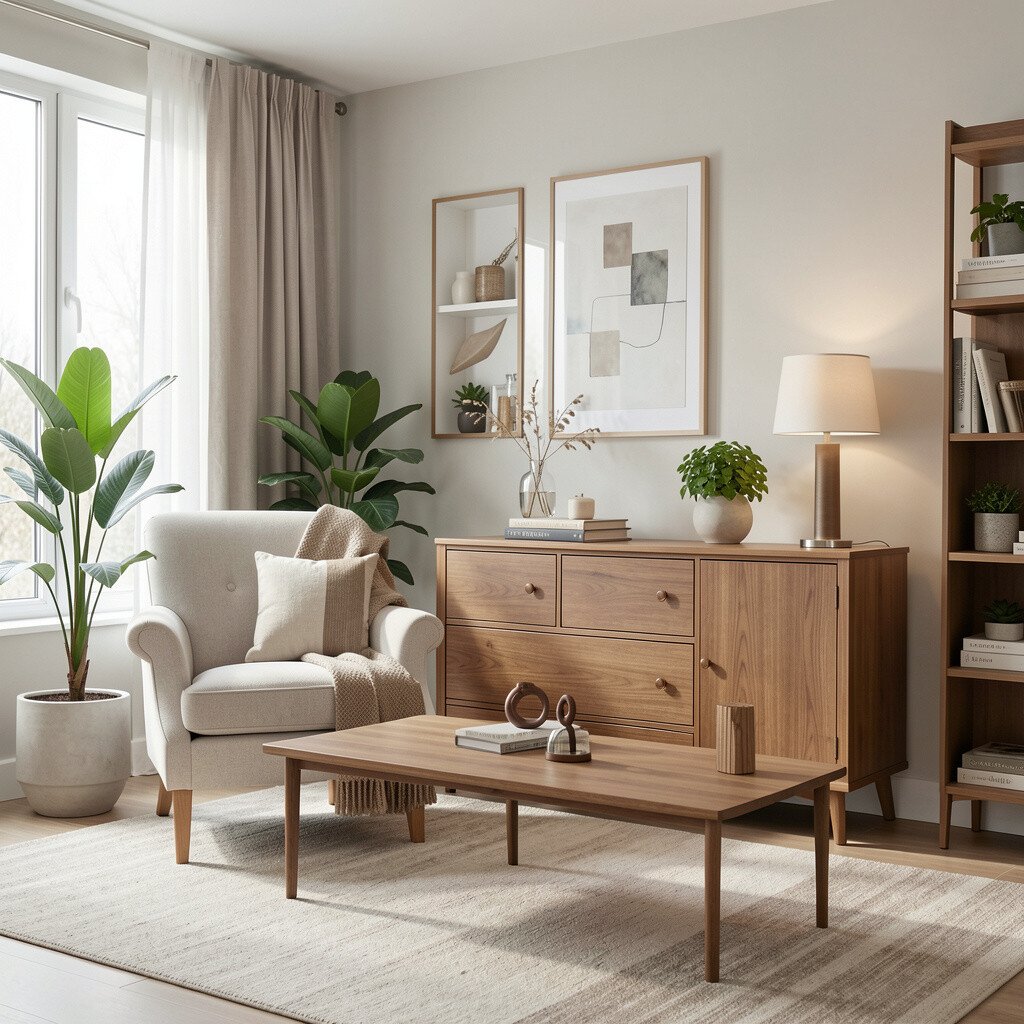
Stylish design often embraces smart features that look good and work smoothly. You might see hidden charging stations, sleek thermostats, and lighting controls that keep the ambiance perfect.
Traditional design can also benefit from smart upgrades, but it might hide them more. For example, you can place devices inside cabinets or choose classic-looking fixtures that blend in.
If you want a practical starting point, choose one upgrade that you’ll use daily, like smart lighting for the living room. For cost considerations, begin with a single room and expand only after you see how much it helps your routine.
18. Budget Plans That Keep the Look Worth It
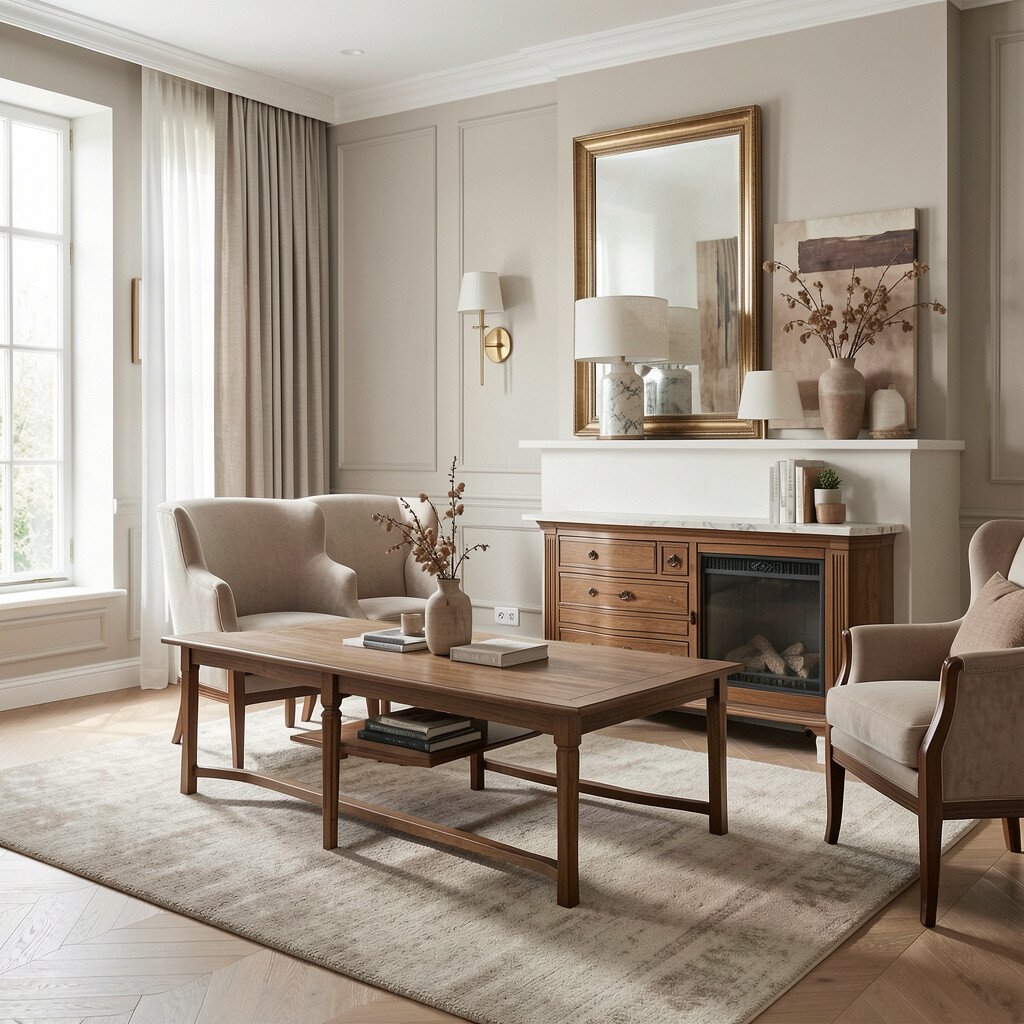
Stylish design can fit many budgets when you spend on what people notice most. Lighting, paint, floors, and hardware tend to create the biggest visual shift without requiring major demolition.
Traditional design can also be budget-smart when you focus on high-impact refreshes. Updating paint colors, adding new curtains, and polishing fixtures can make a traditional home feel fresh and cared for.
To personalize your plan, set priorities by room function, not by style pressure. Pick one or two upgrades for the first pass, then add smaller details like art, rugs, and cushions to complete the look.
When you compare both approaches, the best choice is the one that fits your daily life and your comfort. Choose the style that feels like you, then refine it over time with decisions that feel calm and confident.