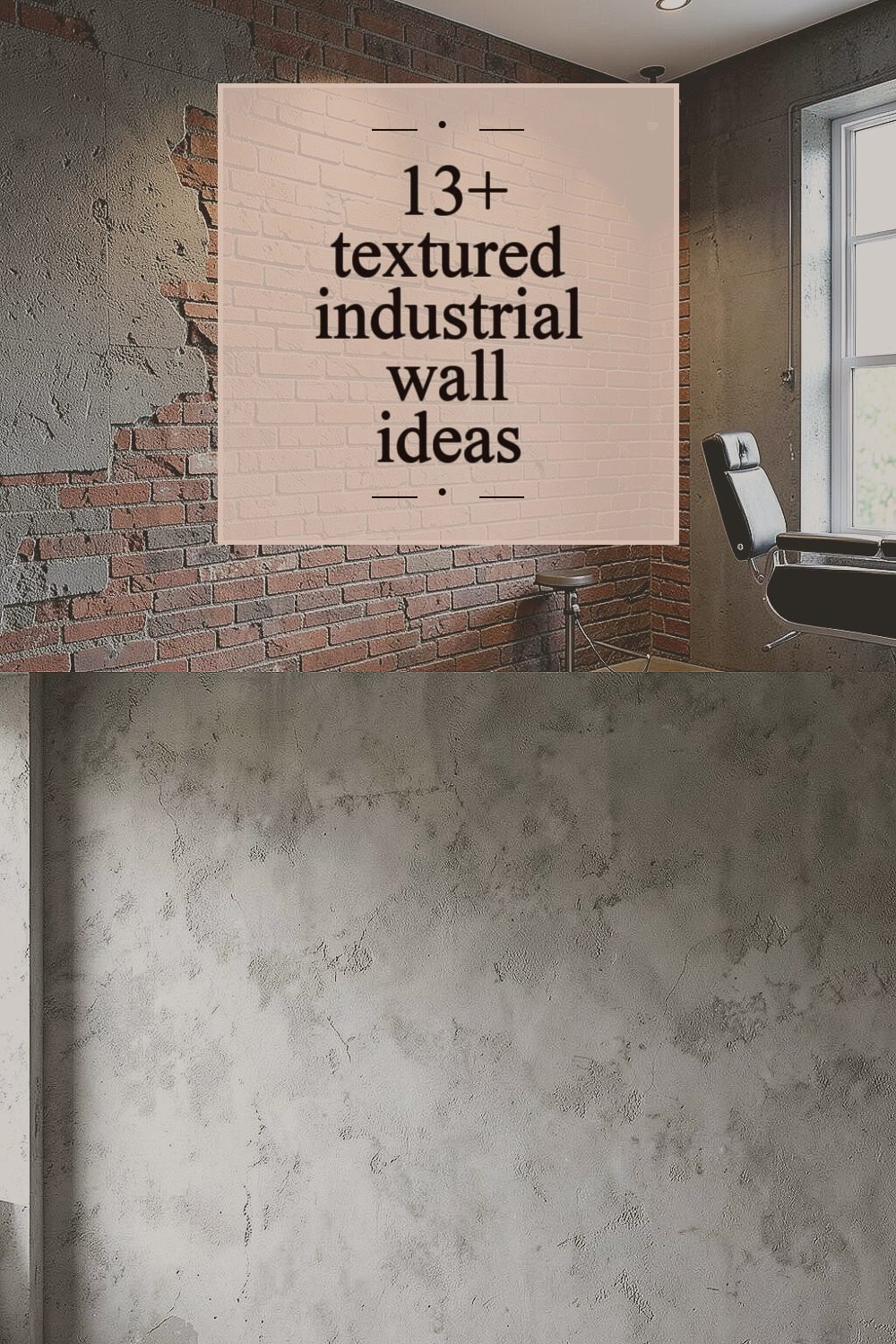
Industrial walls can make any styling session feel like a scene from a movie. With the right texture, your salon background gains character fast.
Below are wall ideas that bring grit, warmth, and drama without feeling cold or messy.
1. Exposed Brick With Soft Lighting

Brick already looks textured, so it instantly gives depth behind a client. When you pair it with warm bulbs, the whole area feels inviting instead of harsh.
You can keep the brick rough and natural, or you can lighten it with lime wash for a cleaner look. A simple practical trick is to hang mirrors or sconces so faces stay bright even when the wall is dark.
2. Cement Plaster With a Worn, Matte Finish

Cement plaster has that smooth-but-gritty surface that photographs beautifully. The matte look helps skin tones and hair colors stand out without glare.
Choose a neutral gray or warm taupe so it matches almost every chair and product color. For personalization, add a small strip of darker plaster in a vertical band near the styling area, which frames the client.
To keep it from feeling too blank, lightly vary the plaster thickness with trowel swirls. Plan for touch-ups, because small scuffs are normal and easy to repair when you use a cement-friendly top coat.
3. Reclaimed Wood Panels in a Vertical Pattern

Reclaimed wood brings texture with story, like old boards that have traveled far. The vertical pattern makes the wall feel taller, which is great when your salon is compact.
Use boards of similar thickness so the installation stays neat, then stagger the seams for a relaxed, industrial rhythm. If you want a dramatic salon backdrop, keep most boards darker and add a few lighter planks as highlights.
For a practical upgrade, seal the wood with a low-sheen finish that resists water from misting bottles and styling tools. Current trends favor visible grain and imperfect edges, so minor knots will actually look right.
Personalize the look by adding thin metal brackets near shelves or hooks, letting the hardware echo the industrial vibe.
4. Corrugated Metal Sheets With Warm Undertones
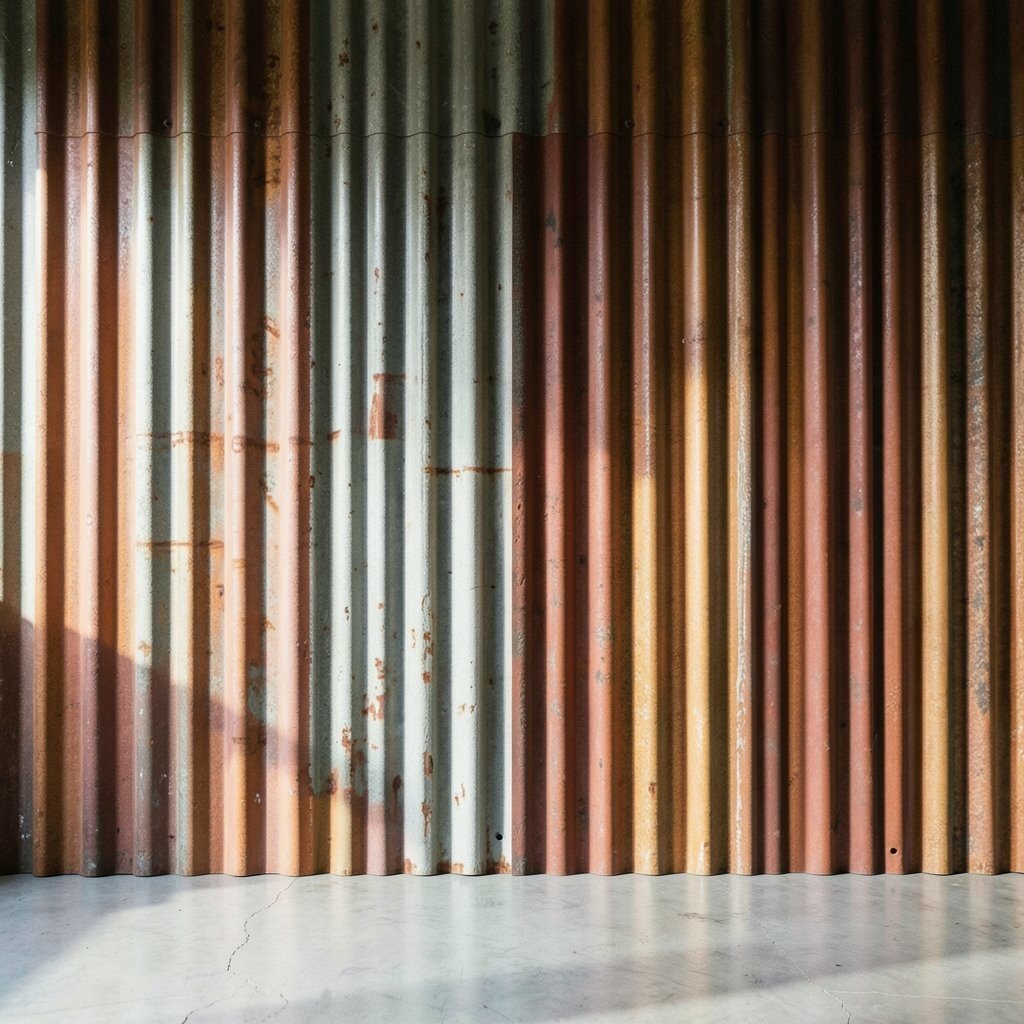
Corrugated metal gives bold lines and a strong texture that catches light in a flattering way. It also feels genuinely industrial, especially behind editorial-style haircuts.
Try a warm-toned metal like bronze or copper so it doesn’t read too cold. Mount it with spacers so shadows deepen the ridges, and place your key lighting at an angle to show the texture.
5. Riveted Steel Look With Painted Texture Layers

A painted steel look can mimic industrial metal without the cost of full metal cladding. You get the same punchy backdrop while keeping the surface easier to maintain.
Build the effect in layers using a textured roller and a few different gray shades, then add small raised accents with dome fasteners. For uniqueness, place the “rivets” in a gentle curve rather than a straight line so the wall feels designed, not stamped.
To keep things practical, use a paint system meant for walls, not just craft paint, and apply a clear scuff-resistant top coat. Pair it with black or dark gray frames for mirrors so the room feels cohesive.
6. Exposed Concrete With Stained Color Blocks
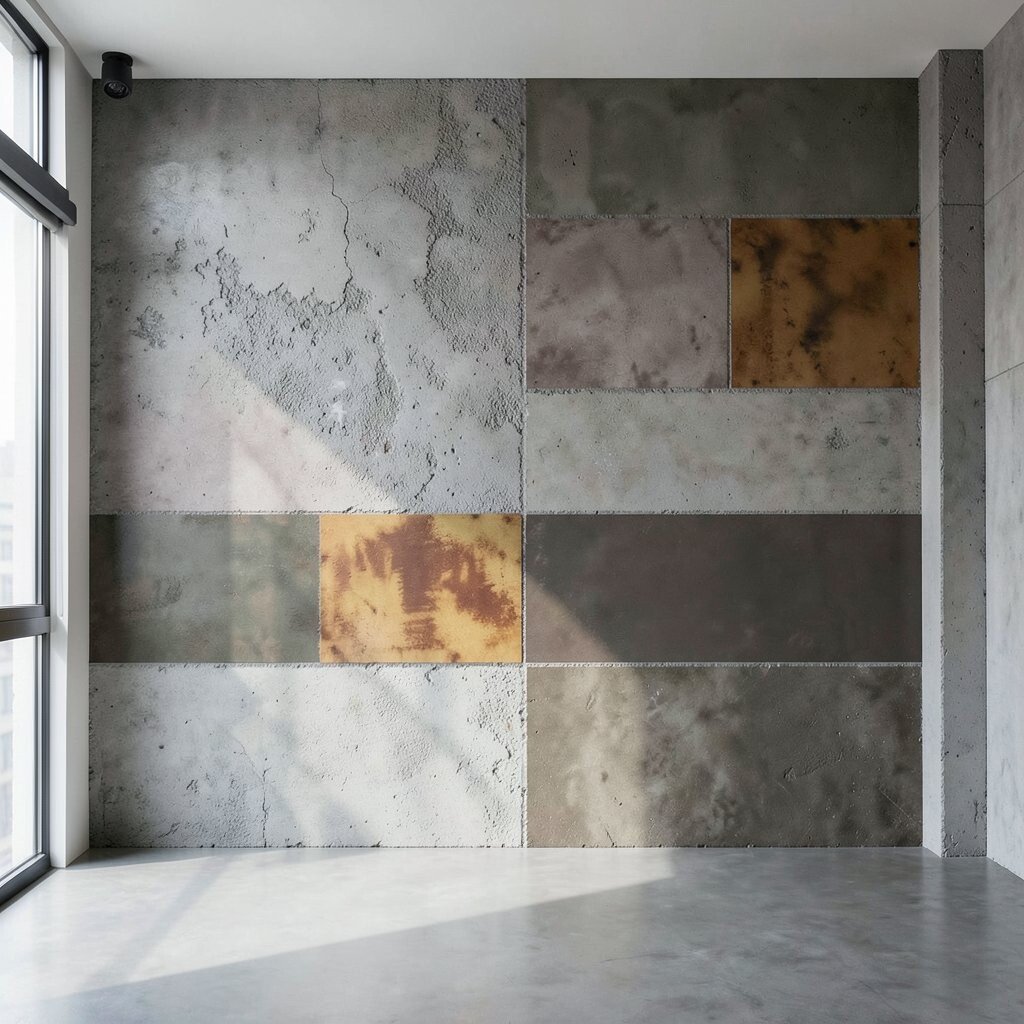
Concrete looks modern and dramatic, and it gives a clean industrial base for bold hairstyles. When you stain portions of the wall, you get texture plus color depth that still looks professional.
Stick to muted tones like umber, rust, or deep olive so the backdrop supports clients instead of stealing attention. A helpful idea is to stain a wide horizontal band at eye level, which makes portraits feel balanced.
For personalization, add subtle speckling by misting diluted stain in small areas, like soft spray paint but controlled. Expect cost to vary based on whether you’re pouring new concrete or staining existing walls, so price out local options early.
7. Industrial Wallpaper With Rusted Patterns

Wallpaper is a smart way to get texture quickly, especially if you’re renting or refreshing on a timeline. Textured industrial wallpaper can mimic rusted metal, concrete, or aged paper, and it still feels cozy.
Look for designs with raised elements or a slightly rough finish so light creates shadows like real materials. To make the setup actionable, match the pattern to where the styling chair sits so the client’s head lands on the most interesting part of the design.
8. Rock Panel Feature Wall With Natural Stone Texture
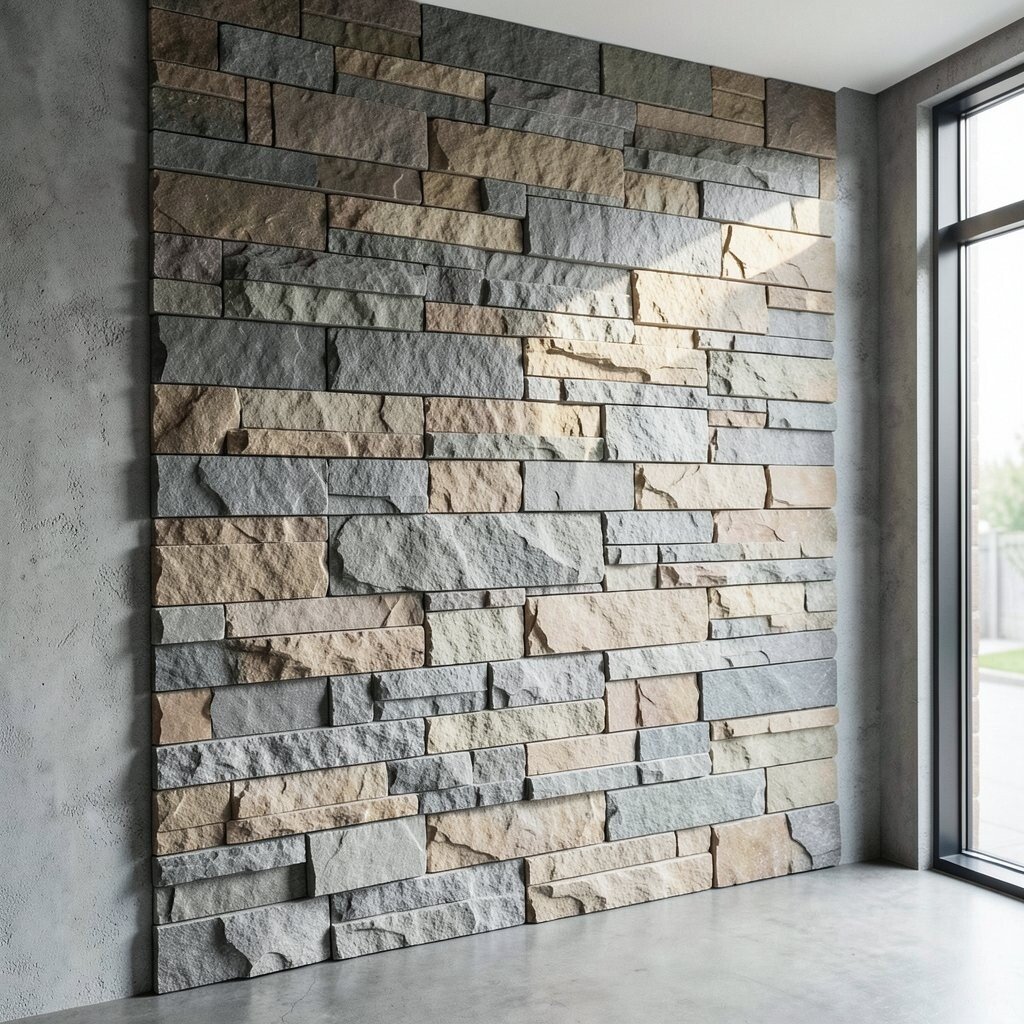
A stone-textured feature wall adds a grounded, outdoorsy drama that feels surprisingly elegant. The bumps and ridges create a strong backdrop for braids, waves, and darker tones.
Pick a stone style that leans warm, like sandstone or limestone color, so it complements skin and hair without looking too cold. For practical cleaning, choose panels with a protective sealer and wipe-down-friendly finish.
If you want uniqueness, keep the stone on one section of the salon and surround it with smoother industrial materials like microcement or plaster. That contrast makes the texture feel intentional and not overwhelming.
Cost considerations matter here, since stone can be heavier and may require extra labor, but partial accent walls often keep budgets more comfortable.
9. Gunmetal Mesh and Framed Panels for a Loft Feel

Metal mesh panels create a layered look that feels airy while still giving strong texture. The grid pattern adds visual interest behind a client without creating a heavy wall.
Frame the mesh in dark metal channels and leave small gaps so light passes through. This is a practical choice because it reduces the “solid wall” feeling and can even help a small salon look brighter.
10. Stenciled Concrete Texture With Geometric Lines

Stenciled concrete texture mixes modern geometry with rough industrial grit. The result is crisp enough for clean hair photos, but textured enough to feel alive.
Start with a base of microcement or textured plaster, then use a stencil to add repeating shapes like angled blocks. For personalization, choose a stencil pattern that echoes your branding colors, or vary the opacity so some shapes feel lighter like sun-faded marks.
This approach is budget-friendly compared with full material replacement, because it uses existing wall surfaces. Just plan time for drying, and apply a protective seal so daily cleaning won’t wear out the detail.
11. Salvaged Warehouse Door Section With Hardware Highlights
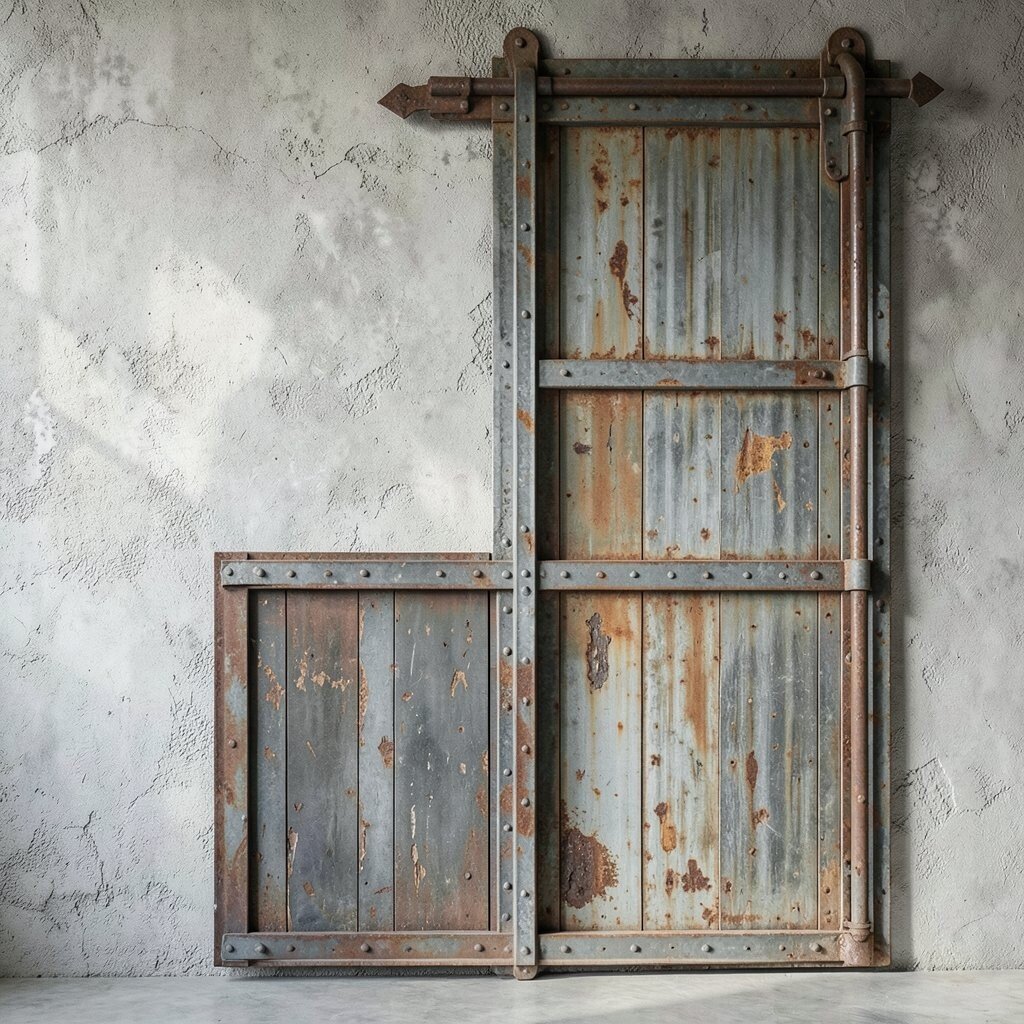
A salvaged door section brings instant history and a sense of drama, especially when it sits behind a styling station. The dents, wood grain, and hardware make the wall look like it belongs in a creative studio.
Mount the door as a partial backdrop, then pair it with simple lighting so the worn areas still show clearly in photos. For practicality, check the door for stability, and reinforce the mounting points so it stays secure.
Uniqueness comes from choosing doors with different wear patterns, like one with stronger chipping or a cleaner upper section. If you want a trend-forward look, keep the overall palette neutral and let the door texture do the work.
Cost considerations are often better when you shop salvage yards, but factor in labor and any refinishing needed for a polished finish.
12. Heat-Stamped Metal Panels With Subtle Gradient Coloring

Heat-stamped metal texture can look like sun-baked steel, with patterns that feel both rugged and refined. It gives a dramatic background that flatters face shapes by adding soft movement of light.
If you want a unique vibe without going too dark, use subtle gradient coloring like smoky charcoal transitioning to warm gray. Practical tips include sealing edges carefully so the surface stays safe and easy to wipe.
13. Limewashed Masonry With Industrial White-on-Gray Depth
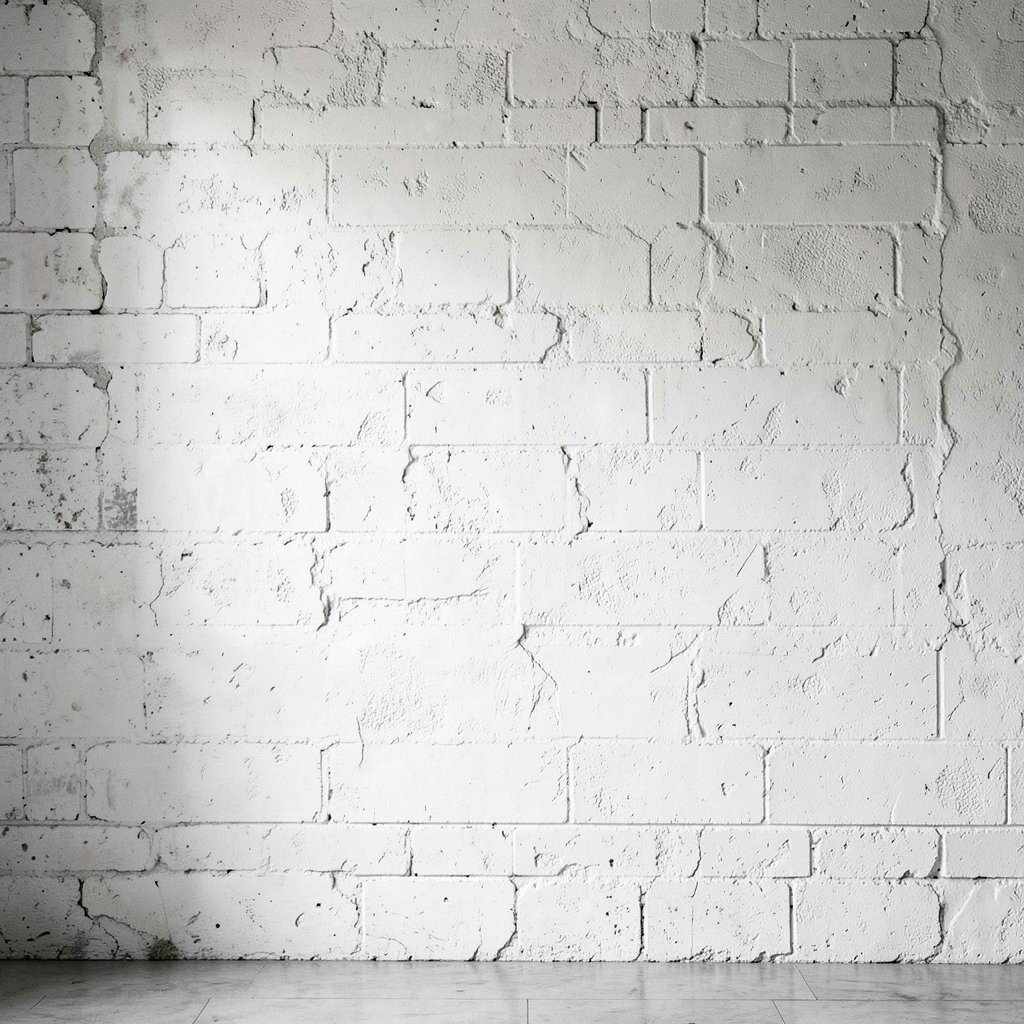
Limewash creates that airy, dusty texture that still feels industrial. The layer effect looks gentle up close but dramatic in wider shots, which is perfect for a salon backdrop.
Go for a white-on-gray or off-white-on-stone tone so the wall stays bright and doesn’t make the room feel gloomy. Personalize it by adding darker veining in a few spots, which gives a natural “handmade” look.
For cost considerations, limewash is often less expensive than full cladding, especially if your wall is already masonry. It also tends to be forgiving, so small brush marks can look like part of the design instead of mistakes.
A helpful maintenance idea is to avoid harsh scrubbers, since lime finishes are more about gentle cleaning and steady upkeep.
14. Industrial Cork Tiles With a Dark, Textured Stain
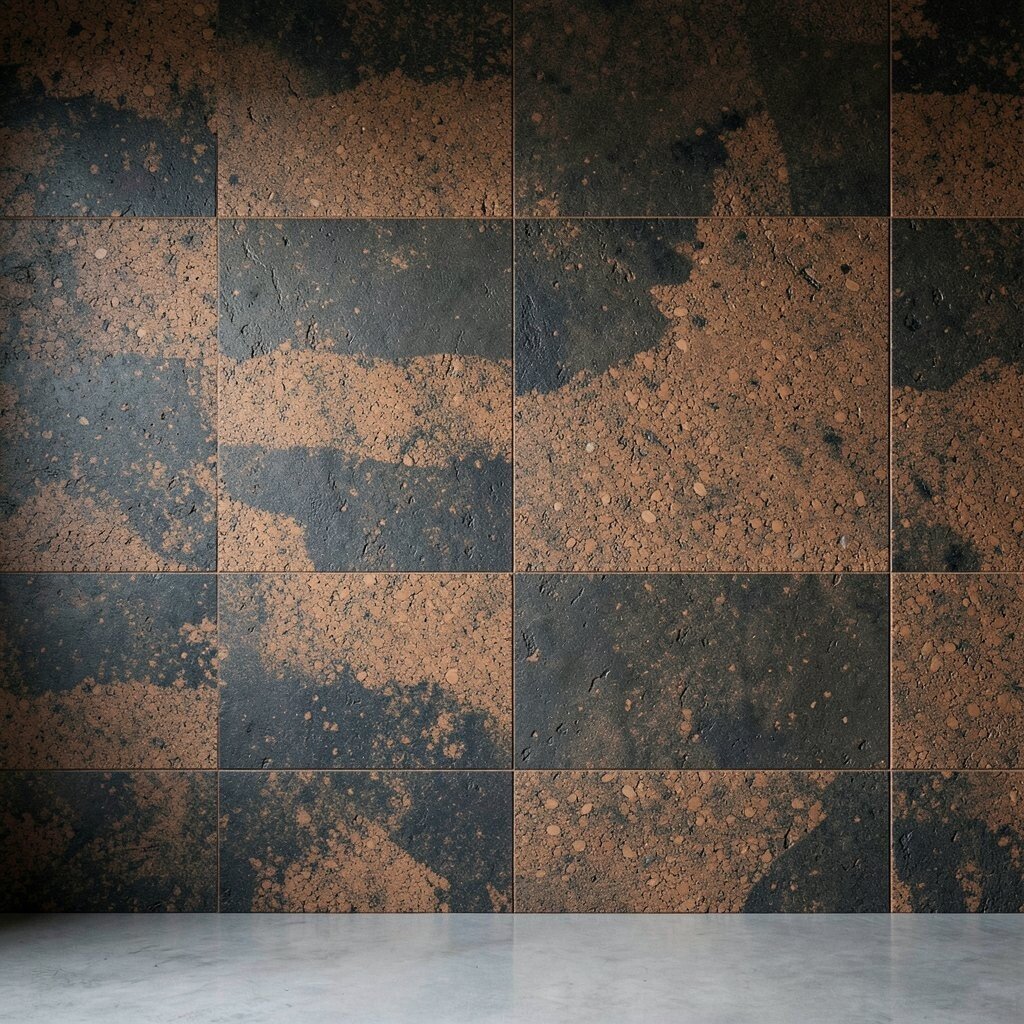
Dark cork tiles bring an unusual twist to industrial walls because they’re textured yet warm. The surface absorbs sound a bit, which can help when the salon gets busy and loud.
Cork also makes it easier to keep the backdrop comfortable, since it’s lighter than stone and can be installed in sections. For a dramatic look, choose larger tile formats and stain them in deep charcoal or walnut tones so they read industrial in every photo.
Personalize by arranging the tiles in a staggered grid so the texture lines move with the eye. Keep cost in mind by comparing sheet cork and tile options, since coverage and installation methods can change pricing a lot.
To finish the scene, add metal shelving or a slim rail nearby, letting the cork texture balance the harder industrial elements.