The stage feels alive the moment a prop earns trust from the audience. A well-chosen object can quietly carry emotion, timing, and story beats.
1. Shadow-Handled Lanterns for Mood and Blocking

A lantern that throws a narrow beam can make even plain steps feel magical. To sell the moment, use a handle that actor hands can wrap around naturally, not something bulky that slows movement.
Hang a simple lantern on a string track or use a floor stand with a weighted base so it stays steady during quick cues. You get instant mood control, and you can guide eyes toward entrances without needing extra lighting. For a budget-friendly setup, paint the lantern frame to match your costume colors and add a paper cut “glass” panel for soft glow. Personalize it by swapping symbol decals on the side for each scene’s theme.
2. Interlocking Set Pieces That Shift Like a Puzzle
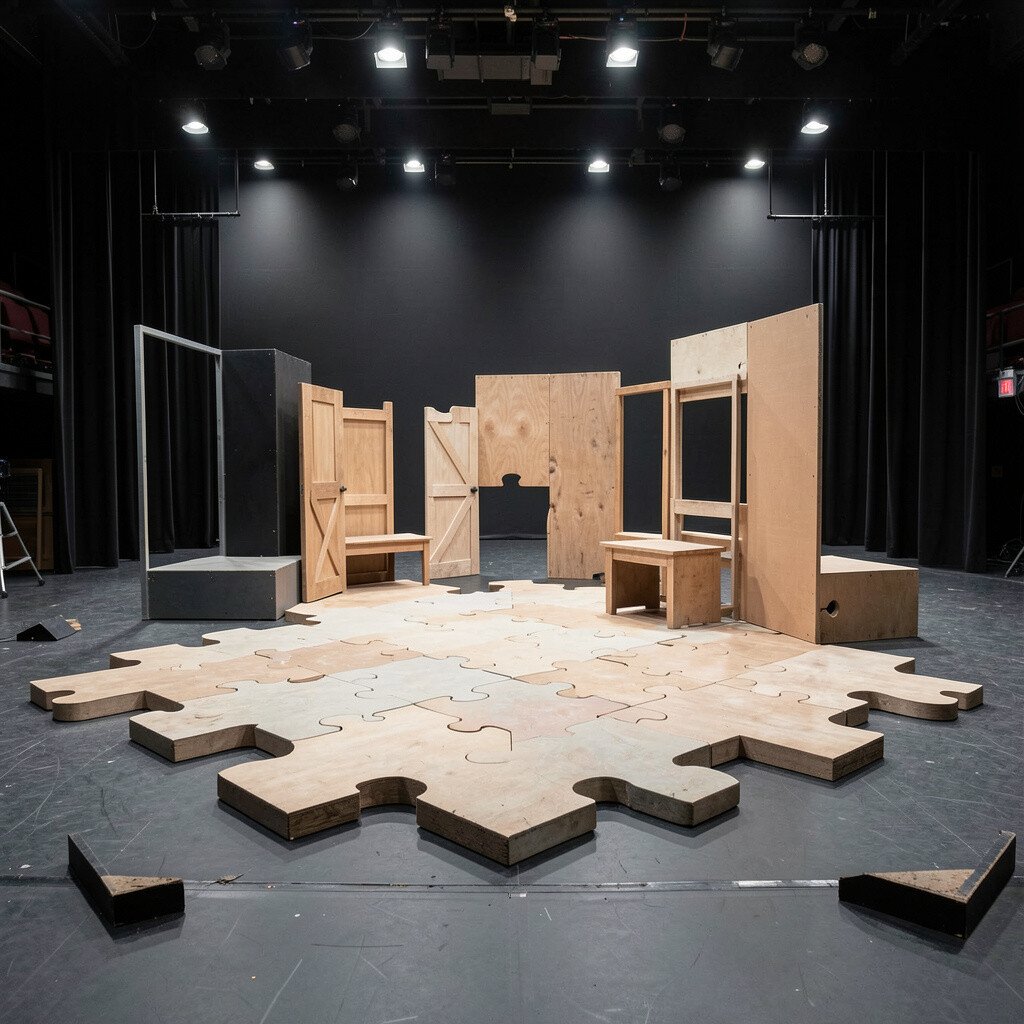
Modular flats and platforms that connect in seconds help scenes change without panic. When the audience sees parts click together, it can feel like fate assembling on stage.
Build corners with strong magnets or sliding pins so actors can reset quickly between lines. This setup saves time, reduces heavy lifting, and keeps performers focused on acting. For uniqueness, label the “family” of pieces by color in your own internal layout so rehearsals move smoothly. Consider cost by using leftover plywood, foam molding, and paint kits rather than buying new set walls every show.
Make the transitions visually satisfying by planning one prop to move first, like a small framed picture or a hanging sign, so the audience anticipates the shift. A current trend in many productions is using clever visible mechanics to make scene changes feel like part of the story, not a backstage secret. Personalize the puzzle by building one “secret panel” that hides a tiny item for a surprise moment.
3. Weathered Letters and Envelopes That Move the Plot
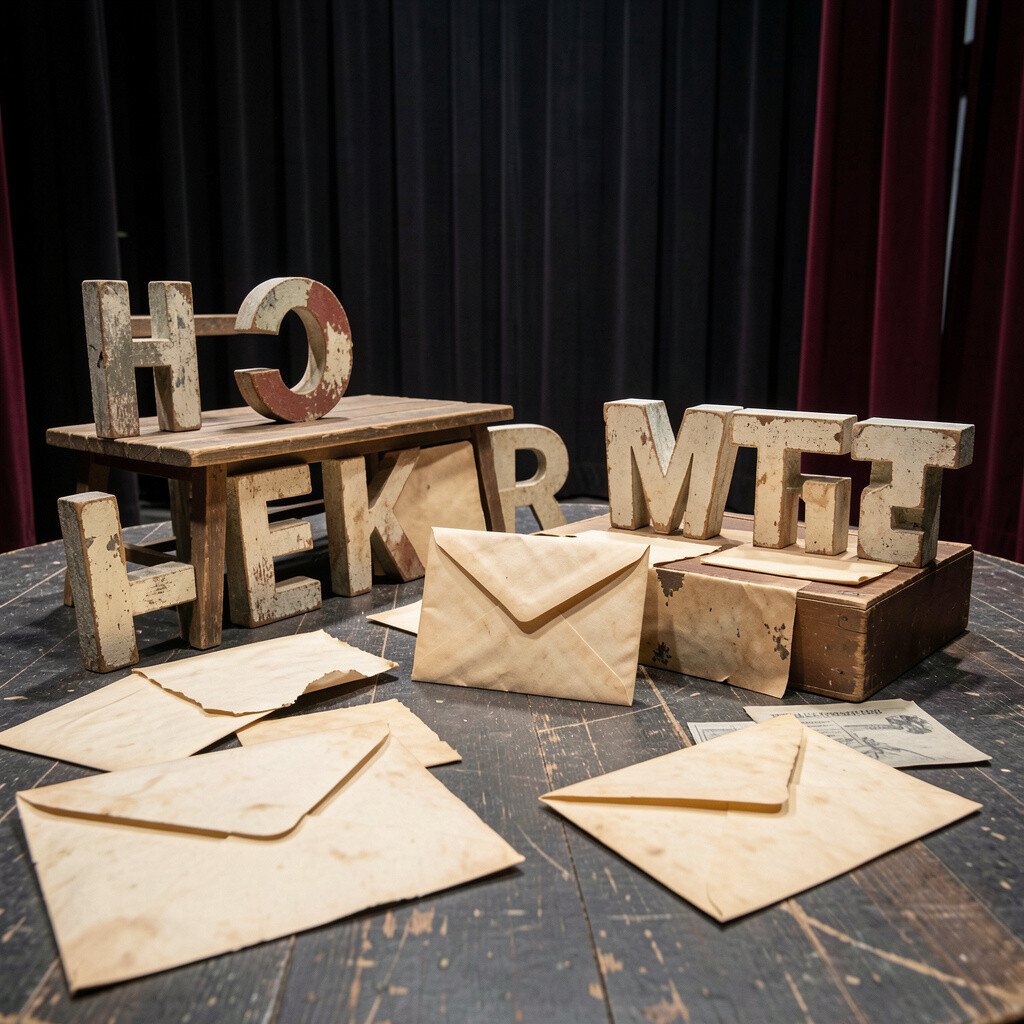
Nothing slows a scene like paper that won’t open, smears ink, or crinkles too loudly. Create letters from thicker cardstock and age them with tea-staining or light gray dry brushing for a worn look.
Use a simple folding pattern that lets actors extract the message fast while keeping their hands calm. The benefit is clear emotion on stage, because the audience reads the tone through how the letter is held and unfolded. For practical timing, add a small slit so the letter opens with a soft, controlled motion. Personalize the envelope seals with wax-look stickers or tape painted to match your world.
For cost considerations, print on plain paper and mount onto cardstock so you only use expensive materials where the camera or spotlight will catch them. A trend in modern theater is tighter prop realism, so the audience feels the weight of the message even without seeing every word clearly. Add tiny stains or pencil marks that give actors extra beats for reacting naturally.
When rehearsing, practice where the letter sits in relation to the actor’s chest so it stays visible at common distances. Store letters in labeled folders by scene so nobody scrambles at the end of a tech run.
4. Stackable Books That Become Furniture in Seconds

Stackable books can look like simple set dressing, yet they let you build mini worlds quickly. Choose lightweight foam books covered with paper wraps so actors can move them safely during fast scenes.
Set them up on hidden tiers or low risers so they become stools, backrests, or a desk edge. This adds flexibility, keeps transitions smooth, and gives performers practical surfaces for notes and gestures. For uniqueness, include one “signature” title that matches your story mood and stays consistent across scenes. Keep costs down by reusing real books if your production timeline allows, then reinforcing corners with painter’s tape and clear gloss to protect them.
5. Pocket-Perfect Handkerchiefs for Quiet Character Moments
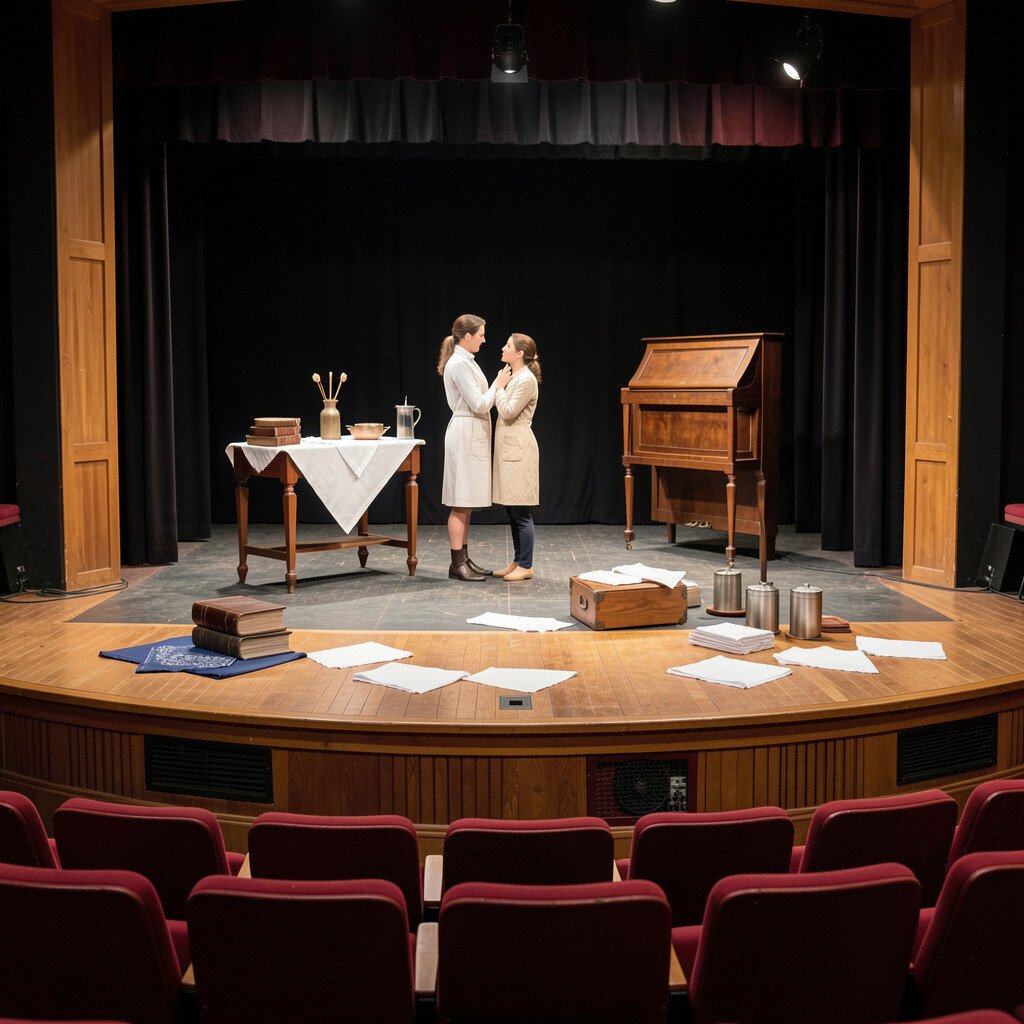
A handkerchief is small, but it’s packed with body language. Pick fabric that moves well, like cotton or a light linen blend, so it drapes without tangling.
Give each character a slightly different texture or color so the audience can notice patterns even in silhouette. The benefit is emotional clarity, because a wipe, wave, or fold can signal grief, secrecy, or relief without big acting. Personalize with tiny stitched marks at the corner, like a star, stripe, or initial, so actors can remember their own prop cues. If you want a trend-friendly feel, use subtle sheen fabrics that catch light during slow moments.
For cost considerations, buy one neutral base fabric and dye or paint small sections yourself. You can also stage a prop swap by hiding one handkerchief inside a coat pocket for a plot reveal.
6. Magnetic Plaques for Quick Sign Changes
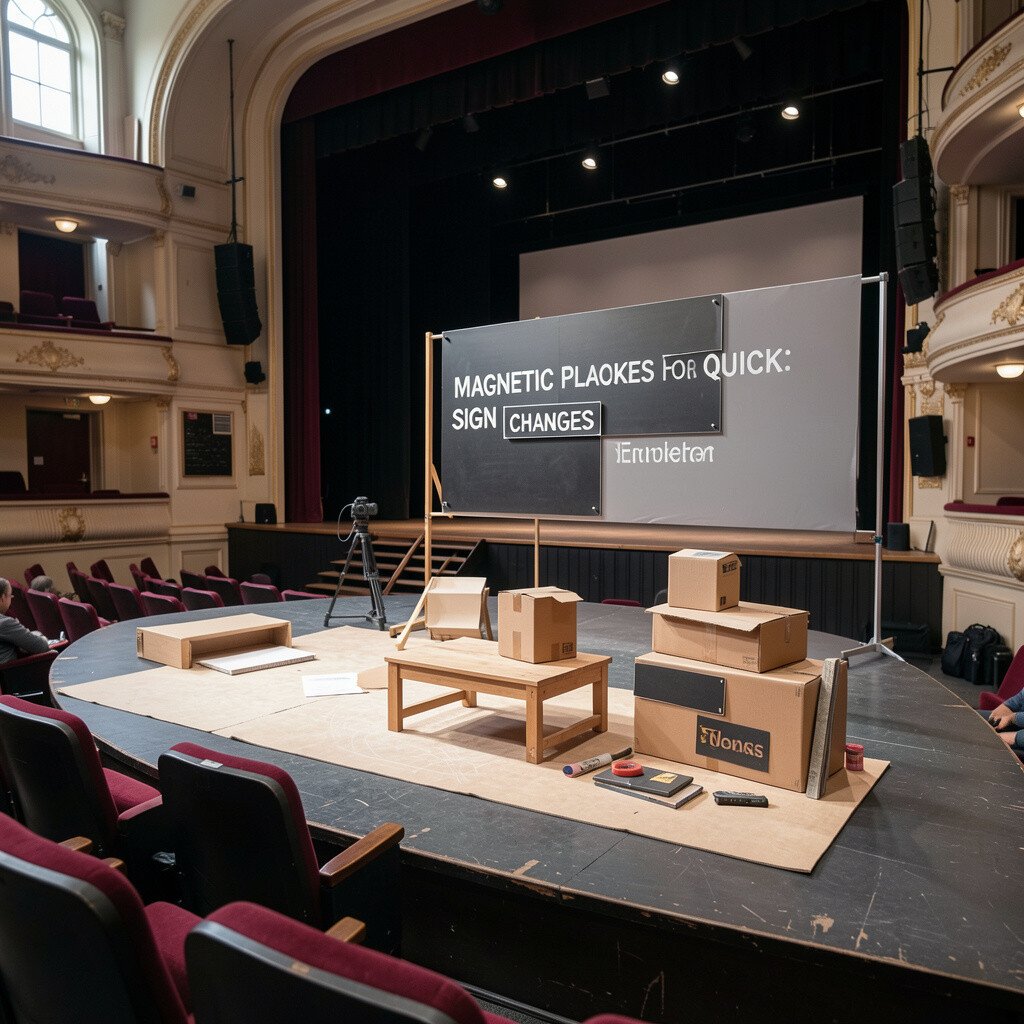
Signs on stage are often stuck in place, but magnetic plaques let you change names and rules without carrying clutter. Make a lightweight sign board and attach several thin metal strips to the back of each plaque.
Actors can slide the correct plaque into position with minimal noise, which helps scenes stay calm. You also get visual continuity, because the board stays the same even when the text changes. For practical tips, test magnet strength so the plaques don’t fall during movement, and sand edges so fingers stay safe. Personalize the design by matching plaque borders to costume palette so every sign feels like it belongs.
7. Coins, Tokens, and Fake Money for Motivation and Timing
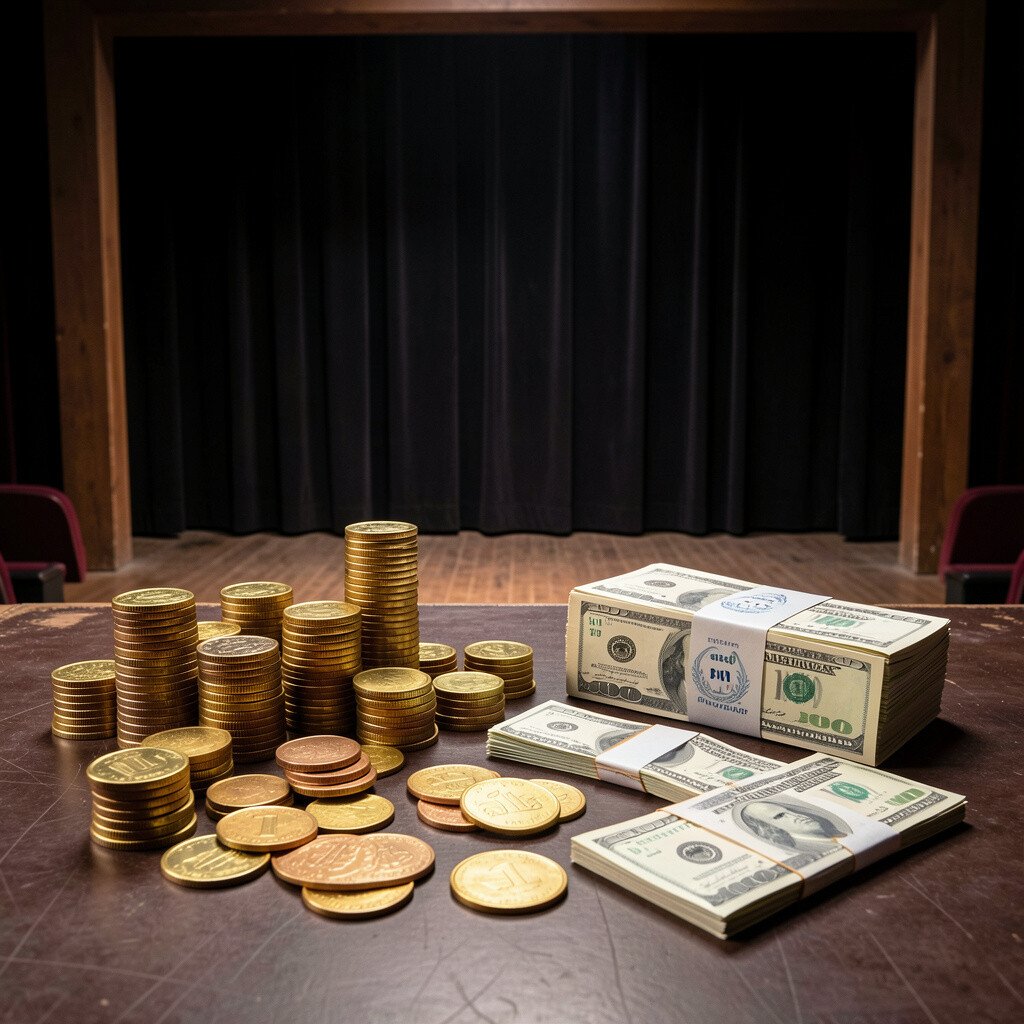
Small props can control pace when they demand attention. Use flat tokens, a little heavier than cardstock, so they land with a pleasing sound when dropped.
Choreograph coin actions like a rhythm, such as counting before a reveal or tossing to mark a choice. This gives the audience something to watch while actors reset positions. For uniqueness, add a “story currency” stamp with a symbol tied to your theme. Consider cost by making tokens from craft foam coated with sealant, then painting edges with metallic spray.
Personalize each token color to match different relationships, like friendly, secret, or borrowed. A current trend is using satisfying physical details in close-up moments, even in live theater, so keep your toss height consistent for clean beats. Practice under stage light, because reflective edges can flash differently depending on spotlight angle.
8. A Tactile Map or Blueprint That Folds Like Fate
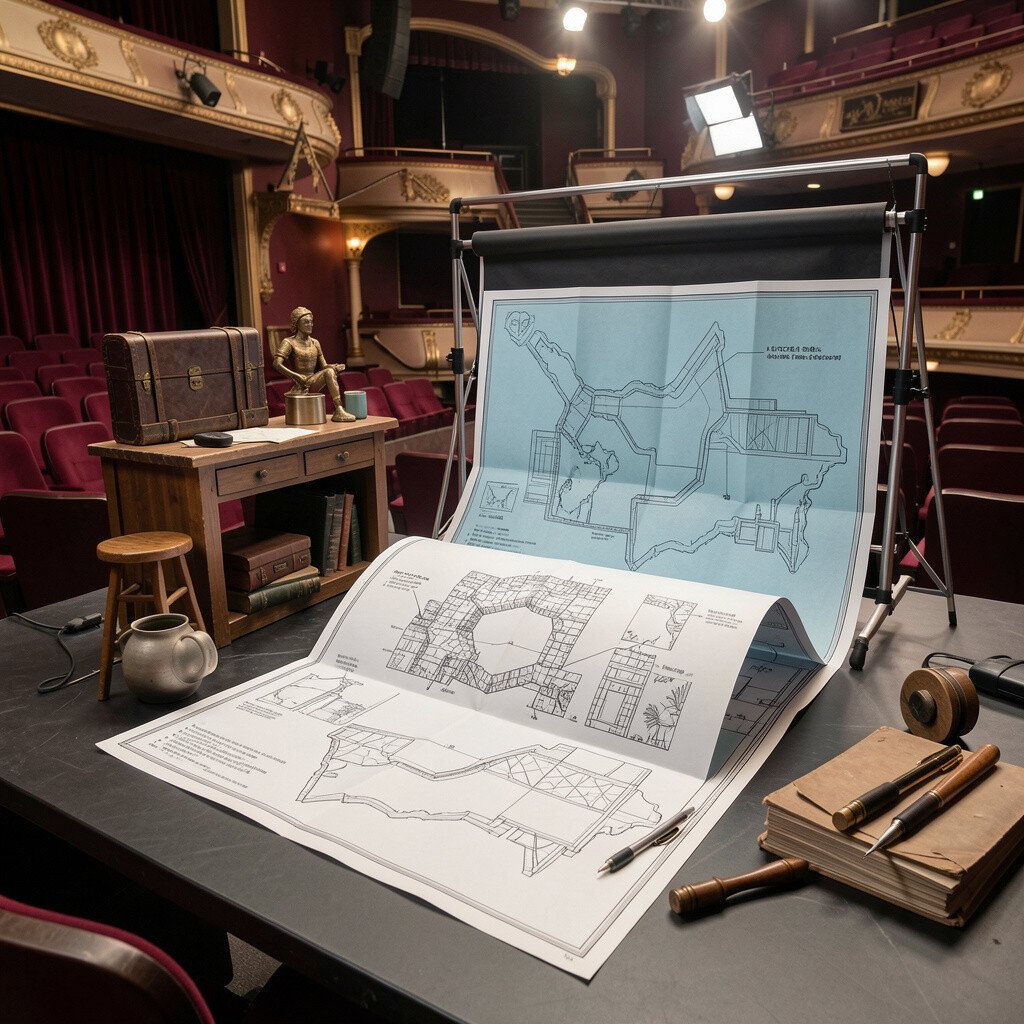
A map prop can add wonder and tension when it responds to touch. Use a fabric map or laminated blueprint that folds into a neat shape actors can open confidently.
Design it so important routes line up with key marks on stage, helping blocking become part of the story. The benefit is that navigation feels meaningful, not random, because the audience sees why someone moves where they move. For practical tips, keep fold points sturdy with reinforced tape on the back, and add a thin magnet strip so it stays closed when needed. Personalize the map with hand-drawn icons and small stains to suggest age and travel.
9. Transformable Wands and Tools With Clear Actor Grip
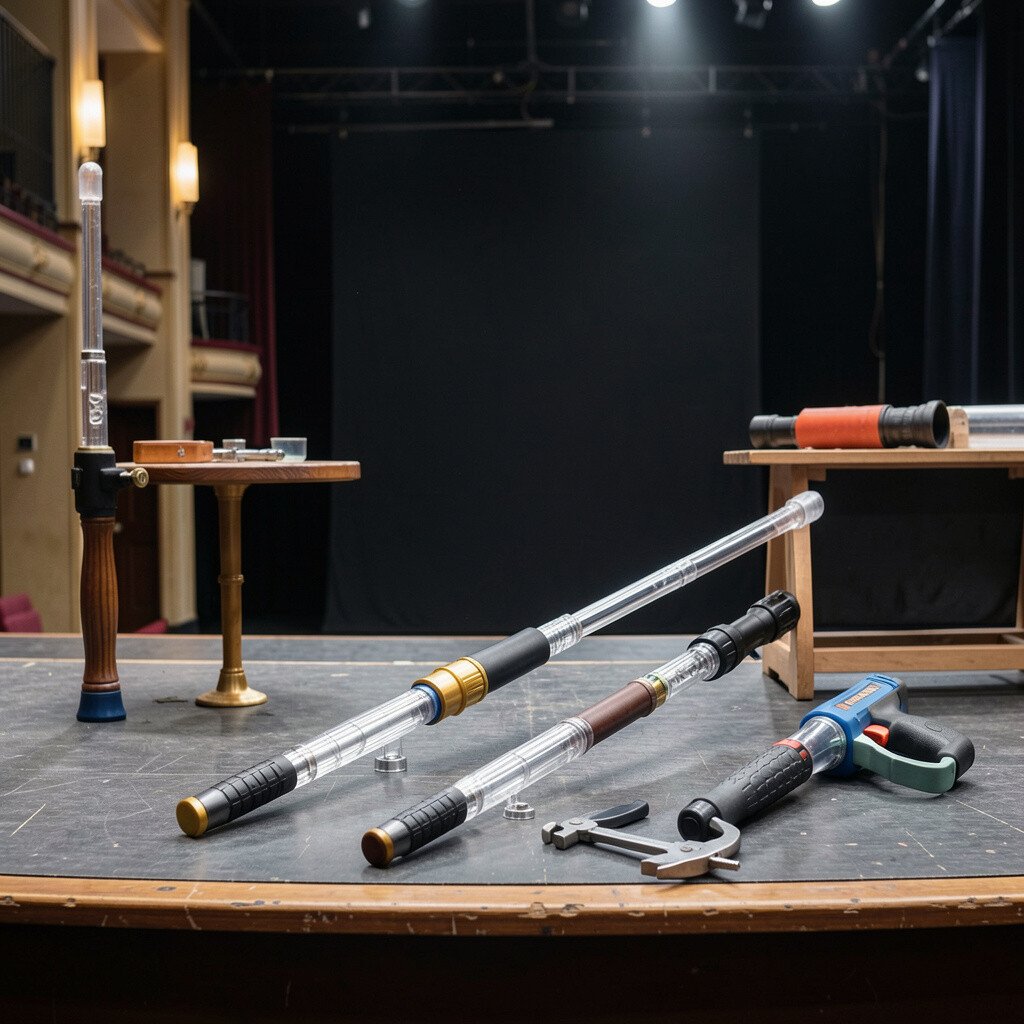
Wands and tools are iconic, but they must feel safe and easy to hold. Create a grip zone using foam wrap or textured tape so an actor’s hand finds the same place every time.
Build tools that reveal one feature at a time, like a hinged “panel” that clicks open for a clue. That gives a unique visual payoff without relying on heavy effects. Practical tips include using a latch that snaps reliably and rehearsing the open action until it becomes muscle memory. For cost considerations, use lightweight craft wood or EVA foam and paint with durable acrylics.
A trend in modern staging is pairing simple props with lighting cues, so your wand can “activate” under a spotlight shift. Personalize by giving each character a different handle shape, which helps the audience track ownership instantly.
When storing, keep tools separated in labeled bags so paint doesn’t scuff against other props.
10. Glassware That Doesn’t Shatter and Still Looks Real
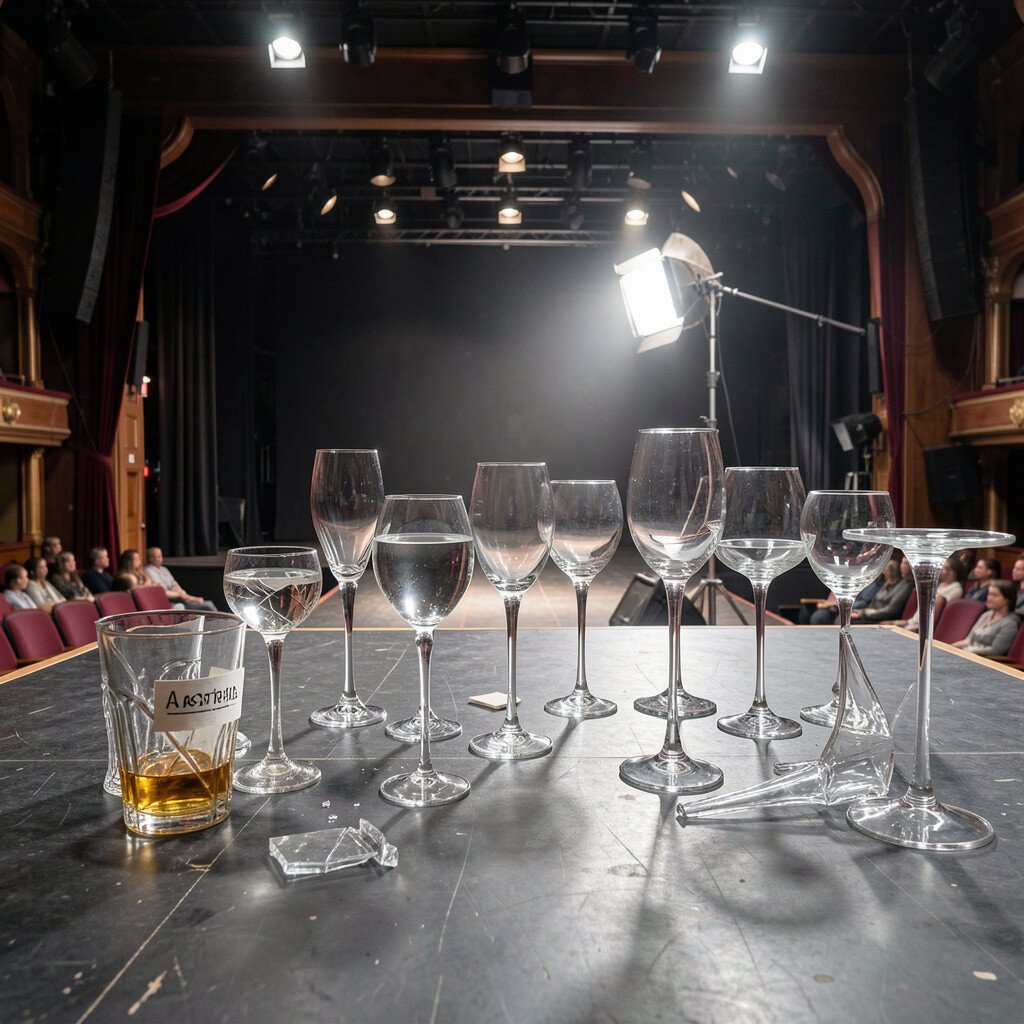
Real glass looks gorgeous, but it can be risky and expensive to replace. Choose clear acrylic cups or polycarbonate goblets that catch light without turning into a hazard.
Use fake condensation by brushing a thin matte gel at the rim, so the cup looks cold in close views. This delivers realism benefits while keeping rehearsals stress-free. For practical tips, sand any rough edges and test for glare under your lighting design. Personalize the set by using slight tint differences, like pale amber for one character’s drink.
11. A Moving Doorframe Prop for Suspenseful Entrances
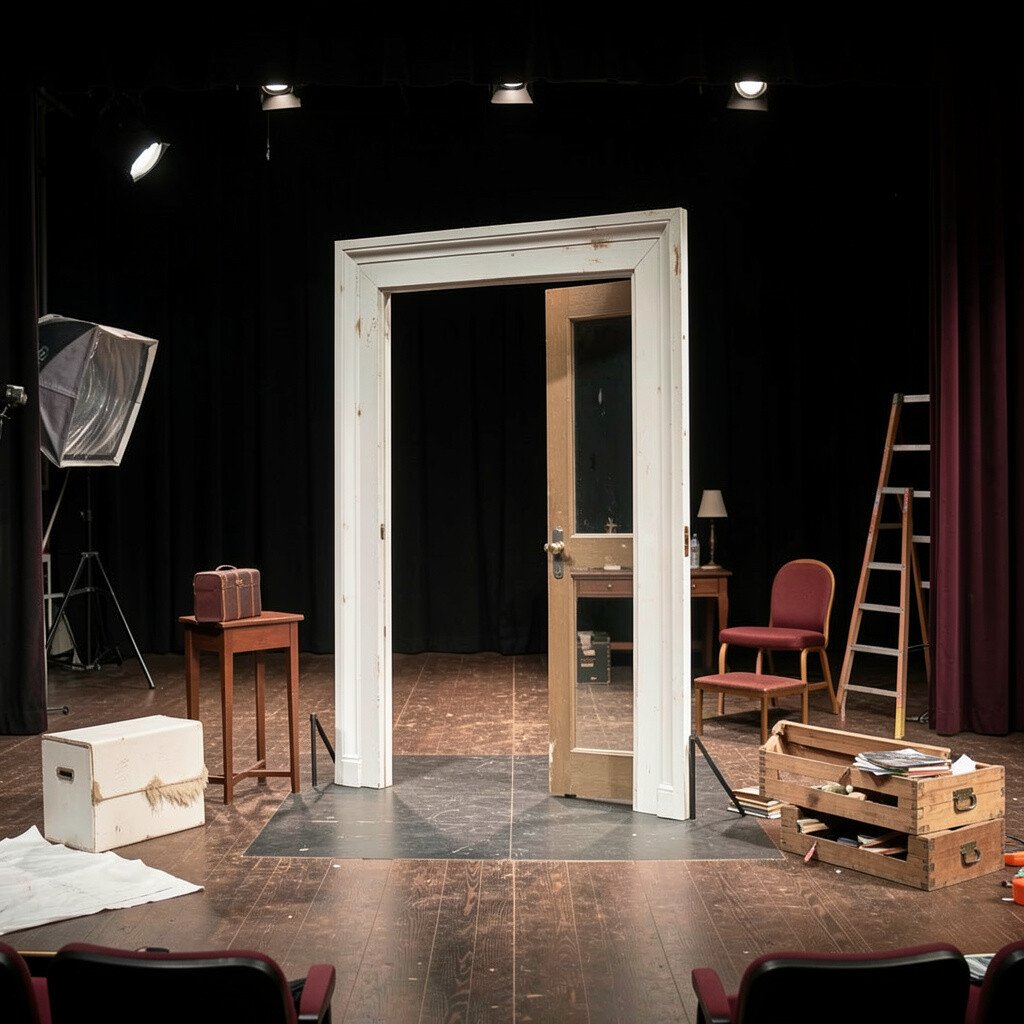
A doorframe prop can create instant suspense when it opens at the right moment. Build a lightweight frame with a hinge or glide mechanism so it can swing or slide without banging.
Stage the entrance so actors pause behind it, letting the audience feel anticipation before the character steps through. The benefit is strong blocking clarity, because the frame defines where attention should land. For uniqueness, paint the frame with faint scratches or layered symbols that match your set’s theme. Consider cost by making the frame from plywood and sealing it well, then adding decorative trim from inexpensive craft stores.
Personalize the “door rule” by changing which prop sits on the threshold each scene, like a key, a feather, or a folded note. A current trend is using minimal scenic walls while giving props more story weight, so this kind of entry device fits modern tastes. Rehearse with sound cues so the door movement matches the actor’s line timing.
12. A Hanging Costume Rack That Doubles as a Character Device

A costume rack can be more than storage, especially when it reveals secrets. Use a sturdy portable rack with hangers designed for quick swaps, so clothing changes feel intentional rather than chaotic.
Hang lightweight pieces like capes, vests, or scarves that can be removed with one smooth motion. This gives practical benefits for speed and also creates visual uniqueness, because the audience watches transformation through motion. Personalize the rack by labeling colors on your internal rehearsal sheet, and add a signature charm hanging near one character’s items.
For cost considerations, build the rack from a simple frame and add decorative fabric panels so it blends into your scenic style. A trend in contemporary productions is functional stage objects that look like real spaces, so a believable rack can make your world feel lived-in. Plan where the rack stands early, so it supports blocking lines rather than getting pushed around last minute.
13. Refillable Spray Bottles With Safe Stage “Water”
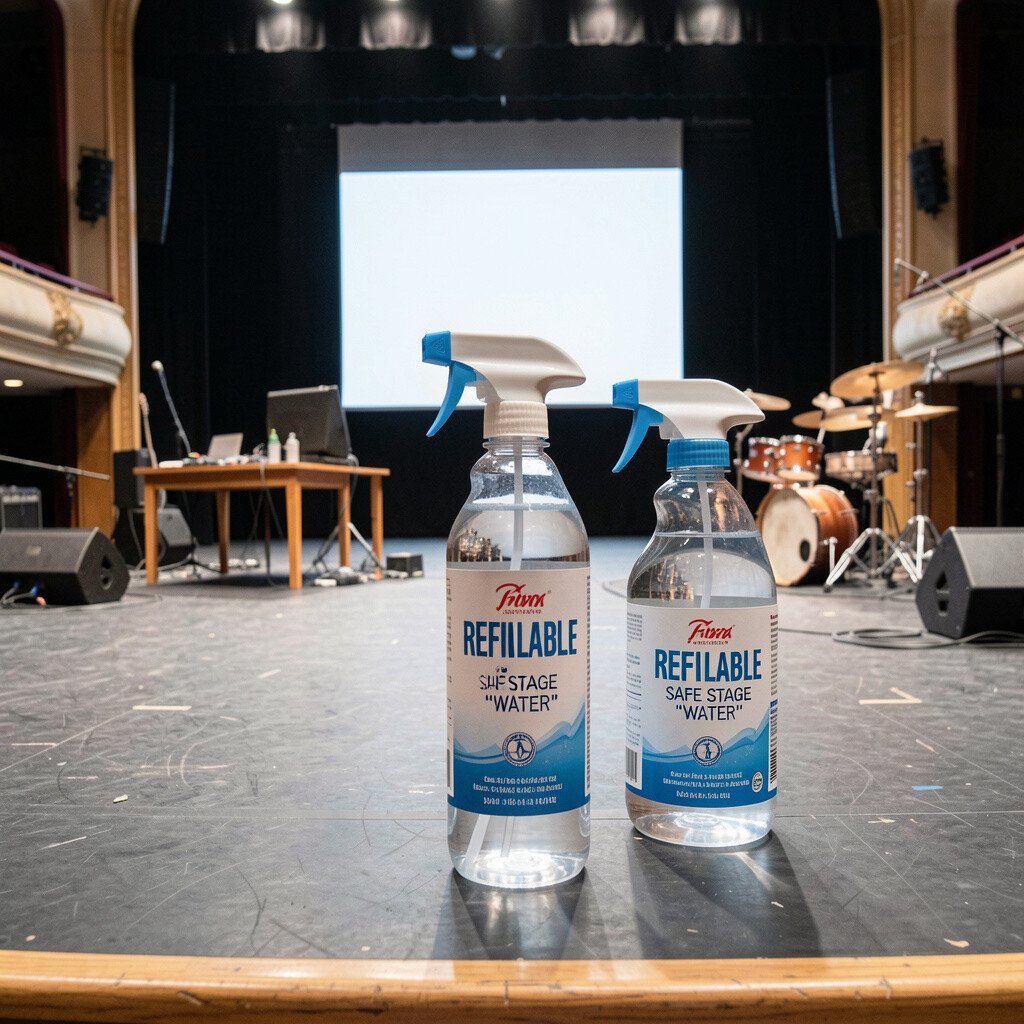
If your script calls for rain, mist, or a chaotic splash, a refillable spray bottle can bring the scene alive. Use water-based stage mist or a glycerin-friendly formula approved for theater use, and keep the nozzle consistent.
Choose a bottle that fits the actor’s hand naturally, with a trigger that delivers smooth bursts. The benefit is reliable effects without dangerous chemicals, and it keeps the action repeatable for multiple performances. For practical tips, test spray distance under light so it doesn’t drift into faces or lights. Personalize by decorating the bottle with painted labels that match your set’s props style, not random modern stickers.
Cost considerations are usually manageable, because you’re using one quality bottle and refilling safe liquids. A current trend is small, tactile effects that feel grounded, so subtle mist can be more convincing than giant fog machines. Always keep extra cloths on standby, because a little spill can happen even with careful performers.
14. A Scuffed Suitcase With Hidden Storage Compartments
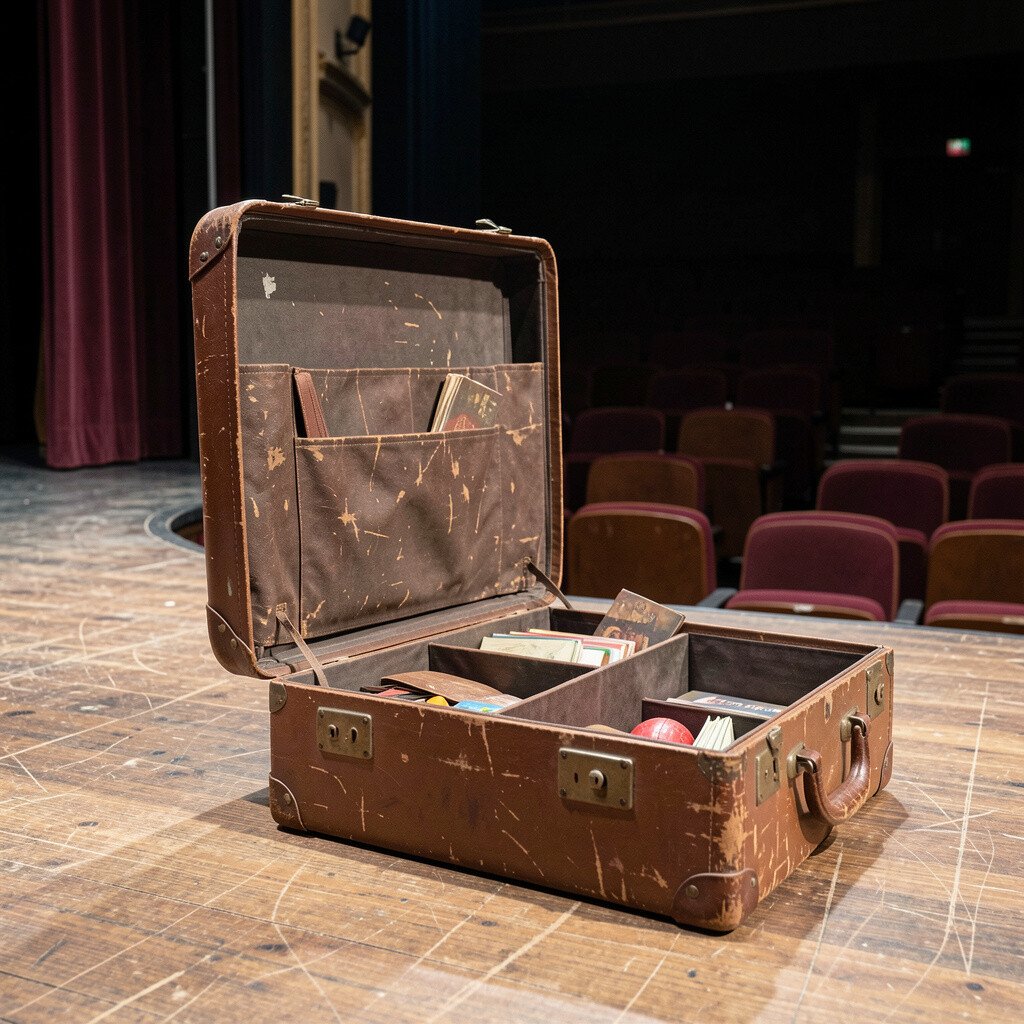
A suitcase prop can carry story pressure when it feels heavy and worn. Build or modify one with strong hinges and a textured exterior, then add hidden pockets inside for quick access.
When actors reach in and pull out an item, the audience feels the stakes rise. This offers unique visual storytelling and practical benefits for transitions, since the suitcase becomes a ready-made supply station. For practical tips, secure hidden compartments with strong elastic or stitched bands so items don’t slide out during movement. Personalize the suitcase with faded stickers, a tag in the wrong handwriting, or a ribbon that matches a character’s scarf.
For cost considerations, repurpose an old suitcase and refresh it with paint and fabric patchwork. If your show has multiple scenes with different items, make a “prop set” that lives inside the suitcase so each performance stays consistent. Consider a current trend toward realism, where props show wear and repair marks like real travel objects.
15. Rotating Alarm Clock That Tracks Time for Beats
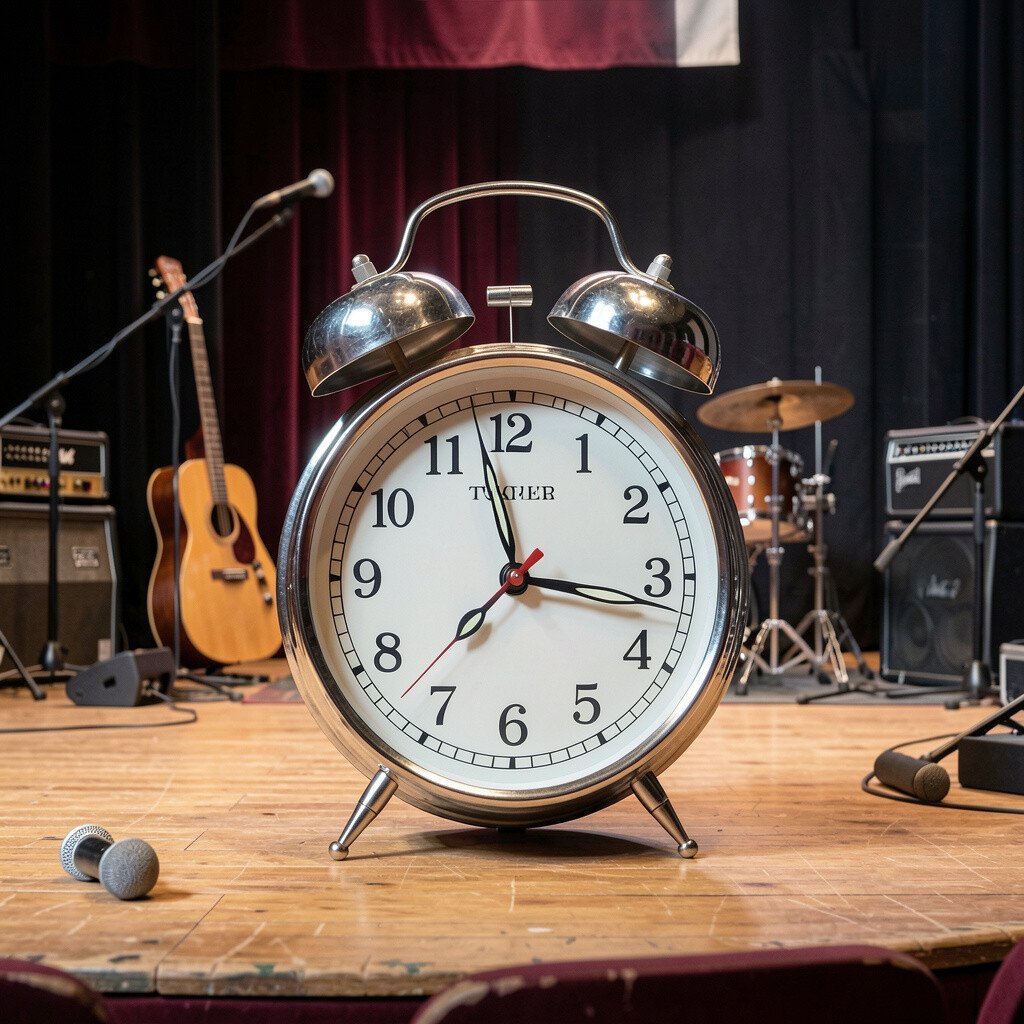
A visible clock prop can sharpen pacing, especially in plays with deadlines or countdown tension. Create a clock face that an actor can rotate smoothly, or use a battery-powered hand motor if your budget allows.
Place it where actors can check it quickly without breaking their eye line with co-stars. The benefit is clear timing, and it can help the audience feel urgency without constant narration. For uniqueness, use a clock design tied to your world, like roman numerals, star icons, or a cracked dial that changes color under light. Personalize by adding small markings around the clock edge that match your scene schedule for rehearsal purposes.
Cost considerations vary, but you can save money by using a manual dial with a strong pointer and a discreet stopper. Keep the surface matte to reduce glare, which helps under bright stage lights. Practice the rotation so the motion doesn’t squeak, and consider using felt pads behind the mechanism.
16. Folding Screens That Frame Conversations Like Photos

Folding screens can turn dialogue into a composed picture. Use lightweight panels with fabric or painted scenes that match your set’s palette, then position them to control sightlines.
When characters talk behind the screen, the audience sees partial silhouettes that make emotion feel private. This adds uniqueness and practical flexibility, since the screens can hide a prop setup or shift room location quickly. For practical tips, add hinges that stay sturdy, and rehearse how far actors step so they never clip the edges. Personalize the screen art with recurring motifs, like leaves, waves, or geometric patterns.
17. Portable Tables That Clip Into Level Surfaces
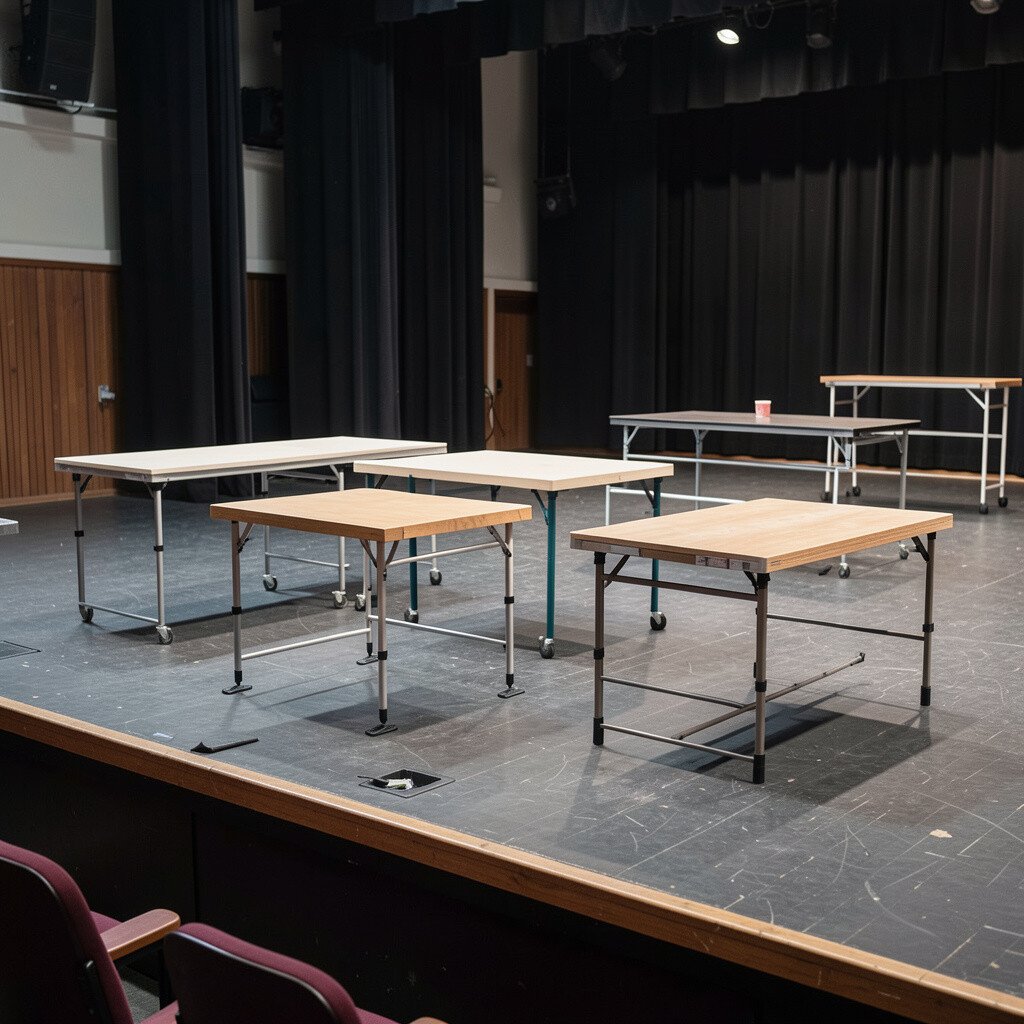
A table is a stage workhorse, but wobbly legs can steal focus fast. Use a folding table with adjustable feet or a prop table built from sturdy panels and locking supports.
Design it so actors can place cups, letters, or small tools without sliding objects during movement. The benefit is stability, and it keeps hand gestures crisp. For uniqueness, dress the table with a runner that matches your costumes and add a “signature” object like a carved bowl or a ring dish. Personalize with color-coded cloth edges in your rehearsal kit so each character’s space feels clear.
Cost considerations include protecting surfaces with removable covers, so you can refresh the look without rebuilding. A current trend is using fewer large set pieces and more portable furniture that can rearrange quickly, which keeps the pace modern. Practice pre-set placement so the prop positions remain the same across performances.
Also, test how the table looks from the audience angle, because table legs can block sightlines if you place it too high or too close.
18. Sound-Linked Props With Simple “Trigger” Moments

Props can carry sound cues even when you don’t use fancy electronics. A gently tuned bell, a clicker, or a friction sound from a staged mechanism can mark a reveal or a shift in mood.
Choose props that create consistent sound, then time actor actions so the sound happens exactly when lines land. This gives the benefit of clearer pacing and adds uniqueness, because the audience feels rhythm through physical objects. For practical tips, record how the prop sounds in the theater space and compare it at rehearsal volume, since rooms change pitch. Personalize by matching each character with a distinct sound object, like a key jingle for one role and a soft tap for another.
Cost considerations are often low when you build from household-safe items, but durability matters, so secure parts with strong fasteners. A current trend in live productions is mixing subtle sound design into prop work, so the stage feels more immersive. Keep a small maintenance kit backstage with spare pads, screws, and cloth, so a tiny fix prevents big delays.
When actors rehearse, ask them to move with intention so the prop sound becomes part of the performance, not an afterthought.