
The daybed looks simple, but comfort can be surprisingly detailed. Once you know what to tweak, it feels like a custom piece.
Small choices change how it sleeps, sits, and unwinds in daily life. Here are the comfort secrets people usually skip.
1. The frame can feel “silent” until you sit still
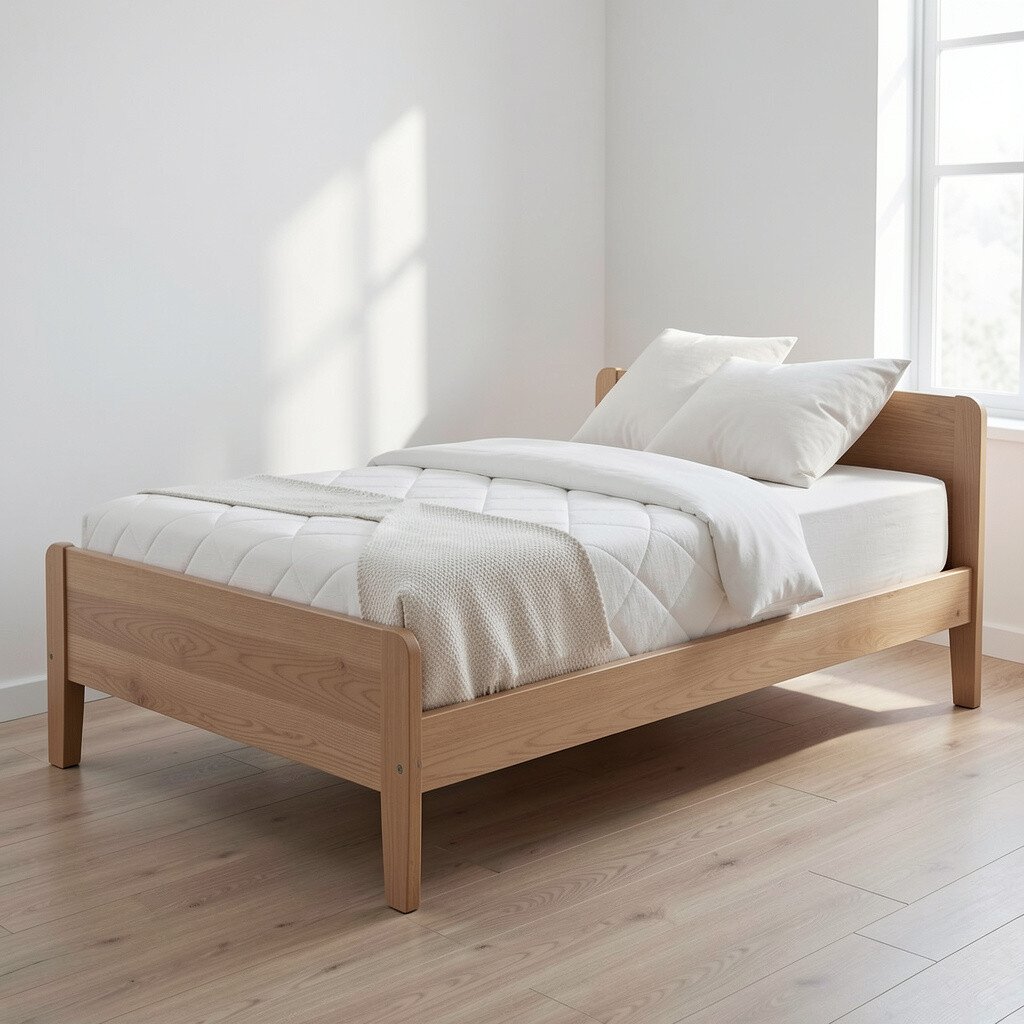
You might think the mattress does all the work, but the frame matters more than you expect. When you sit for a while, cheap or slightly loose hardware can create tiny movements that keep you adjusting.
Look closely at how the slats sit and whether there are gaps that flex under pressure. If you can, press down near different spots and notice if the surface dips or clicks. A sturdy base helps your body stop searching for a steady position, which is the start of real comfort. Consider adding a thin supportive mat between the frame and mattress if your setup feels uneven.
2. The “right” mattress thickness depends on what you’ll do most
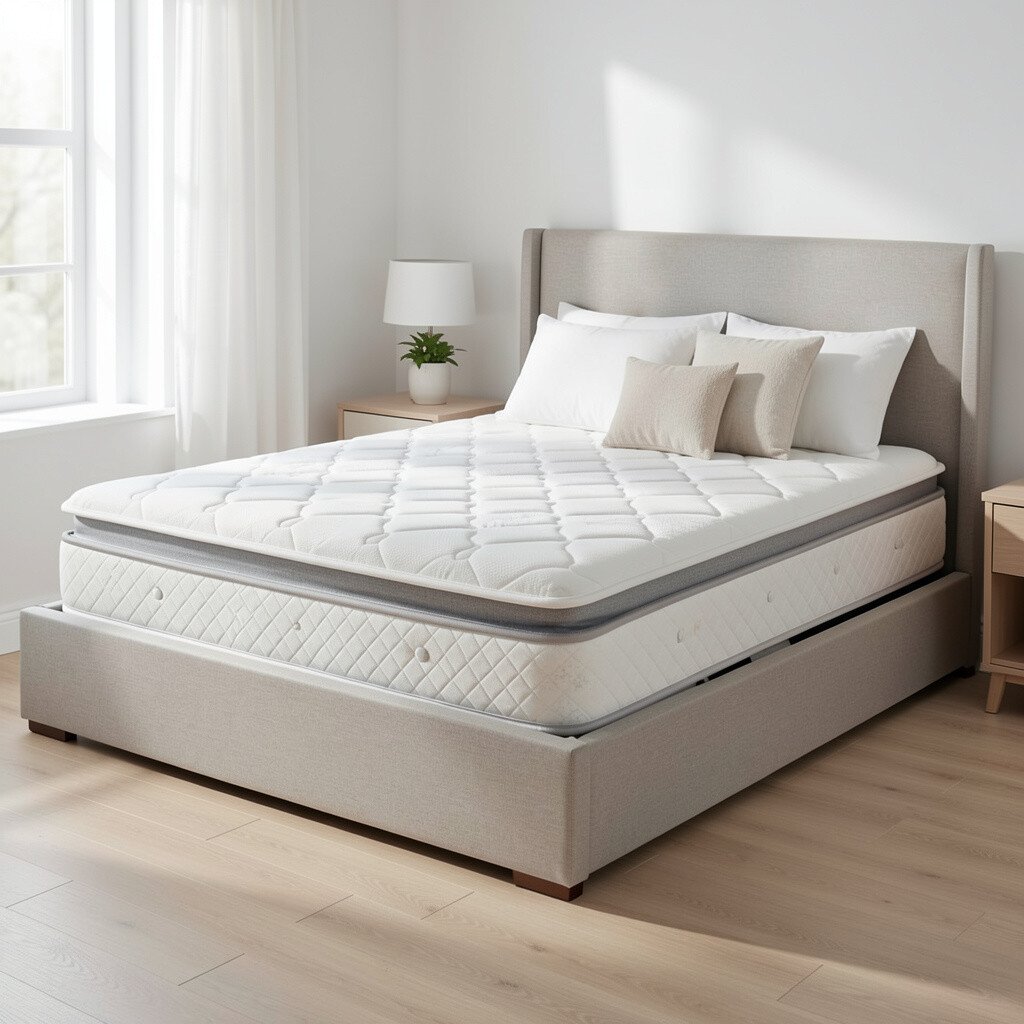
Daybeds often get used for naps, lounging, and occasional overnight sleep, so one mattress won’t always fit every routine. If you mostly lounge with pillows, a slightly firmer feel can stop you from sinking too deep.
For frequent sleep, you generally want enough height so you aren’t hovering at an awkward angle. Try to match the bed height to the height of your seating area in the room. If the daybed shares space with a living zone, comfort improves when your body lands at the same level as your usual posture. Also check how the mattress cover feels in real light, because fabric texture can change the way warmth spreads overnight.
Pay attention to how the mattress edge supports you when you sit toward the side. Many daybeds have an exposed outer rail, so edge comfort matters more than you think.
3. Side rails change posture, even when you don’t notice it
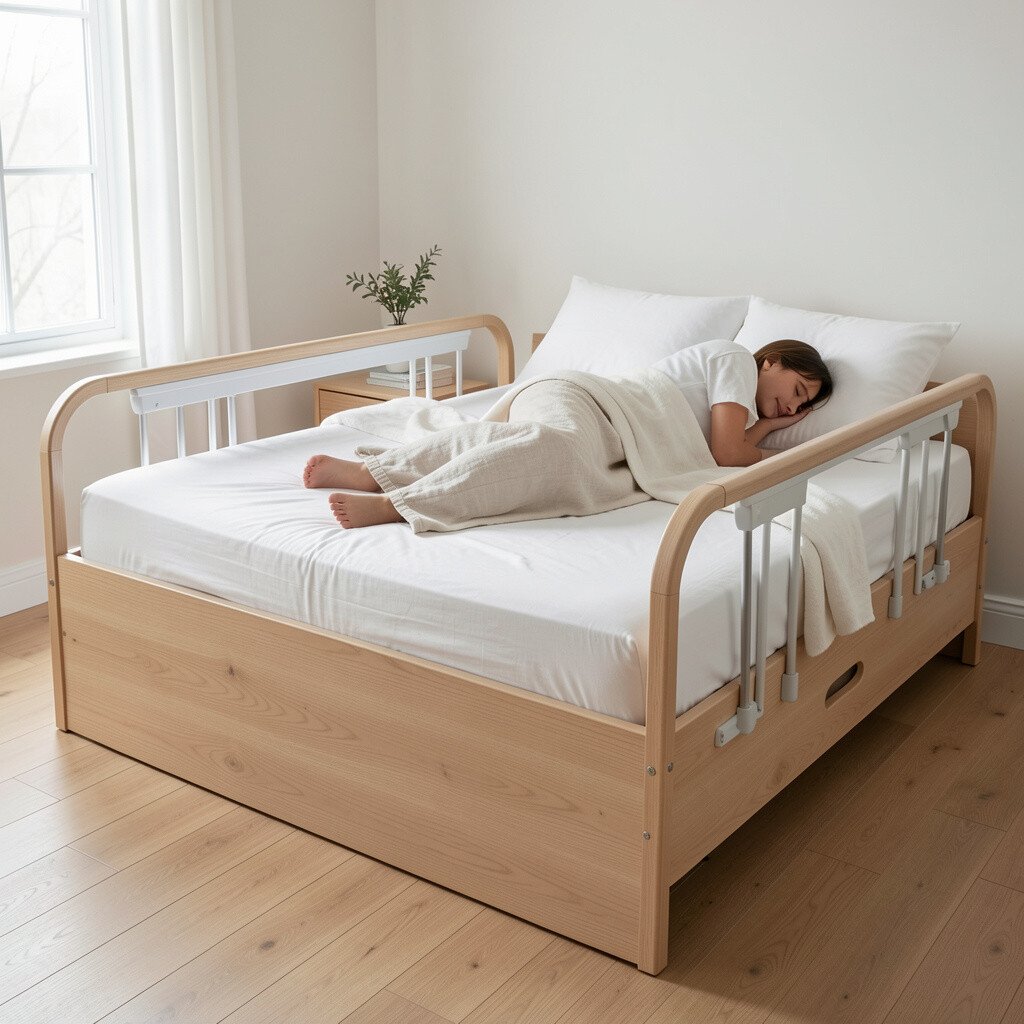
Those rails that make a daybed look charming can also block your legs or pull your shoulders into a new position. If you like curling up, thick rails might make your knees rest differently than you’re used to.
Try sitting and lying exactly how you normally would, not the way a showroom demo does. Notice whether your feet tuck naturally or if they hang off the edge. Comfort rises when your body can relax into its favorite shape without fighting the furniture.
You can soften the effect by adjusting the mattress topper height or choosing a mattress with better edge stability. For example, a supportive but plush top layer can help you sink comfortably without pushing you into the rail. If the rail is very firm, adding a wraparound cushion on the side can make a big difference in day-to-day lounging.
Even the angle of your head matters, so pair the daybed with pillows that support your preferred sleep position. Small alignment tweaks help your body stop bracing.
4. Your pillows should match your daybed’s vibe, not just your bed
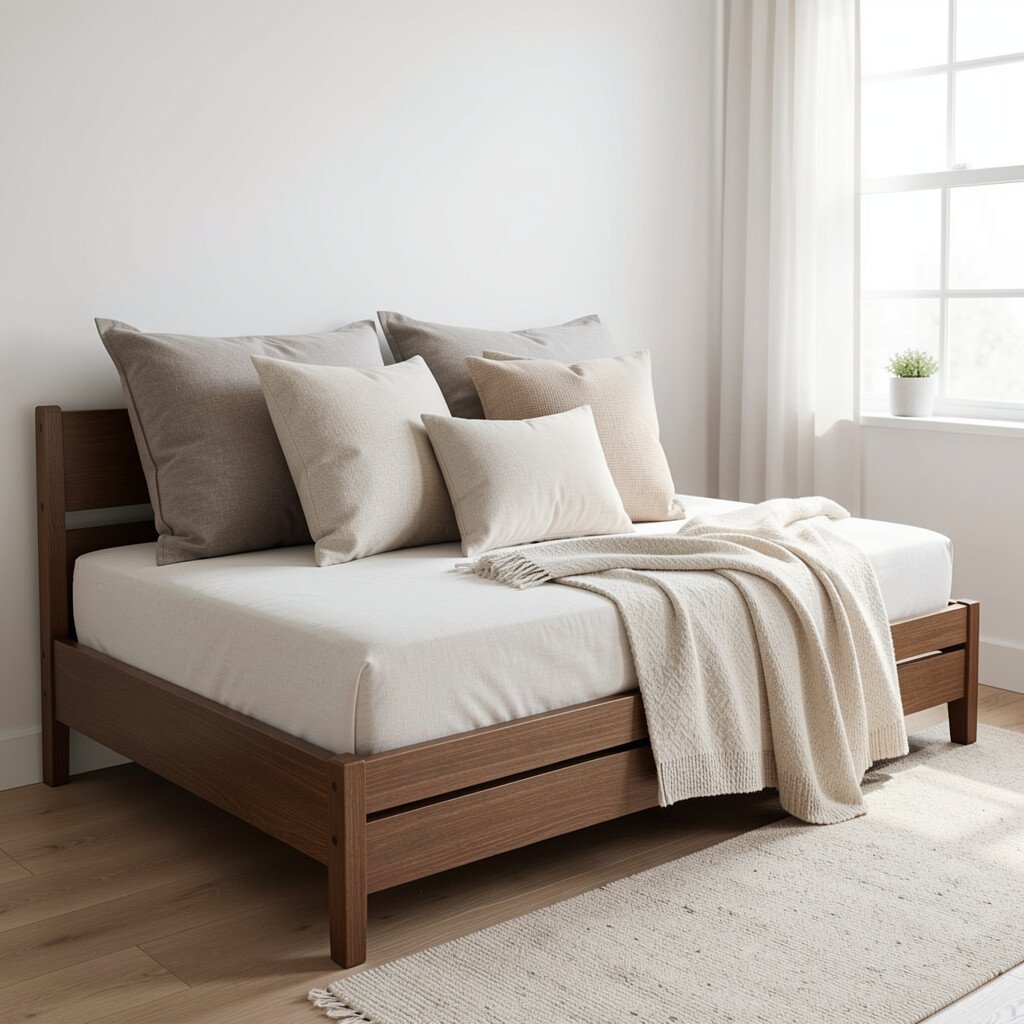
Pillows are the easiest comfort upgrade, but they need to fit the daybed look and how you actually lounge. A daybed usually invites stacked pillows, so the top layers should feel soft without sinking too fast.
If you like back support while sitting, choose a supportive back pillow and let the decorative pillows stay lighter. For side sleeping, use a thinner pillow under your head and a more supportive one to keep your shoulder from rolling forward. Keep at least one pillow with a removable cover so you can wash it often, because lounge time brings more dust and skin oils. Changing pillow height is the quickest way to fix neck comfort on the spot.
5. Mattress toppers can fix “almost comfortable” in one night
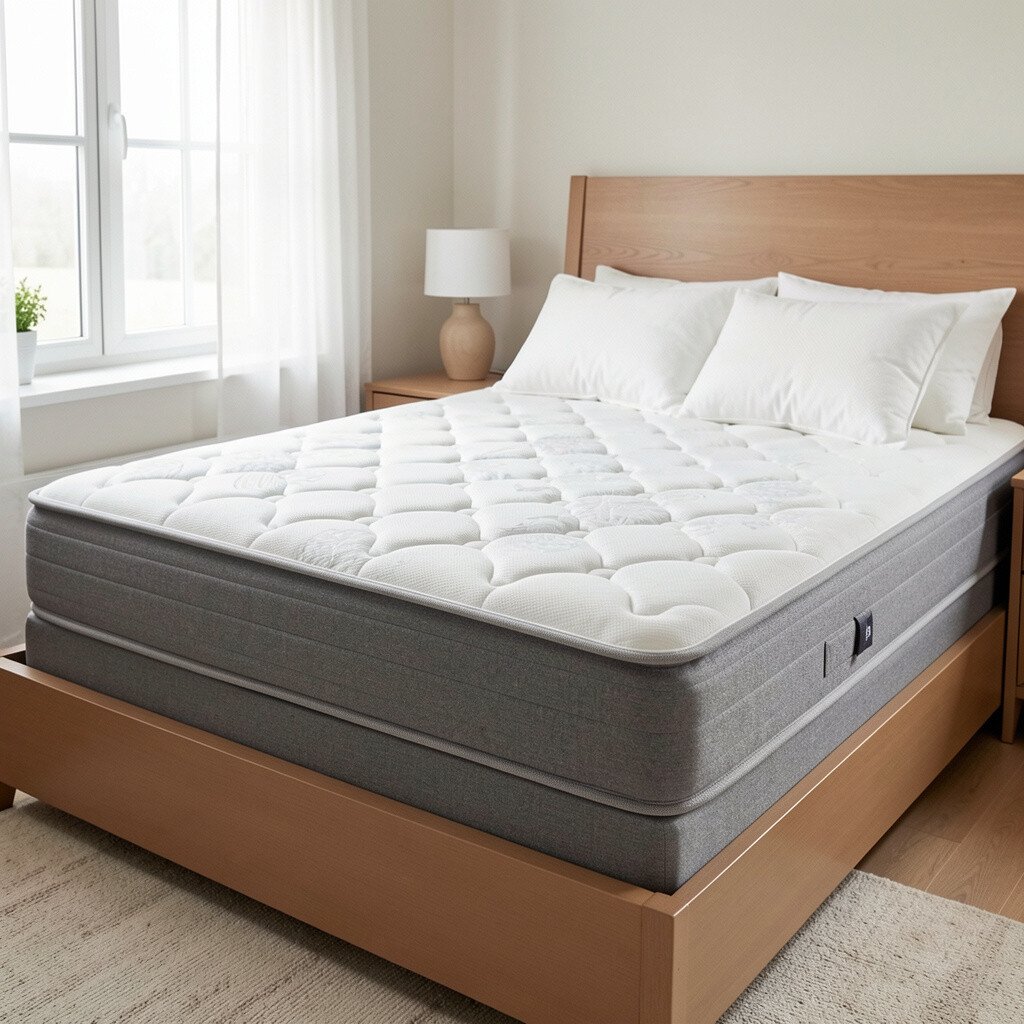
A topper can be the difference between “fine” and “I can stay here.” If your mattress feels too firm, a plush topper can soften pressure points quickly.
If it feels too soft, you might need a firmer layer or a topper that adds support rather than only softness. Thickness matters, too, because a very thick topper can make you feel like you’re sinking even when the mattress underneath is supportive. Choose a topper that matches your comfort goal, then test it for a few nights before changing everything again.
Pay attention to how you feel after waking up, not just how it feels while you’re lying down. A topper that supports your hips helps your spine stay aligned. If you run warm, look for breathable materials and covers that wick moisture. A cooler sleep surface often makes the whole bed feel more comfortable.
6. Daybeds collect heat faster than you think
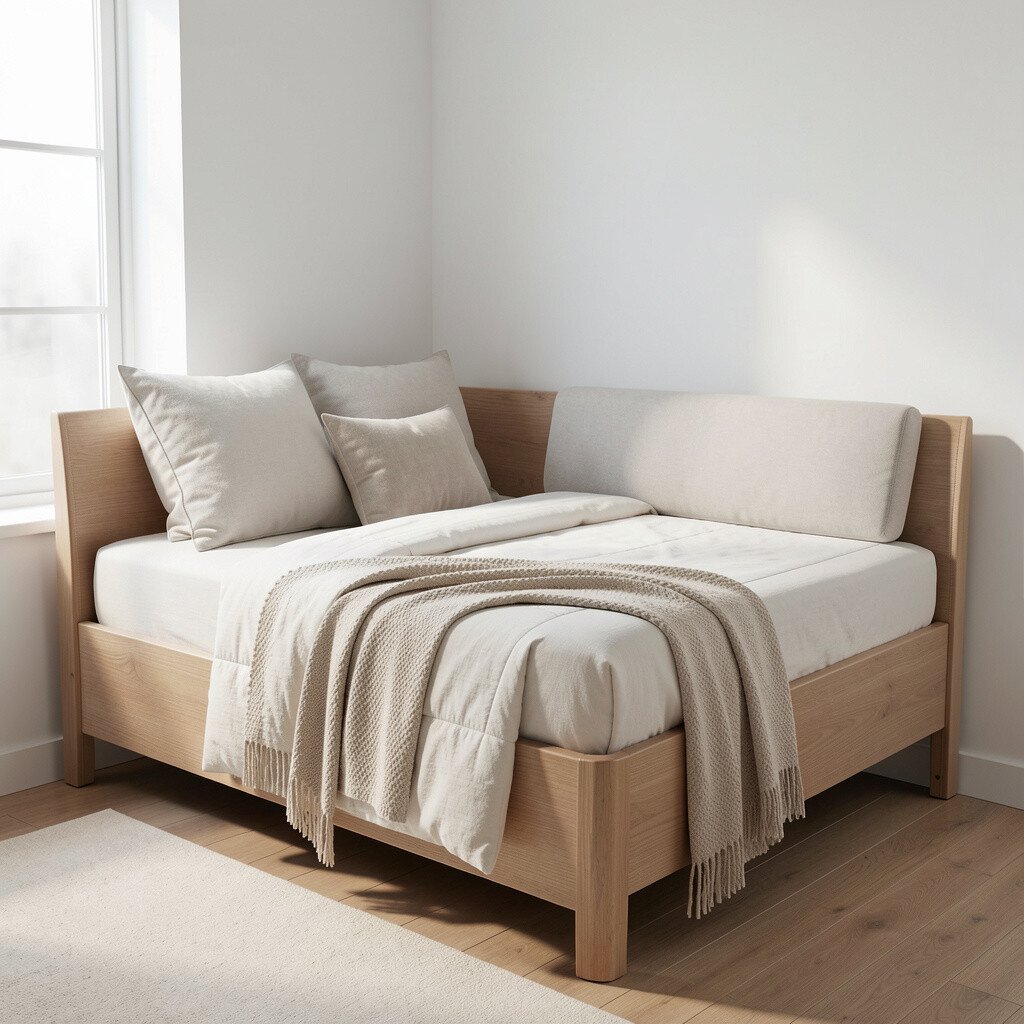
Because daybeds are often positioned near windows, rugs, or couches, they can soak up warmth during the day. When the sun hits, the mattress can feel hot even if the room is mild.
Choose bedding fabrics that breathe, like cotton, linen blends, or moisture-wicking materials. If you like crisp sheets, pay attention to thread feel, because very slick fabrics can make noise and shift when you move. A simple fan near the daybed can help regulate temperature without changing your decor.
Look for a topper with ventilation or airflow channels if you tend to overheat. Comfort improves when your body can cool down, especially during late-night reading on a daybed. You can also rotate the mattress cover and pillowcases so they dry faster between uses.
Keeping airflow consistent is a comfort habit that lasts, not a one-time purchase. Even small changes to ventilation can reduce that “too warm to relax” feeling.
7. The cover fabric can be the hidden comfort factor

You might focus on foam levels, but your cover fabric decides how the surface feels in motion. Some covers feel smooth and cool, while others feel plush and grabby when you shift positions.
If you wake up with tangled blankets or pillows, your cover might be too slippery for how you sleep. If you feel stuck, it might be too grippy and frictiony. Comfort is easier when your bedding helps you move naturally.
Look for a cover with a snug fit so it doesn’t bunch up at night. Bunching can create pressure points, especially around the edges where your body shifts. A removable, washable cover is worth it because it keeps the surface clean and fresh. When the bed stays clean, it feels better, smells better, and simply invites you back.
8. You can make a daybed feel like a real bed with the right layout
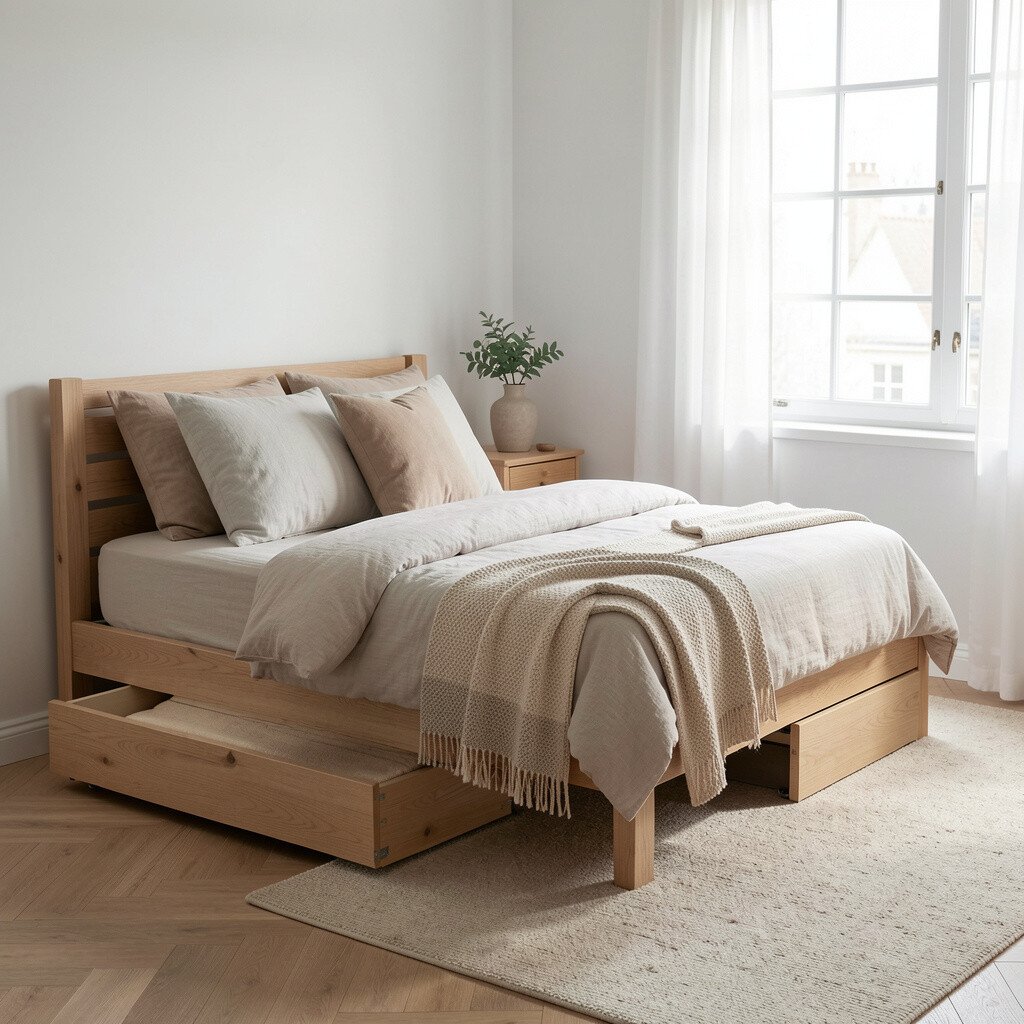
A daybed can look like a couch until you style it like a sleep space. The easiest change is to build layers from the center outward.
Start with fitted sheets and a comfortable top blanket, then add a bed-size duvet or comforter that drapes neatly. When the blanket falls evenly on both sides, your body relaxes because there’s no tugging or uneven pressure. If you love a hotel feel, use a duvet with a quality cover and tuck it slightly under at the sides. Add two supportive pillows in back and let the decorative ones sit higher for visual calm.
Don’t forget the rug and floor height. If the room uses a low rug, your feet may feel slightly different when you sit up, and that small shift affects comfort. Making the whole scene cohesive helps your brain settle, which matters more than people admit.
9. Lighting makes a huge comfort difference, especially for lounging

Comfort isn’t only physical, it’s also mood. A daybed with warm lighting feels softer, even if the mattress is the same.
Try placing a lamp at the side so you can read without glare. If the daybed faces a window, use sheer curtains or adjust blinds so the light doesn’t bounce off the frame. Your eyes relax when the room has gentle contrast, and that calm helps your body stay comfortable.
For evening comfort, choose bulbs that feel warm and not overly bright. Dim light reduces that “always awake” feeling that can keep you fidgeting. When you can sink into the daybed without squinting, it becomes a real rest spot, not just furniture.
10. Comfort depends on how you manage the seams
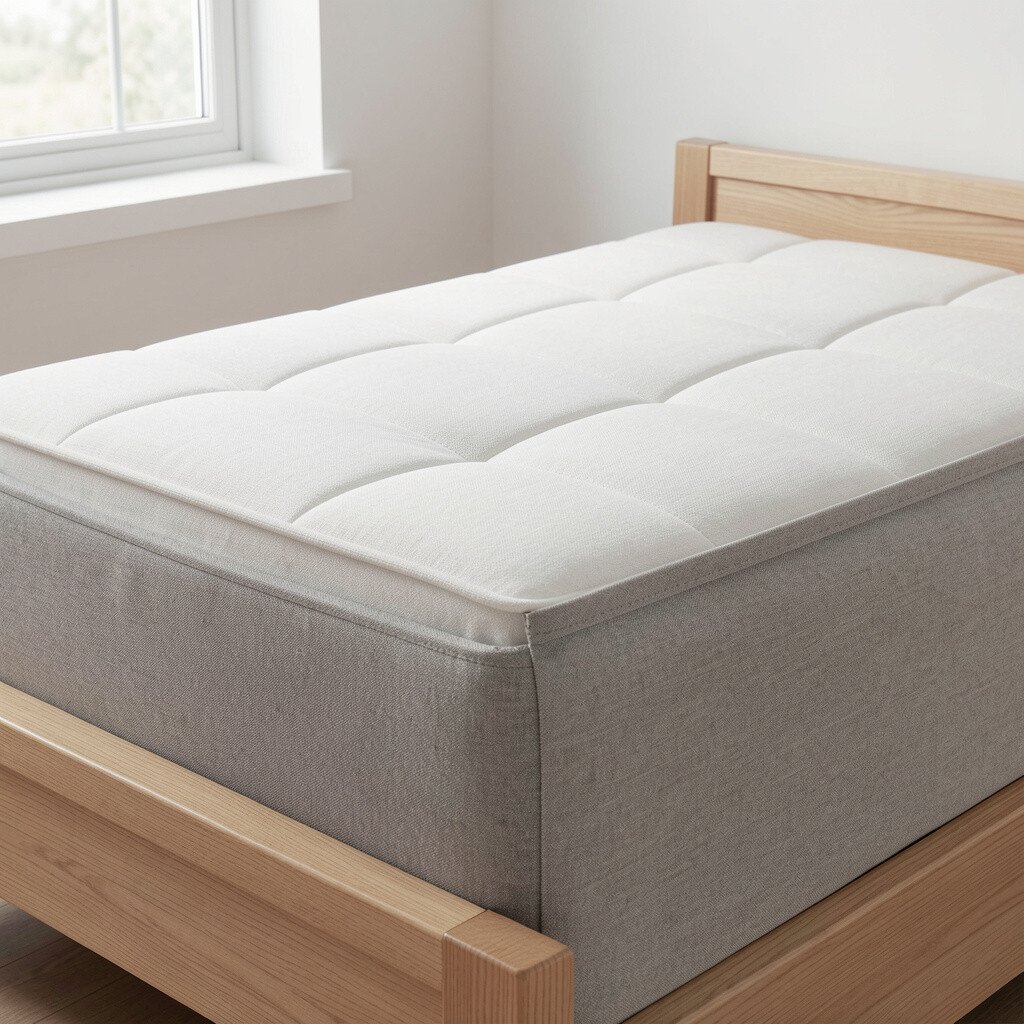
Daybeds sometimes use mattresses with seams, and those seams can create pressure where your body rests most. If you sleep near the seam, you might feel it even if you can’t clearly point to why you’re uncomfortable.
To fix this, adjust the mattress placement so the seam ends up where your knees or shoulders won’t press most. If you use a topper, aim for a topper that covers the seam area evenly. You can also rotate the mattress so wear patterns shift over time and the surface remains consistent.
Pay attention to how your fitted sheet holds everything in place. If your sheet shifts, it can drag your body into a seam zone. Comfort improves when the bedding stays smooth and aligned, especially on a daybed where movement is constant.
11. Airflow under the mattress is your comfort shortcut
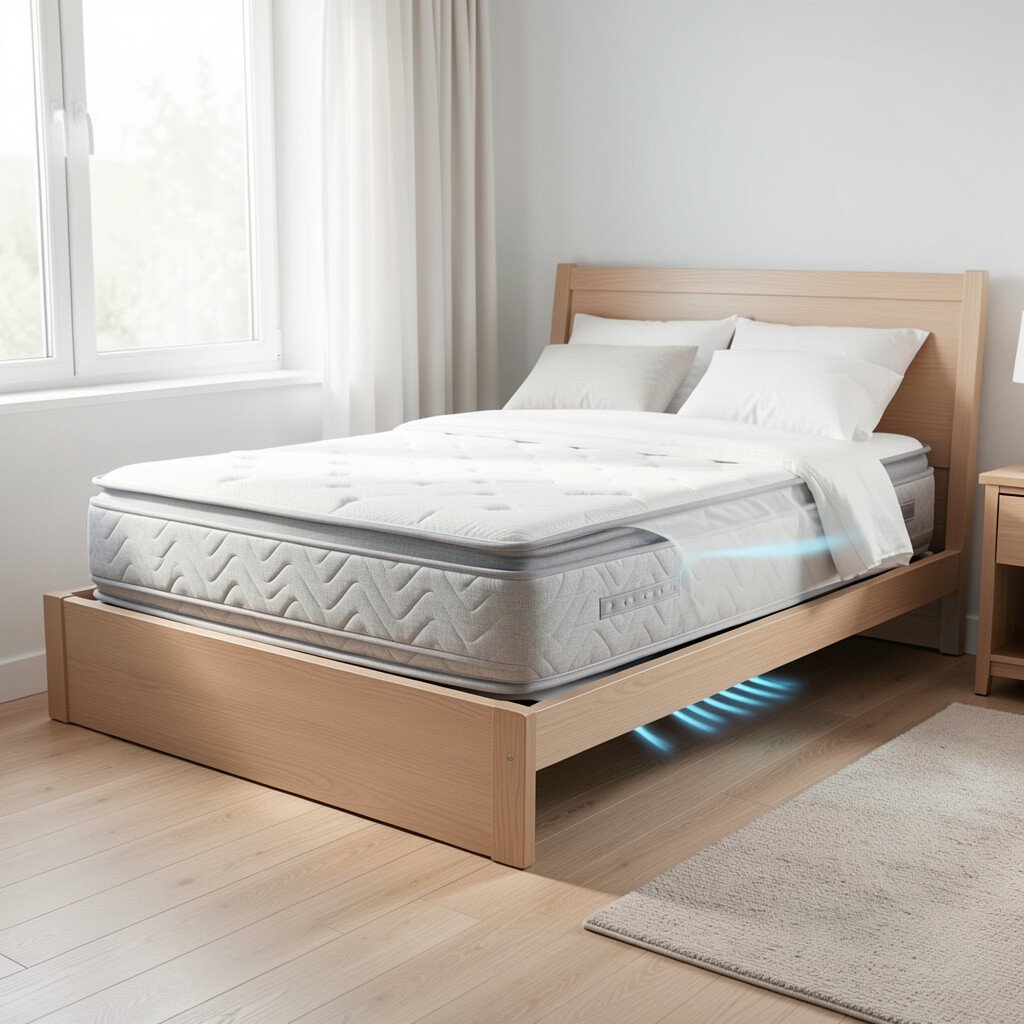
If your daybed has a solid base, airflow can be limited, which makes the surface feel warmer and can add odors over time. When heat and moisture linger, comfort fades even if everything looks clean.
Check whether there’s room for air under the mattress and whether the frame allows circulation. If not, use a breathable foundation layer or a mesh-style underlay that helps moisture move away. Vacuuming dust from the underside during seasonal cleanups also keeps the environment fresher.
You can think of it like keeping a shoe area dry, but for your sleep space. A little airflow makes the bedding feel more inviting after a few hours of use. For people who wake up feeling stuffy, improving ventilation often brings fast relief.
12. The “longest nap” test beats guessing in the store
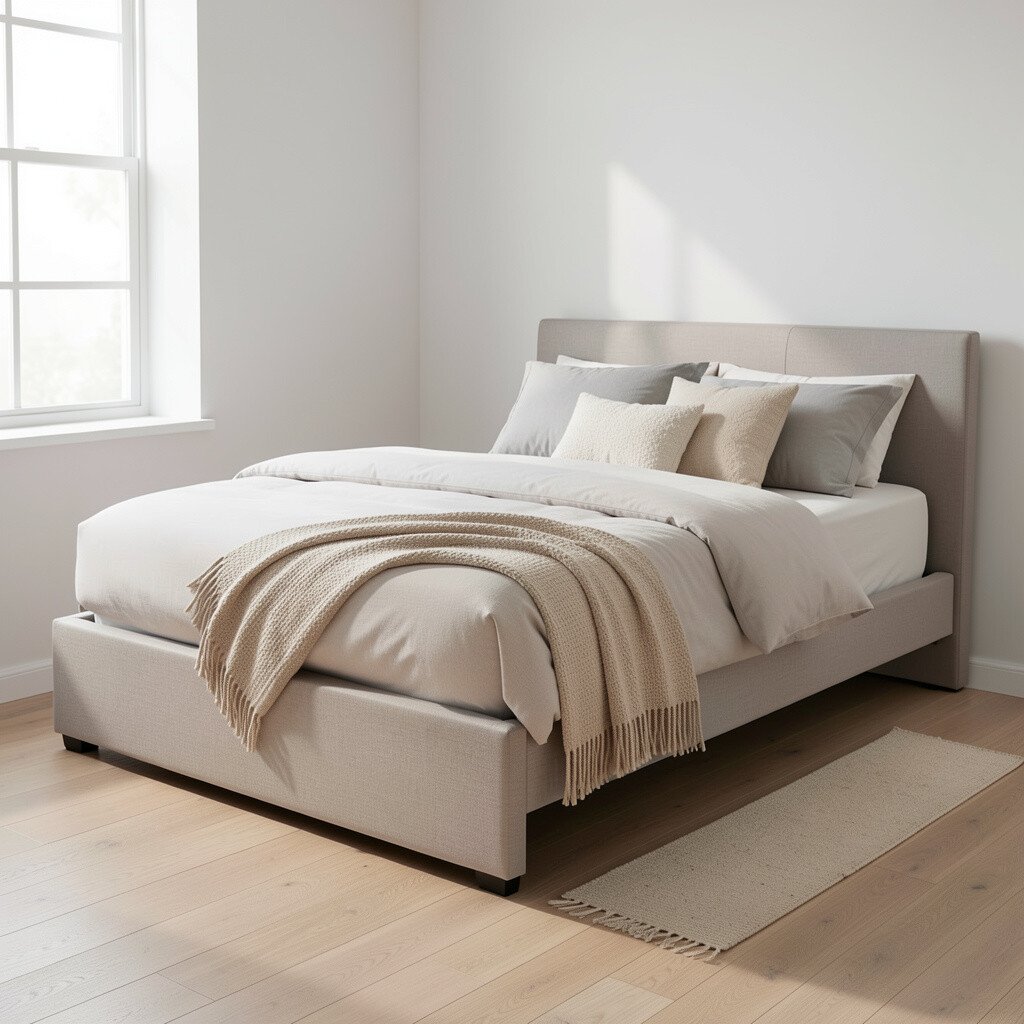
Showrooms are bright, quiet, and often set up to flatter the look, not your real body. To judge comfort, do a quick home style test with your normal routine.
Lie down on the daybed with your favorite pillow setup and spend time reading or resting. Notice where you feel pressure first, like along your hips, shoulder, or low back. Comfort becomes obvious when your body stops searching for a better spot.
Try adjusting only one thing at a time, such as pillow height or adding a topper, and see if the discomfort fades. This saves money and prevents you from buying everything at once. It also helps you learn your patterns, which is the real skill that lasts.
13. You can personalize with removable covers and seasonal swaps

A daybed is perfect for seasonal comfort because it’s easy to refresh visually. Removable duvet covers and washable pillowcases let you change warmth levels without replacing the whole bed.
If you love a cozy fall feel, add a thicker throw and a warmer cover. In summer, switch to lighter bedding and use a breathable topper cover so the bed stays pleasant. Personalization is more than style, it’s comfort control that matches your living season.
Choose colors and textures that feel calming to you, because relaxing design helps you unwind faster. If you work from home and use the daybed for breaks, a soothing color palette can make resting feel natural. When the bed matches your mood, comfort becomes easier to maintain.
14. Current trends are pushing daybeds toward “spa-level lounging”

Today’s daybed designs often blend lounge furniture energy with sleep comfort, and that trend changes what shoppers expect. Many people now style daybeds like a cozy nook with layered textiles and supportive seating.
Look for materials that feel soft and inviting, like performance fabrics and breathable knits. Trend-forward setups also focus on easier cleaning, which matters because daybeds get daily use. If you want that spa feeling, combine a supportive mattress with a plush top layer and a structured throw that doesn’t slide.
Personalize the look with modern pillow shapes and neatly folded blankets so the space feels intentional. When the styling feels organized, your mind relaxes, and your body follows. Even small trend details like matched pillow sizes can make the whole area feel more comfortable.
15. Comfort has a budget, so spend where it counts
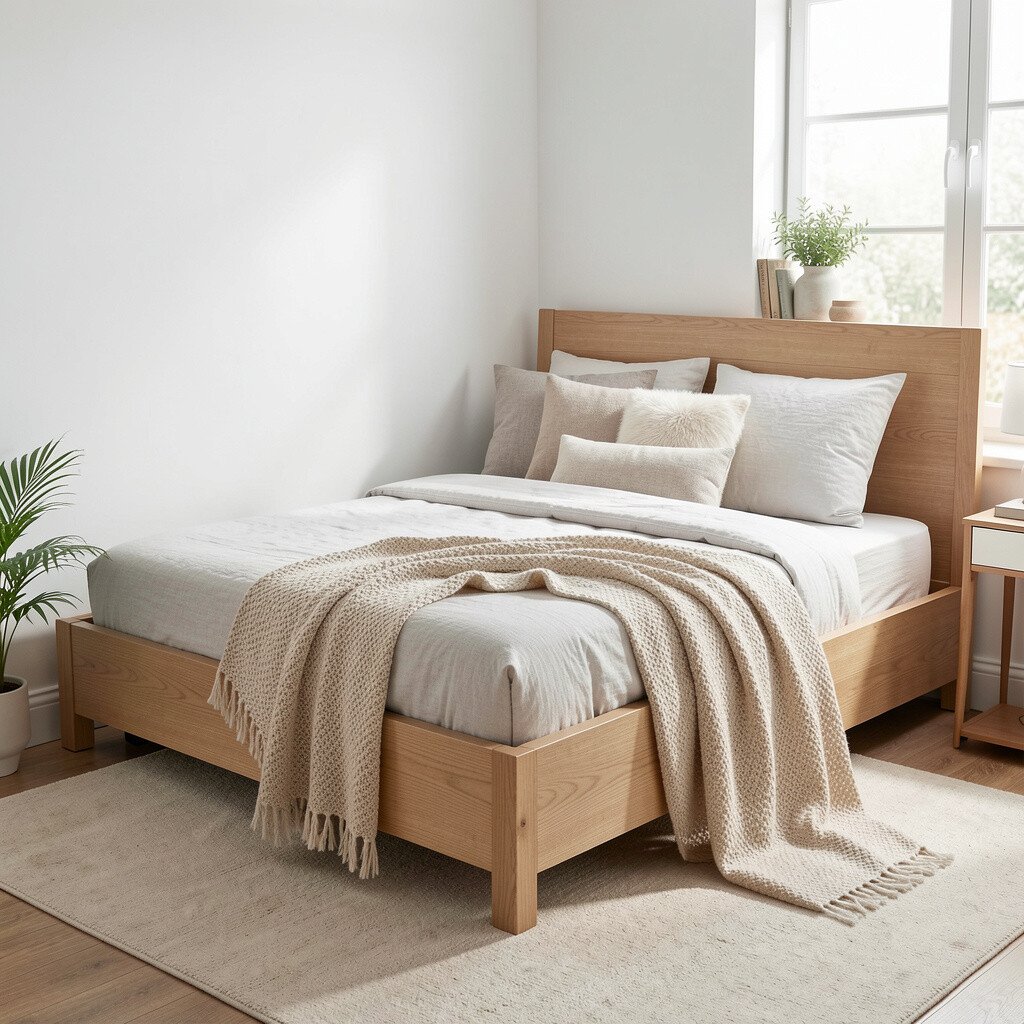
It’s tempting to buy a fancy frame or a pretty set, but comfort usually comes from the layers touching your body. If you have limited budget, start with the mattress and any topper needed for your pressure points.
Next, invest in washable covers and pillows that you can swap when they wear out. These are cost-effective because they keep the comfort experience fresh. If you go for decorative pieces, choose ones that don’t add extra bulk that pushes your spine out of alignment.
Shopping smart also means checking return policies and warranties. A good comfort setup is a system, so plan for adjustments. Sometimes the most cost-friendly path is buying a quality topper instead of replacing the entire mattress, especially if the mattress underneath is still supportive.
16. The best comfort setup is the one you maintain
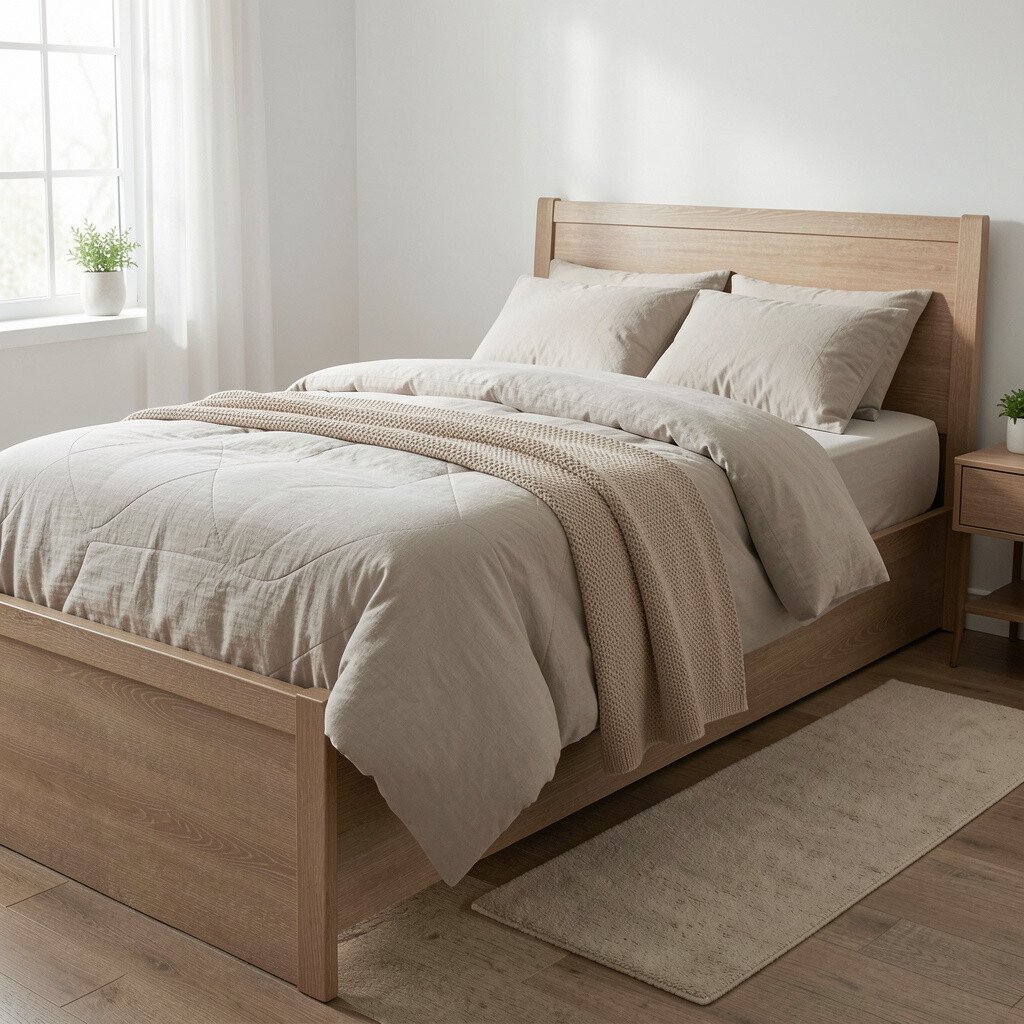
Comfort can vanish slowly if you don’t keep the daybed surface tidy and aligned. Dust, crumbs, and bedding wrinkles build up quickly, especially in a multi-purpose space.
Make a simple routine: rotate the mattress if possible, wash covers regularly, and fluff pillows so they keep their shape. If your daybed gets lots of use, consider a protective mattress cover that won’t feel plastic to the touch. When your bedding stays clean and smooth, the daybed feels comfortable again, even after a busy week.
Maintenance also helps your items last longer, which saves money and reduces the stress of constant replacements. Keep your comfort upgrades flexible by adjusting pillow stacks and blanket layers as seasons change. A daybed becomes truly enjoyable when it feels ready for rest every day, not only when you first set it up.
Once you learn your preferred setup, you can recreate it in minutes, which is the real luxury. Your comfort routine turns the daybed into a reliable calm spot.