
A staircase can feel like an everyday tool and a design centerpiece at the same time. The right traditional details make it safer, smarter, and more personal.
Below are practical design ideas that keep classic charm while improving how your stairs work in real life.
1. Handrails That Guide Every Step
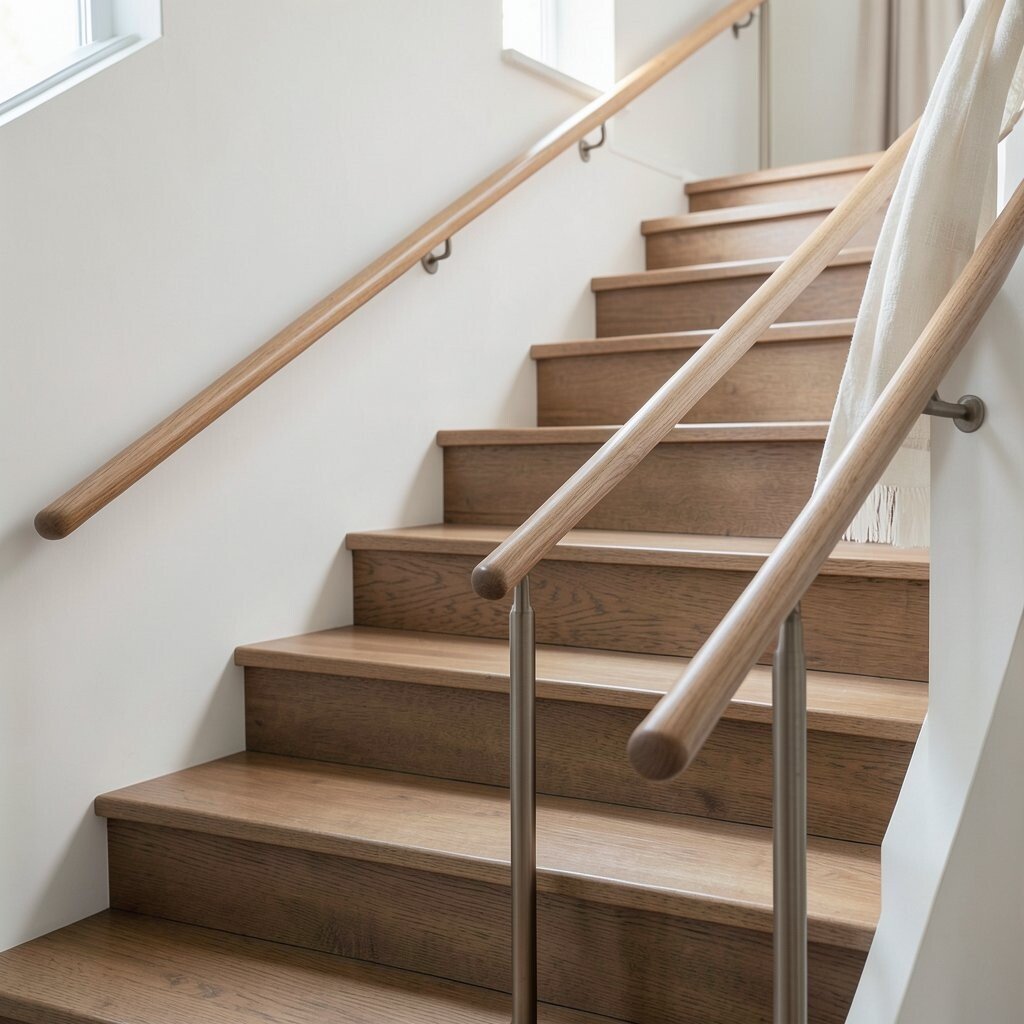
A warm wooden handrail instantly makes a staircase feel welcoming and steady. When you picture a stairway, your eyes often catch the rail first, especially when it matches the room’s finishes.
Choose a handrail height that feels comfortable for regular use, because small differences can change how confidently people walk. Smooth edges help hands glide without snagging, and that matters for kids, seniors, and anyone carrying something. For a traditional look, consider turned balusters or a gently rounded rail profile that feels classic rather than bulky.
2. Balusters for Safety and Style
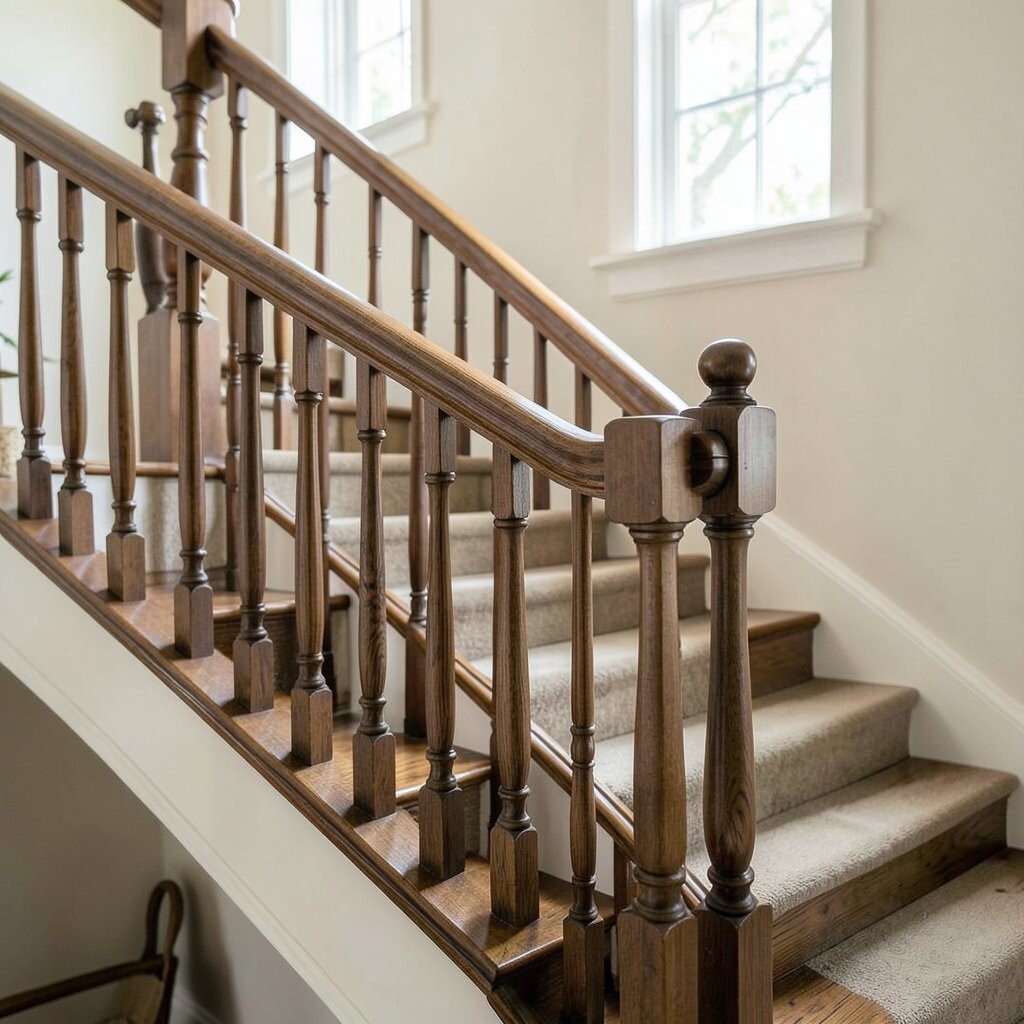
Balusters create a rhythm you can see, like a neat pattern along the stair edge. In many traditional homes, the spacing and shape of those pieces give the stairs their signature personality.
Keep safety in mind by choosing consistent spacing so small children cannot slip through. If you like the classic style, use slender wood balusters for a lighter feel, or go with thicker posts for a more formal look. For personalization, paint them a soft white or stain them to match the woodwork, and you will get a coordinated, lived-in charm.
Regularly check that balusters are secure, since day-to-day use gradually loosens hardware over time. Many homeowners find that simple tightening can prevent annoying wobbling, which also reduces wear on the handrail. If your budget is tight, focus spending on the handrail and top newel post first, because those are the most visible and used parts.
3. Wainscoting on the Stair Hall Wall
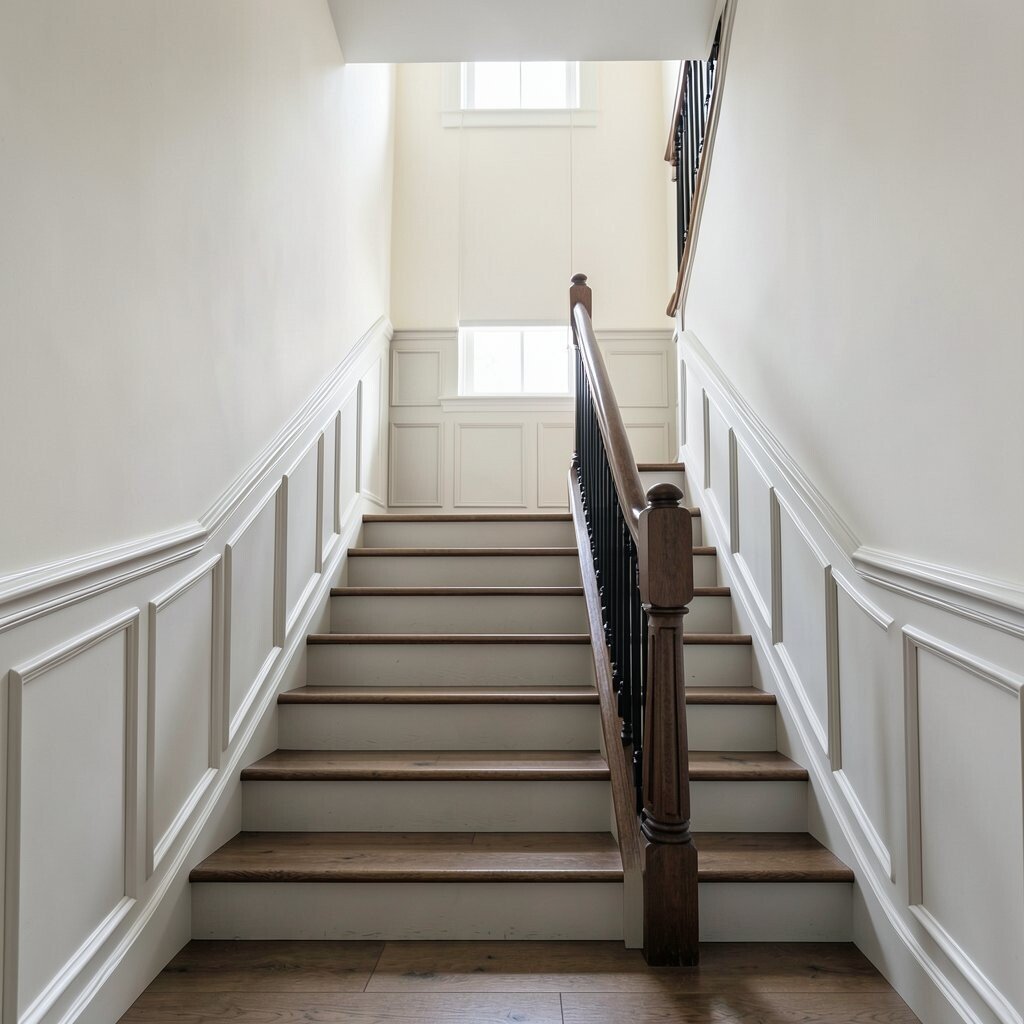
A staircase wall with wainscoting looks grounded, almost like it has a steady frame. The panels catch light softly, which makes the hallway feel more refined and less bare.
Adding wainscoting can also protect painted surfaces from scuffs caused by backpacks, moving furniture, and everyday traffic. Use traditional proportions with simple molding so it still looks classic and not overly busy. If you want practicality, apply a durable topcoat and choose a stain-resistant paint for the upper sections.
For personalization, echo the same wood tone from the rail or door trim so the stair hall feels like one story. When money is the deciding factor, consider installing wainscoting only on the most touched wall sections rather than the full run. Current interior design favors warm neutrals and subtle texture, and classic paneling fits that trend without feeling trendy for a day.
4. Stair Treads With Non-Slip Finishes
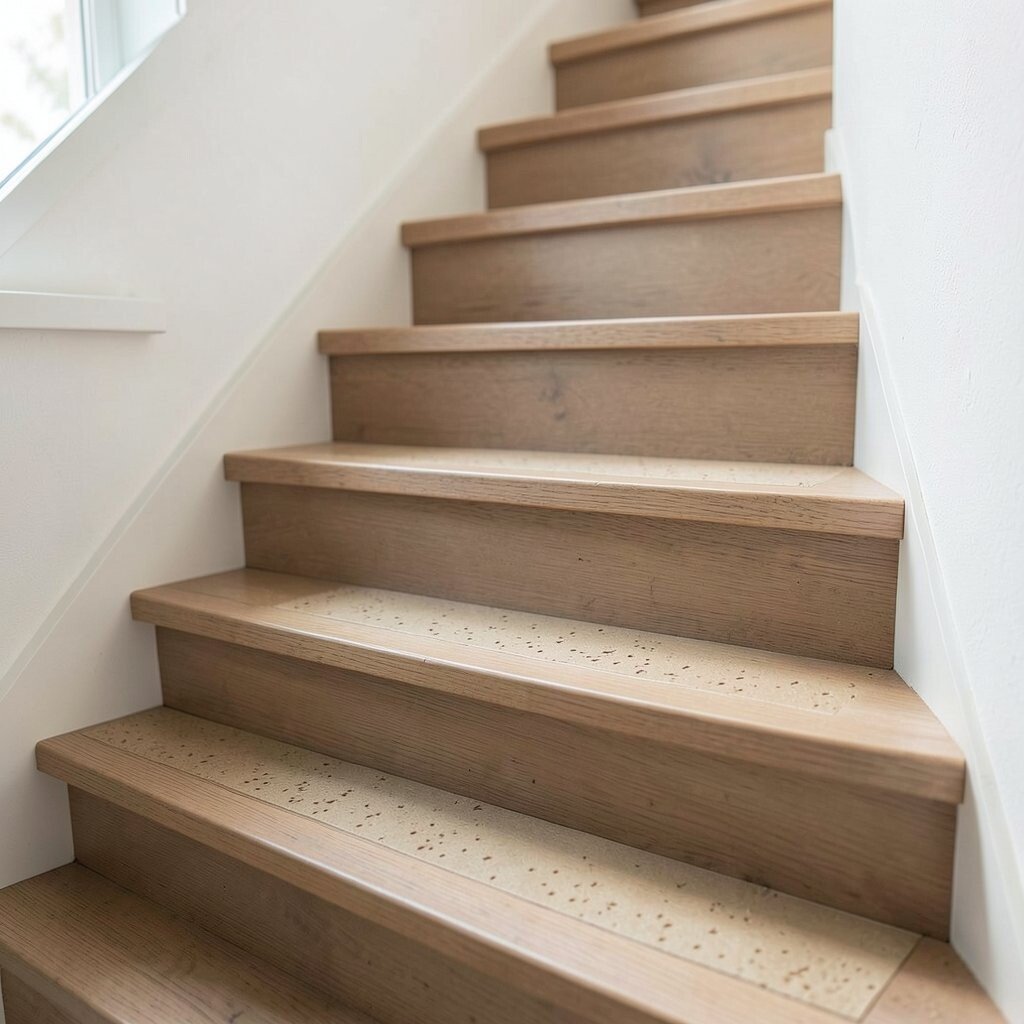
Traditional stairs can look graceful and still work hard every day. When the treads have the right finish, they feel secure underfoot and visually crisp.
Choose a non-slip finish or add discreet traction strips in a classic tone so the safety upgrades blend in. If you like the look of natural wood, select a stain and topcoat designed for movement and cleaning. For a layered traditional feel, some homeowners add a runner with a tight weave to create both comfort and grip.
5. Storage Under the Stairs
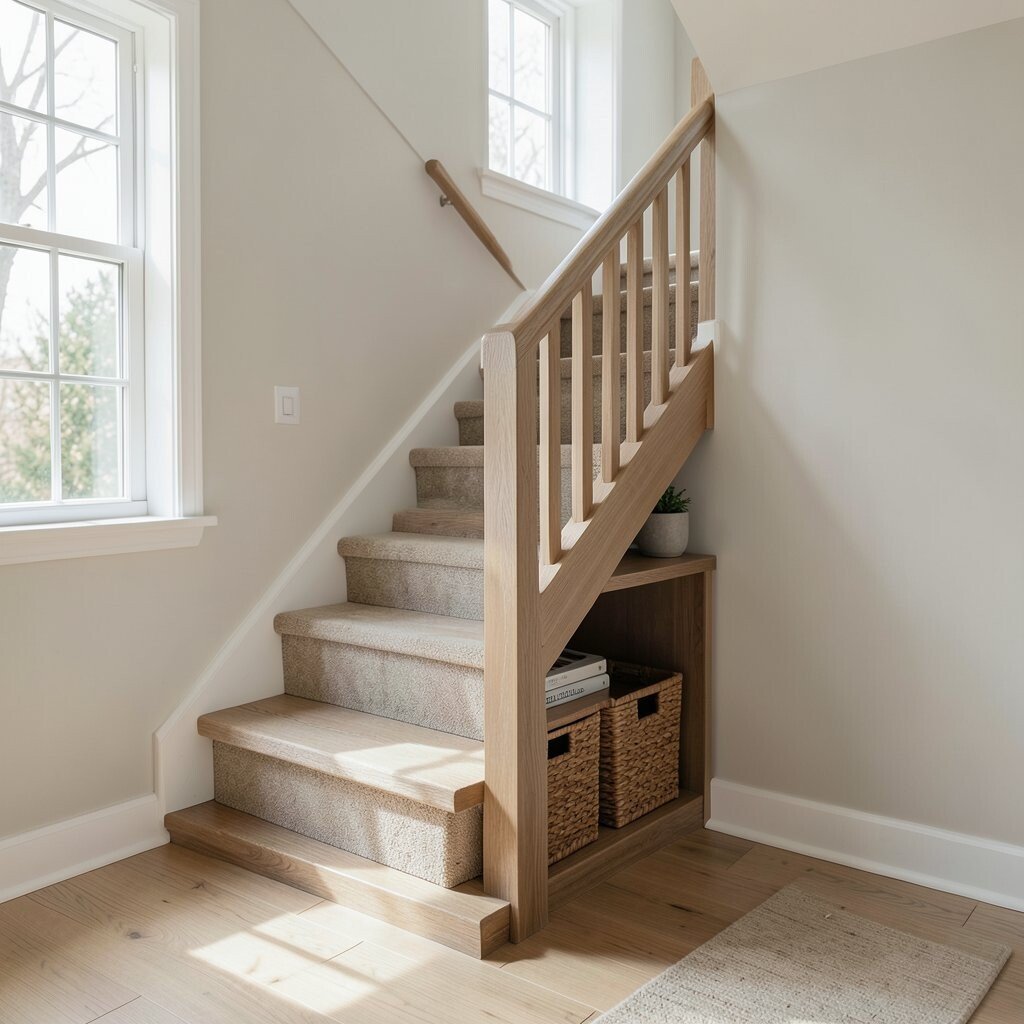
The space under a staircase often feels wasted, but it can become a practical helper. When you use that area well, the stairs stay tidy while the home gains real storage.
Built-in drawers or a closed cabinet under the first few steps can hold shoes, cleaning tools, or seasonal décor. Traditional design works beautifully with this because paneled doors and simple trim look like they belong to the home. A door with a raised panel or shaker-style edges can keep the storage invisible, so the staircase still feels elegant.
Plan the depth so you can reach items without awkward bending, and leave ventilation if you store items that need airflow. If your budget is limited, start with open shelving covered by a curtain that matches nearby textiles, which gives storage without full carpentry. To personalize, choose knobs that echo the faucet or cabinet hardware elsewhere in the house.
6. Classic Newel Posts as Anchors
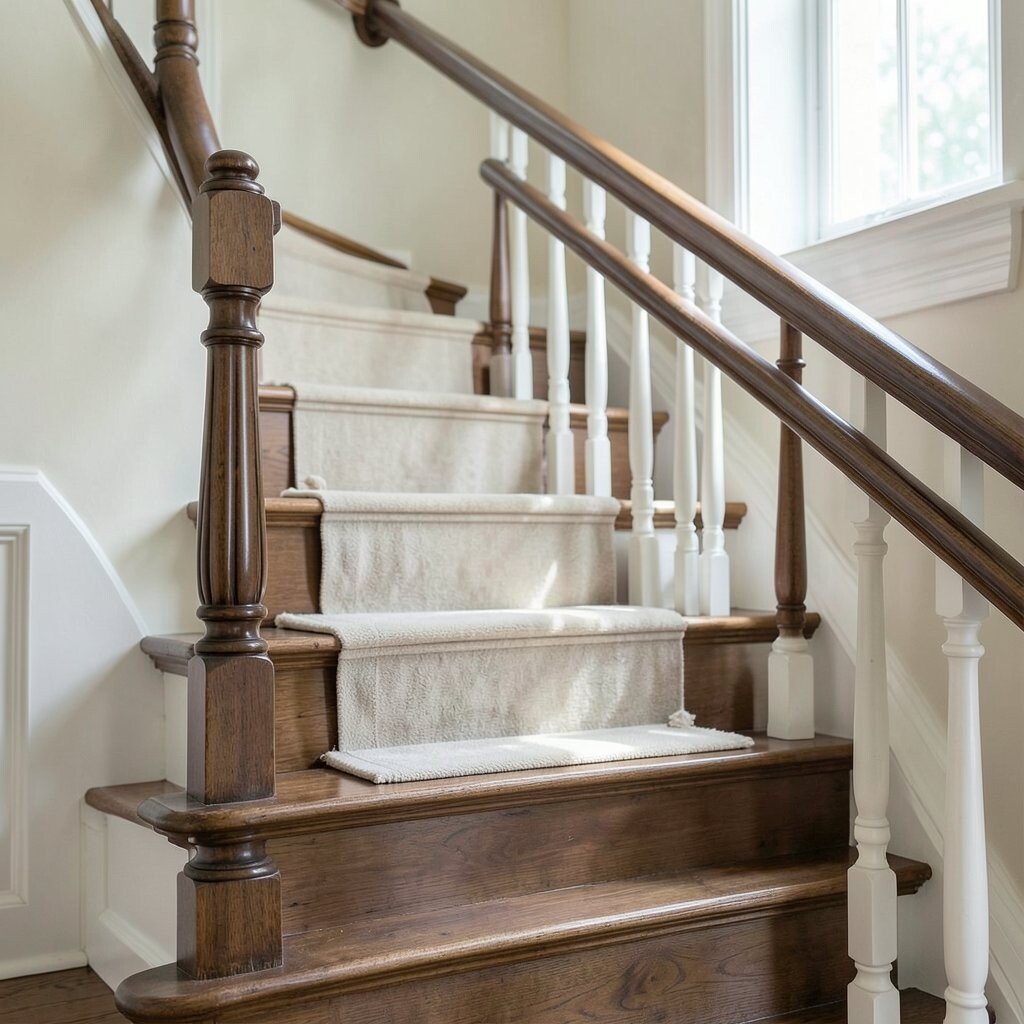
A newel post acts like a visual anchor, turning a staircase from a path into a focal point. You can almost feel the structure when the top and bottom posts are well proportioned.
Choose a style that matches your home era, such as a turned newel or a more solid, blocky design. A strong post also helps the handrail feel secure, which improves stability during daily use. For practical comfort, ensure the post does not obstruct the walking path and that it is sturdy enough to handle frequent contact.
7. Riser Heights That Feel Consistent
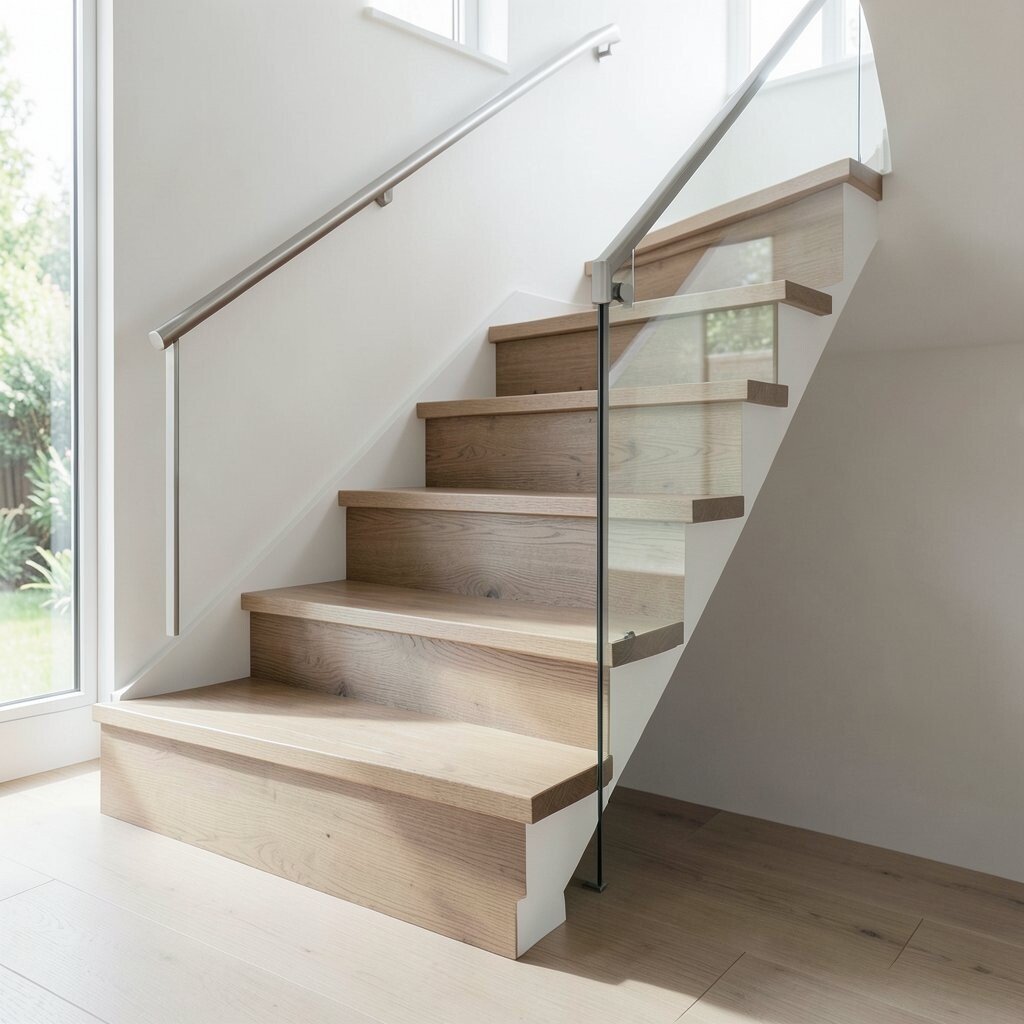
Stair risers that feel consistent help your body learn the steps quickly. When riser heights vary, walking becomes less smooth, even if the stairs look good from afar.
Traditional staircase designs often aim for simple repeating measurements, which can improve comfort for most people. If you are renovating, measure carefully and avoid mixing different tread thicknesses that unintentionally change the feel. For personalization, you can still use classic wood tones and molding while focusing on the walk’s rhythm.
Many homeowners notice that consistent risers also make carrying items easier because each step lands with predictable timing. When budget is tight, you may still improve the experience by adding a runner that visually marks the tread edges, even if you cannot adjust construction right away. Choose a runner with a backing that stays put so the walking surface stays steady.
8. Treads With Decorative Edge Profiles
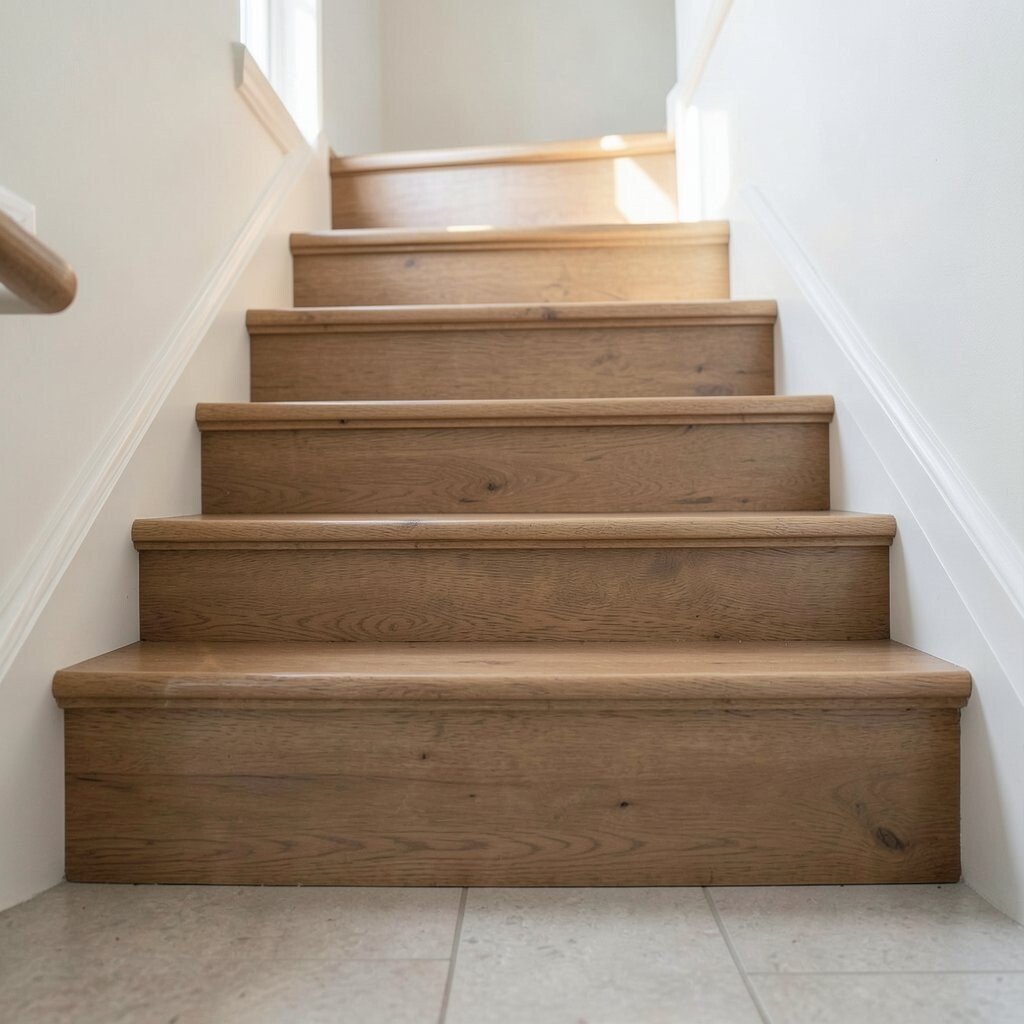
Even when stairs are plain, the edges of the treads can make them look finished. A subtle rounded edge or bead detail gives that traditional “made on purpose” feel.
Decorative profiles can also guide your feet visually, because the line where tread meets air becomes easier to judge. Look for profiles that match your trim style, like simple molding that echoes baseboards or door casings. For practicality, keep the tread finish easy to wipe so dust does not build up along carved edges.
9. Runners That Blend Tradition and Grip
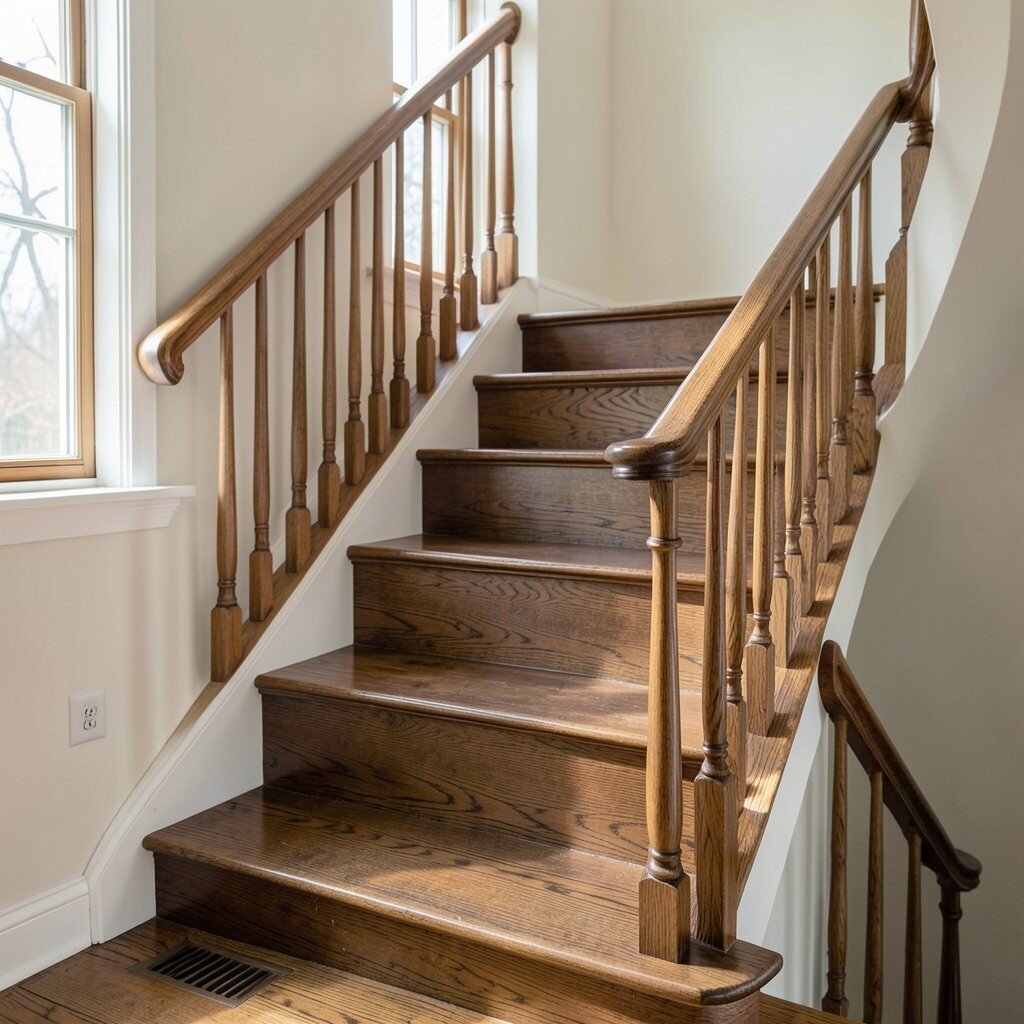
A stair runner can turn a hallway into a warm, elegant scene. When the runner pattern fits the style, the staircase feels cohesive from top to bottom.
Choose runners that are sturdy and have grip on the backing, because sliding ruins the whole experience. Natural fibers like wool give a traditional look and soften sound, which many people love in busy homes. For personalization, pick a pattern that fits your layout, such as a subdued border that draws the eye along the steps.
If you worry about cost, start with a shorter runner that covers the main traffic steps first, then expand later as your budget allows. Current trends lean toward classic neutrals and gentle patterning, so a timeless runner can feel updated without changing your entire stair design. A well-fitted runner also helps protect wood treads from everyday scuffs.
10. Lighting That Makes Steps Predictable

Good stair lighting keeps the steps visible when the rest of the house feels dim. Traditional homes often shine with warm light that feels cozy instead of harsh.
Use wall-mounted sconces or ceiling fixtures at landing points so shadows do not hide the tread edges. Motion-sensing lights can be practical at night, especially for hallways that are used after bedtime. If you want the classic look, pick fixtures with glass shades and warm bulbs so the glow matches the wood tones.
11. Stair Landings for Breaks and Better Flow
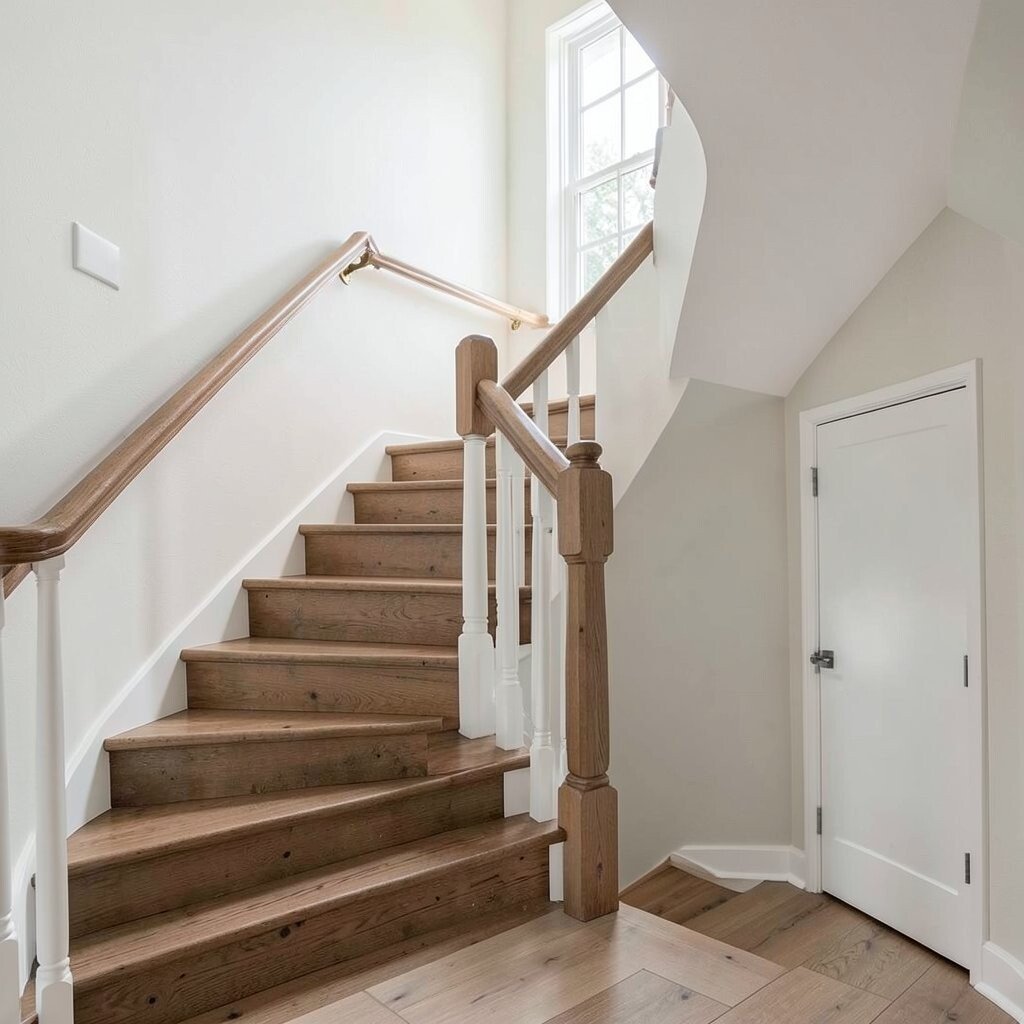
A landing is more than a pause, it is a functional breathing space for the stairs. When landings are wide and clear, moving furniture and carrying laundry becomes noticeably easier.
Design your landing so it supports comfortable turns, and keep it free of clutter that interrupts movement. Traditional staircases often use landings to create symmetry, and that balance can make the whole entry feel calmer. Add a bench or small console on the landing if the space fits, because it gives a spot for mail, keys, or shoes without blocking the path.
12. Ceiling Height and Stairwell Proportion
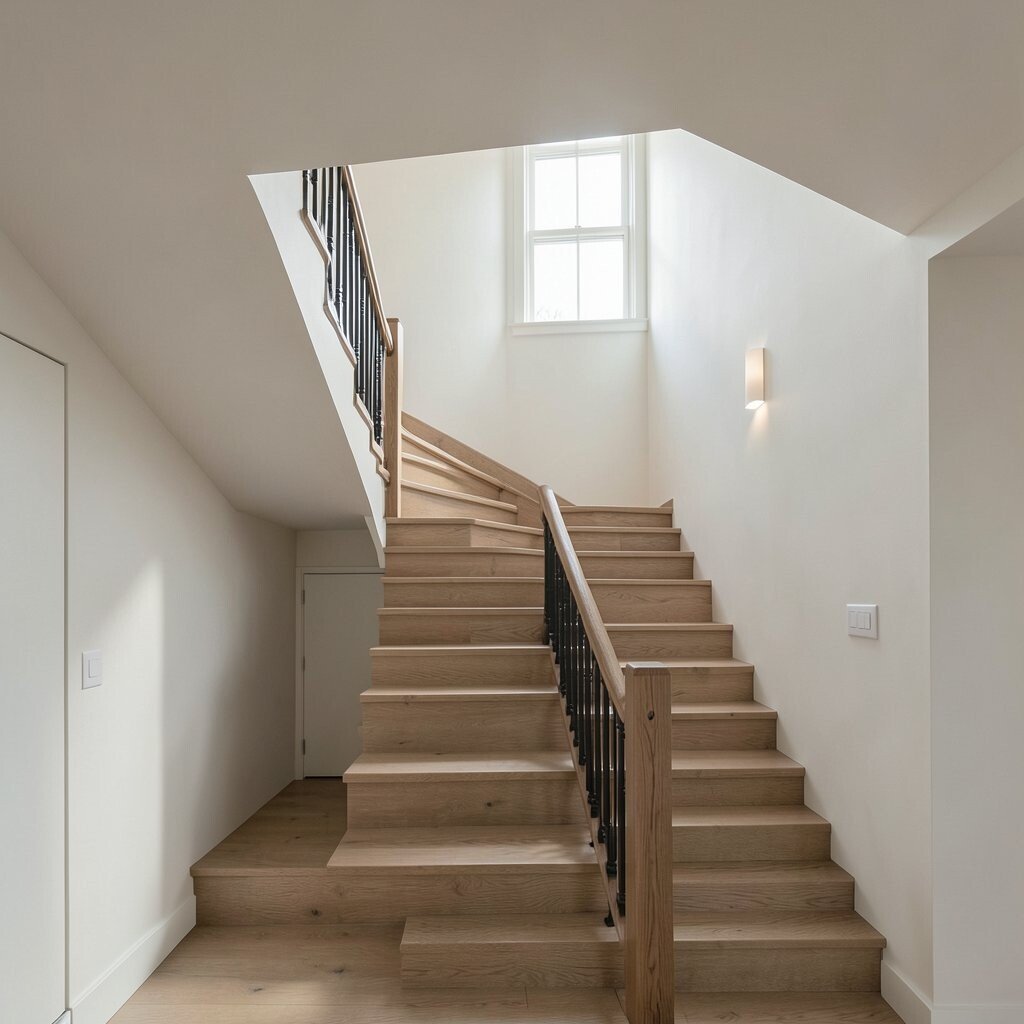
When the stairwell feels too tight, stairs can feel stressful even if they are well built. When the proportions are right, the staircase looks graceful and feels easier to use.
Traditional architecture often favors balanced vertical space, and maintaining that feeling helps the stairs look timeless. If you are planning a renovation, consider how light and airflow move through the stairwell. Practical comfort improves when the stair landing and upper space feel open enough for safe turning and clear sightlines.
To personalize the vibe, pair warm wood with classic trim lines that lead the eye upward. Budget-conscious upgrades can focus on paint color and lighting, since those changes can create a bigger feeling without major construction. Many current designs embrace soft, airy stairwells, but you can keep the look traditional through molding and classic finishes.
13. Matching Wood Species and Stain for Cohesion
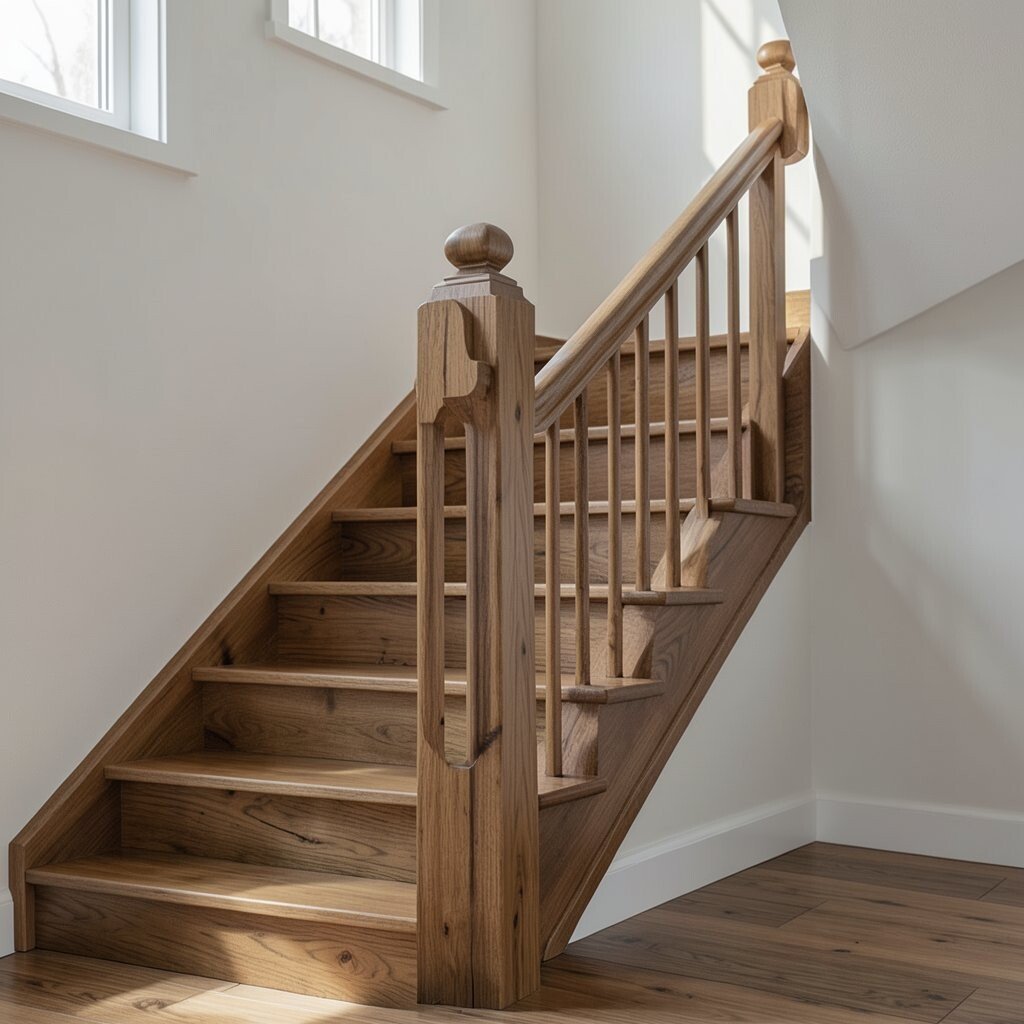
Staircases often look best when the wood connects to other spaces in the home. When rail, treads, and trim share a similar tone, the whole entry reads as intentional.
Choose a stain and topcoat that match your floors, doors, and cabinetry, because mismatched tones can make even a beautiful staircase feel unfinished. Traditional homes usually look calm with medium or warm stains, but you can still adjust the undertone to suit your lighting. For practical maintenance, select finishes designed for scuff resistance and simple cleaning.
If you want variety without chaos, keep the wood species consistent but change the sheen, like matte for walls and satin for rail surfaces. Cost considerations matter, so plan your order carefully and avoid ordering small amounts that later force you to chase a matching batch. Personalize with a handrail that feels special to touch, such as a stain slightly deeper on high-contact surfaces.
14. Heritage Details in Storage and Display Nooks
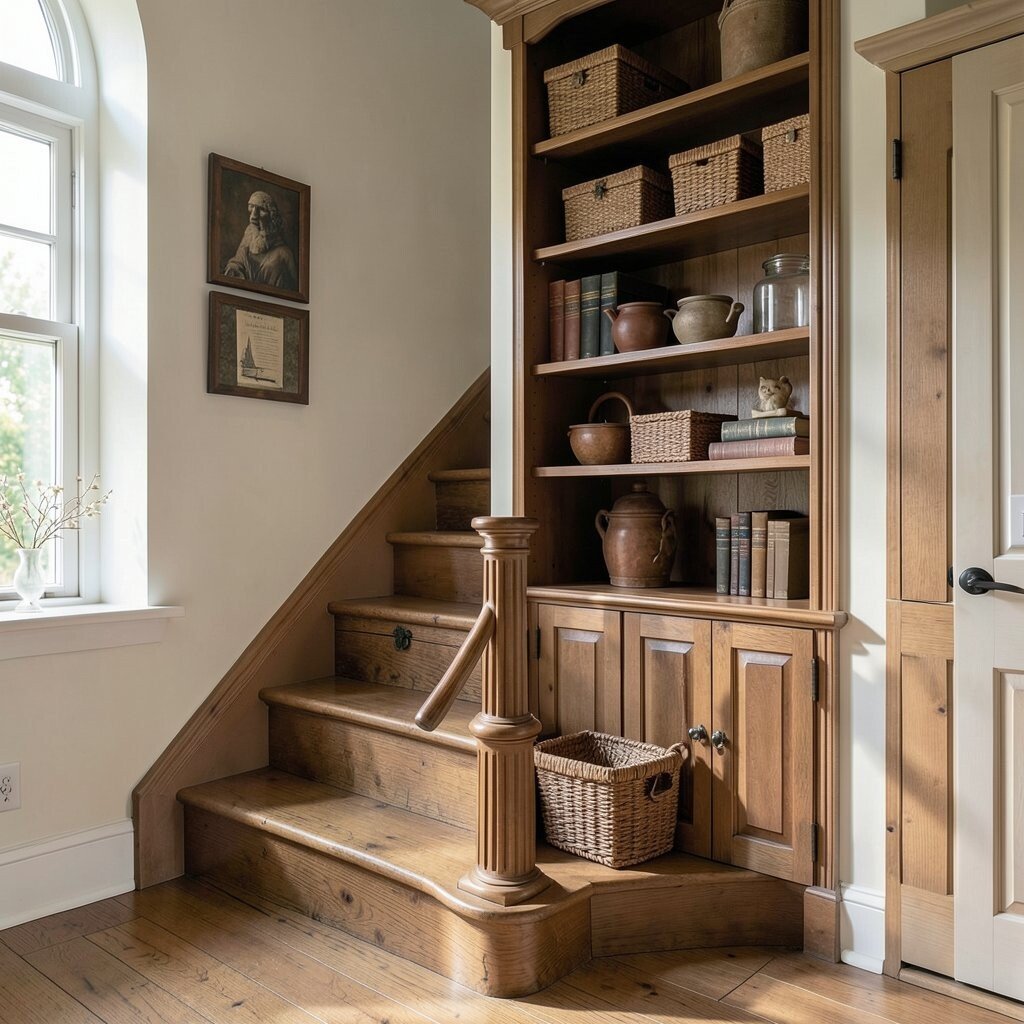
Traditional staircases often feel richer when small details have a job and a story. Storage and display nooks near landings can add that charm while staying useful.
Create a built-in corner for books, framed photos, or decorative baskets so the staircase area feels curated rather than random. Use paneling, simple corbels, or classic trim lines to keep the style consistent with the rest of the home. For a practical twist, add hooks for bags or small items where people naturally pause, so the area supports everyday routines.
When budgeting, prioritize what you see most, like front-facing shelves and the trim around openings, rather than heavy work in hidden areas. Current trend favorites include warm wood, neatly styled shelves, and gentle vintage touches, and these ideas fit right in with traditional stair design. To personalize, swap out seasonal décor easily so the space changes with the year without remodeling.