The road can feel expensive before you even get moving. With a few smart habits, your budget can stretch farther than you expect.
You will still see plenty, eat well, and sleep comfortably without burning through cash.
1. Build a “Yes, But” packing list
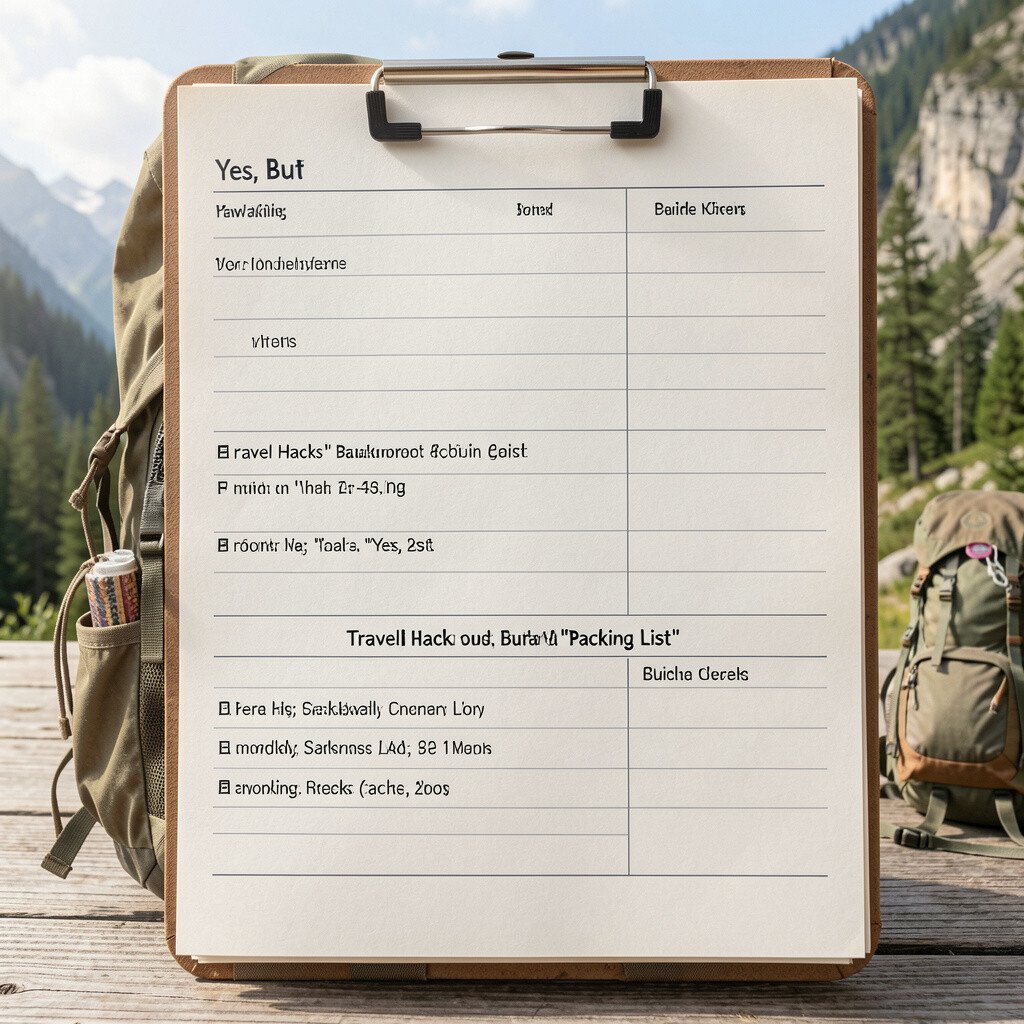
Start by writing what you think you need, then ask what you can carry only if it earns its space. A smaller pack keeps you nimble and lowers the chance you buy extras along the way.
Choose multipurpose items that look good in photos and work in real life, like a light day layer that can double as sleepwear. When you travel with fewer things, laundry becomes easier to manage and you spend less on convenience purchases. If you like personal style, pick a color theme so every item matches and you feel ready for any plan.
2. Track spending with tiny daily check-ins
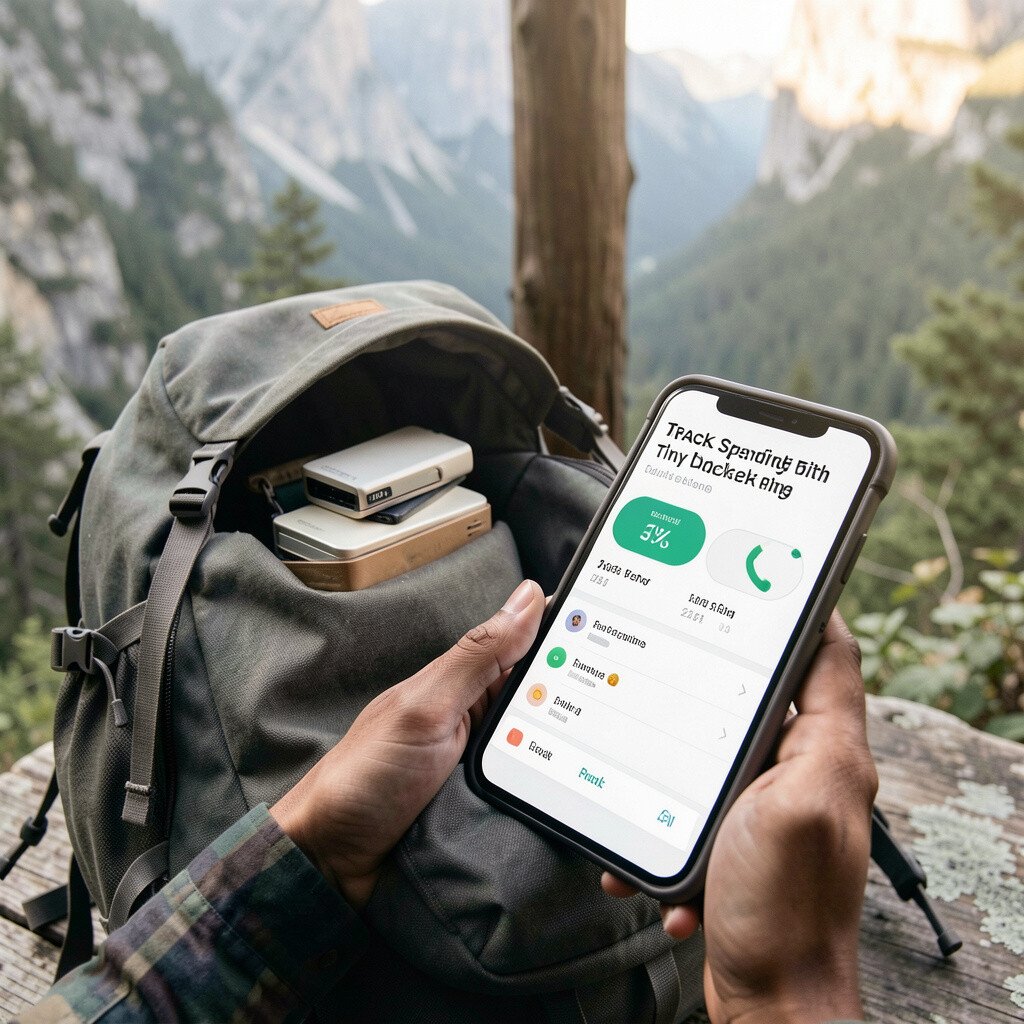
Instead of waiting for a surprise at the end of the trip, do quick money checks each day. Even a simple mental snapshot helps you notice patterns like impulse snacks or overpriced rides.
Try setting a rough daily spending ceiling in your head and adjust calmly when you hit museums, buses, or long meals. This habit keeps you in control, and it often means you stop buying things you do not truly want. For travelers who love data, you can log in a notes app and review weekly to spot where your cash is going.
Many backpackers now use budgeting apps because receipts are fast to capture. The trend is partly about convenience and partly about feeling less stressed. When your plan feels clear, you tend to book smarter and eat more intentionally.
3. Choose buses and trains with “timing perks”
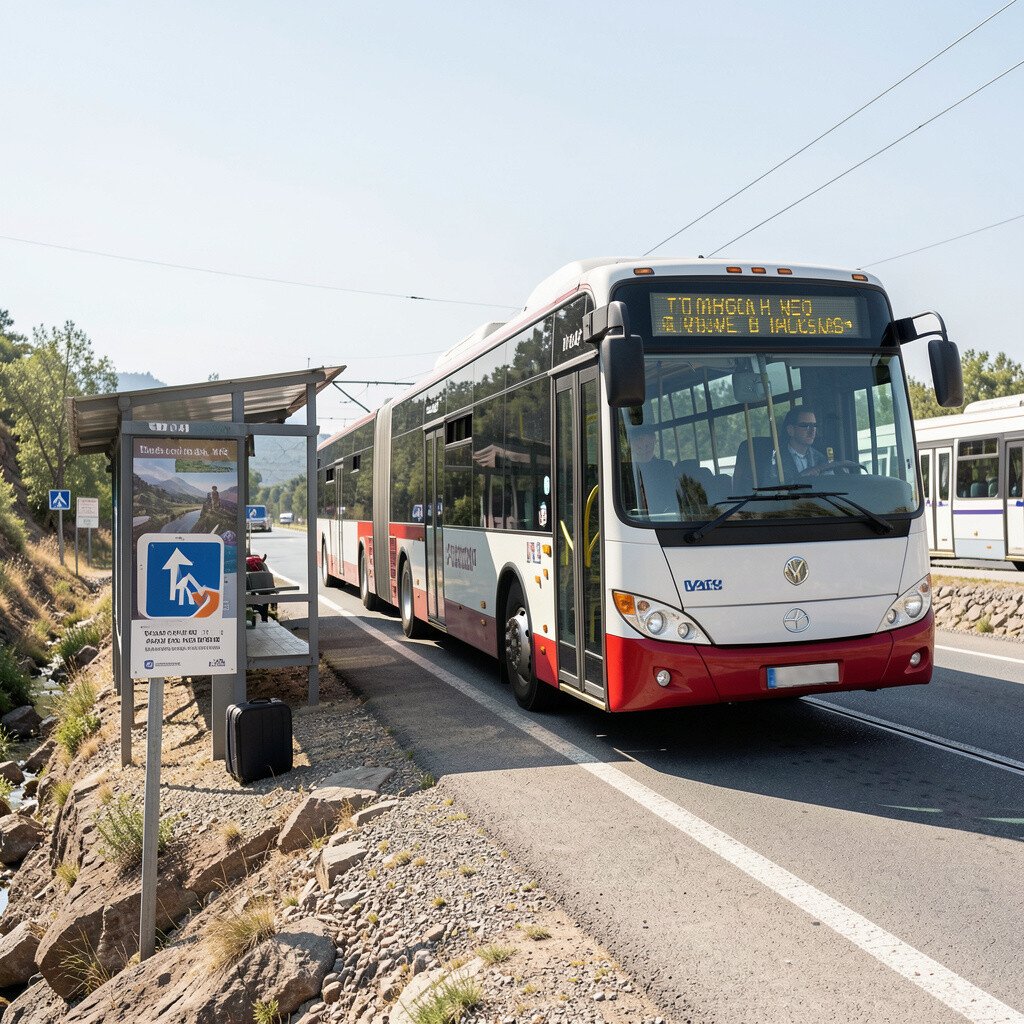
Night buses can look intimidating, but they often save both time and one night of lodging. You also arrive early, which can help you jump on day tours before prices rise.
If you hate sleeping on the move, pick daytime routes with fewer changes and use the savings to add a better meal or activity. Look for schedules that match your body and your energy level, since comfort affects how much you enjoy the trip. A practical move is to compare total cost, including transfers, not just the ticket price.
In many regions, last-minute deals show up online close to departure, so checking at the right moments can help. You can also use local apps or station boards, where nearby travelers share the best times. When you travel with flexibility, you often get better value without feeling like you are rushing.
4. Eat like a local using “nearby, not fancy” rules
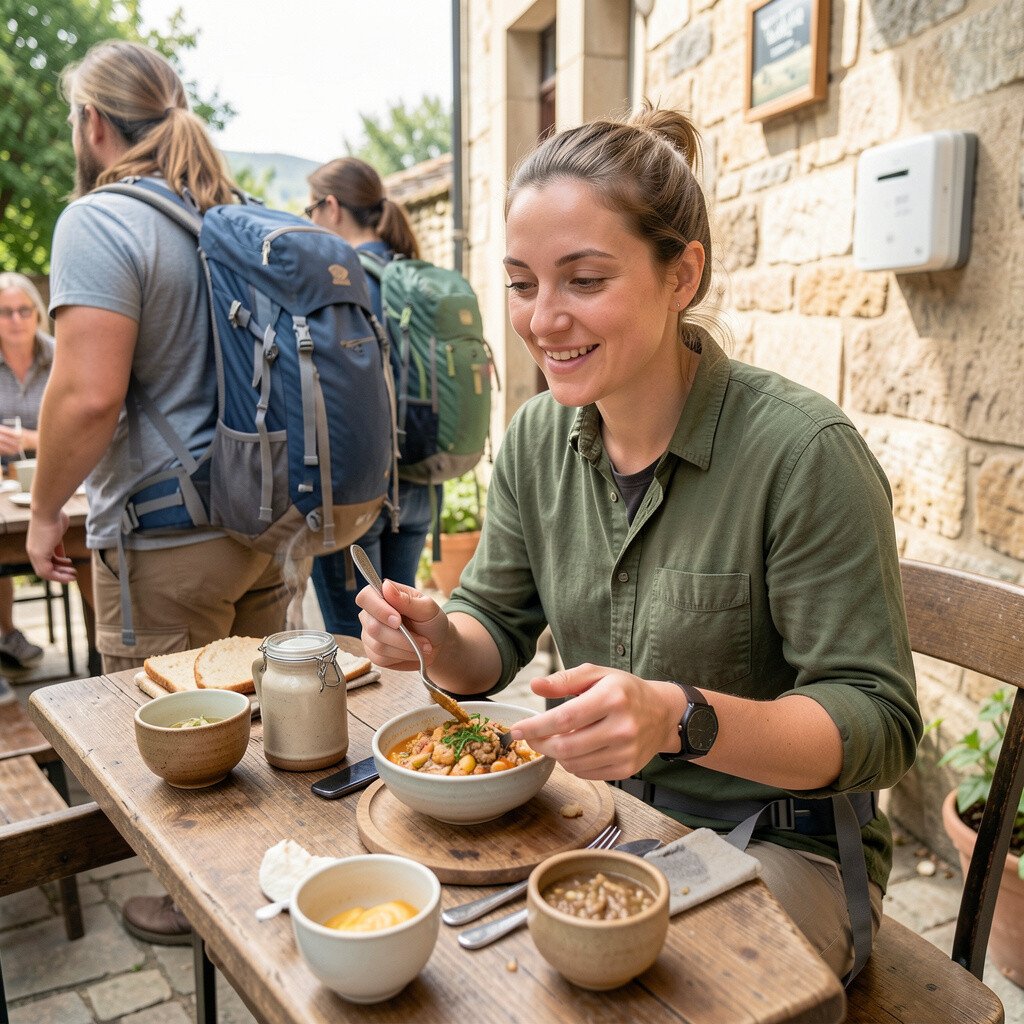
Search for small places a few blocks away from major landmarks, where the menus are simpler and the prices feel calmer. The food often looks fresher too, with quick turnover and lively cooking.
Choose one meal you really care about and keep the rest casual, like a bakery breakfast or a market lunch. This balance helps your taste buds and your budget at the same time. If you have dietary needs, you can personalize by using ingredient lookups on your phone and sticking to common staples you already enjoy.
5. Shop smart with market mornings
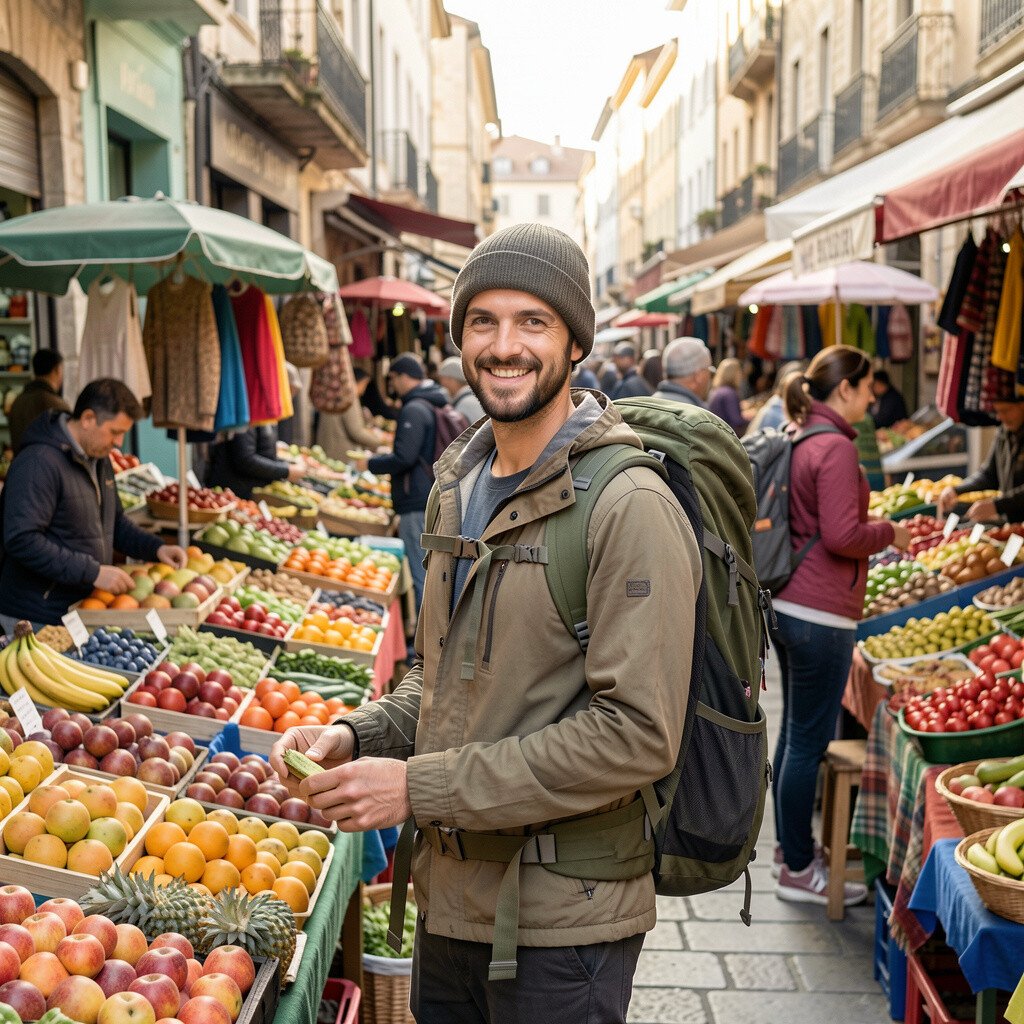
Start your day at a local market and you will immediately feel the energy in the air. Bright fruit, warm bread, and piles of spices create a colorful scene that makes saving money feel fun.
Buy snacks, fruit, and simple supplies like yogurt or nuts, then build easy meals later in your hostel kitchen or at a picnic spot. This method often costs less than buying everything on the go. When you prefer variety, rotate your choices by day so your snacks do not get boring.
Many travelers are sharing market lists online now, especially for morning spots with the best value. Try comparing a couple of recent posts, then go early to catch the best selection. Your money goes farther when you purchase before the day turns pricey.
6. Use hostel kitchens and “cook one, eat twice”
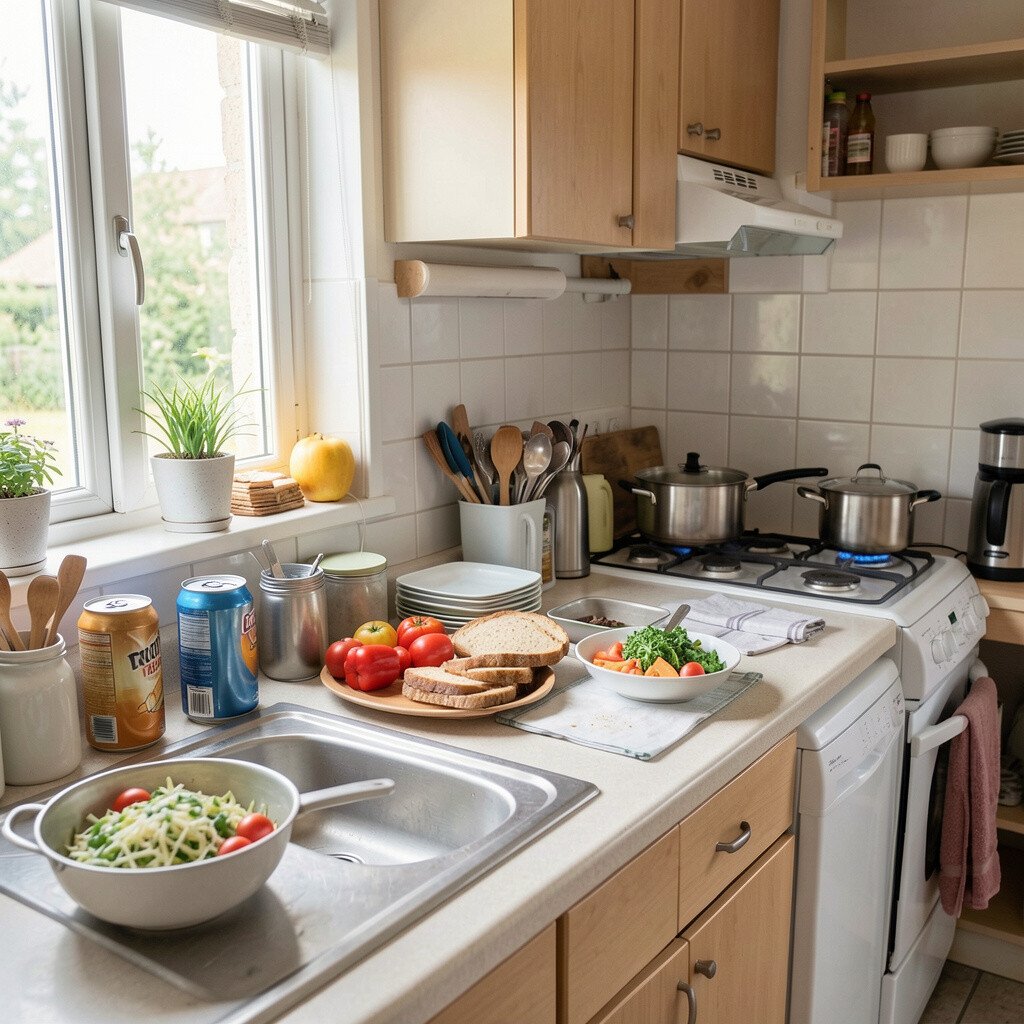
Kitchen time can feel like extra effort, but it usually pays off fast. When you cook one simple dish, you can eat leftovers for lunch the next day.
Pick recipes that travel well, like pasta with a quick sauce, fried rice, or a big pot of soup. That way, you can personalize flavors with whatever you find on the market without wasting ingredients. Cost-wise, buying basics in bulk often beats convenience stores, and it helps you avoid surprise delivery fees.
7. Ride bikes or scooters only when it truly fits
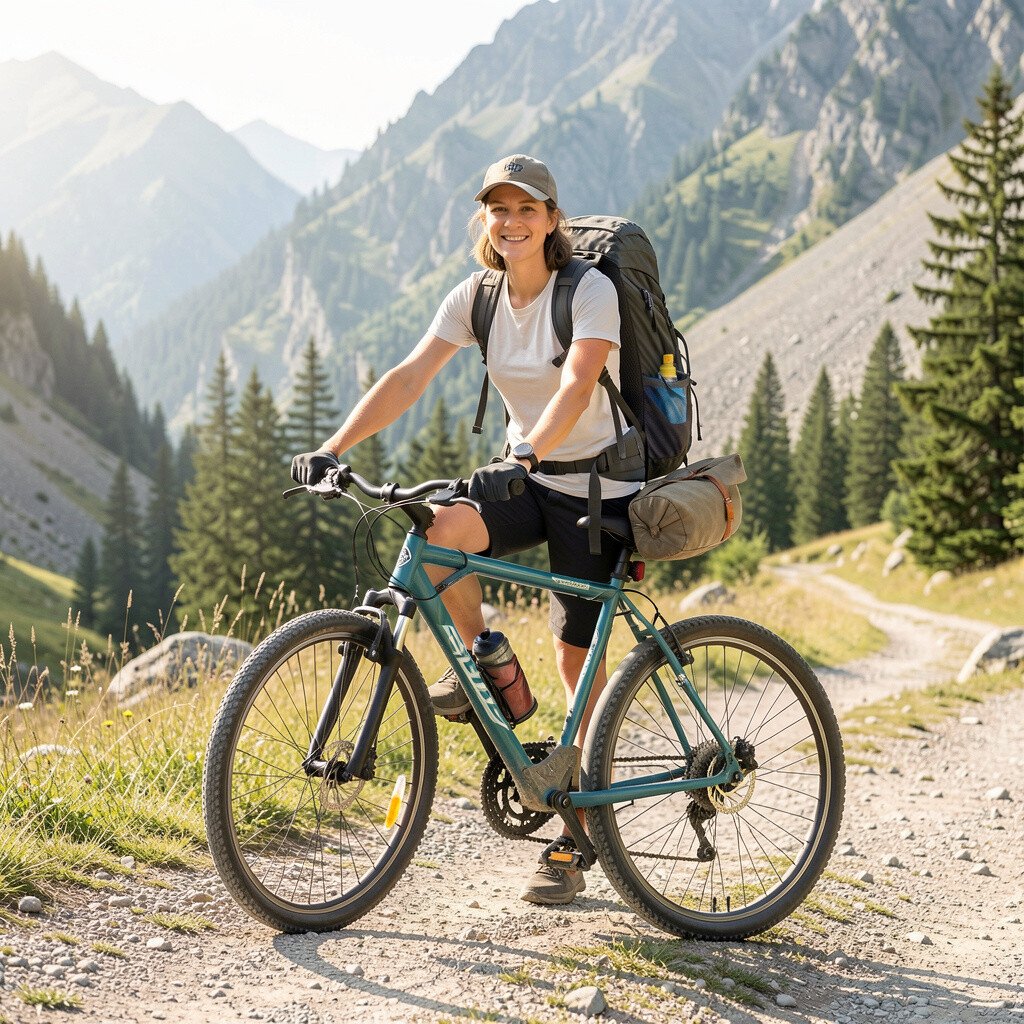
Renting a bike can turn a dull day into a bright adventure, especially when the streets are scenic. You save money on taxis and gain freedom to stop for photos or snacks.
Decide based on safety, weather, and your comfort level, because a stressful ride can erase any savings. If you are new to two wheels, start with short routes and avoid heavy traffic times. Many cities now have shared bikes with app access, so check how pricing works before you commit.
For personalization, pack a small lock and choose routes that match your energy, like flat waterfront paths or gentle neighborhoods. The trend toward shared mobility makes it easier to try without long rentals. Just compare the total cost with public transit, since buses can still be the cheapest for longer distances.
8. Build a “free fun” list for each stop

Every city has free sights, and planning them ahead prevents costly last-minute decisions. Think public parks, viewpoints, street markets, and walking routes that are beautiful even without a ticket.
When you arrive, write a short list of free options and then add only one paid activity you care about. This keeps your day exciting while protecting your budget. If you enjoy creativity, personalize it by choosing a theme like sunrise spots, murals, or local architecture photos.
9. Negotiate the way you ask, not the way you push

Some places expect bargaining, but the best results come from calm conversation. Friendly questions and polite back-and-forth often work better than aggressive price cutting.
Try asking about bundle deals, like a combined ticket or a package that includes transport. This can save money and reduce the number of separate transactions you juggle. If you are dealing with guides, ask what is included so you can personalize the day without hidden add-ons.
Current travel behavior is shifting toward transparency, and many vendors now post fairer prices online. Even so, a respectful approach still helps, especially for handmade items or transport services. Keep your tone kind, and you are more likely to get a deal that feels fair to both sides.
10. Book fewer things, but book them earlier when it matters
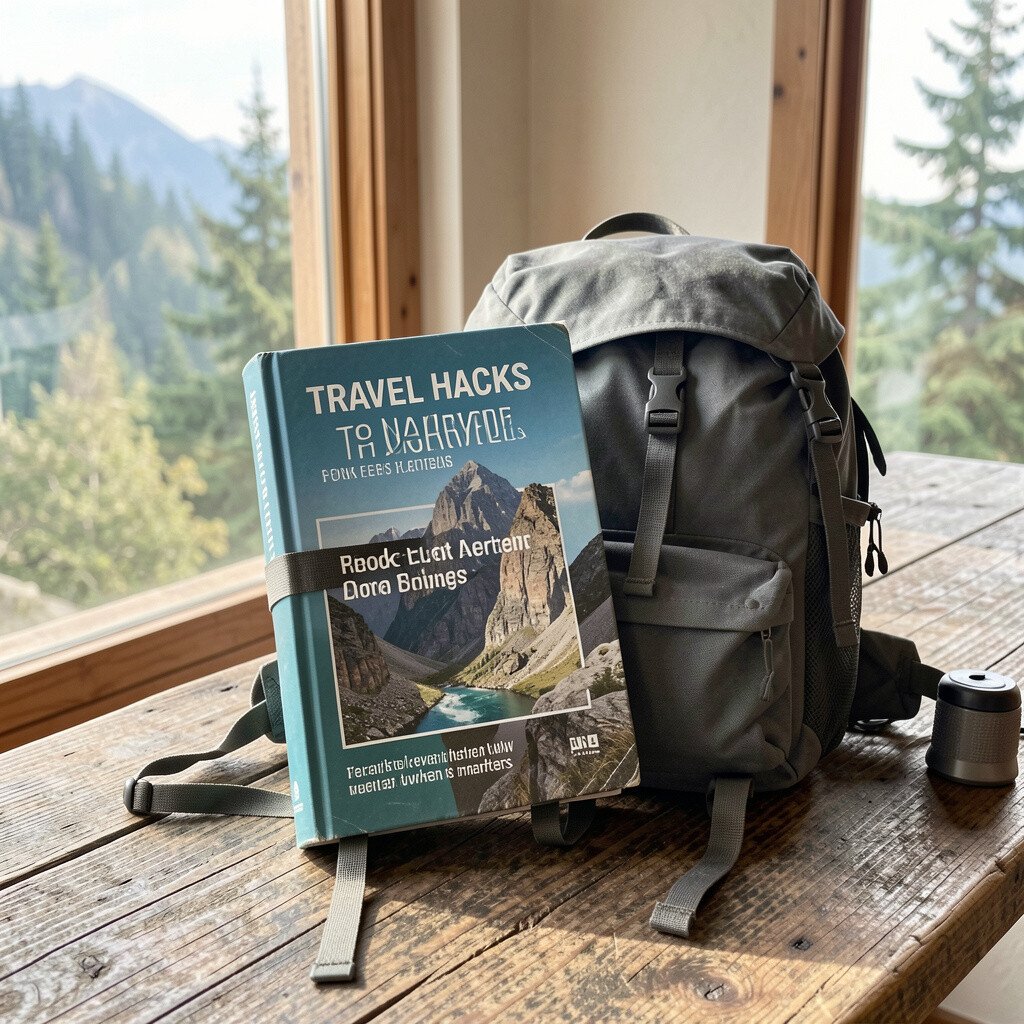
It is easy to spend a lot when you book everything at the last moment, especially popular tours. A smarter rhythm is to wait for flexibility, but plan ahead for the big-ticket items.
For example, reserve the activity that has limited spots, like a day trip, a show, or a mountain hike entry. Then leave room for spontaneous walking plans and local recommendations. To personalize, match your booking timing to your travel style, like sunrise lovers who book early or museum fans who prefer weekday tickets.
11. Use loyalty systems for low-effort perks
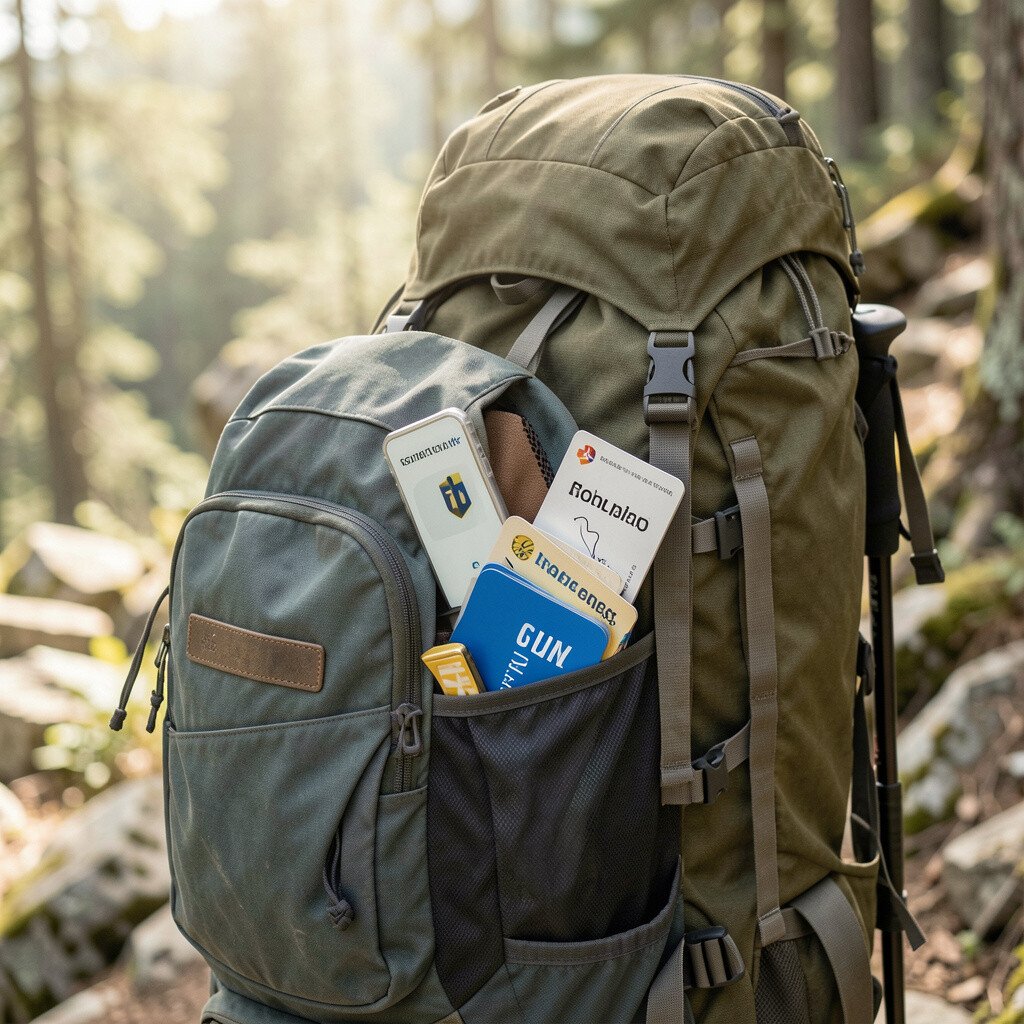
Frequent flyer points and hotel rewards sound complicated, but you can use them with simple rules. Even a basic sign-up plan can lead to free nights, discounts, or upgrades when you stack stays.
If you dislike apps cluttering your phone, create one clean account strategy and keep it consistent. Make sure you book through the same partner channels when possible to earn points faster. Cost-wise, even modest rewards can cover a meal or a bus ride, and it feels great when you did not pay cash for it.
Many platforms now offer flexible reward programs that work across different chains, which helps budget travelers. Keep an eye on seasonal promotions and limited-time point boosts. When you treat rewards as gentle savings, they become easier to manage.
12. Choose free walking routes with “comfort stops”

One of the most underrated money savers is walking with a plan, not wandering hungry. When you know where your breaks are, you avoid rushing into expensive convenience stops.
Pick routes that pass through parks, public buildings, and places with clean bathrooms, since comfort keeps you motivated. This also makes your photos look better because you move through scenic streets instead of taking pricey detours. If you travel with friends, personalize the pace by setting a meet-up point every few hours so nobody gets stuck.
Street design trends in many cities now make it easier to follow pedestrian-friendly paths. Some areas have signposted loops, and those loops help you spend less time on transport. The more efficient your walking day, the more you can spend on one memorable meal.
13. Get laundry timing right to avoid buying new clothes
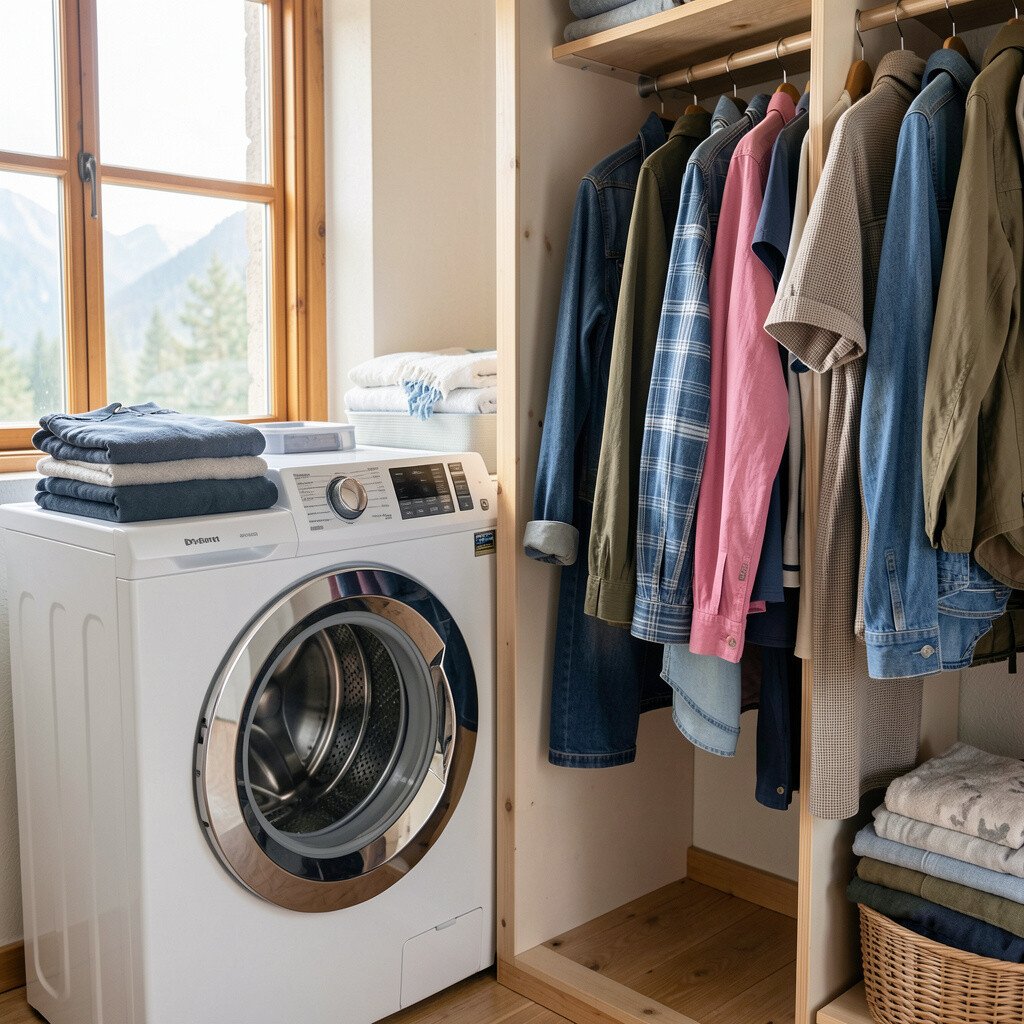
Clothes can get heavy fast, and nothing kills a budget like replacing items you could have refreshed. Laundry is usually cheaper than buying new shirts, socks, or underwear along the way.
Plan laundry for when you have a few hours of light time, like after a museum or before a chill evening. Use a small laundry bag and keep your essentials organized so you do not lose socks in the chaos. If you want personalization, choose a scent you like for that “clean and comfy” feeling, but do not overpay for fancy detergents.
14. Travel light for luggage fee protection
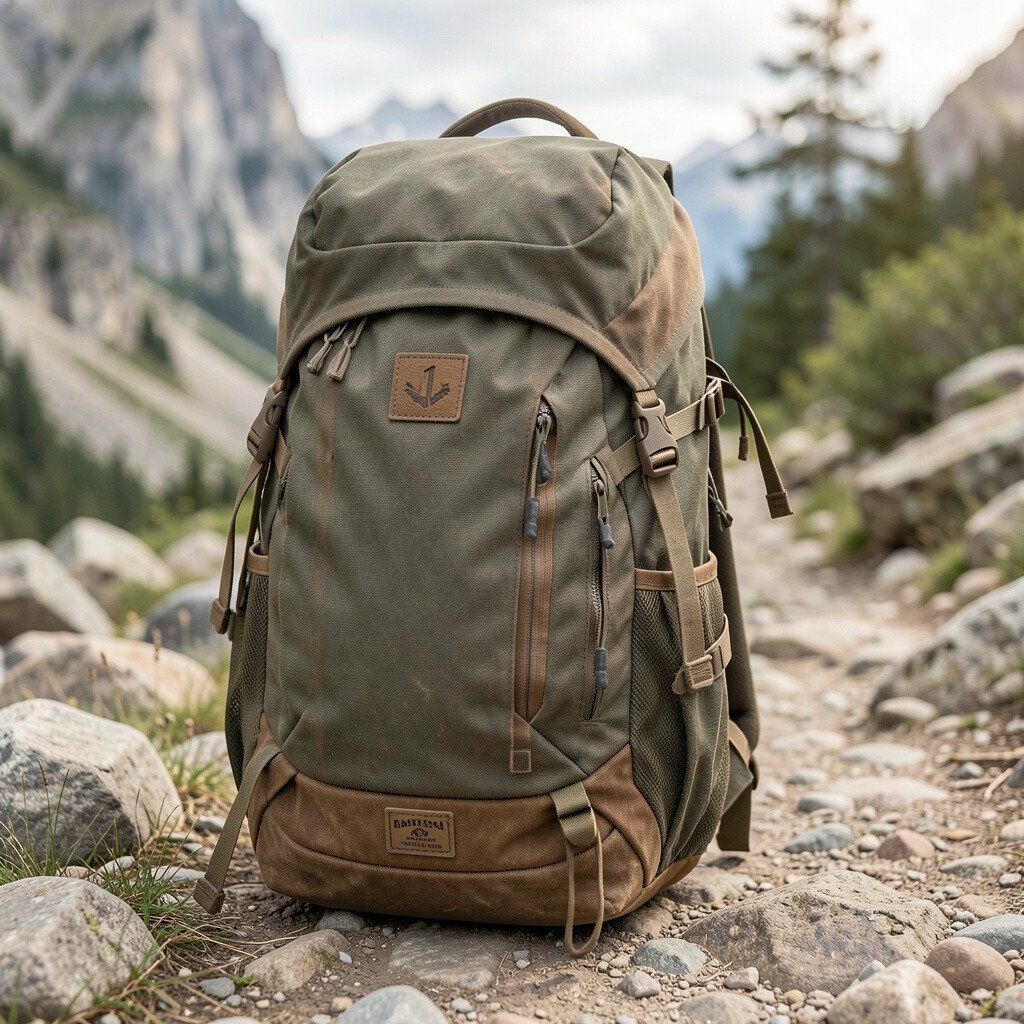
When you travel by bus, ferry, or budget flights, luggage rules can surprise you. If you keep your pack within limits, you avoid extra fees that add up quickly.
Think of light travel as a financial safety net, not just a convenience. It also makes it easier to switch plans when you hear about a cheaper route or a better hostel area. If you love organization, use packing cubes so you can find things fast and avoid repacking at the worst times.
Recent airline and intercity policies increasingly punish oversized bags, especially on smaller routes. Checking rules before you go can prevent a stressful last-minute scramble. The best part is that light gear often improves your daily comfort, too.
15. Use local transit apps and off-peak habits
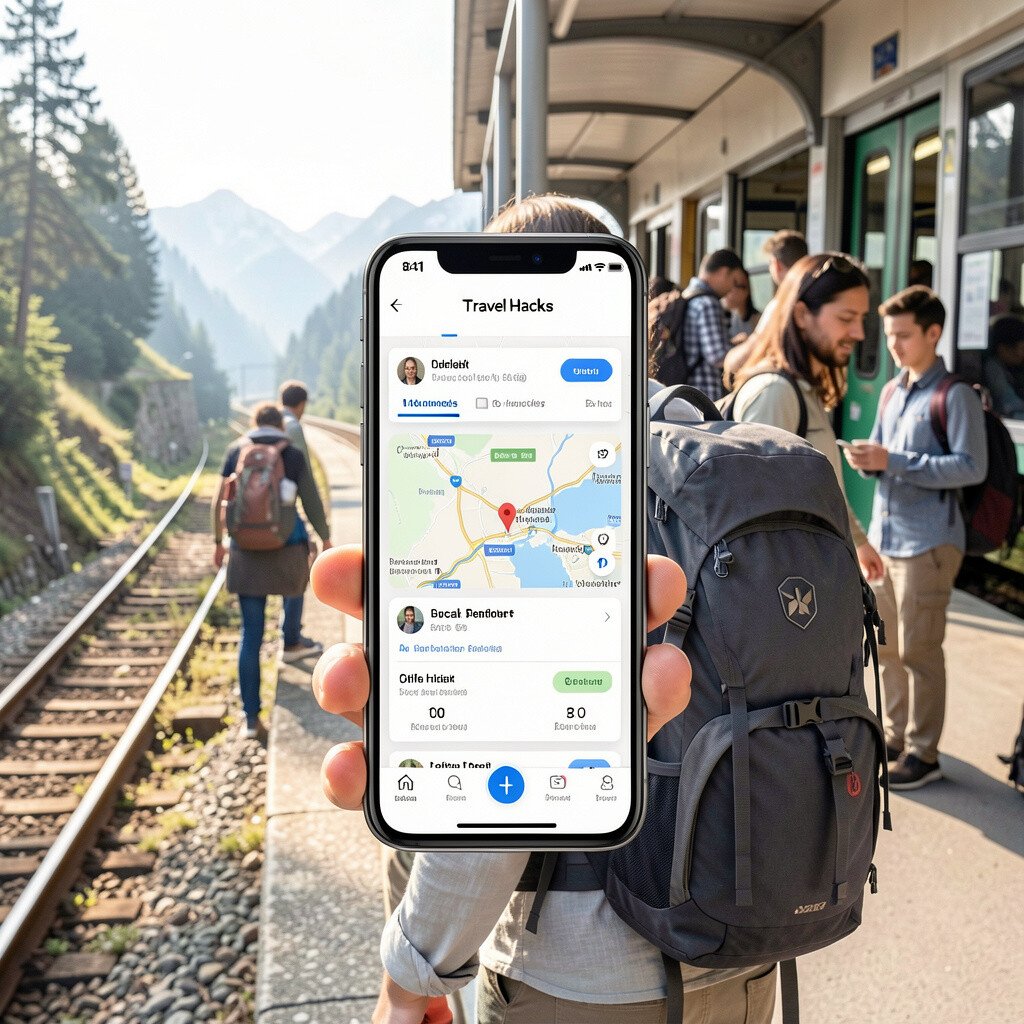
Public transit can be the cheapest option, but you need the right timing to keep it affordable. Off-peak rides usually mean less crowding, smoother lines, and a calmer ride that feels safer.
Use transit apps to learn routes, check schedules, and estimate costs before you step outside. That way you can personalize your day around where trains and buses actually go. If you cannot rely on an app, ask hostel staff for the simplest route and verify it with a quick map glance.
16. Pick one “transport splurge” and save everywhere else
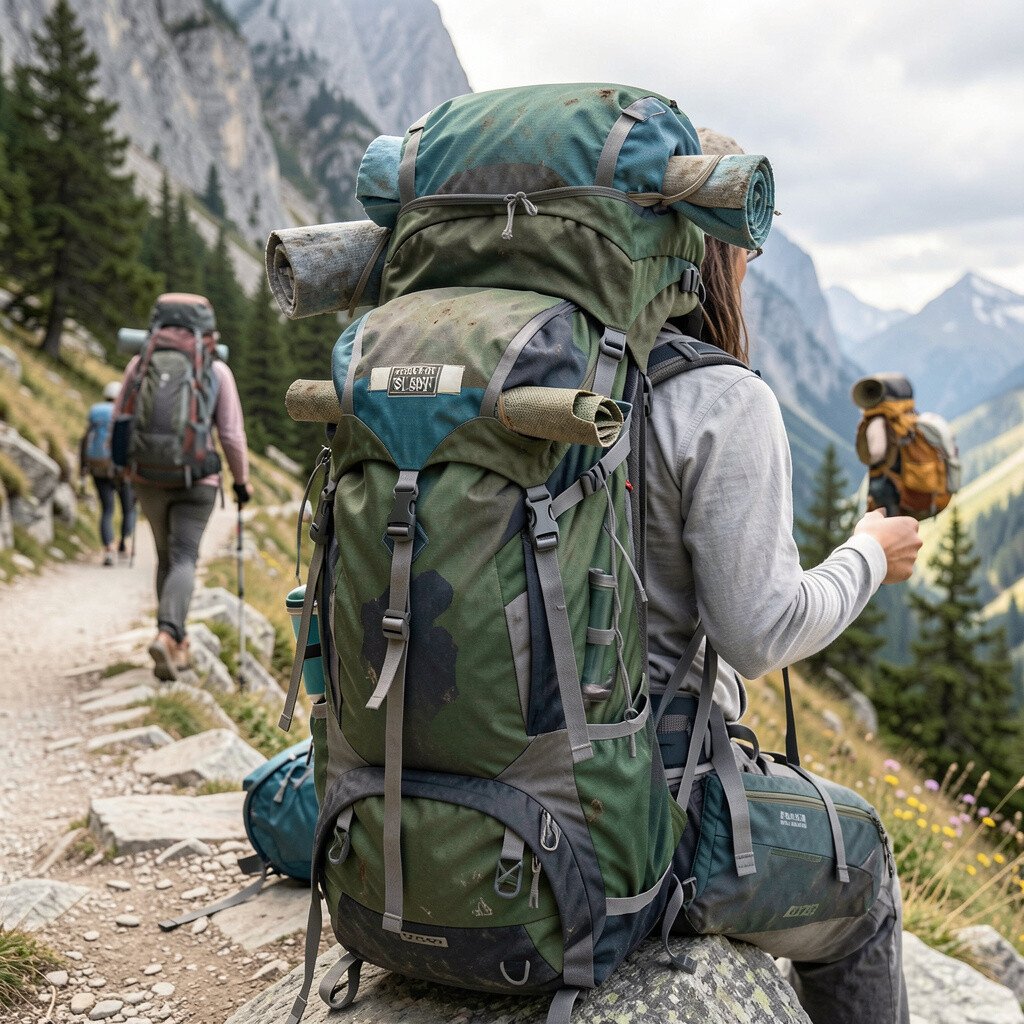
Saving money does not mean suffering all the time, and a smart splurge can make the rest of the trip easier. Choose one transport moment that saves stress, like a private transfer from a long ride point or a comfortable intercity coach seat.
Then keep everything else budget-friendly, such as walking, local buses, and shared shuttles. This approach helps you protect your energy, which often improves how much you enjoy each attraction. For personalization, match the splurge to your biggest pain point, like motion sickness or heavy luggage days.
Travel trends show more people planning “friction points” rather than trying to be ultra cheap everywhere. When you reduce stress in one place, you often spend less overall because you do not make rushed choices later. It is a practical way to enjoy comfort without overspending.
17. Create a flexible itinerary with “swap days”

A schedule that is too tight can lead to costly changes when weather or energy shifts. A flexible plan helps you swap activities without spending on emergency transport or pricey last-minute tickets.
Build swap days by listing a few options with different budgets, like a free walking morning, a low-cost food market afternoon, and one paid activity you can postpone. This keeps your day exciting while protecting your money. If you love personalization, base the swaps on your mood, such as swapping a tour for a library stop, a beach walk, or a cozy café session.
Many backpackers now share itinerary templates online, and adapting one to your own pace can save time planning. Just remember that the best plan is the one you can adjust smoothly. When you move with flexibility, you spend less effort and fewer dollars chasing fixes.