
The best vacations feel like a photo album you can hear. Family trips turn ordinary days into stories everyone wants to retell.
When you plan with care, you don’t just visit places, you collect small moments that last for years.
1. Backyard Map and Road-Trip Countdown

Before you even leave home, make a big map display where the whole family can see the route. Use it to count days with simple stickers or magnets that move closer to the final destination.
As you place each sticker, you’ll create a visual trail of progress on a wall or in a hallway. Kids love the feeling of “almost there,” and adults enjoy how the plan becomes real and calm instead of stressful. Add a small envelope of surprise notes for each milestone day, such as a game to play in the car or a local food to try when you arrive.
2. First-Day “Must-Take” Family Photo Ritual

Pick one photo spot for every day, even if it’s just a corner of a hotel lobby or a park bench. Keep the angle and timing similar so the pictures look like a series.
This ritual gives you a fun way to track growth and change, and it becomes a sweet tradition you’ll want to repeat. For a practical twist, set a family rule that everyone takes turns holding the camera for a shot with the whole group, even the shy relatives.
Choose locations that are easy to find and safe to walk to, and aim for good light early. Use your phone’s grid view or an app that helps align faces, so the photos look steady and bright without extra stress.
3. The Morning Walk With a “Tiny Treasure” Challenge

Start each day with a short walk where the goal is to find something small and meaningful. Think of a special leaf shape, a patterned sidewalk tile, or a unique shell if you’re near water.
Bring a small bag or a notebook for each child so they can keep their tiny treasures or write descriptions. The benefit is that everyone slows down and notices details, which makes the whole trip feel calmer and more connected. When you get back, lay items on a blanket and ask each person to share one story about their find.
This idea is unique because it builds memories even on quiet days, not only the big-ticket outings. If you’re visiting a city, focus on textures like painted doors or street art signs that are safe to observe and photograph. If you want a budget-friendly approach, skip souvenirs during the walk and save the “buy something” moment for a family choice later.
4. One Meal Everyone Helps Cook or Assemble

Choose a simple meal you can make together during the trip, even if it’s a rental kitchen or a campsite. Let each person take on one job like chopping, stirring, setting the table, or building their own topping plate.
Cooking side by side creates a cozy rhythm and gives everyone a role, which boosts teamwork and reduces cranky moments. For a practical plan, bring a small kit of basics such as zip bags, a few spices, and reusable utensils, so you’re not caught searching for supplies at the last minute. If your destination is popular right now with food travel, you can also look for seasonal markets and recreate a regional favorite at home that night.
5. Memory Journal With Draw-Then-Write Pages

Give each family member a small journal and make the first step visual. They can sketch what they saw, then write two or three sentences about how the moment felt.
This approach works wonderfully for different ages, because not everyone enjoys long writing. It also gives you a tangible keepsake you can store in a scrapbook later, and it turns daily plans into personal stories that feel real.
Keep the journal prompts flexible so it feels easy, such as favorite smell, funniest sound, or best brave moment. If you’re traveling on a tighter budget, print a few pages at home and refill with blank sheets later, so you don’t pay for fancy journals you won’t use again.
6. Choose a “Local Icon” to Visit and Learn
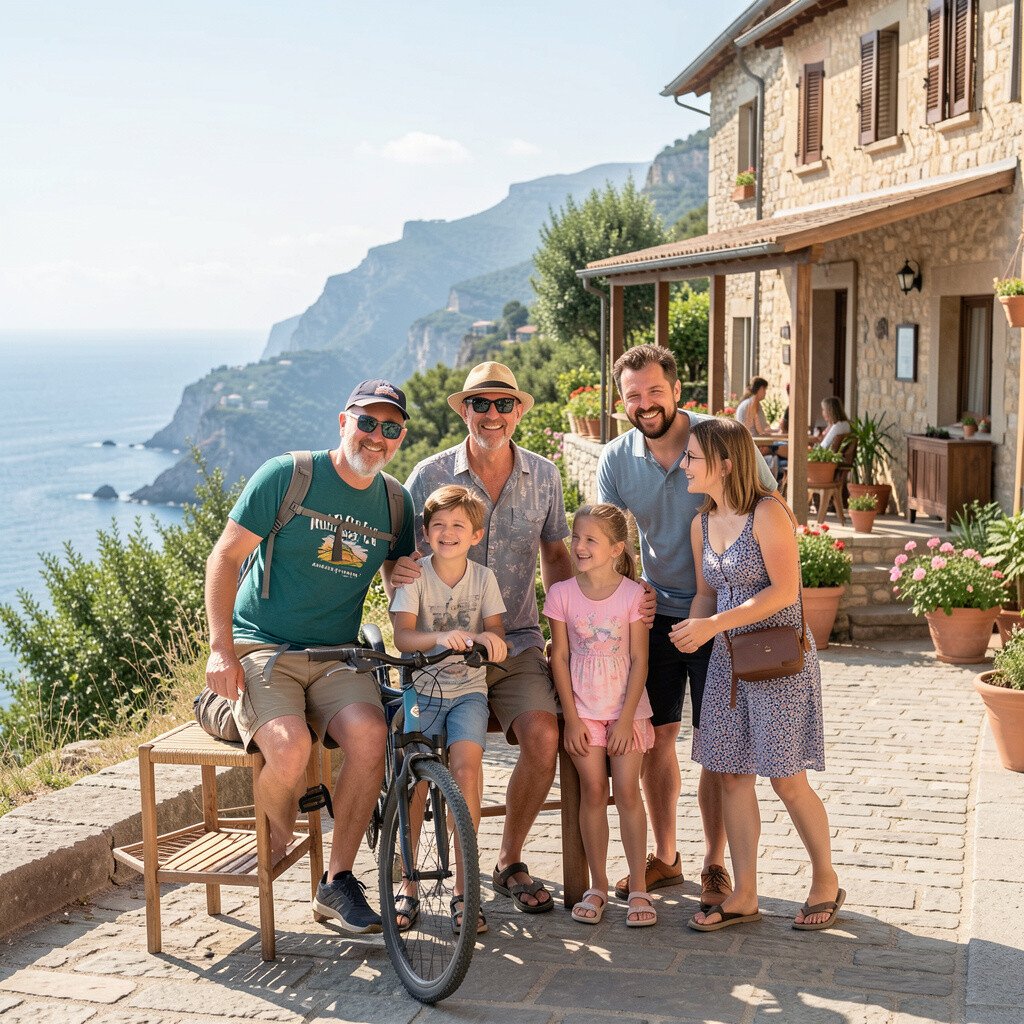
Pick one local icon that fits your family, like a lighthouse, a scenic overlook, a historic site, or a famous park. Then commit to learning a few simple facts so the visit feels meaningful.
When you know why a place matters, you’ll experience it with fresh eyes and you’ll remember details more clearly later. Try reading a short guide in the car or watching a quick video the night before, so you arrive curious instead of rushed. For personalization, let each child choose one icon type, then you balance them into your plan.
7. Movie Night Under the Stars or in a Shared Room

Plan a special movie night that matches your day’s mood and weather. Use blankets, dim lights, and snacks you can prepare without a big effort.
Watching together gives everyone a chance to decompress, and it turns the trip into something cozy rather than only busy. To make it feel unique, pause the movie for family “reaction moments” where each person shares one highlight from the day. Bring a small portable speaker and keep the volume comfortable, so the scene feels magical without waking nearby guests.
8. Train, Tram, or Ferry Day for the View
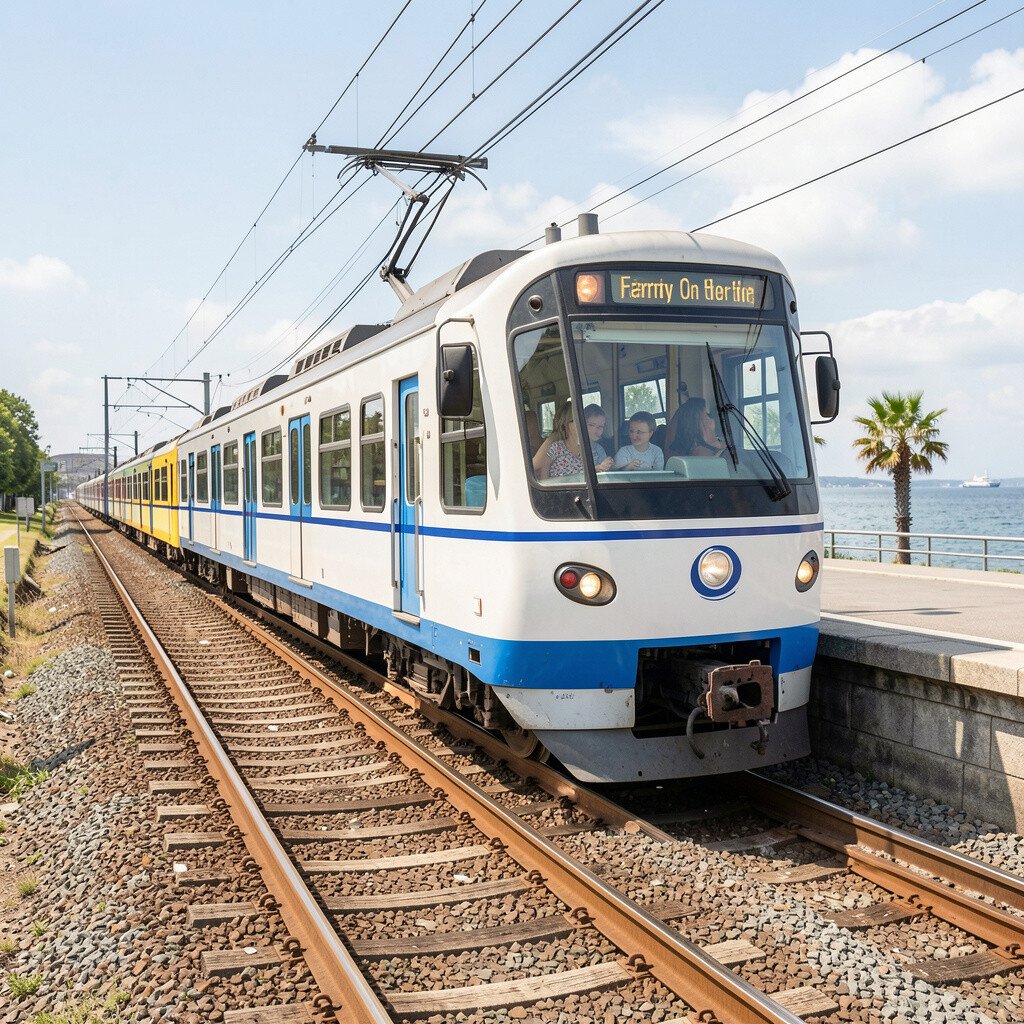
If your destination has public transit that runs by water or through scenic areas, plan a day riding it. Choose routes with large windows so everyone can watch passing neighborhoods, bridges, or coastline views.
This is a practical way to see a lot while avoiding car stress, and it helps kids burn energy before sitting down to eat. Modern travel styles also favor low-stress movement, and transit rides are a popular way families experience a place like locals do. Pack a small snack box and a refillable water bottle so the ride stays smooth and comfortable.
For personalization, let one child be “navigator” and another be “window artist,” drawing what they see as you go. It’s also a budget-friendly option because transit tickets often cost less than constant rideshare trips.
9. The Family Talent Swap Evening
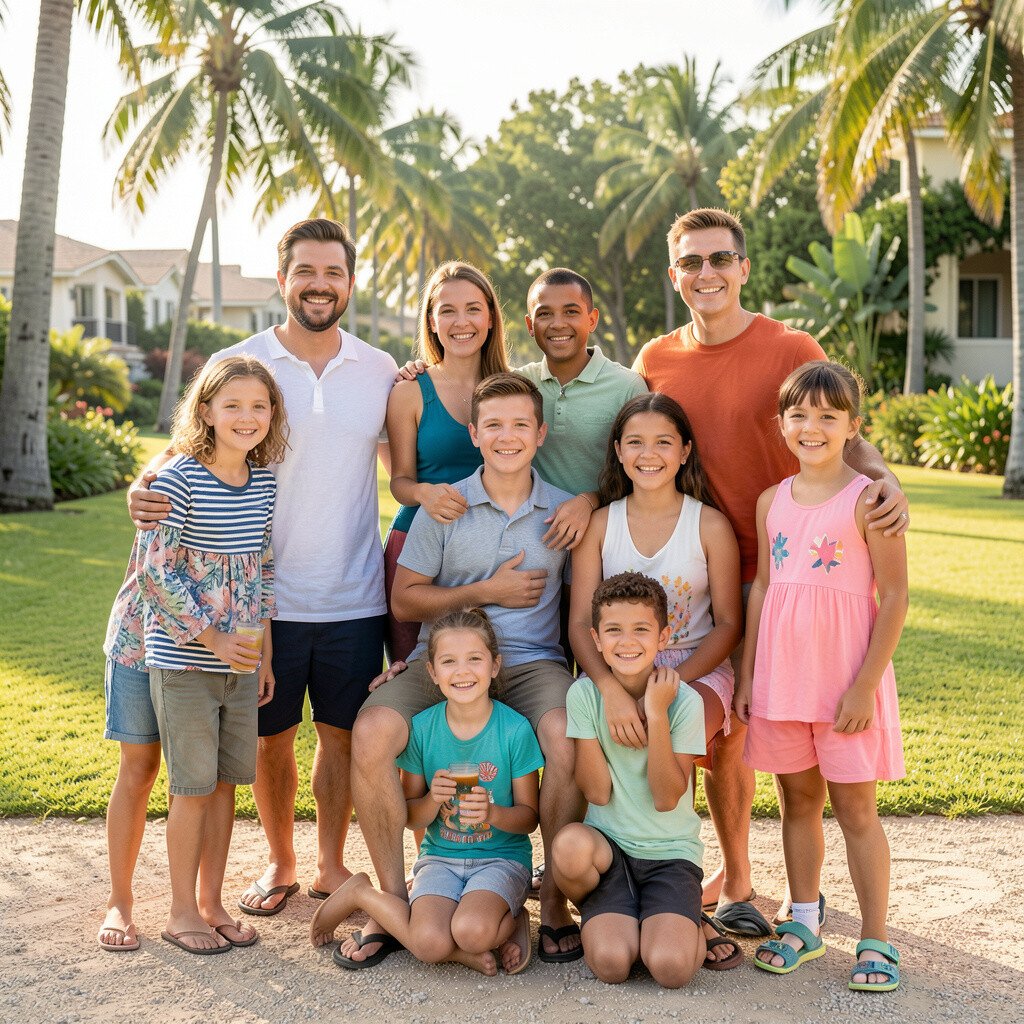
Set aside one evening for a family talent swap, where everyone shares something small and safe. It can be a song, a dance, a magic trick, a joke, or even a short story about a moment from earlier in the trip.
This creates joyful bonding and gives shy kids a friendly stage. You’ll also remember who had the funniest idea, who tried the most, and which stories became instant classics. Make it easy by setting time limits and letting people choose “pass” without pressure.
To keep costs low, use simple items you already have, like a scarf for costume play or a notebook for storytelling props. This trend of playful family experiences has grown lately, especially because it doesn’t require expensive tickets to create real joy.
10. Beach or Park Day With a “Kindness Collection” Game
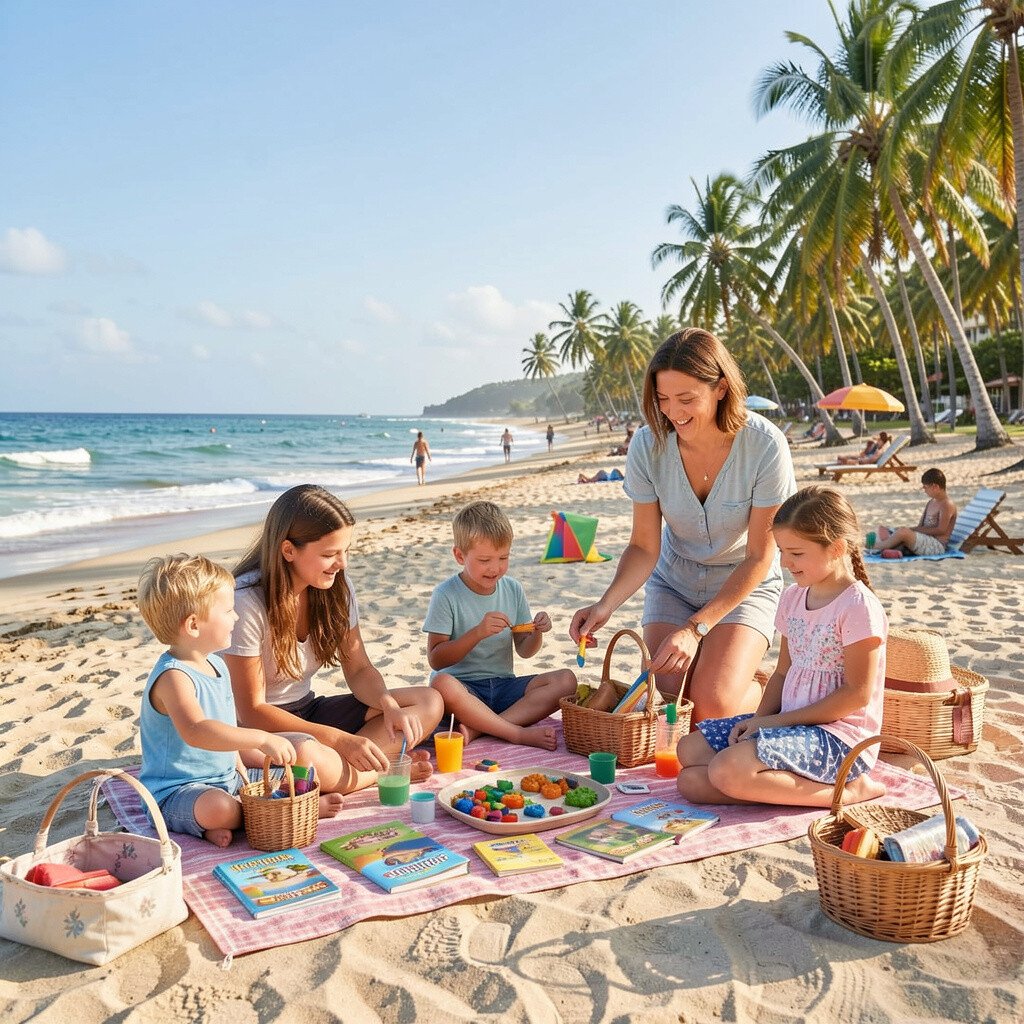
Whether you’re near water or in a grassy park, create a kindness collection game for your family. Each person looks for a small helpful act, like picking up litter, returning chairs, or sharing space with others.
The benefit is big because you’re teaching care while also keeping the day active and purposeful. Kids feel proud when they see tangible results, like a cleaner patch of sand or a nicer picnic area. For practical tips, bring gloves, a small trash bag, and hand wipes so cleanup feels quick and respectful.
Make it unique by pairing the game with photos of “before and after” areas, so you can save proof of your impact. If your group is traveling in a crowded spot, avoid anything risky and follow posted rules to stay safe.
11. Build a “Snack Map” for Each Stop
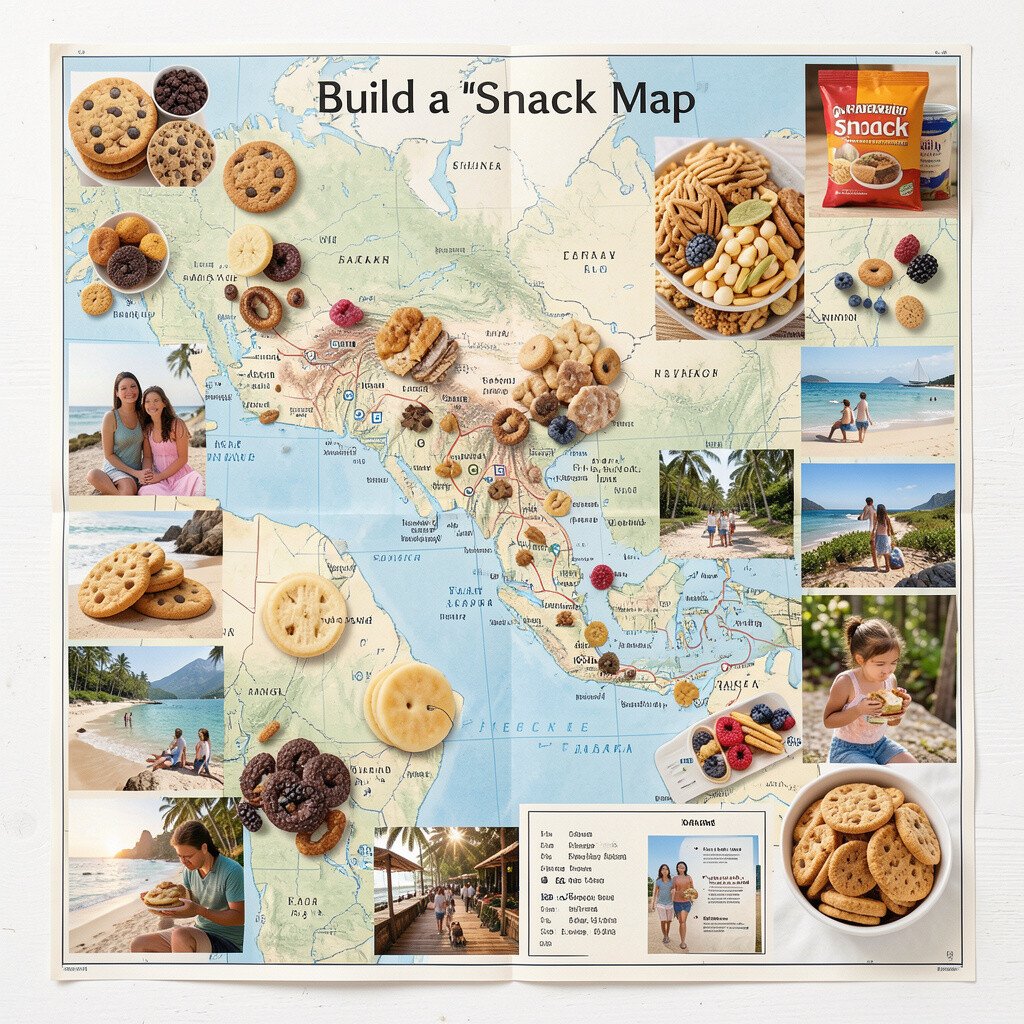
Create a simple snack map by listing where you’ll try one treat at each stop. It turns meal planning into a game and keeps everyone excited even during travel days.
As you taste different flavors, you’ll remember the day through real senses, not just the sights. This can fit different budgets since you can choose small bites instead of full meals every time. For personalization, ask each person to rank their favorites and vote on one “snack souvenir” that you can recreate at home.
To keep things easy, check menus online before you arrive so you know what’s quick. Current food-travel trends also favor local bakeries and regional specialties, so you can lean into what’s in season without overspending.
12. “Backseat Reporter” Interviews at Rest Stops
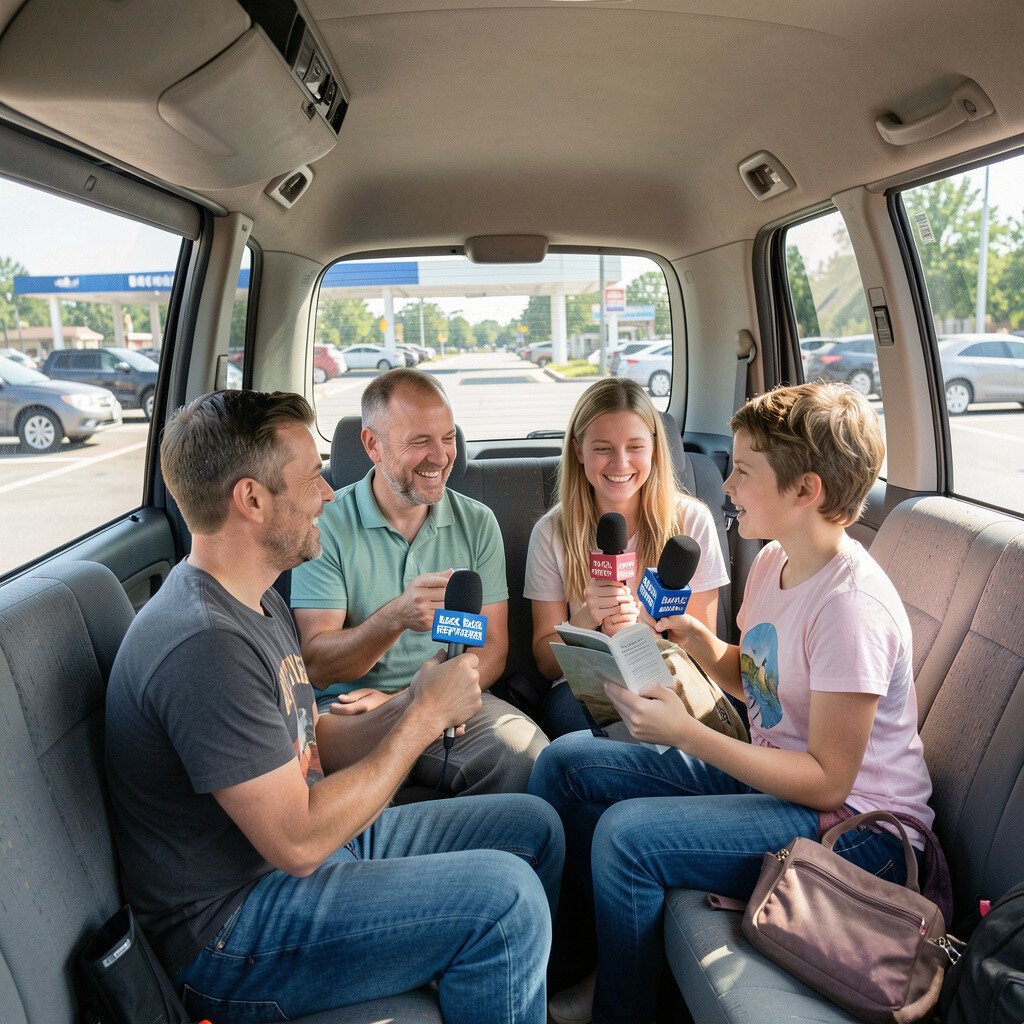
At rest stops, take turns interviewing each other for a few minutes. Ask playful questions like what surprised you most or which moment you want to remember forever.
This turns small pauses into meaningful recordings you can replay later as audio or written notes. It also helps kids articulate feelings, which makes future disagreements easier because everyone has a shared story. For practical tips, set a timer on your phone and keep questions light, so it doesn’t feel like homework.
13. Choose a Day for Hands-On Learning

Pick a hands-on activity that matches your family’s interests, such as a science workshop, a pottery class, a cooking lesson, or a nature center program. Aim for places with interactive stations so everyone gets to do something, not just watch.
These experiences are unique because they create lasting keepsakes, like a small craft or a skill you practice later. They also keep kids engaged longer, which helps adults enjoy the day too. Check schedules ahead of time so you can book the right session and avoid long lines that can drain energy.
If you’re thinking about cost, compare group rates and consider off-peak hours, which can be cheaper and calmer. Many destinations also have seasonal workshops right now, so you might find timely themes tied to local culture or weather.
14. Themed Packing Bags for Each Person

Pack for each family member in separate bags and label them with themes like “beach,” “quiet time,” or “sun and shade.” When you keep items together by purpose, the trip feels smoother and less chaotic.
This simple system helps you avoid searching in every bag, which saves time and prevents stress. It also makes personalization easy because kids feel ownership over their “missions,” like choosing their own hats or coloring books. Include a small item that matches their personality, such as a favorite sticker sheet, a comfort toy, or a mini sketch pad.
15. Family Scavenger Hunt With Photo Clues
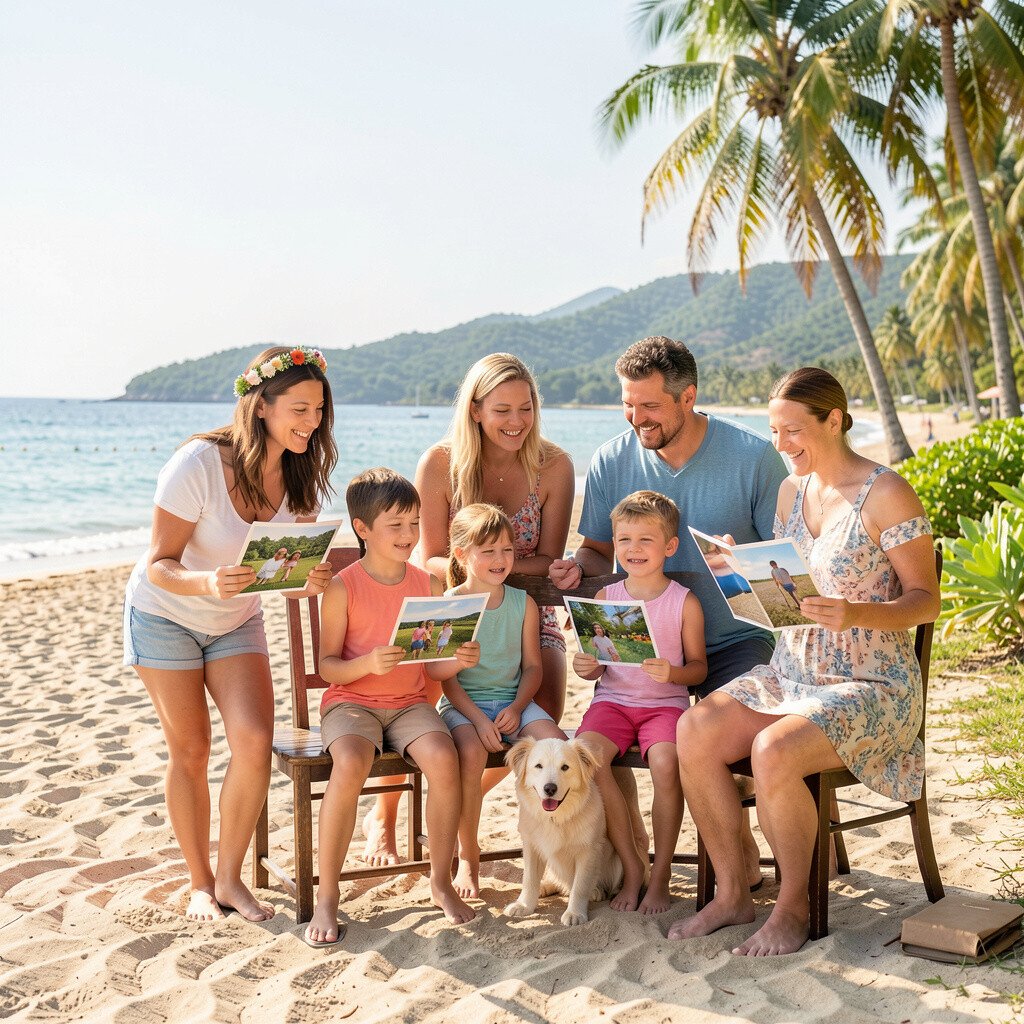
Create a scavenger hunt where the clues are pictures you hide around your destination. For example, one clue might be “something red,” another might be “a cool reflection,” and another might be “a friendly animal sign.”
This is a fun way to get moving and notice details that you might otherwise skip. It also supports teamwork because everyone searches together, and kids can take leadership by reading clues. For practical tips, keep the scavenger hunt short and safe, and stick to public areas with clear rules.
If you want budget-friendly thrills, use items you already have for props and avoid expensive prizes. You can even follow a current trend of “gamified travel,” where families treat sightseeing like a playful quest instead of a checklist.
16. Sunset Sit-Down With a Share Bowl
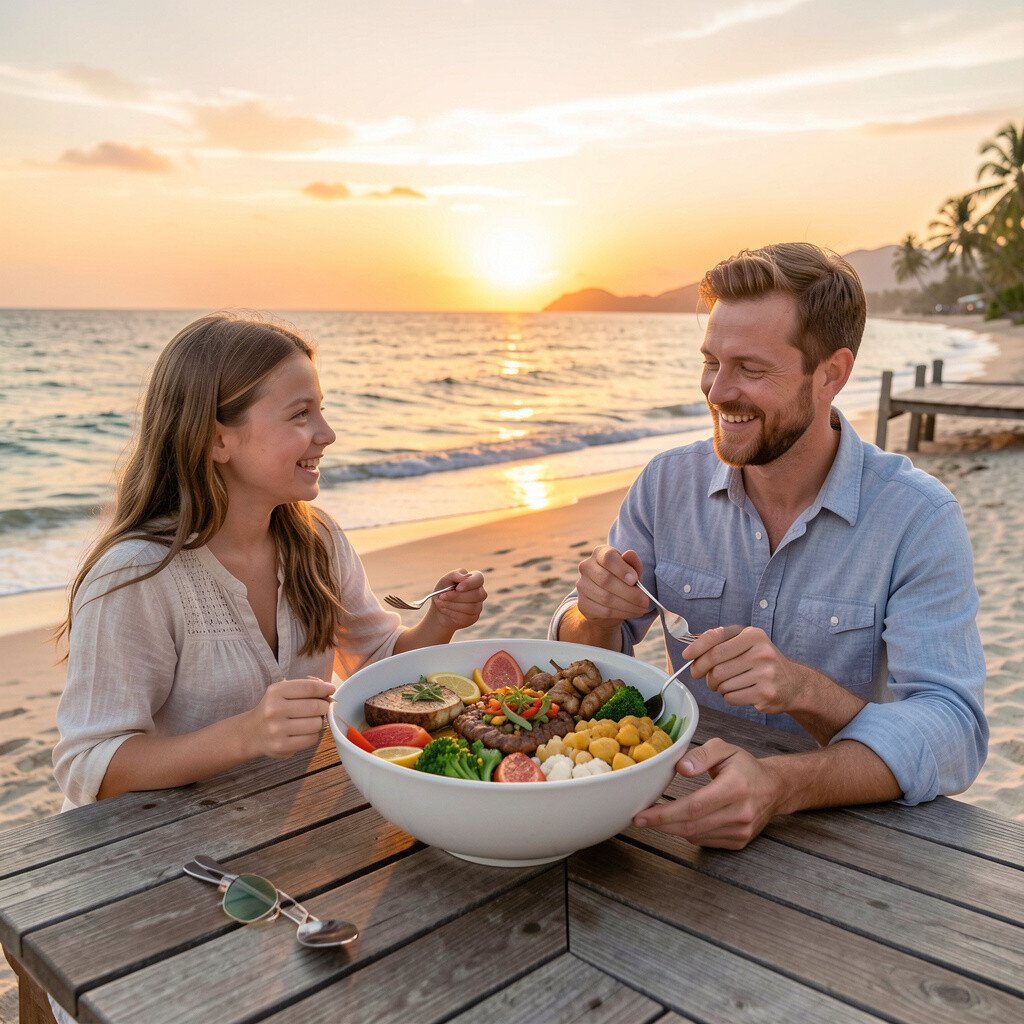
Pick a consistent time for sunset when you can sit together and share one small thing. Make a “share bowl” where each person drops a slip of paper with a memory from the day.
This tradition gives everyone a gentle moment to reflect, and it turns the final hour into a calm ritual. It’s also a useful way to handle end-of-day energy because kids can focus on the sharing instead of getting overstimulated. Keep costs low by using a simple bowl or jar and printing slips at home.
To personalize, ask for different categories each evening, like “best kindness,” “favorite sound,” or “bravest try.” If you’re at a campground, bring a small blanket and plan a clear spot away from wind when possible.
17. “One Room, One Budget” Souvenir Strategy
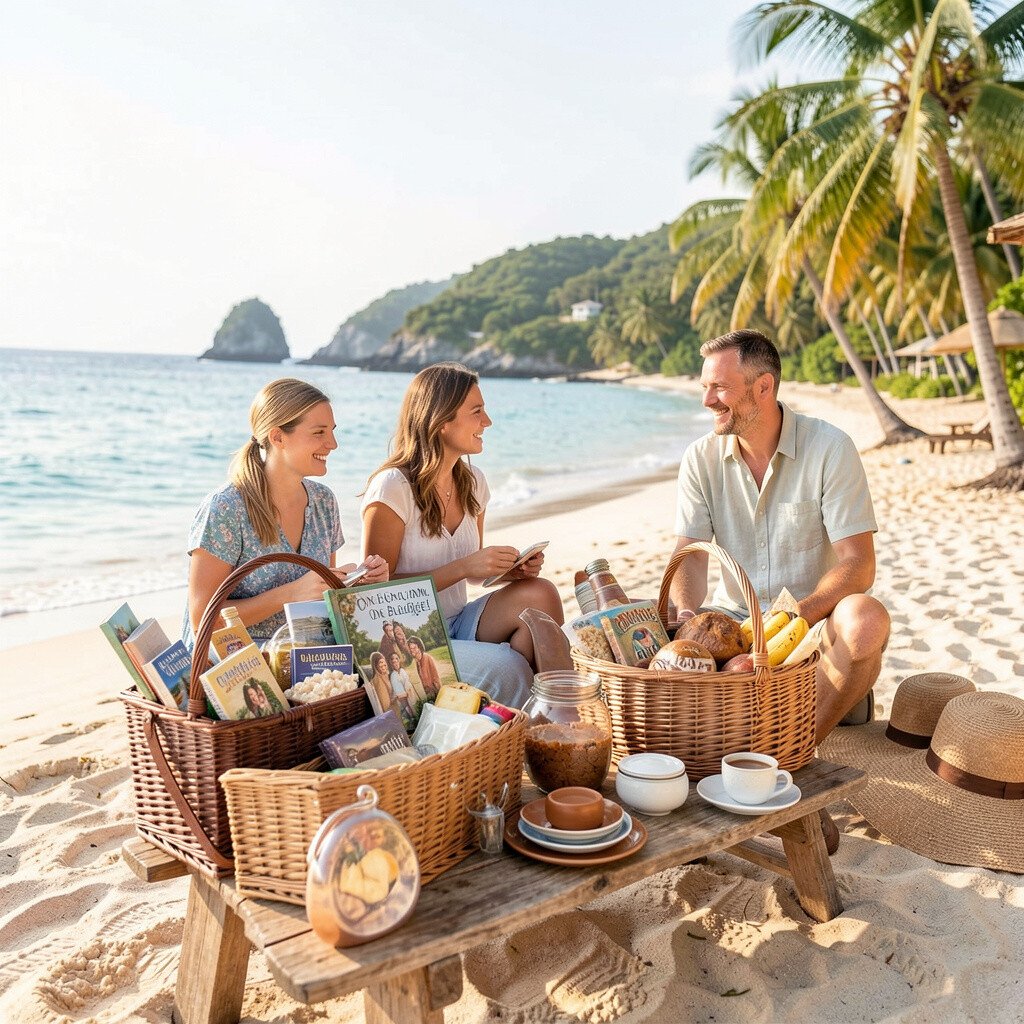
Set a souvenir strategy that matches your family’s style, such as one small item per person or one souvenir per activity. Then decide what counts as the souvenir, like a local snack, a postcard set, or a small craft.
This helps with cost control while still letting everyone feel included. Instead of endless shopping, the trip becomes a series of choices with meaning, which makes the items feel more special later. For personalization, connect souvenirs to what each person loved most, like a drawing from a class or a themed magnet tied to a story you wrote.
18. Create a Family Playlist for the Trip
Build a playlist together before you go, mixing songs for different moods like travel energy and quiet moments. Then bring a small tradition of who chooses the next track while you drive or ride.
Music locks memories in your brain, so the same songs later can bring back smells, sounds, and road views. It also helps the family feel united because everyone has a say in what plays during shared time. For practical tips, download songs ahead of time and pack headphones for anyone who needs a break from group noise.
Current travel trends often highlight mood-based soundtracks, and you’ll feel that magic when the playlist matches the landscape. If budgets are tight, use songs you already have and spend only a little time curating a great order.
19. Comfort-Item Day for Everyone’s Needs
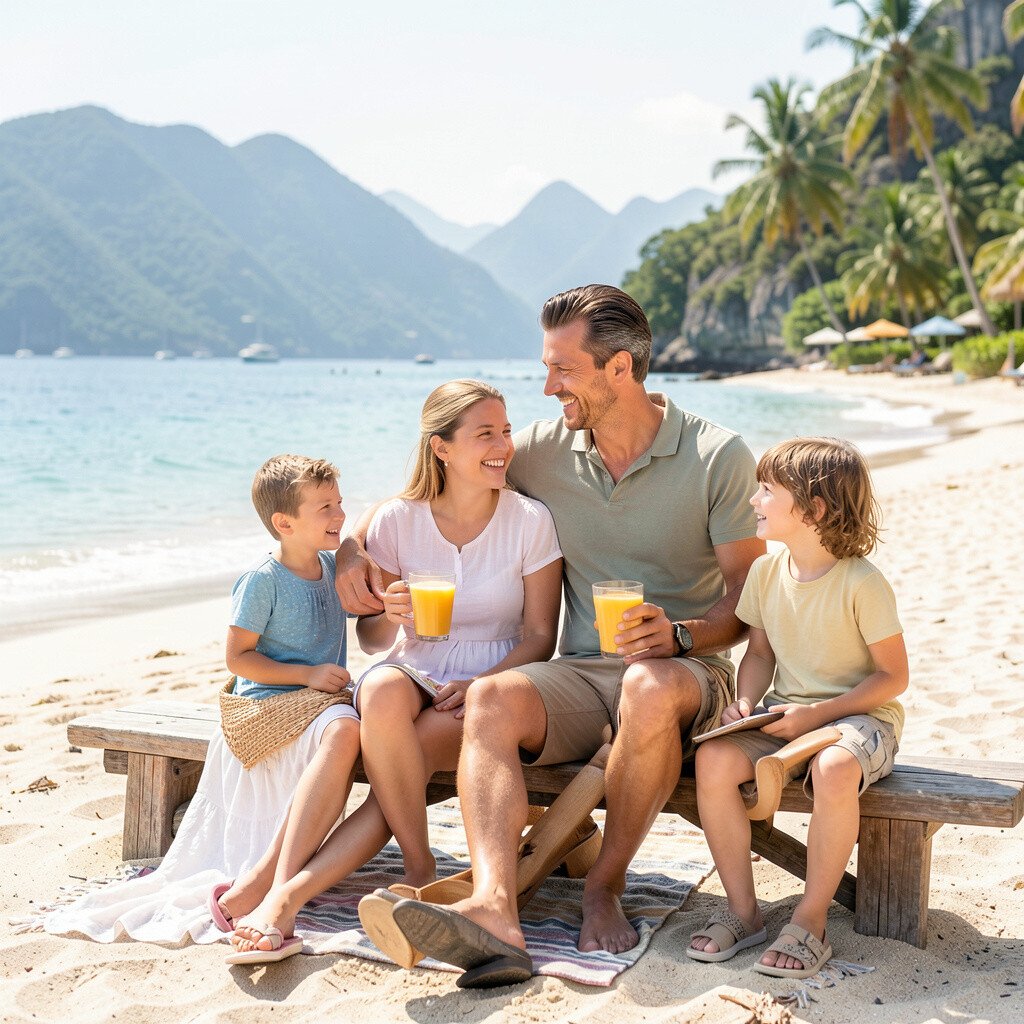
Schedule a time where each person gets a moment for their comfort routine, like a short rest, a snack, or quiet play. This can be a midday pause after a busy morning or an evening cooldown before dinner.
Planning for comfort reduces meltdowns and helps the whole trip stay enjoyable for adults too. It’s also unique because it treats rest as part of the adventure, not as a failure. Bring a small comfort item for each person and plan where they can use it, such as a corner in a room or a shaded area at a park.
To keep it practical, watch for cues like cranky behavior and then adjust the plan quickly. If you’re traveling during peak season, build this buffer since crowds can make days feel longer than expected.
20. The “Share Back” Day When You Return Home
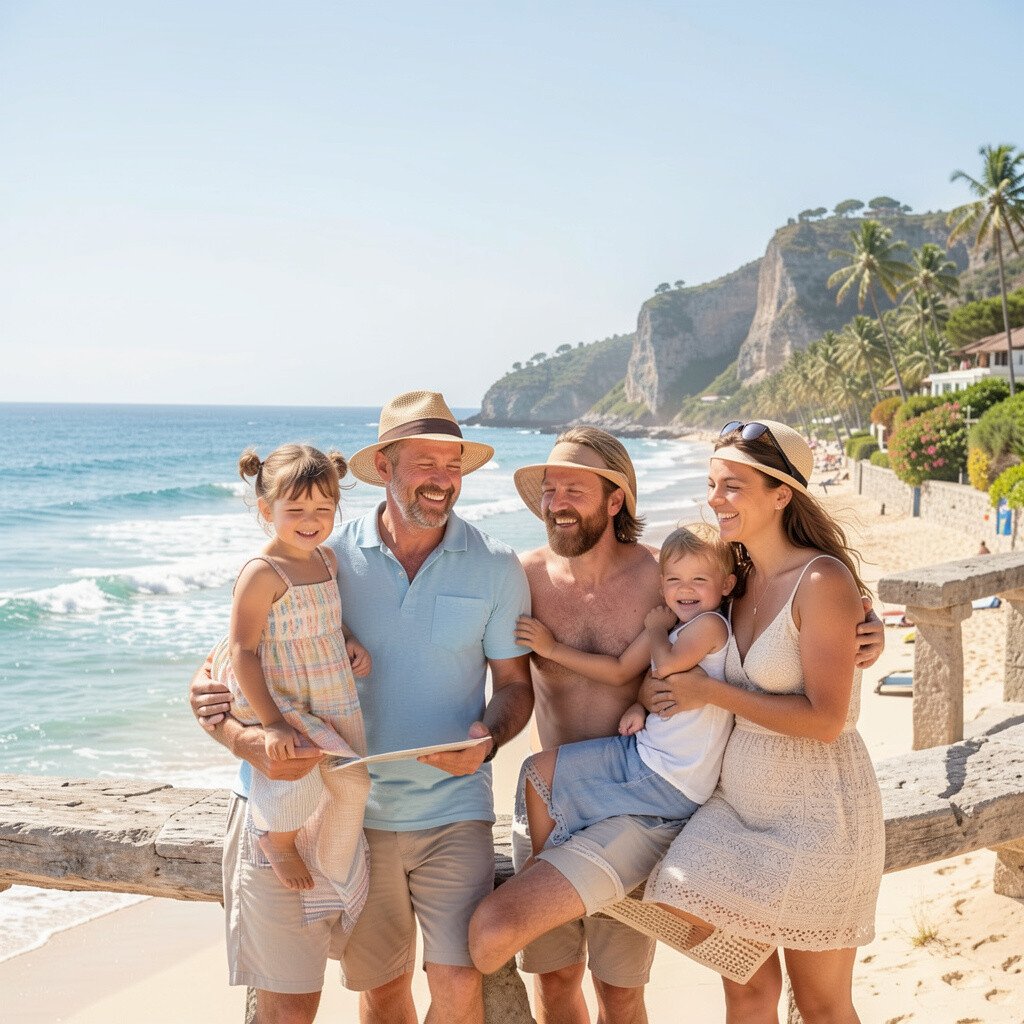
When you get back, plan a simple share-back day where everyone reviews photos and journals together. Let each person pick one favorite moment and explain why it matters to them.
This benefits everyone because it turns travel energy into a lasting tradition instead of letting memories fade. The uniqueness is that the story becomes co-created, so even adults and kids feel the same closeness to the trip. For practical tips, set up a small photo viewing space with a notebook for comments, and keep the session short so it feels fun.
Personalize by turning it into a family slideshow with captions you all write, or by printing a few images to create a quick wall display. Cost considerations are easy too, since you can use what you already have on your phone and only print a small set of photos if you want a physical keepsake.