
The road has a way of saving moments you didn’t know you needed. Solo travel turns ordinary days into stories you can feel again.
These memories can stay with you for years, even when your photos fade. Each idea below is built for one traveler at a time, with practical steps you can start right away.
1. The First Morning You Felt Brave
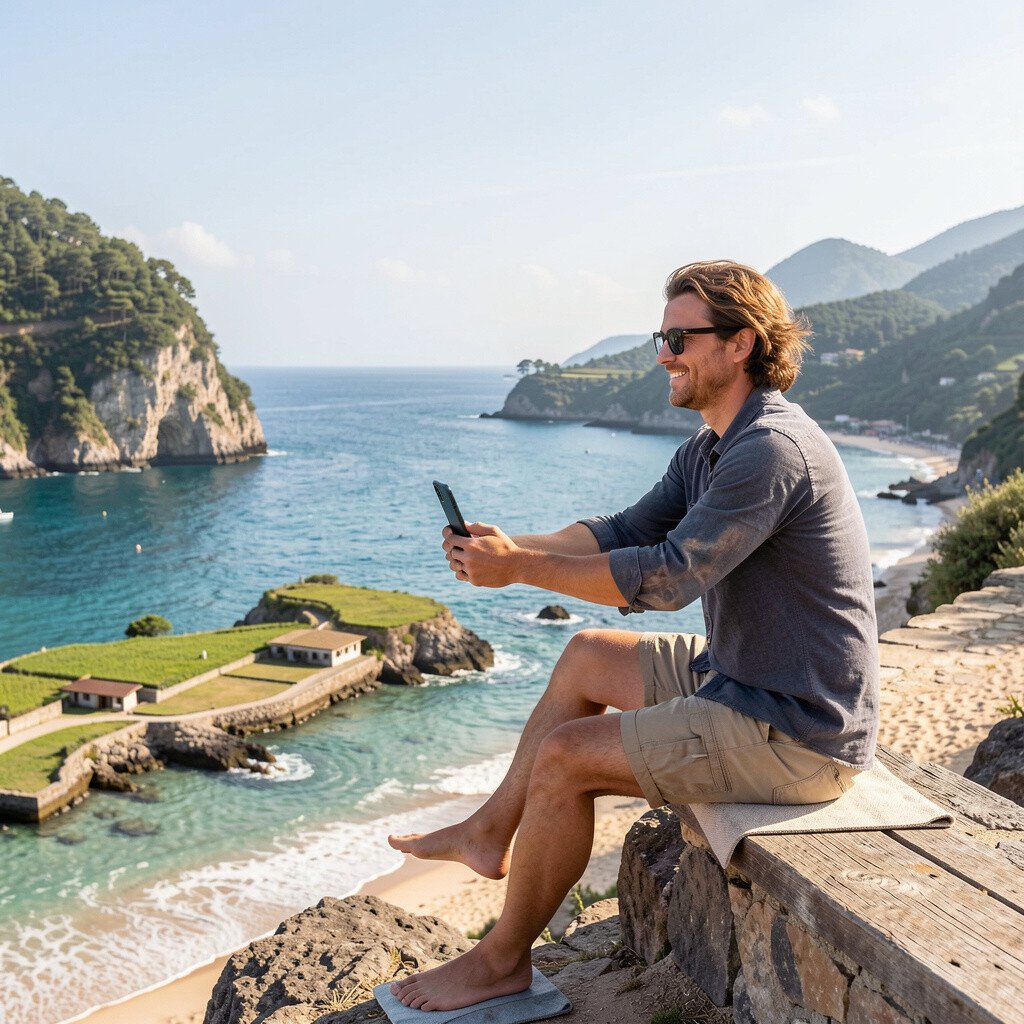
In a quiet street, you wake up before the noise starts and your feet already know where to go. Sunlight slides across the sidewalk and you can almost hear the city stretching.
That brave feeling is real, not forced, and it helps you trust yourself on the next leg. Try writing three lines in a note app while the day is still calm: what you saw, what you worried about, and what you did anyway. If you enjoy small rituals, buy one local breakfast item and eat it slowly at your own pace, even if it feels simple. Keep the receipt, too, since it can become a time capsule for your “first I can do this” moment.
2. A Morning Market You Didn’t Mean to Find

You round a corner and suddenly colorful stalls appear like someone turned up the saturation. Piles of fruit glow in the light, and the smell of warm bread mixes with fresh herbs.
Markets are great for solo travelers because they give you friendly, low-pressure places to ask questions and watch people. You can stand at a stall without needing a group, and you can learn what locals buy for daily life. Bring cash if possible, since many smaller vendors prefer it, and keep a small bag for snacks so you’re never stuck searching when hunger hits.
To personalize the memory, snap a photo of a price tag beside the item you chose, then write what it tasted like later. If you’re watching costs, aim for one “market splurge” item and fill the rest of your day with simple meals. A current trend is using short voice notes instead of long journaling, so record a quick description before you forget the sounds and colors.
3. The One Conversation That Changed Your Day
You sit near a window with a warm drink and notice how the room feels like a shared secret. Someone asks where you’re from, and you answer with a smile that feels bigger than usual.
Those small conversations can lift your mood for hours, especially when you travel alone and want connection without pressure. Keep it easy by asking one gentle question, like what they recommend for travelers nearby, and then listen closely. When you leave, write down two phrases you remember so you can revisit the tone later.
Uniqueness comes from the details, not the length, so note the setting too, like the clink of cups or the music in the background. To make it practical, set a reminder to message yourself within the hour while the exchange still feels fresh. If you’re worried about cost, you can choose free places to talk, like parks, libraries, or public viewpoints, and still have a memorable moment.
That story becomes yours, because only you will remember the exact words you heard and the way your shoulders relaxed afterward.
4. Your Favorite Seat on Every Bus or Train

There’s something comforting about choosing the same “best seat” each time you ride. The view frames buildings and hills differently, and you learn to recognize landmarks by the angle of the window.
Picking a favorite seat helps solo travelers feel in control, even in busy stations. If you can, choose a seat facing forward for less motion sickness, and pack a small layer since trains can get chilly. Keep a simple checklist in your phone for timing, like where you’ll board, what platform signs usually look like, and how long it takes to walk to your next stop.
5. The City Night You Learned to Navigate
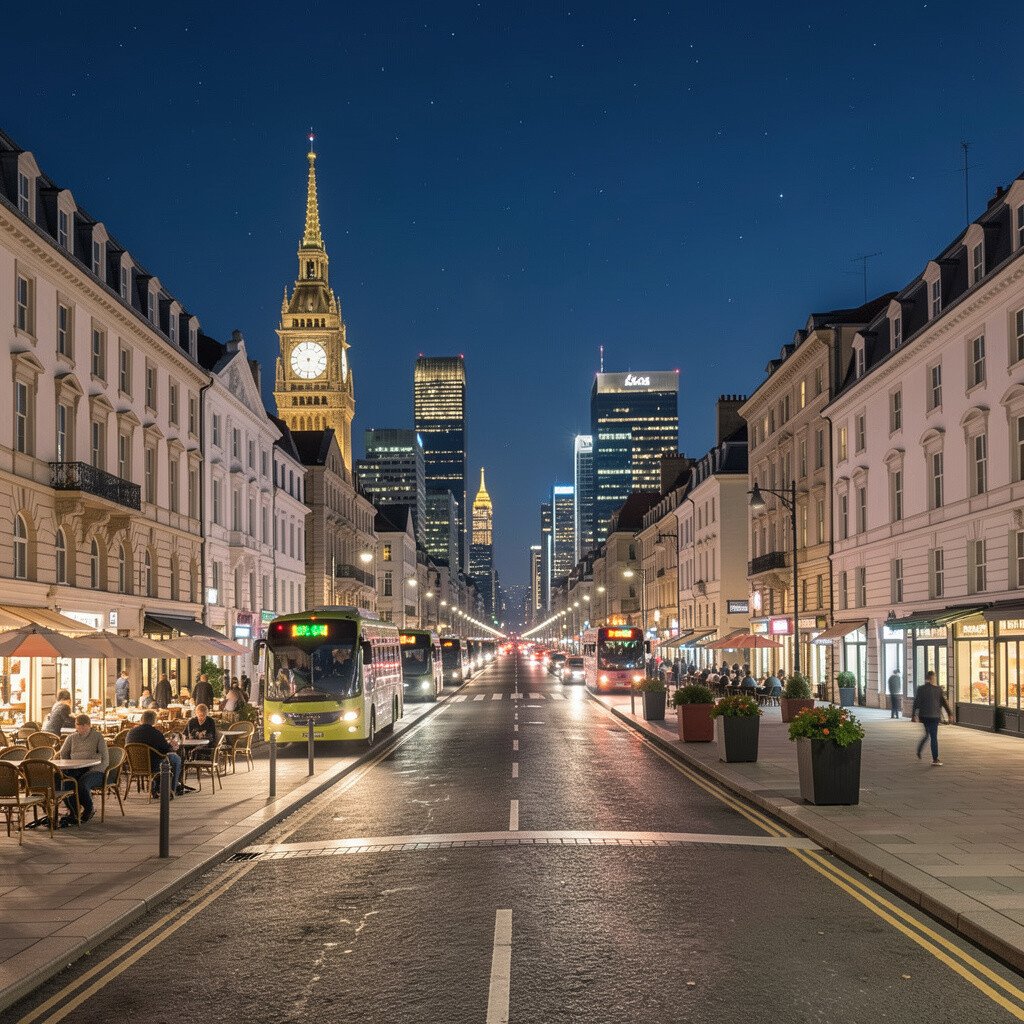
The first time you walk at night alone, the streets feel louder and brighter than you expected. Neon signs reflect in puddles, and every sound feels like a clue to where you are.
Night navigation builds confidence, and it often turns into one of your most vivid memories. Stick to well-lit routes, keep your phone charged, and download offline maps before you go out. If you prefer a low-cost plan, choose one main goal, like a viewpoint or a night market, and let the rest happen naturally around it.
For personalization, record a short audio diary after you return, focusing on three things: the smell in the air, one color you noticed, and one small win. A unique way to store it is to save a screenshot of your route and add a single sentence about how it made you feel.
6. A Small Hotel Lobby Where You Felt Welcome

The lobby lights are softer than the street outside, and the air smells like soap and clean linens. You check in, and the staff greets you with a calm kind of professionalism.
When you’re traveling alone, a friendly lobby can be a safety net, even if you never ask for anything big. Ask what time breakfast starts or which direction is best for a late-night pharmacy, and you’ll get helpful local context quickly. Keep a note of the receptionist’s tips, since they often save you money on transport or prevent you from missing a convenient shortcut.
To personalize the memory, take a photo of the seating area and write what you liked about the vibe. If you’re cost-conscious, look for places with simple perks like included breakfast or free tea, because those small comforts add up. A current trend is travelers choosing “quiet comfort” stays over fancy excitement, and it’s a great match for solo travelers who want rest.
7. The Museum Moment You Can Still Describe

You step inside and the room feels cool and still, like your thoughts finally slow down. A painting or sculpture catches your eye, and you stand there longer than you planned.
Museum time helps solo travelers reconnect with curiosity, and it gives you a structured way to spend time without needing a plan. Look for a free guided audio option, or read one short section at a time so you don’t rush. When you finish, write a single sentence about how the work made you feel, because that feeling is part of the memory.
8. A Meal You Made From a Local Recipe

You find a market ingredient that looks familiar but tastes different in the best way. Back in your room, you cook slowly, and the smell makes the place feel like home.
Cooking is a powerful solo-travel benefit because it turns travel into something you can keep. Search for one simple dish with a few ingredients, then check local prices so you don’t overspend. If you travel on a budget, buy the main ingredient fresh and use pantry staples you already have, like salt, oil, or spices brought from home.
Personalize it by saving your recipe notes on a page with your travel date, the name you give the dish, and a photo of your finished plate. For uniqueness, tweak one thing, like adding a local herb you learned the name of that day. A current trend is “kitchen diaries,” where solo travelers share what they cooked in short clips, and it can motivate you to do it too.
9. The Day You Took a Wrong Turn and Loved It
You follow a street you thought was right, but the signs change and suddenly you’re somewhere quieter. A small lane opens up with murals, and you realize you’ve landed in a story you didn’t plan.
Wrong turns can be a gift, especially for solo travelers who have the freedom to adjust without coordinating. Keep practical habits by turning on location sharing with a trusted contact and staying aware of how far you walk from your transit route. Carry a light snack and a refillable water bottle so you’re not stuck when you’re far from your original plan.
To make it memorable, label the photo with a note like what surprised you most, even if it’s just a single word. Uniqueness comes from your reaction, so record how your mood shifted when you saw that unexpected street. If you’re watching cost, treat it like an adventure walk and avoid extra rides unless you truly need them.
You’ll remember the moment you stopped thinking of the day as “off” and started seeing it as “yours.”
10. A Viewpoint Where You Watched the Weather Change

You climb a set of stairs or a steep hill, and each step brings a wider horizon. Then clouds roll in, sunlight breaks through, and the whole landscape looks brand new.
Watching weather change is calming for solo travelers and gives you a steady focus when you feel overwhelmed. Bring layers, because temperature can shift fast, and pack a small towel or rain cover if the forecast looks unsure. For practical planning, arrive earlier than sunset so you’re not rushing when the light turns dramatic.
11. Your “Safe Place” for Rest and Reset

After a long day, you find a quiet corner in a café or a library, and it feels like exhale time. The chairs are comfortable, the lighting is gentle, and your thoughts finally settle.
Having a safe place is a huge benefit for solo travelers, because it keeps your energy from draining away. Choose spots that offer steady seating, free Wi-Fi if you need it, and a menu you can handle without spending too much. Set a small reset goal, like a ten-minute stretch, a short journal entry, or a plan for tomorrow’s walk.
To personalize, keep a “rest log” photo where you capture what you ordered and how you felt right before you left. This makes your memory more than scenery; it becomes proof of your care for yourself. A current trend is slow travel styling, where people build their trips around recovery time, and that mindset fits solo journeys perfectly.
12. A Landmark Photo Taken Your Way

Instead of the usual snapshot, you frame the landmark with everyday objects around it. Maybe it’s through a bus window, beside a street vendor sign, or reflected in shop glass.
Taking your own angle gives uniqueness and also builds a skill that makes your travel photos feel personal. Set a simple rule like “one main shot, one creative shot” so you don’t spend hours chasing the perfect image. For practical cost planning, bring a small phone tripod if you want stable photos without paying for extra services.
Personalize your memory by adding one detail in your notes app, like the exact time the light hit or a sound you heard near you. If you’re traveling on a tight budget, remember that the best photos often come from walking and waiting, not from paid experiences.
13. The Walk Where You Hit Your Personal Best

You start out feeling okay, then your legs feel strong, and suddenly the distance doesn’t scare you. Streets stretch longer than usual, and your breath steadies like a rhythm you can trust.
Solo travelers benefit from tracking wins, because it turns uncertainty into measurable confidence. Use a step counter or map tracker, but don’t obsess; focus on how you felt and what you learned about your pace. Pack water and a small snack so the walk stays safe, especially in warmer areas.
To personalize, write a short “training note” to yourself about what helped, like comfortable shoes or a slower start. Uniqueness shows up when you connect the physical effort to an emotion, such as how proud you felt reaching a bridge or viewpoint. Cost considerations are simple here, since most of the value is walking, and the main expenses are usually water, snacks, and maybe one transit ticket.
14. A Ride with a Local Driver Who Shared Stories
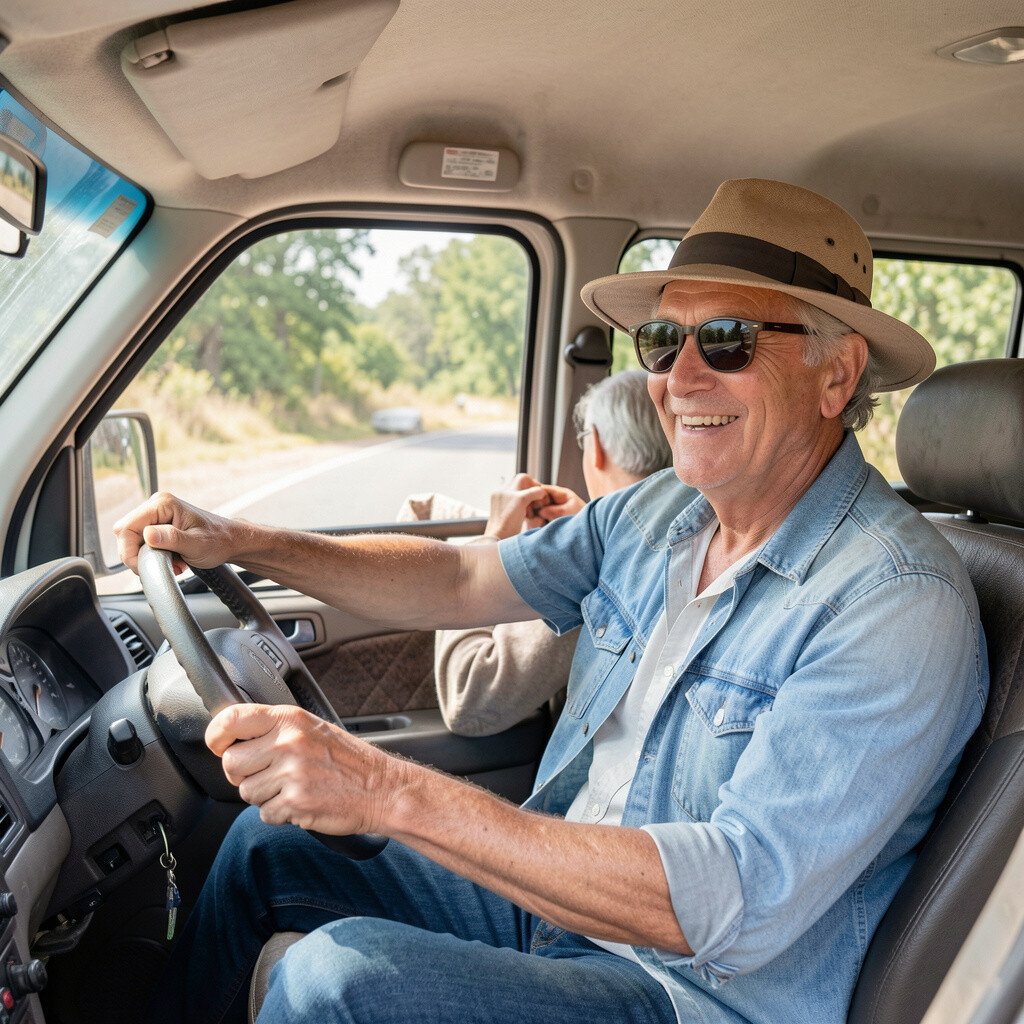
The vehicle rolls smoothly, and you watch the neighborhood pass like a moving postcard. When the driver starts talking, you catch hints of history in everyday details.
For solo travelers, a good ride can feel safer and more connected, especially when you ask respectful questions. Choose short routes if you’re cost-conscious, and confirm the price before you start so you stay comfortable. Keep it practical by carrying the address in a saved note and having a simple way to show it if language is a barrier.
Personalize the memory by writing one story point you remember, even if it’s tiny, like why a street has a certain name. A current trend is sharing ride stories in short voice clips, which makes it easier to capture the feeling without typing. Uniqueness comes from the human voice you heard, not the destination, so focus on tone and surprise.
When you’re done, you’ll realize that this was travel with a heartbeat.
15. The Rainy Afternoon You Turned Into Comfort

Rain taps the pavement, and umbrellas bloom like flowers on the street. You duck inside a shop, and suddenly the world feels warmer and slower.
Rainy days are a gift for solo travelers because they make you choose comfort and creativity. Seek out places that keep you dry and safe, like bookstores, community centers, or cafés with charging spots. For practical tips, keep a compact umbrella and a small dry bag, and wear shoes you can handle in wet weather.
To personalize, take a photo of your “cozy corner” and write what you listened to or read while you waited out the weather. Uniqueness happens when you pick one small joy, like a pastry you only eat during rainy days. Cost considerations are easier when you plan one treat and let the rest be window watching, since sitting still often costs less than running around.
16. A Temple or Church Moment Where You Sat Quietly
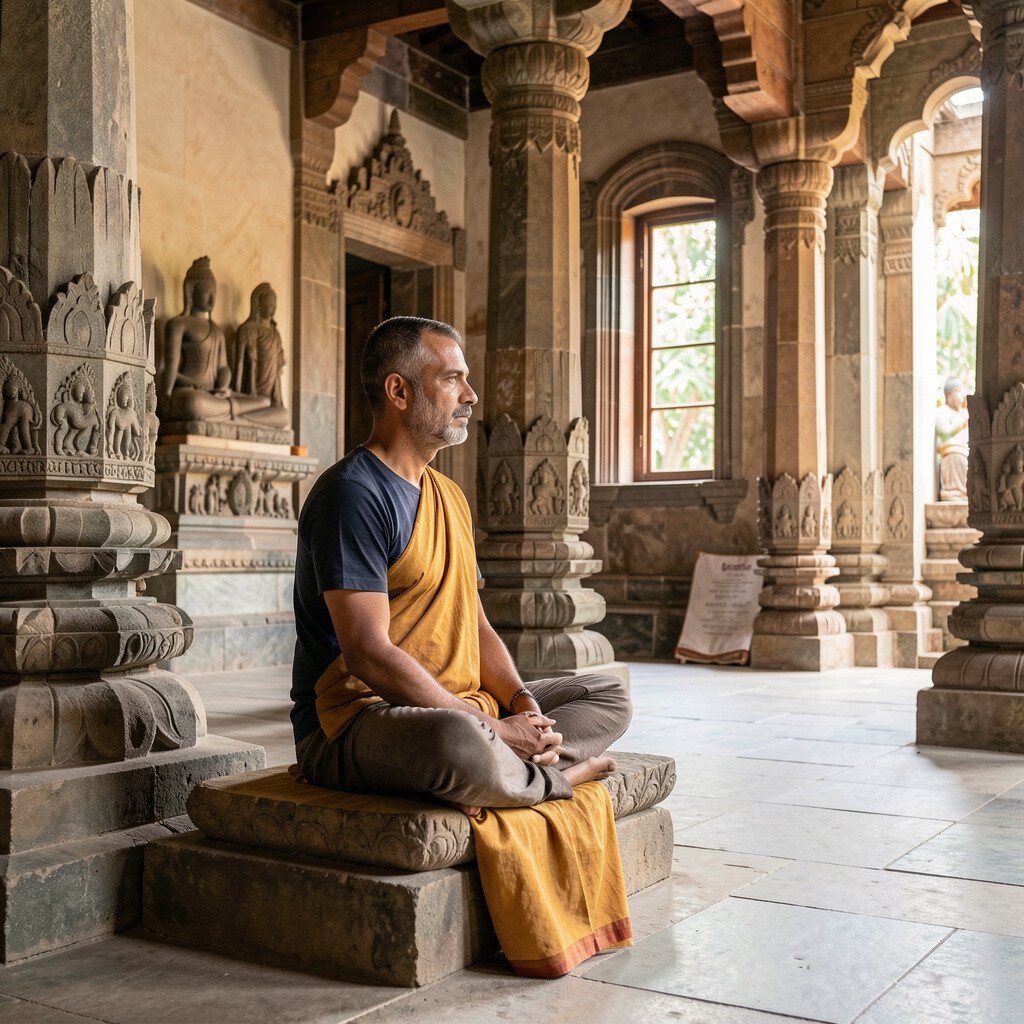
You step inside and the air feels different, like time slows down on purpose. Candles flicker, stone floors cool your footsteps, and your mind gets quieter without you trying.
Quiet places support solo travelers by offering calm and a reset for emotions. Follow posted rules, dress respectfully, and observe first before taking photos. If you’re not sure what to do, staying still and listening is always a safe choice, and it turns into a meaningful memory.
Personalize it by noting one phrase you heard, or the way light moved across a wall. Uniqueness can come from the exact moment you realized you weren’t rushing anymore. For cost considerations, many spiritual spaces are low-cost or free, and your main expense is usually transportation to get there.
17. Your First Night Out Eating Street Food
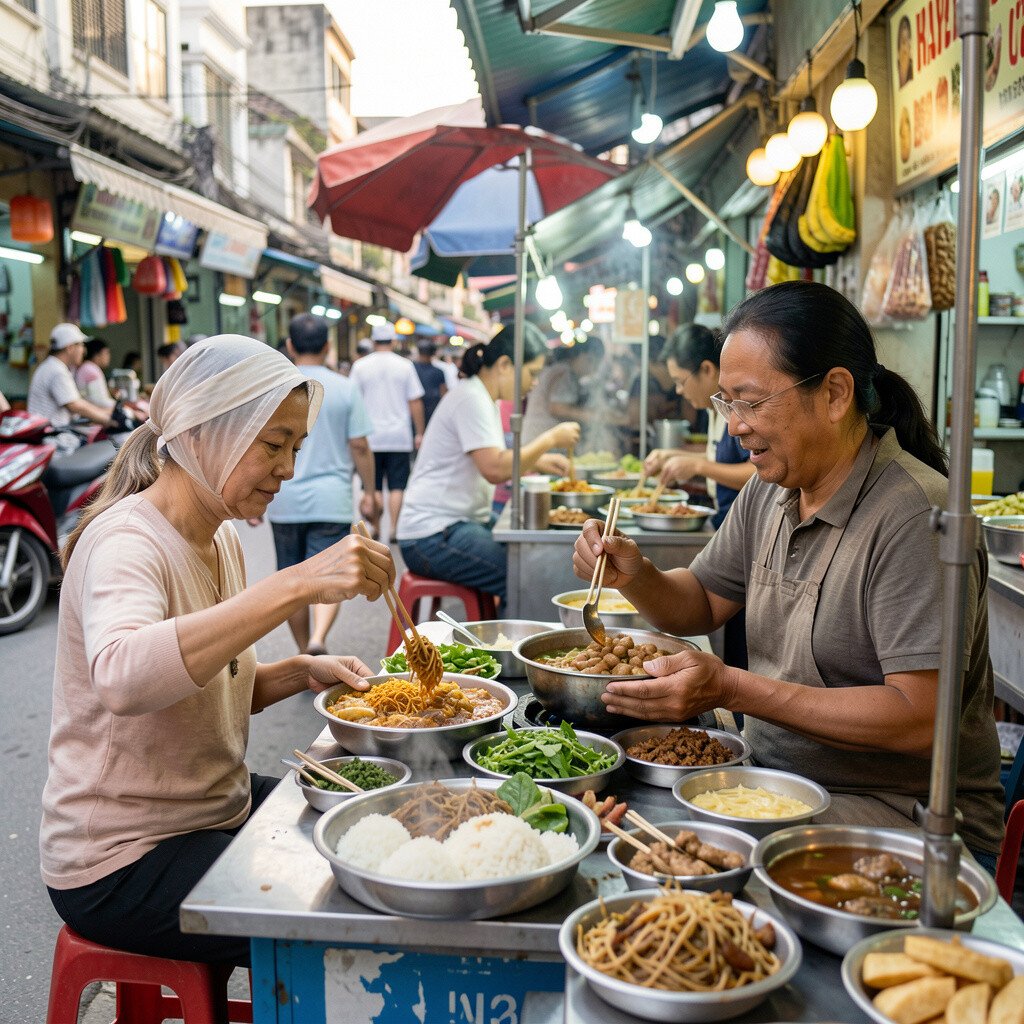
The street glows with grills and sizzling sounds, and you smell spices before you see the food. You stand there, choosing carefully, and your courage grows with every bite.
Street food can be one of the best solo travel benefits because it’s social without needing a conversation. You can watch how locals order, then copy the simplest option and feel confident quickly. For practical tips, choose vendors with steady lines, bring small cash, and start with one dish so you can adjust if something isn’t to your taste.
To personalize, take a photo of the vendor sign or menu board and write what you’d order again. Uniqueness comes from combining flavors with the feeling of independence, like eating at a curb with the city humming around you. Cost considerations are usually friendly, but it helps to set a small budget for snacks so your appetite doesn’t surprise your wallet.
That first street food night often becomes your “I can do anything” story.
18. The Souvenir You Didn’t Buy Until You Were Ready

You notice small handmade items everywhere, but you don’t grab the first one. Later, you return and the shop feels familiar, and now you know what fits your life back home.
Waiting to buy can be a benefit for solo travelers, because it prevents rushed choices and helps you feel the memory more. Ask about materials and names if you can, since caring about the story makes the item more meaningful. If you’re on a budget, set a limit and focus on one item that you’ll actually use, like a scarf, mug, or small journal.
Personalize the memory by photographing the item next to something you already own, like your home keychain or a favorite book. Uniqueness grows when your purchase reflects your interests, not just what everyone buys. A current trend is “purposeful souvenirs,” where travelers select items that match hobbies, and it makes the keepsake feel earned.
19. The Letter You Wrote to Your Future Self

Later, sitting at a desk or on your bed, you write a letter you know you’ll re-read. The words feel honest, and you remember how brave and tender you were at the time.
This is a powerful solo-travel benefit because it captures growth, not just scenery. Keep the practical side simple by setting aside a quiet half-hour on one evening, then writing what surprised you, what you learned, and what you want to remember. Personalize your letter with one sensory detail, like the taste of a street snack or the sound of rain, so future you can step back into that moment.
Uniqueness comes from your voice, so don’t aim for perfect grammar; aim for real. For cost considerations, you only need paper or a notes app, and the return on investment is enormous. A current trend is saving voice letters, and it can be easier than typing when you’re tired.
When you read it later, the trip doesn’t fade, because you built a bridge from then to now.