
Have you ever noticed how lighting can change the mood of a room without anyone touching the furniture. Choosing the right fixture can feel simple, until you compare wall sconces and ceiling fixtures side by side.
Both can look beautiful, but they work in very different ways. The best choice depends on where you want light, how you use the space, and what style you love.
1. How Light Spreads in Real Life

Wall sconces aim light outward from a vertical position, often creating a cozy pool of brightness. Ceiling fixtures shine from above, which can feel broader but sometimes less focused near eye level.
With sconces, you can highlight artwork, a textured wall, or a reading nook so the details pop. Ceiling lighting tends to wash the whole room more evenly, which is great for daily tasks and open spaces. If you like a layered look, try matching both types so you get general light from above and character light on the walls.
2. Mood and Atmosphere You Can Feel
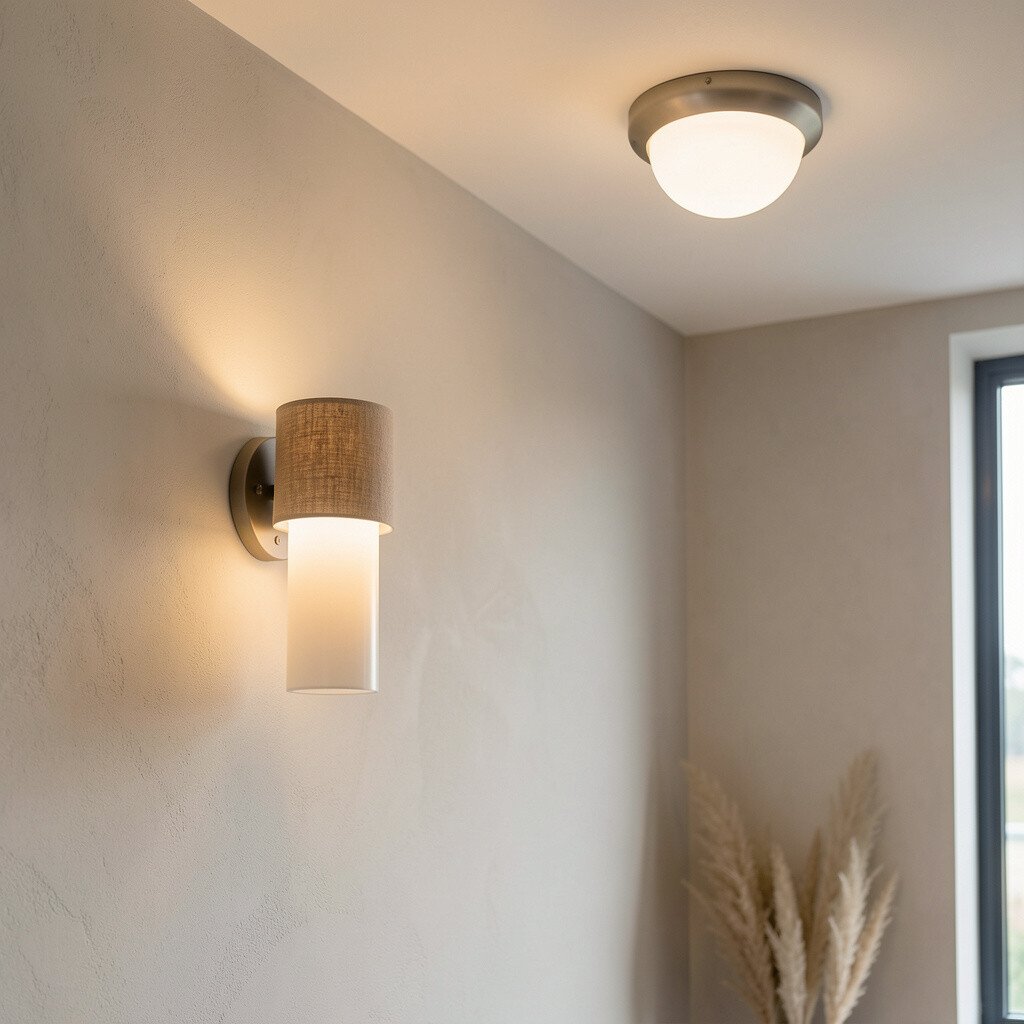
Wall sconces often feel softer because the light source is set beside you, not overhead. That small shift can make evenings feel calmer, like the room is gently lit for conversation.
Ceiling fixtures can still be warm and welcoming, especially with dimmers and amber bulbs. But overhead glare can sometimes flatten shadows, which means fewer cozy corners. A practical way to personalize mood is to place sconces at comfortable viewing height so you get a flattering glow without harsh highlights.
To keep the vibe consistent, pick shades that match your room colors, like linen for warmth or clear glass for sparkle. You can also vary bulb temperature across fixtures to create depth.
3. Placement Flexibility and Common Use Spots

Wall sconces shine in hallways, bedrooms, and next to mirrors where you want light at the right angle. They also look great beside beds because they free up table space and make routines easier.
Ceiling fixtures fit naturally in kitchens, living rooms, and bathrooms where you want full coverage. They’re often the first choice for central lighting in large areas because the light drops evenly from the top.
If you want practical placement tips, measure wall height before buying. Sconces look best when mounted so the light sits around eye level or slightly above depending on the shade size. For ceiling fixtures, check the clearance so the fixture never interferes with doors, fans, or low ceilings.
Personalize placement by choosing adjustable swivel sconces in rooms where you want light directed toward specific spots. In kitchens, mounting height and shade style can change how clean and bright the countertop feels.
4. Style Variety and Visual Impact

Wall sconces add a “framed light” look because they sit on the wall like decor. You can choose modern metal arms, vintage scrolls, or minimalist cylindrical shades that match your design theme.
Ceiling fixtures come in many styles too, from sleek flush mounts to bold pendants. Still, they often become the main focal point since they hang or sit at the center of attention.
5. Space Saving and the Clutter Factor

Wall sconces can make a room feel more open because they replace some table lamps. In a small bedroom, that means more surface space for books, skincare, or a tidy bedside tray.
Ceiling fixtures keep the walls clean, which helps when you want to hang art, shelves, or curtains without obstacles. They can also reduce the number of cords and bases you need to manage.
A smart personalization idea is to mount sconces on both sides of a bed or sofa, then skip bulky lamps. For closets or narrow hallways, a flush ceiling fixture or a semi-flush design can keep sightlines clear while still lighting the path.
6. Wall Damage, Installation, and DIY Reality
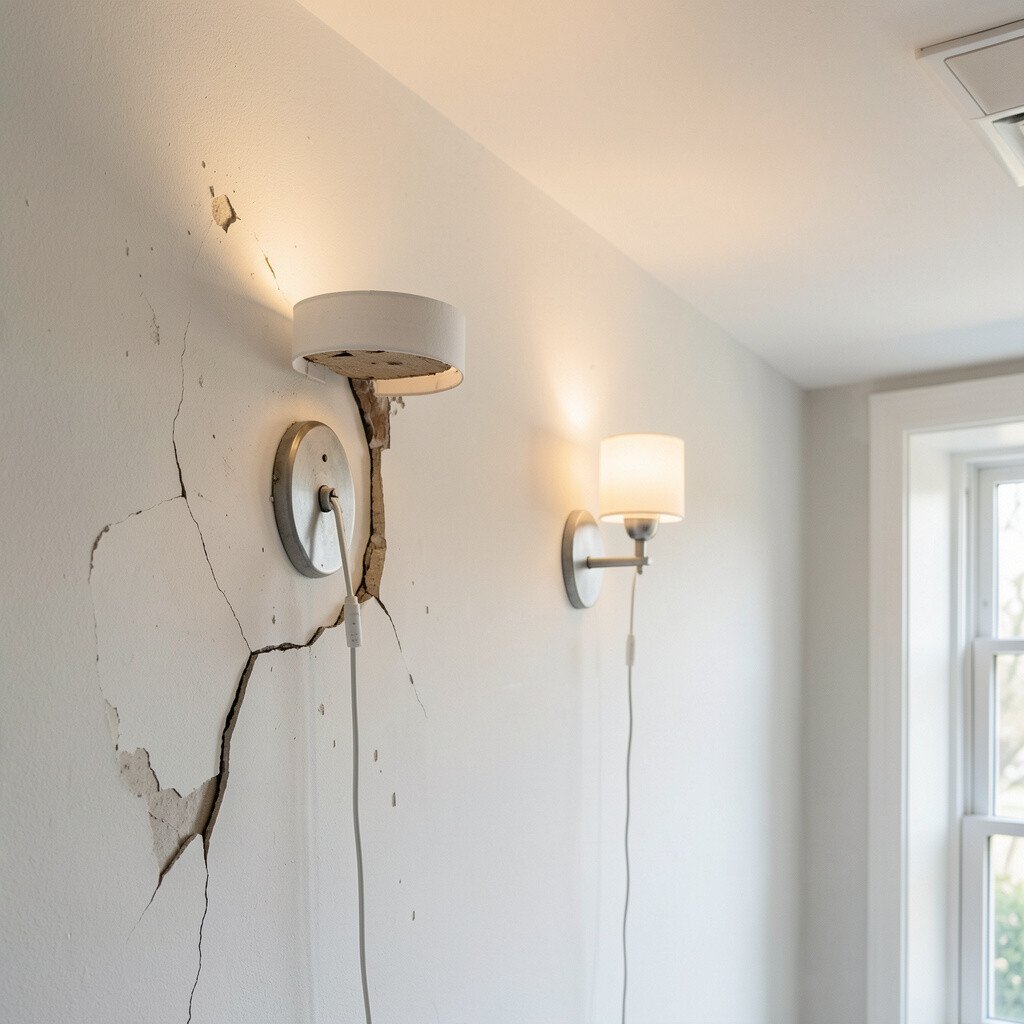
Wall sconces usually require electrical placement on the wall, which can mean opening drywall or hiring a pro. The upside is that once installed, the lighting becomes a permanent part of your style.
Ceiling fixtures often involve wiring at the ceiling box and securing a heavier base, especially for chandeliers or large pendants. If your ceiling has an existing light source, switching fixtures can be easier than starting from scratch.
For a practical decision, check what wiring already exists in your space before you shop. You can also consider plug-in sconces as a low-commitment option when outlets are nearby. Keep cost in mind, because installation changes the total price fast, even when the fixture itself seems affordable.
7. Dimming Control for Better Everyday Comfort
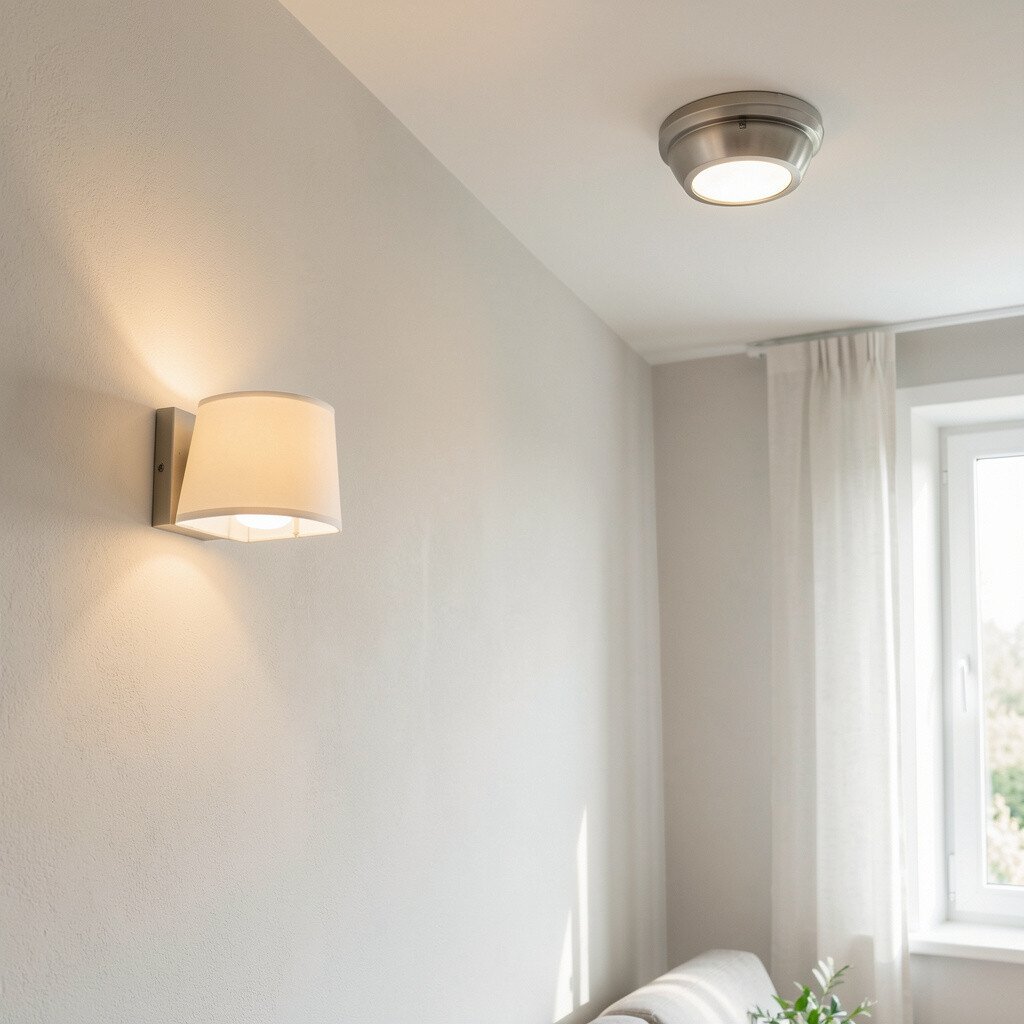
Dimmers can make wall sconces feel even more flexible because you can adjust brightness for reading, relaxing, or late-night wind-down. Since sconces create directed light, dimming helps you avoid harsh glare in the eyes.
Ceiling fixtures also benefit from dimmers, especially in dining rooms and living rooms. When paired with the right bulb type, overhead light can become warm and gentle instead of flat.
A simple personalization method is to test brightness levels before finalizing the vibe. Many people love “soft evening” lighting that feels like the room is dressed up without being too bright. If you want trend-friendly comfort, choose smart dimmers so you can set scenes for movie night, dinner, or winding down.
8. Bulb Choices and How They Affect the Look
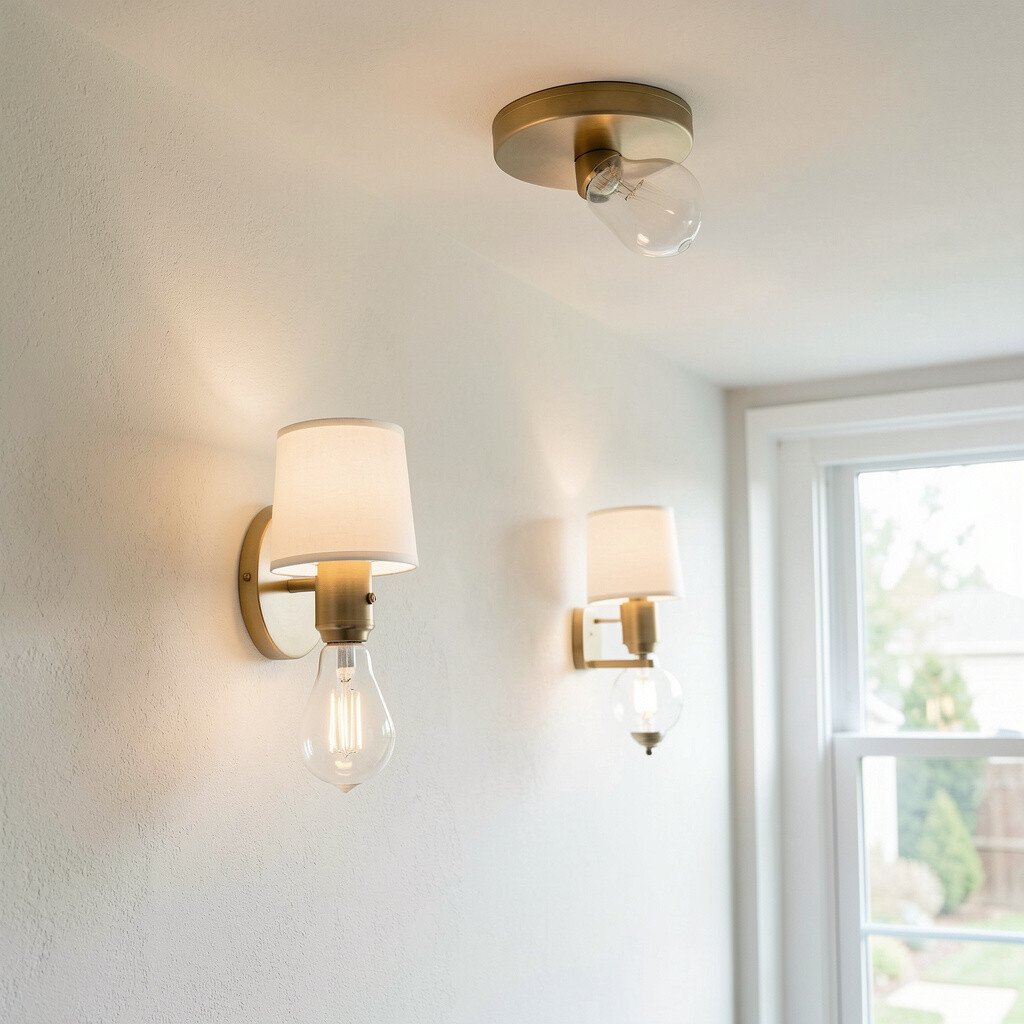
Wall sconces often reveal bulb character because the light exits around shades and creates visible glow patterns. A frosted glass shade may hide the bulb, while open designs show more of the filament look.
Ceiling fixtures can use the same bulb types, but the light spreads differently because it starts from above and reflects across surfaces. That means a bulb that looks warm under a sconce might feel different when bouncing off a glossy ceiling.
For practical tips, use the bulb temperature that matches your desired mood, like warm for bedrooms and neutral for work areas. If you want a modern, current trend look, consider decorative bulbs with interesting shapes in glass fixtures. Always check wattage and fixture compatibility so the fixture stays safe and bright enough.
9. How Each Fixture Handles Mirrors and Makeup Areas
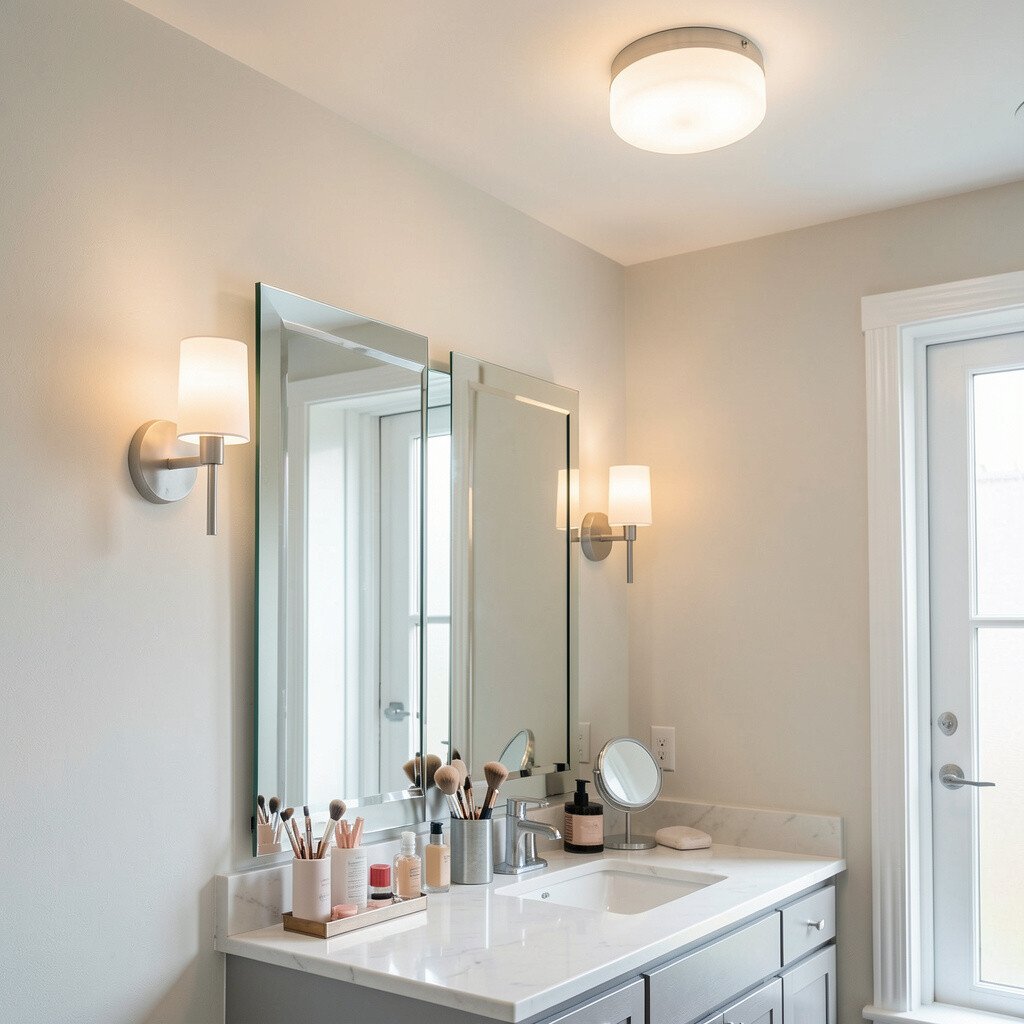
Wall sconces next to mirrors can reduce shadows on faces, which makes everyday tasks easier. When light is placed at flattering height, makeup application and shaving become simpler and more even.
Ceiling fixtures alone can create “under-eye” shadows because overhead light lands from above. Some people fix this by adding a mirror light bar, but sconces can be a softer, stylish alternative.
A great personalization idea is to match the mirror frame finish with the sconce metal, like black to black, brass to brass, or chrome to chrome. If you’re working on a budget, choose affordable bulbs and invest a bit more in the glass or shade style so the mirror area looks polished.
10. Cleaning and Maintenance in Daily Life
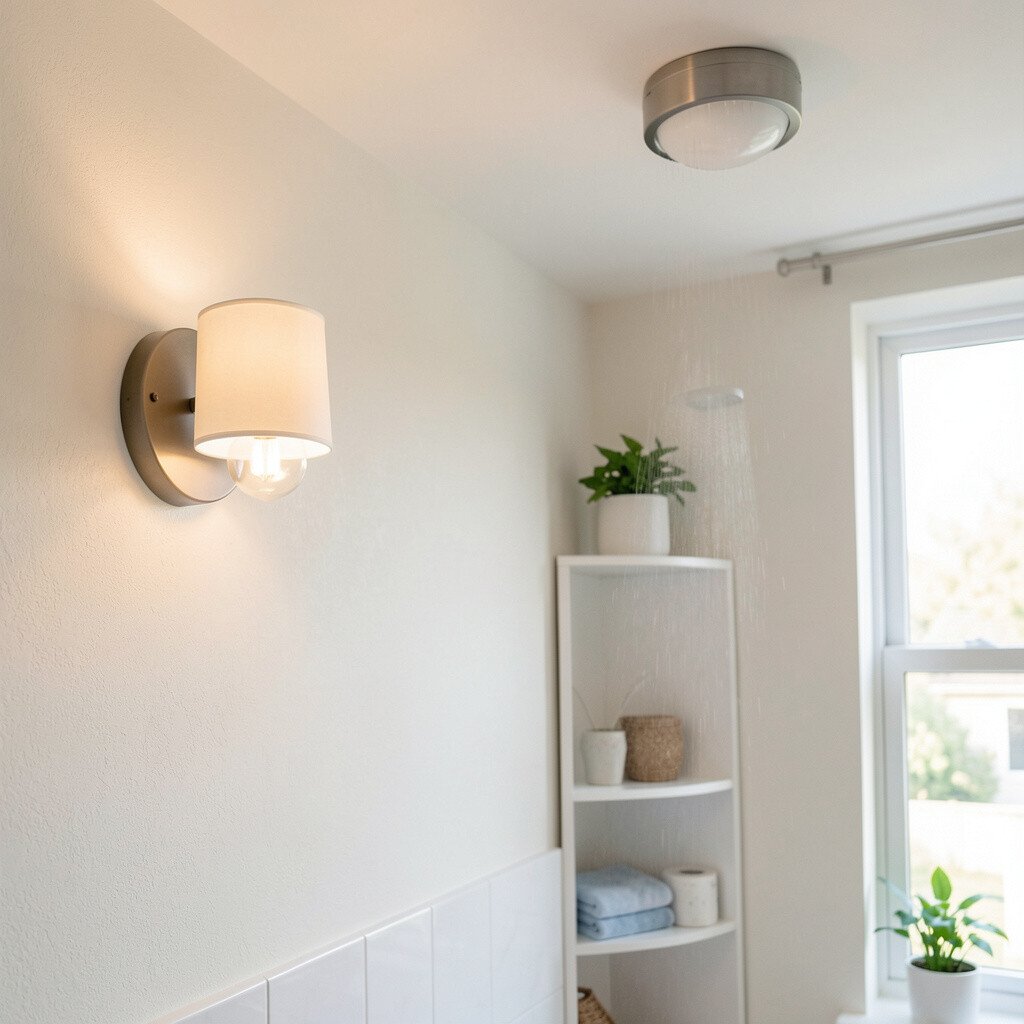
Wall sconces often have fewer hard-to-reach surfaces, but their shades may collect dust. A quick wipe with a microfiber cloth keeps the glow looking crisp and fresh.
Ceiling fixtures can gather dust too, especially on fan-style designs or textured shades. For practical upkeep, use a sturdy step tool and turn off power before removing parts.
11. Cost Considerations From Fixture to Final Look
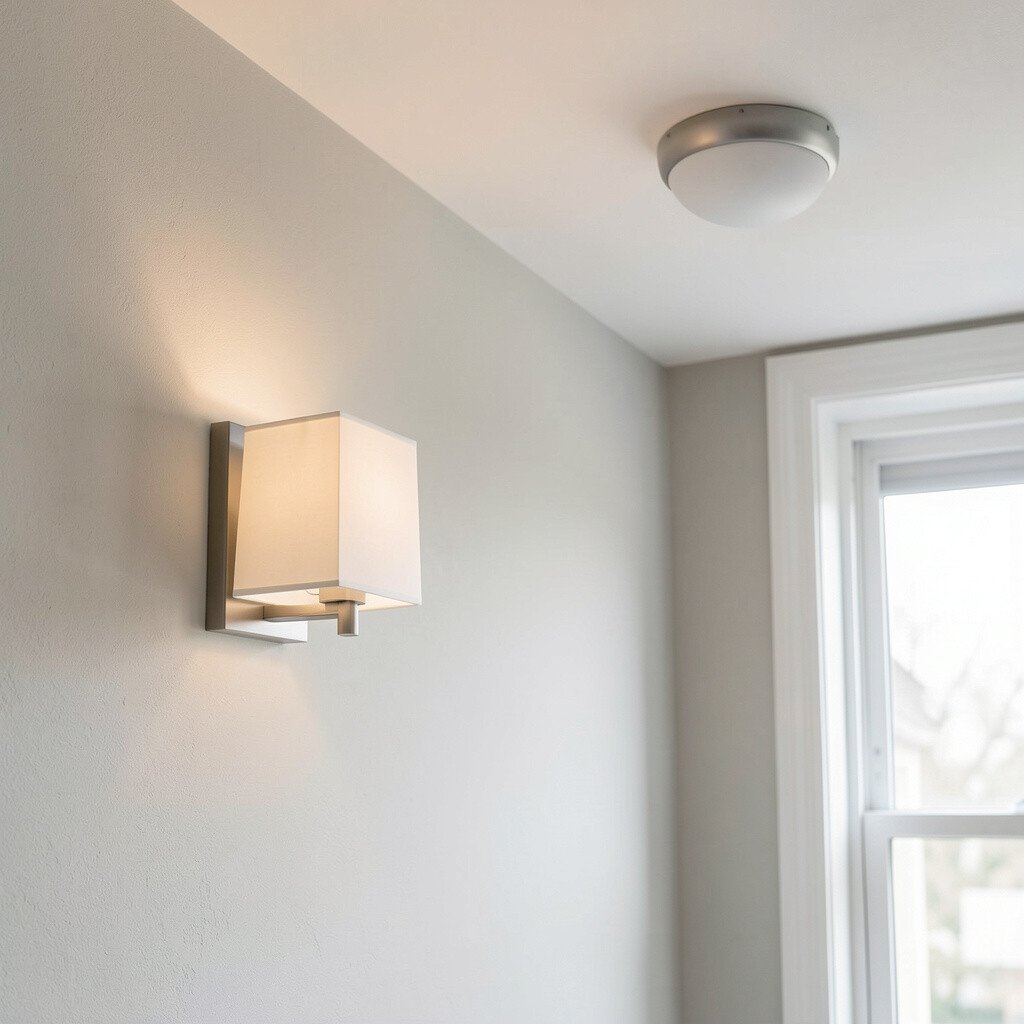
Wall sconces can range from simple and budget-friendly to designer-level statement pieces. Often, the final cost depends on how many you install, since symmetrical setups look best with matching pairs.
Ceiling fixtures can be one-off purchases that handle the whole room’s overhead light, which helps control total cost. Still, large pendants or chandeliers can raise the price quickly, especially with custom finishes.
If you want smart cost planning, decide first where you need light most. For example, using a ceiling fixture for general brightness and adding just a few sconces for style can balance price and impact. Also consider whether you’ll need extra electrical work, because installation labor can be a bigger part of the budget than people expect.
Look for sales on matching pairs for sconces and check return policies if your measurements are tight. A little patience can bring major style upgrades without overspending.
12. Uniqueness Through Direction and Shadow Play

One of the most unique things about wall sconces is how they create angled shadows. Those shadows add depth, making textured walls, wood tones, and fabric furniture look richer.
Ceiling fixtures can be beautiful, but they often produce flatter lighting that may reduce shadow detail. That doesn’t have to be a downside, because you can still add depth with layered light like floor lamps or candles.
For practical personalization, choose shades that change the beam, such as bell shapes for softer spreads or clear glass for crisp highlights. If you love a trendy look, aim for a mix of materials, like black metal with warm brass accents. Then place the fixtures where they will highlight something you already love, like a gallery wall or a decorative headboard.
13. Current Trends in Sconce and Ceiling Lighting
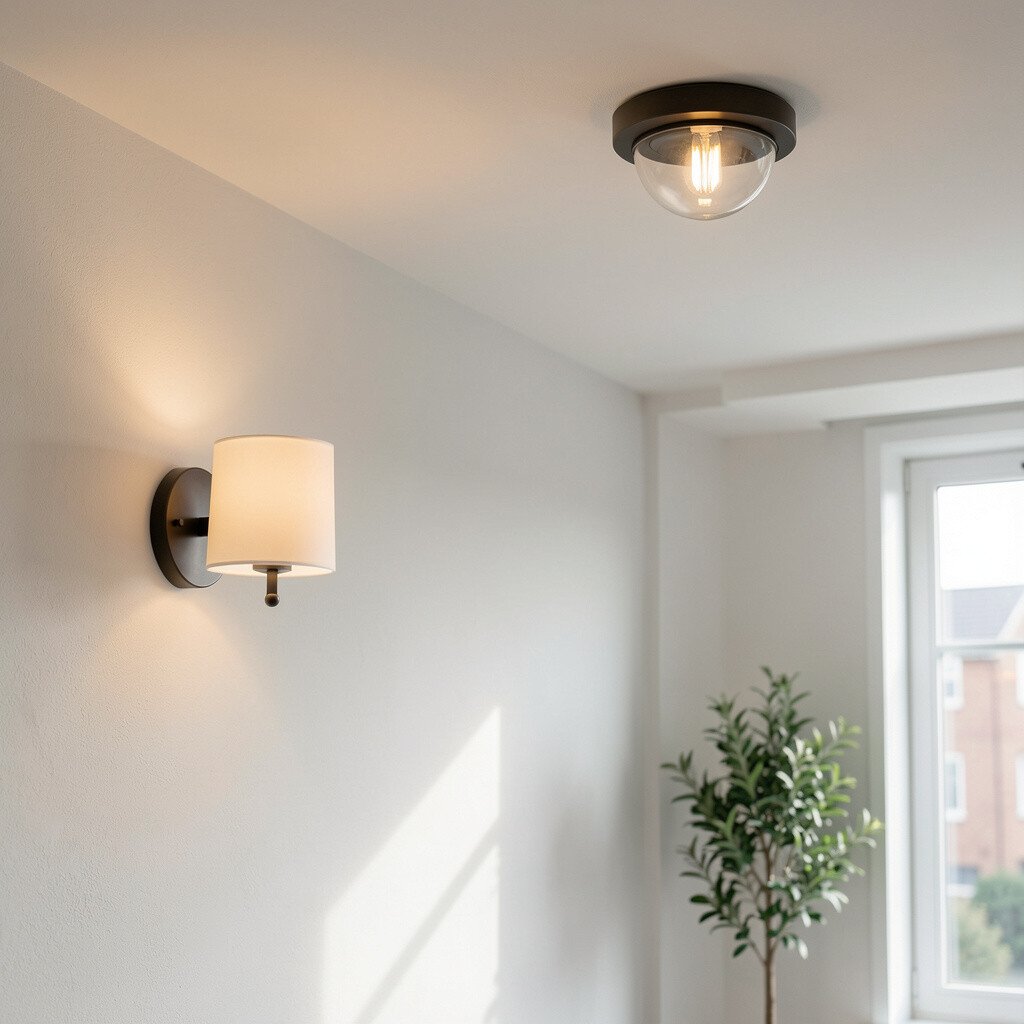
Wall sconces are trending for “soft modern” rooms where decor feels curated. Many designs use matte finishes, curved arms, and warm-toned glass that looks calm and stylish.
Ceiling fixtures are also evolving, with flush mounts for clean ceilings and pendants that show off texture or sculptural shapes. In many homes, people are choosing layered lighting so overhead never becomes the only source of glow.
If you want to follow trends without losing comfort, focus on the finish and the shade, not just the brand name. Pair warm bulbs with fixtures that block glare, and you’ll get a look that feels current and still cozy. Trends also support personalization, like mixing metals carefully or using adjustable designs to keep up with changing layouts.
A practical tip is to match the lighting style to your other hardware, such as cabinet pulls and door knobs, so the look feels intentional. That detail makes even budget fixtures feel custom.
14. Safety Considerations and Choosing the Right Height

Wall sconces require attention to mounting height, especially in hallways and near seating. Keeping the fixture positioned so people do not bump into it is both safer and visually better.
Ceiling fixtures also need proper clearance so they do not interfere with head height or doors. This matters most in spaces with low ceilings, stairways, or overhead beams.
A practical safety step is to verify the electrical rating and use compatible bulbs. If you’re unsure, hire a qualified installer so wiring is handled correctly from the start. Personalize safely by using shades that reduce glare instead of aiming bare bulbs outward in busy areas.
For families with kids, consider how the light looks from different angles and choose designs that feel secure and sturdy.
15. Choosing the Best Option for Your Specific Room
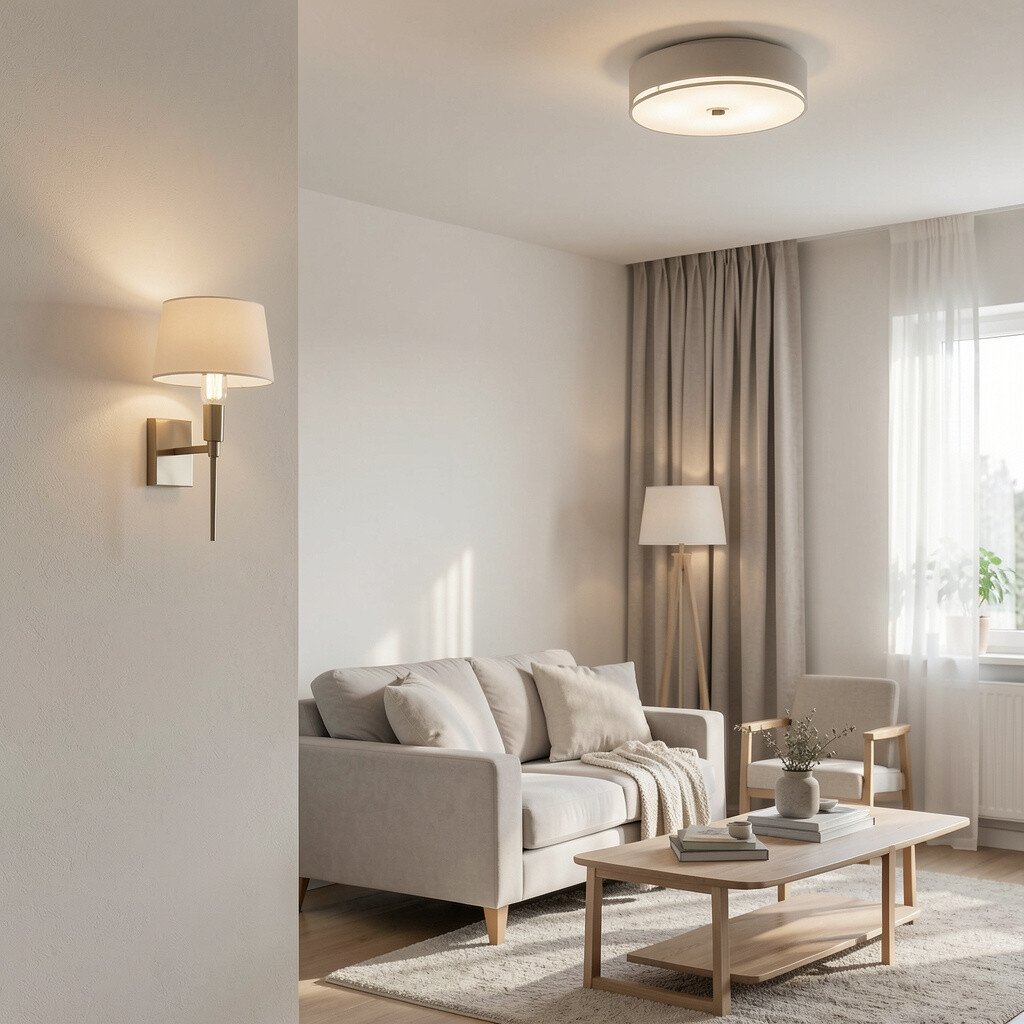
Wall sconces are often the best match when you want warmth, focus, and a design-forward look. They can make a room feel styled even when the walls are still simple.
Ceiling fixtures are usually the better fit when you need broad illumination and easy everyday visibility. If the space is your cooking zone, laundry area, or main living area, overhead light gives dependable coverage.
To decide, think about your daily routine and where your eyes go first when you enter the room. Then pick fixtures that support that path of light so the room feels effortless to use. Personalize the outcome by mixing styles, like pairing modern wall sconces with a minimal ceiling fixture, as long as the finish colors match.
Finally, consider cost and effort together by checking what wiring already exists and how many fixtures you truly need. Sometimes one well-chosen ceiling fixture plus a couple of sconces is the sweet spot for both comfort and style.