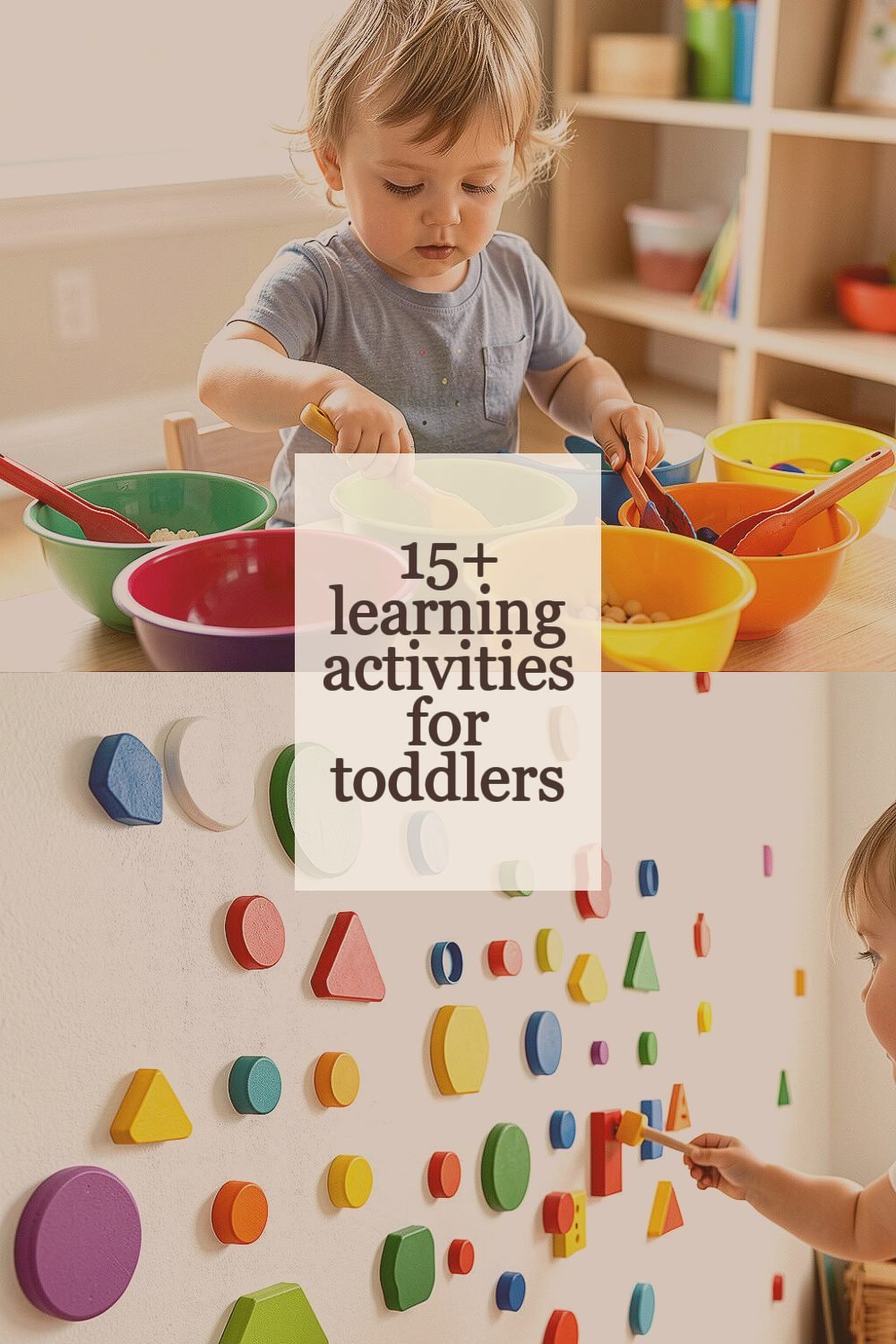
Little hands love busy work. Big feelings grow when play feels alive.
1. Color Sorting With Bowls And Tongs
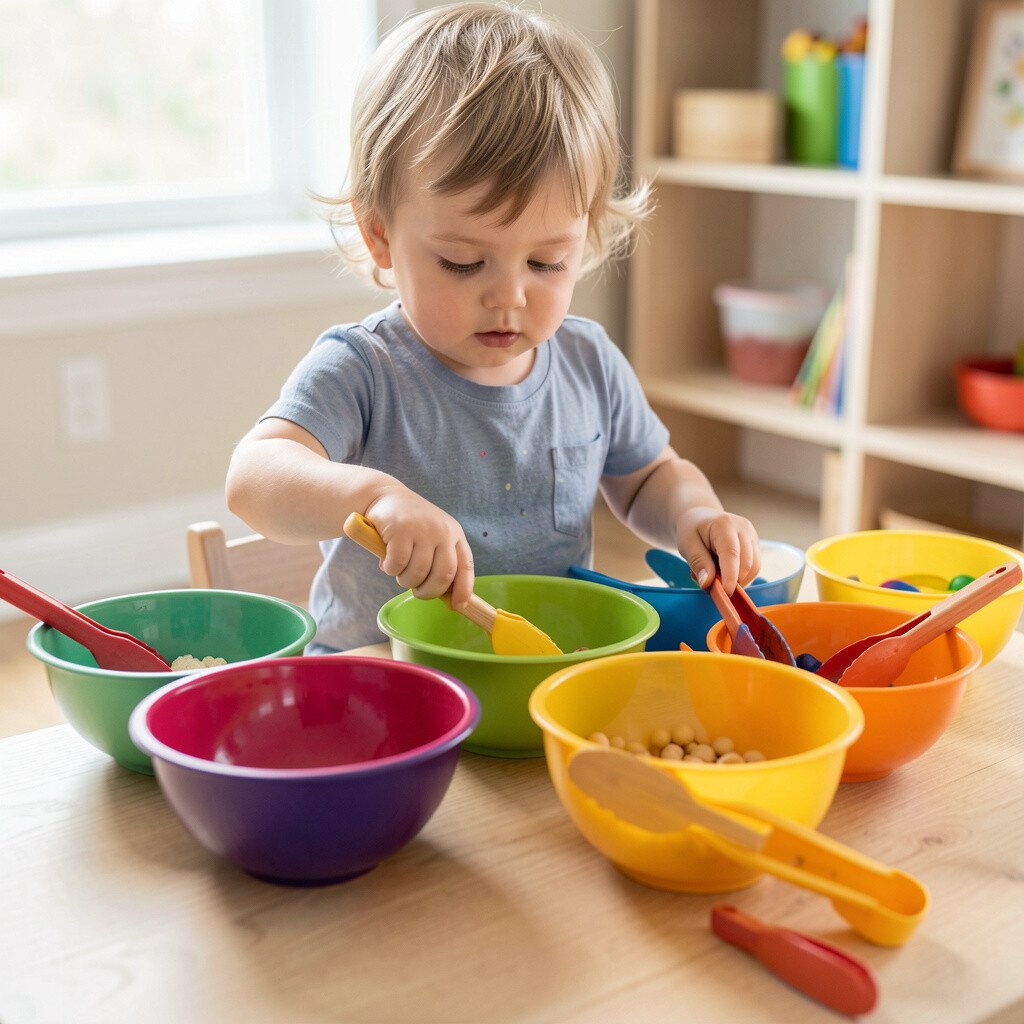
Bright bowls and chunky tongs make a simple table look full of energy. A toddler can move pom-poms, blocks, or buttons into matching colors and feel proud each time a piece lands in the right spot.
This kind of play helps with hand control, early matching skills, and calm focus, and it feels fresh because the child gets to make quick choices again and again. You can use things you already own, like plastic cups and safe craft bits, so the cost stays low, and you can change the game by asking your child to sort by favorite color, size, or even by the color of a shirt in the room.
2. Sticky Wall Shape Hunt
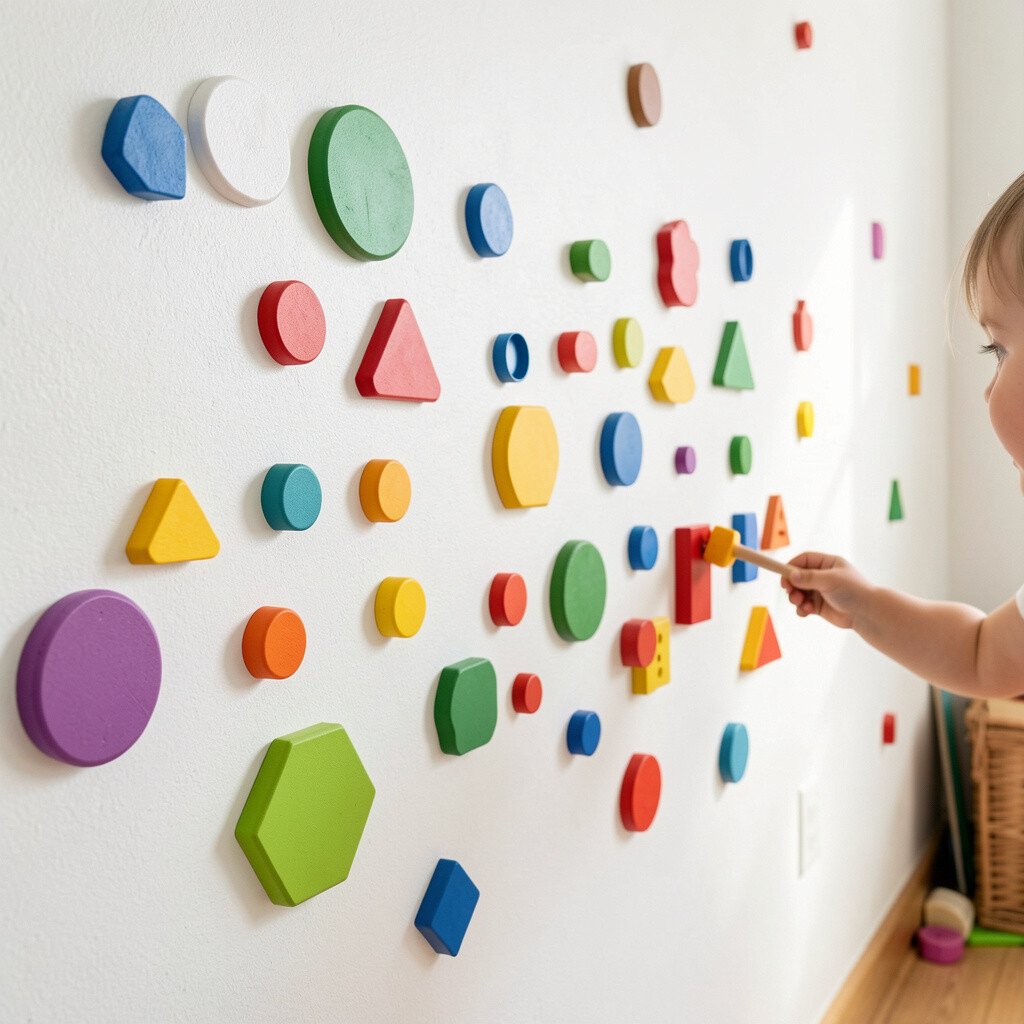
A piece of painter’s tape on the wall or fridge can hold paper shapes in a fun, eye-catching way. Toddlers enjoy peeling, pressing, and placing each shape while watching the wall fill with circles, stars, and squares.
The activity supports shape names, finger strength, and body control because it asks for careful reaches and tiny moves. It also fits a current trend in toddler play that uses simple open-ended materials, and you can keep it personal by choosing colors that match your child’s room or by adding shapes from favorite snacks, toys, or animals.
Since the materials are basic, it can be very budget friendly, and the setup takes only a few minutes. If your child likes trucks, you can use road shapes; if your child loves animals, you can switch to paw prints and tracks for a playful twist.
3. Water Pouring Station
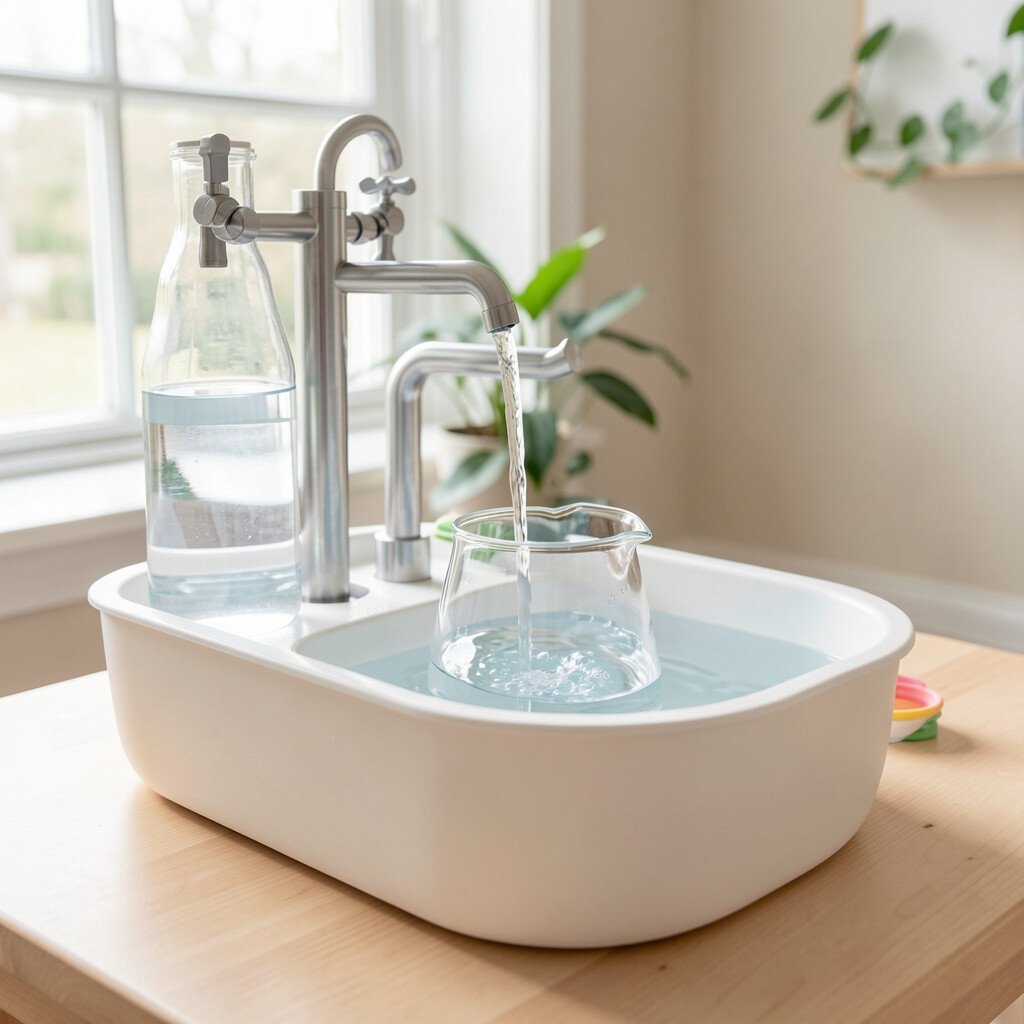
Two cups, a small pitcher, and a tray can turn into a tiny science lab. Water glints and splashes in a way that grabs attention fast, so toddlers often stay with this activity longer than adults expect.
Pouring builds hand control, patience, and an early sense of cause and effect. The setup can be as simple as tap water and kitchen tools, which keeps the cost low, and you can make it special by adding food coloring, measuring cups, or toys that float and sink.
Many families like this activity because it feels both calm and exciting, and it works well on warm days or during bath time. You can size it to fit your space, from a sinkside setup to a backyard tub, and that flexibility makes it easy to keep fresh.
4. Texture Treasure Basket
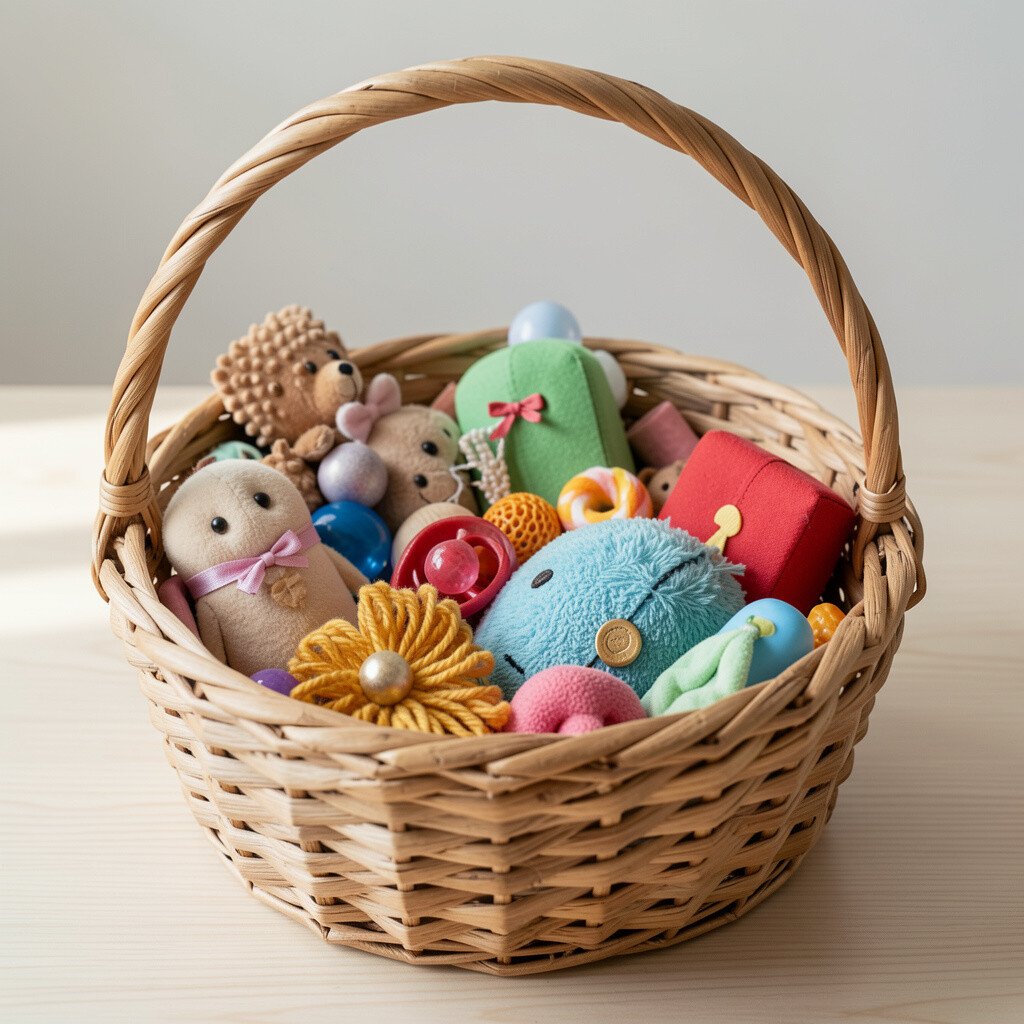
A basket filled with safe items like a soft scarf, a wooden spoon, a smooth rock, and a crinkly fabric makes a rich little sensory world. Toddlers can touch, squeeze, rub, and compare each item while their eyes and hands work together.
This kind of play supports language, sensory awareness, and early comparing skills. It also stands out because no two baskets need to look the same, and you can tailor one to your child by adding family keepsakes, favorite colors, or small items from nature like pinecones and leaves.
The cost can stay very low if you use things already at home, and that makes it a smart choice for many families. A recent trend in toddler play is using natural materials and simple home objects, and this basket fits that style in a cozy, easy way.
5. Sound Matching Jars
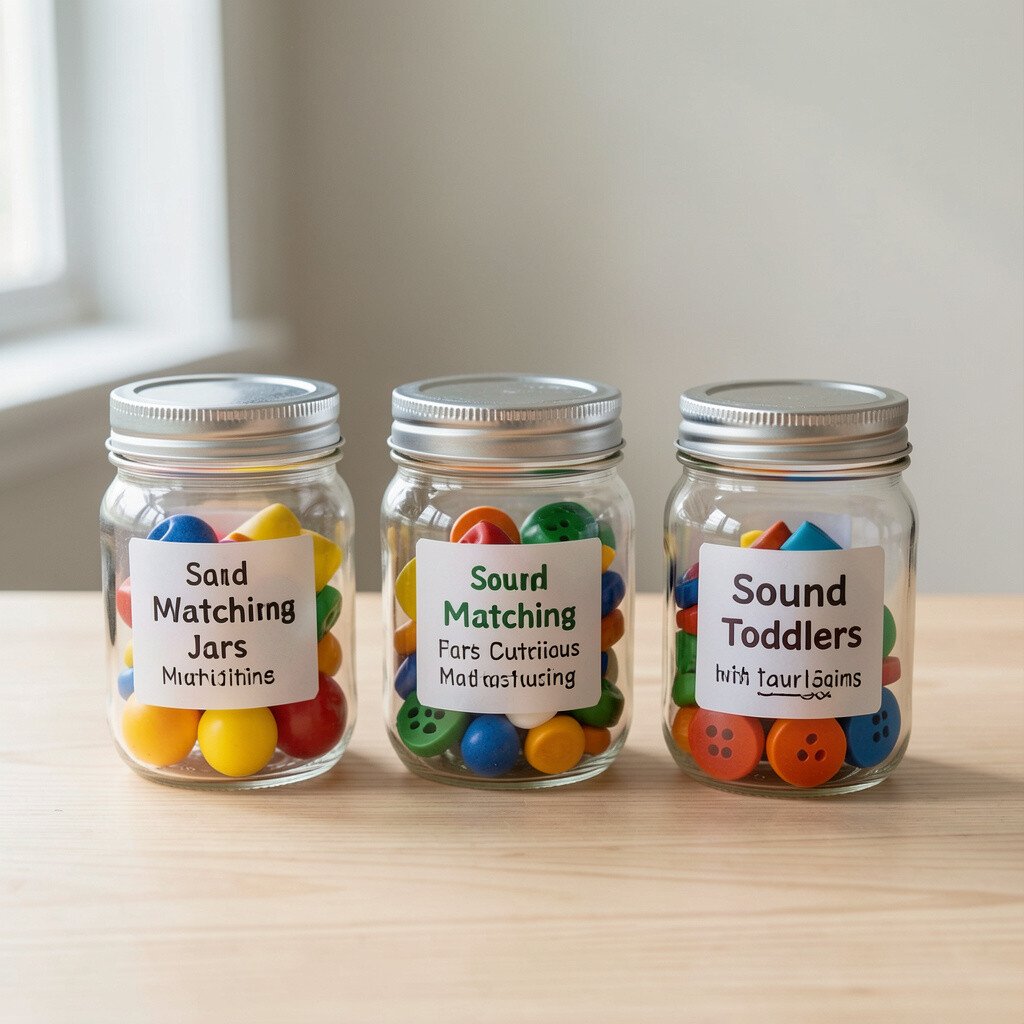
Small containers with different fillers can become a fun listening game. Shaking a jar of rice sounds different from shaking beans or beads, and toddlers often grin when they hear the surprise.
Sound matching helps with listening skills, memory, and early science thinking. The activity is unique because it asks children to use their ears as much as their hands, and you can make it personal by using pairs of jars in your child’s favorite colors or by pairing sounds with family-made labels like soft, loud, or gentle.
It does not need fancy supplies, so the cost stays modest, and recycled bottles or spice jars work well if they close tightly. For extra interest, you can hide the jars in a small basket and ask your toddler to find two that sound alike, which adds a playful challenge without making it feel like work.
6. Mirror Face Play
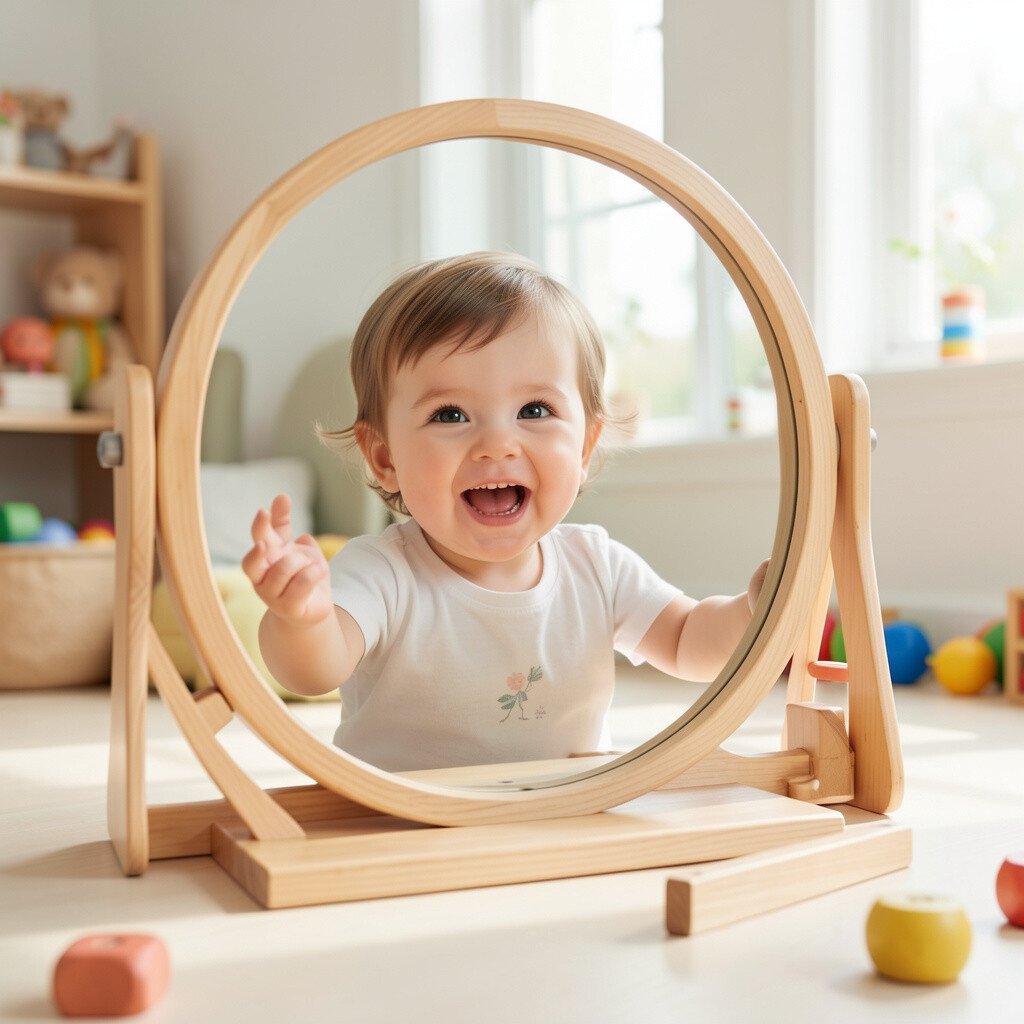
A child-safe mirror can turn silly faces into a lesson in self-awareness. Toddlers love watching their own smiles, wide eyes, and open mouths, and they often copy what they see with big delight.
This activity helps with emotional learning, speech practice, and body awareness because the child sees how faces change with feelings. It feels special because it is so personal, and you can make it fit your child by naming feelings together, making animal faces, or copying family members in a gentle, playful way.
The cost can be very low if you use a small unbreakable mirror, and that makes it easy to keep as a daily activity. Mirrors also fit current play ideas that focus on identity and self-expression, which can be a lovely match for toddlers who are starting to notice themselves more clearly.
7. Nature Sorting Tray
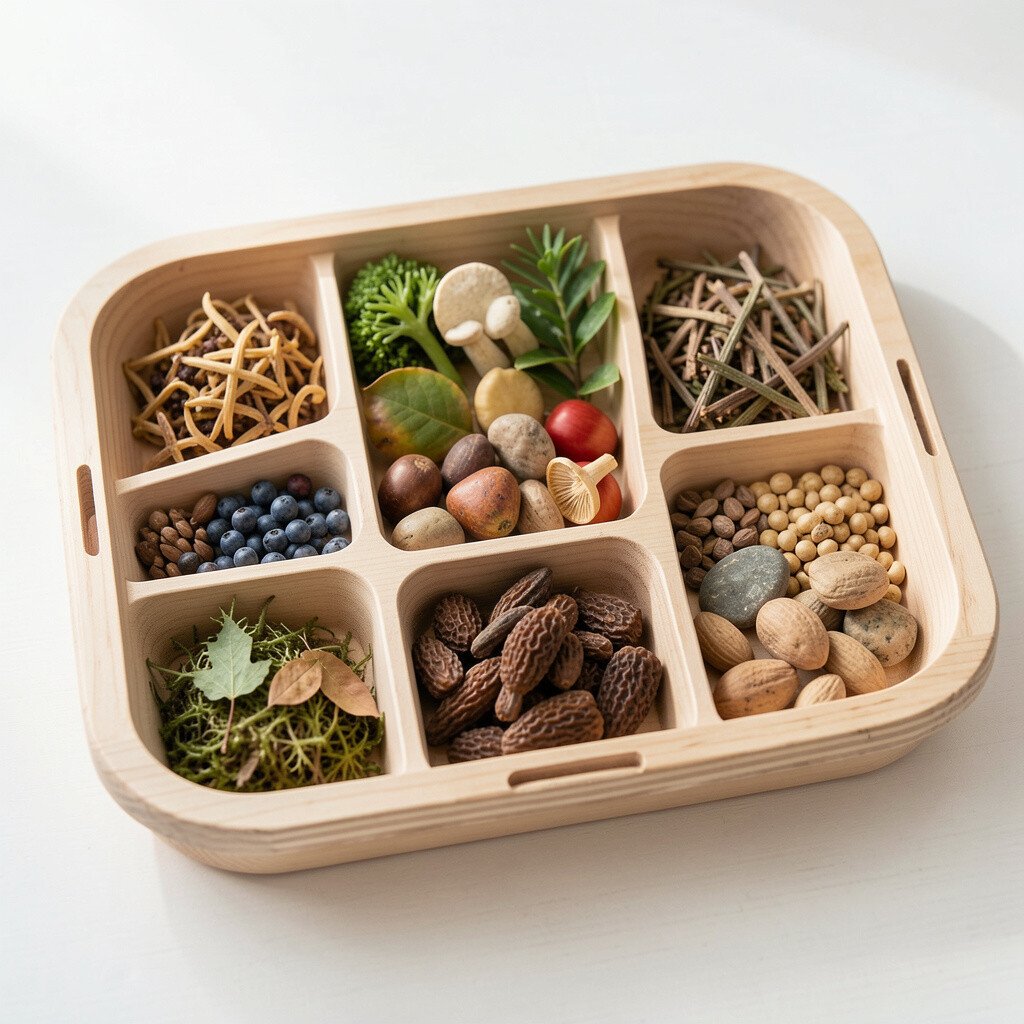
Leaves, stones, twigs, and pinecones can fill a tray with colors and shapes from outside. A toddler sees a tiny world on the table and gets to place each piece into little groups with care.
Sorting natural items builds early science skills, attention, and vocabulary for texture and shape. It is unique because the items change with the season, and you can personalize the tray by collecting things from your own yard, a park walk, or a trip near a favorite tree.
This can be a free or low-cost activity, which is a big plus for busy families. If your child likes containers, you can add muffin cups or egg cartons to make the sorting feel even more hands-on and neat.
8. Animal Movement Trail
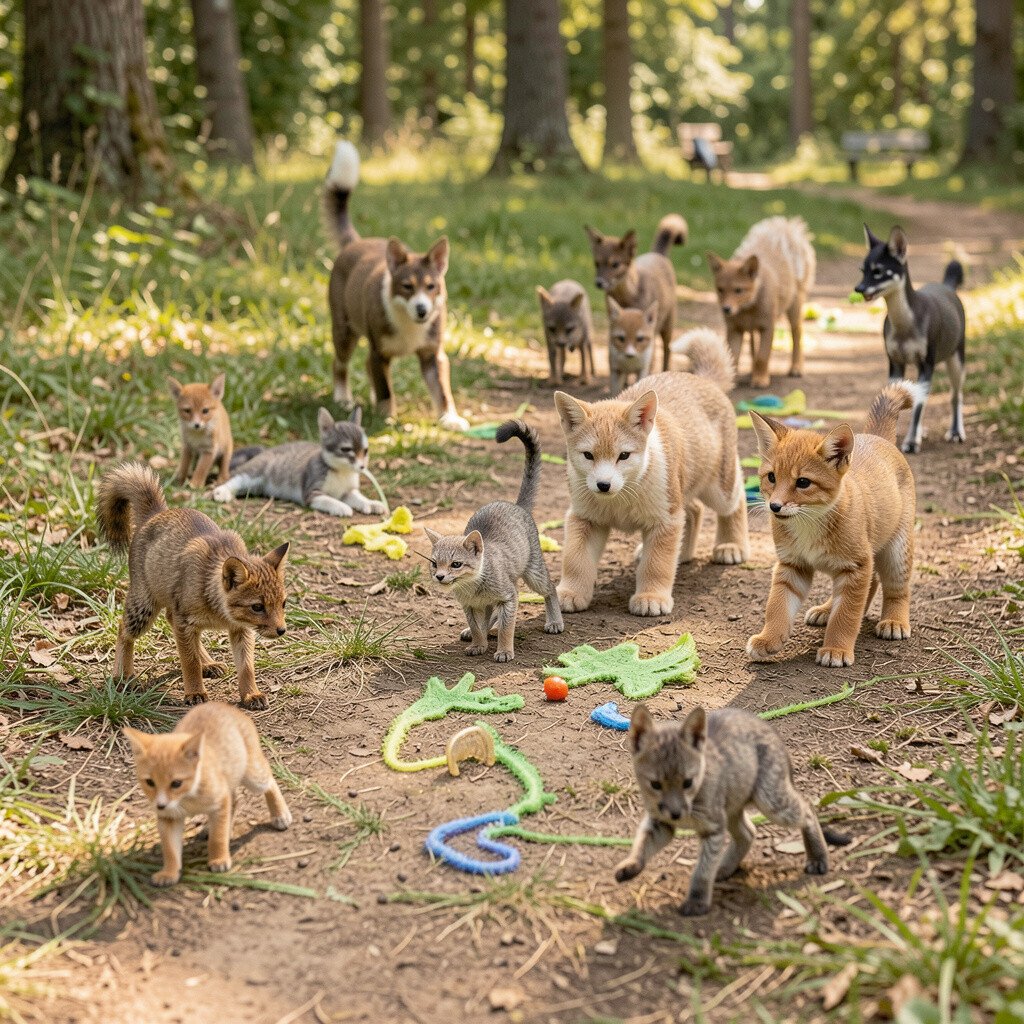
Tape footprints on the floor and let the room become a playful path. Toddlers can hop like frogs, stomp like elephants, or tiptoe like cats while following the marks from one end to the other.
Movement play supports balance, strong muscles, and listening skills, and it is often a favorite because it lets children use their whole bodies. You can tailor the trail to your child’s interests with jungle animals, farm animals, or even made-up creatures, and that personal touch keeps it exciting.
The materials can be very cheap since painter’s tape and imagination may be all you need. This kind of active play also matches the current push for indoor gross motor games, which many parents like on rainy days or in small spaces.
9. Mini Kitchen Measuring Play
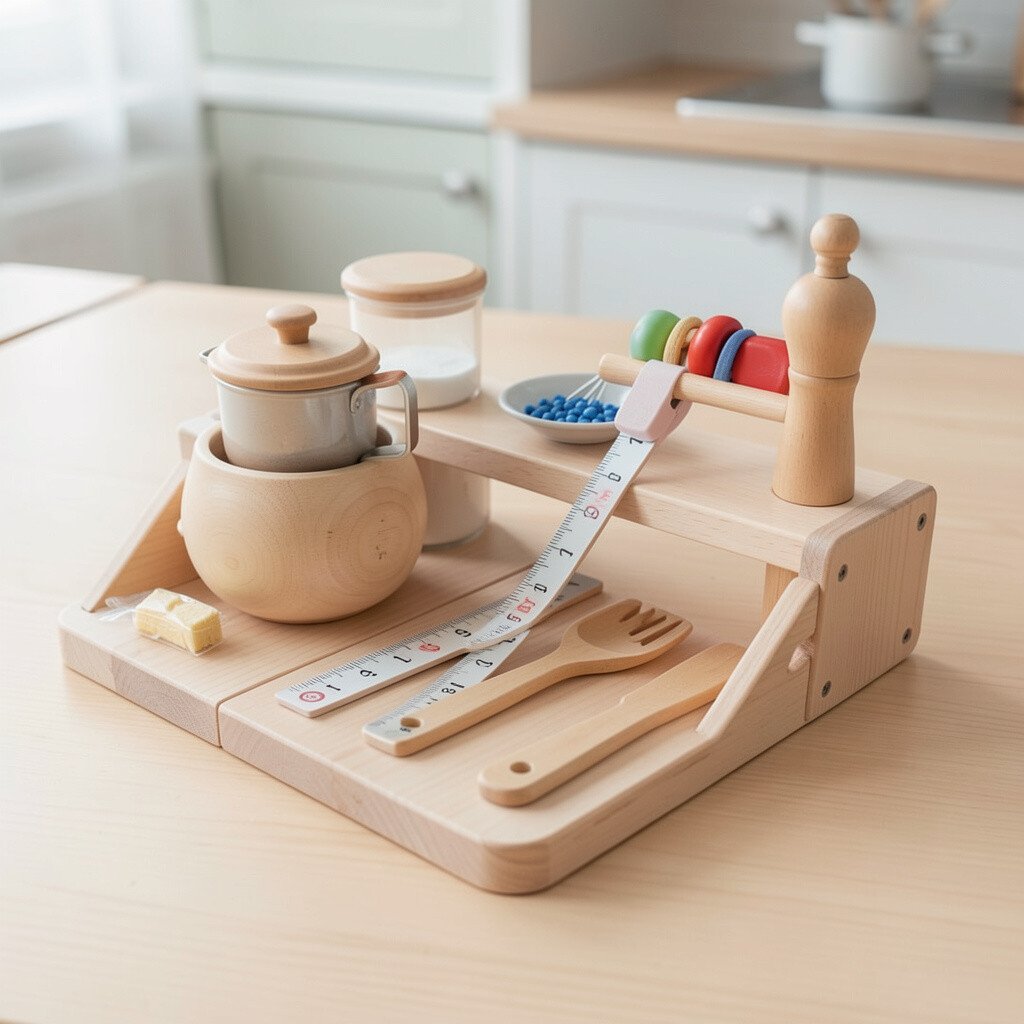
Dry pasta, rice, or water can make measuring cups feel magical. Toddlers enjoy scooping, filling, and dumping because each motion makes a clear change they can see right away.
This activity supports early math ideas, fine motor control, and problem solving. It feels different from ordinary play because the child can repeat the same scoop in many ways, and you can make it personal with favorite colors, spoons from the family kitchen, or pretend recipes for soup, cake, or pet food.
The cost stays low if you use pantry items and safe kitchen tools, though a tray can help with spills and make cleanup simpler. Many families like this type of play because it is easy to reset and can grow with the child as they move from scooping to simple counting.
10. Sticker Story Pages
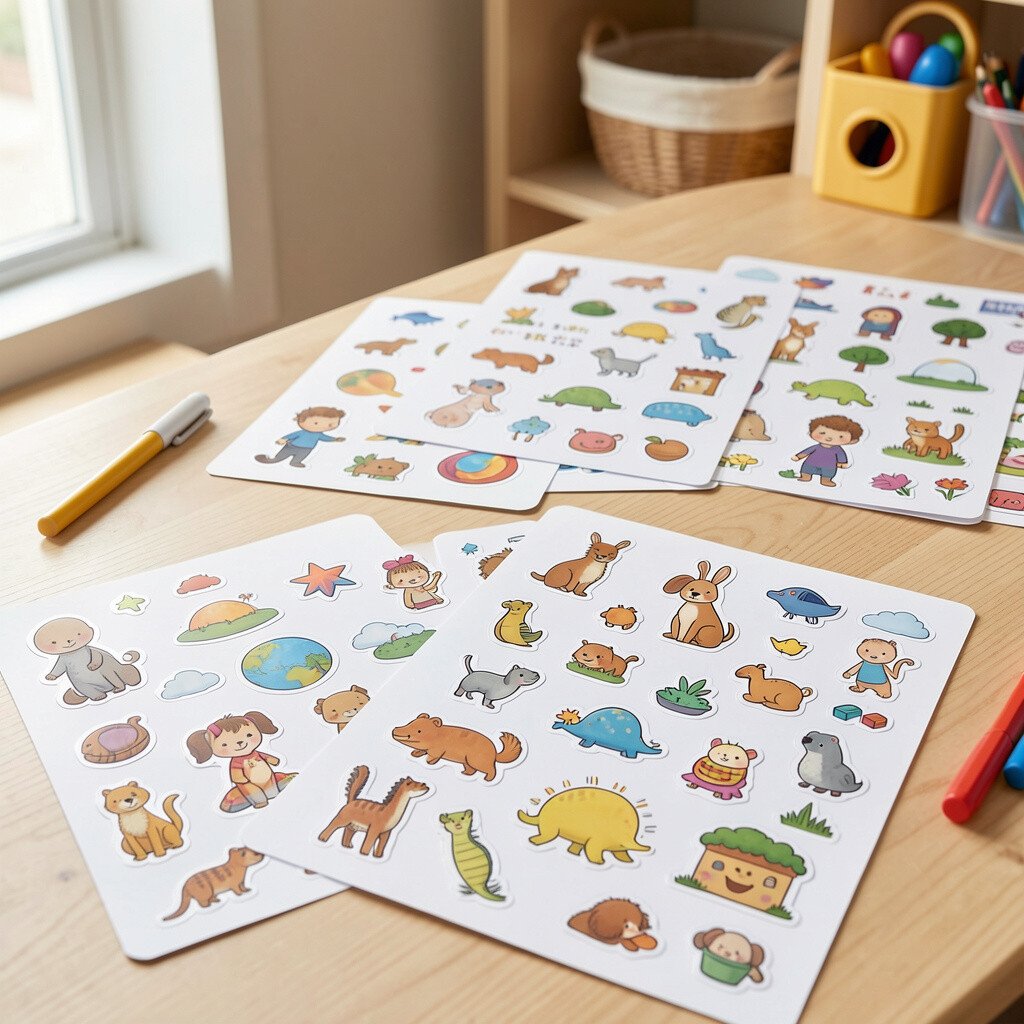
Large stickers on blank paper can become tiny scenes full of life. A tree, a car, a sun, and a dog can all land on the page in a way that feels new every time.
Sticker play builds grip strength, hand control, and early storytelling skills. It is unique because there is no single right answer, and you can personalize each page with stickers that match your child’s current loves, from trains to princesses to animals with funny hats.
This activity can be done with a small pack of stickers, so it does not need much money. A growing trend in toddler learning is open-ended art that encourages children to decide where things go, and sticker pages fit that idea very well.
11. Sensory Path With Fabrics
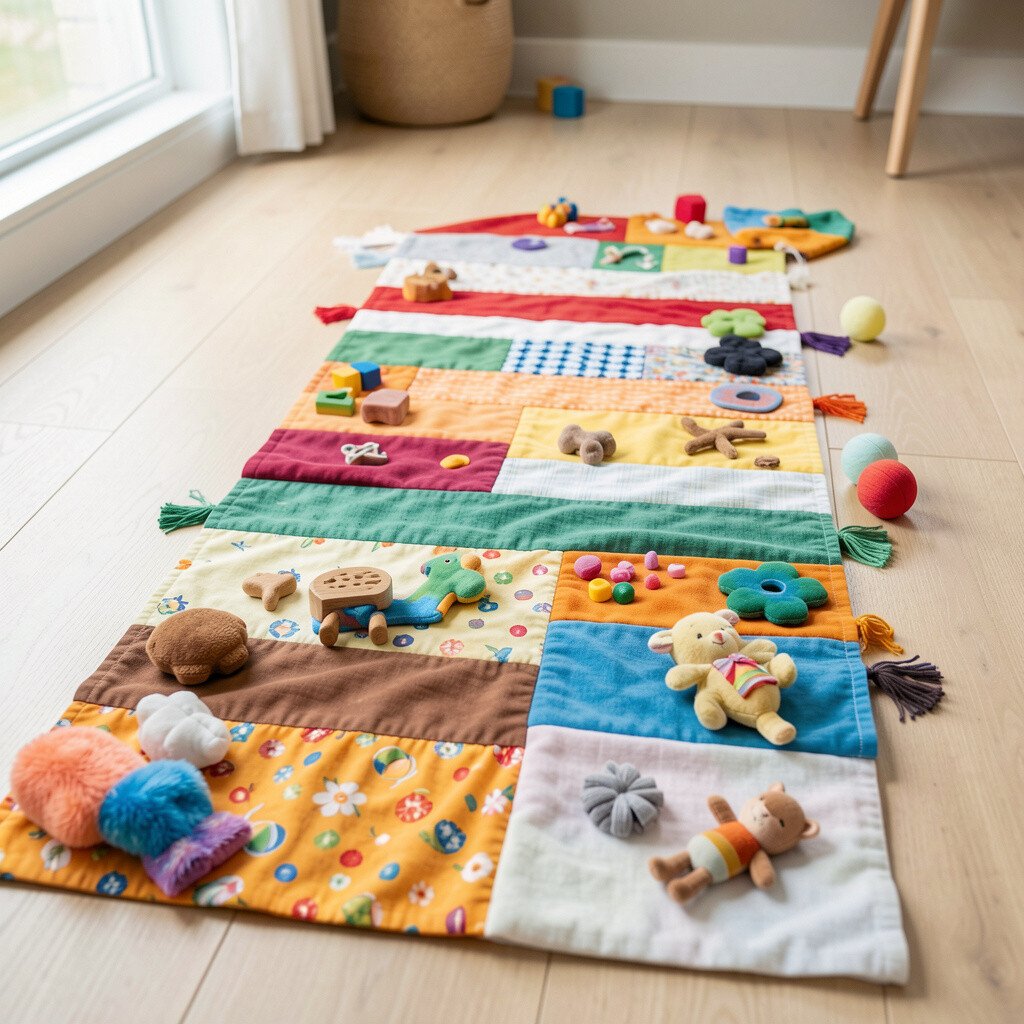
Soft blankets, bumpy mats, and smooth towels can line up to make a cozy path across the floor. A toddler can crawl, step, or sit on each surface and notice how each one feels different.
This kind of sensory play supports body awareness and builds comfort with new textures. It also feels special because the path can change every time, and you can make it personal by using a blanket from nap time, a towel with favorite animals, or a rug in a bright family color.
The cost depends on what you already own, so it can be nearly free if you use household fabrics. To keep it safe and interesting, place the pieces in a simple order and stay nearby while your child moves slowly from one texture to the next.
12. Shadow Play With Flashlights
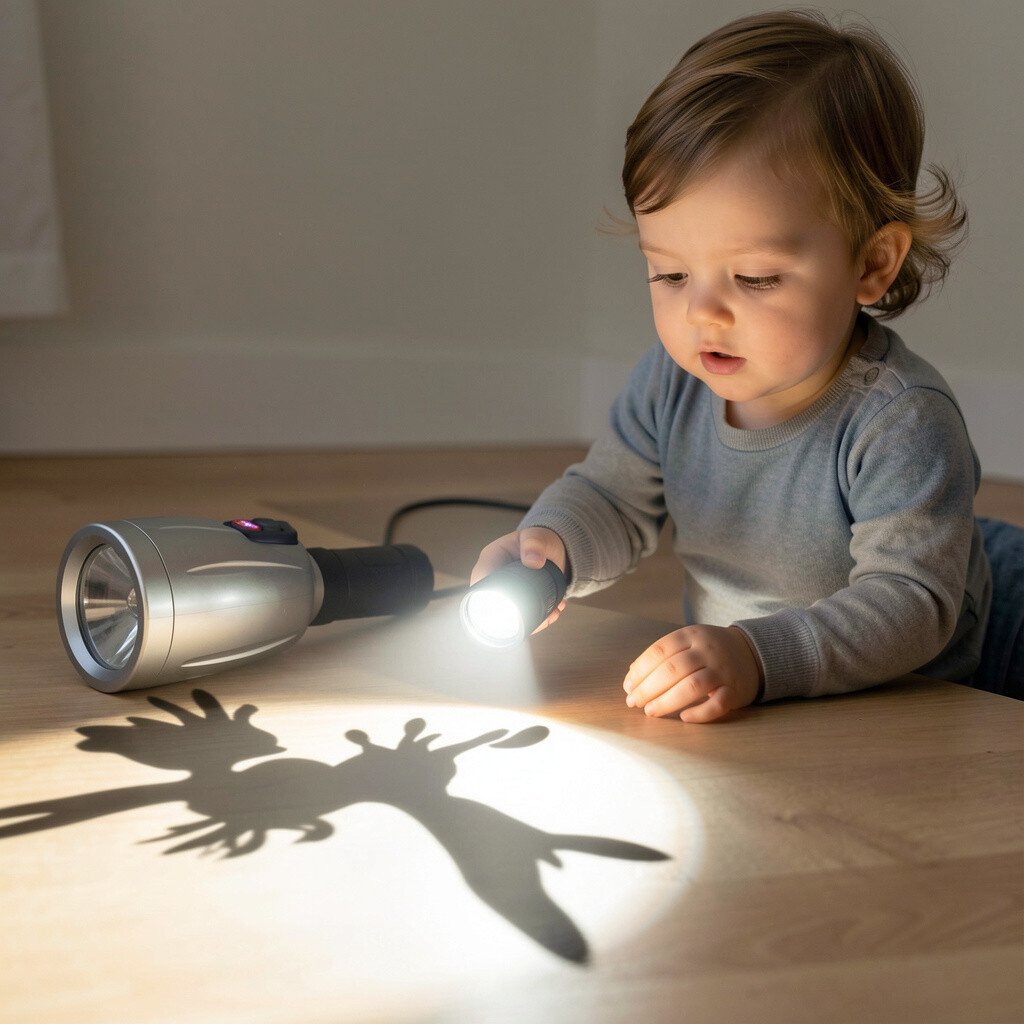
A flashlight and a wall can create a show that feels almost magical. Toddlers love making their hands look like birds or seeing toys cast big shapes in the dark.
Shadow play supports curiosity, attention, and early thinking about light and dark. It is different from many other activities because it feels a little mysterious, and you can personalize it by using favorite stuffed animals, family hand shapes, or bedtime themes that fit your child’s routine.
The supplies are simple, so the cost is usually very low, and that makes it easy to repeat. A current trend in home learning is using low-tech experiences that spark wonder, and shadow play is a great fit for that kind of gentle fun.
13. Crayon Rubbing Adventure
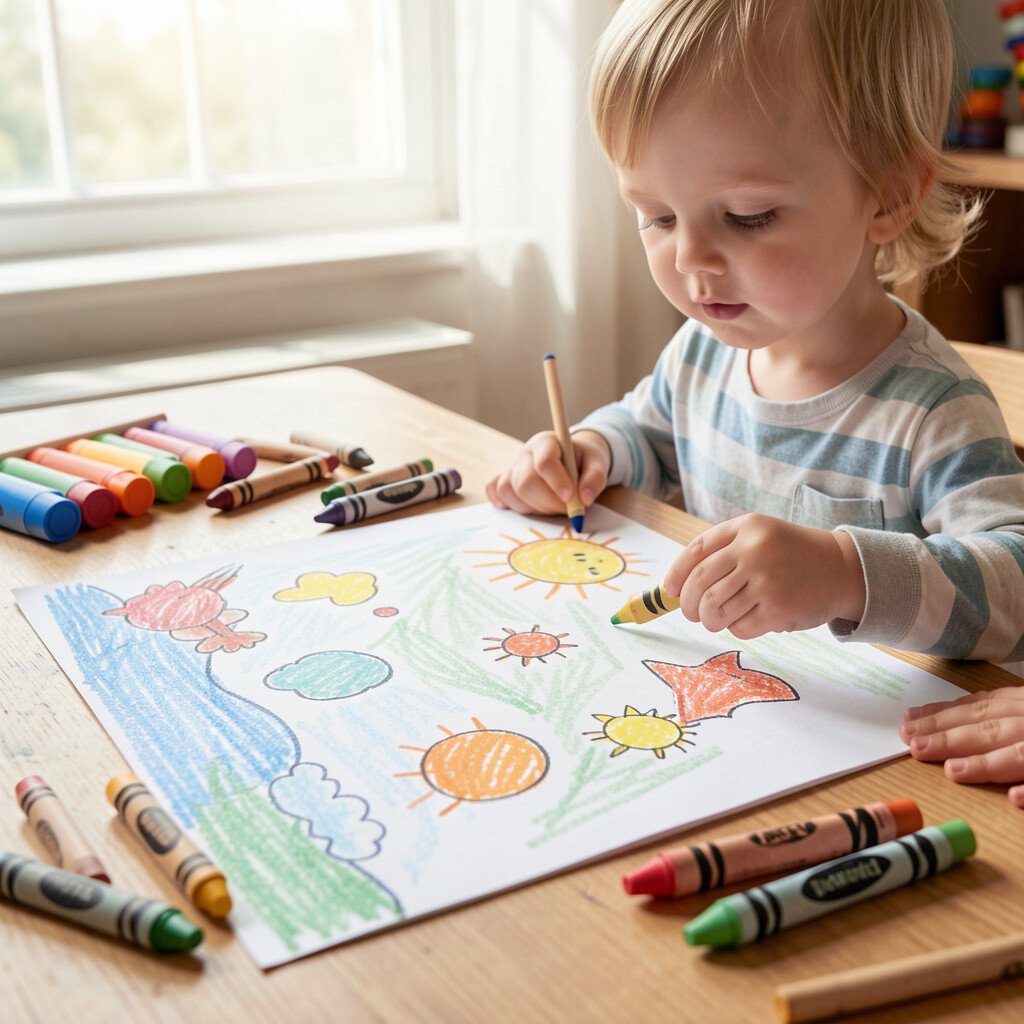
Place paper over a textured surface and watch crayon marks come alive. Leaves, coins, puzzle pieces, and even rough cardboard can show through in exciting patterns that toddlers love to color over.
This activity builds hand strength, observation skills, and early art confidence. It feels unique because the surprise comes from what is hidden under the paper, and you can personalize it by choosing textures from around the house or by using crayons in your child’s favorite shades.
The cost is often tiny, especially if you already have crayons and paper at home. If your child likes themes, you can make rubbing pages for nature, toys, or family keepsakes, which adds a warm personal touch without making the setup harder.
14. Pretend Grocery Stand
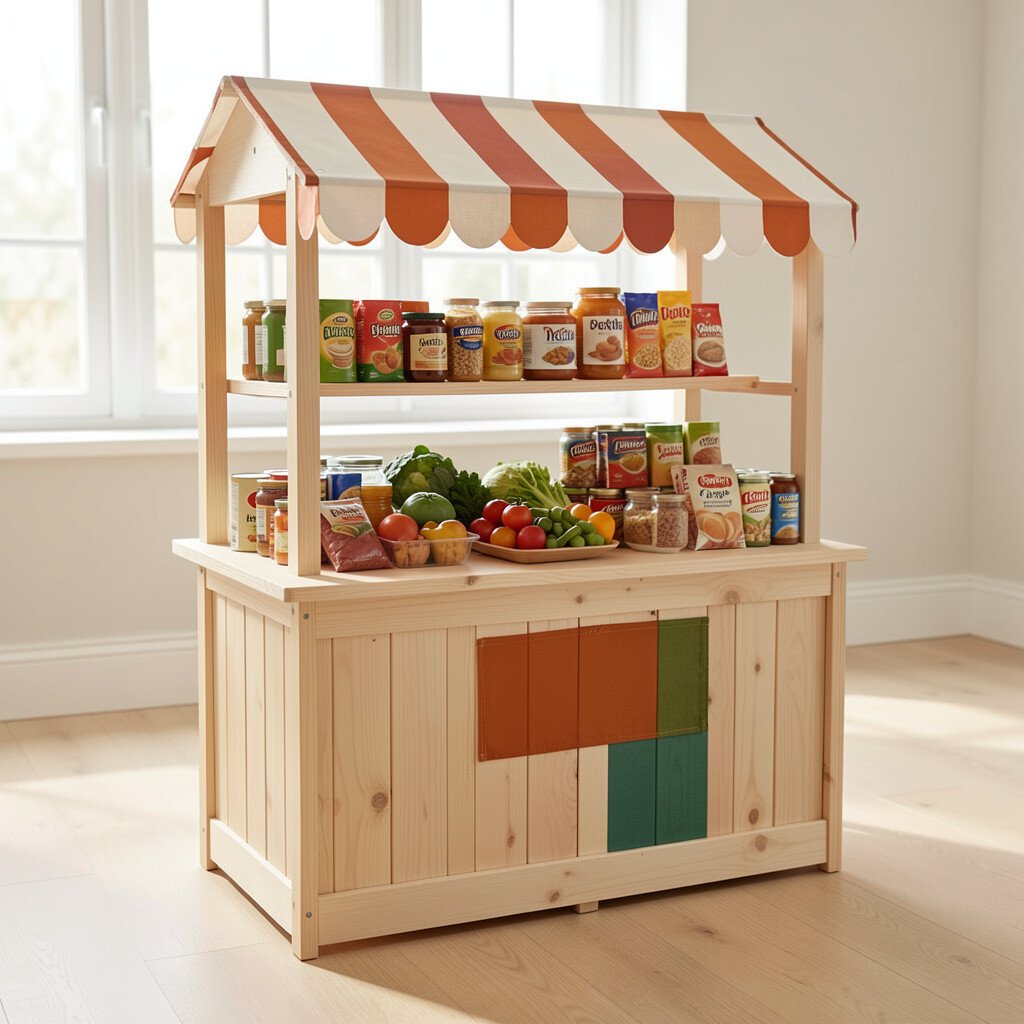
Boxes, toy food, and a small basket can turn a corner of the room into a tiny market. Toddlers enjoy handing over items, stacking them, and pretending to buy and sell with great seriousness.
Pretend shopping helps language growth, social skills, and early counting ideas. It is easy to make unique by using empty snack boxes, favorite play foods, or labels with family names, and that personal feel helps the game stay fresh for many repeat plays.
The cost can be very low if you reuse clean containers and simple toys, and that makes it friendly for nearly any home. This style of pretend play is still popular because it helps children act out real life in a safe, playful way that feels big to them.
15. Bubble Pop Number Fun
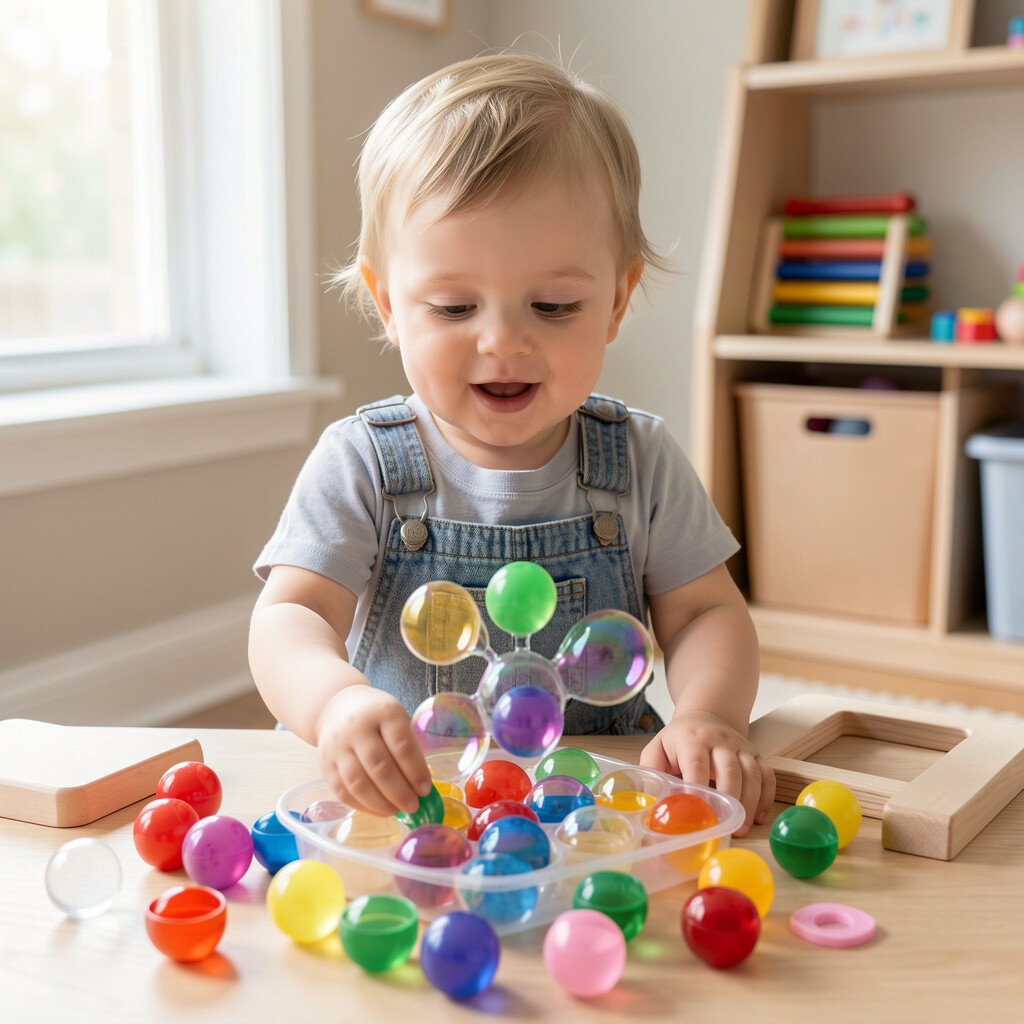
Bubble wrap on the floor or taped to a board can turn popping into learning. Toddlers see the shiny circles, press them with tiny fingers, and hear the cheerful snap with each press.
This activity supports finger strength, rhythm, and cause and effect. It feels extra special because it is noisy in a joyful way, and you can personalize it by drawing shapes, colors, or simple paths on the bubble wrap to guide where small hands should go next.
The materials can be cheap if you save packing wrap from deliveries, and that makes it a clever reuse idea. A lot of families enjoy this type of sensory play because it brings quick joy and can be set up fast when a child needs a fresh activity.
16. Little Plant Watering Care
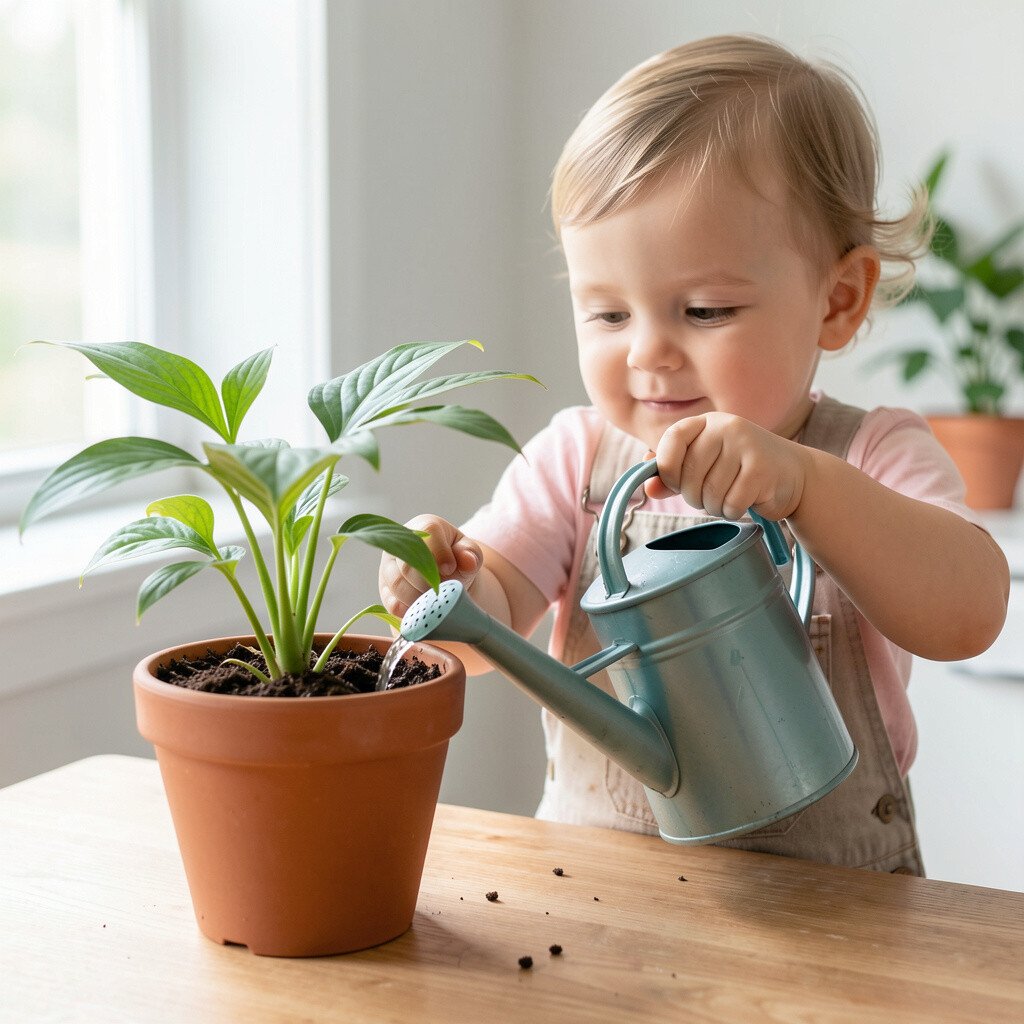
A tiny watering can and a sturdy plant pot can give a toddler a job that feels important. The water darkens the soil and glistens on the leaves, which makes the whole moment look calm and alive.
Plant care supports responsibility, patience, and a gentle respect for living things. It stands out because it connects play with real life, and you can make it personal by choosing a plant with a fun pot, a family herb, or a child-safe flower that matches the colors in your home.
The cost can be small if you start with one easy plant and a simple watering tool, and this activity can grow with your child over time. Many parents like this kind of learning because it follows a broader trend toward home activities that teach care, calm, and daily routine in a natural way.