Quiet days can feel like a gift you earn, not a luxury you wait for. The right retreat turns rest into real energy.
In the next sections, you will find senior-friendly retreats that feel safe, gentle, and meaningful, with details you can use right away.
1. Coastal Breathwork and Gentle Walking
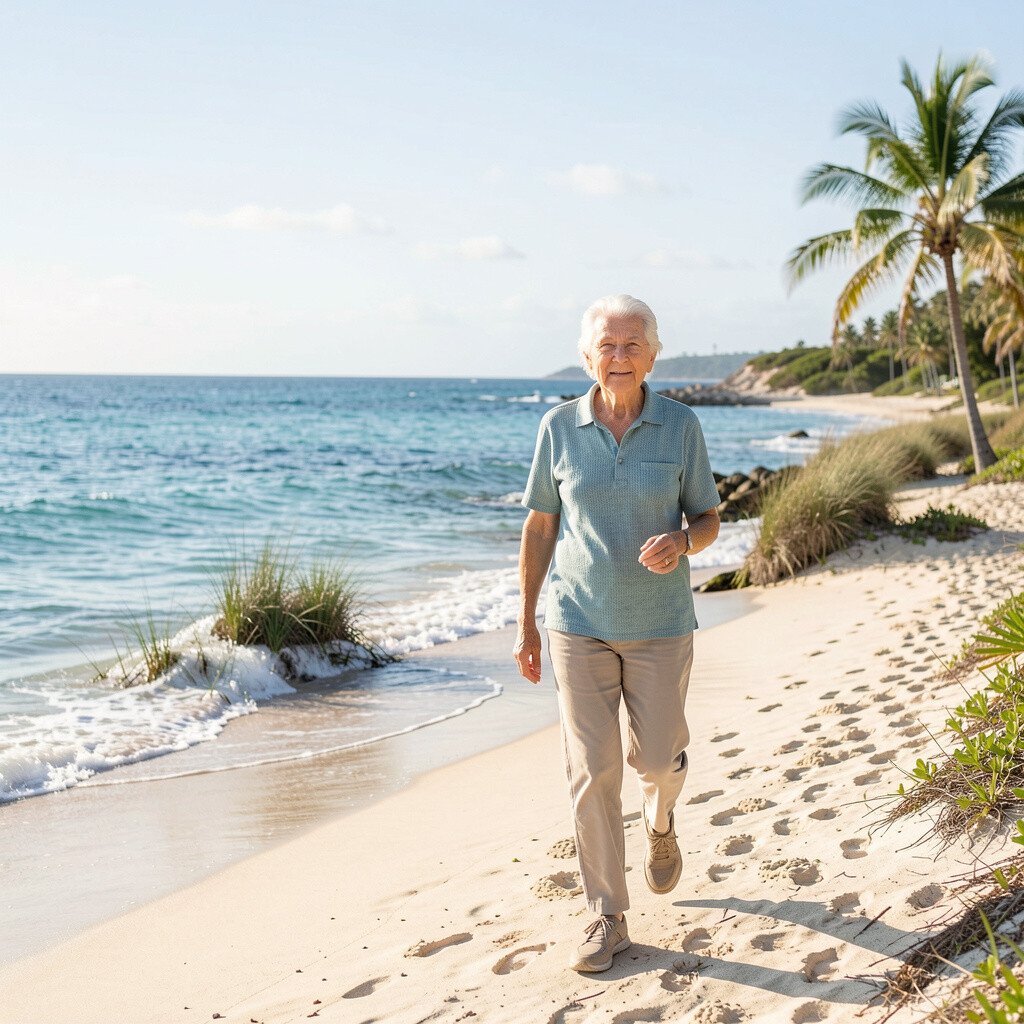
Picture early morning light on a calm shoreline, with soft waves making a steady rhythm for your mind. Sessions are usually held in a covered terrace or quiet courtyard so the air feels fresh but comfortable.
You may practice slow breathing, easy stretching, and short guided walks designed for balance and comfort. Many seniors find that the combination of ocean sounds and paced movement helps steady sleep and reduce stress. A staff member often checks in on mobility needs, and classes are taught with seated or supported options.
2. Low-Stress Mindfulness in a Garden Sanctuary
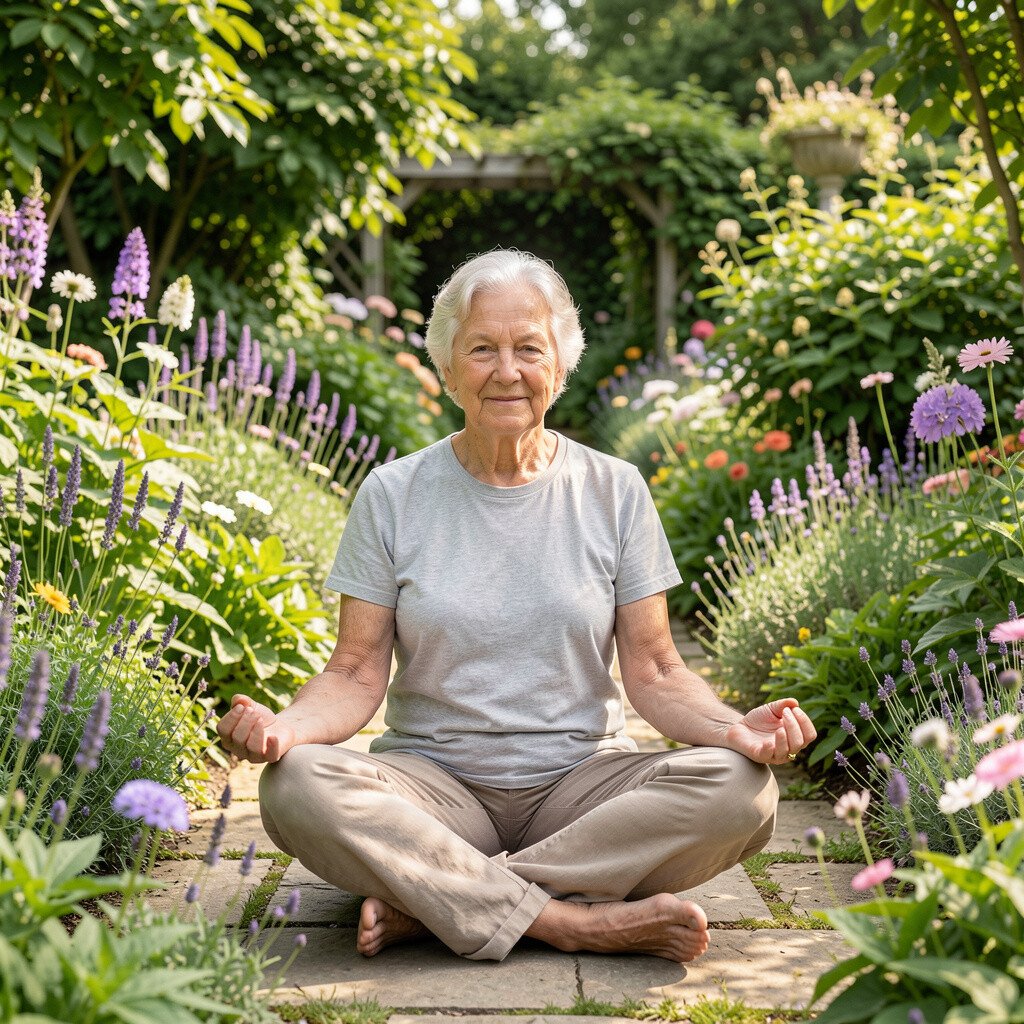
Step into a retreat house surrounded by leafy paths and shaded benches, where silence feels natural instead of forced. Paths are lined with plants that offer color and texture, giving your eyes something soothing to focus on.
Mindfulness sessions often include guided breathing, simple awareness exercises, and short moments of journaling or relaxation. Participants frequently notice calmer mood and less mental chatter after a few days. You can personalize by asking for quieter time blocks and bringing a favorite prayer card, family photo, or small keepsake to anchor attention.
For practical comfort, ask in advance about stair-free routes, grab bars, and transport from parking. Costs vary based on whether meals are included and if you choose a private room, so it helps to compare package details line by line. A current trend in senior wellness is adding nature-based sensory breaks, like guided listening walks and scent-friendly calm corners.
3. Warm-Water Mobility and Recovery Retreats

Imagine a heated pool area with steam in the air, where water supports your body and makes motion feel lighter. The space often includes padded steps, railings, and non-slip floors to help you feel steady.
Programs may include water walking, gentle range-of-motion work, and relaxation sessions after class. Seniors with arthritis or stiffness often report easier movement and less soreness when joints are warmed first. A unique part of many retreats is pairing water time with short strength exercises that can be done seated or with light bands.
To personalize, tell the staff whether you want more balance practice, pain-relief routines, or breathing coordination for relaxation. Consider cost factors like session frequency, equipment included, and whether there is a physical therapist available for assessments. Many retreat centers are now using wearable-friendly tracking to encourage safe progress without pushing too hard.
Even if you have limited endurance, you can plan your day around pool sessions and rest breaks, so the schedule stays kind.
4. Farm-to-Table Nutrition With Gentle Cooking Classes
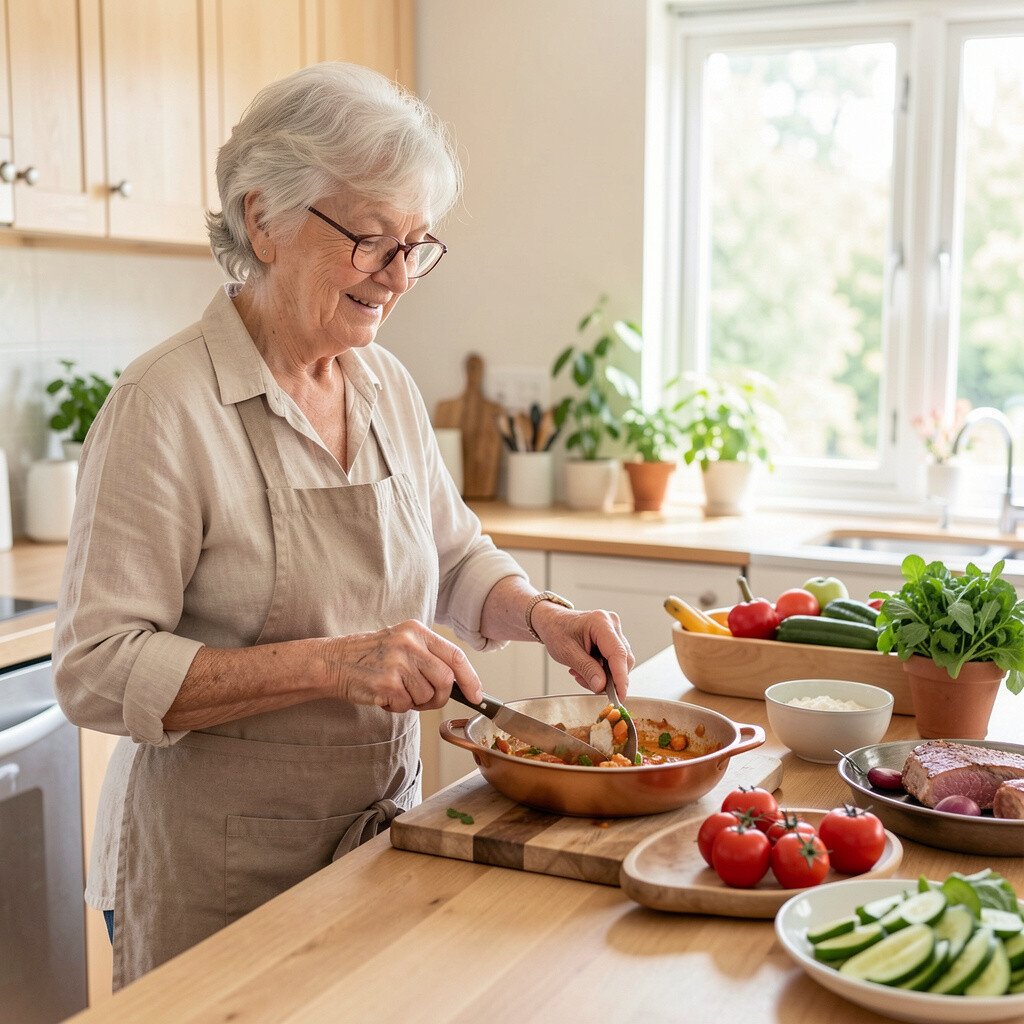
Picture a bright kitchen filled with herbs, warm spices, and bowls of colorful produce, with large windows bringing in soft daylight. Meals are designed for comfort, often focusing on fiber, protein, and easy-to-digest choices.
You will likely attend taste-friendly nutrition talks and relaxed cooking practice with clear steps and plenty of seating. Many seniors feel more confident eating well at home because recipes are adapted for chewing comfort and sodium needs. Unique meal plans may include heart-friendly options, diabetic-friendly choices, and low-spice alternatives without losing flavor.
For practical tips, bring a pair of supportive shoes and ask if the cooking station height can be adjusted. Check cost considerations such as specialty ingredient upgrades, diet consultations, and whether all meals and snacks are included. A helpful personalization idea is to request a “home translation” session where you learn how to swap ingredients based on what your local store carries.
5. Arts-Ready Creativity for Calm and Connection
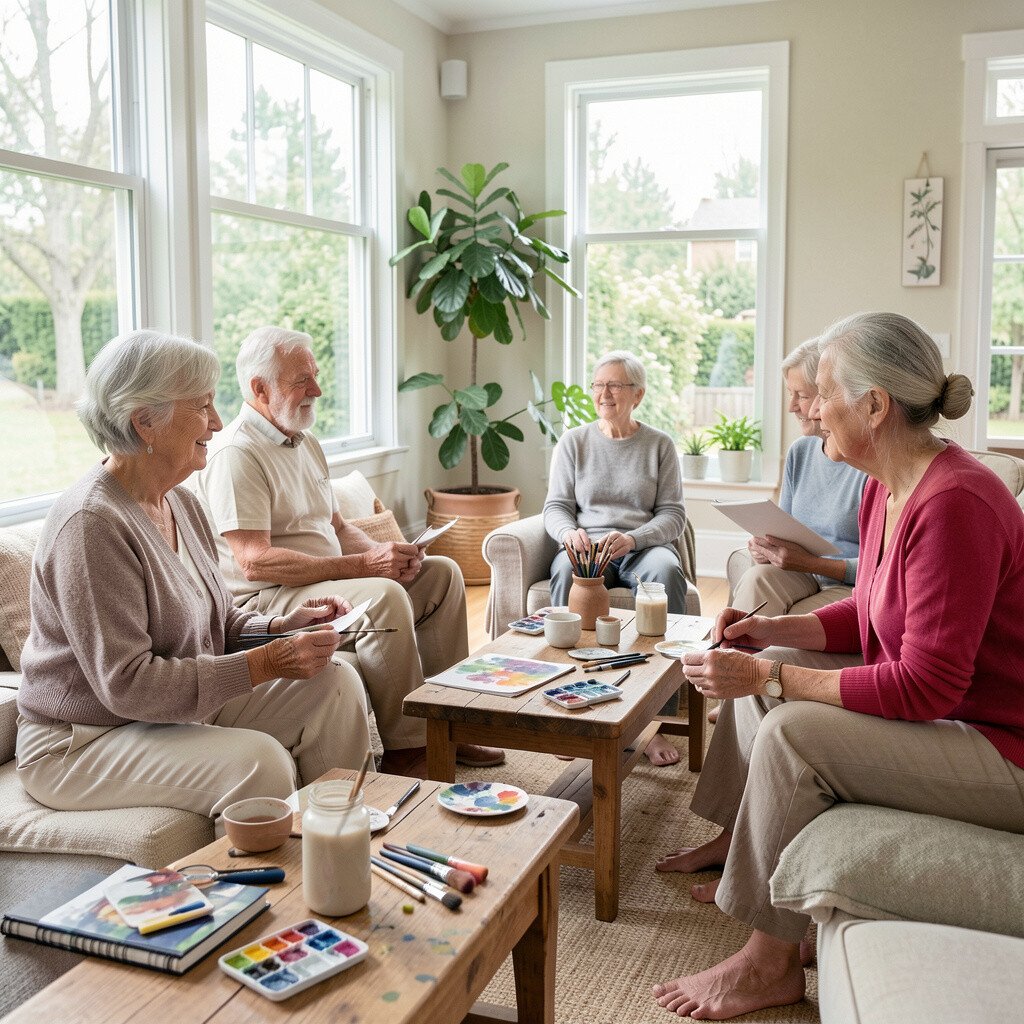
Think of a studio with soft lighting, spacious tables, and art supplies placed within easy reach. Color palettes often look cheerful and gentle, creating a warm atmosphere without feeling busy.
Retreats in this style offer simple painting, collage, music listening, and guided crafts that work well for varied hand strength. Many seniors find that creative focus helps quiet worries and encourages joyful social time. What makes it stand out is the emphasis on “making for yourself,” so you are not chasing perfection.
You can personalize by choosing a favorite medium in advance, such as watercolor, knitting, or rhythmic drumming with padded sticks. To plan your budget, ask whether supplies are included and if there are extra fees for specialized materials or private lessons. Current trends include relaxing sound sessions and intergenerational art swaps, sometimes with volunteers who share stories and listen.
6. Traditional Massage and Bodywork With Safety Checks

Picture candle-free rooms with clean sheets, quiet music, and therapists who use clear, respectful communication. Comfortable treatment tables and easy-access rooms help reduce worry before your first session.
This type of retreat often centers on massage, gentle stretching, and bodywork styles that fit senior bodies, such as chair massage and slow myofascial techniques. Many people feel reduced tension in shoulders and hips, and the calm routine can support better sleep. A unique feature is safety-first planning, where therapists ask about conditions like osteoporosis, circulation needs, or past injuries.
For practical tips, bring a list of your current comfort goals, such as “less neck tightness” or “more ease in walking.” Consider costs for package upgrades, number of sessions, and whether there is an additional consultation fee. Personalization is often built in through pressure preferences and the option to request seated or partially clothed sessions.
7. Quiet Lakeside Rest With Reading and Gentle Talks

Imagine a lakeside lodge where the air smells like pine and water, and the schedule gently fades into quiet evenings. Comfortable chairs face the view, with warm blankets ready for cooler mornings.
Retreats like this may include guided reading circles, soft discussion prompts, and free time for naps or journaling. Many seniors enjoy that the pace stays unhurried while conversations remain respectful and light. What makes it unique is the choice-based structure, so you can attend a session or simply enjoy the view without feeling left out.
To personalize your experience, choose topics that match your interests, such as nature writing, memory sharing, or calm music playlists. For cost considerations, review whether transportation, meals, and books are included, since some lodges bundle reading materials. A current trend is offering “low-technology quiet days,” where staff encourage offline time to reduce stress and fatigue from screens.
If you feel nervous about group settings, ask for smaller circles or quieter solo options from the start.
8. Accessible Yoga and Breath Coaching for Every Body

Picture a studio with wide spacing, supportive props, and instructors who speak calmly while demonstrating modifications. Sunlight often streams through curtains, creating a gentle glow across mats and chairs.
Yoga retreats for seniors usually focus on restorative poses, seated movement, and guided breathing rather than deep stretching. Many participants notice improved posture, steadier balance, and better stress control as breathing becomes easier and slower. Uniqueness often comes from personalized flow choices, where you work through options that match your range of motion.
Practical tips include arriving with comfortable layers and asking for chair or wall-supported alternatives for each posture. Consider costs for small-group classes, private coaching sessions, and whether a home-practice plan is included. A helpful personalization idea is to record a short routine on your phone before you go, then practice it at home when your body needs familiar comfort.
Some centers now include balance workshops, and these can be especially valuable if you feel unsteady on uneven ground.
9. Sleep-First Retreats With Relaxation and Routine Building

Imagine your room set up like a calm cocoon, with warm lighting, quiet bedding, and a schedule that protects your rest. The retreat day often begins with soft check-ins rather than busy alarms.
Programs usually teach relaxation methods, sleep hygiene habits, and calming evening rituals that fit senior routines. Many seniors report fewer wake-ups and less daytime worry once they build consistent calming cues. What stands out is the focus on real-life habits, like managing naps, adjusting bedtime, and creating a gentle wind-down.
For personalization, ask how the retreat supports different health needs, such as nighttime bathroom schedules or medication timing. Cost considerations may include whether sleep coaching is provided by a nurse or wellness educator, and if follow-up materials are included. Current trends include “light-smart” education, where you learn how morning sunlight and evening dimness can support your body clock.
You will feel more empowered when you leave with a simple plan you can repeat at home.
10. Nature Therapy Walks With Chair-Friendly Routes
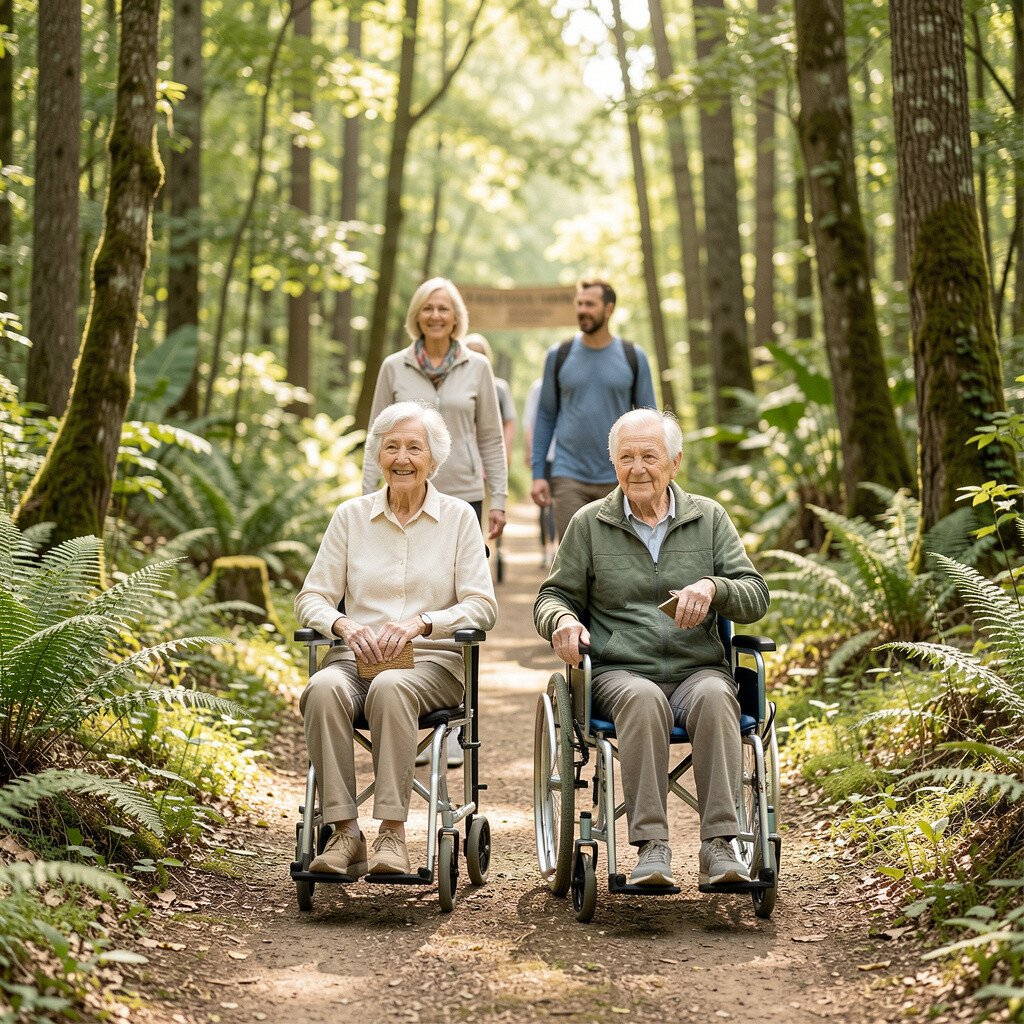
Picture a forest path with soft earth underfoot and wide viewpoints where you can pause without rushing. Some retreats include shaded rest platforms and benches at regular intervals so you can take breaks freely.
Nature therapy focuses on gentle sensory attention, like listening to birds, noticing breeze patterns, and practicing slow walking that supports circulation. Many seniors experience a calmer mind and improved mood when they spend time outdoors safely. Uniqueness comes from staff designing routes around mobility levels, using chair-friendly paths or short looping trails.
Practical tips include bringing a light blanket, comfortable shoes, and a small water bottle even if drinks are available. Consider costs for guided transportation, private route planning, and optional photography sessions. Personalization is easy here because you can pick your pace and preferred scenery, whether you love lakeside views or the smell of pines.
If you use a mobility device, ask about turning space, ramp access, and staff availability for assistance.
11. Tai Chi and Balance Retreats in Open-Air Courtyards

Imagine practicing in a courtyard where the air feels open and the sounds of daily life stay softly in the background. The setting often includes flat paving, handrails, and plenty of room to stand or sit between movements.
Retreats built around Tai Chi often teach slow form sequences, breathing rhythm, and gentle balance work. Many seniors notice steadier walking, better confidence, and a more relaxed focus during daily tasks. What makes it unique is that the practice is taught as a “long, slow conversation” with your body, not a performance.
For practical tips, wear clothing that moves easily and bring a towel for sweat even in mild weather. Cost considerations include class sizes, whether there are private form checks, and if an instructional video is included. A current trend is pairing Tai Chi with fall-prevention education, including grip strength awareness and safe home setup tips.
You can personalize by choosing simpler sequences at first, then building comfort as your confidence grows.
12. Mindful Cooking, Shopping, and Pantry Rebuild Days
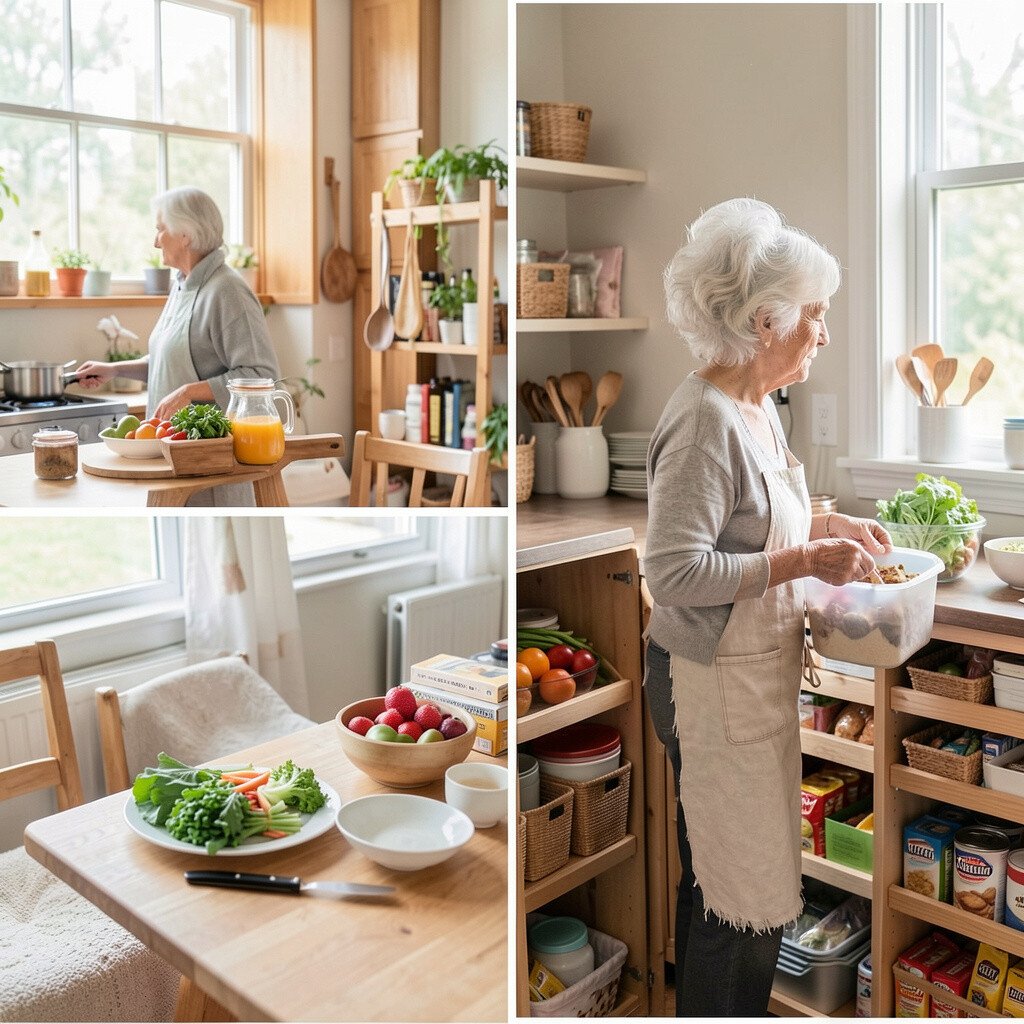
Picture a relaxed session where you practice planning meals, reading labels, and selecting ingredients with help nearby. Spaces feel bright and welcoming, with tables set at comfortable heights for sitting and standing.
Some retreats focus on hands-on planning that turns wellness into everyday habits. Seniors often find that they feel less overwhelmed at home when they learn a simple system for groceries, portioning, and snack choices. The uniqueness comes from linking wellness to practical actions, like how to build a pantry that supports your goals.
Practical tips include bringing a list of favorite foods, any dietary restrictions, and common symptoms you want to manage through eating. Cost considerations may include whether grocery trips are covered, whether transportation is provided, and how many coaching hours you receive. Personalization ideas include tailoring recipes for dental comfort, preferences for easy prep, and strategies for managing blood sugar swings.
13. Warm Community Connection With Story-Sharing Circles
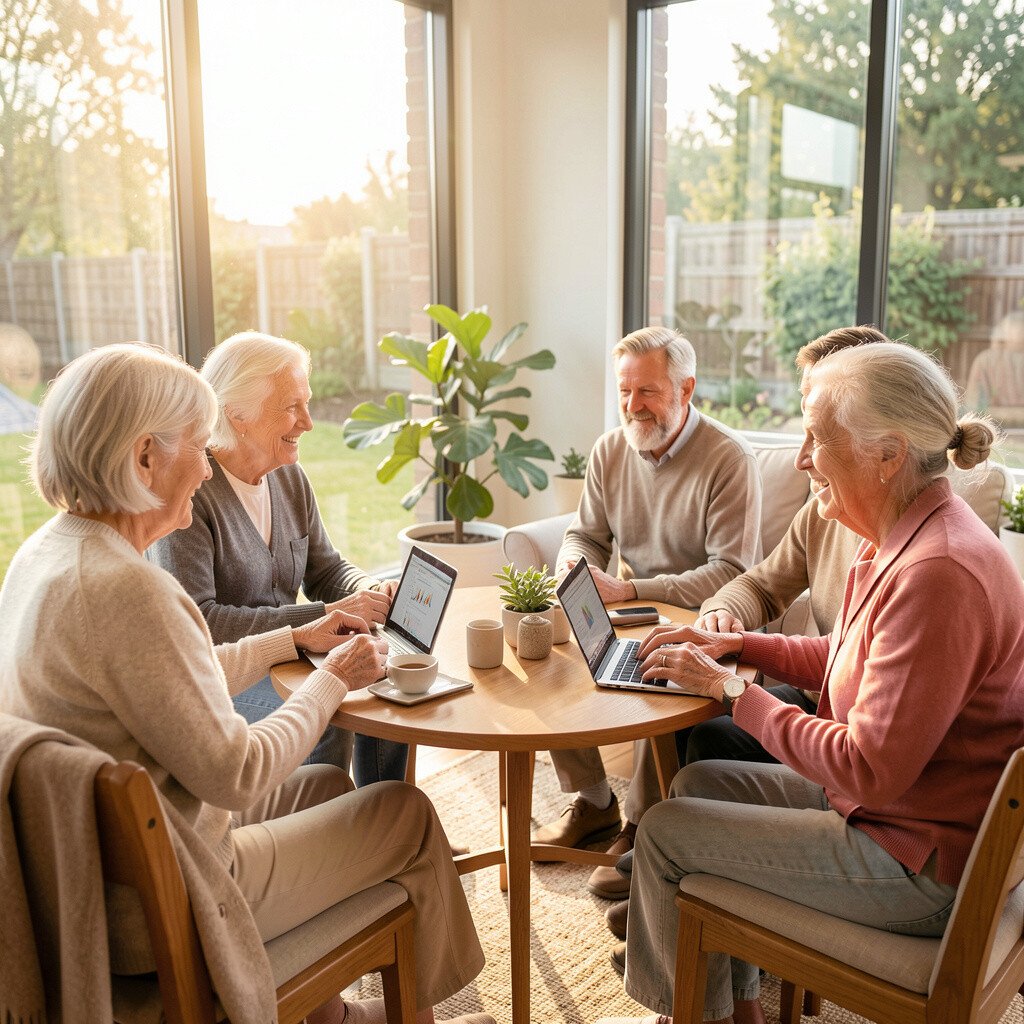
Imagine a cozy lounge where people sit in a gentle circle under soft lighting, sharing memories without pressure. Staff members guide conversations with calm prompts that feel supportive, not too personal too fast.
Retreats like this focus on connection through story-sharing, music memories, and guided reflection. Many seniors benefit from feeling seen and heard, which can ease loneliness and improve overall mood. What makes it unique is the pace, since sessions often include short breaks and optional participation so you never feel forced.
For practical tips, bring a photo album or a few printed pictures, and consider choosing a story that feels safe and positive. Cost considerations include whether private or semi-private rooms affect pricing and if special events are included. Current trends include using life-review activities that encourage dignity and comfort, especially for those who enjoy meaningful conversation.
If you worry about group talking, ask about listener roles and quiet reflection options during the circle.
14. Personalized Care Concierge Retreats With Flexible Schedules
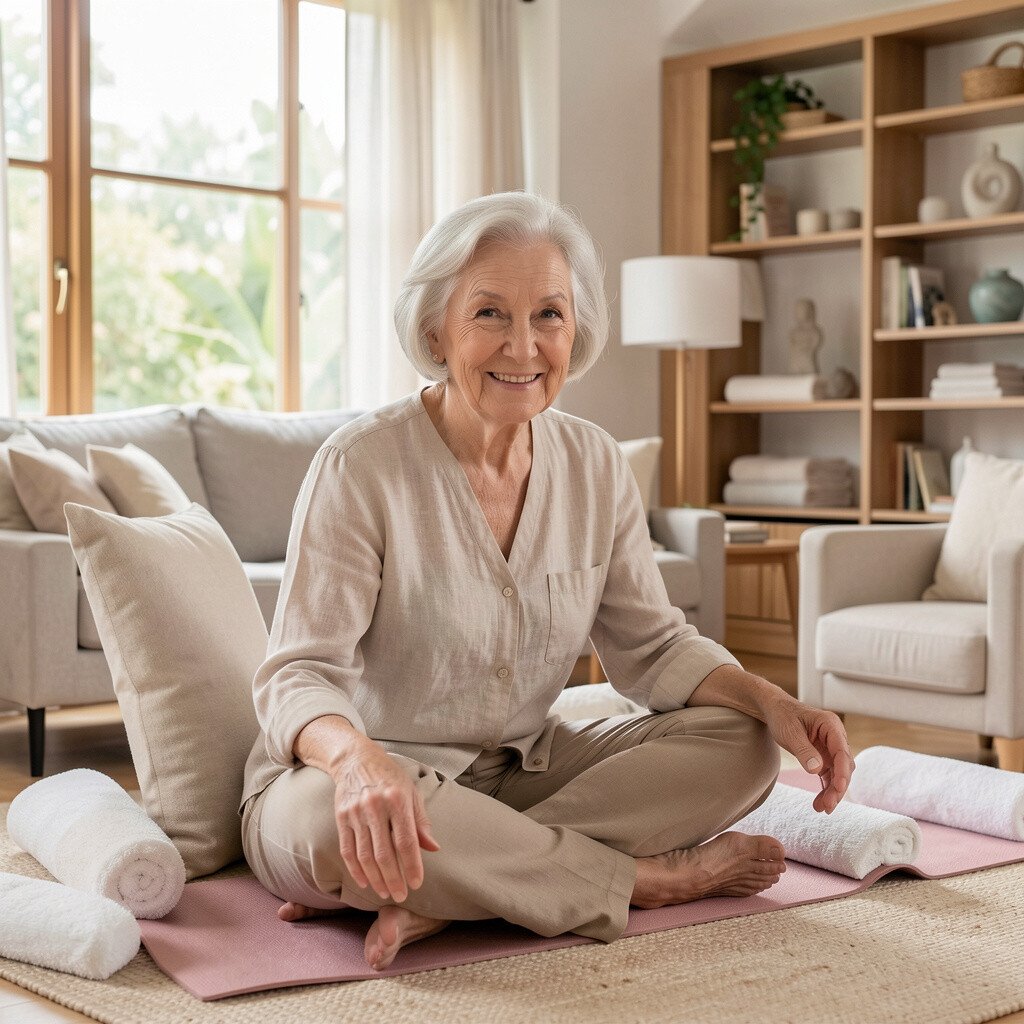
Picture a retreat where your day feels designed around you, with a calm coordinator helping with timing, meals, and comfort needs. Rooms often include easy access features, and caregivers are available without taking over your independence.
These concierge-style retreats may include wellness programming plus practical support, like medication reminders, mobility assistance, and tailored meal pacing. Many seniors feel safer and more relaxed because help is planned in advance rather than improvised. The uniqueness is the flexibility, since you can swap a session for rest time and still feel like your day has purpose.
For practical tips, ask for an initial needs review and bring a list of current routines, dietary preferences, and mobility equipment. Cost considerations can be higher because staffing support may be included, but you can often control expenses by choosing fewer specialist sessions. Personalization ideas include building a “comfort map” that notes where you prefer to sit, how long you like classes to run, and what triggers fatigue so your schedule stays gentle.
A current trend in senior wellness is offering individualized pacing plans, and concierge retreats often do this best.