A napkin can do more than sit there and wait. When you plan it with care, it becomes part of the whole mood.
Most people miss the small choices that make napkin ideas feel special and practical at the same time. Here are ways to get better results without making things complicated.
1. Matching Color Stories Instead of Just Colors
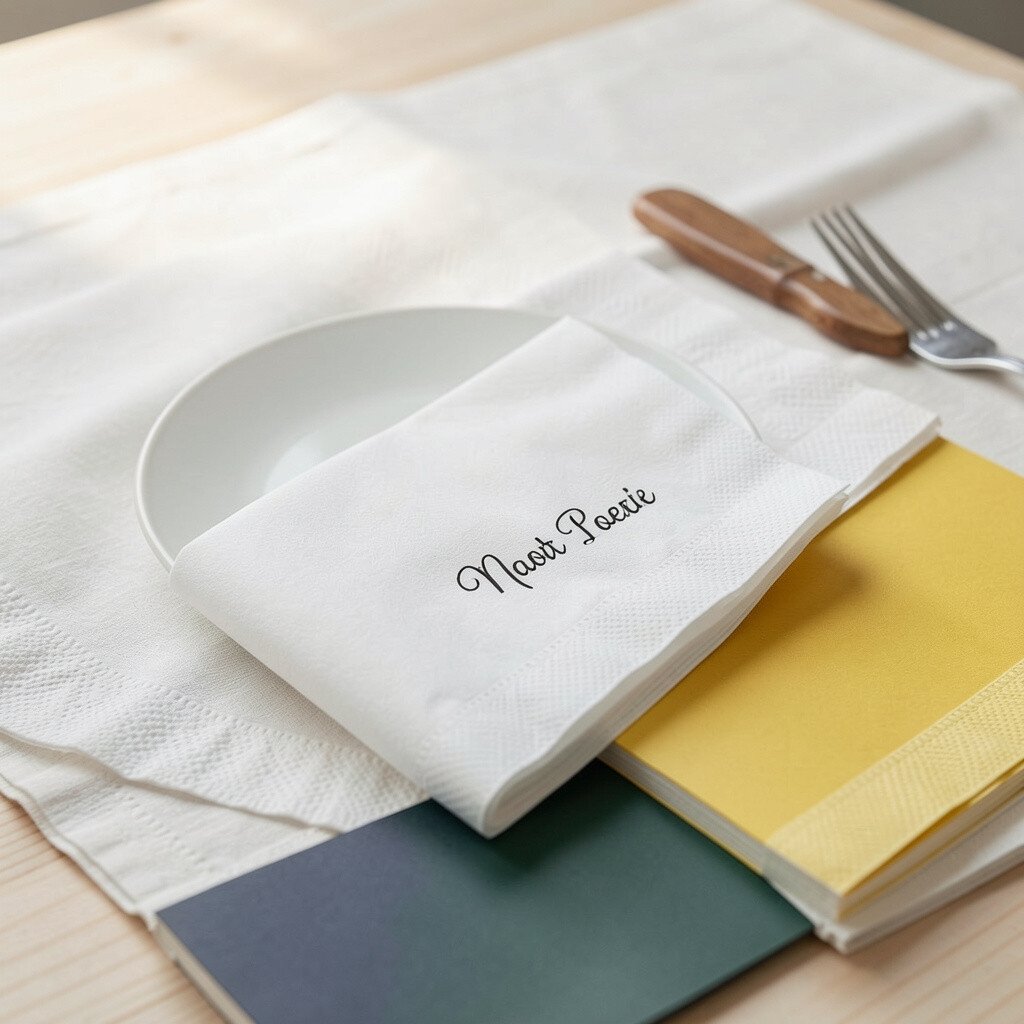
You probably choose a napkin color that “goes” with the table. But a stronger look comes from matching a color story across the whole scene.
Try picking one main tone, one supporting tone, and one tiny accent tone, then repeat that accent in something else like a candle, a menu card, or a simple flower. You’ll see the difference right away when the napkins look intentional, not random.
2. Sizing Napkins for Real Life, Not Photos
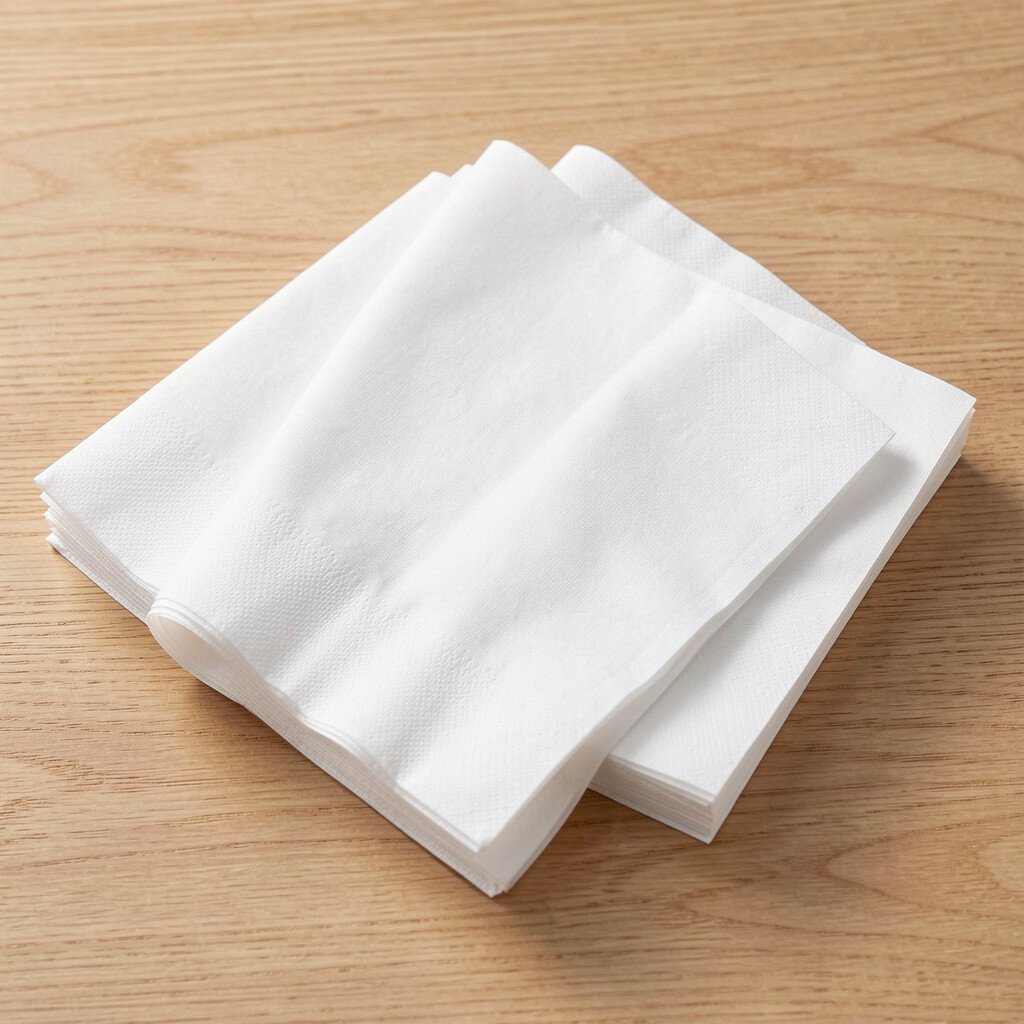
Many people buy the size that looks right in pictures. Then the napkin feels too small once food arrives and spills happen.
A larger napkin can work better for family meals, messy kids, and anything with sauce. Fold it in a way that leaves a clean edge showing, and you still get a tidy look.
If you’re short on space, store slightly smaller napkins and pull out the larger ones only for occasions that need them. This keeps cost under control and makes your “nice” napkin actually useful.
3. Using Texture to Make Simple Folds Look Premium
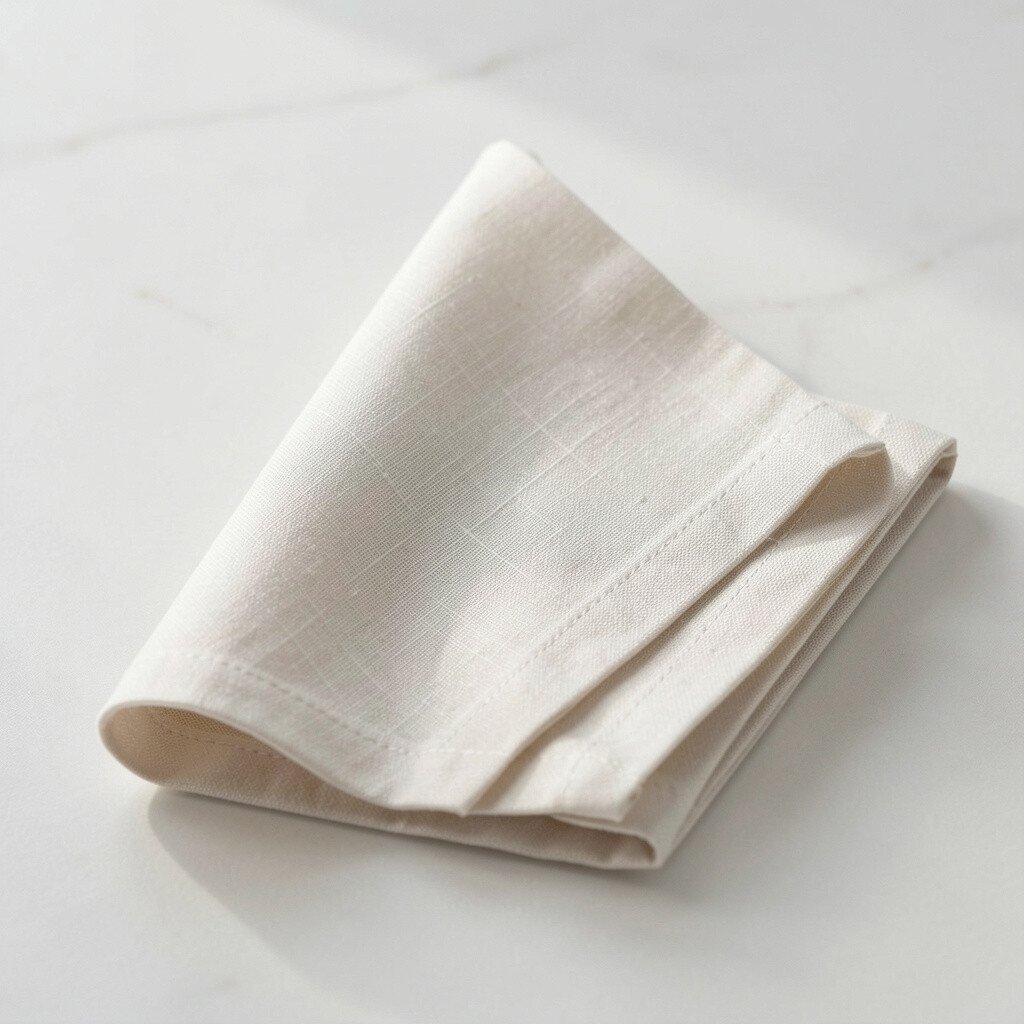
Even a plain white napkin can look fancy when the texture is doing the work. Think about linen-like weaves, soft cotton feels, or smooth paper with a crisp edge.
Texture helps your folds hold their shape and creates shadows that feel stylish. A quick pressing with your hands before placing it on the plate can make a big visual difference.
For a modern look, pair a matte texture napkin with a glossy plate. For a cozy vibe, match a woven napkin with warm-toned dishes and simple table lighting.
4. Forgetting the Fold Direction That Affects Clean Edges
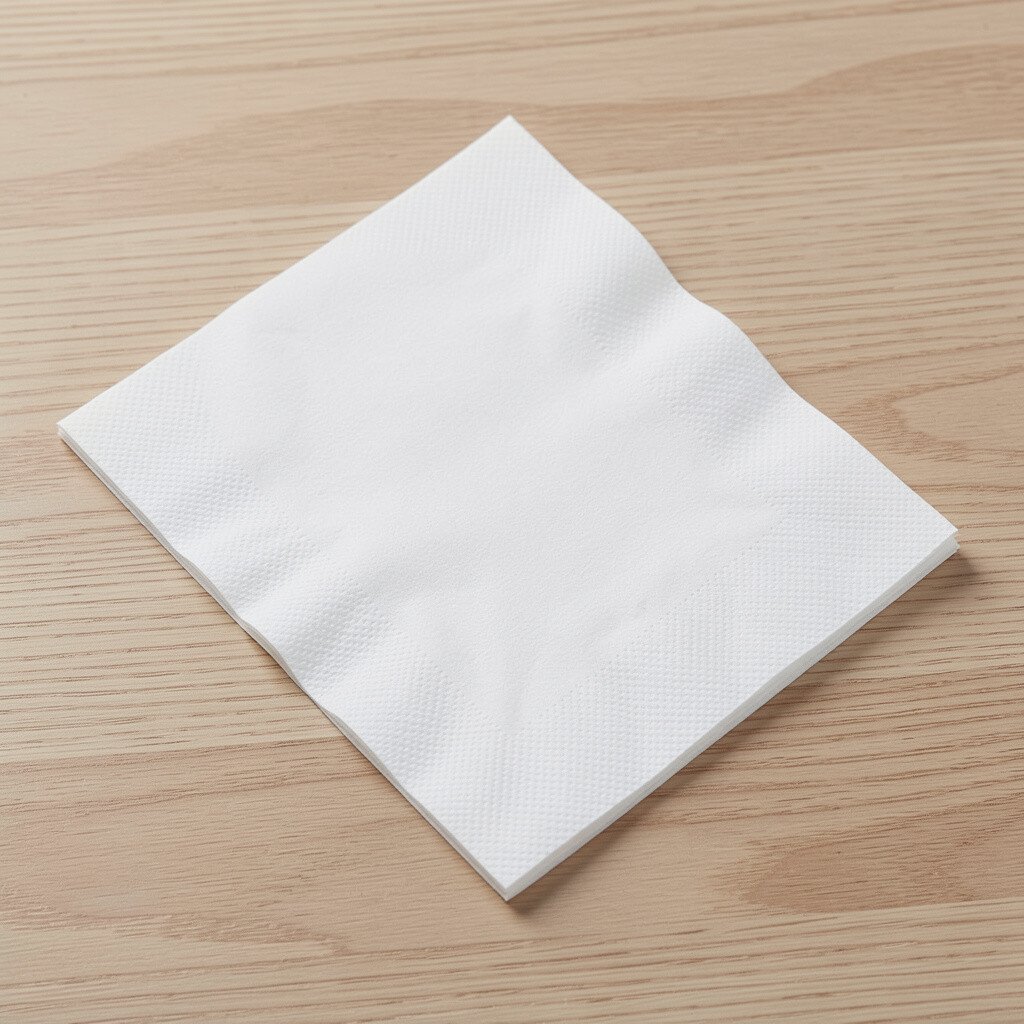
Most people fold napkins without thinking about how the layers sit. The result is often a napkin that looks good for a second and then relaxes.
Start by folding in a consistent direction, then pinch the crease firmly and keep the “show side” on top. When the crease sits the right way, the napkin stays neat through the whole meal.
5. Turning Napkins into Place Cards Without Extra Spending
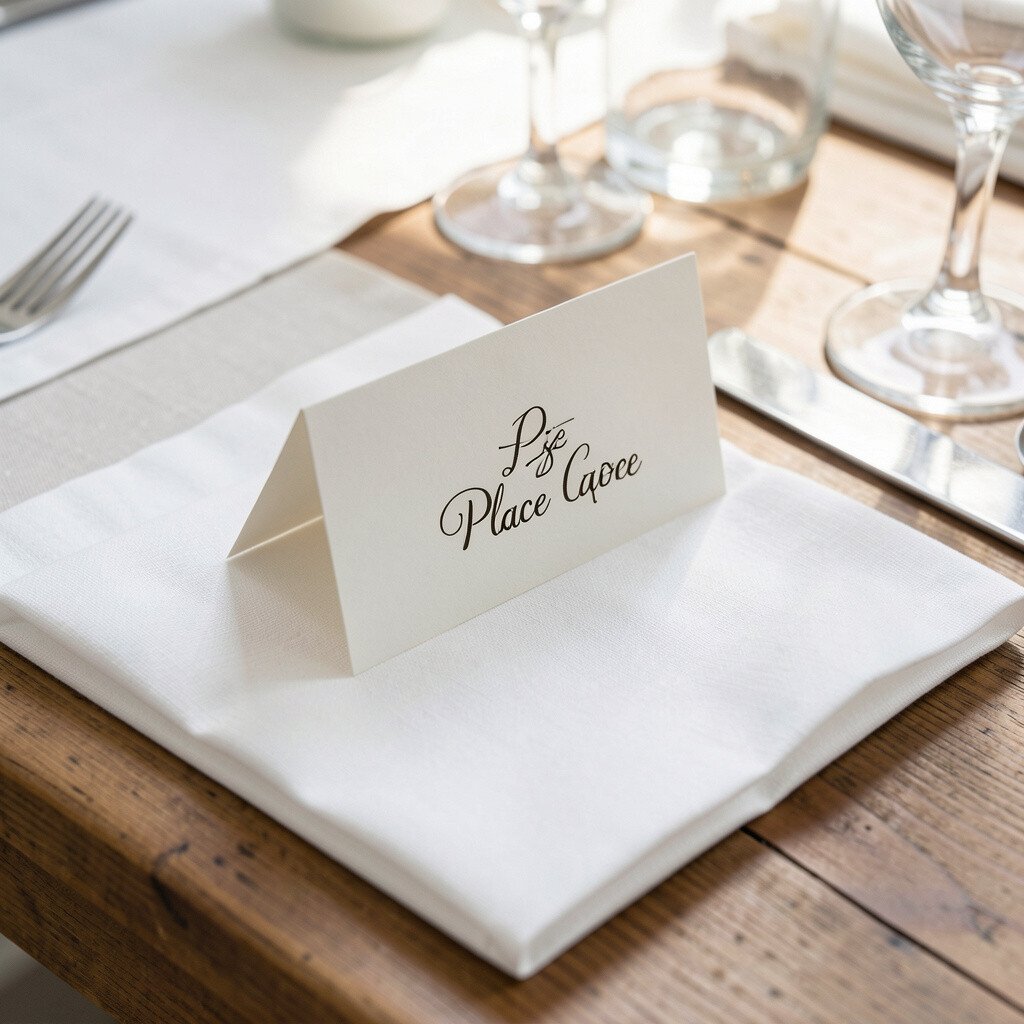
A napkin can hold names or messages without needing special place cards. A small tag, a folded note, or a simple marker line on the napkin can guide guests and look thoughtful.
Use light ink colors that show clearly, then wrap it into the fold so it feels secure. This saves money and makes your table feel more personal right away.
For themed gatherings, write a short welcome phrase that fits the mood, like “Happy Birthday” or “Game Night.” Guests will notice the details, and you won’t need extra supplies beyond what you already keep.
6. Choosing Paper Over Cloth for the Wrong Reasons
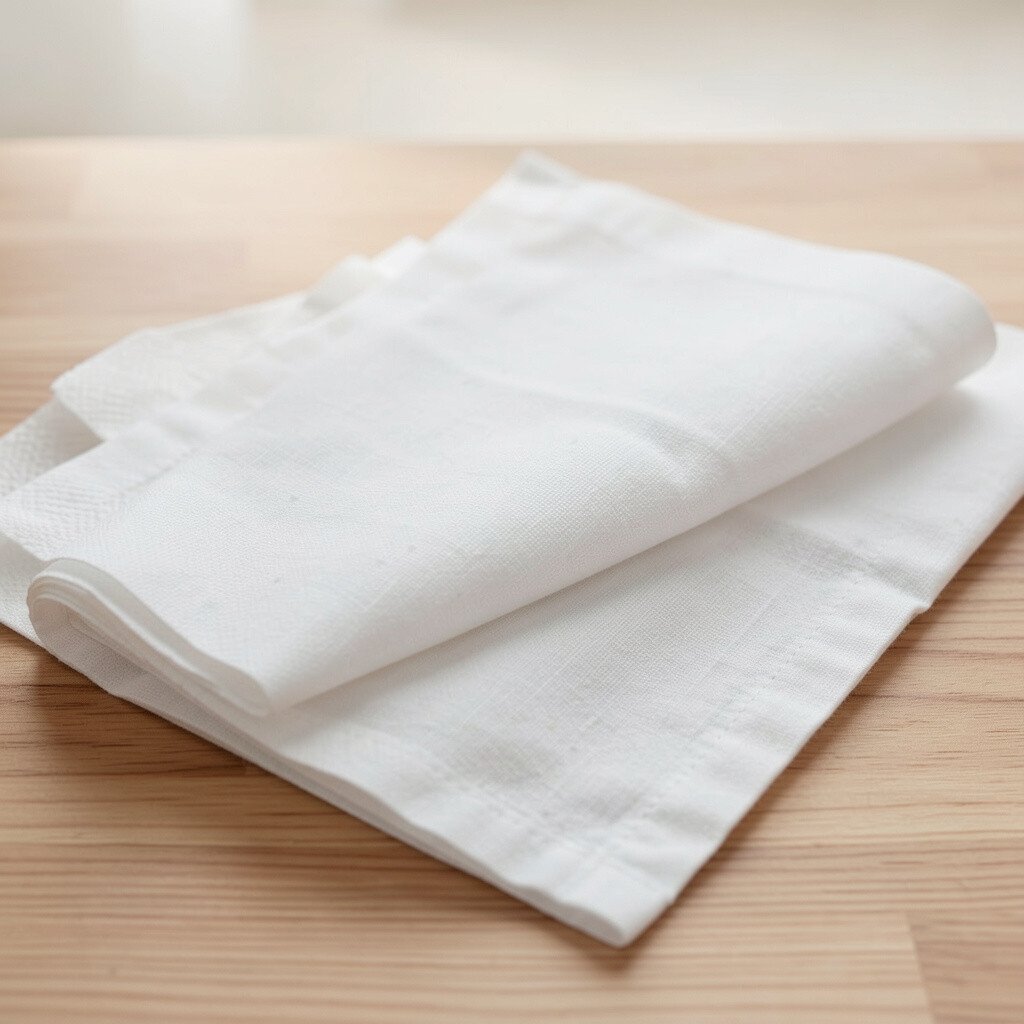
Some people avoid paper napkins because they think they look plain. Others grab paper because it seems easier, even when cloth would feel better for the moment.
Paper can be great if it has strength, a pleasant look, and a pattern that adds character. Cloth can be worth it when you want softness, a more elegant drape, and the ability to reuse it.
Pay attention to thickness and how the napkin handles folding. A better paper napkin usually costs a bit more, but it reduces tearing and makes your setup look more polished.
7. Ignoring the Smell Factor When Napkins Are Stored Together
Napkins that sit in drawers or bins can pick up odd smells over time. That small issue can quietly ruin the feeling of a clean, fresh table.
Before a big event, give them a quick refresh by airing them out near open air. If you store them with other items, switch to a clean container and keep scents separated.
8. Picking Patterns That Fight the Plate Design
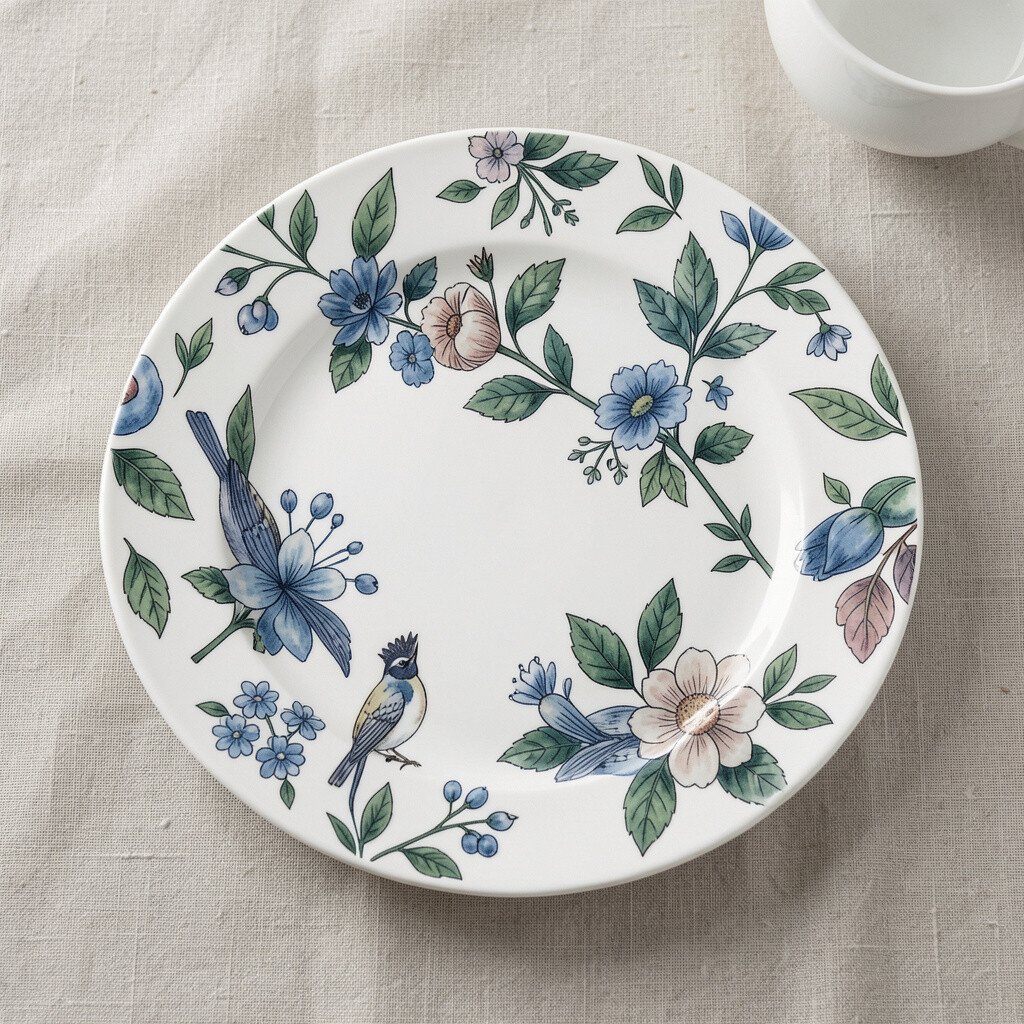
A busy napkin pattern can compete with plates that also have designs. When both are loud, your table starts to look chaotic instead of cohesive.
Pair patterned napkins with simpler dishes, or choose solid napkins when your plates have art. If you love patterns, keep the napkin pattern smaller and calmer so it frames the food instead of taking over.
9. Using Too Many Themes at Once

It’s tempting to match the napkin theme to everything else at the same time. But too many small themes can make the table feel cluttered.
Pick one theme anchor, like a seasonal color or a simple shape, and repeat it across napkins, napkin rings, or small decor. Your guests will feel the order, and the table will look more intentional.
Leave other elements more neutral, especially lighting and table runners. This helps your napkins stand out in a neat, balanced way.
10. Skipping Napkin Rings That Match the Vibe
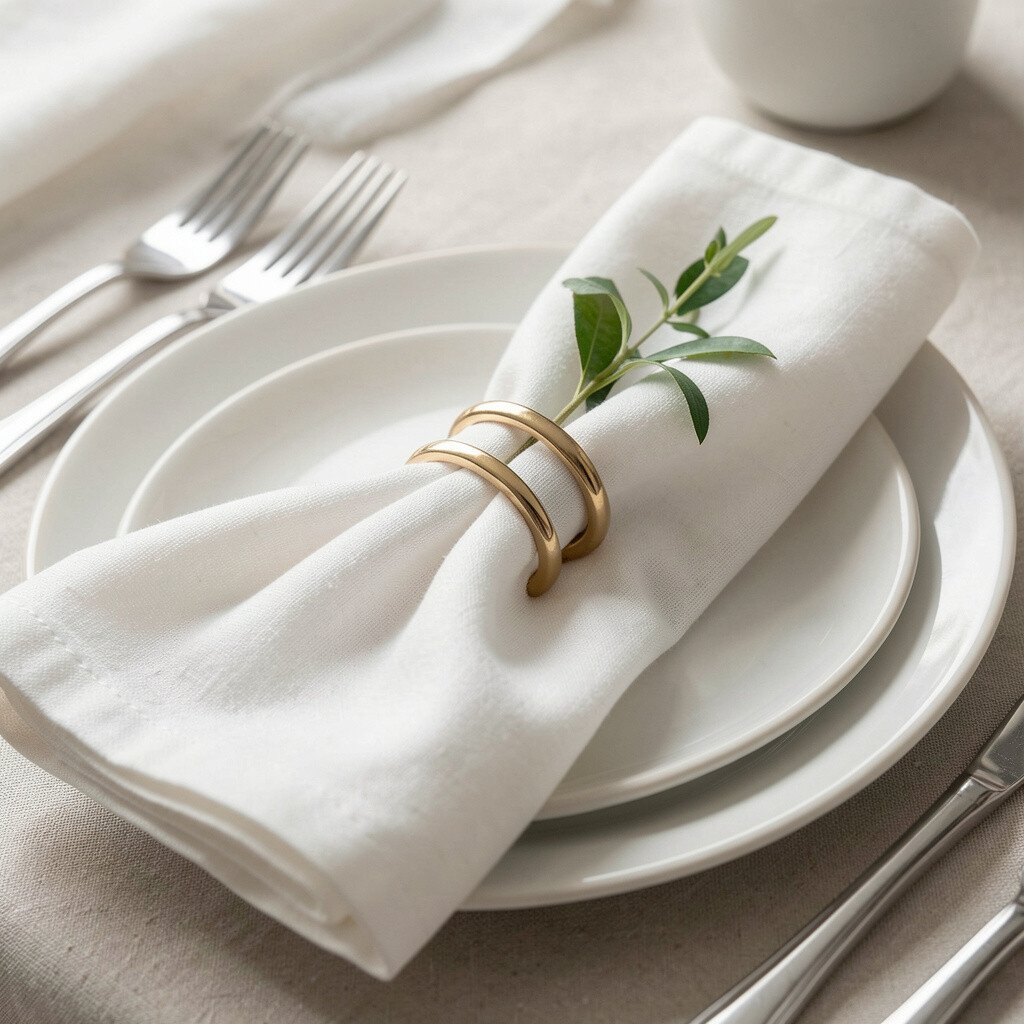
Napkin rings sound fancy, but you can use everyday items to get the same effect. A ribbon, a small clip, or even a neat piece of twine can add shape and style.
Choose ring colors that echo the table story, then keep them consistent across the whole set. When rings match your palette, the table feels finished without looking expensive.
If you want a modern look, go for simple metal tones or solid fabric loops. For a cozy look, use warm wood, burlap textures, or soft yarn in gentle colors.
11. Forgetting How Guests Actually Use Napkins

Napkin ideas look pretty, but they should be easy to grab and unfold. If the napkin is hard to access, people will avoid the nice setup.
Place the napkin where hands naturally go, usually near the plate or slightly angled. Folding it so the first pull is simple makes guests feel cared for.
Think about how the napkin will sit after opening too. A good fold stays neat enough for cleanup while still feeling comfortable to use.
12. Not Planning for the Main Meal Type
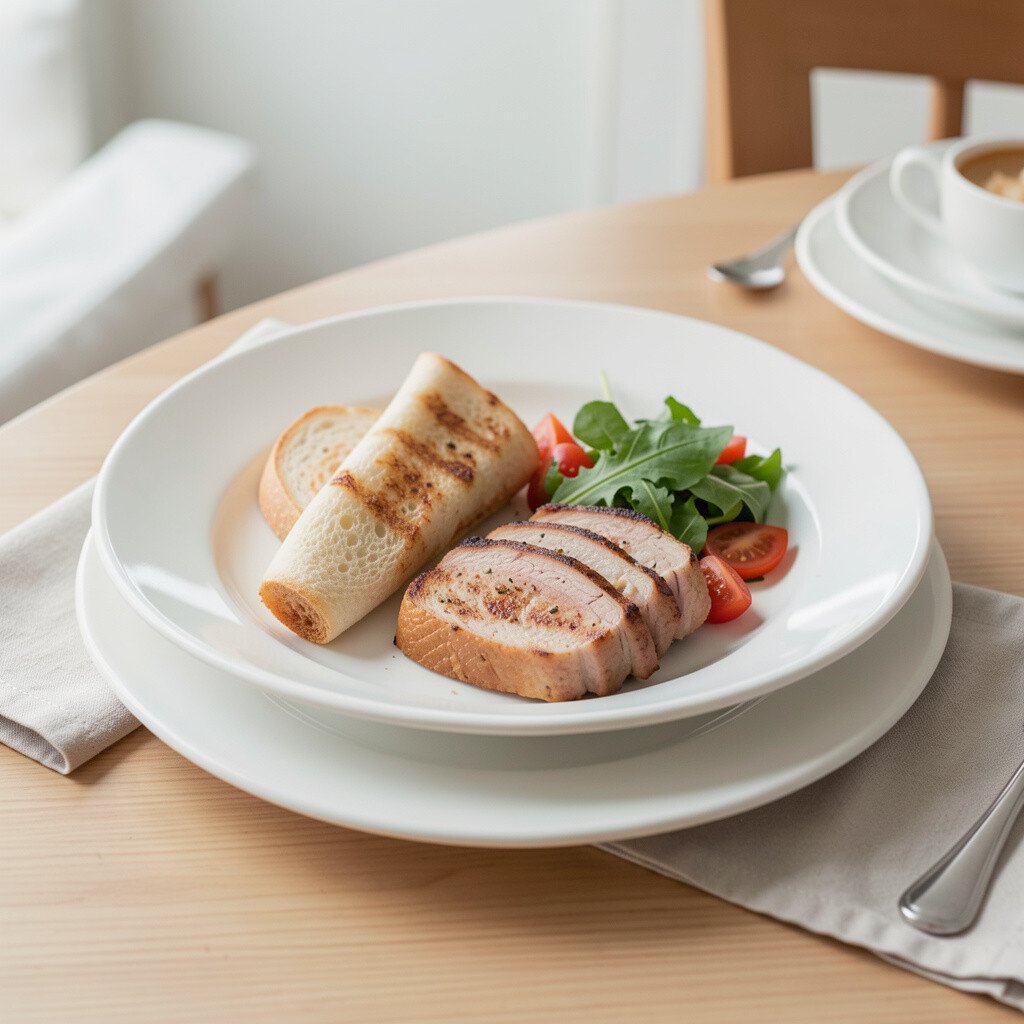
Different meals need different napkin behavior. A pasta dinner asks for absorbent napkins and larger folds, while appetizers might look best with lighter, decorative arrangements.
Before you set the table, picture the first bite and the mess level. If it’s saucy, add extra fold space so guests get coverage without struggling.
For breakfast or dessert, you can go smaller and more decorative. For dinner, lean toward practical materials and easy unfolding.
13. Using Personal Details That Feel Like Real People

Personal napkin touches work best when they feel natural. Instead of generic messages, pick details tied to your guests or the event.
You can write a favorite color, a small inside joke, or a simple “welcome” that matches the tone of the gathering. Even a short nickname on a folded napkin can make someone smile.
14. Overlooking Small Lighting Effects on Napkin Color
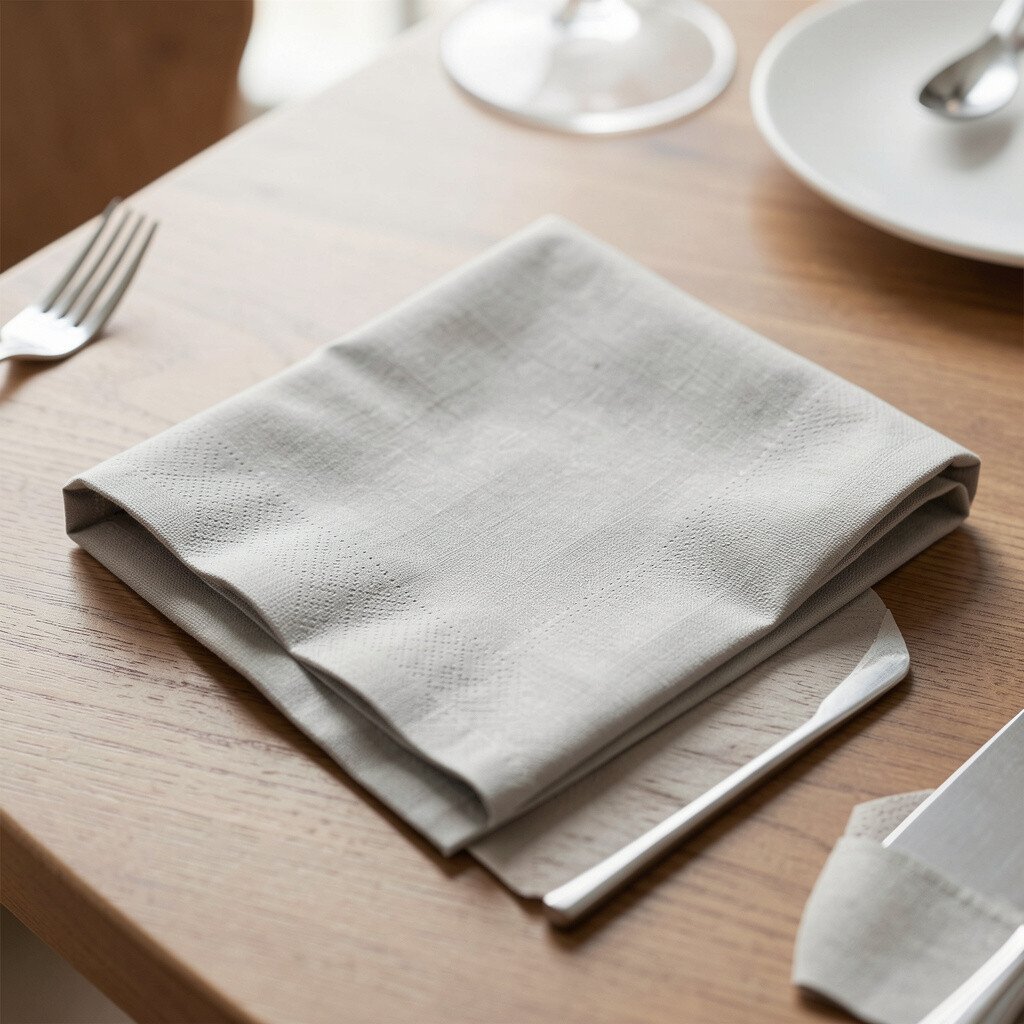
Table lighting changes how colors appear, and napkins show that fast. Warm light can make cool colors feel softer, while bright overhead light can wash them out.
Check your napkin look under the lighting you’ll actually use, not just daylight. If your napkins look dull, add a matching candle shade or adjust placement so the napkin catches gentle light.
15. Making Napkin Folding Too Complicated for Busy Hosts
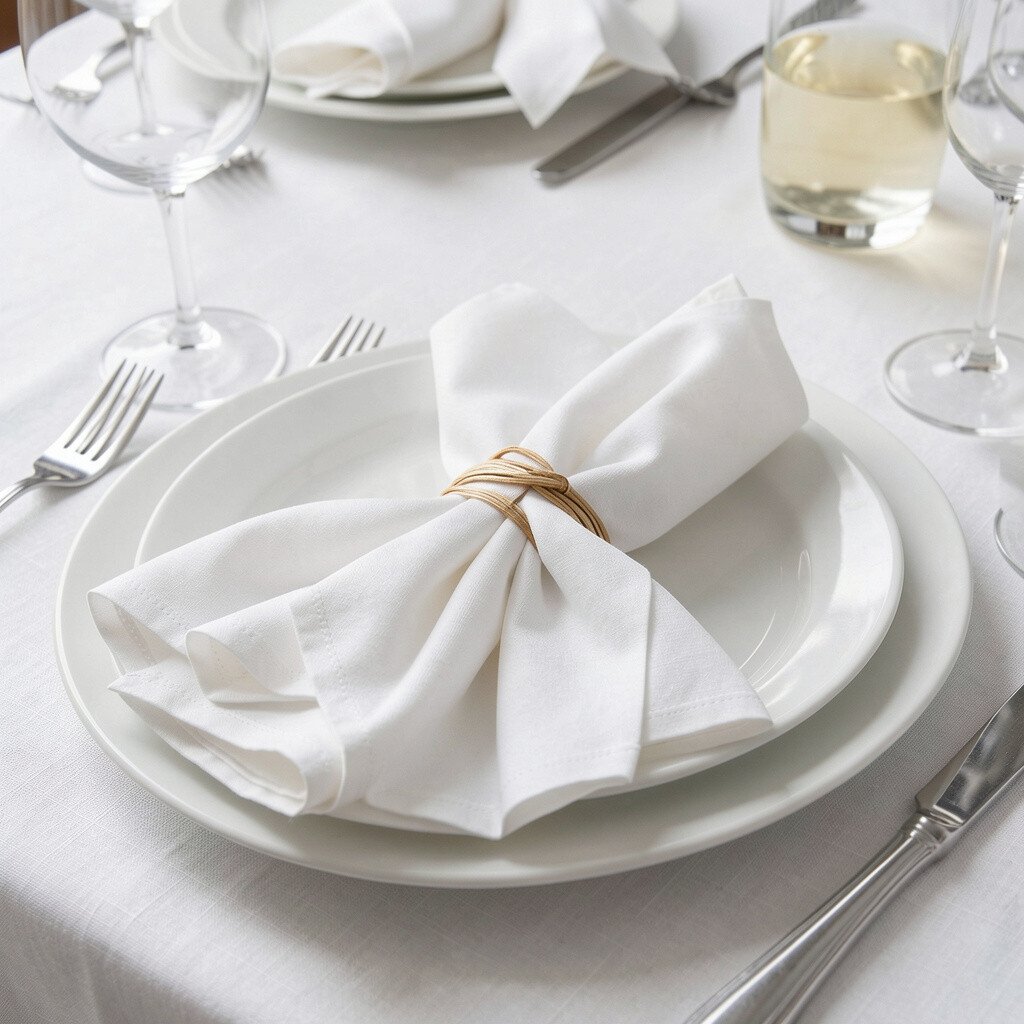
A neat napkin fold can be impressive, but it can also become stressful. If you want guests to relax, keep your folds doable and quick.
Start with a fold you can repeat easily, then add one special touch like a ribbon, a patterned edge, or a small tag. You’ll still get that polished feel without spending the whole day folding.
Choose folds that hold up when you move them, because tables shift during setup and guests arrive early. Practice once when you’re calm, and you’ll feel confident later.
16. Ignoring Size and Placement of Patterns on the Fold

Patterns behave differently when you fold them, and the “center” matters. A napkin with a print can look mismatched if the design ends up upside down or cut off awkwardly.
Before you set the table, do one test fold and see where the pattern lands. When the print lines up with the fold points, the napkin looks crisp and intentional.
It’s also a good trick to align pattern placement across the table so every napkin feels like a set, not a mix.
17. Not Planning a Quick Cleanup-Friendly Setup
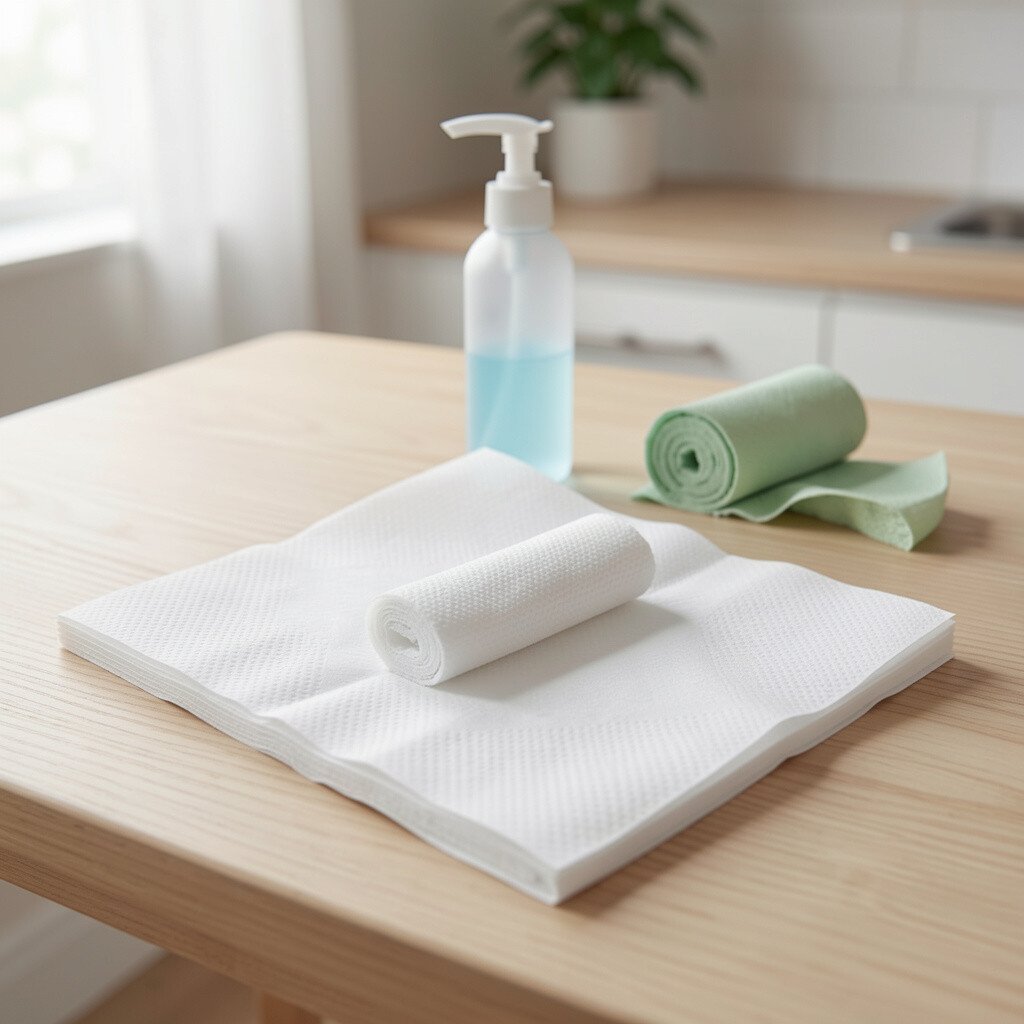
Great napkin ideas should make cleanup easier, not harder. If napkins are layered too tightly or stuck in complicated ways, cleanup can drag.
Consider using lighter decorative folds for meals that need quick turnover, then keep the more intricate design for longer events. You can also place extra napkins nearby in a neat stack so guests don’t hunt for them.
If you’re using rings or clips, make sure they’re easy to remove and won’t snag on plates. A setup that cleans fast feels like a luxury on busy days.
18. Overpaying for “Fancy” Without Checking Quality
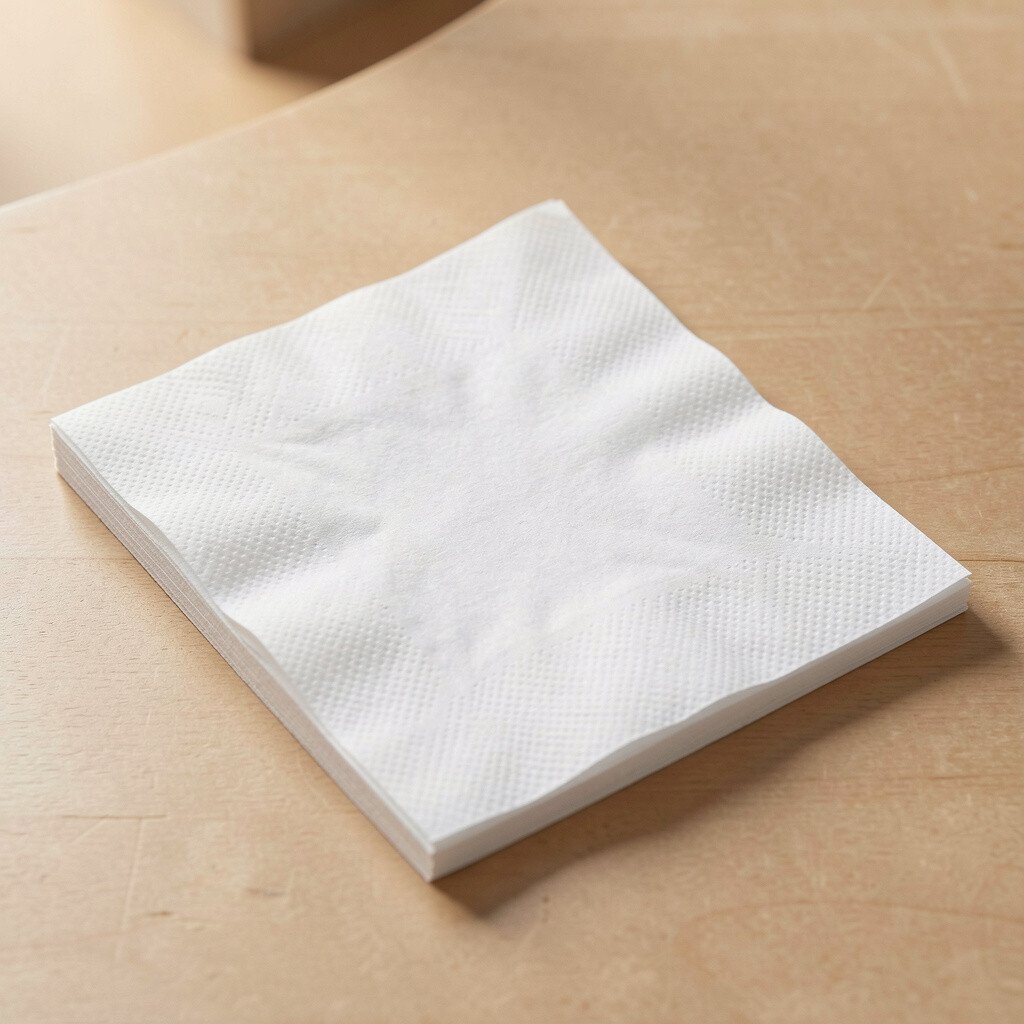
Some napkins cost a lot because they look upscale, but the real key is performance. Look at how the fabric absorbs, how the paper holds up, and how easily it folds.
When you choose better quality, you often use less decoration because the napkin itself already looks great. That can be a smart way to manage cost while still getting a premium feel.
You can also check the edges and seams, because fraying or thin corners usually show up during use. A small quality upgrade can prevent last-minute disappointment.
19. Using Trends Like Minimalism and “Quiet Luxury” Correctly
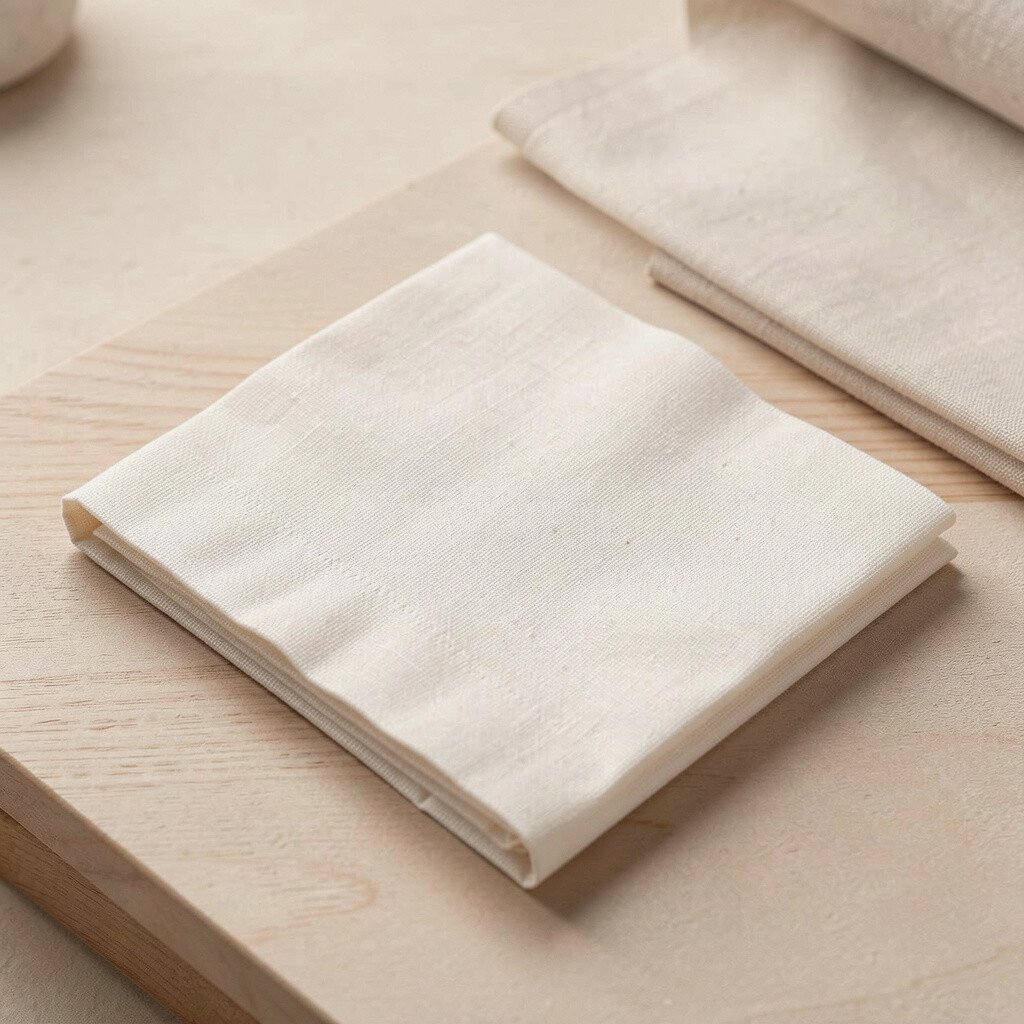
Current trends often favor calm palettes, clean lines, and materials that look simple but feel thoughtful. Napkins fit perfectly into this style when the details are subtle.
Try neutral colors, gentle textures, and one small accent like a monochrome ribbon or a soft metallic clip. This keeps your table modern without turning it into something cold.
If you’re following trend ideas, aim for consistency rather than copying every element. One strong decision on napkins can make the whole table look current.
20. Combining Reuse and Recycling in a Friendly Way
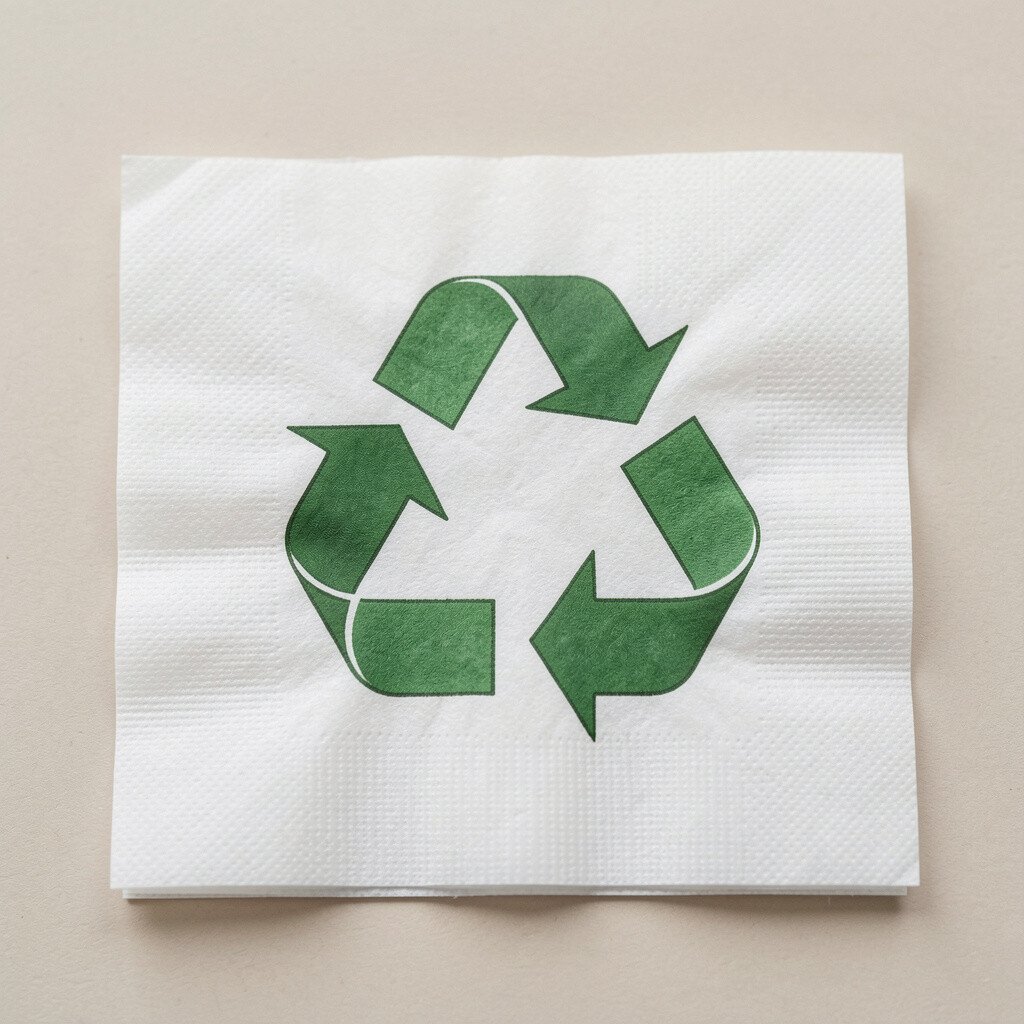
Napkin ideas can be both pretty and responsible, and it starts with planning. Choose options that match how you’ll handle them after the meal.
For cloth napkins, sort them early and keep a simple routine so laundry is easy. For paper napkins, aim for thicker ones that reduce tearing, which also means less waste from accidental mess.
You can also personalize reuse by keeping special napkins for recurring celebrations, like birthdays and holidays. Over time, that builds a collection that feels meaningful, not cluttered.