
A calm kitchen can make your whole day feel lighter. The trick is choosing simple details that work hard and look neat.
Minimalism is not about owning less stuff just to feel empty. It is about arranging what you already have so cooking feels smooth, clean, and inviting.
1. Declutter With Smart Zones
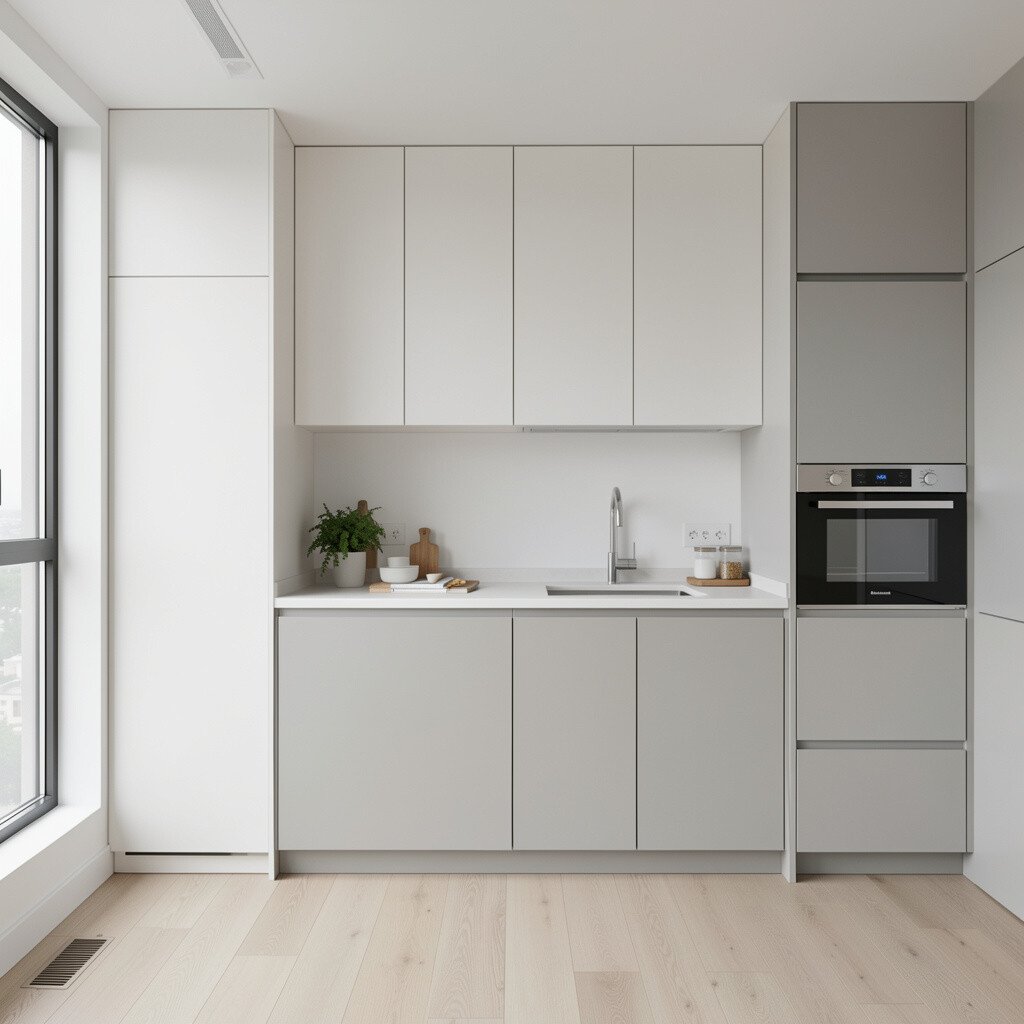
Start by grouping your kitchen items into clear areas that match how you cook. Keep only the everyday tools within easy reach, and store the rest where they do not crowd the counter.
Visually, it helps to see fewer items sitting out, even if you still have plenty in storage. Try a small tray system for utensils and a separate spot for spices you use often, so the surfaces stay tidy.
2. Choose a Matte Countertop Finish
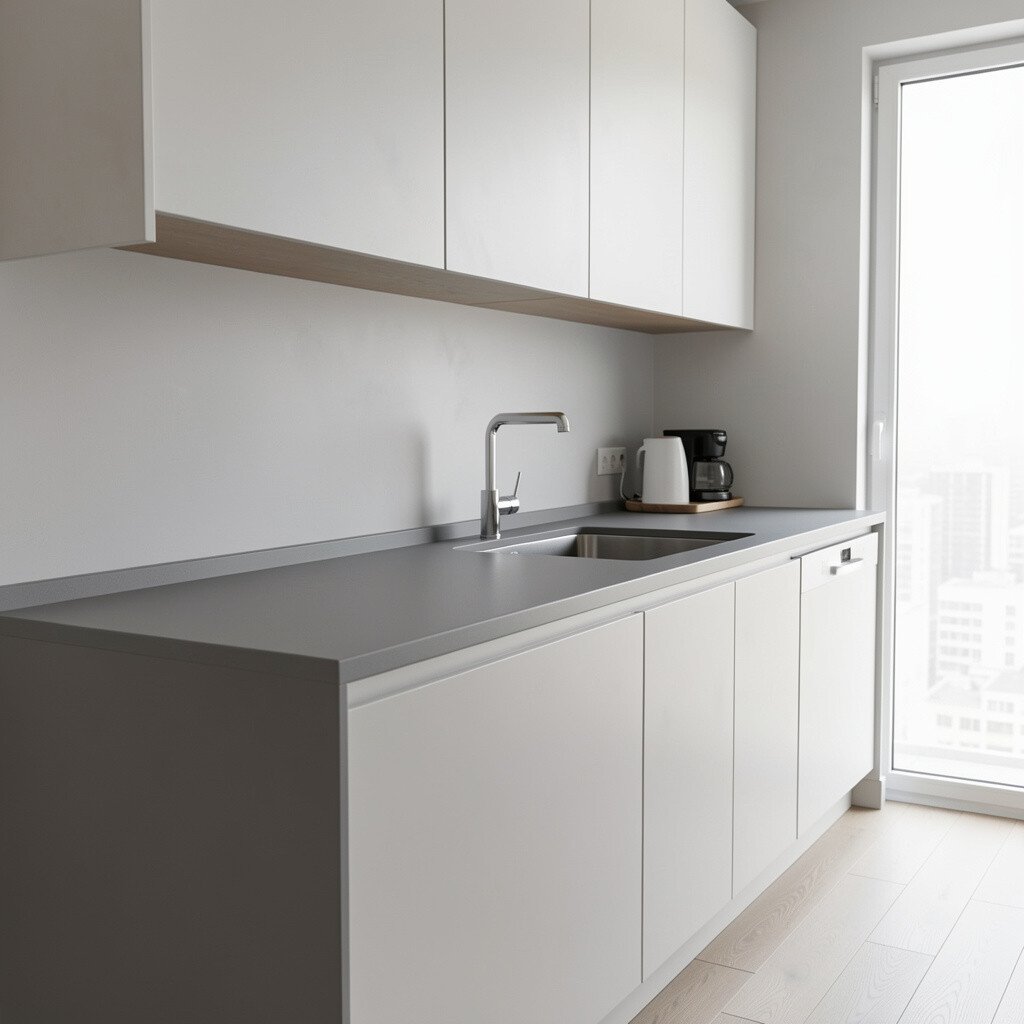
Matte finishes hide fingerprints and water spots better than glossy ones. When your counters look steady and soft, the whole kitchen feels calmer and cleaner.
Look for quartz, laminate, or stone-look surfaces with a low sheen that fits your budget. A practical move is to place a small drying mat or rack near the sink to prevent constant streaks.
If you already have a shiny counter, consider a thin protective pad for daily prep spots. You can also personalize by matching the pad color to your cabinet hardware or cutting boards.
3. Install Sleek Open Shelves With Uniform Storage
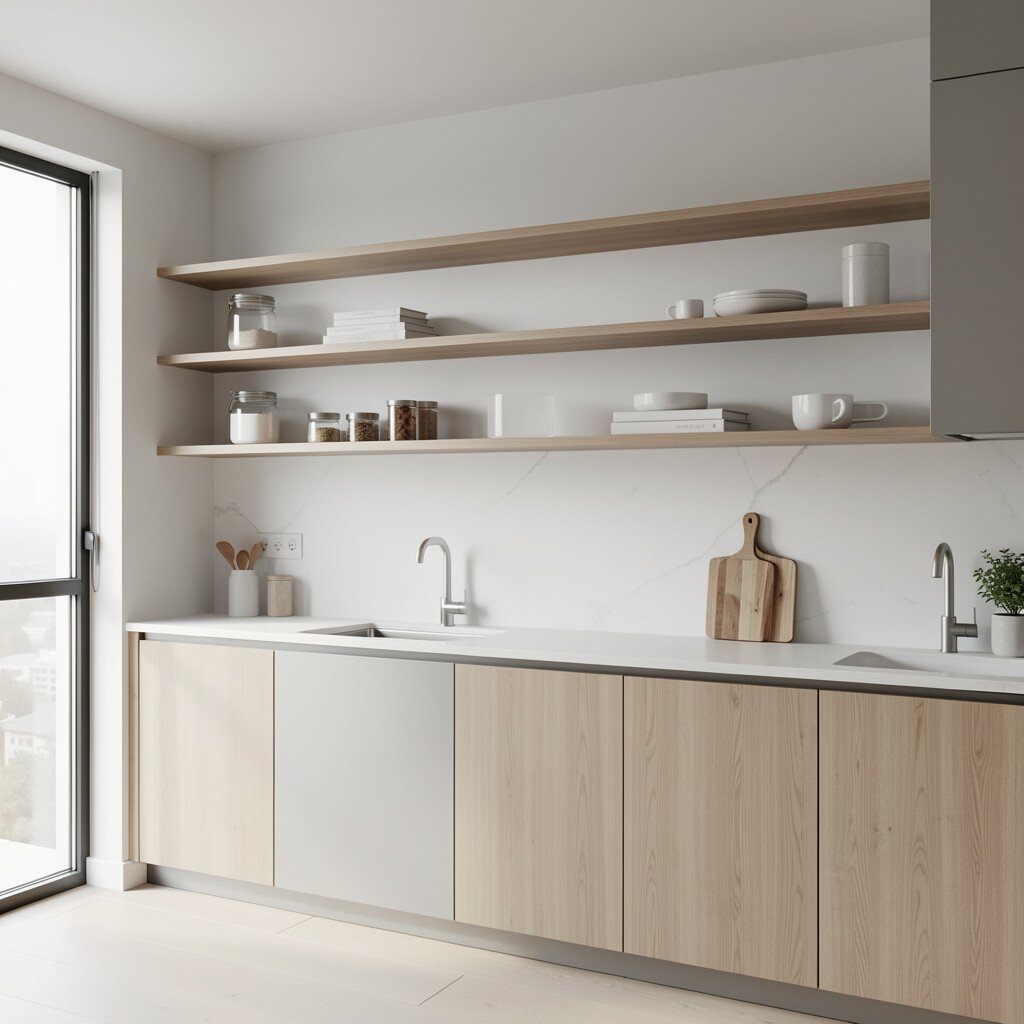
Open shelves can look airy when everything on them is the same style and size. Use matching containers so the kitchen stays visually organized even when items are visible.
For a clean look, keep the number of items on each shelf small and rotated. Wipe shelves often because open storage shows dust more quickly, especially near cooking areas.
When you personalize, choose container materials that fit your routine, like clear glass for quick grabs. Add a label only if it helps you find things fast, and keep the label style consistent.
If cost is a concern, start with just one shelf and buy containers over time. This keeps the project manageable while still improving the look right away.
4. Use Minimal Rail Hooks Instead of Cluttered Storage
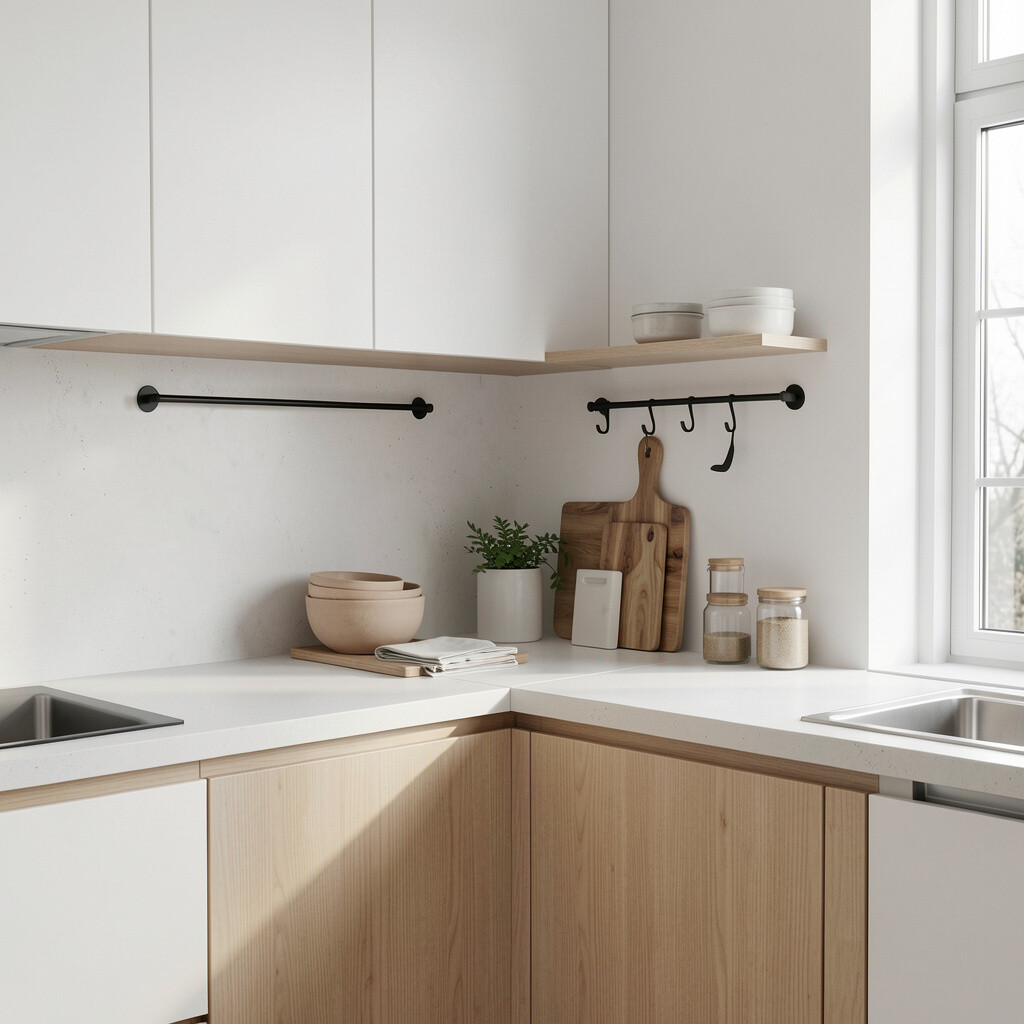
Small wall hooks or a slim rail can hold frequently used items without piles on the counter. Think mugs, a ladle, or a few tools that you grab daily.
It looks neat when everything hangs at the same height and in a tidy layout. To keep it practical, avoid hanging heavy items that could loosen and drop.
5. Pick a Light Neutral Palette for Walls and Cabinets

Soft whites, warm creams, and pale grays make small kitchens feel bigger and brighter. Minimal palettes also reduce visual noise, so your space feels clean even when you are cooking often.
Choose cabinet and wall tones that work together, then add one gentle accent color through textiles or small appliances. For a current feel, warm off-white and light greige tones are popular because they pair well with natural materials.
To keep costs down, paint only the areas you touch most, like cabinet fronts or the main wall. Personalize with a single patterned runner or a simple set of dish towels.
6. Upgrade to a Single-Tone Backsplash

A simple backsplash makes the wall behind your counters feel calm and finished. When the pattern is subtle or flat, it reduces the busy look that can come from lots of textures.
Consider subway tile in a consistent color, or a smooth slab-style tile for a sleek vibe. If you rent, look for peel-and-stick tile designed for kitchen spaces and install carefully around outlets.
7. Keep Everyday Items in Matching Canisters
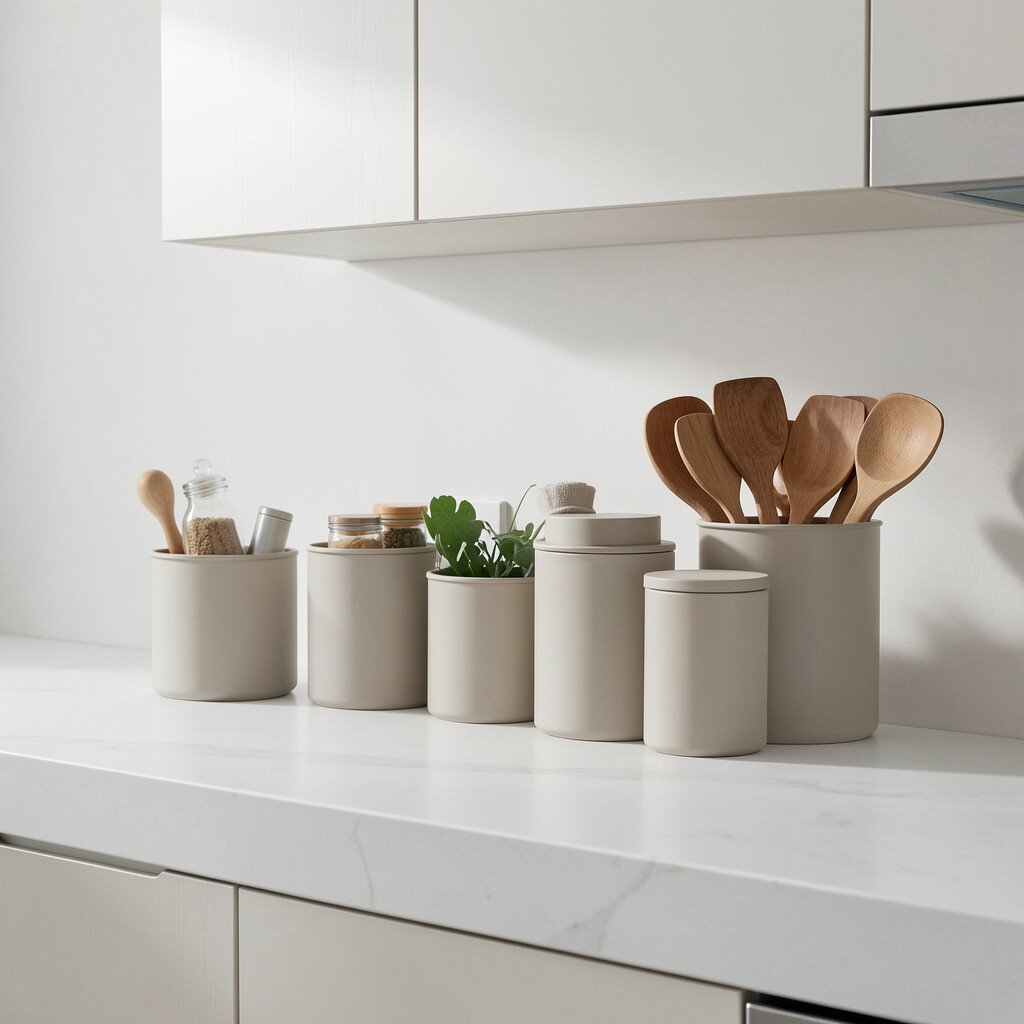
Matching canisters make your pantry and counter look intentional instead of accidental. Use them for flour, sugar, coffee, and snacks you actually reach for.
The benefit is visual order, and it also helps you track what is running low. Choose a few sizes so the layout stays balanced even as your groceries change.
For personalization, pick canisters with a finish you love, like matte ceramic or clear glass with simple lids. If you want to save money, buy one set first for the most used staples.
8. Add a Sliding Shelf or Corner Organizer
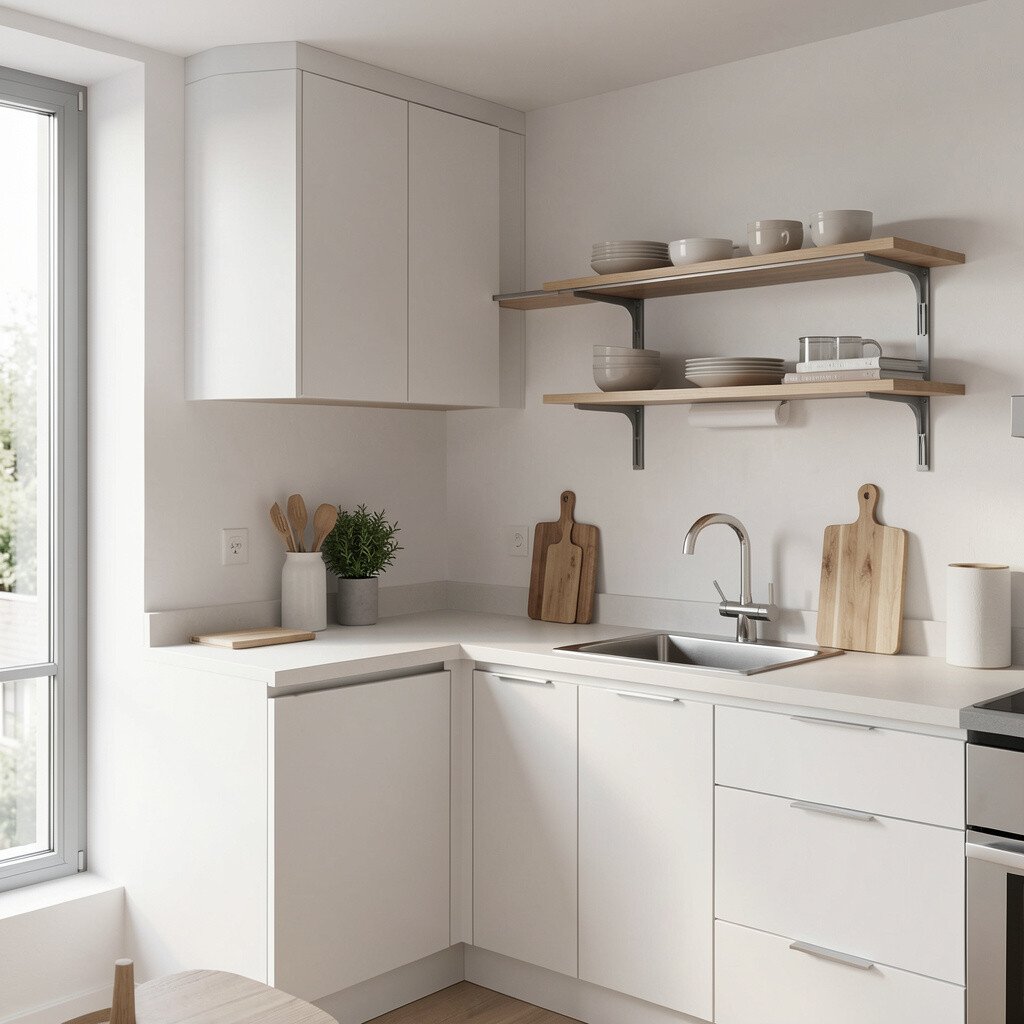
Storage that is hard to reach often turns into hidden clutter. A sliding shelf, pull-out drawer, or corner organizer can bring items forward where you can see them.
Visually, this reduces the look of random bags and containers shoved in the back. When things are easier to access, you waste less time hunting and you use food before it expires.
9. Use One Cutting Board System That Stays Put
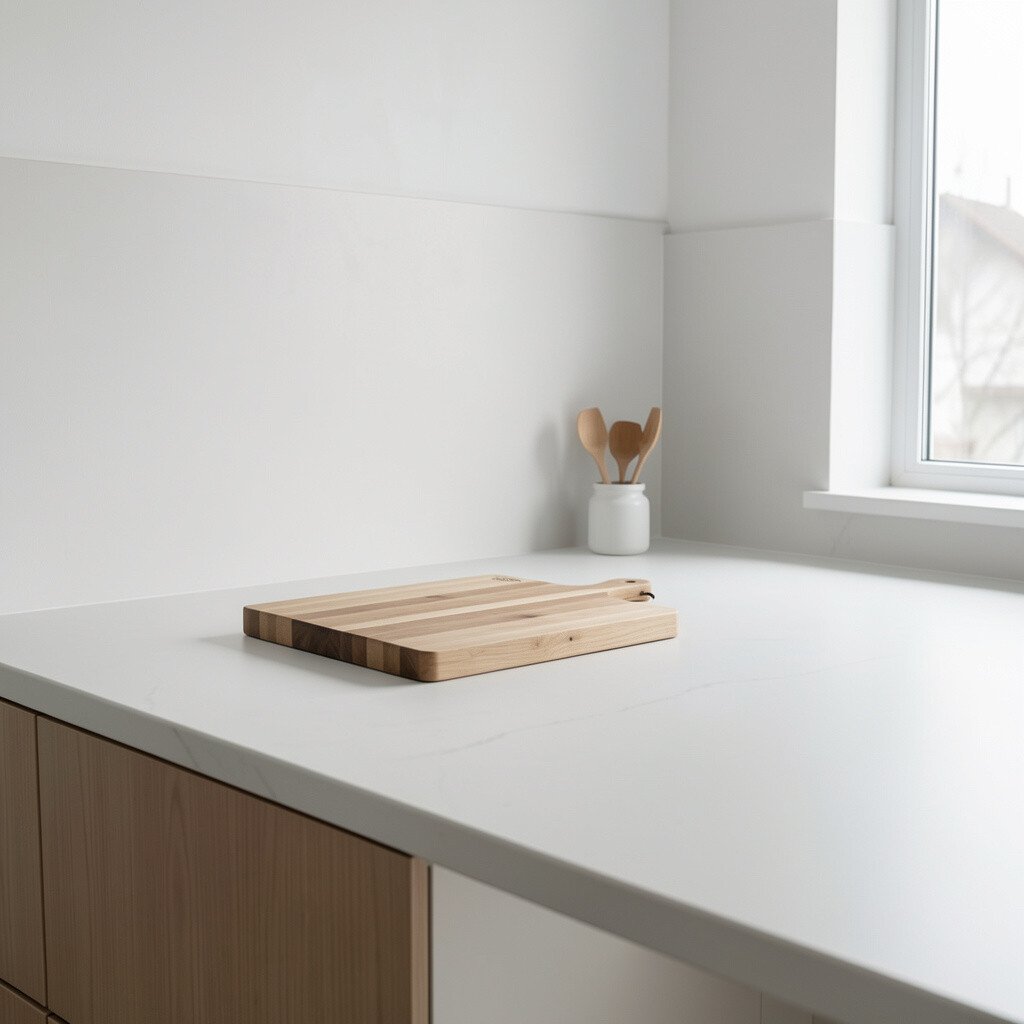
Having many cutting boards can make a kitchen feel messy fast. Pick one main board for daily prep and keep it stored neatly when not in use.
For a clean look, use a small board holder or a dedicated cabinet slot so it does not end up stacked on the counter. A practical twist is to choose one color style and stick with it for boards, bowls, and serving trays.
You can personalize by selecting a board material that fits your vibe, like bamboo for warmth or a darker tone for a modern feel. If cost matters, maintain one board well with oiling and cleaning so it lasts longer.
10. Swap Out Bright Lighting for Soft, Warm LEDs
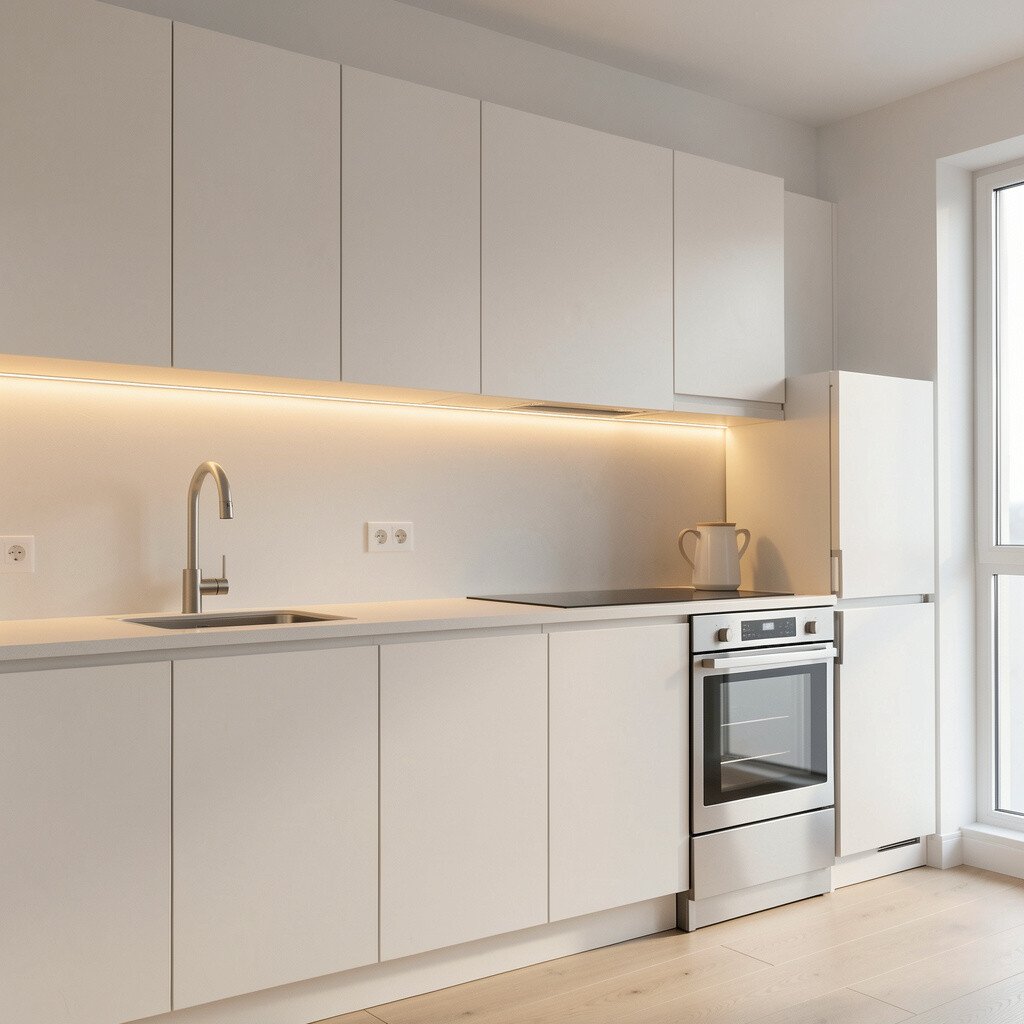
The right lighting makes a minimalist kitchen feel cozy instead of harsh. Choose warm LEDs to reduce the glare that can make counters look messy.
Soft lighting also makes surfaces look smoother and more even. Keep the bulbs consistent across the kitchen so the color matches from room to room.
11. Conceal Small Appliances in a Simple Appliance Garage
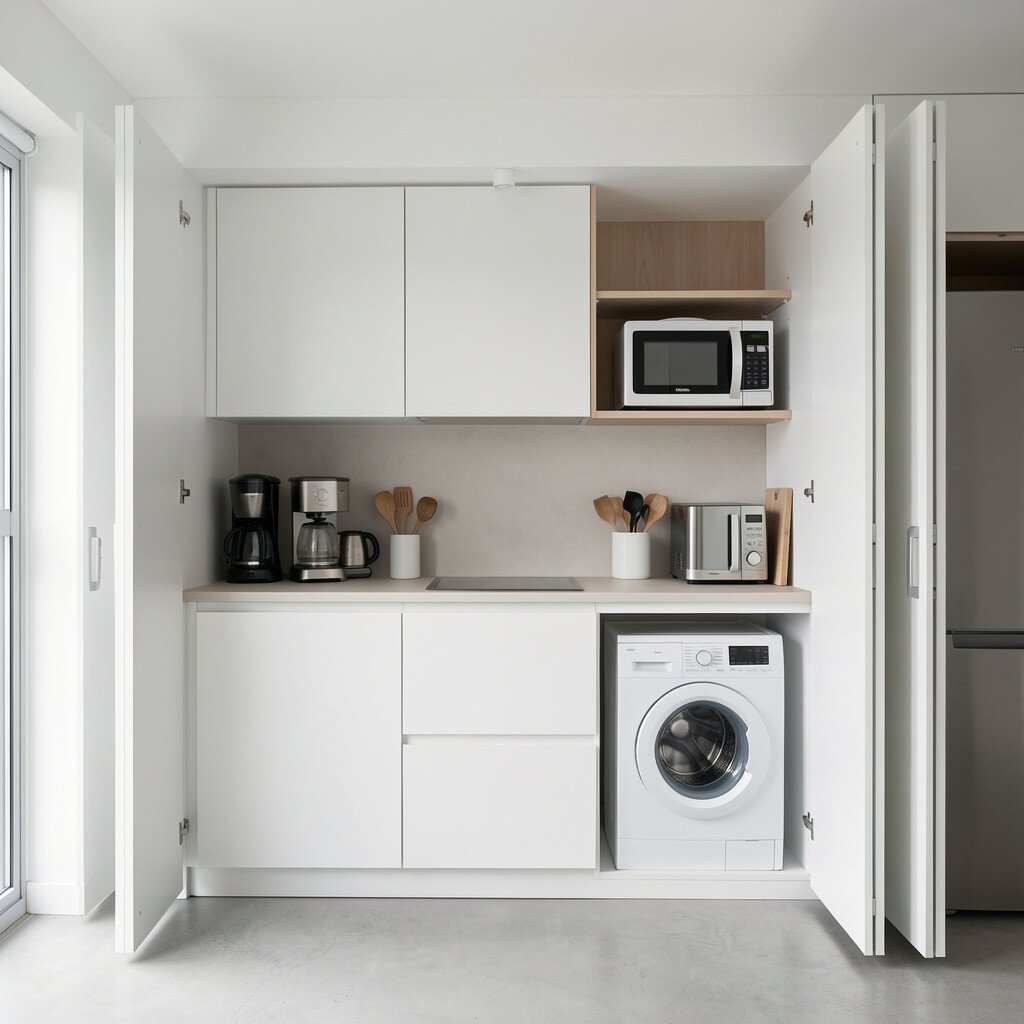
If your toaster, blender, or coffee maker sits out all the time, the counter can look crowded even when you are organized. A simple appliance garage hides them during the day and keeps surfaces clear for prep.
You do not need a big built-in unit to get the benefit. A cabinet-style cover or a slim pull-out shelf works well, and it can be sized to what you actually use.
For personalization, match the cabinet finish to your doors so the hideaway blends in. This is a smart budget move too, because you can build a DIY cover from materials you already plan to buy for other projects.
12. Choose Sleek Faucet and Hardware for a Cleaner Line
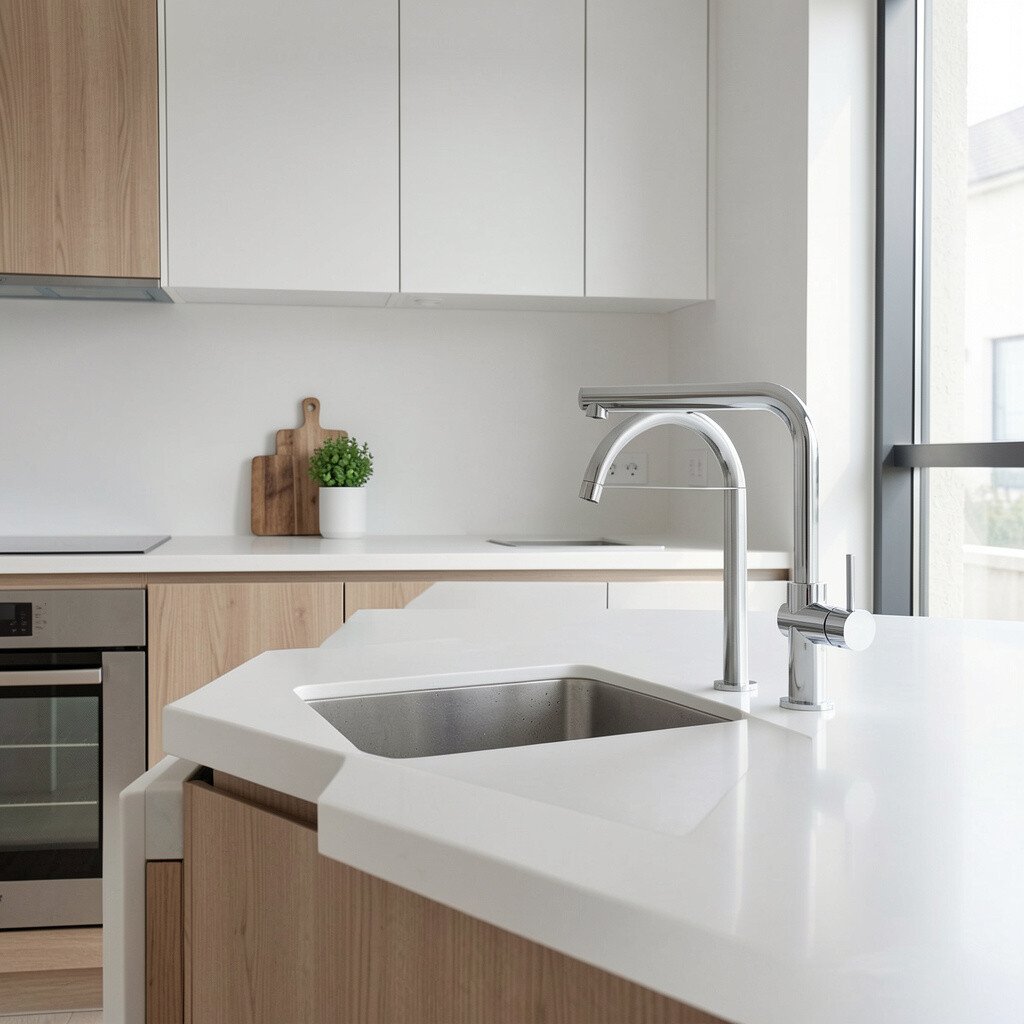
Minimal kitchens look sharper when hardware follows simple lines. A clean faucet shape and matching cabinet pulls create a smooth visual path from sink to cabinets.
It also helps practicality because you spend less time wiping around busy hardware. Consider a finish like brushed nickel, matte black, or brushed brass, depending on your existing fixtures.
13. Create a “No-Show” Paper and Storage Corner
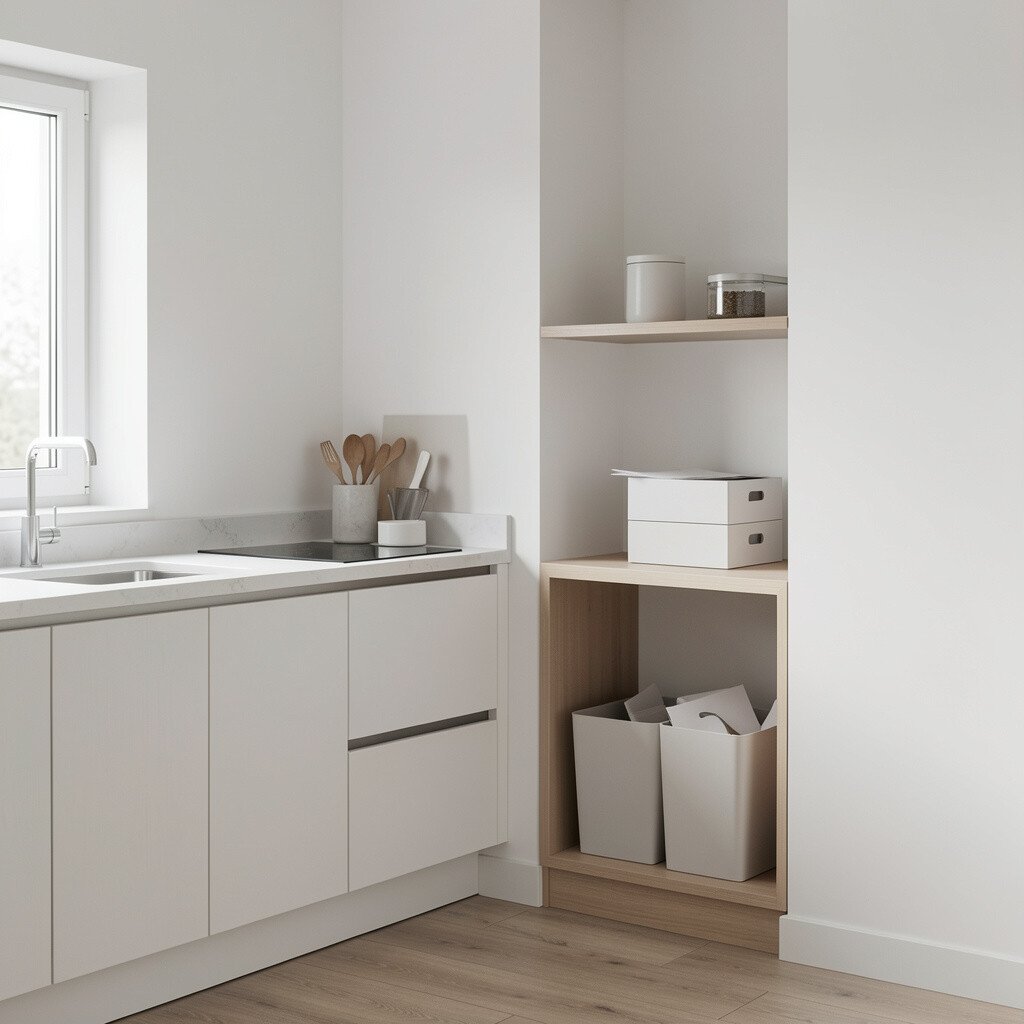
Even a tidy kitchen can feel cluttered if receipts, menus, and random papers show up on counters. Set up a small storage corner where papers stay contained.
A slim file box, a drawer organizer, or a wall pocket with a clean design works better than leaving stacks out. Keep your system small so it stays easy to maintain.
Personalize by choosing a storage color that matches your palette, so it looks calm instead of like extra clutter. For cost, check thrift stores or discount home goods for simple holders that match your style.
When the corner is always ready, you will quickly clean up in minutes without feeling overwhelmed.
14. Keep the Sink Area Bare With a Consistent Setup
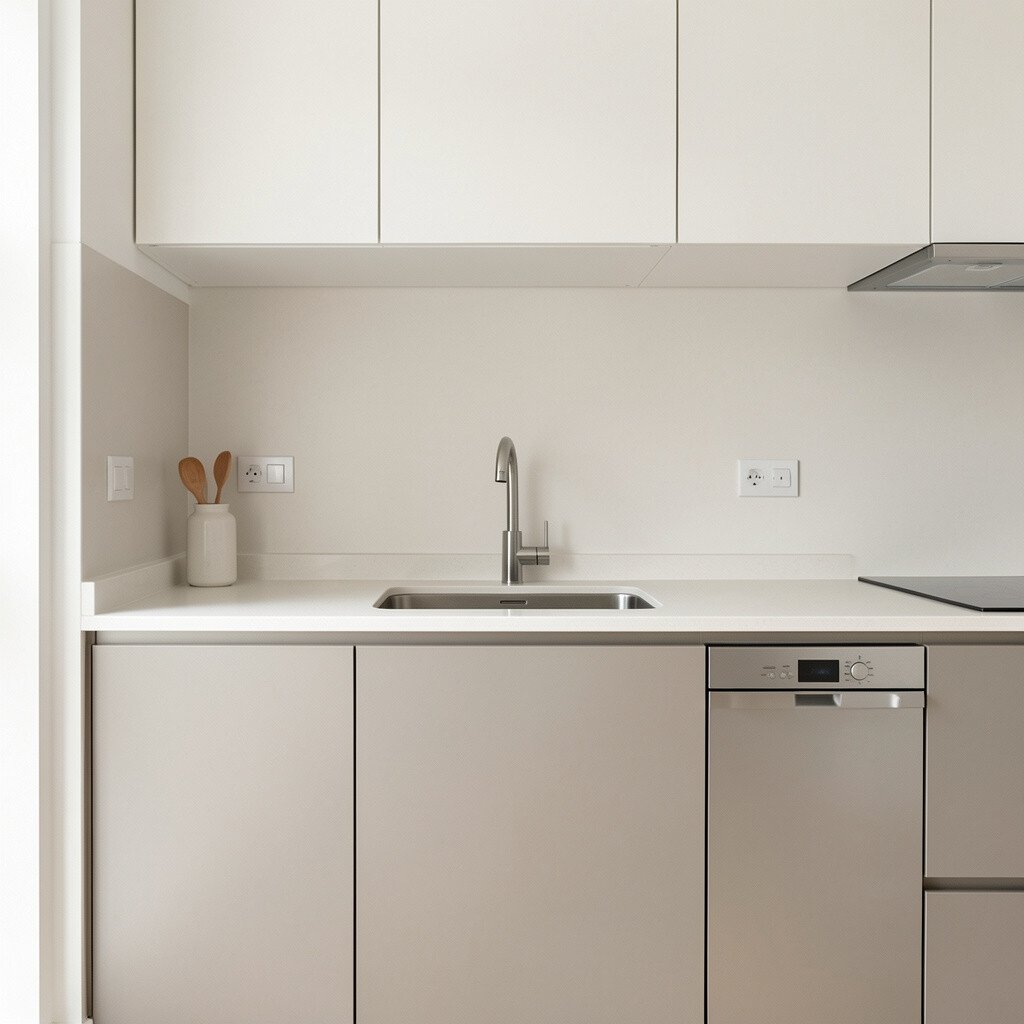
The sink is where mess becomes most visible, so make it your calm zone. Use a compact soap dispenser and store the scrub brush in a holder that stays near, but not on, the counter.
Choose a drying rack that fits the space and stays aligned with the edge of the sink. This prevents water puddles and keeps the surrounding area looking tidy.
15. Add a Single Statement Plant in a Simple Pot
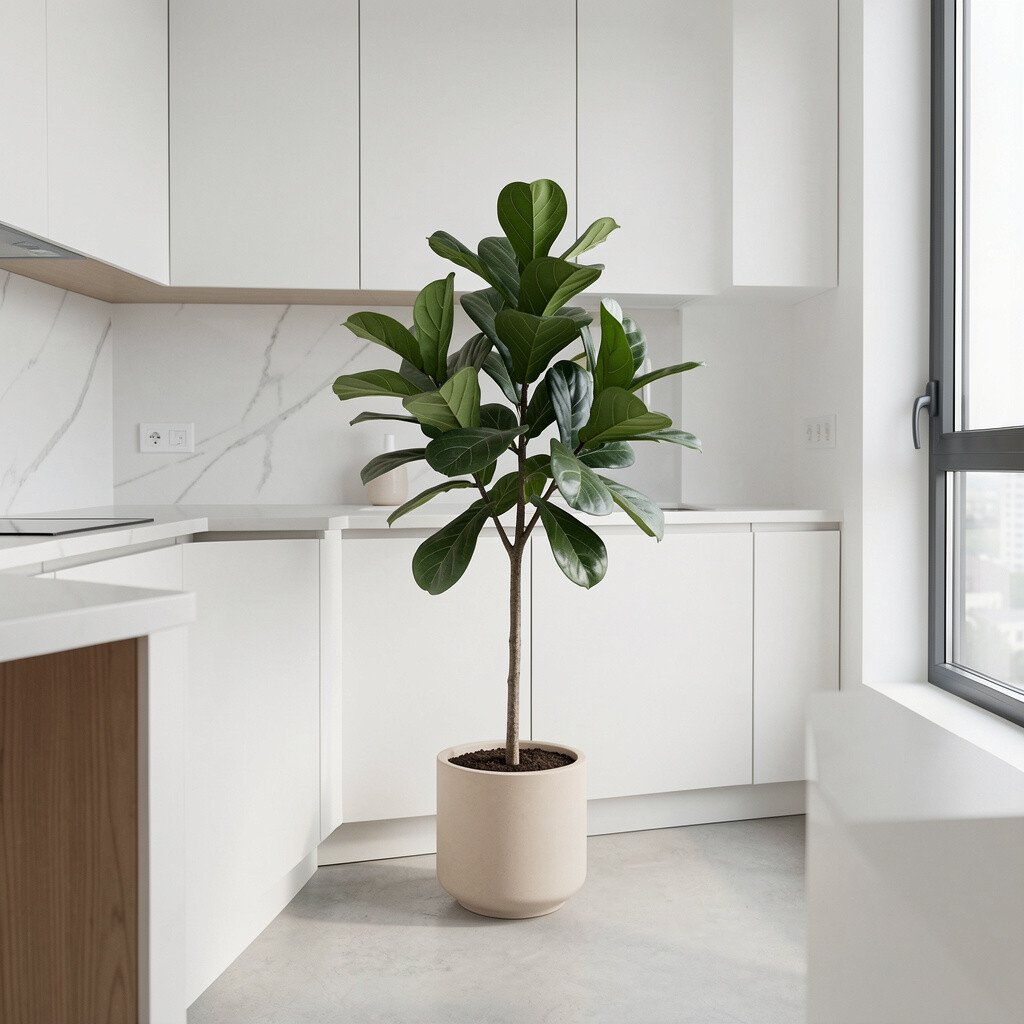
Plants soften a minimalist kitchen without adding clutter. One small plant can bring life to a shelf or window without turning the room into a jungle of objects.
Pick a pot that matches your color scheme, like ceramic white, stone gray, or matte black. For personalization, choose a plant that fits your light, such as a hardy pothos for low to medium light.
This is also a budget-friendly trend because many people now lean toward greenery over decorative clutter. Keep the plant in one spot and avoid adding extra small decor around it.
16. Use Drawer Dividers for Utensils Instead of Counter Trays

Counter trays can look neat at first, then grow crowded as you add new items. Dividers inside drawers keep utensils organized and hidden, which supports a clean visual look.
You will also find tools faster, since each type has its own space. Choose dividers that fit your drawer width, and adjust them when you change what you cook with most.
17. Select Built-In-Style Storage With Baskets for Variety
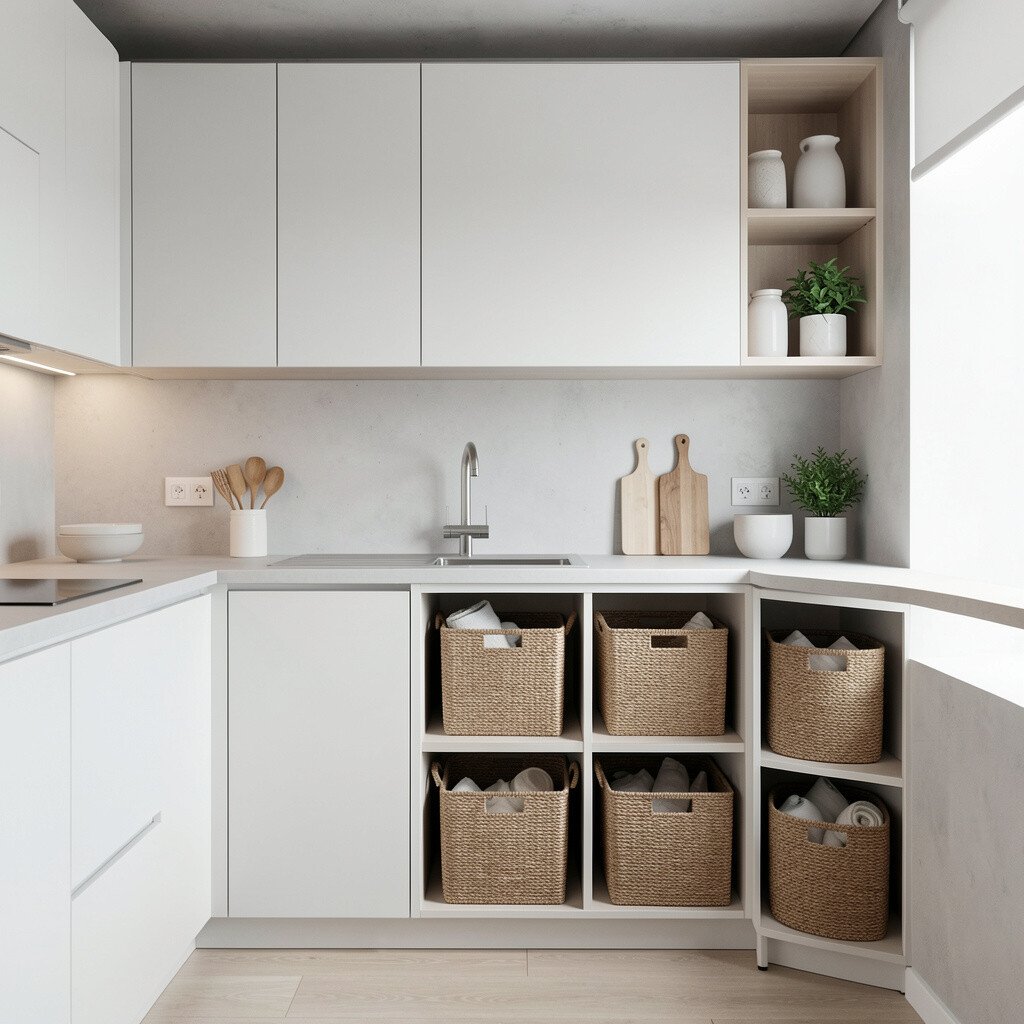
Minimal does not mean everything must be uniform in every shape. Using baskets inside cabinets lets you keep a tidy view while still separating items like wraps, baking sheets, and small snacks.
For a clean look, pick baskets with the same tone and weave style, or choose sleek fabric bins with simple edges. This makes the inside of your storage look coordinated when cabinets open.
Personalize by adding a basket for a specific routine, like a coffee basket near the machine. For cost control, buy a couple of quality baskets that you can expand later as your kitchen needs change.
18. Style a Minimal Dishware Display With Clear Rules
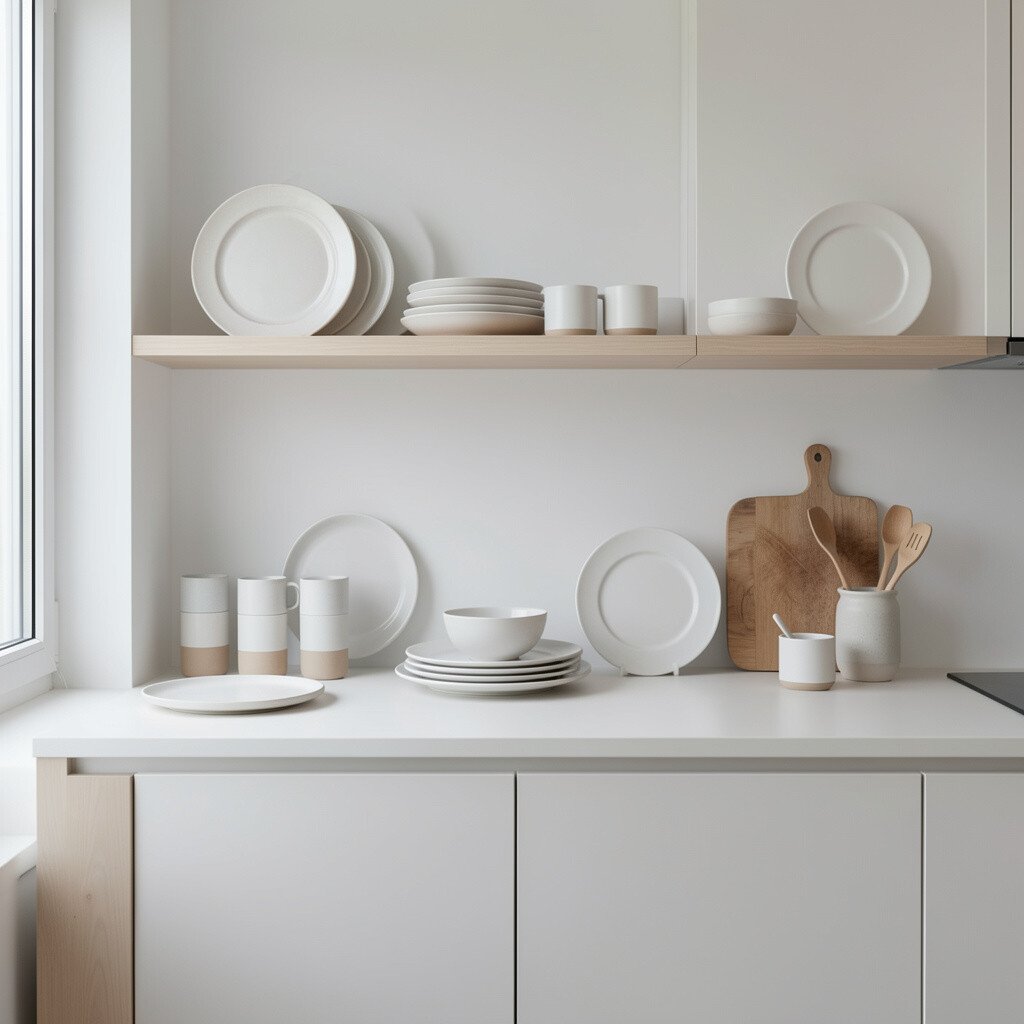
If you love showing dishes, keep the display simple and consistent. Choose a limited set of cups and plates in matching colors or one cohesive pattern.
Limit the number of pieces so shelves do not feel crowded. A current approach is to mix practical everyday ware with a few nicer pieces, but still keep the overall look calm and balanced.
For personalization, rotate seasonal items like mugs during holidays while keeping the display container style the same. If you are watching costs, start with what you already own and remove extra pieces from the display area.
19. Add a Magnetic Strip for Metal Tools and Keys
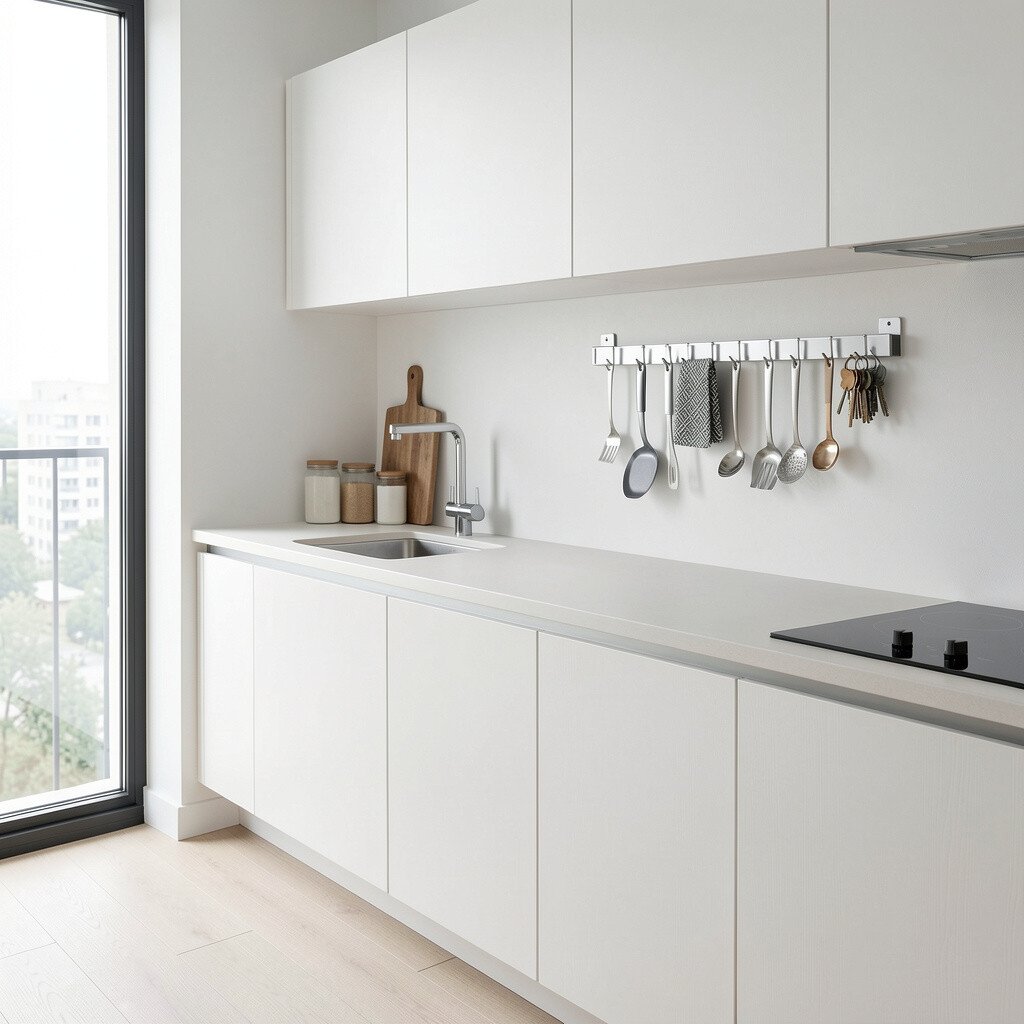
A magnetic strip keeps metal tools visible and off the counter. It is a minimalist choice that also saves time when you need a quick grab, especially for knives, scissors, or measuring tools.
Mount it securely and place only the tools you use often, so the wall does not turn into a random collection. This approach also helps your kitchen look cleaner because you are not dealing with messy drawers or cluttered utensil cups.
20. Go for One-Shelf Organization and Small Daily Reset
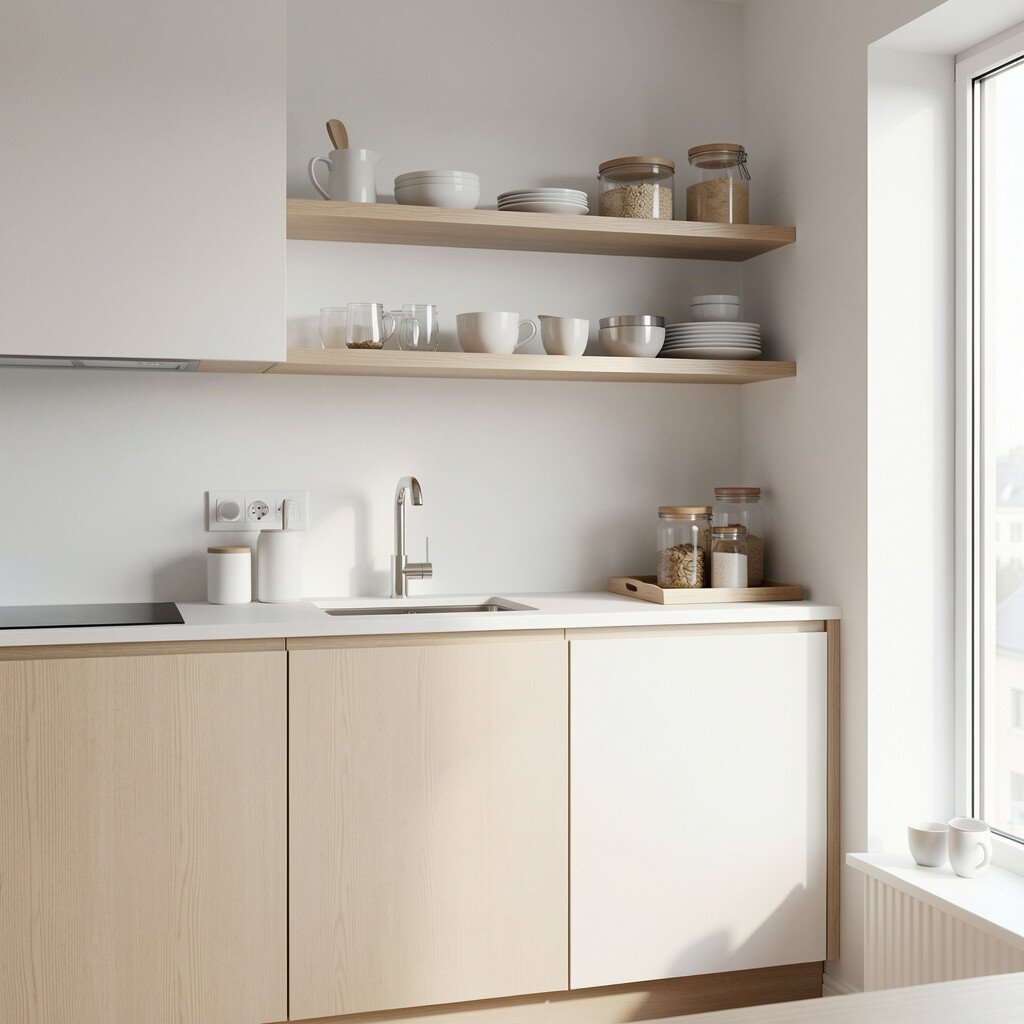
Minimal kitchens stay clean when you repeat a simple daily reset. Pick one shelf or one drawer area as your “reset zone,” then return items there right after use.
Visually, it means counters stay clear because you always know where things go. Keep a small bin nearby for items that need to be moved to storage, so clutter does not spread across the room.
To personalize, choose a reset routine that matches your schedule, like doing it while water heats or after washing dishes. This kind of habit costs nothing, yet it makes the space look intentional every day.
If you want a trend-friendly touch, consider a small open shelf with uniform containers for a practical, modern look that never feels overwhelming.