A quiet home should feel like it breathes with you. The right airflow plan can make every room feel easier to live in.
From cozy corners to busy hallways, small upgrades add up fast.
1. Tune Return Vents Like a Music Player
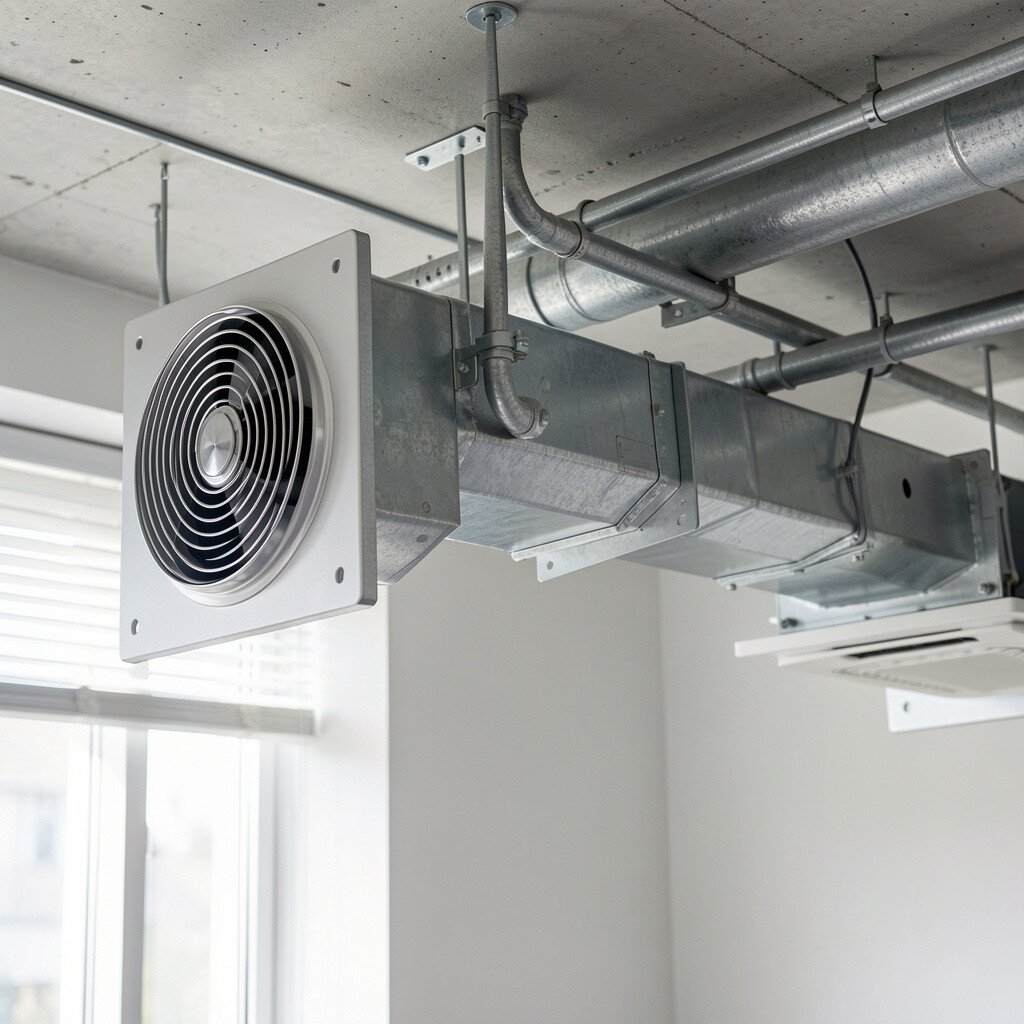
Start by looking at your return vents and noticing how the air seems to move when HVAC runs. If one room always feels stuffy, the return path might be weak or blocked.
Try adjusting dampers or changing vent grilles so they pull air more evenly across rooms. You can also keep furniture and rugs from covering returns. For a personal touch, choose grille colors that match your walls so the upgrade looks built-in.
2. Add a Simple Whole-Home Air Filter Upgrade
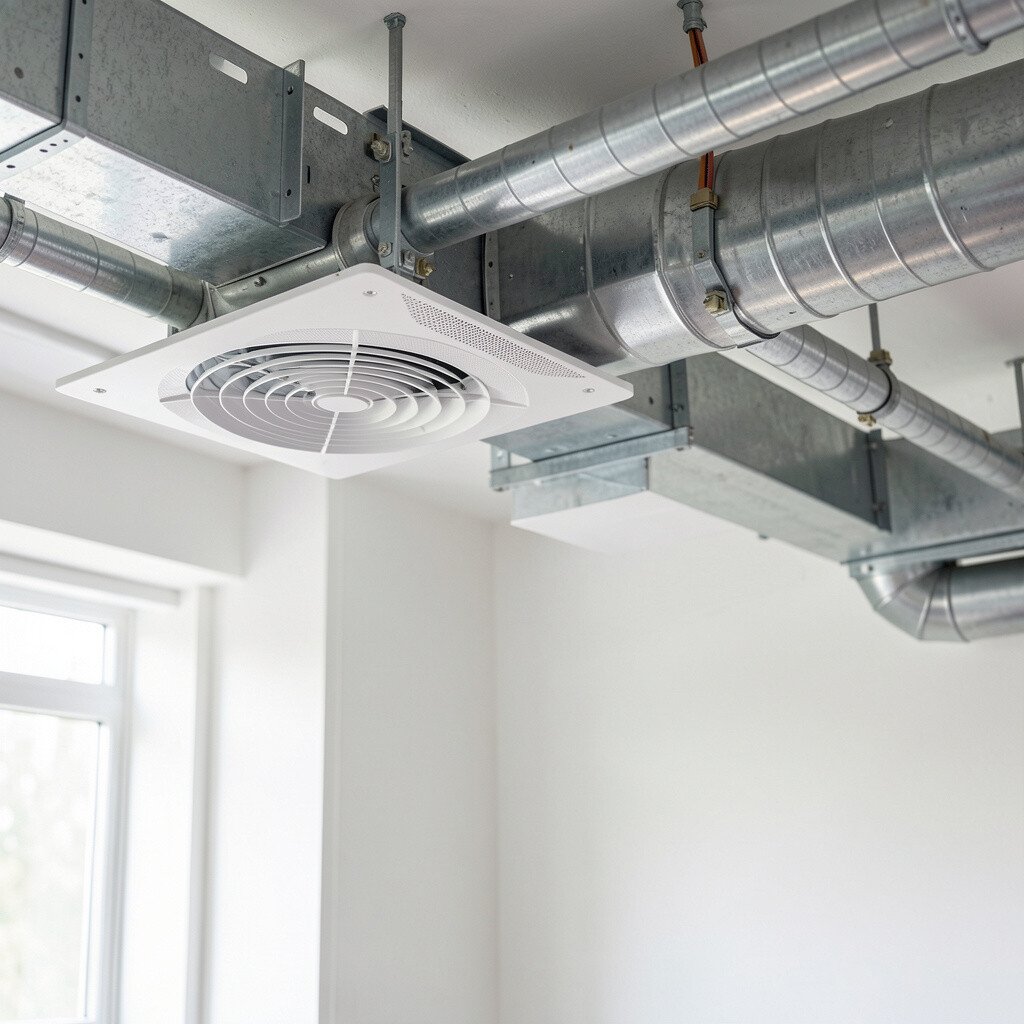
Switching to a better filter can make a noticeable difference in how clean the air feels. You may even spot less dust on shelves, window sills, and electronics.
Choose a filter that fits your system and check that the airflow rating is compatible. Newer filters often capture more fine particles, and that can help if you have allergies or pets. For current trends, many homeowners are choosing filters that balance filtration with system comfort, not just maximum thickness.
When you buy, plan for ongoing replacements every season. Many options are easy to swap with basic tools, which keeps maintenance realistic for everyday life.
3. Balance Supply and Return Paths in Every Room
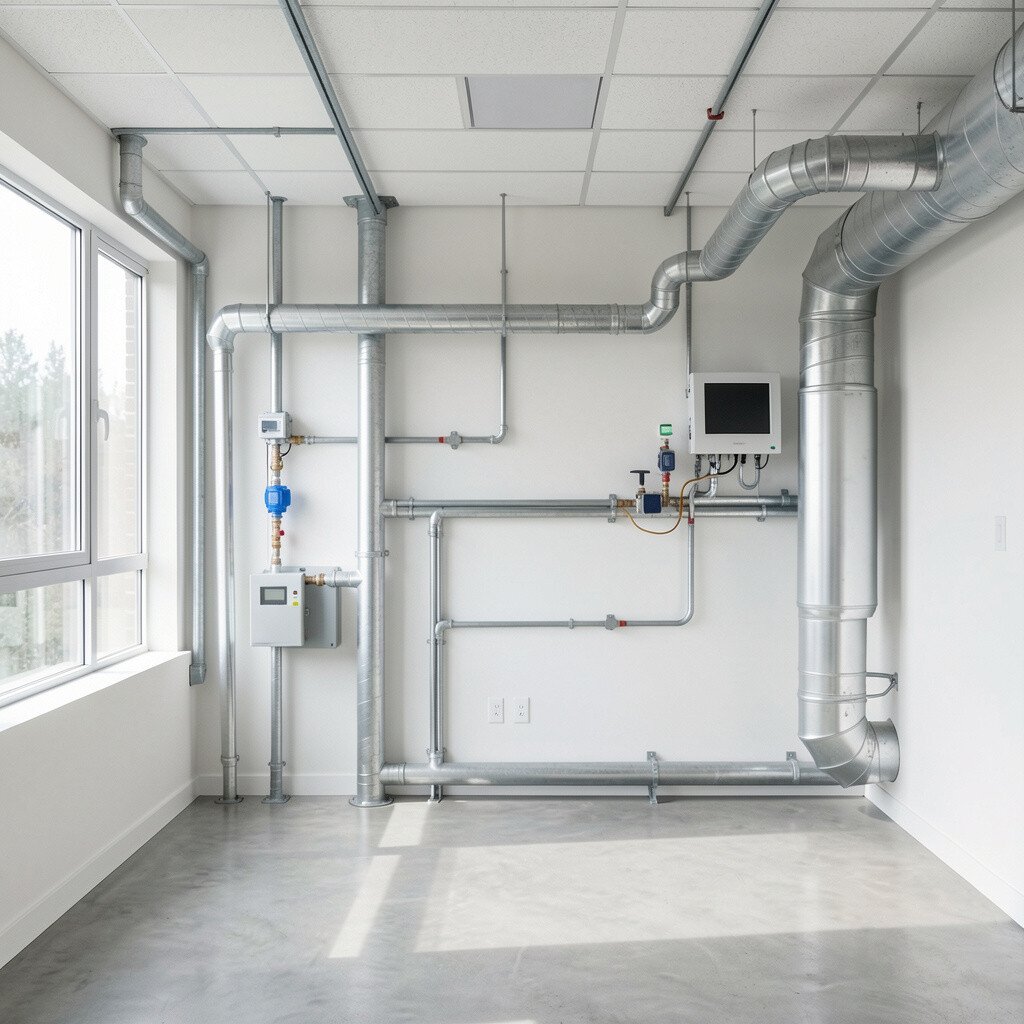
Walk from room to room while the system is running and watch which spaces feel quick to heat or cool. If some rooms lag behind, the supply air may be going somewhere else first.
Check whether each area has enough supply and return connections so air can move through, not just into. You can also use smart thermostats or room sensors to help guide runtime. If you want it to feel personal, set comfort zones where you actually spend time, like a reading nook or home office.
Budget wisely by starting with airflow checks before bigger installs. Many balance problems can be improved with duct adjustments, diffuser tweaks, or sealing leaks.
Visualize it like a set of road lanes, where air needs a clear route to circulate smoothly.
4. Seal Duct Leaks With Measured Confidence
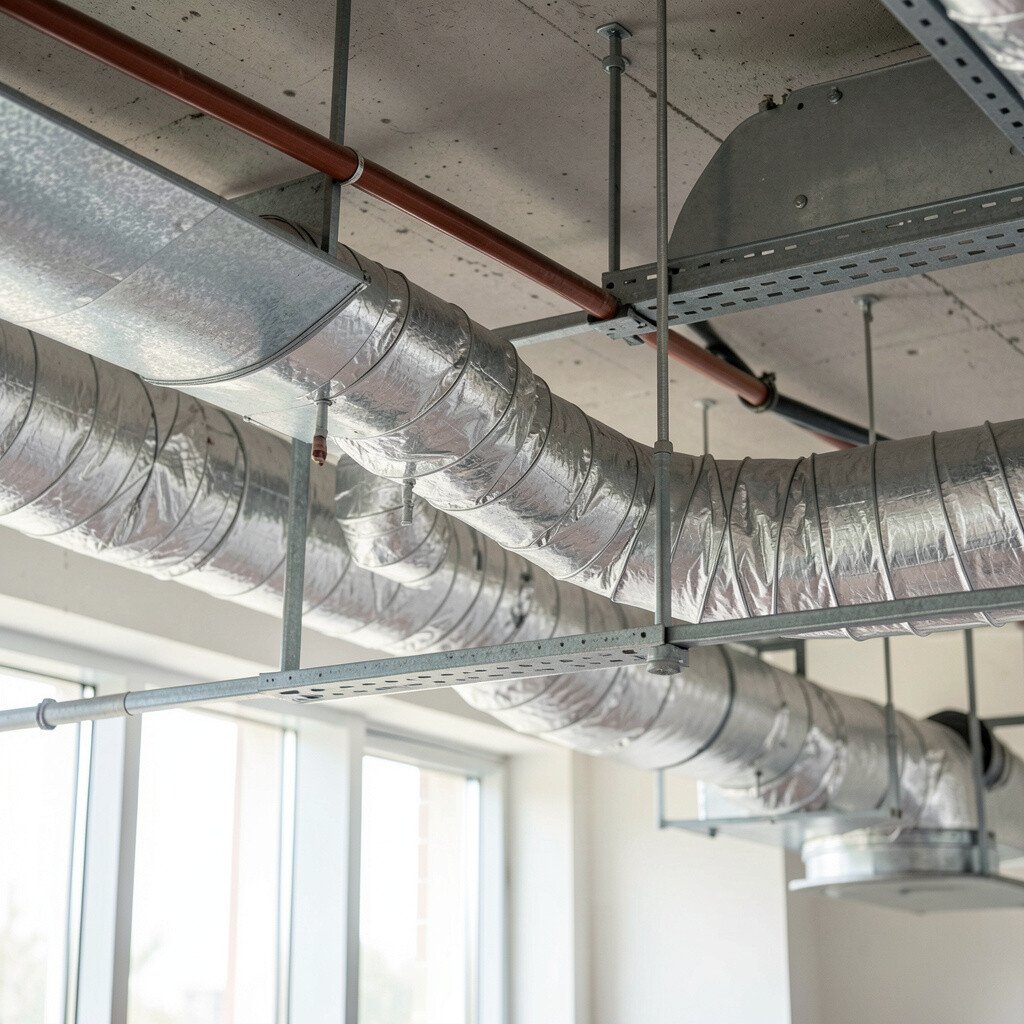
If you can hear whistling sounds or feel drafts near duct joints, leaks are likely. Those tiny gaps can waste heating and cooling, and the air can skip your living areas.
Seal connections carefully using products meant for HVAC ducts. After sealing, recheck airflow at vents so you don’t accidentally restrict too much. For cost, sealing is often less expensive than replacing equipment, and it can pay back through lower energy use.
5. Install Quiet In-Line Fans for Stubborn Spaces
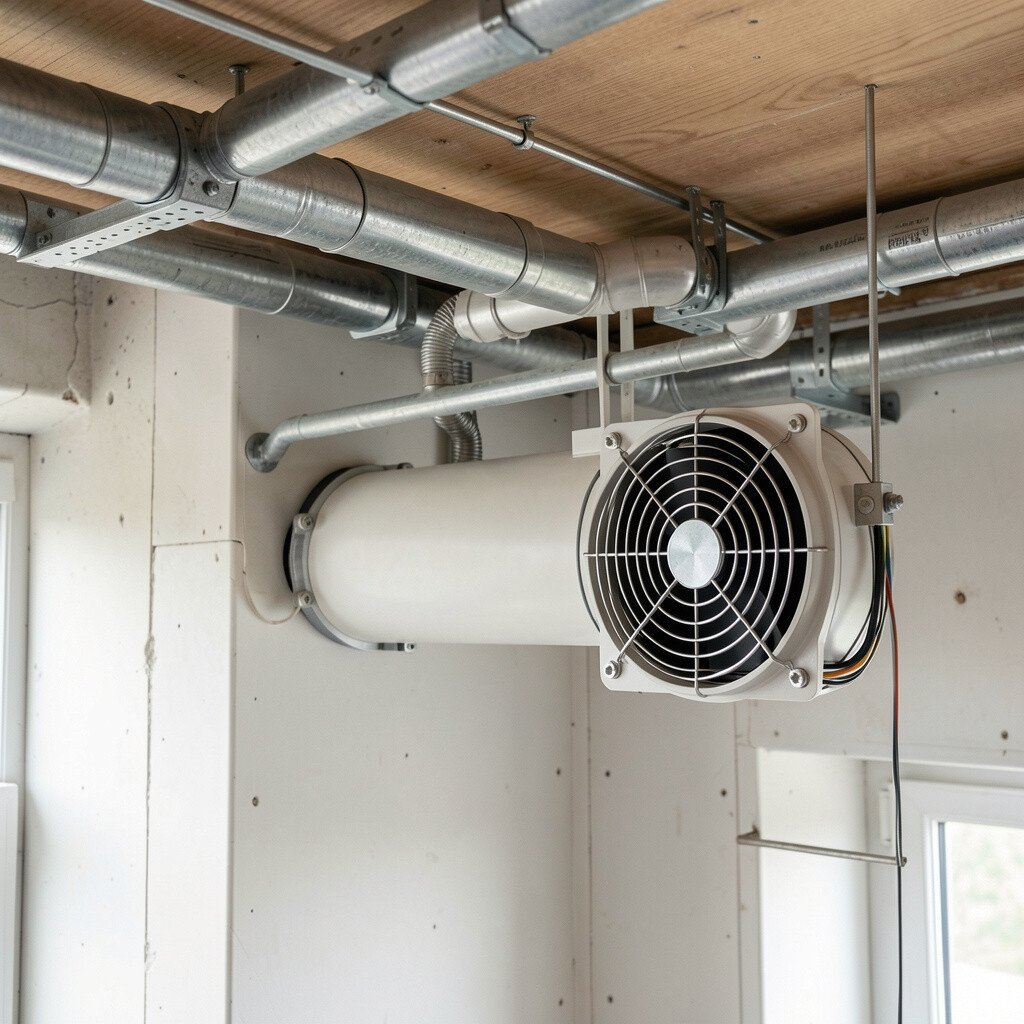
Sometimes bathrooms, closets, or utility rooms stay damp or stale even when the main system runs. Adding a small, quiet fan can help move moisture and odors out faster.
Place an in-line fan where ductwork already exists and match the fan size to the space. Pair it with a humidity sensor for automatic control, so it runs only when needed. This kind of setup fits modern “smart-by-default” habits without turning your home into a complicated gadget show.
For personalization, choose fan housings that fit the ceiling or utility area neatly, and pick a sound rating that won’t annoy you at night.
6. Use Ceiling Fan Direction That Matches the Season
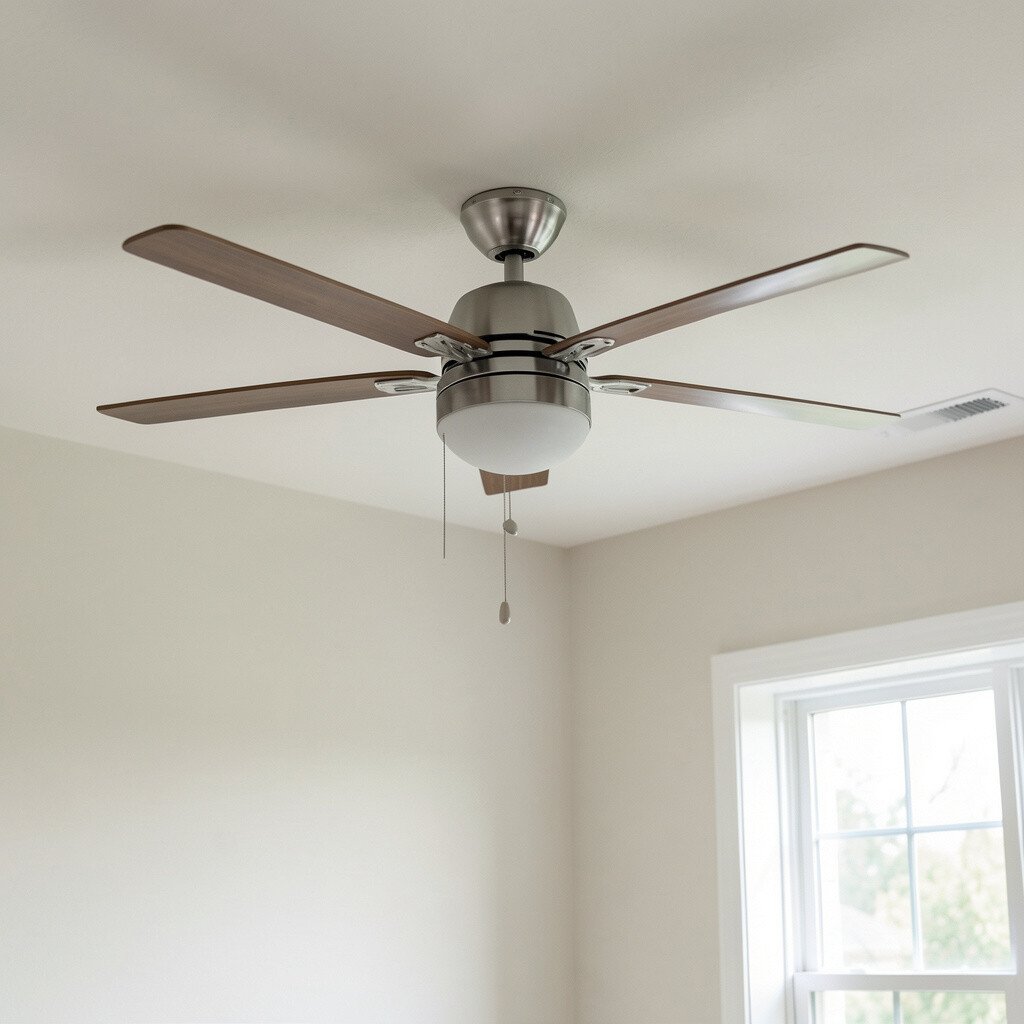
Ceiling fans can help airflow feel more comfortable without always raising or lowering the thermostat. In warm months, the fan direction should push air downward for a cooling breeze.
In cooler months, reverse the direction so air moves upward and helps circulate warmer air near the ceiling. You can set the fan speed to match your comfort and avoid blasting it at high power. This trend of using fans as part of a broader airflow strategy is growing because it reduces strain on HVAC.
Consider upgrading older fans with newer motors that run efficiently. The cost varies, but even a midrange model can feel like a meaningful upgrade.
7. Create Better Airflow With Smart Register Placement
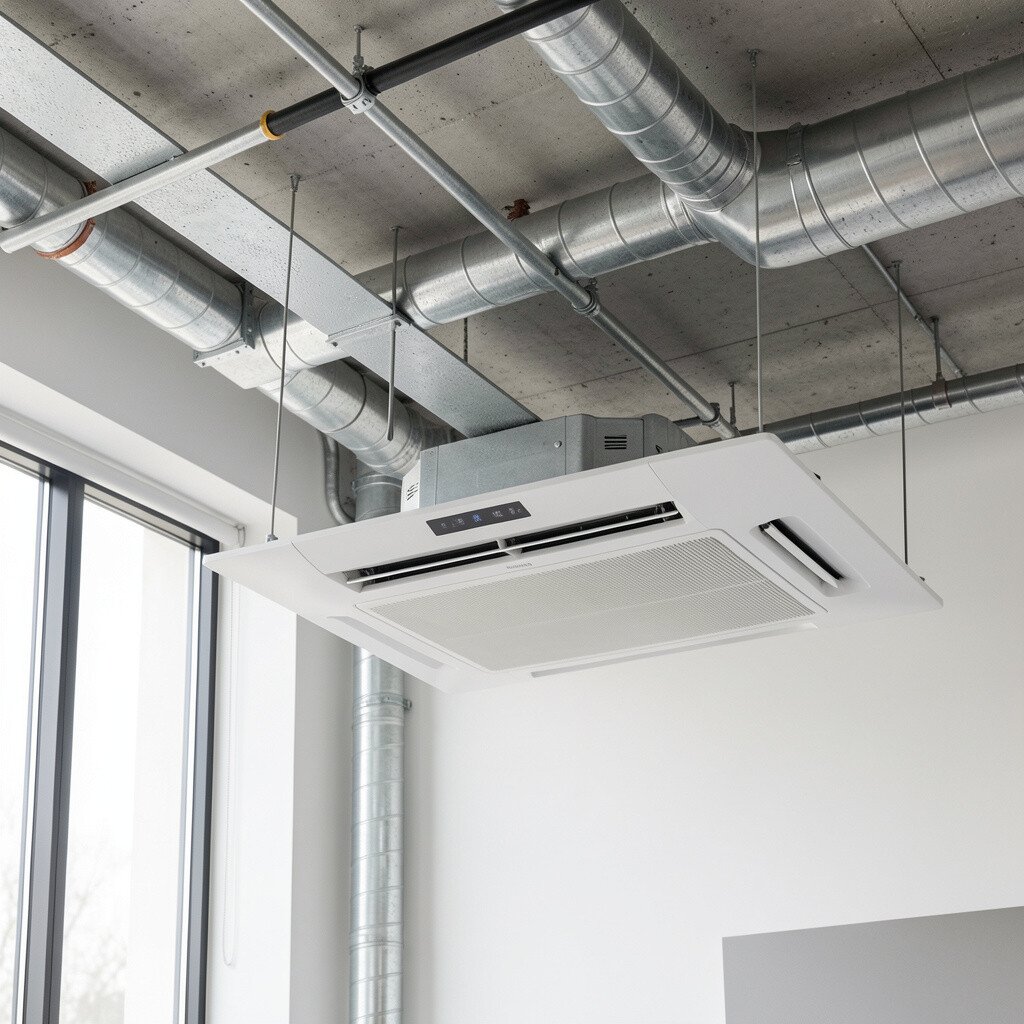
Register placement affects how quickly a room feels even and comfortable. If vents blow right at seating, you may feel drafts, while corners remain untouched.
Try redirecting airflow away from direct lines of sight and toward open walking areas. Window trim and furniture layouts matter, so adjust diffuser angles before you buy new parts. For a personal touch, match vent grilles to your room style so the system blends in.
Before doing anything major, measure the distance from vent to major seating spots. A small change in direction can be cheaper than redesigning duct runs.
This kind of tweaking feels small, yet it can make daily life noticeably smoother.
8. Balance Humidity With Targeted Ventilation
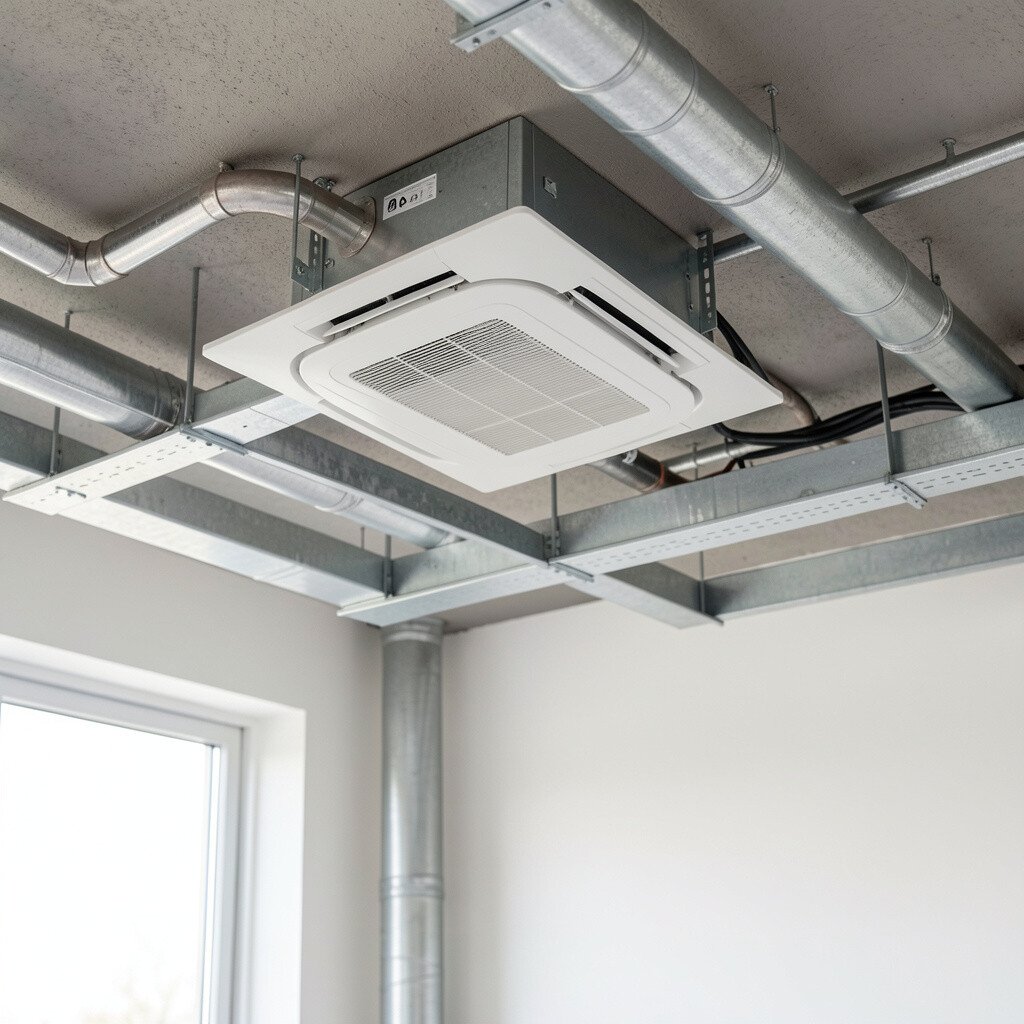
Airflow isn’t only about temperature; it is also about moisture. When humidity stays high, walls can feel clammy and indoor air can seem heavier.
Use bathroom and kitchen exhaust correctly, running fans long enough to remove steam. If your home feels damp, consider a dedicated ventilation approach that brings in fresh air without over-drying everything. Some current systems use sensors and controls to keep indoor humidity steadier across seasons.
Plan for energy use by setting ventilation schedules that align with when you cook, shower, and sleep. This helps keep costs reasonable while still making your home feel more breathable.
9. Add Airflow-To-Closet Returns or Transfer Paths
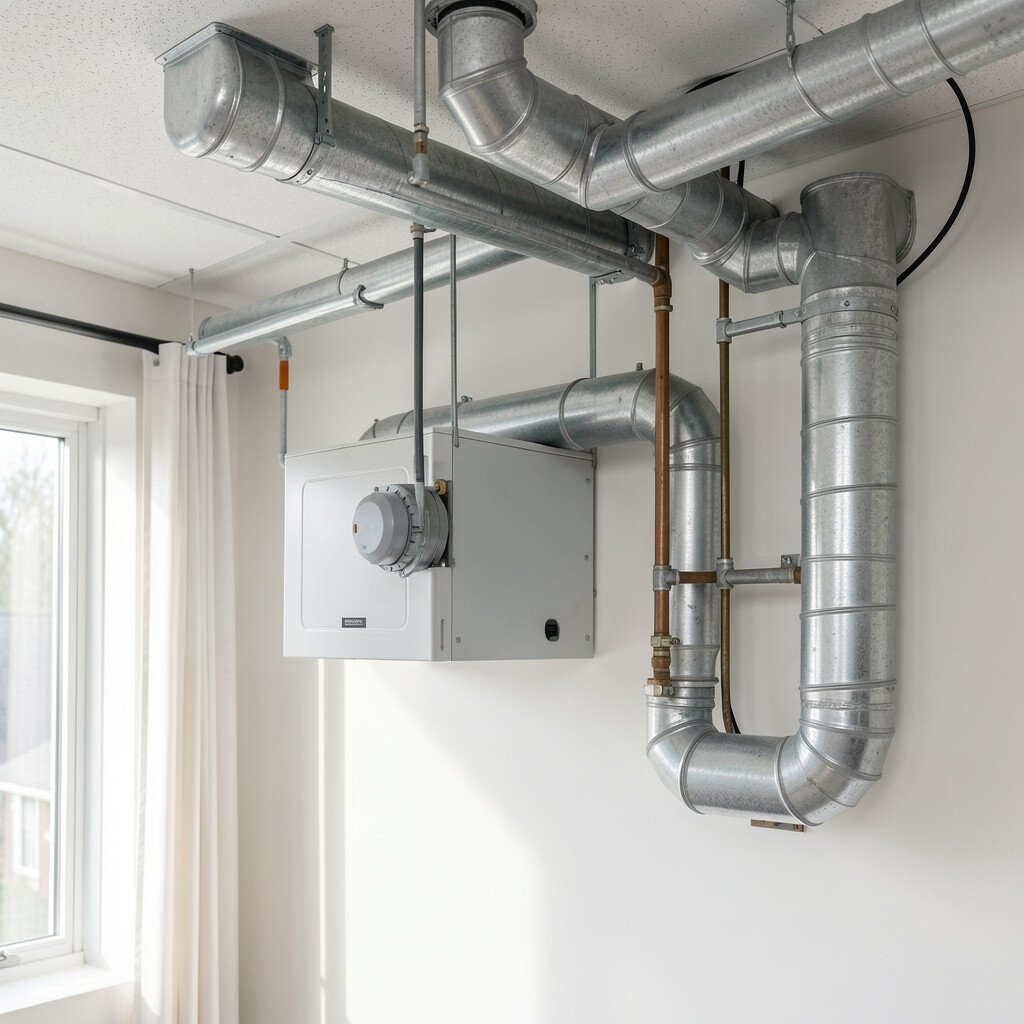
Closed doors can trap odors and make rooms feel isolated. Closets that never get fresh air can end up smelling stale, even with good cleaning.
Create transfer pathways so air can move between rooms without forcing it through doors. You can use undercut door gaps, transfer grilles, or ducts that connect to return air in the hallway. Choose materials that match your trim and keep the airflow path hidden in plain sight.
Think about personalization by placing the transfer where it won’t show, like behind a door panel or near baseboards. This is a unique fix because it targets the “invisible” airflow problem most people ignore.
It can also reduce the need for extra fans in every small space.
10. Run HVAC at Smarter Times for Fewer Swings
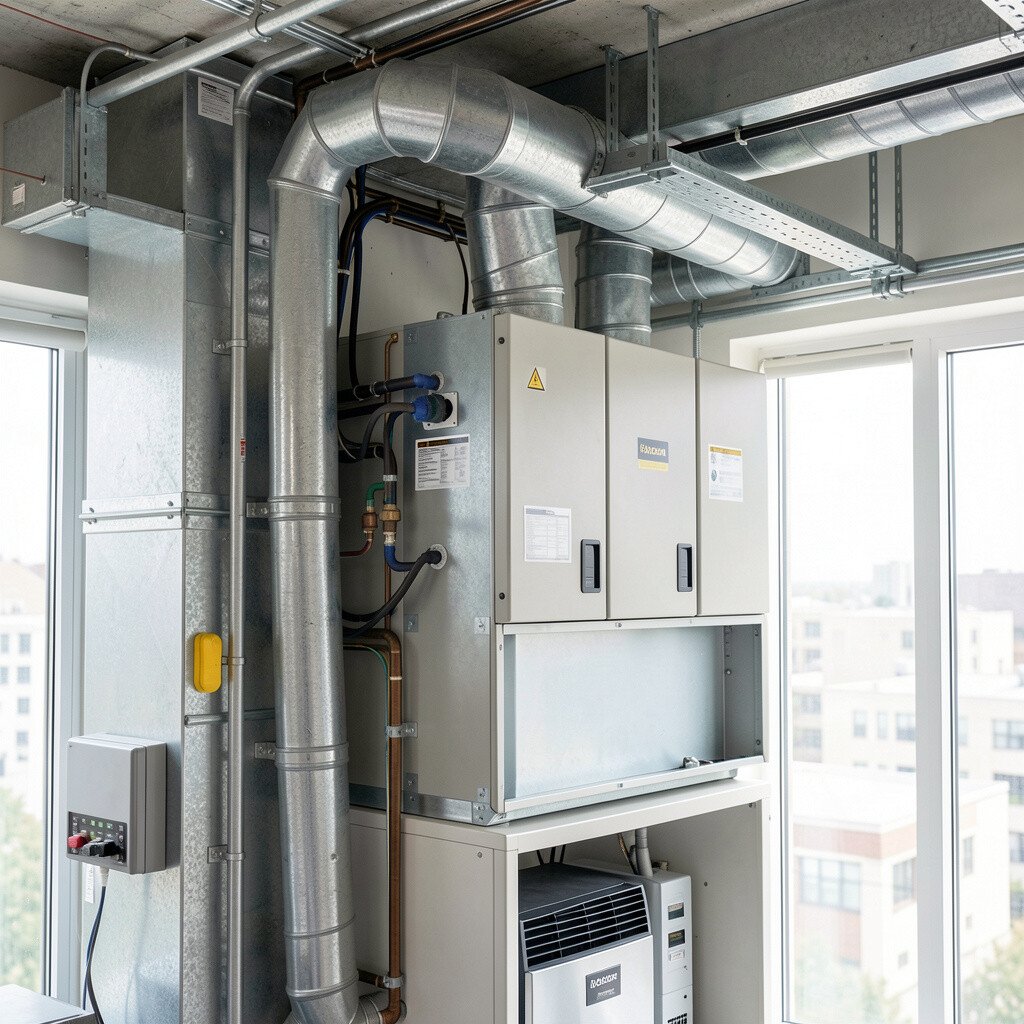
Big temperature swings often happen when HVAC runs inefficiently or at random times. When airflow responds slowly, rooms can overshoot and feel uncomfortable.
Use scheduling based on your routine so the system has enough time to steady the air before you arrive home. A smart thermostat with adaptive scheduling can help reduce those on-and-off cycles. For practical tips, watch how long each room takes to reach comfort and adjust the schedule gradually.
11. Consider Zoned Heating and Cooling for Real Rooms
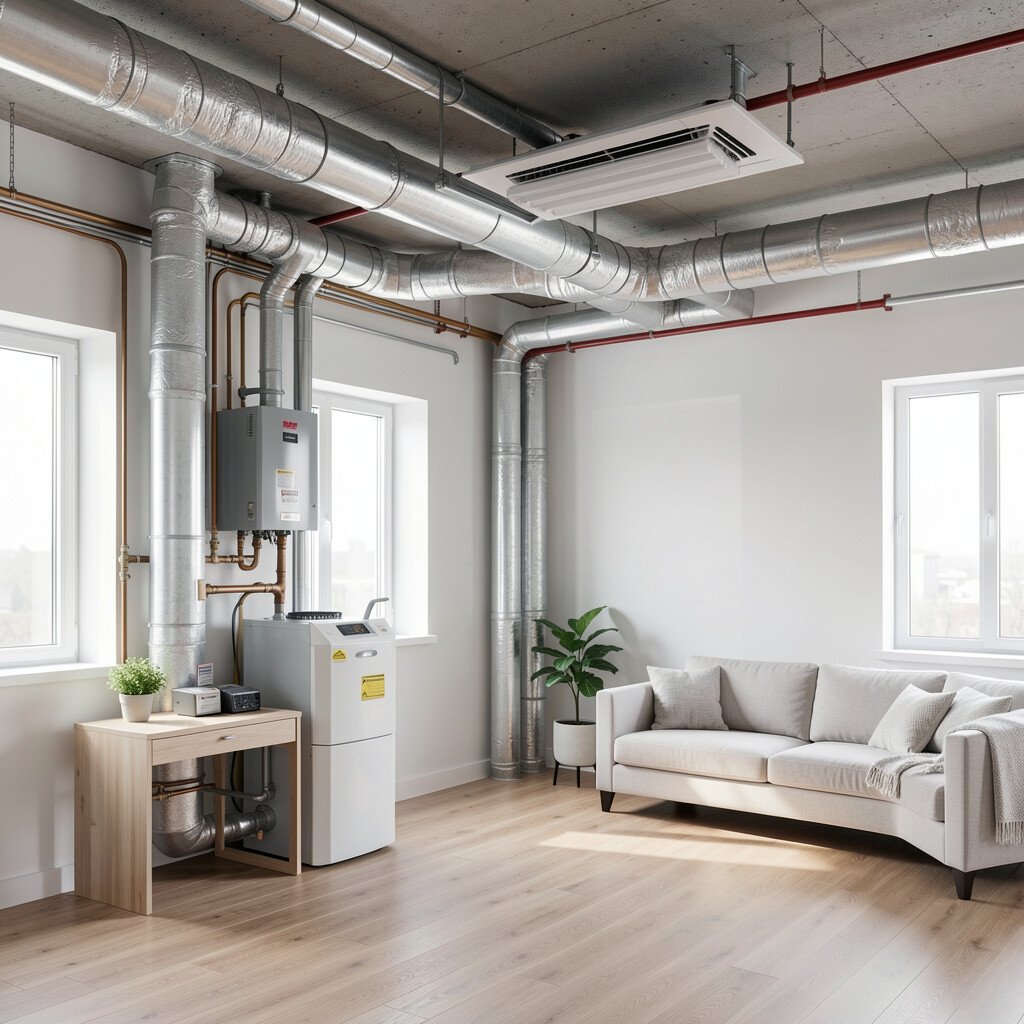
Zoning helps you control comfort where people actually live and work. If your upstairs feels too hot while the downstairs feels fine, zoning can even things out.
Try room dampers or multi-zone setups paired with smart controls. Many homeowners are moving toward more flexible comfort because it feels kinder to both comfort and energy use. For personalization, set quiet zones for bedrooms and brighter airflow for living rooms.
Cost can be higher when installing new dampers and controls, but you can start by zoning the most imbalanced area first. Even one improved zone can make the whole home feel more organized.
Visualize it as giving each room its own airflow “volume knob.”
12. Add a Dehumidifier With Proper Placement
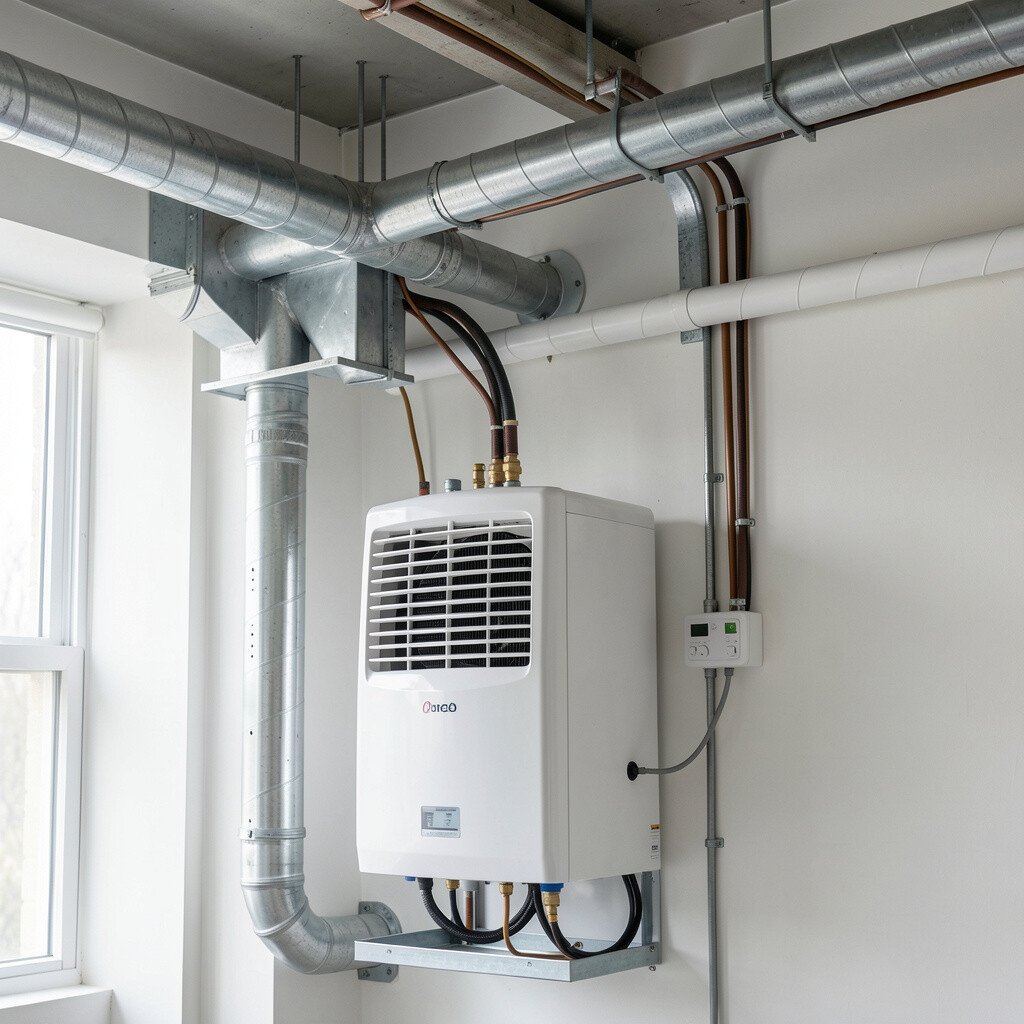
Dehumidifiers can improve comfort when moisture is the real culprit. If air feels cool but still sticky, you might need more moisture control than temperature control.
Place it where air can circulate around the unit and where moisture collects most, like near basements or laundry areas. For practical tips, keep the intake clear and route the drain line cleanly if it is required. Choosing a model that fits the typical humidity range of your area helps avoid wasted power.
Look for quiet operation so it doesn’t disturb sleep. Cost varies by capacity, so pick a size that matches your space rather than buying the biggest option.
13. Improve Airflow With Floor-Level Returns in Basements
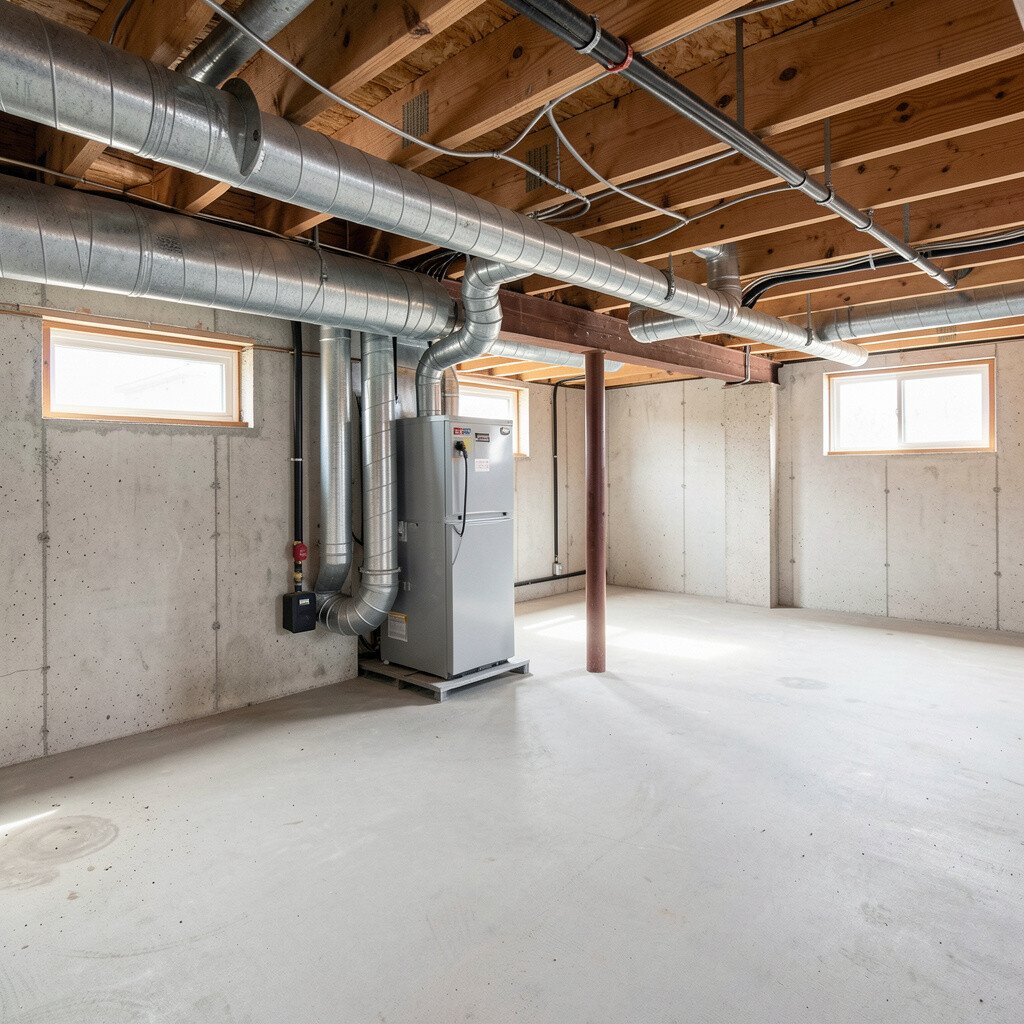
Basements often feel uneven because air gets trapped around concrete and low ceilings. If you’ve ever noticed warm air pooling near vents, the system might be missing an easy return path.
Floor-level returns can help pull air upward and mix it with warmer or cooler air. This supports a more even temperature and can reduce musty feelings. For uniqueness, you can coordinate the return location with a finished area so it looks intentional.
When planning, consider how the return grille will sit next to furniture or rugs. Budget for modifications if your ductwork needs adjustments, and start with an assessment before committing.
14. Use HVAC Vibration Pads for a Smoother Feel
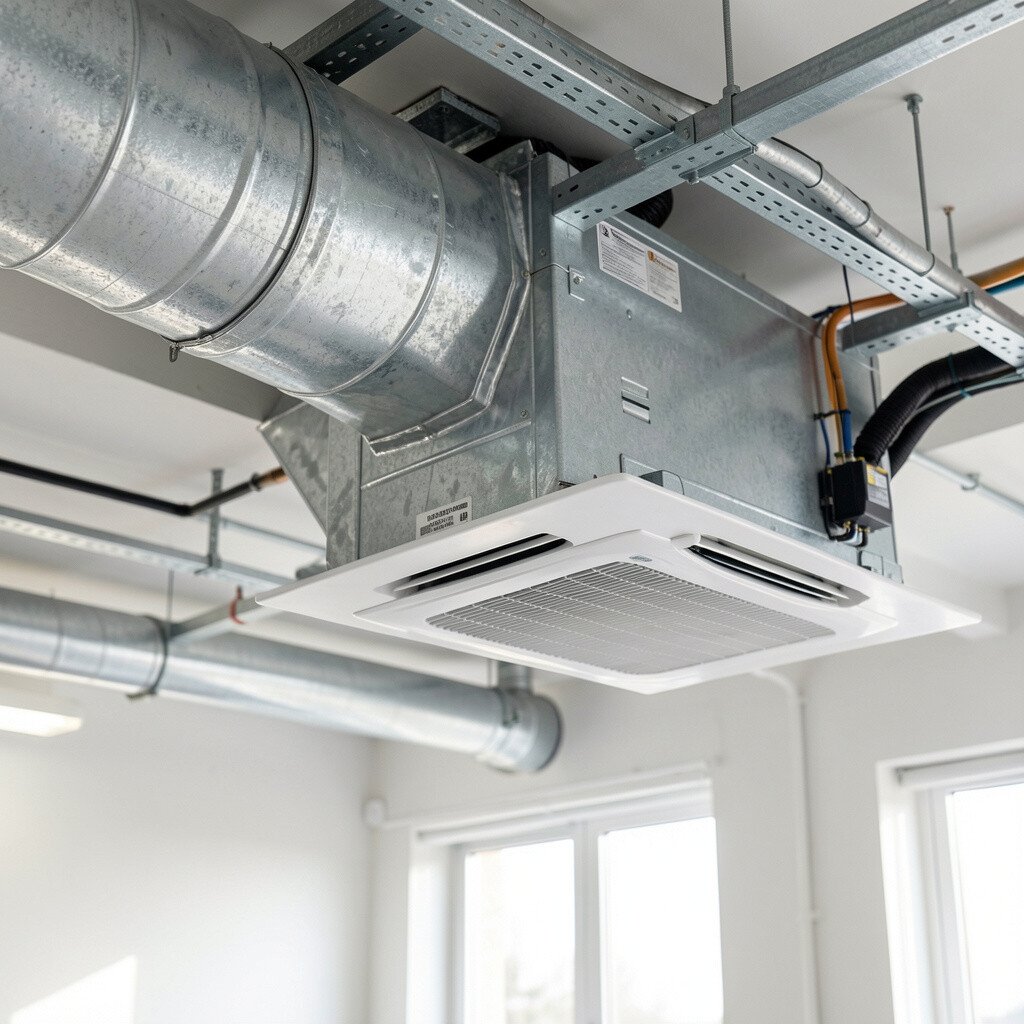
Sometimes airflow systems feel noisy because the air handler or ducts vibrate. Those vibrations can create buzzing sounds that make the home feel less calm.
Add vibration control pads under the unit and secure loose ducts so noise drops. It also helps systems last longer because components face less stress. If you have kids or work-from-home needs, this small fix can feel like a big daily improvement.
Costs are usually modest compared to equipment upgrades, and installation can be manageable with careful work. Choose pads designed for HVAC use so the weight and airflow setup are supported properly.
15. Install Airflow-Enhancing Filters for Smart Vents
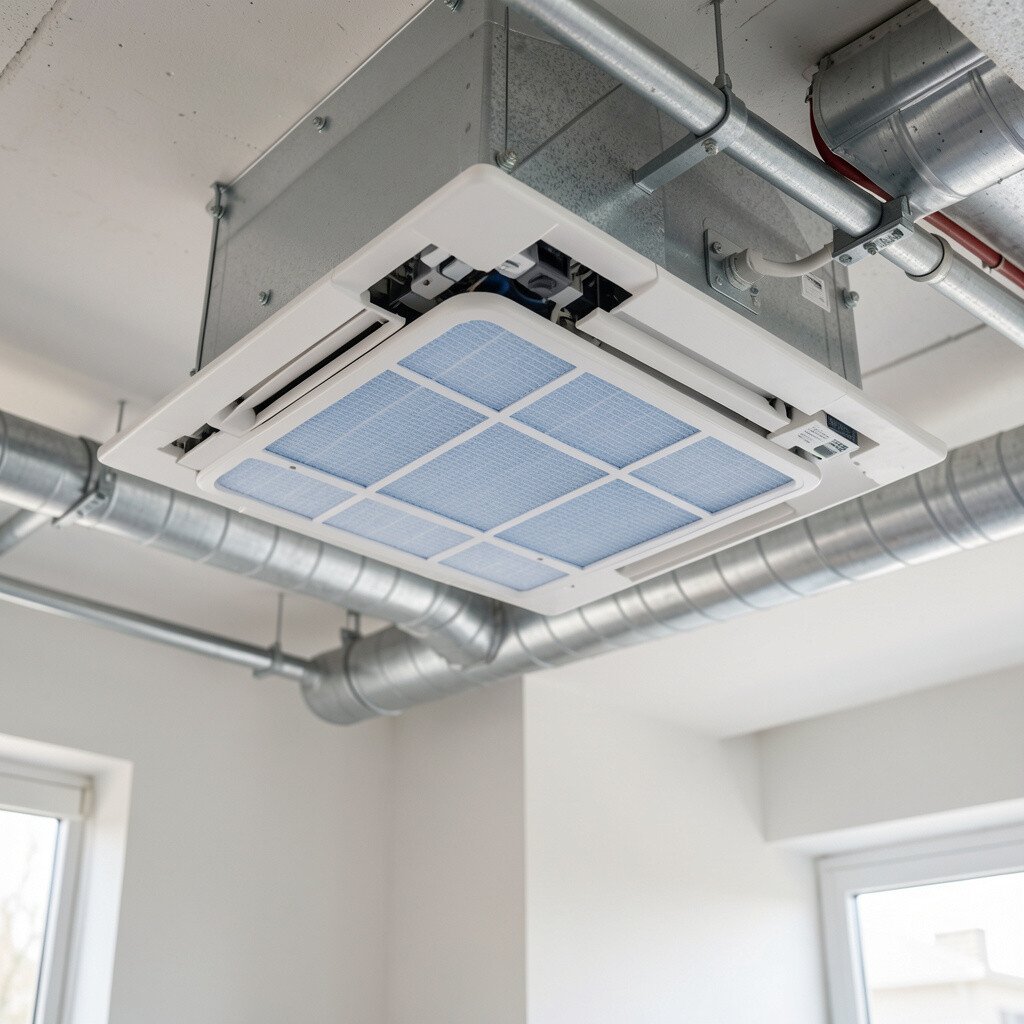
Some vent systems now include controllable dampers and smart airflow logic. When those dampers open and close, clean air paths matter even more.
Use filter accessories that fit your vent or system design so dust doesn’t clog components. Keeping airflow smooth helps your controls respond correctly, which supports more consistent comfort. For personalization, you can set room preferences that align with how you live, like stronger airflow in the kitchen when you cook.
Cost depends on the system you choose, so price smart features alongside standard options. Many homeowners find that cleaner airflow reduces future maintenance, which can help justify the expense.
This upgrade feels modern because it turns basic airflow into responsive home comfort.
16. Create Clear Air Passages With Thoughtful Furniture Layout

Even great vents can fail if furniture blocks airflow. Sofas, heavy bookcases, and tall cabinets can trap air behind them.
Arrange furniture so there is a small gap around vents and airflow paths. If a setup has to stay tight, use angled placement or reposition vents if possible. For practical tips, try moving one large object and observe how quickly the room feels more even.
Personalization can be fun here because you can improve your room style and airflow at the same time. Consider slim side tables and open shelving to keep air movement smooth.
17. Add a Fresh-Air Intake for Healthier Indoor Breathing
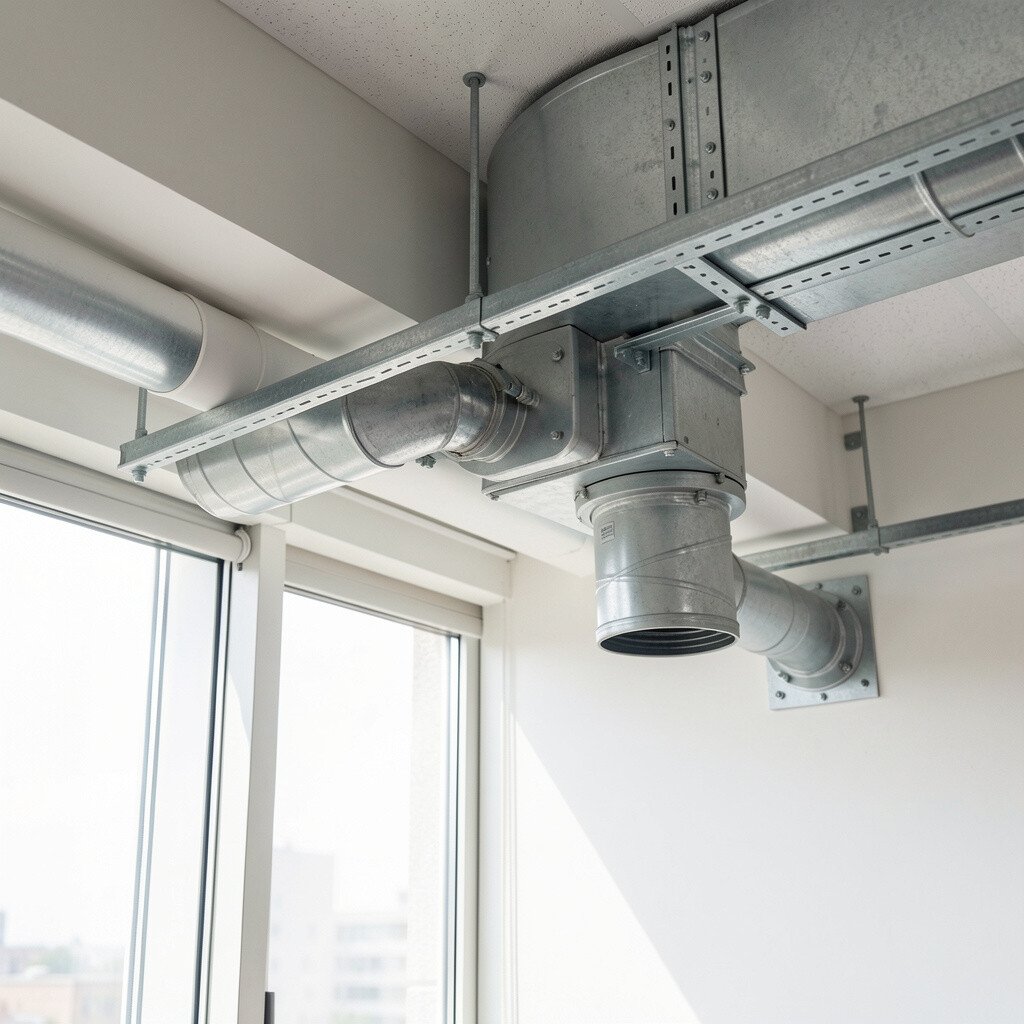
Many homes feel stuffy because fresh air doesn’t enter often enough. A controlled fresh-air intake can bring in cleaner outdoor air without relying only on windows.
Pair intake systems with filtration so pollen and dust are reduced. Modern trends often focus on balanced ventilation that keeps comfort stable while still supporting better air quality. You can set the intake to run more during certain hours when outdoor air quality is better.
Cost can vary depending on whether you add ducting or use a simpler system. Start by checking local air quality patterns so you can use fresh air when it helps most.
18. Set Up Return Vent Clearances Like a Quiet Safety Rule
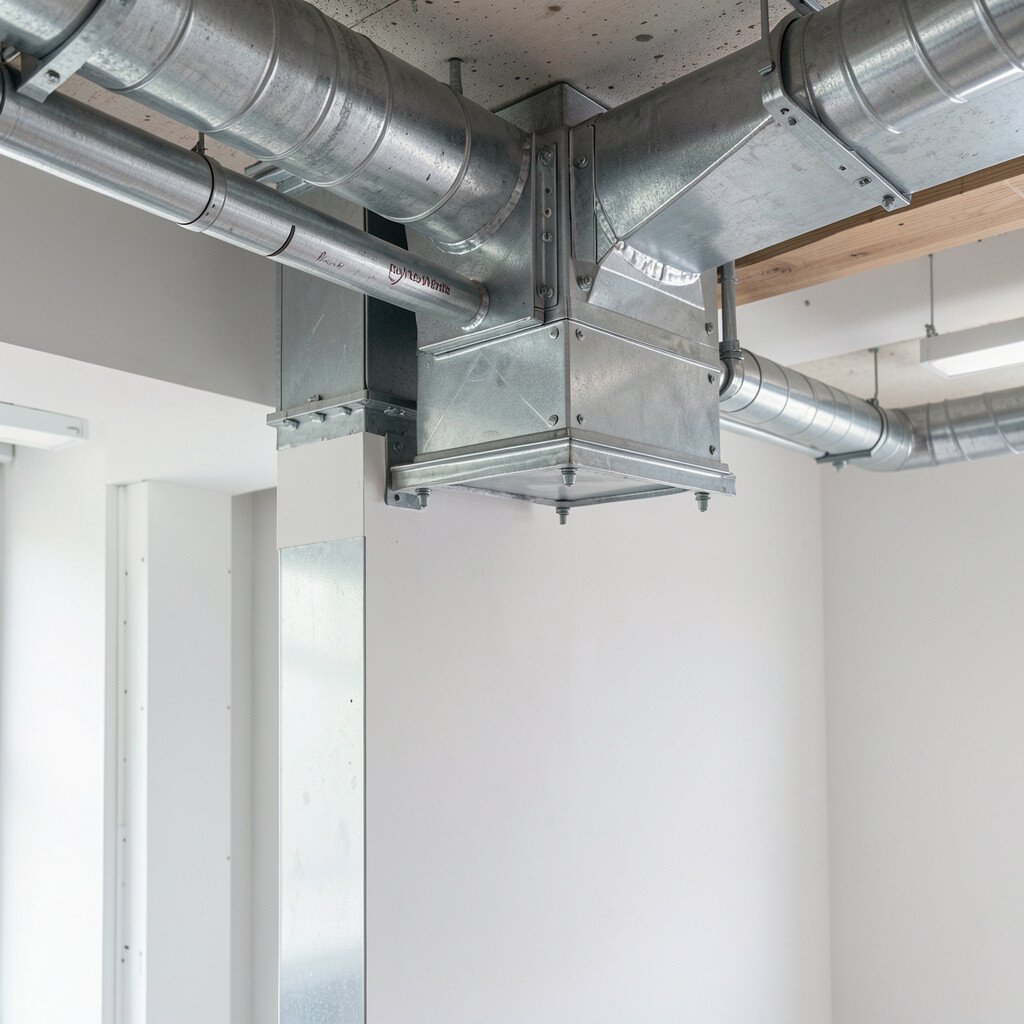
Return vents need space so air can flow back without resistance. If a vent is hidden behind a rug or crowded by a cabinet, the system may struggle.
Keep returns clear by leaving enough open space around the grille. You can also choose grilles with designs that match your room while still allowing good airflow. This makes the upgrade feel neat and intentional instead of messy.
For personalization, align return grille style with the room’s trim so it looks like part of your design. Cost is usually low because you might only need a simple grille swap or minor cleanup.
It’s a small adjustment that can protect comfort during peak summer or winter days.
19. Use Smart Sensors to Track Temperature and Airflow Feel
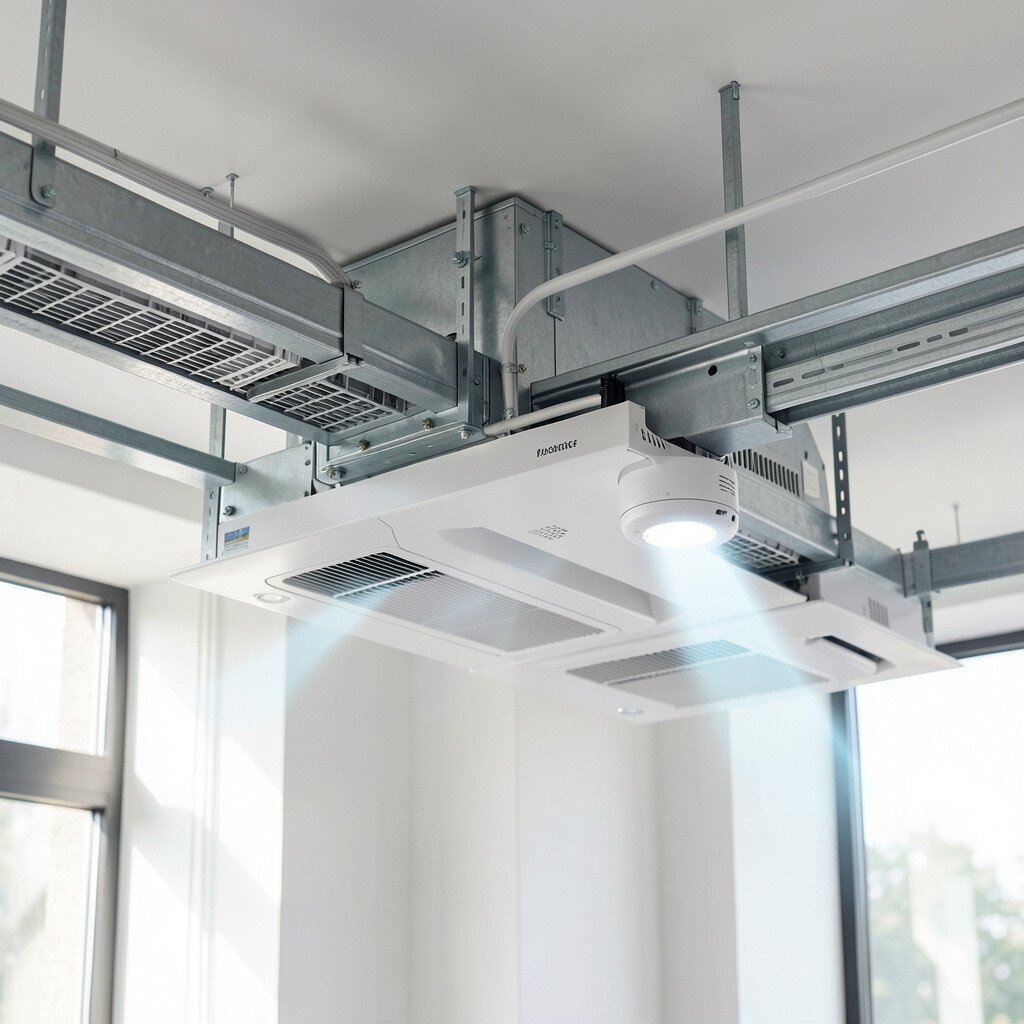
Two rooms can show the same temperature reading yet feel totally different. That’s where airflow-aware sensing helps you understand what’s actually happening.
Place sensors in the rooms you care about and use them to guide comfort schedules and damper settings. Many current home setups are leaning on sensors because they make adjustments feel more personal and less guessy. For practical tips, avoid placing sensors in direct sunlight or right above vents.
Cost depends on how many sensors you add, but starting with a single key area can be a smart first step. A small investment can help you find the real airflow issues without tearing into ductwork.
When you see how airflow changes throughout the day, it becomes easier to tune your system.
20. Upgrade Duct Insulation for Better Efficiency and Comfort
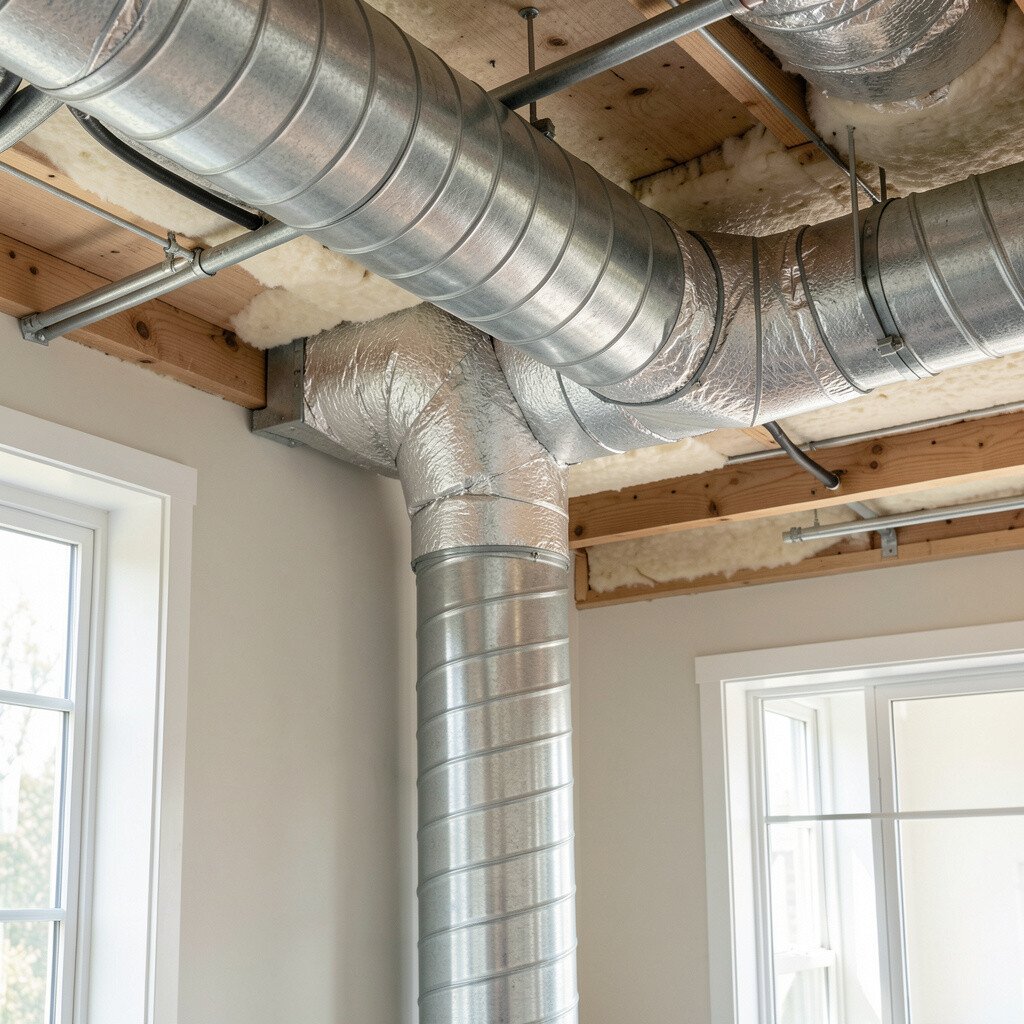
Uninsulated ductwork can lose cool air in summer and lose warm air in winter. That loss often shows up as uneven room comfort and higher energy bills.
Adding duct insulation can help air stay at the right temperature as it moves through your home. Keep the insulation sealed properly and check that it doesn’t restrict airflow. If your home has crawl spaces or attic runs, insulation upgrades can feel especially valuable.
For cost considerations, insulation is often midrange compared to full system replacement, and it improves comfort quickly once done. Choose insulation rated for HVAC so it fits safety and durability needs.
It’s a practical upgrade that also makes the air feel more stable day after day.
21. Plan an Airflow Audit Before You Spend on Big Changes
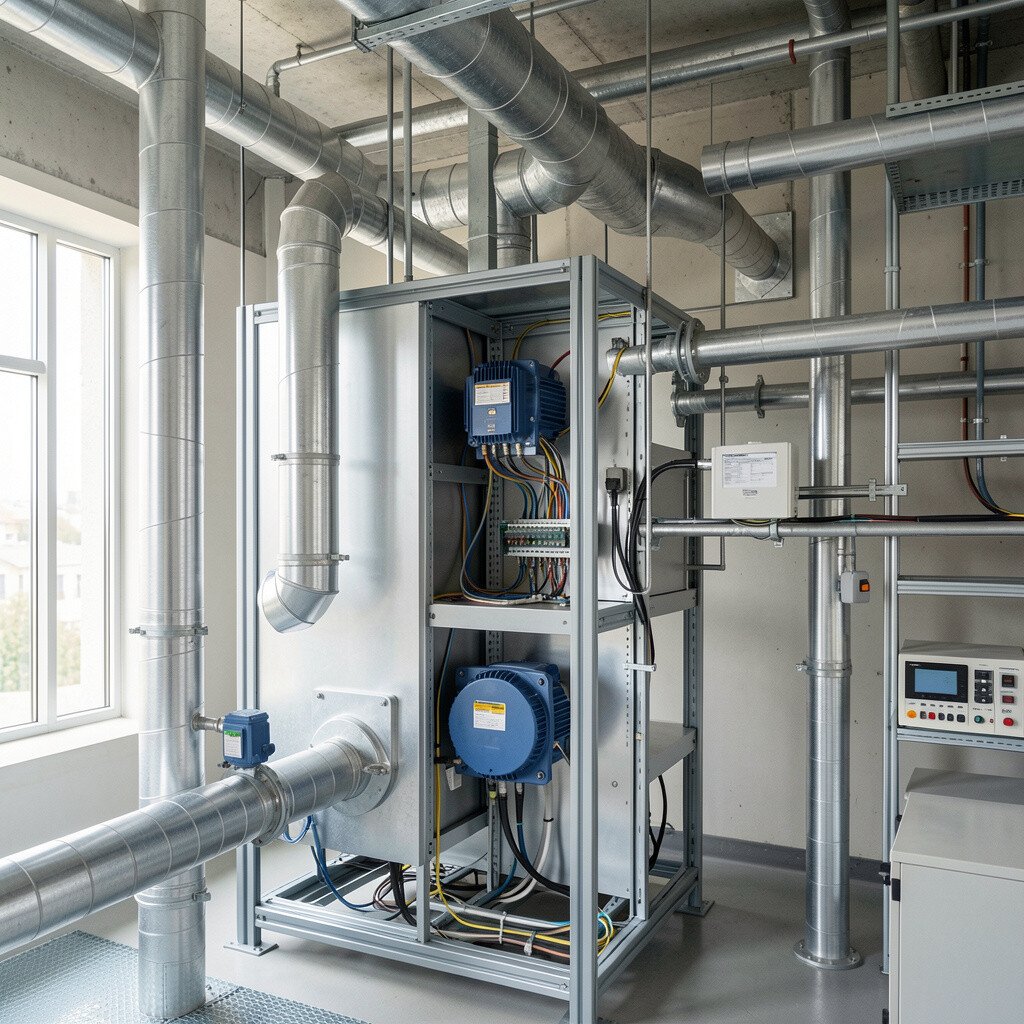
An airflow audit helps you see the actual problem, not just the symptom. If one room feels off, the cause might be duct layout, return strength, leak location, or blocked pathways.
Hire a professional or do a careful DIY check with tools like a thermometer and basic airflow measurements. Look for air leaks, uneven vent temperatures, and spots where furniture or storage blocks movement. For personalization, write down what you feel in each room at different times so the audit is grounded in real life.
Budget comes into focus after you know what’s wrong, because you can prioritize the most helpful fixes first. Current trends lean toward smaller targeted improvements guided by measurement, since that often gives better results than random upgrades.
With a clear plan, your airflow system can finally feel like it’s working for you.